





Christopher Nolan’s The Odyssey may follow Odysseus’ journey home, but its women shape what that journey ultimately means. From Penelope’s quiet rule over Ithaca to Clytemnestra’s ruthless vengeance, each woman represents a different response to the aftermath of war. Together, they transform Homer’s epic into something larger than a hero’s homecoming, and become the moral forces that define it.
RELATED: How Ernesto Casillas Created Zendaya’s Ethereal Odyssey Beauty Look

Penelope, The Queen
Everyone remembers Odysseus as the great strategist, but The Odyssey has always had two rulers keeping Ithaca alive. While Odysseus wages war and journeys home, Penelope preserves the kingdom through diplomacy and quiet resolve. For 20 years, she manipulates her suitors, delays political collapse, raises Telemachus, and protects Ithaca without ever drawing a sword.
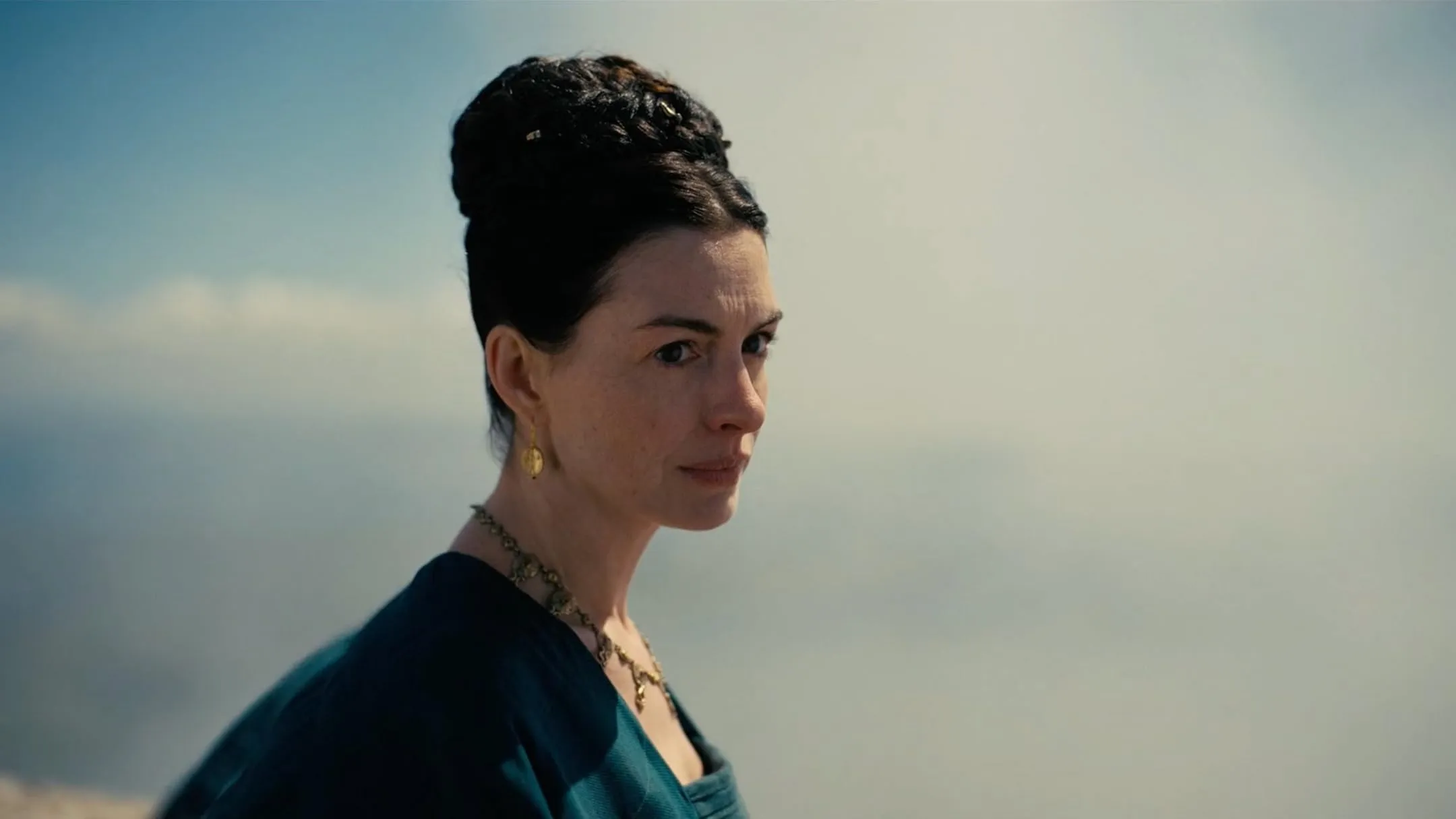
Even when she stands her ground against Telemachus, Penelope proves that ruling alone has only sharpened her resolve. Yet beneath her composure remains a woman waiting for her husband to return—a longing reflected in her regal gowns and meticulously kept appearance, as though she’s always prepared for the day her king finally comes home.
Athena, The Guide
In Homer’s epic, Athena serves as Odysseus’ divine mentor. Nolan, however, offers a far more psychological interpretation.
Rather than simply guiding the hero, Athena becomes the war he cannot escape—a haunting reminder of Troy and everything it cost him. Though she still offers wisdom, every appearance feels less like divine intervention than unfinished business.

She follows Odysseus not because he lacks direction, but because soldiers rarely leave war when the battlefield disappears.
Calypso, The Escape
The immortal nymph Calypso keeps Odysseus on the island of Ogygia for seven years, offering him comfort, temptation, and even immortality in Homer’s text. Yet his longing for Penelope proves stronger.

Nolan strips Ogygia of its mythical splendor, turning it into a barren paradise where comfort slowly becomes another kind of prison. Yet Calypso is more than the woman preventing Odysseus from leaving. Ironically, she becomes the one who reminds him of the man he used to be.
In the end, Calypso loses not because she is unloved, but because home is something paradise can never replace.
Circe, The Sorceress
Every man who arrives on Circe’s island believes he can take something from her.
She reveals that travelers and seafarers have brought her nothing but pain, making her magic less an act of cruelty than one of self-preservation. The men she transformed into animals are not trophies of vengeance, but reminders of the violence she’s endured.
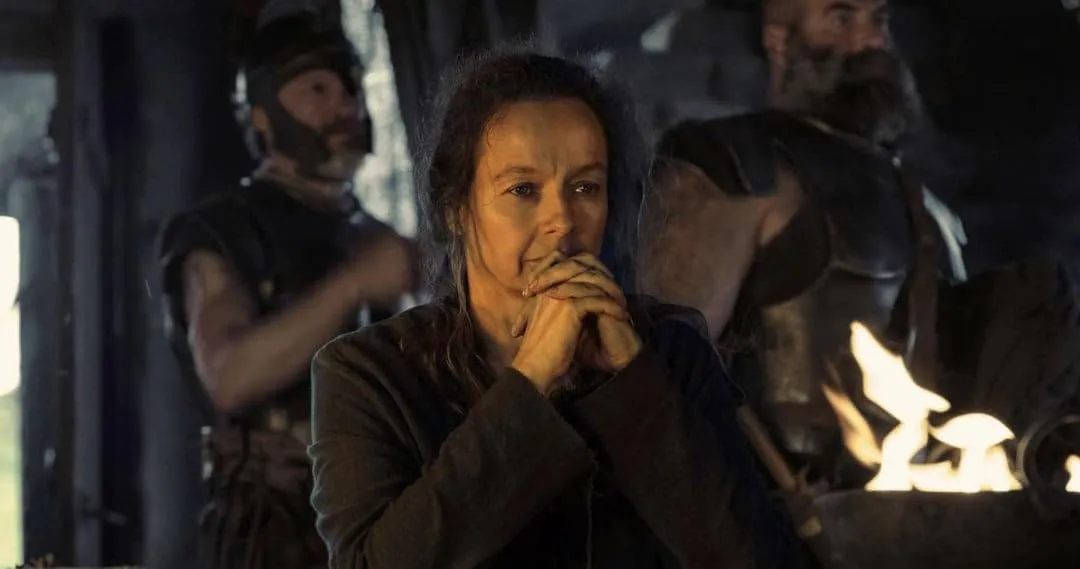
Odysseus becomes the exception. Rather than approaching Circe with entitlement, he meets her with restraint and respect. She doesn’t reward masculinity; she rewards empathy. Even after Odysseus and his crew spend a year on her island in Homer’s epic, she ultimately chooses to help them continue their journey home.
Helen, The Survivor
When people think of Helen, they often remember one of two things: the face that launched a thousand ships or the woman blamed for starting a war. Nolan offers a more poignant interpretation.
Her scar immediately reframes the mythology. Rather than suggesting beauty caused a war, Nolan suggests that war rewrites beauty itself. Violence leaves marks—even on the woman history remembers only for her face.

Helen understands what happens when women become prizes in men’s wars. Her warning to Telemachus becomes more than advice—but an attempt to stop history from repeating itself.
Clytemnestra, The Avenger
Nolan’s decision to make Clytemnestra Helen’s twin may surprise longtime readers of Greek mythology, but it also creates one of the film’s most compelling contrasts. Like Penelope, Clytemnestra spends years waiting for her husband to return from Troy. But unlike the Queen of Ithaca, she has no intention of welcoming him home.
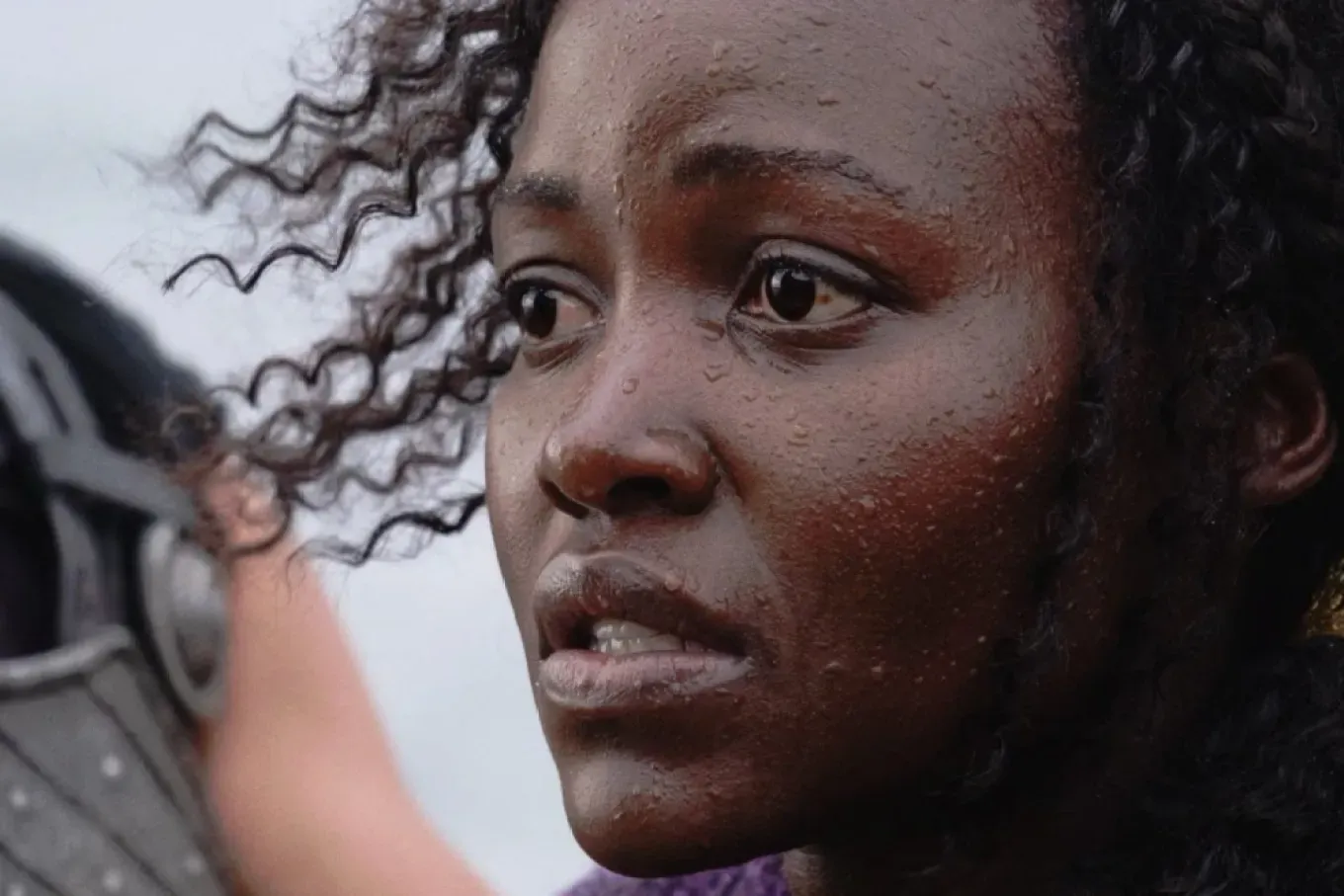
After Agamemnon sacrifices their daughter Iphigenia to secure victory in war, Clytemnestra patiently waits for his return before killing him herself. It’s vengeance, but more importantly, it’s justice as she understands it.
Her story becomes even more fascinating when placed beside Penelope’s. Both women endure years of absence. Both preserve something while their husbands are away. Yet where Penelope protects a kingdom, Clytemnestra destroys one. One welcomes her husband home. The other makes sure he never leaves it alive again.
Collectively, these women represent a different response to men returning from war in Nolan’s The Odyssey. Penelope waits, Athena haunts, Calypso shelters, Circe tests, Helen warns, and Clytemnestra punishes. It becomes an exploration of how war lingers in every person forced to live in its aftermath.
Featured Image and Photos: UNIVERSAL PICTURES, THE ODYSSEY (via IMDB)
Frequently Asked Questions
Anne Hathaway plays Penelope, Odysseus’s wife, who rules Ithaca for 20 years through diplomacy and quiet resolve while waiting for his return.
Zendaya plays Athena, whom Nolan reimagines less as a divine mentor and more as a psychological haunting, representing the war Odysseus cannot escape.
Samantha Morton plays Circe, portrayed not as a cruel sorceress but as a woman using magic for self-preservation after enduring repeated harm from traveling men.
Lupita Nyong’o plays both Helen and Clytemnestra as twins, a departure from traditional mythology that creates a contrast between Helen’s warning about violence and Clytemnestra’s vengeance against Agamemnon.
Charlize Theron plays Calypso, who keeps Odysseus on the island of Ogygia for seven years; Nolan portrays her island as a barren paradise that ultimately cannot replace Odysseus’s longing for home.

Recommended Video
Latest Posts




Latest Issue