




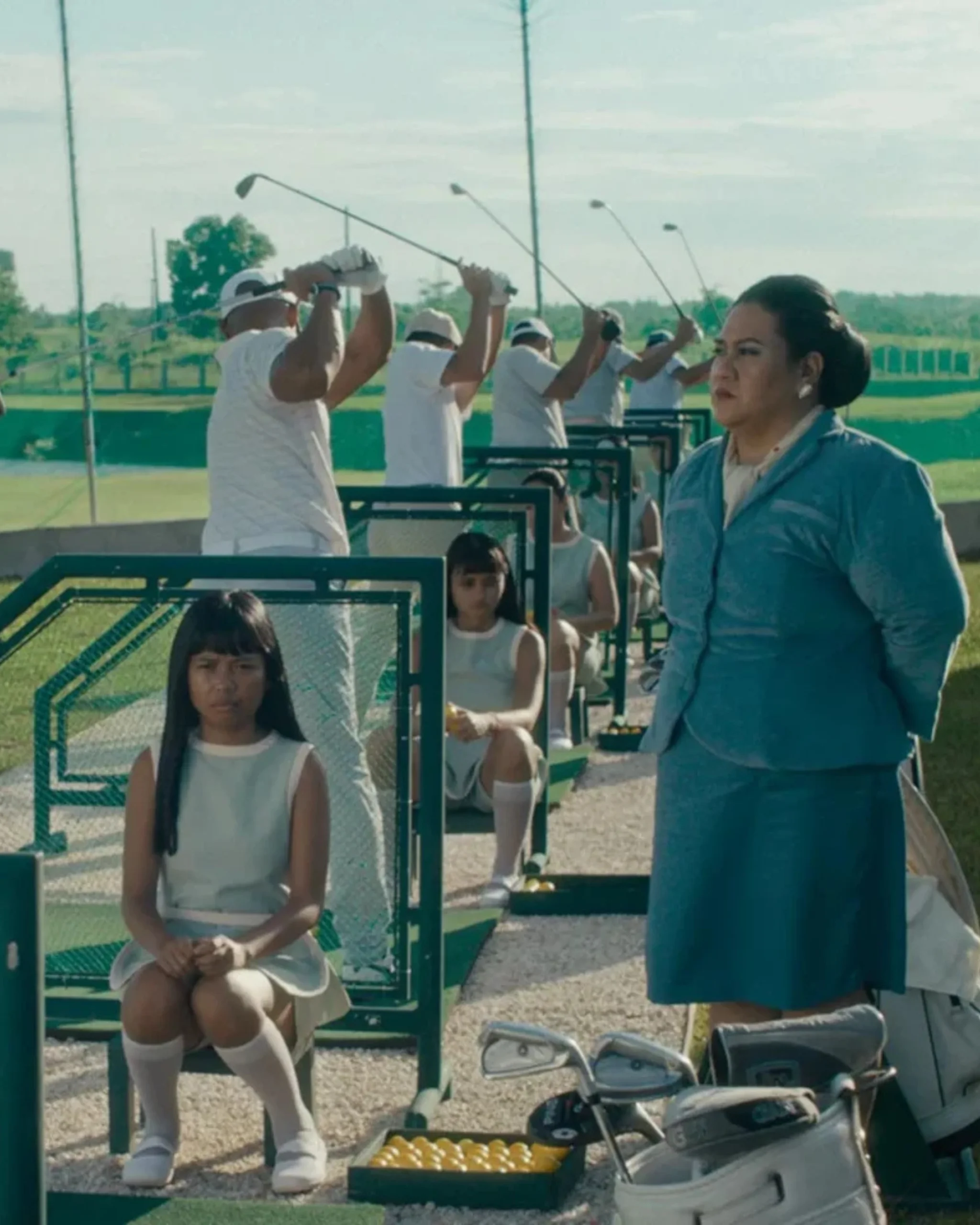
It’s been said before, and it will be said again: Filipino movies aren’t only great, but they are deserving of the global spotlight. One such film that has been doing just that is Rafael Manuel’s Filipiñana. Making its debut at the 2026 Sundance Film Festival, the premier film festival for independent cinema, the movie has been climbing the ranks among cinephile circles as a movie to have on your radar. But with its recent trailer debut and upcoming screenings in the US and the Philippines, Filipiñana might just be one of the most talked-about Filipino movies of the year. Here’s what you need to know about the project.
RELATED: The Must-See Movies of 2026 So Far
Filipiñana: A Story of a Teenager’s Descent Into Class Imbalance
Filipiñana is written and directed by Rafael Manuel and is an international co-production between the Philippines, Singapore, the United Kingdom, France, and the Netherlands, though it is entirely set in the Philippines. The movie tells the story of a 17-year-old teenager named Isabel (Jorrybell Agoto) from Ilocos who gets a job as a caddie and tee girl at an exclusive country club. It is here that she meets Dr. Palanca (Teroy Guzman), the golf club’s owner and president, whom she slowly becomes curious about.
But as Isabel digs deeper into the club, she navigates a world run by money, wealth, class, privilege, and exploitation and discovers dark truths that the club’s members would rather keep secret. As the golfers and members enjoy the privileges of the club, its staff contend with bare-bones spaces given to them. With the rise in popularity of golf and membership-only establishments in the country over the past few years, the movie takes a sharp look at the class divides that run below its surface. To achieve the movie’s golf club setting, the filmmakers actually filmed in real golf clubs such as in Laguna and Batangas.
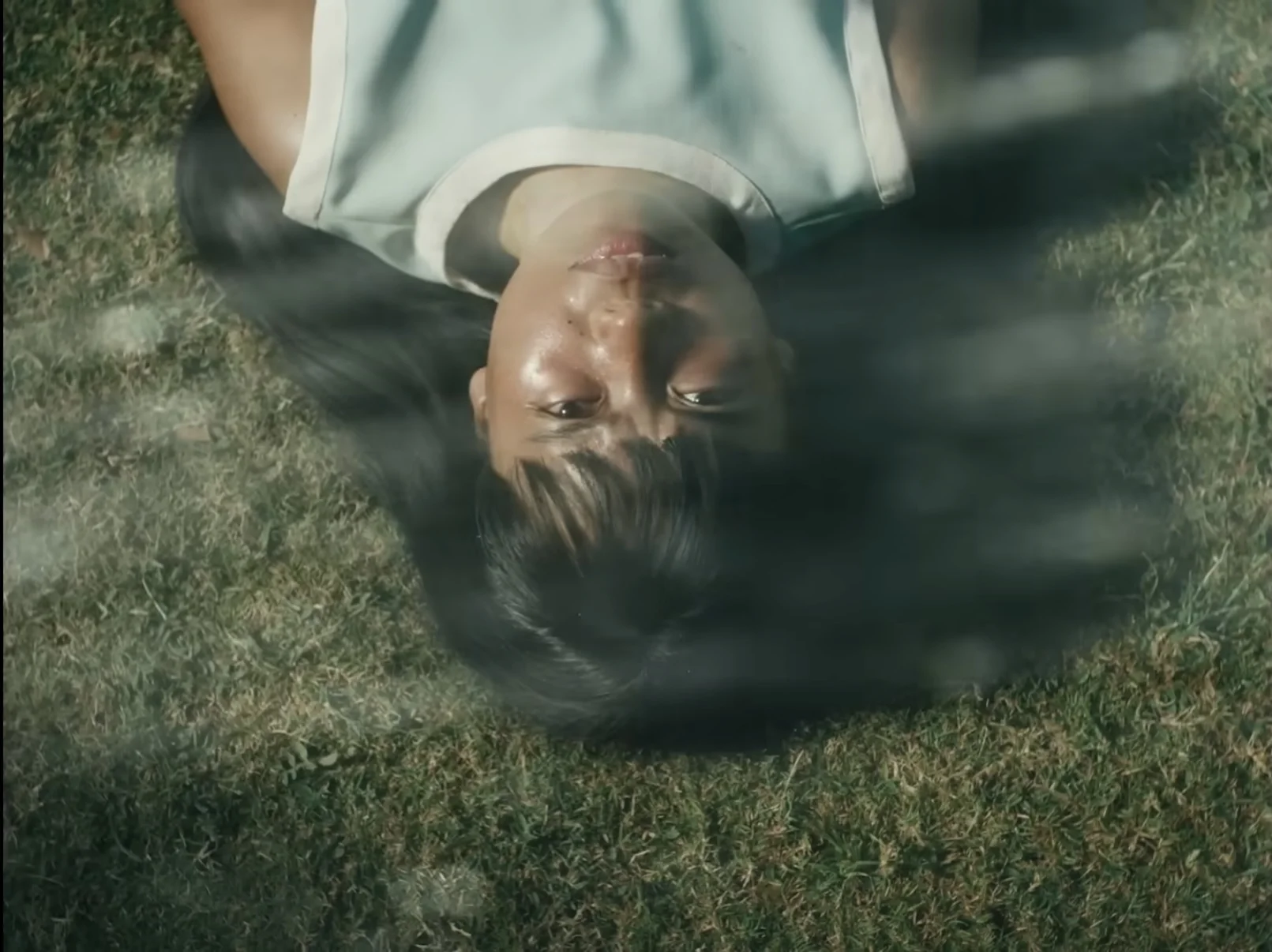
The film is making waves now, but Filipiñana’s story spans years and a different medium. It began life as a screenplay from Manuel while he was at film school in London in 2018. He then expanded the concept into a short film that also starred Agoto as Isabel. That short film premiered at Berlinale in 2020 under the Shorts Competition. Even then, the potential was already there as the movie won the prestigious Silver Bear Jury Prize for Best Short Film and was even added to the Criterion Collection.
A few years later, work began on turning the award-winning short film into a feature-length movie, which manifested into the film we have today. Just like the short film, the full-length project would premiere at a top international film festival, this time being Sundance in January 2026, where it was nominated for the Grand Jury Prize for Dramatic Features and won the Special Jury Award for Creative Vision in World Cinema.
In giving Filipiñana the award, the jury praised the movie for its visual language and sharp commentary on class and privilege. “With stunning visual command and sensitivity to the setting, the filmmaker thoughtfully evokes a world where characters languish. Through its static form, the filmmaker highlights insidious tension between luxuryLuxuryrefers to a state of exceptional comfort, elegance, and quality, often characterized by premium craftsmanship, exclusivity, and superior experiences.Go to Luxury Glossary and labor,” the citation read. Filipiñana would then return to Berlinale for a screening the following month.
A Stunning Movie With a Message to Share
With film festivals and awards recognition under its belt, Filipiñana was already a Filipino film to watch for this year. But with the release of its official trailer this July, that discourse entered the pop culture conversation. Many pointed out the movie’s visual similarities to those of Wes Anderson’s films with its use of pastels, composition, framing, space, and symmetry. And while those comparisons are understandable, Filipiñana is more than just a Wes Anderson clone (though that isn’t a bad thing to say about a movie).
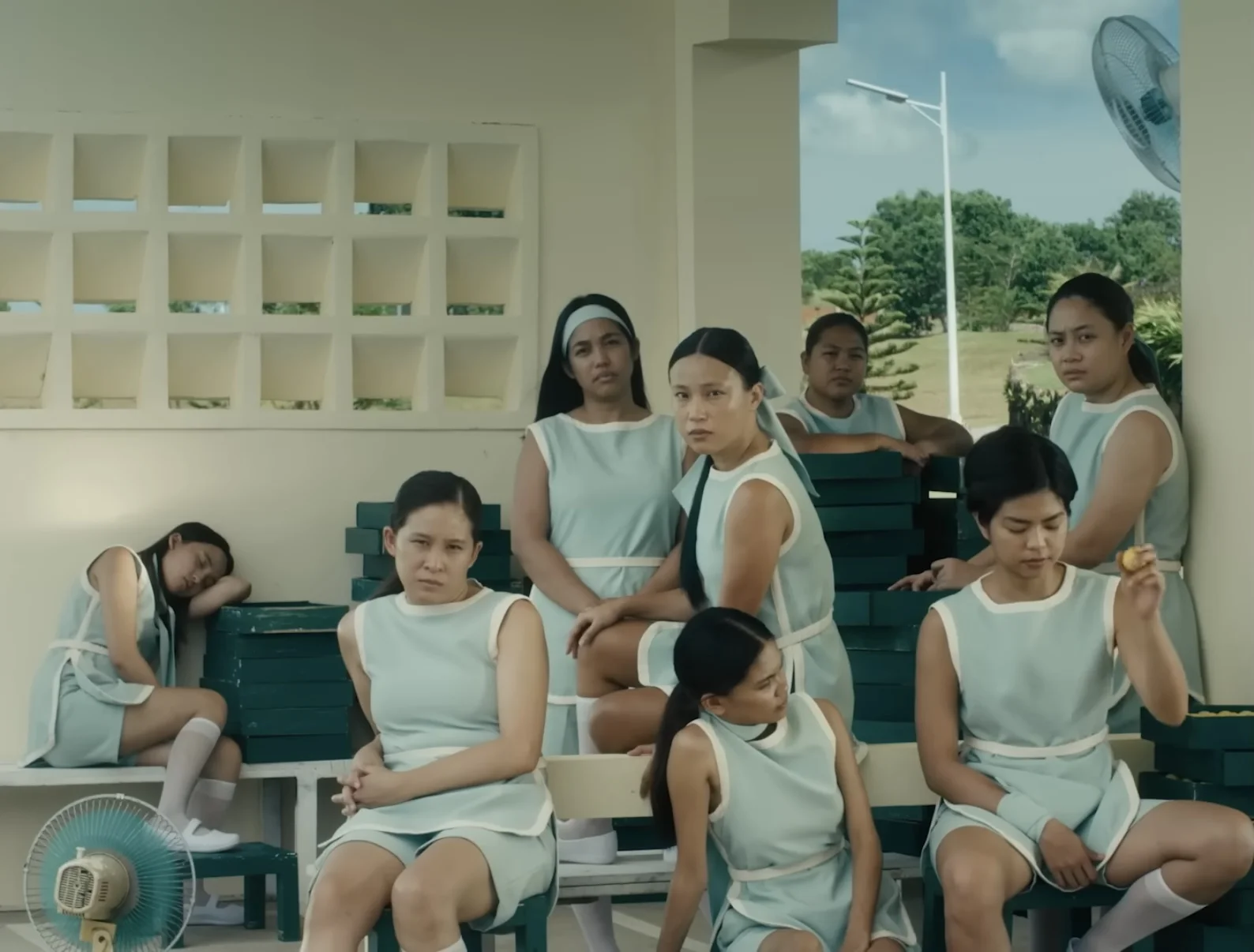
Through its intriguing production design, striking cinematography, and intentional color grading, the movie serves as a darkly comedic social satire about power imbalance in the Philippines through the lens of country clubs. By the trailer alone, it’s a visually compelling film that uses atmosphere, style, and direction to make you feel unsettled as you can’t help but feel like there’s something wrong underneath the surface. It plays on discomfort in what should be relaxing but privileged spaces to highlight the dynamics at play.
In a way, the film reminds us of Parasite in that it’s about someone from a lower class trying to assimilate themselves into the rich and powerful but instead finds a rot that doesn’t want them there. Few places in the country have that kind of contrast more than a golf club, where those who can afford memberships and enjoy its amenities are part of a small group of elite while those who service them are not.
On that end, one of the movie’s most notable elements is its use of a fake ending, where the credits start rolling early in the movie, giving a false sense to viewers that it’s over when the real credits appear later in the film.
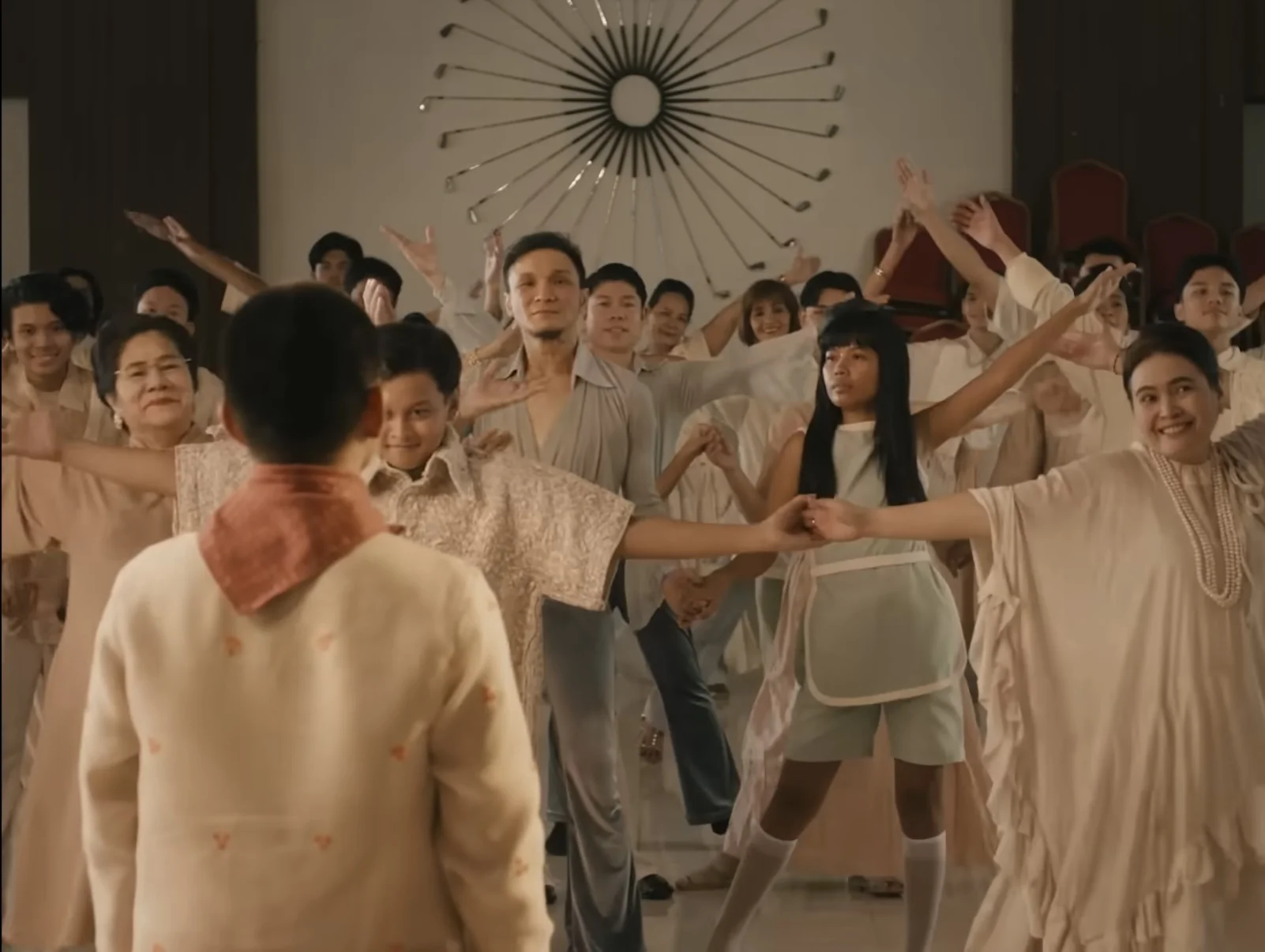
This discourse has given Filipiñana a lot of hype, and the best part is that viewers won’t have to wait long to catch it in cinemas. In the US, the movie is set to screen in theaters starting on August 28 for an awards season qualifying run, while in the Philippines, it serves as the closing movie of Cinemalaya 2026, with a screening scheduled on August 16 at 8:30 PM at Red Carpet Cinemas 1 and 2, Shangri-La Plaza. For those who won’t be able to catch its Cinemalaya screening, the film will have its wide release on August 26.
In a time when awareness of corruption and abuse of power in the Philippines is at a high, Filipiñana looks to tap into this discontent as a social commentary with striking visuals and international recognition behind it.
Featured Image and Photos: Epicmedia Productions (via Instagram), Kino Lorber (via YouTube), IMDB (via Website)
Frequently Asked Questions
Filipiñana follows Isabel, a 17-year-old from Ilocos who takes a job as a caddie and tee girl at an exclusive country club, uncovering dark truths about class, wealth, and exploitation as she grows curious about the club’s owner, Dr. Palanca.
Filipiñana won the Special Jury Award for Creative Vision in World Cinema at Sundance 2026, following its earlier short-film version’s Silver Bear Jury Prize for Best Short Film at Berlinale in 2020, which also earned a spot in the Criterion Collection.
Filipiñana serves as the closing film of Cinemalaya 2026, screening August 16 at 8:30 PM at Red Carpet Cinemas 1 and 2, Shangri-La Plaza, with a wide theatrical release in the Philippines following on August 26.
Filipiñana was written and directed by Rafael Manuel, an international co-production between the Philippines, Singapore, the UK, France, and the Netherlands, filmed entirely on location in real golf clubs in Laguna and Batangas.
Filipiñana draws comparisons to Wes Anderson’s visual style through its use of pastels, symmetry, and composition, while its themes of class divide and a lower-class outsider navigating an elite, hostile world echo Parasite’s social commentary.
Recommended Video
Latest Posts




Latest Issue