




To be young is to explore and discover yourself and the world. This time in a person’s life is meant to be when they figure out multiple things about themselves, such as the clothes they gravitate towards. Those adolescent and young adult years are when most women begin to form their sense of style in how they express themselves. Be it in flowy dresses and kitten heels or baggy clothes and kicks, dressing up should be for the woman to decide, as they find the style that suits them.
But time and time again, it seems that people always return to the conversation about how young women should dress, usually in the name of decency and respect. But the discourse is less on treating women right and instead places them in a box that was made by a society that wasn’t kind to women expressing themselves in the first place.
RELATED: 4 Women On Celebrating Their Bodies
Olivia Rodrigo and Andrea Brillantes Get Caught in the Debate
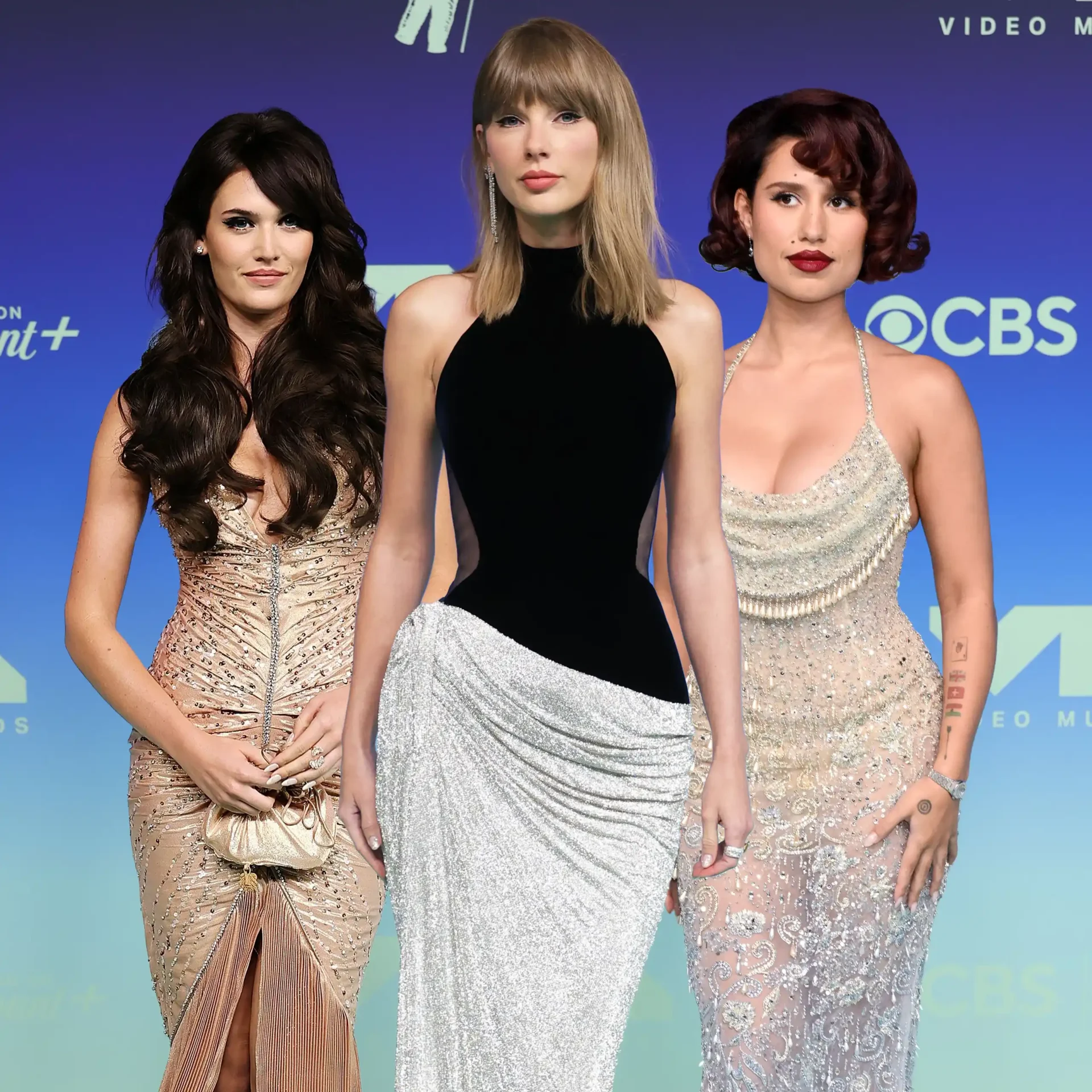
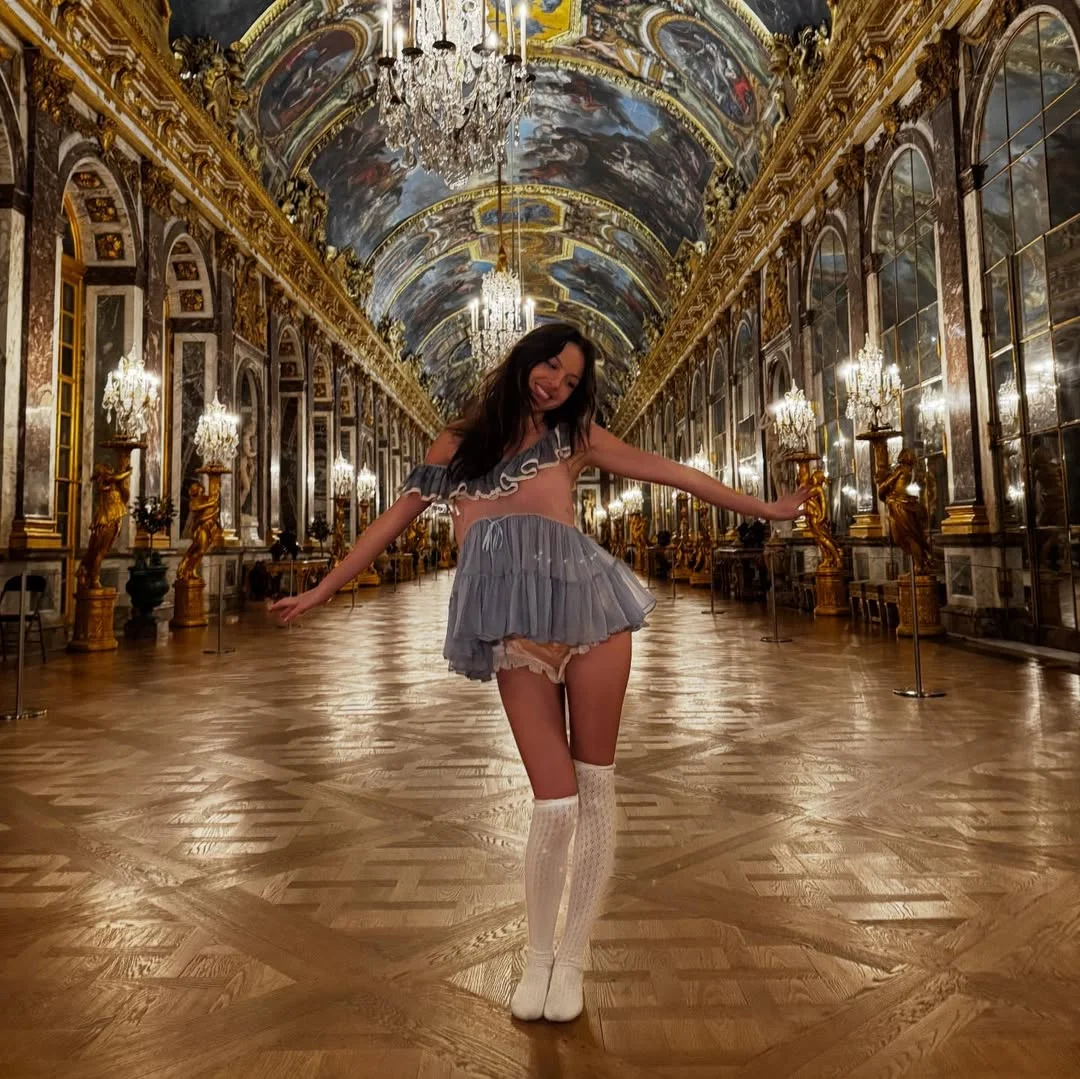
The debate about young women and their clothes has been on and off for decades, and recently, it has social media talking once more due to a couple of notable moments. Olivia Rodrigo has been busy promoting her third studio album, but she inadvertently found herself in a scandal when she wore a babydoll dress for a performance in Spain. Some called her out, saying that her tendency to wear babydoll dresses is infantilizing and plays to the predatory nature of certain men. Ever the outspoken Gen Z artist, Olivia reacted to the outrage and called out the mindset.
“What’s really disturbing is, I have worn outfits that are revealing onstage. I’ve been onstage in a sparkly bra and little shorts, which is my right, and I felt cool and comfortable. That wasn’t inappropriate, but I fully covered up in a dress that people deemed to be childlike was inappropriate,” she told the New York Times in an interview. She added that the discourse shows just how ingrained talking about women’s bodies is in society and how women are often held responsible when they get disrespected in public for the way they dress.
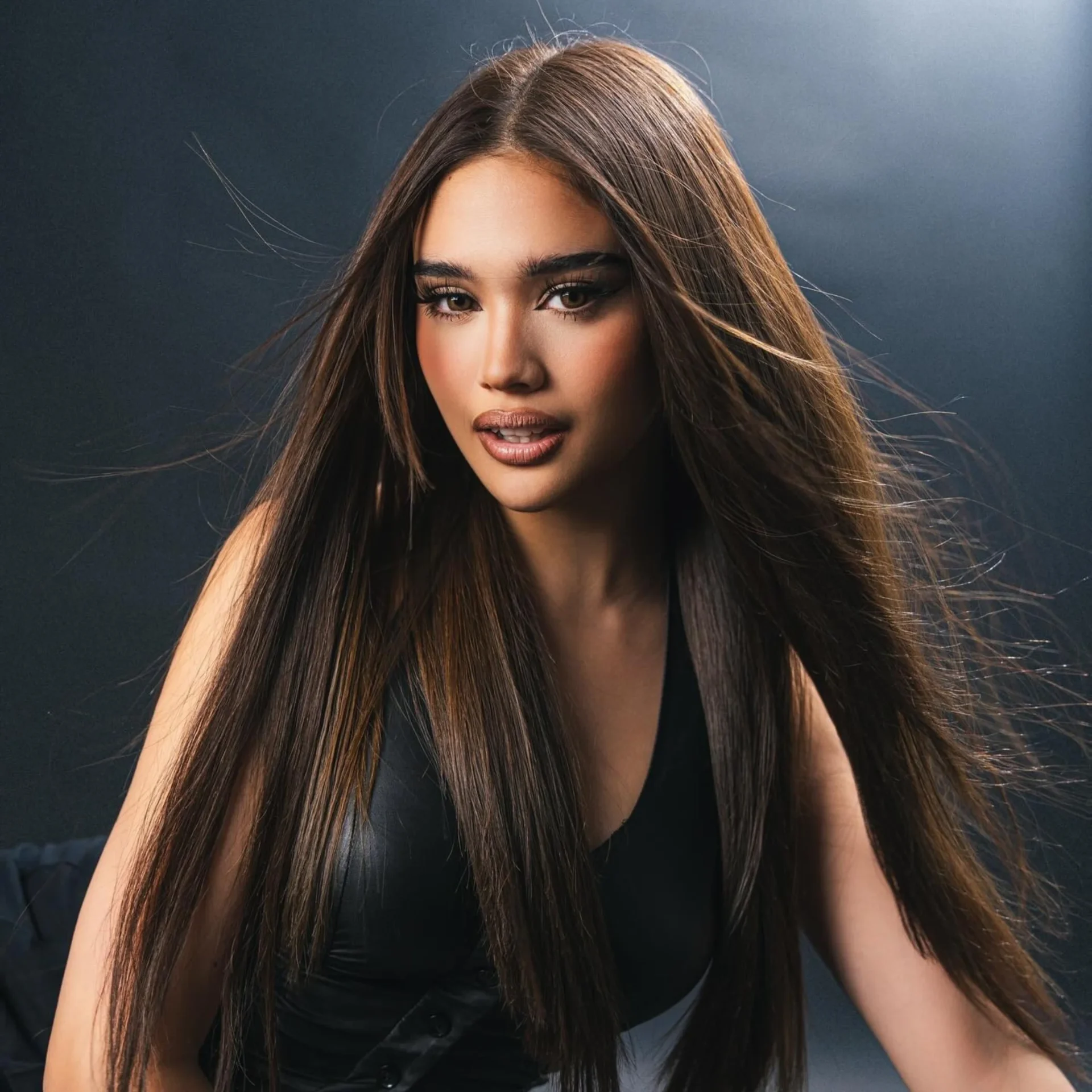
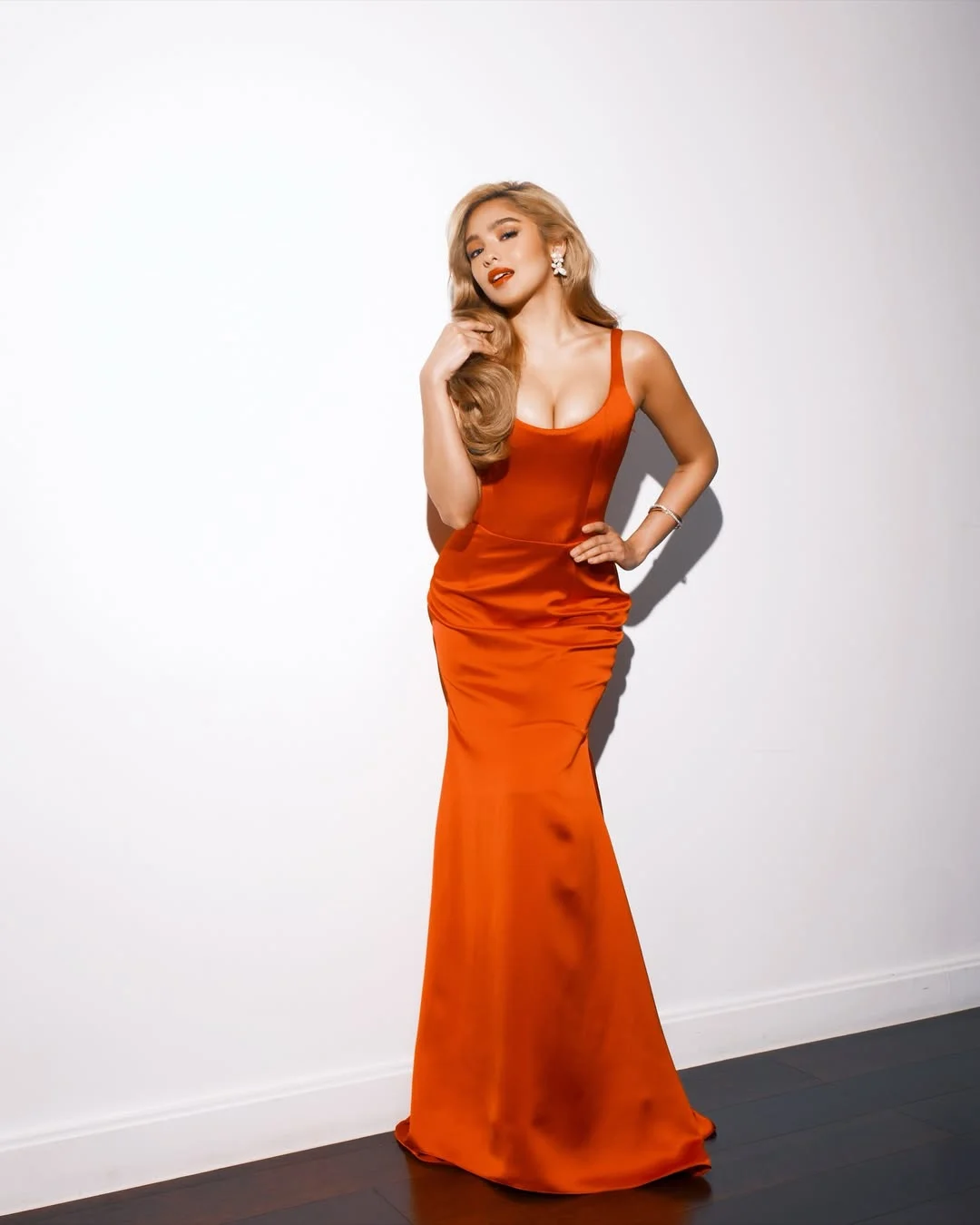
Meanwhile, Andrea Brillantes has been making waves lately for the more mature image she has been going for, such as the way she’s been dressing, embracing more of her sensuality. That, though, has ruffled some feathers who question the need for her to go sexy.
In an interview with Karen Davila, the Gen Z actress clapped back at the doubters, saying, “I don’t think people ask the same questions to men. Kapag may nagpapa-sexy naman sa mall show para magpakilig, people don’t go and say na, ‘Ba’t niya [men] ito ginagawa? Nalalaos ba siya?” Andrea Brillantes has been famous since she was a kid, but she has also been the subject of people who have been sexualizing her for most of her life.
Now that she’s at the stage of her life where she’s more than free to do and dress how she likes, Andrea has been calling out why people are suddenly questioning her decision to do so, adding in the interview that she’s not trying to prove a point and is just doing so because she wants to.
Why Young Women Should Be Free to Dress How They Want
Both of these young women came from opposite sides of the world, but it just goes to show that young women are often policed for what they wear and are rarely given grace in doing so. If a woman embraces her body or shows too much skin, they are criticized for being too sexy, but if a woman were to put on streetwear or cover up, they’d be made fun of for being too boyish or still sexualized.
Olivia, Andrea, and many more young women around the world should be using that time of their lives to dress how they want and explore and develop their style. However, women’s fashion becomes a landmine where women are judged and scrutinized for things that men can get away with. Young women are expected to walk a thin line in how they present themselves, and often to appease societal standards that have rarely benefited women. Some present the discourse of how young women dress as a way to respect themselves, but the conversation ultimately puts it on the women’s shoulders how other people treat them.
Anything a woman wears will eventually be twisted against her, even though that wasn’t their intention. It feeds into the idea that women should watch how they dress because a man will sexualize them and that they are “asking for it”. But seeing a woman and thinking about her body is you problem, not the woman’s. Women and girls should not be held accountable for how other people think.
Fashion has never stayed in one lane, as it’s constantly evolving and routinely going through different phases and cycles. It’s more than just clothes, but a reflection of one’s personality, style, and identity. It’s a form of self-expression, but the problem lies when people project their thoughts and ideas onto what young women wear and treat it as fact.
Policing how they dress or looking at their styling choices with malice does nothing to address actual problems and says more about society’s view on women than the women themselves. Young women should be free to explore how they want to embrace themselves through fashion because confidence and individuality aren’t and should never be controversial.
There’s Power in Self-Expression
This conversation on how young women dress will probably find its way into the cultural conversation again soon enough. Each generation has dealt with it, and with the oldest of Gen Alpha soon coming of age, those young girls will probably experience it too. But it’s important to note that limiting your style or sense of fashion to appease people you don’t even know is not the way to go.
It’s not on young women who just want to dress up however they like to change people’s mindsets and mentality. In a world that constantly tells young women what to do and how to dress, it’s confidence, individuality, and self-expression that should be encouraged, not ridiculed. They’re still figuring it out, and there’s already a lot that comes with being a young woman, so there’s no need to immediately assume the worst in what they do. At the end of the day, it is a fact of life that you can’t please everyone, so don’t be afraid to choose yourself.
Featured Image and Photos: SPOTIFY (via Instagram), OLIVIA RODRIGO (via Instagram), ANDREA BRILLANTES (via Instagram)
Frequently Asked Questions
Olivia Rodrigo faced criticism during her Spain performance for wearing a babydoll dress, with some arguing the style infantilizes women. She pushed back, noting that the backlash reveals how society applies contradictory standards to women’s fashion regardless of how much — or how little — they show.
Andrea Brillantes, who has been in the public eye since childhood, has embraced a more sensual image as an adult. She has called out the double standard directly, pointing out that men in similar situations are rarely subjected to the same scrutiny about their appearance or career choices.
Policing women’s fashion refers to the social practice of scrutinizing, criticizing, or restricting how women dress — often framing clothing choices as moral statements. It places the burden of how others perceive or treat women on the women themselves, rather than on those doing the perceiving.
Young women’s fashion is scrutinized more heavily because cultural standards have historically tied women’s clothing to their character, respectability, and safety. These standards rarely apply equally to men, creating an asymmetry that both Olivia Rodrigo and Andrea Brillantes have publicly addressed.
Fashion functions as a language of identity — particularly during adolescence and young adulthood, when personal style is still forming. For young women, being free to dress without judgment is connected to broader questions of autonomy, confidence, and the right to define themselves on their own terms.