



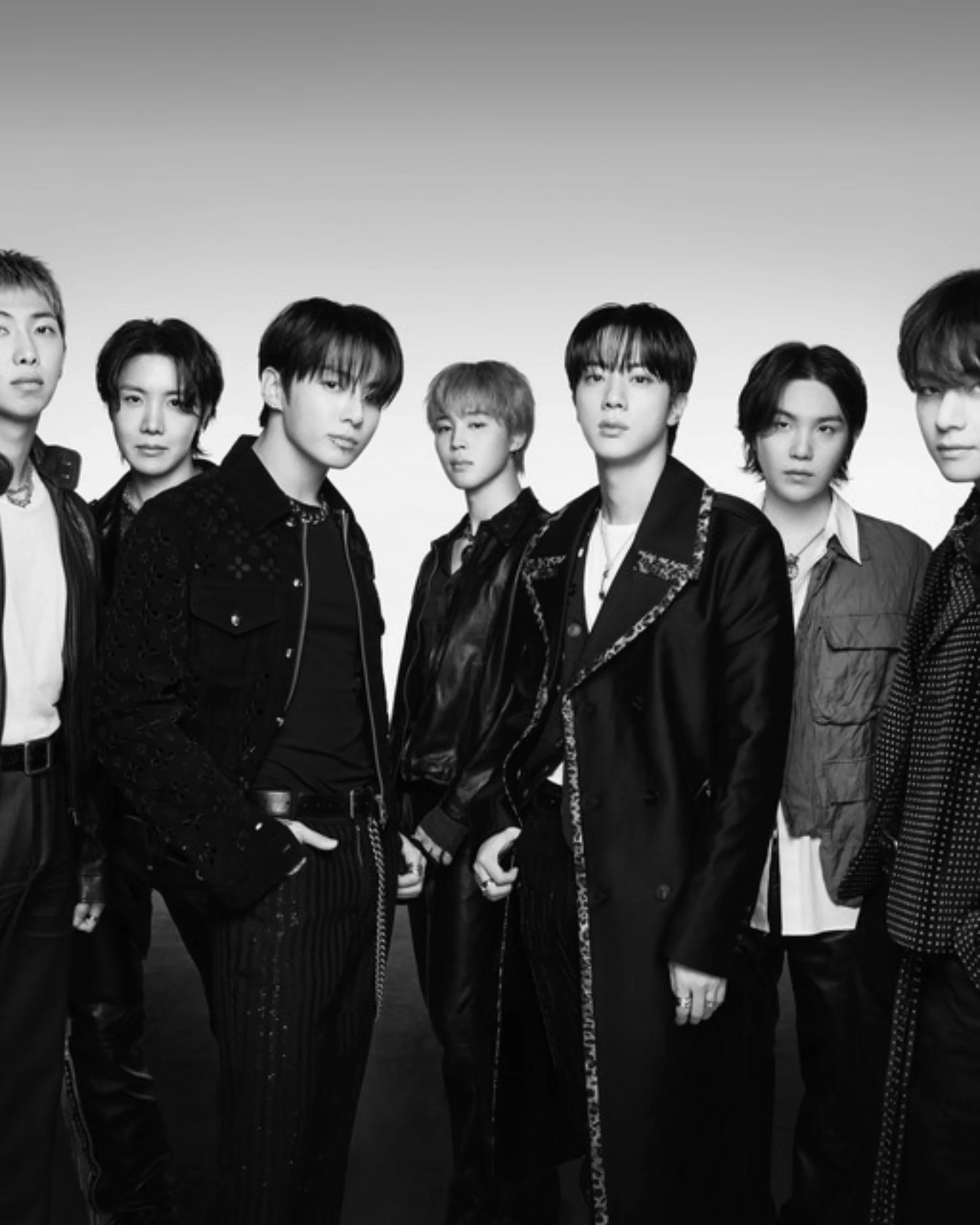
What would you do if one of your favorite celebrities found themselves in a scandal of their own making? Do you call it out or just sweep it under the rug? That’s the case many ARMYs have found themselves in after BTS members RM and J-Hope attended a Chris Brown concert recently. Chris Brown, of course, is infamously known for assaulting Rihanna when they used to date, along with a host of other issues and problematic behavior.
As such, their attendance rubbed a lot of fans the wrong way in how they would associate themselves with someone who has a checkered past and whose actions have run contrary to what BTS has stood for, at least publicly. While fans can ultimately do whatever they want, it’s during these moments that remind us just because we’re a fan of someone doesn’t mean they are immune to making mistakes, and, more importantly, being held accountable for it.
RELATED: When It Comes to Fandom, Parasocial Behavior Will Always Rear Its Ugly Head
When Your Favorite Celebrity Gets Problematic
With the rise of stan culture comes the type of fan who views their faves as almost God-like, who can do no wrong. Yet, venerating someone that you think is flawless and beyond criticism is not the way to go. Everyone, even the names on your stan list, is imperfect in one way or another.
Fan familiarity and the idol persona are a powerful combo that makes us think that they could never do it. But they can, and thinking otherwise can blind us to the fact that we are allowed to and should hold them accountable, especially when it goes against the image and persona they’re known for.
RM is seen by many as a role model of what healthy masculinity looks like, a man who openly embraces art, culture, history, and literature and sees the active consumption of these fields as part of his growth. There’s even a slang word born out of this behavior called “Namjooning”, which is used to describe someone who likes to go to museums, look at art, be around nature, read books, and the like. And this is on top of BTS’ philanthropy and charitable causes they’ve supported, such as their Love Yourself campaign. This doesn’t mean RM is flawless, though, but he at least had fans expecting he’d act a certain way.
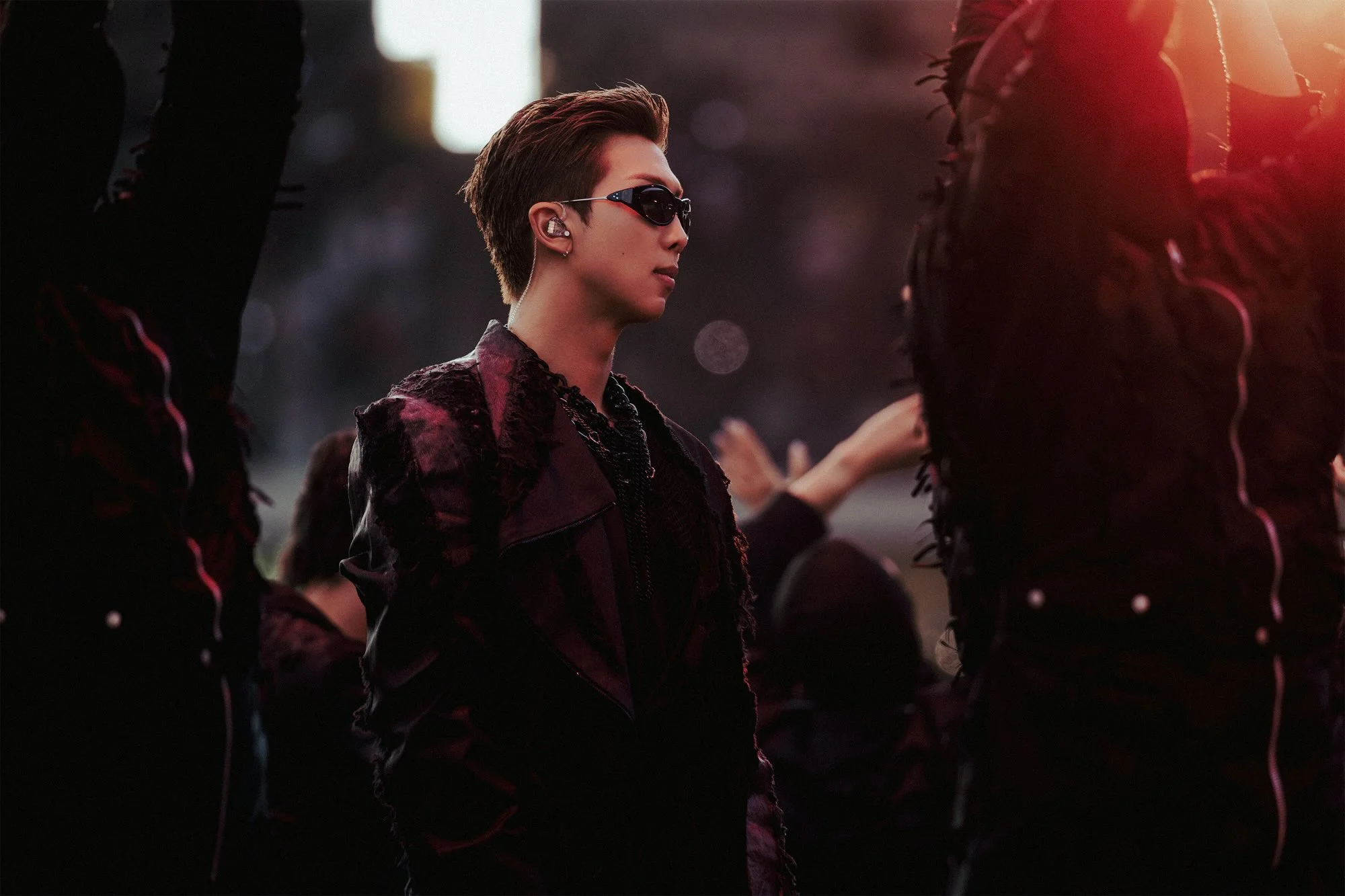
So, when RM showed up to the Chris Brown concert and looked like he had a great time, it felt like whiplash to many who saw RM as someone who wouldn’t do something like that. At best, it’s a sign of RM and J-Hope’s ignorance that they don’t know about Chris Brown’s past, and at worst, they do know, but they are privileged enough to enjoy his music without taking his actions into account, something women unfortunately aren’t granted, especially those who have experienced or know other women who have been victims of domestic violence and abuse.
But it just goes to show that you never know your idols, and while some say that they are people who can do whatever they want, that doesn’t mean fans who don’t agree with their actions should just accept it as is and ignore their own values. Fans have the right and should call out artists when they do something wrong. Your faves are human too, not angels sent from above, so it’s not wrong to hold them accountable for their actions and know when they made a mistake. After all, people don’t learn and grow if they can’t turn their mistakes into teachable moments.
We shouldn’t always put them on pedestals and see them as people who can do no wrong. We all wish the artists we like and follow are good people. But they are still people, and sadly, that means they are fallible. Yes, RM, J-Hope, and the rest of BTS, for that matter, have free will to support who they want to support, but fans are also free to have their voices be heard, especially when it crosses the line and falls into problematic behavior.
A Person First Before a Fan
We shouldn’t expect idols to be perfect people, but they are public figures with influential platforms and whose actions can affect others, so holding them accountable isn’t a crime but part of what comes with their position. And that also means not getting into wars in comment sections just to defend them because they aren’t your family or friends. Even if you don’t call them out, you shouldn’t feel guilty for changing how you feel about them, whether that be by establishing boundaries, taking a step back, or removing the rose-tinted glasses you used to see them through.
At the end of the day, supporting celebrities, like with most acts, requires critical thinking. Unless there is a close personal relationship established with the personality, we really do not know our idols, and we should put an asterisk on the unyielding support we give them. Celebrities should not have that much power over you and your life to the point where you feel like you have to look another way just because you are a fan.
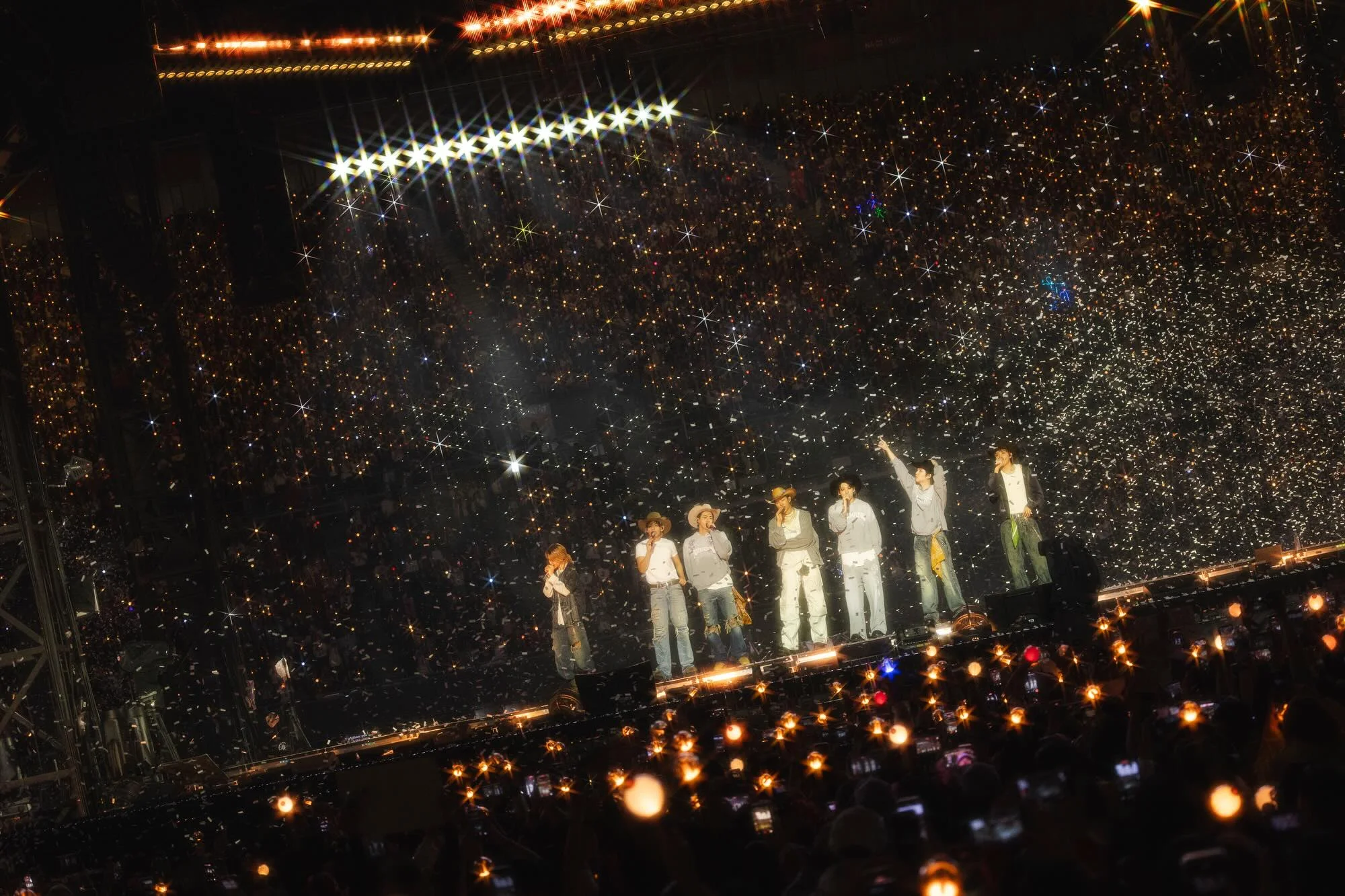
You are a person first before a fan with morals and values that go above sticking by your fave. Being a fan is still a choice, after all, and you have the choice to build boundaries, set limits, manage expectations, and stand by your beliefs over the actions of your favorite celebrities. And despite what some may say, doing so doesn’t make you a “fake fan”.
You can still show your support or consume their art, but there should also be a reality check that celebrities aren’t above you and that you aren’t bad for speaking your mind when it comes to it. Acknowledge the behavior, reassess your support without guilt if it goes against your values, and avoid excusing their actions just to defend them. Your stan card won’t decline just because you don’t agree with their actions or take a step back from the idolization of it all. So, remember that idols aren’t perfect; it’s ok to put boundaries in your stanning.
Feature Image and Photos: BTS (via Instagram)
Frequently Asked Questions
Chris Brown is known for assaulting Rihanna and other problematic behavior, so RM and J-Hope’s attendance felt contrary to BTS’s public image and philanthropic causes, like their Love Yourself campaign, leaving many ARMYs feeling their idols’ actions didn’t match their values.
Yes. Being a fan doesn’t require unconditional support. Celebrities are public figures whose actions can affect others, so holding them accountable isn’t wrong—it’s part of critical, values-driven fandom rather than treating idols as flawless.
“Namjooning” is a slang term inspired by BTS member RM’s habits, describing someone who enjoys going to museums, looking at art, spending time in nature, and reading books, reflecting the kind of thoughtful, culturally engaged behavior RM is known for.
No. Setting boundaries, disagreeing with an idol’s actions, or stepping back from idolization doesn’t make someone a fake fan. Being a fan is a choice, and fans can still support an artist’s work while holding their own values and standards.
Fans can acknowledge the behavior, reassess their support without guilt, and avoid excusing it just to defend the celebrity. Critical thinking matters, since fans and idols rarely have a close personal relationship, meaning public personas don’t always reflect full reality.
Recommended Video
Latest Posts


Latest Issue