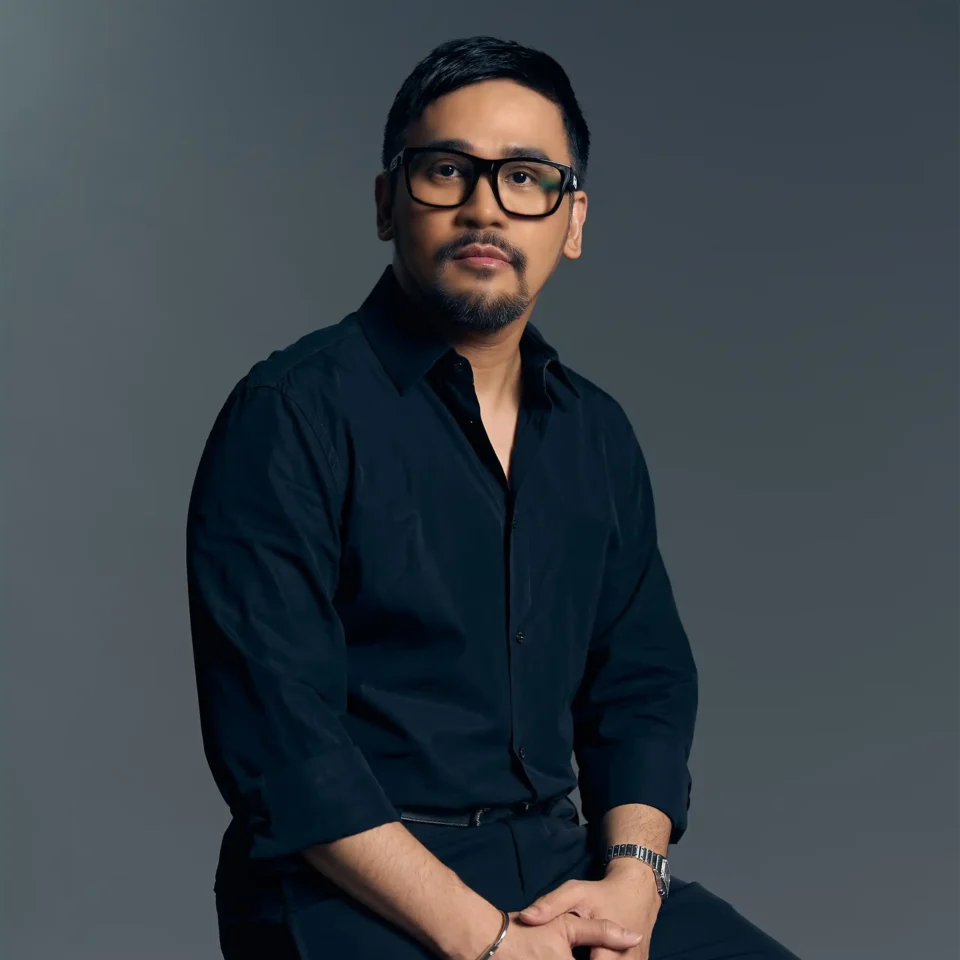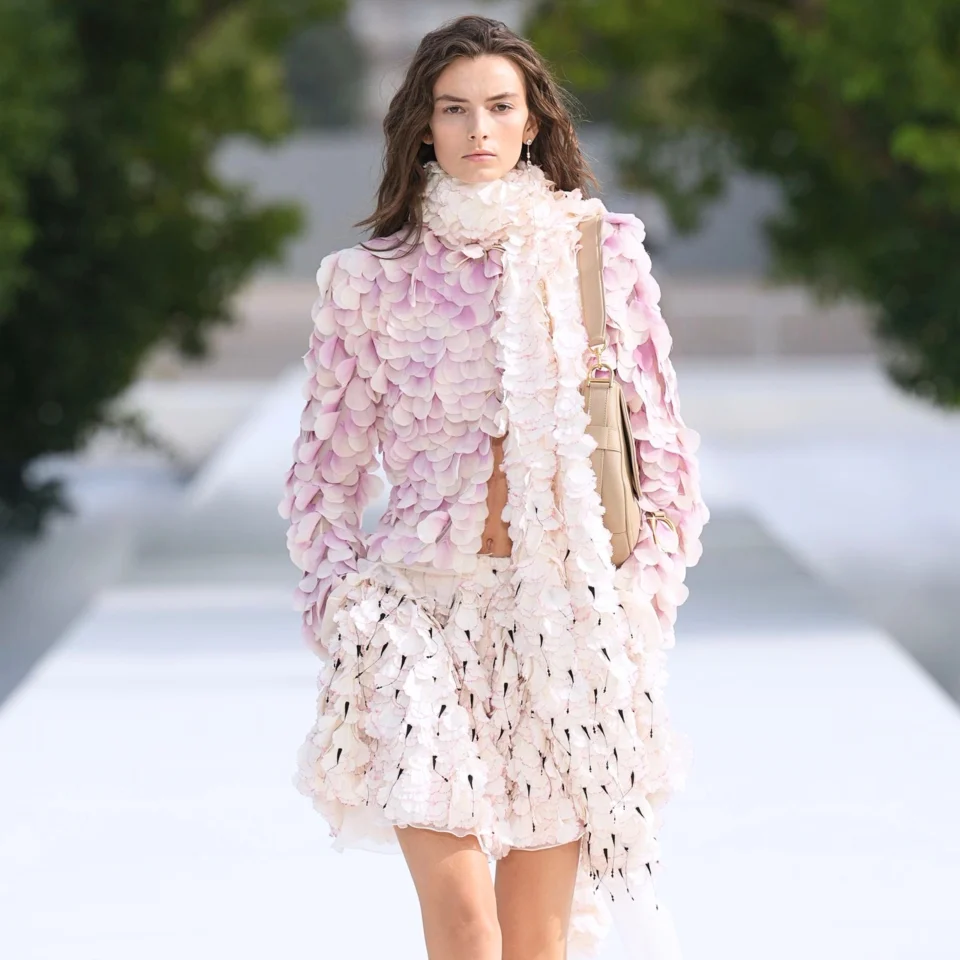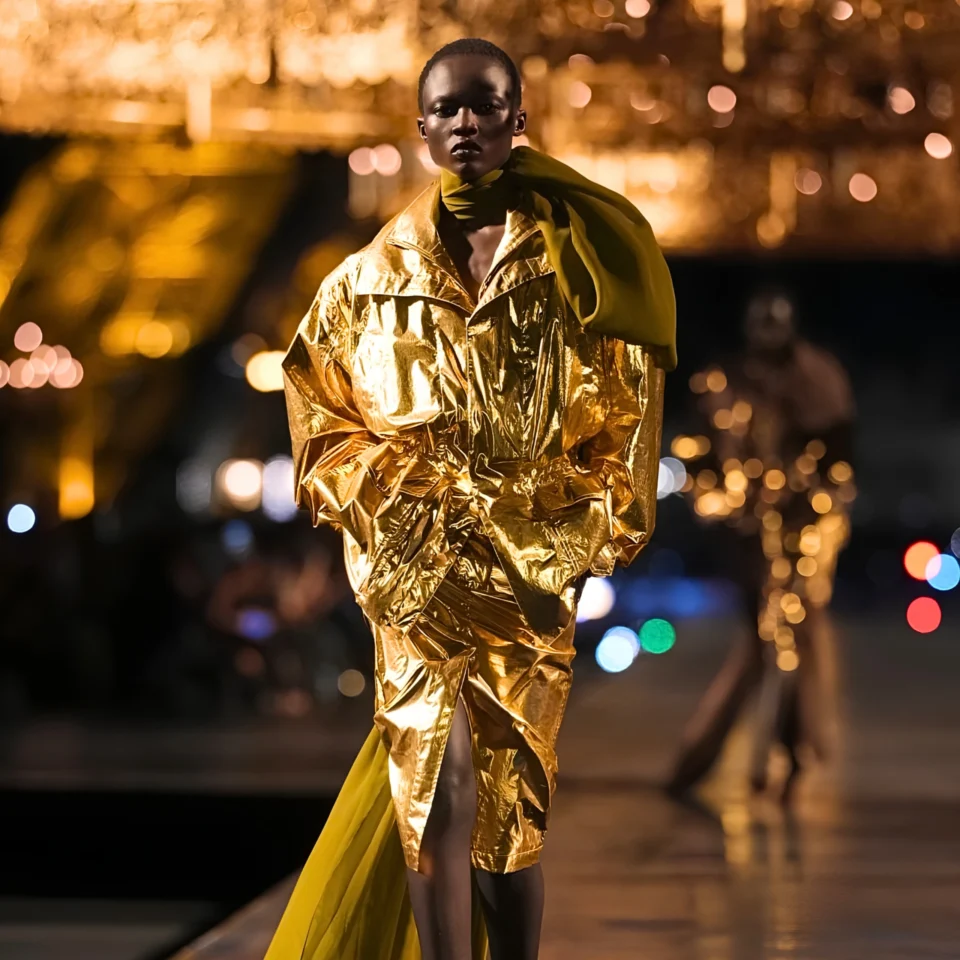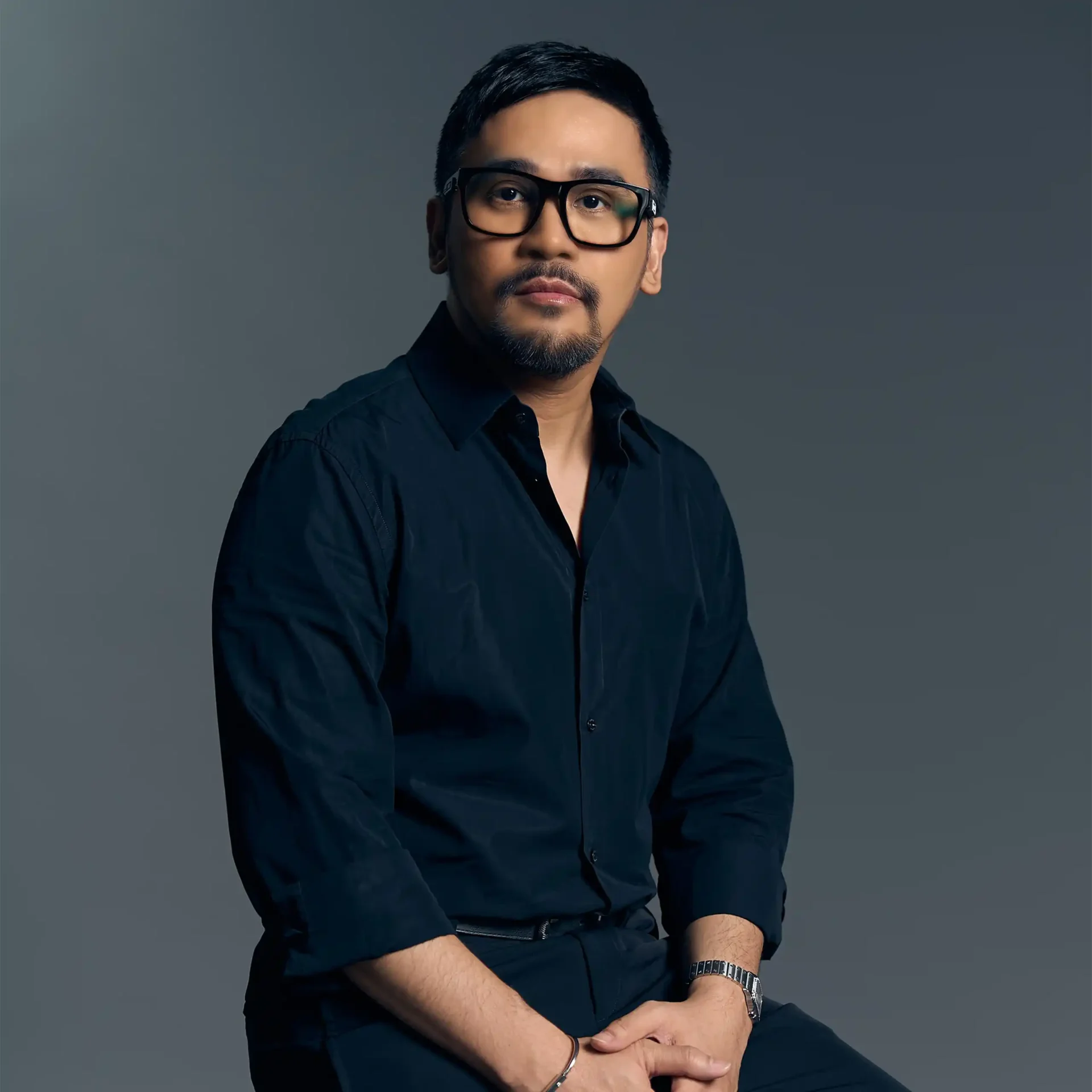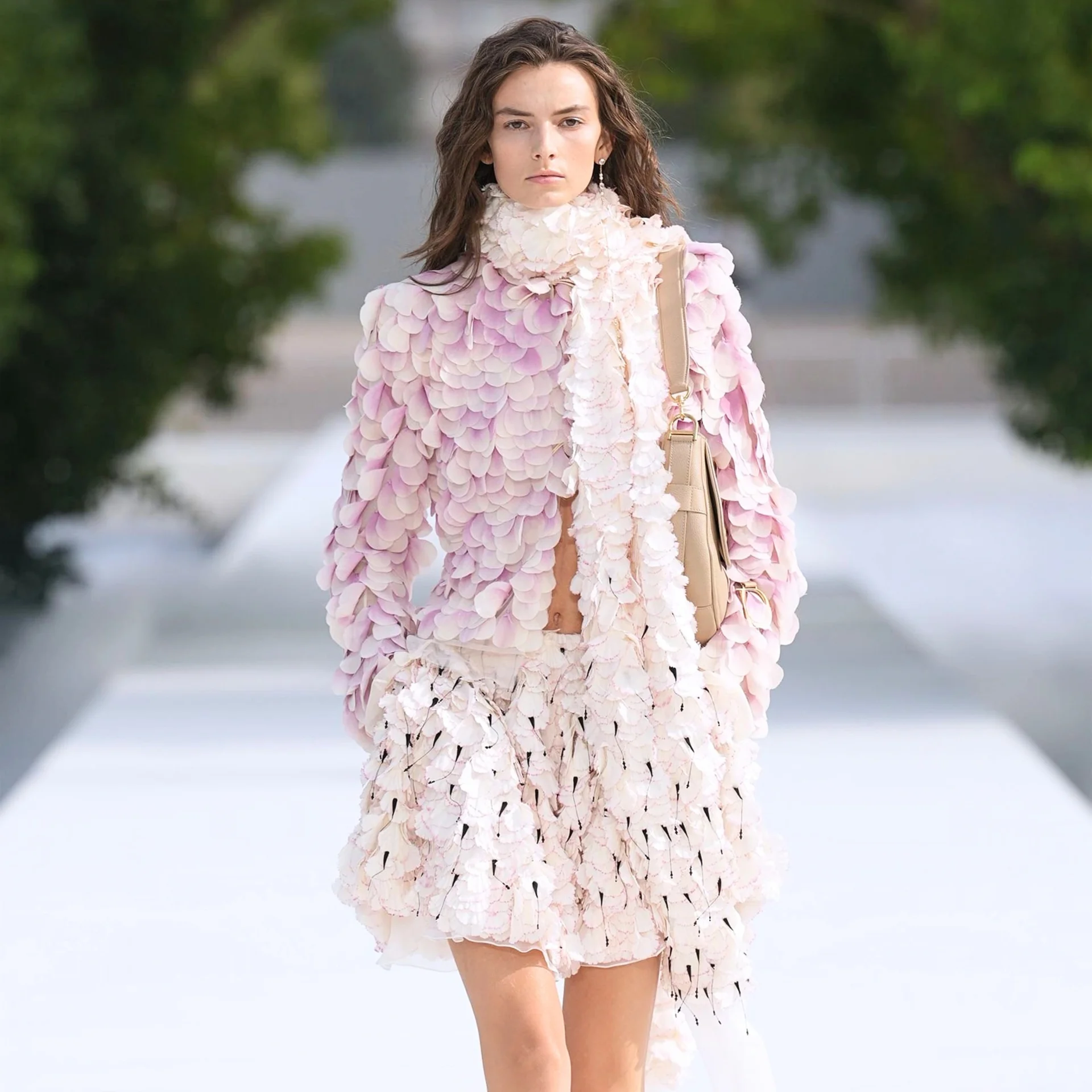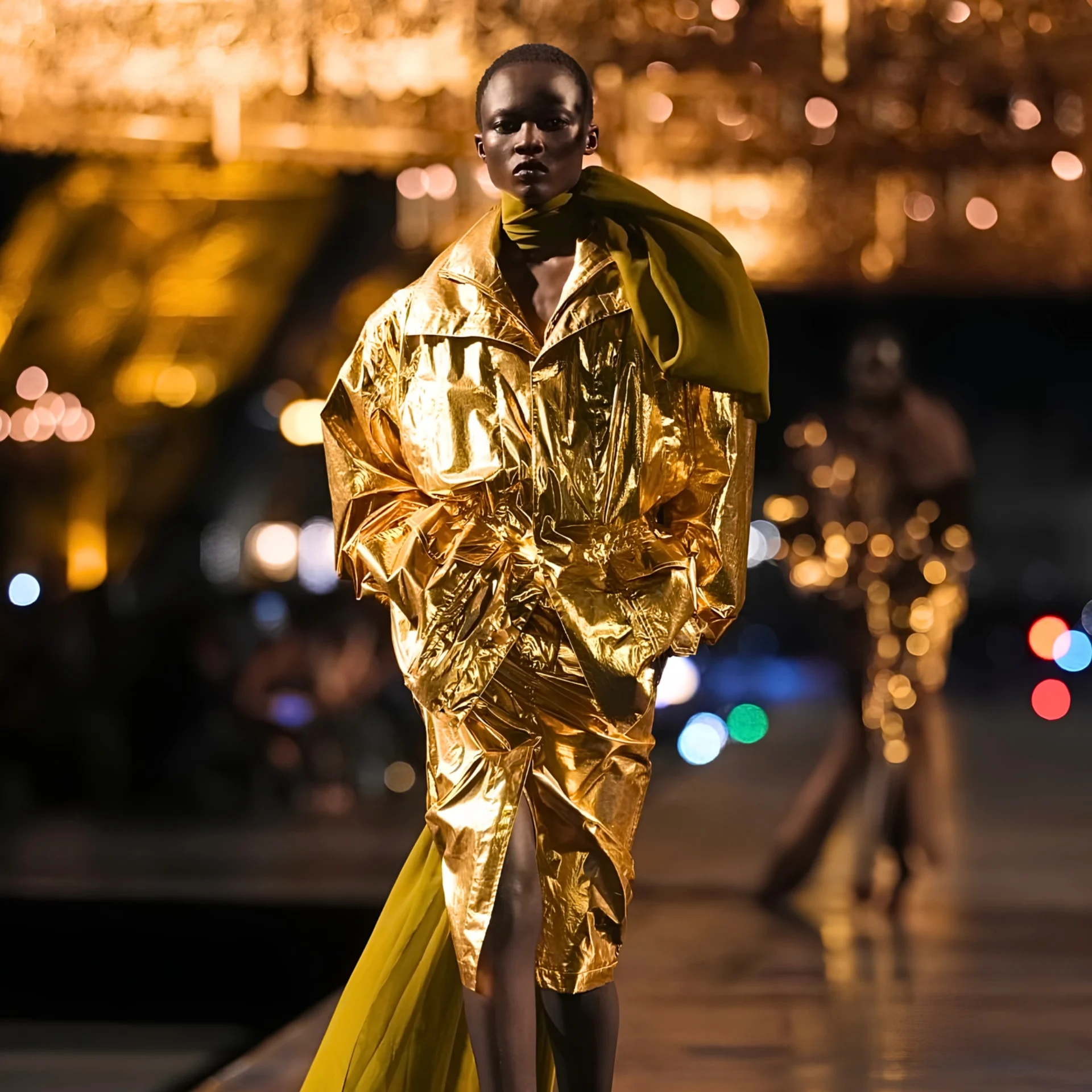




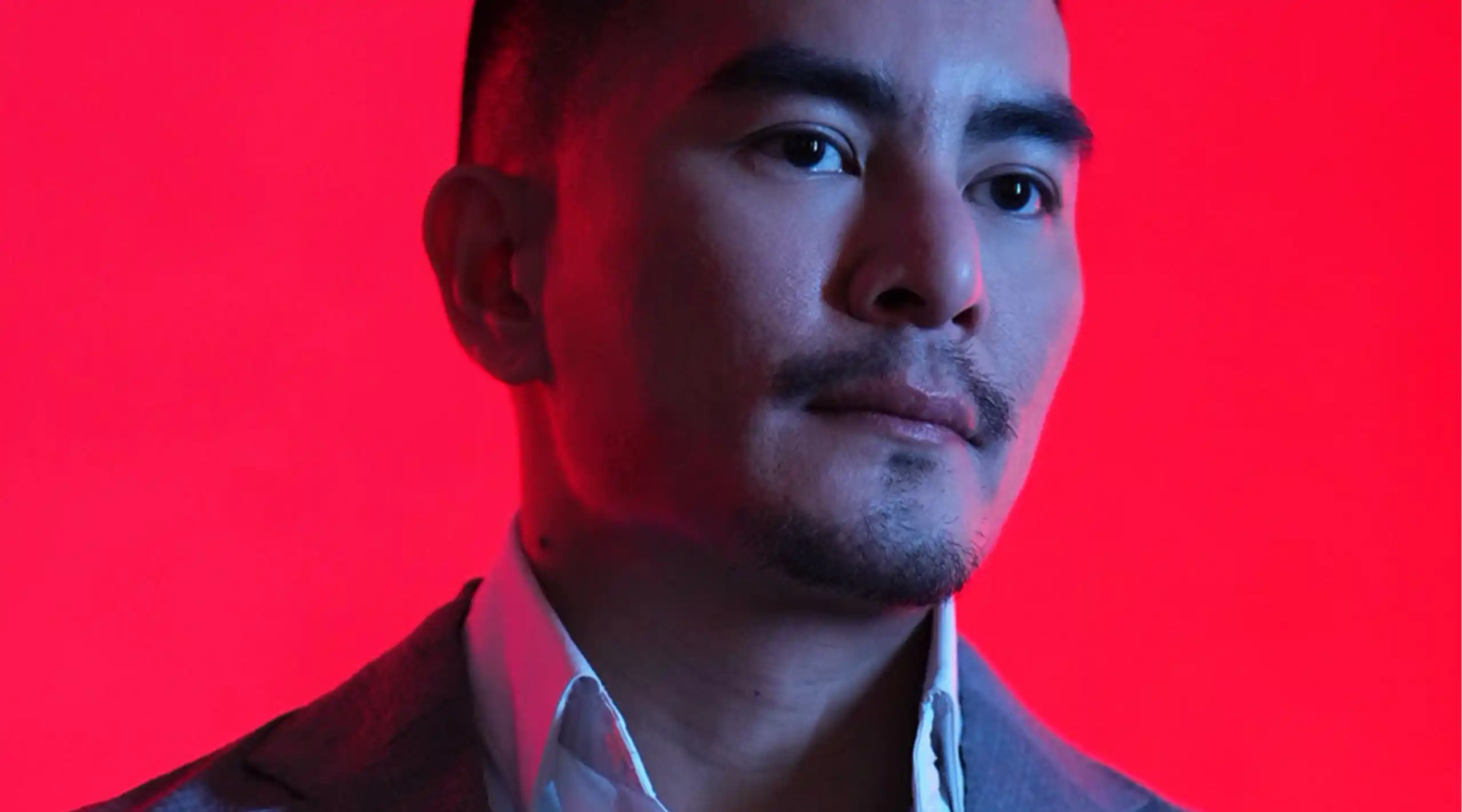
Long before Jan Tan Conadera was shaping the identity of Lift Aesthetic Clinic, he was a teenager in Palawan collecting fashion magazines and dreaming of Manila. “I first started designing because I loved seeing fashion,” he recalls. “I collected magazines when I was in high school. Living in Palawan, I had this big Manila dream.” He wanted to work in a magazine because, from where he stood, the industry looked “fun and fabulous.” That dream eventually brought him to the now-defunct Circuit magazine, where his fascination with fashion extended into immersing himself with various disciplines.
RELATED: This Is Where You Should Go to Get That Effortless Top Model Look

“I love photography. I love doing art direction,” he says. “I love producing it. I love seeing it printed.” It was this attraction to the complete process—from an idea to an image to something tangible—that would eventually become central to the way he approached Lift. After his publishing experience, Conadera spent years working in marketing, web design and social media for different aesthetic clinics, learning the business from the creative side before eventually meeting Dr. Cyril Agan. The partnership that followed was almost perfectly divided: “I’m doing all the marketing, art direction, and branding. And then he does all the procedures.”
But Conadera’s connection to aesthetics was not simply professional. He had been a consumer of it, too. Having dealt with acne and continued getting facials through college, he knew what it felt like to want aesthetic treatments while simultaneously feeling self-conscious about wanting them. “How can I find a clinic for men where I won’t feel conscious?” he remembers thinking. “When you think of aesthetics clinics or dermatology, most of the doctors are female and the clients are female. The interiors are very feminine.” His instinct was to create something more neutral—welcoming to women, but also a space where men could feel completely at ease.
Finding a Different Kind of Beauty
That instinct would become the foundation of Lift’s identity. Conadera came into the business with a clear idea of how he wanted the clinic to distinguish itself. Rather than approaching aesthetics solely through the language of skin pathology, he was interested in contouring, reshaping and lifting—and in translating those ideas through the visual vocabulary he had spent years studying. “I said, I can incorporate this with fashion and how I see beauty: the contour, the face, the uniqueness, rather than something templated,” he says.

Conadera wasn’t simply interested in making the clinic look fashionable. He wanted its approach to beauty to feel individual, considered and recognizably different. And rather than immediately turning to celebrities, he looked toward the people he already knew. “Why don’t we go for fashion? Top models. Models who are relatable,” he recalls. The first models were his friends; eventually, Lift’s orbit expanded to include bigger names from the fashion industry.
“I think we created a brand that became a clinic for models, for top models,” Conadera says. What began as a deliberate creative choice gradually became one of Lift’s defining associations. Fashion models were not just attractive faces placed in advertisements; they became part of the proof that aesthetic treatments could be openly discussed, pursued, and still look natural. “Before, it was like a taboo,” he says. “Now, the models are more open about it.” Their presence helped show clients that non-surgical procedures could improve their appearance without making them look overly altered or “too made up.”
Making Aesthetics Look Like Lift
For a clinic operating in an increasingly crowded aesthetics market, Conadera’s answer was not to chase every new thing. In fact, his philosophy is almost the opposite. “We stay with the ones that work,” he says. “We don’t really jump on trends. We create the trends.” If a procedure has proven effective, he believes in continuing to build its identity rather than abandoning it for whatever happens to be fashionable at the moment. “These procedures are already effective, so why don’t we just continue promoting them?”
Sexy Jaw became the clearest example of that thinking—and a breakthrough for the clinic. Conadera created the campaign around a relatively unknown model who simply had the right look for the concept. “The guy wasn’t known. He looked good, he was ideal, and I created an ad around him,” he says. The campaign generated demand and, according to the Lift team, helped put the clinic on the map. It also demonstrated something fundamental about Conadera’s approach: the right image can create desire without relying on the most obvious celebrity face.
Yet for all his confidence in the finished product, Conadera admits that getting there can involve plenty of second-guessing. “I have so many ideas for campaigns, but there are times when a campaign isn’t effective. I ask myself, why isn’t it effective?” The questions become very specific: “What photo are we going to use? What’s the title? Does it have an impact on the audience? Is the model selection correct?” For someone whose work often appears effortless on the page or screen, the reality is much more iterative.
And his uncertainty is rarely about the medicine itself. “I don’t doubt his work,” he says of Agan. “I just have to translate it into an ad.” When the medical result is strong, Conadera sees his role as turning that result into an image people can understand and respond to. “If you start with a very beautiful canvas, with a well-done face, then it’s easy to photograph, it’s easy to market. It translates flawlessly into an ad until it’s printed in your magazine.”
More Than a Pretty Picture
That translation has increasingly extended beyond advertising. Conadera sees Lift’s content as an opportunity to educate, particularly an audience that may still be uncertain about aesthetic procedures. “I think the difference in our content compared to other clinics is that we’re very educational,” he says. The clinic shows real outcomes, before-and-after results and consultations in which Agan explains what is being done. “It’s not just about marketing. It’s about the way we deliver it. It’s educational. It’s like we’re presenting a real consultation.”

There is a practical reason for that approach. Conadera understands that people who are unfamiliar with aesthetic procedures may not necessarily reject them; they may simply not understand them. Rather than spending time arguing with people who leave hostile comments online—“I just delete them”—he prefers to focus on people who are willing to listen and learn. For him, aesthetic procedures are ultimately about self-improvement and self-investment, something he believes modern men and women should be able to pursue without apology.
That same philosophy informs the way he talks about Lift’s patients. “Quality,” he says when asked about his non-negotiables. “Quality and a very personalized approach.” He describes knowing patients from the moment they make an inquiry, through their time in the clinic and over years of returning visits. “I know their stories, and I’ve seen their journeys for many years.” For Conadera, personalization isn’t simply a service detail; it is part of what distinguishes the brand.
Designing the Next Chapter of Lift Aesthetic Clinic
Perhaps the most literal expression of Conadera’s creative influence is taking shape in BGC. The forthcoming 150-square-meter location is envisioned as an art-focused aesthetic medicine clinic: premium, but not excessively luxurious; highly personalized, but also designed to feel like an experience. There will be artworks from different artists, influences gathered from different countries, particularly Europe, and plans to expand its treatment offerings with machines for patients who may want to begin with non-invasive options. And much of the design, the team notes, comes directly from Conadera.
“It’s like going to a museum or a church,” he says of the experience he wants to create. The comparison may sound grand, but it reflects something fundamental about how Conadera thinks: the environment should make people feel something before they even begin a treatment. The new space is not merely an expansion of Lift’s floor area; it is another opportunity to translate the brand’s identity into a physical world.
The clinic’s evolution also reflects Conadera’s broader ambitions for aesthetics. He sees Lift moving toward “a new level of aesthetic service,” one that can stand proudly not just in the Philippines but, as he puts it, “in Asia or perhaps all over the world.” The next chapter, then, is not about making Lift louder. It is about making its point of view more fully realized.
Jan Tan Conadera’s Signature Touch
Ask Conadera what makes a Lift advertisement recognizably his, and he doesn’t give you a checklist. He gives you something far more instinctive. “It’s a feeling.”
Pressed to explain, he admits that there isn’t really a formula. “It’s not about the lines, the curves. It’s a total combination of everything. When you see a photo, you just know it’s beautiful, and you feel beautiful about it as well.” His references come from the world that first captivated him as a teenager: fashion shows, fashion campaigns, fashion stories and even perfume advertising. At the moment, he is particularly inspired by fashion yet again. “I’m obsessed with Giorgio Armani’s work,” he says.
The qualities he responds to are telling: “Clean, natural. It tells a story.” It is a visual language that doesn’t need to scream to be noticed, and one that mirrors what he wants Lift’s aesthetic work to achieve: enhancement without excess, refinement without erasure.
That philosophy ultimately comes back to the idea of becoming the best version of yourself. Conadera describes his work as a way “to reflect the best version”—not to create someone entirely different, but to bring out what is already there. In that sense, his creative work and Agan’s medical work are inseparable: one creates the result, while the other gives that result a language and a place in the world.
An Unapologetic Approach to Self-Care
That point of view is particularly evident in the way Conadera wants to speak to men. He sees the modern male consumer as increasingly comfortable with aesthetic treatments—not as something he needs to hide or explain, but as another form of self-care. “It’s about self-confidence,” he says. “Doing self procedures, self-treatments to help improve themselves.” For him, the modern man is “unapologetic, confident, happy.”
The ambition is to reach a point where men no longer need a partner’s encouragement—or permission—to make those choices. They should be able to walk into a clinic simply because they want to feel better about themselves. “They try the treatment and they’re happy about how they look,” Conadera says. “They’re more confident when they go to the clinic. It also affects their work, their performance and their everyday lives.”
It is an idea that feels surprisingly consistent with the teenager who once looked at fashion magazines in Palawan and imagined a different life. Conadera’s career has never really been about fashion alone. It has been about the power of presentation—how an image can change perception, how design can make an unfamiliar world feel inviting, and how the right creative language can make people see themselves differently.
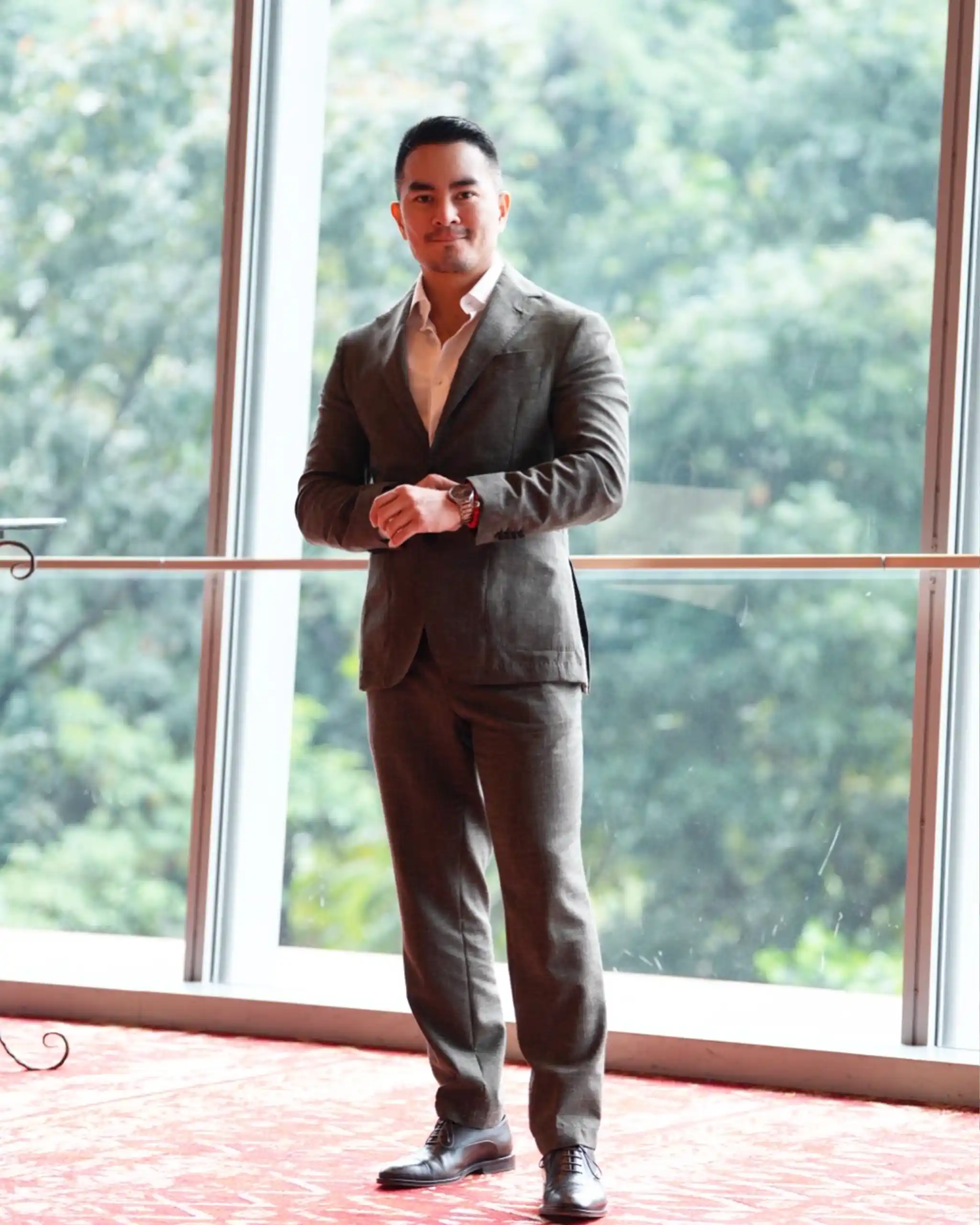
Perhaps that is why his contribution to Lift goes beyond marketing. He has given the clinic a way of looking. He knows that not every campaign works. He still debates photographs, headlines and models. He still can’t quite explain why one image feels right and another doesn’t. “I cannot tell you what the formula is,” he admits. “But when I see a photo, I create it and I feel good about it. I feel beautiful about it.” For someone who began by simply loving fashion, that instinct has become a career—and, ultimately, part of Lift’s identity.
Visit Lift Aesthetic Clinic in either Kapitolyo, Pasig or BGC. For inquiries, check their Instagram (https://www.instagram.com/liftclinicph/)or call 09156848487.