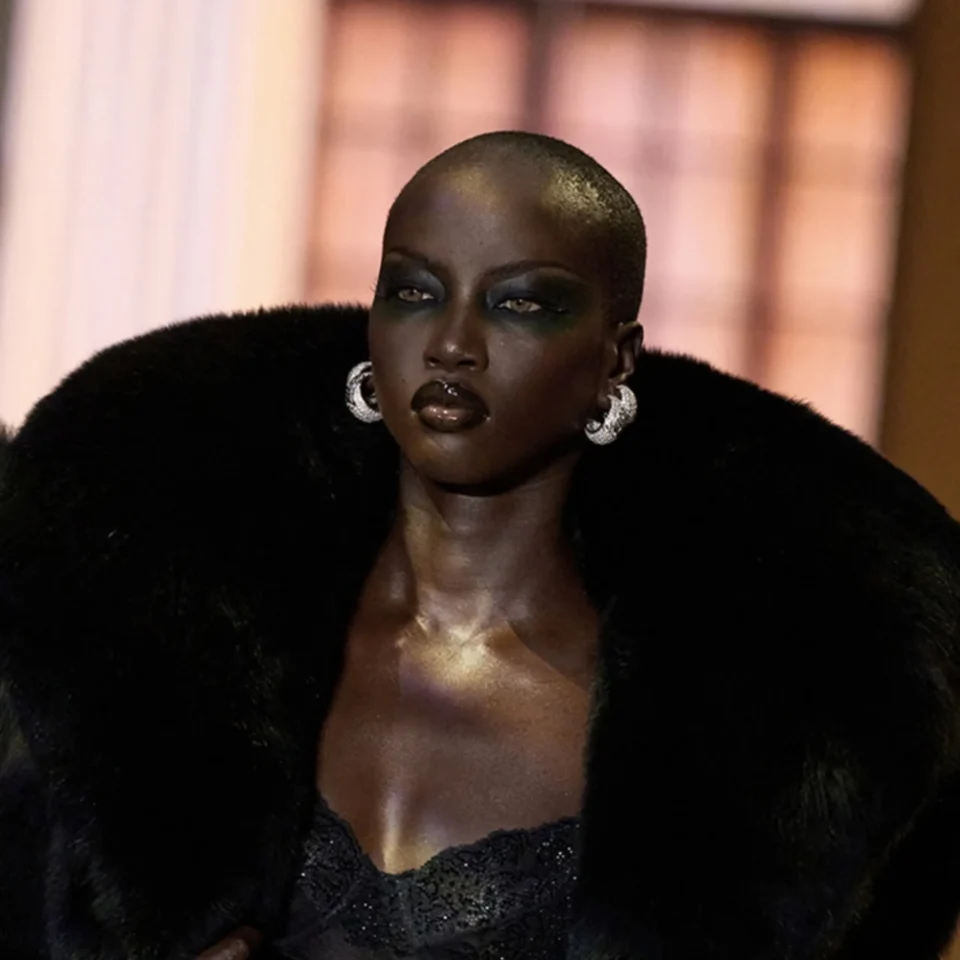




Take a look. The fold of a collar, the shape of a sleeve, the silhouette of a garment. A shadow might gesture toward a name, and the light confirms it. Design reveals a kind of fingerprint—subtle, recurring, and unmistakably personal. Art may be about expression, but fashion is expression with an agenda: identity, utility, irony, desire.
RELATED: Flip-Flops Have Been Chic—You Just Weren’t Looking the “Manila Way”
In the revolving doors of luxuryLuxuryrefers to a state of exceptional comfort, elegance, and quality, often characterized by premium craftsmanship, exclusivity, and superior experiences.Go to Luxury Glossary houses, where creative directors pivot from one maison to the next, the question persists—can you tell who made what, and why? Let’s examine a few of fashion’s most prolific shapeshifters and see what sticks.
Jonathan Anderson
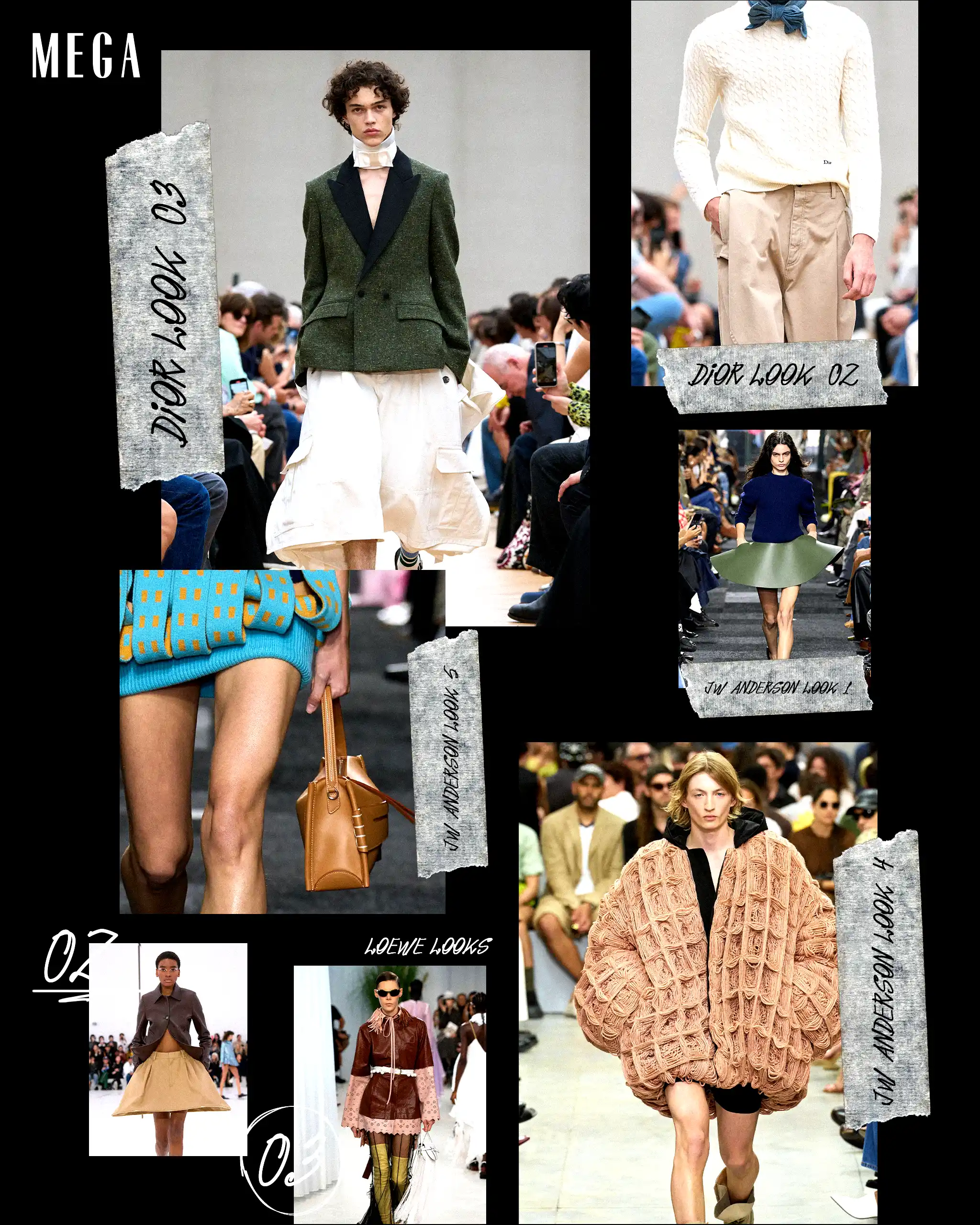
JW Anderson, LOEWE, Dior (Menswear)
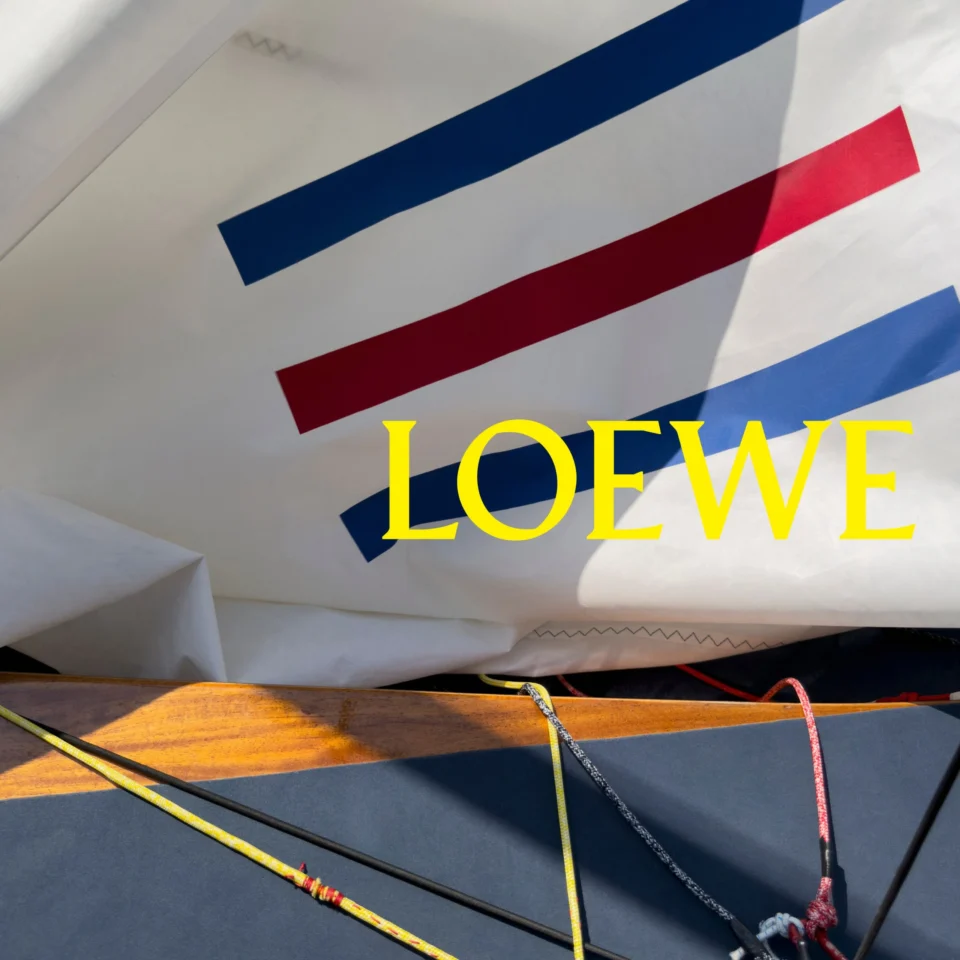
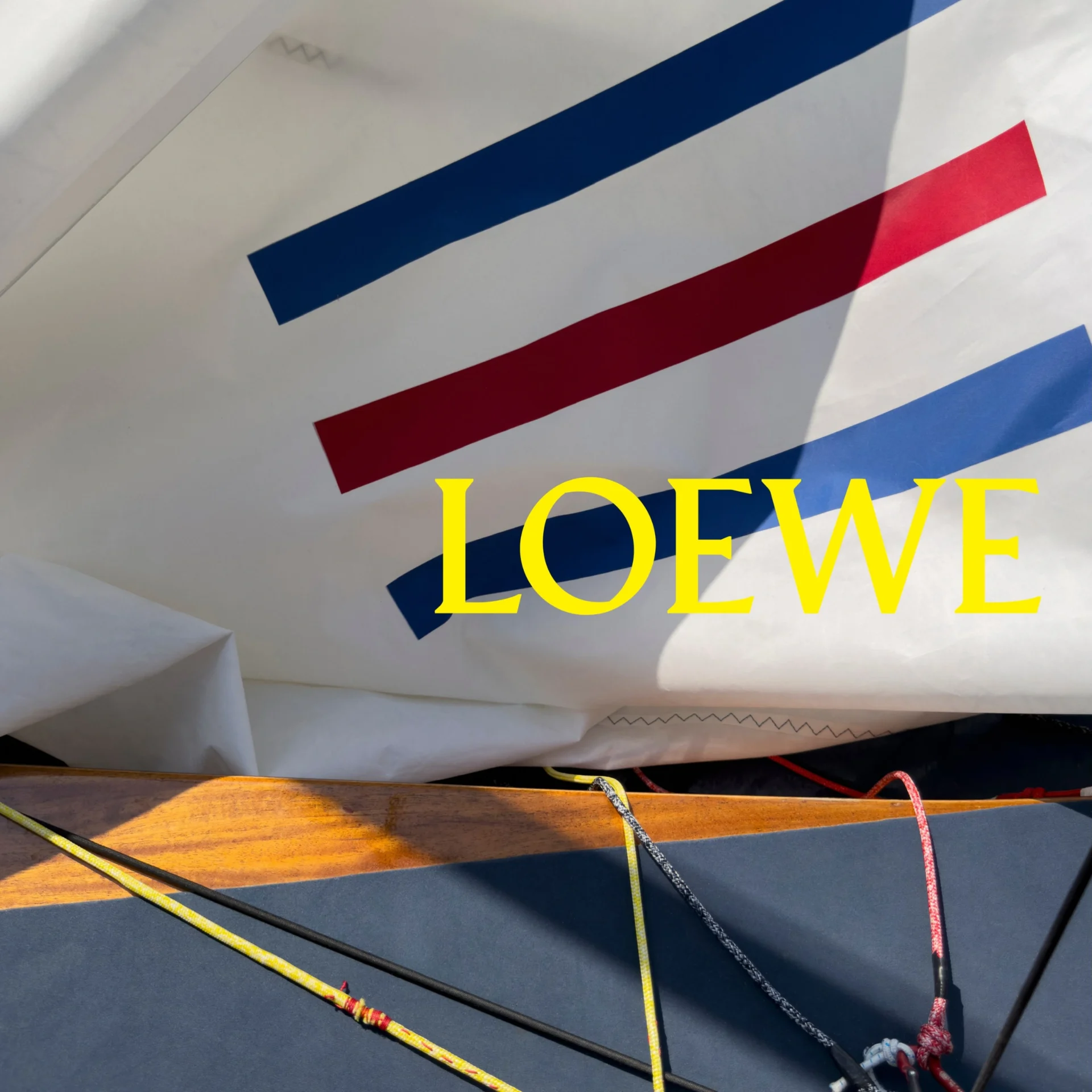
Anderson doesn’t design for bodies—he designs around them. At JW Anderson, silhouettes often feel yanked from cartoons: bulbous, architectural, intentionally off. At LOEWE, the mischief gets sanded down but not erased, reinterpreted through craft, materiality, and exquisite oddness. At Dior Men, he sharpens the tension—volume meets heritage tailoring, tradition disrupted by boyish rebellion. It’s not that each collection looks the same. It’s that they all feel like the same person cracking different jokes in different languages.
Phoebe Philo
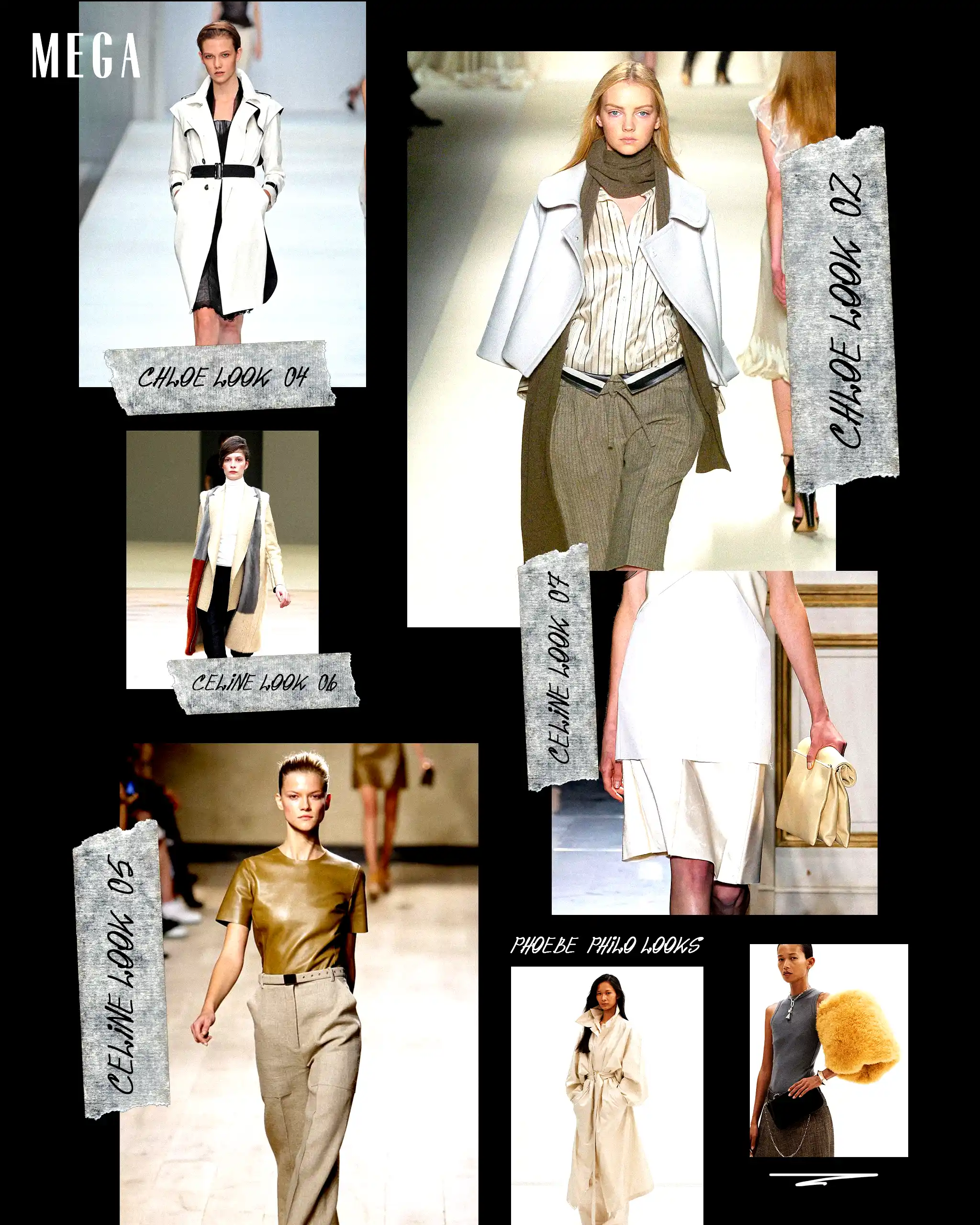
Chloé, Céline, Phoebe Philo
Philo has always designed with a woman’s inner world in mind. At Chloé, that woman was romantic, a little undone, with wisps of chiffon and louche trousers. Céline brought sharper edges: clothes as armor for thinking women—tailored, deliberate, spare. And now, with her own label, she’s retreated deeper into her own mind. The silhouettes are quieter, the palette somber, the construction stealthily immaculate. Even in near-silence, her aesthetic speaks: thoughtful, real, radically uninterested in anything that doesn’t serve.
Hedi Slimane
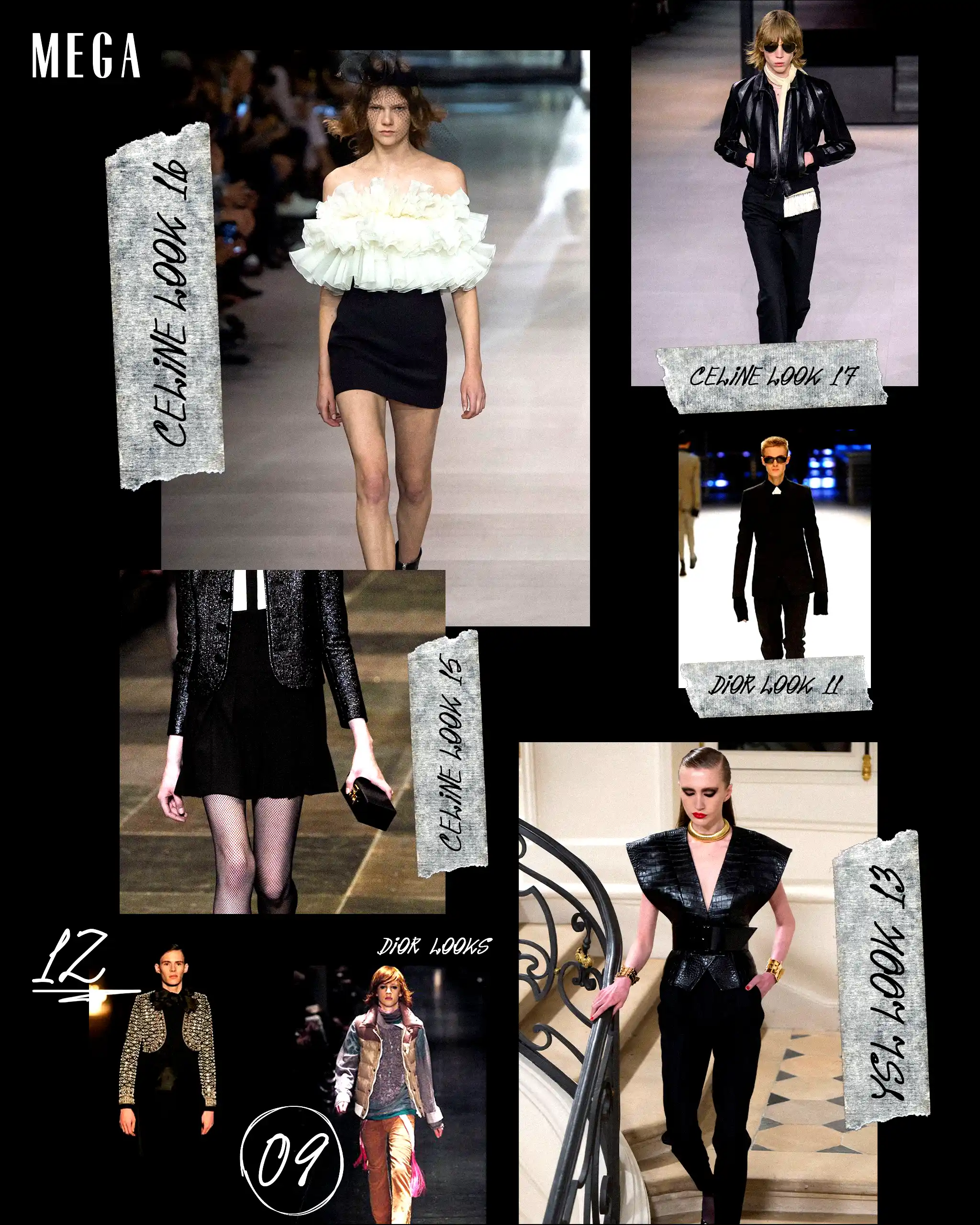
Dior (Menswear), Saint Laurent, Celine
Slimane doesn’t evolve so much as relocate. The skinny black suit he pioneered at Dior Homme became the glam-punk wardrobe at Saint Laurent, and then the Tumblr-core trust-fund kid at Celine. He doesn’t shape-shift to fit a house; he drags the house into his own world—one of adolescent decadence, moody rock idols, and impeccable tailoring. You know it’s Hedi when the pants are tight, and the references still chain-smoke at indie gigs.
Alessandro Michele
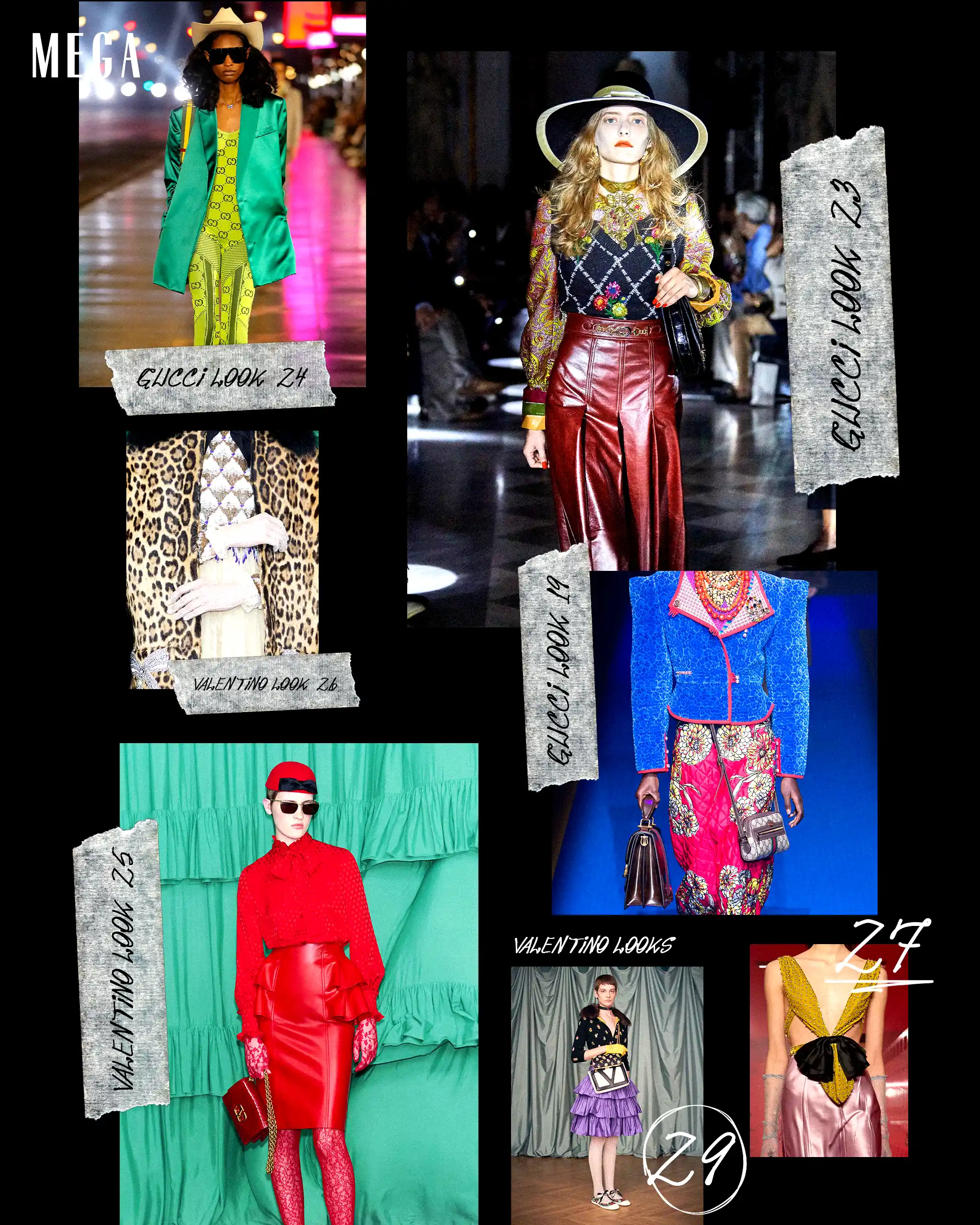
Gucci, Valentino
With Michele, every look tells a story—and usually all at once. At Gucci, he revived the house through baroque styling, historic mashups, and unapologetic chaos. His vision was a magpie’s fantasy: gender-fluid, era-fluid, and always theatrically overdone. In Valentino, his maximalism translated (and recreated) to the precision of Roman couture. One can certainly bet on this: there will be layers, symbols, and perhaps a ghost or two whispering from the seams.
Nicolas Ghesquière
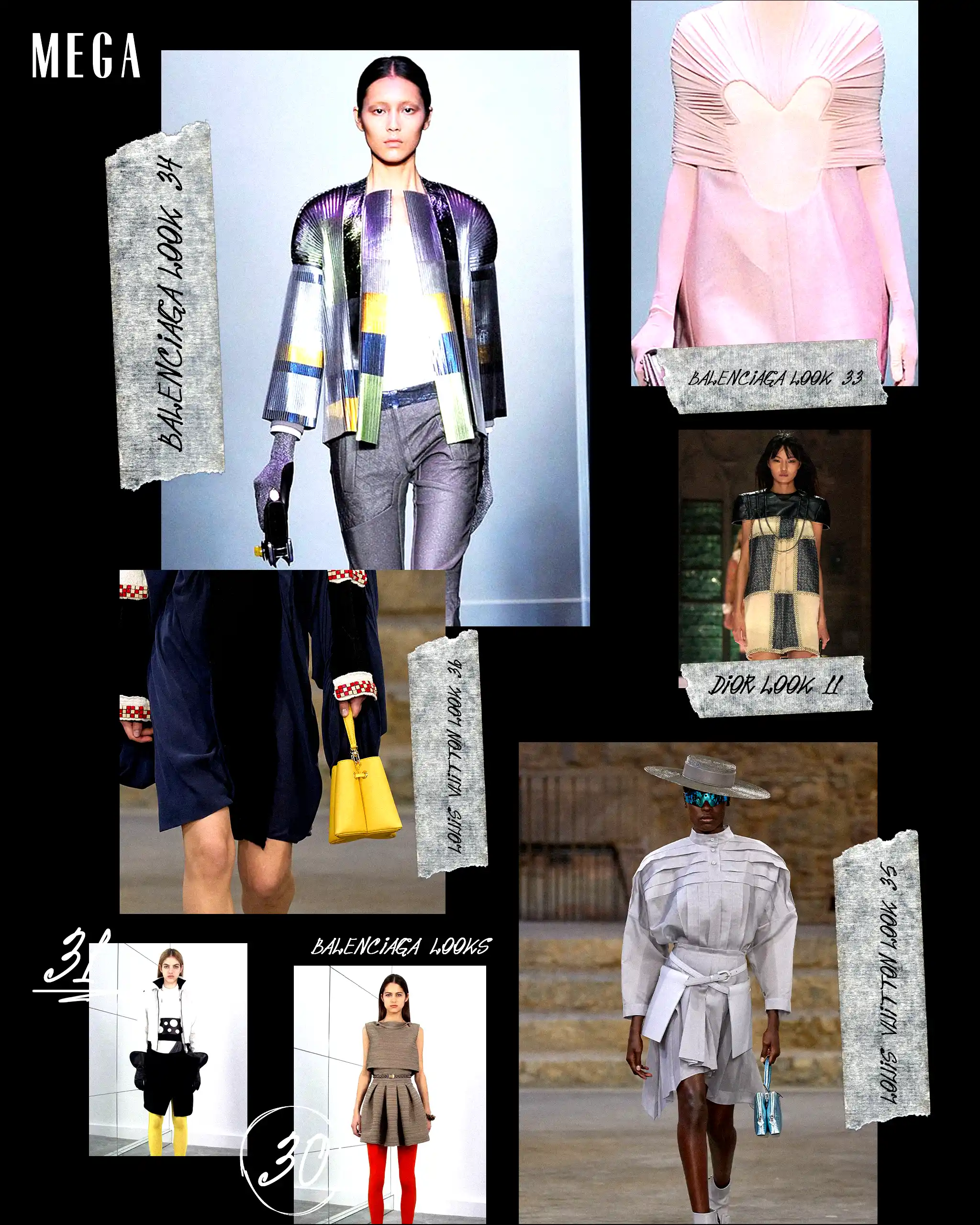
Balenciaga, Louis Vuitton (Womenswear)
Ghesquière is a time traveler with a tailor’s toolkit. At Balenciaga, he fused Cristóbal’s legacy with cyberpunk edge—strong shoulders, tech fabrics, silhouettes beamed in from the future. At Louis Vuitton, he continued to clash past and future, blending 18th-century elegance with synthetic athleticism. His looks often feel like historical reenactments on a spaceship—stylistically dissonant but somehow perfectly composed. His aesthetic is academic, cerebral, and always operating a few seasons (or centuries) ahead.
Fashion may be a collaborative industry, but these designers leave trails. The methods and processes differ—some traditional, some modern, some so experimental they verge on science fiction—but always, you can pinpoint a detail that gives it away. A gesture of humor. A hem that refuses to hang straight. A proportion that calls your bluff. If fashion houses are languages, then these designers are fluent in many, but always with a recognizable accent. You just have to spot for it.
Photos: LOUIS VUITTON, BALENCAIGA, CELINE, CHLOE, VALENTINO, DIOR, SAINT LAURENT, GUCCI, PHOEBE PHILO, LOEWE, and JW ANDERSON