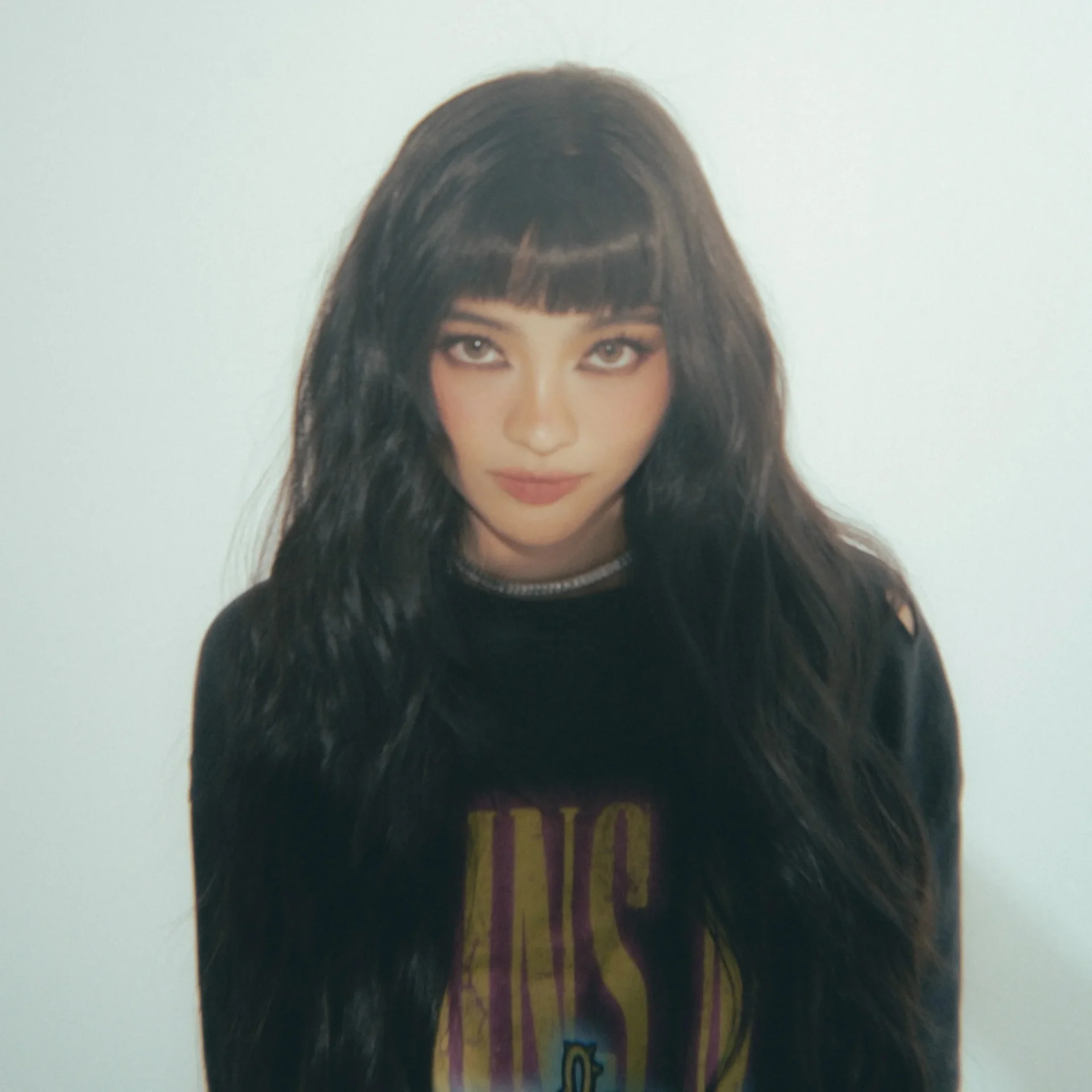





It starts with a TikTok. Then breathless captions about “Scandi minimalismMinimalismA style built on clean lines, simple silhouettes, neutral colors, and a few high-quality pieces. Minimalism focuses on restraint and refinement, letting fit, fabric, and proportion do the talking, andGo to Minimalism Glossary” and the undeniable chicness of wearing flip-flops—the Copenhagen way, of course. Never mind that Copenhagen is hardly a flip-flop city. It’s a cycling-in-knitwear, eating-licorice-by-the-docks city. But now, suddenly, it’s the global capital of casual toes, only because someone from Manila decided it was.
RELATED: MEGA Trend Report: Bodycon Is Back. But Is It Empowering?
Catch Up With the Flip Flop
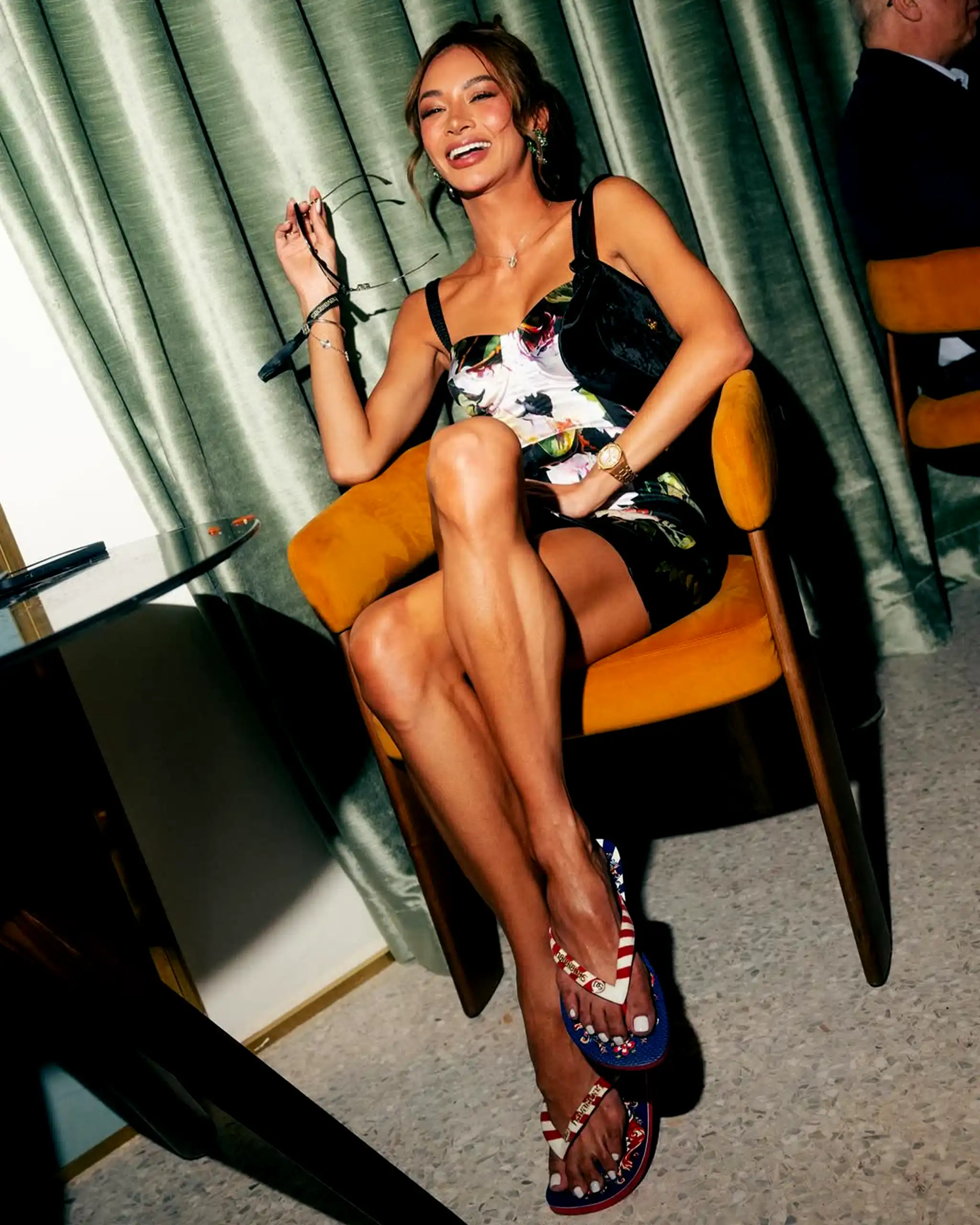
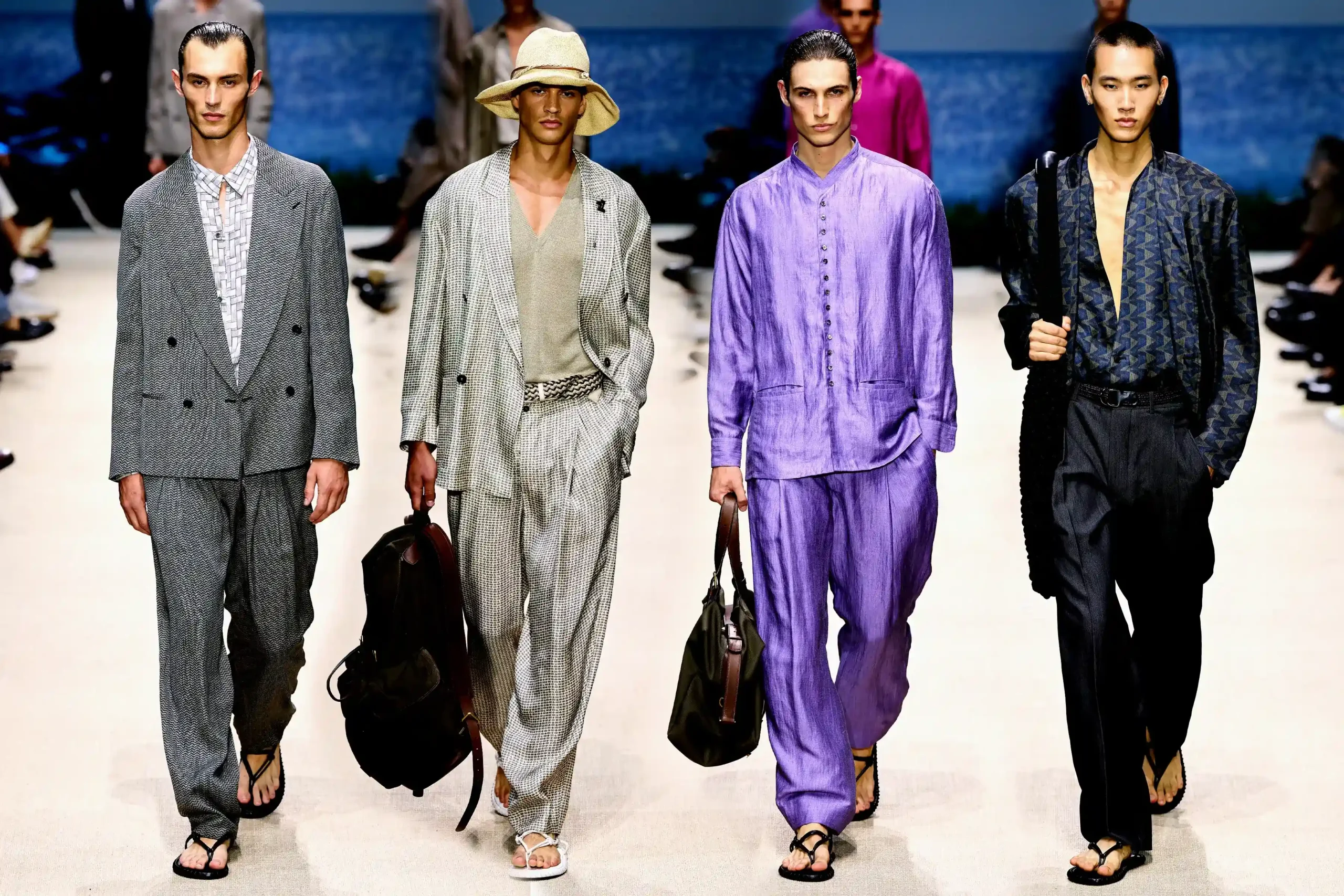
You can try to blame Menswear Spring/Summer 2026. Designers seemed to be on a group trip to Boracay. Flip-flops walked in leather, in faux fur, in croc-embossed finishes. Some with elevated soles, others pancaked so flat they looked like receipts. The return of the flip-flop isn’t shocking (it’s spring/summer, not couture in the tundra), but the narrative inflation is what gets you. They’re not just back—they’ve been rebranded.
This reframing does not entail function or heat because it already becomes fundamentally clear in those areas. It’s not about salt, sand, or sweaty commutes. It’s dressed up as “effortless ease”, accessorized with that slap of soles on stone.
This year’s version comes with a storyline: not just minimalist, but apparently ‘Scandinavian’. Not just functional, but elevated. It’s the aesthetic myth you’re trying to sell. It’s designer.
These days, trends don’t matter as much as the narrative you wrap around them. Everything’s become lore—referenced, rehashed, and rebranded until even the boldest (sneakerina, a cross of a ballet flat and an everyday sneaker) and ugliest shoes (the transparent Tabis spotted at the Maison Margiela Atelier Haute Couture S/S26 show) seem inevitable. It’s not a comeback if you never stopped wearing them. It’s just fashion playing catch-up again.
Before ‘Effortless’, They Were Just Essentials
Meanwhile, in the Philippines and every other tropical nation, flip-flops never left. They’ve always been here. At sari-sari stores. In jeepneys. In the back of the tricycle, wedged between a sack of rice and someone’s Tupperware. We wear them when we’re taking out the trash, buying essentials, or fetching takeout from the Grab driver.
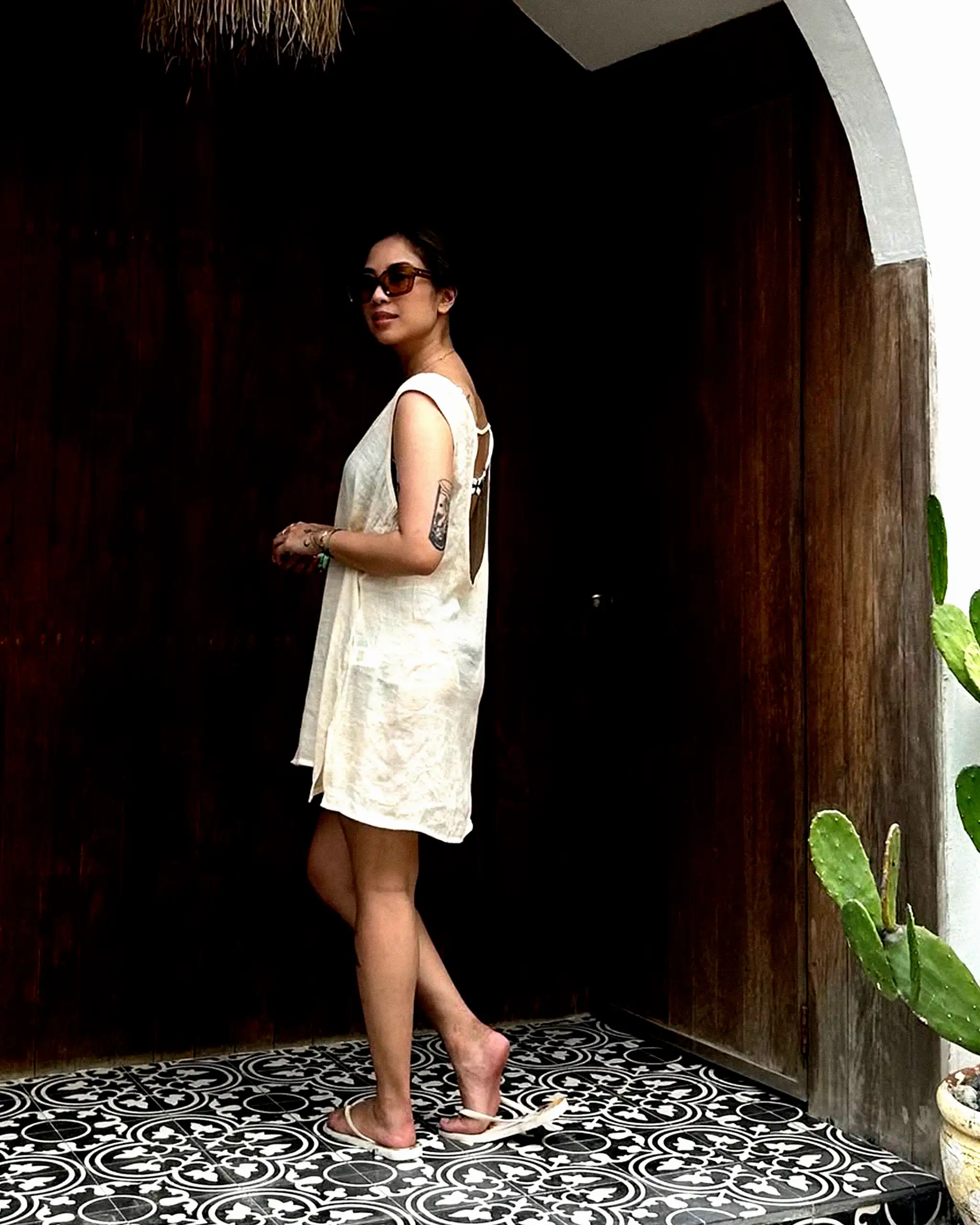
We wear them with house dresses, basketball shorts, and hand-me-down shirts printed with countries we haven’t been to. Sometimes they’re Havaianas, Ipanema, or Crocs—even if those were technically made for boats or inspired by clogs. They still carry the same spirit: slip-ons, alternatives, close enough. But more often, they’re P50 rubber ones with no brand name at all. Always, they’re easy to slip on and even easier to lose. They’re not aspirational, but they’re a survival tool out in the unforgiving Manila streets.
When the fashion world suddenly treats flip-flops like luxuryLuxuryrefers to a state of exceptional comfort, elegance, and quality, often characterized by premium craftsmanship, exclusivity, and superior experiences.Go to Luxury Glossary, it reads more like selective amnesia. Especially when they’re only considered chic when worn “the Copenhagen way”—i.e., with beige linen, a €700 bag, and only 30 minutes of sun exposure.
Chic Is Relative
This reeks of the usual problem: something isn’t stylish until the West says it is. Until the algorithm decides that brown toes are fine, as long as they’re in a Rhode ad. Flip-flops, rebranded as “minimalist luxuryLuxuryrefers to a state of exceptional comfort, elegance, and quality, often characterized by premium craftsmanship, exclusivity, and superior experiences.Go to Luxury Glossary”, are suddenly a trend worth discussing. The same ones worn by housekeepers, fishball vendors, and every person waiting for taho at 6AM. The house slipper is now high fashion, as long as you’re not wearing it to mop the floor.
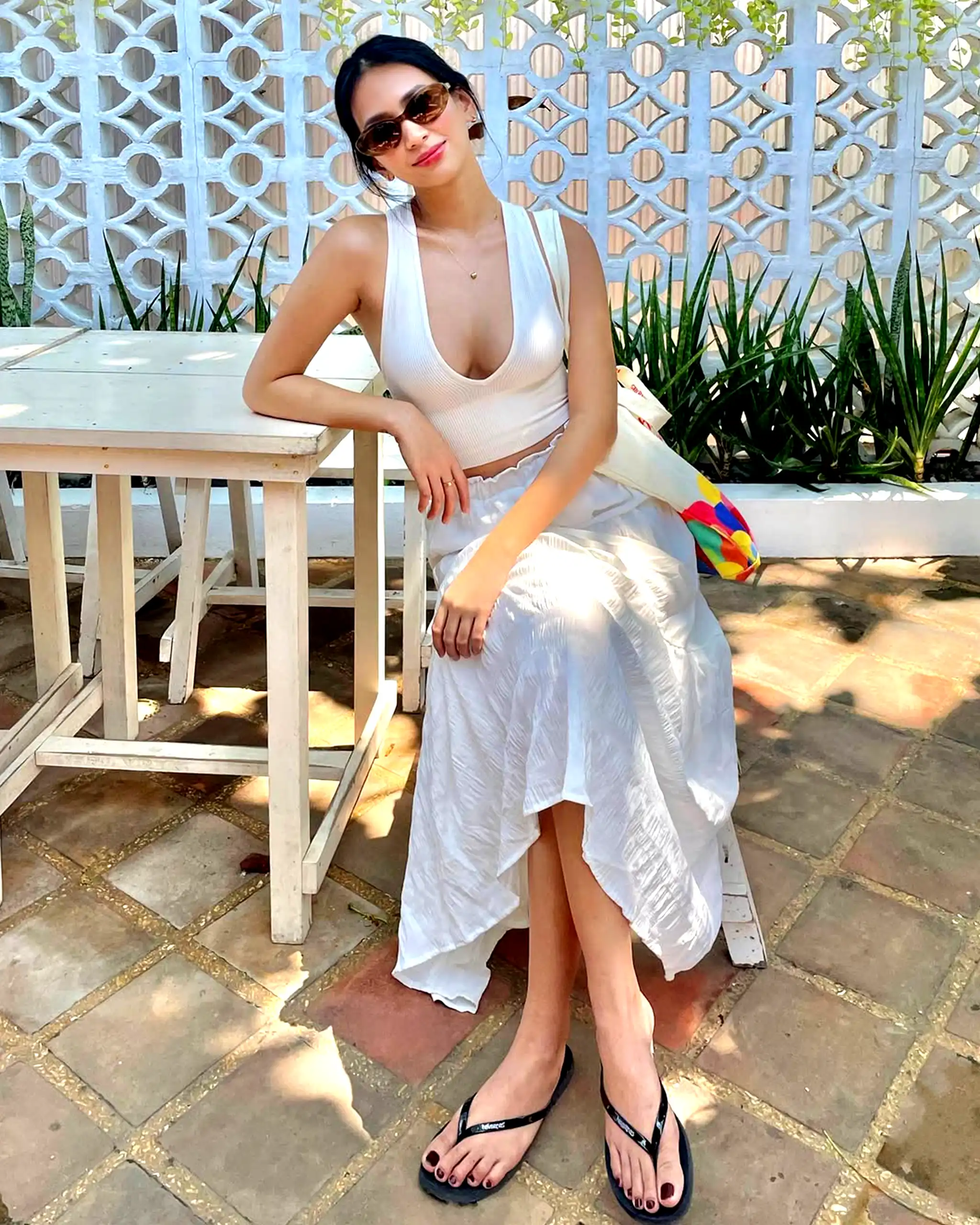
But we don’t need the West to say it’s chic before we wear it with pride nor be so convinced that the only way it can garner respect is if it comes from somewhere else in the world, as if colonial residue is still trapped on our soles like gum.
It’s always been ours—part of the climate, the culture, the chaos of daily life. If we really wanted to, we could style it into something so sharp the flapping on the ground becomes a statement, not a sound. All it takes is some conviction. Maybe a little gall. Always with fun. After all, authority in style doesn’t come from who said it first, but who wore it best—and longest.

That’s the kicker. For us, flip-flops mean rest, relief, routine. They’re not costume. They’re not a concept. They’re not part of some moodboard palette called “Heatstroke Neutrals”. They’re an everyday choice—usually made without thought, sometimes acquired without budget. When fashion decides that flip-flops are now highbrow, it says a lot about who’s allowed to wear something simply, and who’s expected to explain themselves.
The Manila Way
If flip-flops are only chic “the Copenhagen way” then maybe I’ll stick to “the Manila way”: spontaneous, functional, overworked, occasionally muddy, resilient, and never trying to be anything they’re not—until someone decided they could be more, with the right geo-tag and a Scandinavian reference.
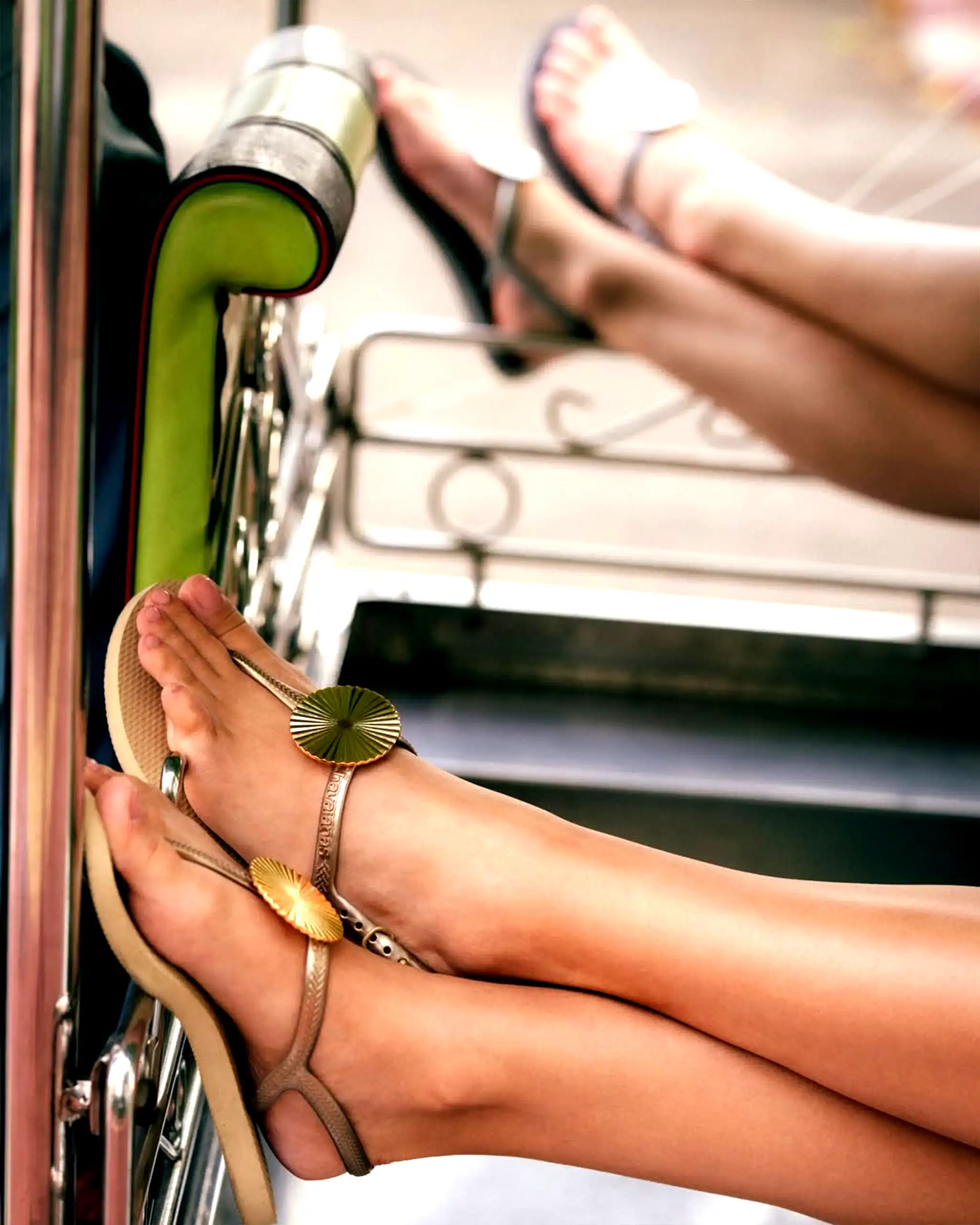
You wear them because you have somewhere to be, something to carry, someone to see. And if style is really about knowing yourself, then maybe this is our version of luxuryLuxuryrefers to a state of exceptional comfort, elegance, and quality, often characterized by premium craftsmanship, exclusivity, and superior experiences.Go to Luxury Glossary: a shoe so adaptable it doesn’t need a rebrand. Just a little more respect.
Photos: HAVAIANAS (via Instagram) and GIORGIO ARMANI