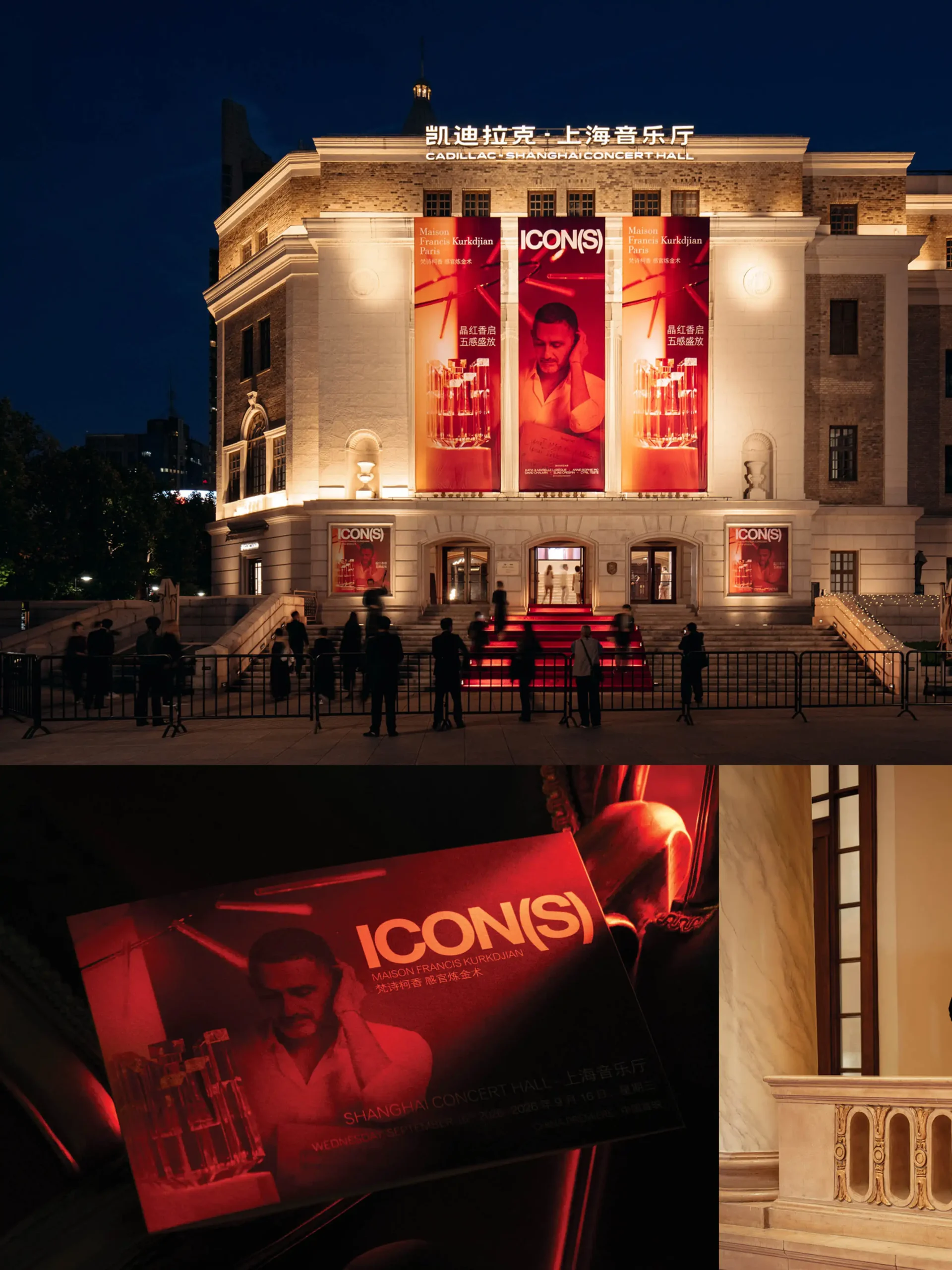
In the world of fragrance, scent is often treated as something invisible—an intimate, ephemeral presence that exists somewhere between memory and emotion. For Francis Kurkdjian, however, perfume has always been capable of becoming something much larger: a language, a memory, an image, even a cultural object.That idea came vividly to life in Shanghai last September, where Maison Francis Kurkdjian hosted an intimate gala dinner and special screening of ICON(S): The Alchemy of Senses, marking the opening of the house’s first physical boutique in the city at Taikoo Li Qiantan.
RELATED: Scents of Asia: 5 Filipino Fragrance Brands That Should Be on Your Radar
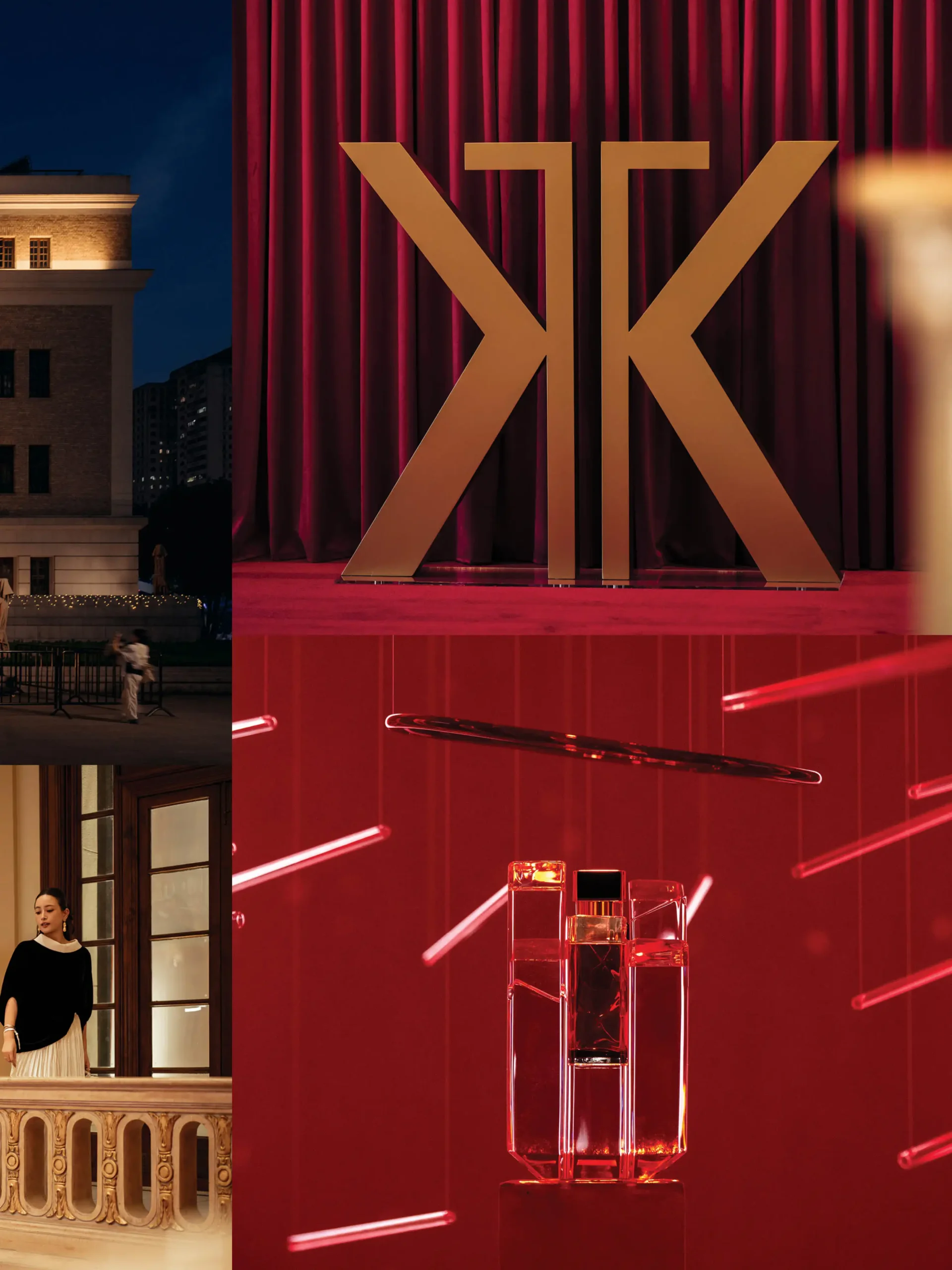
The documentary, created in collaboration with Terminal 9 Studios, explores one of the most recognizable fragrances of our time, MFK’s Baccarat Rouge 540, not simply as a perfume, but as a source of artistic interpretation. Kurkdjian is joined by a group of artists and longtime creative friends who translate the fragrance beyond olfaction—into taste, sound, sight, movement, and touch.
Among them is three-Michelin-starred chef Anne-Sophie Pic, who transforms the olfactory character of Baccarat Rouge 540 into gastronomy, including a Rouge Chocolat inspired by the fragrance. Composer David Chalmin creates an original musical interpretation informed by sounds ranging from sperm whale clicks to recordings from the Baccarat crystal manufactory, performed by celebrated piano duo Katia and Marielle Labèque. Kinetic artist Elias Crespin translates the invisible chemistry of scent into an iridescent sculpture of glass and light.
Director Cyrile Teste and set designer Nina Chalot help shape the environment in which these disciplines meet, creating an immersive space where perfume becomes not merely something to smell, but something to experience. It is an apt expression of Kurkdjian’s own creative philosophy.
THE MYTH OF CREATIVE FREEDOM
Ask Kurkdjian about the freedom afforded by having his own maison, and his response is unexpectedly provocative. “People talk about freedom all the time,” he says. “‘I’m free to create, I’m free of that.’” This, he says, simply isn’t true. For him, creative freedom does not mean working without constraints or without an audience in mind. Nor does it mean simply creating whatever pleases the creator. At the heart of his philosophy is a fundamental question: Are people understanding me? “Sometimes you speak to yourself, you know? You please just yourself. It’s very selfish,” he says. “To me, creation is not selfish. It’s something you give.”
That distinction is particularly important in perfume, an art form that communicates without words. “Just putting the perfume in a bottle isn’t enough,” he says. “You have to explain, because it’s not so easy to go and feel and to be able to express what you want to say through the scent.”
For Kurkdjian, the world surrounding a perfume— the name, the imagery, the story, the experience—is part of that communication. He points to VelvetVelvetA soft, luxurious woven fabric with a dense, short pile that gives it a rich texture and deep sheen. Historically associated with royalty and wealth, velvet is used in eveningwear,Go to Velvet Glossary Mood, one of the fragrances in his Maison’s collection, as an example of how an image can become an olfactory idea. He recalls being in the desert and observing the surface of the sand at sunset.
“If you look at the shape of the sand, it looks like the skin at sunset,” he says. “The sand looks like the skin of a peach, with a little shine and it’s also velvety. The sand is velvety as well—hence, VelvetVelvetA soft, luxurious woven fabric with a dense, short pile that gives it a rich texture and deep sheen. Historically associated with royalty and wealth, velvet is used in eveningwear,Go to Velvet Glossary Mood.” It is this translation of an intangible feeling into something that can be experienced by another person that fascinates him.
BEYOND WHAT PEOPLE WANT
Perhaps the most revealing insight from Kurkdjian comes in his distinction between what consumers want and what they expect. “My job is not to answer what people want,” he says. “My job is to answer what people expect. It’s not the same thing.”
For Kurkdjian, the pleasure of creation lies precisely in that moment of discovery. He compares it to receiving a gift. If a sister asks exactly what you want and gives you precisely that, you may be happy. But there is something more meaningful about opening a gift and discovering something you never expected— something chosen because someone took the time to understand you.
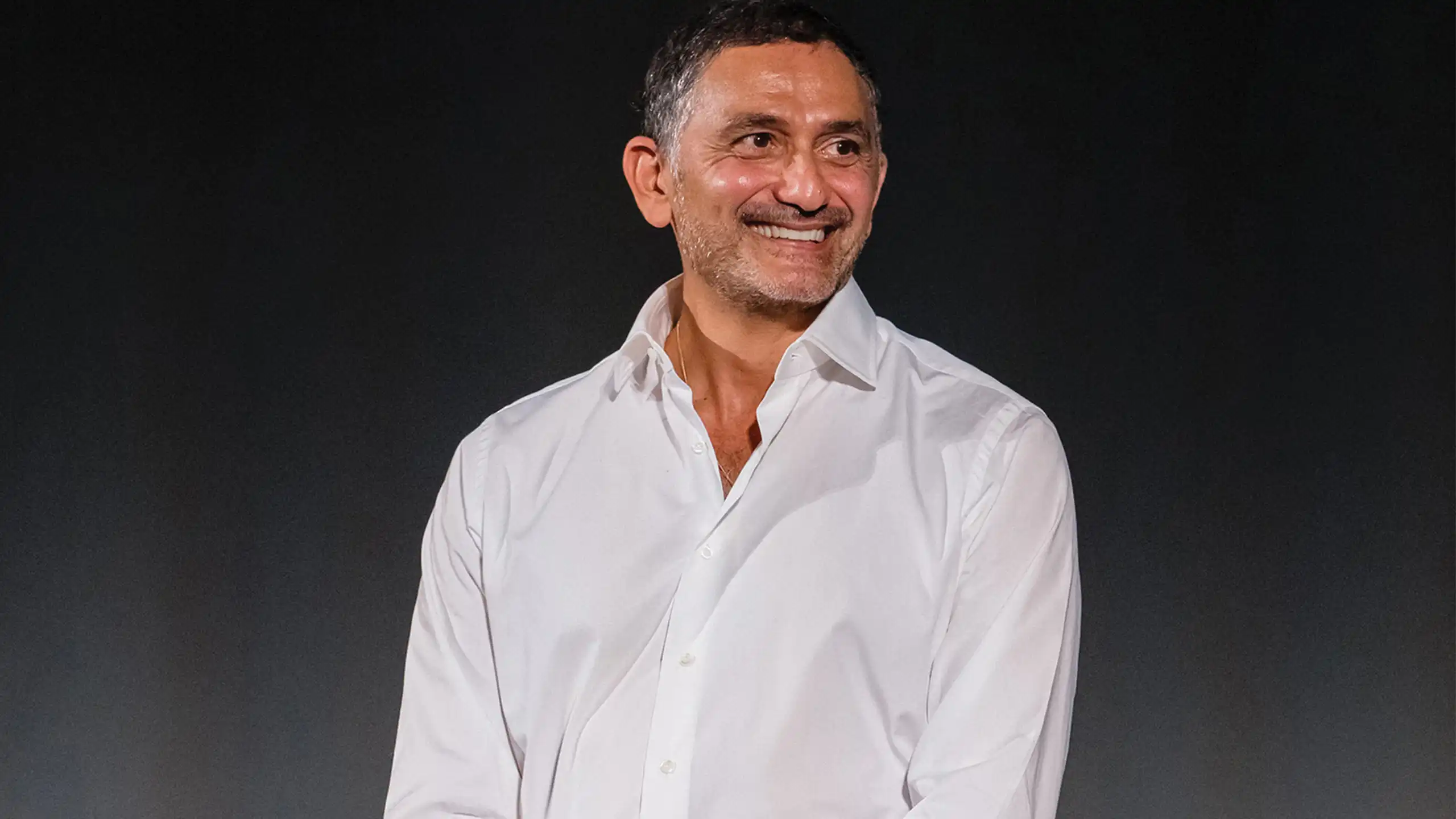
Francis Kurkdjian
It’s not about knowing what’s happening now, because I’ll be outdated tomorrow. It’s about intuition, creative driven, and creative force
“Because you think that there is care,” he says. “She took time to understand your needs, to be almost in your head, and she gives it to you. It is far more precious.” That philosophy offers an interesting counterpoint to the increasingly data-driven nature of contemporary creativity. “It’s so easy to get those data,” Kurkdjian says. “And now with AI, you press on the button, you know exactly what’s happening everywhere. So, okay, you want this now? Okay, get it.” But fragrance, he argues, cannot exist solely in response to what is happening today.
CREATING FOR TOMORROW
A perfume can take years to develop, which means that the perfumer has to imagine not only what people are responding to now, but what will continue to resonate in the future. “I work now for 2028,” Kurkdjian says. “I need to be open to make sure that when your time comes, my perfume will still be relevant.” It is here that intuition becomes essential. “So it’s not about knowing what’s happening now, because I’ll be outdated tomorrow,” he says. “It’s about that intuition. Creative drive. Creative force.”
That belief is perhaps what makes ICON(S): The Alchemy of Senses such a natural extension of Kurkdjian’s creative world. Baccarat Rouge 540 may have begun as a fragrance, but the documentary asks what happens when its essence is handed over to artists from entirely different disciplines.
What does a perfume sound like? What might it taste like? How can it be transformed into light, movement, texture, or an object? The answers are not literal translations. They are interpretations—individual responses to the same invisible source.
And that is ultimately what Kurkdjian seems to be protecting when he talks about freedom: not the freedom to create without consequence, but the freedom to take something familiar somewhere unexpected. For him, the greatest reward is not simply that someone likes a perfume. It is that the perfume might stay with them.
“At the very end, my pleasure, my joy, comes from the fact that I can put a smile on people’s faces,” he says. “I can put in people’s minds memories, beautiful memories, because perfume creates memories.” A familiar scent can suddenly bring back a parent, a sibling, a loved one. In a single breath, the past can become present again. “It’s beautiful to be able to say that I have a work that is that meaningful,” he says. “That touches not only the heart, but the mind of people.”
This is the alchemy Kurkdjian continues to chase transforming something invisible into something unforgettable. True creative freedom, then, lies not in giving people what they already know they want, but in understanding them deeply enough to offer something they never knew they were waiting for.
Images courtesy of: MAISON FRANCIS KURKDJIAN