
Fitness watches used to be straightforward. Apart from telling the time, they counted your steps, tracked your heart rate, recorded how fast and how far you ran, and even calculated the calories you burned after a workout. But wearable technology has since evolved beyond measuring physical performance. Today, it’s becoming increasingly clear that fitness is only one part of a much bigger picture.
Garmin, in particular, has continued to expand the possibilities of wearable technology. From multisport GPS smartwatches and golf-focused wearables to cycling computers and screenless bands that monitor everyday activity, its innovations are no longer limited to tracking workouts. At the annual Garmin Health Summit, this became even more apparent, as discussions and research presented by the Garmin Health Awards finalists demonstrated just how far wearable technology can take digital health.

RELATED: Where to Find Your Next Wellness Escape, All in One Place
Beyond the Daily Step Count
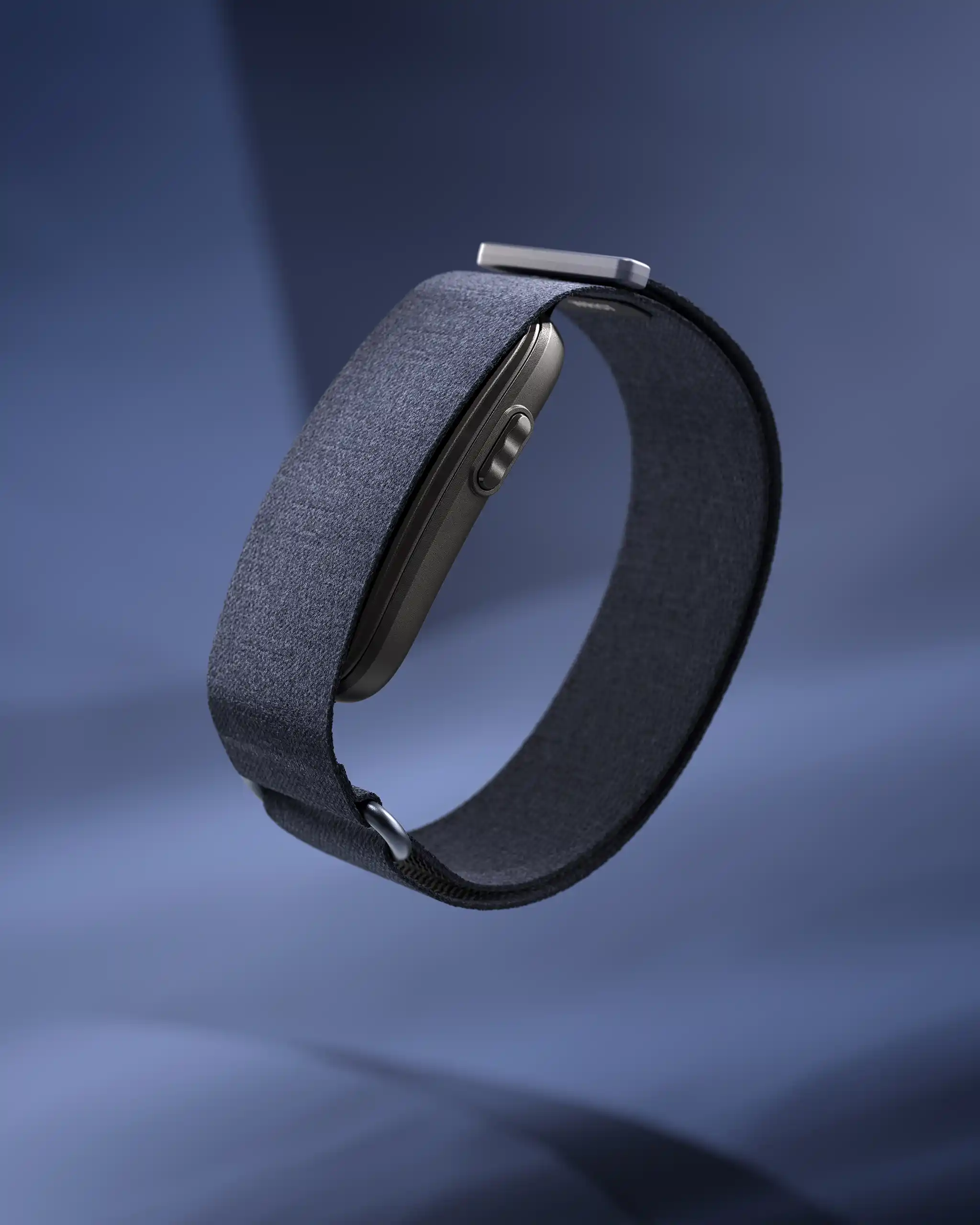
The two-day 2026 Garmin Health Summit offered a glimpse into the possibilities of wearable technology beyond fitness tracking. While devices like the latest CIRQA band help users better understand their everyday activity, discussions throughout the summit explored an even wider scope of health applications. From stress and fatigue monitoring to sleep tracking, early disease detection, and women’s health concerns spanning perimenopause and pregnancy, the conversations underscored a growing shift in how we approach wellness. It’s no longer just about how well we exercise, but how well we understand and care for our bodies.
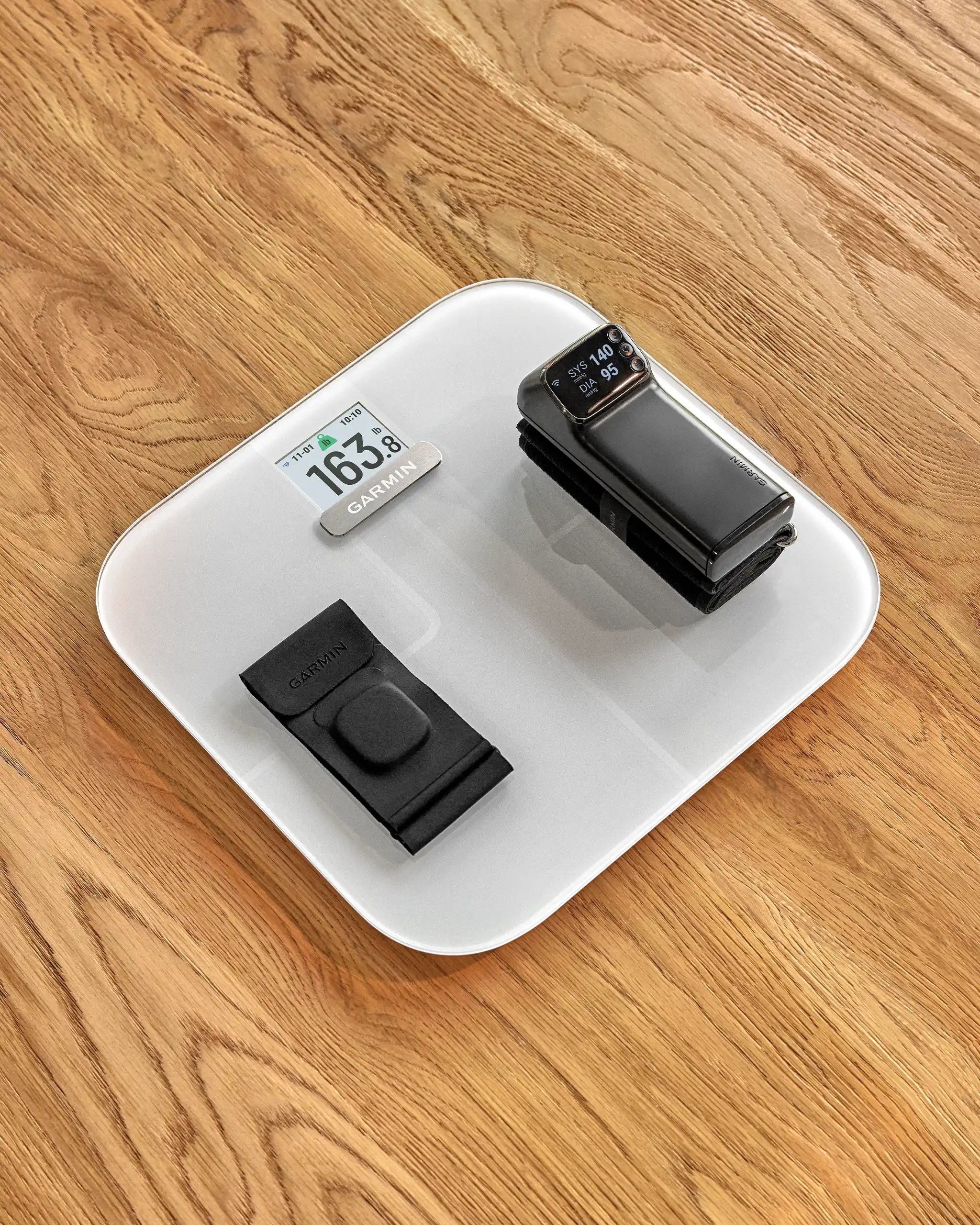
As running clubs grow and pickleball courts become increasingly commonplace across Asia, more people are making physical activity part of their everyday lives. But the conversation around health is also evolving. Beyond performance and personal records, there’s a growing interest in longevity and what it means to live healthier for longer.
Wearables With a Greater Purpose
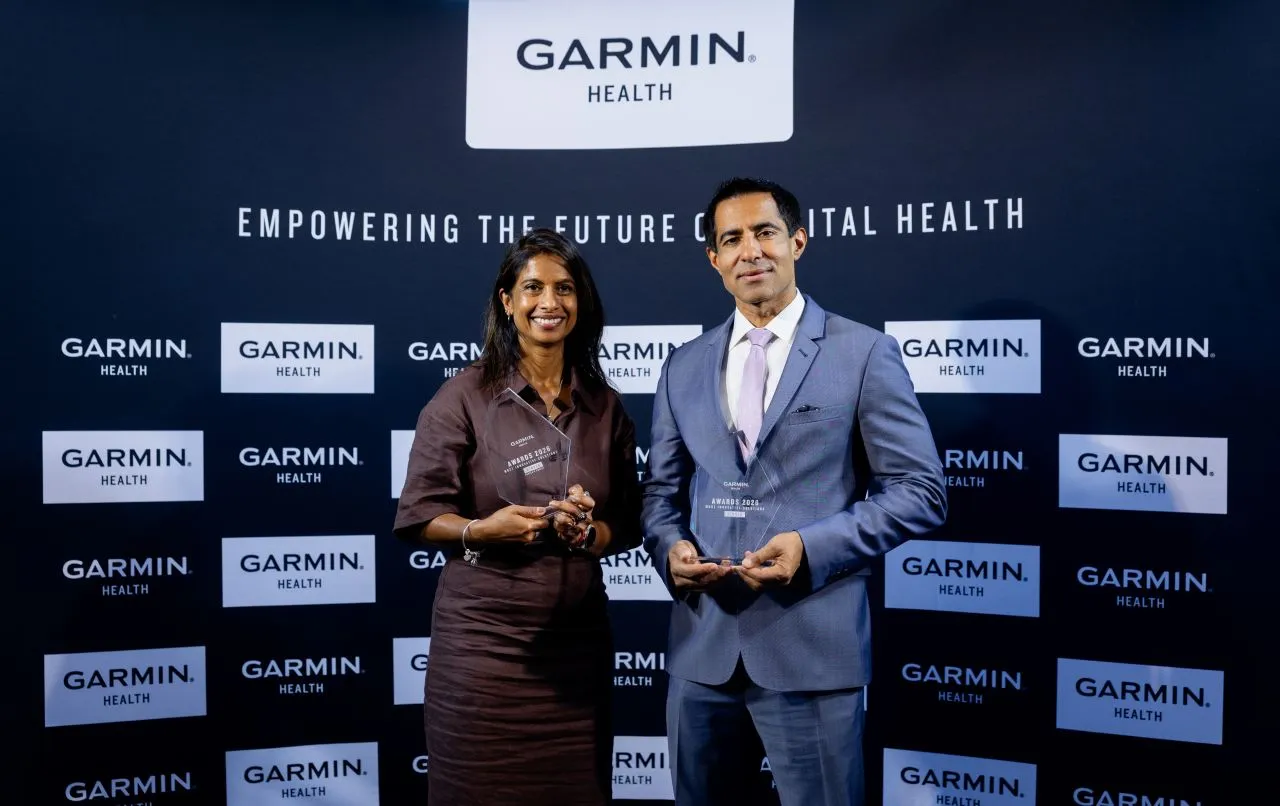
One of the summit’s highlights was the Garmin Health Awards, which recognized innovations pushing the boundaries of digital health. Out of 130 entries, six finalists presented research spanning applications in fitness, wellness, and medical research. The breadth of these projects reflected the growing potential of Garmin’s technology across industries, extending well beyond its familiar place in fitness and outdoor recreation.
Among the winners, HeraMED received the People’s Choice Award for its work in women’s health, exploring how wearable technology can support women across different life stages, from pregnancy to menopause and chronic conditions. Meanwhile, Montefiore Einstein took home the Expert’s Choice Award for its cancer research, which examined how daily activity data collected through wearables could help identify patients who may have greater difficulty tolerating treatment.
Garmin may have made its name in the world of fitness, but the possibilities of wearable technology are proving to be much bigger. As running clubs flourish, pickleball courts multiply, and more people make movement a part of their everyday lives, the next step is understanding what happens beyond the workout. Because living life to the fullest isn’t just about how much we can do, but how well we can continue doing it.
Featured Image and Photos: GARMIN
Frequently Asked Questions
The Garmin Health Summit is an annual event where discussions and research explore how wearable technology can support digital health. The two-day 2026 edition covered stress and fatigue monitoring, sleep tracking, early disease detection, and women’s health, and included the Garmin Health Awards.
The Garmin Health Awards recognize innovations pushing the boundaries of digital health. At the 2026 edition, six finalists out of 130 entries presented research spanning fitness, wellness, and medical research, showing the technology’s reach beyond Garmin’s familiar place in fitness and outdoor recreation.
HeraMED received the People’s Choice Award at the 2026 Garmin Health Awards for its work in women’s health, exploring how wearables can support women from pregnancy to menopause and chronic conditions. Montefiore Einstein received the Expert’s Choice Award for cancer research using wearable activity data.
Montefiore Einstein’s research examined how daily activity data collected through wearables could help identify cancer patients who may have greater difficulty tolerating treatment. The work earned the Expert’s Choice Award at the 2026 Garmin Health Awards, as an example of wearables supporting medical research.
Discussions at the 2026 Garmin Health Summit explored stress and fatigue monitoring, sleep tracking, early disease detection, and women’s health concerns spanning perimenopause and pregnancy. Devices like the latest CIRQA band help users understand everyday activity, alongside Garmin’s multisport GPS smartwatches, golf wearables, and cycling computers.

Recommended Video
Latest Posts




Latest Issue