





The only acceptable absurdity these days is the application of sunscreen, where more is more, and too much still isn’t enough. These days, you can either spray it, slather it, spritz it, and—apparently—swallow it? Oral sunscreen sounds like something out of a fever dream, but it’s real and has been quietly gaining traction. Here’s what to know about it.
RELATED: Prebiotics are TikTok’s Newest Skincare Hero—But Are They Worth the Hype?
How It Works: Inside-Out
We tend to think of sun damage as something visible: sunburn, pigmentation, a peeling nose. But what most don’t realize is that the real trouble often happens deeper.

When exposed to the sun, UVA rays penetrate the skin, past your SPF and into your dermis, where they trigger oxidative stress. This stress brings a flood of unstable molecules called free radicals that chip away at collagen, damage DNA, and dull your skin’s ability to bounce back.
Enter sunscreen pills or oral sunscreens. They don’t block rays, so the name may be a tad bit too generous, but what they do is strengthen your skin’s defenses from within. These are loaded with antioxidants—Polypodium leucotomos, vitamin C, astaxanthin, and the like—that disarm these free radicals and help patch up cellular damage after exposure.
Why You Need Oral Sunscreen
If they don’t block UV rays, why take it? It’s simple: human fallibility.
For one, we don’t apply enough. Research suggests that the average user applies less than half the amount needed to reach the SPF on the label. We forget to reapply every two hours, making the busy bees and makeup-loving women especially guilty and vulnerable.
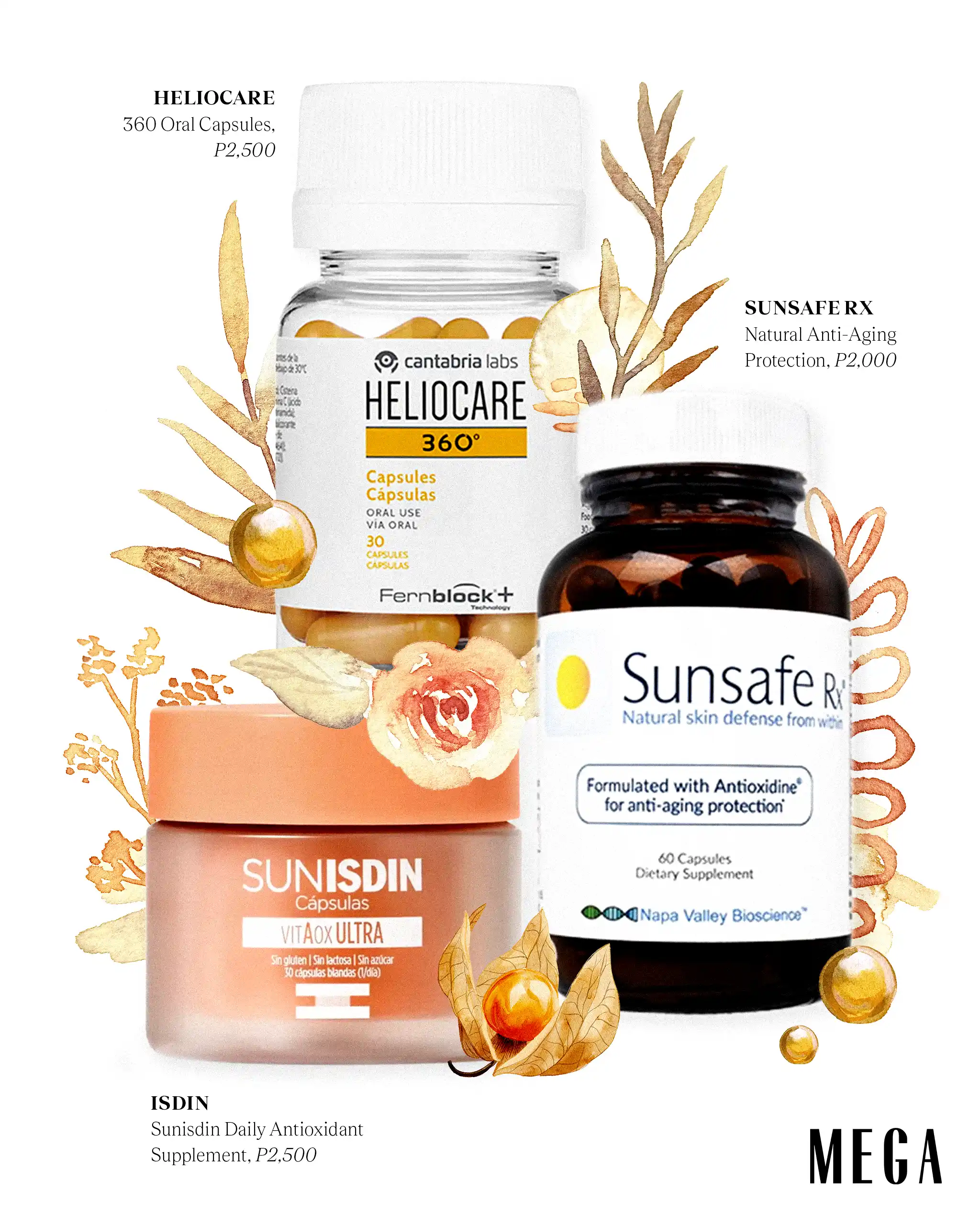
We also miss the blind spots, like the scalp, the ears, and the back of the knees. Add in sweat, water, and friction, which can easily wear the protection down. Oral sunscreens don’t have this problem as they offer systemic support, a second layer of protection from within.
Why You Need Both
This isn’t a choose-your-fighter situation. Think of both topicals and orals as a tag team to get the best sun protection.
Topical SPF does the blocking, oral sunscreen handles the mess. One sits on the surface, the other deals with what seeps through. Together, these can give you a smarter and more complete defense.

If there’s one thing to take away, it’s this: oral sunscreens matter, especially in sun-heavy climates like ours. However, they are not a replacement for topical SPF. They’re a supplement; there’s no pill or capsule that can replace your sunscreen.
Sun exposure is constant. Our habits aren’t perfect. This is exactly why both layers, both topicals and orals, are worth having.
Featured Image and Photos: MEGA ARCHIVES
Recommended Video
Latest Posts




Latest Issue