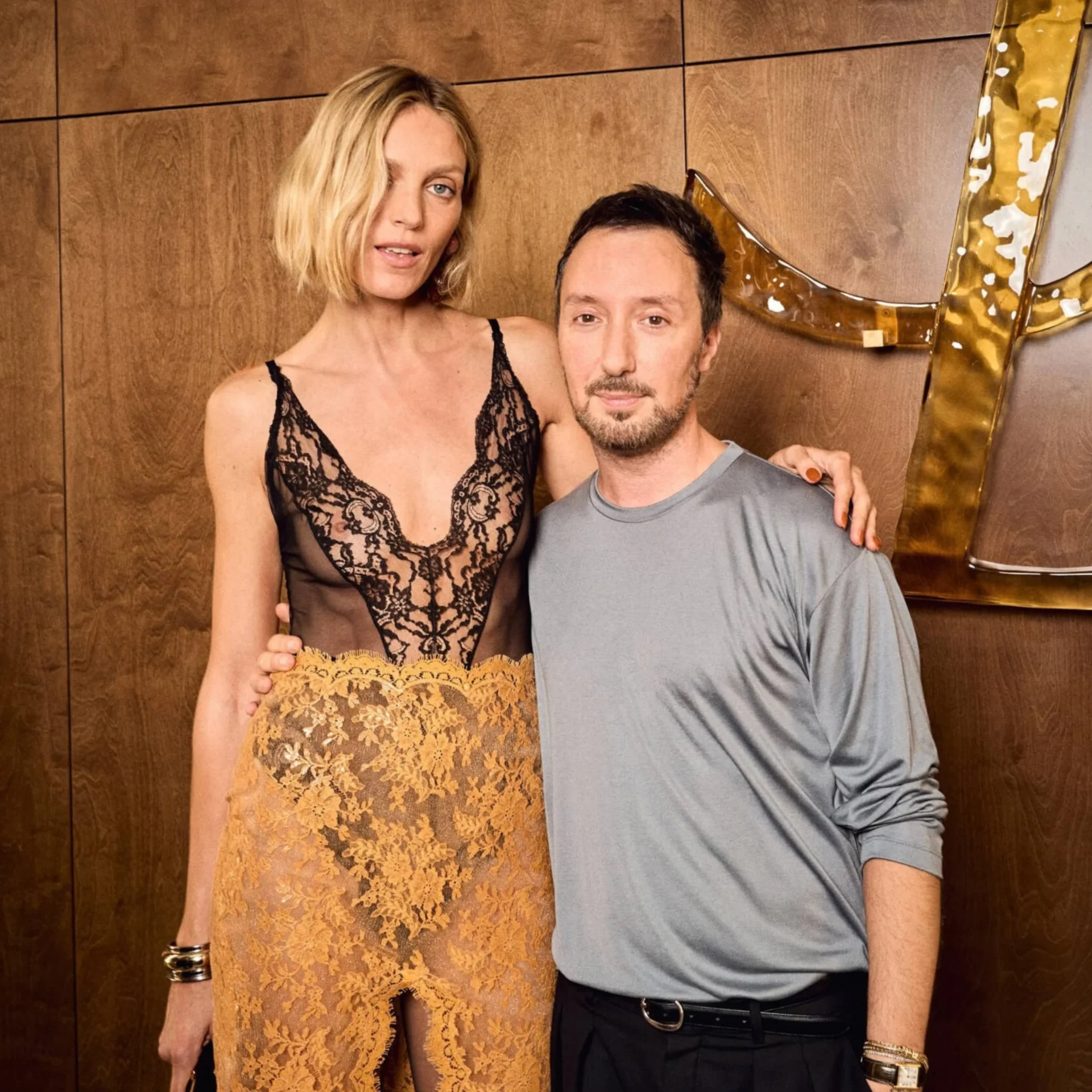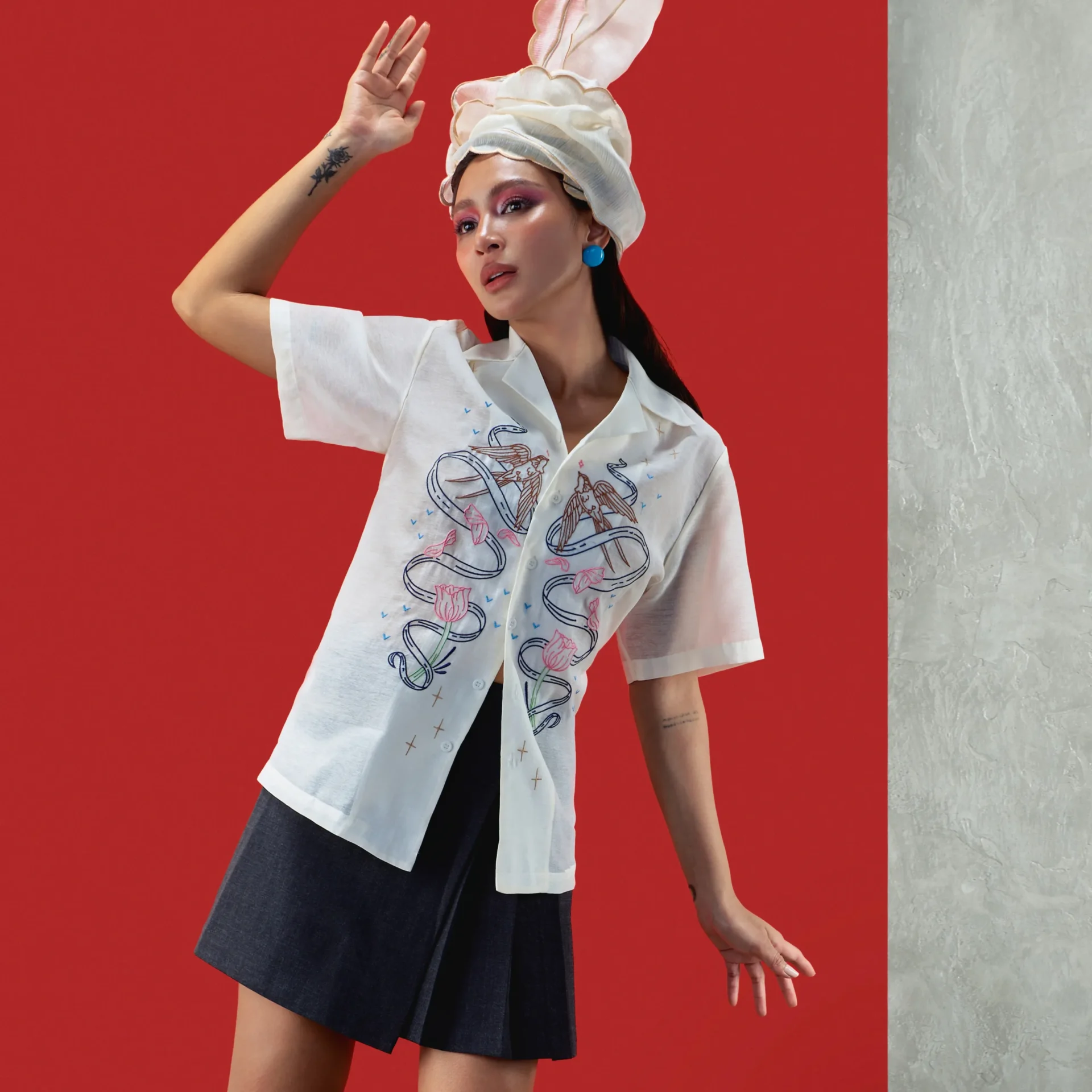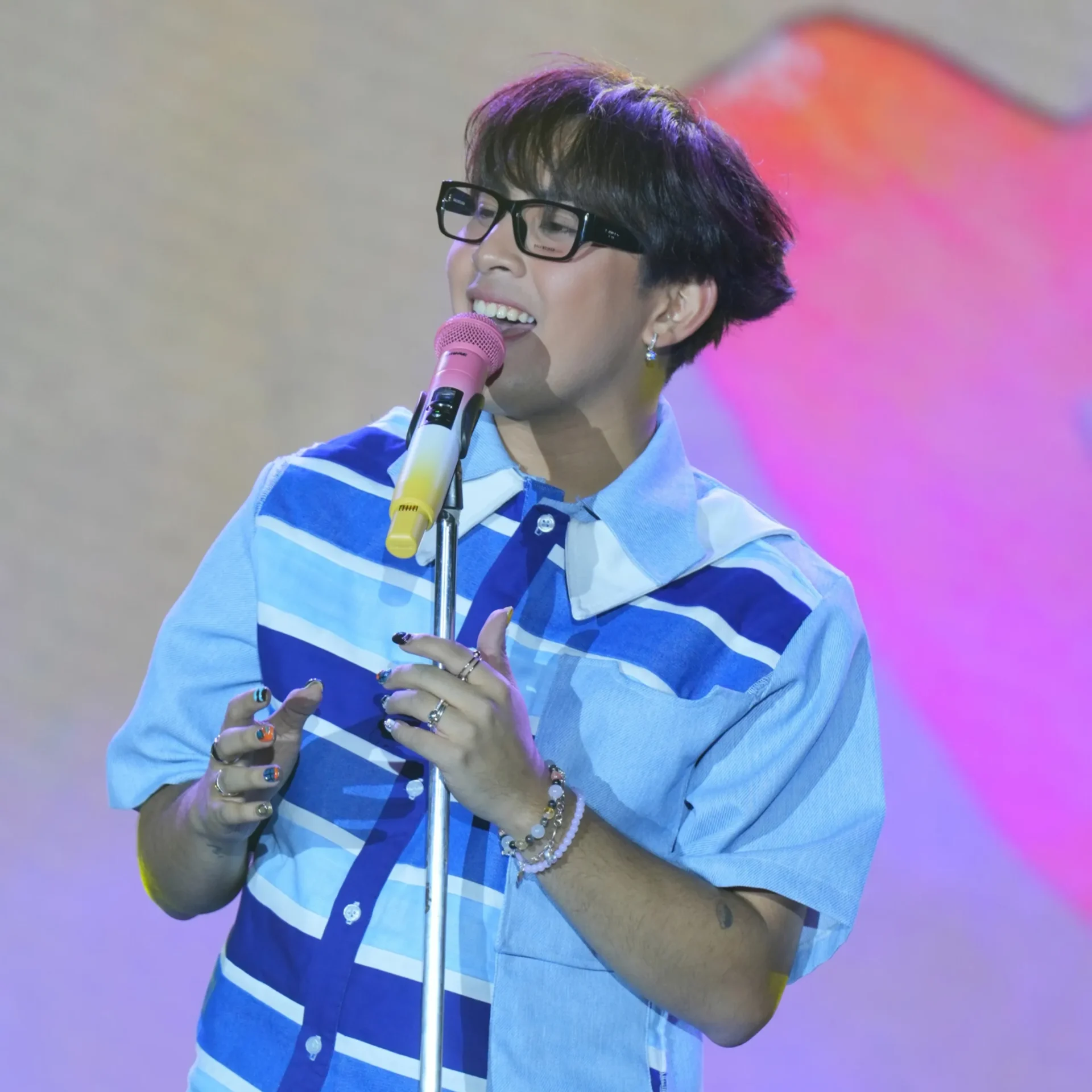




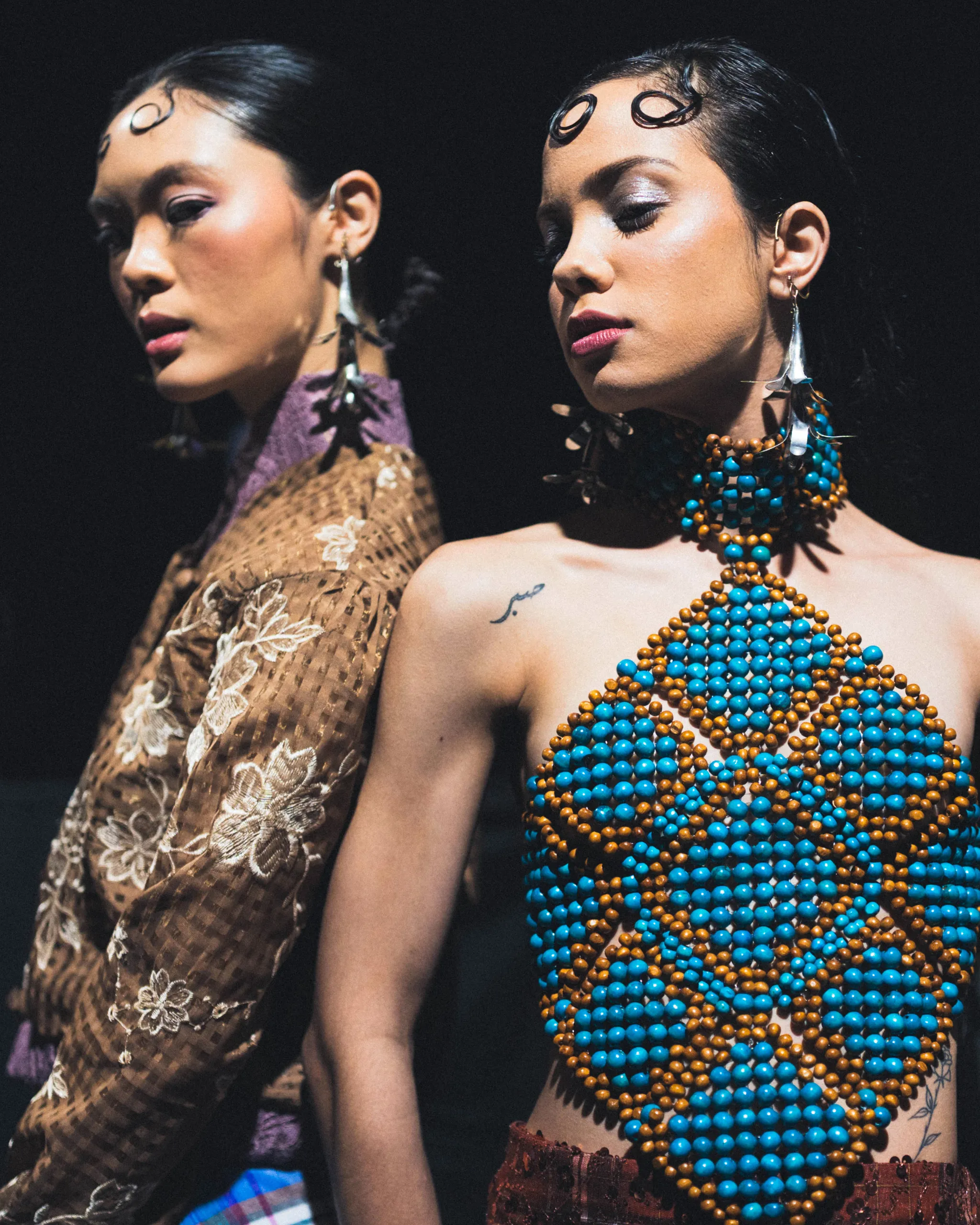
It has been said before, but it needs repeating for emphasis: in the realm of fashion, Southeast Asia has never been short on talent. With so much history and culture across the region, its industrious creatives have no shortage of inspiration and remain tenaciously determined to share what they can do, one runway collection at a time. As it happens, more than 50 Malaysian designers and labels at the recently concluded Kuala Lumpur Fashion Week 2026 did just that.
Under the theme Destination: Home Ground, Malaysia’s labels presented interpretations of their cultural roots as well as their individual identities. Witnessing a fellow Southeast Asian fashion community thrive was already wonderful enough, though the event also left its neighbors in the region with a few good points.
RELATED: Uzair Shoid Reminds Everyone That Nature Is Never Just a Mood Board
Designers Need Room to Define National Identity
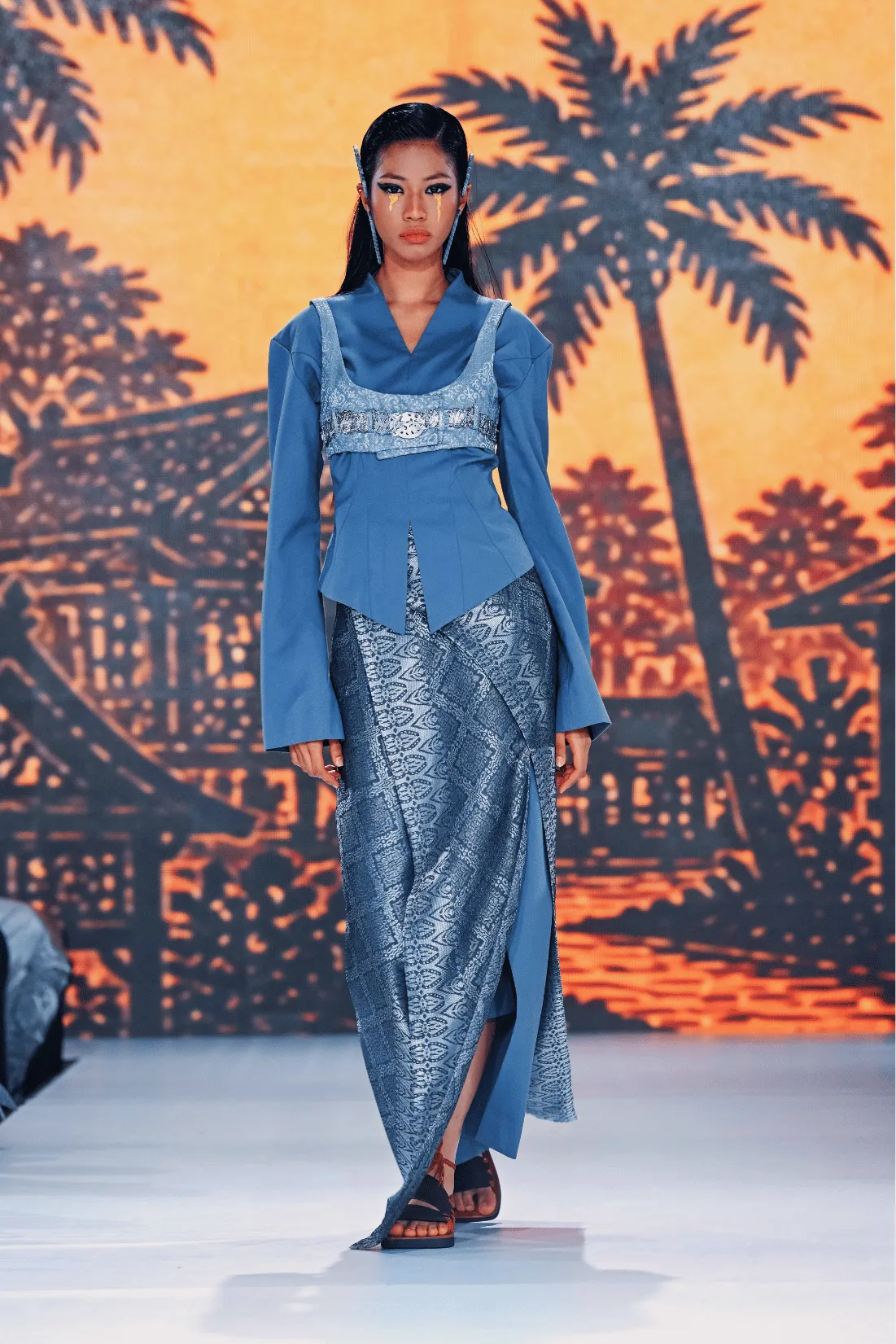
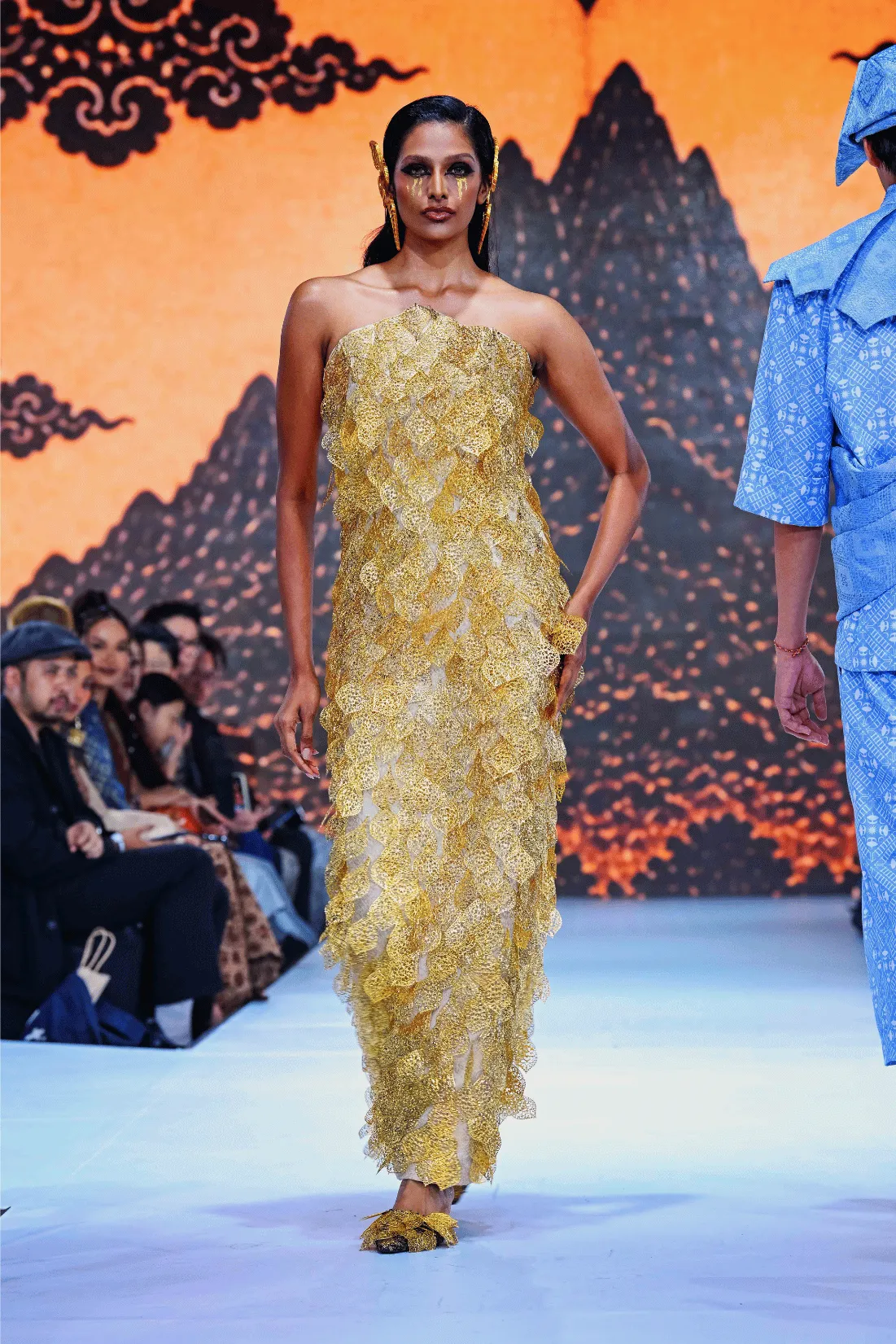
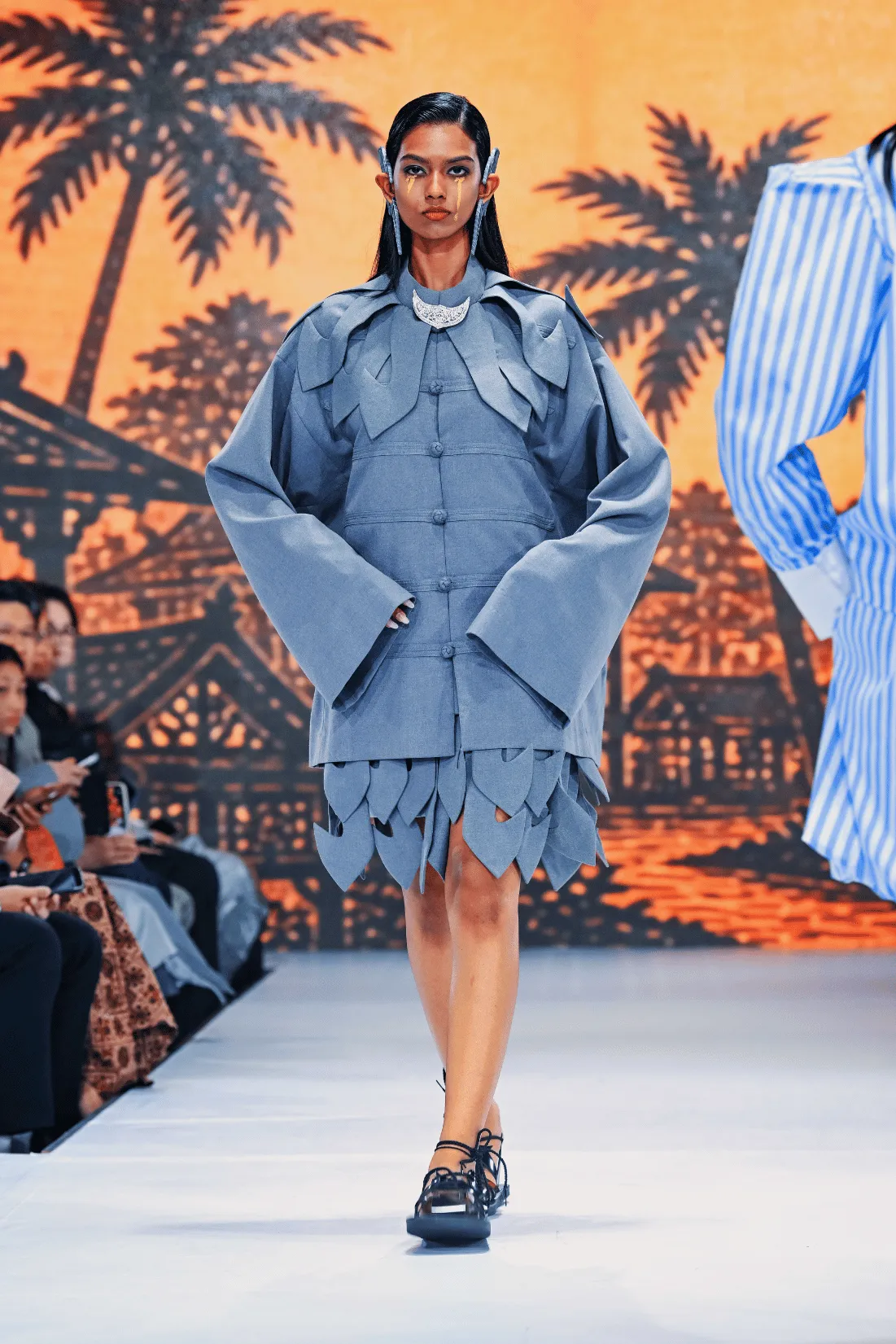
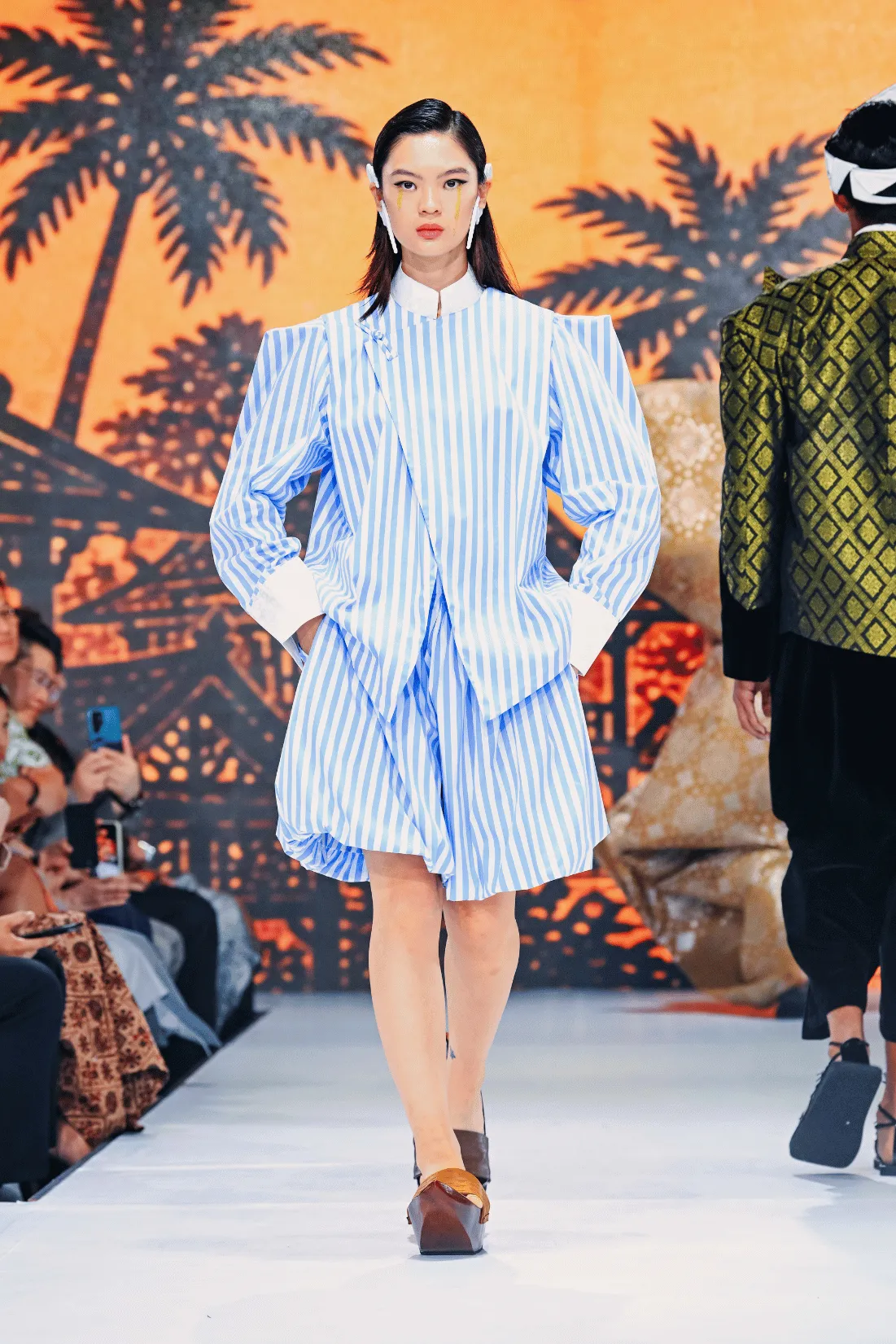
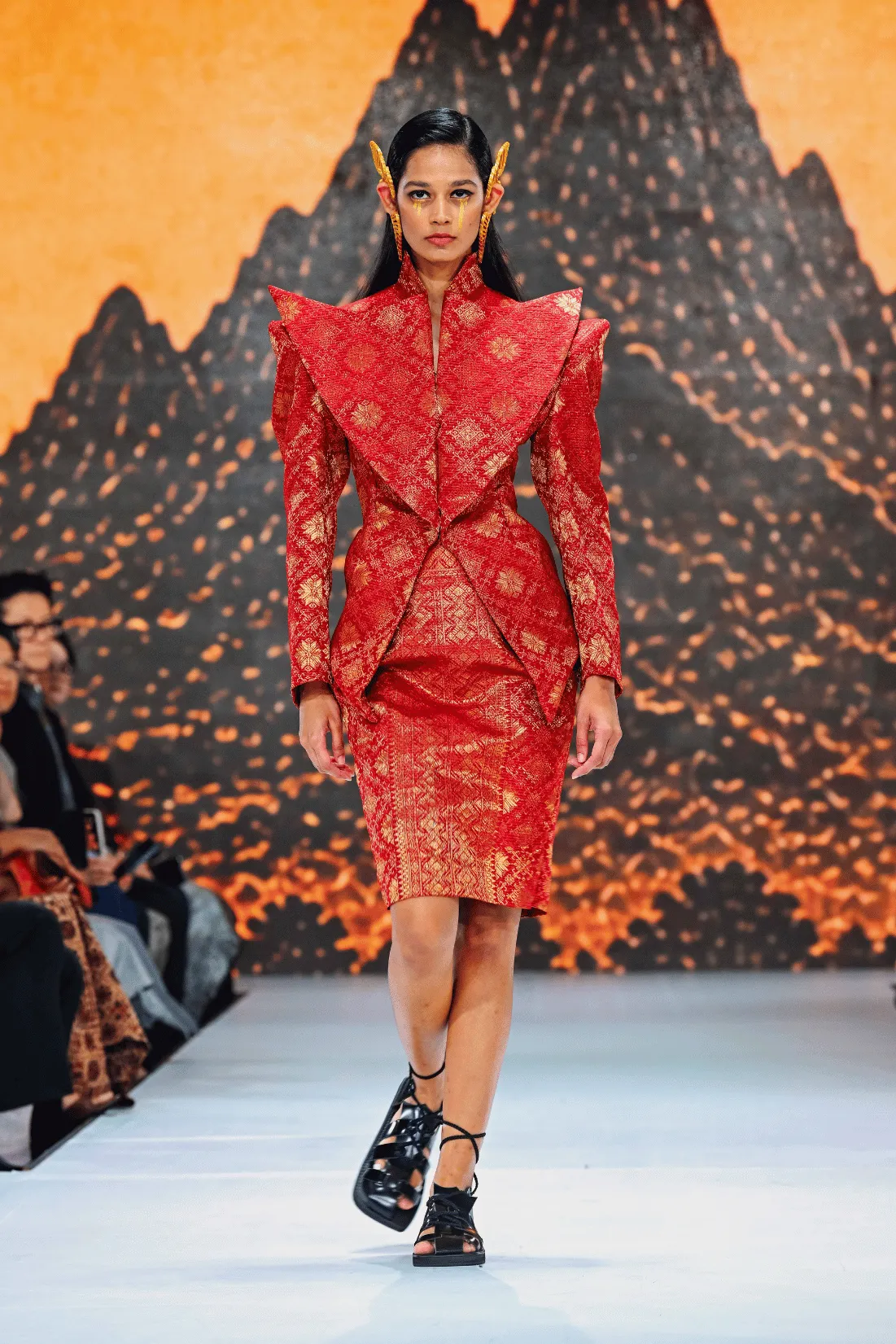
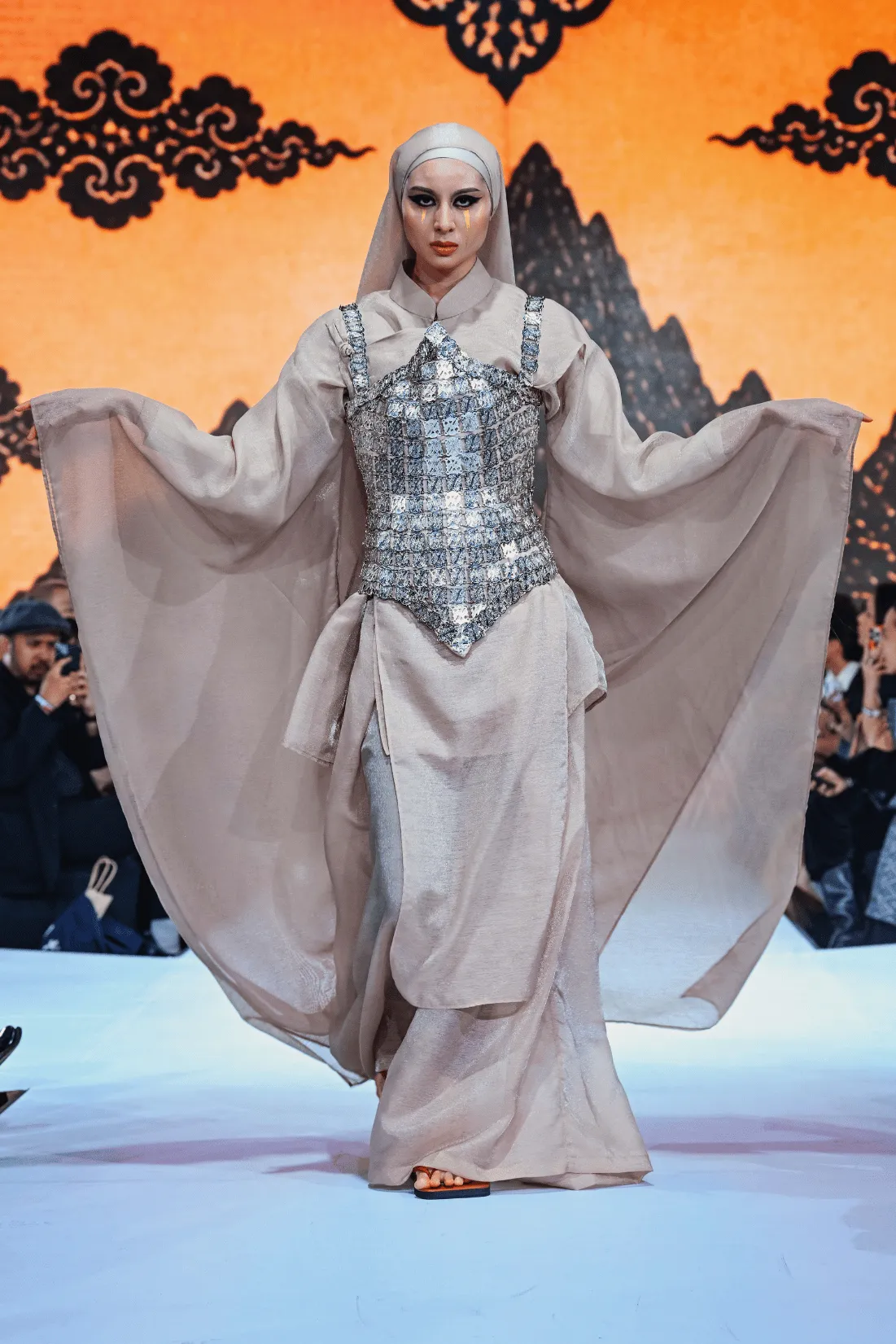
One of the first things KLFW 2026 did right was welcome all the possible ways a designer might interpret its theme.
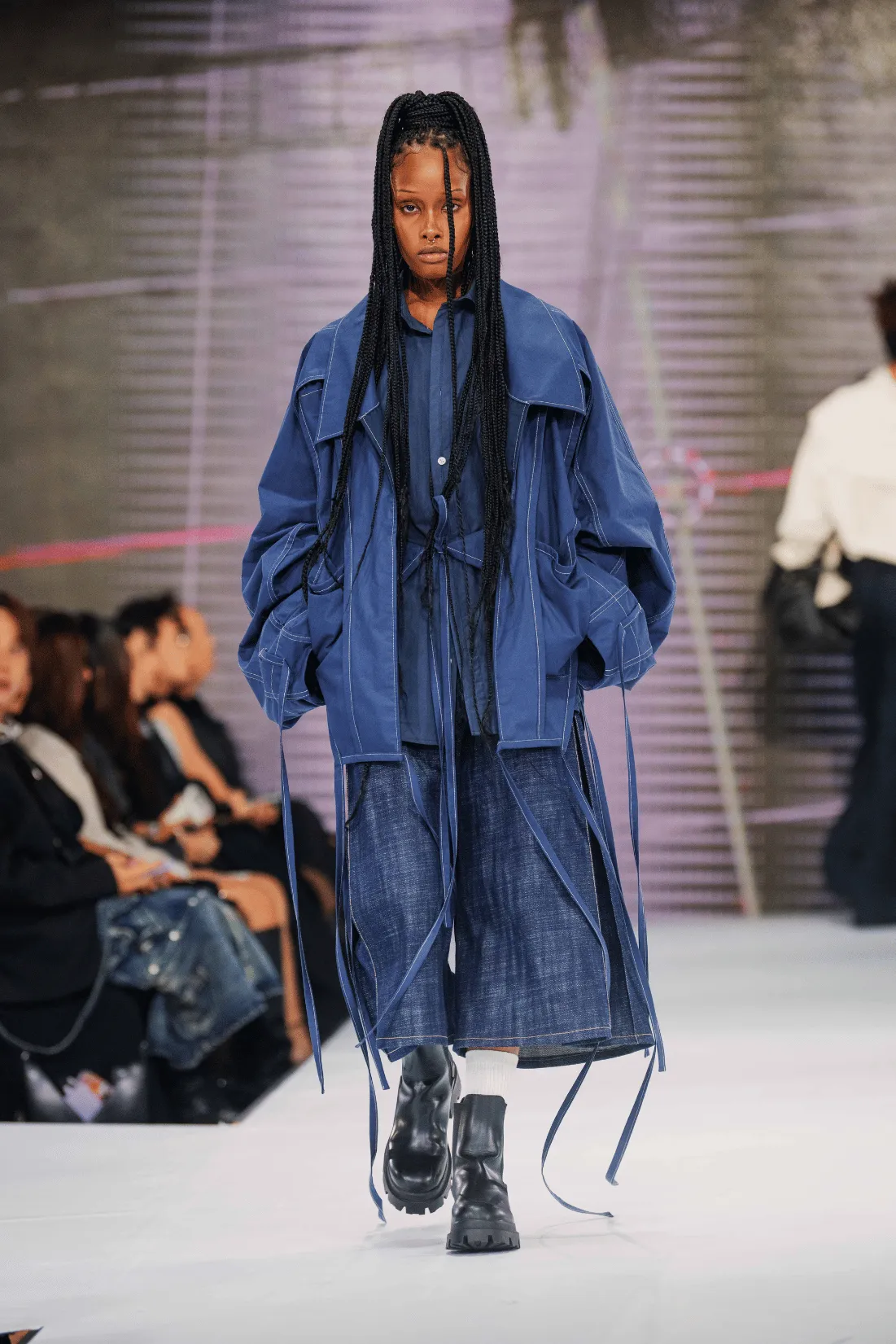
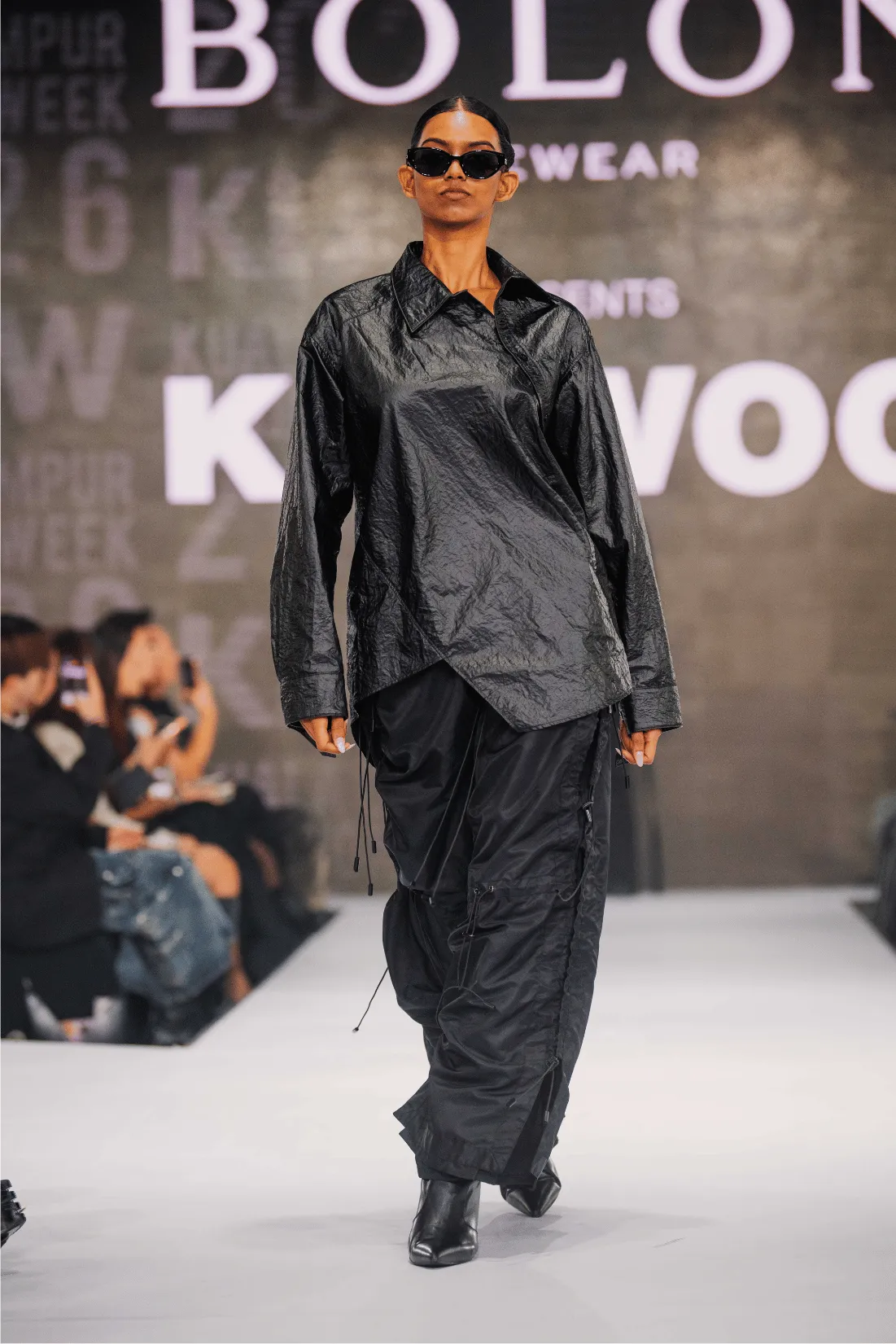
For Malaysian label BEHATI, Destination: Home Ground meant looking into the histories and legends that shaped the region. Its Bangsawan presentation referenced Malay Sultanate-era folklore and the cultural exchanges of Portuguese Malaya. KIT WOO took another route with Nothing Is Finished, returning to the label’s established visual codes through deconstructed tailoringDeconstructed TailoringA modern approach that takes classic tailored pieces, such as blazers and trousers, and reworks them with exposed seams, asymmetry, softened shoulders, or unfinished edges. Deconstructed tailoring keeps the polishGo to Deconstructed Tailoring Glossary and unfinished hems.
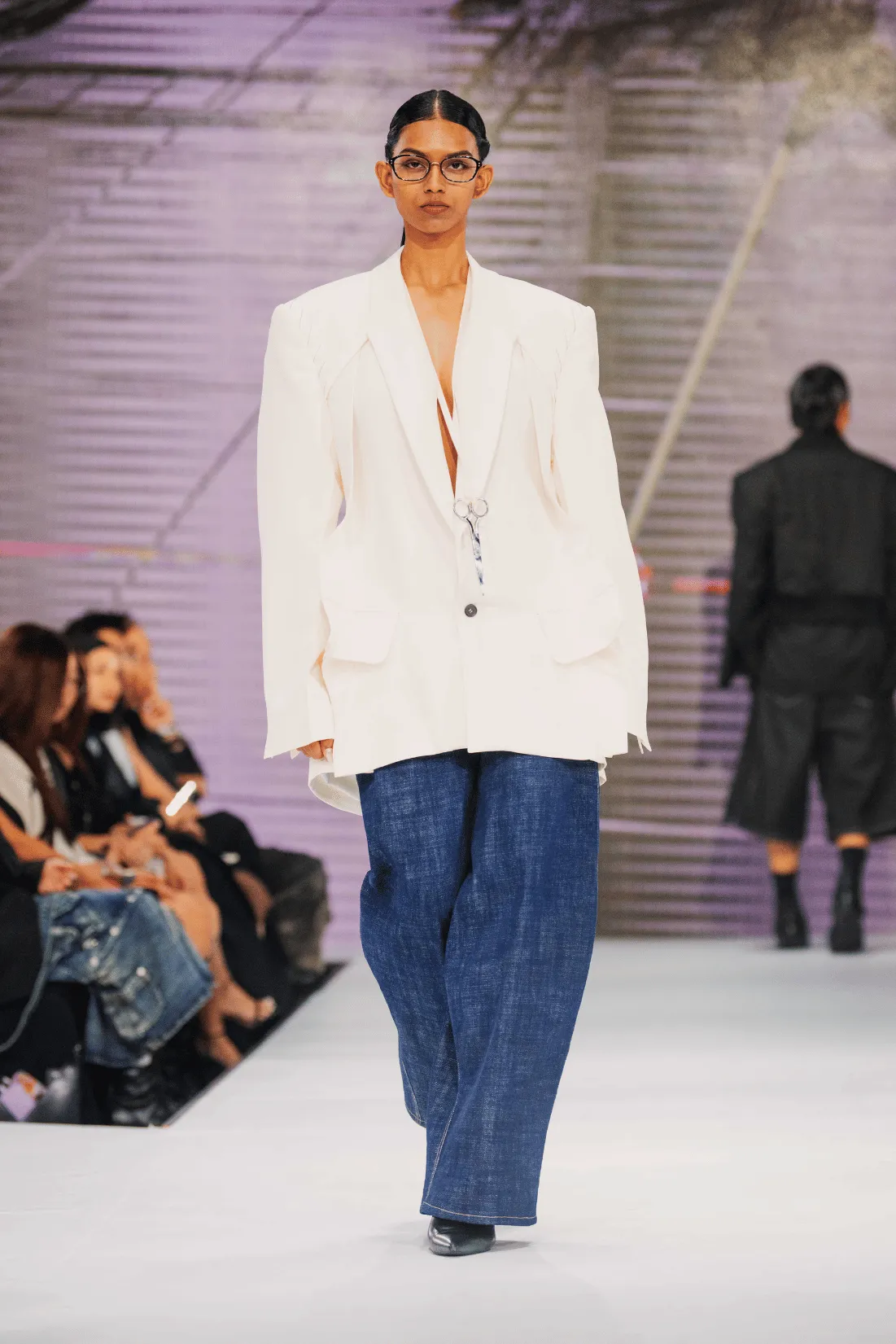
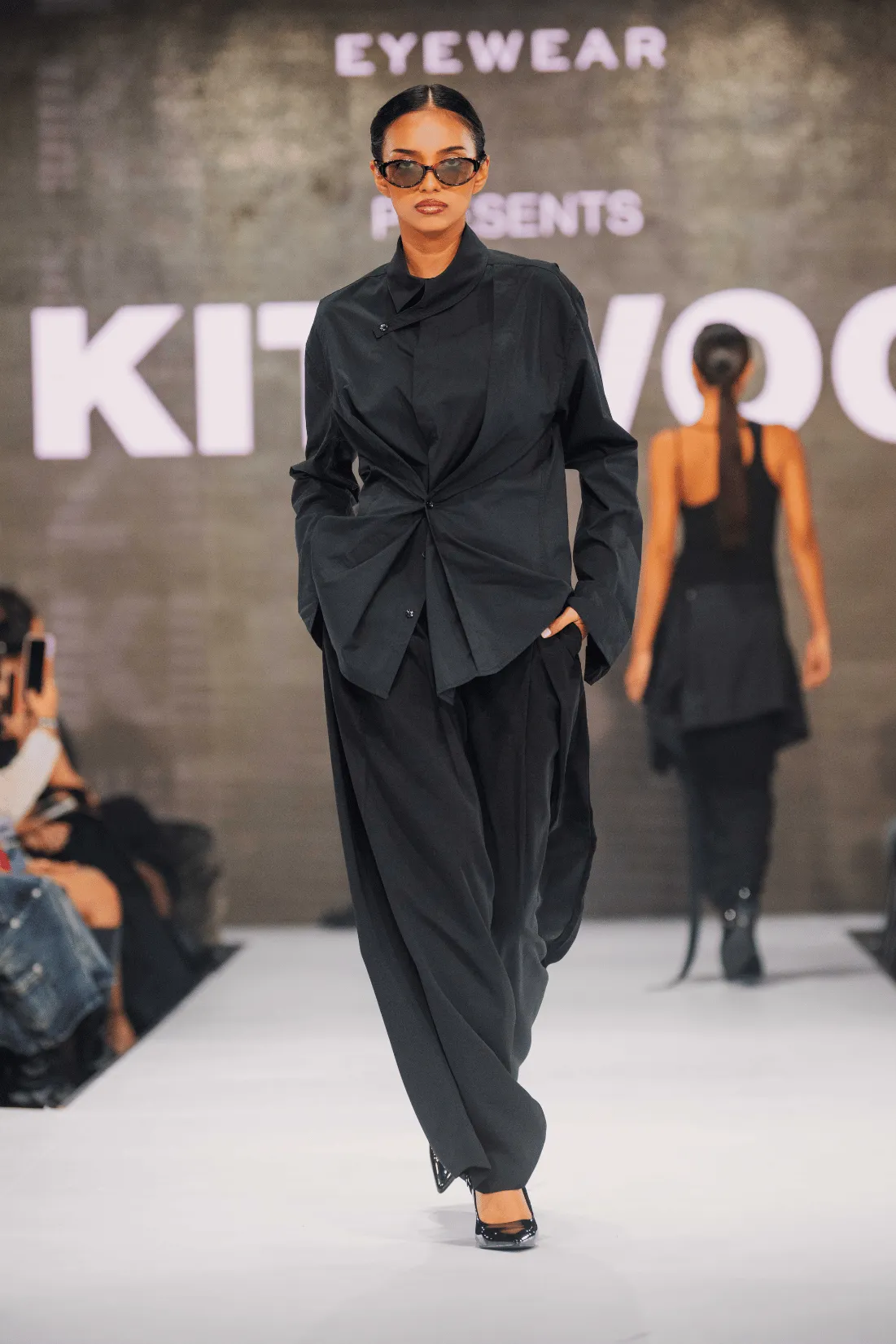
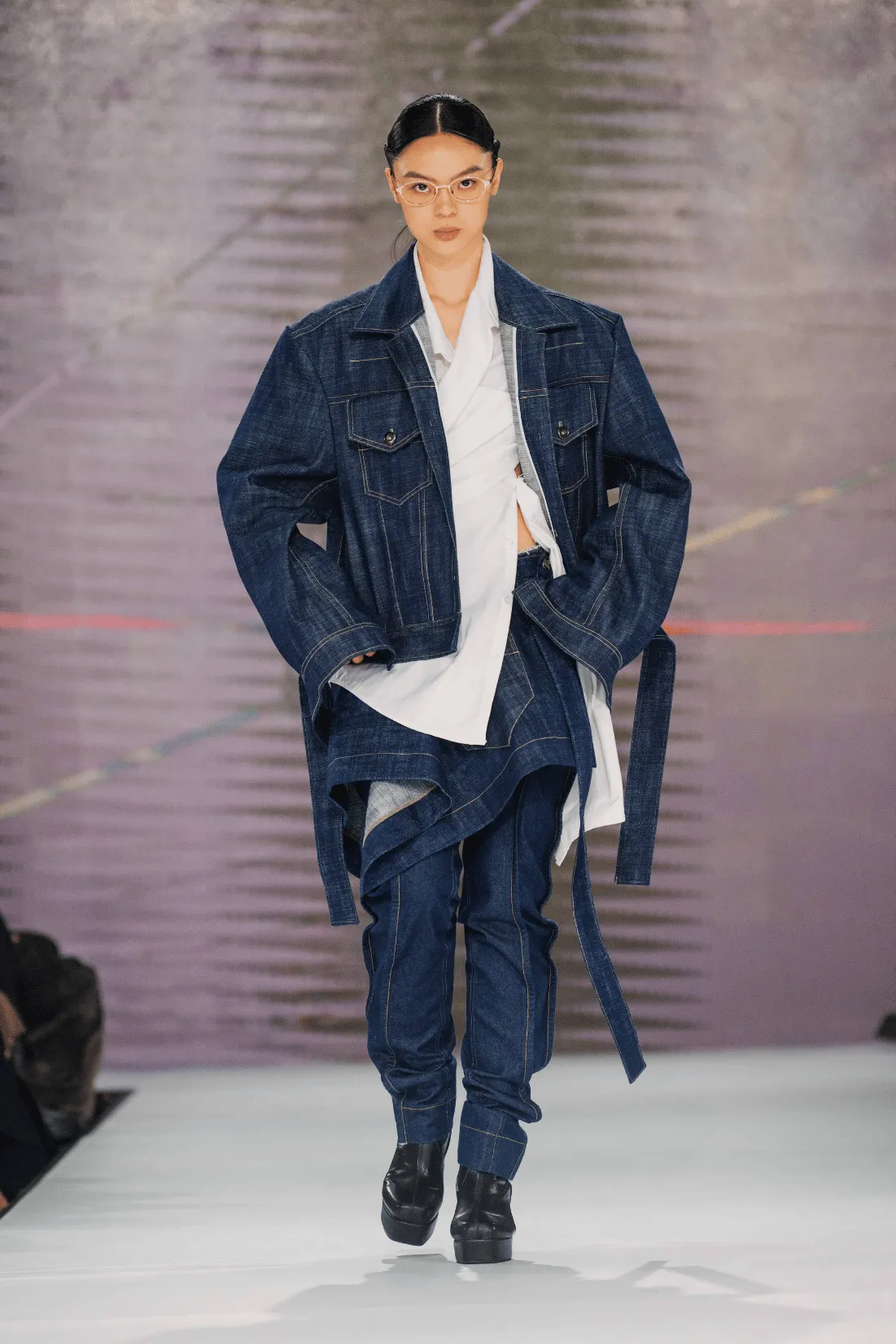
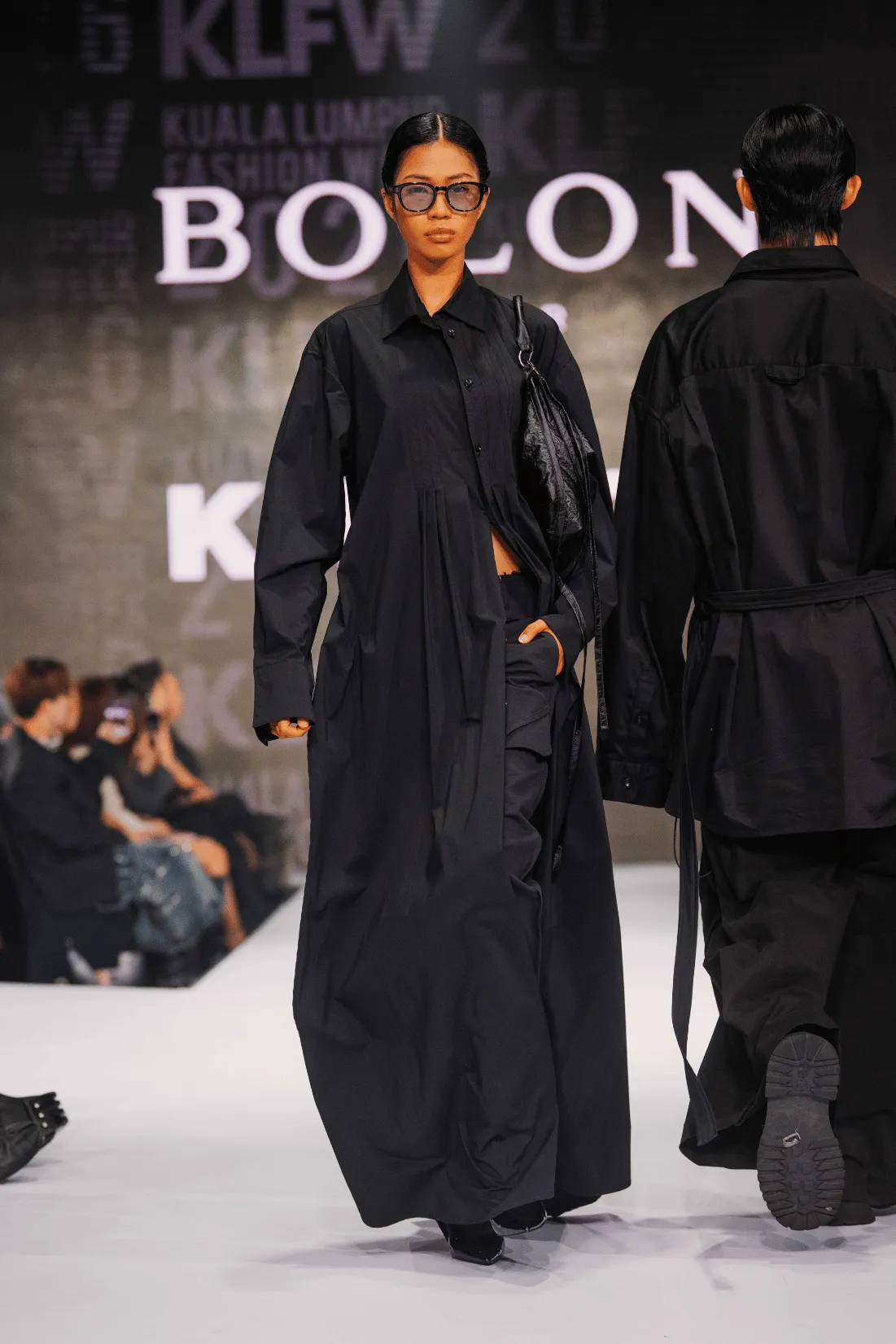
The bigger picture here, really, is the inclusivity of it all, which remains relevant in the Philippines where traditions shift from one region to the next. The fashion industry’s attention can easily remain concentrated in Metro Manila, as proximity to the media and major events gives work produced in the capital more opportunities to be documented. Creatives elsewhere may have to work harder to enter the same spaces, even when their practices broaden what Filipino fashion can represent.
Filipino identity has too much breadth to be defined by only a handful of names. Every designer contributes to expanding that story, regardless of whether they’re established or just beginning their journey. Thus, supporting local fashion also means trusting our creatives to explore where they came from through personal histories and contemporary lives.
How Andrew Tan and Hatta Dolmat Balance Business With Design at KLFW
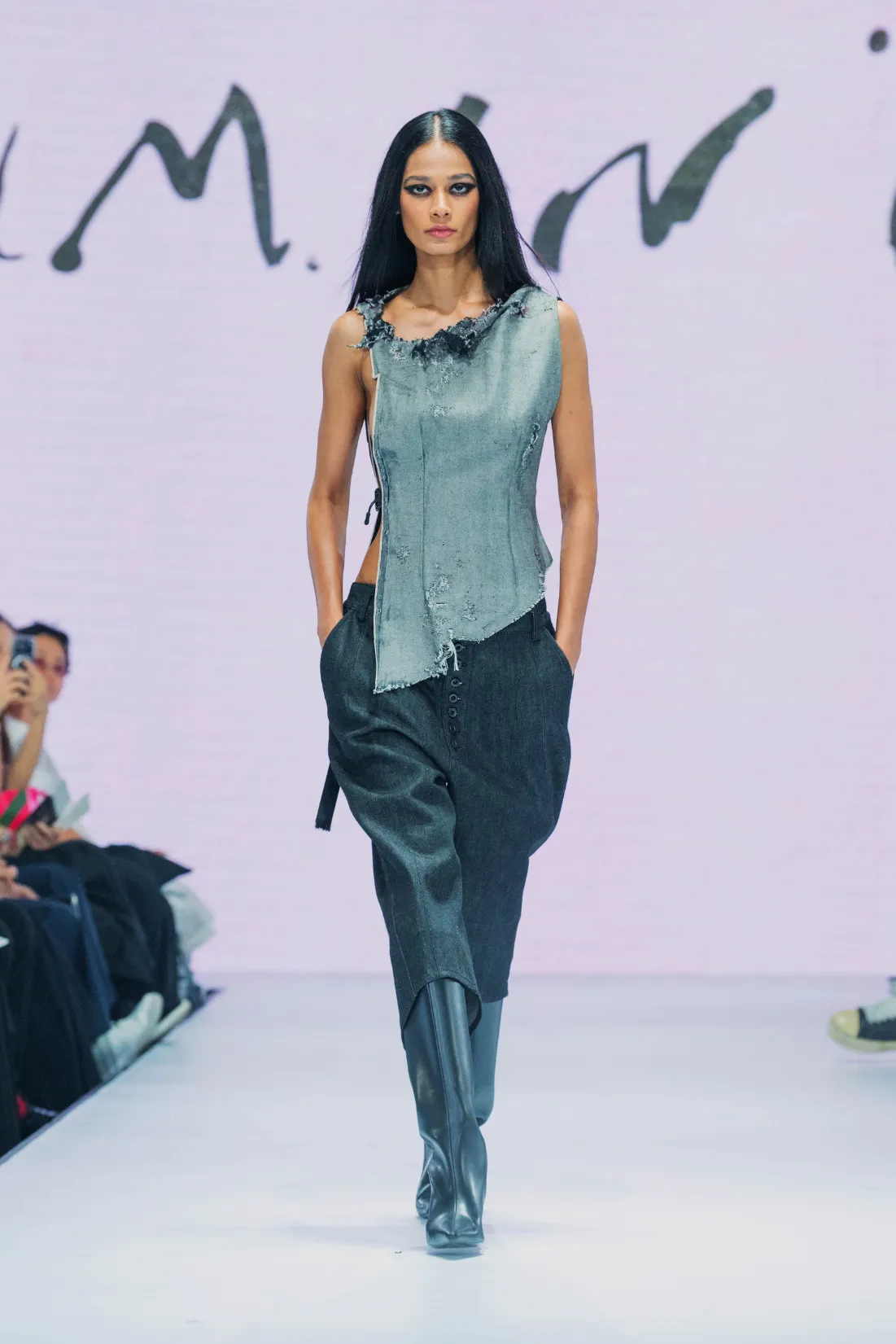
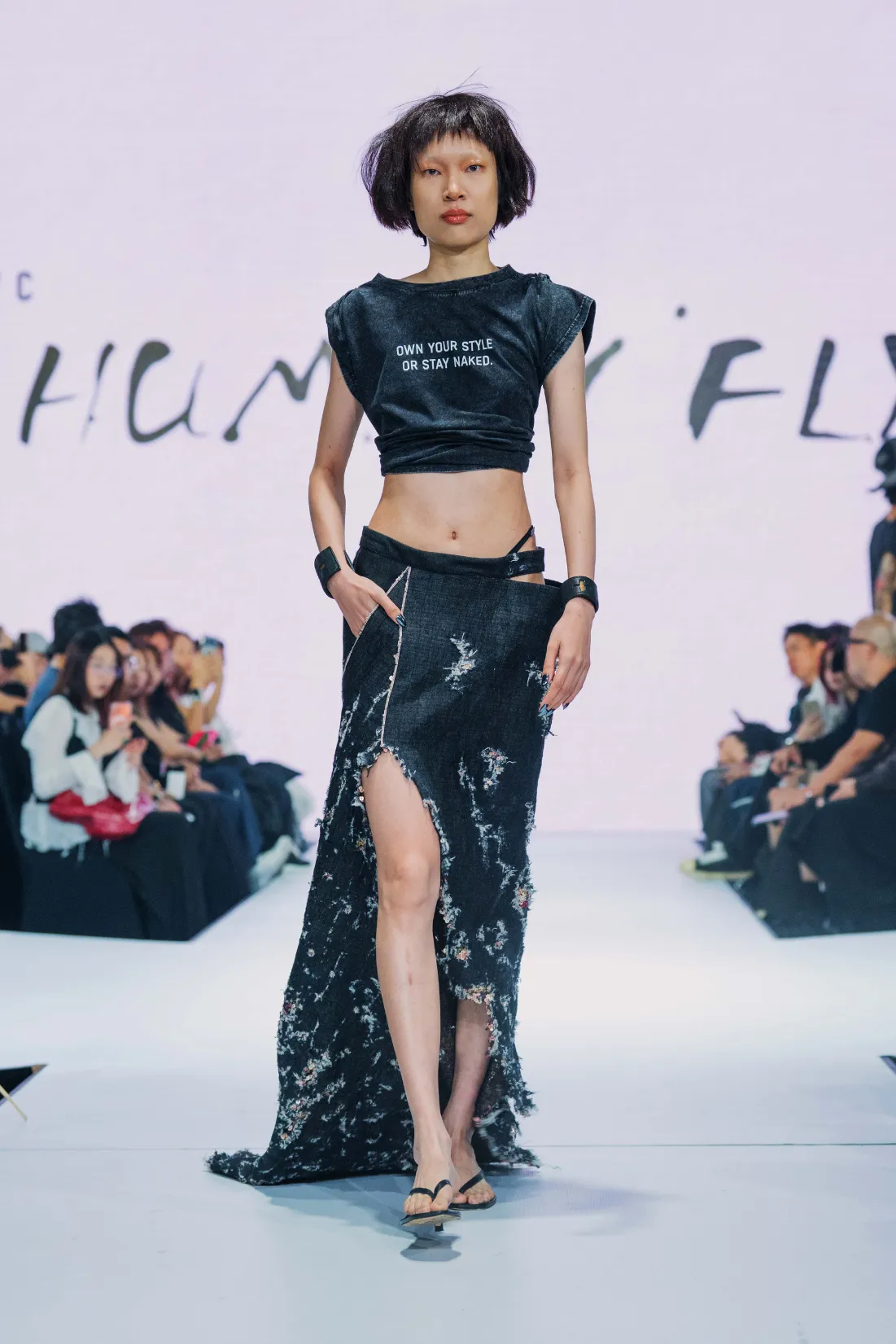
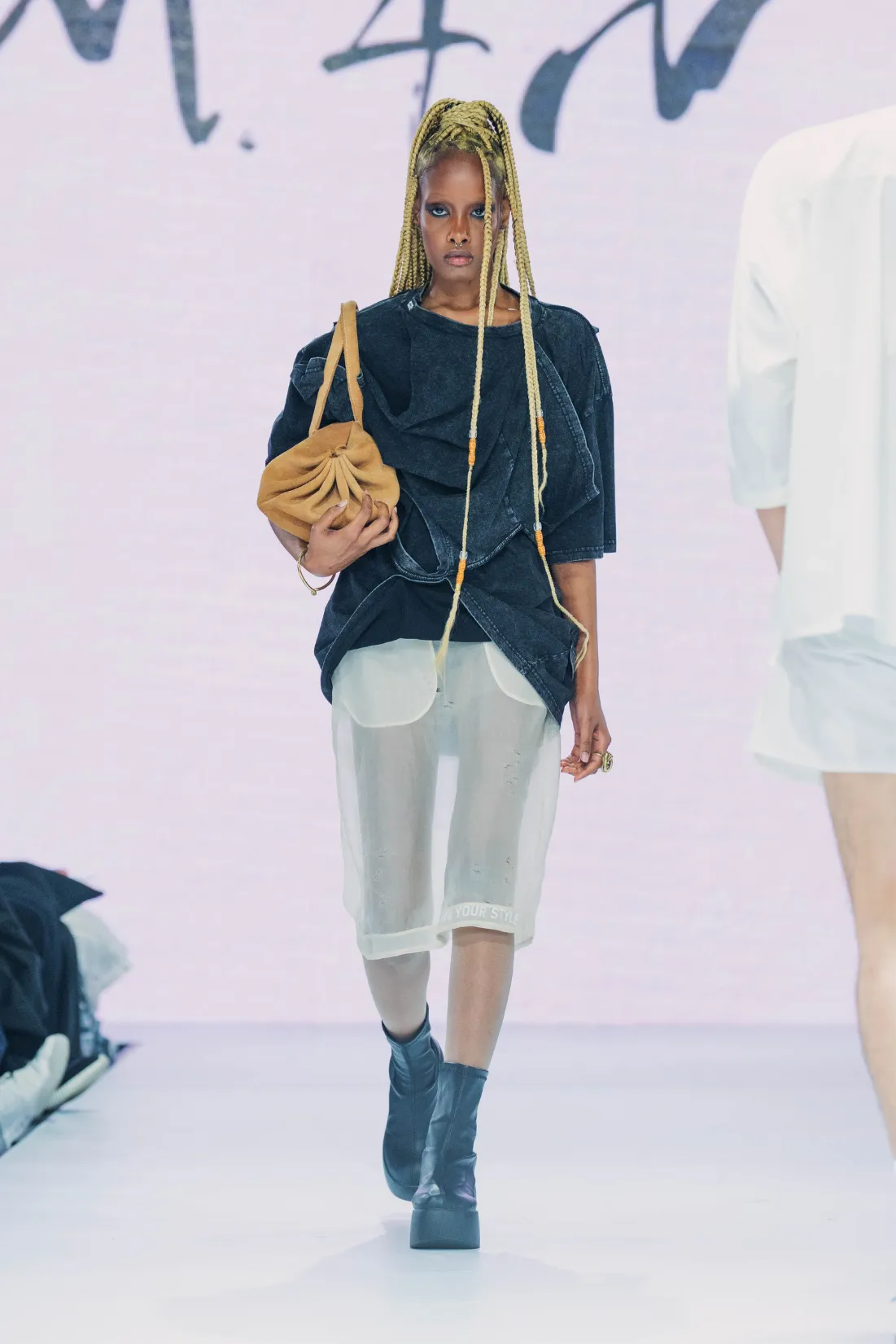
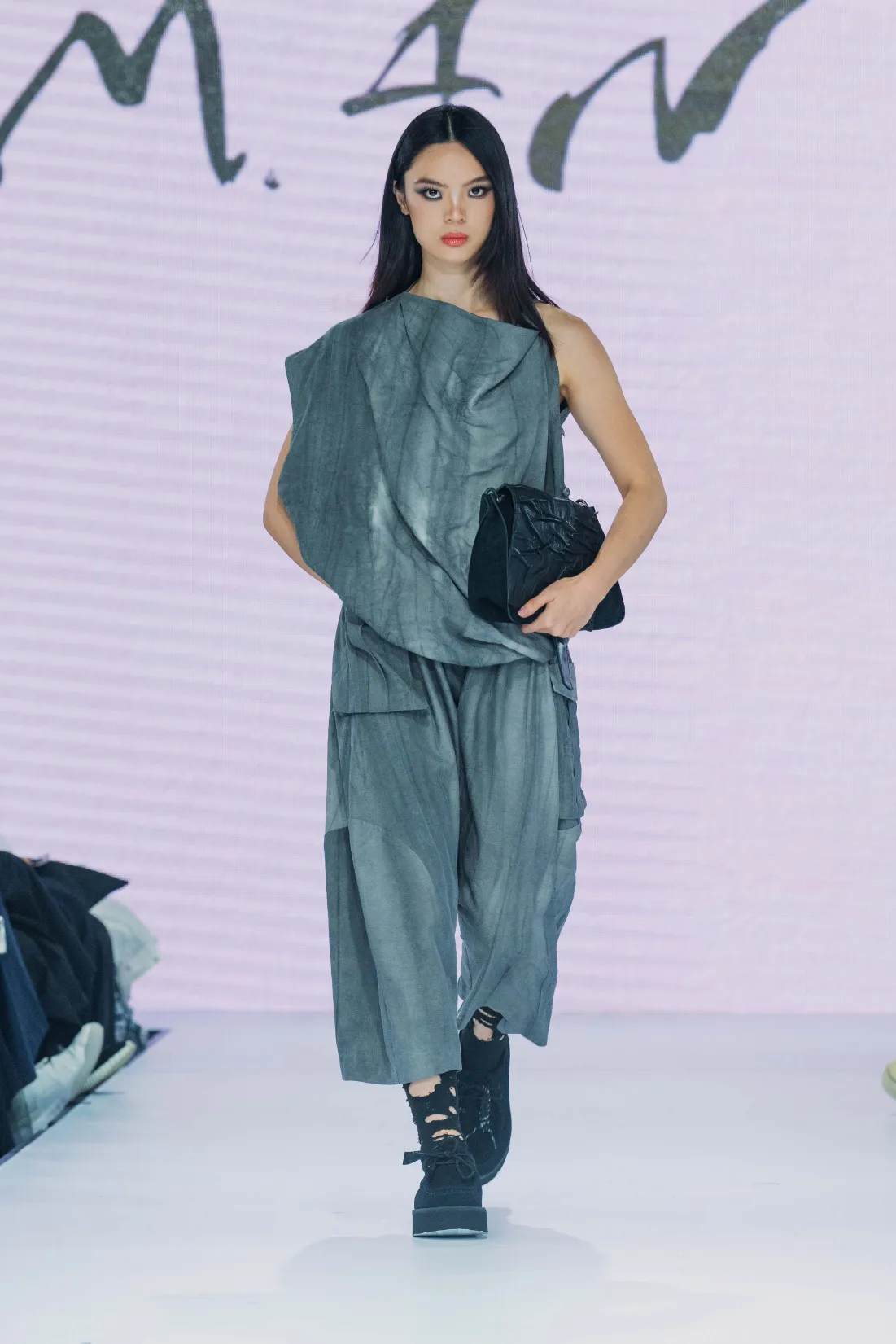
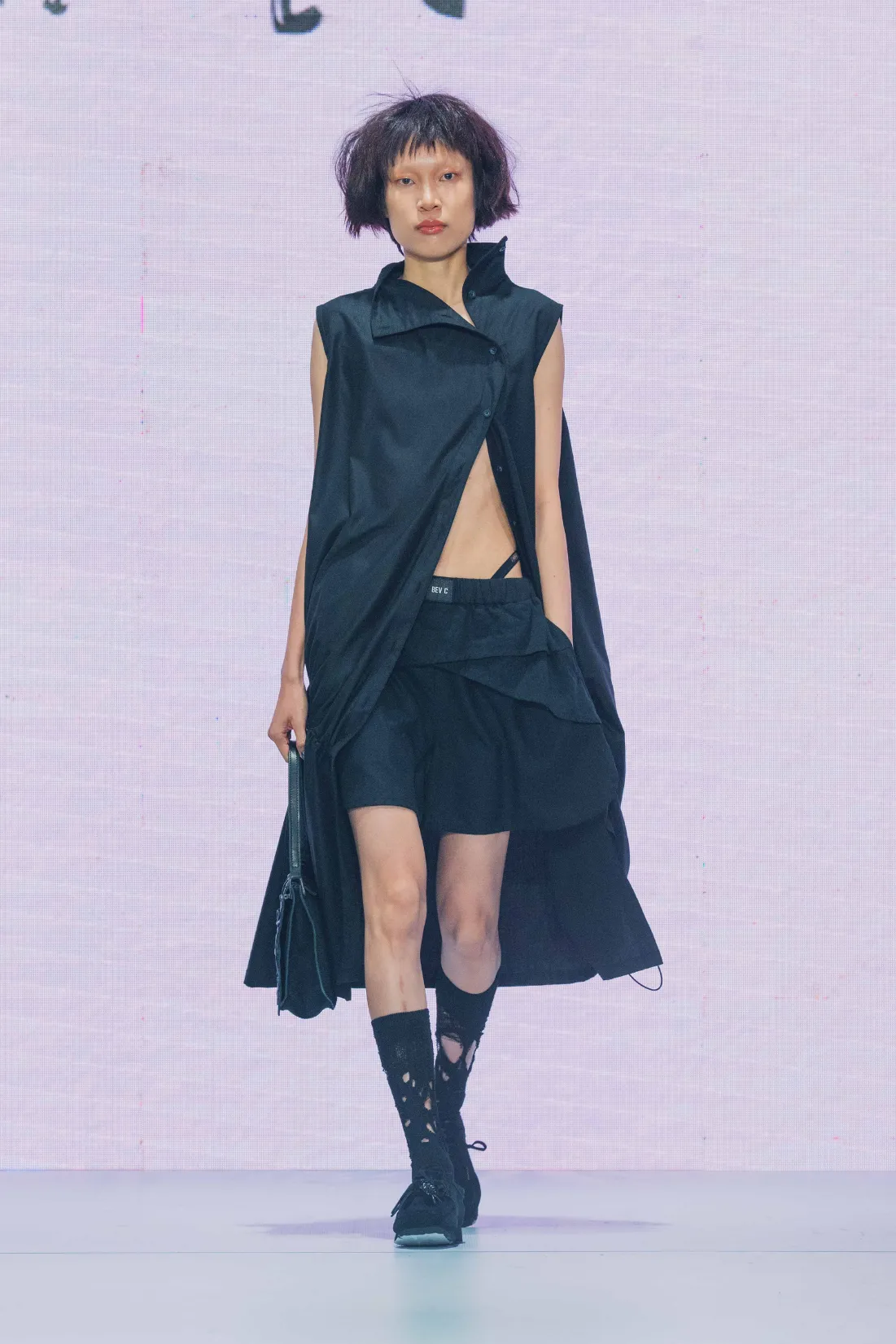
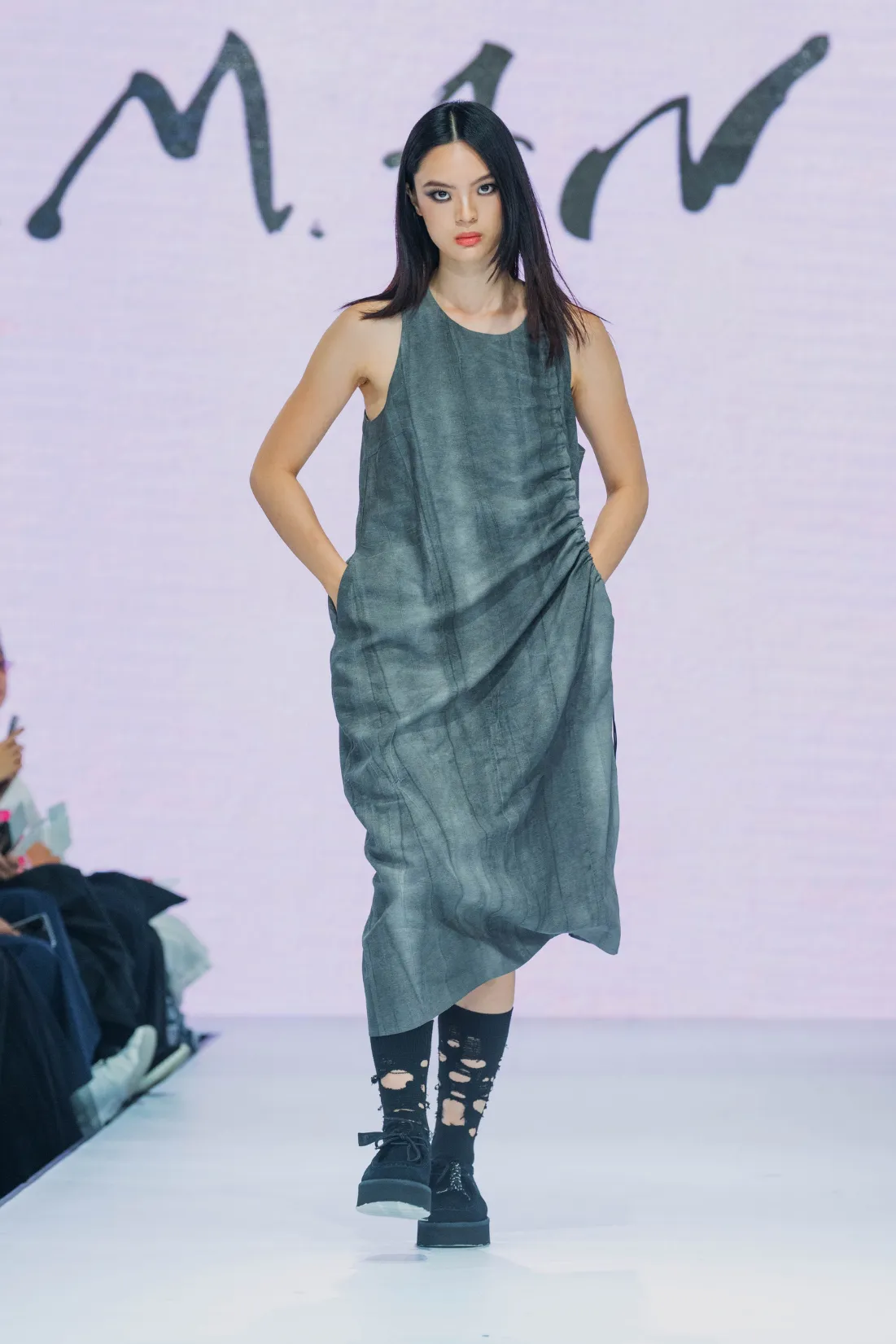
A local runway show can inspire admiration within minutes of being uploaded on social media, especially when a famous celebrity helps draw more eyes to it. Keeping a fashion community alive requires practicality, too, and Andrew Tan has championed this for more than a decade. When he founded Kuala Lumpur Fashion Week in 2013, he placed ready-to-wear at the core of the platform and encouraged Malaysian designers to develop clothes customers could purchase off the rack.
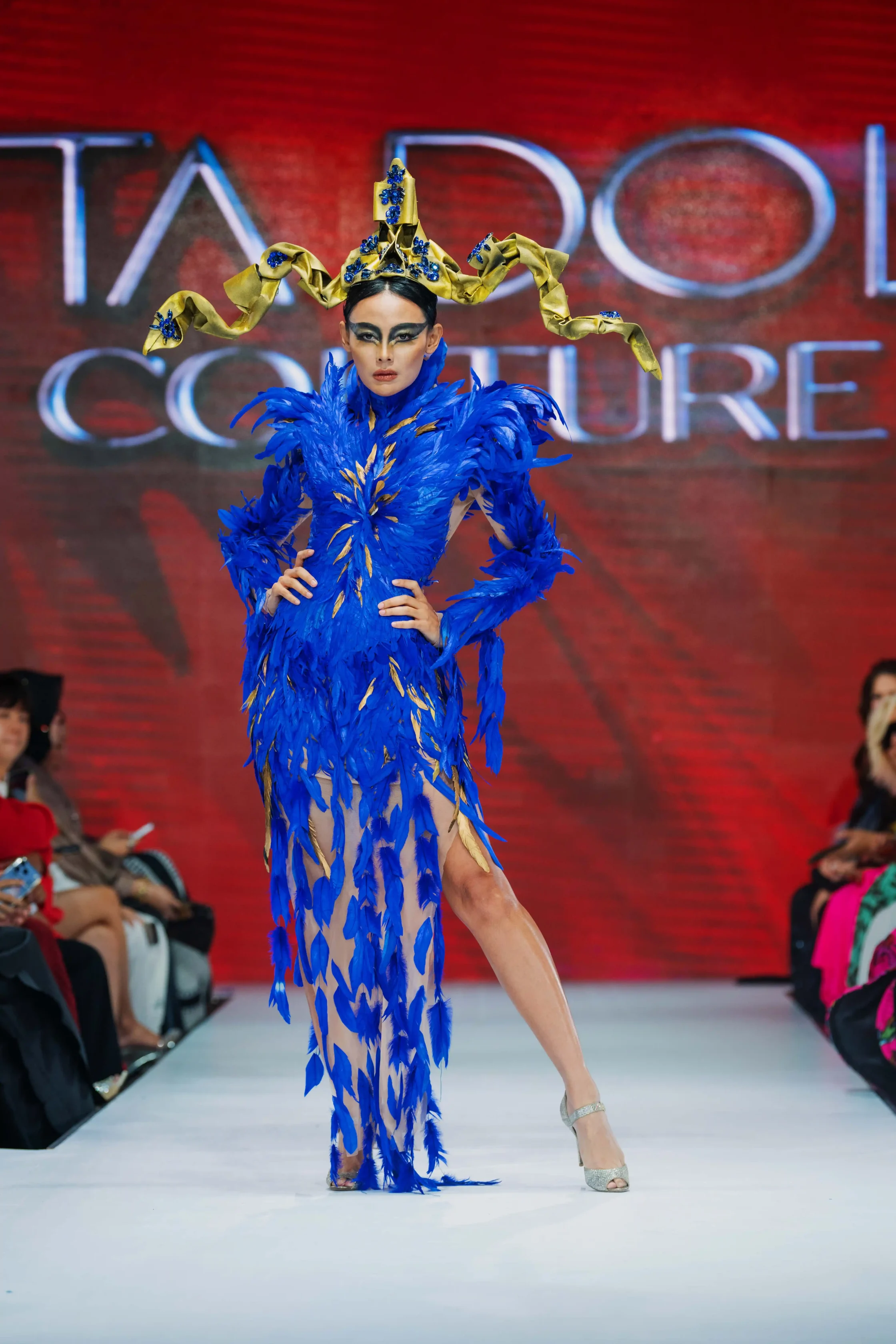
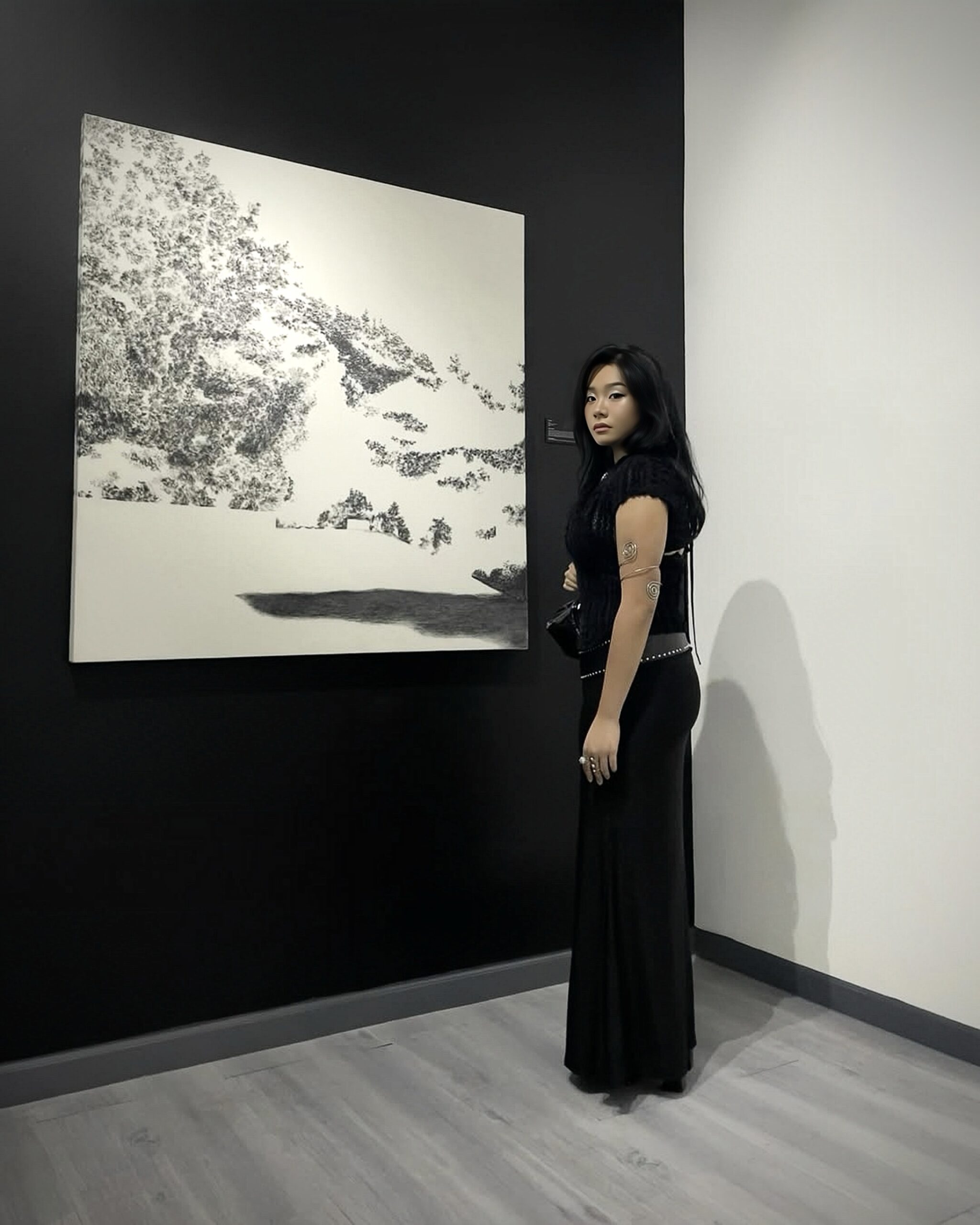
Hatta Dolmat shared this thinking in 2026 by presenting ready-to-wear and couture during his show. His two-part Linger & Soul presentation placed the Linger ready-to-wear collection alongside the Soul couture collection, which paired ten creations with ten large-scale paintings, giving Dolmat room to express the artistic side of his craft while remembering the people who wanted to own his clothes. Wearability doesn’t have to diminish a designer’s imagination—not when it allows admirers to take part in that creative world through garments that can become part of their own lives.
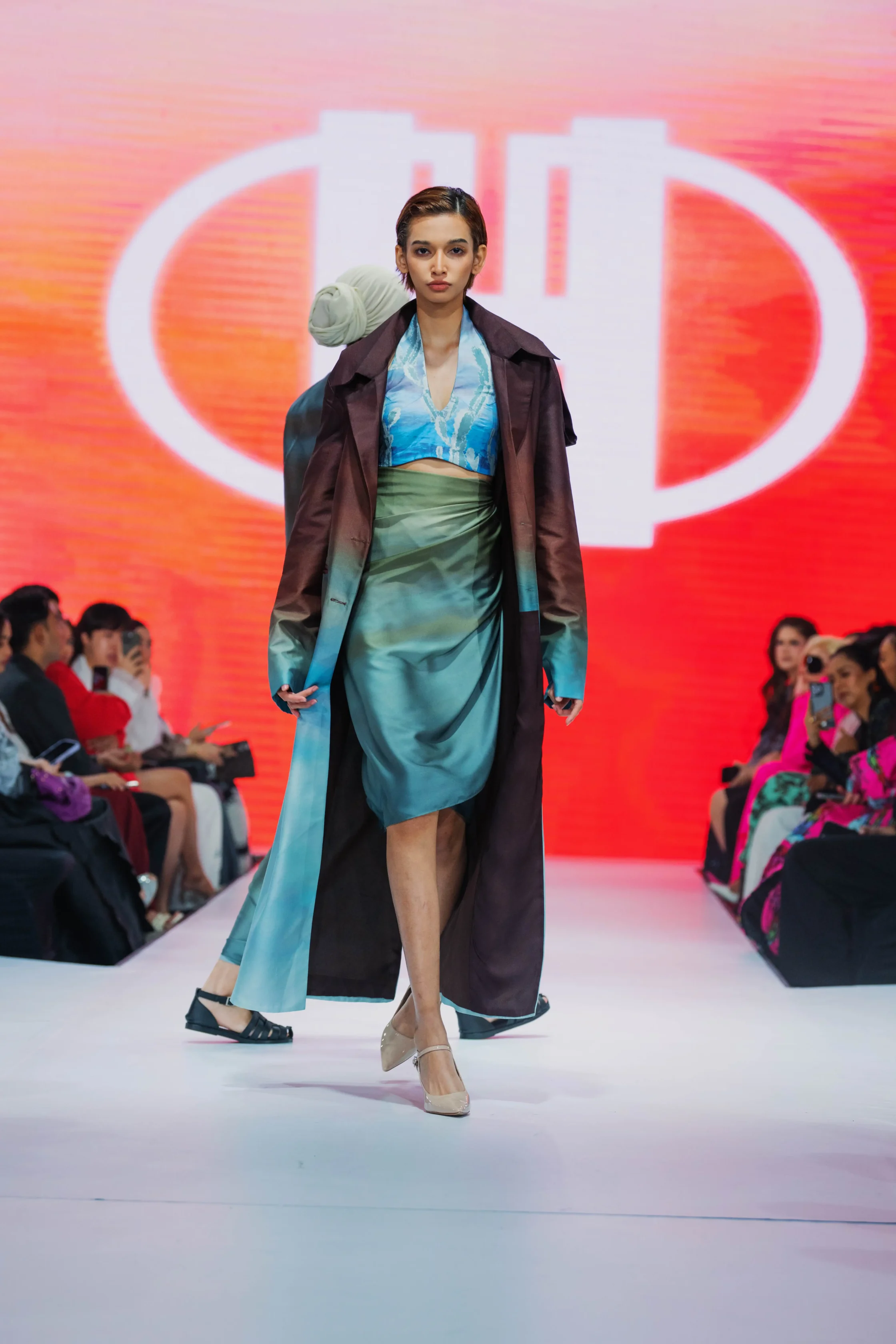
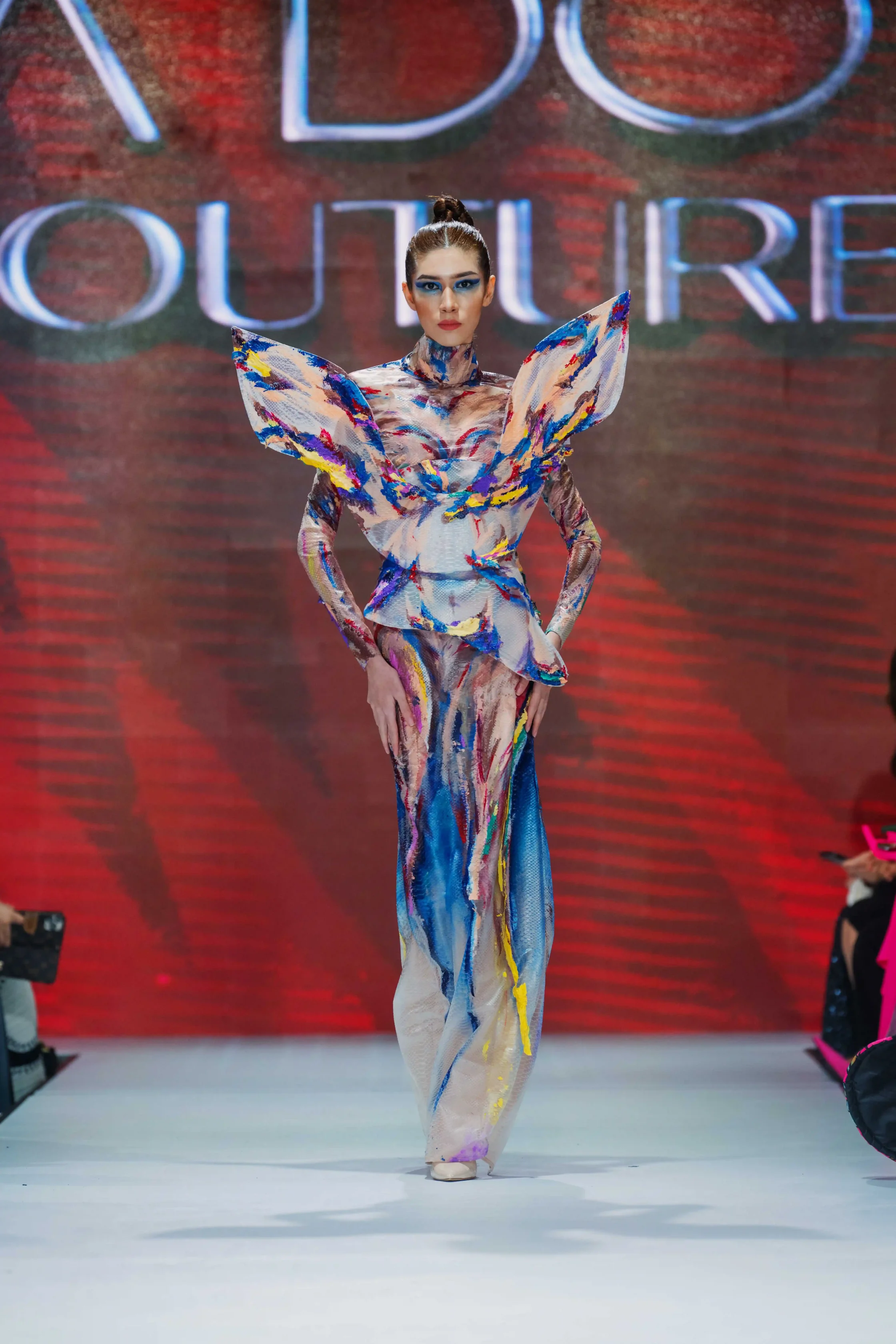
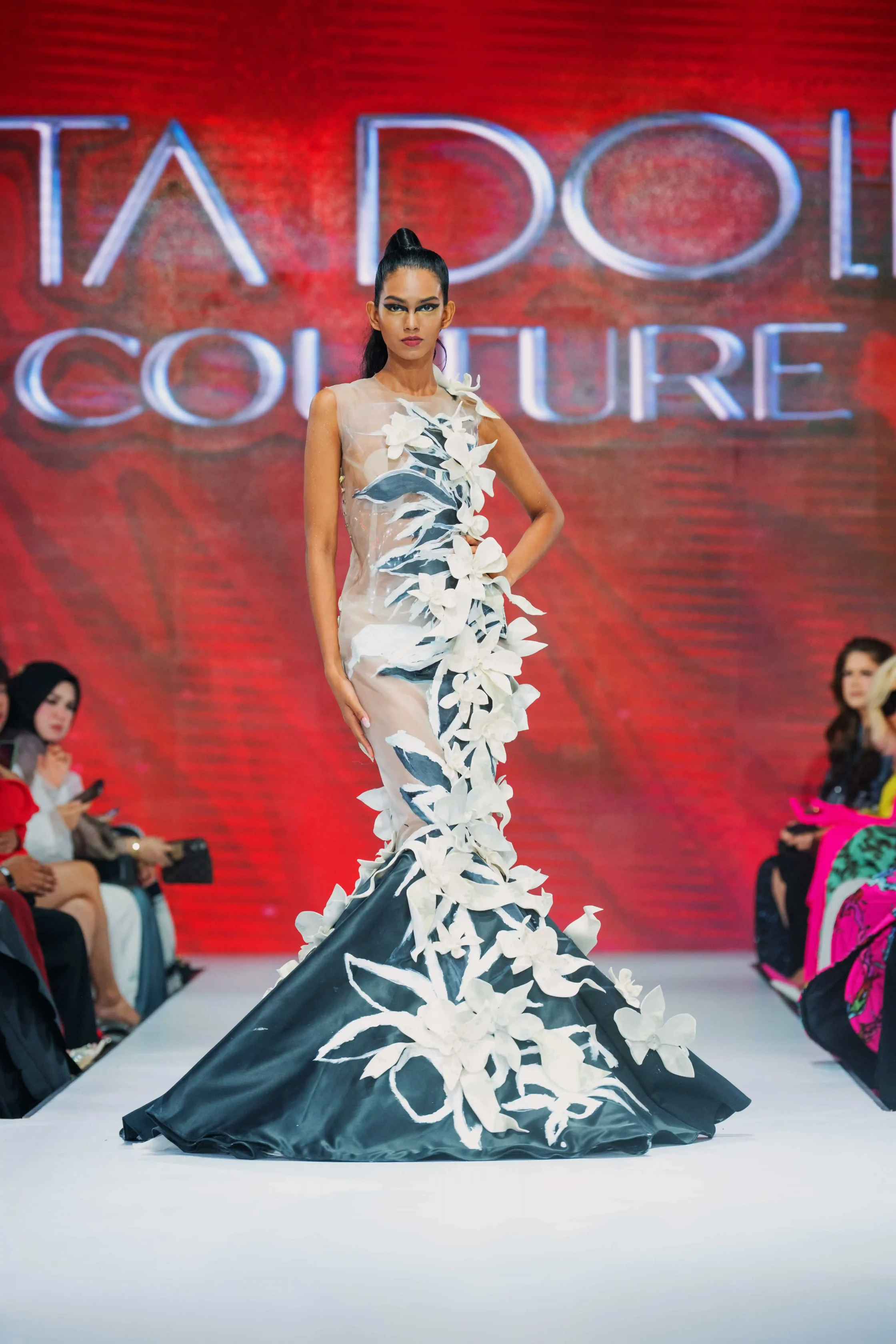
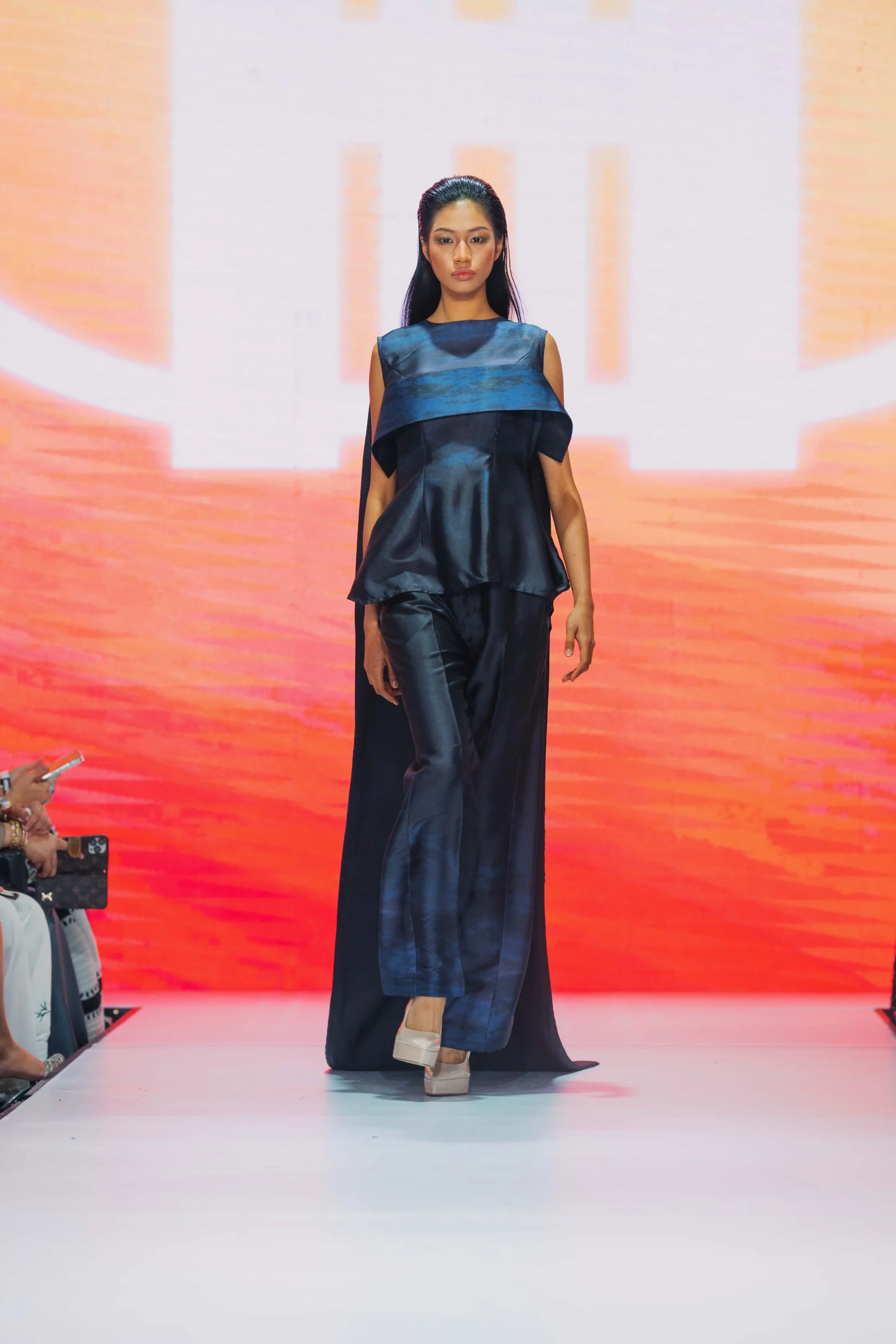
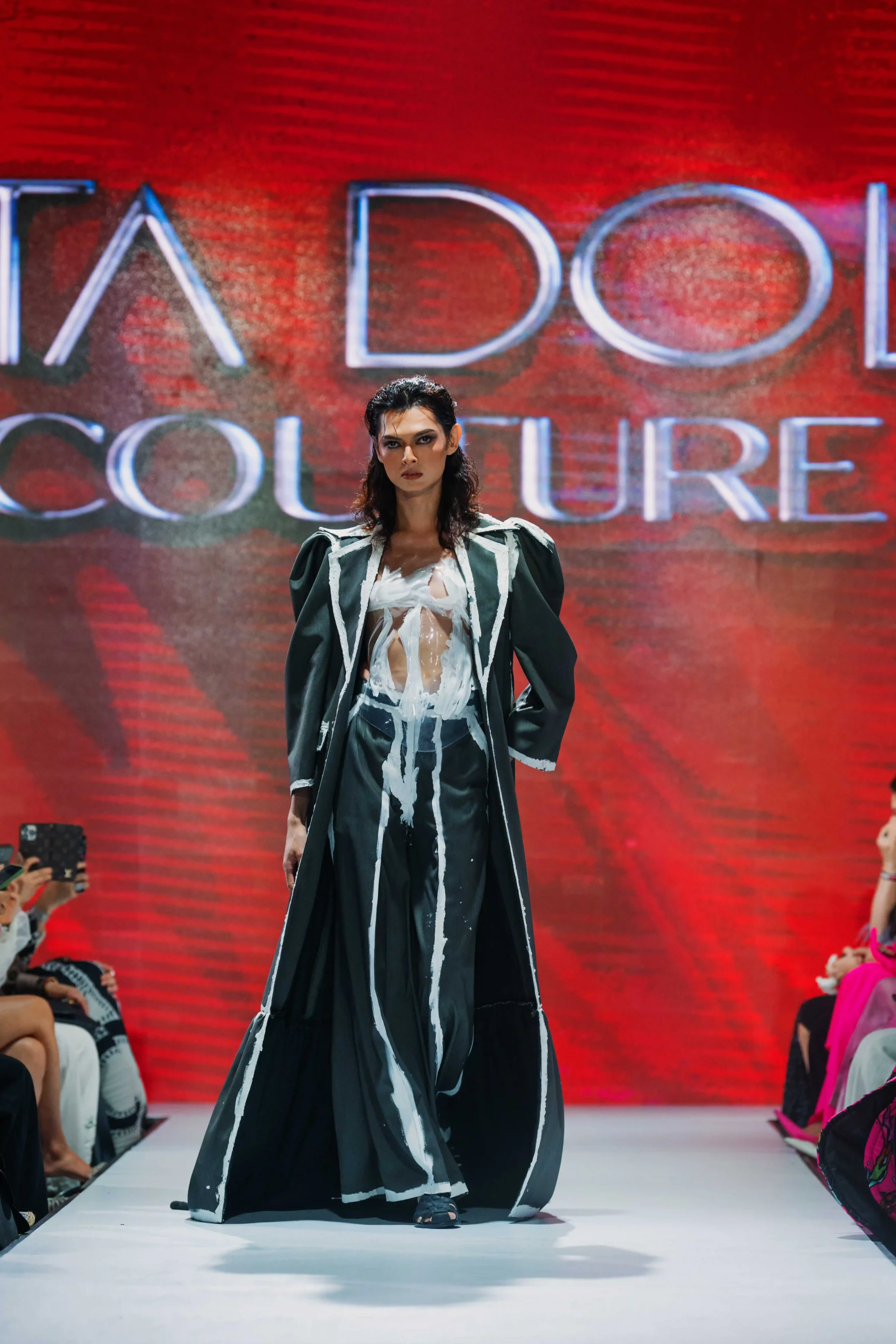
Plenty of Filipino designers have shared with MEGA how much unglamorous hard work goes into keeping a label afloat. It’s in knowing how to balance creativity with a sound strategy that designers can turn the interest generated by one collection into a practice that lasts.
How Does Kuala Lumpur Fashion Week Make Local Fashion More Accessible?
One of KLFW 2026’s most thoughtful ideas was its consideration for the people outside the invitation-only show hall. Although entry to the tent remained restricted, runway presentations were livestreamed on a large screen outside, where passersby could watch. Fashion-themed pop-ups highlighting homegrown brands also introduced the public to Malaysian design more directly, and student styling displays allowed young creatives to become part of the program.
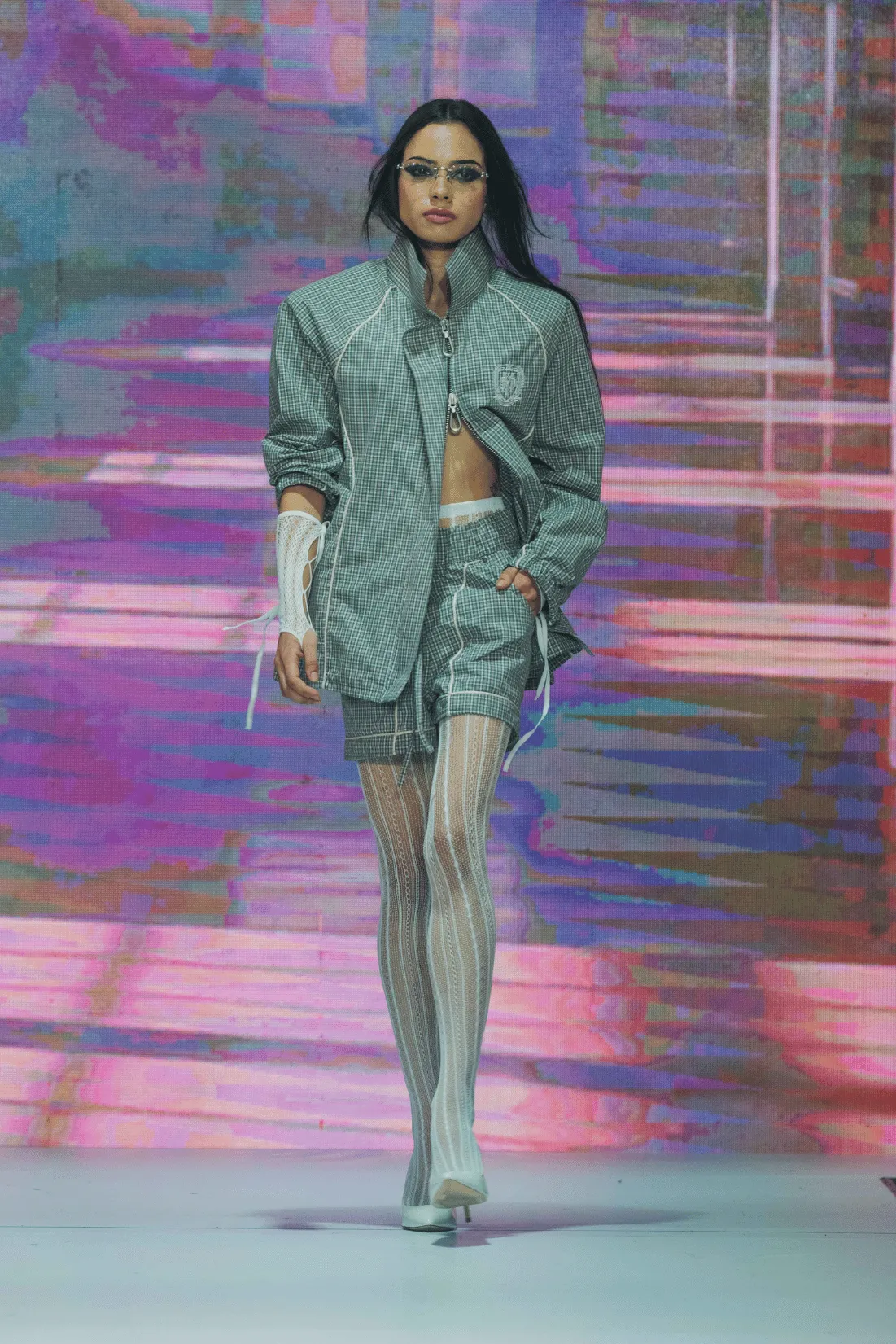
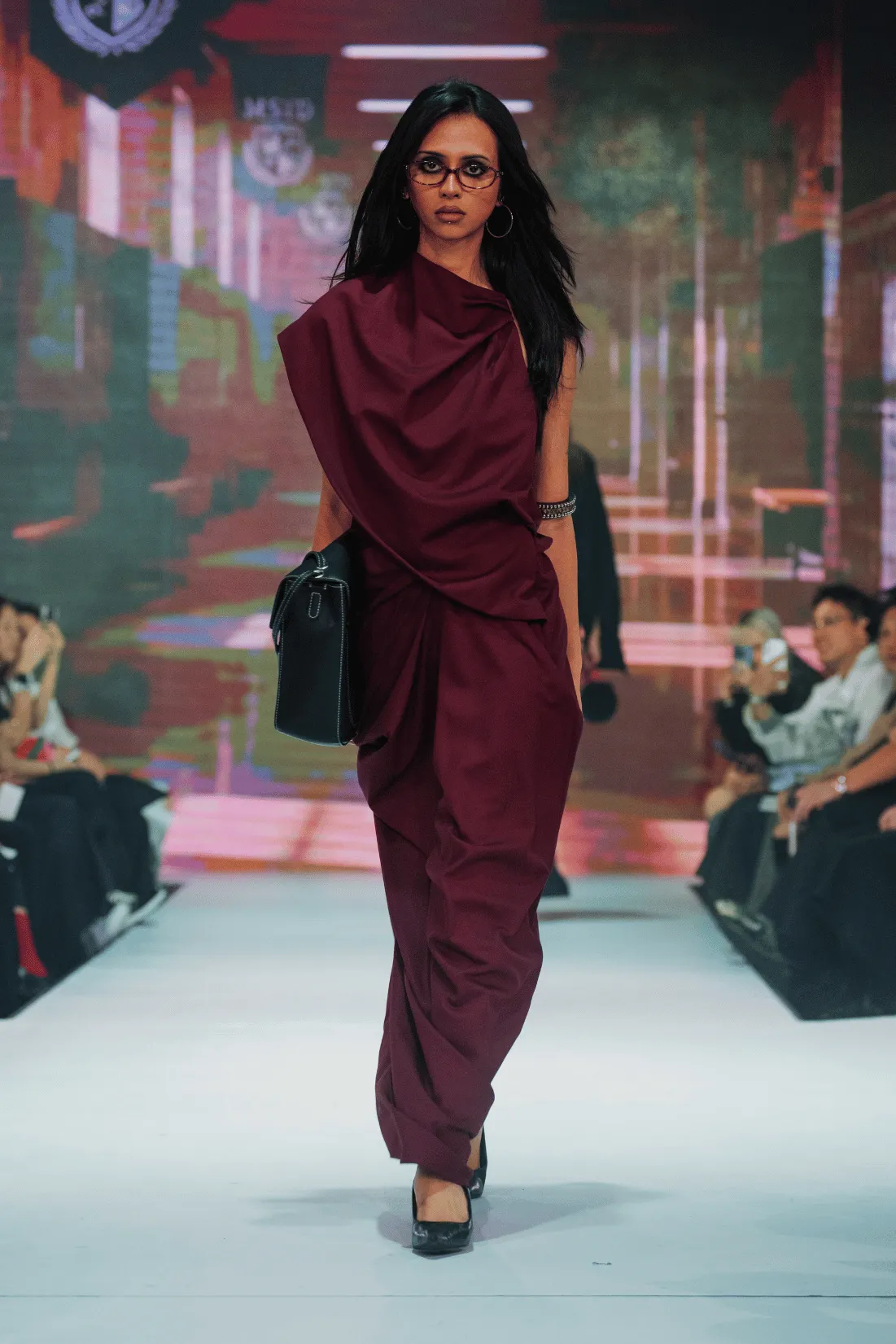
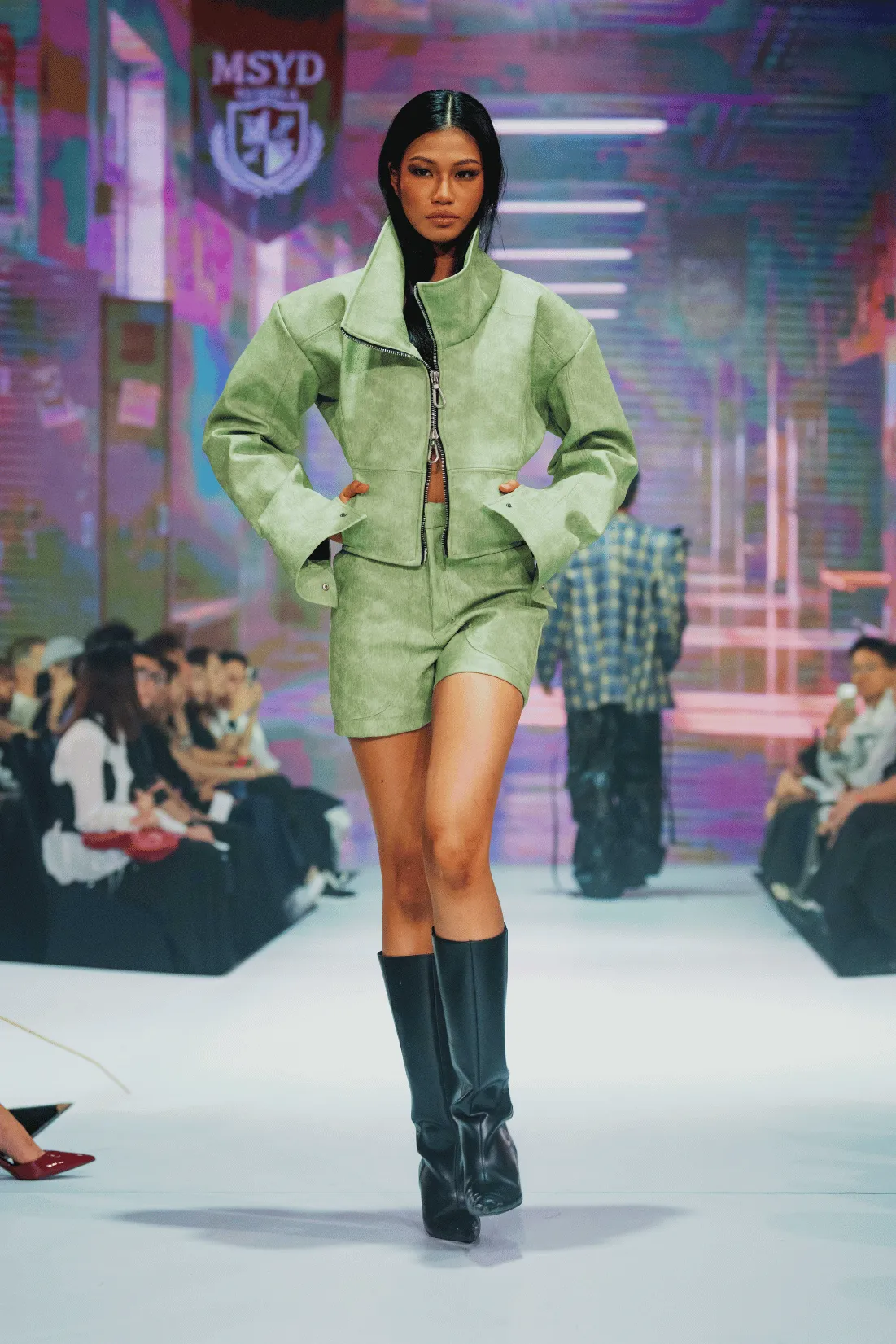
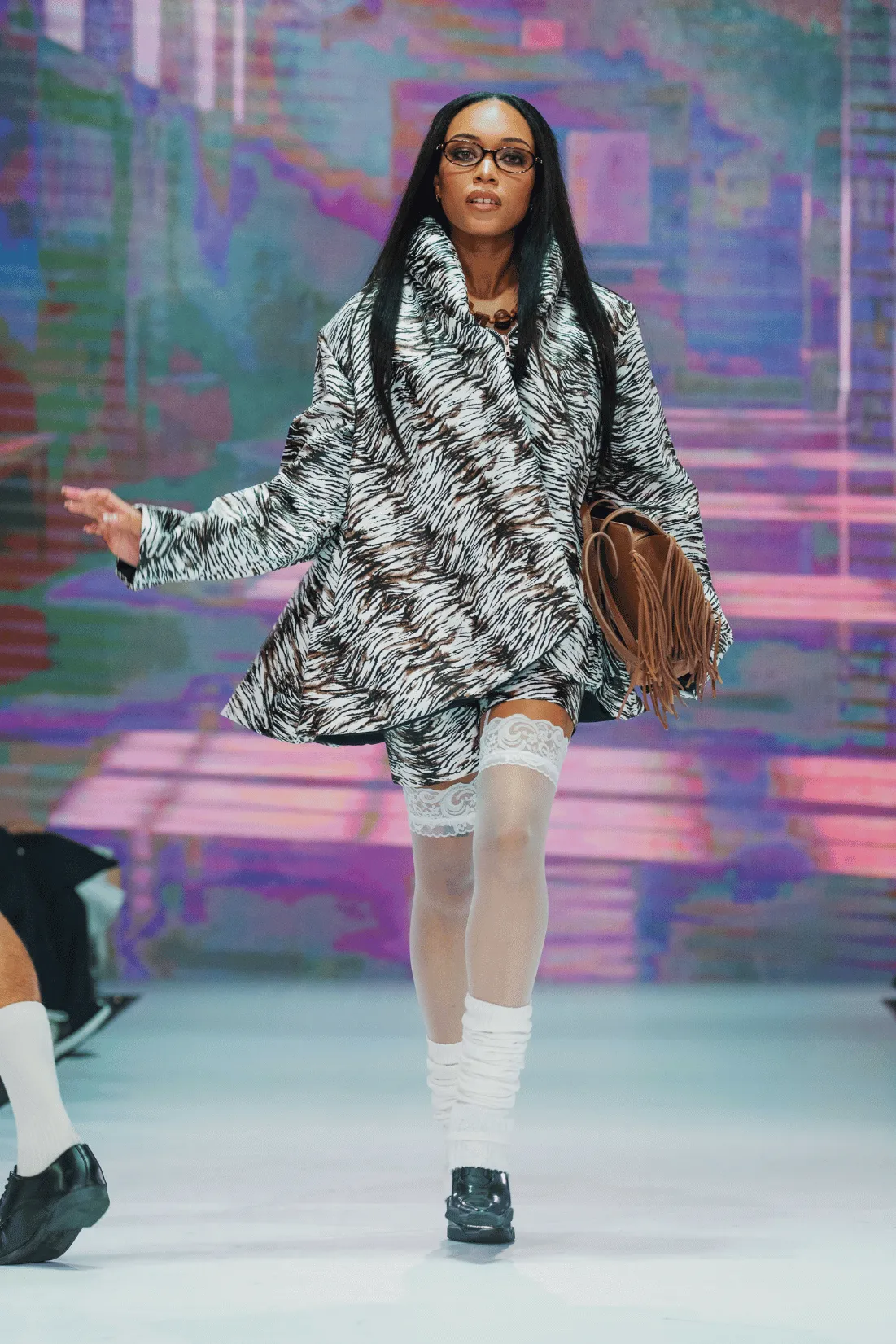
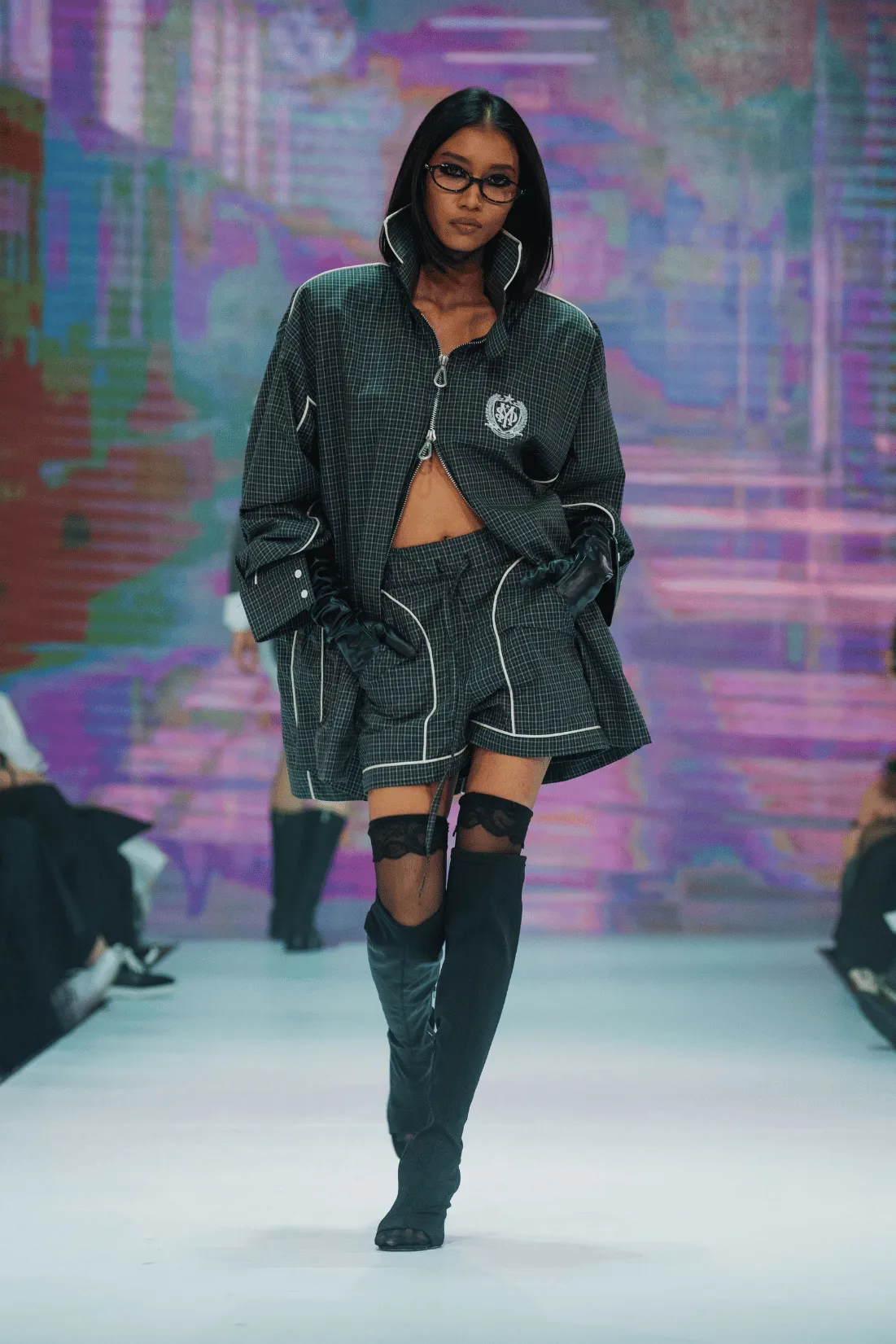
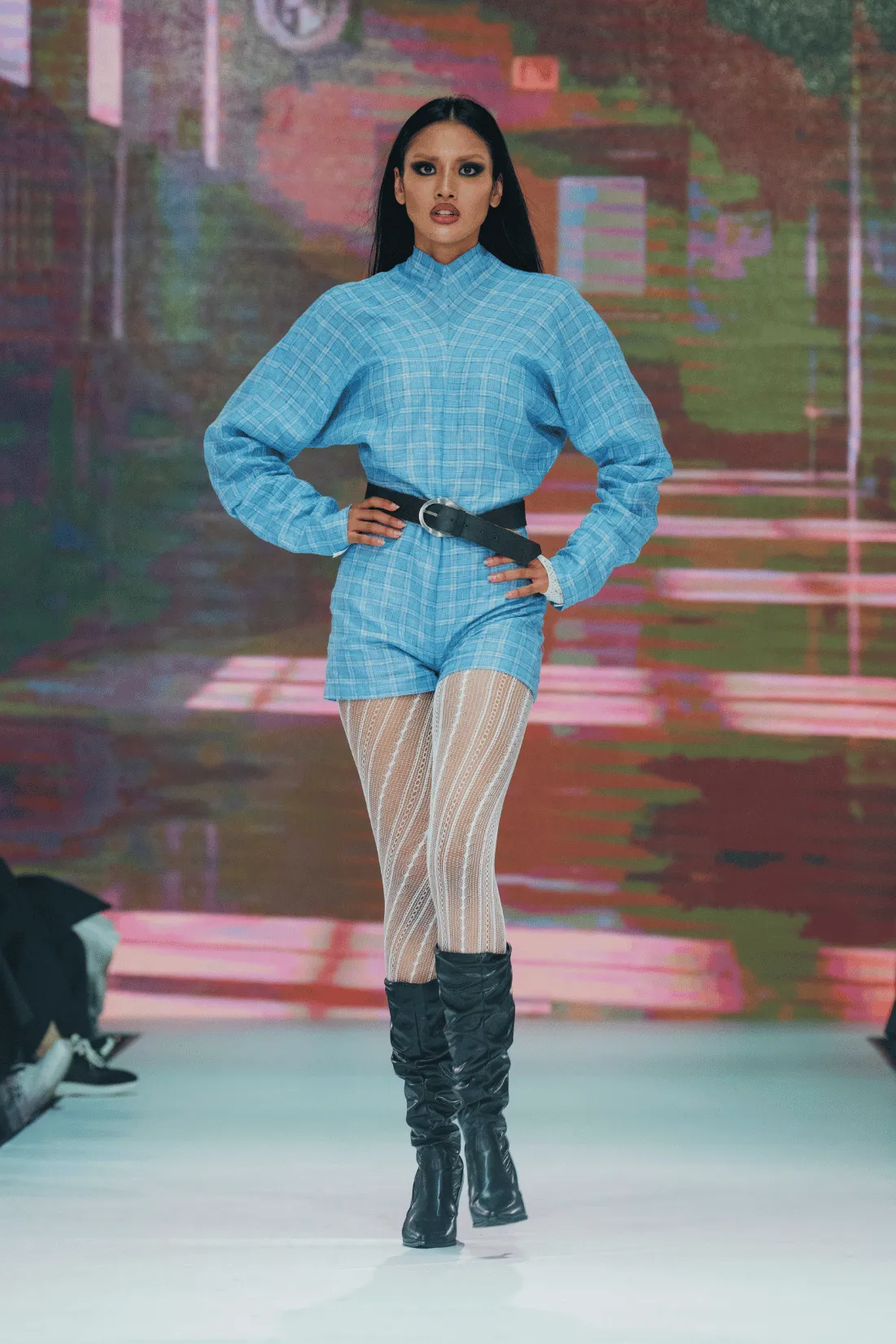
These activities made sense for KLFW, since discovering a designer can eventually lead someone to seek out the clothes. It’s an encouraging arrangement that works well for everyone involved. Anyone could stop for a collection they had never planned to watch, and young aspirants could imagine a future within the industry after seeing local designers occupying one of Kuala Lumpur’s most recognizable destinations.
What 14 Editions of KLFW Can Teach the Philippines’ Fashion Scene
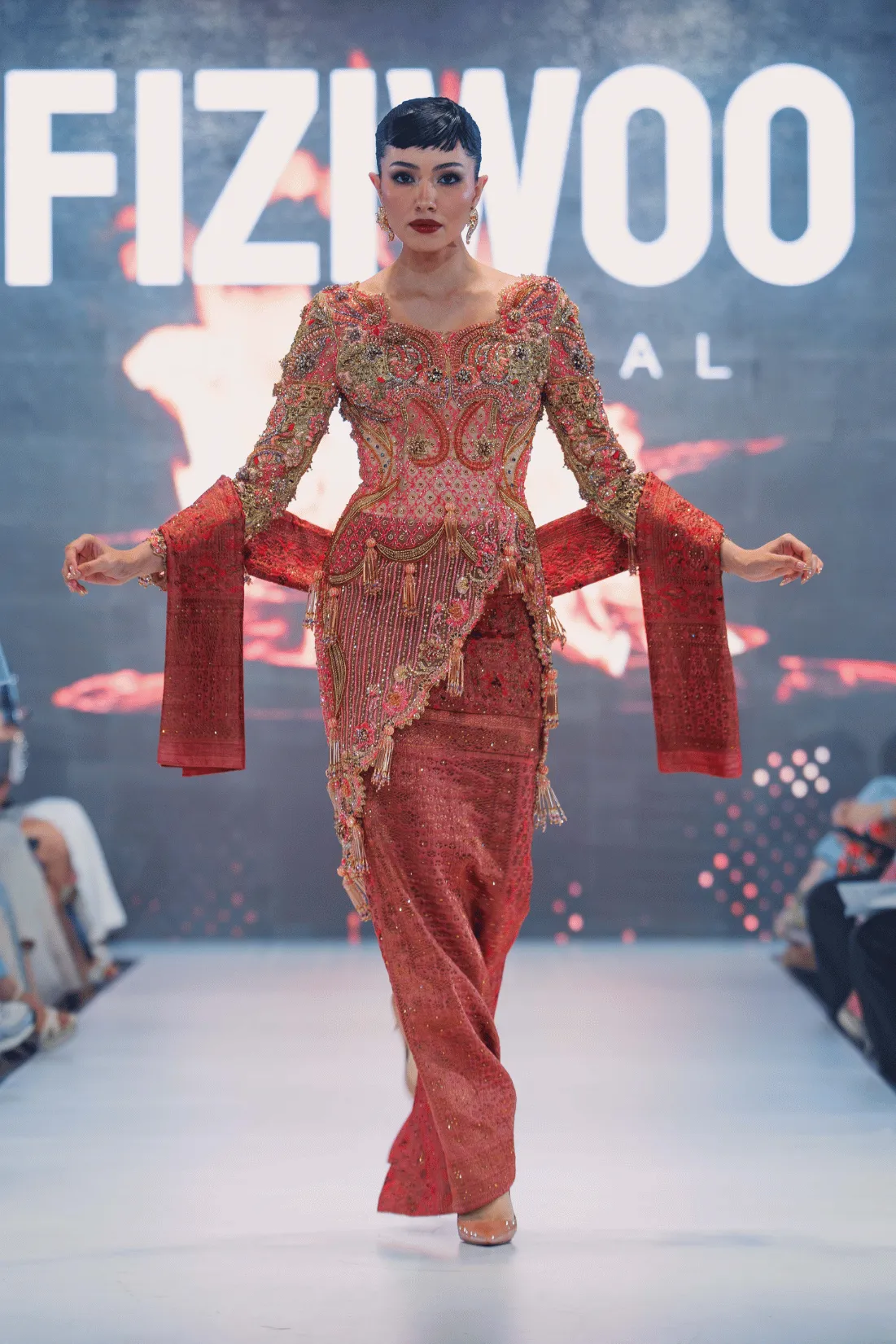
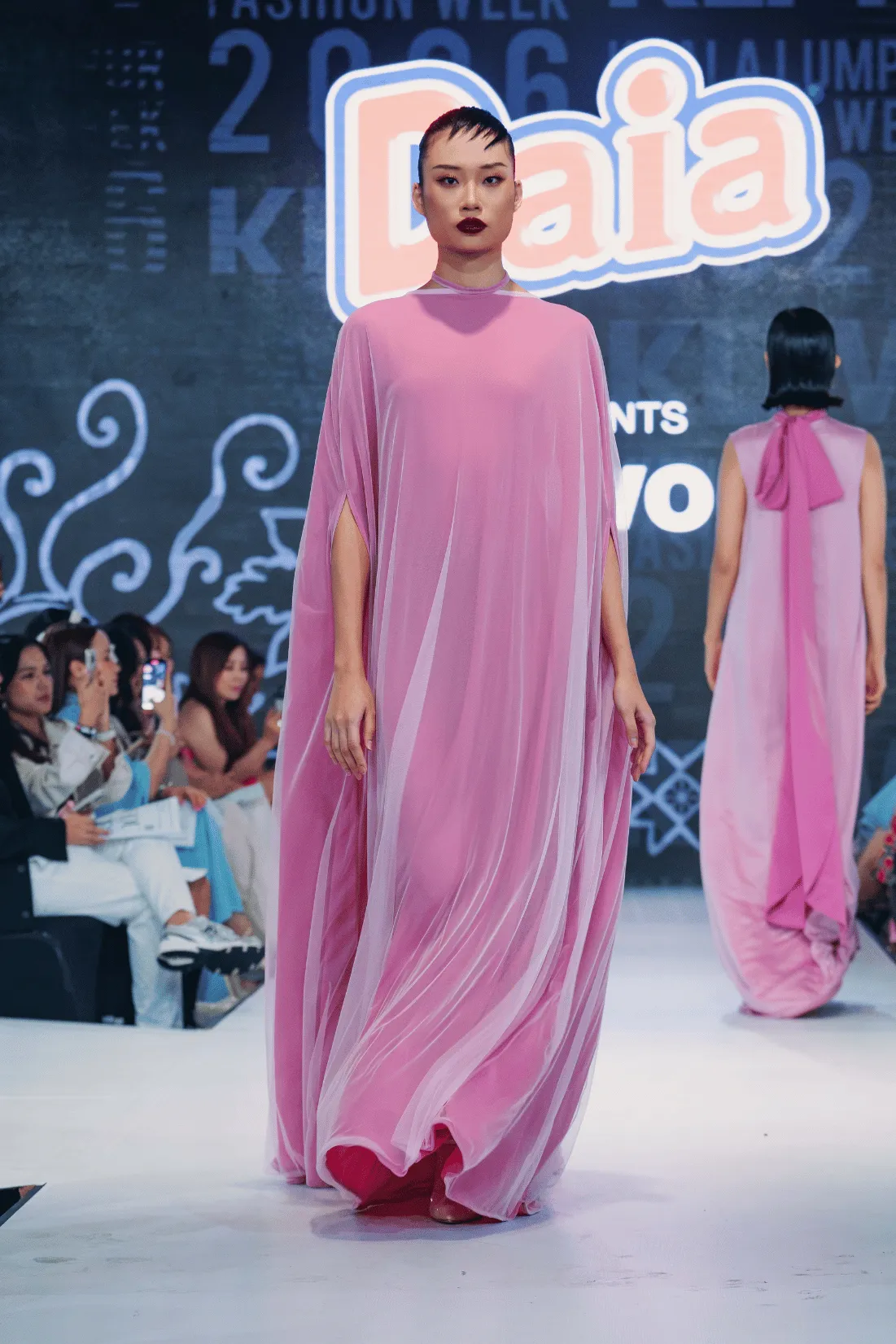
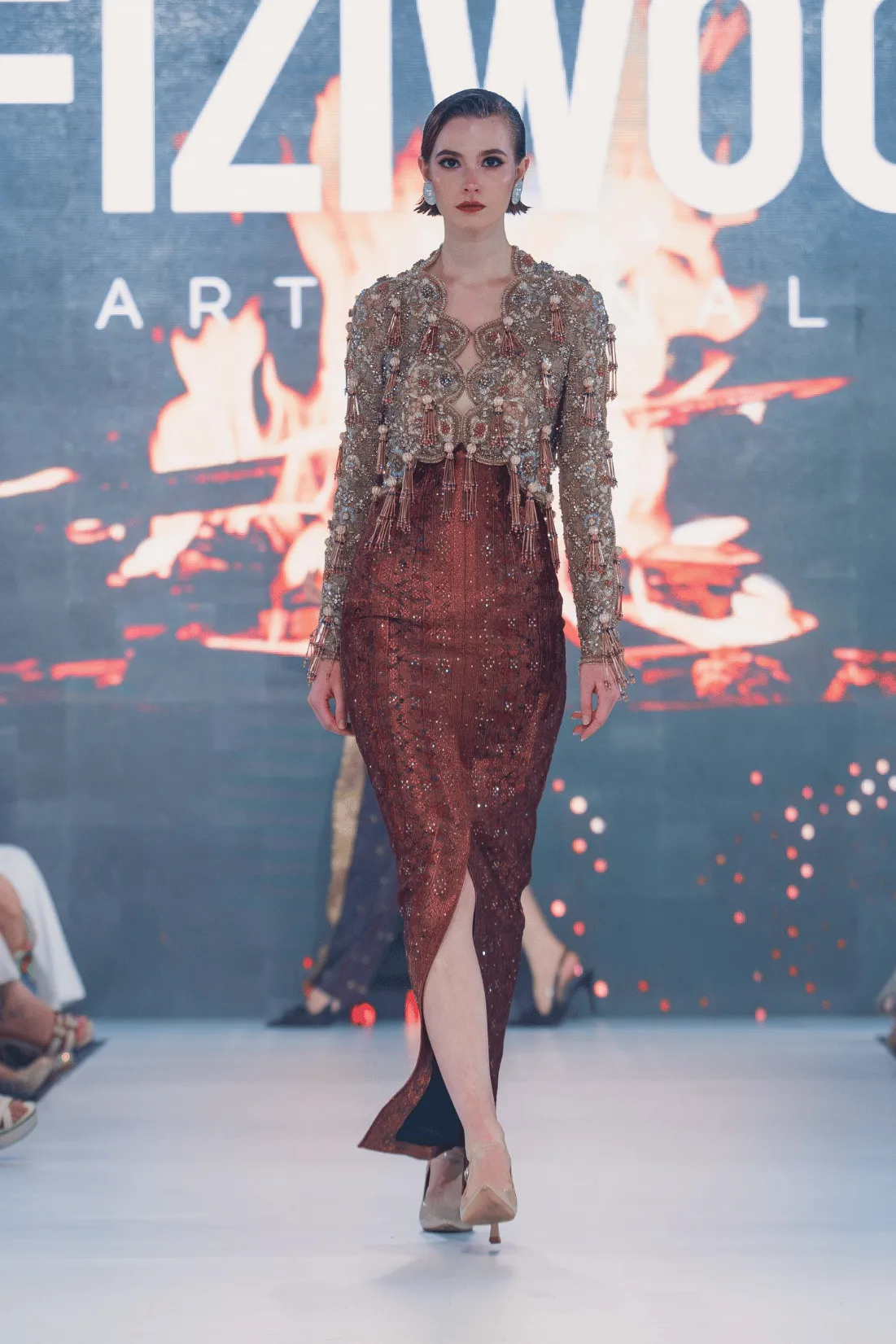
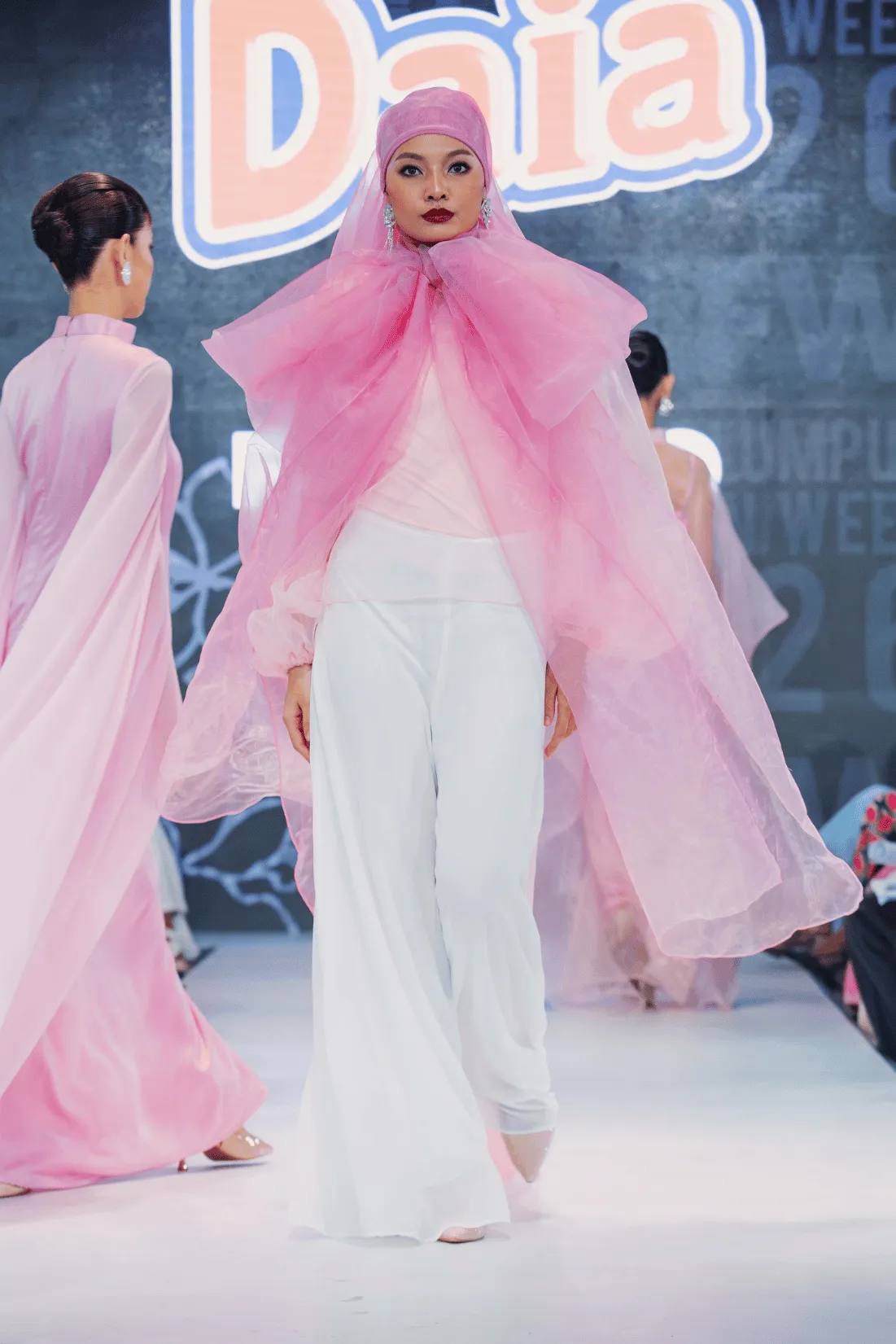
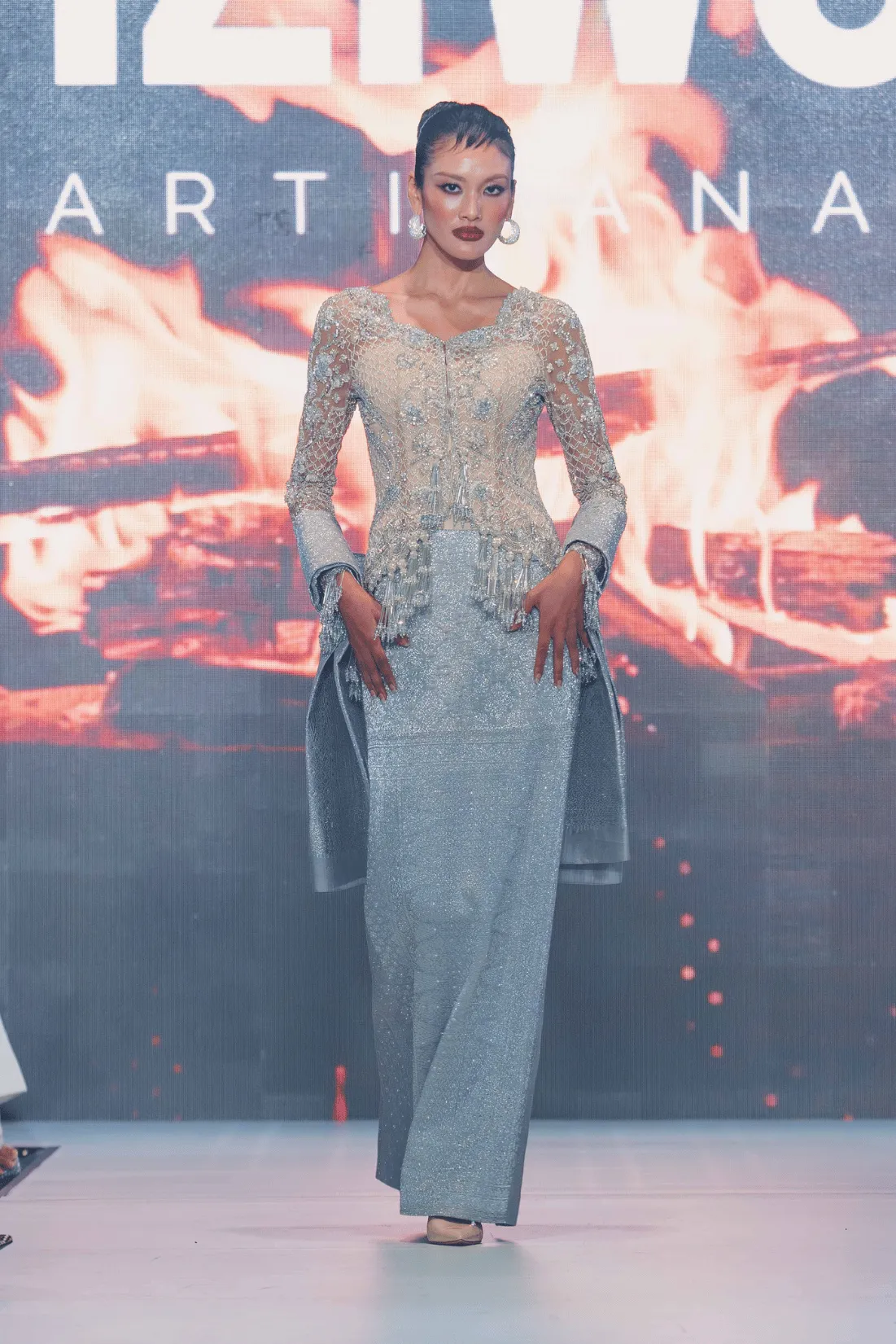
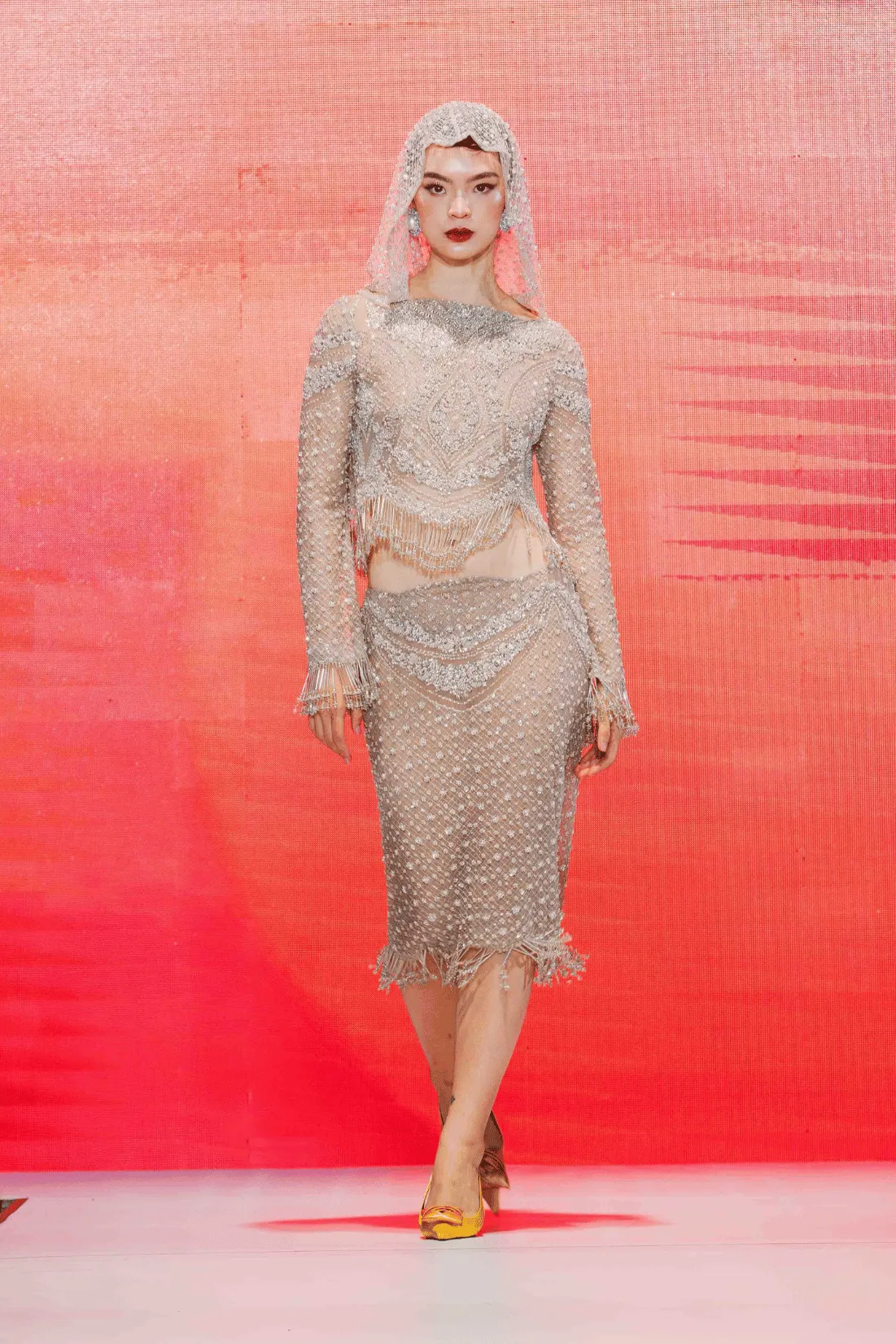
These lessons may not sound new to some, but that’s precisely why they deserve continued discussion. After fourteen editions, Kuala Lumpur Fashion Week has had time to learn what its community responds to and refine the platform accordingly.
Part of the pleasure in watching a neighboring fashion community grow comes from realizing how much Southeast Asia can learn by looking toward one another. KLFW’s path belongs to Malaysia, just as the Philippines will keep cultivating its own fashion culture. Still, it’s reassuring to see them place such faith in their local designers. When that level of commitment exists this close to home, the possibilities for the rest of the region seem closer, too.
Photos courtesy of KUALA LUMPUR FASHION WEEK
Featured image by UZAIR SHOID, photographed by BIBO ASWAN
Frequently Asked Questions
KLFW 2026 was held under the theme Destination: Home Ground, with over 50 Malaysian designers and labels presenting interpretations of their cultural roots and individual identities during the event’s 14th edition.
KLFW livestreamed runway presentations on a large screen outside the invitation-only show hall, ran fashion-themed pop-ups highlighting homegrown brands, and featured student styling displays, letting the public engage with Malaysian design beyond the ticketed tent.
Andrew Tan founded Kuala Lumpur Fashion Week in 2013, placing ready-to-wear at the platform’s core and encouraging designers to create clothes customers could purchase off the rack, balancing creative ambition with commercial practicality.
Hatta Dolmat presented a two-part show, Linger & Soul, pairing his Linger ready-to-wear collection with the Soul couture collection, which matched ten creations with ten large-scale paintings to express both artistry and wearability.
KLFW shows the value of welcoming multiple interpretations of national identity, balancing creativity with commercial practicality, and making local fashion accessible beyond major cities — lessons relevant to a Philippine industry often concentrated in Metro Manila.
Recommended Video
Latest Posts

Latest Issue