





Given how family-centric Filipino culture is, it’s no surprise Philippine cinema has reflected that aspect through decades of films that touch upon the many sides of Filipino family life. Netflix’s latest original Filipino movie, Ganito, Ganyan, Ganoon, is the latest to enter the discourse.
The film, which is written and directed by Cholo H. Laurel in his first feature film in years, follows Jo (Jodi Sta. Maria), a writer on a successful TV show who is on the cusp of a career breakthrough as she’s about to travel to Brooklyn for a writer’s fellowship. However, her world comes screeching to a halt when her absentee mother, Paz (Agot Isidro), returns to their home in the province after 27 years of living in New York City.
For nearly three decades, Paz was nowhere to be found in Jo’s life, and it seems that Jo has reached a point where she can move on without her. But Paz’s return brings all those resentful feelings back to the surface as Jo must now reconnect with a mother she never knew.
The movie undoubtedly brings up difficult conversations that any daughter who’s had a fraught relationship with their mother can relate to. Ganito, Ganyan, Ganoon, an apt title as a metaphor for how family trauma is often unexplained and swept under the rug for the semblance of togetherness, is a heavy film with heavy performances that will make you feel, but also realize that forgiveness and moving on can come in multiple forms.
RELATED: The New Movies and Shows of August 2026 to Have on Your Radar
A Mother and Daughter in Pain
Most of us have had that experience of that one problematic family member coming to the reunion or returning home after a long absence. But Paz is on another level. The moment viewers meet her, she’s abrasive, snarky, rude, demanding, and demeaning. It’s a kind of frustrating figure that may even make for an uncomfortable watch for some viewers because of how scarily accurate it can get. For Isidro, she knows that Paz is everyone’s villain in the family’s story. “I made a grand homecoming to a family I did something to in the past. I was an absentee mother. I was the one who really opened the wounds of the family,” she shared.
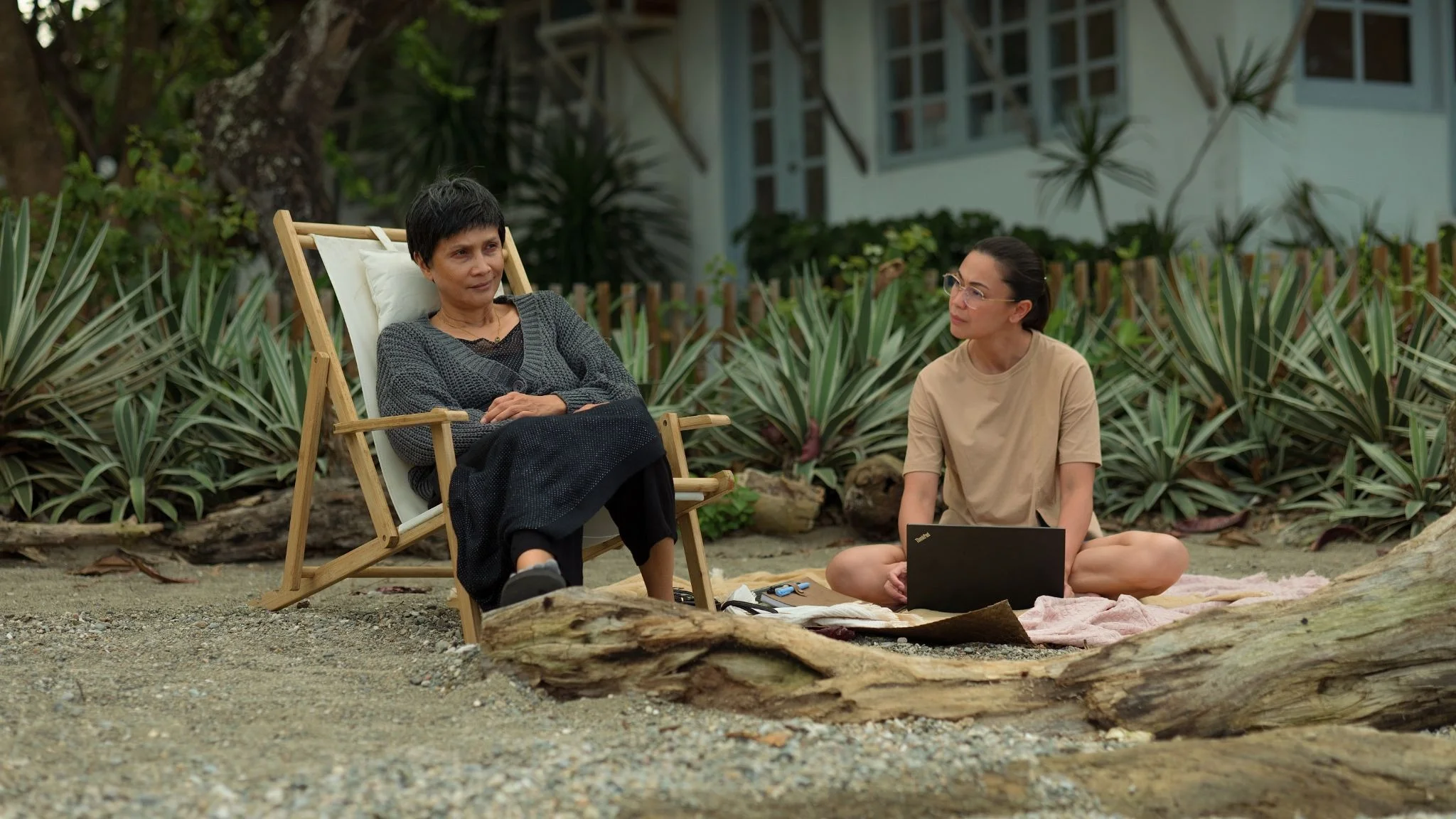
This doesn’t sit well with her daughter Jo, who has learned to become hyper-independent after contending with abandonment issues. “Just when she thought she had it all together, biglang dumating ang isang ‘storm’ sa buhay niya sa katauhan ni Paz. Umuwi para manggulo. Paano siya ngayon mabubuhay sa presensya ng babaeng kilala niya bilang ‘ina’, pero hindi naman nagpaka-ina?” (A ‘storm’ suddenly enters her life in the form of Paz, who comes home to turn everything upside down. How can she live with the woman she knows to be her ‘mother’, but who never truly acted like one?),” said Sta. Maria on Jo’s journey in the film.
This background makes for some friction-filled scenes with sharp dialogue and even sharper rebuttals. In particular, a family reunion dinner early in the film stands out as one of the movie’s best moments and also the most tense because of how unfortunately relatable these awkward and subtly disrespectful conversations are with anyone who’s ever felt judged by their family. But Ganito, Ganyan, Ganoon isn’t just here for the drama (though there’s plenty of it), as it’s also focused on healing, though not in the way most viewers would expect.
Finding Forgiveness Even When It’s Not Given to You
Forgiveness runs through the heart of Ganito, Ganyan, Ganoon, but it doesn’t tell viewers who is right or wrong in the situation to come to a conclusion. Paz, Jo, and everyone else in the family are imperfect in some way. From neglect, not opening up about their feelings, running away from the problem instead of facing it, and more, these issues plague the movie’s central family, and also won’t be hard to find in other Filipino families.
Instead, the film asks whether one can truly have closure, despite not getting it from the offending party. “It prescribes that we have to resort to proper communication,” Laurel tells MEGA Asia. “It requires only that you talk, that you expose the wounds, that you yank them open and you expose them to the air so that you can start healing.”
He adds, “[The movie] does not prescribe anything except that. It will not prescribe to you to forgive. It will not prescribe to you that this is good, that is bad, go here, go there, no. It just tells you, this is the Filipino family, this is what relationships are like. You decide.”
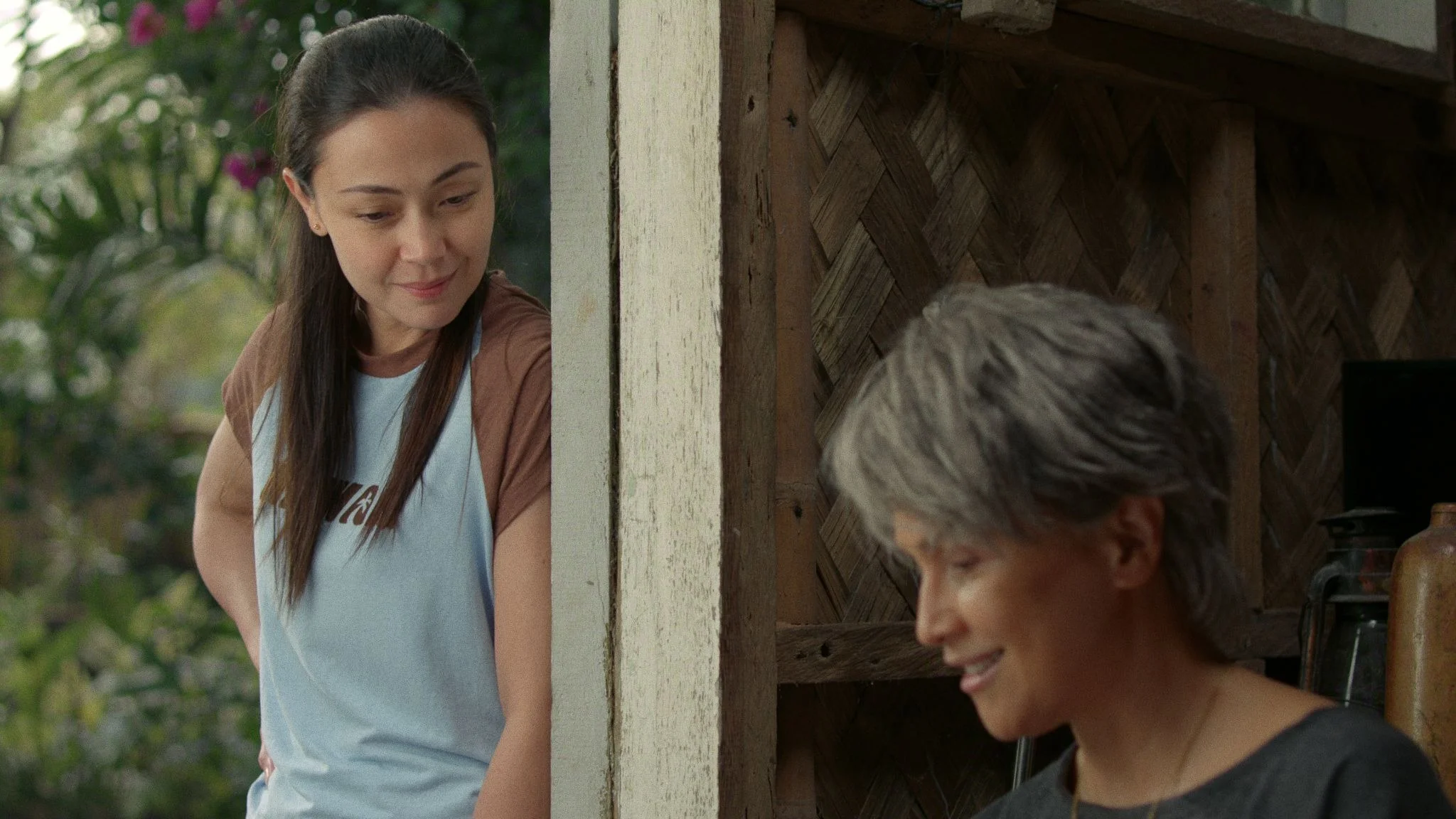
Isidro echoed this sentiment, sharing her belief that peace and forgiveness are only possible when it comes from within. “Parang for everyone, ayaw na natin ng bagahe sa buhay. Naiisip mo na that the healing and forgiveness ay nanggagaling sa sarili. It’s really an inner work (Now, for everyone, we don’t want baggage. You realize that healing and forgiveness come from within yourself.).”
As much as many would like to reconcile with the darker sides of family trauma or even just hear a sincere “sorry”, the reality is that that isn’t always possible. But things aren’t hopeless, as true healing can only start and often ends when you yourself are ready to accept it. Ganito, Ganyan, Ganoon may not have a definitive answer on how to end family fights, but it does present a broken family and how even the deepest wounds can start to heal as long as the initiative comes from within.
Ganito, Ganyan, Ganoon is now streaming on Netflix.
The interview has been edited for length and clarity.
Featured Image and Photos: Courtesy of Netflix
Frequently Asked Questions
Ganito, Ganyan, Ganoon follows Jo, a TV writer played by Jodi Sta. Maria, whose life is upended when her estranged mother Paz, played by Agot Isidro, returns home after 27 years of living in New York City, forcing Jo to confront decades of unresolved resentment.
Cholo H. Laurel wrote and directed Ganito, Ganyan, Ganoon, marking his first feature film in several years. The film is a Netflix original now streaming on the platform.
No — director Cholo H. Laurel states the film doesn’t prescribe forgiveness or judge who is right or wrong, instead emphasizing open communication as a starting point for healing, leaving the outcome open to interpretation.
The film explores family trauma, abandonment, and the possibility of healing without receiving an apology from the offending party. Both lead actresses have described healing and forgiveness as something that must come from within rather than from external validation.
Ganito, Ganyan, Ganoon is available to stream on Netflix.