




Recently, the local pageant scene has been the talk of the town after comments by model, businessman, and Mister Supranational 2024 second runner-up Brandon Espiritu ricocheted across social media. In the comments section of one of his Instagram posts, Espiritu responded to a netizen who questioned why no one in the video he posted sang a birthday song in Tagalog, given their Filipino heritage, by saying that he’s not from the Philippines (he was born in Guam before moving to Hawaii). He then followed up the comment by saying that the country wouldn’t have a chance at national pageants if it weren’t for mixed-race and halfies like him.
The comments drew immediate backlash, with Espiritu issuing an apology and multiple Filipino pageant queens and kings, both full-blooded and mixed-race, issuing their own statements directly and indirectly calling out the remarks. To the casual observer, the moment looked like another scandal in Philippine pageantry, but it also spoke to the deeper discourse on how Filipinos approach pageants and what it means to represent the country wholeheartedly.
RELATED: Filipina Queens Made a Strong First Impression at the Inaugural MGI All Stars
Full-Blooded Filipinos Deserve the Spotlight
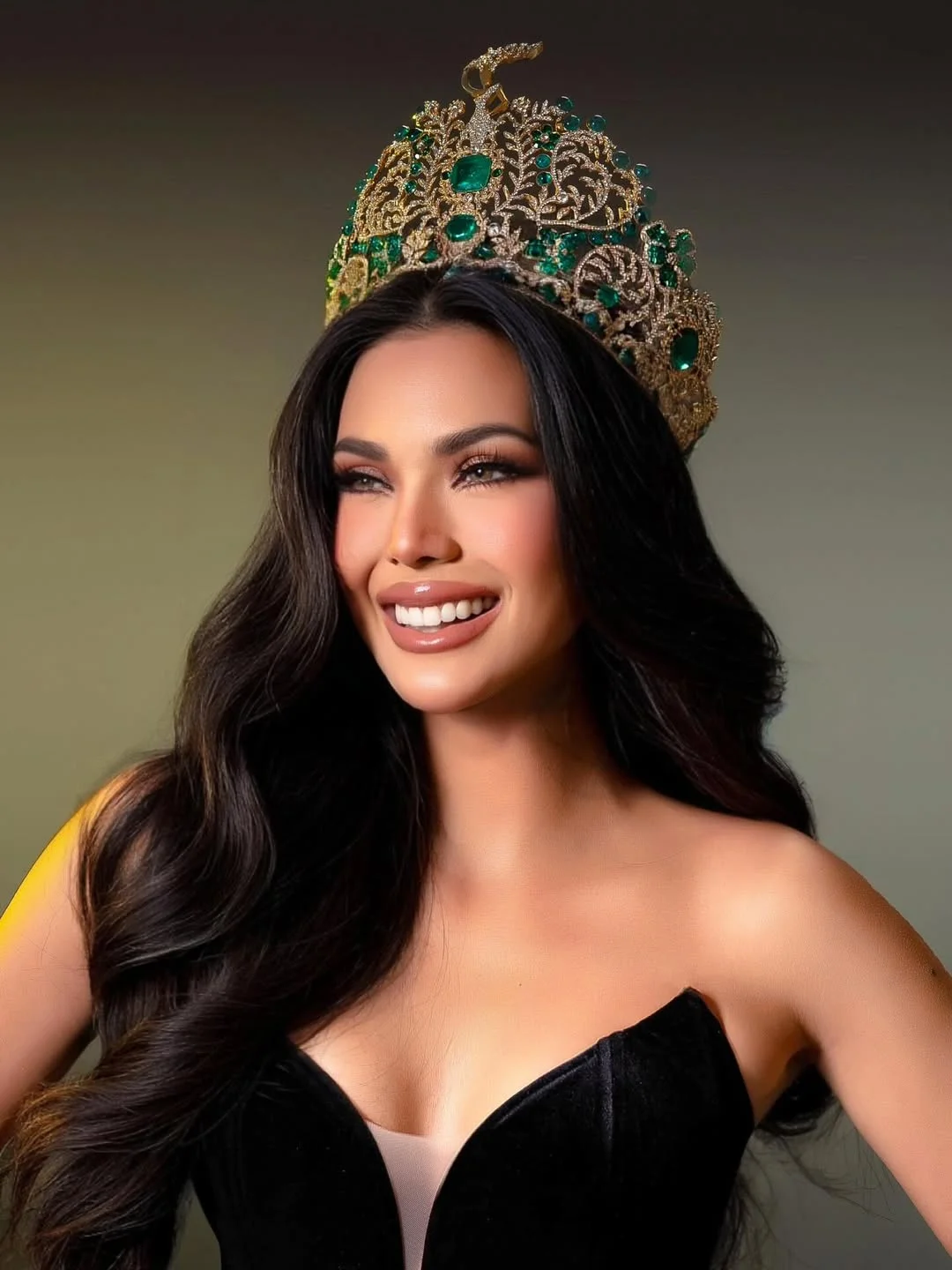
It goes without saying that Filipinos are more than capable of holding their own at pageants without having to use mixed heritage as a bonus or a leg up in the competition. Yes, half-Filipinos have a tendency to do well and even win national and international pageants. But so too have full-blooded Filipinos who brought home major crowns for the Philippines, such as Emma Tiglao, the current reigning Miss Grand International, and Dom Corilla, who won Mr. Global 2024.

Pageants, after all, are more than looks, as it also has to do with confidence, poise, and personality. To say that the Philippines can only do well at pageants when represented by half-Filipinos insinuates that being Filipino alone is not good enough to meet a certain standard, and plays into the stereotype of how only certain races are worthy of praise.
It reaffirms the idea that Filipinos are of a lower class and are only deemed handsome or beautiful when they are moreno, mestizo, chinito, and the like. Representing the Philippines at pageants is to represent all its people and the country’s culture, regardless of background. This is not a hierarchy where select beauty standards stand above the rest.
Loving the Philippines As Filipinos
As bad as one race having an advantage over another is, that mindset also comes from a people who has been taught to see beauty standards as such. It’s no secret that Filipinos and local culture have the tendency to put foreigners, mixed Filipinos, and Filipinos not born or raised in the Philippines who engage in Filipino culture on a pedestal.
This then leads Filipinos to spotlight or hype people who talk about but may not wholeheartedly understand or support the Philippines. They take advantage of Pinoy hospitality for commercial gain. And this isn’t a new phenomenon that has been happening just now, because it has been going on for years and has even been coined the term Pinoy-baiting.
It’s one thing for foreigners to do it, but it’s another for individuals with Filipino blood to do so. The need and want for global validation is evident, and whether you admit it or not, there’s a certain kind of pull and even bias to seeing mixed Filipinos represent the Philippines at international competitions.
When Prioritizing Platforms for Mixed-Filipinos Becomes the Norm
It’s seemingly a part of our DNA how many of us put a premium on Filipinos getting placed in the global spotlight. And there’s nothing inherently wrong with that, as Filipinos can and deserve worldwide recognition. But the problem with this mindset is that it can bleed into the more toxic parts of Pinoy culture, such as giving shortcuts and advantages to half-Filipinos that aren’t afforded to full-blooded Filipinos.
Our Western-centric society deems things good or bad based on whether or not it gets foreign attention, but that shouldn’t be the way. As problematic as it is to platform people who don’t hold the country’s best interests at heart, there’s a point to be made that it also comes from a society that is still latched onto Western-centric tendencies and sees foreign attention as a flex, regardless of where it comes from. Competitions meant to be even playing fields are intentionally titled to benefit and even prioritize those who meet Western standards and sensibilities.
Ultimately, Filipinos, regardless of background, are worthy of the global stage. Whether that be a pageant, sports competition, or international music festival, Filipinos deserve the spotlight as much as any other nationality. Mixed-race Filipinos are more than welcome to step up to the plate to represent the Philippines as long as their heart and intentions are in the right place. However, having blood from another nationality, especially from Western countries, or being raised in another country, should not be seen as a requirement for whether or not someone is seen and heard.
There’s no required percentage of Filipino blood needed to genuinely love the Philippines because you’re still Filipino at the end of the day. But being Filipino should not be used as an easy way to get into a competition or wave around when it’s convenient. What matters is how you love, express, and acknowledge that side of your life.
Featured Image and Photos: PIA WURTZBACH, EMMA TIGLAO, CJ OPIAZA
Frequently Asked Questions
Yes, full-blooded Filipinos regularly secure major international titles, demonstrated by prominent crown holders such as Miss Grand International Emma Tiglao and Mr. Global Dom Corilla.
Pinoy-baiting refers to the practice where foreign creators or mixed-race personalities leverage Filipino cultural references primarily to secure commercial gain and digital engagement from local audiences.
Western-centric standards frequently influence local competitions by disproportionately favoring mixed-race or foreign-raised individuals, creating structural advantages over equally qualified full-blooded competitors.
Yes, mixed-race Filipinos can represent the country internationally, provided their participation is grounded in genuine cultural alignment and a sincere intention to advocate for the nation.
Modern pageant success depends on a combination of self-confidence, communication skills, distinct personality, and a genuine connection to the cultural values of the country being represented.

Recommended Video
Latest Posts


Latest Issue