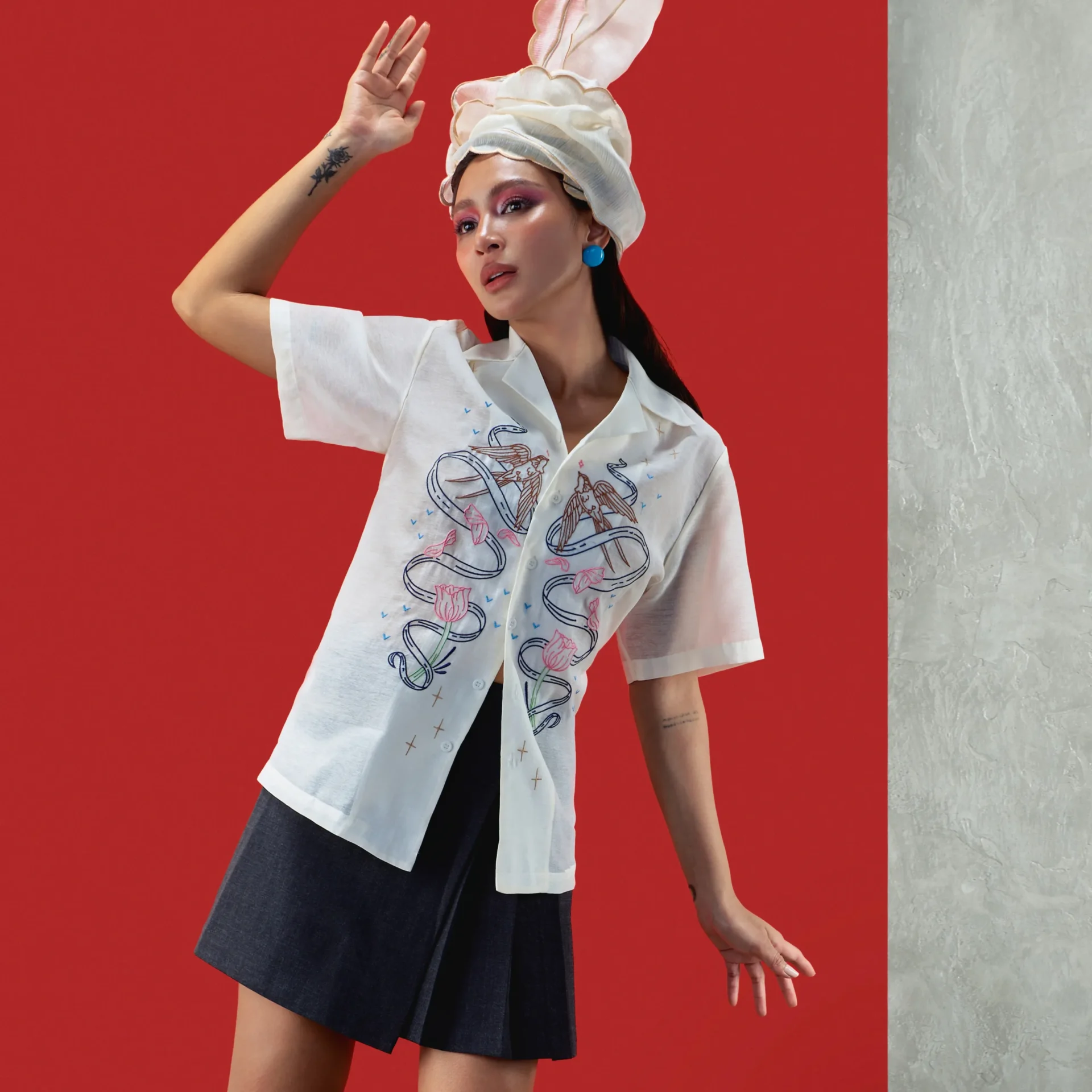




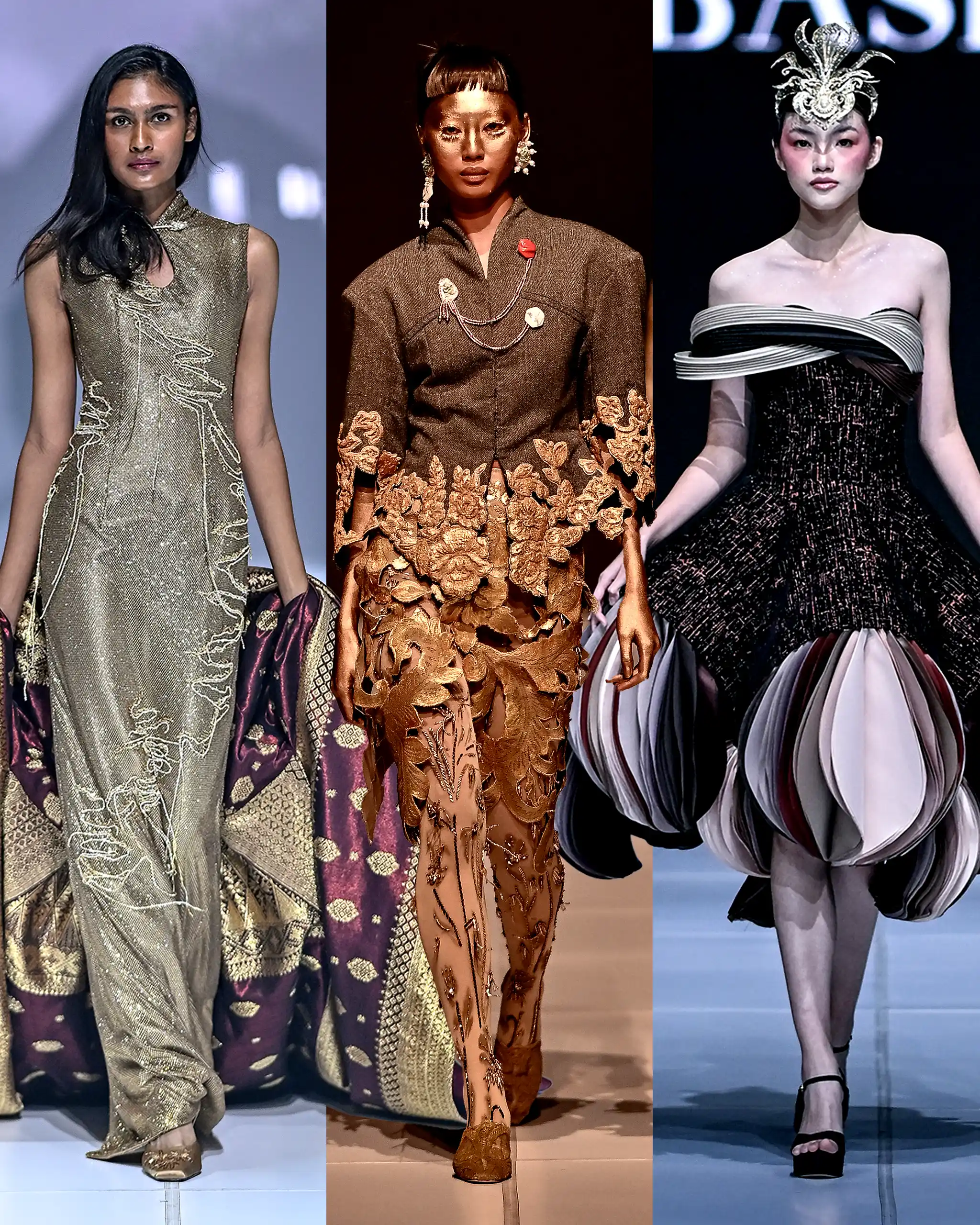
The air in Indonesia was charged when MEGA attended the event as an official international media partner. Beneath the veneer of the runway, a shared language of Southeast Asian artistry finds its way in a changing world. At Jakarta Fashion Week 2025, fashion was an act of geography and connection. But, there’s no singular “look” here—only perspective, instinct, and heat.
RELATED: Nguyen Huong Giang Is Asia’s First Transgender Woman To Compete in Miss Universe
Day 1
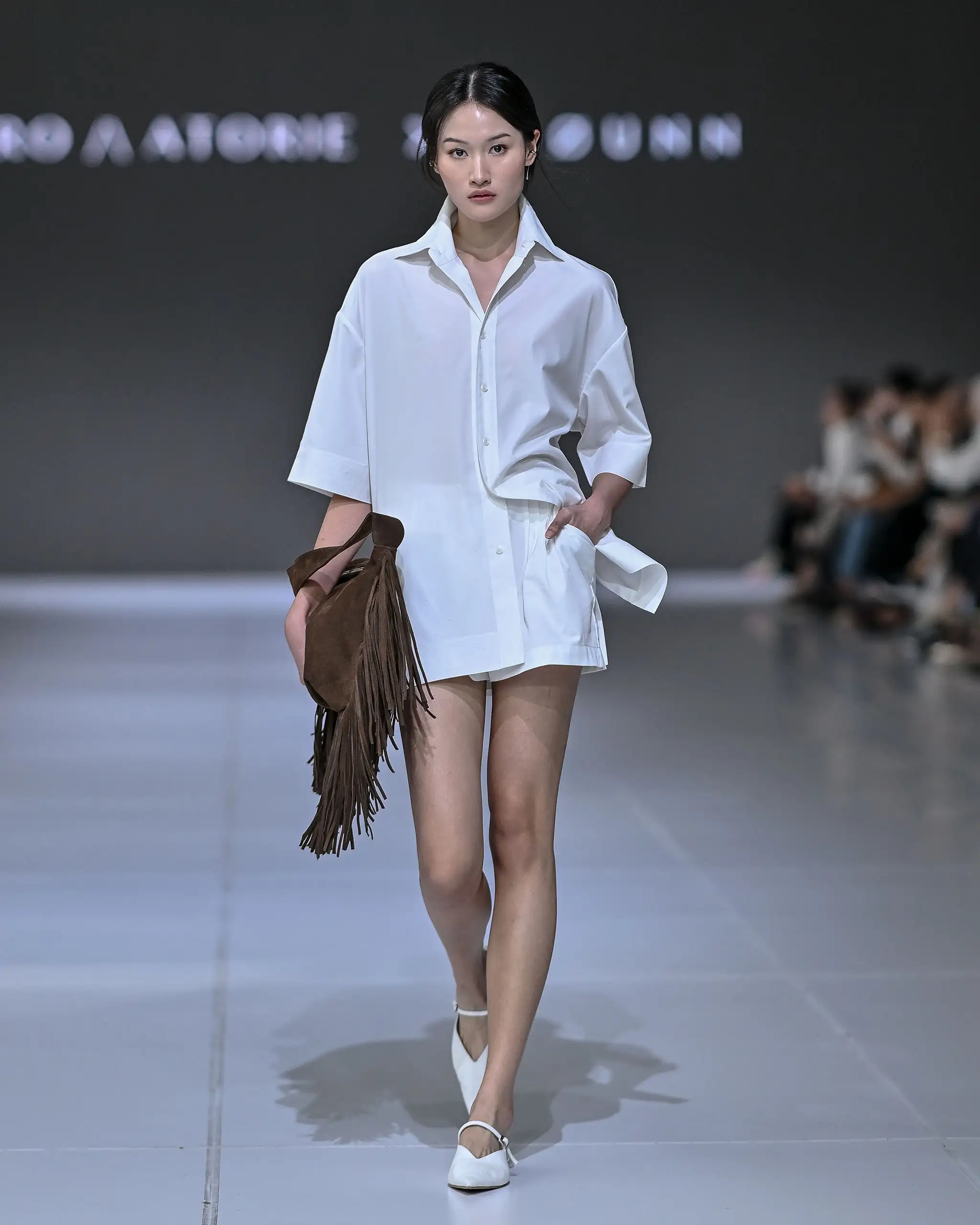
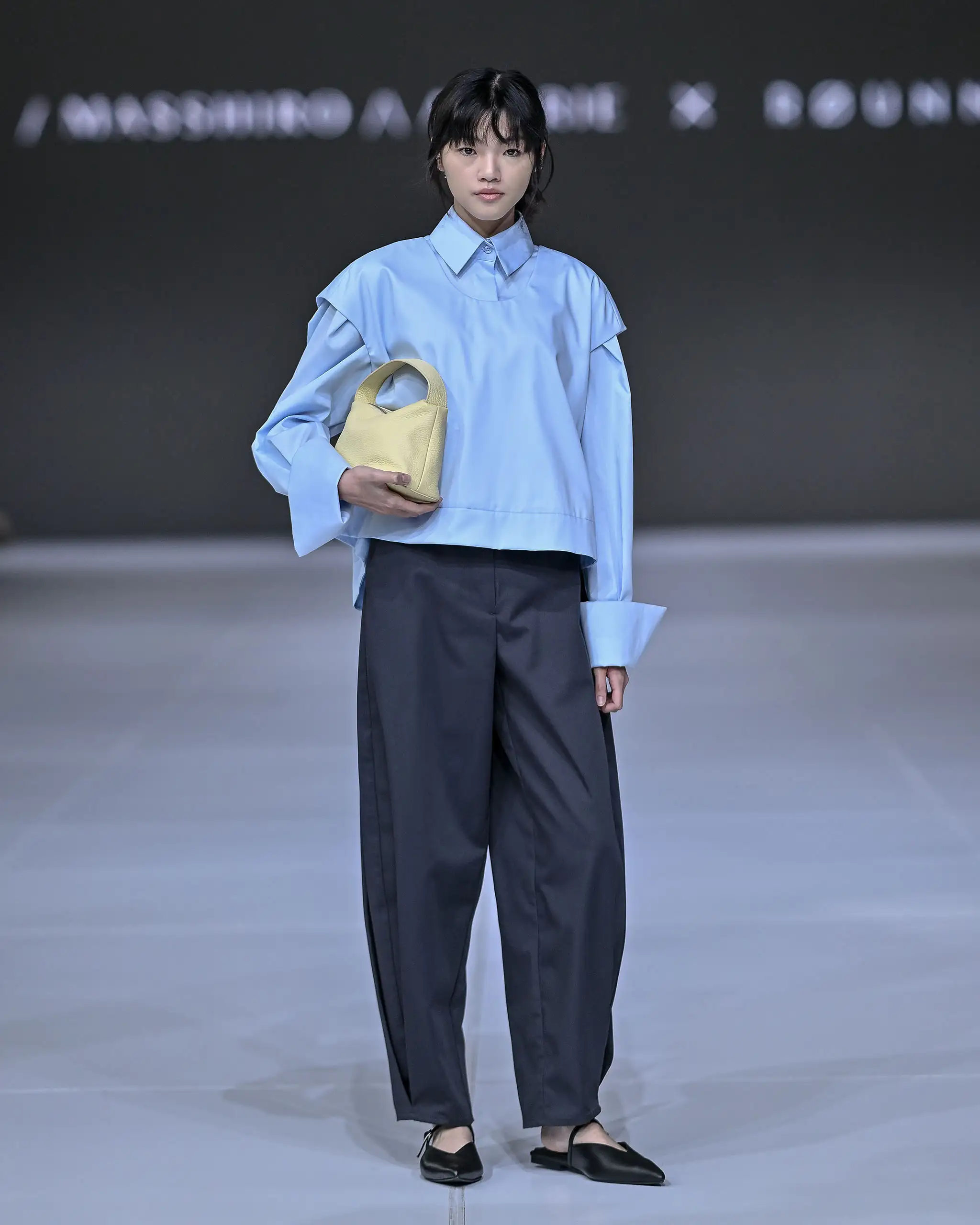
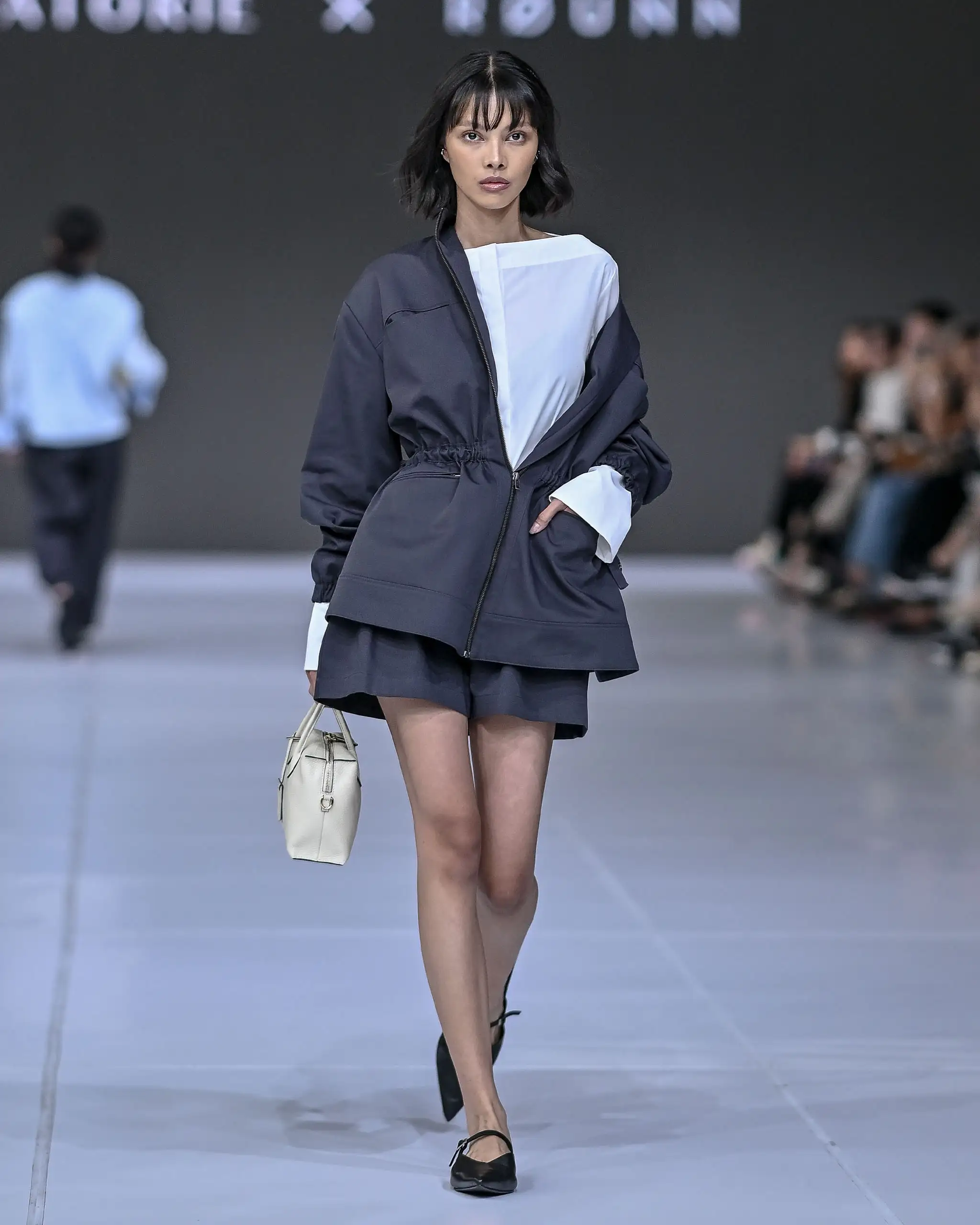
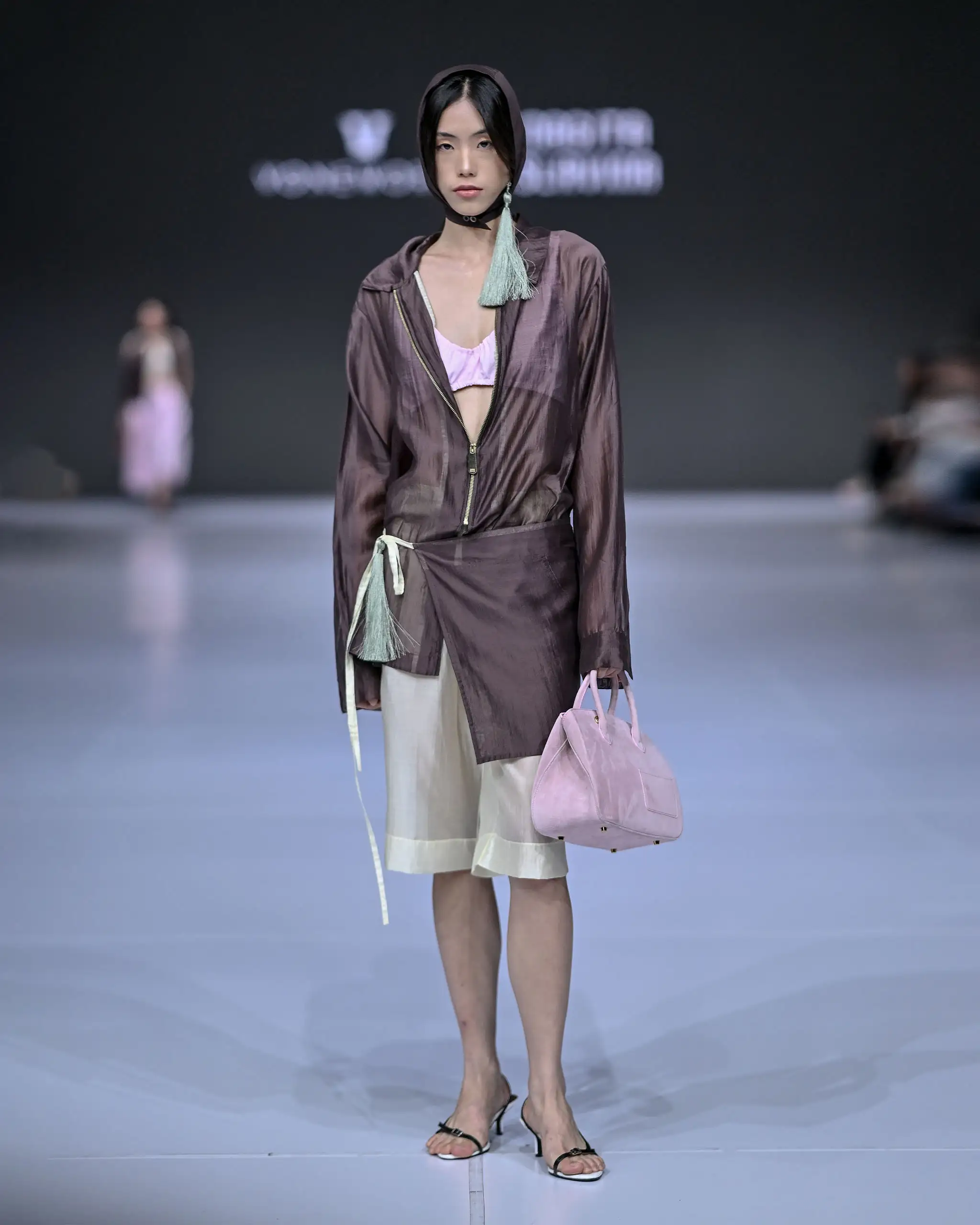
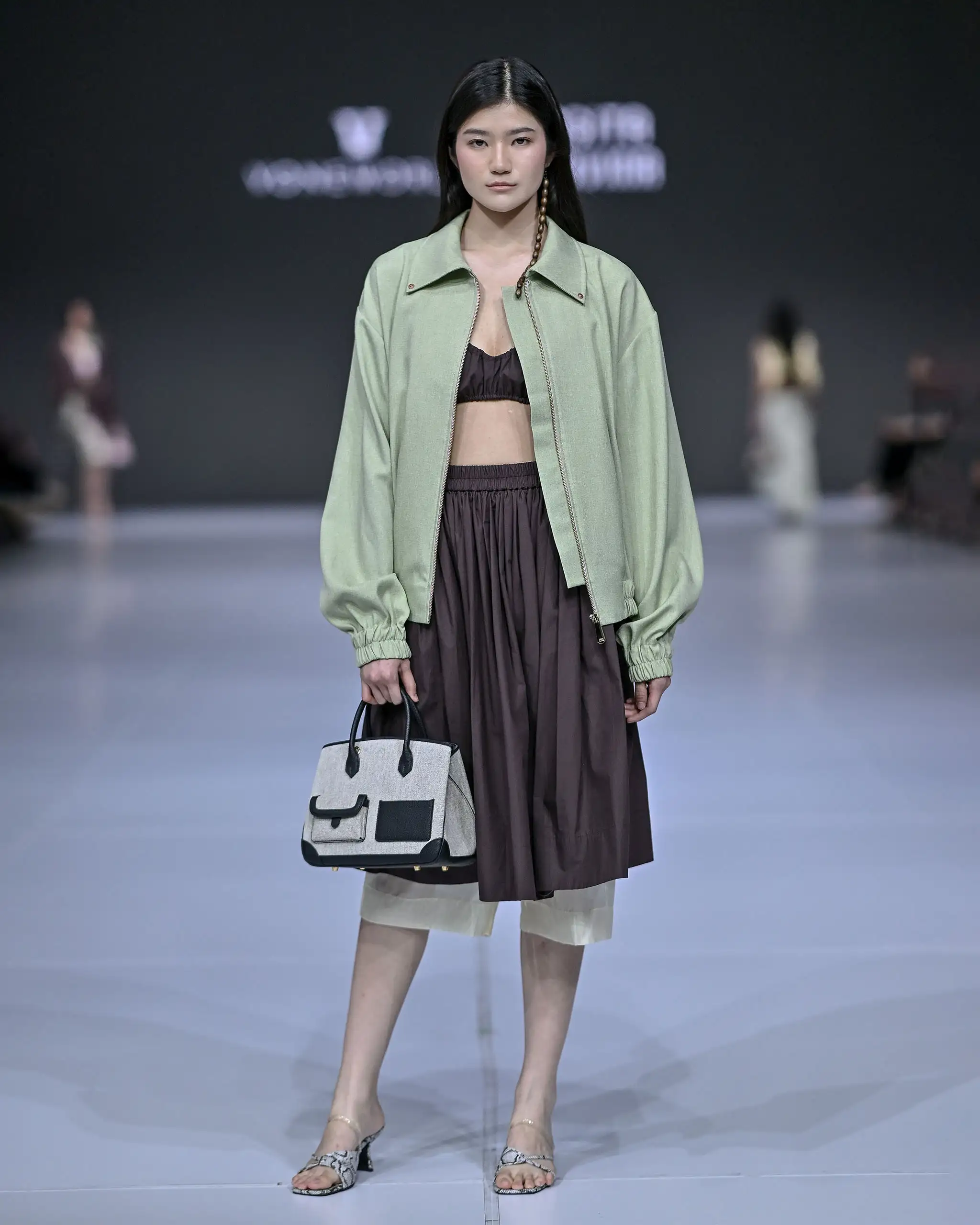
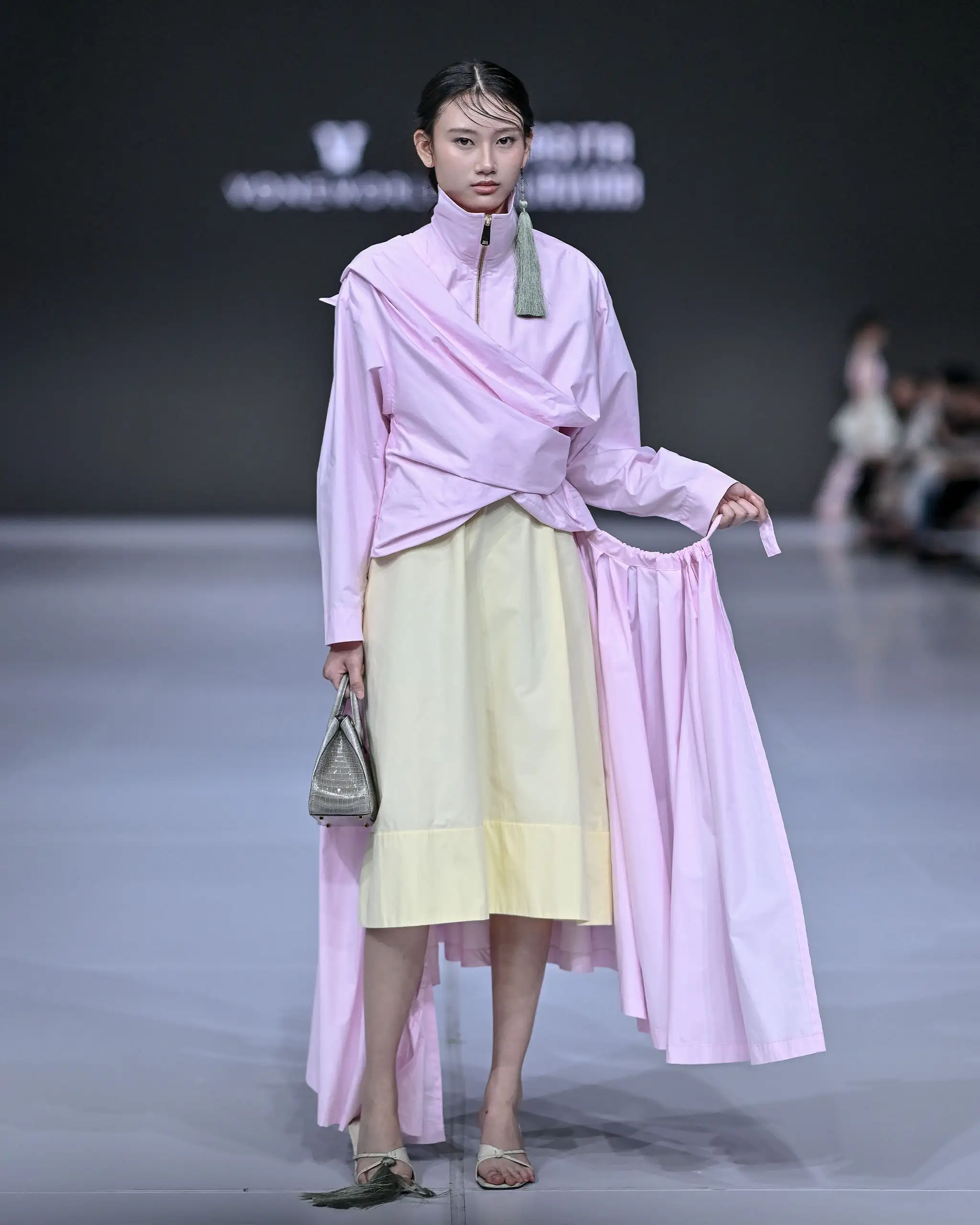
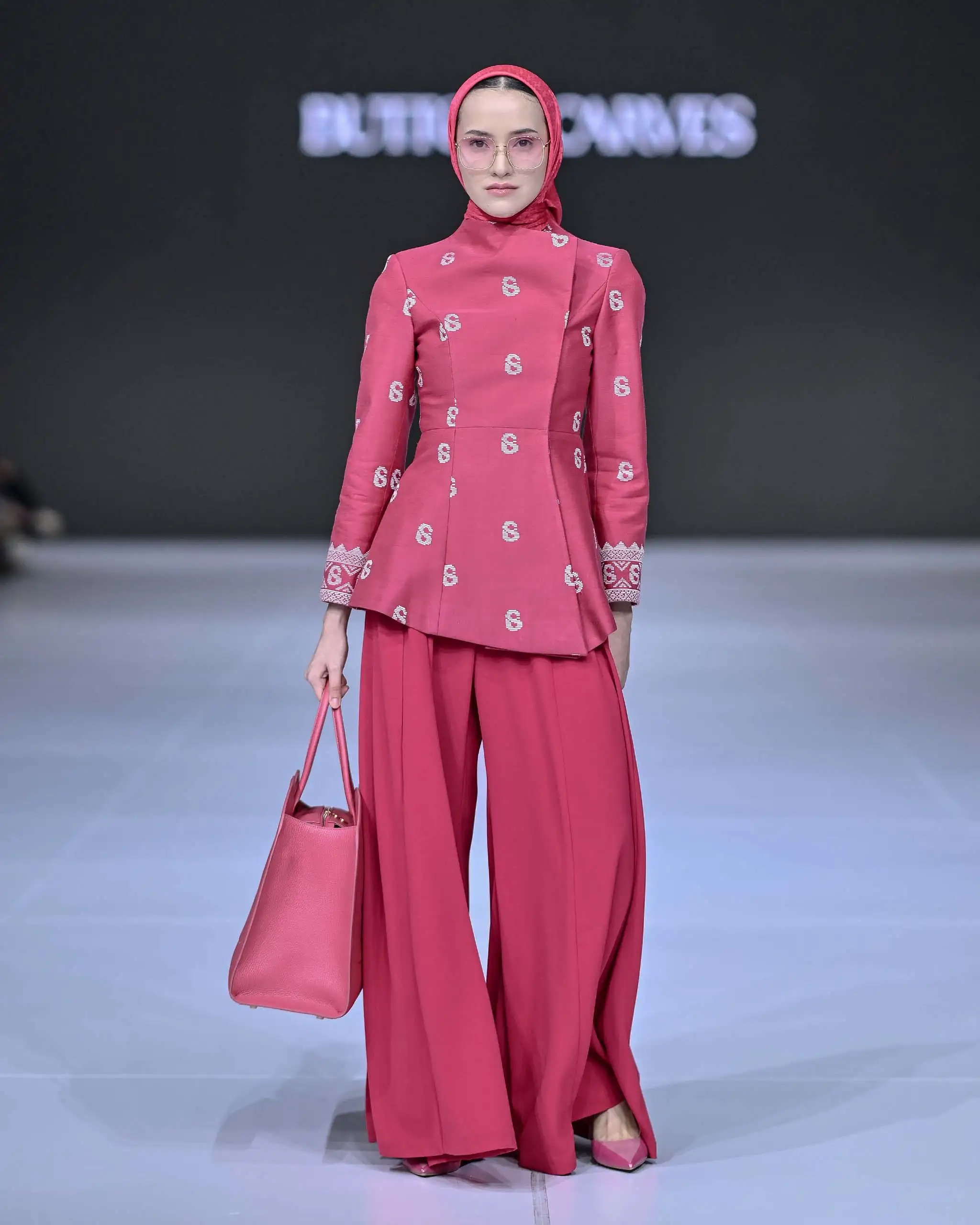
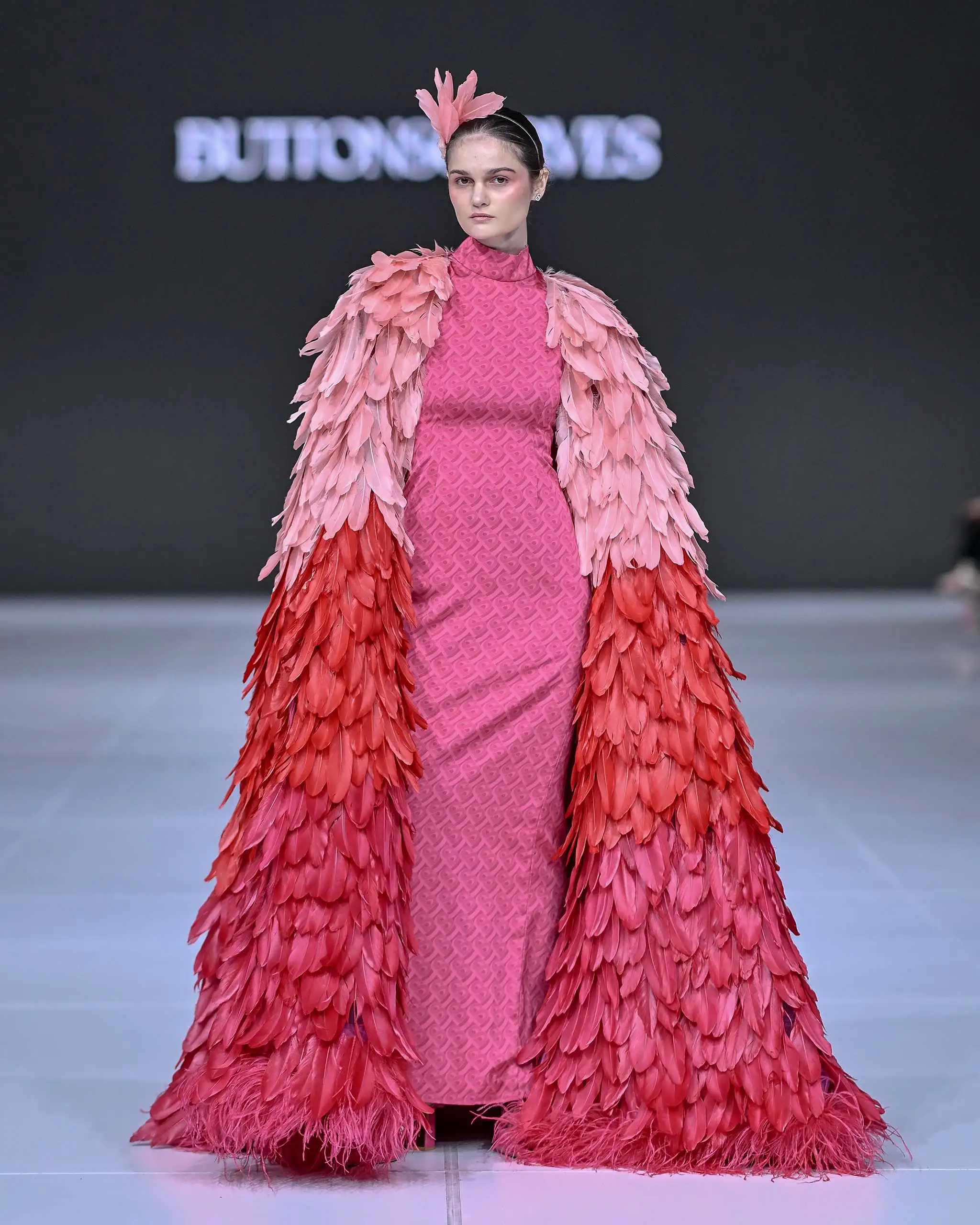
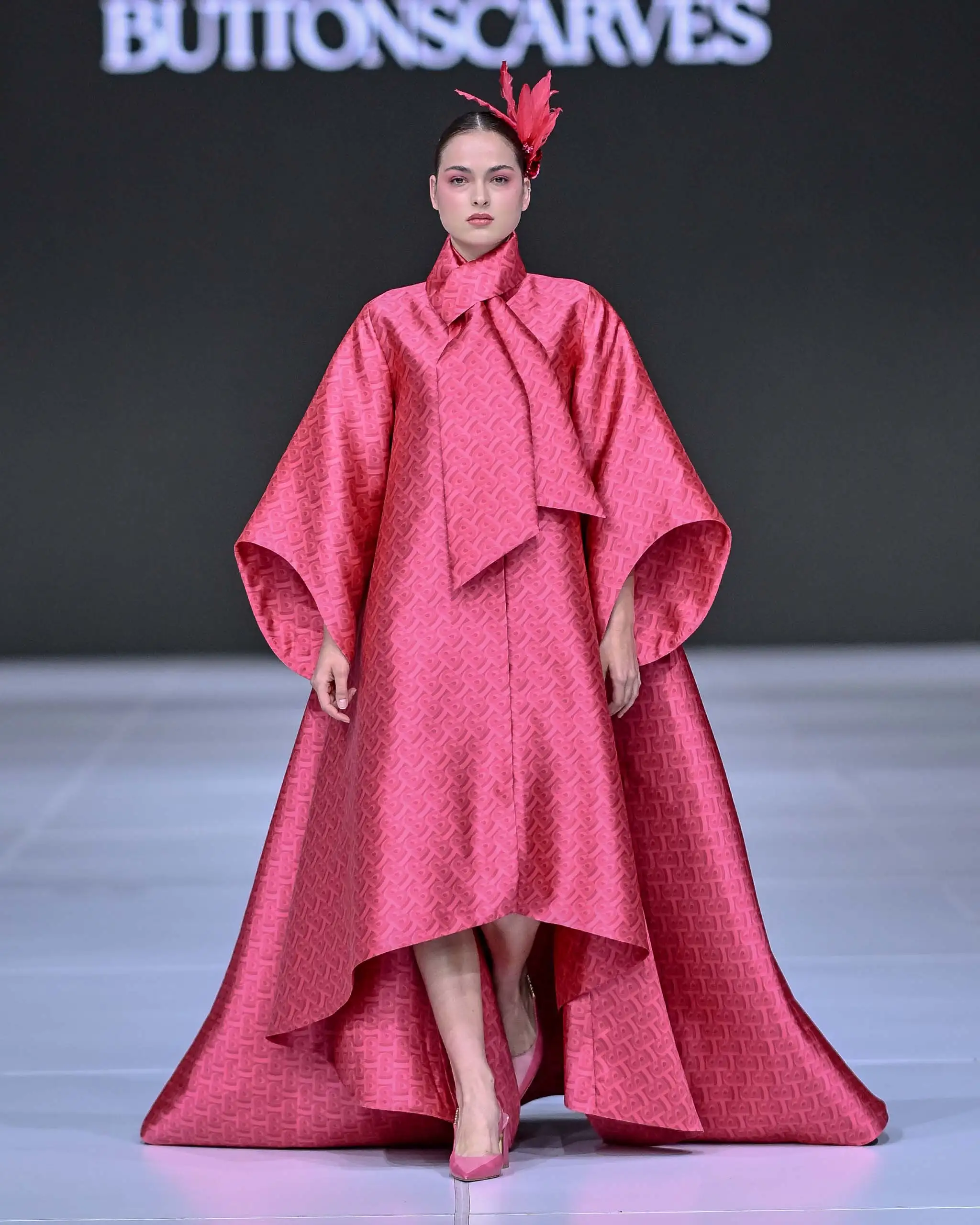
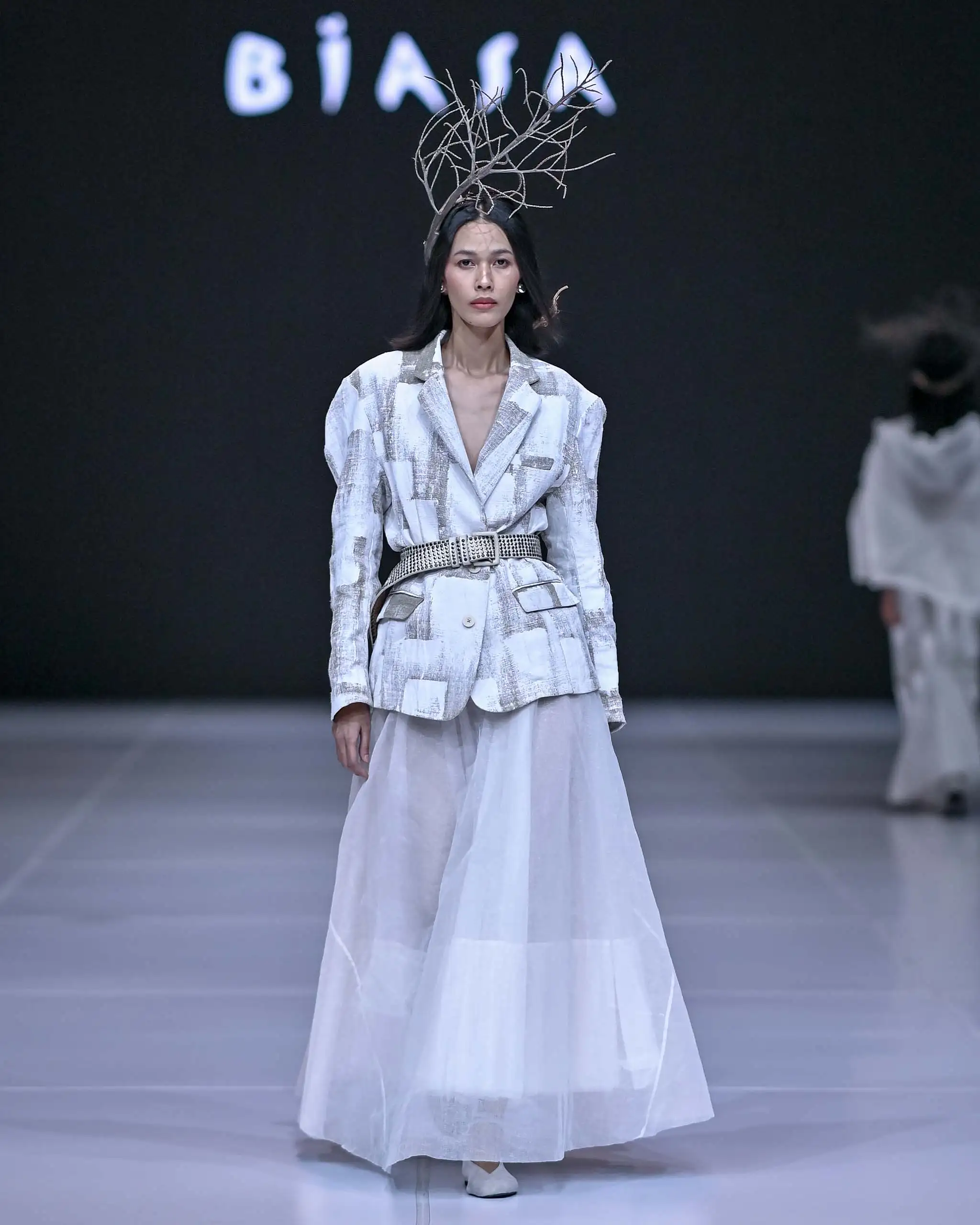
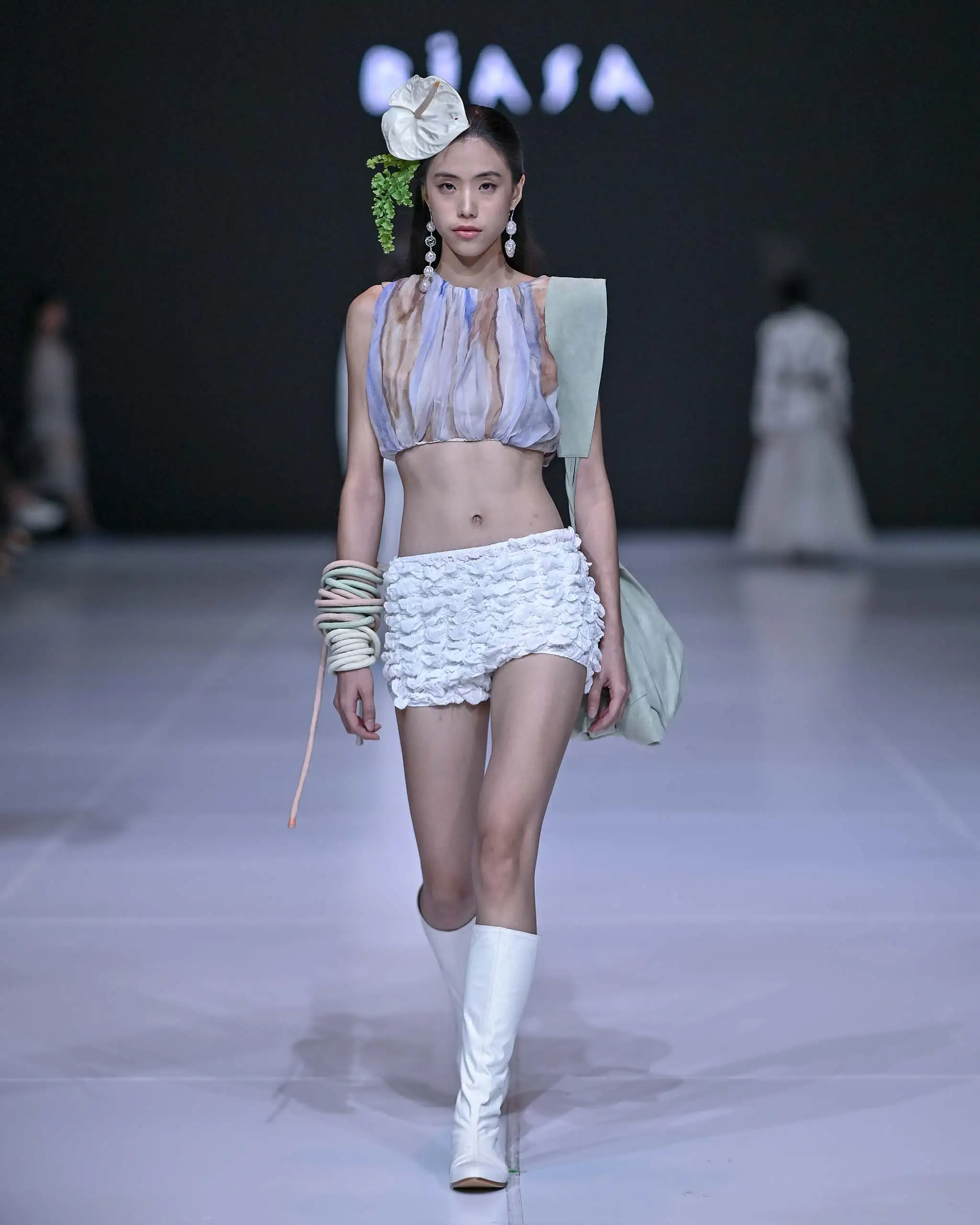
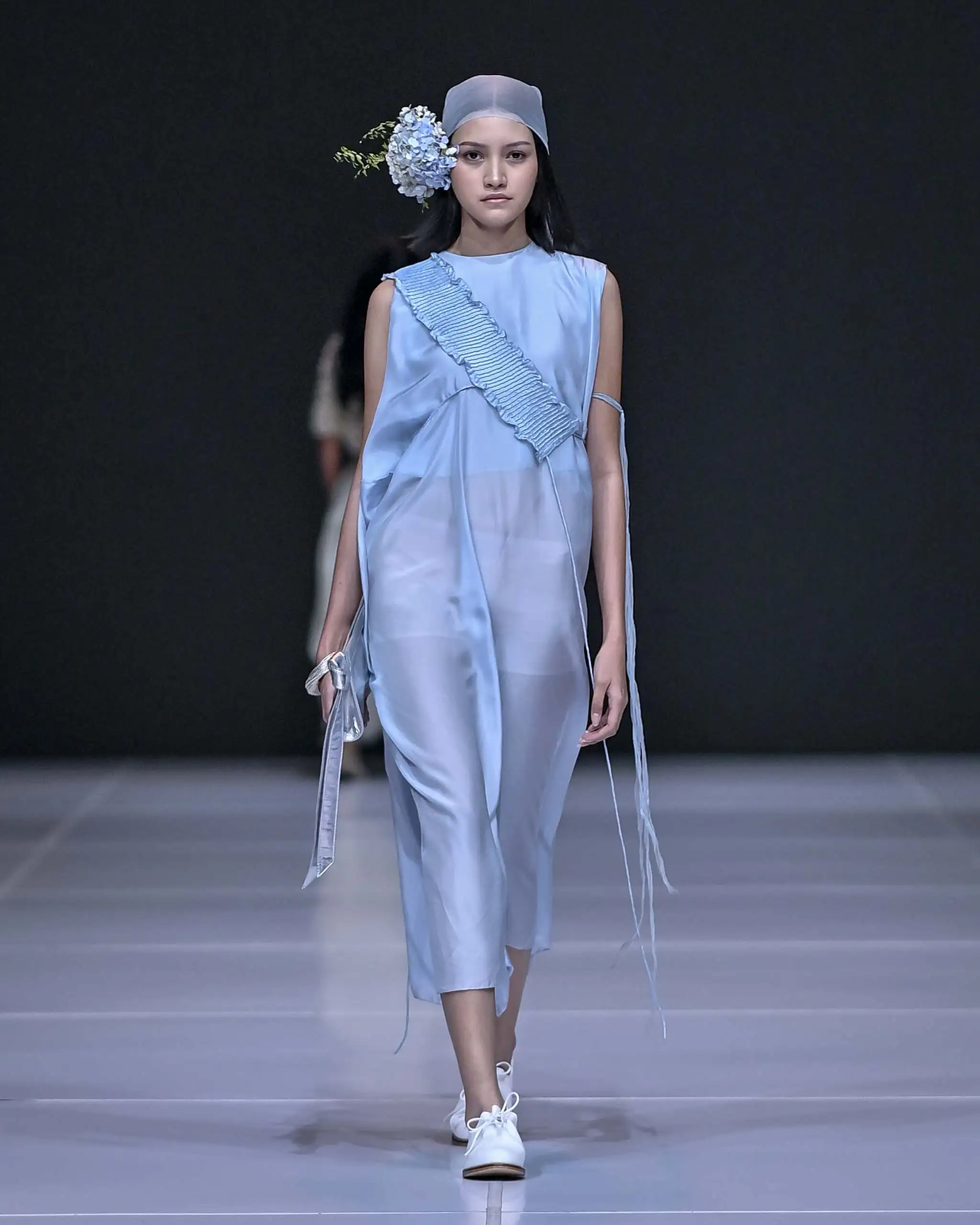
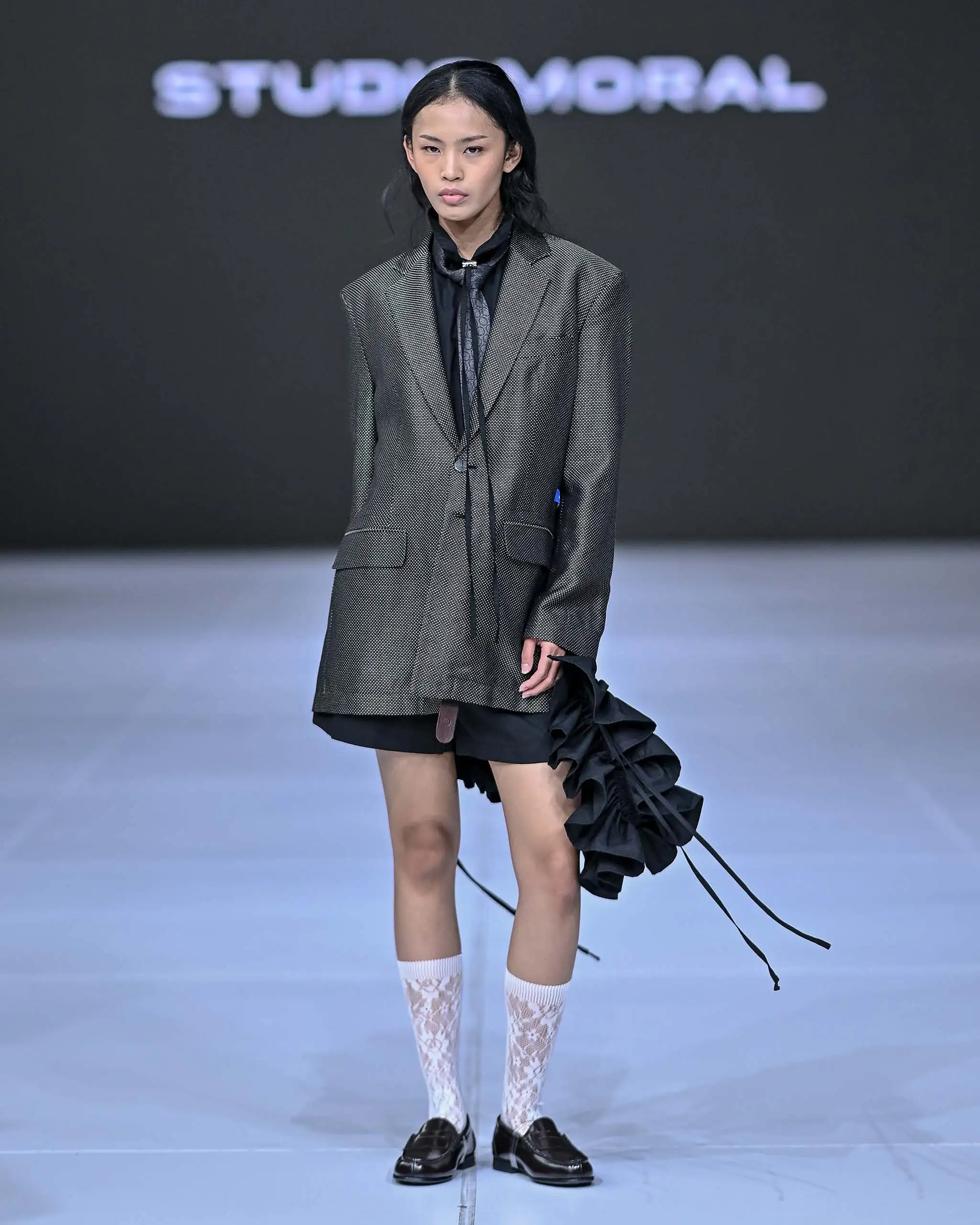
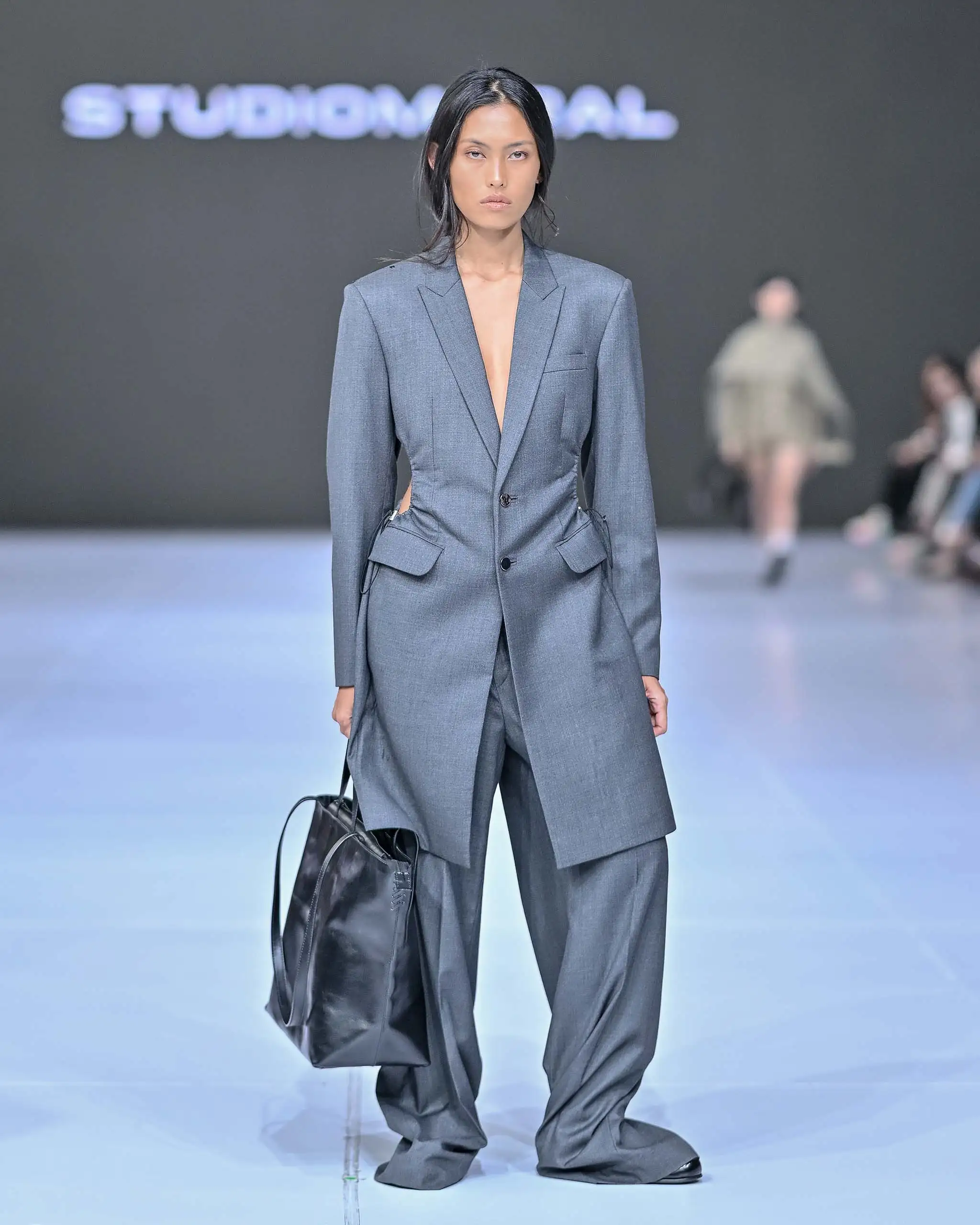
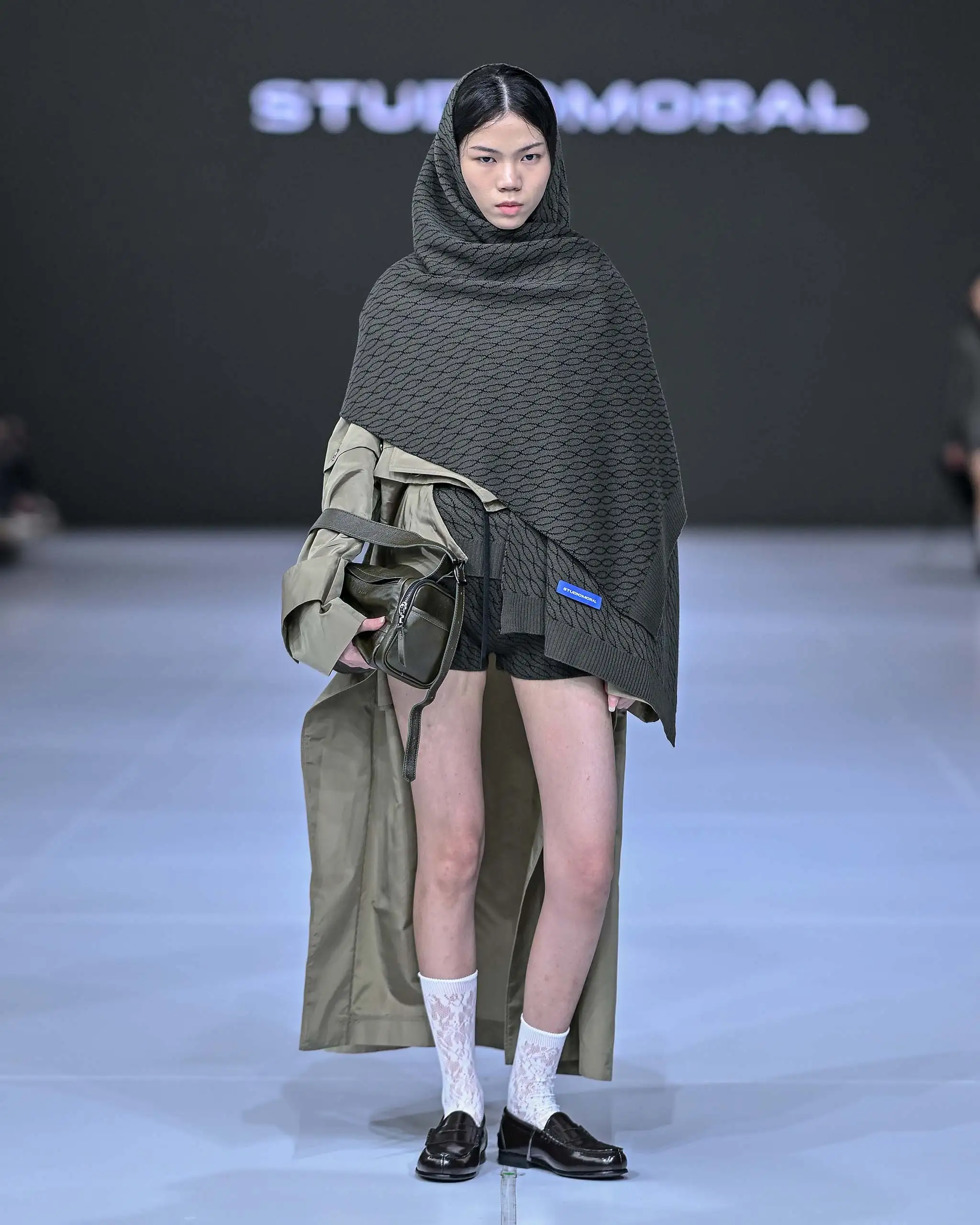
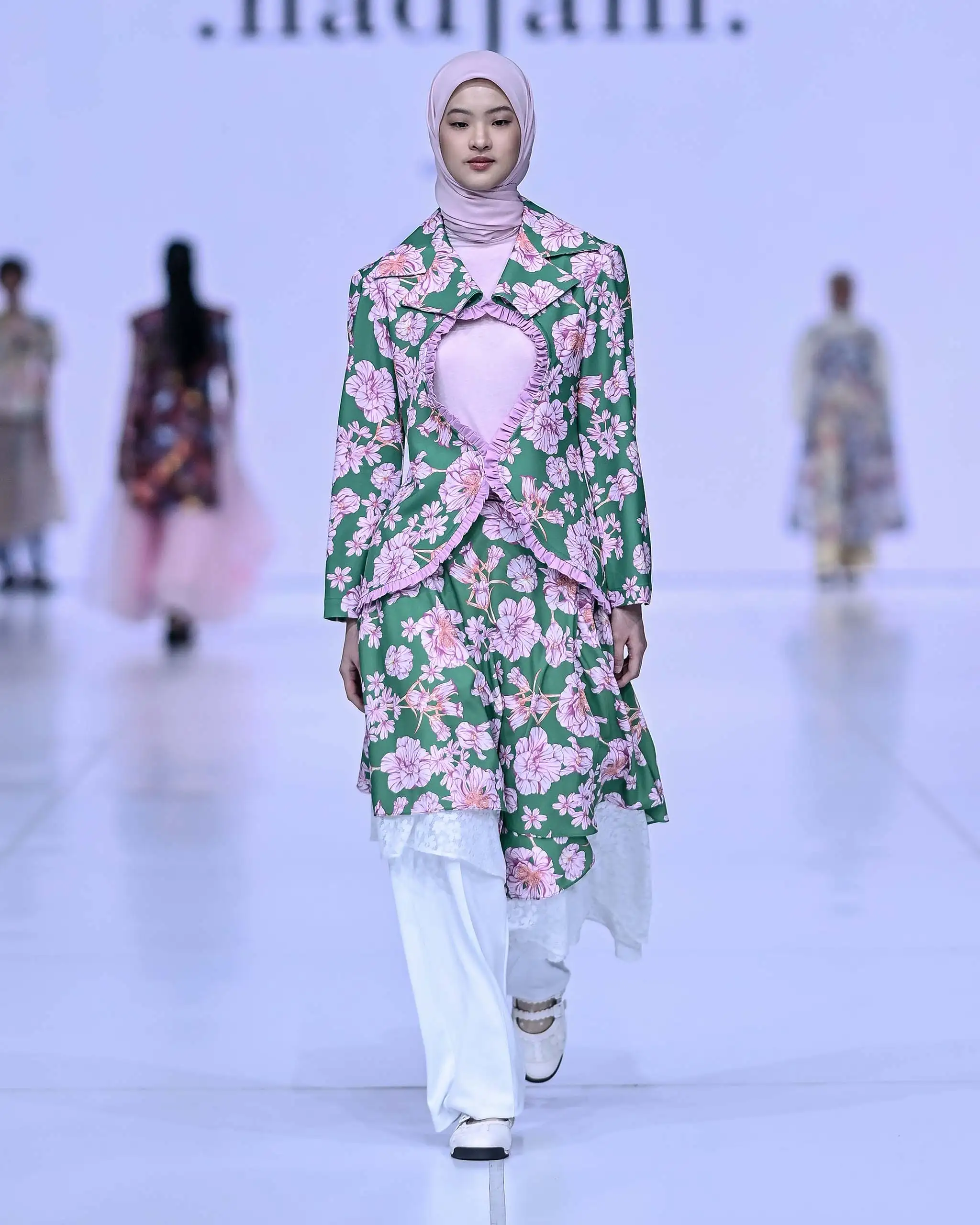
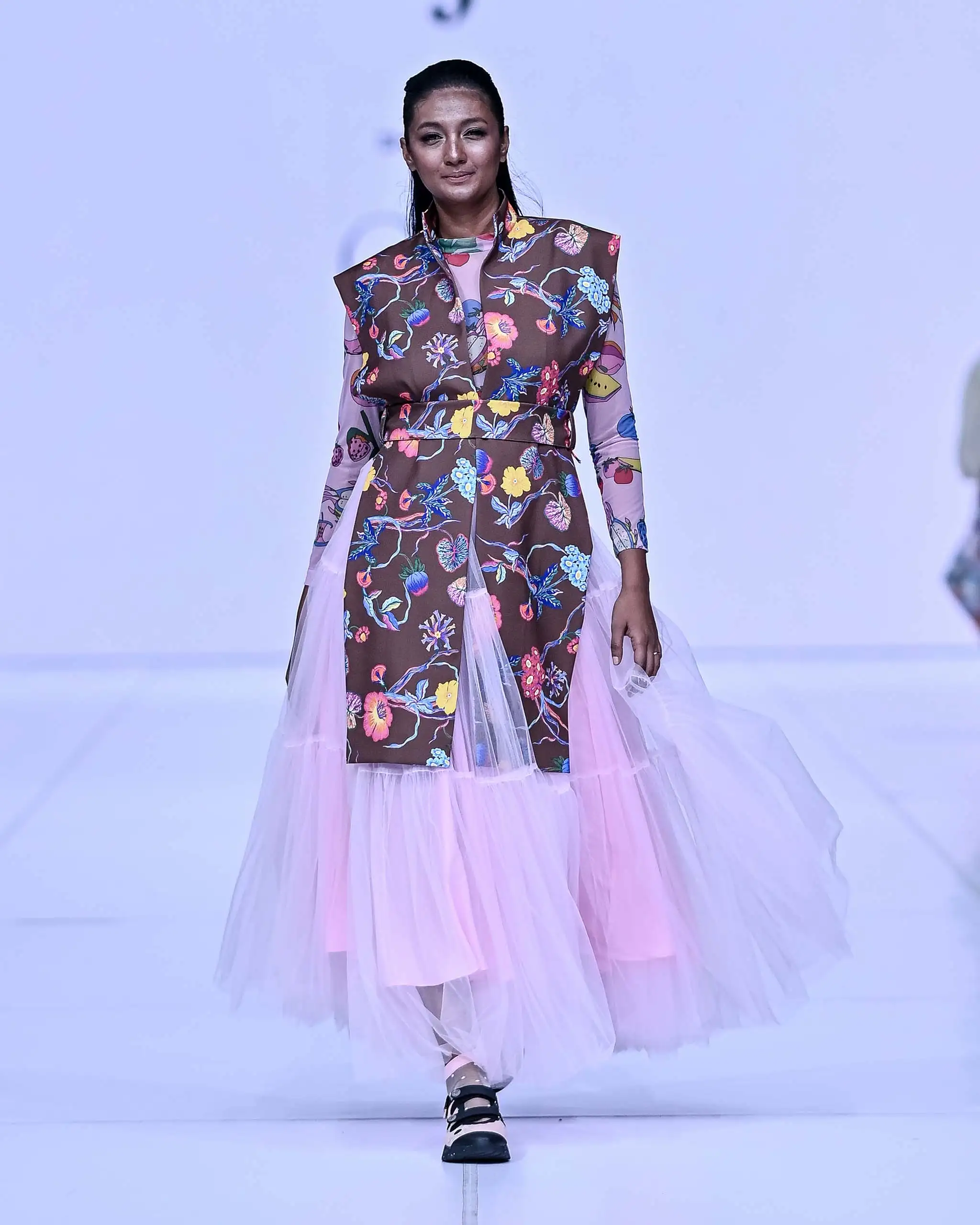
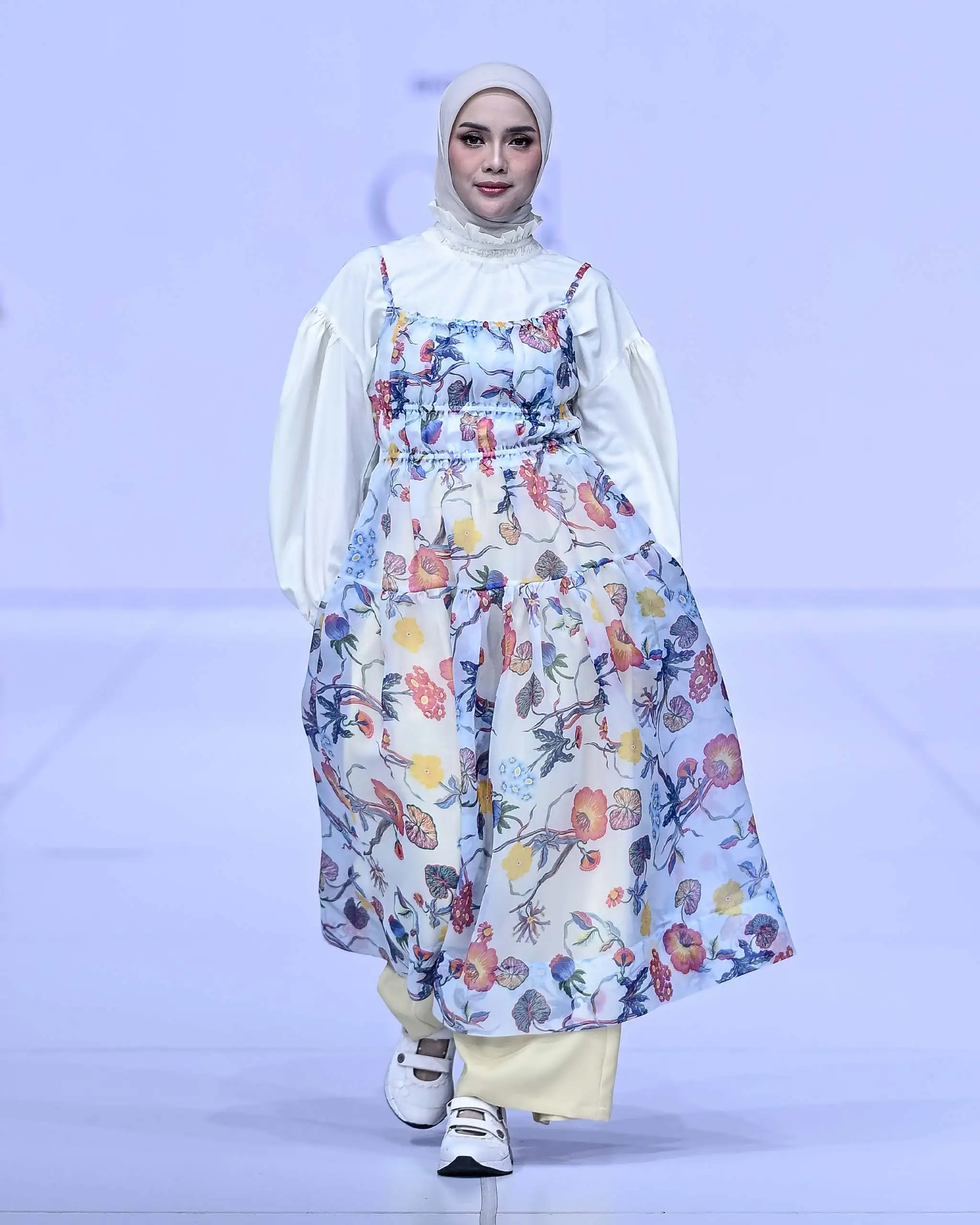
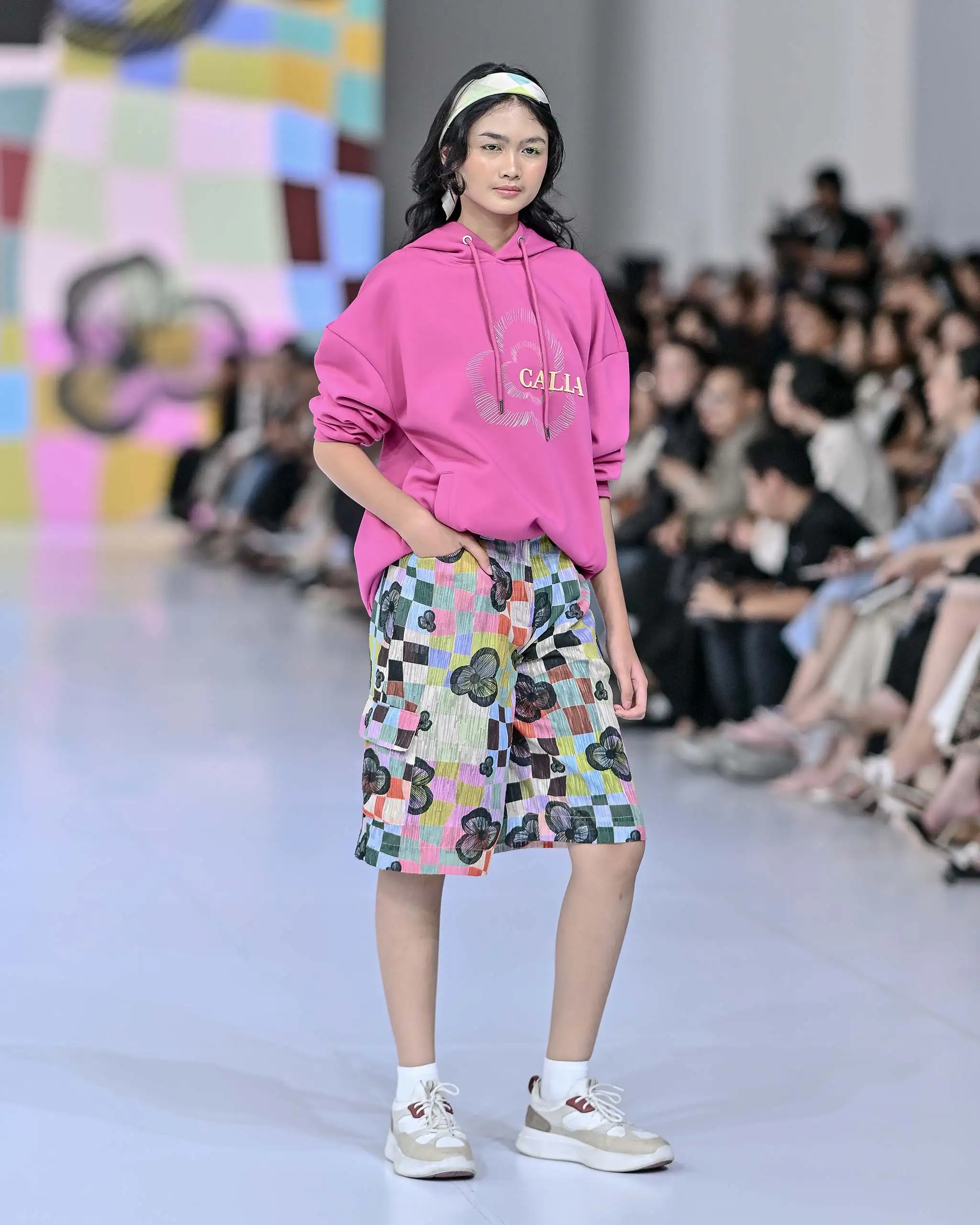
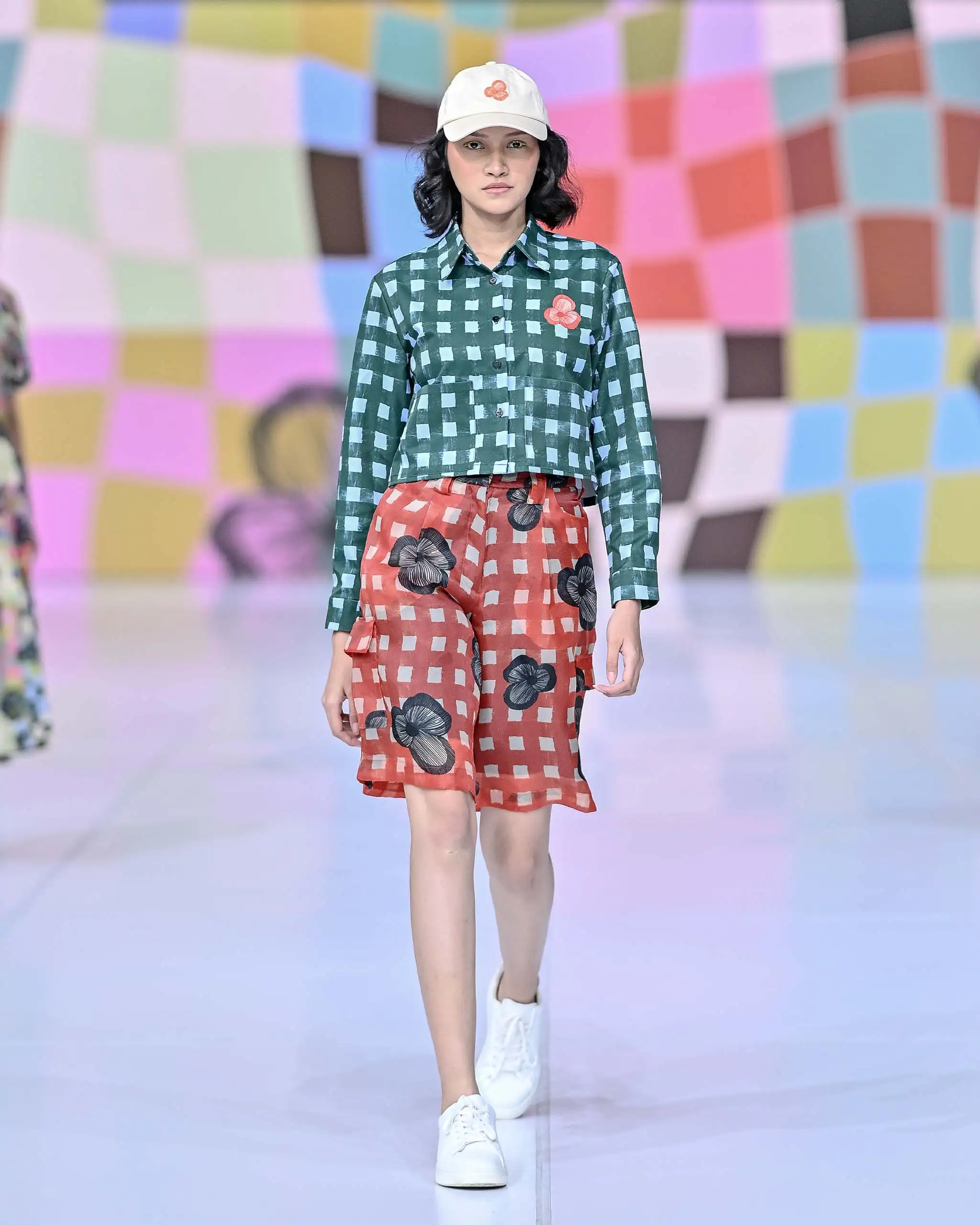
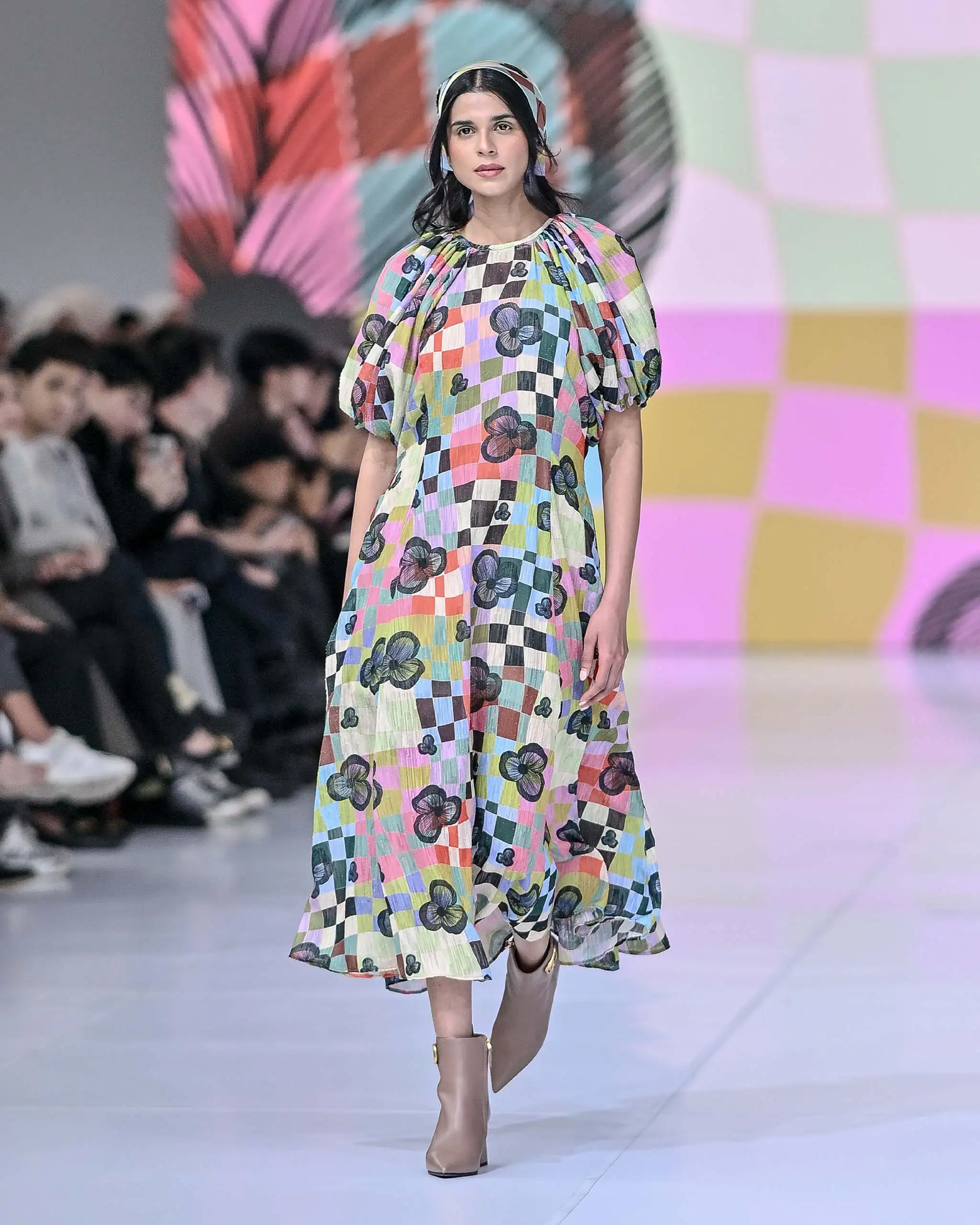
The week opened with “Jakarta Via Paris”, a showcase that bridged two worlds: Indonesian designers who had shown at Tranoï in Paris returning to their own soil. MASSHIRO ATORIE × ROUNN, NAGITA SLAVINA × VONE, BUTTONSCARVES, BIASA, STUDIO MORAL, NADJANI, and CALLA wove familiarity with global polish, suggesting that what is “modern” need not come from elsewhere. The collections spoke in fluent contrasts: a cosmopolitan look grounded in Indonesian restraint.
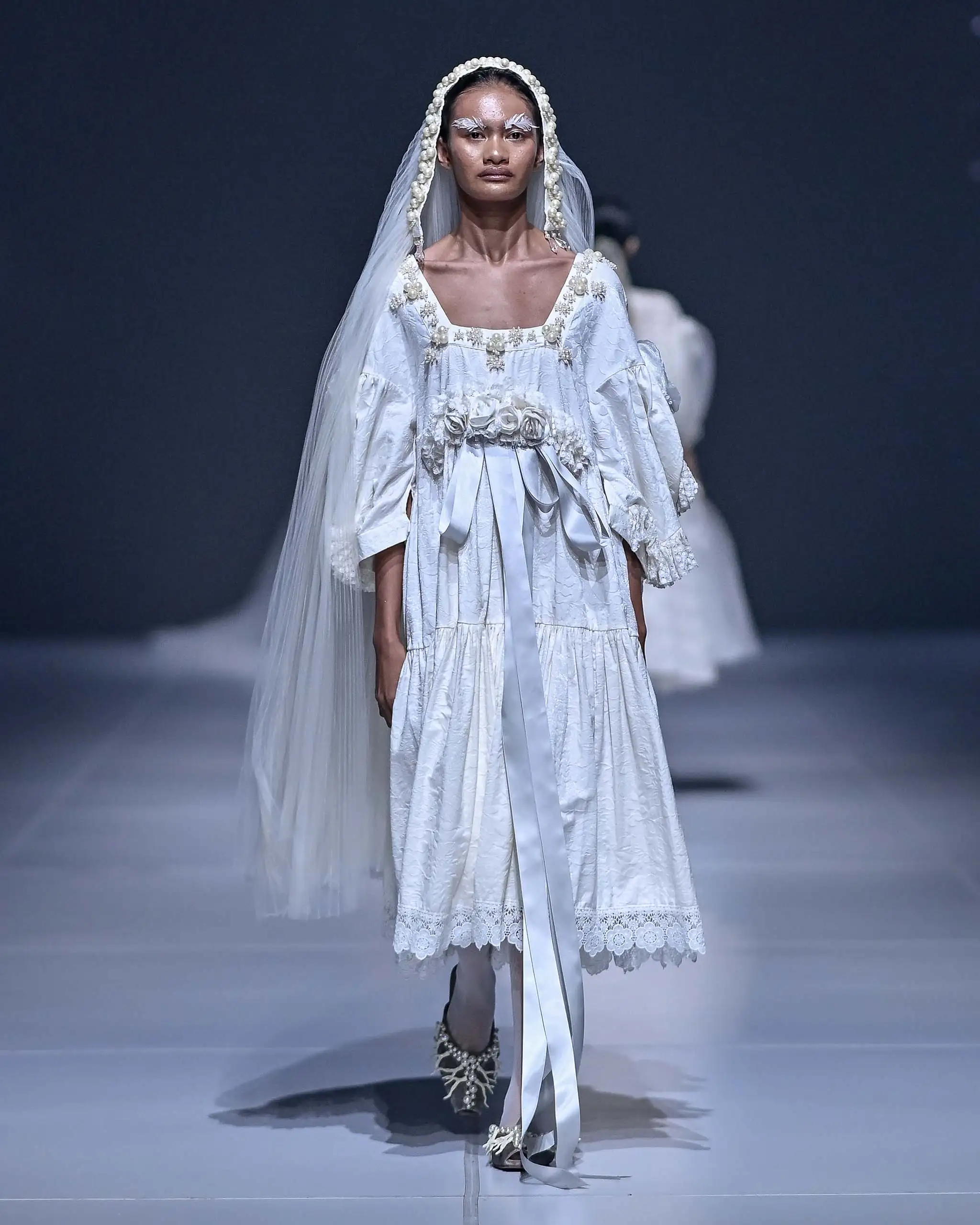
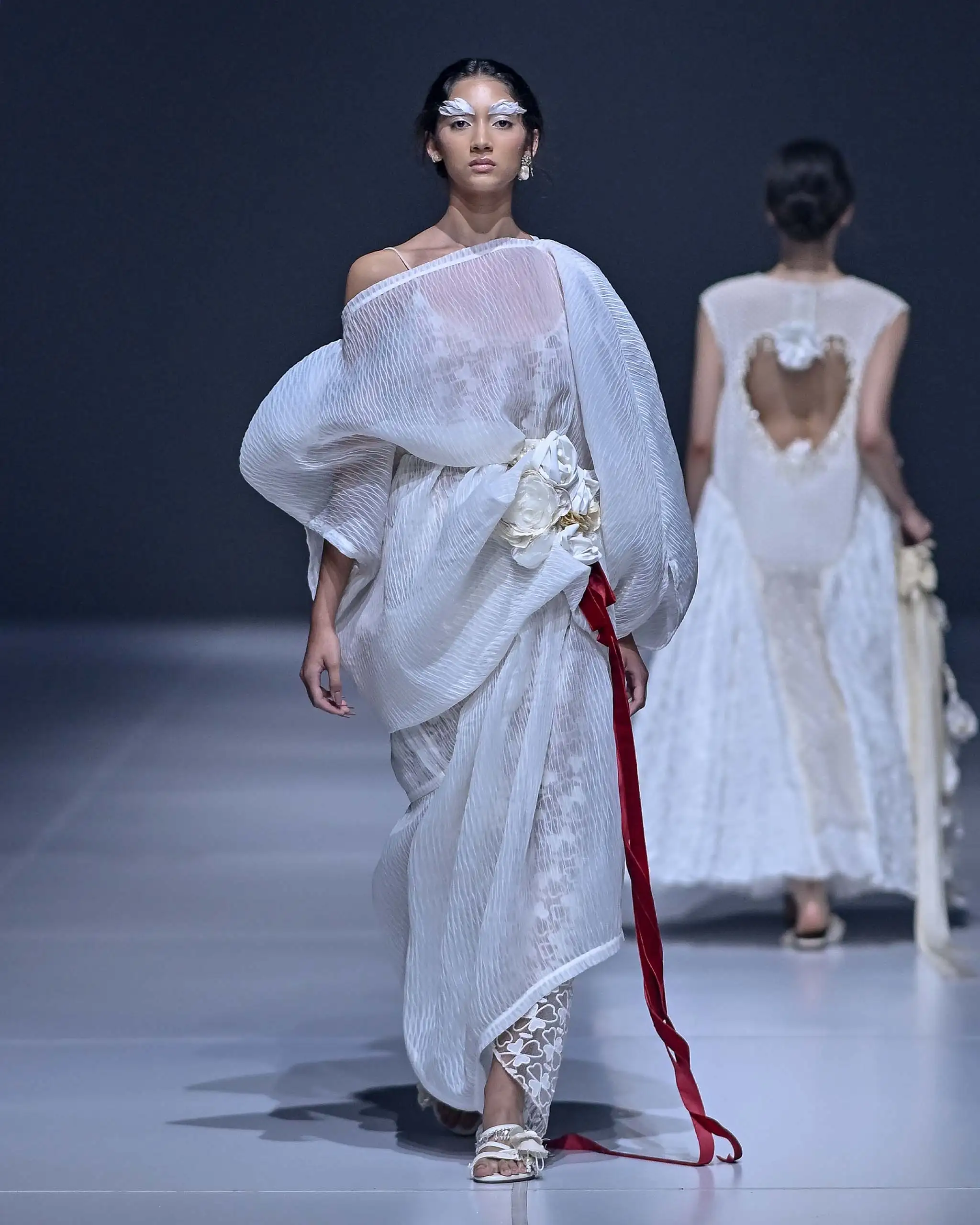
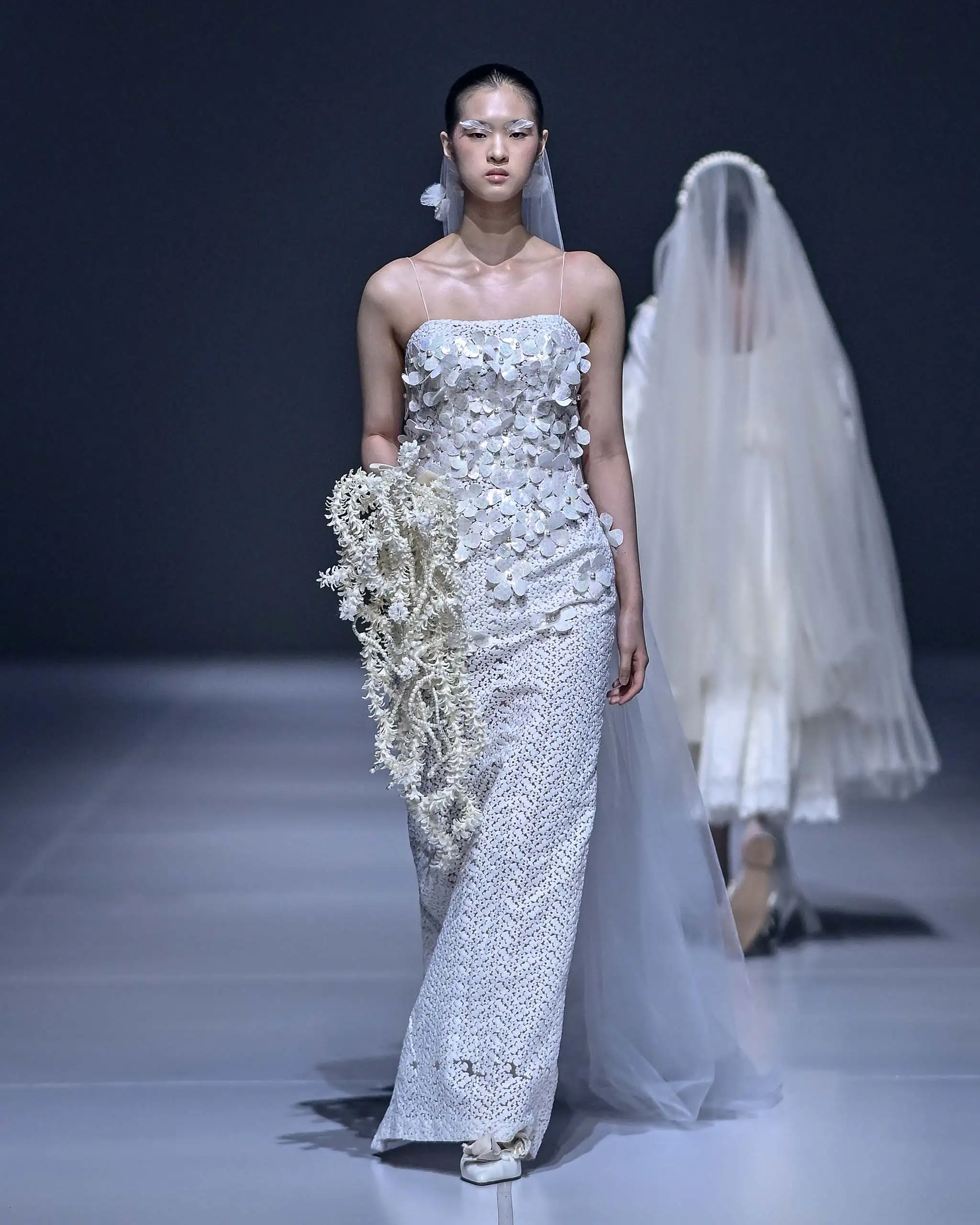
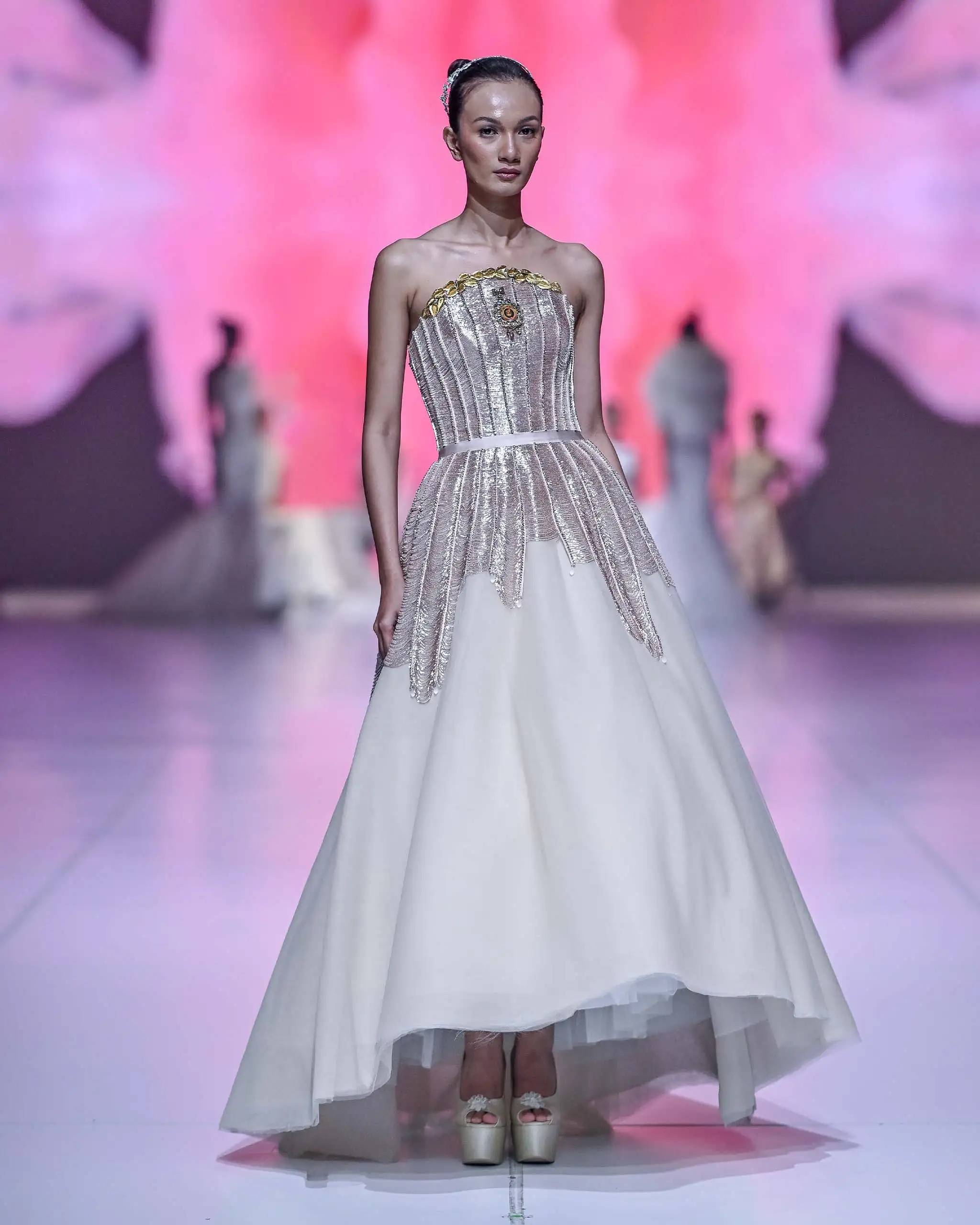
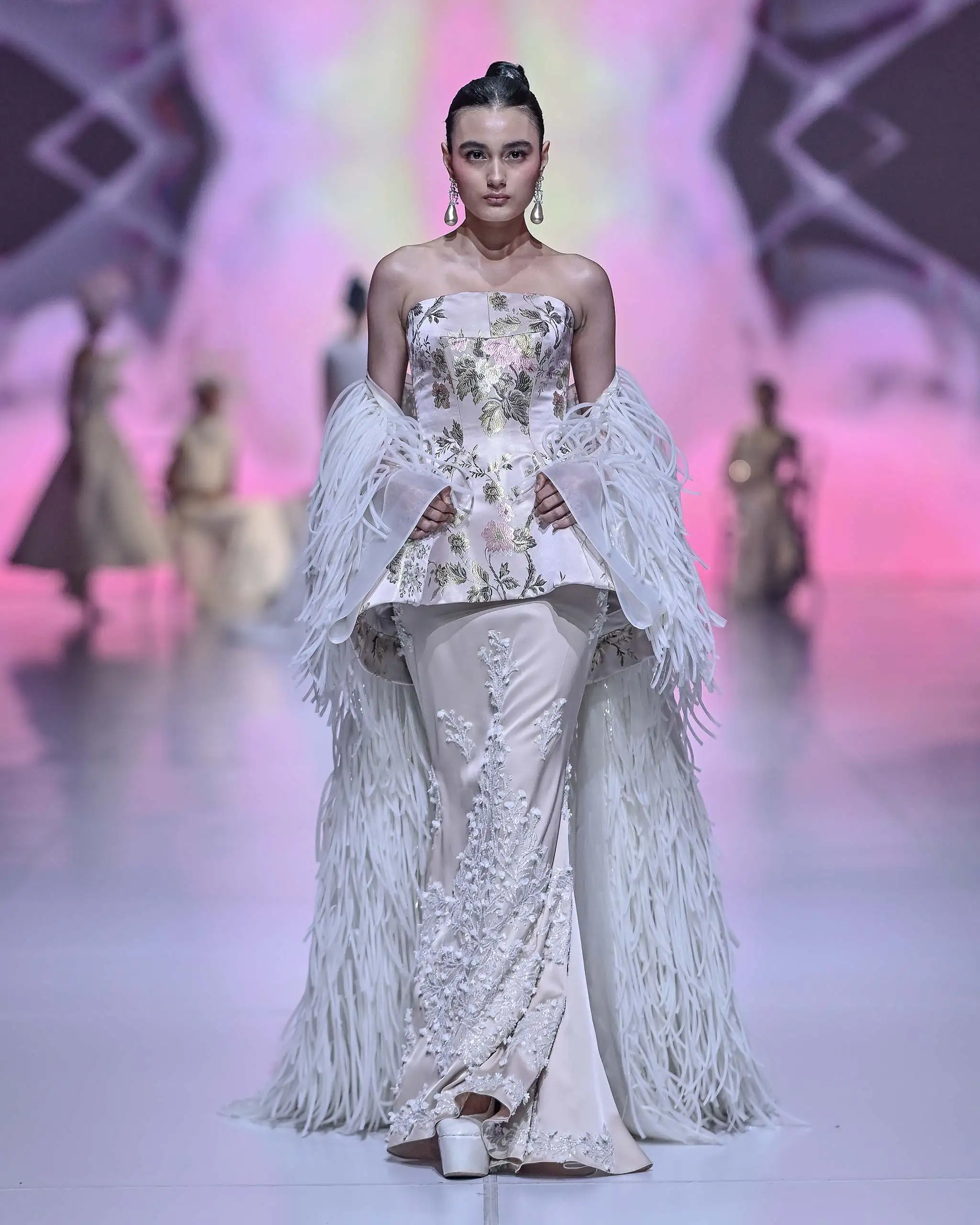
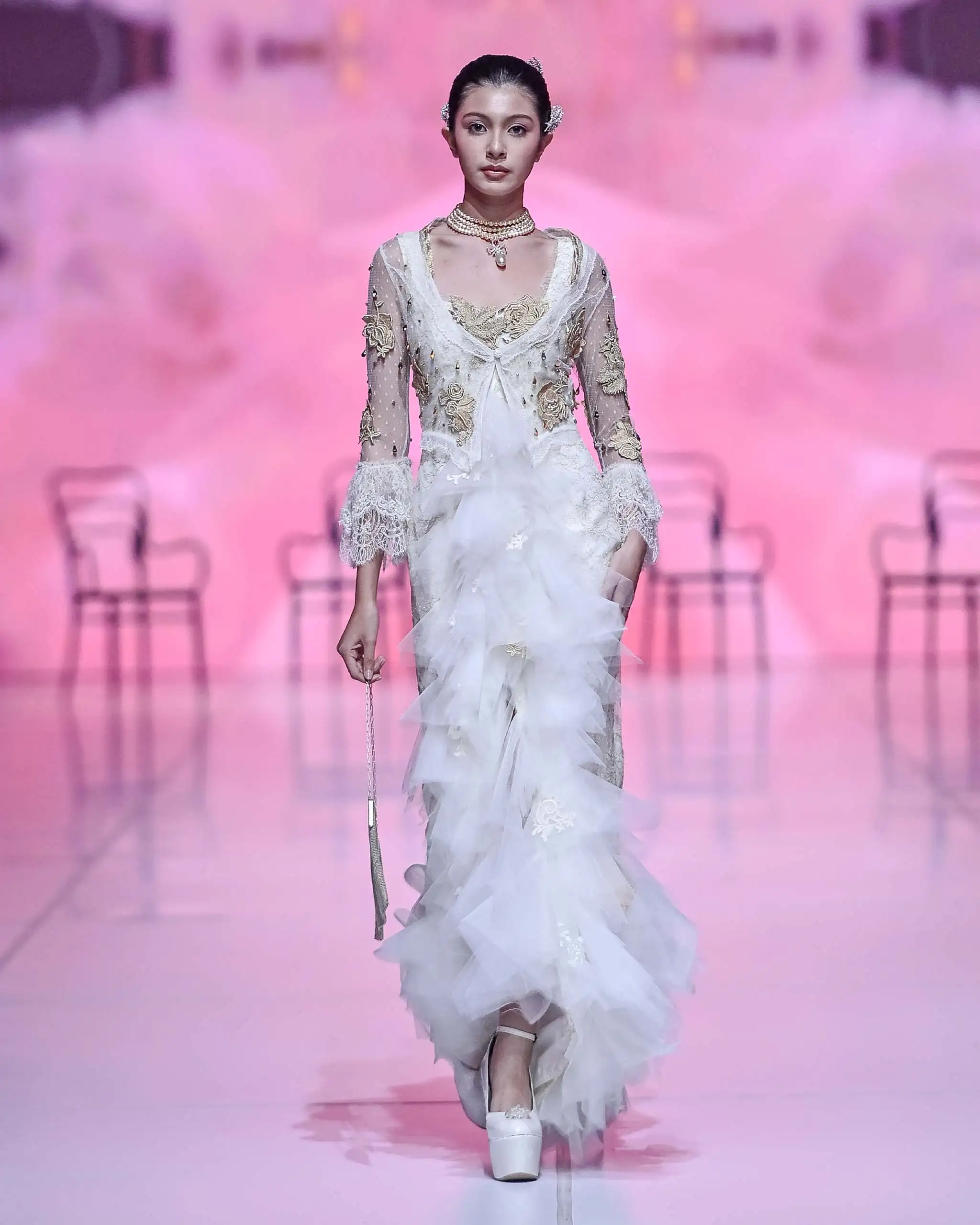
Later that day, “The Love Letter” by InterContinental Jakarta Pondok Indah and IFDC (Rama Dauhan Gold and Didi Budiardjo) blossomed: wedding whites, off-whites, and the tiniest hint of beige cascading into rosettes and pleats. Then, like a lipstick-signed love note, a single red stripe emerged. This nation was demonstrating to the rest of the world that beauty and love, even in their grandiose manifestations, can always dominate a stage.
Day 2
By the second day, Jakarta had found its rhythm, luminous in its presence.
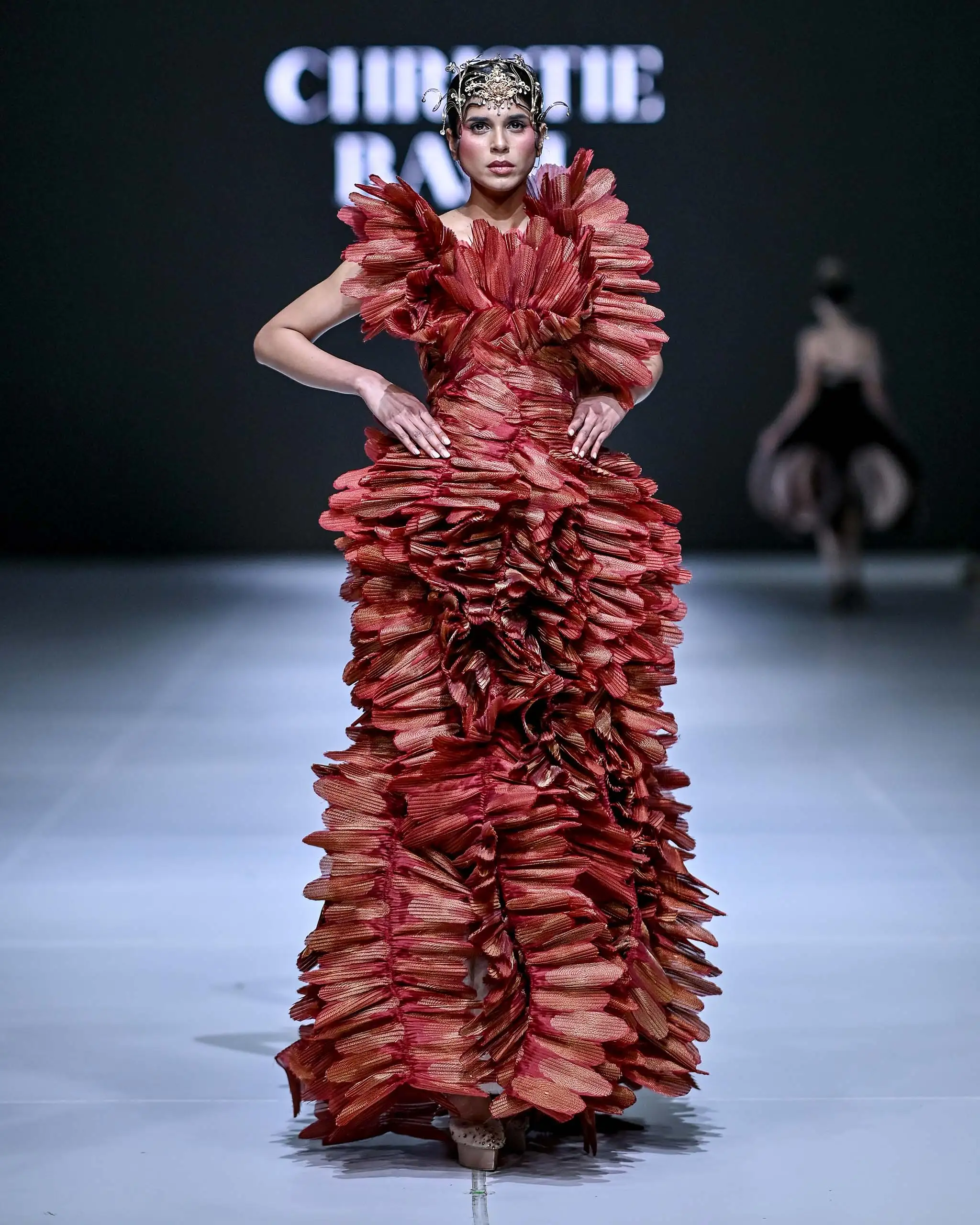
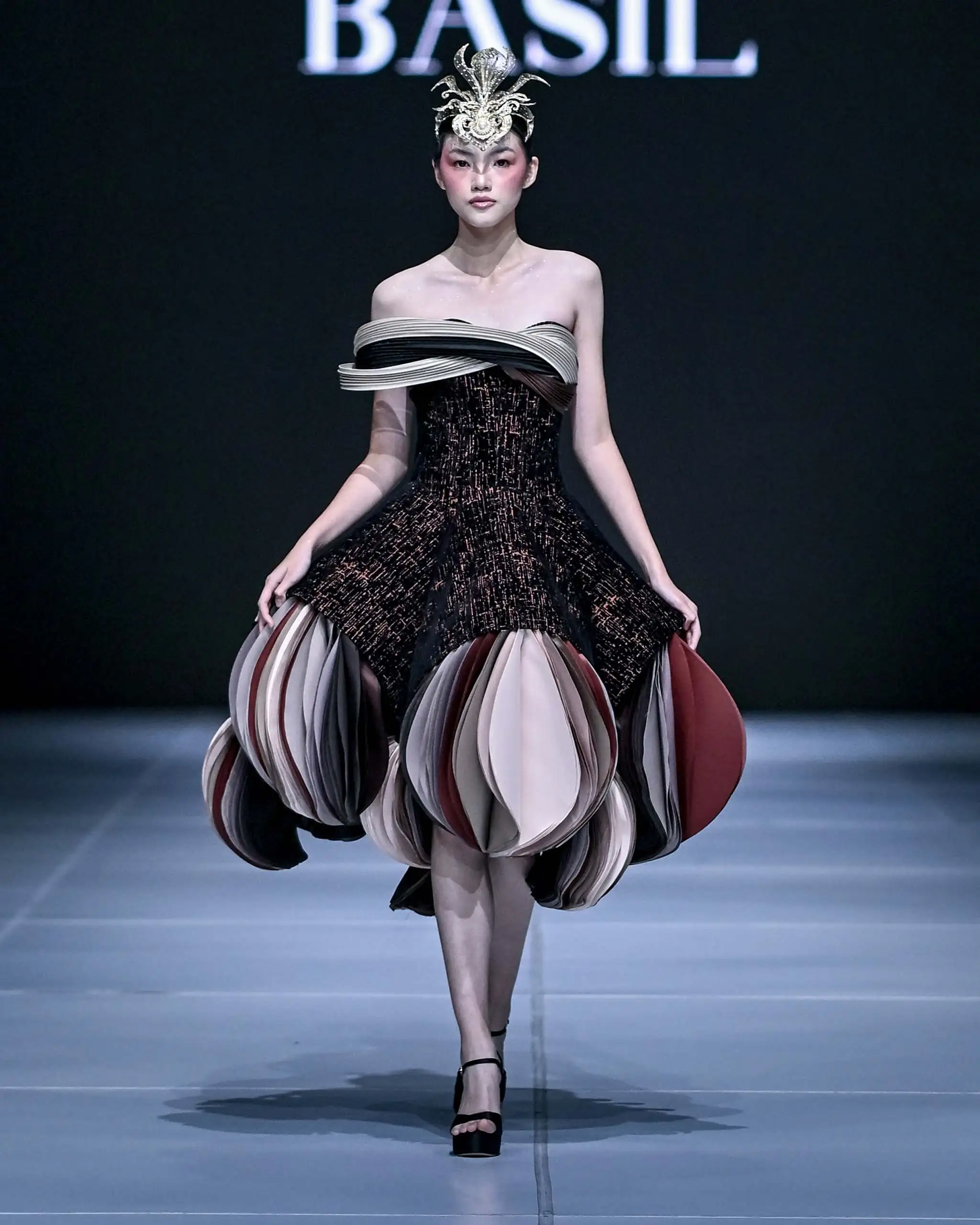
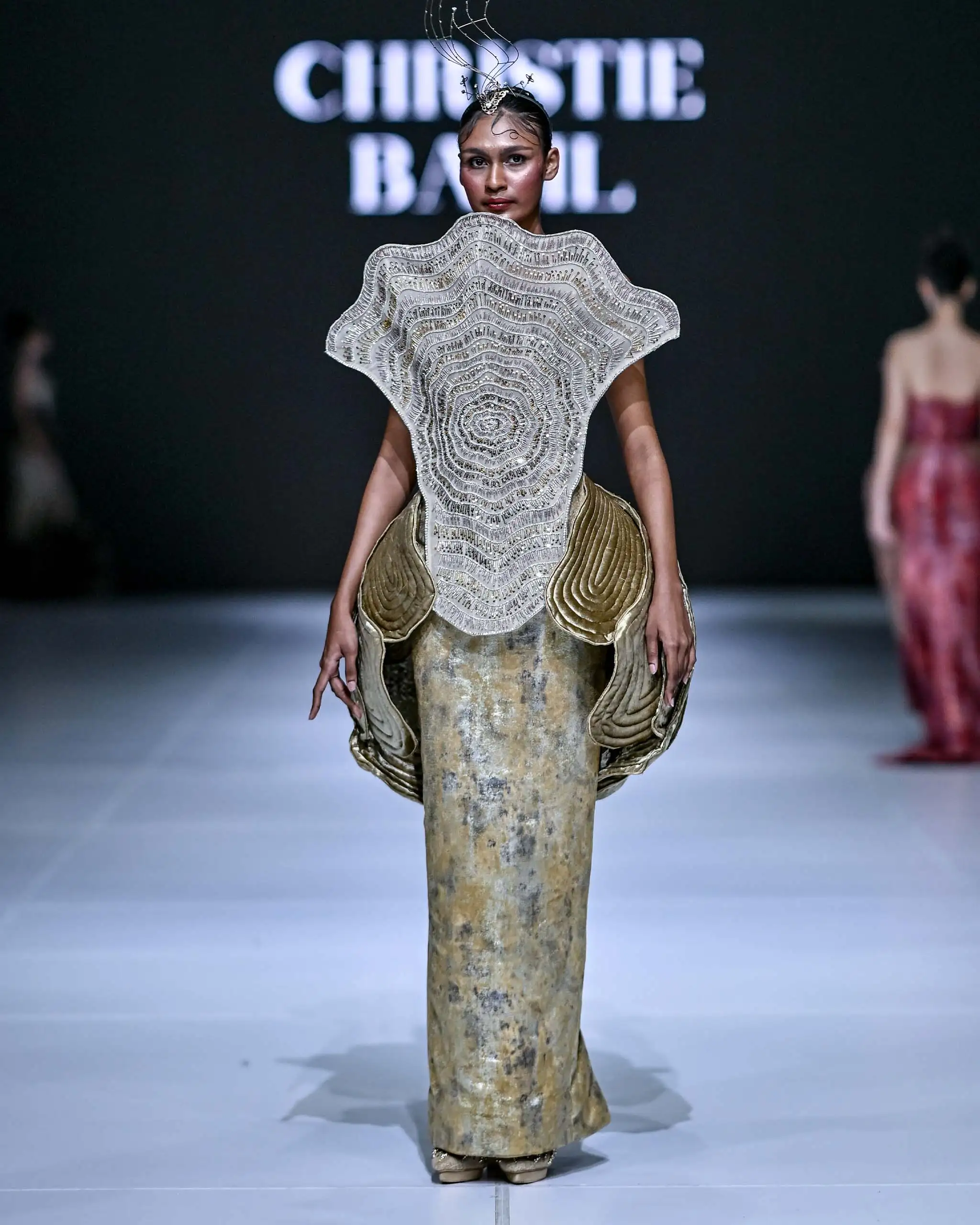
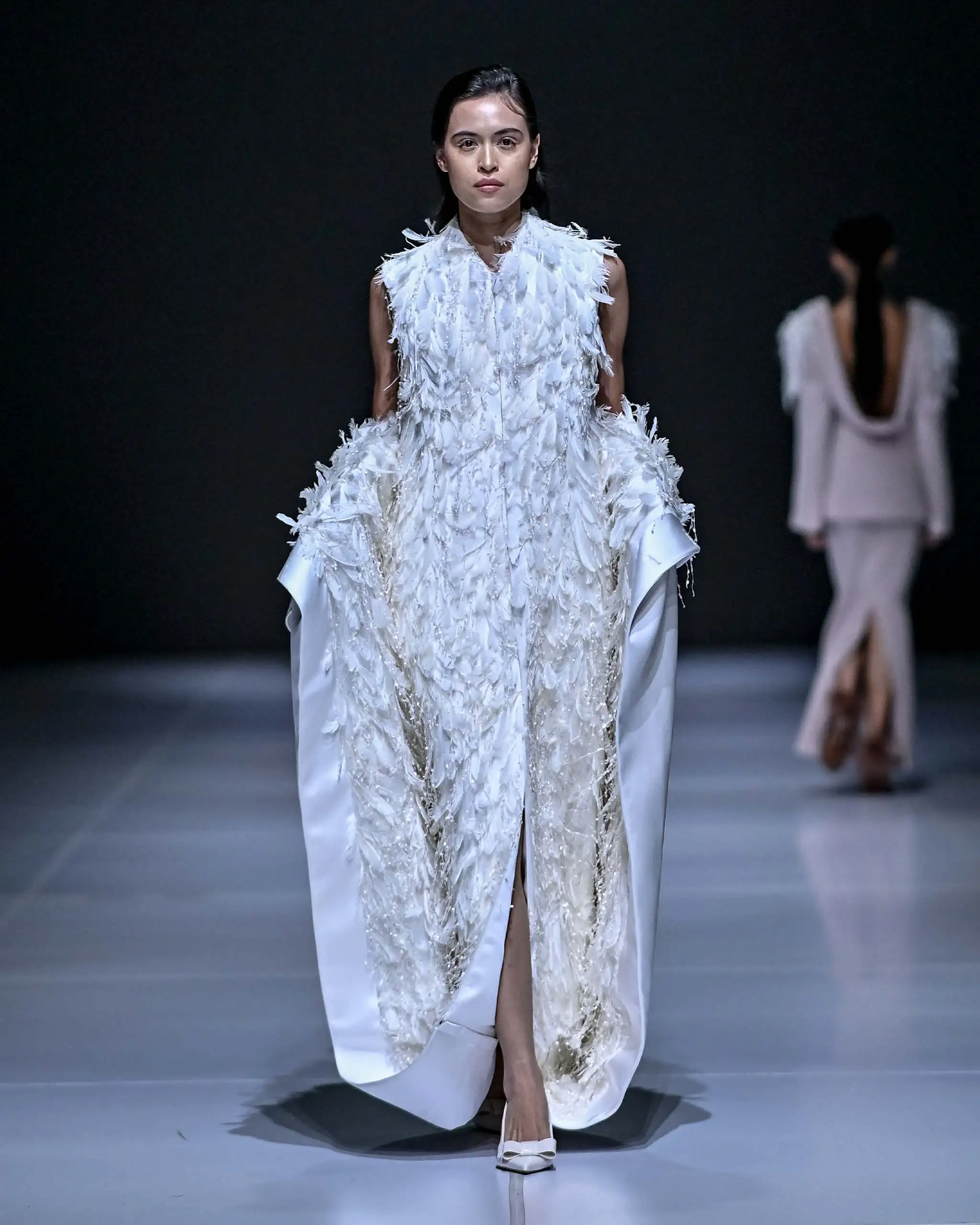
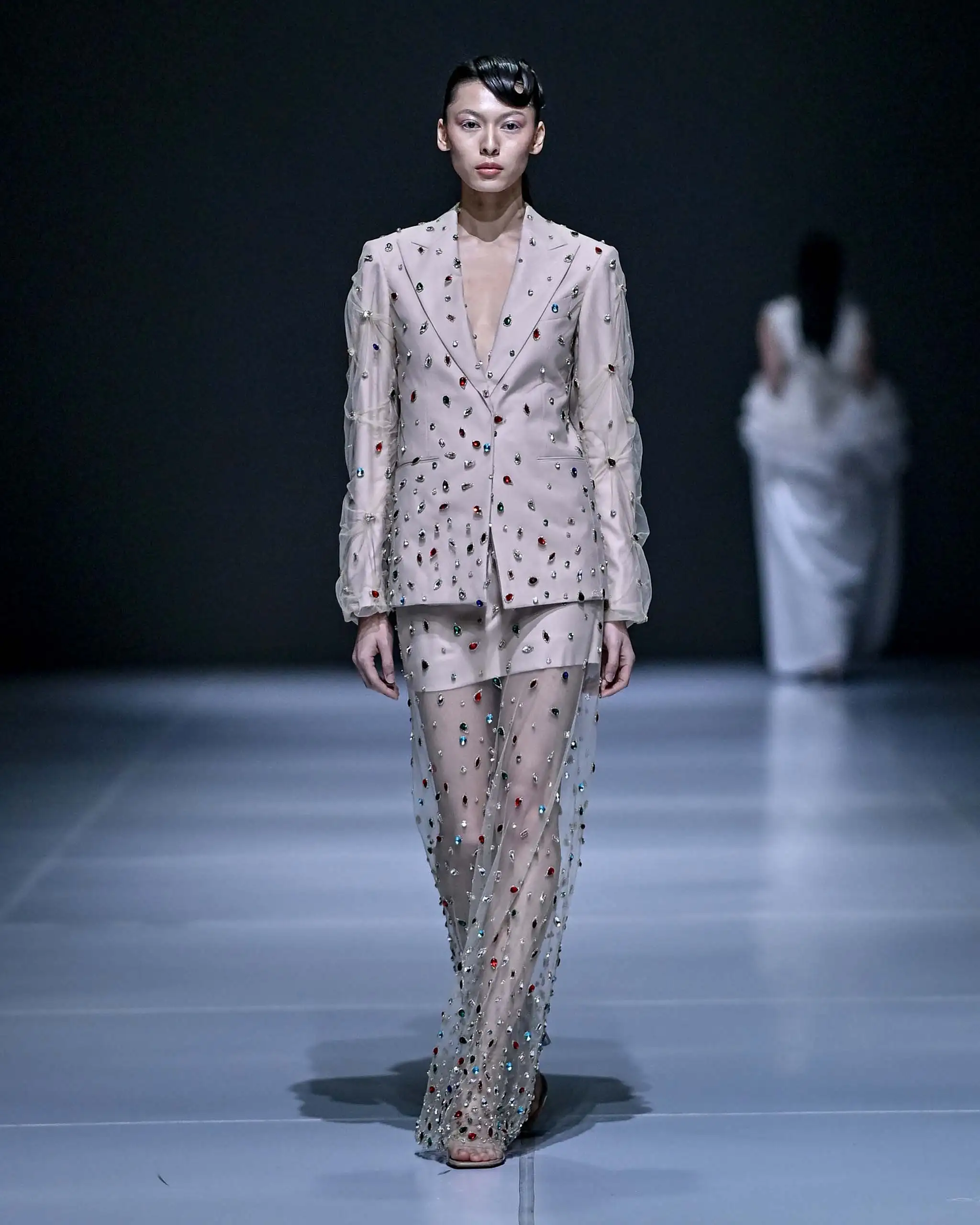
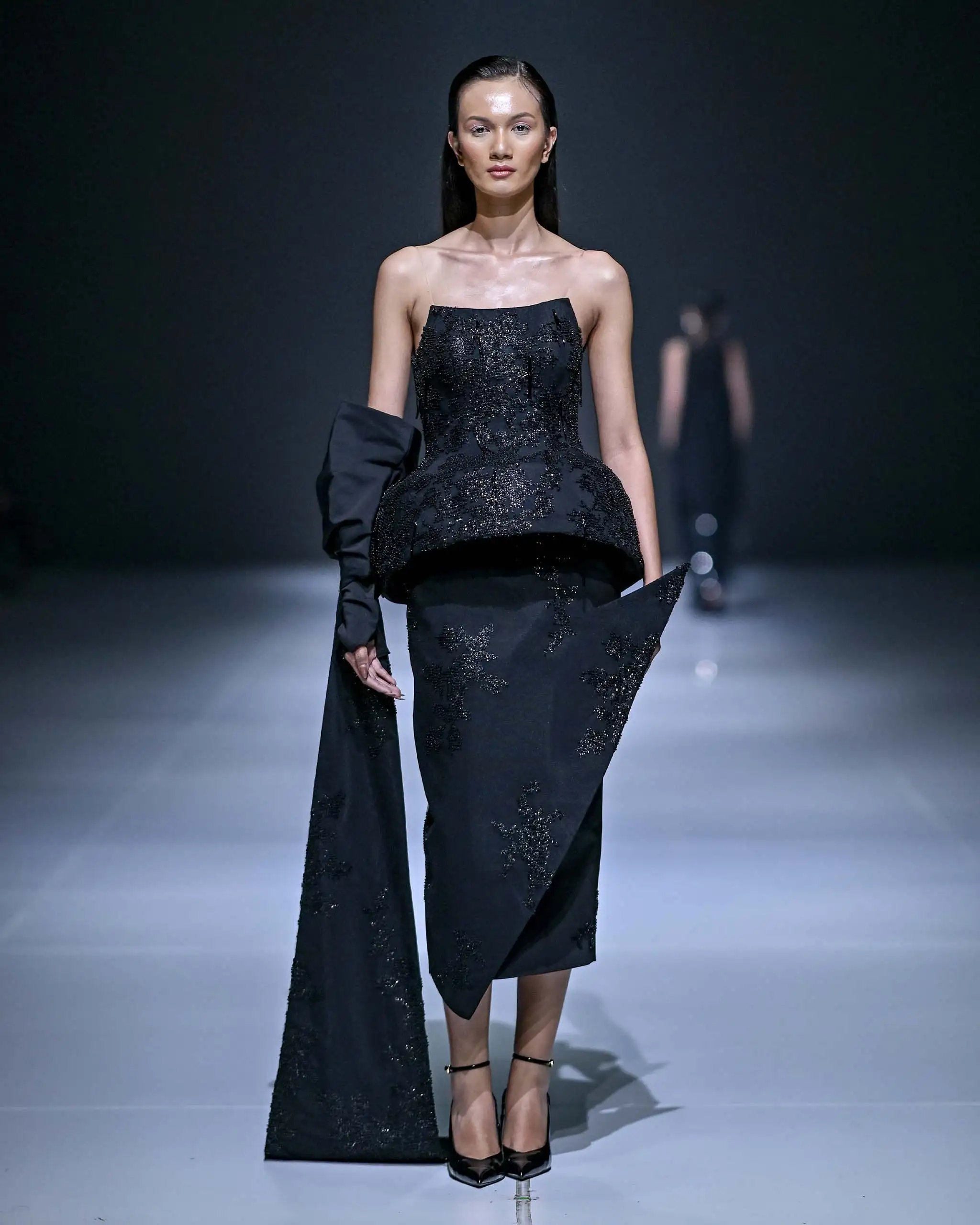
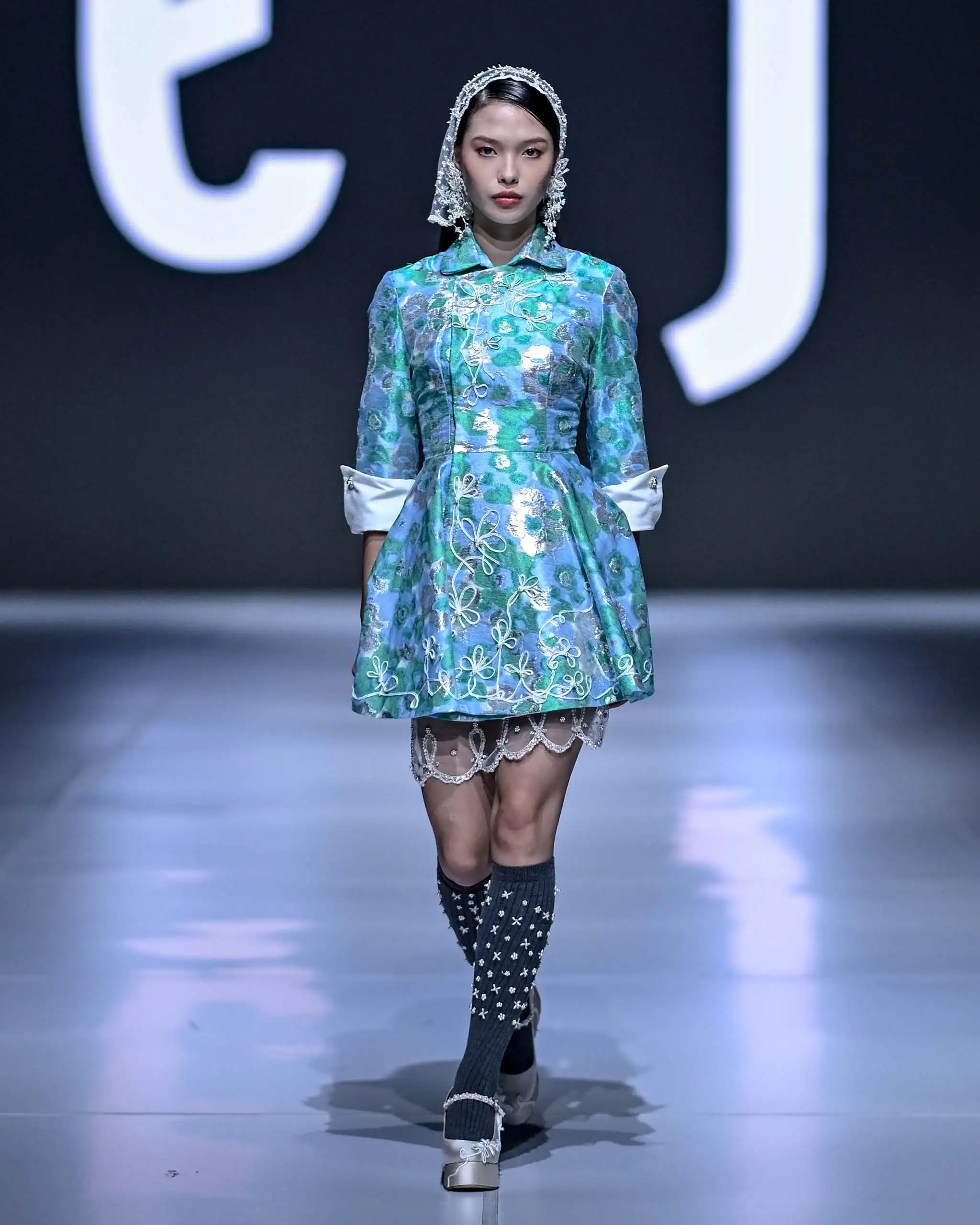
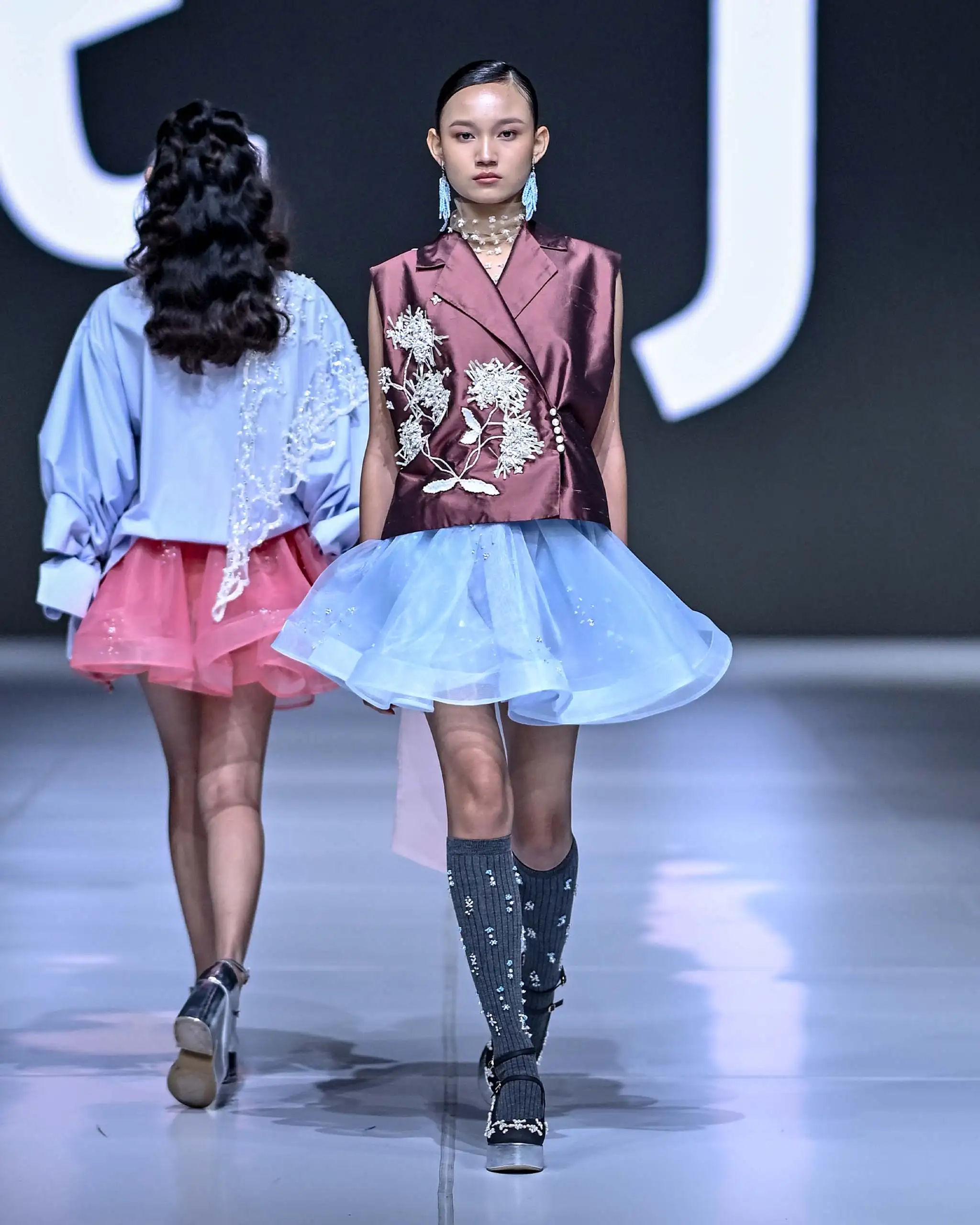
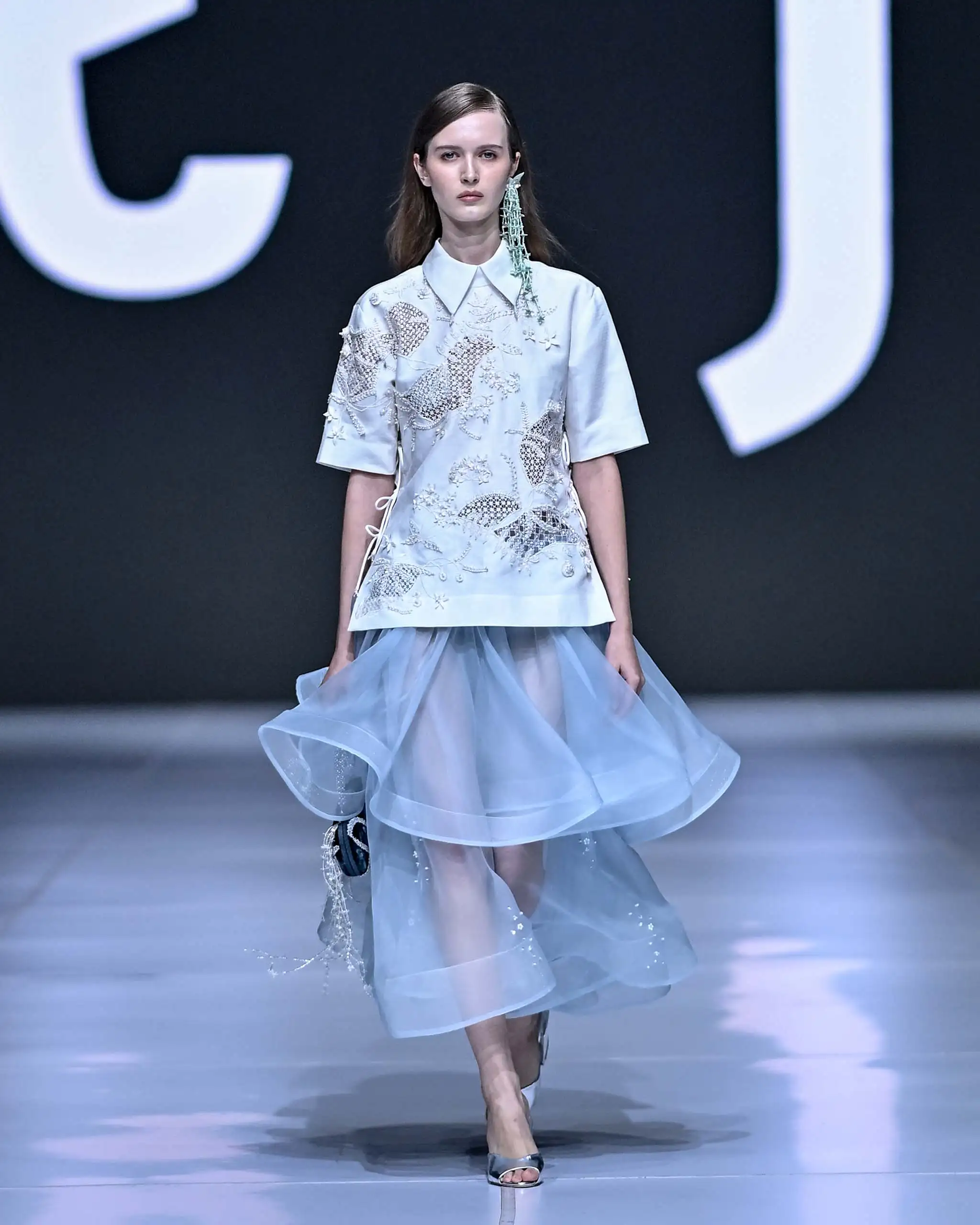
Christie Basil opened with an ode to radiance, layeringLayeringThe styling practice of wearing multiple garments or accessories together to create depth, texture, and warmth. Effective layering plays with proportions, lengths, and fabrics, and works in tropical climates too,Go to Layering Glossary fabric like emotions — light and meaning were inspired, quite tenderly, by the anatomy of an onion. Jan Sober followed in full force, tailoring every line to precision, with textural accents here and there; a collection glowing with a confidence that burns slow, but steady. Studio Jeje then shifted the palette to a dreamier place—pastels and shimmer, playful yet poised, as if youth had learned how to speak fashion as its first word.
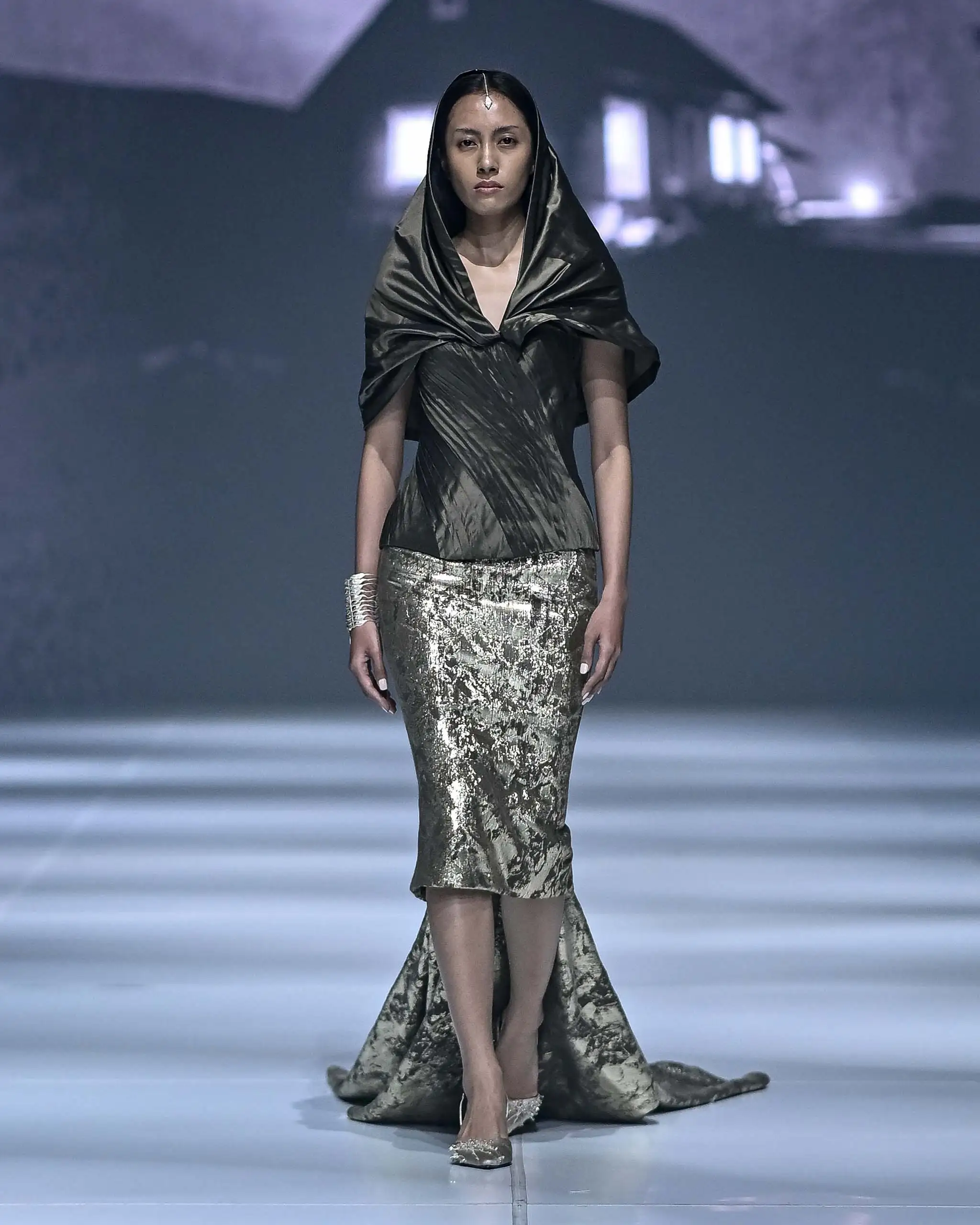
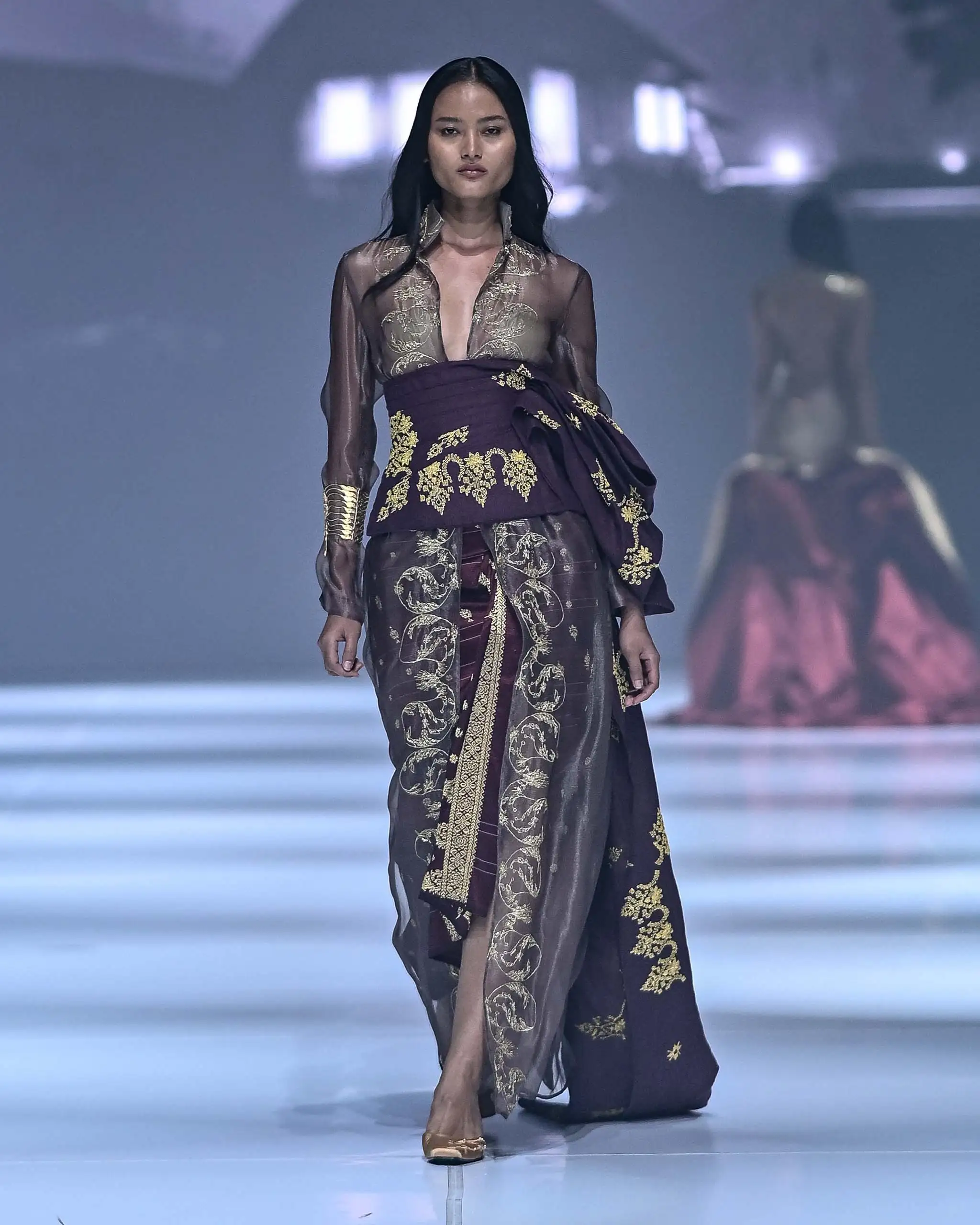
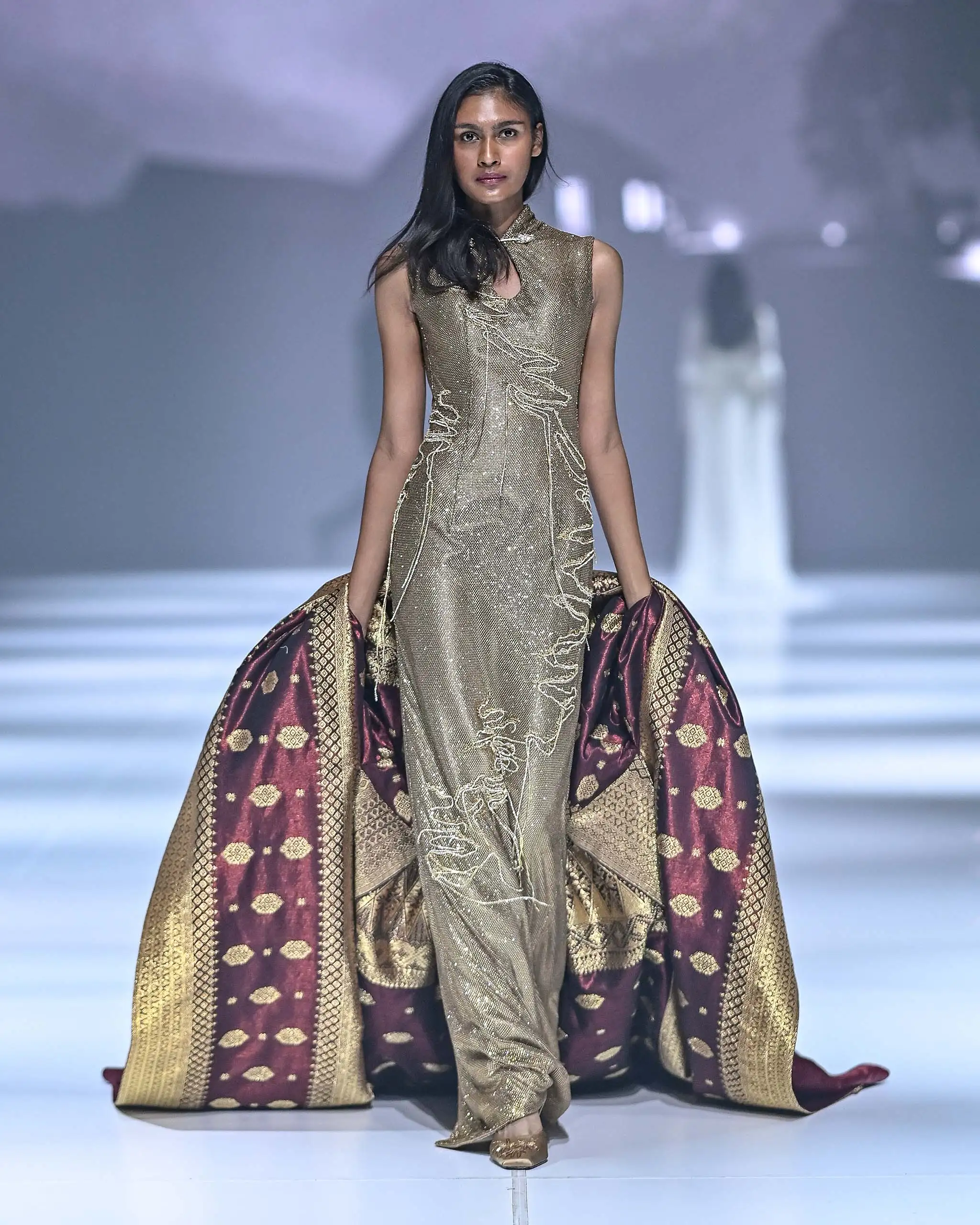
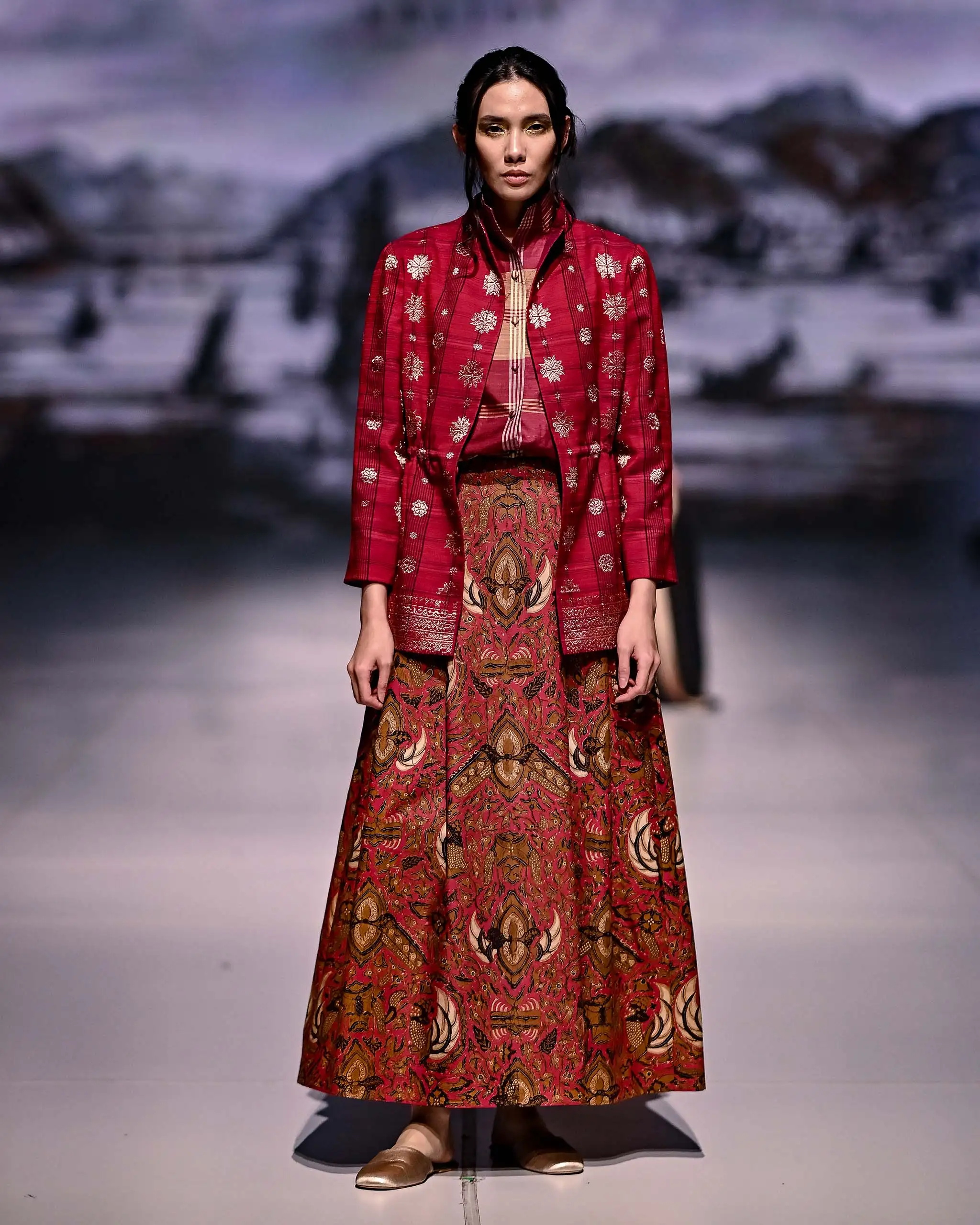
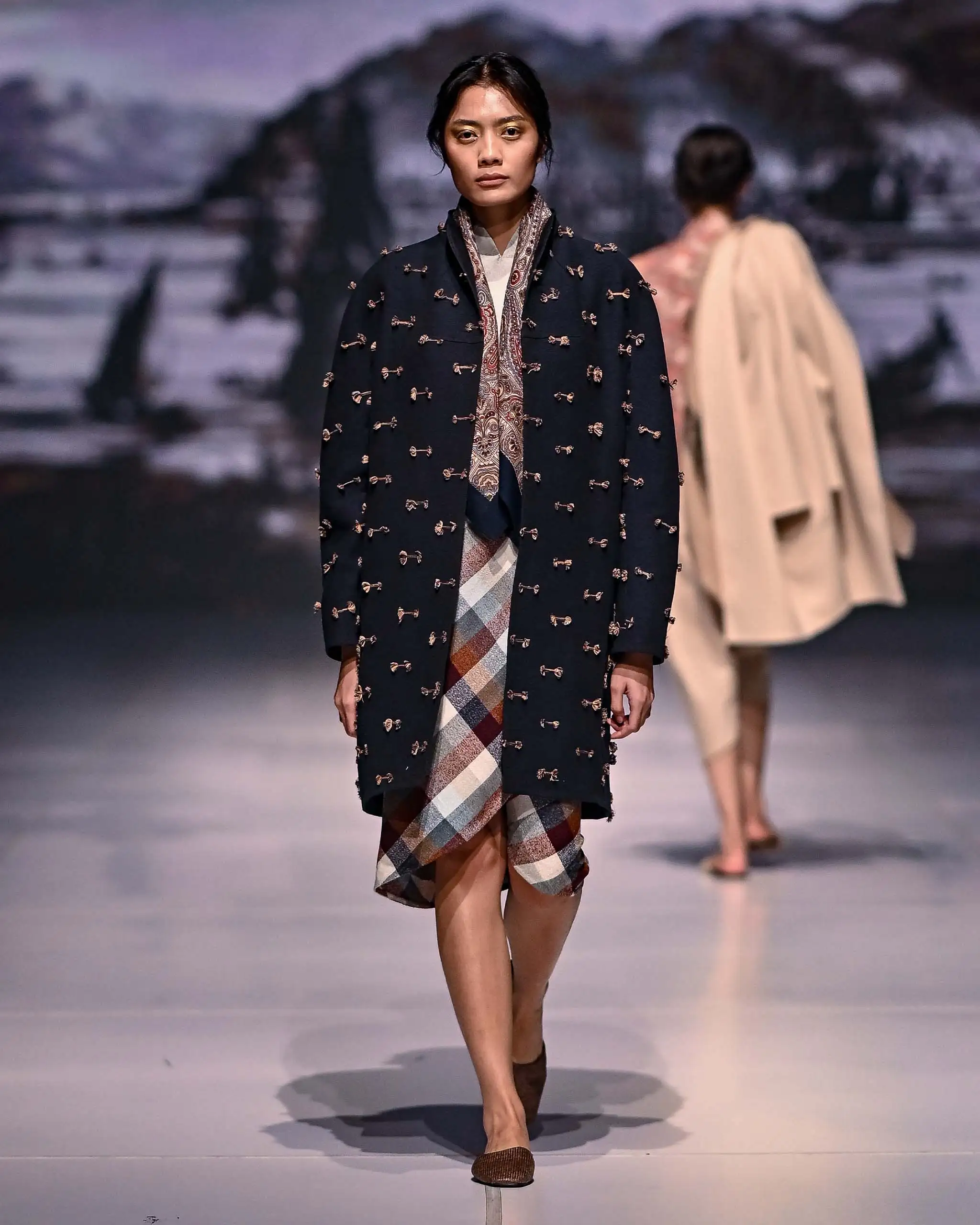
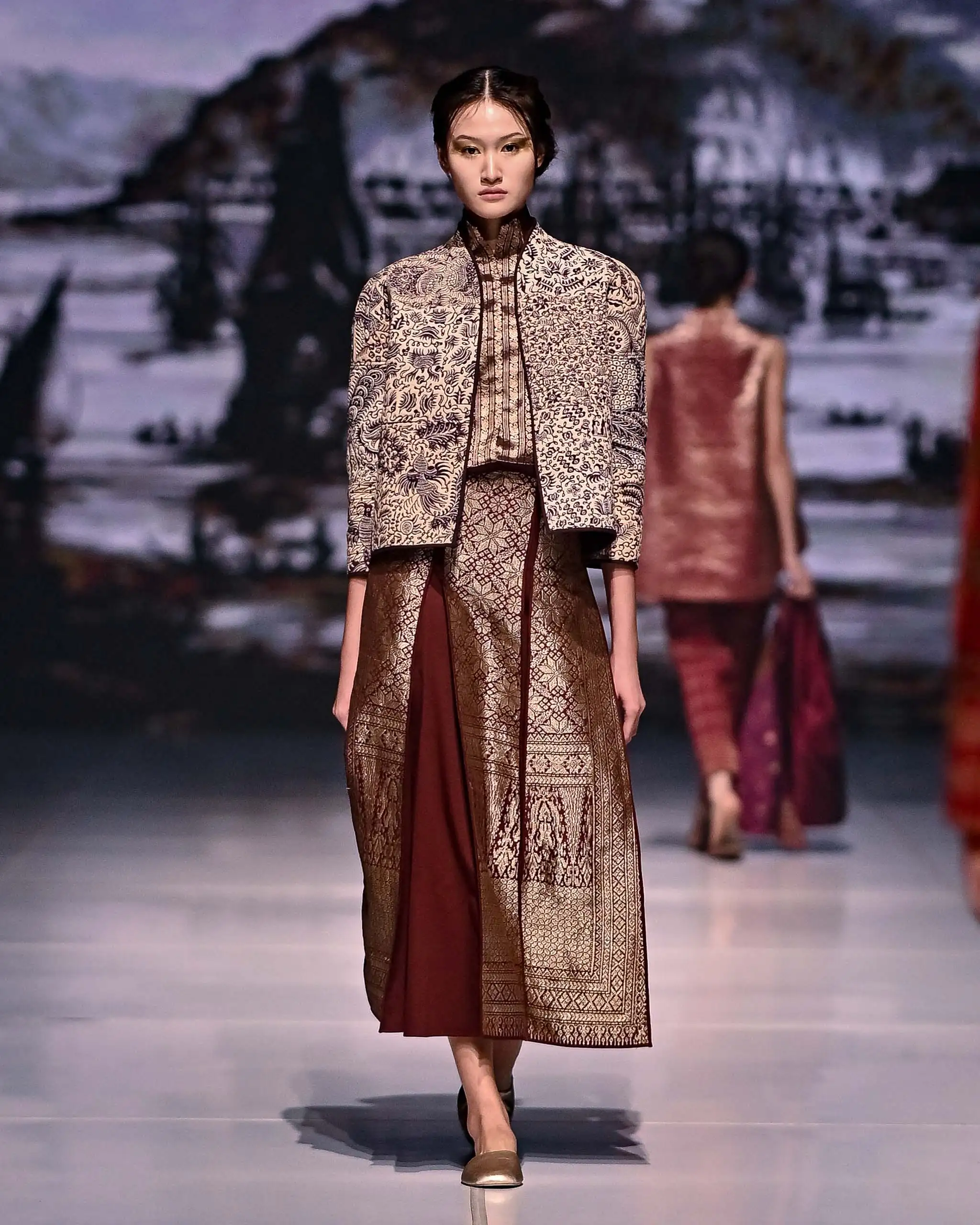
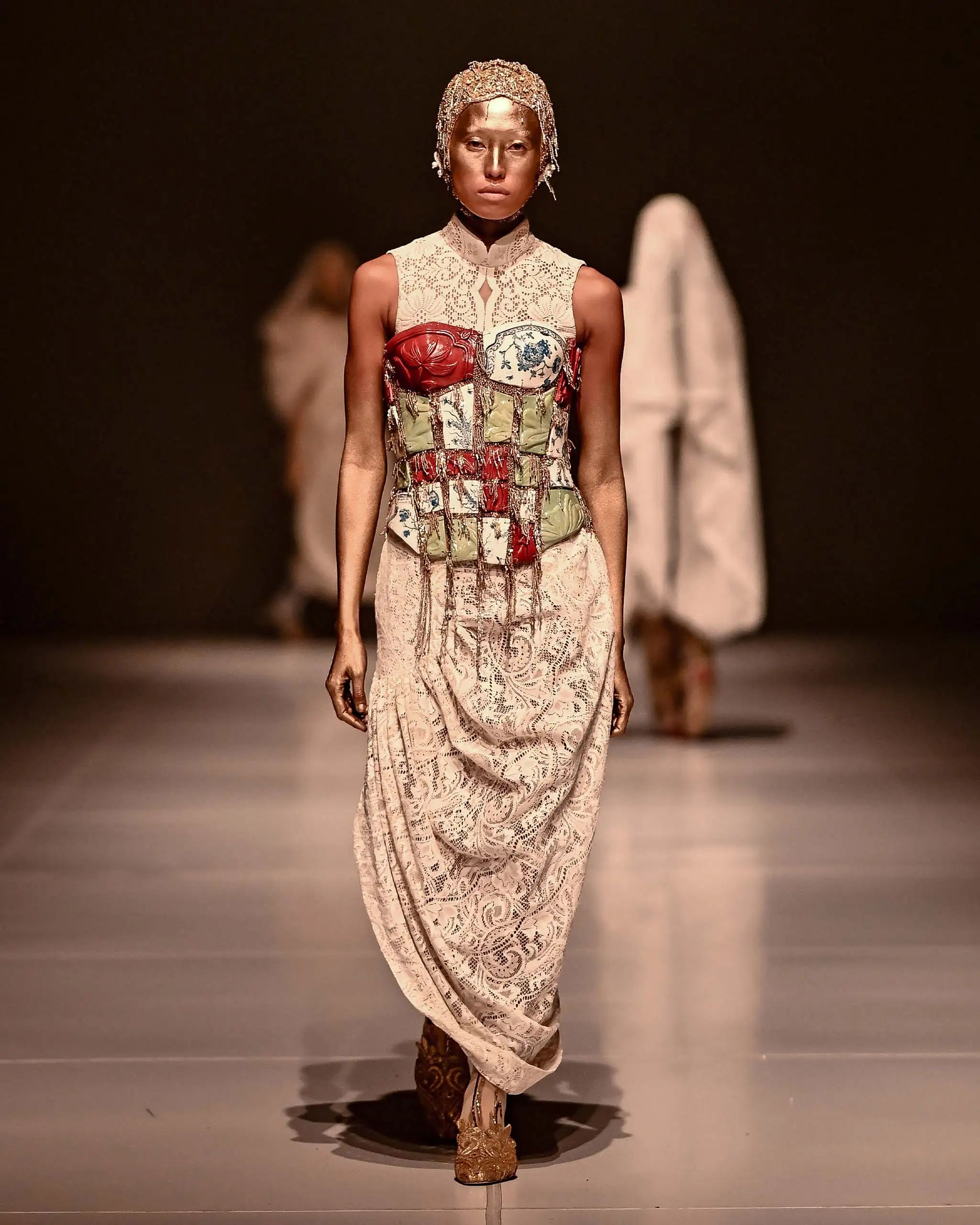
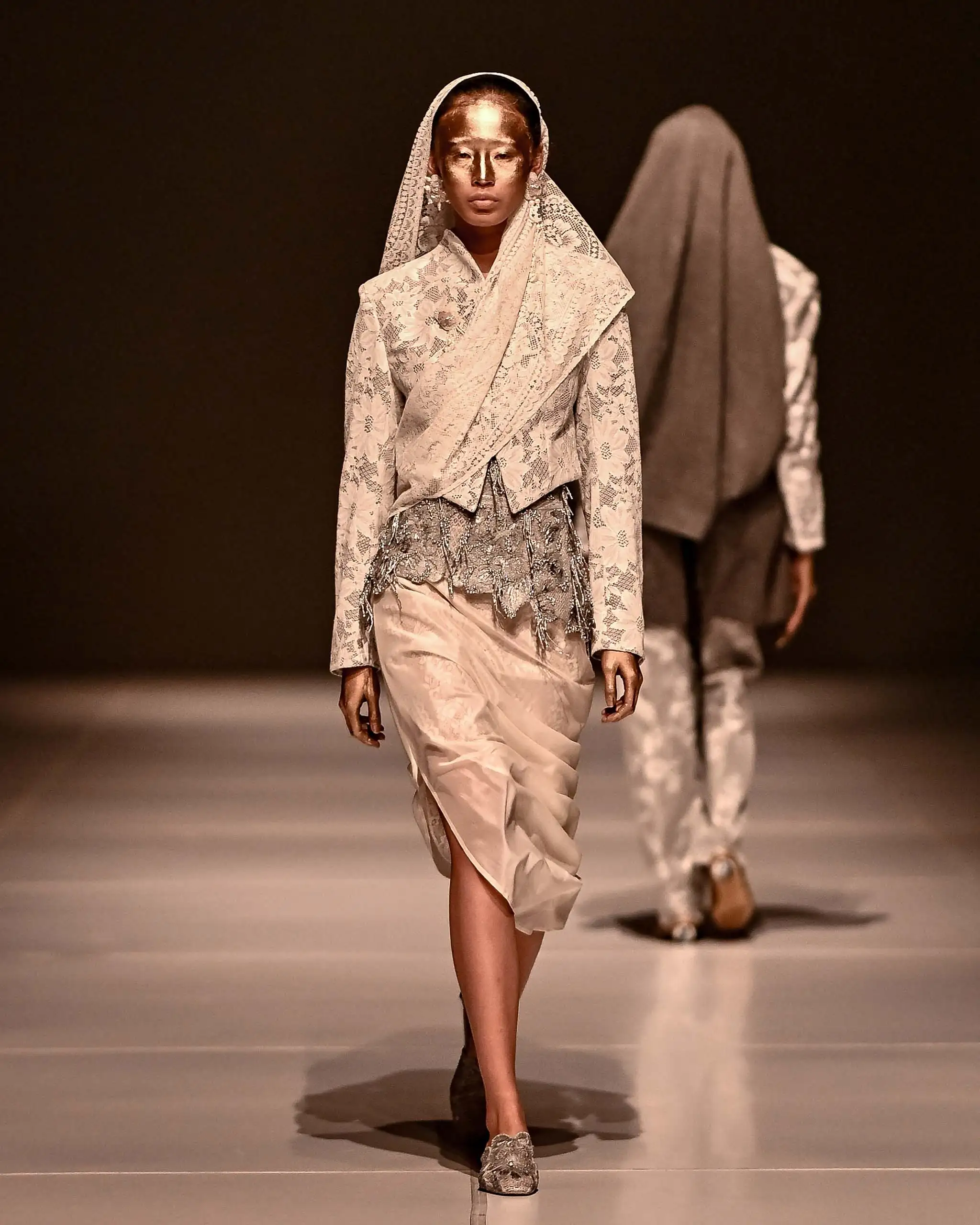
The night culminated in “DEWI Fashion Knights”, where TANGAN Privé, KRATON Auguste Soesastro, and TOTON reimagined heritage as fabrics that belonged to the past, now walking toward a future of their own making. It was the variety that serves as an instance that Southeast Asia interprets the world rather than copying it.
Day 3
On the third day, “ASEAN Fashion Parade” brought the region together.
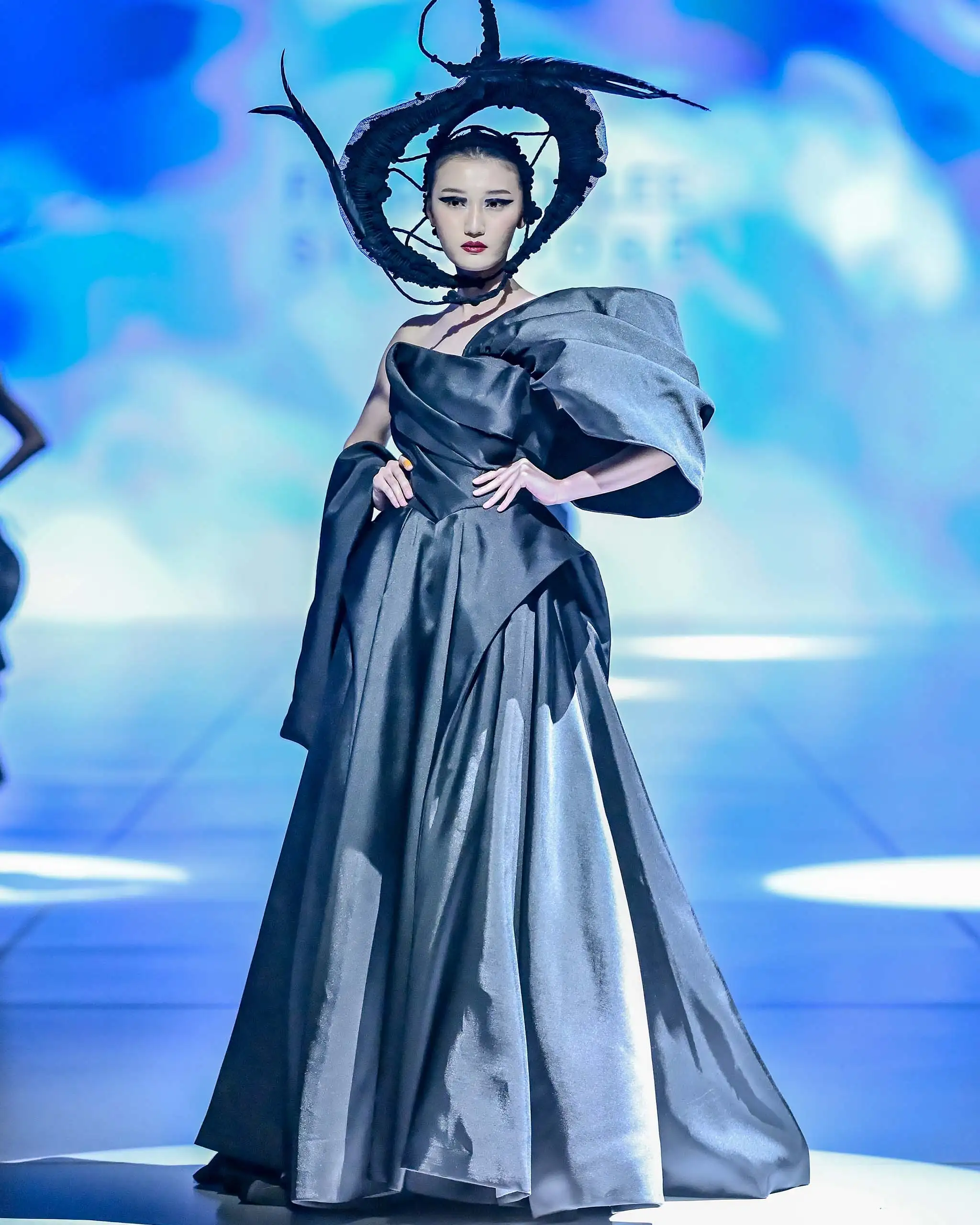
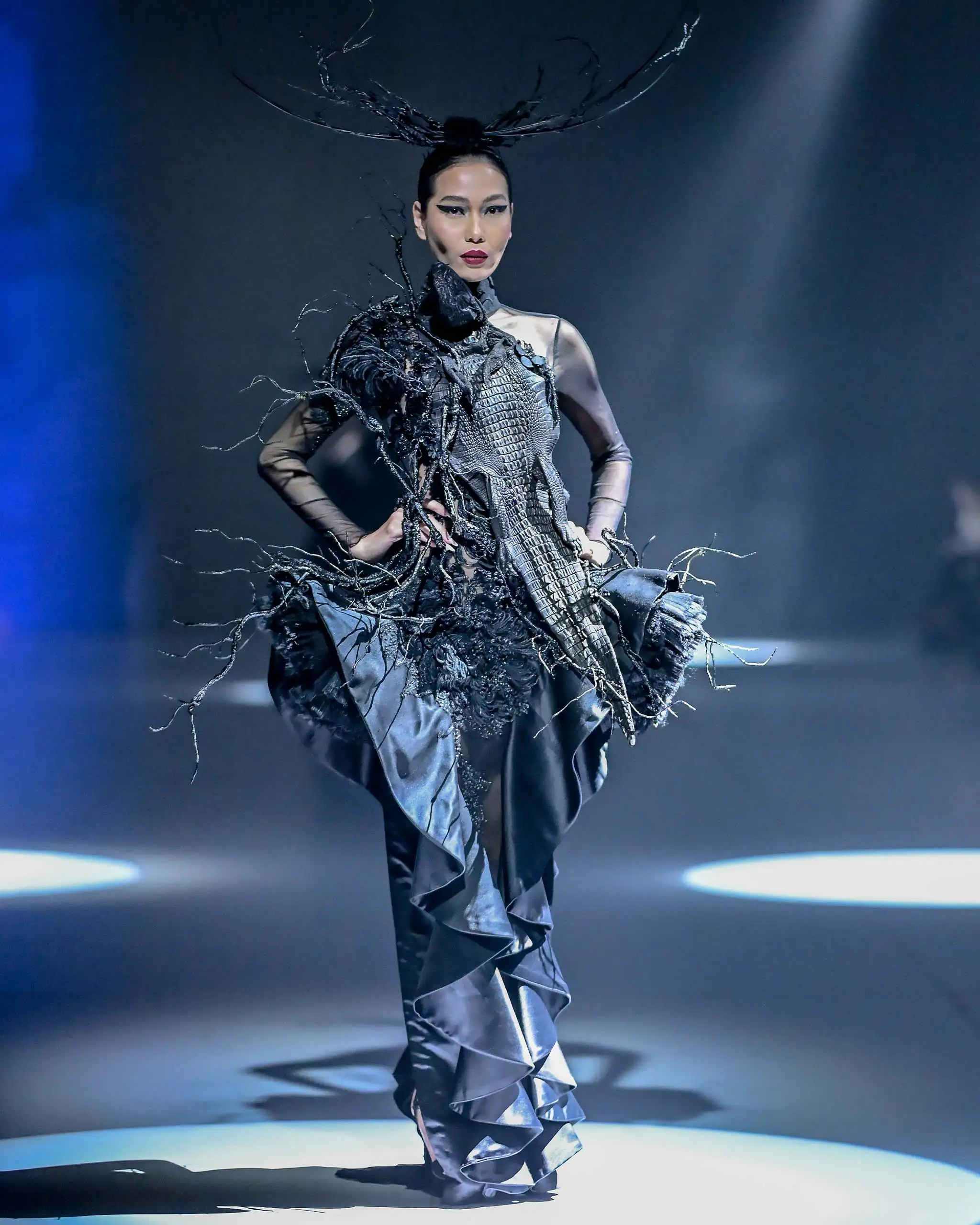
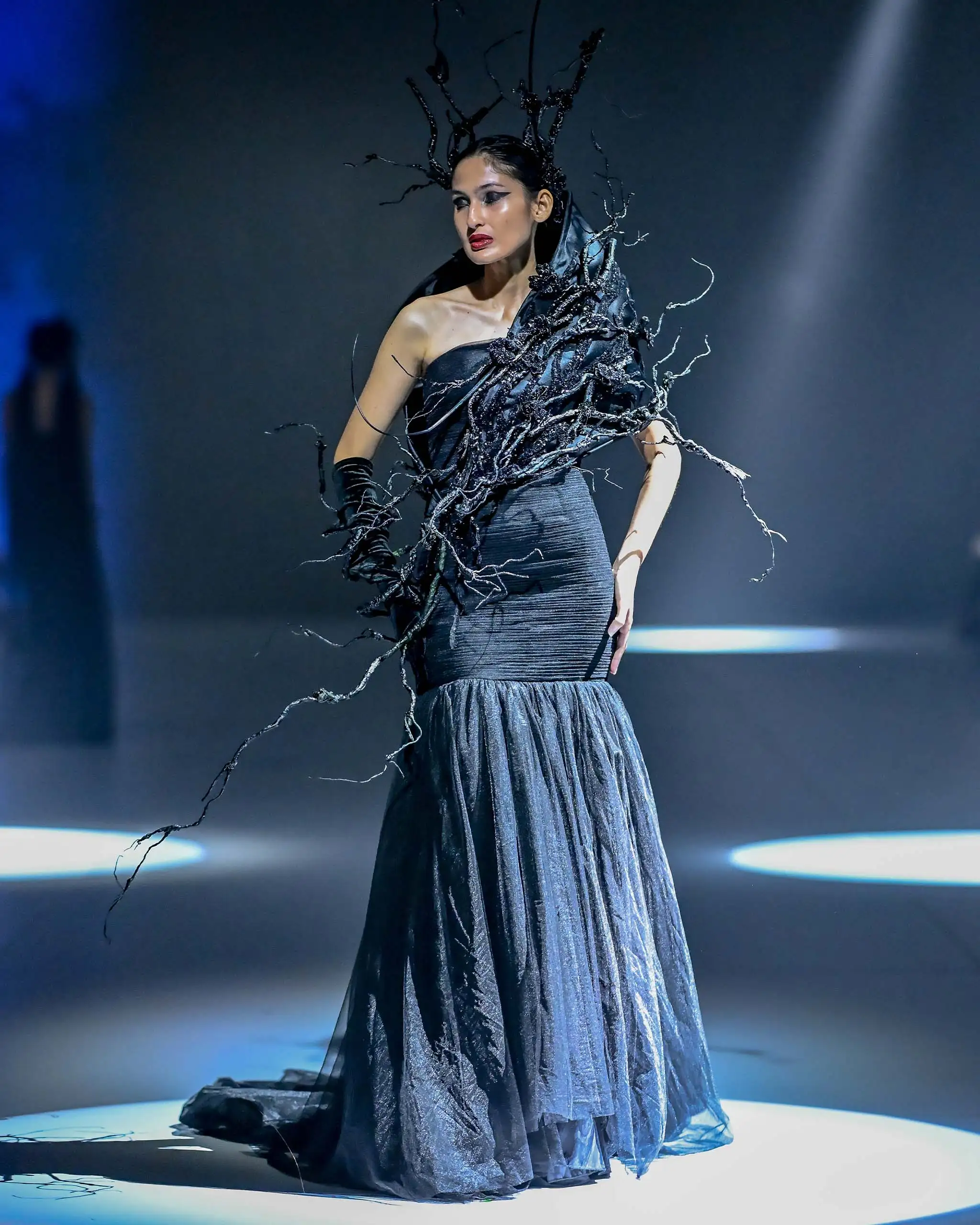
Frederick Lee from Singapore staged a darkly poetic fantasy: feathers, florals, and elongated silhouettes that seemed to reach beyond the tangible.
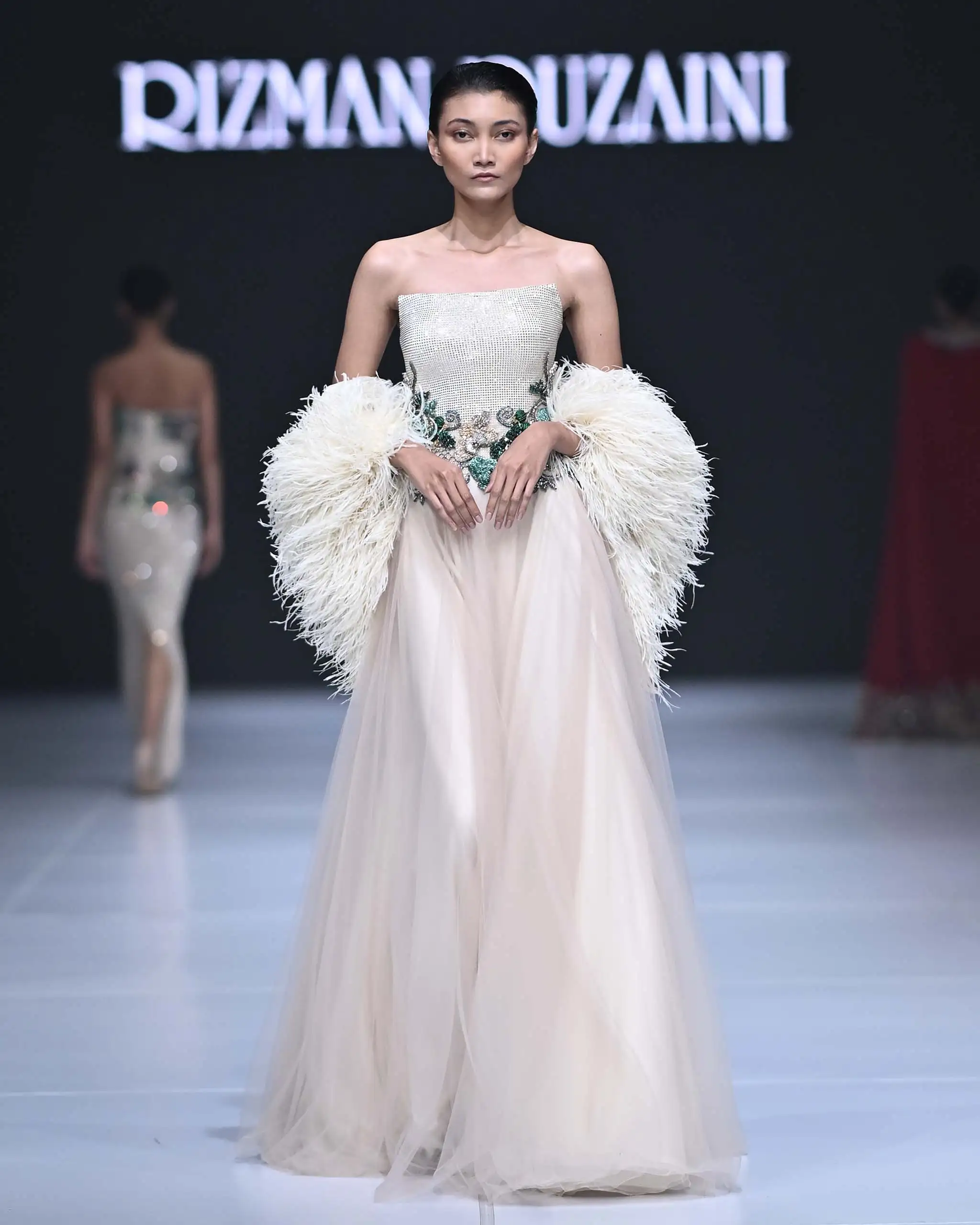
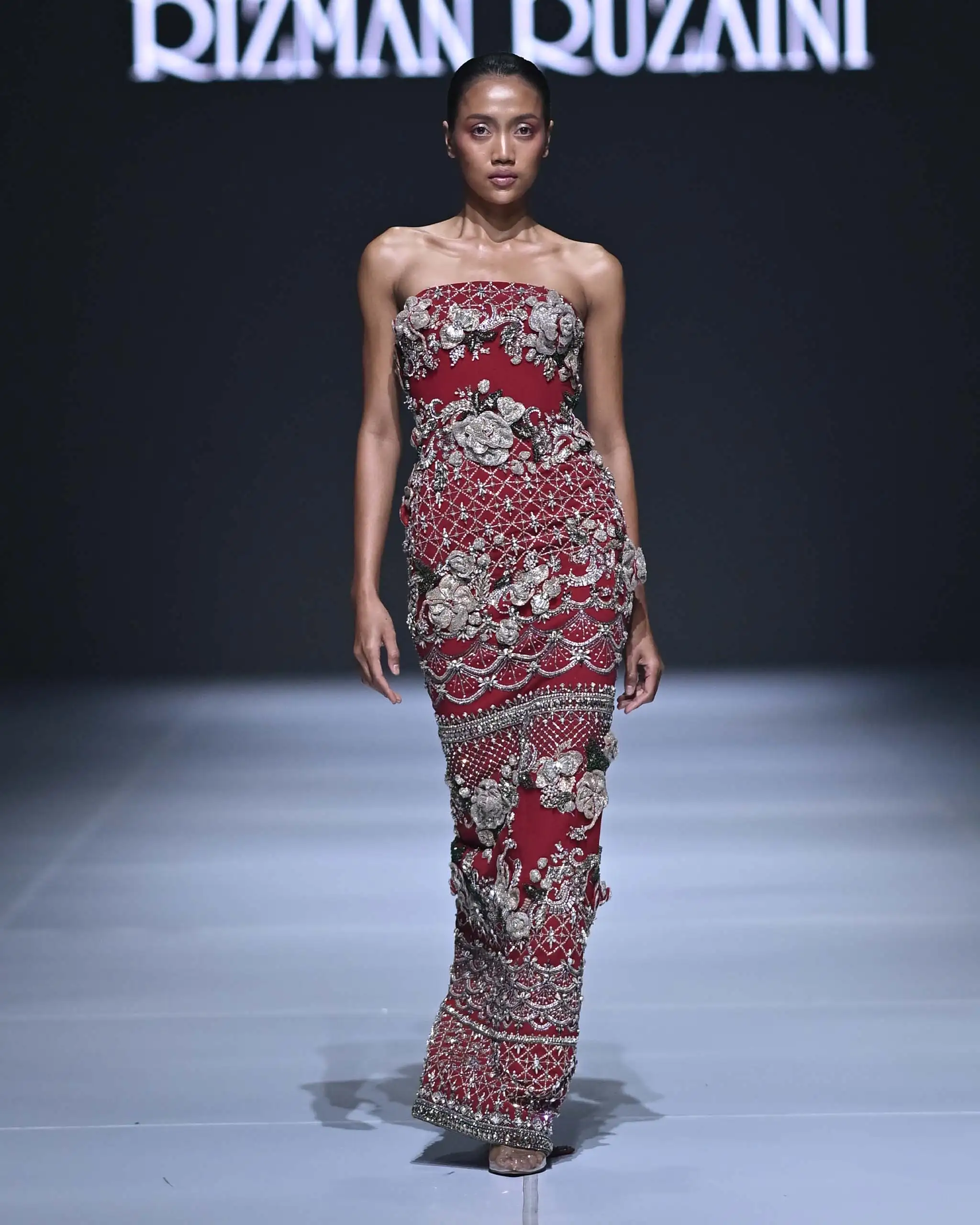
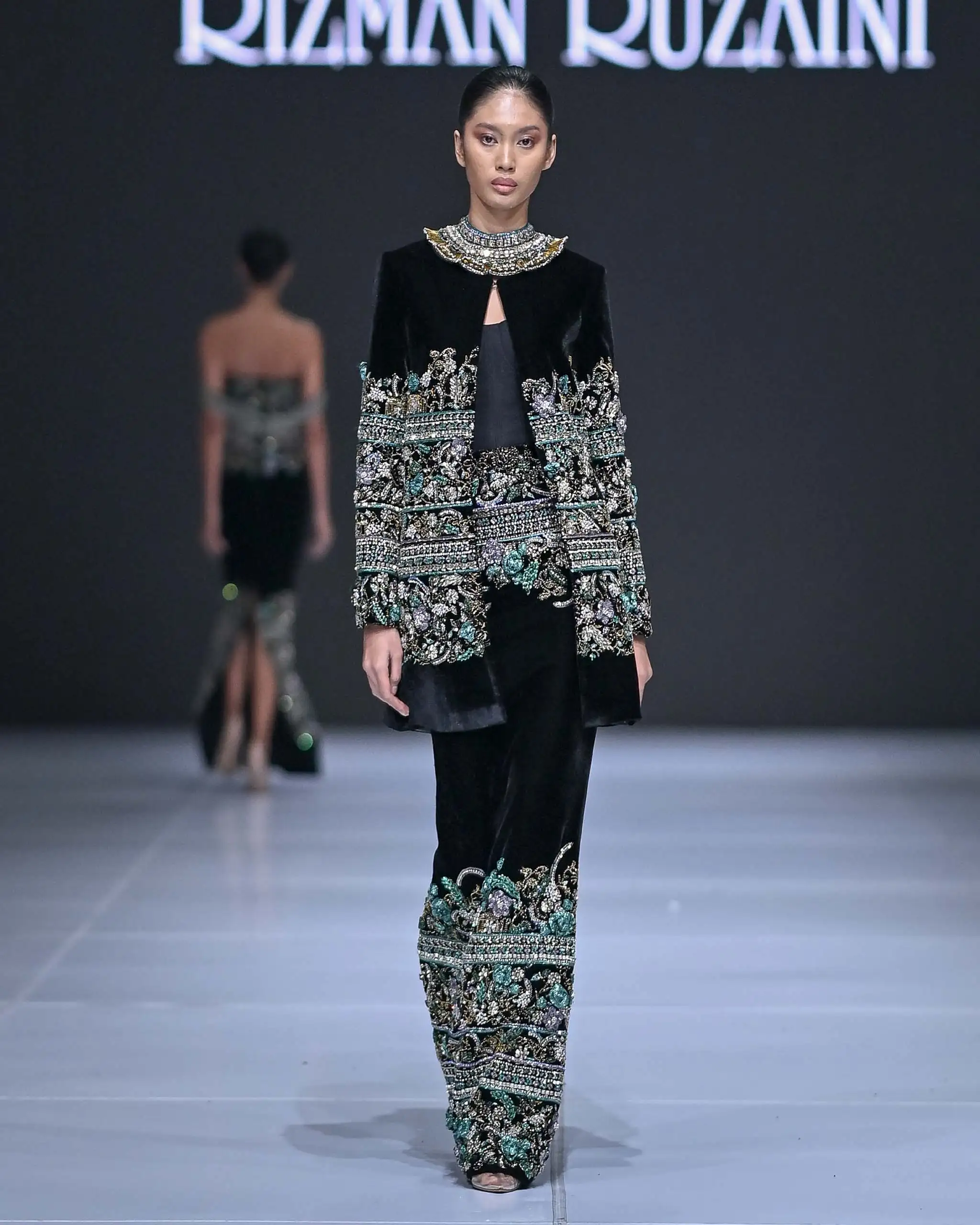
Rizman Ruzaini from Malaysia answered with an opulent calm—fluid skirts, glittering gowns, and a grandeur steeped in tradition.
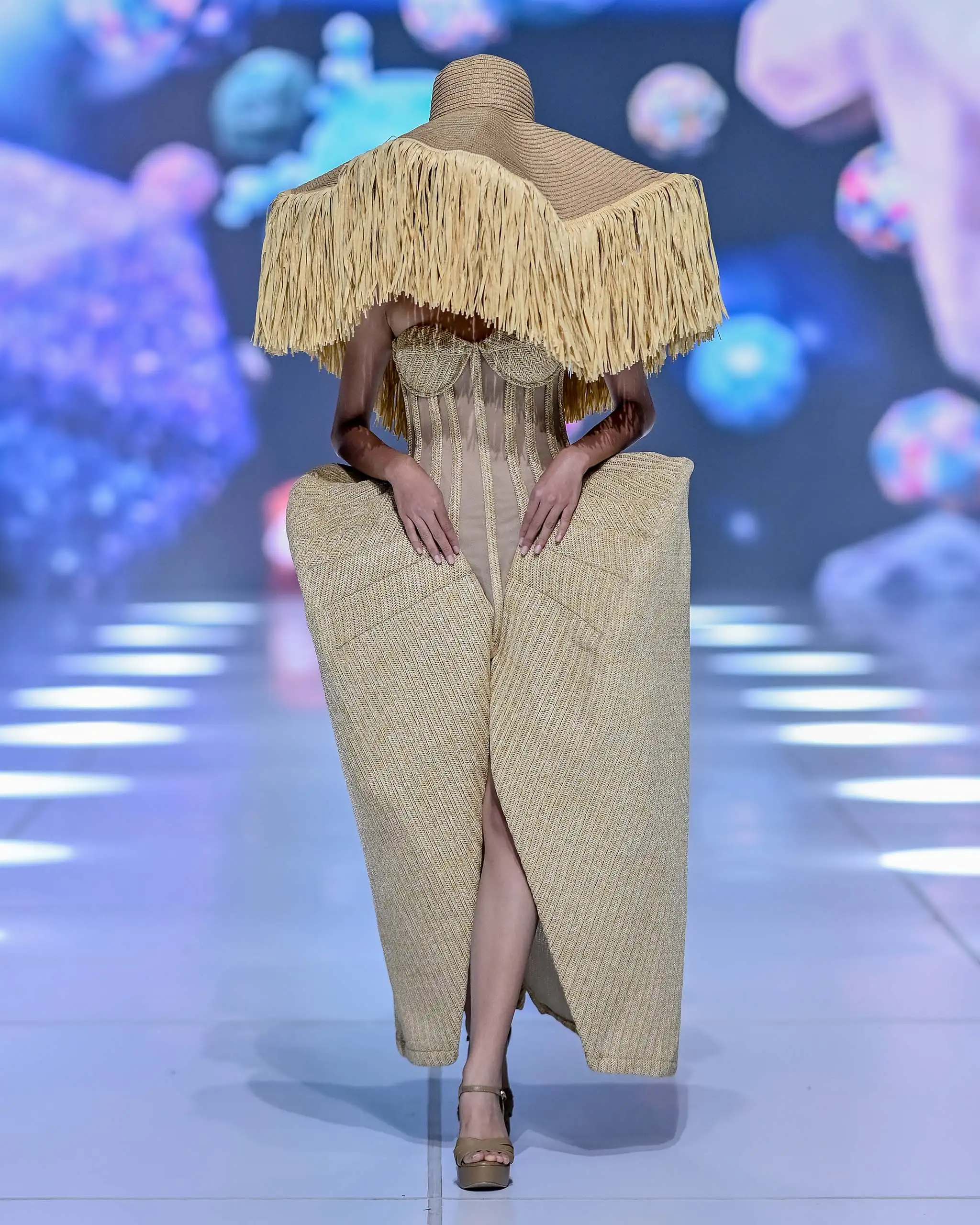
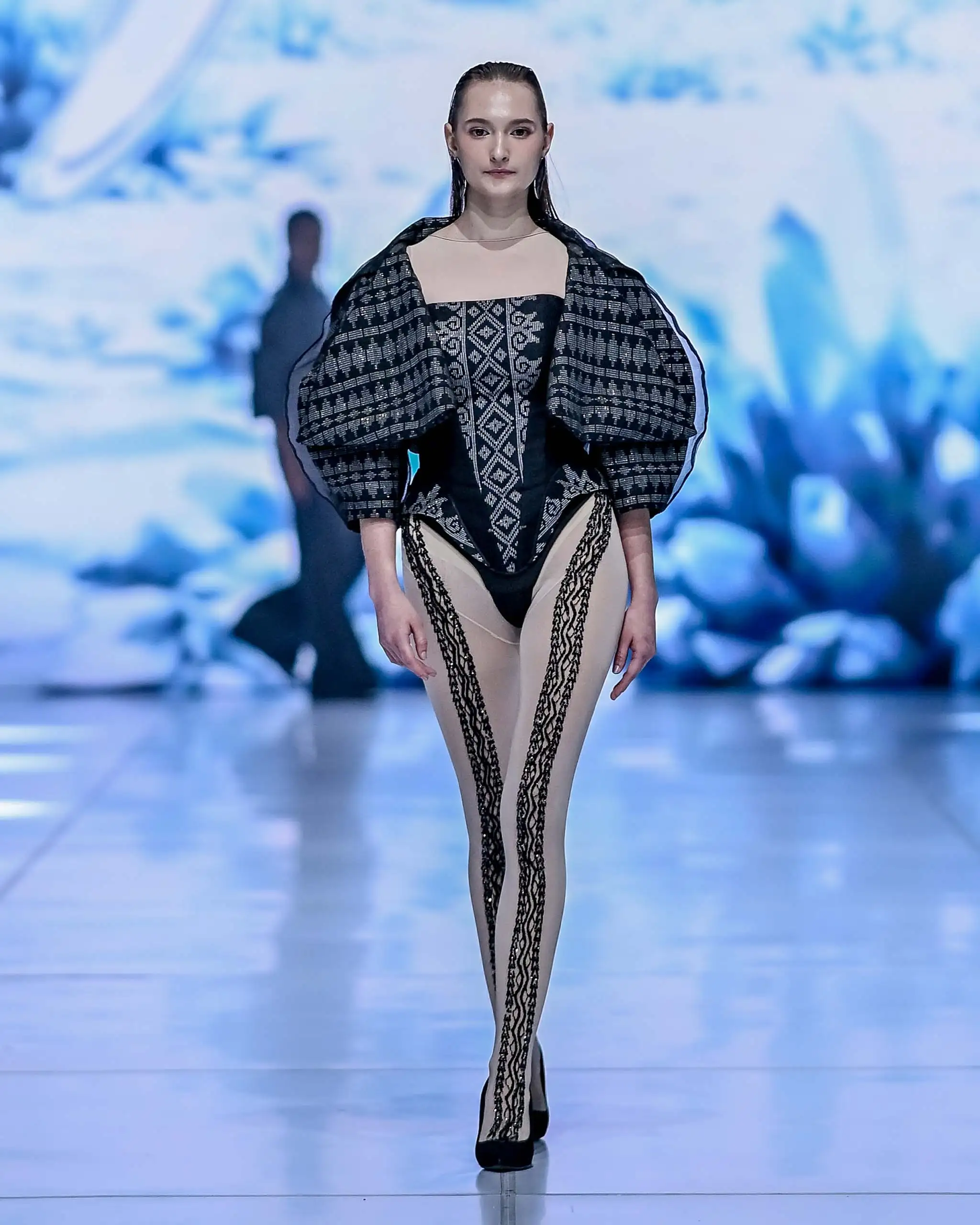
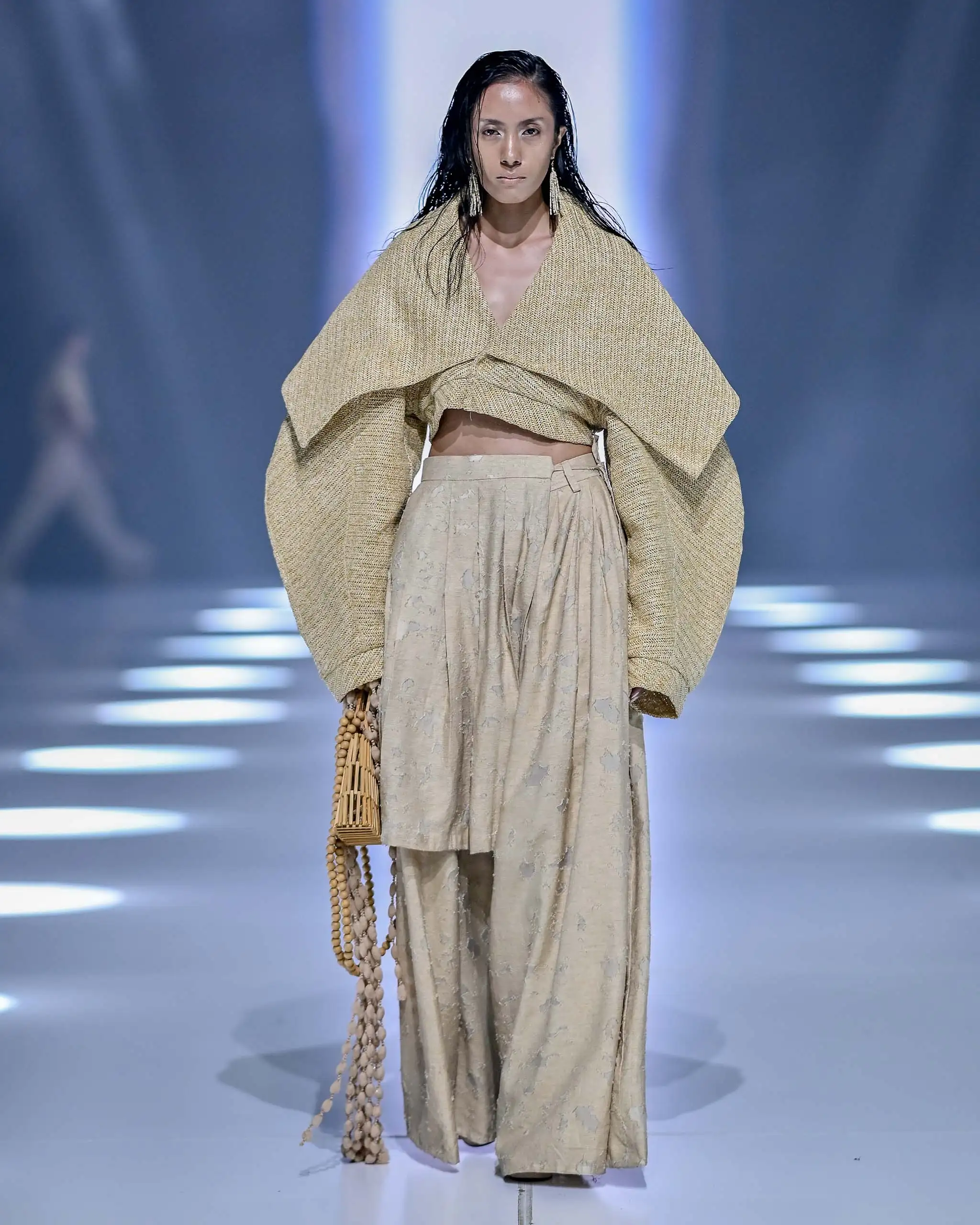
Among them, the Philippines’ Francis Libiran linked modern luxuryLuxuryrefers to a state of exceptional comfort, elegance, and quality, often characterized by premium craftsmanship, exclusivity, and superior experiences.Go to Luxury Glossary with cultural identity, his maximalist sensibility taking flight in a vision that shimmered between heritage and innovation.
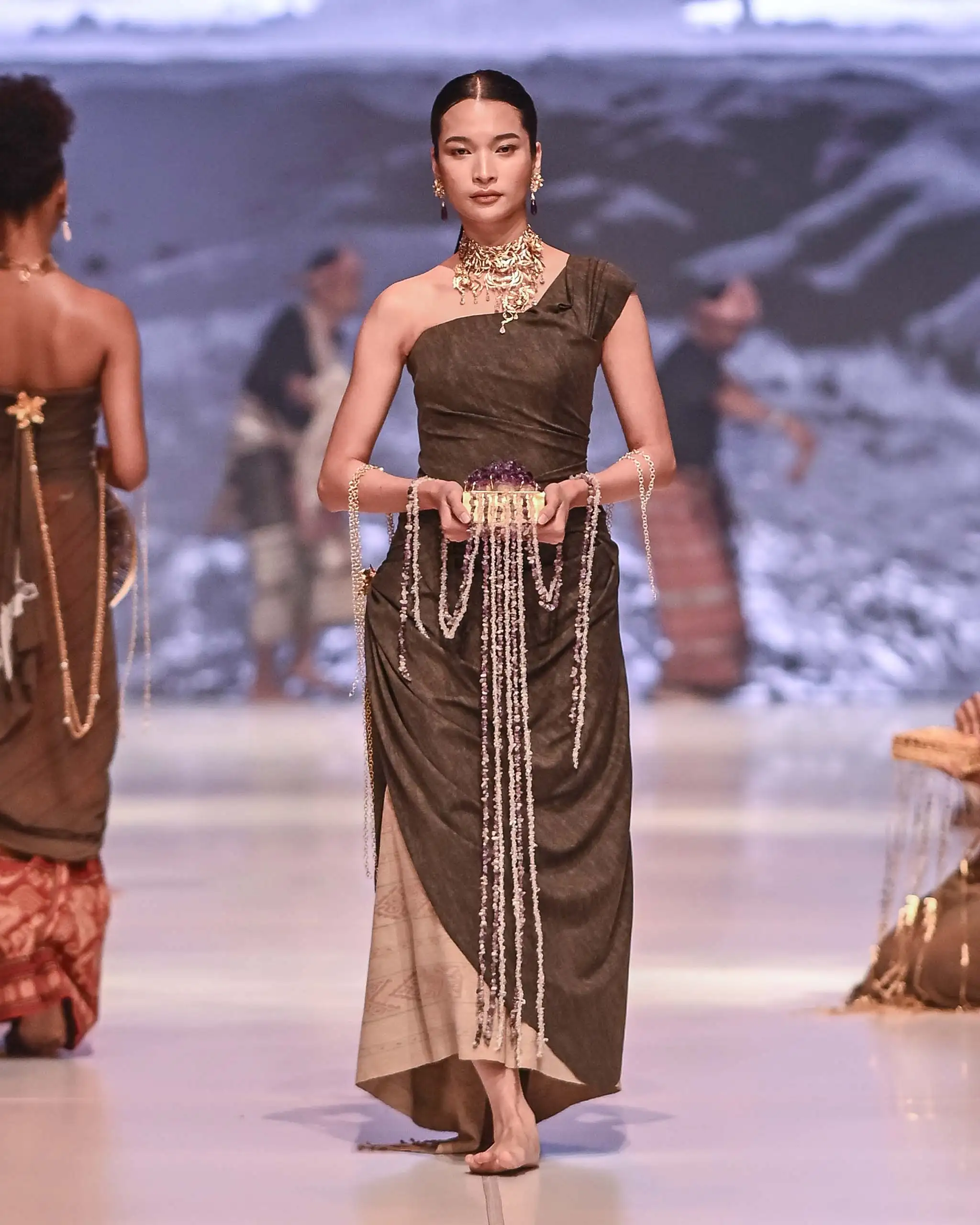
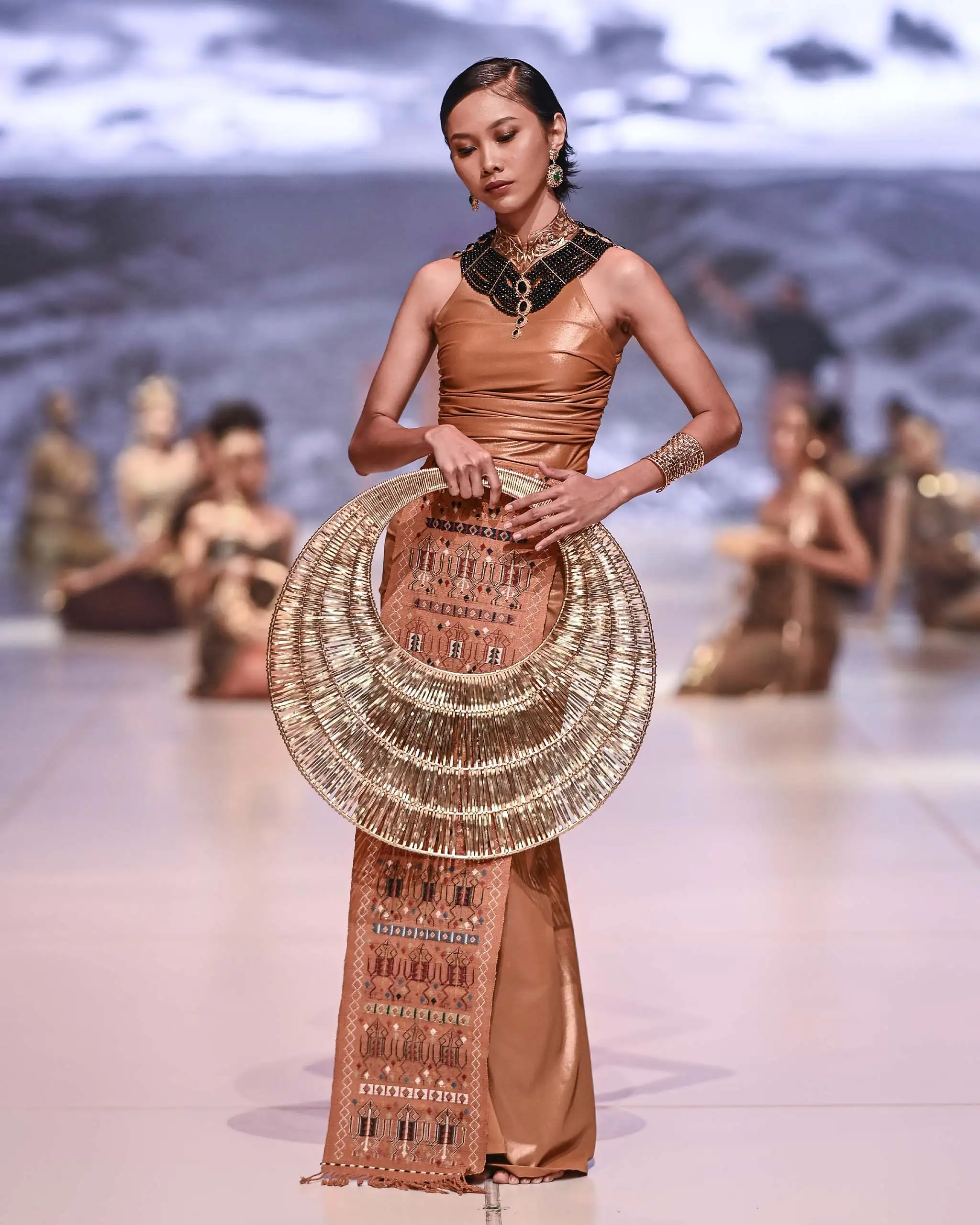
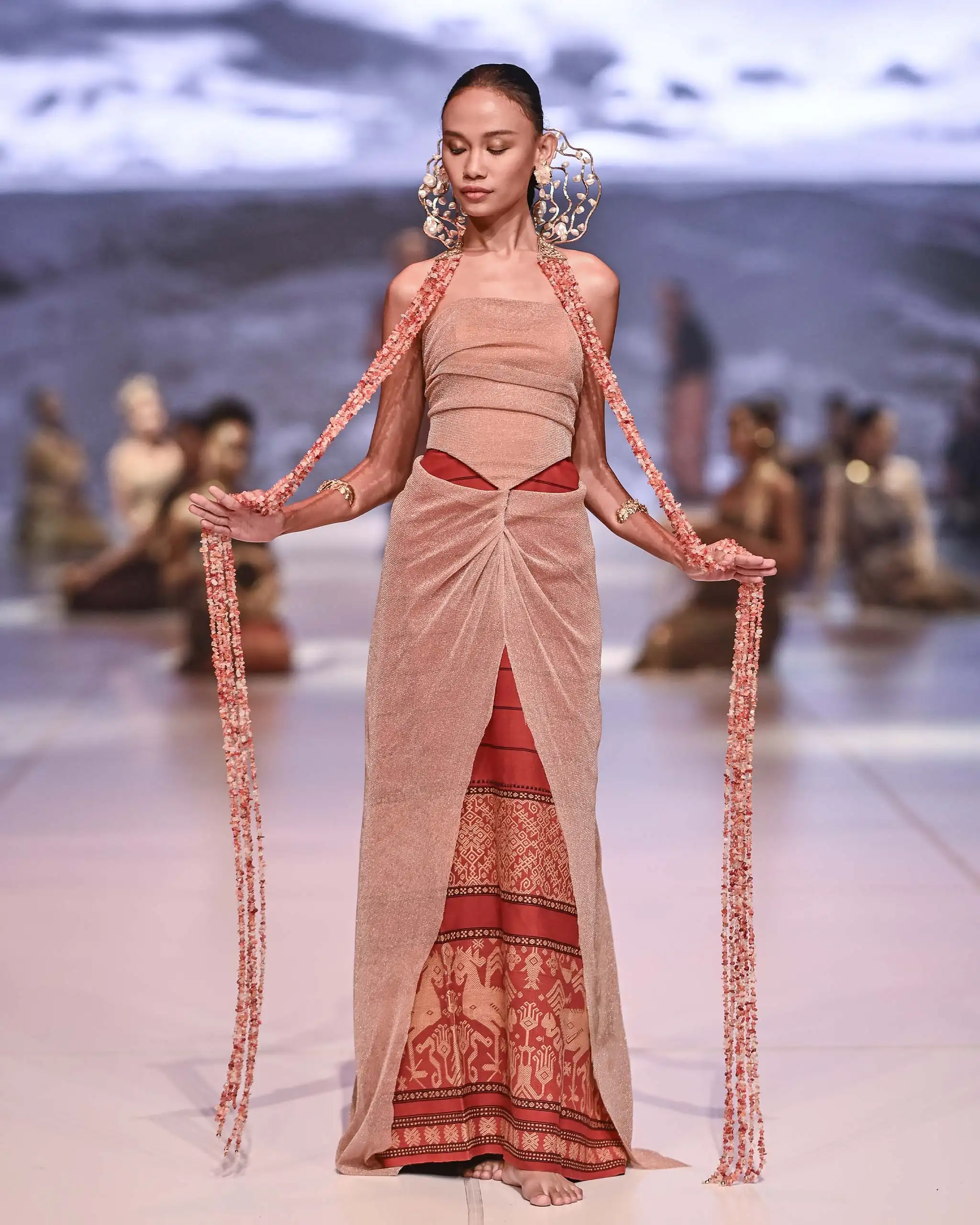
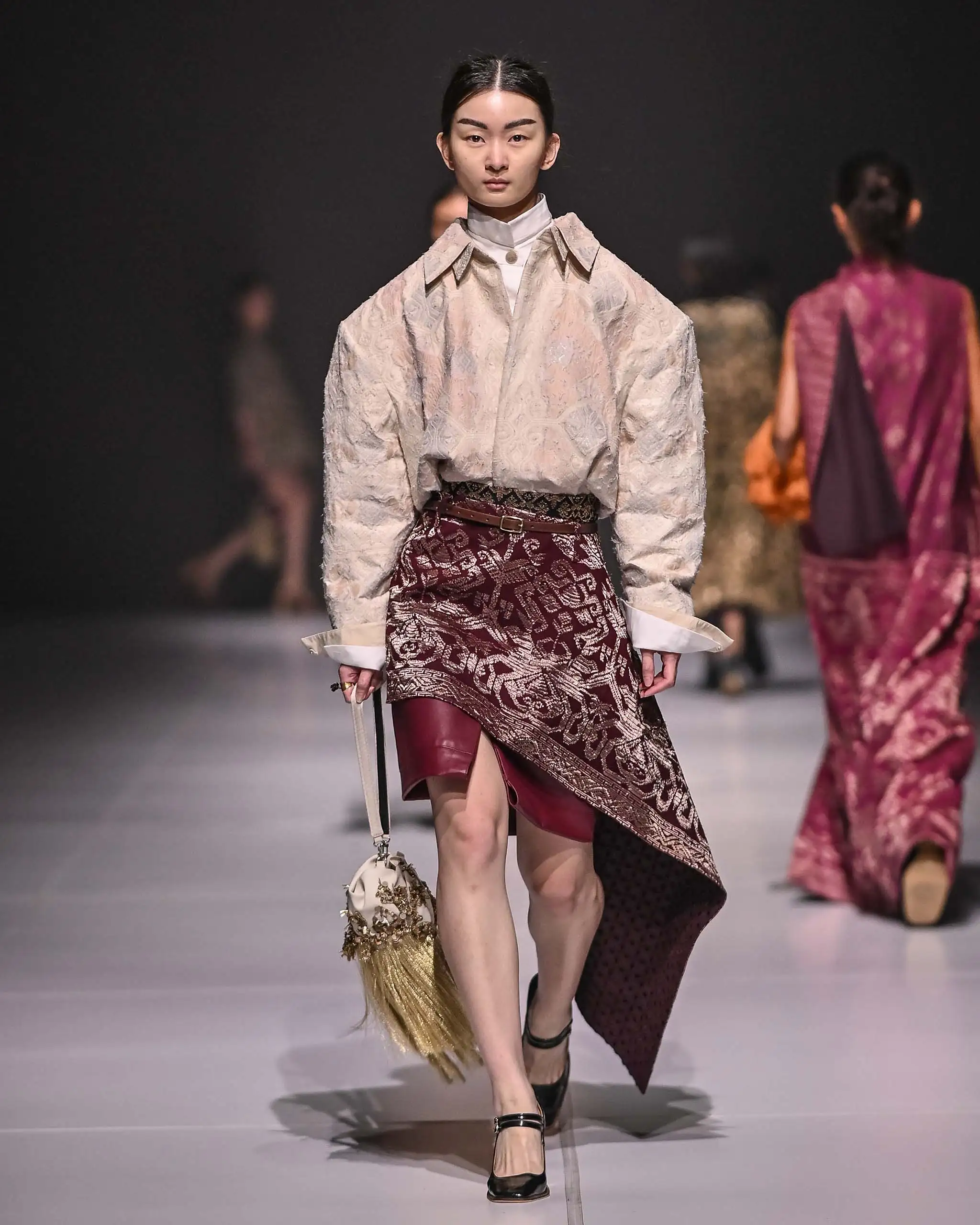
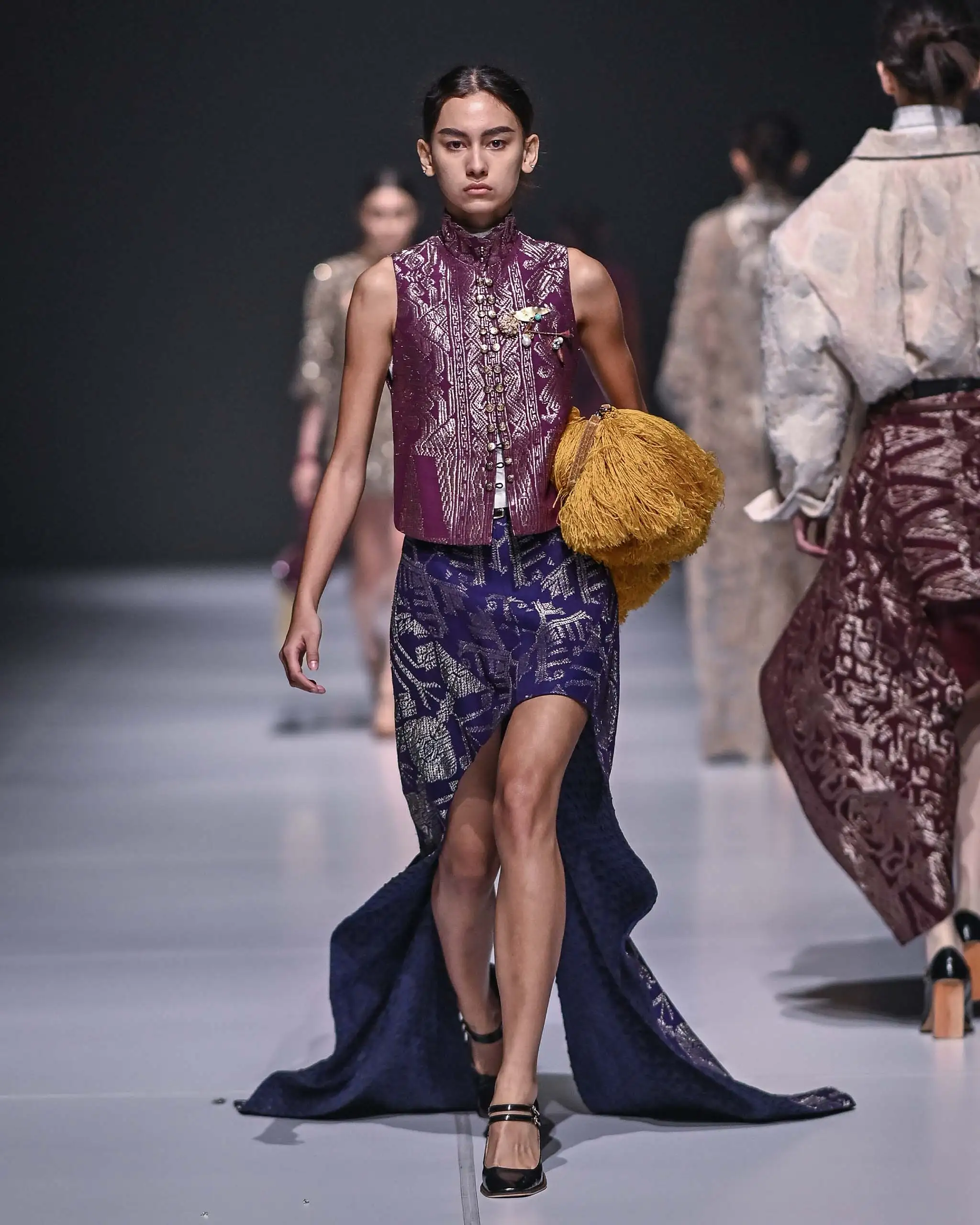
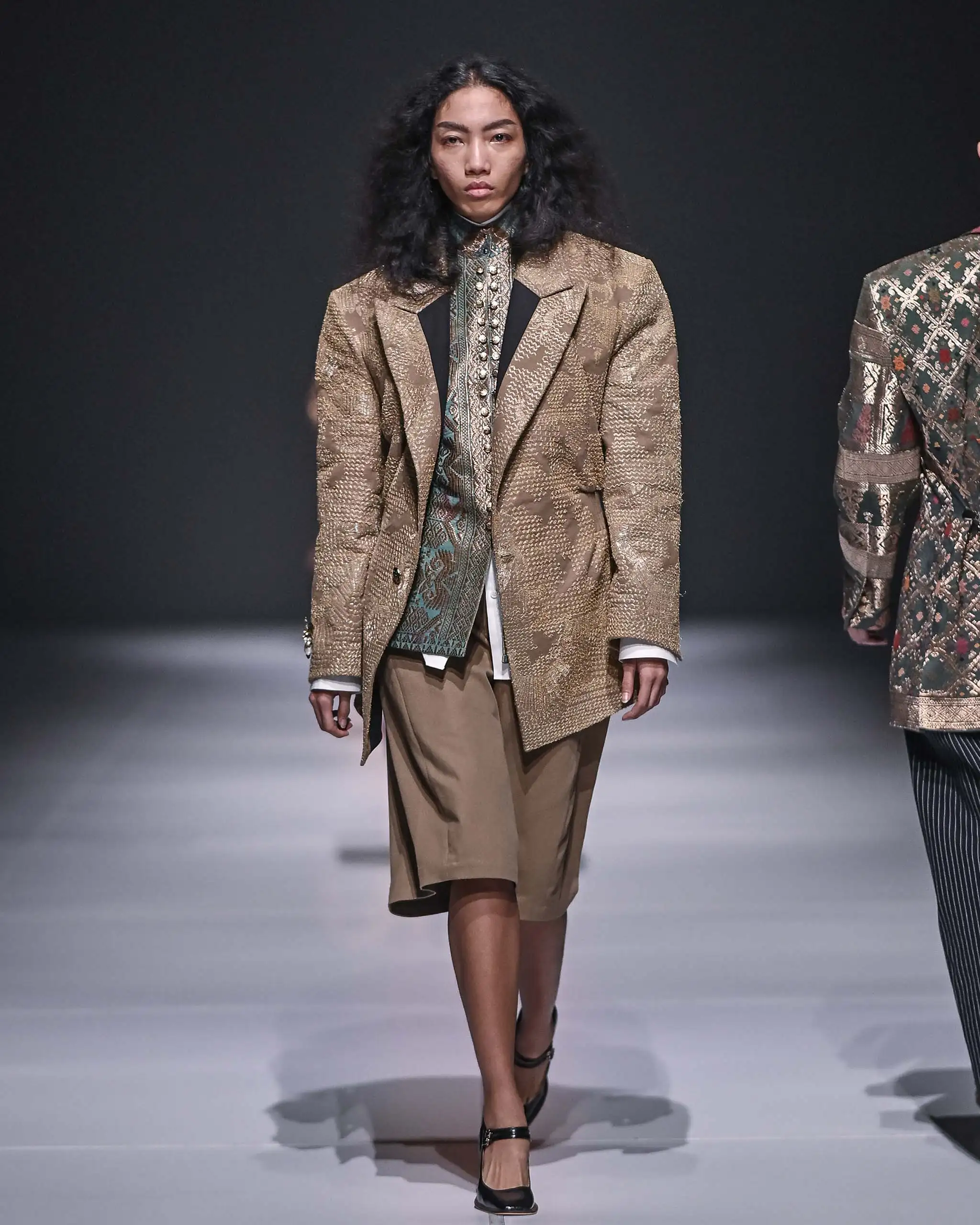
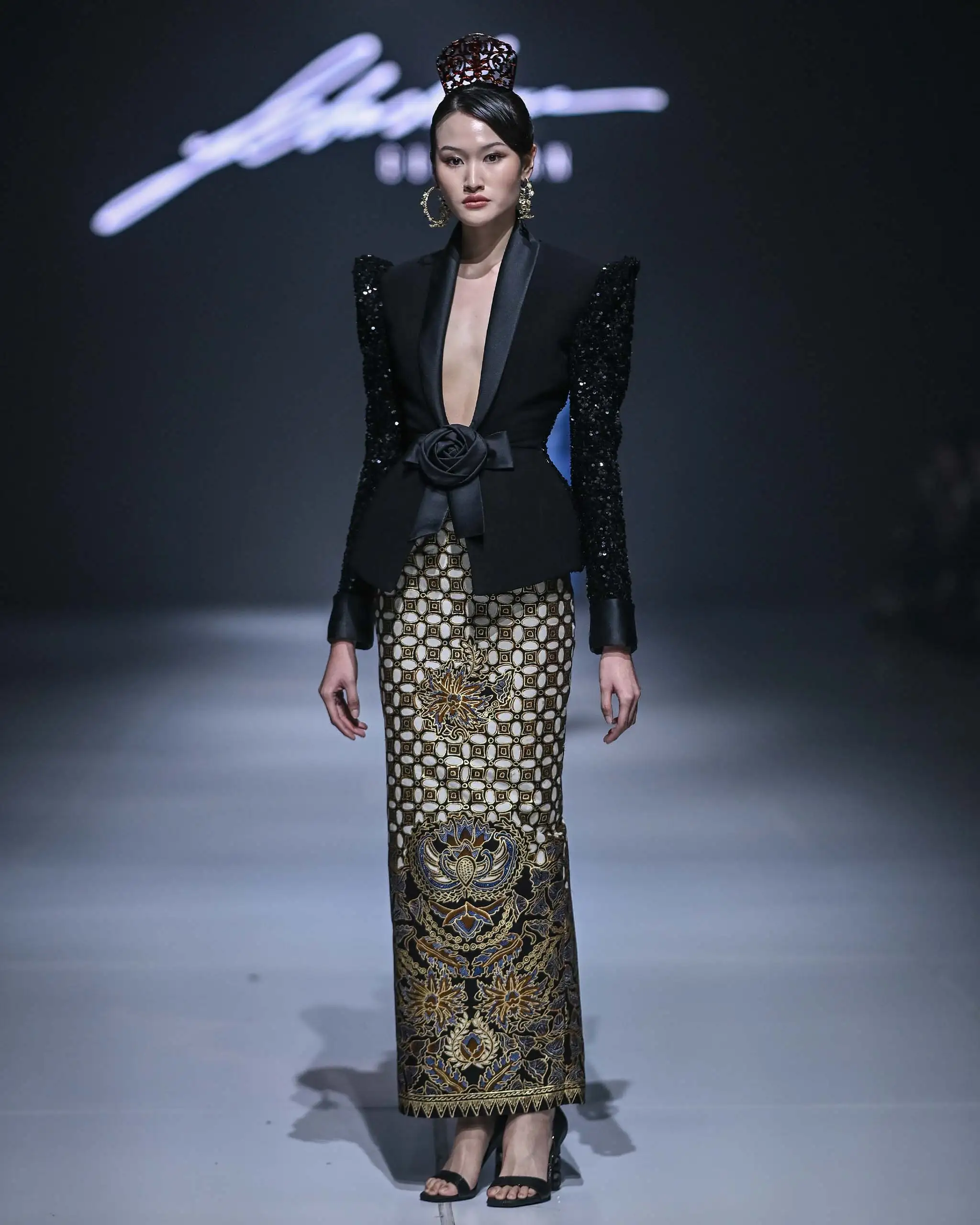
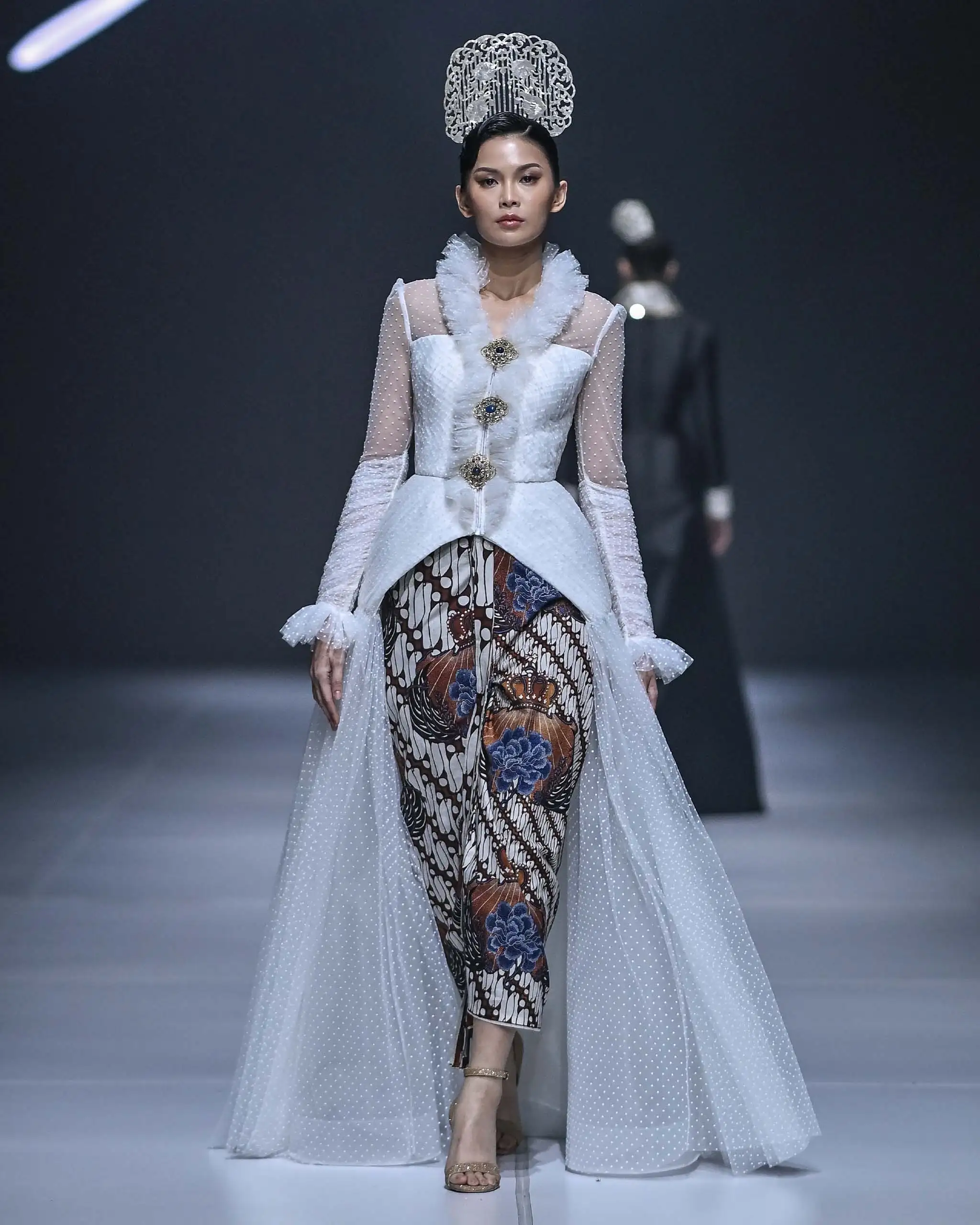
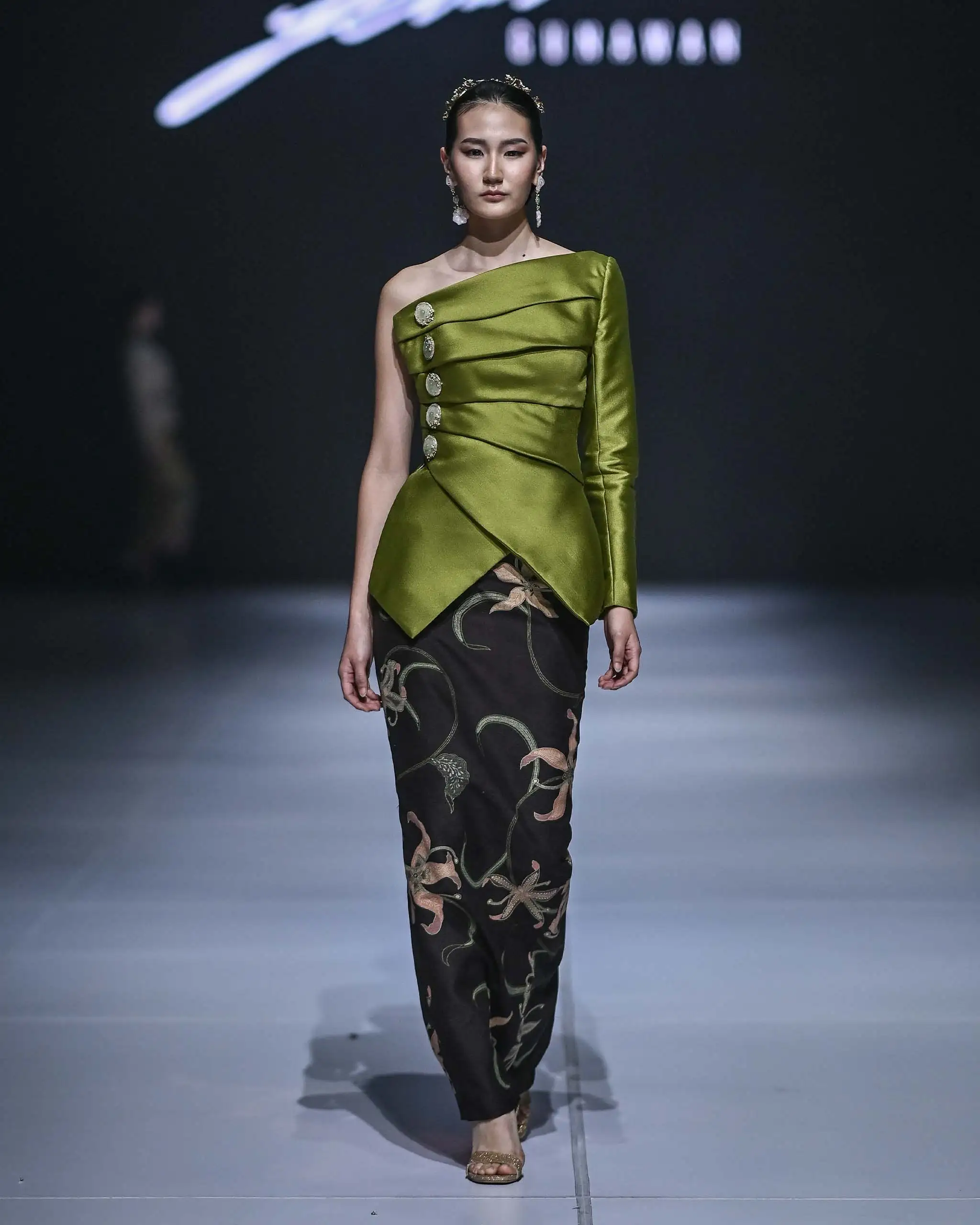
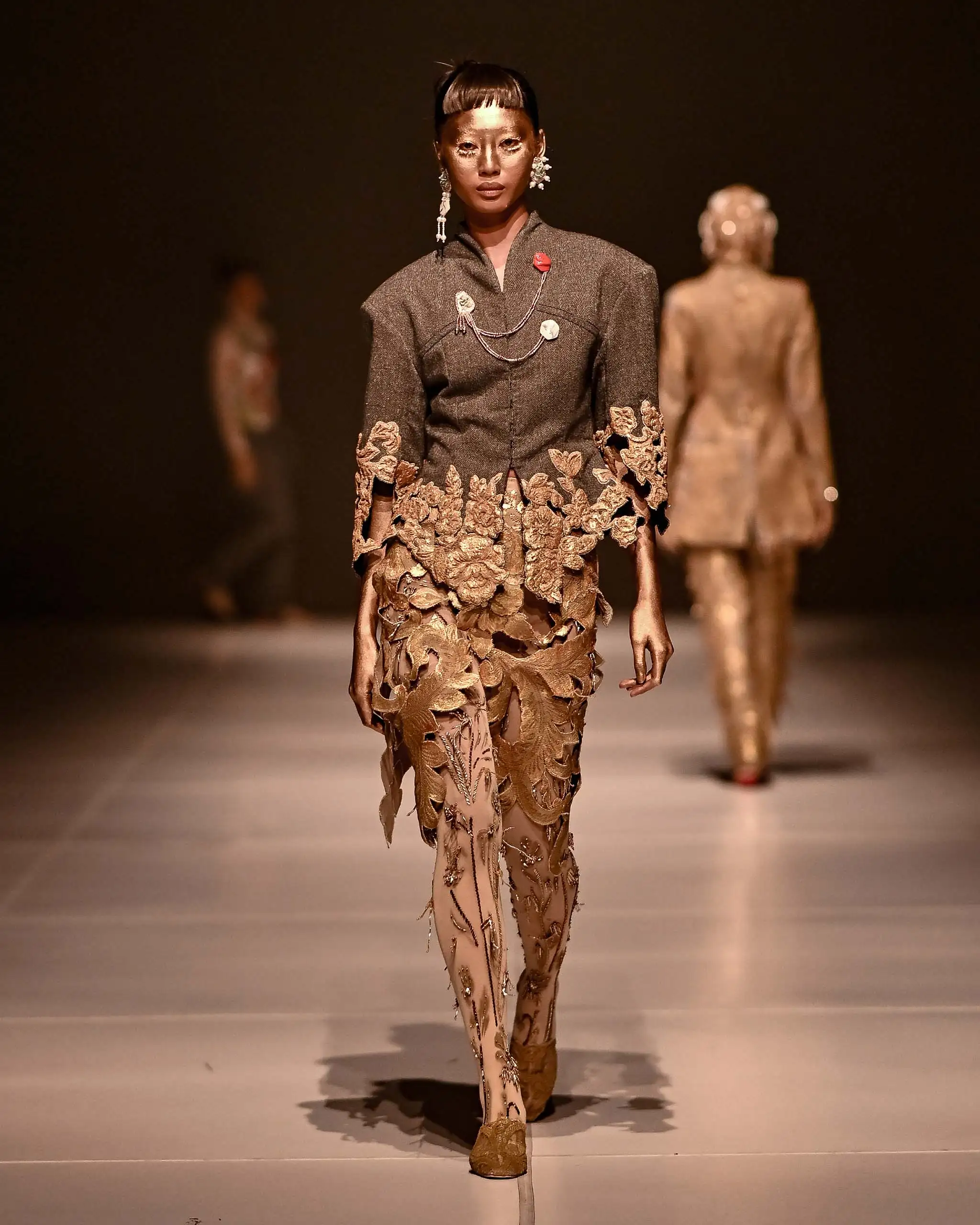
Closing the week, “DEWI Fashion Knights” presented TULOLA, Sapto Djojokartiko, and Sebastian Gunawan—designers who redefined what it means to wear Indonesian heritage. Their collections carried the textures of the archipelago, reworked through contemporary form through gold threads and lace.
The Regional Thread
Jakarta Fashion Week 2025 was essentially informed by heat, by humidity, by history; by faith and folklore; by the sound of traffic outside every atelier and the feel of the sun on woven cloth. What the region offers isn’t imitation or competition, but the perspective that we are not alone.
In an age where global fashion often feels like an echo chamber, Jakarta’s runways spoke in their own rhythm, where the act of dressing became a kind of cultural translation. The West will endure, but the Asian world is already in full stride — the rest of the world will simply have to catch up.
Photos courtesy of JAKARTA FASHION WEEK
Recommended Video
Latest Posts

Latest Issue