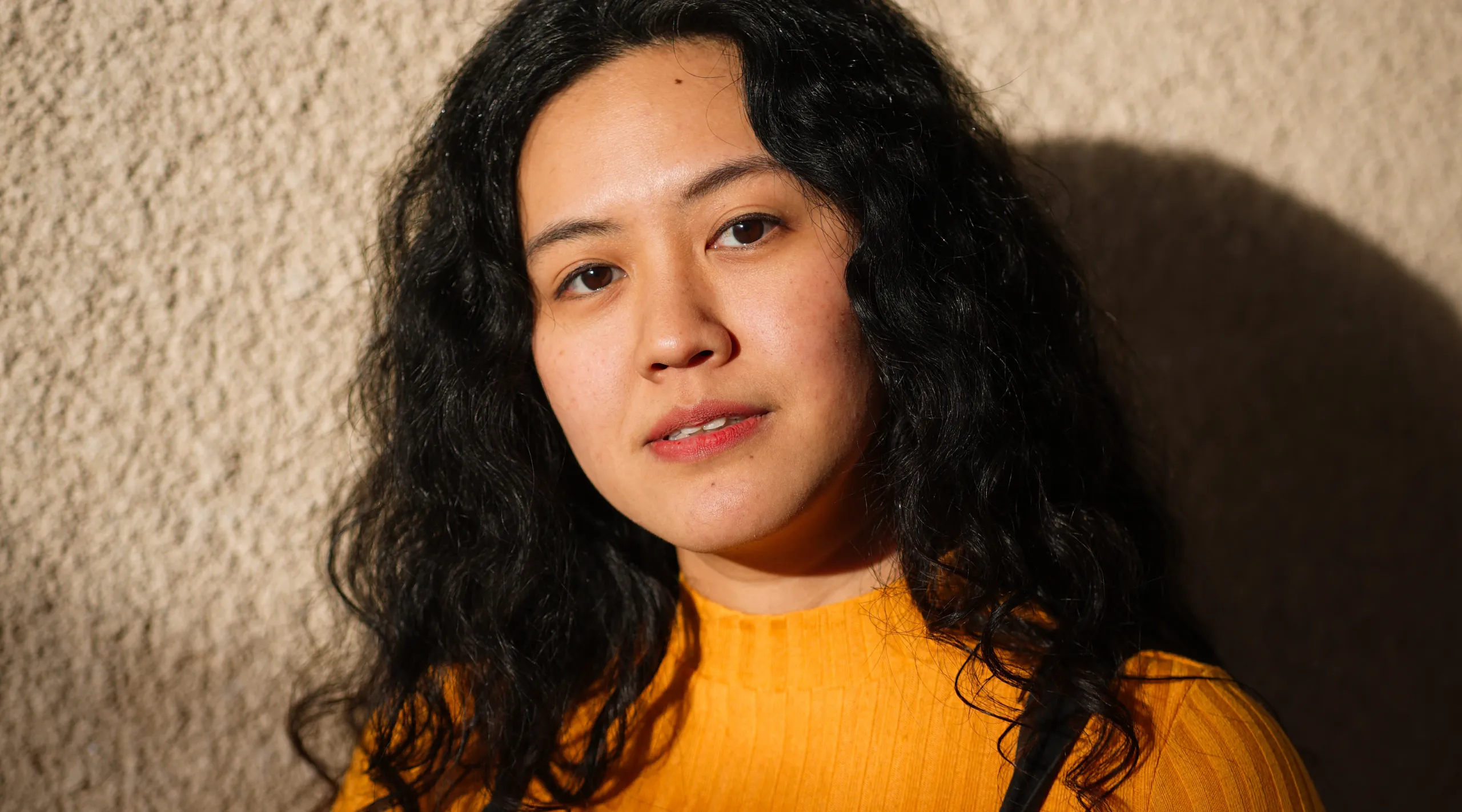
Making it to the New York Times Best Sellers list is no small feat. For Filipina writer Mikki Crisostomo, however, the achievement is even more meaningful: it’s a dream she once had as a young film student in the Philippines, now realized on an international stage.
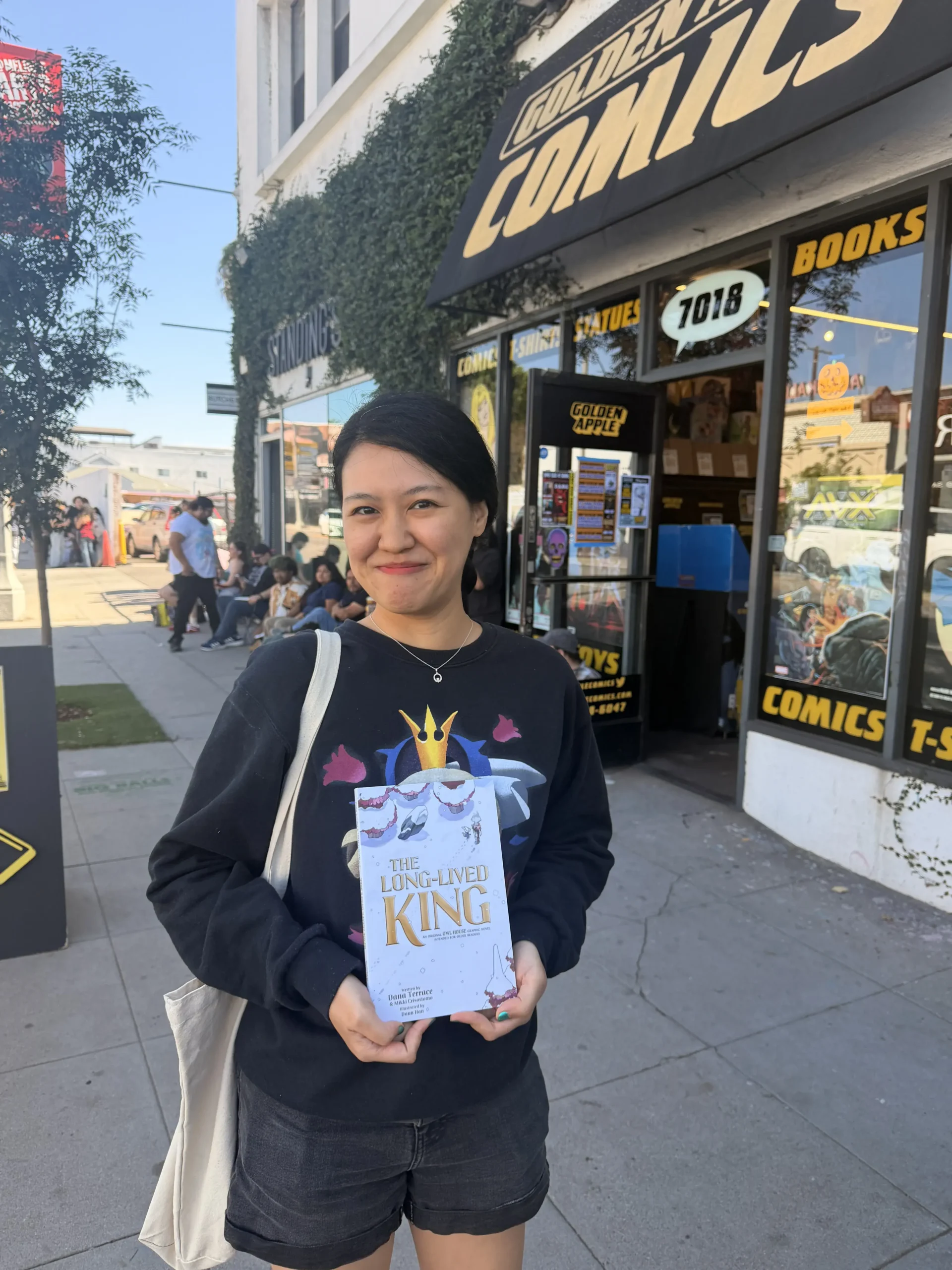
A graduate of the University of the Philippines Diliman, Crisostomo co-wrote The Long-Lived King, a graphic novel set in the beloved animated universe of The Owl House. The book landed at No. 2 on the New York Times Best Sellers list in Graphic Books and Manga, marking another milestone for a Filipino creative making her mark in global entertainment.
Fresh from a book signing where fans lined up for hours to have their copies signed, MEGA sat down with Crisostomo to talk about her journey from film graduate to animation writer, the stories she’s helped bring to life, and what it means to finally see her name on a book of her own.
RELATED: What If Maria Clara Was Written By A Woman, LA-Based Filipina Director Asks
From UP Diliman to the World of Animation
Now based in Los Angeles, Crisostomo’s journey began in the Philippines, where she pursued a degree in Film at the University of the Philippines Diliman alongside fellow filmmaker Bianca Catbagan. After graduating, she worked in post-production, taking on projects in commercials and news before deciding to pursue writing more seriously.
Eventually, determined to make a career in writing, Crisostomo moved to New York to pursue an MFA in screenwriting at Columbia University. “It was cool to reconnect with Bia (Catbagan) there. There’s somebody here I know who knows me; we came from the same place. It was one of the best experiences of my life. It was wonderful to be around people who were equally interested in the craft of writing,” she reminisced.
After completing her MFA, Crisostomo found herself in the writers’ room of Disney’s The Owl House in 2019. It was her first major step into animation writing, and certainly not an easy show to begin with. Although the series was aimed at children aged six to eleven, its storytelling often ventured into more mature territory. Crisostomo joined during its second season, when the stakes were getting higher and the writers had to carefully balance the show’s darker themes with its younger audience.
“We need to have all our characters be where we need them to be at the very end of the series. And it also needs to be fun but scary, but not so scary that kids will turn it off, but scary enough that they’ll feel cool watching it,” she explained.
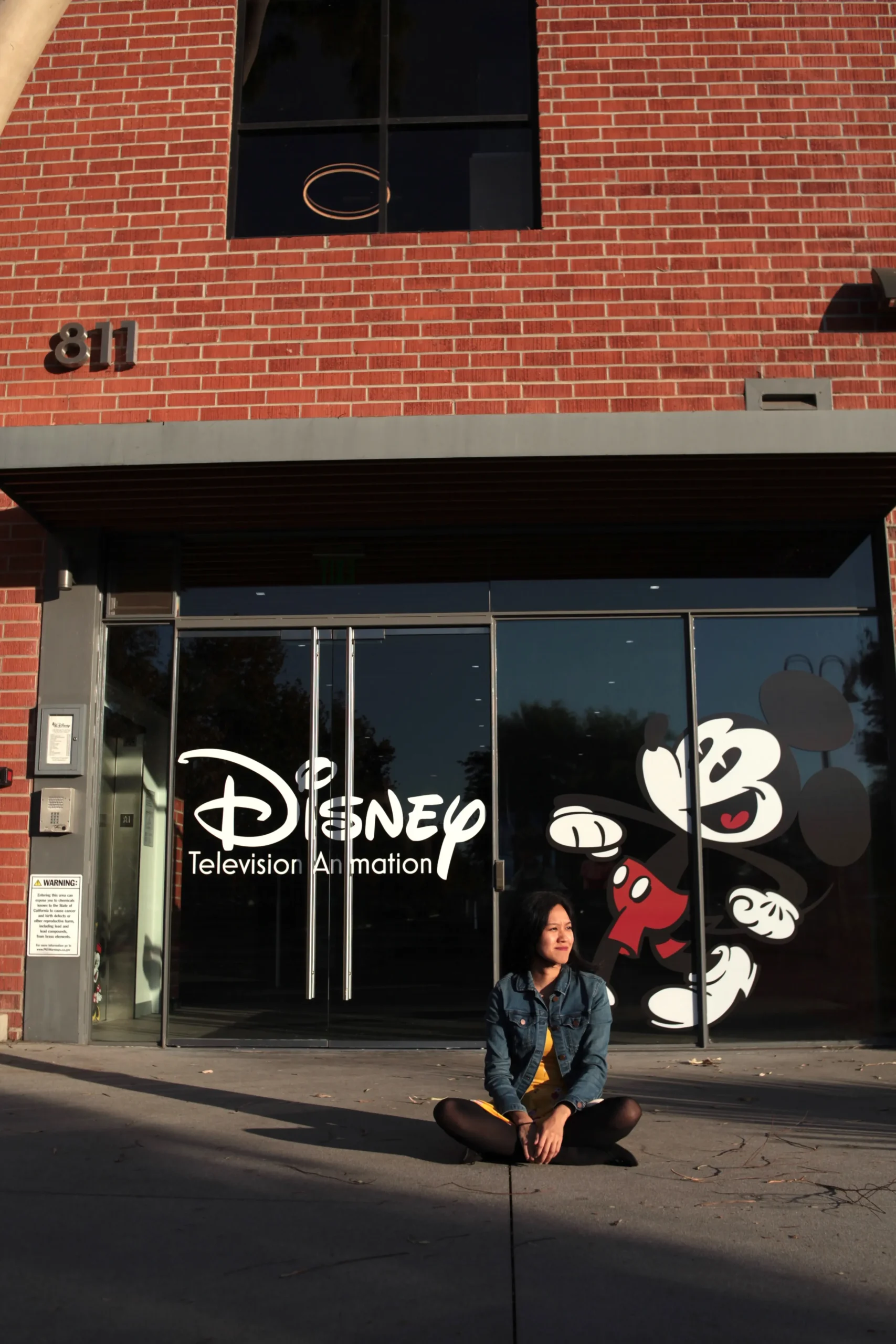
For Crisostomo, the experience was also a crash course in what it meant to write for an actual production. “You can be in as many writers’ workshops as you want, but being in a real writer’s room where you have real deadlines and existing in a production crew with so many people who are relying on your script to be good and useful—that was not something that I could learn in a workshop.”
Beyond her work on The Owl House, she also wrote for Primos (2024), which Crisostomo described as “one of the best writing experiences I’ve ever had.” The opportunity was particularly meaningful as she got to write a half-Filipino, half-Mexican character, bringing a part of her own background into the story.
“I’ve learned to be very proud and talk confidently about my voice, even though it does tend to change from show to show.“
– Mikki Crisostomo on finding her voice as a writer
She eventually moved on to Warner Bros., where she worked on the developing animated projects Starfire! and Yokoso Scooby-Doo! This year, however, brought her back to the universe that helped launch her animation career. Co-written with The Owl House creator Dana Terrace, The Long-Lived King offers fans another adventure in the fantastical world of the Boiling Isles.
Returning to the Boiling Isles
Set after the events of the animated series finale, The Long-Lived King follows King as he confronts a difficult truth: as a Titan, he is destined to outlive the family he has found in the Boiling Isles. Rather than dwell on the heartbreak of losing his loved ones someday, King decides to cherish the time he has with them—even if it means erasing his sad memories.
But when his plan accidentally erases Luz’s memories, too, King must turn to the Collector and Eda for help in restoring what she has lost. Along the way, he is forced to confront the very fears he had hoped to escape.
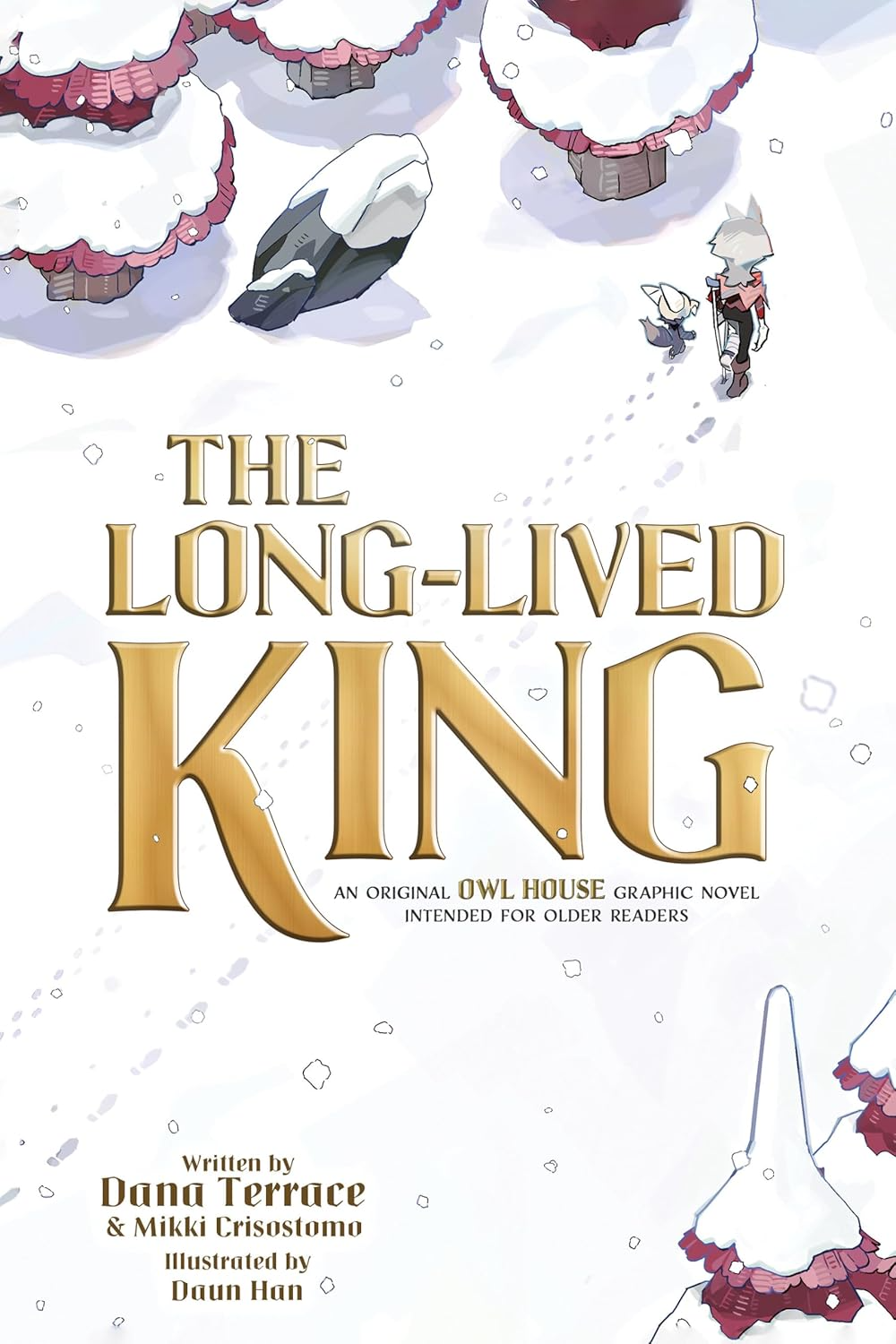
A graphic novel had long been something The Owl House creator Dana Terrace wanted to explore. While Disney was receptive to the idea, finding the right story proved to be a challenge. Eventually, Terrace approached Crisostomo to help bring the project to life.
“It was very fun to kind of learn a different format of writing a script. I was kind of writing out the panels as well, almost like laying it out as a TV script, but detailing what happens in each panel,” Crisostomo recalled. If there was anything they would have changed, it would have been to make the story longer, had it not been for the 120-page limit.
“I hope we can do a second one because this graphic novel seems to be doing really well. Hopefully Disney and Hyperion would give the fans what they want,” she laughed.
Kids Have the Biggest Feelings
Although The Owl House was made for a younger audience, its storytelling was never afraid to explore heavier themes. “The Owl House was always kind of meant to be her (Dana’s) way of dealing with the concepts of death and grief,” Crisostomo explained. That same exploration of loss and mortality became the foundation of The Long-Lived King, with King grappling with what Crisostomo describes as pre-grief.
If there’s one thing Crisostomo learned from working on children’s animation, it’s that young audiences are capable of far more than adults sometimes give them credit for. Much like many of us growing up, children will watch stories that might be considered beyond their age group—and they’re often more than ready to take them on.
“Kids love to be scared,” she shared, recalling how The Owl House often pushed the boundaries of what Disney would allow. Although the network had rules about placing child characters in danger, the writers understood that their audience wanted stories that challenged them. It became a constant negotiation over just how far they could go and which creative battles were worth fighting.
One of the biggest was the relationship between Luz Noceda and Amity Blight, whose lesbian romance became an important part of the series. For Crisostomo and the rest of the writing team, it was about allowing children to experience stories that weren’t afraid to explore different kinds of love and relationships.
“If anything, it’s a show that lets kids feel,” she said. “The Owl House deals with the repercussions of kids in adventures. They will feel sad and guilty about things they’ve done, feel fear for their friends. They’ll feel all these things—and kids have the biggest feelings.”
For Crisostomo, telling stories for children means respecting both their emotions and their intelligence. Young audiences deserve stories that allow them to experience complicated feelings, ask questions, and take something meaningful away from what they watch. Rather than talking down to them, the writers trusted that children could understand and appreciate the complexity of the stories being told.
While The Owl House explored these themes through the lens of children’s animation, The Long-Lived King takes a heavier approach, written for more mature readers as it confronts grief, mortality, and the inevitability of loss.
The Filipino Dream, Written in Her Own Words
For all the milestones Crisostomo has achieved, learning to recognize her own talent didn’t happen overnight. Growing up Filipino, she admits, sometimes meant being a little too humble—even when there was something worth celebrating. Living in Los Angeles and working in writers’ rooms, it took six years in the animation industry before she finally allowed herself to acknowledge that she was good at what she did.
“I’m allowed to be good at something and be proud of being good at writing. It kind of gave me the confidence to be a little more okay with saying that I’m good at what I do,” Crisostomo said.
“It’s only after six years in animation that I’m finally allowing myself to acknowledge that I’m a good writer. I mean, New York Times Bestseller, number two! Maybe there’s something there.”
“Homegrown Filipino writers are so talented and deserve their chance in the spotlight because they can bring something that nobody else in the world has ever seen.”
– Mikki Crisostomo on Filipino talent
But her journey isn’t just about making it into Hollywood. It’s also about bringing a part of home into every writers’ room she’s entered. For Crisostomo, being Filipino has never been something she needed to leave behind to succeed in an international industry. Instead, it’s become one of the things that makes her storytelling distinct.
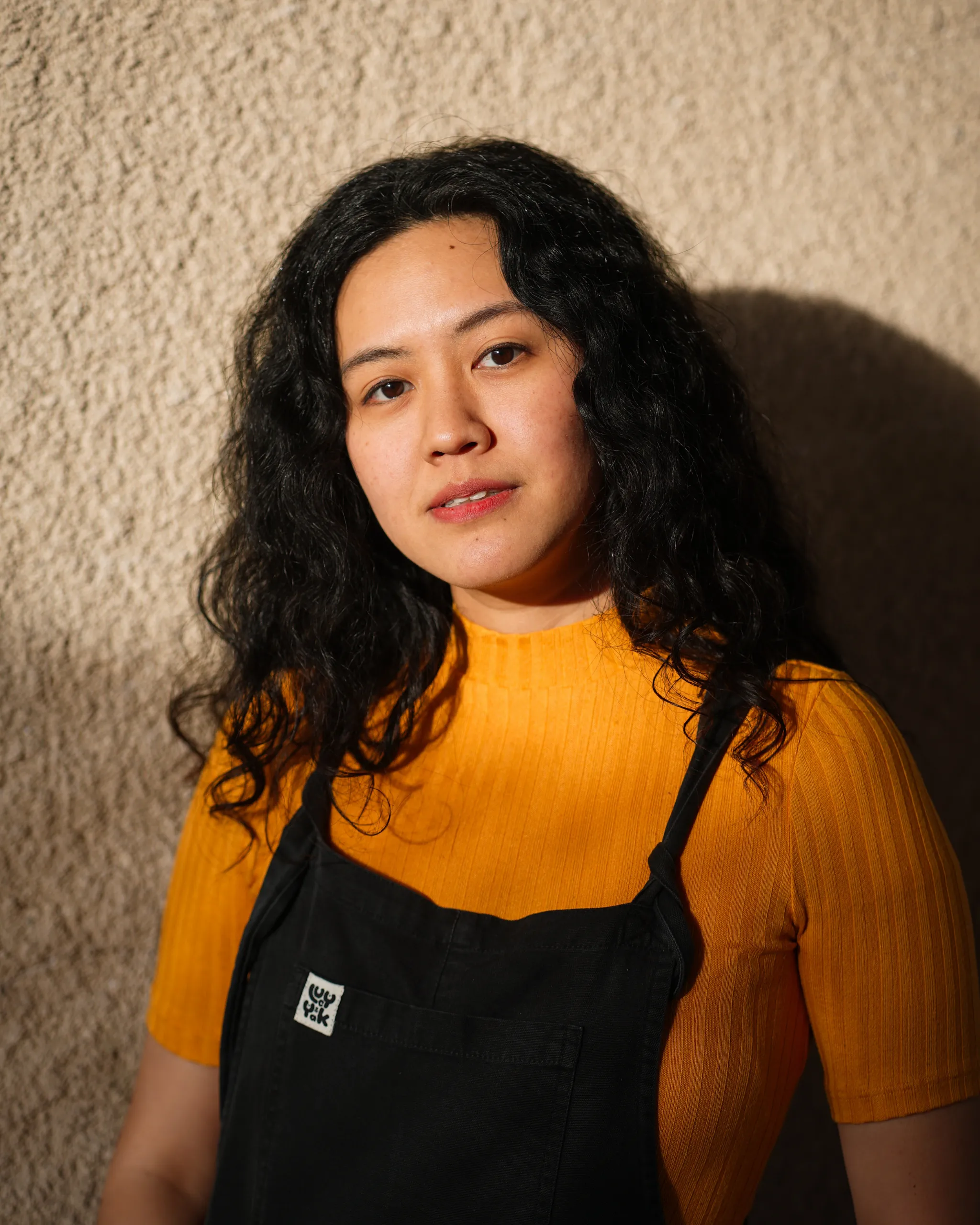
“A good story needs the writer’s lived experiences to bleed through it in order for it to resonate with people,” she said. “Being from the Philippines and growing up in a different culture—that’s always helped in fleshing out the world of any show that I’ve written on.”
Beyond her experience in the writers’ room, The Long-Lived King represents another dream fulfilled: seeing her work take physical form, with her name printed on the cover. “This has always been the dream. When Dana asked if I wanted to write a graphic novel, I never said yes to anything faster in my life,” she recalled.
And when she finally saw the finished book on a bookstore shelf, the moment was almost too much to take in.
“Seeing my book in a bookstore with my name on it… When I saw the book when it came out, I started crying,” Crisostomo chuckled. “Maybe it’s that self-deprecating Filipino thing, like, how could anybody from the Philippines achieve that? How could they even become a New York Times Bestseller, work at Disney and Warner Bros., and live their dreams in Hollywood?”
But perhaps the most meaningful part of her achievement is what it could mean for other Filipinos who have dreams of their own. If Crisostomo’s journey is proof of anything, it’s that those dreams aren’t as far out of reach as they might seem.
“I hope a lot more Filipinos can let go of that self-deprecation. Take a chance on yourself. No one’s going to notice you if you don’t put yourself out there.”
– Mikki Crisostomo on being a Filipino writer
Featured Image and Photos: MIKKI CRISOSTOMO, AMAZON (via Website)
Frequently Asked Questions
Mikki Crisostomo is a Filipina writer based in Los Angeles who graduated in Film from the University of the Philippines Diliman and earned an MFA in screenwriting at Columbia University. She wrote for The Owl House and Primos, and co-wrote the graphic novel The Long-Lived King.
The Long-Lived King is a graphic novel set after The Owl House finale, in which King, a Titan destined to outlive his found family, tries to erase his sad memories. The plan accidentally erases Luz’s memories too, so King turns to the Collector and Eda for help.
The Long-Lived King, co-written by Mikki Crisostomo and The Owl House creator Dana Terrace, landed at No. 2 on the New York Times Best Sellers list in Graphic Books and Manga. Crisostomo hopes Disney and Hyperion will publish a second book, given its strong reception.
Mikki Crisostomo joined the writers’ room of Disney’s The Owl House in 2019, during its second season, after completing her MFA in screenwriting at Columbia University. Before that, she worked in post-production on commercials and news after graduating in Film from the University of the Philippines Diliman.
The Owl House is aimed at children aged six to eleven but explores heavier themes such as death and grief, which Mikki Crisostomo says were Dana Terrace’s way of dealing with those concepts. The series also features the lesbian romance between Luz Noceda and Amity Blight.