




This is an excerpt from MEGA’s April 2026 Read My Lips
Women are expected to work hard but not look like they do. Anything that you do should seem to come effortlessly and naturally. Even if it’s anything but. Your value comes from your productivity, with how much you can do with your body…but still making sure it still looks pristine. Mothers are supposed to work like they don’t have children, and raise kids like they don’t have work.
RELATED: Body Politics: The Cost of Chasing the Perfect Body
What this means is that even the steps you take to make sure you don’t look like you work—Pilates, the derma visits, salon days,, doctors appointments, calorie counting—also becomes a chore. But, god forbid, you complain. You bought into this. This is the opportunity you clamoured for while demanding that it isn’t a man’s world.
I write this on a late afternoon of a day that started at 7 am. I defeated the deadlines of a busy Monday, and entertained a few meetings. Later at 5:30 am, I’m going for a strength training session. I may have a desk job, but I want to look like I live at the gym.
I understand that I am part of the problem. Sue me. Work is addictive. Accomplishing tasks, pushing forward ideas into reality, and building a network is fulfilling. The maintenance appointments I do to look my best and cosplay being a kept woman are marketed to me as “self-care” and I lap it up.

I’m a life junkie. I want to do more. I want to be bigger than my body. I’m 4’9” and well within my ideal weight but I can lift 70 kgs and I can squat 65 kgs. I ran a 5K yesterday and finished my first 10K last year. I have inherited the complex of a terrier barking boisterously at the vet clinic.
The Body Keeps The Score, says the title of a bestselling book. It was the first book I read in the year, and though it deals more with how psychological trauma leaves measurable, tangible marks on one’s brain patterns and development, the sentiment struck me. Whatever you do in your life, leaves lasting impressions on your physical body. The condition of your body affects your mental health and your emotional well-being. It’s not woo-woo, it’s not anything supernatural. It’s a plain fact.
The body, for all its amazing feats, needs to rest. But it can only do so when it finds permission to. In extreme cases, as the ones Dr. Bessel van der Kolk mentioned in his book, the body doesn’t find rest because it keeps reliving that moment where it was powerless. Why didn’t you react when you were being assaulted? How could you just let your best friend lose their life during the air raid? Why didn’t you scream when your brother was being attacked?
Somehow, stillness became synonymous with inaction—the ultimate betrayal of the body. How could you not move? Why didn’t you? Ironically, shutting down is the body’s way of protecting itself, it’s your mind’s defense mechanism against something that it cannot process.
As a society, we’ve learned to punish ourselves for the most natural, fundamental source of its power: The ability to be still. Rest. Sleep.

My life is far from the lives van der Kolk describes as he talks about teaching his patients to forgive themselves for how they acted (or didn’t act) during traumatizing incidents. I did choose to take away one of the secondary points of the book: Sleep escapes us when our mind and body believe that there is still something to be done. Sleep and rest don’t come because everything feels like an emergency. Part of what plagues us often with guilt is how we believe that stillness is weak, slowing down is only for those who truly deserve it.
I started to ask myself questions. What happens if I didn’t get to do the work in an ideal manner? What’s the worst that could happen if I miss a day at the gym? Do people really notice if I haven’t had a facial treatment in 14 days? No one has ever gotten mad at me for replying the next day to a work message.
Read more about the societal pressure many women face and how we are breaking free from it in MEGA’s April 2026 issue, now available on Readly, Magzter, Press Reader and Zinio.
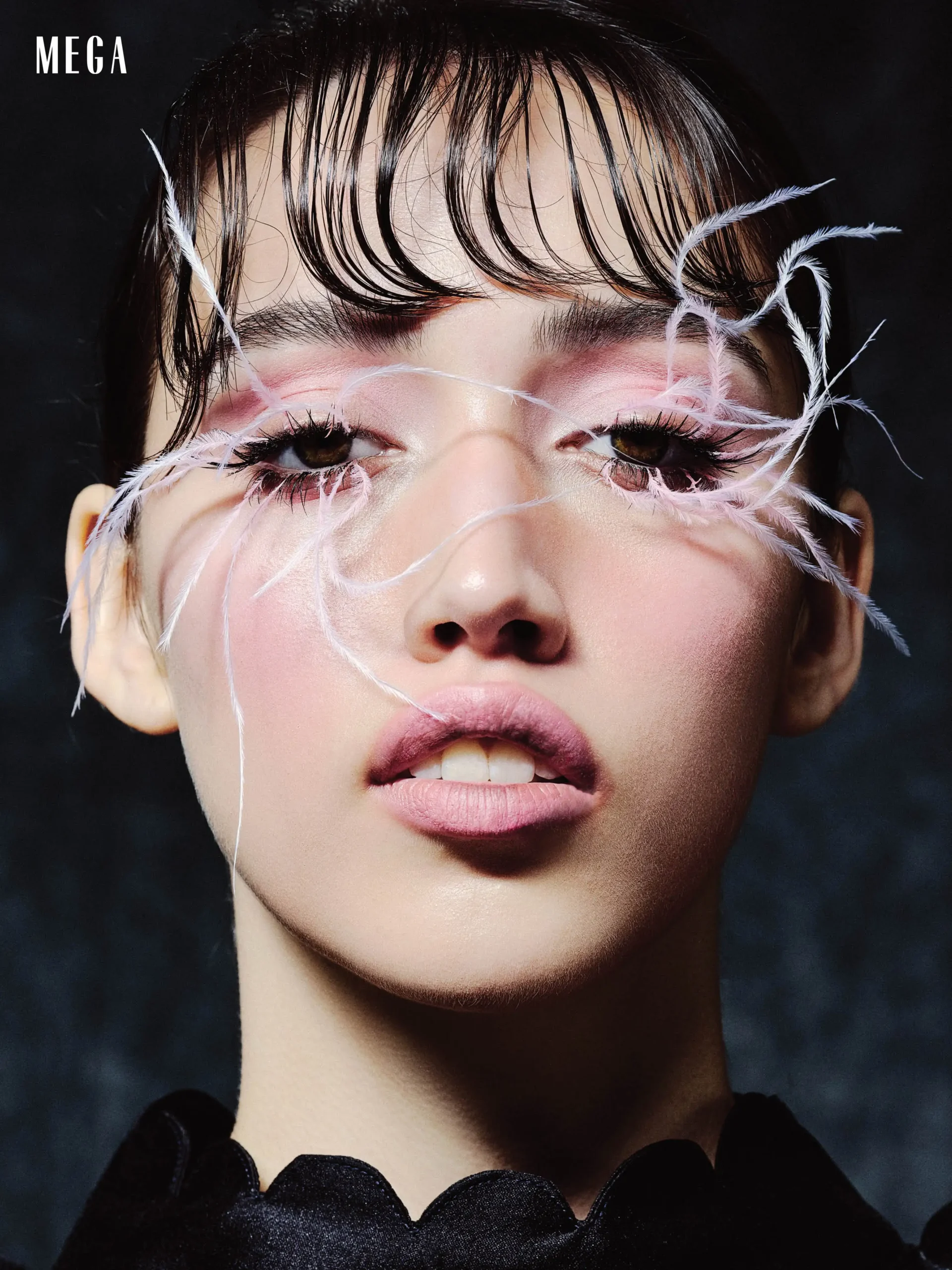
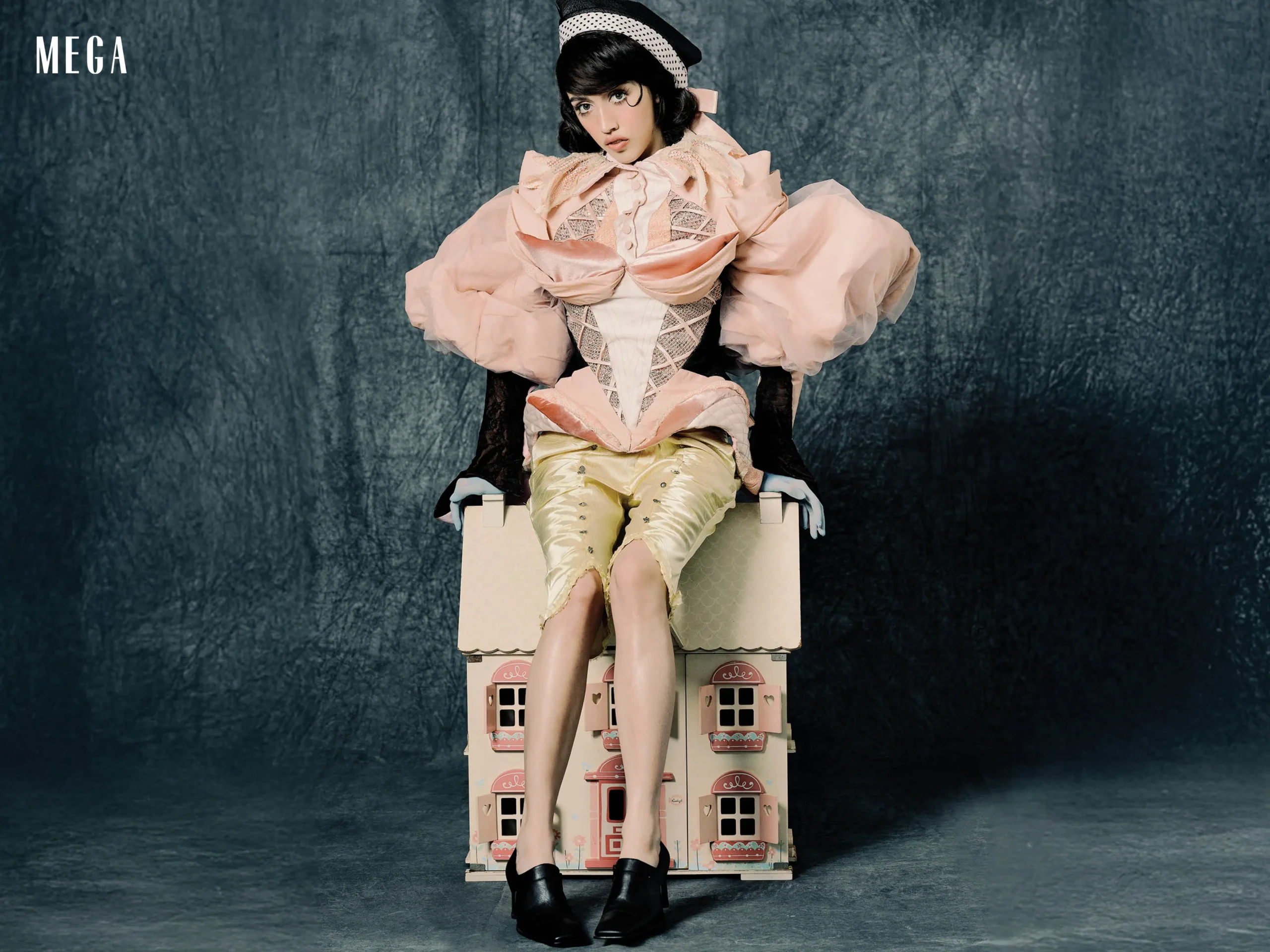
Photographed By: ALEXIS DAVE CO. Art Director CLARE MAGNO. Creative Director MARA GO. Producer THESSMAR LECTURA. Makeup THAZZIA FALEK. Hairstylist DALE MALLARI. Styling ANGELO VASALLO.
Photography Assistants OMAR BARROGA. Makeup Assistants ANGEL DINAPO. Model PAIGE PERRINE of PMAP. Special Thanks to CYMA, SOUV! BY CYMA, ELAIA BY CYMA, and AIYA of SIRENA PUBLIC RELATIONS
Frequently Asked Questions
Women are often expected to appear effortless while working constantly — excelling professionally, maintaining physical appearance, and fulfilling caregiving roles simultaneously. As explored in MEGA’s April 2026 essay, even the steps women take to manage their appearance, from Pilates to derma visits, are reframed as self-care while functioning as additional obligations layered onto an already demanding life.
As discussed in MEGA’s April 2026 feature drawing on Dr. Bessel van der Kolk’s writing, rest escapes many people when the mind and body believe something still needs to be done. Culturally, stillness is treated as weakness and slowing down as a privilege to be earned — a belief that keeps women in a state of perpetual motion even when the body needs to stop.
Dr. Bessel van der Kolk’s book argues that psychological and physical experiences leave measurable marks on the body and brain. A key insight, as reflected in MEGA’s April 2026 essay, is that sleep and rest are withheld when the nervous system remains in a state of emergency — unable to find safety or stillness because the body continues to process unresolved stress or trauma.
Productivity culture conditions women to measure their value through output and appearance simultaneously — creating a cycle where rest is guilt-laden and self-maintenance is reframed as ambition. MEGA’s April 2026 essay describes this as a productivity wound: the internalized belief that stopping, sleeping, or slowing down is a failure rather than a fundamental biological need.
Giving the body permission to rest means releasing the belief that stillness equals inaction or weakness. As explored in MEGA’s April 2026 issue, it begins with questioning the emergencies that feel urgent — and recognizing that no deadline, missed gym session, or delayed reply carries the weight we assign it. Rest, the essay argues, is not a reward for productivity. It is its foundation.