



For the better part of the 2020s, DreamWorks Animation has delivered hit after hit in the animation space. From Puss in Boots: The Last Wish to The Wild Robot, the studio is churning out gems that honestly have even eclipsed most of what Pixar has done this decade. And with their latest effort, Forgotten Island, the studio has done it again, and may well just be among the best the studio has ever done so far.
When it was first announced that DreamWorks would be working on a movie based on Philippine mythology, the news was exciting, but also raised some questions as to how the American studio would translate local folklore to the big screen. Now that the movie is here, the answer is a film that, for the most part, respects its source material while taking it in an excitingly creative direction that makes for an enjoyable movie from start to finish.
RELATED: The New Movies and Shows of September 2026 to Have on Your Radar
Forgotten Island Dazzles With Its Animation
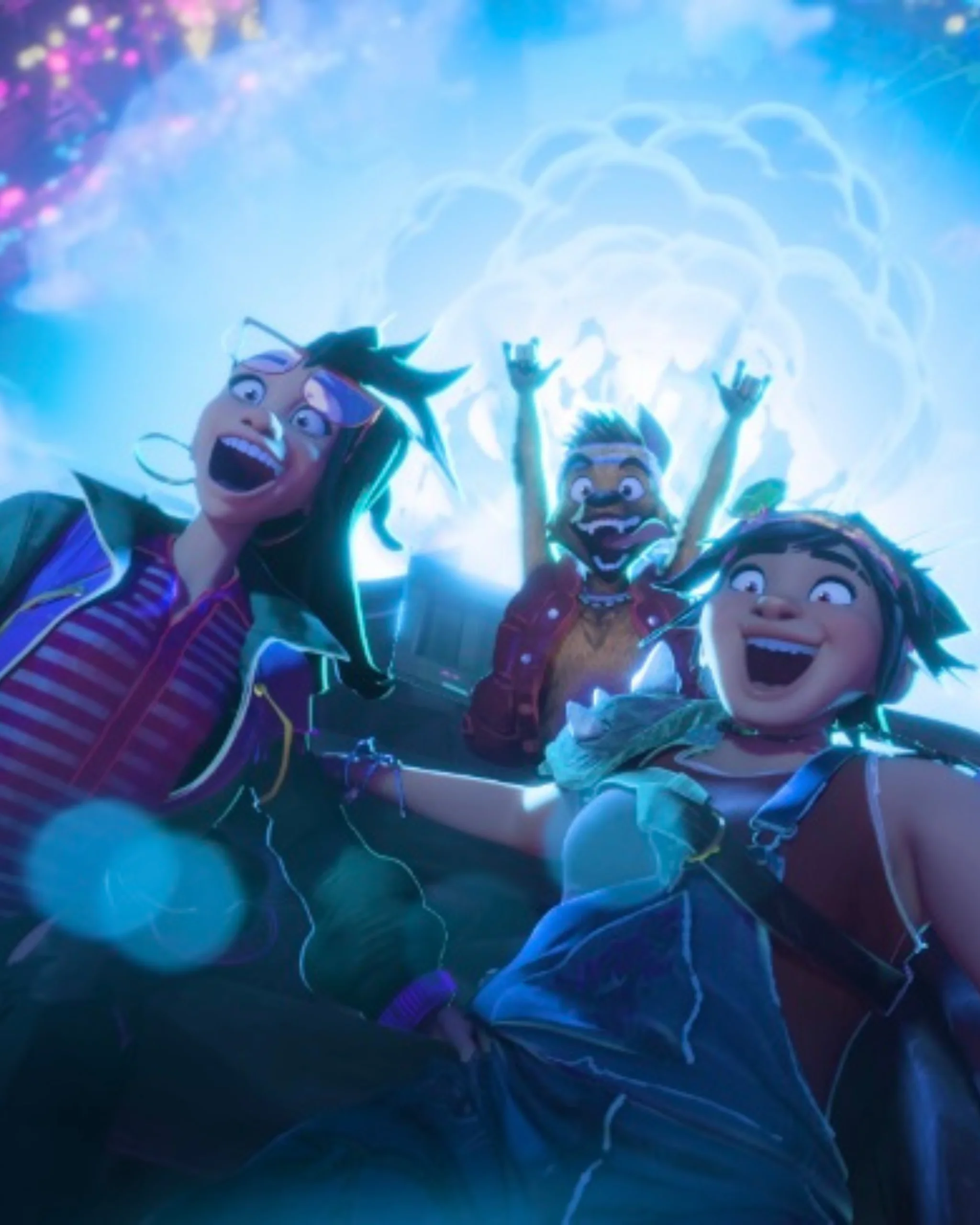
Forgotten Island gets a lot of things right, but it is in its animation where the film knocks it out of the park. DreamWorks seems to have found a sweet spot lately with their mix of a watercolor and comic book visual style. Forgotten Island does remind of K-Pop Demon Hunters and the Spider-Verse films in terms of visual execution, yet the movie is still its own. In a time when big-budget films are becoming devoid of color, Forgotten Island takes every color of the rainbow and then some to deliver a kaleidoscope with its gorgeous art direction.
Each scene is awash in appropriate amounts of color, making for a visual feast for the eyes. The animation is fast, frenetic, and fun, and has DreamWorks at fine form. From the 3D work to the standout 2D animated scenes done in collaboration with Philippines-based Snipple Studios, Forgotten Island is a stunning movie that understands how to use movement, momentum, art direction, and a joyous sense of mania to its advantage. The film’s final act is where Forgotten Island’s visuals truly shine in a sequence involving Jo and Raissa that is both engaging and awe-inspiring.
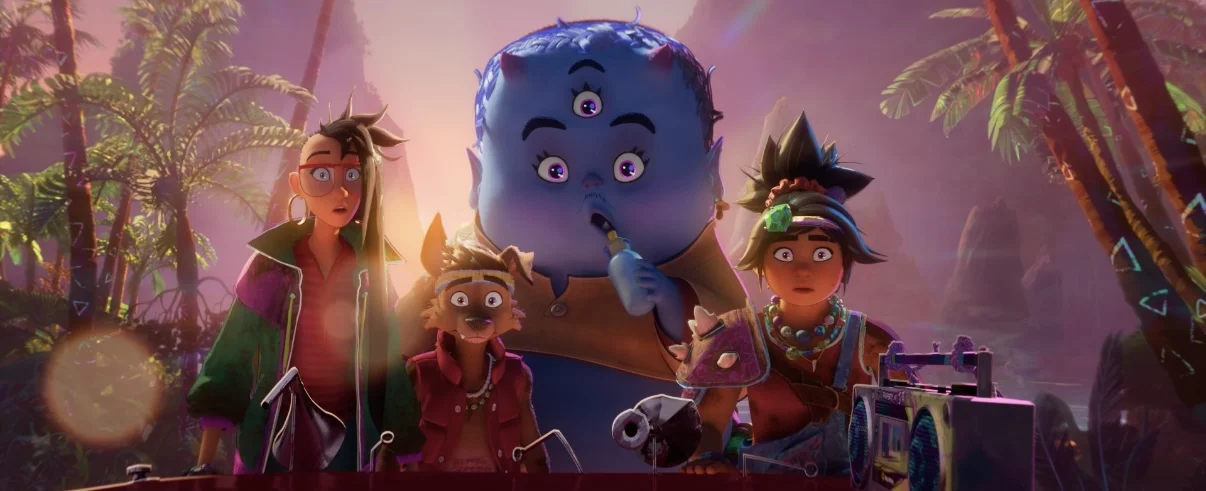
The characters don’t look generic, the attention to detail in the scenes set in the Philippines is impressive, while the creature designs on Nakali Island take familiar local monsters and give them an interesting twist. In particular, DreamWorks’ take on the Manananggal might just be one of the best character designs the studio has done this decade. It’s unique, but still captures the essence of what we’ve come to know the creature as, while her portrayal in the film is on another level of intimidating and creepy. Whenever she is on screen, you do not want to mess with her.
This is what happens when you let creativity and competent direction take charge. And speaking of direction, co-directors Januel Mercado and Joel Crawford did an excellent job putting everything together in one cohesive package. Forgotten Island could have easily buckled under the weight of its own ambition, yet it manages to balance both action and emotional beats between the lead characters. There’s never a dull moment here as it vacillates between comedy and adventure. This is a top-tier animated movie, one that also doesn’t forget its heart with its story.
The Main Cast Shines, But Forgotten Island’s Tagalog Accents Falter
For everything that Forgotten Island has going for it on the animation front, it’s also impressive how impactful its narrative is. Jo and Raissa are best friends who have known each other since they were kids. The two are practically inseparable, but things change when Raissa has to move to California for college.
On their last night together, the two are transported to the magical island of Nakali, the same island they grew up hearing stories about from Jo’s grandmother. Initially, it seems like a dream come true for the duo, but when they learn that they have to sacrifice a memory in order to return home, Jo and Raissa must grapple with protecting their friendship or risk losing it forever.
For a movie about memory, it’s a smart move for the film to have its first act to revolve around Jo and Raissa trying to remember what they did the night they arrived on Nakali, leading them to travel across the island and meet its colorful cast of characters. Not only does it make for a fun set-up and introduce the audience to Nakali and its many residents, but it also loops back into its themes.
This is a story of friendship, but also one about what it means to be your own person and memories that are worth keeping and letting go. Jo and Raissa serve as ideal protagonists to tell this kind of tale. You believe they are best friends, which makes what they are going through that much more relatable.
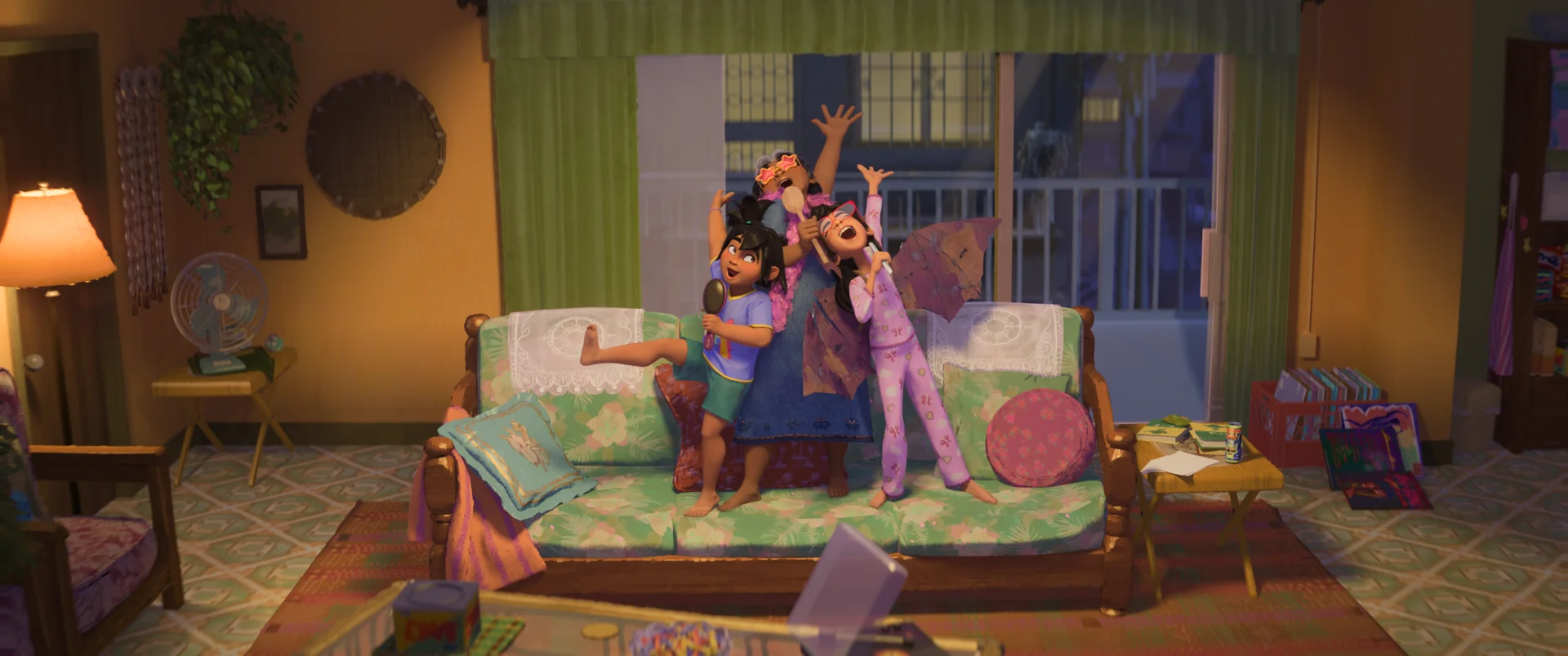
It feels genuine, and part of that is due to H.E.R. and Liza Soberano’s performances. While this is her debut voice acting role, H.E.R. should consider doing this more, given how she gives Jo so much energy and charisma, while Soberano does a great job as the uptight yet caring Raissa.
Dave Franco gives an energetic performance as Raww the were-aspin. Manny Jacinto’s ability to change his voice to suit the character shines once again here as Bungi the tiyanak. Dolly de Leon sounds like she’s having fun as Lola Fatima, and we wish she were in the movie more. Lea Salonga, though, is an unexpected welcome as Manang the Manananggal. She sounds unlike anything she’s done before and gives the character an anger and spitefulness to match her appearance.
If there is one thing to nitpick about Forgotten Island, it is its use of the Filipino language. Much has been said on the internet about whether or not the movie is true Filipino representation, and while it can be felt that DreamWorks approached the project with respect to the culture, some aspects get lost in translation, especially in how off the delivery can be.
This is most prevalent in the Tagalog voice lines, which sound like they were said by Filipino-Americans forcing an accent rather than Filipinos from the Philippines. Some of the dialogue even almost veers into parody territory of what a stereotypical Filipino sounds like. It doesn’t ruin the movie, but for those who know and understand, it can blunt the meaning at times when hearing lines delivered with a noticeable accent.
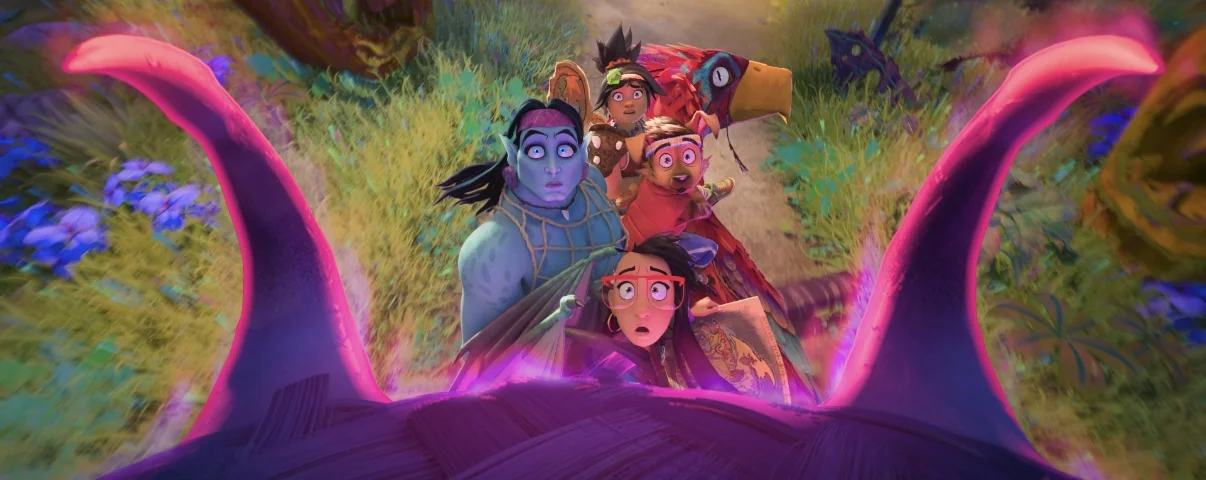
Overall, Forgotten Island is the kind of movie where a lot of things that can go right did. From its stunning animation, inventive character design, lush use of color, engaging story, thrilling action, and more, the execution more than lives up to the idea. As the first Philippines-inspired animated movie by a major Hollywood studio, the film is a knockout that proudly wears its heart and inspirations on its piña sleeves.
You don’t need to feel compelled to watch this movie just because it’s about the Philippines, but do give Forgotten Island a chance because it’s the kind of film worth watching in the cinema. There’s a lot of fun to be had here. DreamWorks Animation has done it again, and the fact that they did it through their interpretation of the Filipino experience makes it even better.
Forgotten Island is showing in cinemas nationwide beginning September 23.
Featured Image and Photos: Courtesy of Universal Pictures
Frequently Asked Questions
Forgotten Island was co-directed by Januel Mercado and Joel Crawford for DreamWorks Animation, balancing both action and emotional beats in the studio’s take on Philippine mythology.
H.E.R. voices Jo in her acting debut, Liza Soberano voices Raissa, Dave Franco voices Raww the were-aspin, Manny Jacinto voices Bungi the tiyanak, Dolly de Leon voices Lola Fatima, and Lea Salonga voices Manang the Manananggal.
The review’s main criticism is the Tagalog voice lines, which some feel sound like Filipino-Americans forcing an accent rather than natural Filipino delivery, occasionally bordering on stereotype.
Philippines-based Snipple Studios collaborated with DreamWorks on Forgotten Island’s standout 2D animated scenes, which the review calls some of the film’s best visual moments.
Forgotten Island follows childhood best friends Jo and Raissa, who are transported to the magical island of Nakali on their last night together before Raissa moves to California, and must sacrifice a memory to return home.
Recommended Video
Latest Posts



Latest Issue