



Pride is all about advocating for the rights of the LGBTQIA+ community. More than just a month-long party, Pride is a protest for inclusivity, acceptance, and equality. The number of people championing these causes increases by the year, yet the core of the act remains the same. This advocacy isn’t just limited to the LGBTQIA+ community, though, as straight allies also have a part to play. Now, more than ever, we should not turn our back on Pride as we continue to advocate for people across all backgrounds and spectrums.
And the thing is, being a straight ally doesn’t require a grand gesture that moves mountains or cures cancer. Simple acts you can do yourself and in your community are enough to help make a difference. Below, we’ve listed a few suggestions on how you can be a helpful straight ally to the community that lasts well beyond Pride Month.
RELATED: Here’s Your Pride Month 2026 Event Guide in Metro Manila
Attend Pride Events for the Right Reasons
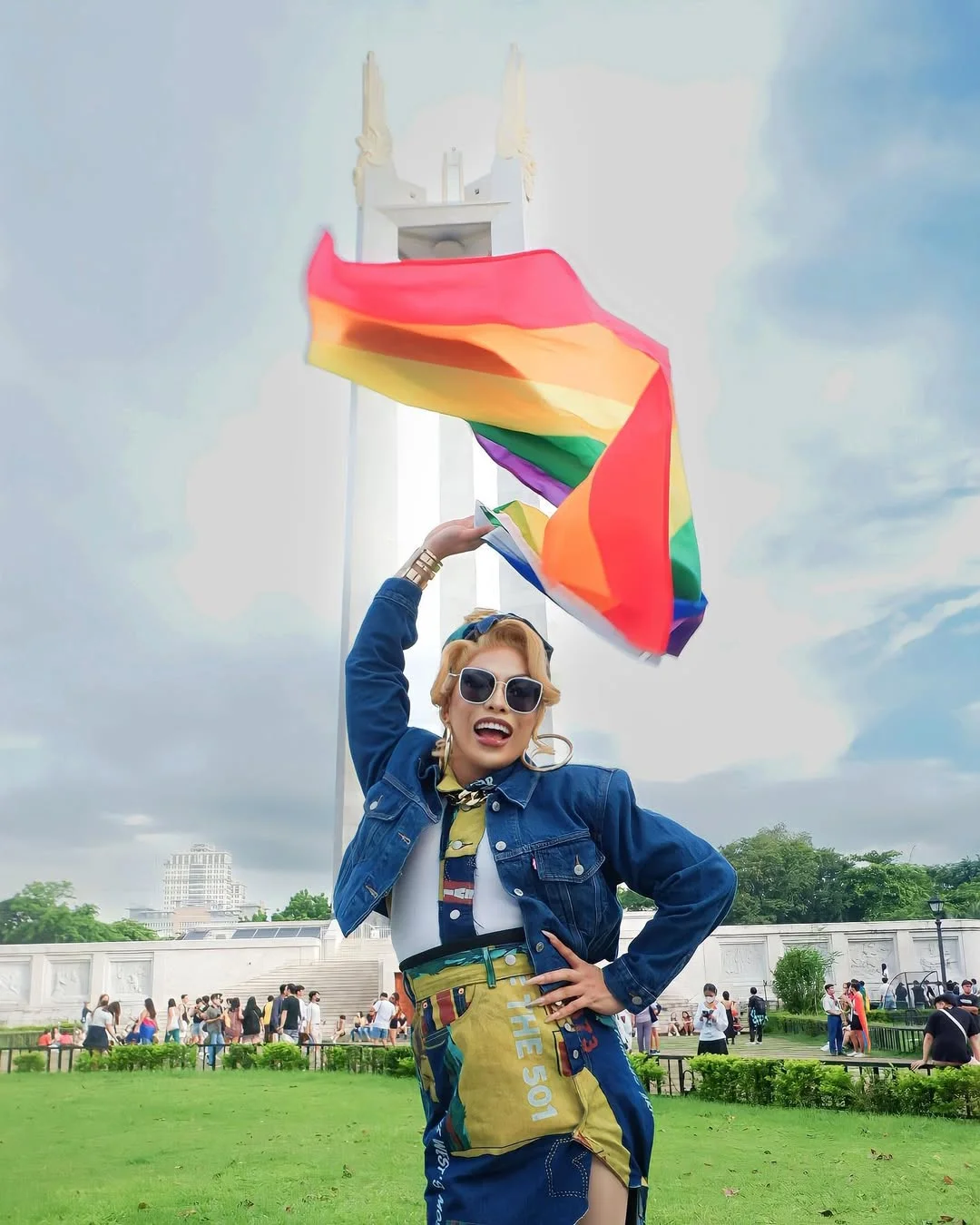
Every June, dozens of events are held all over the Philippines to celebrate, commemorate, and advocate for Pride, and everyone is welcome to attend, join, and march for the betterment of the community. Just remember what the whole point of these events is about.
You’re there in the spirit of inclusion, acceptance, and solidarity, not to clout chase on social media or see your favorite artist and then leave. Be there and support the community for the right reasons. And when we say support, we mean support the whole spectrum of the community, not just one or two letters. If you want to take your allyship a step further, also consider joining or supporting LGBTQIA+-centric organizations that advocate for the community’s advancement.
Make a Safe Space for the Community
Allyship can make a profound impact even if you do it in your own circles. It starts with making LGBTQIA+ individuals, whether it be your family, friends, or even random strangers, feel safe. A safe space can come in many forms. It can be an establishment, a home, or even an online community. More than just posting on social media, what matters is that we ourselves are a safe space and make the community feel welcomed through basic human interactions.
For starters, treat them normally and see them for who they are as a person, not for their sexual orientation or gender identity. Don’t use terms like gay, bakla, and the like as an insult. Avoid asking intrusive questions. Also, speak to them using more inclusive language, such as their preferred pronouns and names. And if you don’t know, ask, because it doesn’t hurt to be respectful.
Be Open to Educating Yourself
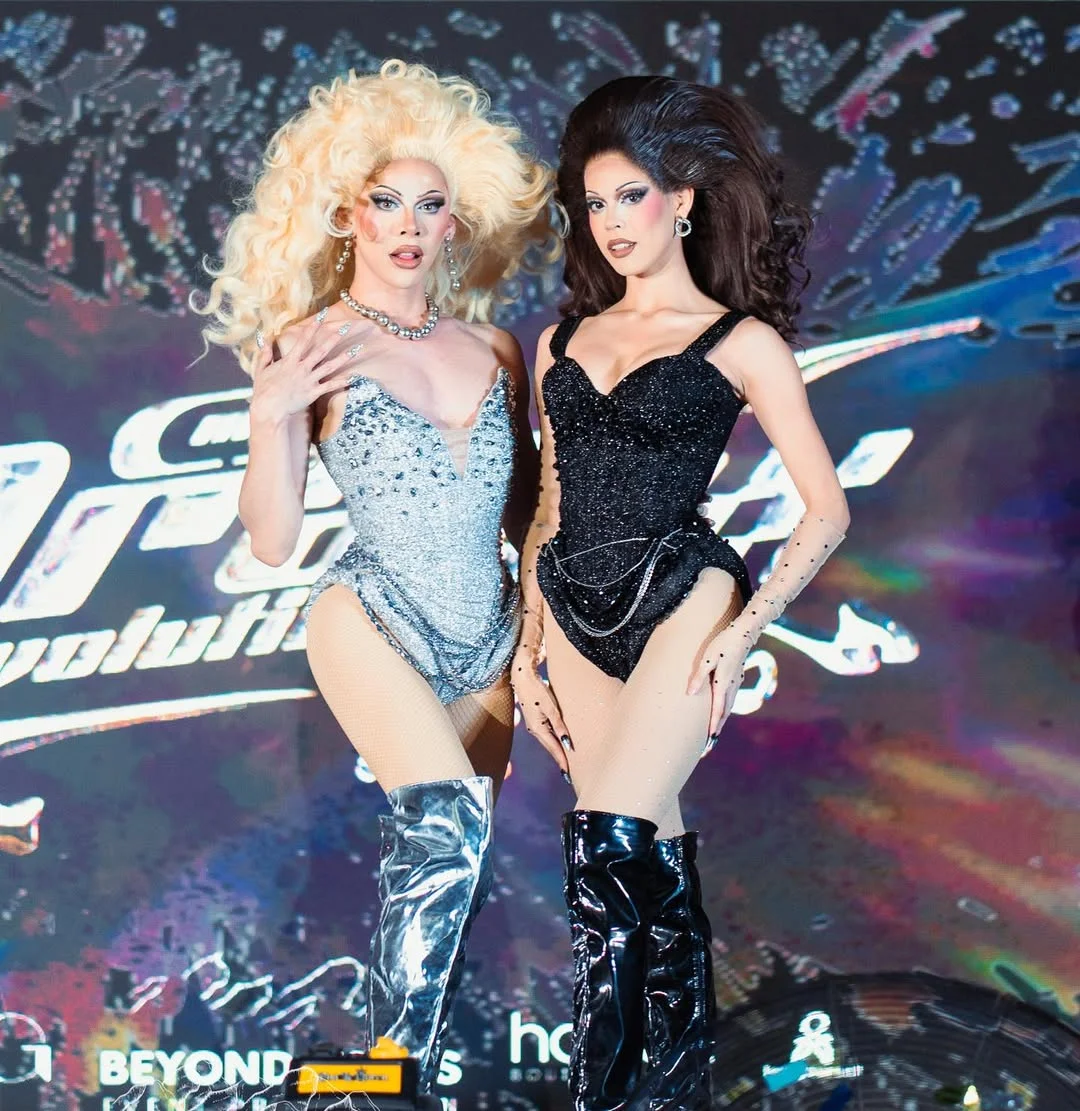
When it comes to being a good ally, it starts with education. Yes, it’s ok to not know everything. But it’s not ok to stay purposefully ignorant. Take the time to educate yourself on the proper terms, labels, names, meanings, and the like. We live in a heteronormative society, so you may have to unlearn what you’ve been taught and told before to understand the community.
Don’t be afraid to challenge your biases, stereotypes, assumptions, and privilege. A good ally isn’t afraid to admit when they’re wrong and give themselves the time to do and be better. You may not get it all in one sitting (and that’s fine), but as long as you’re trying, you’re on the right path. Knowing and understanding are the first steps to acceptance and inclusion.
Don’t Put Yourself at the Center of the Conversation
You are there to be a friend and supporter, so open up and be willing to listen and learn what the community has to say. More importantly, you aren’t there to dictate how they should feel because invalidating their experiences is the last thing to do. Drop the assumptions, don’t trivialize the situation, and let them share their stories and what they want to tell you. And there’s no need to overthink this. Just show up, be a decent human being, be kind, and lead with your heart.
Being an Ally Is an Act, Not Just a Label
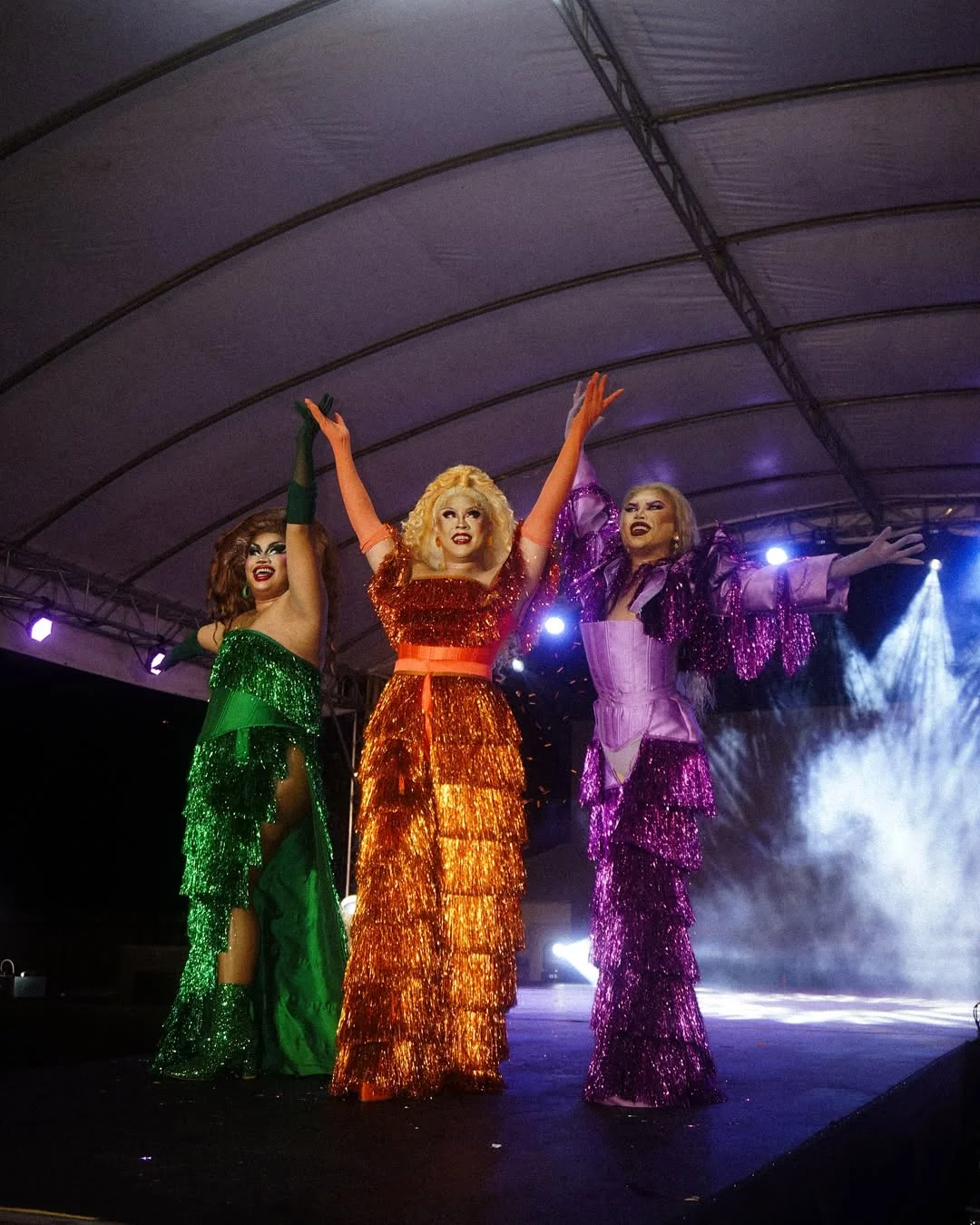
In the age of social media, we sometimes fall into the trap, whether intentionally or not, of wanting to score moral superiority points to make ourselves feel better, and being an LGBTQIA+ ally is part of that. However, allyship should never be used as a sticker to put on yourself or a status symbol to show that you’re somehow better than other people.
It should be a commitment that goes beyond being a label. There’s no room for performative allies here. Allyships shouldn’t come with limits and conditions. Pride is a protest, after all, and will continue after June is over. Discrimination and harassment don’t have days off, and neither should being an ally.
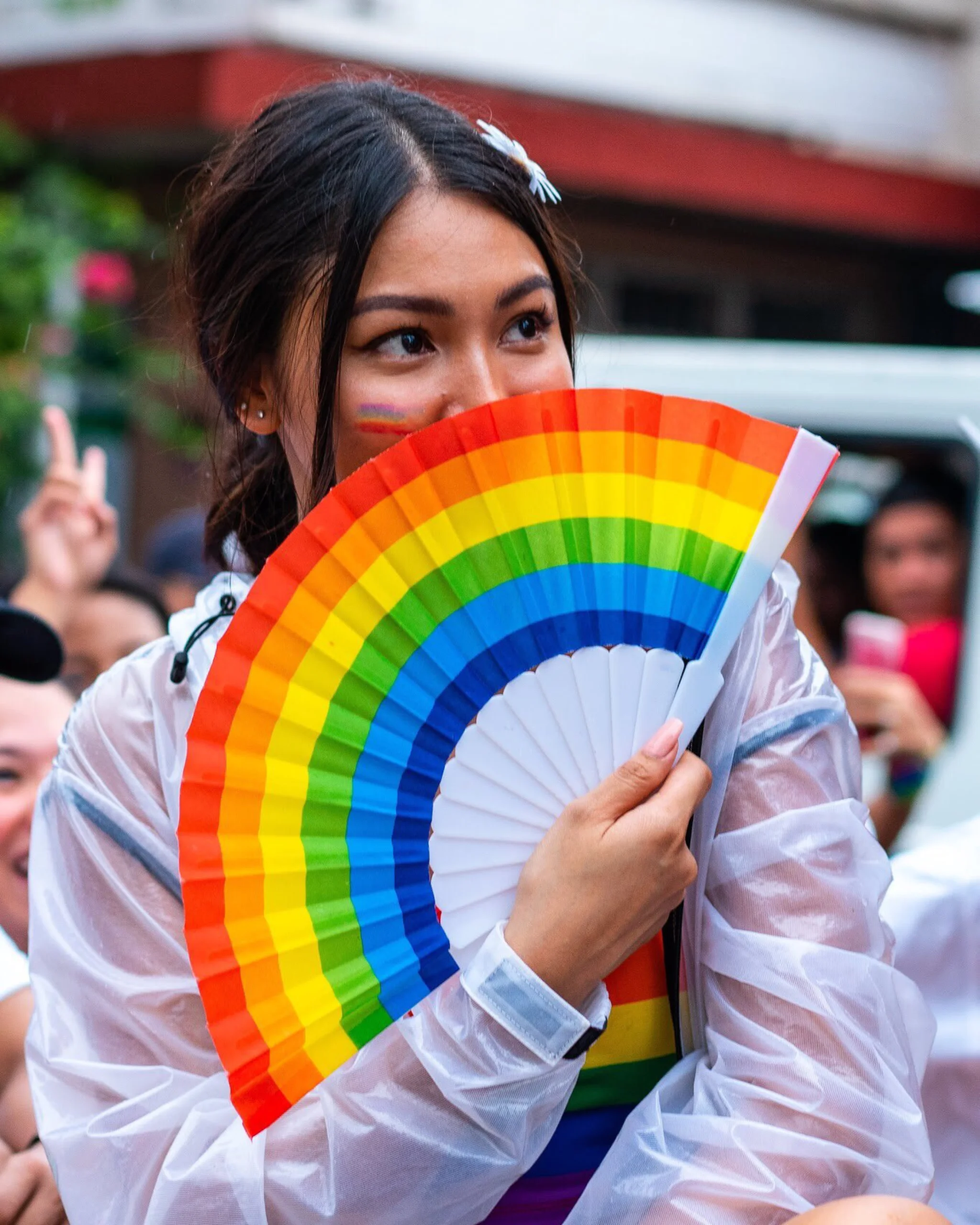
Featured Image and Photos: EVA LE QUEEN, (via Instagram), NAIA BLACK (via Instagram), HANA BESHIE (via Instagram), NADINE LUSTRE (via X)
Frequently Asked Questions
Being a straight ally means actively supporting the rights, dignity, and inclusion of LGBTQIA+ individuals — not just during Pride Month, but as an ongoing commitment. It involves listening, educating yourself, using inclusive language, and standing up against discrimination in your own circles.
Genuine allyship is defined by consistent action rather than public gestures or social media posts. It means treating LGBTQIA+ individuals with respect, using their preferred pronouns, avoiding intrusive questions, and advocating for them even when no one is watching.
Straight allies can attend Pride events in a spirit of solidarity, join or donate to LGBTQIA+-focused organizations, create safe spaces in their homes and social circles, use inclusive language, and commit to ongoing self-education about the community’s experiences and history.
Pride remains relevant to non-LGBTQIA+ individuals because discrimination, harassment, and inequality affect everyone’s communities. Allyship from people outside the community amplifies advocacy efforts and helps normalize inclusion in homes, workplaces, and public spaces throughout the Philippines.
Creating a safe space starts with basic respect: using correct names and pronouns, avoiding offensive language, and not asking invasive questions about gender identity or sexual orientation. It means making LGBTQIA+ individuals feel seen as whole people — not defined by their identity alone.

Recommended Video
Latest Posts


Latest Issue