



At the start of the year, it felt like everyone and their mothers wanted to get their hands on the viral Adidas Chinese New Year Tang dynasty-inspired jacket. Originally only available in Mainland China, Hong Kong, Macau, and Taiwan, the jacket became the must-have item of the moment. While there’s nothing wrong with wanting the jacket because you think it looks good and would fit your wardrobe, the discourse that surrounded the rare item also revealed how some people wanted it because of its exclusivity.
Instead of being a nice jacket to wear, it became a status symbol of how you could both afford and get access to one. In that, it showed the pitfalls of building identities and personalities around what’s trending, instead of things that you just like. And it’s become more noticeable in the age of social media.

“Clean girl aesthetic”, “aura farming“, “looksmaxing“. If you’re familiar with any of these terms, chances are you’ve been exposed to internet trends and online virality. They are a main conversation driver on social media. It happens so often that trends have even spawned subcategories called microtrends, basically trends or fads that last a month at best. As this is the nature of social media, it’s not necessarily a bad thing, but because of how frequent and prevalent they are, these trends aren’t just relegated to social media platforms, but inadvertently shape who we are as people.
Scroll on any social media platform these days, and it feels like we’re handed a personality on a plate, with algorithms putting all kinds of optimized content on our feed. Every day, there’s something new social media wants you to know, try, or buy. But while there is knowledge in power, there is also power in realizing that who you are shouldn’t be determined or based on the new social media trend of the week. You are your own person, and no microtrendMicrotrendA short-lived trend, often born and amplified on social media, that rises quickly and fades within weeks or months. Microtrends, such as colors, silhouettes, or aesthetics, fuel rapid buying cycles,Go to Microtrend Glossary of the week should change that.
RELATED: 6 Mindsets We’re Taking With Us and Embodying in 2026
My New Personality Trait
Social media can open you up to all kinds of worlds, communities, and ideas you never thought possible. Connection remains one of the best things about social media, but it can’t be denied that the online space has become a dumping ground of advertisements parading as content. Whether you realize it or not, you are exposed to hundreds of “ads” each day that influence your decision-making.

Every other TikTok video on your FYP feels like you’re being informed about a new macro or microtrend in beauty, fashion, pop culture, and more. This is especially true in how social media feeds prime us to want to constantly upgrade our lives, regardless of whether we actually need to or not.
According to the internet, ube is the new matcha and one of the trendiest ingredients in 2026 to include in everything from coffee to bread. Ilocos empanadas, meanwhile, went from a beloved street food to finding itself in the same conversation as Dubai chewy cookies. While seeing these two local delicacies get the spotlight feels nice, you can’t help but notice that some of the hype surrounding them doesn’t feel wholly genuine.
Personality On A Plate
Every week brings a new microtrend to try, lifestyle to emulate, or aesthetic to copy. The problem lies when buying into or participating in these trends isn’t done primarily out of practicality, but with the desire, whether conscious or not, to signal social status that you look the part.
Social media has made an environment where the need to try the new hotness, aesthetic, or lifestyle making the rounds online is prevalent. That can be a dangerous road to go down, personally and financially, not to mention how it can warp perspectives in a way that limits our worldview. Being in constant search of trends will eventually lead you to lose yourself in the process. Personal style and taste have turned into looking and appearing a certain way online that reflect the trends of the moment.

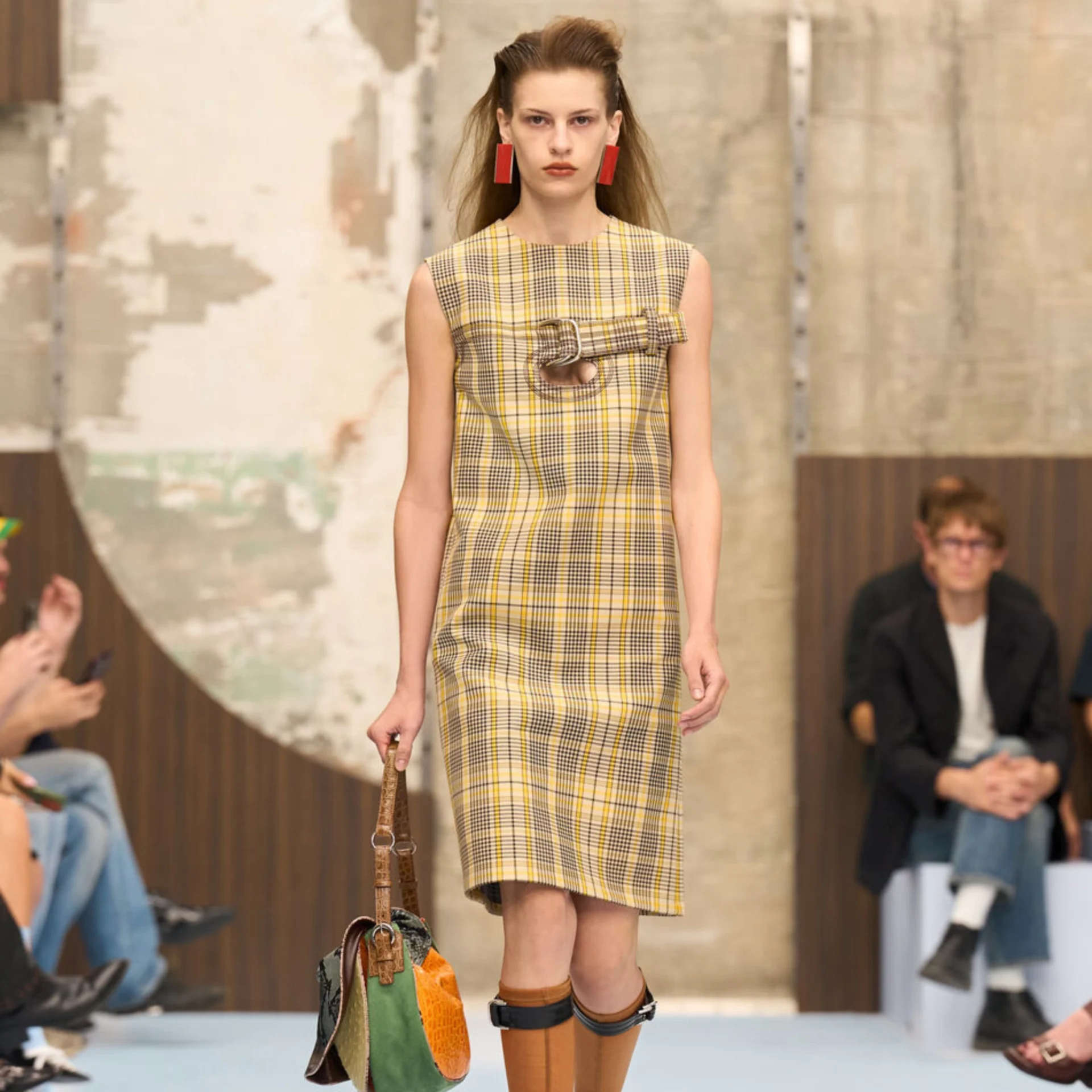
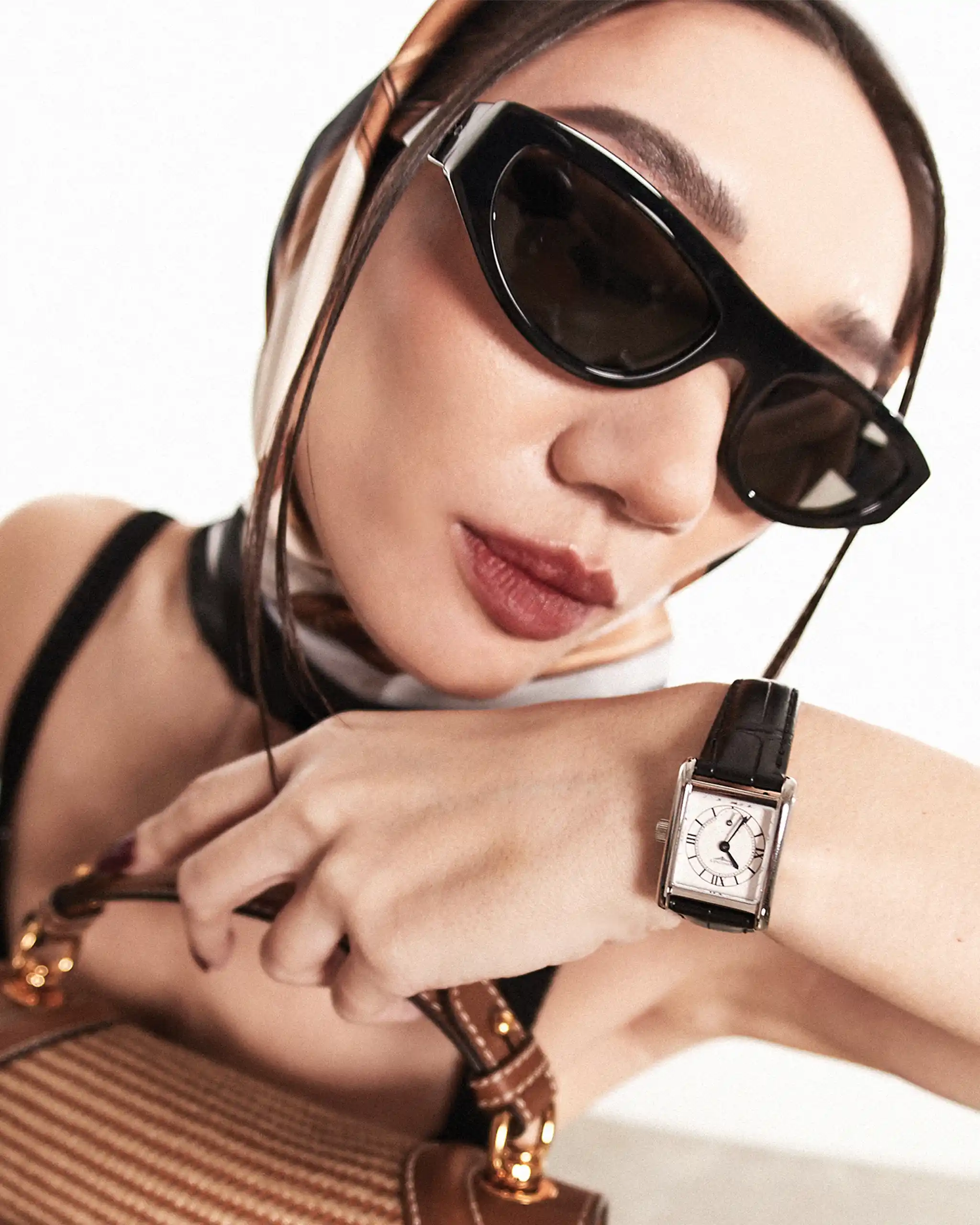
What should be personal or unique to you transforms into a form of cosplay where we identify as some sort of brand instead of being ourselves. One day, everyone wants to copy the quiet luxury aesthetic, and the next, it’s Carolyn Bessette Kennedy’s ‘90s style that’s on the moodboard to emulate. It’s an act that reduces us to labels where personalities are packaged and optimized for the feed.
Basing your online and offline personality on every trend, meme, and joke that comes across your feed robs you of your individuality. Sure, it’s ok to be in the know and expand your knowledge, but don’t make it a habit to constantly shift your style and preferences based on what TikTok tells you. Moving from one microtrendMicrotrendA short-lived trend, often born and amplified on social media, that rises quickly and fades within weeks or months. Microtrends, such as colors, silhouettes, or aesthetics, fuel rapid buying cycles,Go to Microtrend Glossary to another is unsustainable, inauthentic, and not the way to live life.
Be Your Own Person
In one form or another, we’re all being sold something on social media. The latest and greatest trends, tips, tricks, and hacks are paraded on our feeds as things we need to do now. At its core, it’s ok to be curious and check out harmless trends. But there’s a distinction between trying trends and making it who you are. A personality is built with the aid of experiences, but it is and should not be wholly formed by what you see online. They are trends, after all, and not canon events that should be absorbed into your person.

Don’t let social media define who you should be because that’s up to you to decide, form, and make whole. You’re your own person, not an extension of a microtrend that will be forgotten by the end of the week. Do it because you like it, not just to look like you know what’s hot right now. As with everything you see online, take trends with a grain of salt. Don’t take everything at face value. Critical thinking is not just something you’re taught (or should be taught) in school; it’s a useful life skill to practice.
It’s in these moments that you ask yourself, do I want it, or do I want others to see that I have it? Social media can get loud and overwhelming, but that doesn’t mean you have to always listen to it. At the end of the day, you have the power to mute out the noise and sift through the content that comes across your feed. Figure out what’s best for you and what you really want. This is your journey, so don’t let others dictate what you should do. Live your life on your own terms, not for the satisfaction of an online audience.
Photos: MEGA ARCHIVES, ADIDAS (via Website)
Frequently Asked Questions
A microtrend is a trend or fad that emerges and fades within a matter of weeks, driven largely by social media algorithms that surface optimized content to users daily. Unlike broader cultural shifts, microtrends are often commercially manufactured — spanning beauty, fashion, food, and lifestyle — and spread quickly because platforms are designed to surface new, engaging content constantly, rewarding novelty over substance.
Chasing microtrends can erode individuality by replacing genuine personal taste with whatever aesthetic or lifestyle is currently performing well on social media. When identity is built around trends rather than authentic preferences, personal style becomes a form of cosplay — optimized for the feed rather than reflective of the self. The cycle is also financially and emotionally unsustainable, as each new trend renders the last one obsolete.
Following a trend out of genuine curiosity or aesthetic appreciation is distinct from building an identity around it. The key distinction, as explored in this piece, lies in motivation: doing something because you like it versus doing it to signal that you know what is currently relevant. Personality is formed through experience and genuine preference — not by absorbing whatever TikTok surfaces on a given week.
The Adidas Chinese New Year Tang dynasty-inspired jacket — originally exclusive to Mainland China, Hong Kong, Macau, and Taiwan — became a viral must-have item at the start of 2026. Its appeal for many went beyond aesthetics: the jacket became a status symbol tied to exclusivity and access. This dynamic illustrated how microtrend culture can reduce desirable objects from personal style choices into signals of social positioning.
Developing a personal style independent of microtrends requires distinguishing between what you genuinely like and what you are being sold. Practical steps include questioning whether desire is driven by personal taste or by the visibility of owning something trending, reducing passive consumption of trend-led content, and returning to clothing, aesthetics, and habits that feel authentic outside of any particular online moment. Critical thinking, the piece argues, is as applicable to your wardrobe as to any other area of life.