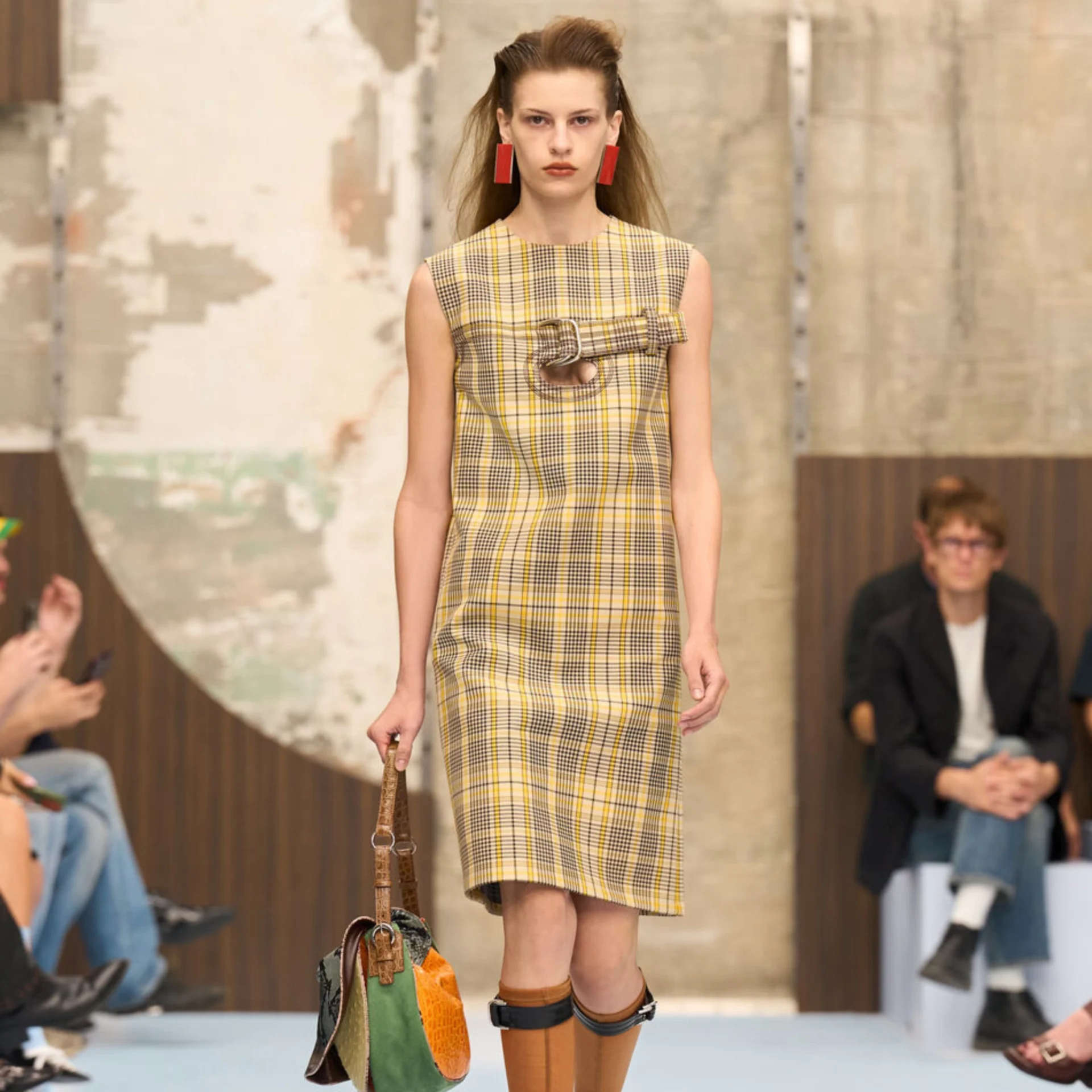





Once synonymous with early-2000s nightlife and Hollywood’s best-dressed elite, the bandage dress (generally also known as the bodyconBodyconShort for body-conscious, a style of clothing made from stretchy, form-fitting fabric that closely follows the body's contours. Popular in dresses, skirts, and matching sets, bodycon suits confident, statement-making looks,Go to Bodycon Glossary dress) is squeezing its way back into relevance. We’ve seen it before on Gossip Girl, usually sprinting dramatically down the steps of the Met in five inches of Hervé Léger, hair tousled, clutch forgotten, and the immortal words on her lips: “I have to go.” Serena van der Woodsen didn’t just wear bodycon—she fled in it. Yet the bandage dress predates the Upper East Side’s fictional it-girls, and rather exists on its bombshell structure.
RELATED: Filipina Fashion Diaries: What It’s Like to be Young and Studying Fashion in New York
Tight Dresses, Tighter Narratives
The bandage dress, in all its body-hugging glory, was originally created by French designer Hervé Léger in the early ’90s. Woven from elasticated strips of knitted cloth, it was garment with a grip: a dress that held you, quite literally, together. Alaïa took a similar approach to stretch and structure, though with more sculptural subtlety.
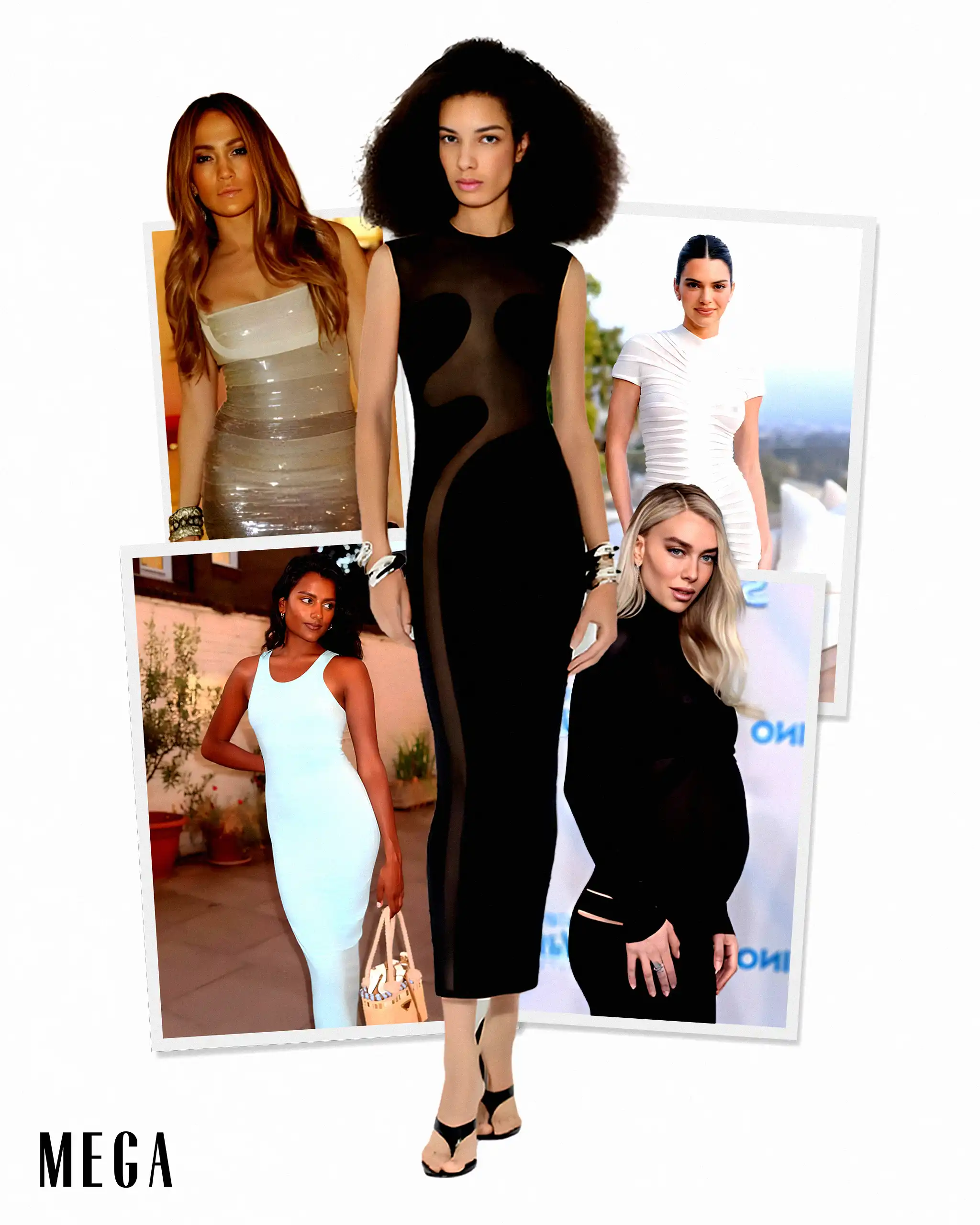
By the 2000s, Léger’s design became the unofficial after-dark uniform of a very specific fame: Kim Kardashian, Rihanna, every red carpet between 2006 and 2012. But with that came the backlash. The silhouette became a shorthand for exclusion—the sort of dress that looked “best” on bodies already aligned with fashion’s narrowest standard: taut, tucked, and surgically divine.
Pressure Point
Nothing stays dead in fashion, only dormant. In 2025, the bandage dress is no longer archived—it’s back on social media.
When Kaia Gerber wore a white bandage dress, aptly named Muse, the Internet practically spiral-bounded itself. The look was a direct homage to her mother Cindy Crawford’s slinky moment at the 1993 Oscars. In the hands of German-Filipino creative director Michelle Ochs of Hervé Léger, the updated silhouette held its attention.

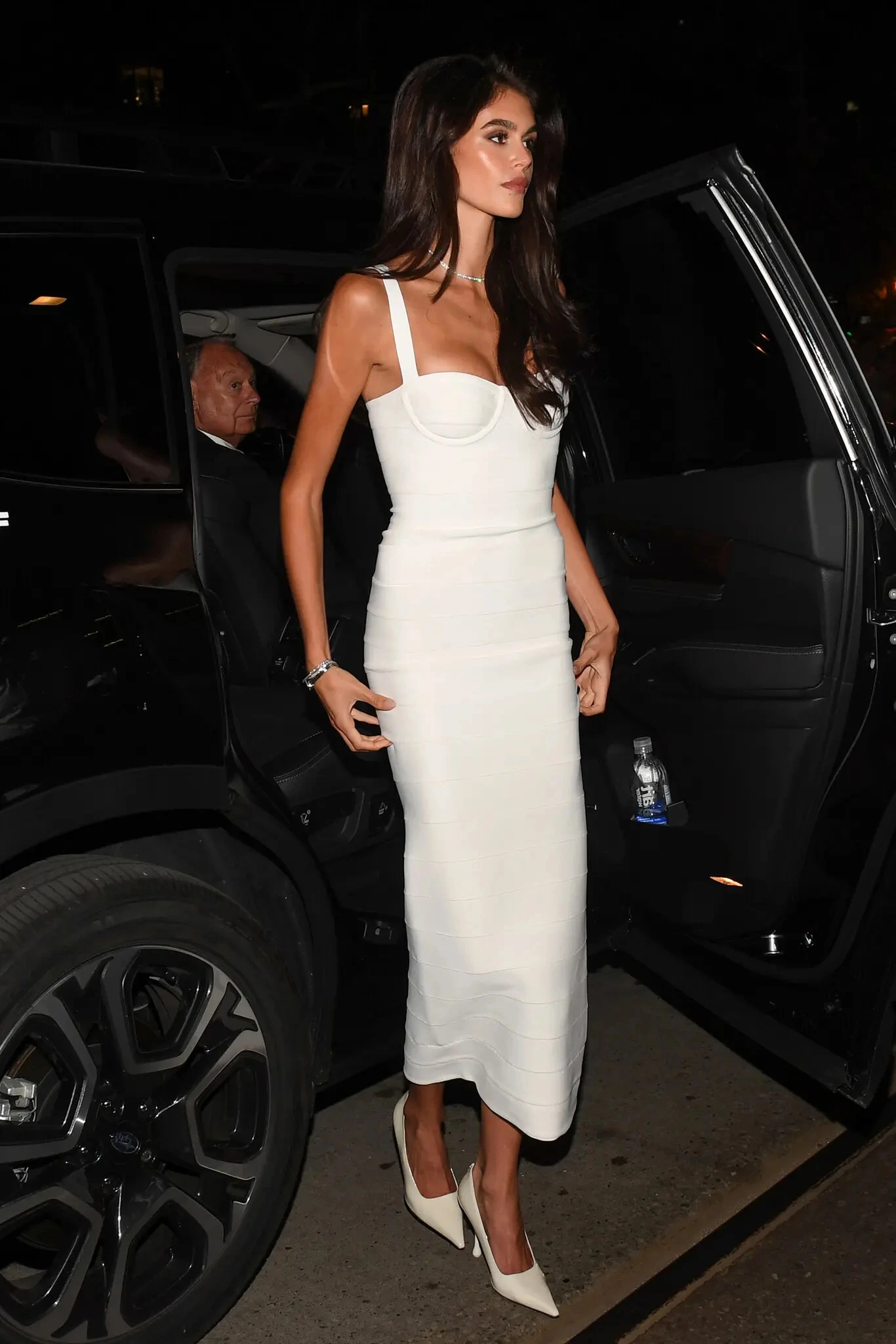
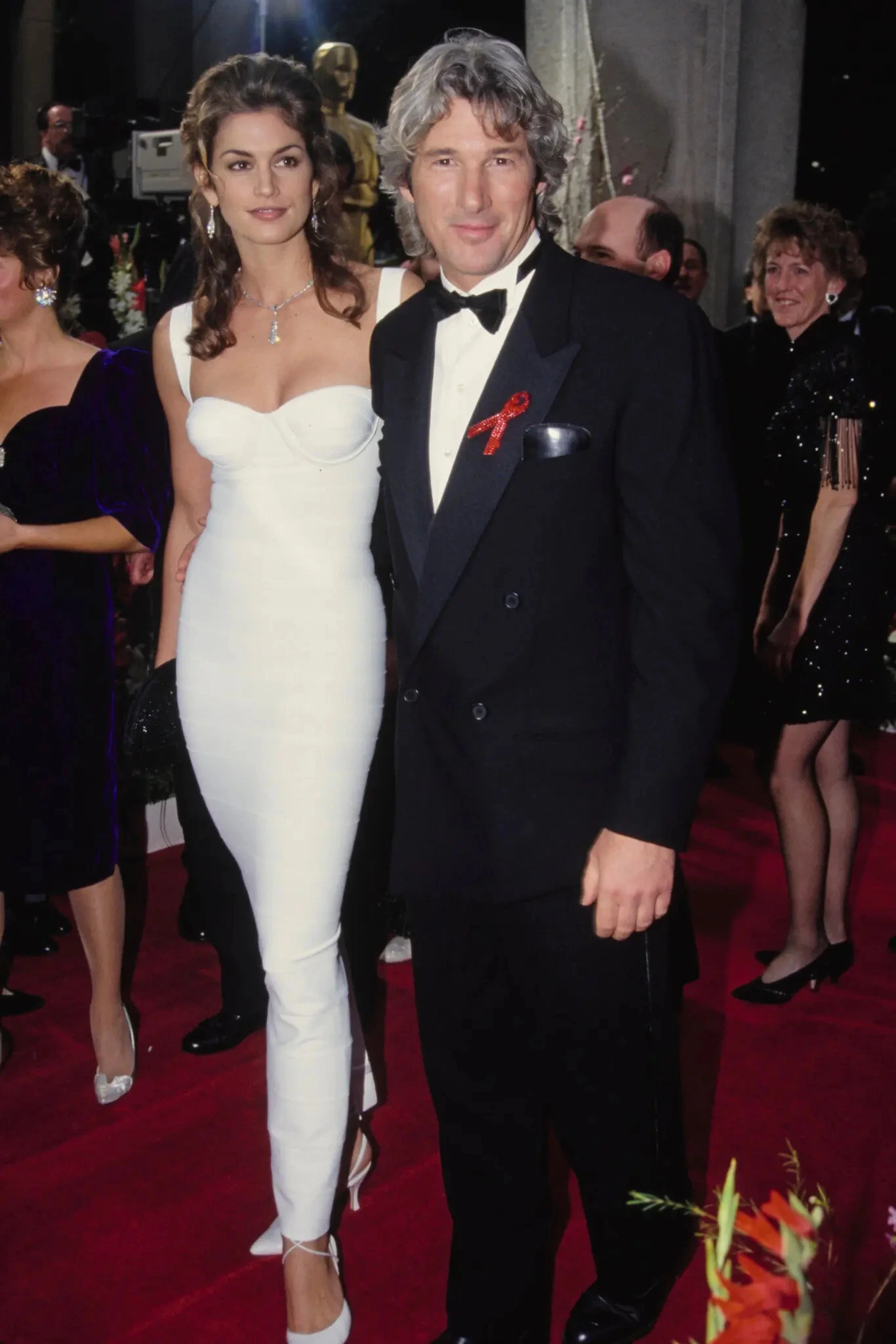
Ochs’ take on the bandage dress is cleaner, sharper, more aware. The tension is still there, but the styling is deliberate; the silhouette, stripped of old glitz, feels sharper in its purpose.
What’s else has changed? Not just the trend cycle, but the psyche behind it.
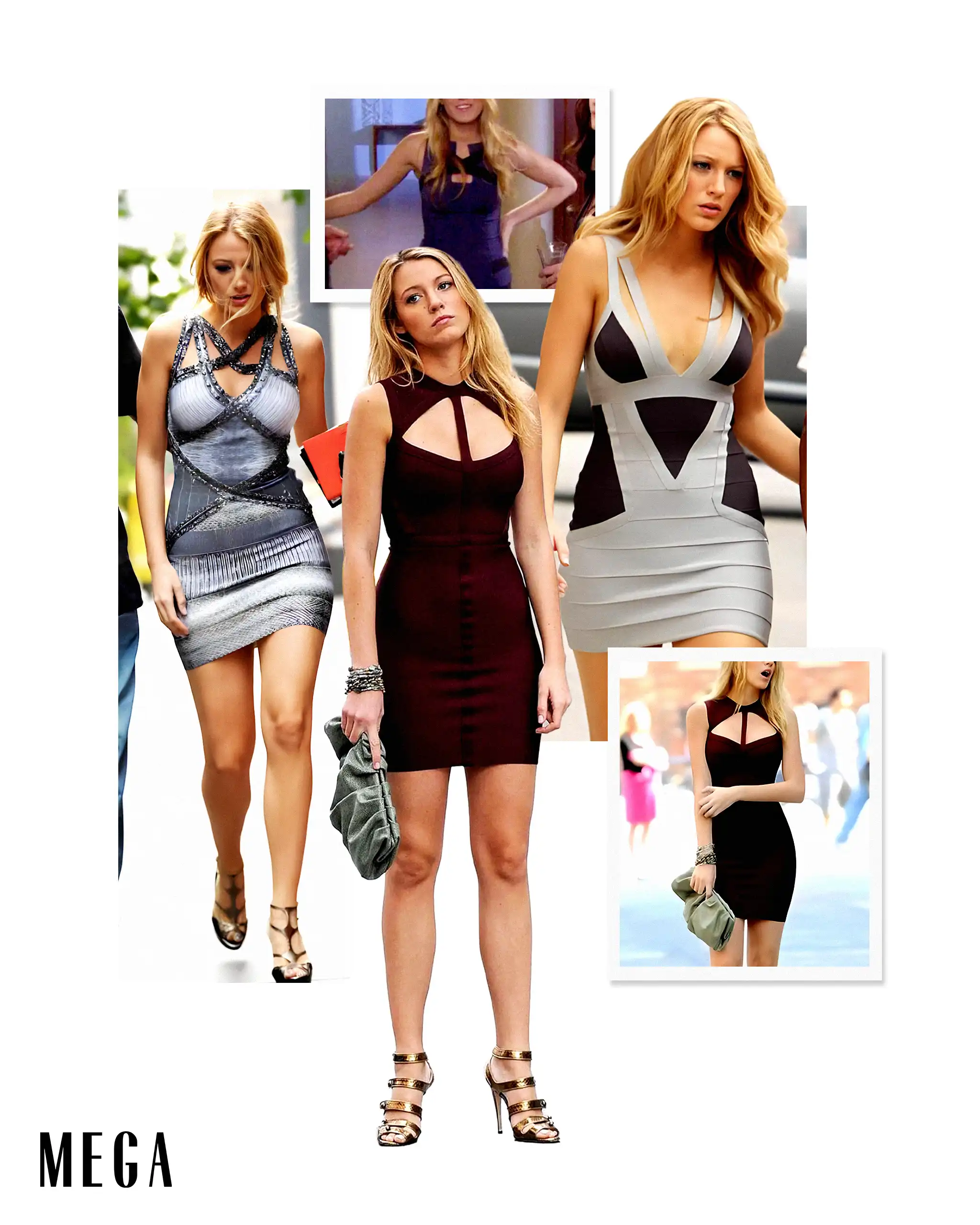
Fashion psychologist Shakaila Forbes-Bell once explained this phenomenon as ‘sensory anchoring’—the comforting pressure of tight clothes acting like a weighted blanket. Compression can be soothing, but there’s more to it than that. Gen Z, the generation said to dress for vibes not validation, is using form-fitting silhouettes as a kind of bodily manifesto. Or maybe a test. Can I wear this and still feel free? Can I control the narrative before anyone else does?
Of course, the timing is thorny. The return of the bandage dress arrives alongside Ozempic-era aesthetics, TikTok-fueled “skinny” trends, and a wellness industry that still upholds beauty standards it claims to dismantle. Add to that the rise of deep plane facelift surgeries and you’ve got a cultural mood board that’s aspiration and also an aesthetic whiplash.
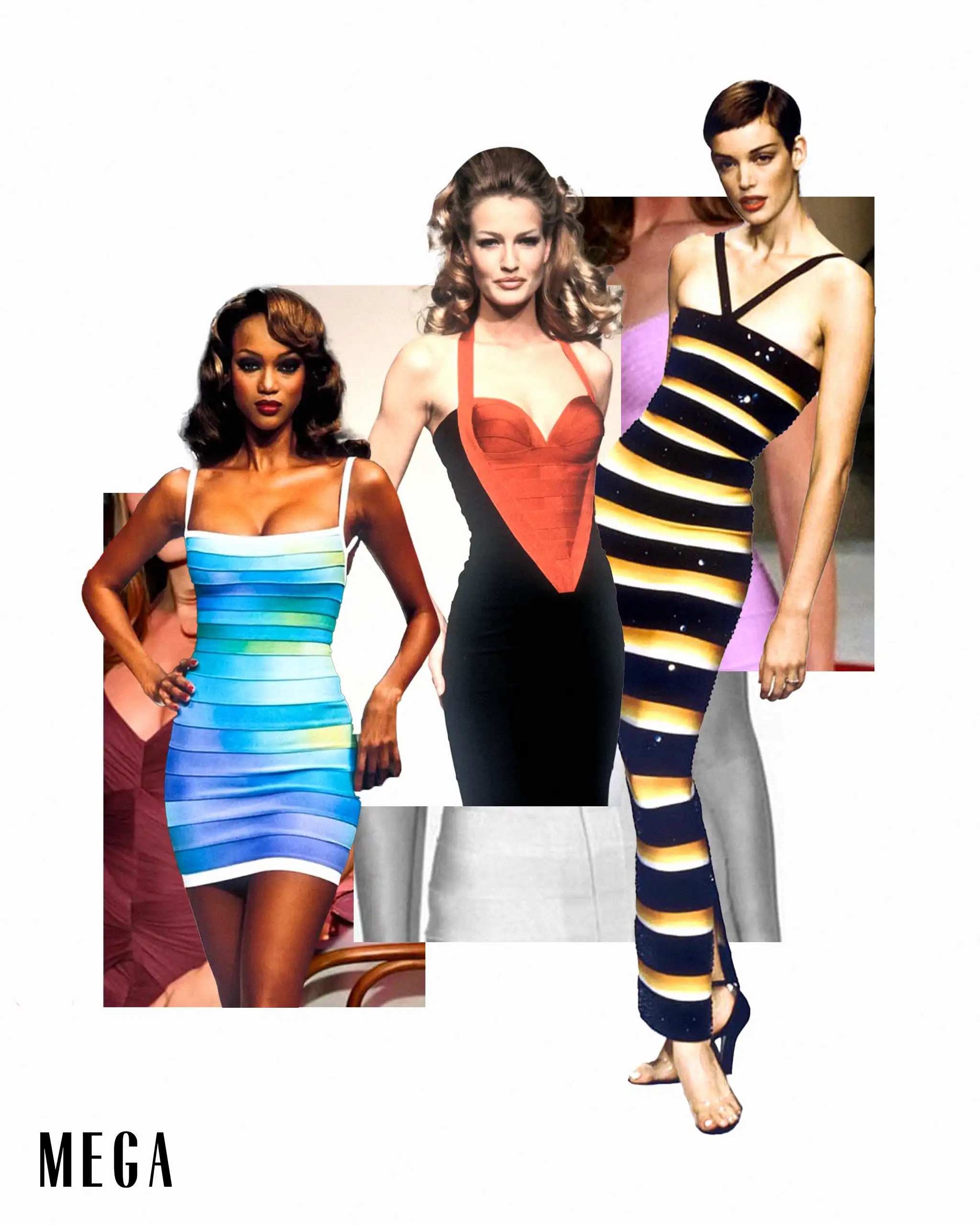
From Compression to Expression
What does it mean to wear the bandage dress now? Is it a reclamation or a regression? A celebration of body autonomy or a submission to once-cancelled ideals? The answer depends less on the dress and more on the dresser.
Other than to look sexy, the key is conscious styling; choosing how you participate in the trend, not letting the trend dictate your worth. The bandage dress existed to compress. Now, if worn with awareness, it can express. The tightness isn’t going anywhere—but the intention has changed.
Photos: HERVE LEGER, ALAÏA (via website), WHAT THE FROCK (via Reddit), and GOSSIP GIRL (via iMDB)