What should the next generation of fashion be made of?
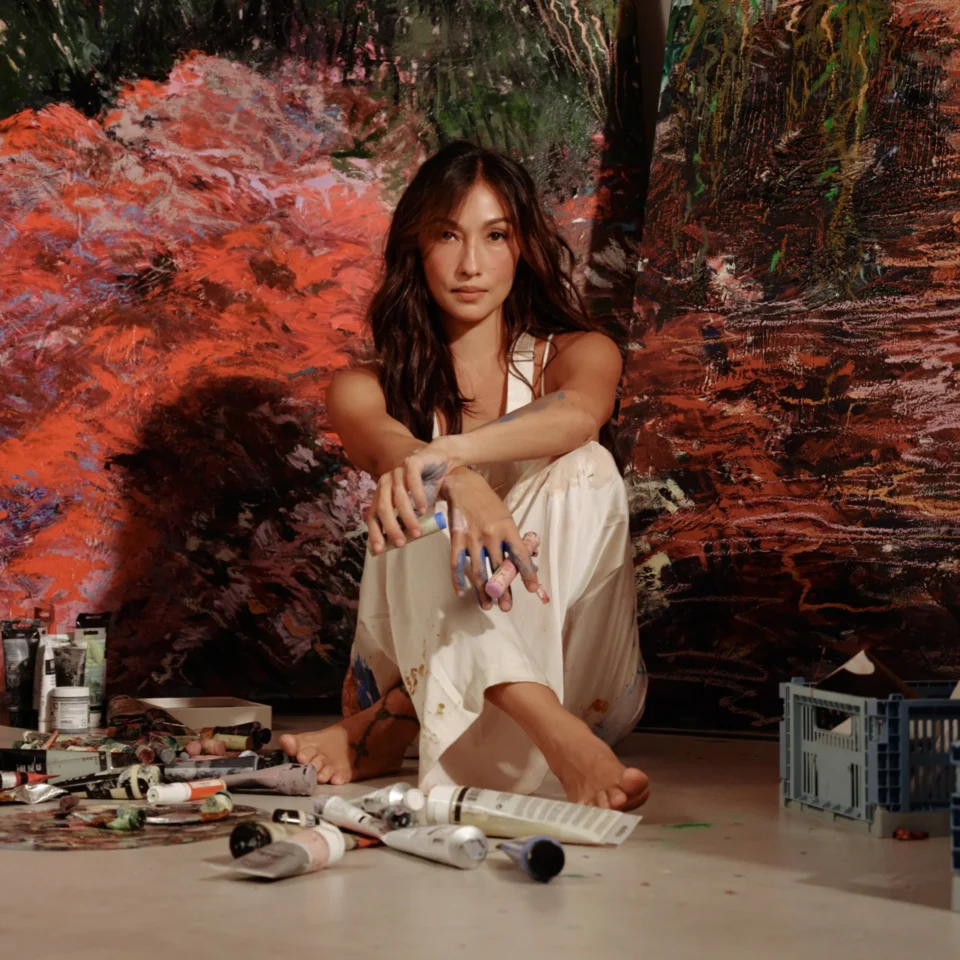
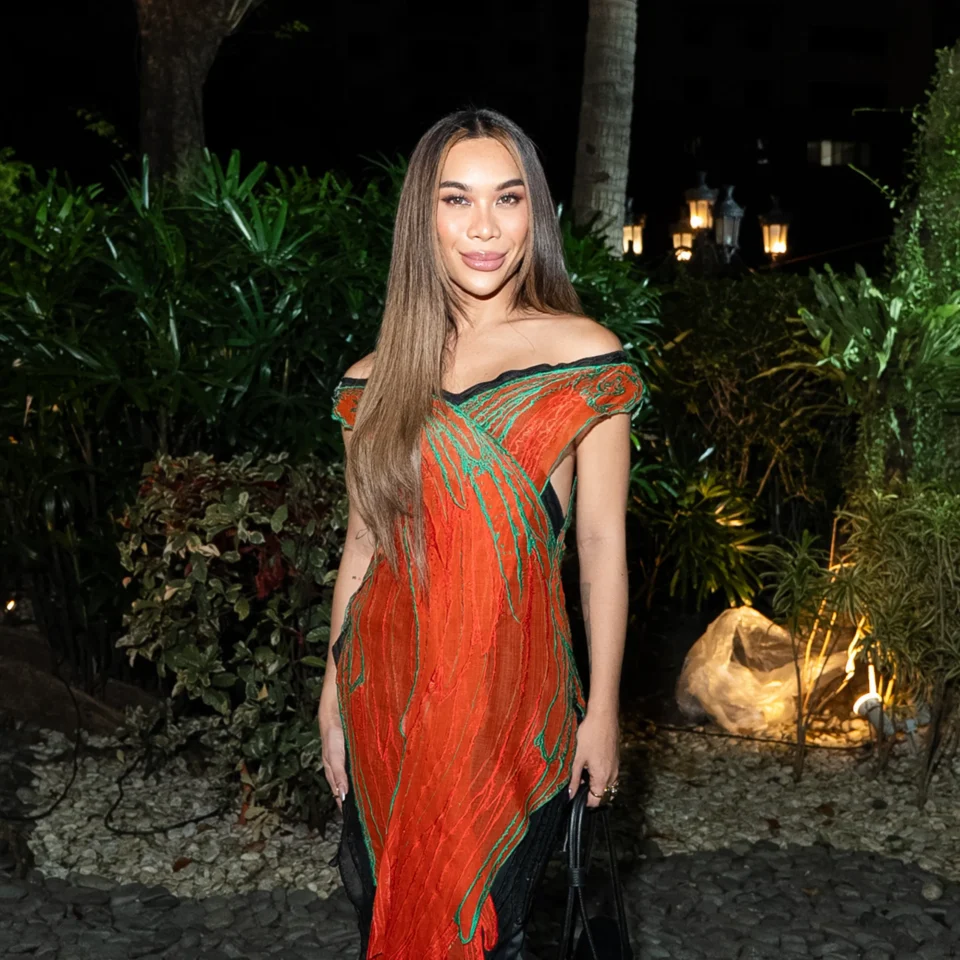
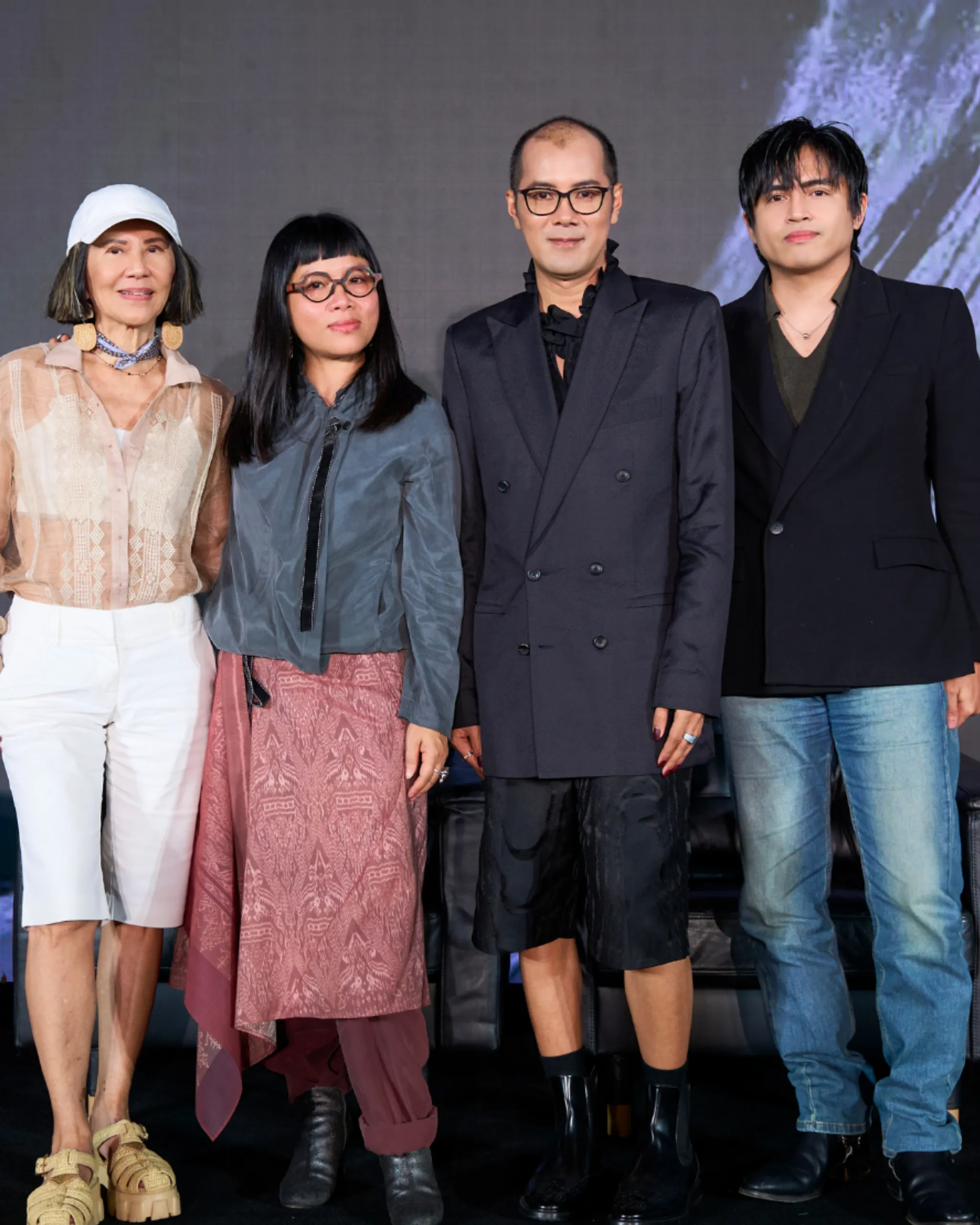
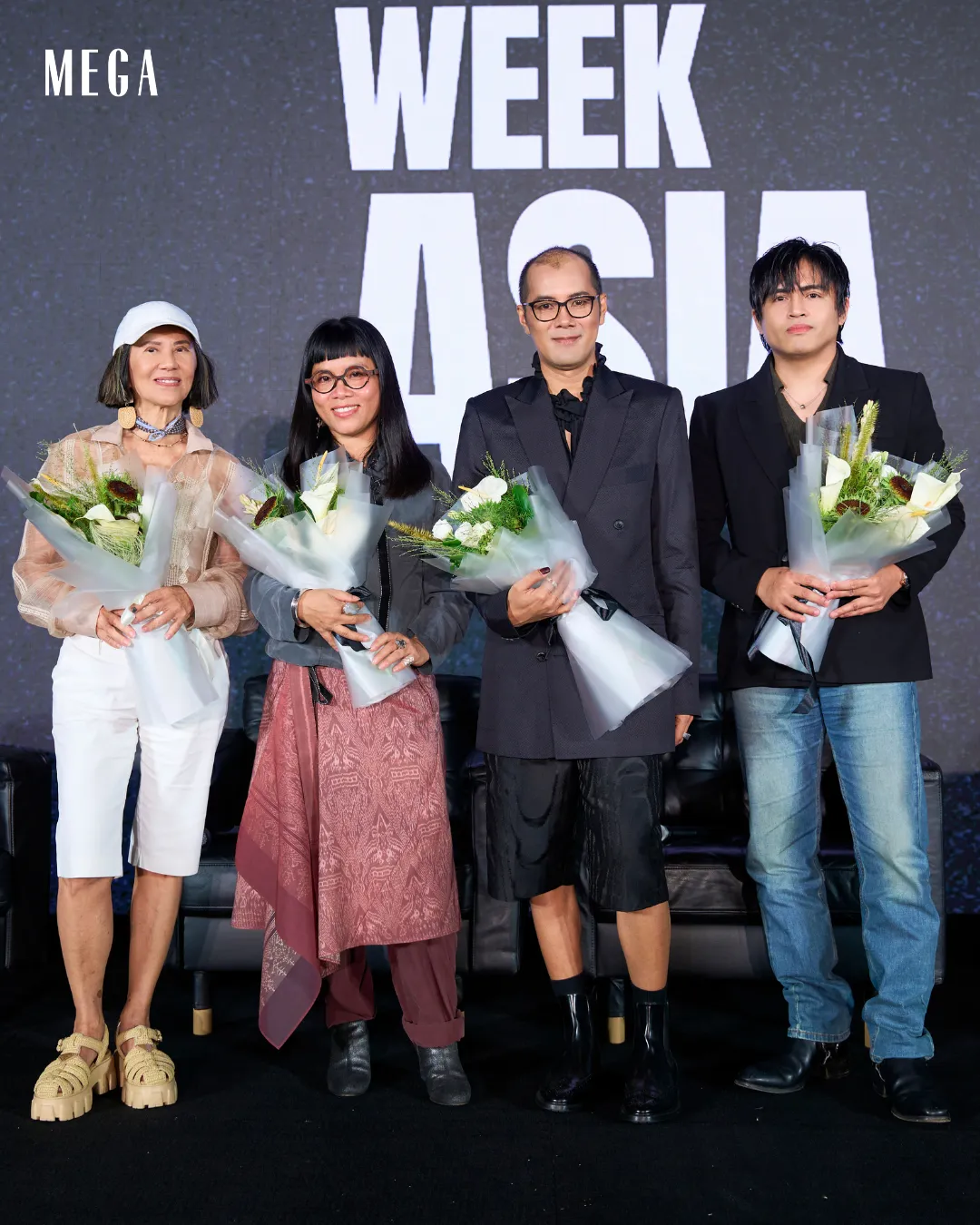
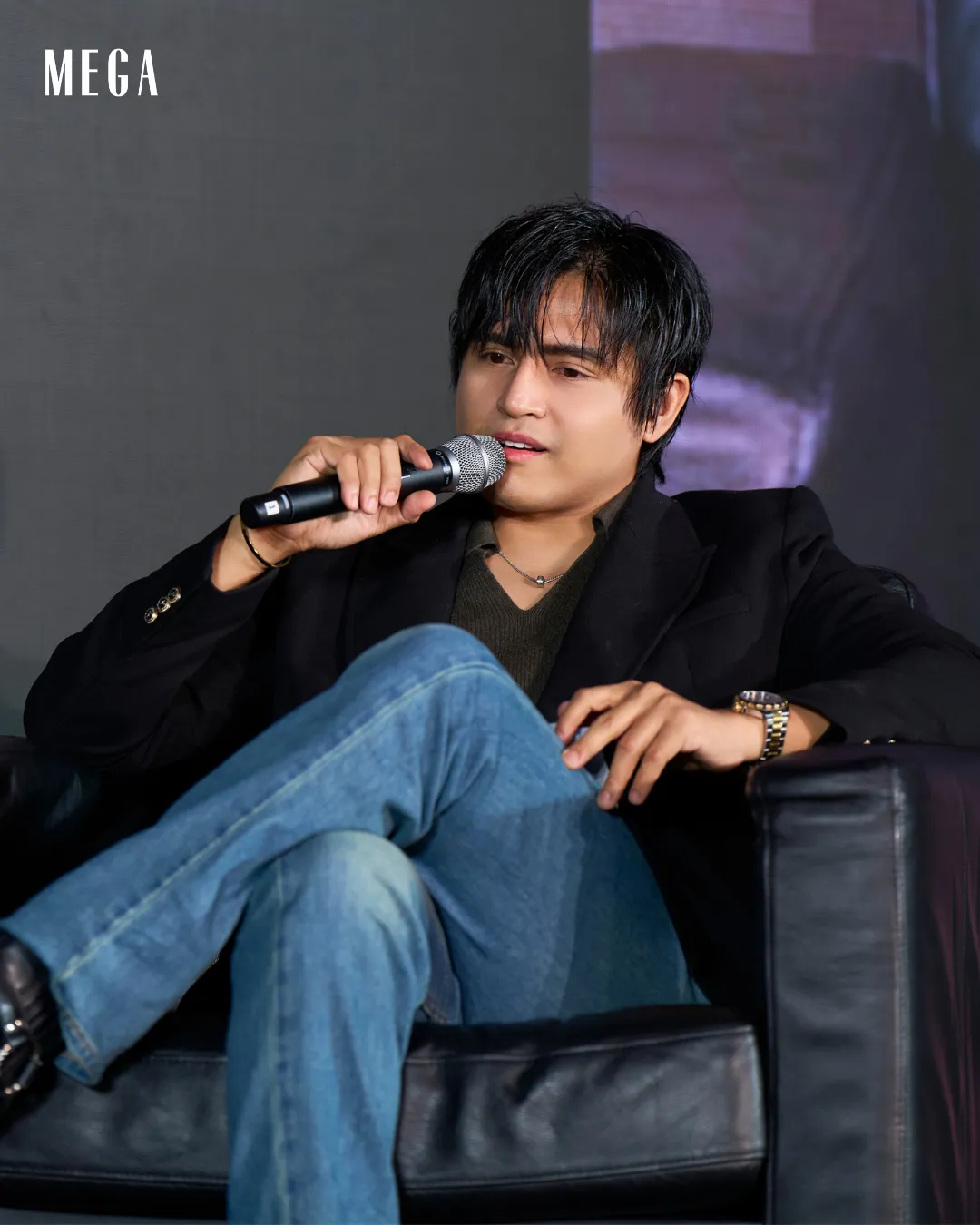
This question anchored “The Material Revolution,” a panel at the Fashion Forward Asia Forum moderated by GQ Philippines Editor-in-Chief Danyl Geneciran. Joined by Wisharawish Akarasantisook, Founder and Creative Director of Wisharawish; Thao Vu, Founder, Designer, and Creative Director of KILOMET109; and Lulu Tan-Gan, artisanal fashion designer of TAN-GAN, the discussion explored how craftsmanship, technology, and sustainability can shape fashion’s future.
At its heart was the idea that fabric is never just fabric. Across Asia, textiles carry the knowledge of indigenous communities, the abundance of native plants, and techniques refined across generations. Preserving this heritage, however, requires more than looking to the past. It calls for an industry that can sustain the people and resources behind it.
RELATED: Fashion Week Asia: Taiwan’s Sophie Hong Is the Virtuoso of Silk
Asian Textiles
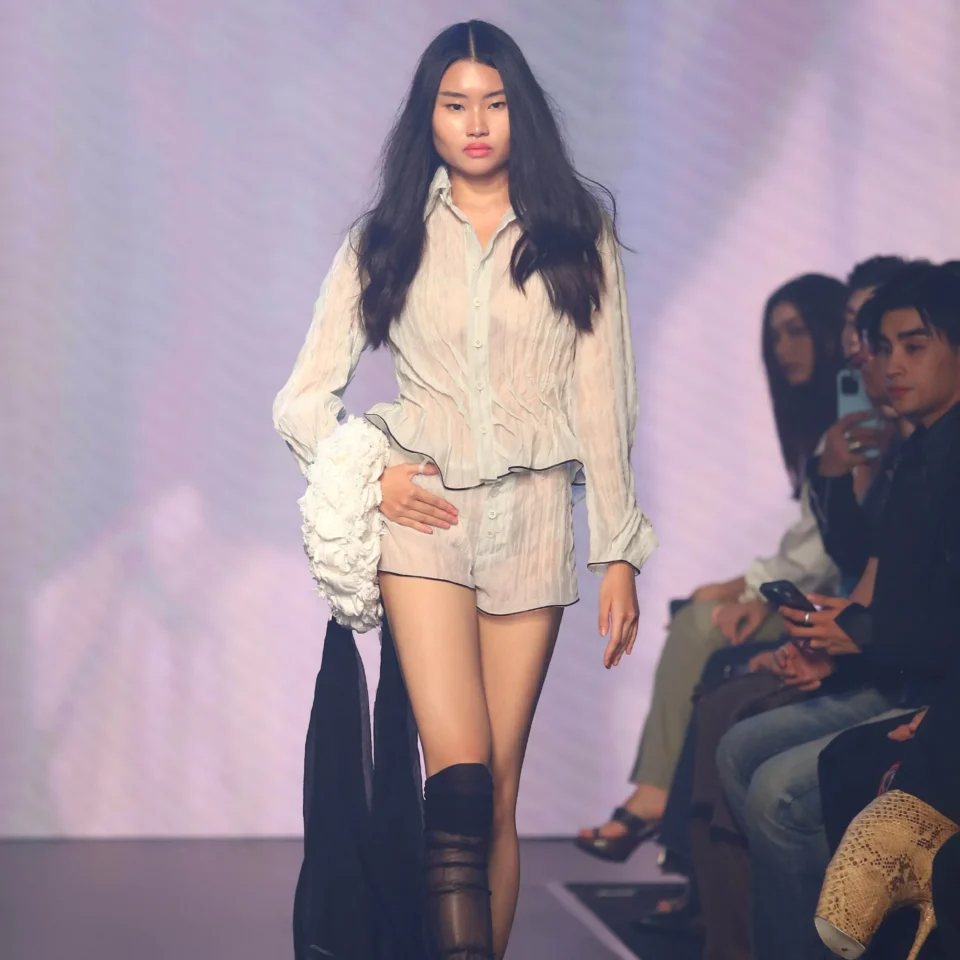
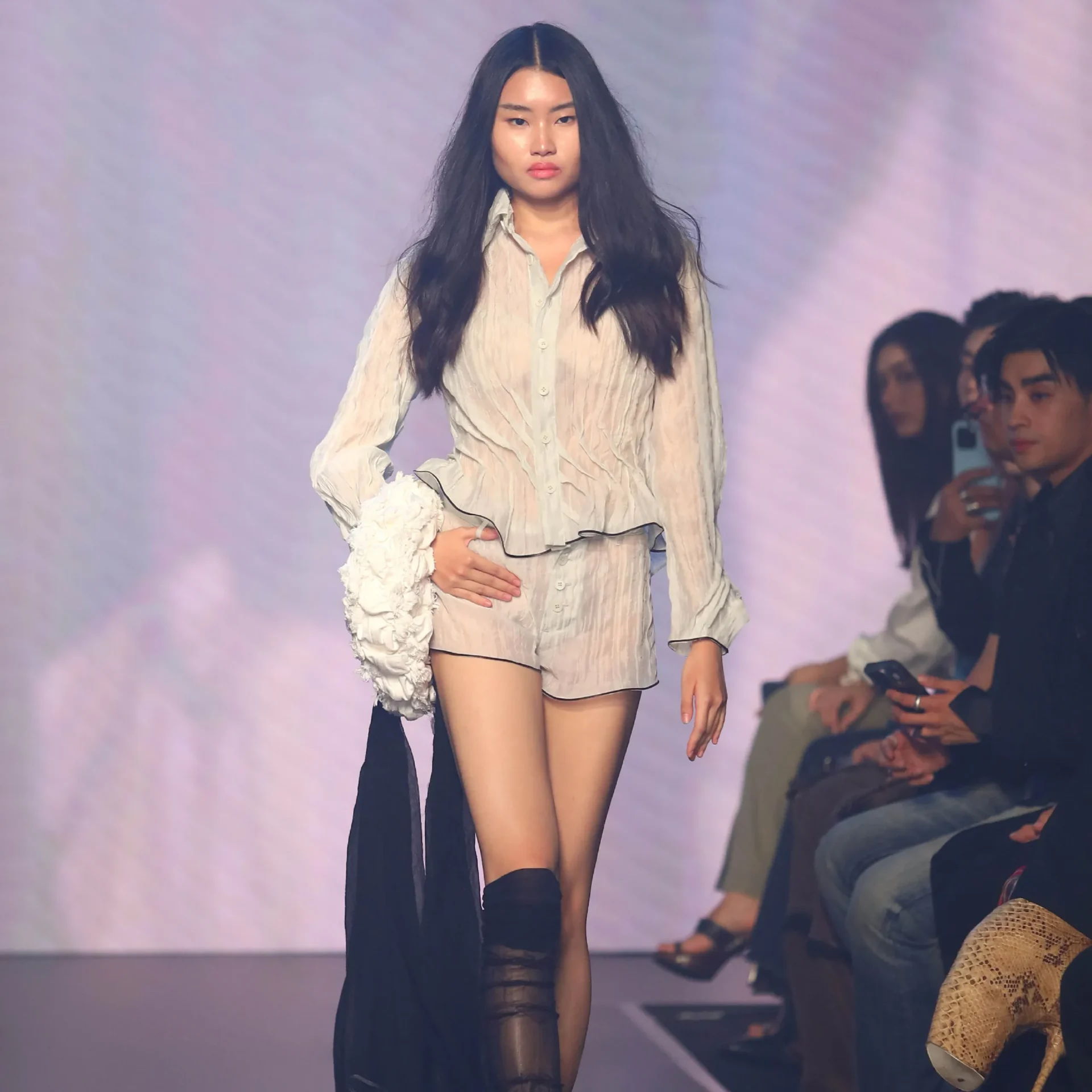
Thailand and Vietnam offer distinct perspectives on the relationship between traditional textiles and contemporary fashion. At Fashion Week Asia, Wisharawish presented handwoven pieces and printed silks inspired by Thai heritage. According to the designer, Thailand’s textile industry is increasingly embracing locally made, nature-friendly products and circularity, with handwoven fabrics returning to both fashion and lifestyle markets.
“Fashion is not just about the fashion,” Wisharawish stated. “We try to connect with local materials to create the work.”
Vietnam, meanwhile, balances large-scale manufacturing with established communities of textile makers and craftspeople. As a major production hub for global brands such as Nike, Puma, UNIQLO, Levi’s, and Lululemon, the country has built a reputation for its textile and apparel manufacturing capabilities. Yet, as KILOMET109’s work demonstrates, its craft traditions remain equally significant.
“The two strengths together set Vietnam apart: It can handle large-scale production for global fashion groups and also meet the demands of high-end, handcrafted design,” Vu observed.
The challenge lies in scaling these traditional practices. Small, decentralized craft communities preserve a diversity of techniques, but their limited production capacity makes mass manufacturing difficult. For labels that prioritize handcrafted textiles, this can mean working against the pace of fast fashionFast FashionA business model of producing inexpensive, trend-driven clothing quickly and in large volumes, often copying runway designs within weeks. While it makes fashion accessible, fast fashion is widely criticized forGo to Fast Fashion Glossary rather than trying to keep up with it.
For Tan-Gan, the Philippines faces a similar challenge. Having brought handcrafted knitwear to Paris Fashion Week and reimagined piña through contemporary design, she sees an industry rich in cultural heritage but still in need of a stronger foundation.
“We have a wealth of indigenous textile traditions, and extraordinary craftsmanship, heritage from the Malays & Christians. Though heritage alone cannot sustain an industry,” Tan-Gan stated.
She believes the Philippines must move beyond isolated pockets of excellence toward a connected textile ecosystem, linking fiber sourcing, weaving, processing, design, manufacturing, and market access.
But preserving traditional materials is only part of the equation. The industry must also consider how those materials are produced, used, and eventually discarded.
The Question of Sustainability and Circularity
At KILOMET109, sustainability begins with the materials themselves. The label works with natural fibers and dyes, drawing on a network of seven traditional textile communities that grow plants for fibers and dyes, weave fabrics, and hand-embellish them using inherited techniques. The resulting textiles are brought to the label’s Hanoi studio, where they are transformed into finished garments.
“I work entirely with natural fibers and natural dyes, so what we make is highly biodegradable,” Vu explained.
Still, she acknowledges that no process is entirely circular. Once a garment leaves the studio, its eventual fate is beyond the designer’s control. Natural fibers and dyes, however, offer the possibility of biodegradation rather than leaving persistent waste.
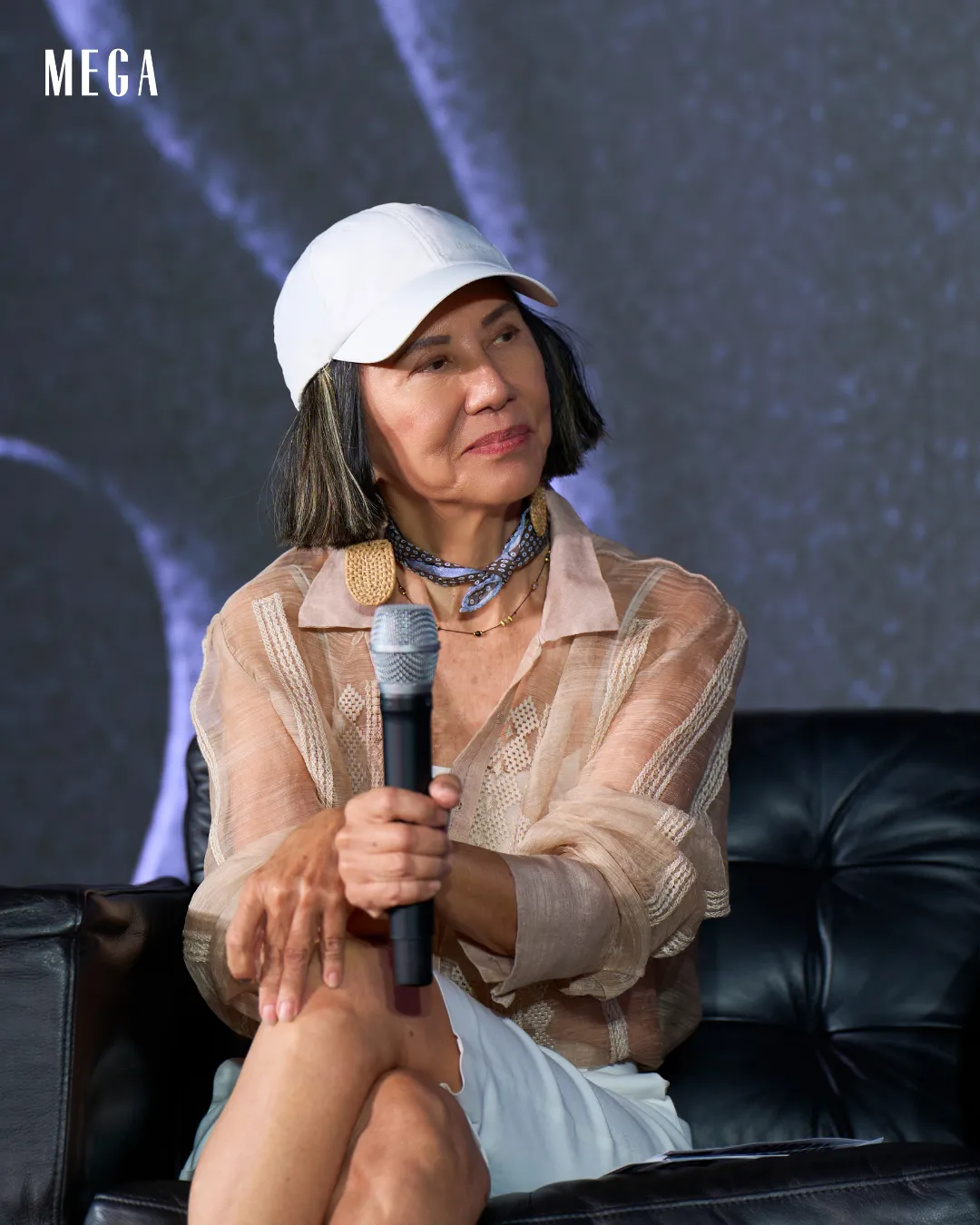
Tan-Gan believes circularity must also inform design from the outset. This means creating garments for longevity, considering how materials are blended, and finding ways to repair, reuse, and repurpose fabric remnants.
“Circularity begins with respecting the material, understanding its qualities, and making the most of what nature gives us,”
– Lulu Tan-Gan on circularity
These practices offer a way forward, but even the most thoughtful production systems remain vulnerable to forces beyond a designer’s control.
Where Climate Change Makes Its Move
Climate change threatens not only the environment but also the communities and processes that sustain textile production. In Thailand, flooding and shifting weather conditions can disrupt local supply chains and slow production.
“Climate change right now in Thailand is complicated,” Wisharawish shared. Working closely with local suppliers, he has seen how environmental instability affects both the practical and cultural aspects of the industry. Even natural materials and sustainable processes can become difficult to manage under unpredictable conditions.
“If there’s too much humidity, it can’t be sustainable,” he added.
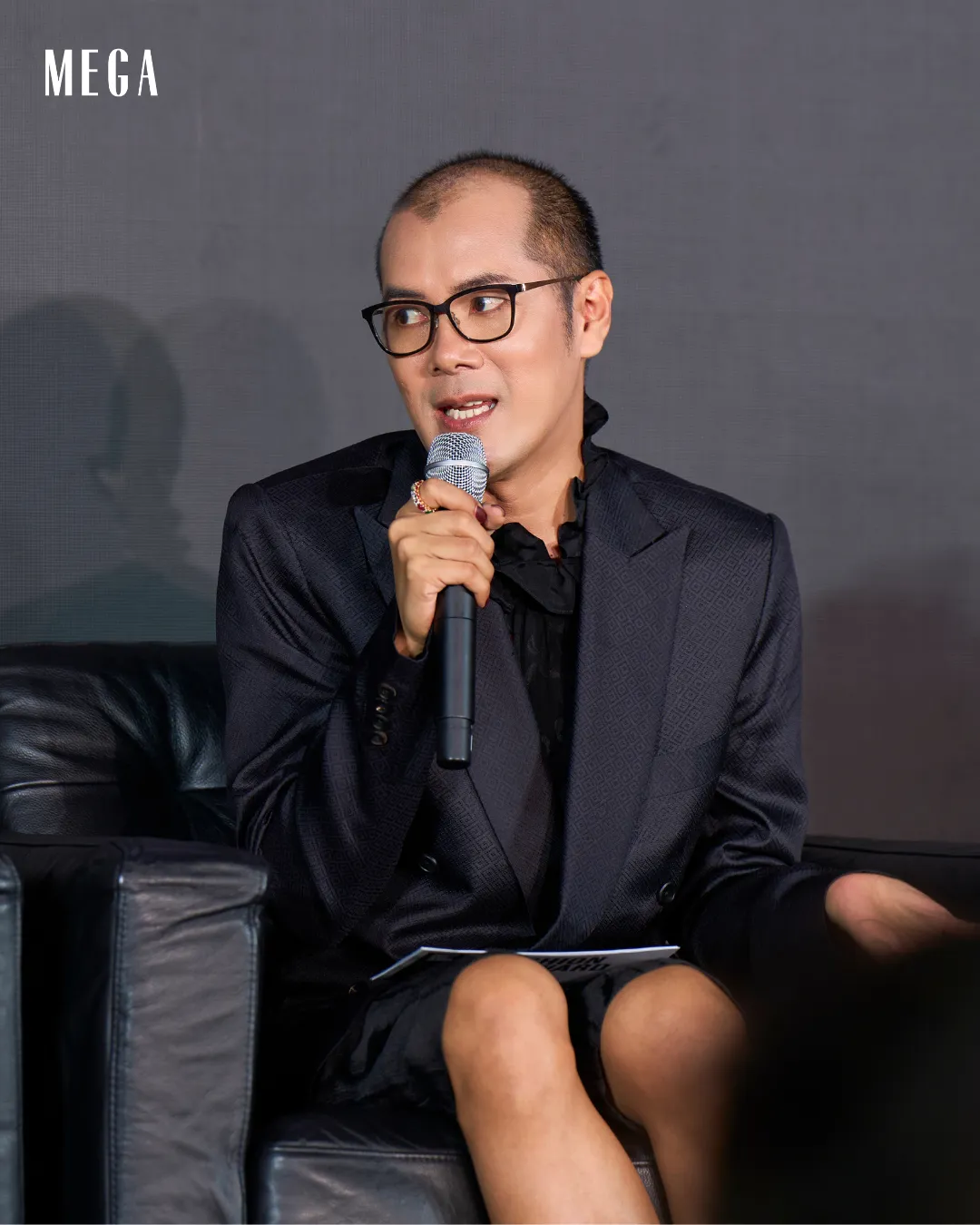
“A textile maker is like an artist; if the situation is unstable, you can’t create.”
– Wisharawish Akarasantisook on climate change in the fashion industry
In the Philippines, where typhoons pose similar challenges, Tan-Gan emphasizes protecting fiber-producing communities, diversifying material sources, and strengthening local processing to make supply chains more resilient.
“We cannot separate the future of fashion from the future of the communities, natural resources, and cultural heritage that sustain it. Climate resilience must begin with the people and materials at the very foundation of our industry,” she said.
The discussion makes one thing clear: sustainability cannot depend on materials alone. It must account for the people who produce them and the environmental conditions that allow their work to continue.
When Tradition Meets Technology
While fashion looks to its roots, technology offers new ways to carry traditional craftsmanship forward. For Vu, the two are not opposing forces but complementary tools.
“We often see handcraft and technology as two separate worlds rather than complementary ones. In our creative work, we try to combine the two so that we can bring out the strengths of both,” she explained.
At KILOMET109, this approach includes combining dyeing techniques with digital printing. The aim is not to replace handcraft but to explore how new methods can expand what traditional materials can achieve.
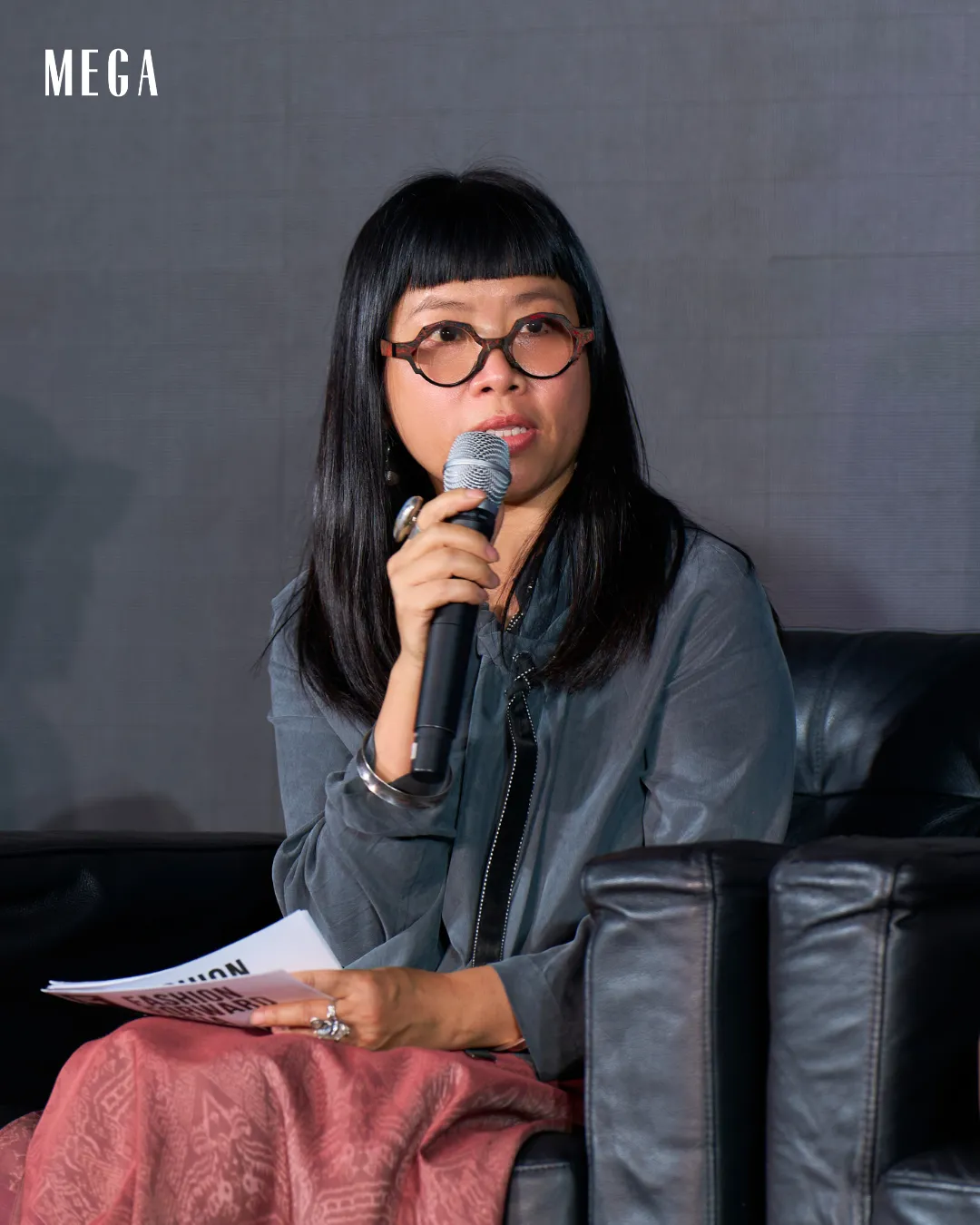
“Technology can elevate handcraft, and in turn, handcraft adds value to technology-based products.”
– Thao Vu on technology in fashion
Wisharawish similarly sees technology as a means of improving craftsmanship. Working with collections that may involve 16 different types of materials, he relies on technological tools to make complex processes more manageable without losing sight of the quality of the materials themselves.
Together, their perspectives suggest that innovation need not mean abandoning traditional practices. Instead, technology can help designers preserve, refine, and adapt them for contemporary fashion.
Asia to Lead Sustainable Habits in the Industry
As the panel turned toward the future, Geneciran posed a final question: “What can we do to help Asia lead the way in developing new, more sustainable fashionSustainable FashionClothing designed, produced, and worn in ways that reduce harm to people and the planet, through eco-friendly materials, ethical labor, minimal waste, and longer garment life. It includes rewearing, repairing,Go to Sustainable Fashion Glossary material?”
For Wisharawish, the answer begins with education. As a part-time educator and lecturer, he shares his knowledge and experience with younger generations, recognizing their role in carrying the industry forward.
“The future of fashion depends on the next generation,” he said.
Vu, meanwhile, believes Asia already possesses many of the resources needed to innovate. The next step is learning how to translate traditional materials and techniques into contemporary, functional designs.
“We have access to an incredibly diverse and rich range of traditional fabrics, dyes, and textile techniques. What we sometimes lack is the know-how to marry these materials with contemporary design that is innovative, functional, and fashion-forward,” she observed.
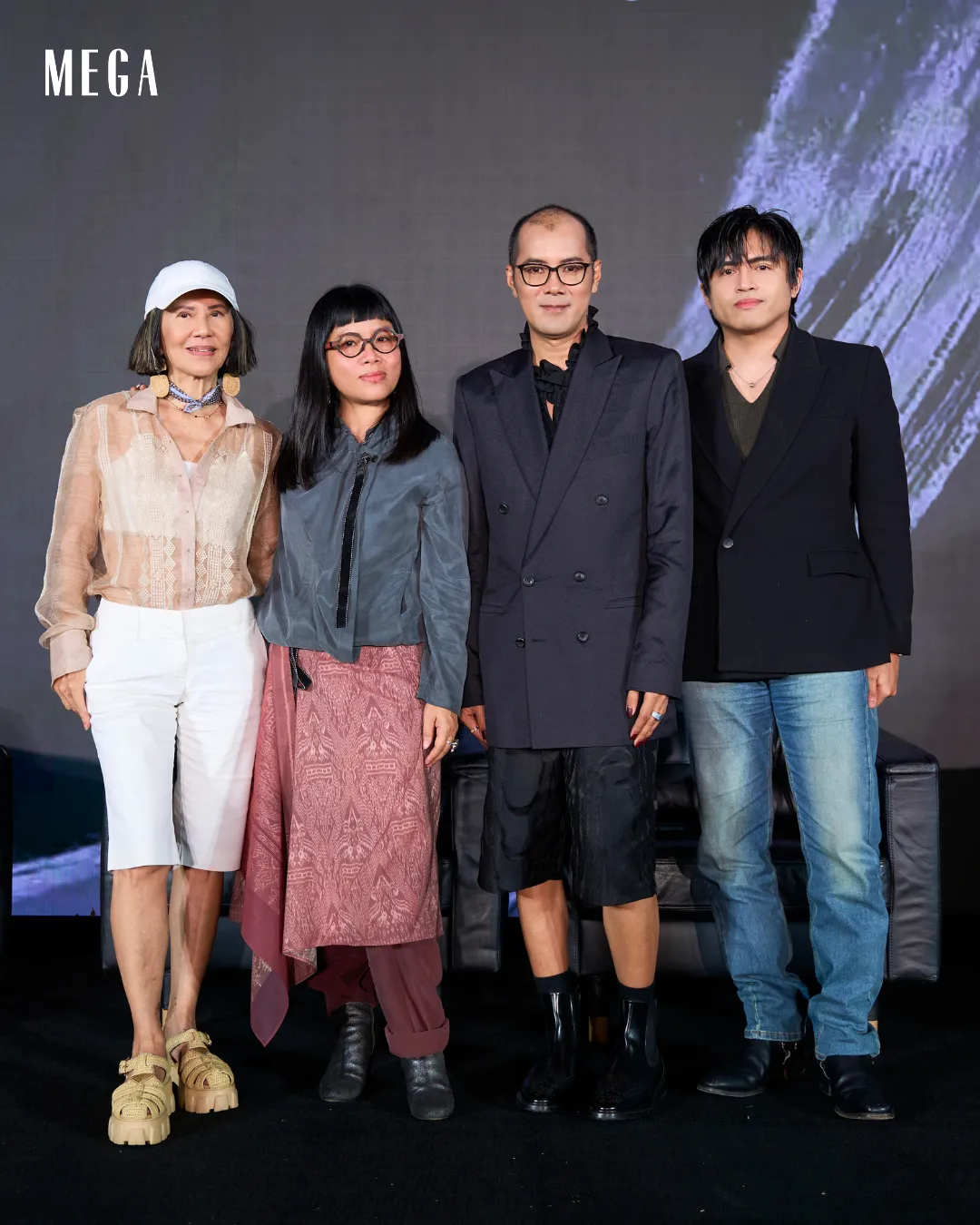
“The solution is to treat traditional materials as a starting point rather than a finished product,” she added.
Tan-Gan calls for a more coordinated approach: regional material innovation hubs that connect designers, universities, scientists, artisans, and manufacturers; research partnerships that bring experimental materials to market; and responsible standards that support traceability, performance, and recognition of cultural heritage.
“By bringing heritage, technology, and design together, Asia can create the next generation of brands while ensuring that the communities behind them share in their value,” she said.
The future of fashion may be shaped by new materials and technologies, but its foundations are already here. Asia’s textile heritage offers a wealth of knowledge to build upon; what matters now is investing in the communities, infrastructure, and innovation that will allow it to evolve. Moving fashion forward, after all, begins with understanding what—and who—has brought it this far.
Photographed by BRYAN BACTAD