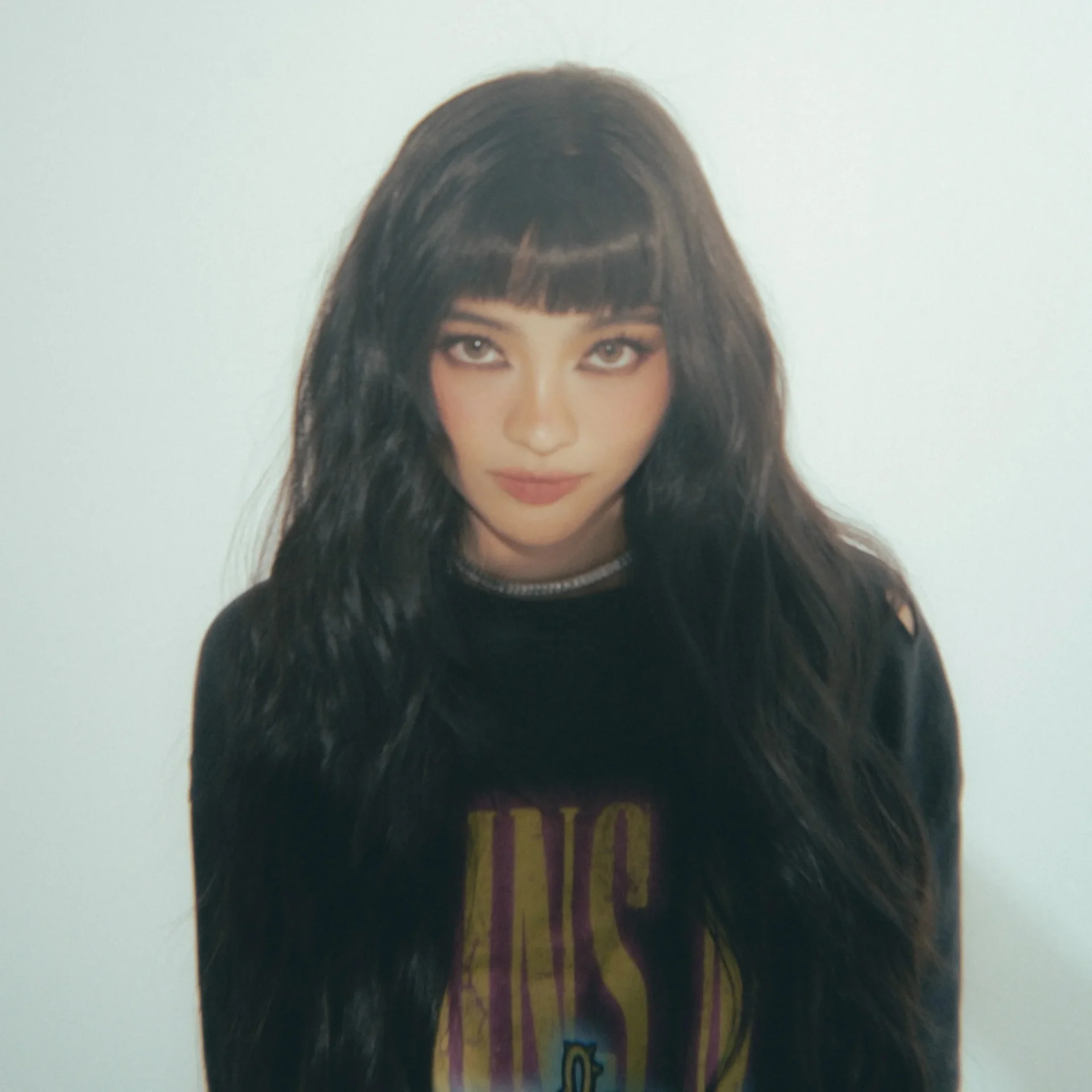





Fashion often claims inspiration from nature. Nicolas Ghesquière decided to climb directly into it. For Fall/Winter 2026 at Louis Vuitton, the creative director proposed a wardrobe shaped by mountains, forests, and landscapes—though this was no pastoral fantasy. The collection, titled Super Nature, treated the natural world as architecture itself. This is clothing that seemed ready to scale a mountain yet move confidently into a city.
RELATED: 130 Years Later, the Louis Vuitton Monogram Is Still in Motion
Louis Vuitton has always built its mythology around movement. Trunks once crossed continents; bags now glide through airports and boulevards. This season extended that philosophy into terrain. If travel once meant crossing oceans, Ghesquière’s imagination wandered uphill.
Avant-Garde on the Mountain
The silhouettes arrived larger than life. Capes expanded outward like alpine wings. Shoulders sharpened into peaks. Skirts swelled into sculptural forms that looked as if they had been shaped by weather rather than pattern-cutting.

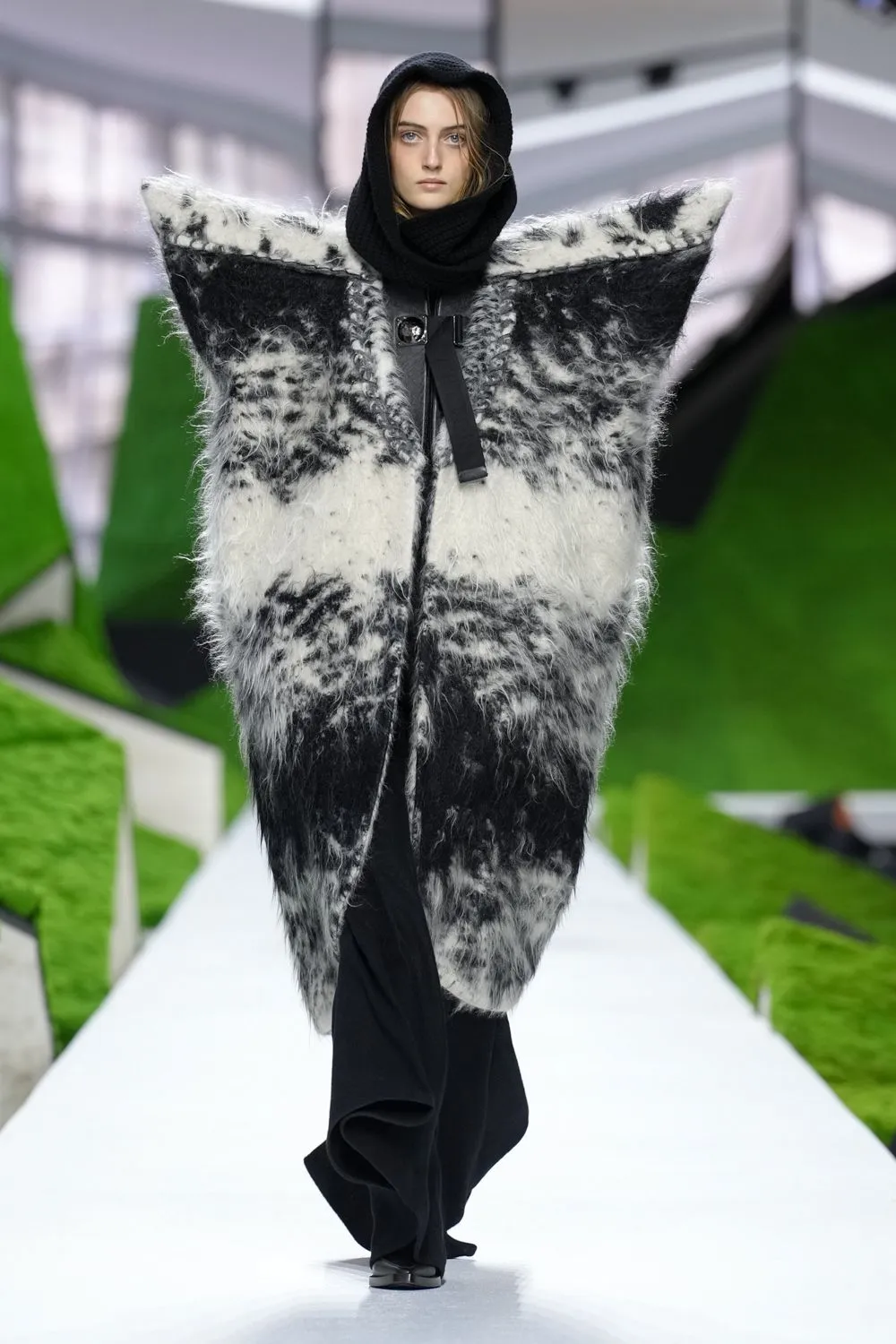
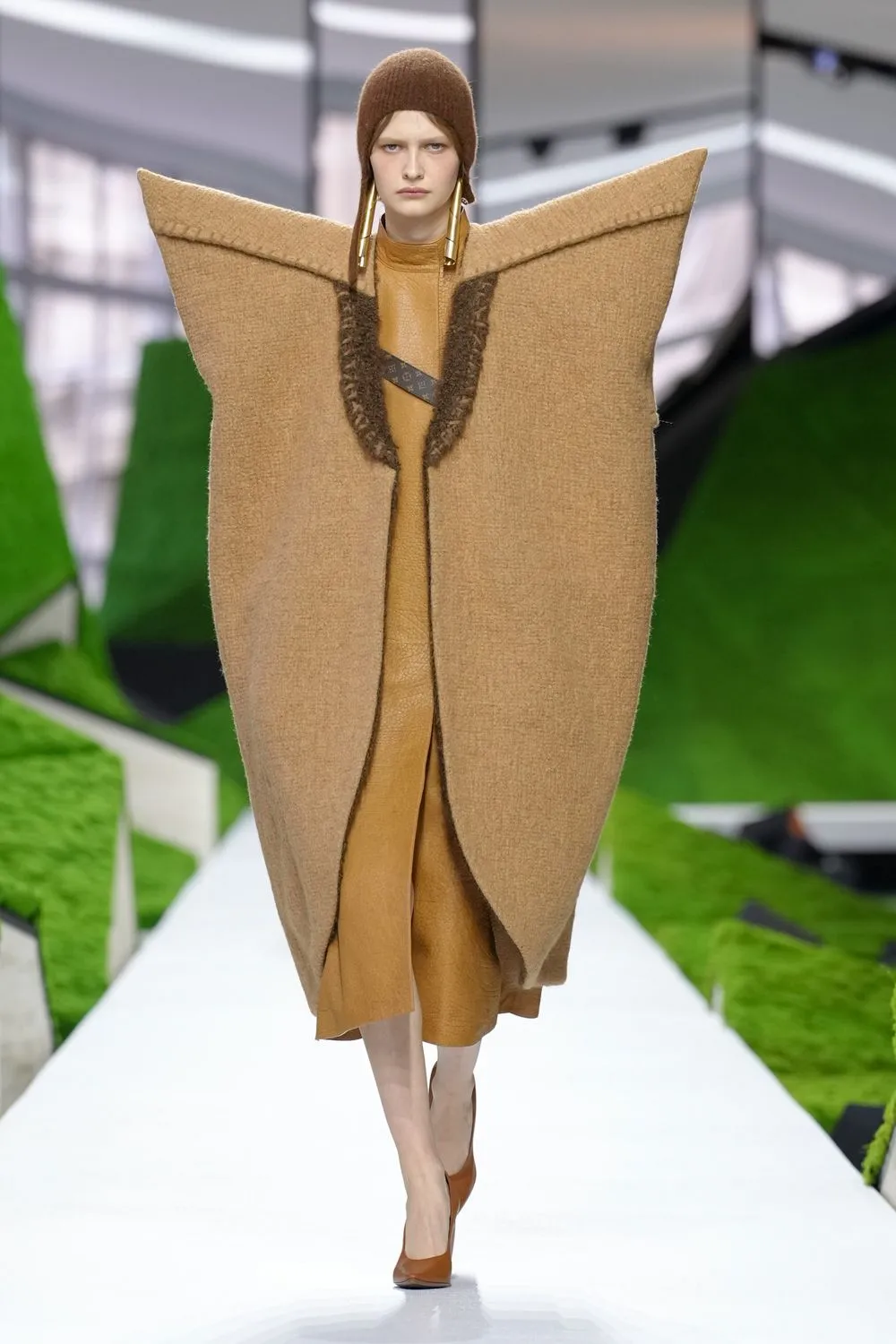
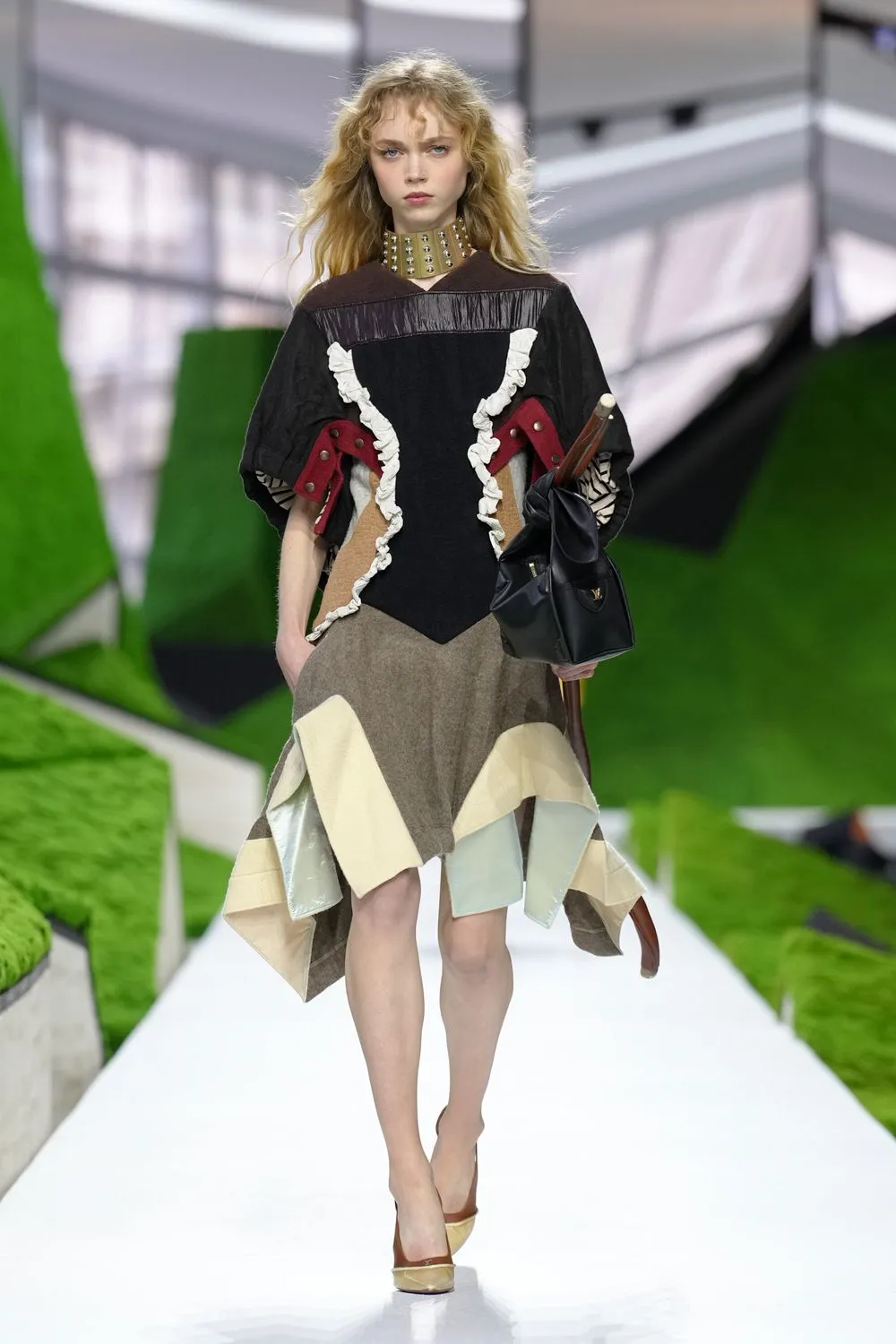
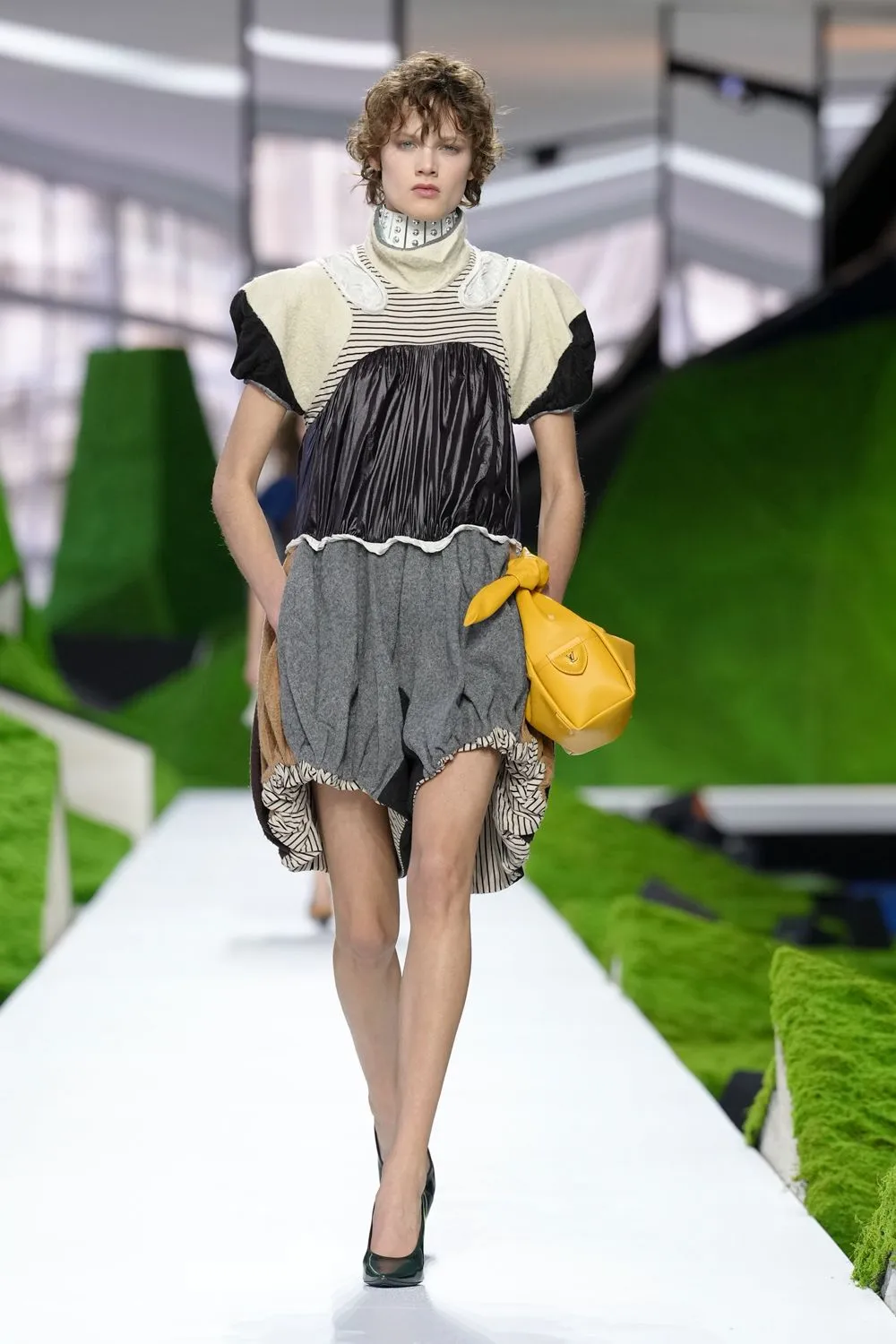
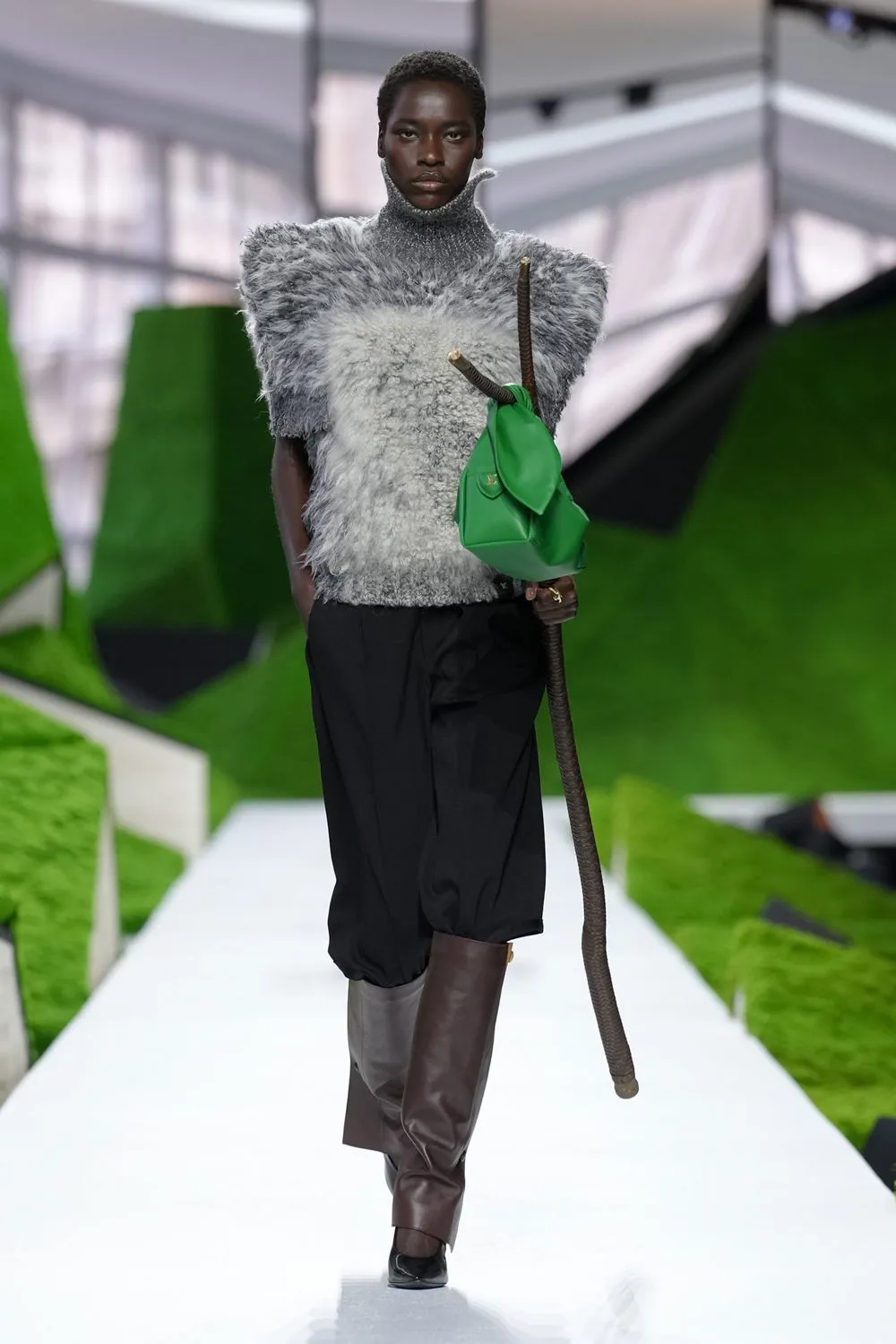
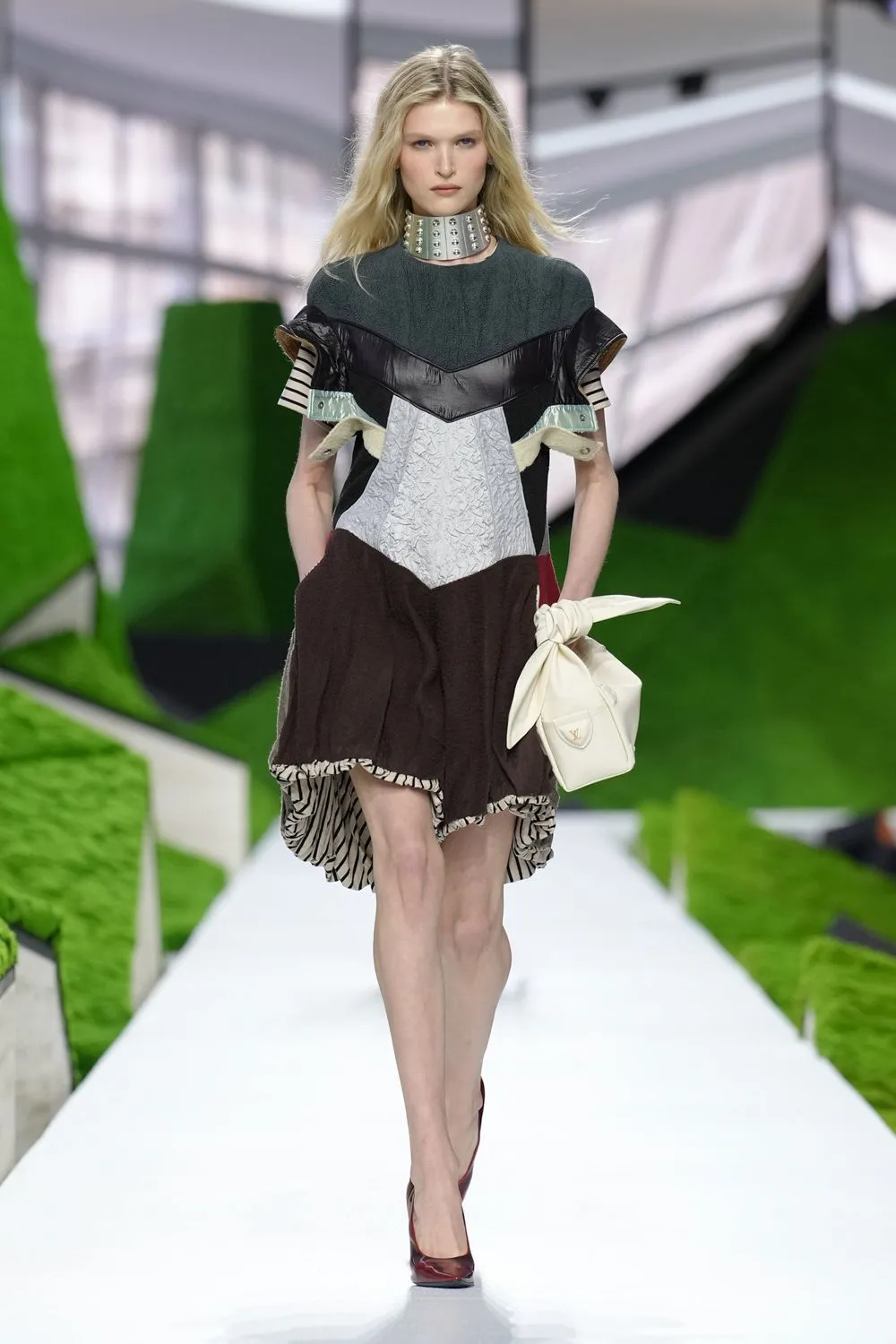
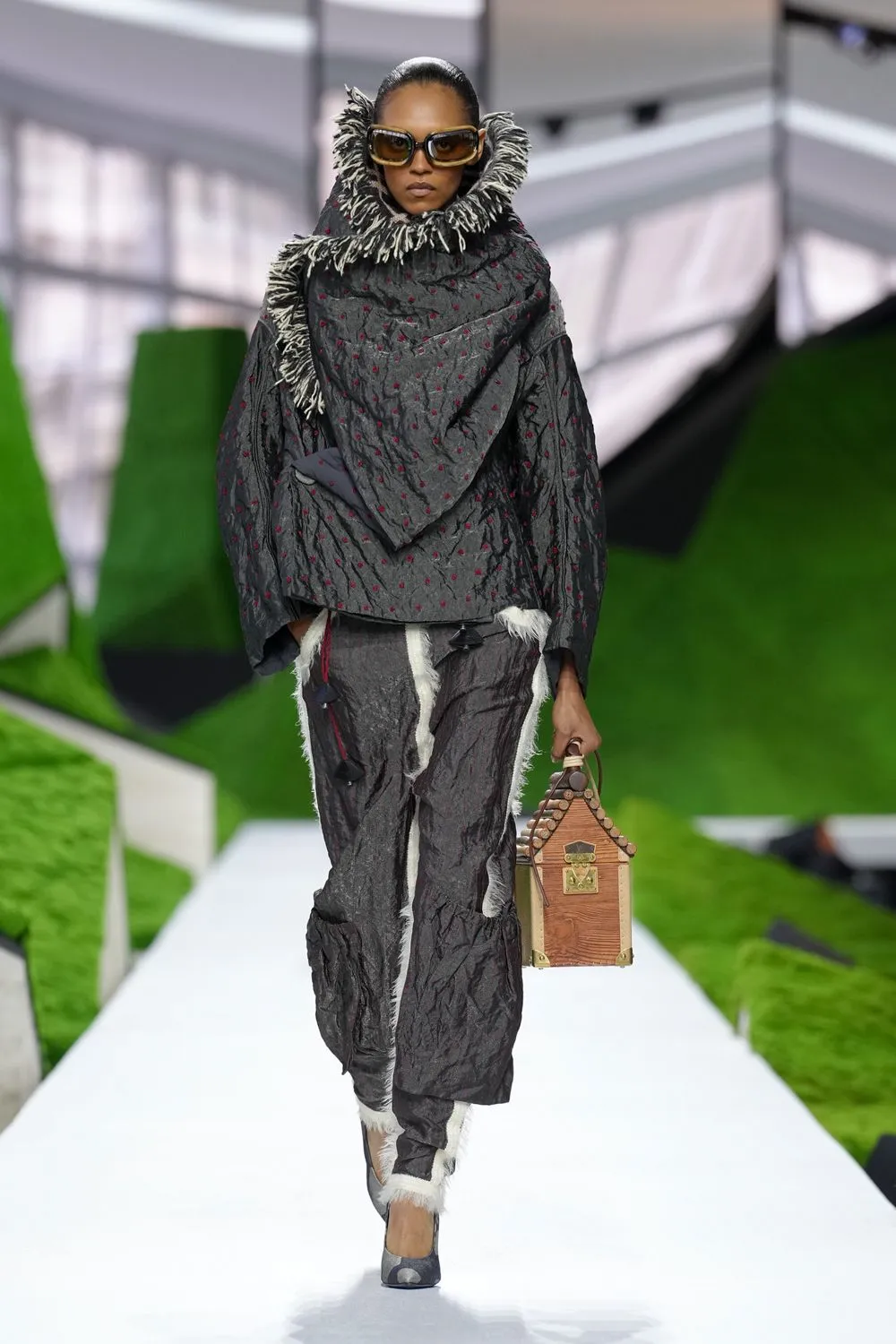

There was something thrillingly clashing about the clothes—textures colliding the way landscapes do. Shearling brushed against technical fabrics. Felted surfaces evoked mud and moss. Animalier patterns appeared reinterpreted in canvas and denim, as though wildlife itself had left its mark. Leather was treated until it resembled wood grain, supple yet uncanny, a material illusion that made nature feel both familiar and surreal.
Ghesquière has long approached fashion with an anthropologist’s curiosity, but his studies usually explored urban tribes. This season, he turned to mountain communities around the world: people whose wardrobes evolved from endurance and necessity. Their coats, capes, bells, and layered protections became raw ingredients for a collection that filtered folklore through an avant-gardeAvant-GardeExperimental fashion that pushes boundaries and challenges conventional ideas of shape, material, and beauty. Avant-garde designers treat clothing as art, presenting sculptural silhouettes and unexpected textures on runways, and theirGo to Avant-Garde Glossary lens.
Nature Meets Technology
The dialogue between earth and innovation ran throughout the collection. Three-dimensional printing produced buttons resembling minerals. Heels sprouted like antlers. Vegetal furs invented new textures somewhere between plant and animal.
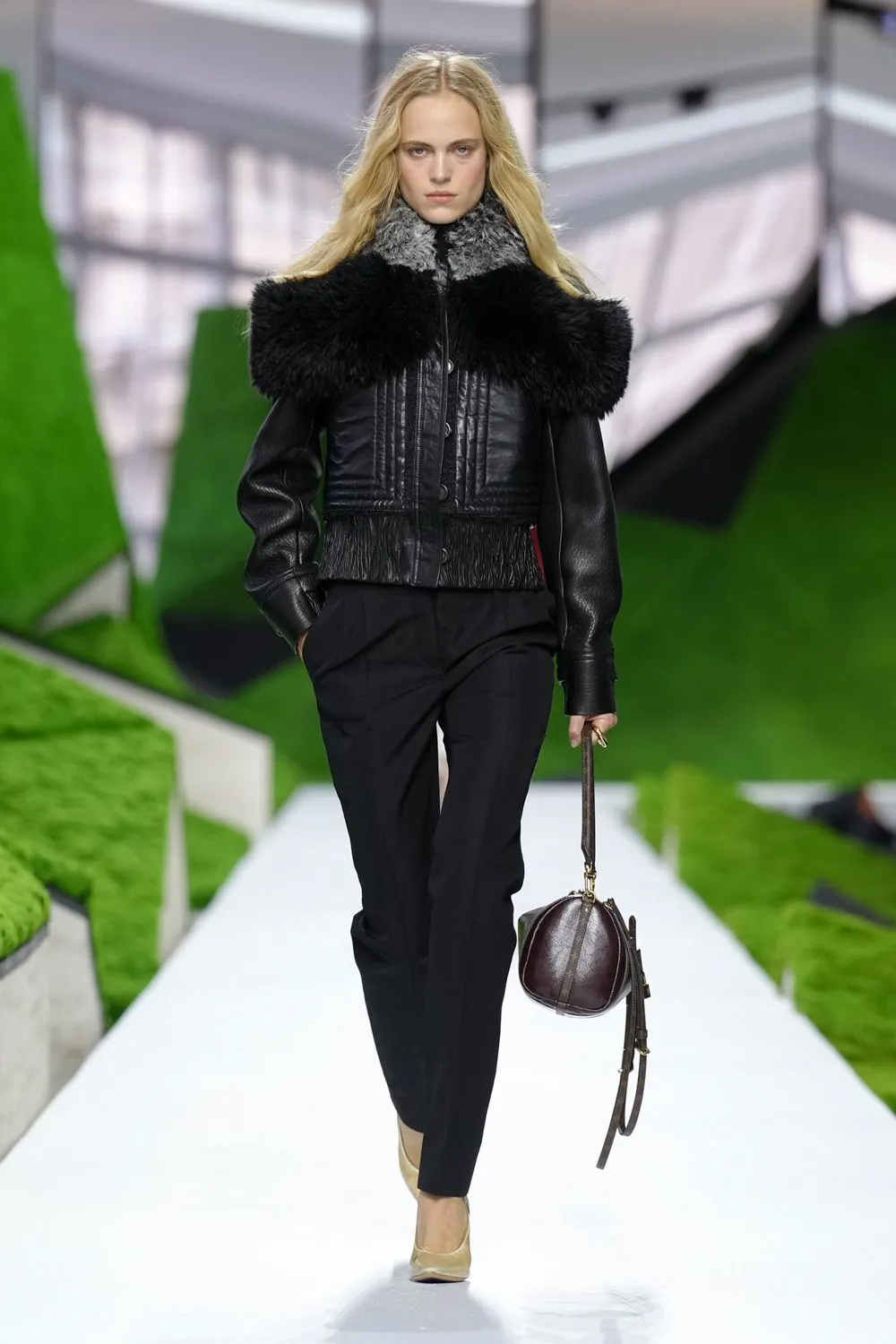
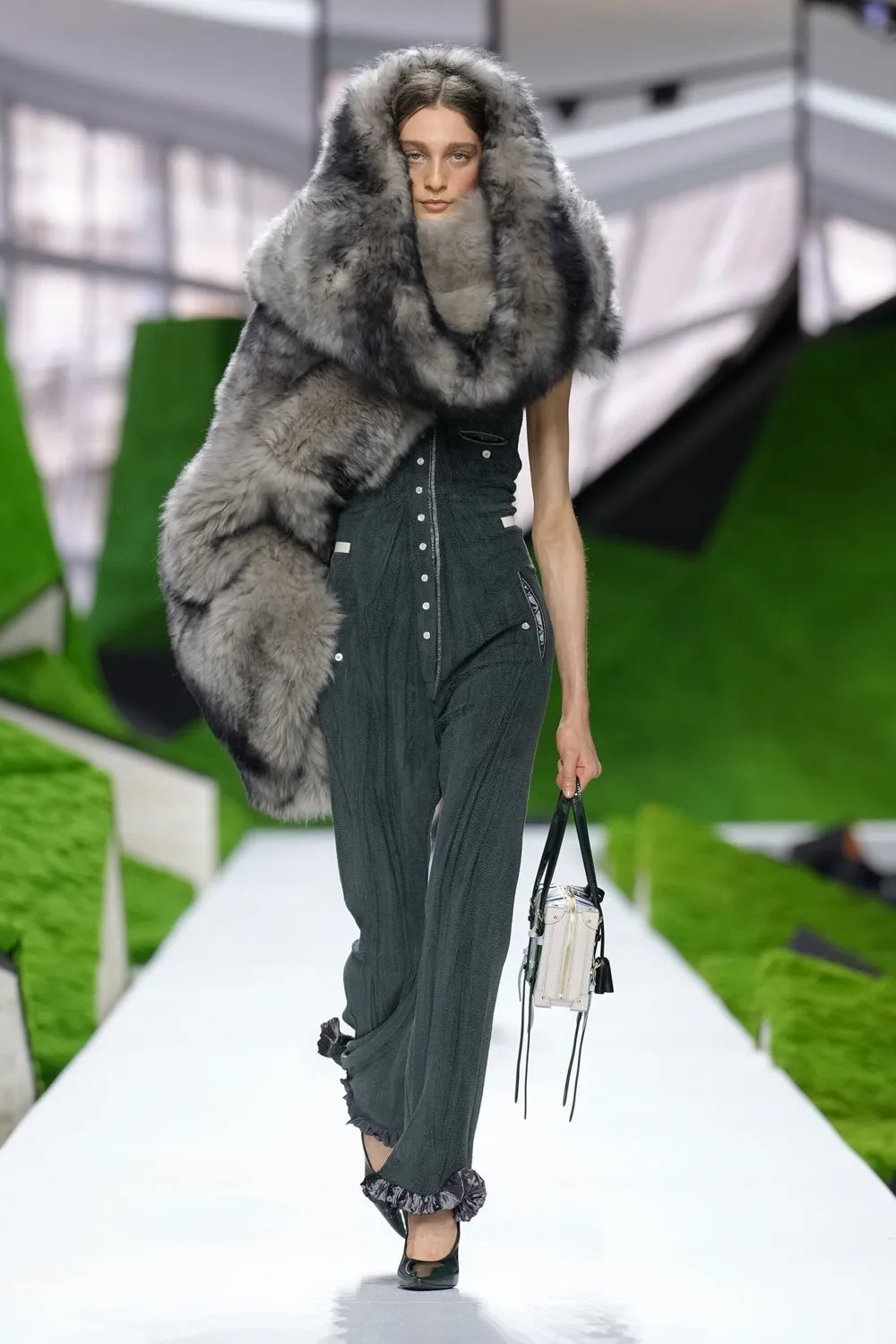
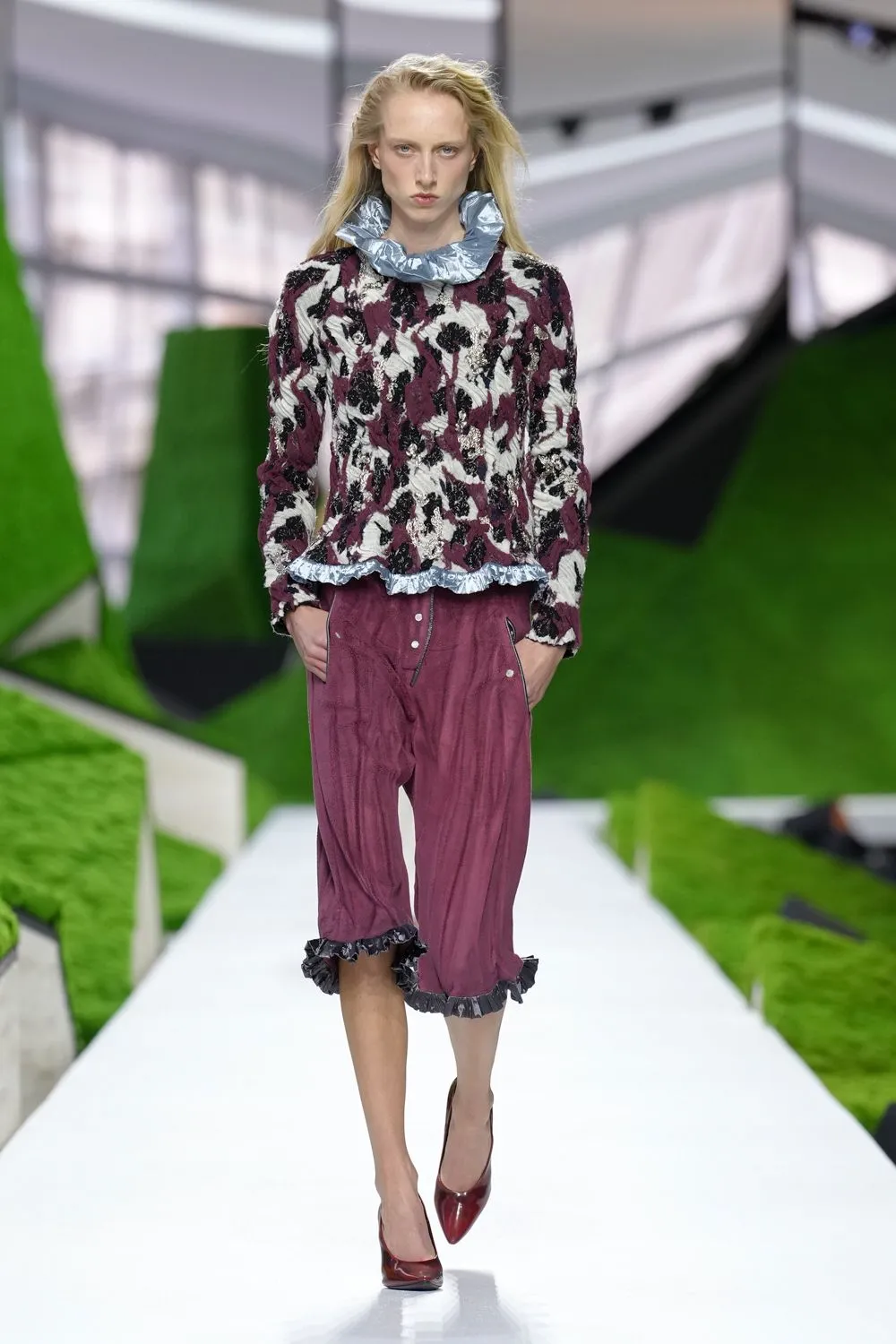
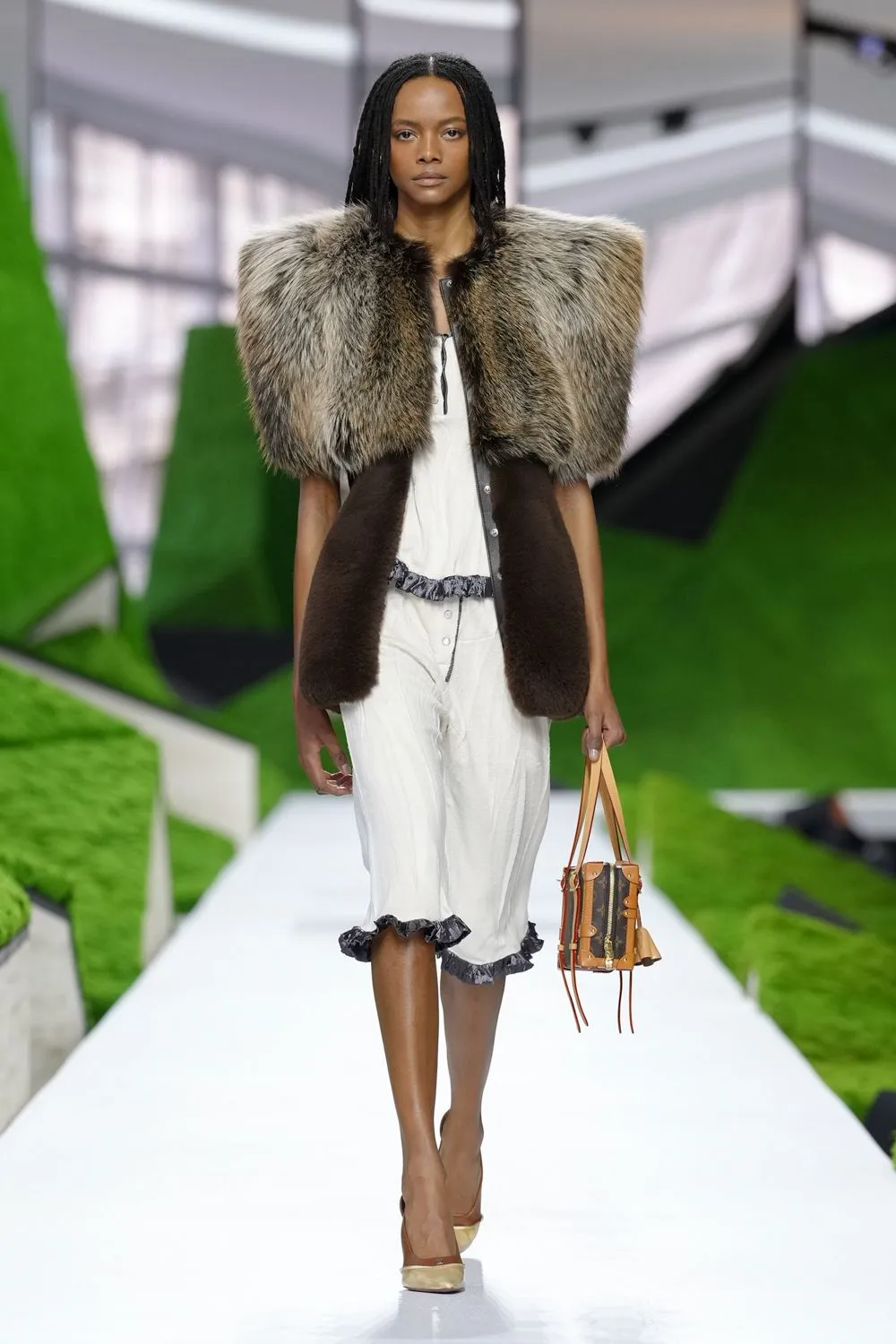
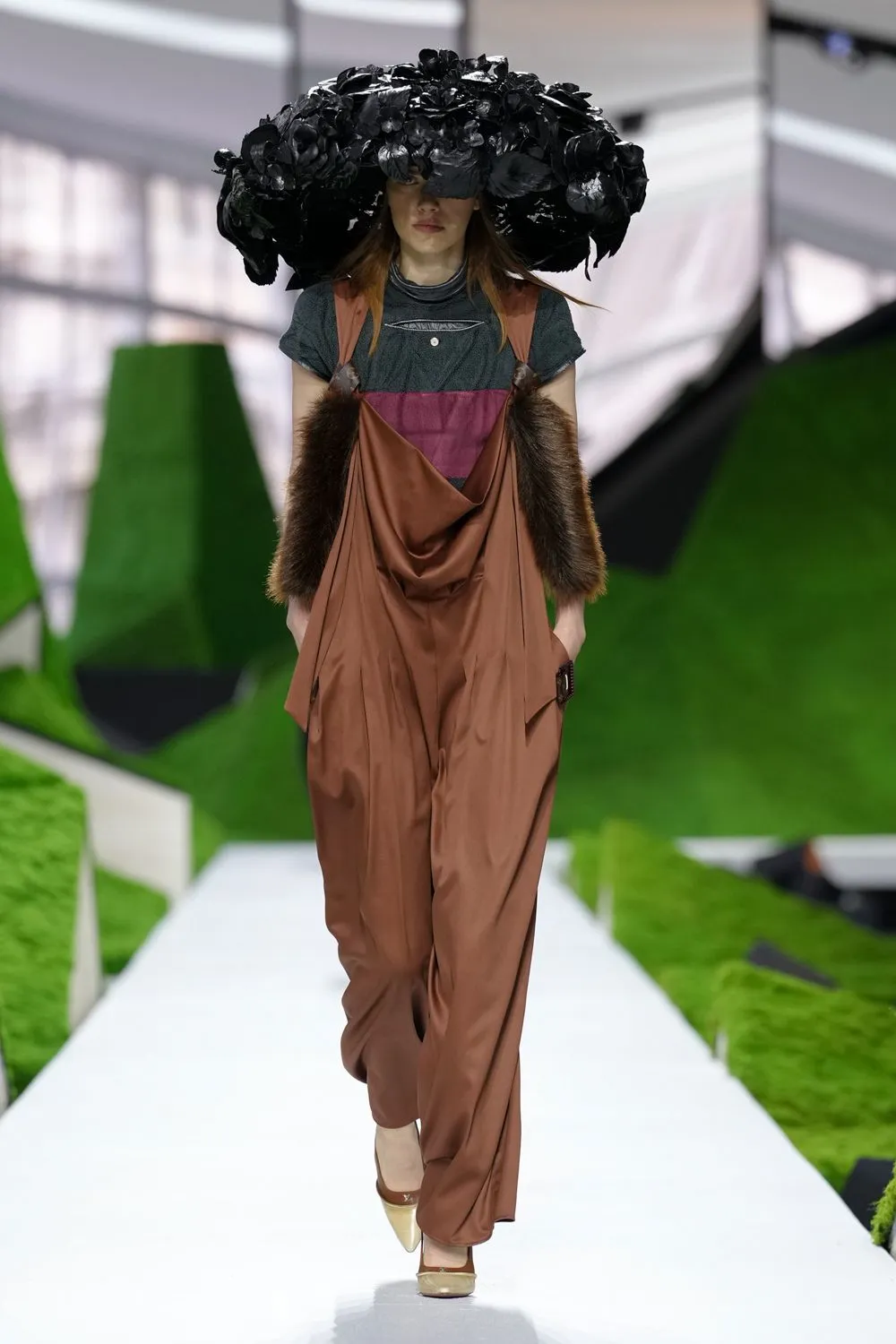
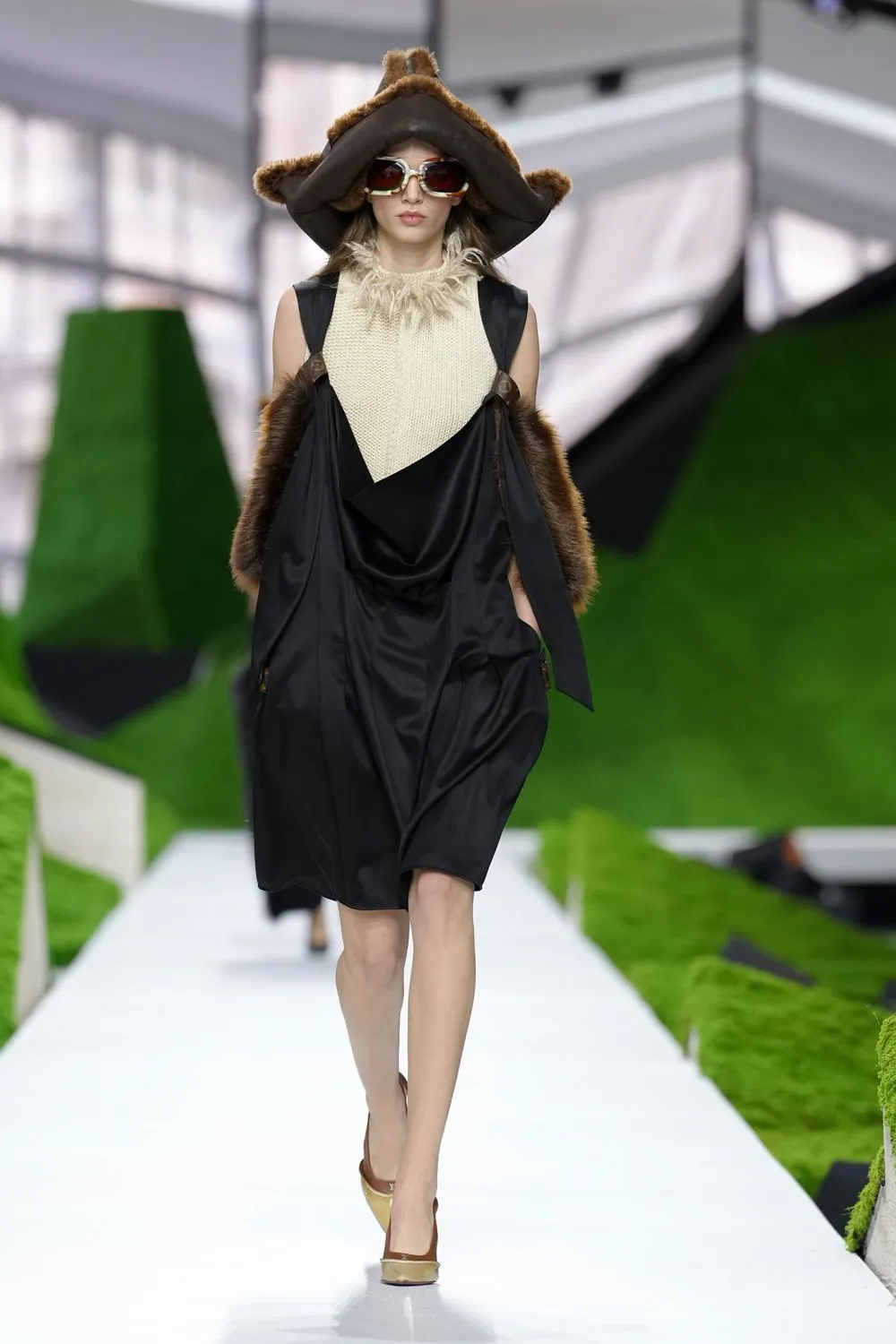
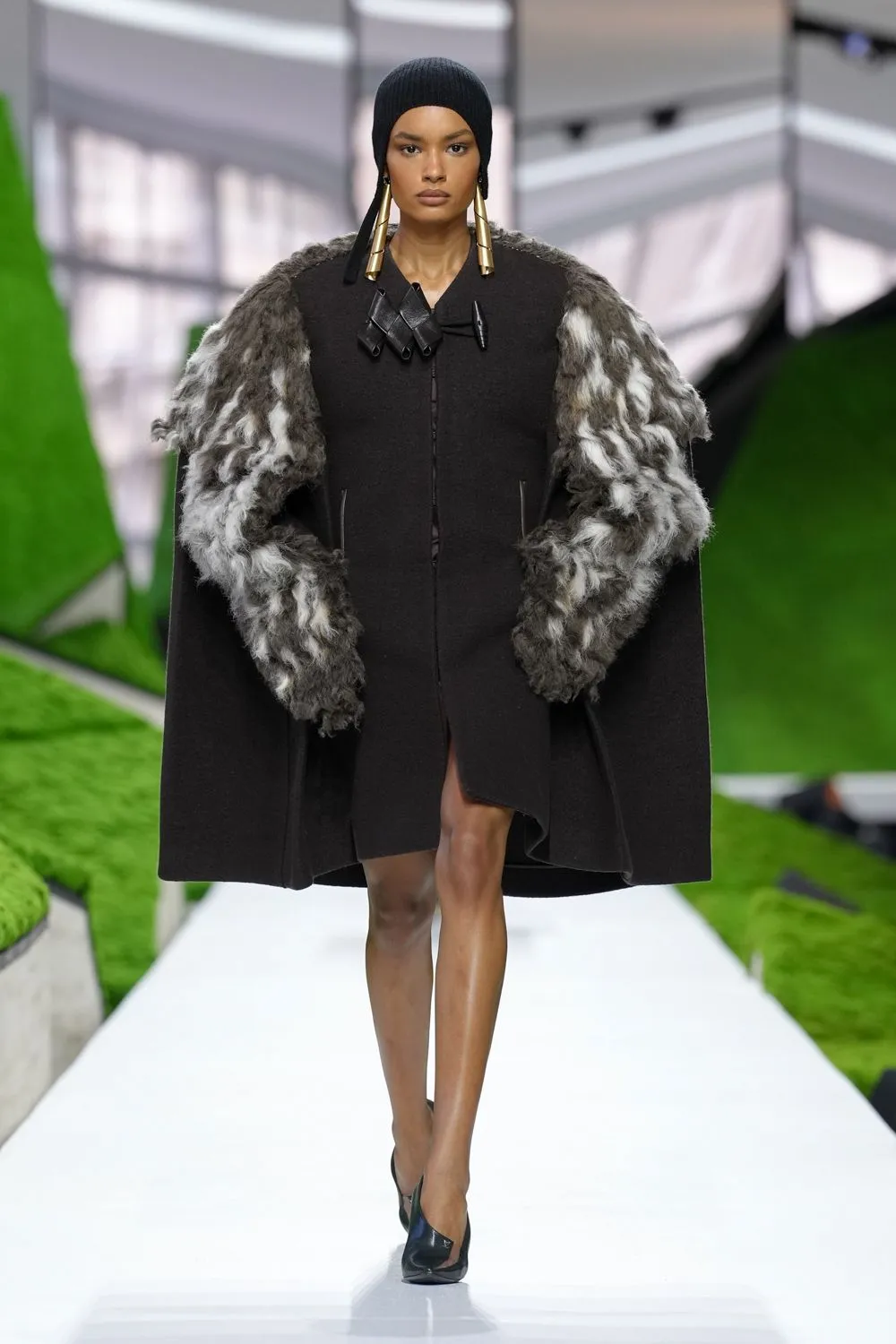
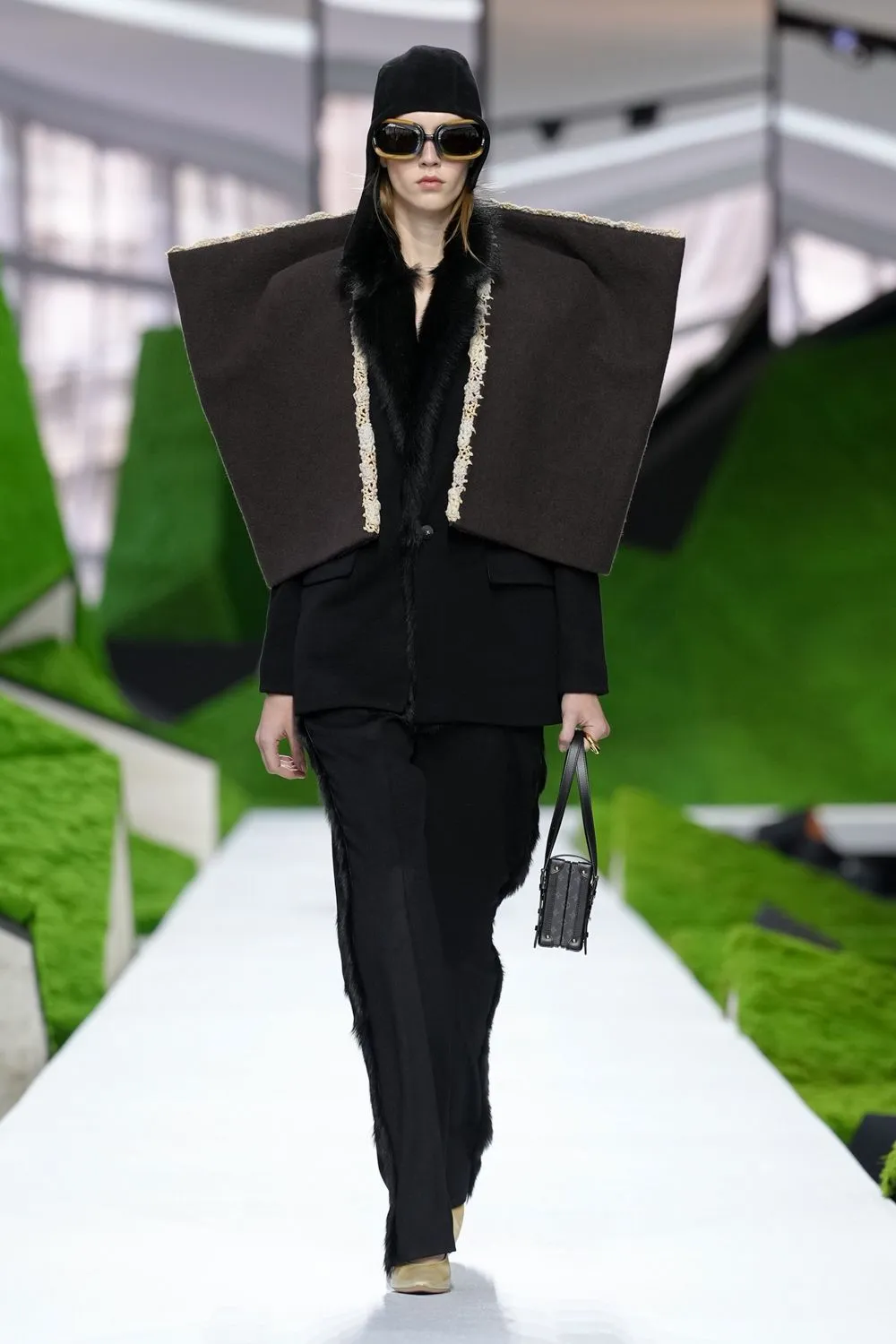
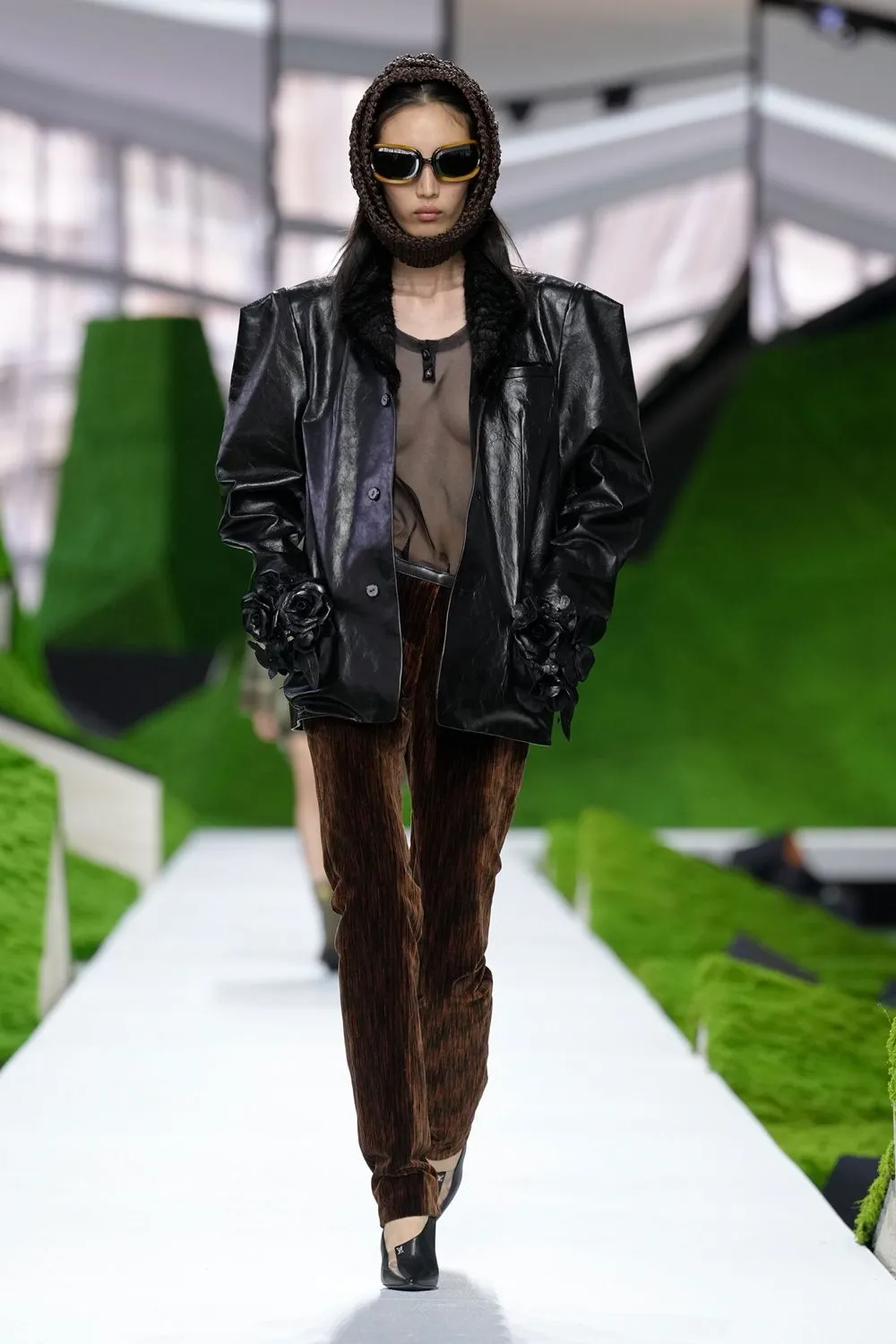
Ghesquière describes this synthesis as “hyper-craft”, where the timeless ingenuity of artisans meets the tools of the present. Leatherworkers manipulated surfaces until they echoed bark or stone. Resins approximated geological forms. The effect was uncanny: garments that seemed born from the earth yet unmistakably engineered.
Nomads of the Future
The accessories carried the theme of movement through landscape. The house revisited the original 1932 proportions of the Noé bag—one of Louis Vuitton’s most enduring travel companions—reconnecting the modern collection with its earliest utilitarian roots. Jewelry studded with the nail-head motifs of Louis Vuitton trunks nodded to the house’s malletier heritage, transforming hardware into ornament.

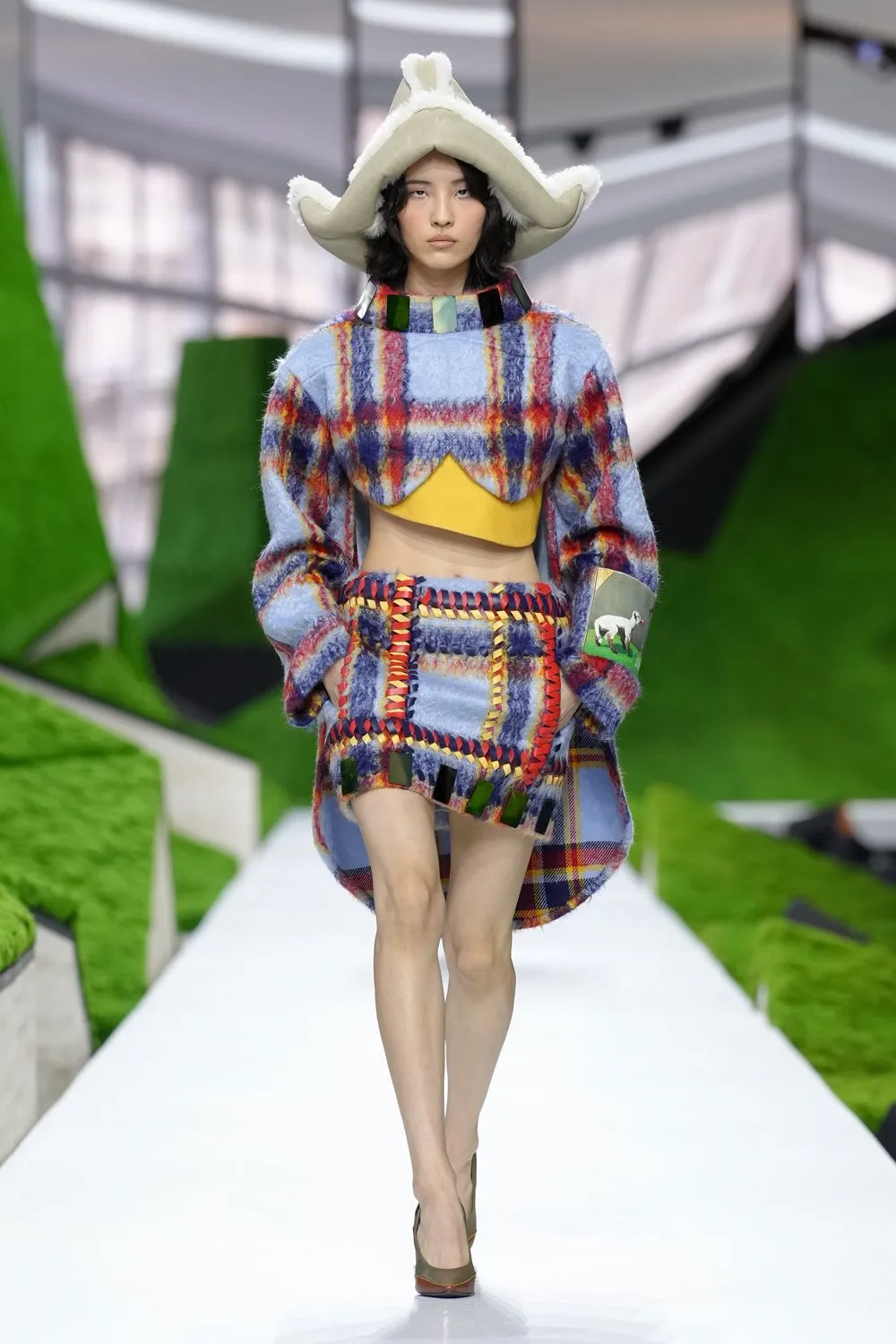
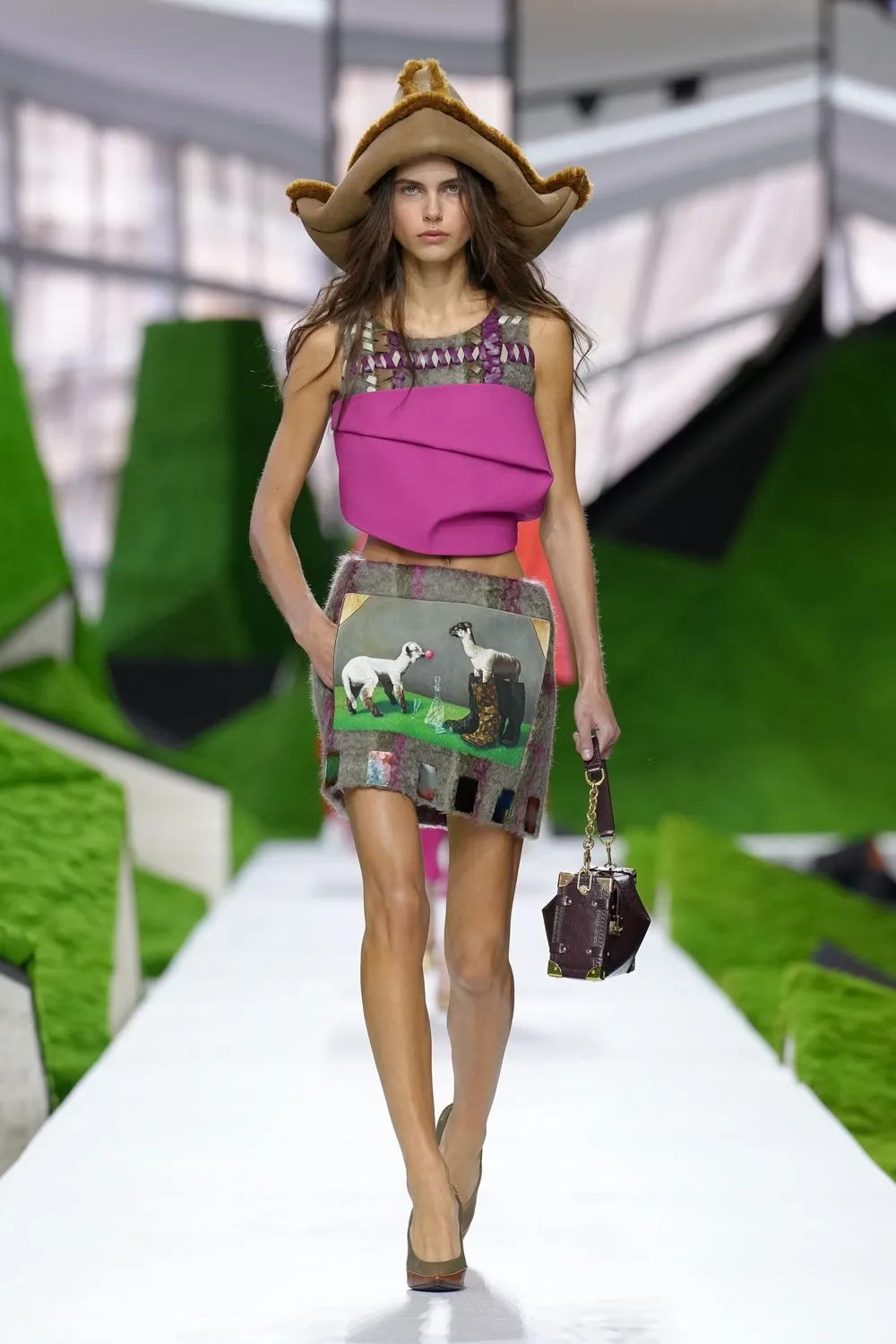
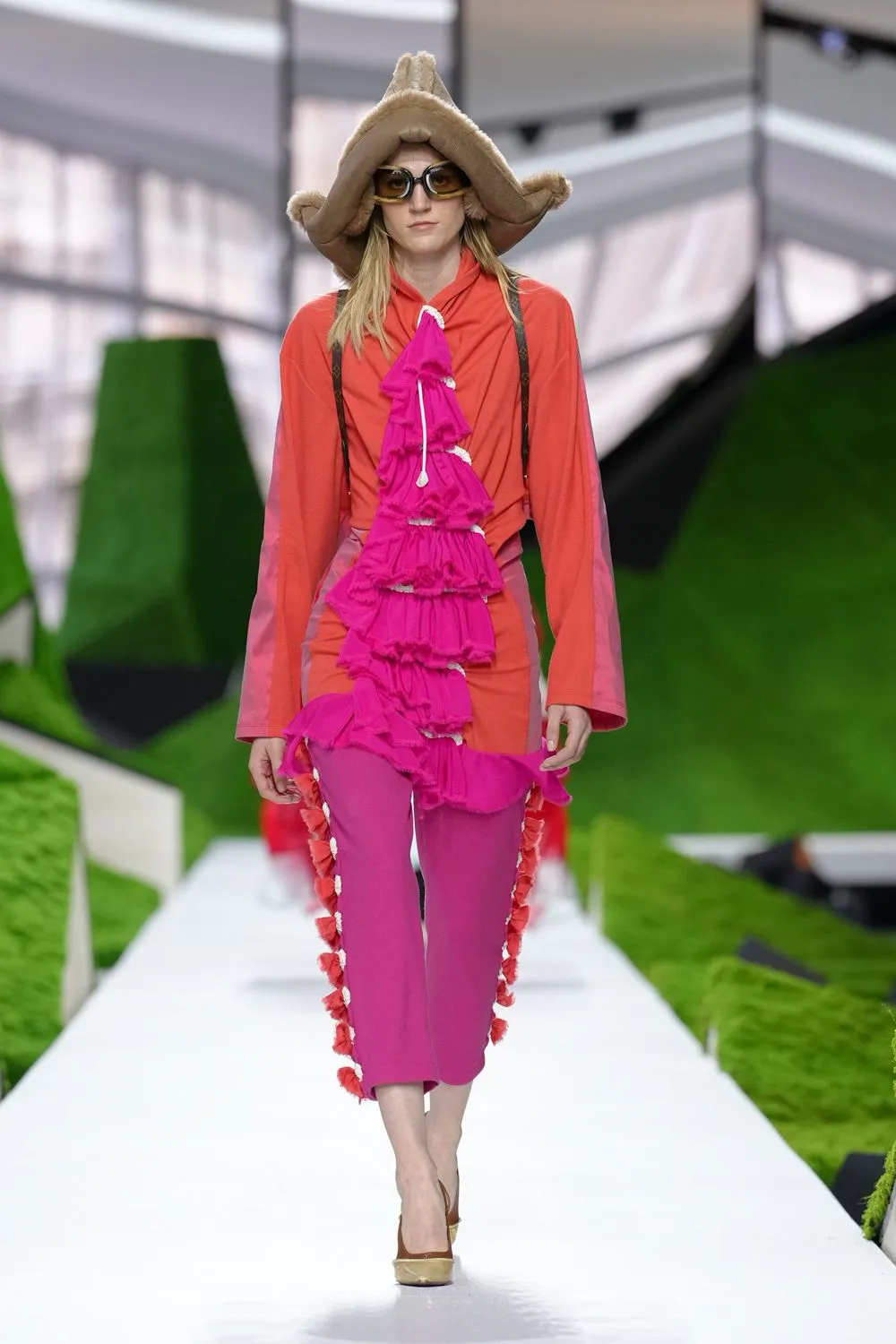
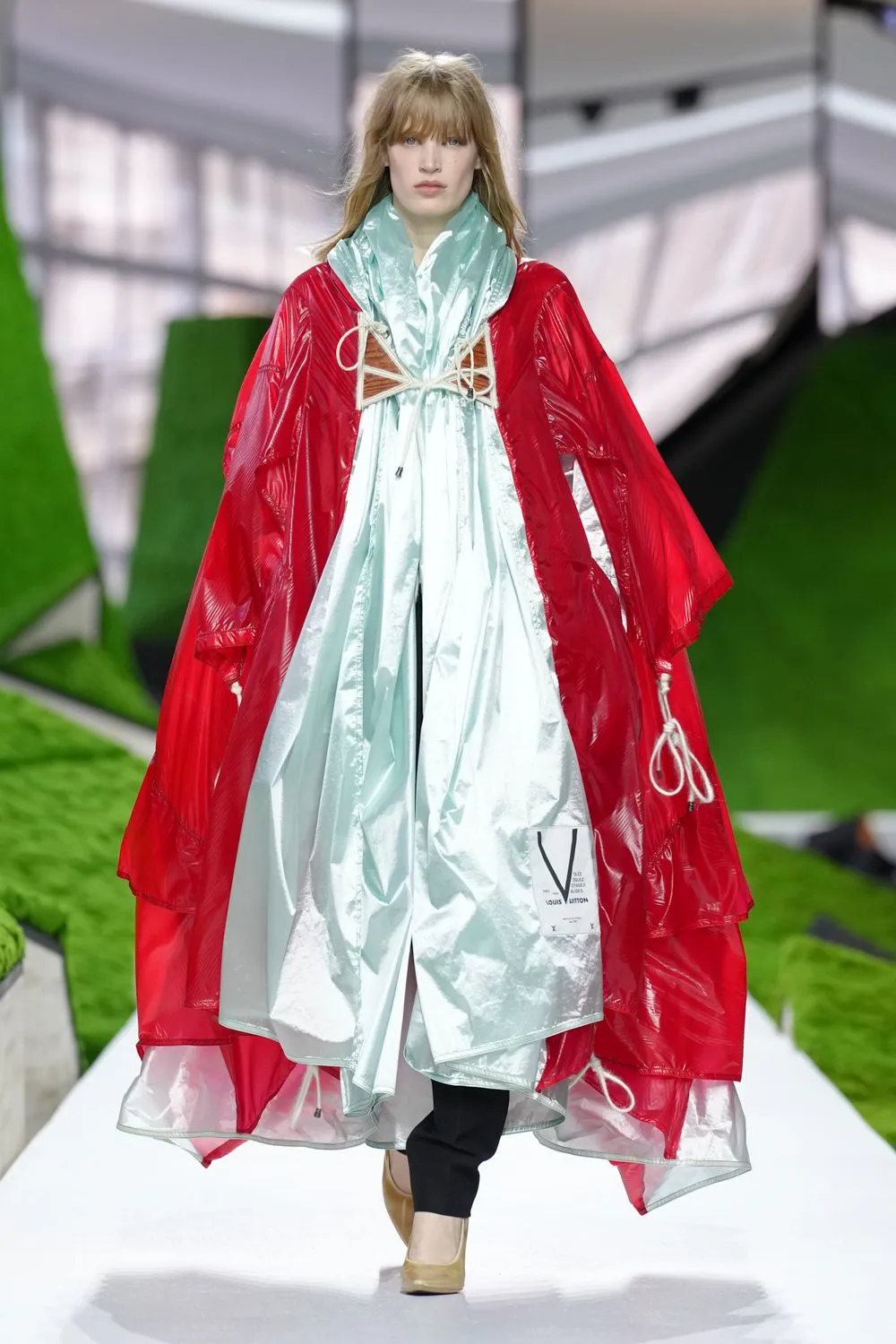

The idea of travel lingered everywhere. Clothes became a kind of topography for the body: layers collaged together like terrain, each element mapping a different cultural reference.
Super Nature
The beauty of the collection lay in its contradictions. It was earthy yet futuristic. Primitive yet technological. Clothes that looked shaped by wind and rain were executed with the precision of Parisian ateliers.


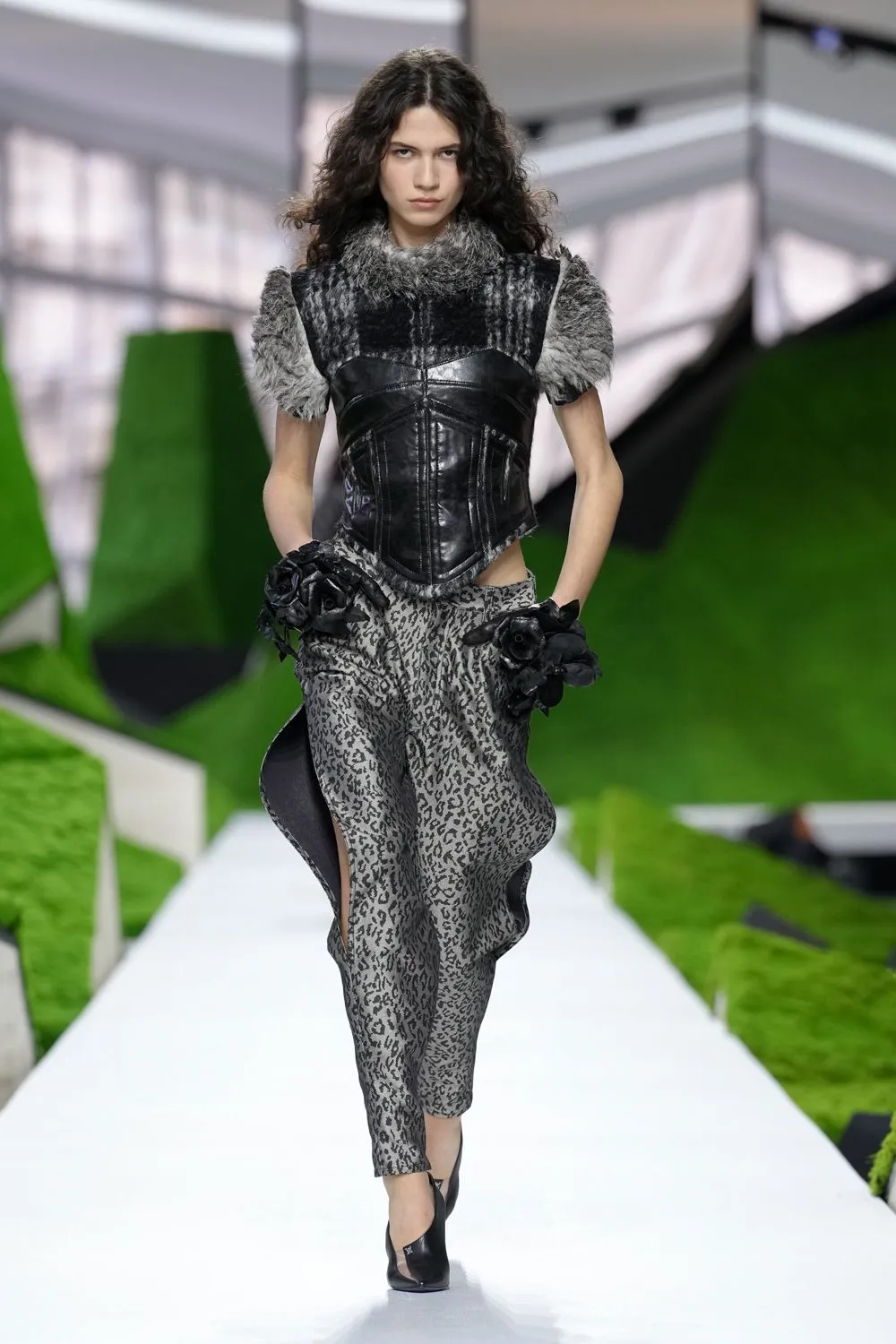
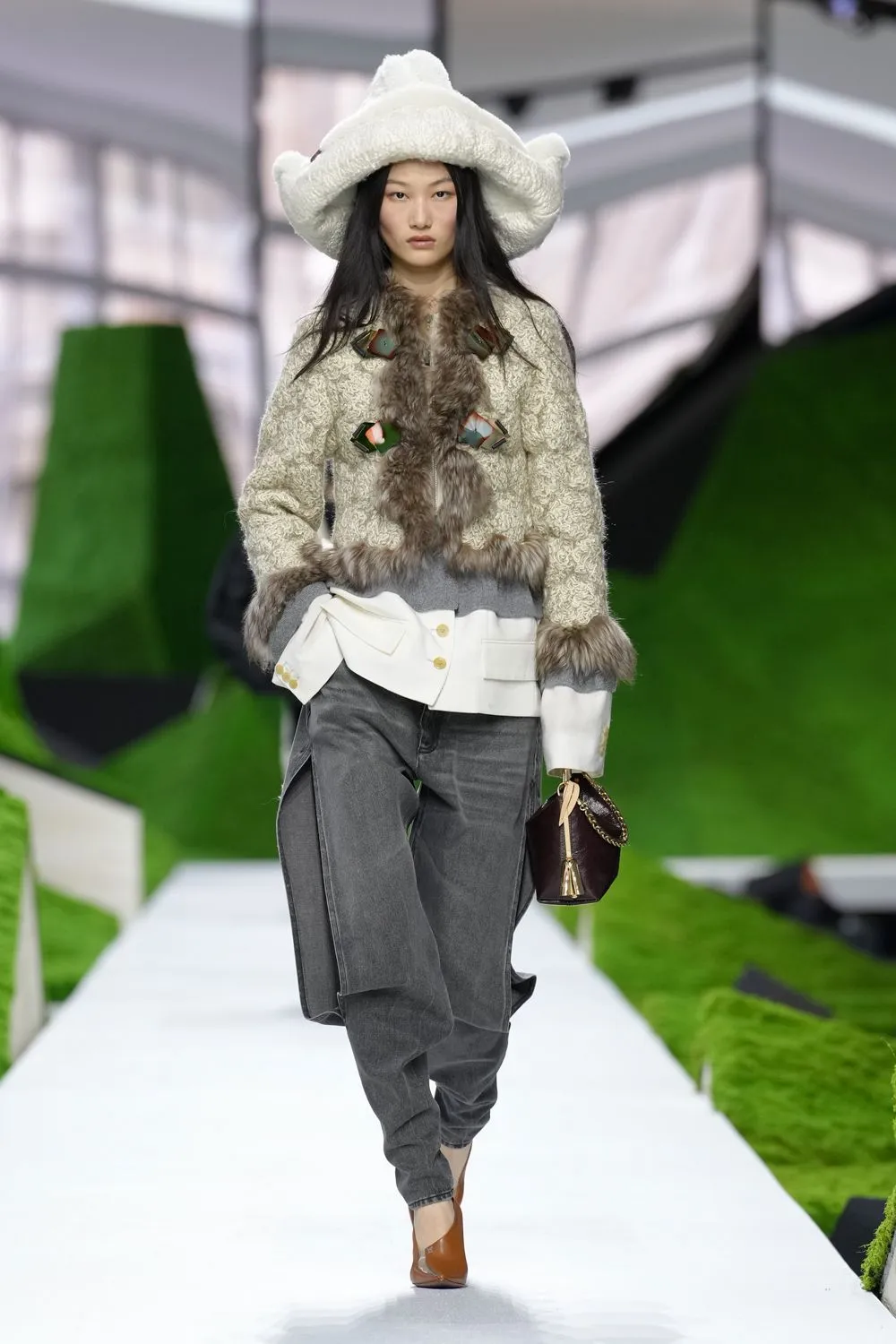
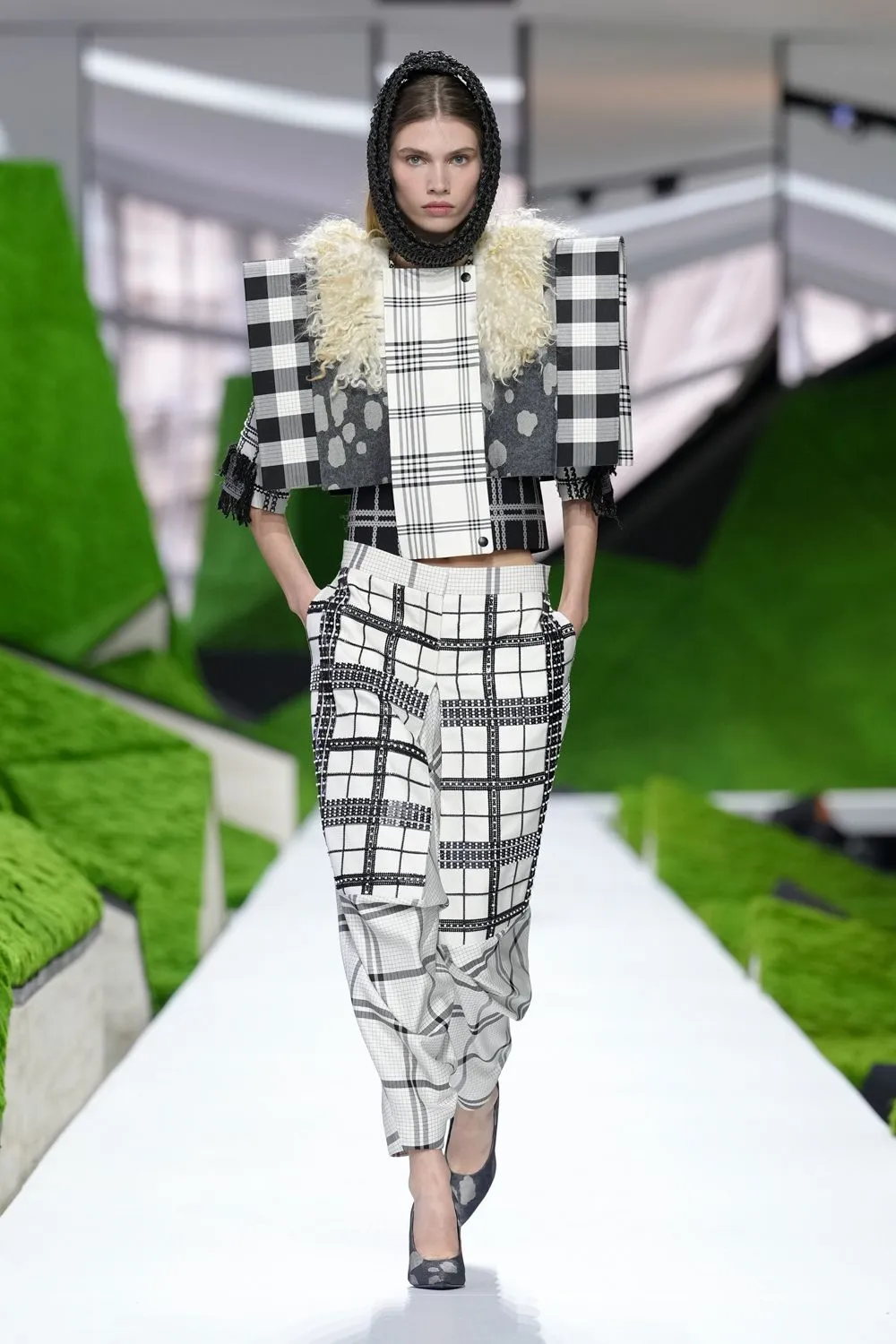
Maybe that is what makes Louis Vuitton compelling under Ghesquière. Each season refuses repetition. One year, intimacy unfolds within imagined apartments. The next, fashion ascends mountains. Like nature itself, the house remains unpredictable. The terrain changes, the silhouettes shift, the climate evolves. Yet the instinct to explore—to keep moving—never does.
Photos courtesy of LOUIS VUITTON
Frequently Asked Questions
The Louis Vuitton F/W26 collection, designed by Nicolas Ghesquière, is titled Super Nature. It draws from mountain landscapes, global folklore, and the wardrobes of mountain communities to produce a collection that treats the natural world as architecture. The result is clothing that appears shaped by weather, terrain, and endurance while being executed with the precision of Parisian atelier craft.
Hyper-craft is the term Nicolas Ghesquière used to describe the synthesis of traditional artisan ingenuity with contemporary technology in the Louis Vuitton F/W26 collection. Leatherworkers manipulated surfaces to resemble bark and stone, three-dimensional printing produced mineral-like buttons, and resins approximated geological forms — creating garments that appear born from the earth yet are unmistakably engineered.
The Louis Vuitton F/W26 collection featured oversized capes that expanded like alpine wings, shoulders sharpened into peak-like points, and skirts sculpted into forms that appeared shaped by weather rather than pattern-cutting. Textures ranged from shearling and felted surfaces evoking mud and moss to leather treated to resemble wood grain, with animalier patterns reinterpreted in canvas and denim throughout.
The Louis Vuitton F/W26 accessories included a revisited version of the original 1932 Noé bag, reconnecting the collection to the house’s utilitarian travel heritage. Jewelry featured nail-head motifs drawn from Louis Vuitton trunks, transforming the house’s malletier hardware into wearable ornament. Heels were designed to resemble antlers, extending the collection’s nature-as-architecture concept into footwear.
Nicolas Ghesquière drew from mountain communities around the world for Louis Vuitton F/W26 — peoples whose wardrobes evolved from endurance and necessity rather than trend. Their coats, capes, and layered protective garments were filtered through an avant-garde lens and combined with the house’s mythology of travel and movement, extending Louis Vuitton’s long-standing philosophy of exploration into literal terrain.
Recommended Video
Latest Posts
Latest Issue