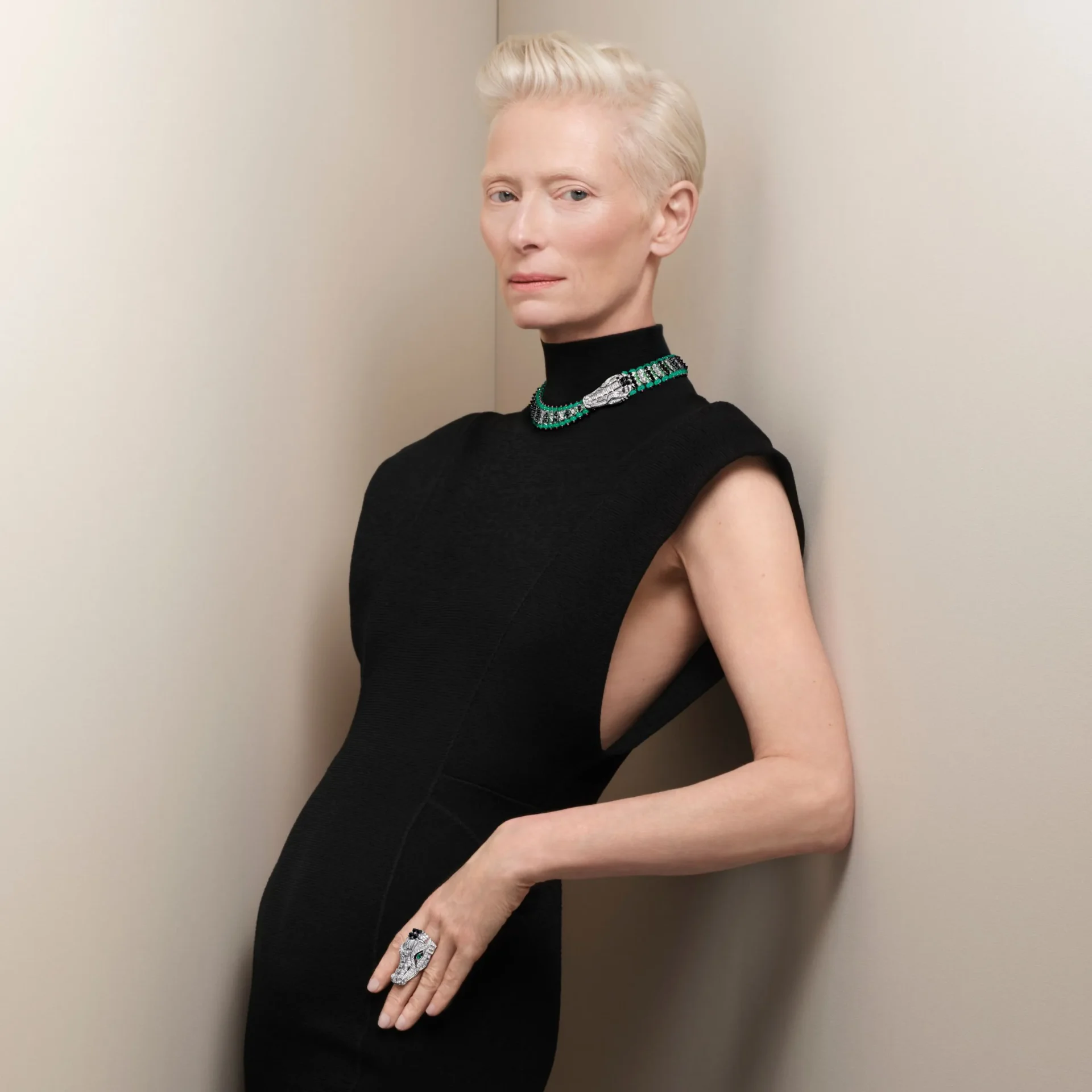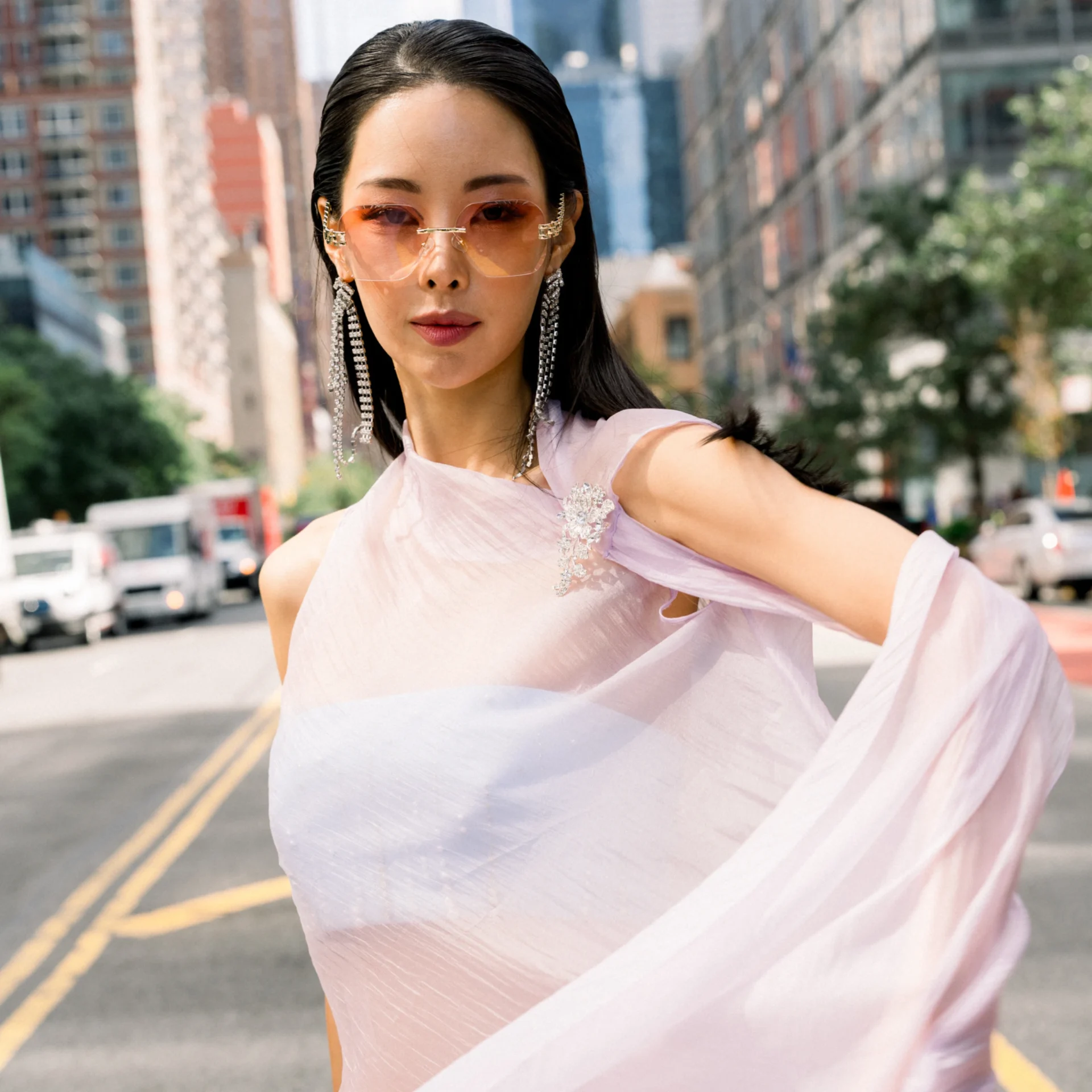




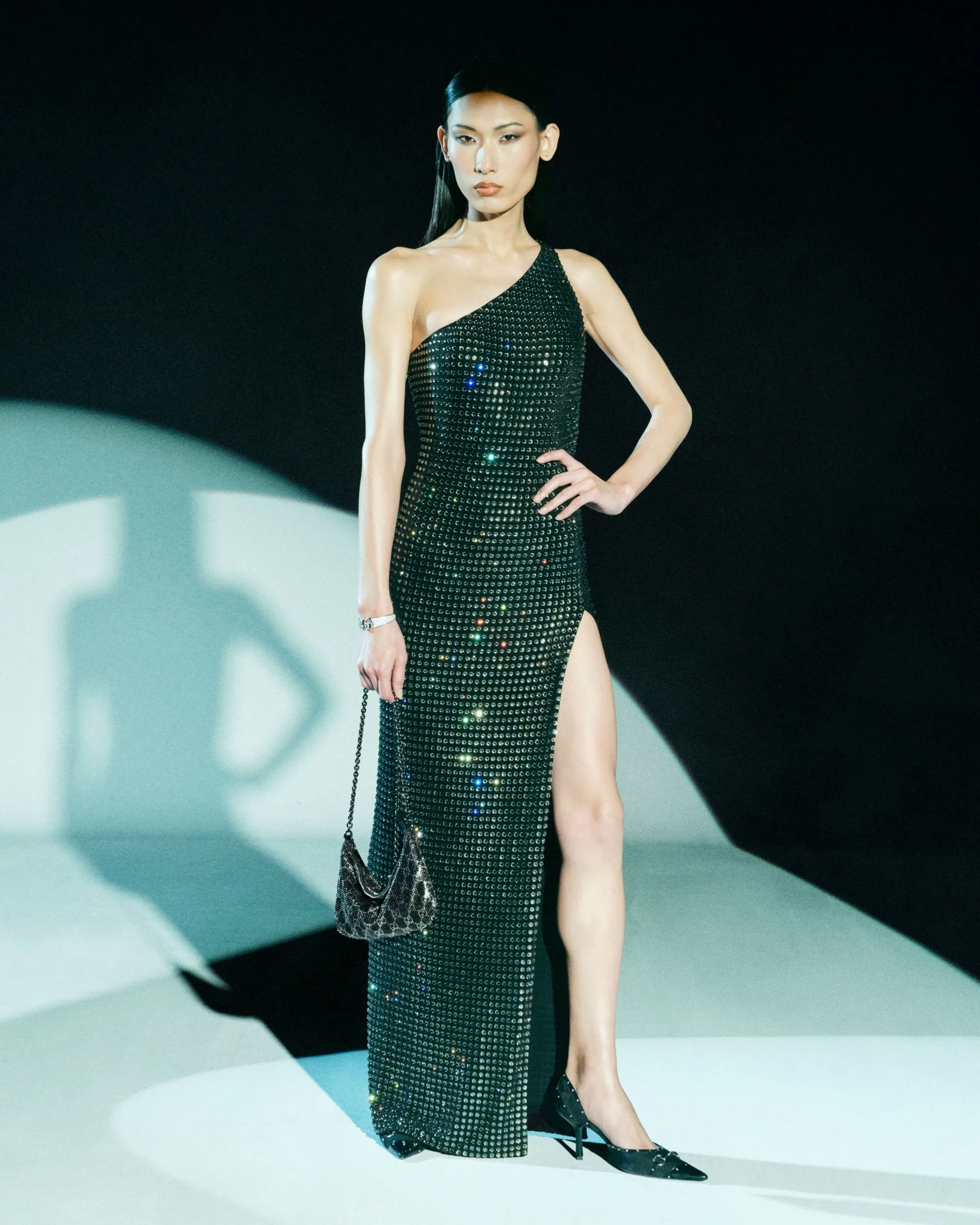
Gucci has always had a thing for characters—women who walk like they’ve been given stage directions, men who dress as if their lives come with an original soundtrack. It’s an Italian brand, after all, born in a country that never learned the meaning of “tone it down”. The House’s history reads like a novella full of confident protagonists, and Hollywood happily agreed: Ridley Scott’s House of Gucci turned the brand’s mythology into a full-blown pop culture opera, starring none other than Lady Gaga, the patron saint of maximal personalities.
As Demna shapes his vision for Gucci, who exactly is he designing for?
RELATED: TOTON and the Creative Permission to Recontextualize a Nation’s Story
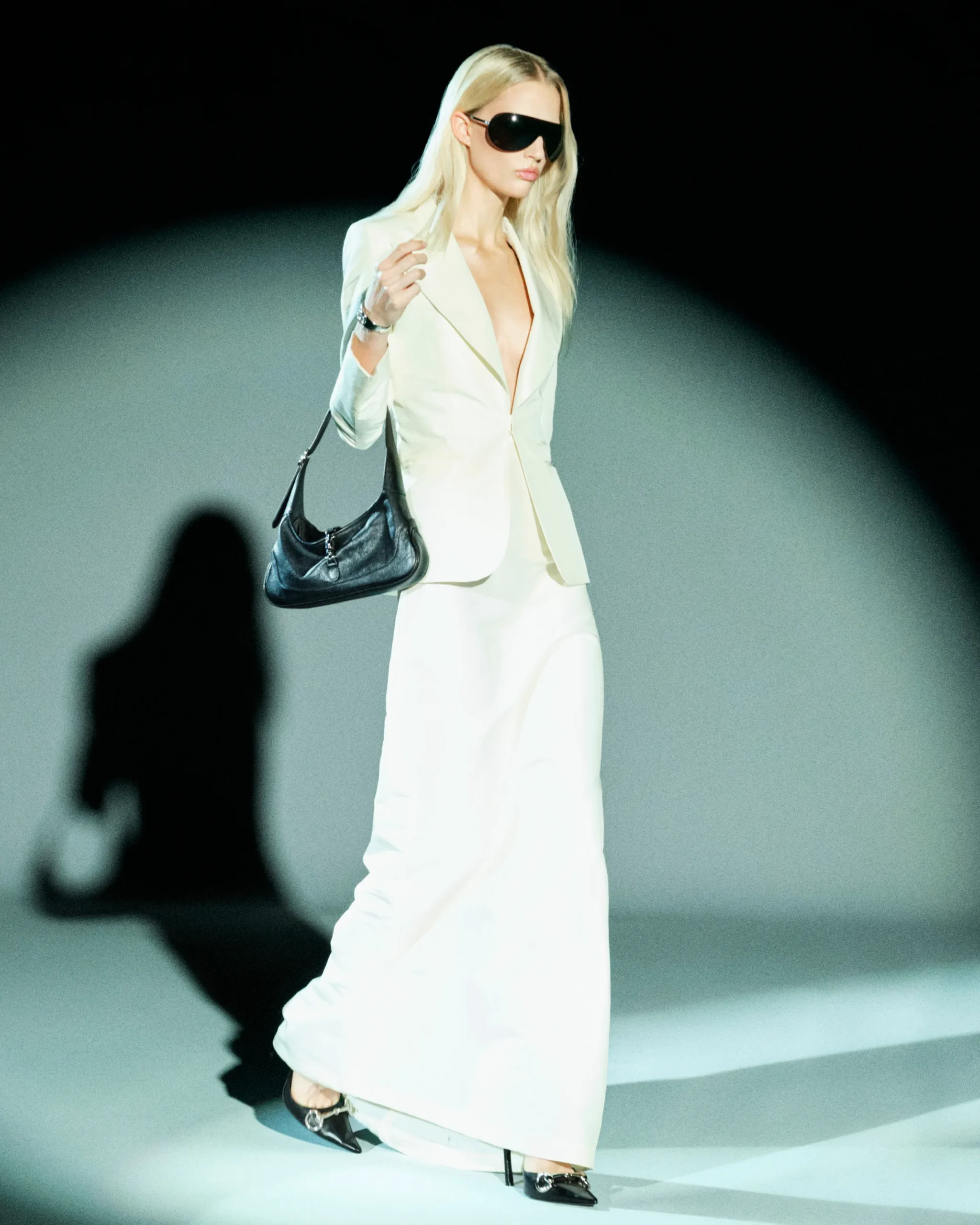
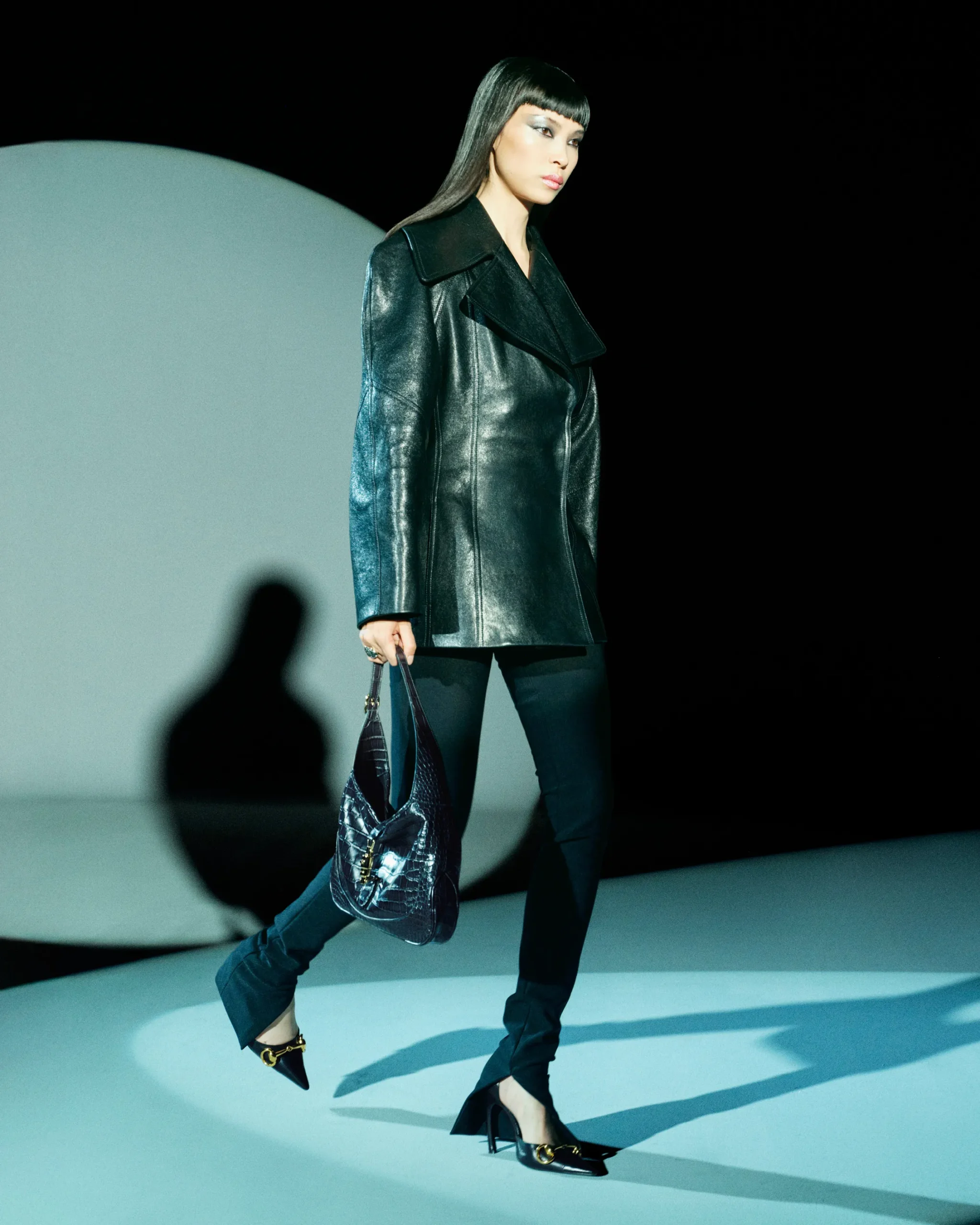
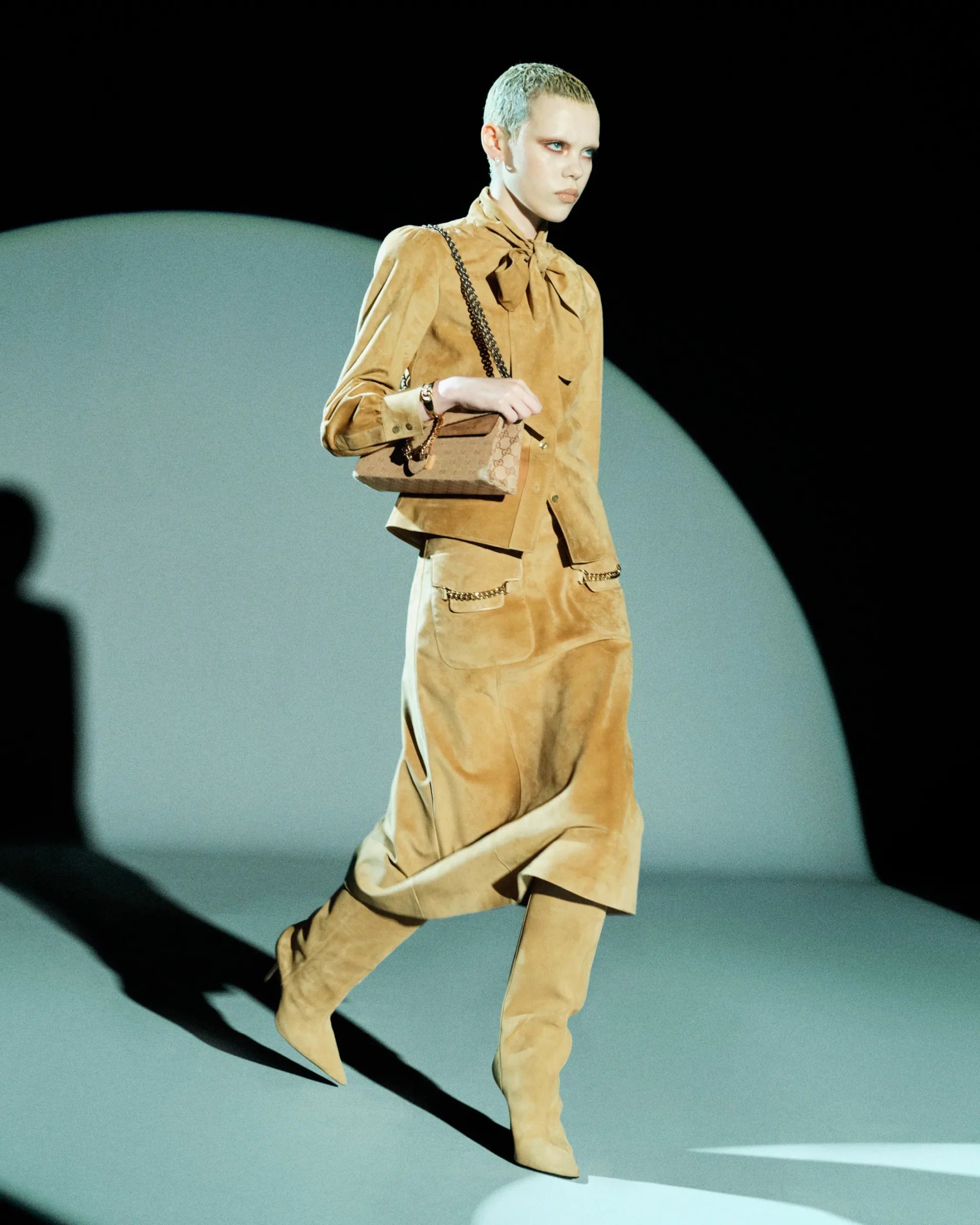

Between Quiet Luxury and “Turn Up the Volume”
When Sabato de Sarno took over, his tenure—though refined—arrived during a cultural moment already cooling toward quiet luxuryLuxuryrefers to a state of exceptional comfort, elegance, and quality, often characterized by premium craftsmanship, exclusivity, and superior experiences.Go to Luxury Glossary. His woman was soft-spoken: sharp tailoring, hushed palettes, silk skirts that flowed gently. It was, at times, beautifully serene, including the lucious Gucci Ancora red. But fashion’s pendulum is restless. Global audiences began craving personality again.
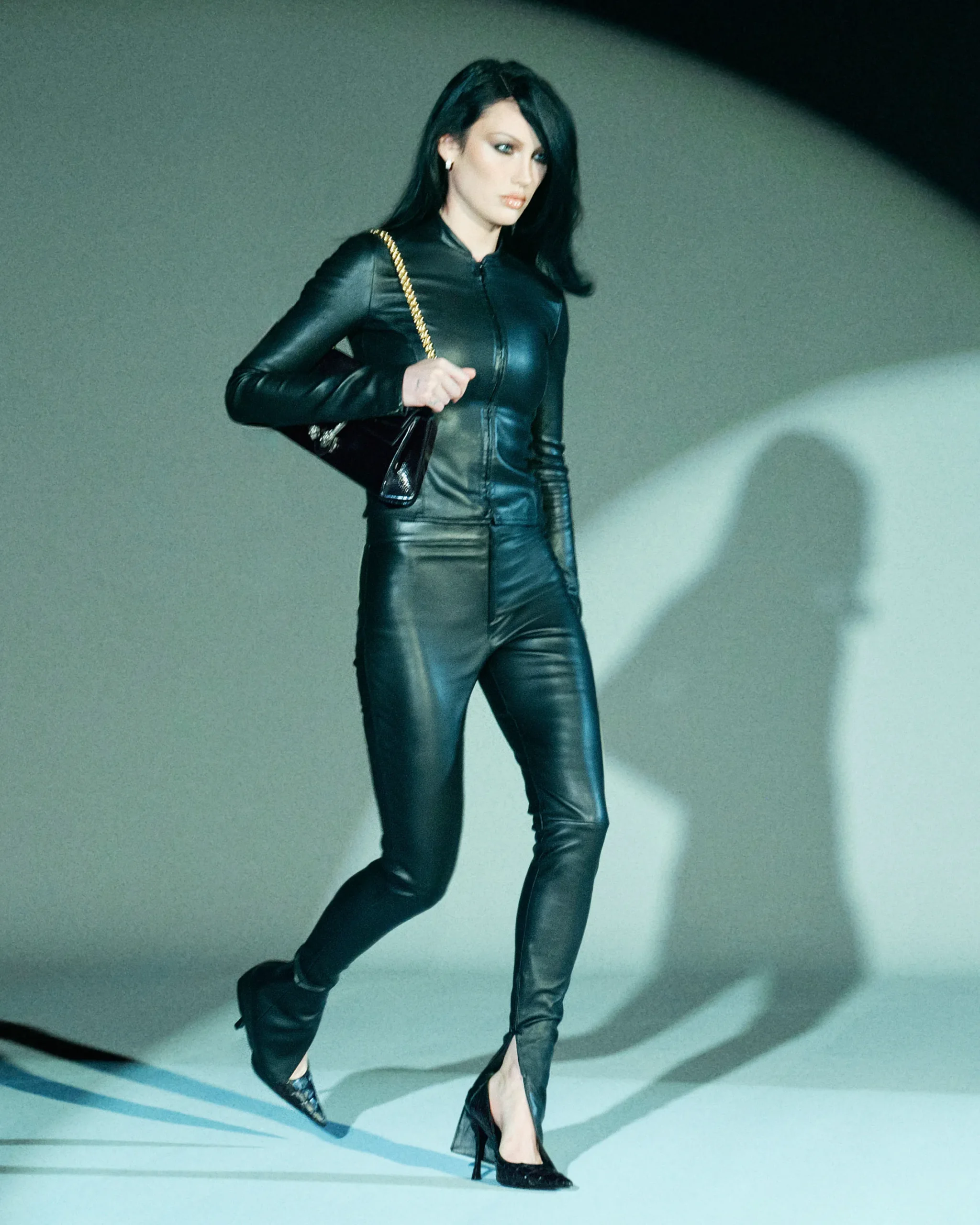
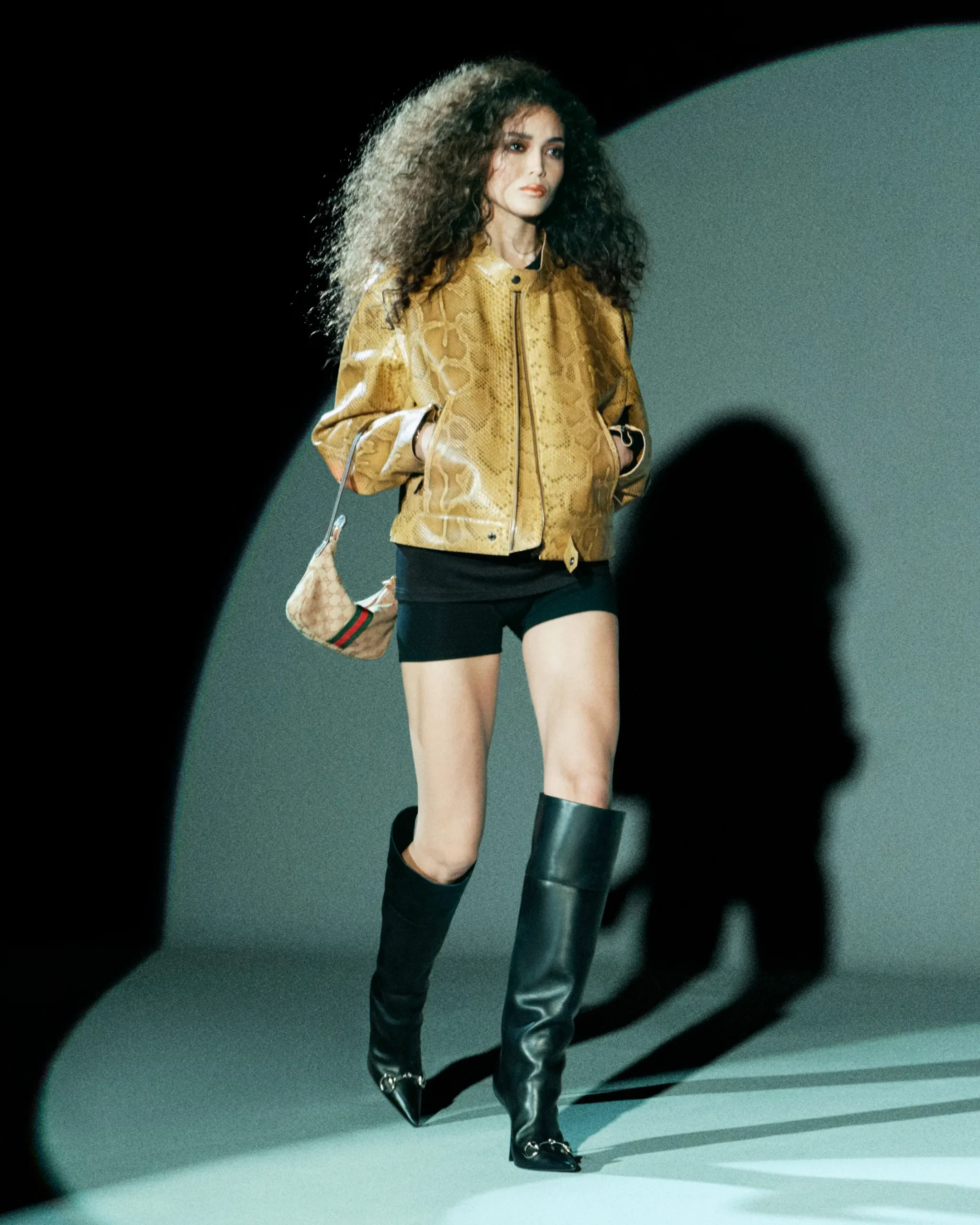
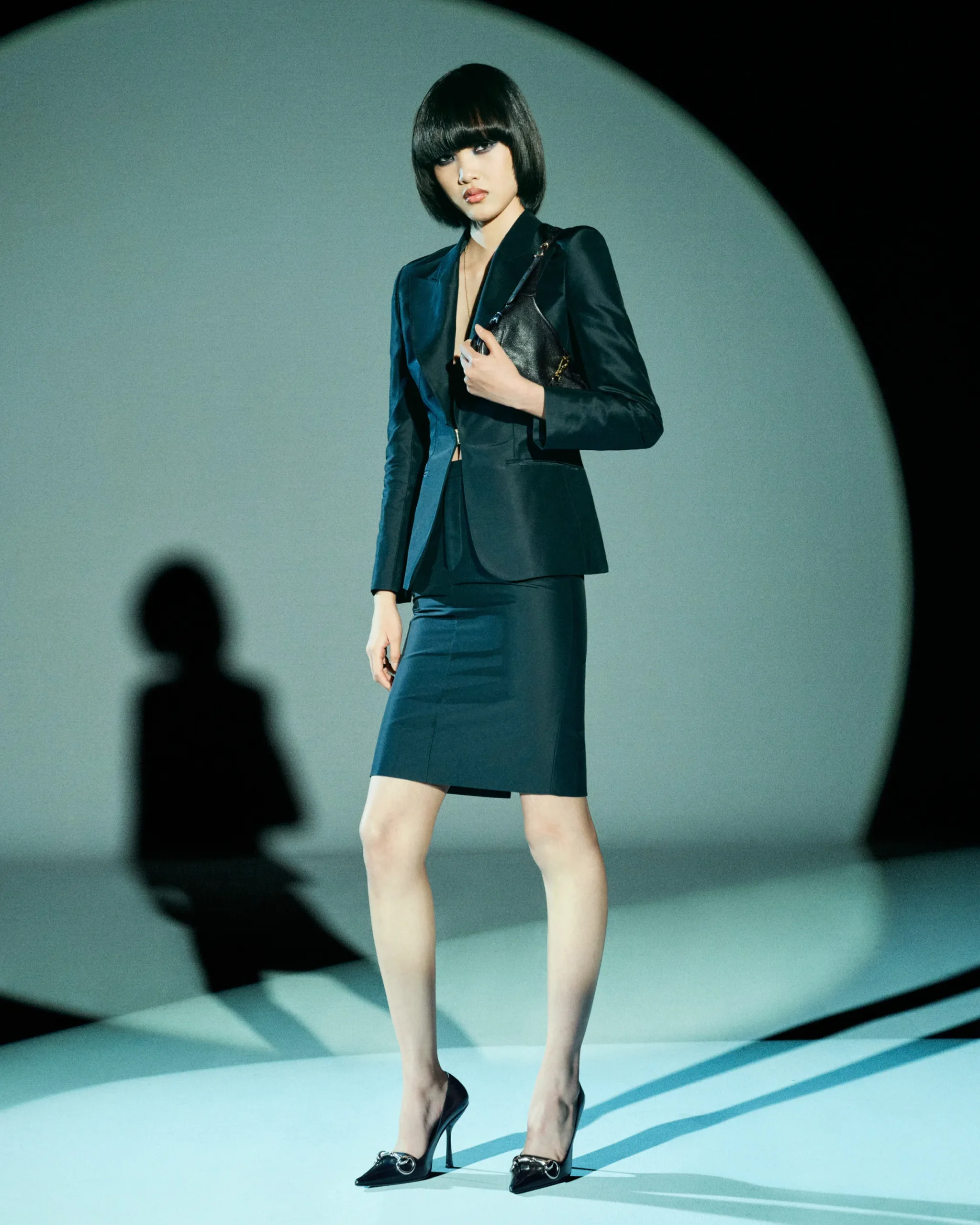
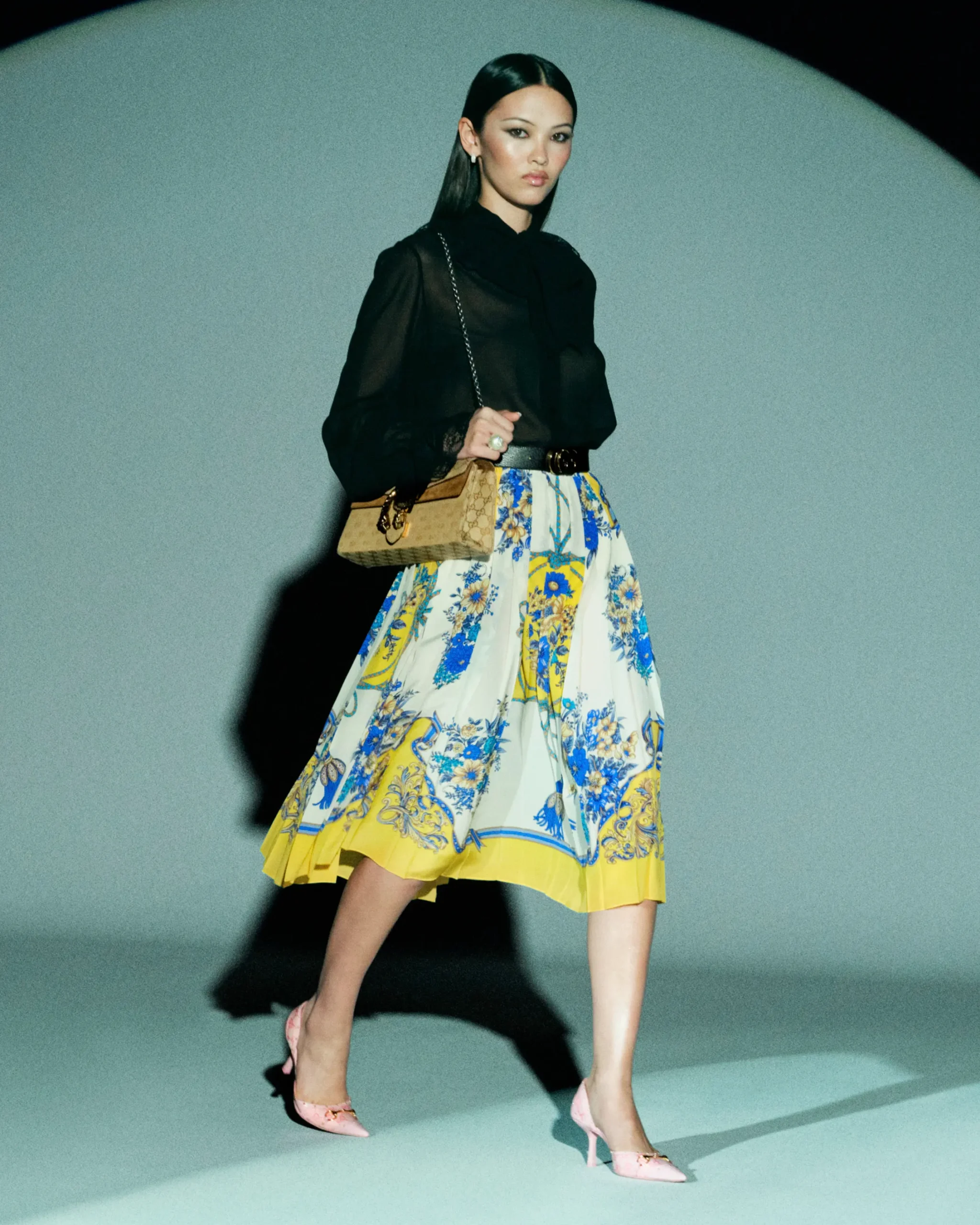
Demna’s aesthetic, forged at Balenciaga, has never been coy. He is bold without relying on sparkles, theatrical without veering into costume (sometimes). If Alessandro Michele’s Gucci was a kaleidoscope—sequins, heaps of color, coded eccentricity—Demna’s early work at the House hints at a different dialect: visually direct. Loud, but not loud for loudness’ sake. Bright, but in a way that feels grounded in character rather than ornament.
Two Preludes Before the Show
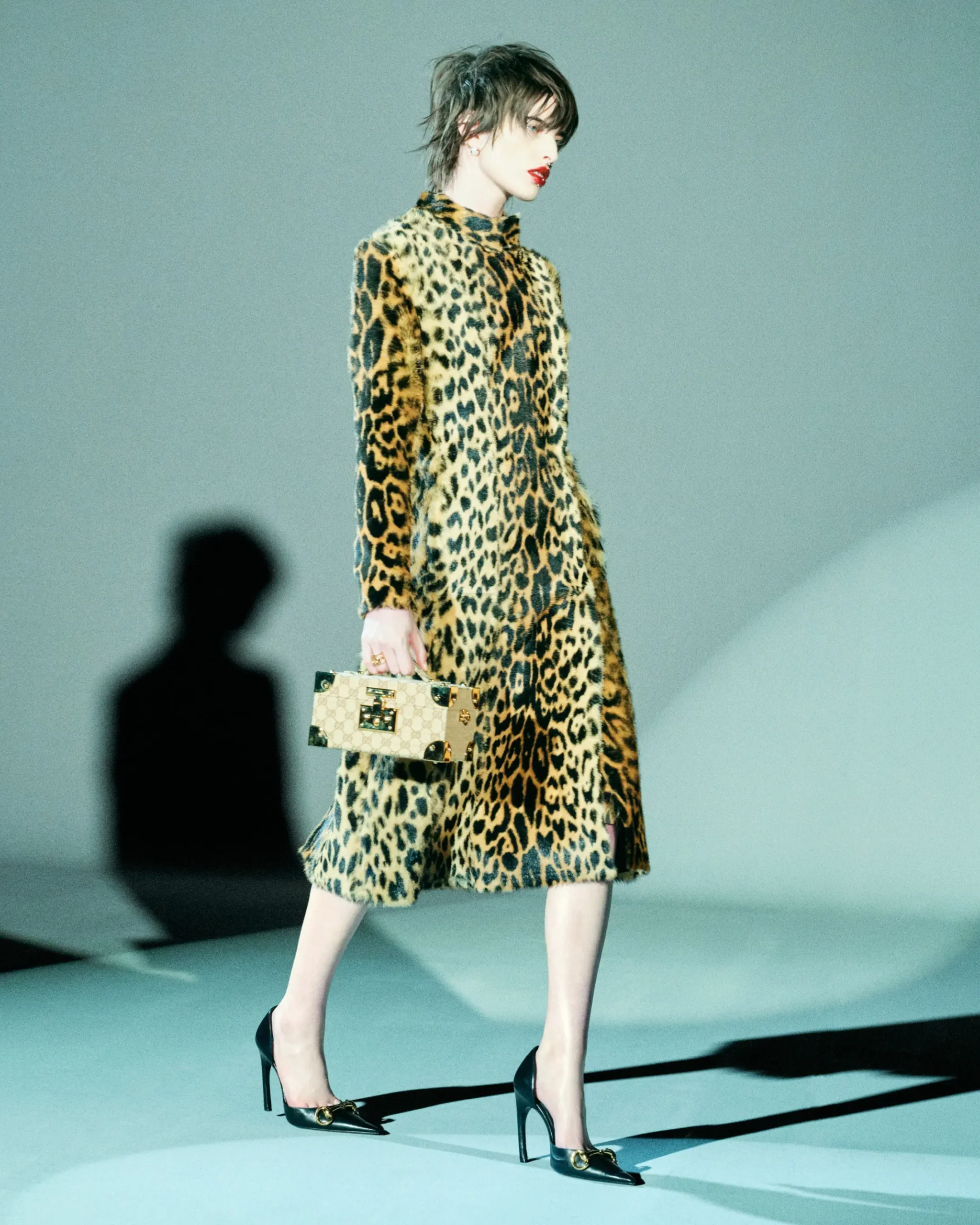
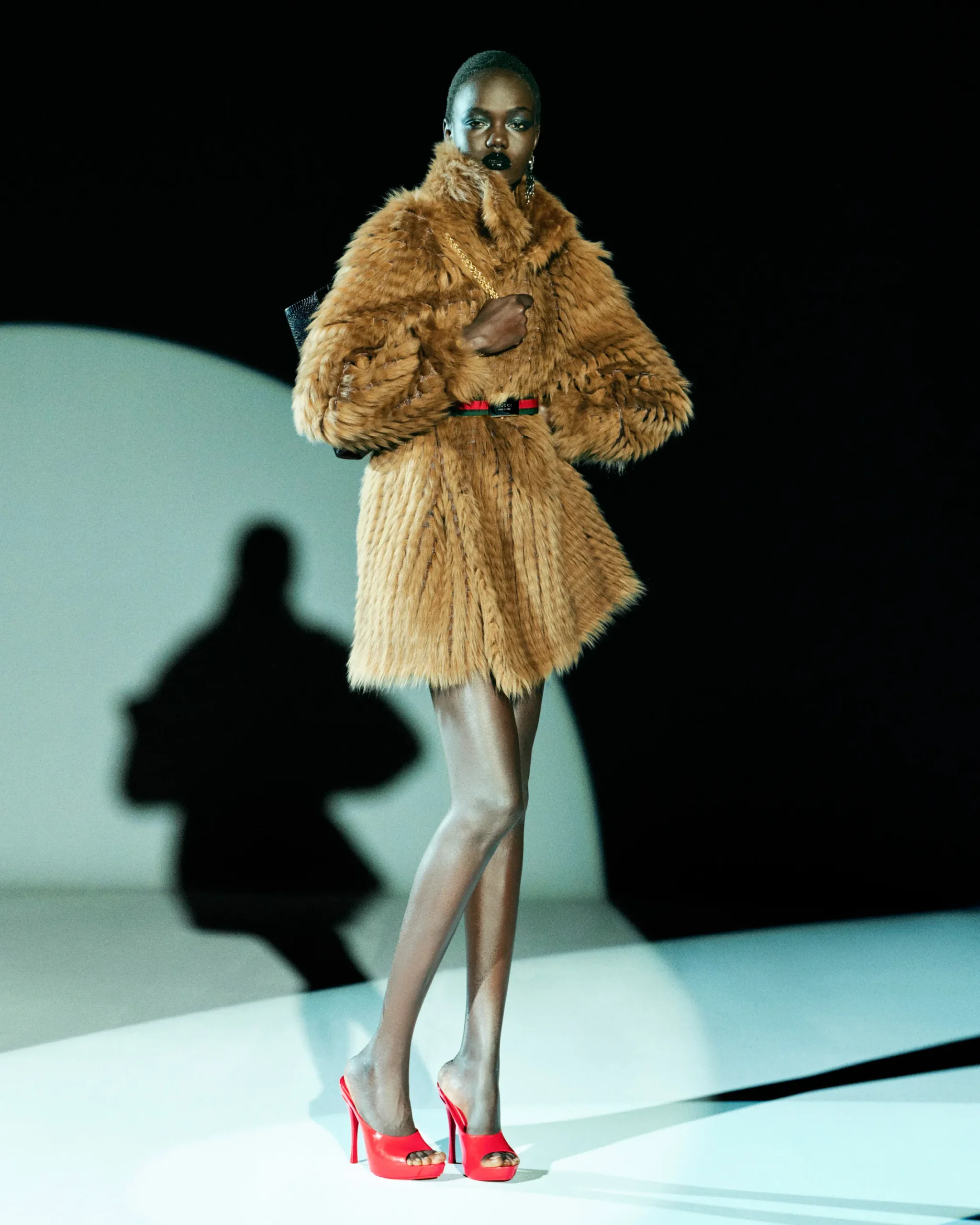
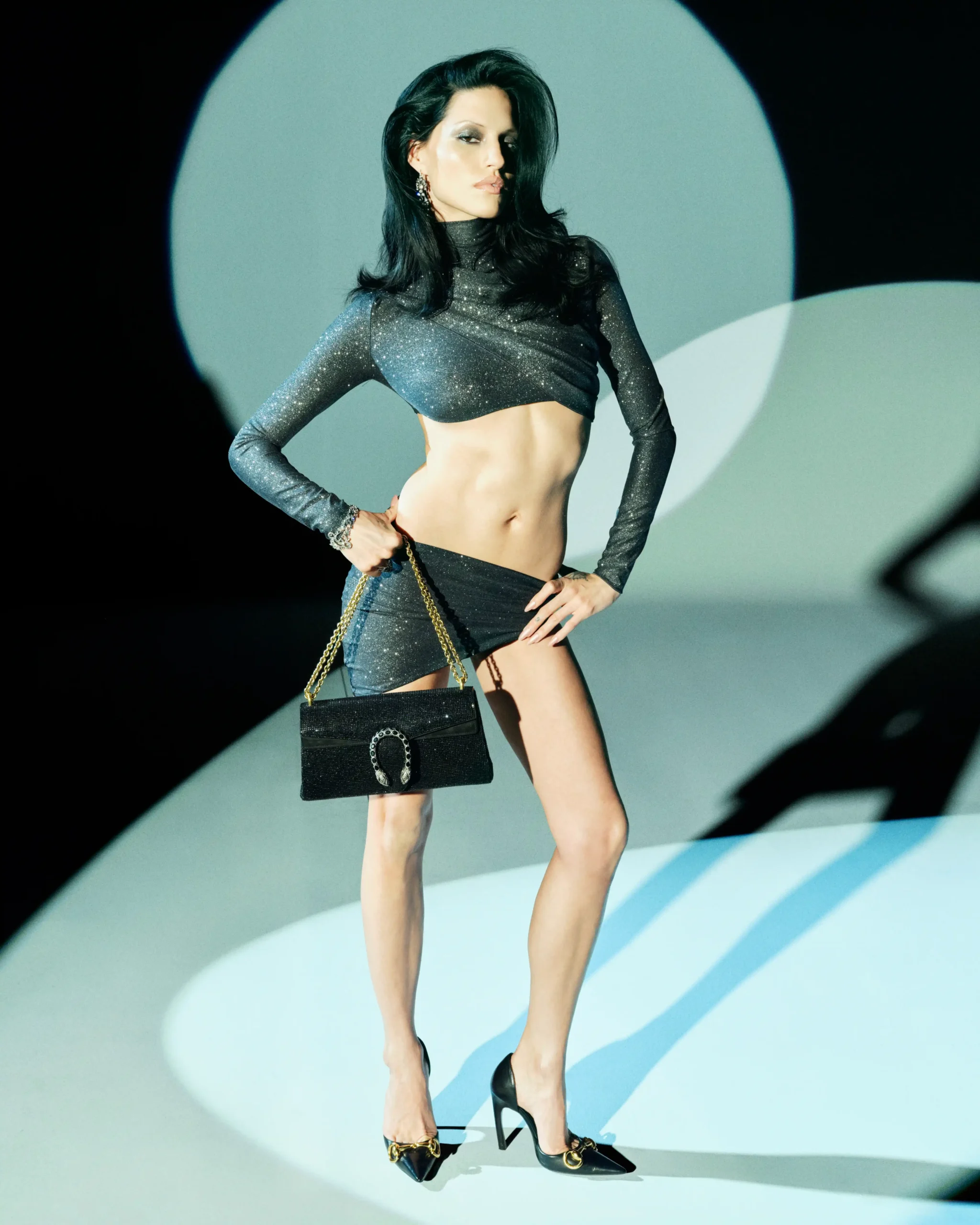
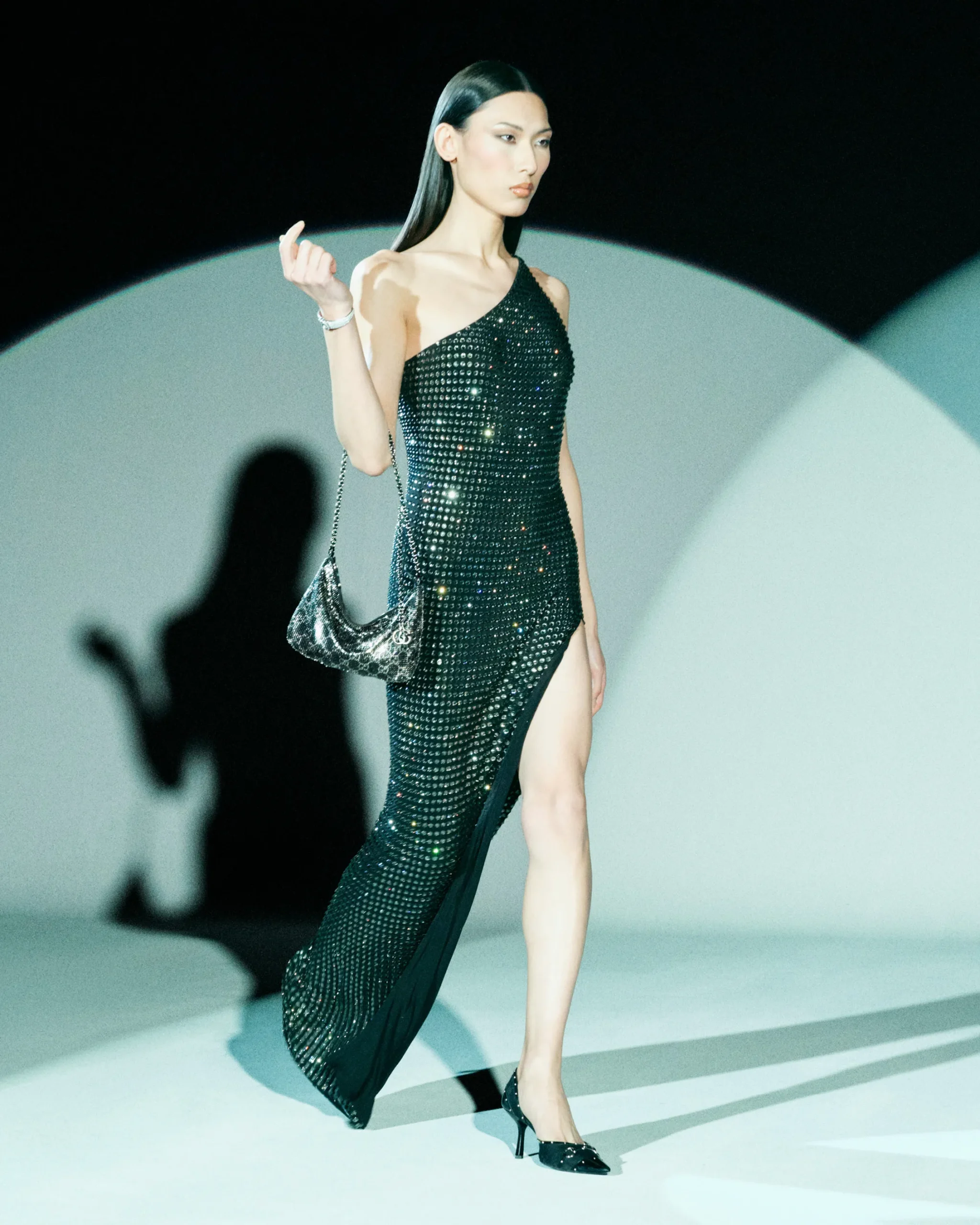
Demna’s first two collections for Gucci — presented as lookbooks instead of the runway — are mere prologues. La Famiglia offered its first sweep through the archives, while Generation Gucci is like a rehearsal of codes, silhouettes, and personalities. Silk faille tailored into lean suits without buttons; seamless denim with nearly invisible closures; leather cut for people who want movement without compromise.
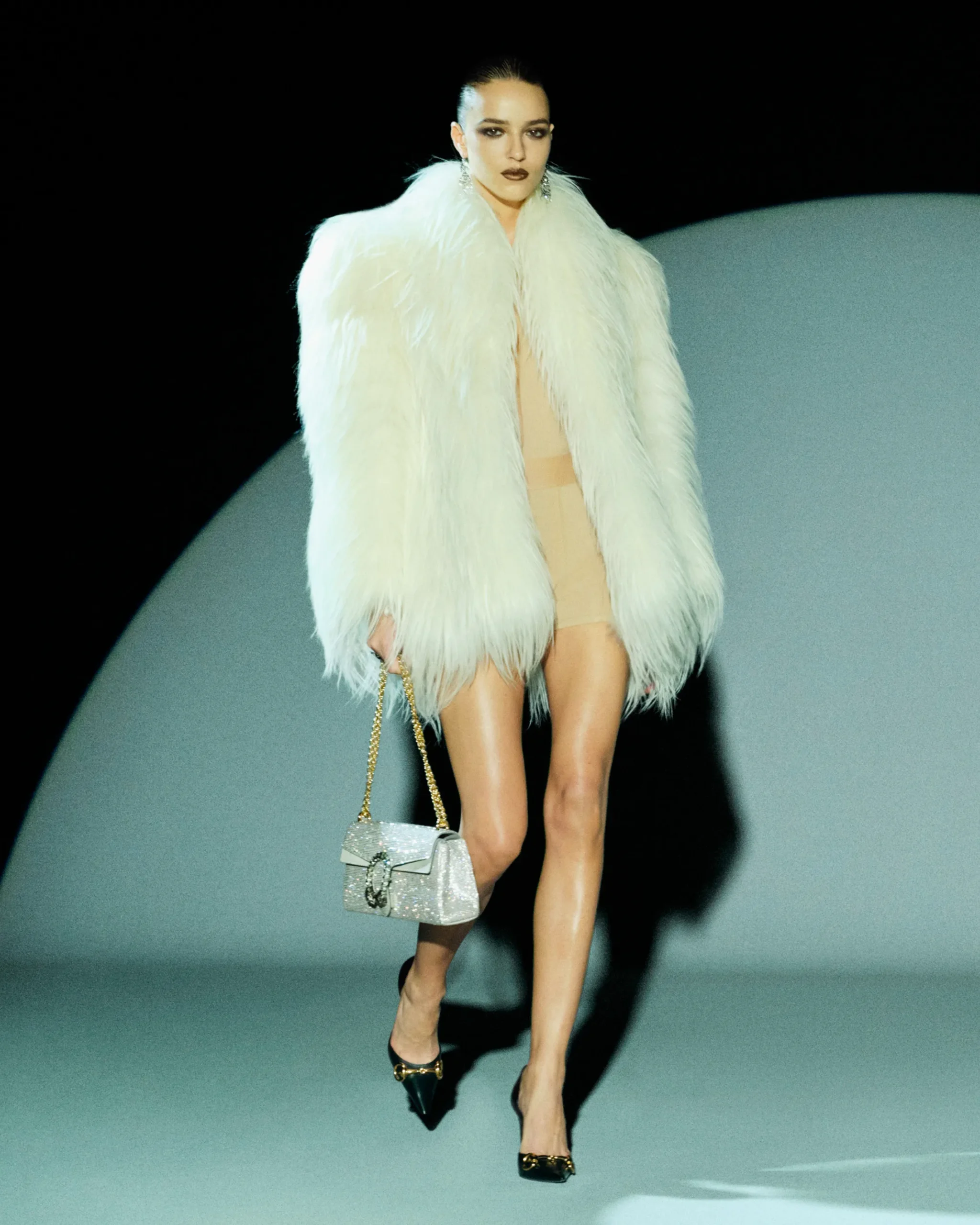
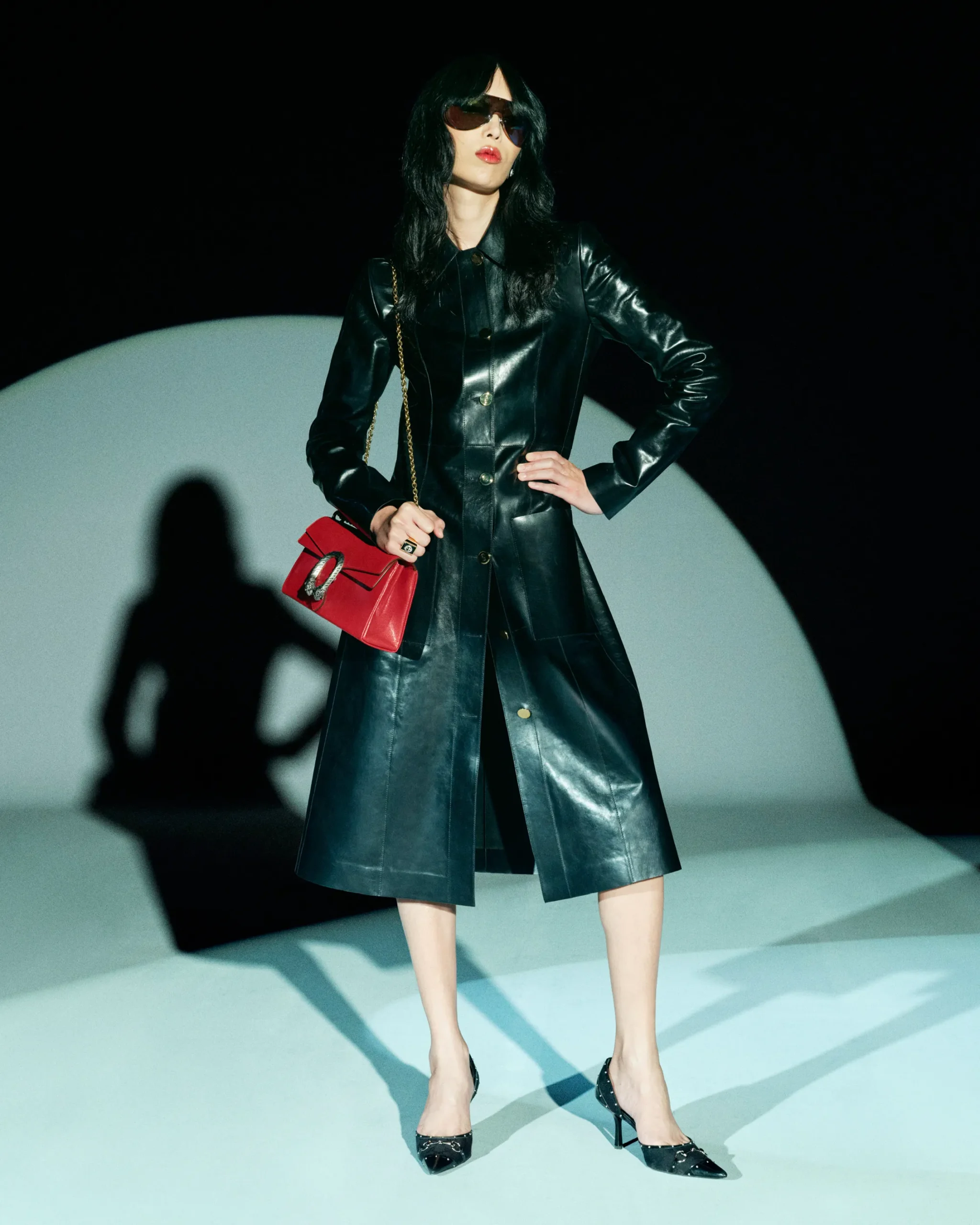
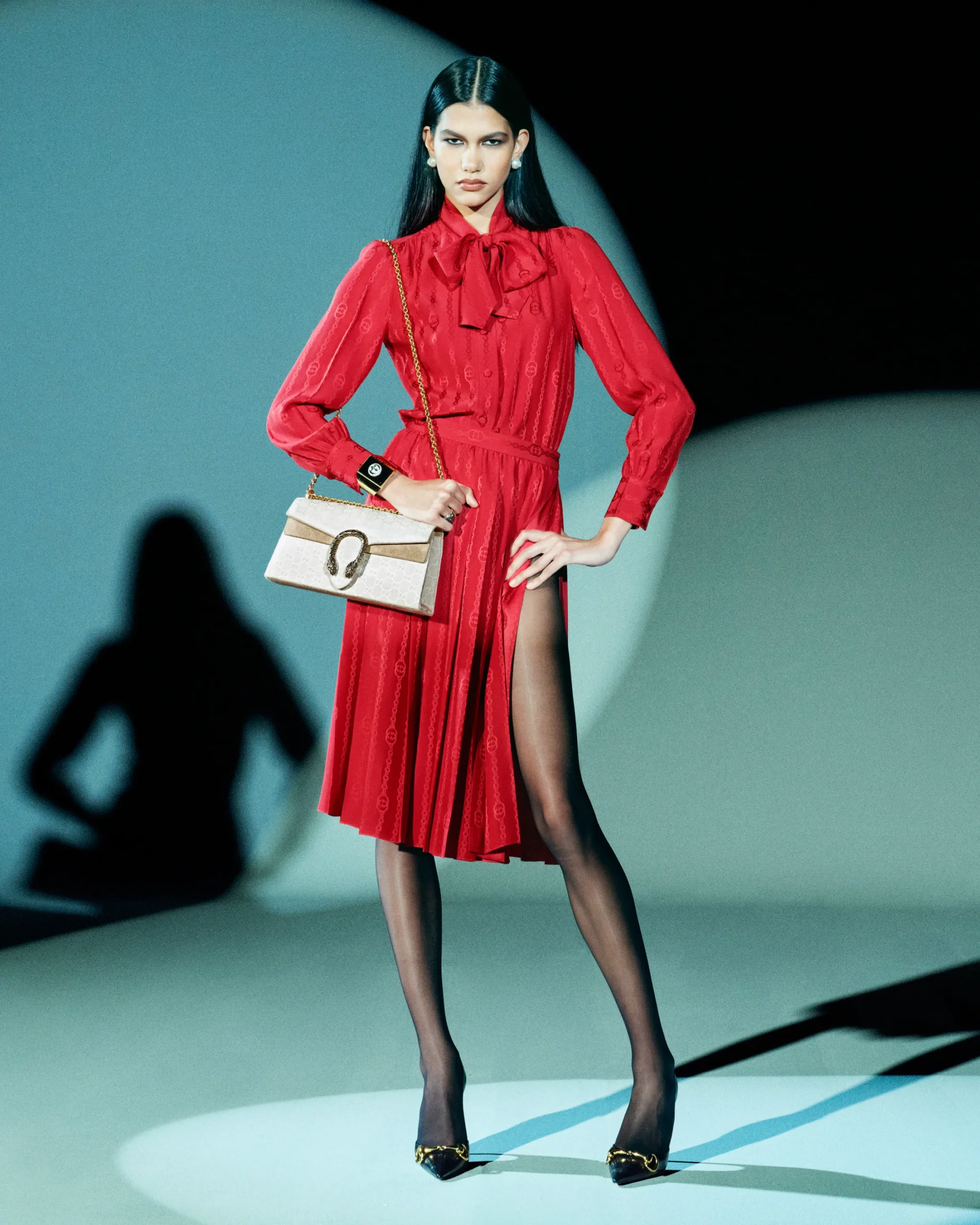
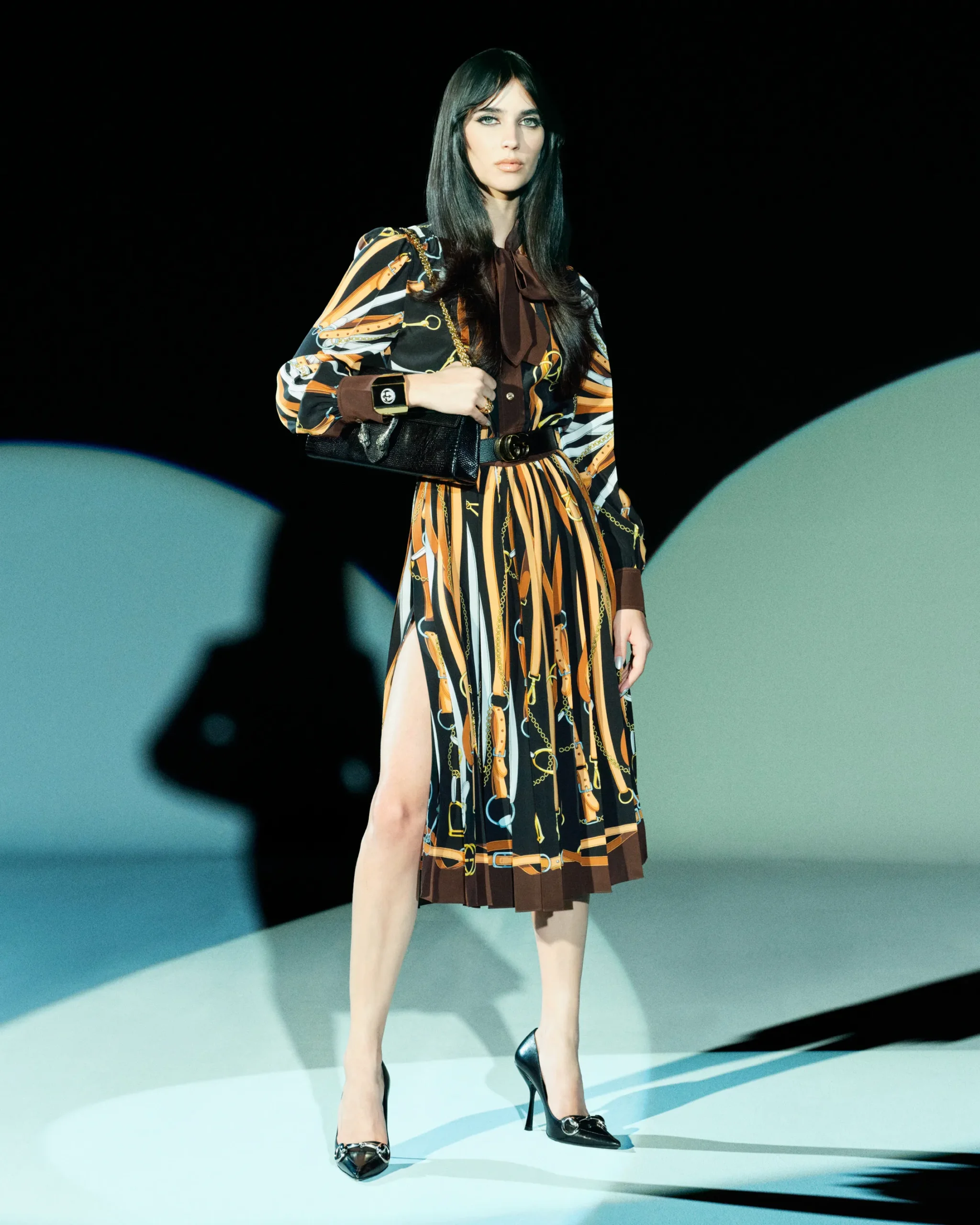
They’re previews, but pointed ones. They sketch a woman who isn’t shy about her presence. A man who doesn’t dress to disappear. A house that has always thrived when its protagonists behave like they’re part of a major plot.
A Gucci Woman
If Michele gave her eccentricity and de Sarno gave her modest perfection, Demna seems ready to give her momentum. His woman feels lifted from Italy’s long-standing love for brash confidence: she has something to say, and her clothes argue on her behalf.
Think of the iconic Italian women who have shaped the House’s energy across decades—silver-screen sirens, matriarchs who ruled with flair, Gaga as Patrizia Reggiani striding around Milan with a moral compass permanently set to “chaos”. These femmes were never neutral or minimalist.
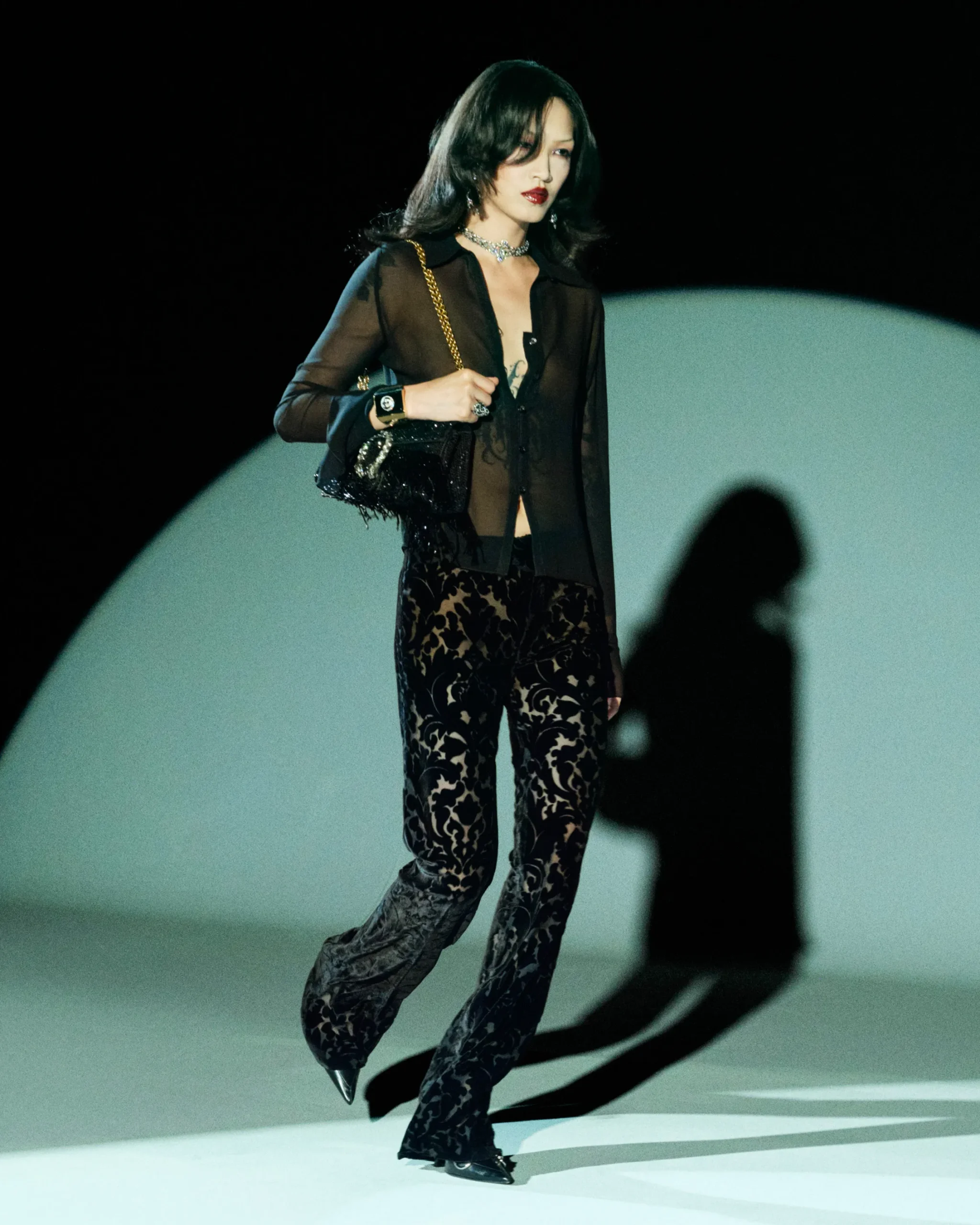
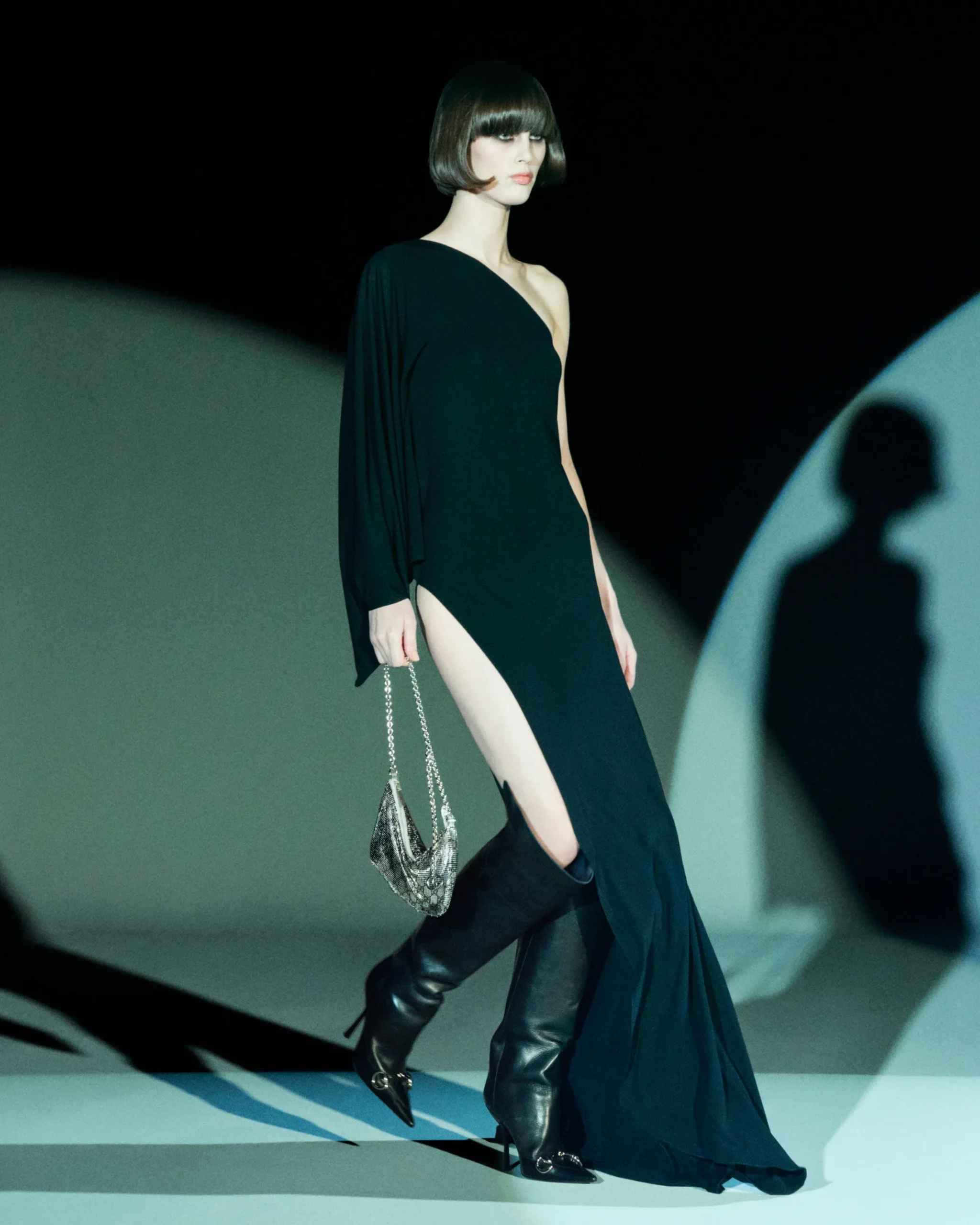
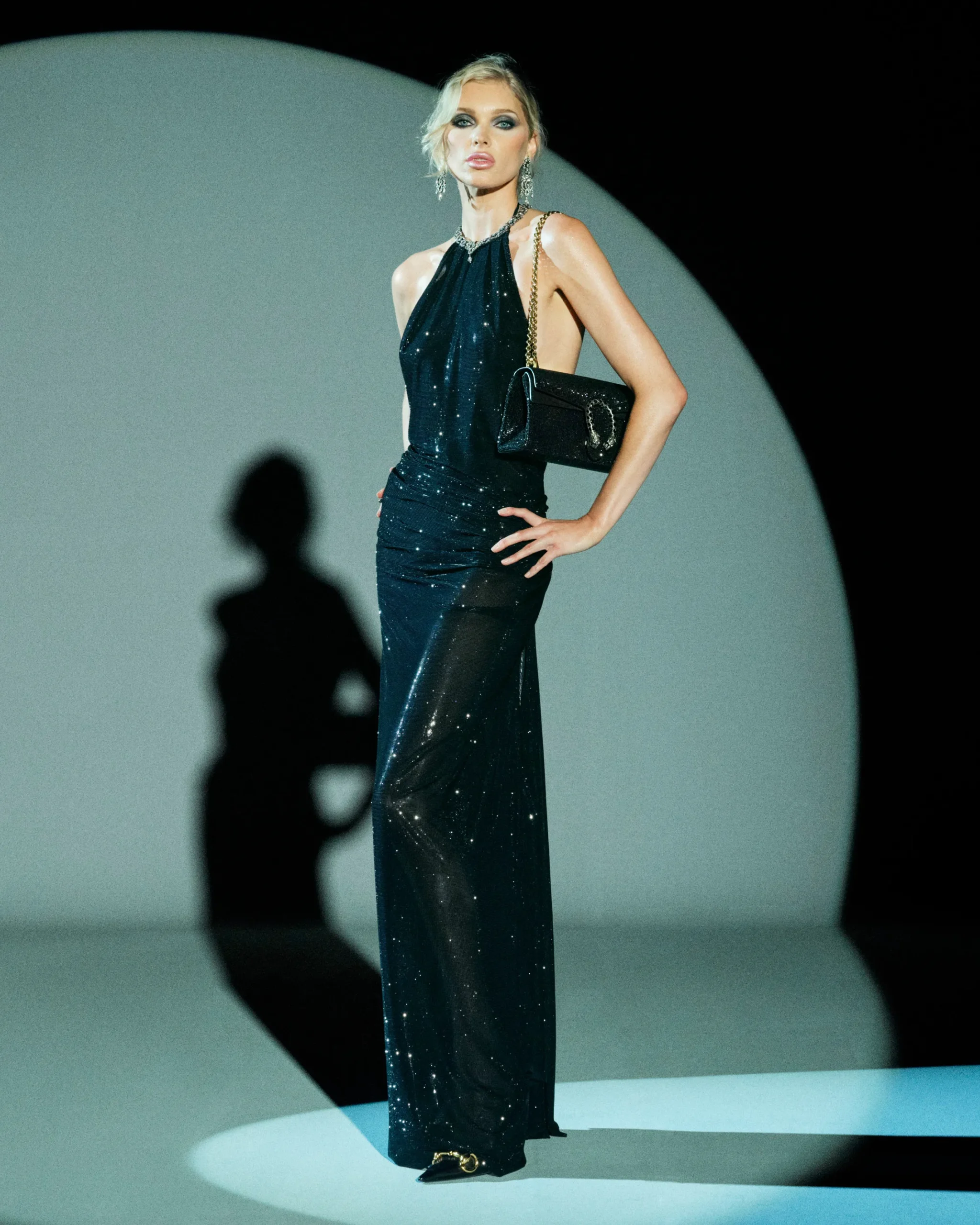
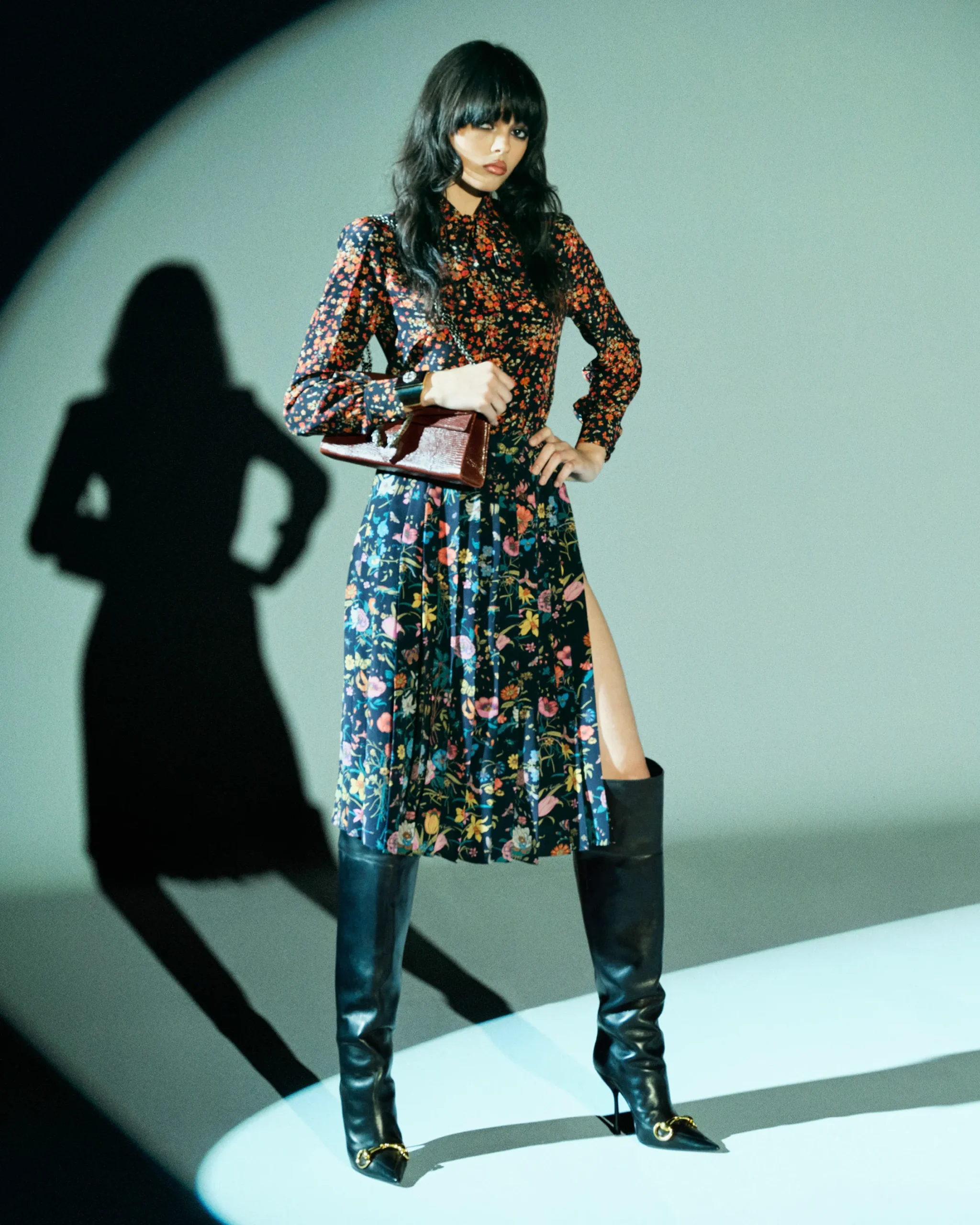
Demna’s Gucci woman appears to come from this lineage. She’s less glitter, more guts. She wears fashion that moves like a challenge, acting like characters of their own.
Is Demna discovering who the Gucci woman has become, or is he reinventing her entirely? The lookbooks suggest both. He’s listening to the archives, but he’s also listening to the zeitgeist—a world tired of algorithm-safe outfits, hungry again for drama, humor, and human contradictions expressed through clothes.
Gucci’s Next Volcanic Era?
If these two collections are the early tremors, February might be the real eruption. Demna’s debut runway show promises what the lookbooks have teased: a House awakening to its own theatrical inheritance, but through a sharper, more contemporary filter.
A red-hot Gucci moment, perhaps—charged not with sequins or nostalgia, but with the spark of personality restored. It’s boldness without chaos, heritage without mimicry, modernity without muting the brand’s unmistakable charisma.
At the end of the day, Gucci has always dressed people who want to be seen. And under Demna, it looks like they will finally be again.
Photos courtesy of GUCCI
Recommended Video
Latest Posts

Latest Issue