



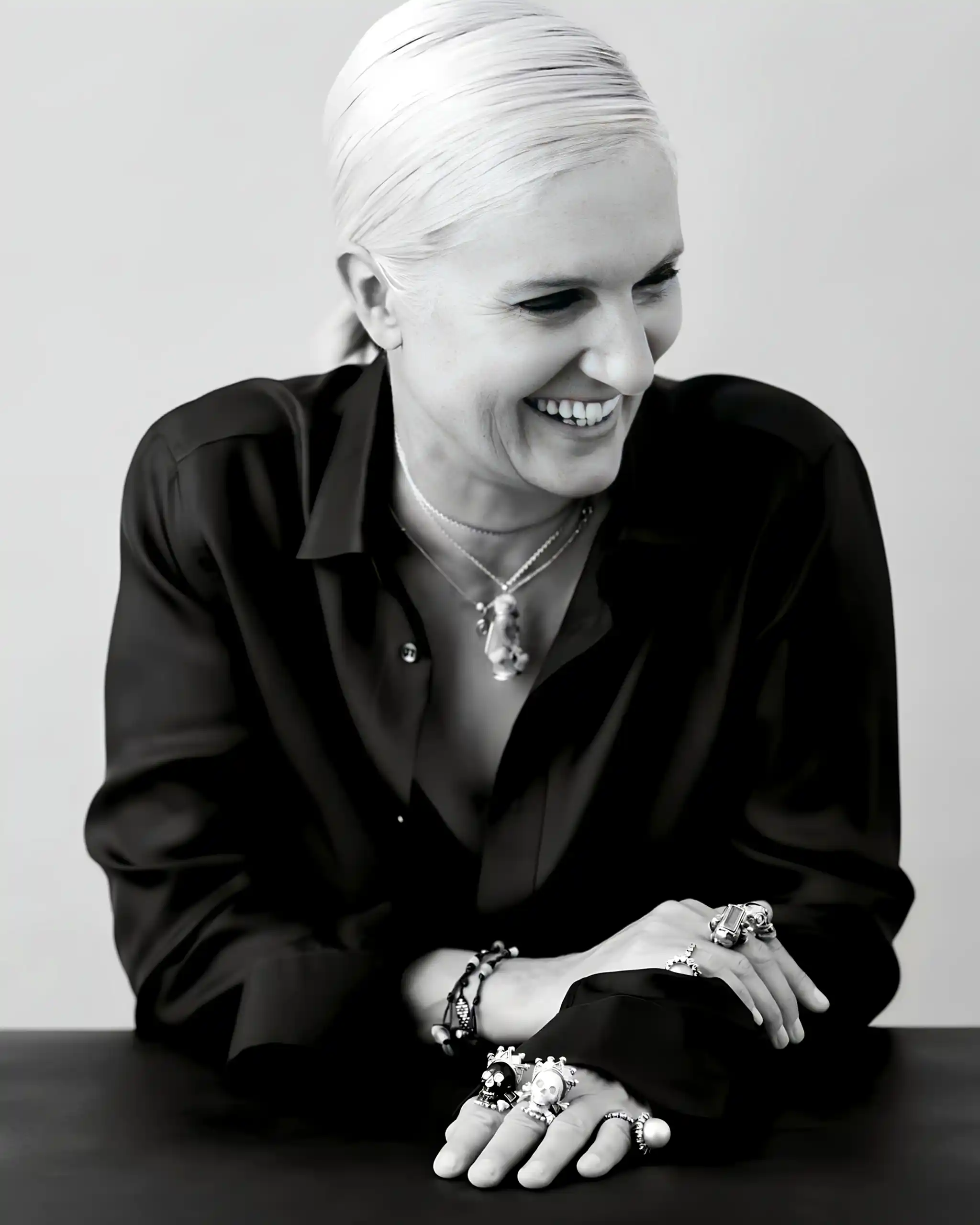
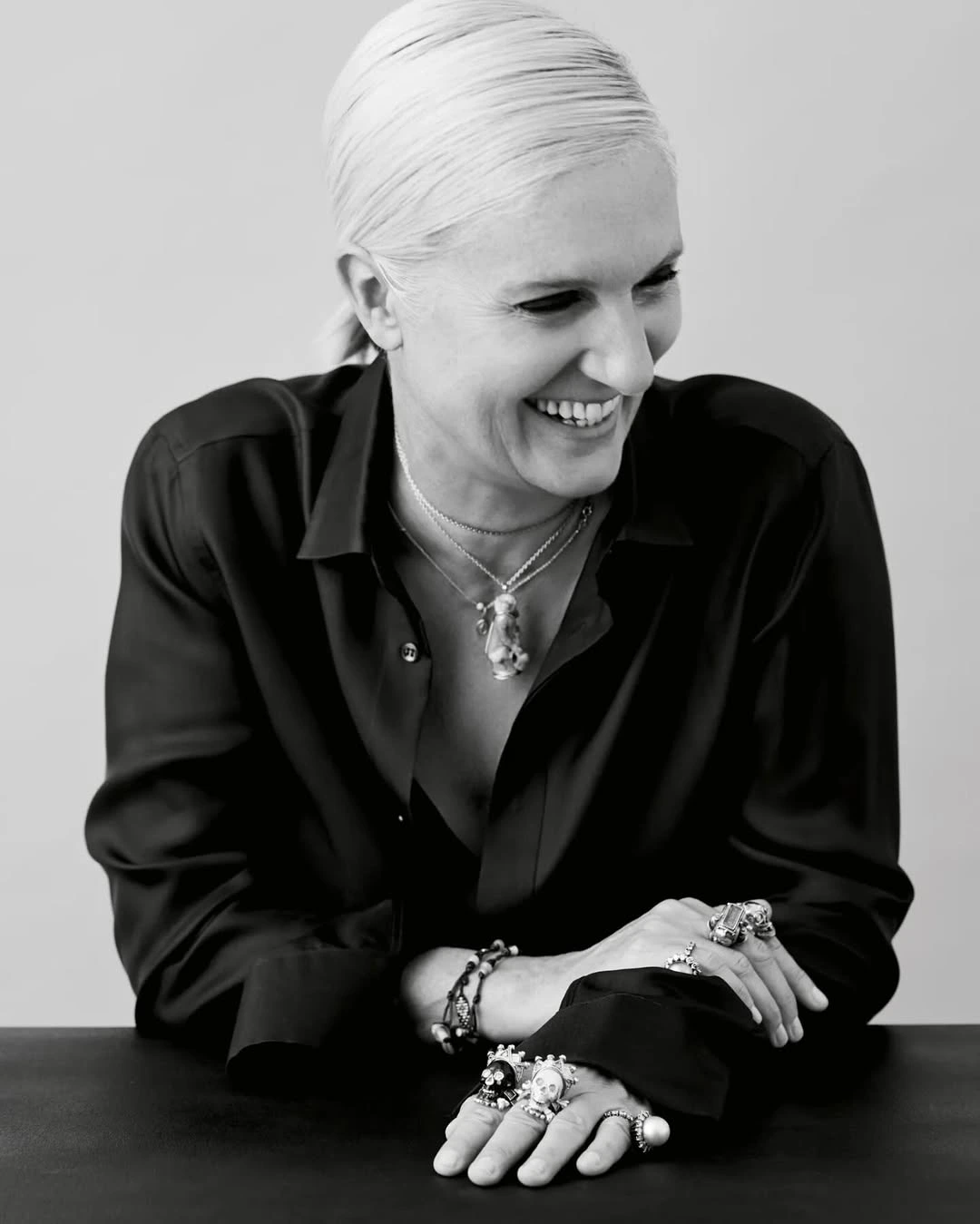
When Maria Grazia Chiuri was appointed Creative Director of Dior in 2016, she wasn’t just the first woman to hold the title—she was the first in the house’s history to reframe femininity not as a silhouette, but as a statement. The announcement alone was seismic in a male-dominated industry, and Chiuri wasted no time making her intentions clear: feminism wasn’t going to be a seasonal theme. It was her throughline.
RELATED: Dior Hands Jonathan Anderson the Whole House
The F-Word That Walked the Runway
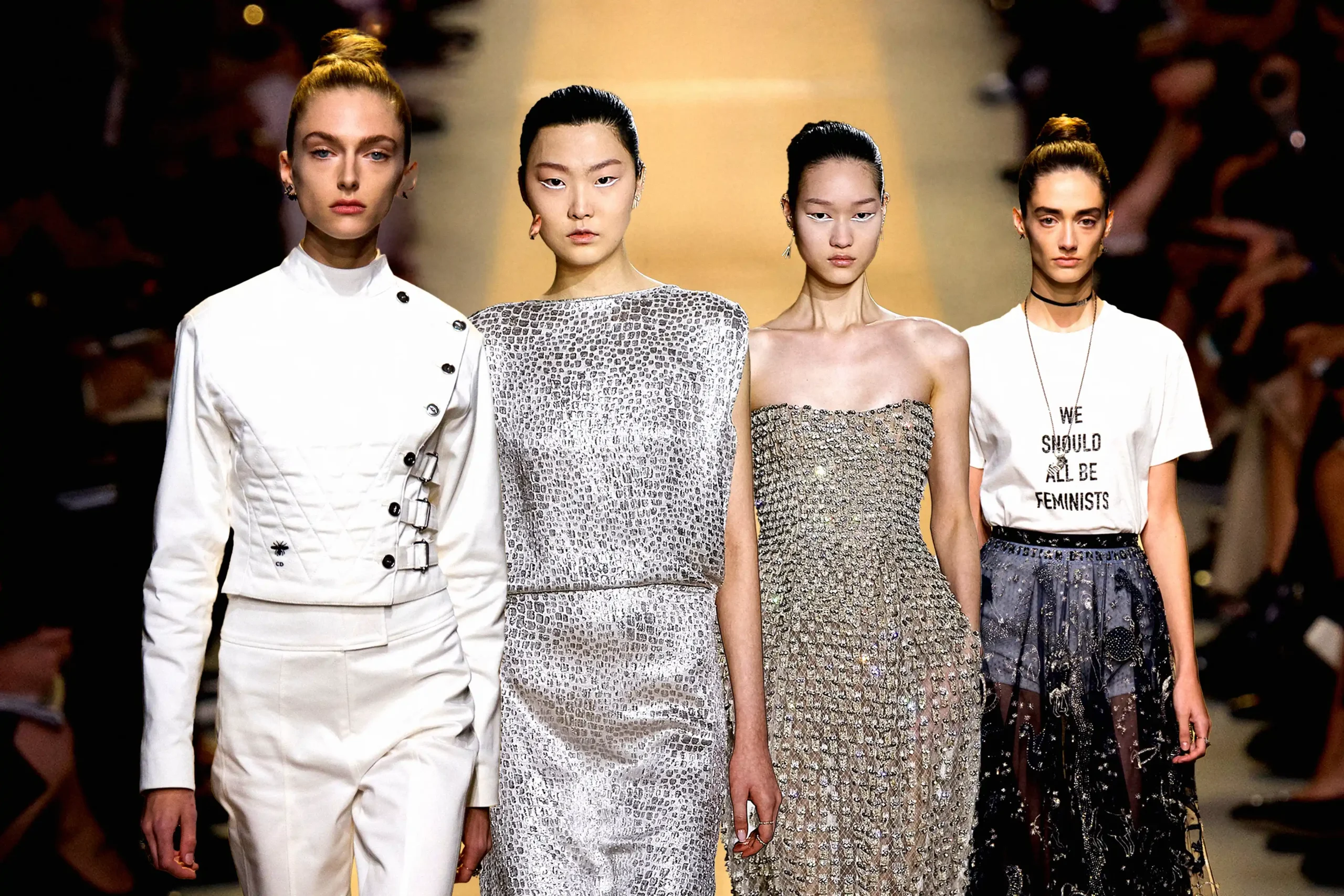
Chiuri opened her first collection with a T-shirt that read “We Should All Be Feminists”, borrowing Nigerian author Chimamanda Ngozi Adichie‘s words and broadcasting them to the crowd. It was one of the most-watched shows of the season as well one of the most talked about until today.
Beyond the headlines, Chiuri embedded her politics in the very construction of her clothes. She routinely collaborated with female-led collectives: from Chanakya School of Craft in Mumbai, where female artisans produced intricate embroidery for the Dior Couture 2022 show, to the weaving women of Dior Cruise 2024 in Mexico, which spotlighted traditional Mexican craftsmanship by female artisans from Oaxaca and Chiapas. Her interest in female labor was economic, cultural, and generational.
While her feminism centered women, she also worked with artisan communities that have long been marginalized. For Cruise 2020, Chiuri collaborated with Uniwax, one of the few African companies producing authentic wax fabrics, and Sumano, a Moroccan collective reviving local craft traditions.
Heroines in Every Hemisphere
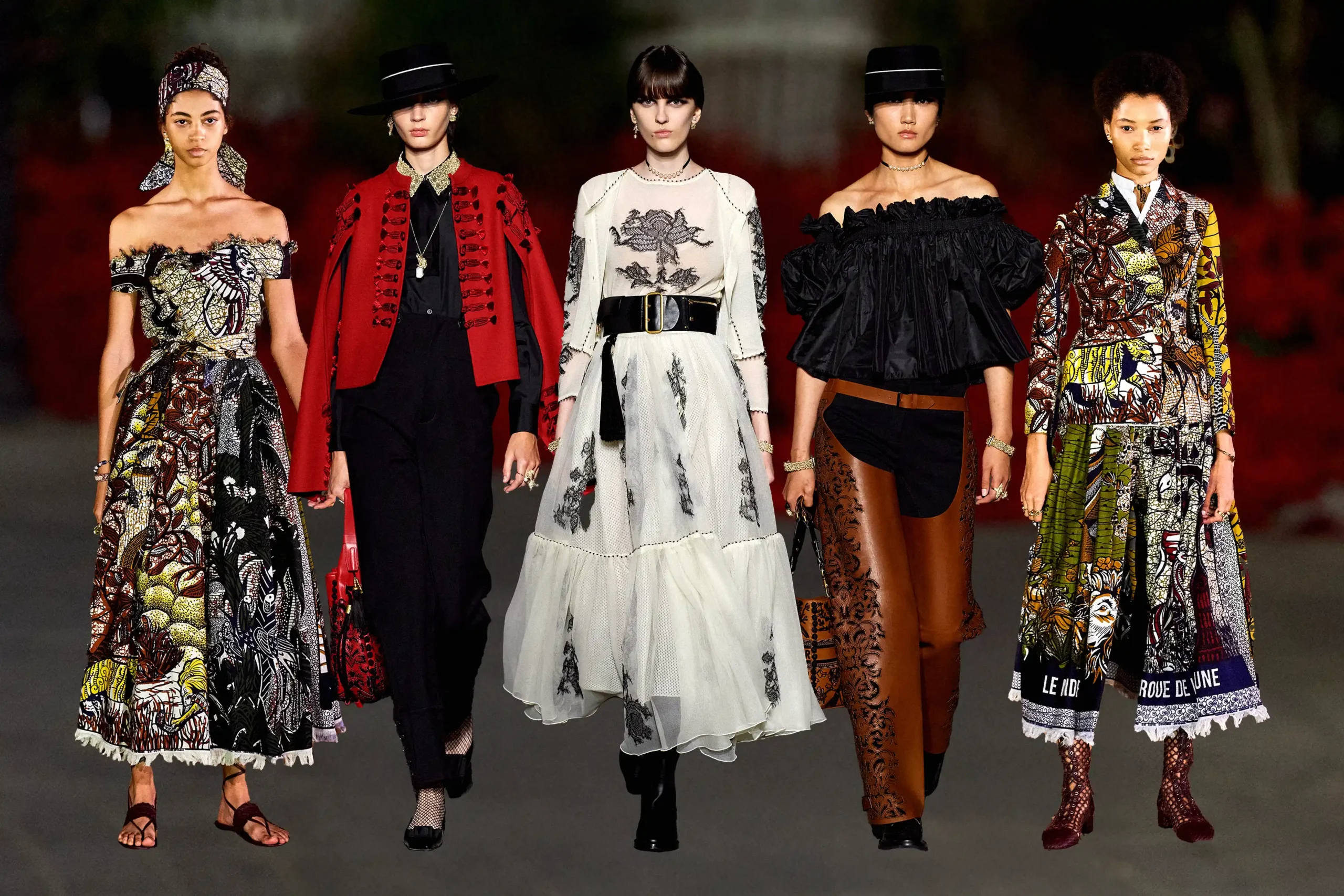
Her Cruise collections became roving homages to women’s histories across the globe. For Dior Cruise 2023, she turned to the women of Andalusia—flamenco dancers, horsewomen, and artists—as the muses for Dior Cruise in Seville. In Athens, she paid homage to the goddesses and ancient athletes of Greece, referencing powerful female figures from mythology and archaeology alike.
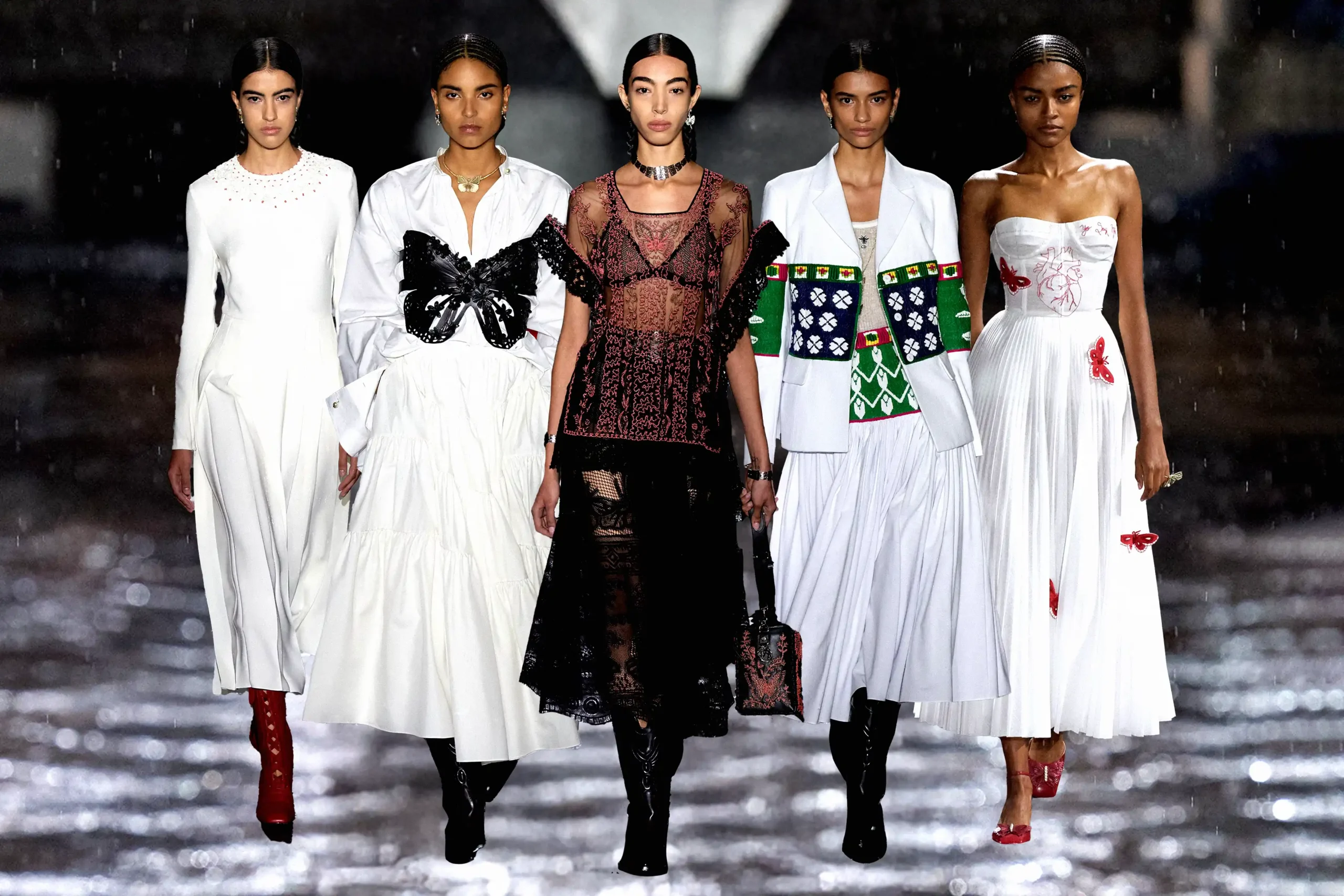
By 2023, the lens widened further. For Dior Cruise 2024, she traveled to Mexico City with a tribute to Frida Kahlo, as a complex symbol of strength, creativity, and duality. Garments echoed the Tehuana dress, full skirts paired with huipils, while embroidered butterflies fluttered across fabric alongside parrots, monkeys, and strelitzias—a wearable evocation of Kahlo’s flora and fauna-filled paintings.
Cruise 2025 landed in Scotland, but looked to Mary, Queen of Scots—a woman betrayed by power, romanticized by history, and reclaimed by Chiuri as a rebel. Through tartan and tulleTulleA lightweight, sheer netting fabric used to create volume, veils, and airy overlays in gowns, skirts, and bridal wear. Soft and romantic, tulle gives a dreamy, ballerina-like effect, and hasGo to Tulle Glossary, the collection stitched together punk, Catholicism, folklore, and royal portraiture. It didn’t flatten Scotland into a costume, but celebrated the country’s cultural plurality and fierce femininity.
A Woman’s Gaze, Not a Male Fantasy
There was something defiant in the softness. Chiuri’s silhouettes often leaned romantic—tulleTulleA lightweight, sheer netting fabric used to create volume, veils, and airy overlays in gowns, skirts, and bridal wear. Soft and romantic, tulle gives a dreamy, ballerina-like effect, and hasGo to Tulle Glossary, embroidery, flowing dresses—but they were always grounded in strength: flat boots, fencing jackets, utilitarian tailoring.
She designed women for them to move, to march, to think. The feminine was never passive in her world. And when she did revisit Dior’s classic cinched waist or Bar jacket, it was with an edge: recontextualized, never regressive.
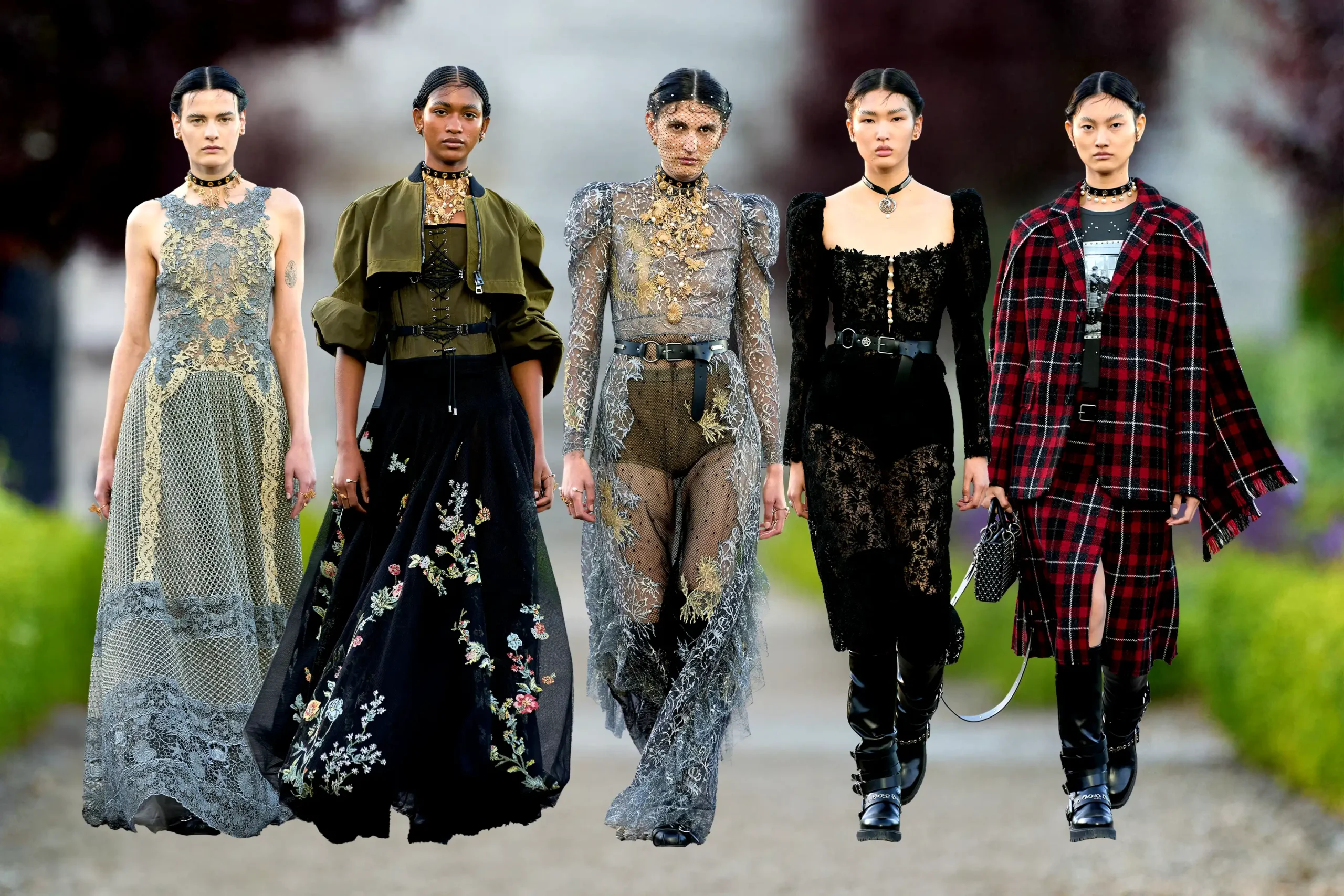
Chiuri’s interest in women wasn’t limited to the runway. She staged exhibitions like Feminine Pluriel and worked closely with the Musée des Arts Décoratifs to shine light on overlooked female designers, artists, and thinkers throughout history. Her campaigns often referenced female painters and intellectuals, resisting the industry’s impulse to center the male gaze.
The Exit of a Feminist Force
There are few women left at the helm of major fashion houses. Chiuri’s exit is not only the end of an era at Dior, but a worrying symptom of an industry still struggling to make space for women in power.
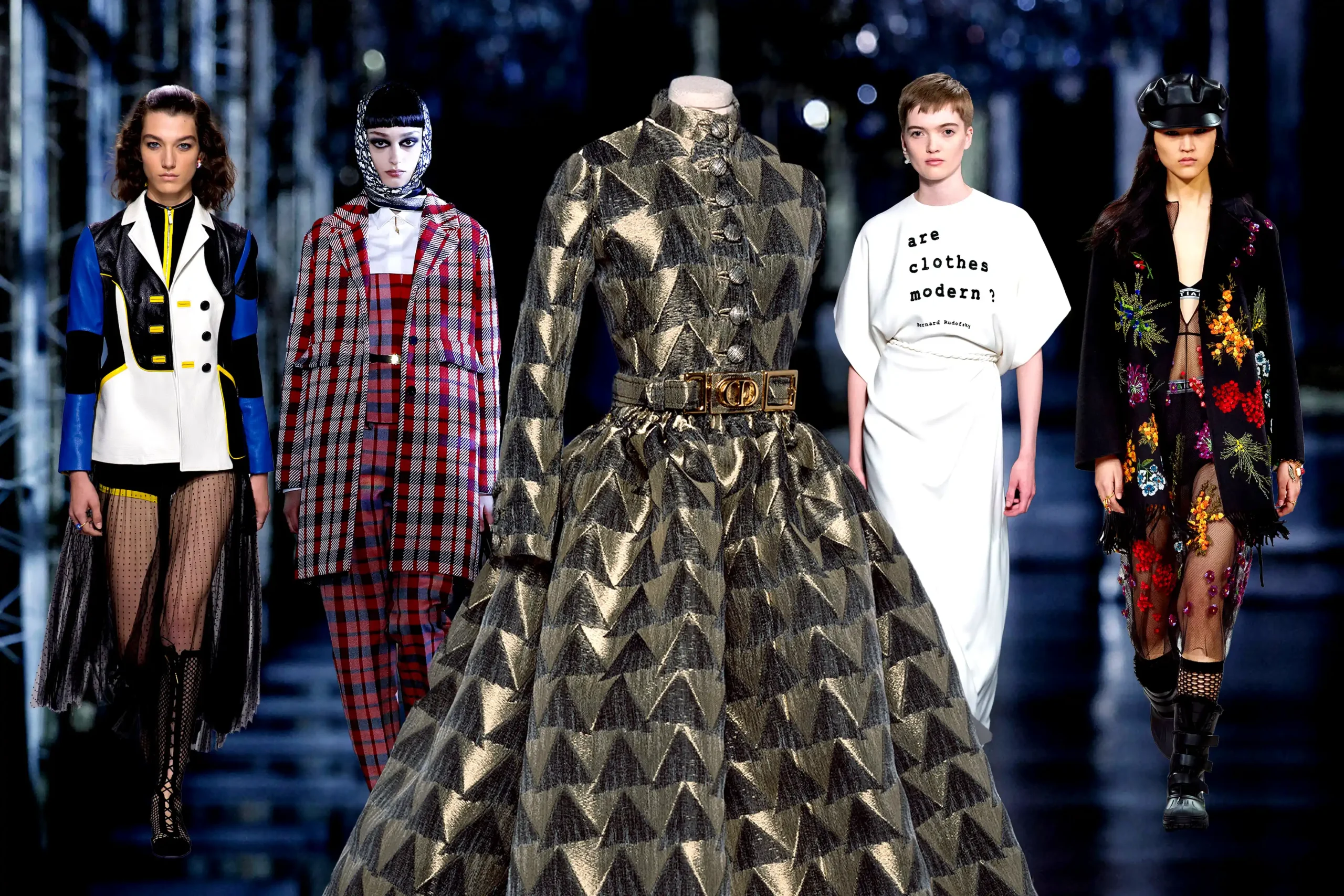
Her tenure may not have been universally praised, but it was consistently principled. She made Dior about women—who they were, who they are, and who they could be. In a business that often prefers muse to maker, that’s not just radical. That’s historic.
For more information on Dior and its next creative direction, visit dior.com
Photos: DIOR
Recommended Video
Latest Posts


Latest Issue