Many creatives have heard the same spiel: there’s no money in the creative industry. Whether it’s from family, friends, or random strangers on the internet, the common sentiment is that the arts won’t help put food on the table. It becomes a problem, then, for many young designers and artists who want to enter the industry yet are stifled by how exactly to make money.
The talent is there, yet turning that into profit requires a whole set of skills. Fashion is still a business at the end of the day. But despite what some may say, creativity can pay the bills, and it can be a practical career path, as long as you know what you are doing and make smart decisions.
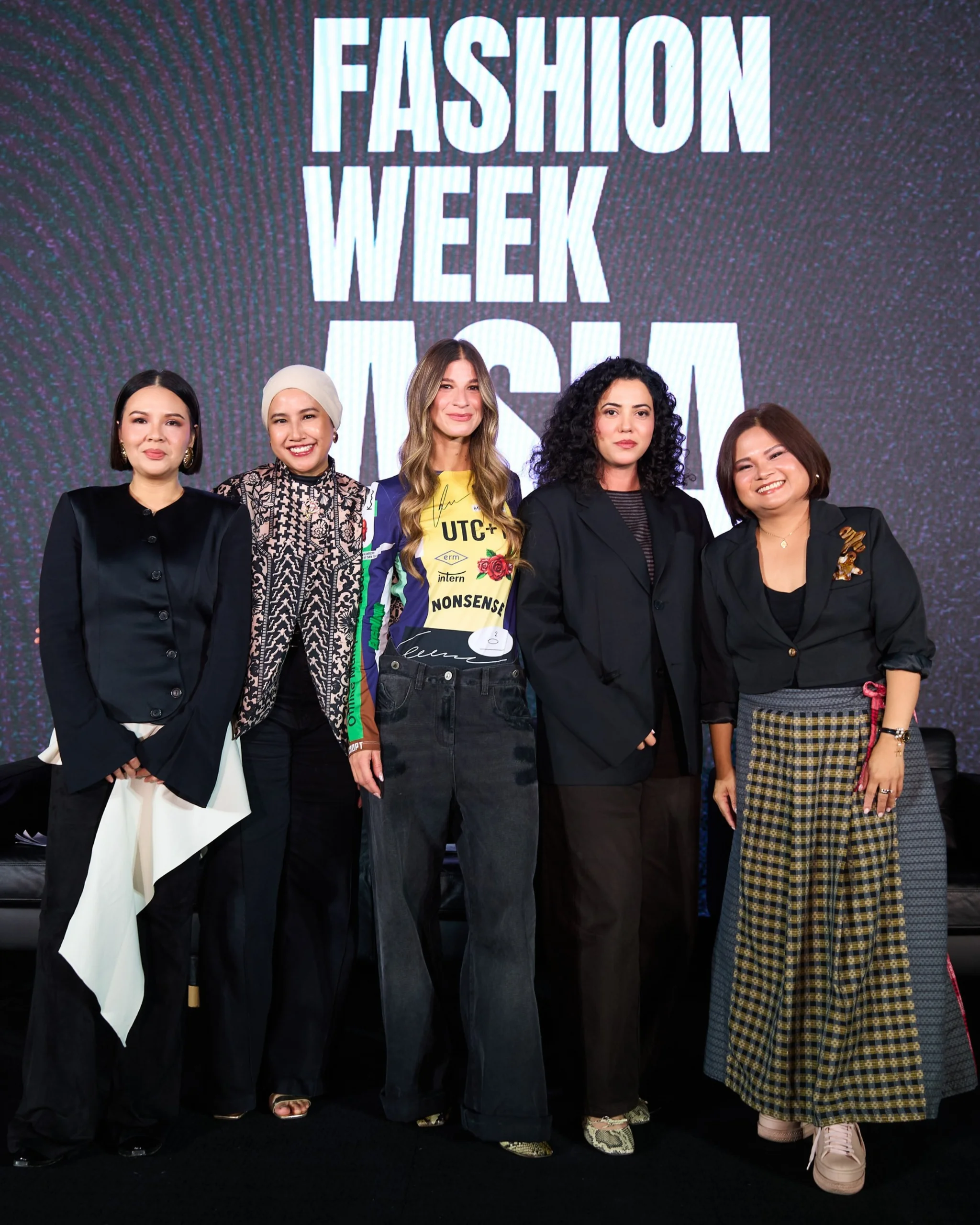
That was the focus of Making It Work, a panel talk during The Fashion Forward Asia Forum at Fashion Week Asia. It brought together Anisah Farid, Founder & Creative Director of PLAZÄ, Marina Lyritzi, Wholesale & Brand Consultant at FWS2, Amal Sultan, Director of Partnerships & International Development at L’Adresse Paris Agency South Asia, WSN Group, Christine Cheryl Benet, School Director of Slim’s Fashion & Arts School, and Peewee Reyes-Isidro, Editor-in-Chief of MEGA Asia, as moderator, as they explored turning creativity into a business that is both artistically and economically viable.
RELATED: The Fashion Forward Asia Forum: Fashion Cannot Move Forward Without Knowing Where It Comes From
Building the Brand Identity
It’s one thing to want to work in fashion. But it’s another to turn those ambitions into reality, especially once the “real world” comes into focus. Yet even for young designers just starting, establishing a viable business is possible if they play their cards right. You may not know everything on day one, and that’s fine, because there’s always room to learn.
One of the first things Malaysian designer Anisah Farid did during her earlier years was to invest in herself. “I put myself in rooms that I wasn’t the smartest or wasn’t the best in because I wanted to learn from people. I wanted to learn from the retail floor. So learning from all the machinists and technicians and seamstresses, it gave me the understanding of what it’s like to work in that area firsthand.”
As someone who has worked with many brands and labels in Paris and beyond, Marina Lyritzi knows what makes for a successful business. And for her, it always starts with the brand. “What I actually always suggest to the brands is that they have to define their brand identity. So know who they are, have a vision, then also have a strong point of view and understand what makes their brand different,” she shared.
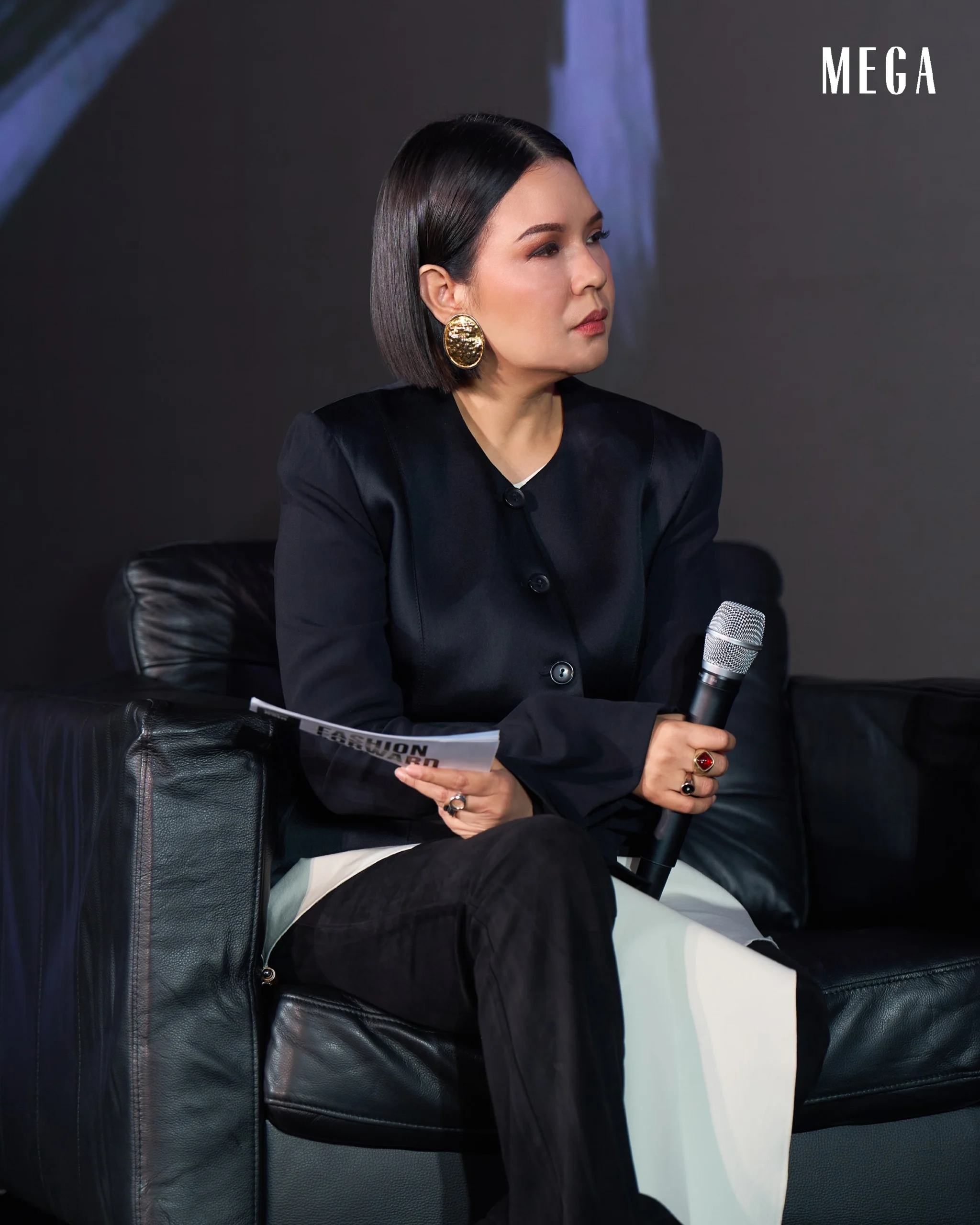
A brand’s identity comes through in many ways, and one of the key factors is knowing the purpose it serves and the kinds of customers it caters to. In her view, brands and designers need to be realistic about how they want to grow and scale their business. Coming right out of the gate swinging may not be the wisest move.
“It’s a process. And step by step, you see where you belong. Test the concept. Test your creativity. Find your DNA before investing in large production volumes. And of course, focus on your product.” It’s from these early steps that the business begins to evolve and find its footing before moving on to more complex plans.
Amal Sultan echoed these sentiments, sharing how businesses need to make money to survive, and that won’t happen if they don’t know what they are doing in the first place. “An idea becomes a business when someone outside your circle is willing to pay for it. A beautiful sample is not a business.”
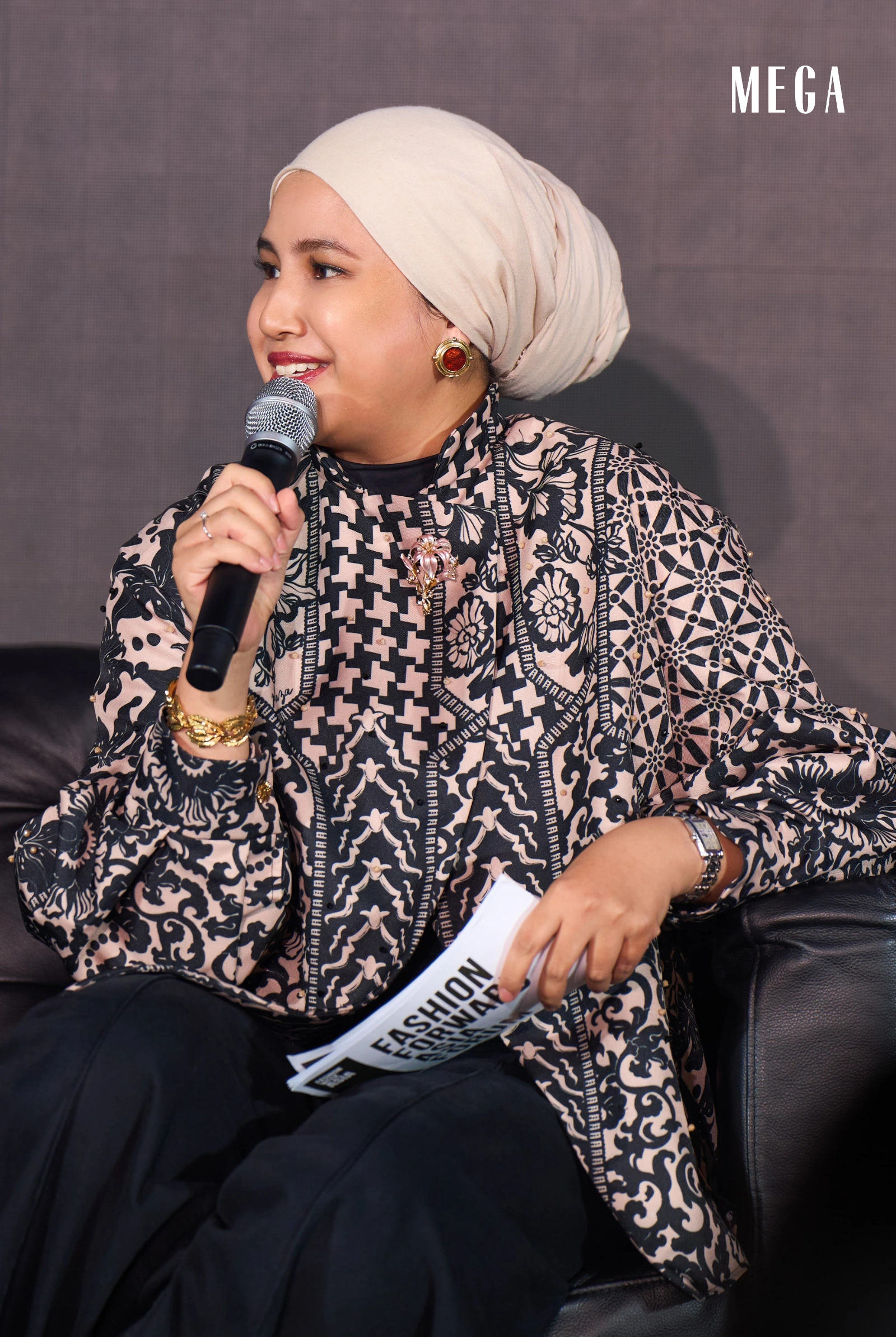
One of the realities of running a business is that talent can only take you so far. And for many young designers who start with not that much capital and investment, it makes financial and even creative sense to start small and be able to keep early commitments, whether that be fulfilling initial online orders, showcasing at pop-ups, or working with buyers to meet small batches of deliveries. “A buyer will forgive a simple lookbookLookbookA curated collection of photographs presenting a designer's or brand's latest pieces, styled to show how they can be worn together. Lookbooks serve as visual catalogs for editors, buyers, andGo to Lookbook Glossary. They will not forgive an order that never arrives.”
While it’s not wrong to have ambition, it also doesn’t hurt to be practical about it either. Even before you think about making it to the big leagues, start with the fundamentals. “Starting a business is answering a problem,” shared Christine Cheryl Benet. “It’s not simply having a collection out there. It means meeting a demand that you believe aligns with your design aesthetics and principles. It’s best to address a demand you personally understand and have firsthand experience with.”
When Business Reality Meets Creativity
Talking about business inevitably brings the clash between creativity and commercialism. For young designers, it’s a balance that can be hard to manage as it can feel like their creativity is being stifled. However, that doesn’t always have to be the case. For Farid, PLAZÄ will always be led by creativity first, especially in its marriage of Malaysian roots with contemporary dressing while also nodding towards practicality.
“The brand is built on celebrating individuality. And every piece actually starts with a story or an intention. Whether it’s reinterpreting Malaysian heritage or exploring statement silhouettes. The starting point is finding the intention. But I would also like to mention that not every beautiful design makes commercial sense.” To illustrate, she shared how her label began as a simple exercise of seeing what women were wearing and what they were missing from their wardrobes.
“I really wanted to find something that could match every woman’s wardrobe, but something they didn’t have.” Brand identity will be a brand’s North Star, because it’s from there that the most logical decisions can be made. “When you understand this, and you translate it into the collection, then the people start getting it; they try to understand,” said Lyritzi.
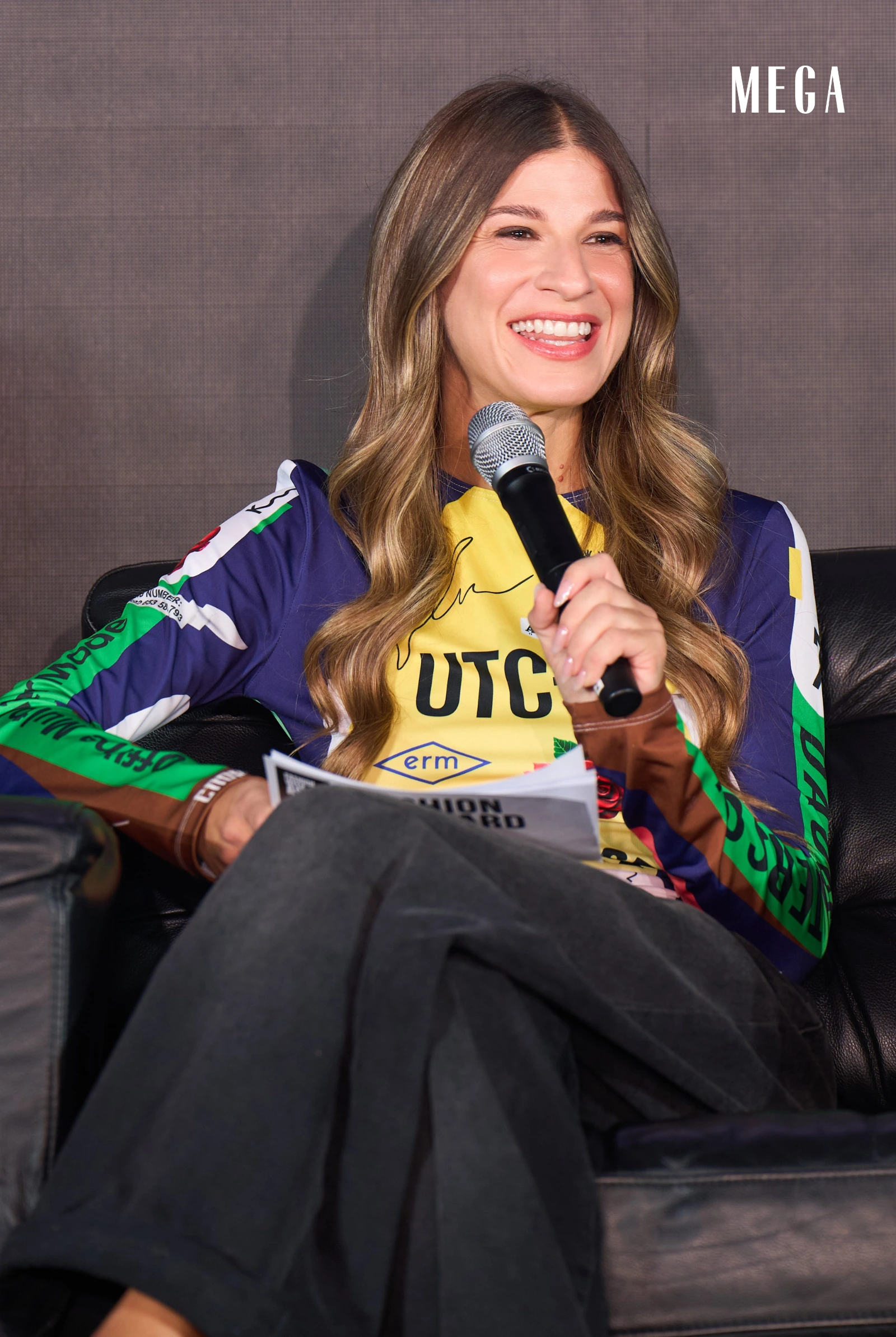
Fashion can sometimes feel like it’s moving at a lightning pace with all the trends coming and going. But chasing fleeting fads to just come off as looking like a generic apparel brand will never beat a designer who knows who they are, the products they offer, the customers they talk to, and the prices they’re willing to pay for. “With the fast-paced environment that we’re in now, it’s a little bit frustrating, especially when you’re a creator. So I think it’s super important when you develop a brand to also stick to your identity.”
“Creativity first, always, but never alone,” is what Sultan sees as the recipe for success. In an era where there are so many brands and businesses flooding the market with cheap knockoffs and versions of the same thing, it’s that distinctive signature, whether it be a design, construction, craftsmanship, color, material, or how you see the world, that gets you noticed as something worth paying attention to.
“Craft gives you authenticity; innovation makes it relevant today. But creativity needs structure to survive. So build your collection with intention. Your statement pieces carry your vision and make people remember you. Your core pieces carry the same signature, but they are wearable, producible, and well-priced. Creativity opens the door; structure keeps it open.”
To Have or Not Have a Business Partner
Fashion is often a collaborative effort, and that includes its business side. With everything that designers and creatives have to juggle, some may consider bringing on a business partner who, rather than being another version of the designer, complements but does not duplicate the brand identity through their business strategies. “The strongest brands that I work with have two minds, one at the top and the other one that creates and protects the business,” said Sultan.
A business partner doesn’t compromise creative integrity, but is there to lead the brand when it comes to its business efforts. “A designer doesn’t need another designer, but someone who understands finance, sales, or operations. The creative leads the product, the brand image, the business side leads pricing, production, and sales.” In essence, it’s like a yin and yang of two different yet understanding partners who assist each other in different ways.
“The partner shared the same vision, but not the way I thought, not the same thinking. Because it always has to be someone with a different perspective, and sort of someone who’s opposite my personality,” shared Farid on working with business partners. For her label, she works closely with her husband, who takes charge when it comes to business decisions. While they may not always agree, Farid sees that as a good thing, because business partners aren’t supposed to be yes men who agree to everything a designer wants.
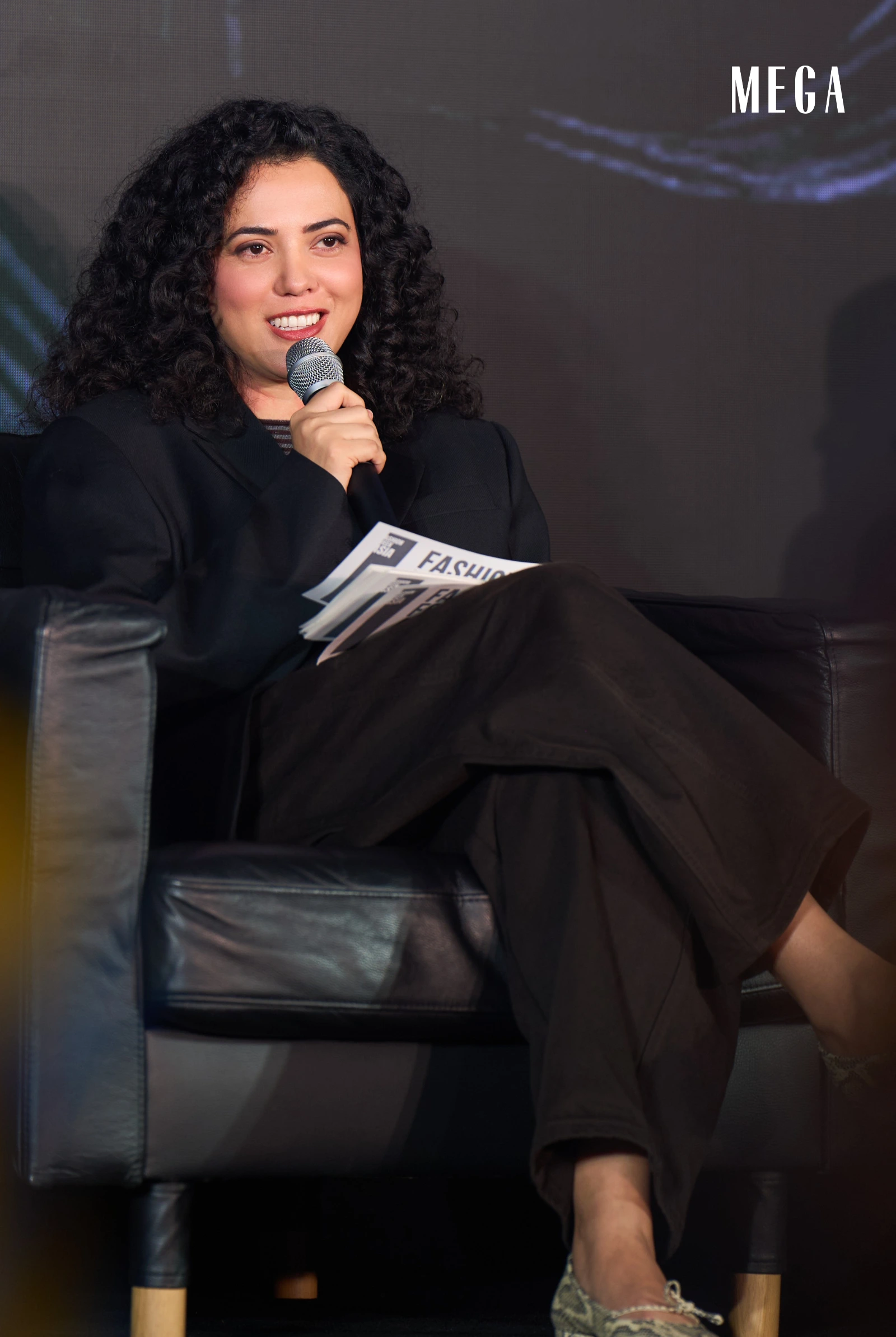
“I want you to surround yourself with people who see beyond the design of an idea. Because every idea is exciting. When you’re in your own little cave, I feel like you always need someone to kind of show you a bit of the world, but in reality, so that you can think broader and have a better perspective.”
And while the creative industry encourages people to wear many hats, Benet suggested that it’s better to focus on what you’re best at, as juggling two separate roles without the proper skill set won’t bode well for the designer and the business in the long run. “You have to acknowledge your strengths and weaknesses. You have to know if you’re really into designing and you’re really into business, then go into what your heart is in.”
Though even for designers who leave most of the technical decisions to their business partner, it helps to know the basics, particularly when it comes to cost and funding your work. How much you’re paying to develop and produce clothes is made up of multiple factors, including material use, manufacturing, packaging, target market, and the like. Pricing also extends to setting the right retail price, because it is not as simple as putting whatever number you like and calling it a day.
Even knowing how you’ll sell your products, whether as direct-to-consumer or wholesale via stores and outlets, greatly shapes the price point. “You have to know in advance if you want to go into wholesale and internationally or you want to stick to direct-to-consumer or if you want to go both. And then plan your production carefully,” shared Lyritzi. Cash, after all, is a finite resource, and hard numbers don’t lie.
Aiming for targets and deadlines you realistically can’t meet, whether it’s meeting production timelines, paying suppliers, or understanding the customers, will not only hurt the balance sheet, but also negatively impact your reputation with buyers and customers who may not want to work with you again. “Price starts with your value principle and your target market. You have to know what your market expects from you,” added Benet.
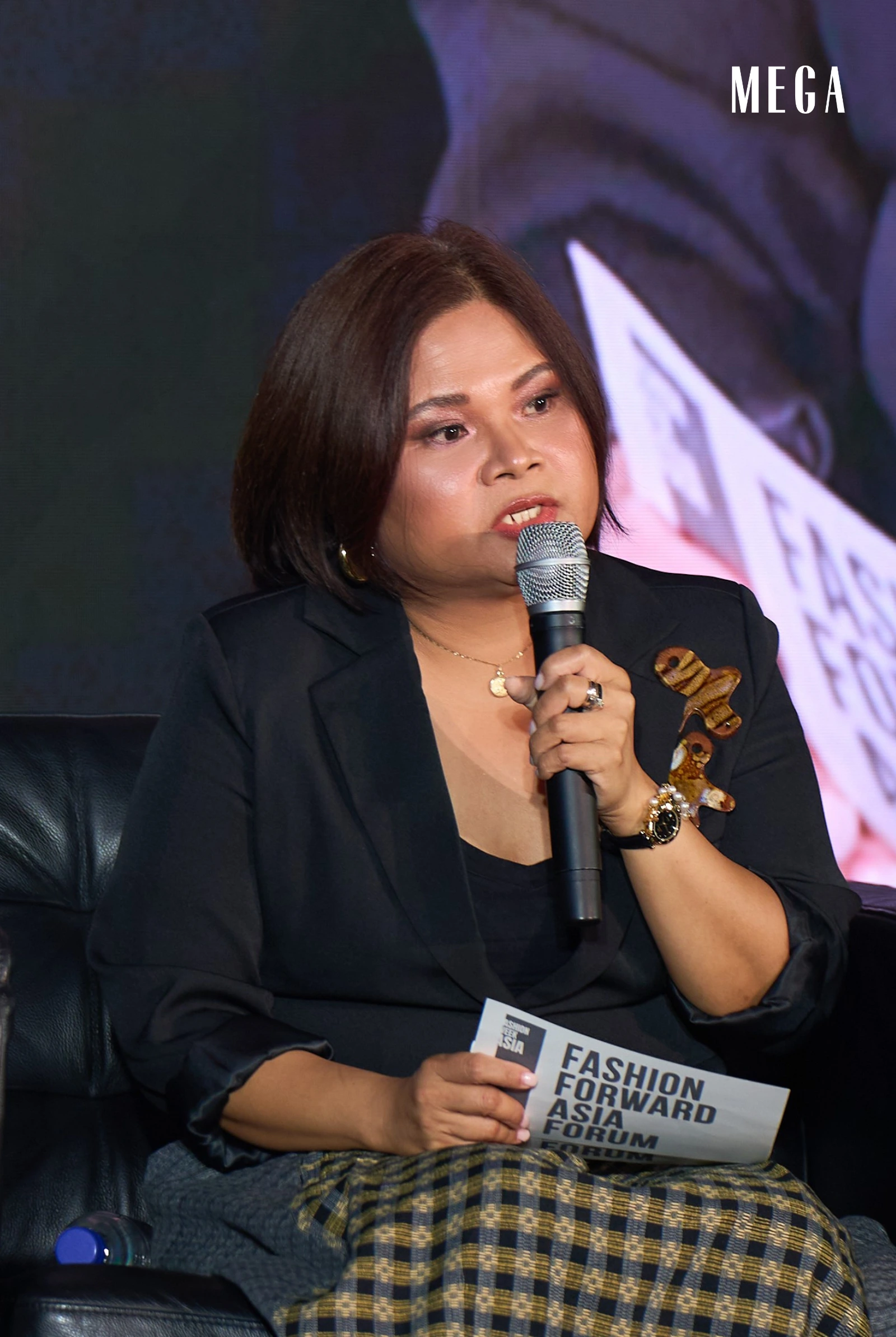
Designers are designers at the end of the day. They are where they are because of their talent and love of the craft. But turning passion into a sustainable business requires at least a basic understanding of the books and numbers. While it may seem complicated, there are benefits to knowing how the industry works under the hood. And if you make mistakes early on, that’s ok, because those missteps hone the brand as a business. Farid recalled a time when she realized that her favorite color might not be what her customers are looking for, leading her to go with a more equal miz of colors she uses for her pieces.
It might seem like a simple pivot, but it can pay dividends in the long run. It’s during these moments that brand identity can redirect you on the right path. “Evolve and adapt without losing the identity that makes the brand distinctive. And grow in the right direction, with the right people, and at the pace your business can sustain,” advised Lyritzi.
As daunting as it is, navigating the business side of fashion is possible. If you know what the brand is, the customers and market that make sense, price and budget accordingly, work with people who fill your blind spots, and move at a steady and fitting pace, you’re on the right track.
Featured Image and Photos: Photos by BRYAN BACTAD
Frequently Asked Questions
Making It Work was a panel at The Fashion Forward Asia Forum, moderated by MEGA Asia Editor-in-Chief Peewee Reyes-Isidro. It brought Anisah Farid, Marina Lyritzi, Amal Sultan, and Christine Cheryl Benet to discuss turning fashion talent into a sustainable business.
Anisah Farid advises designers to invest in learning firsthand, from retail floors to machinists and seamstresses, before testing their creative concept at a small scale and finding their brand’s “DNA” before committing to large production volumes.
Marina Lyritzi says a successful fashion brand starts by clearly defining its identity, vision, and point of view. She advises designers to understand what makes their brand different before scaling production or chasing rapid growth.
Panelist Amal Sultan says the strongest brands pair a creative lead with a partner who manages finance, sales, or operations. Anisah Farid added that an effective partner should offer a different perspective rather than simply agreeing with every decision.
Anisah Farid says creativity should always come first for her label PLAZÄ, while Amal Sultan describes the balance as “creativity first, always, but never alone,” emphasizing that structure and business sense are what keep a creative vision sustainable.

Recommended Video
Latest Posts



Latest Issue