



Of all the unexpected turns 2026 could have taken, few could have predicted that this would be the year the internet found itself aflutter over sentient furniture. Yes, a tall, dark(-ly oiled), and handsome man-shaped basket has left a good portion of the population swinging their feet and giggling at their phones. The fascination is understandable, of course, because he’s set to be brought to life by Alexander Skarsgård in the upcoming film Wicker.
The odds of finding a basketmaker capable of weaving an attentive husband into existence remain discouragingly low, but the good news is that the craft behind this character’s unusual anatomy remains alive in the Philippines. With a longstanding culture of weaving, contemporary Filipino labels have given this knowledge somewhere else to go—namely, over your shoulders, around your wrists, in your hands, and straight into your wardrobes.
Anmari & Co.
RELATED: 5 Things to Know About Gen Z Actress Daniela Stranner
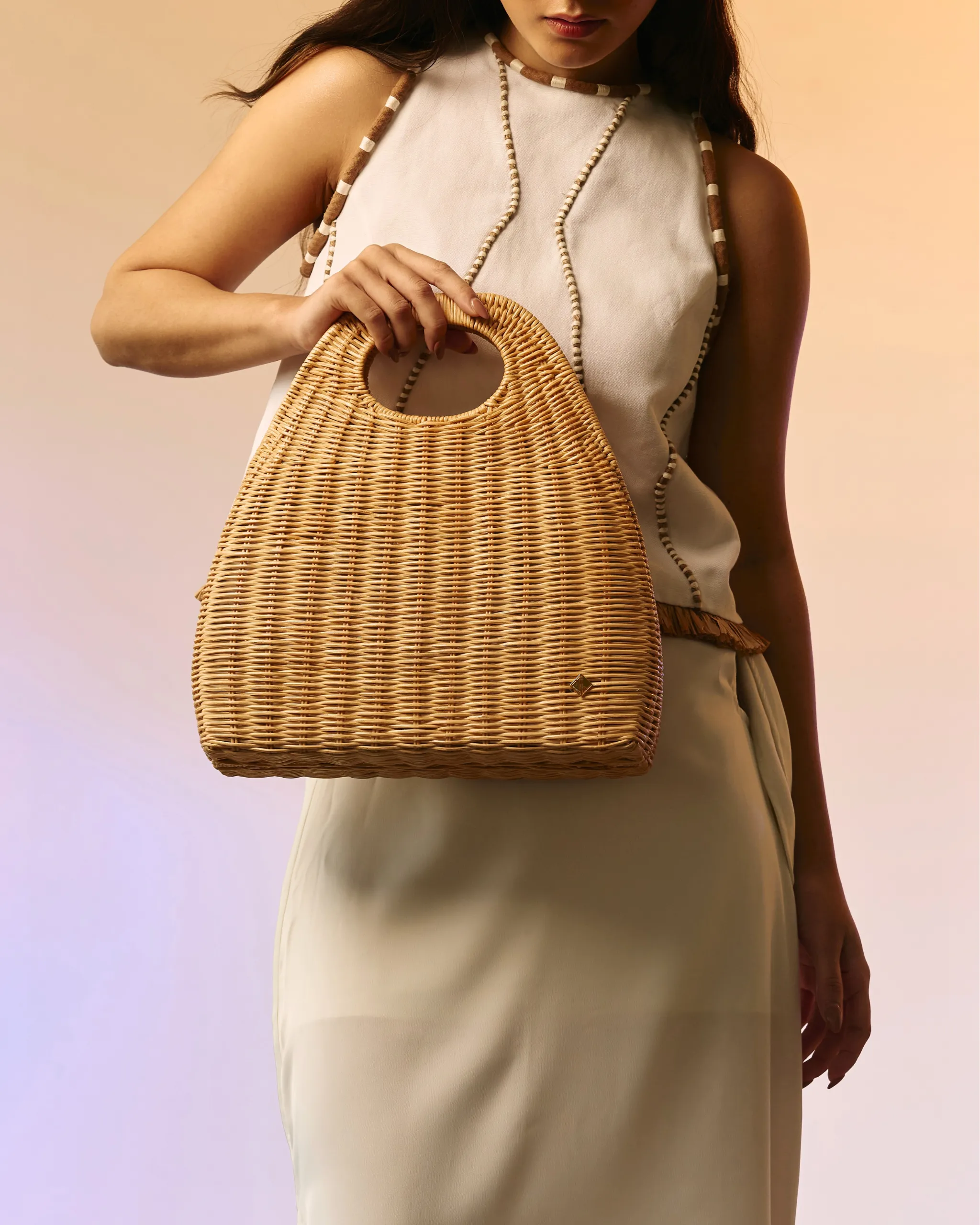
Anmari & Co. has several woven designs that are considerably easier to bring home. Backed by over twenty years of experience, the label works with locally sourced rattan and sabutan and transforms them into structured top-handle bags that still suit your day-to-day style.
ARANÁZ
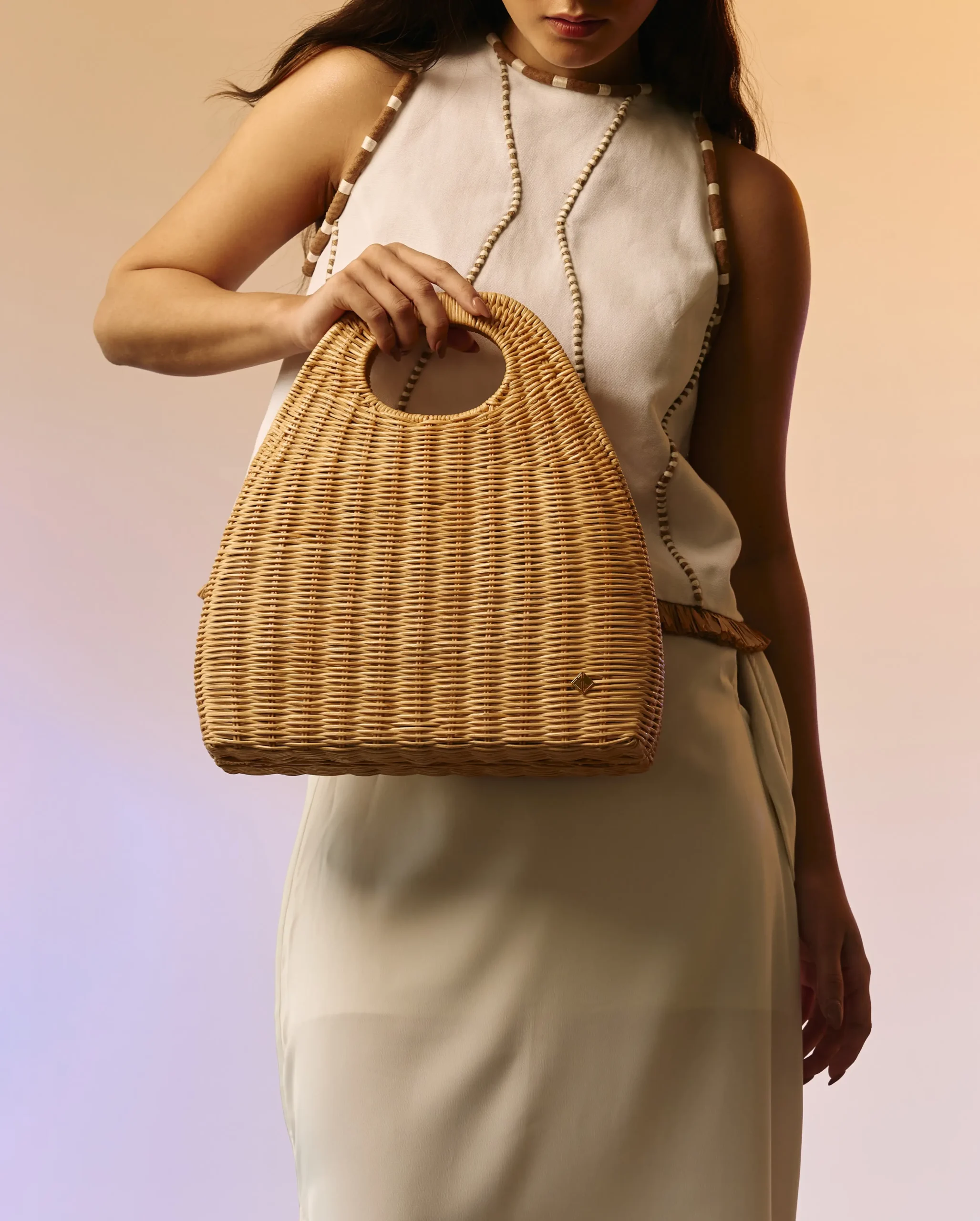
Some bags at ARANÁZ seem to have a playful resistance to straight lines, as the label stands out most for its shapes. Amina Aranaz-Alunan has made freedom of form a part of the brand’s appeal, so if anyone wants more variety in structure, this is your go-to.
ORIAS Essentials
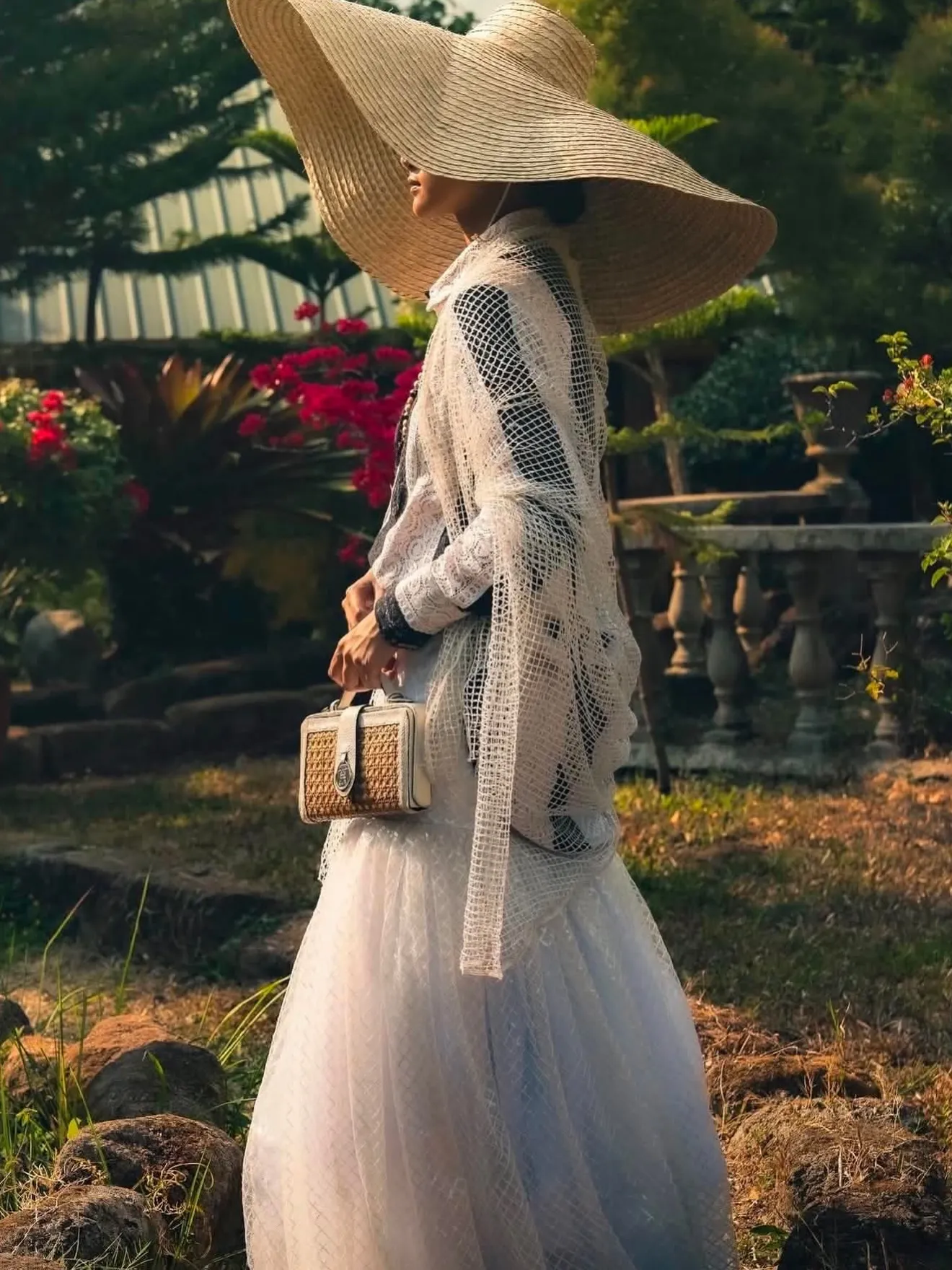
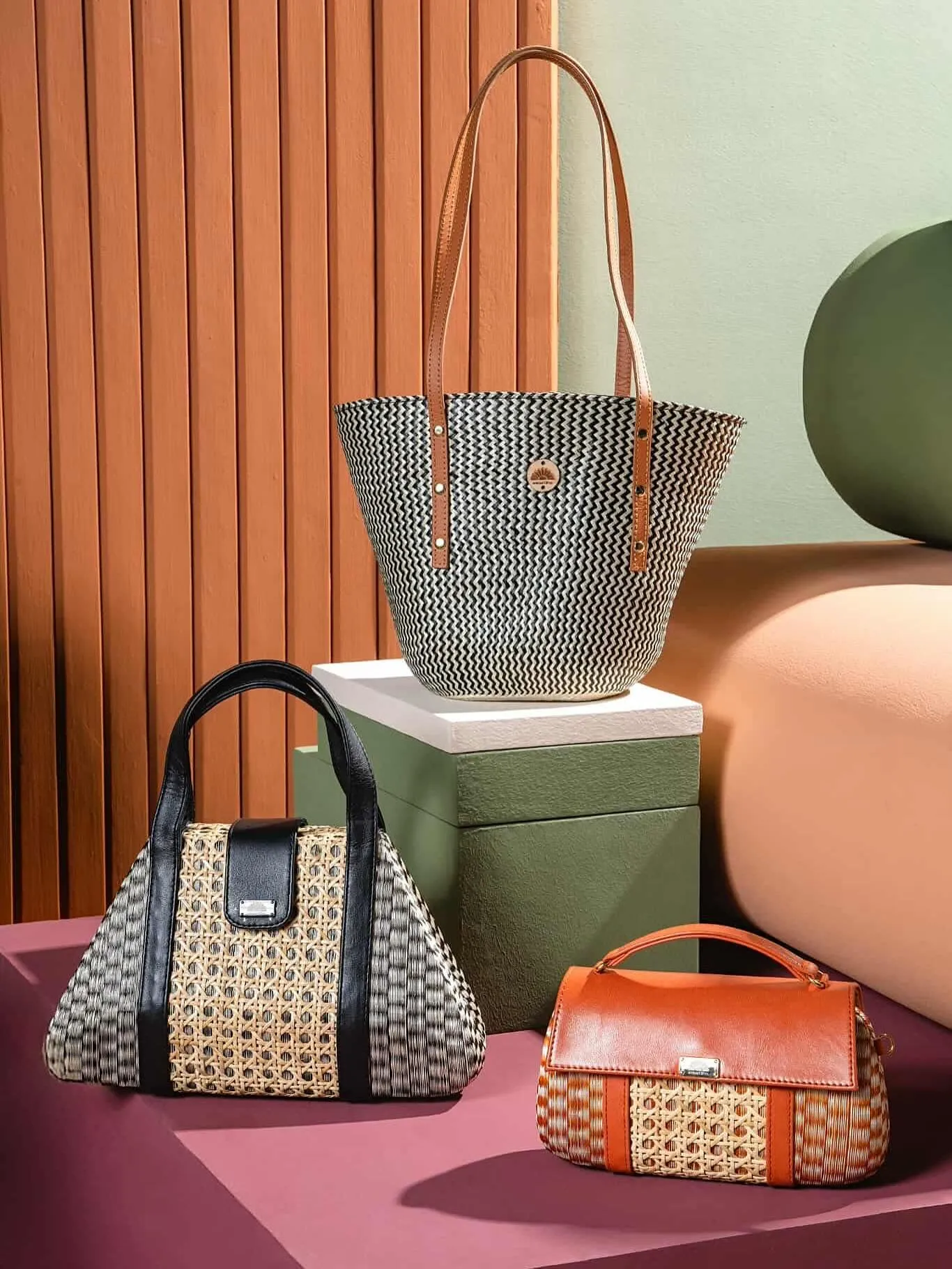
Anyone who has recently developed a fondness for wicker may find ORIAS Essentials particularly well timed. The label is known for solihiya, a traditional method of weaving thin rattan strips into the geometric pattern commonly seen on Filipino chairs. ORIAS places these handwoven panels alongside leatherwork by Marikina artisans, then allows the familiar technique to enjoy a more playful change of shape.
ZACARIAS 1925
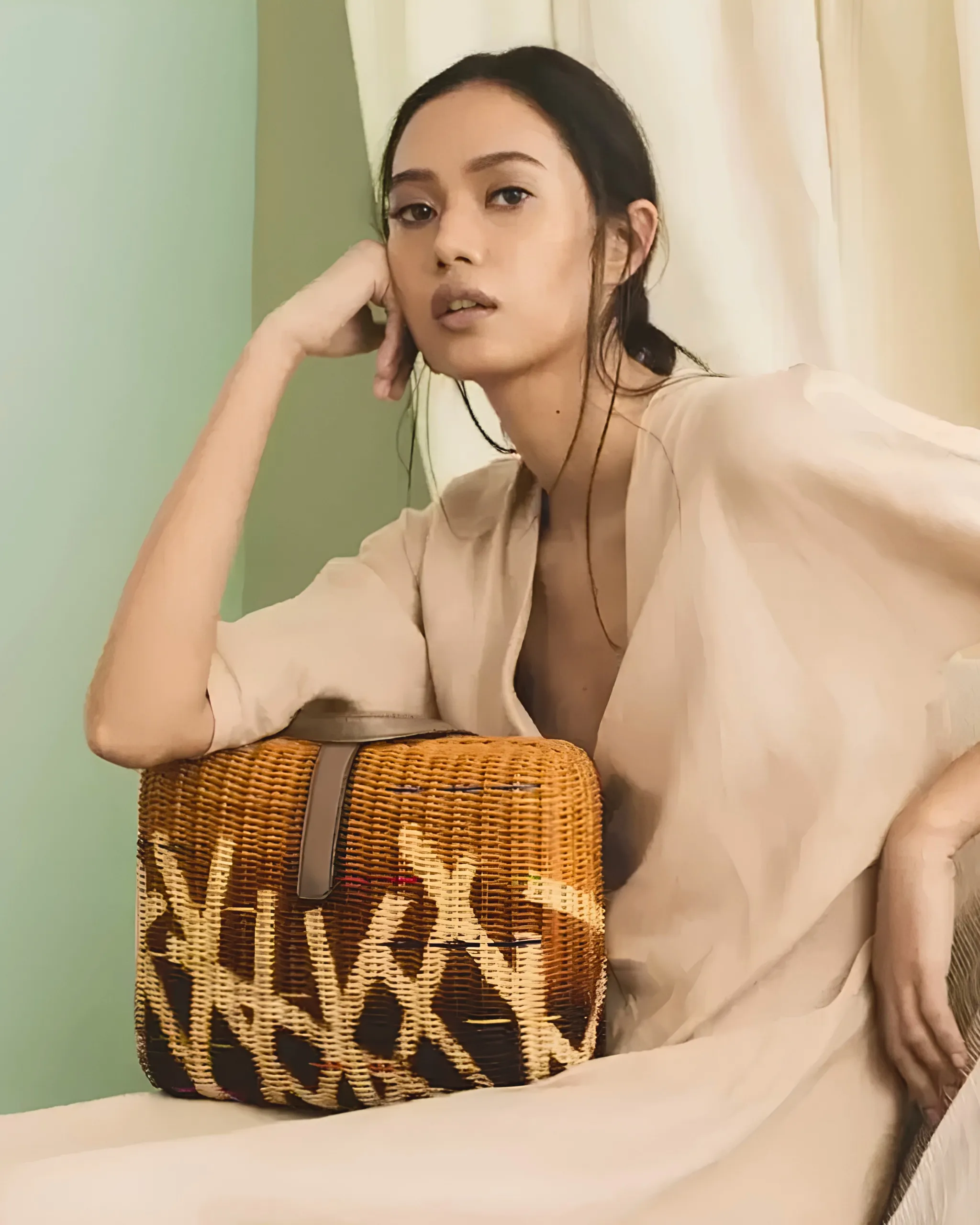
Rita Nazareno of ZACARIAS 1925 has described the weave as her canvas, and she often references art and architecture. Her designs are made for anyone who wants the handwoven construction to remain visible while also being elevated.
The internet’s latest fixation may have provided the excuse, but these Filipino bags hold attention on their own. Consider this a timely introduction to labels worth keeping in mind whenever the wardrobe calls for something woven.
Photos: ANMARI & CO. (via Instagram), ARANÁZ (via Instagram), ORIAS ESSENTIALS (via Instagram), and ZACARIAS 1925 (via Instagram)
Frequently Asked Questions
Notable Filipino woven bag labels include Anmari & Co., known for structured rattan and sabutan bags; ARANÁZ, recognized for sculptural silhouettes; ORIAS Essentials, which uses the traditional solihiya technique; and ZACARIAS 1925, known for art-inspired handwoven designs.
Solihiya is a traditional Filipino weaving method that creates geometric patterns from thin rattan strips, commonly seen on Filipino chairs. ORIAS Essentials applies this technique to bags, pairing handwoven panels with leatherwork by Marikina artisans.
Filipino woven bag labels commonly use locally sourced rattan and sabutan, alongside leather detailing from local artisans. Anmari & Co., for example, has worked with these materials for over twenty years in crafting structured top-handle bags.
ARANÁZ, founded by Amina Aranaz-Alunan, is known for sculptural, freeform silhouettes that move away from strict structured shapes, offering more variety in form compared to other traditional Filipino weaving-based labels.
ZACARIAS 1925 is designed by Rita Nazareno, who describes weaving as her creative canvas and often draws inspiration from art and architecture, keeping the handwoven construction visible while elevating its presentation.