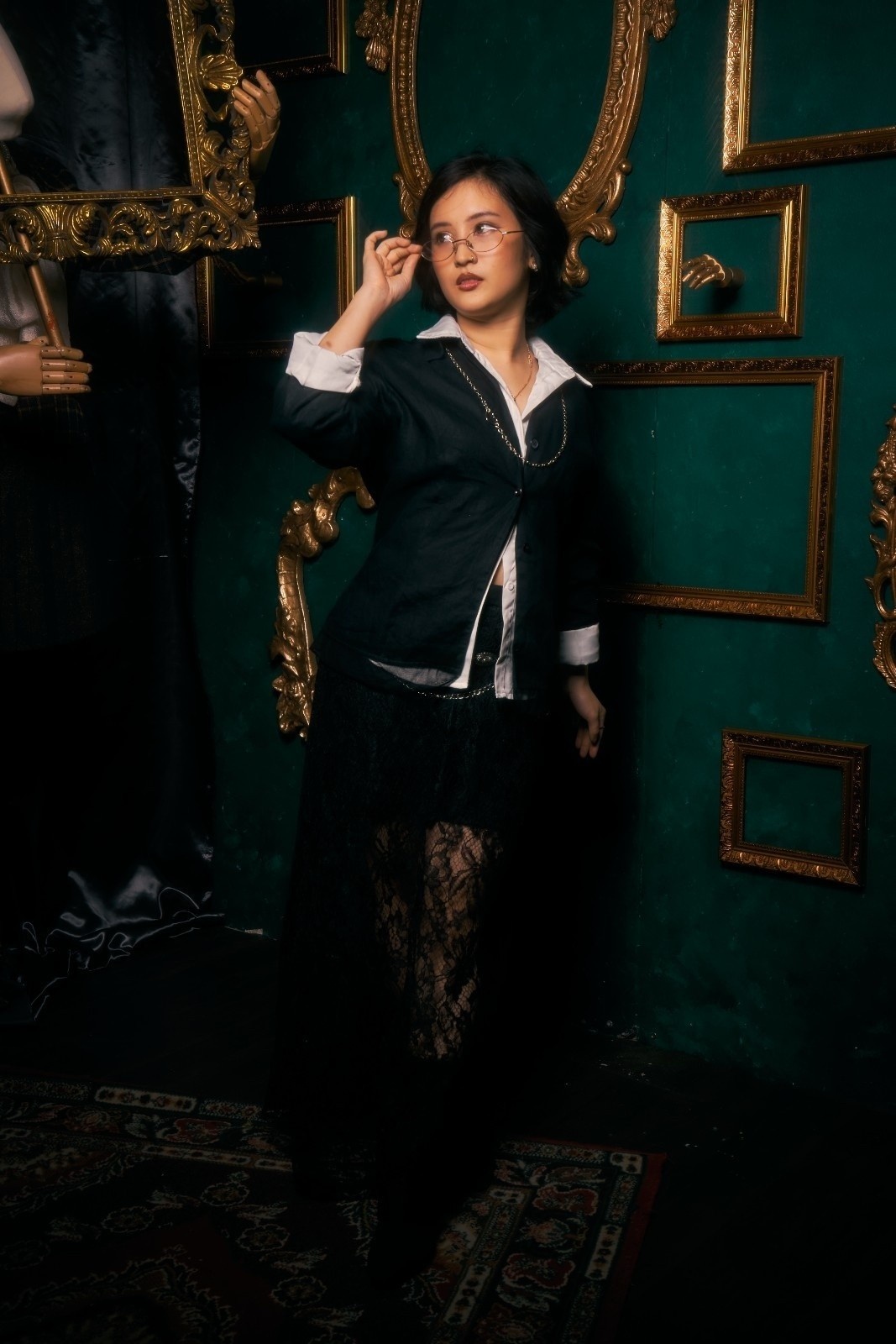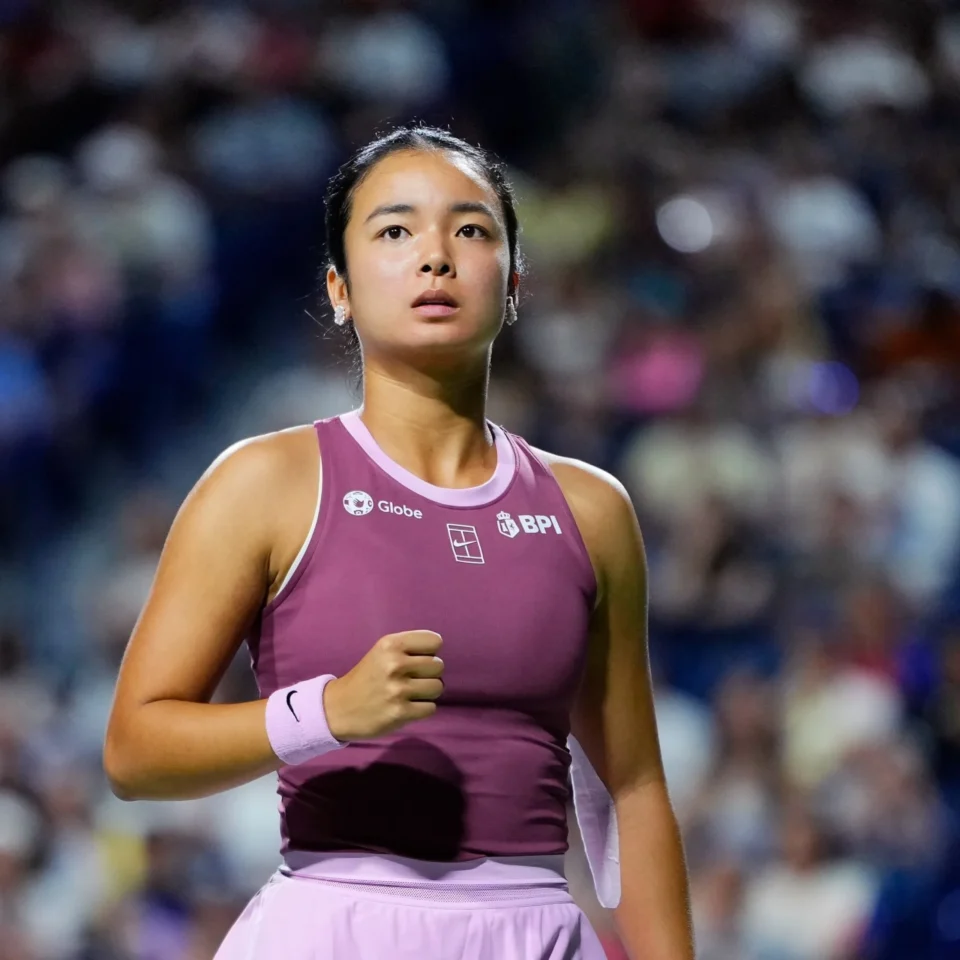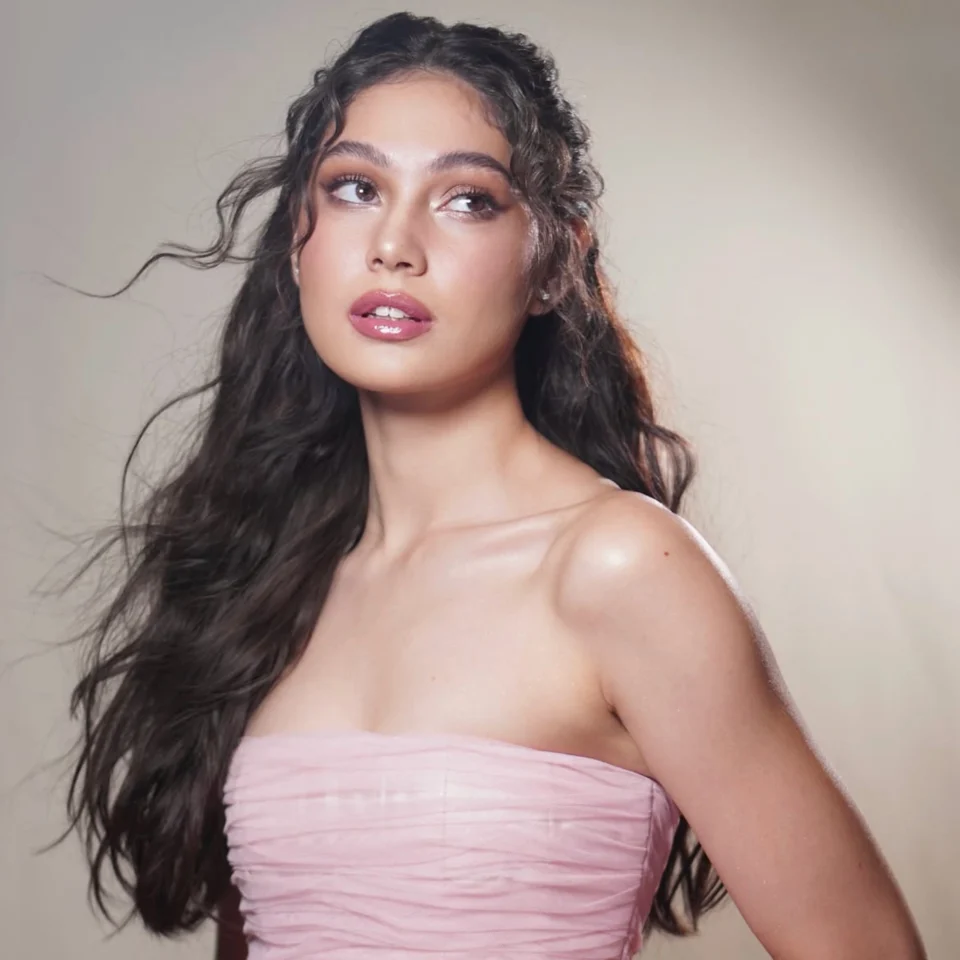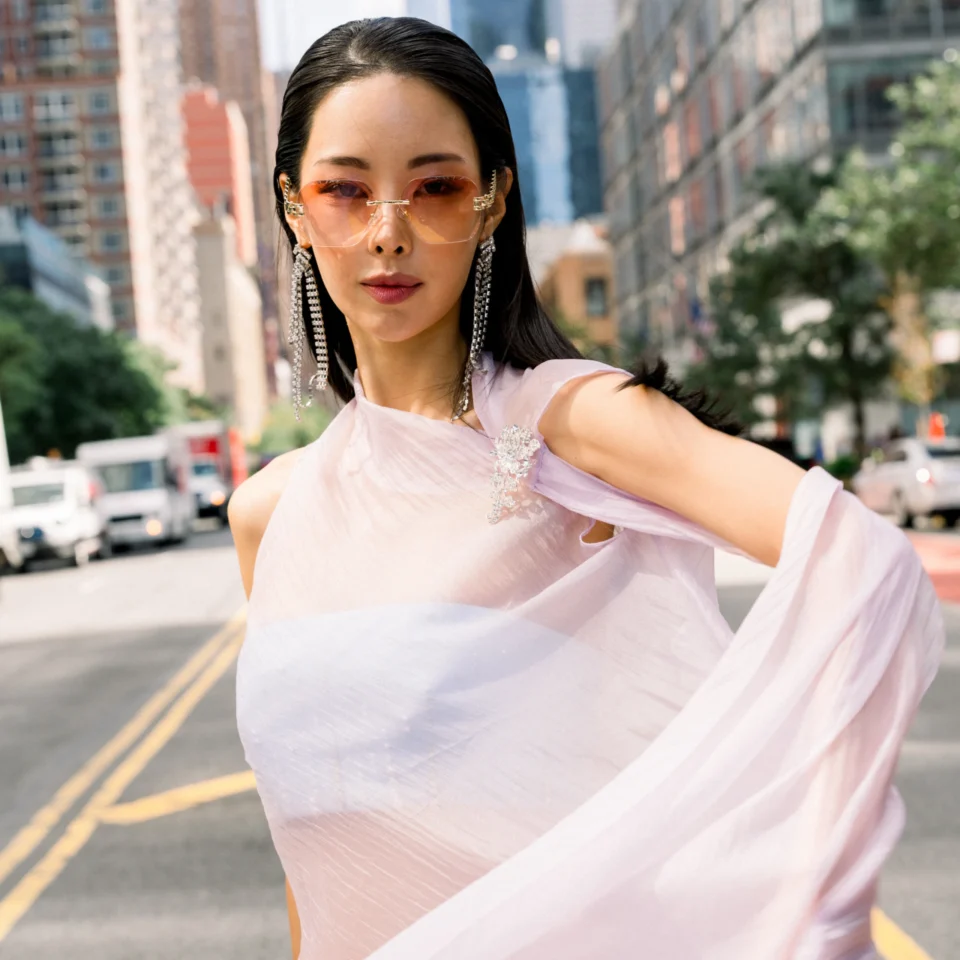




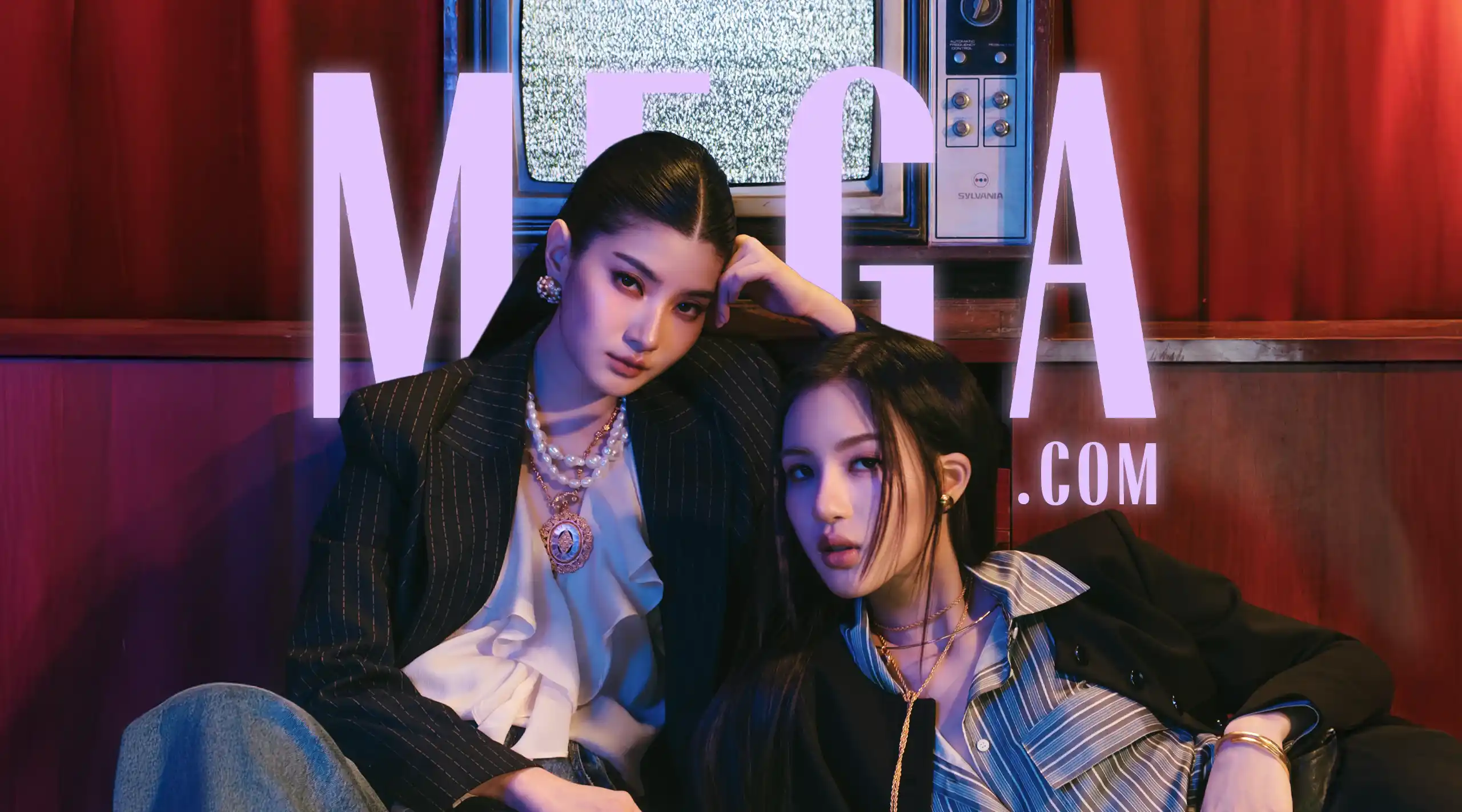
Two women. One story. No leading men required.
This has always been the cardinal rule of Thailand’s Girls’ Love genre: unapologetic romance, anchored in emotional depth, where women love, lose, and grow on their own terms. Across genres and worlds, GL has carved out a space where women are not supporting acts but the story itself. While Thailand has long championed these narratives, their resonance has stretched far beyond its borders—felt across Asia, and increasingly, around the world.
RELATED: A Sapphic Edit: WLW Films and Shows to Watch This Love Month
Much like the Philippines’ enduring love team culture, Thailand’s GL industry thrives on recurring pairings. Call it fan service, chemistry, or genuine connection—audiences return because they believe in what unfolds on screen. In queer storytelling, that belief matters.
Among the genre’s newest pairings are Mable Siriwalee and Pangjie Paphavarin, who took their first leap into Girls’ Love together in ClaireBell. From the start, their connection feels instinctive—something built not just through performance, but through trust forged behind the scenes.
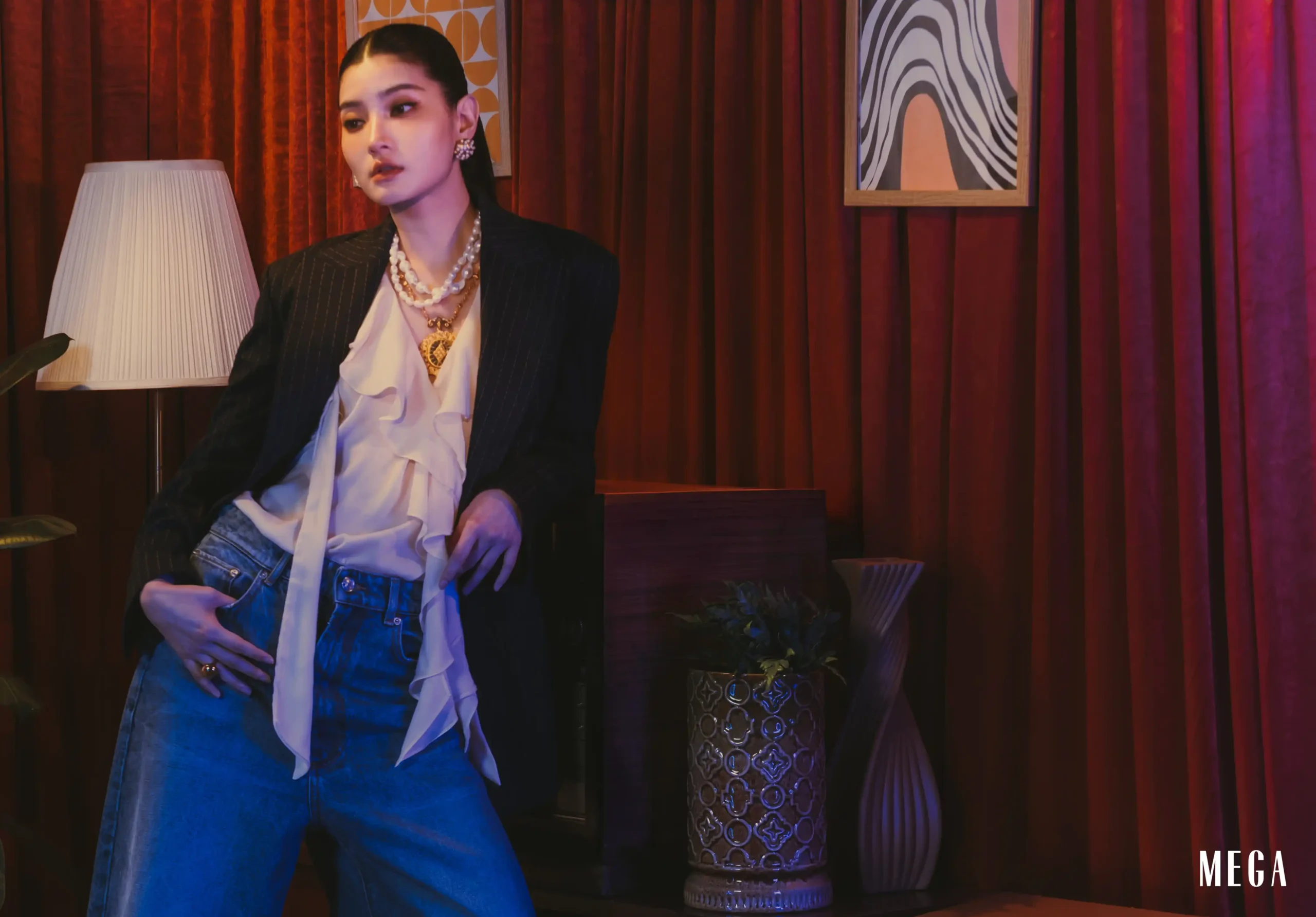
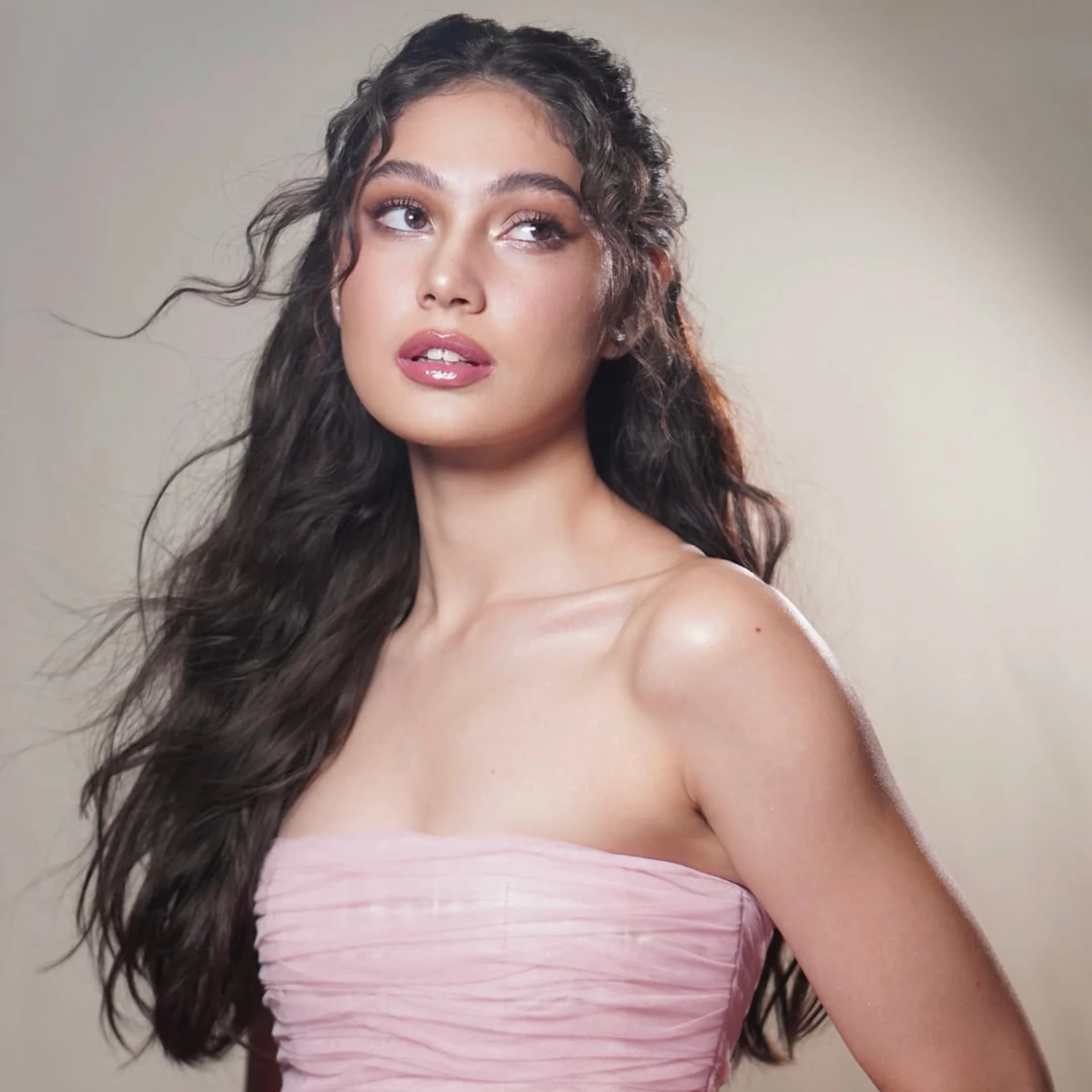
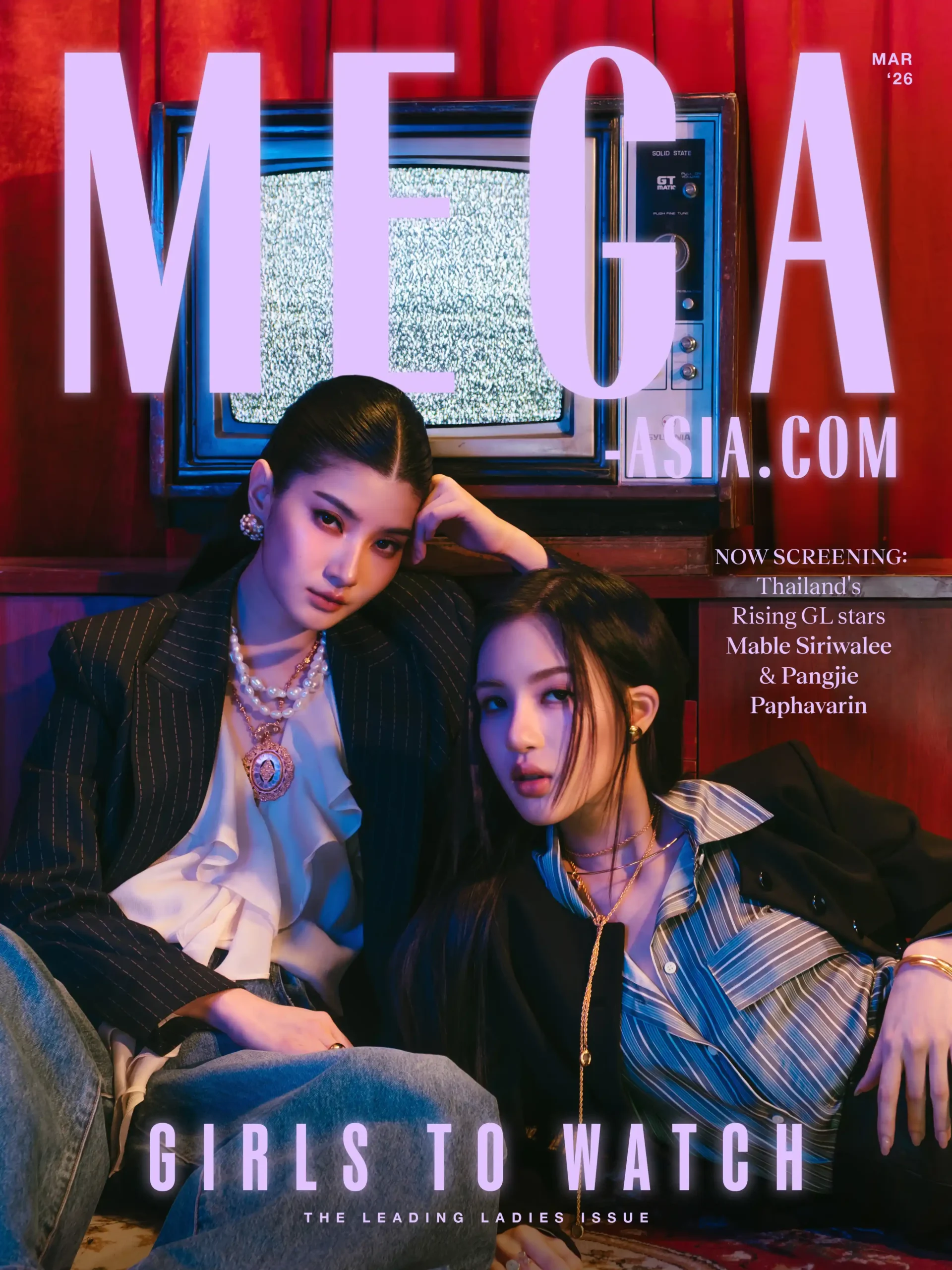
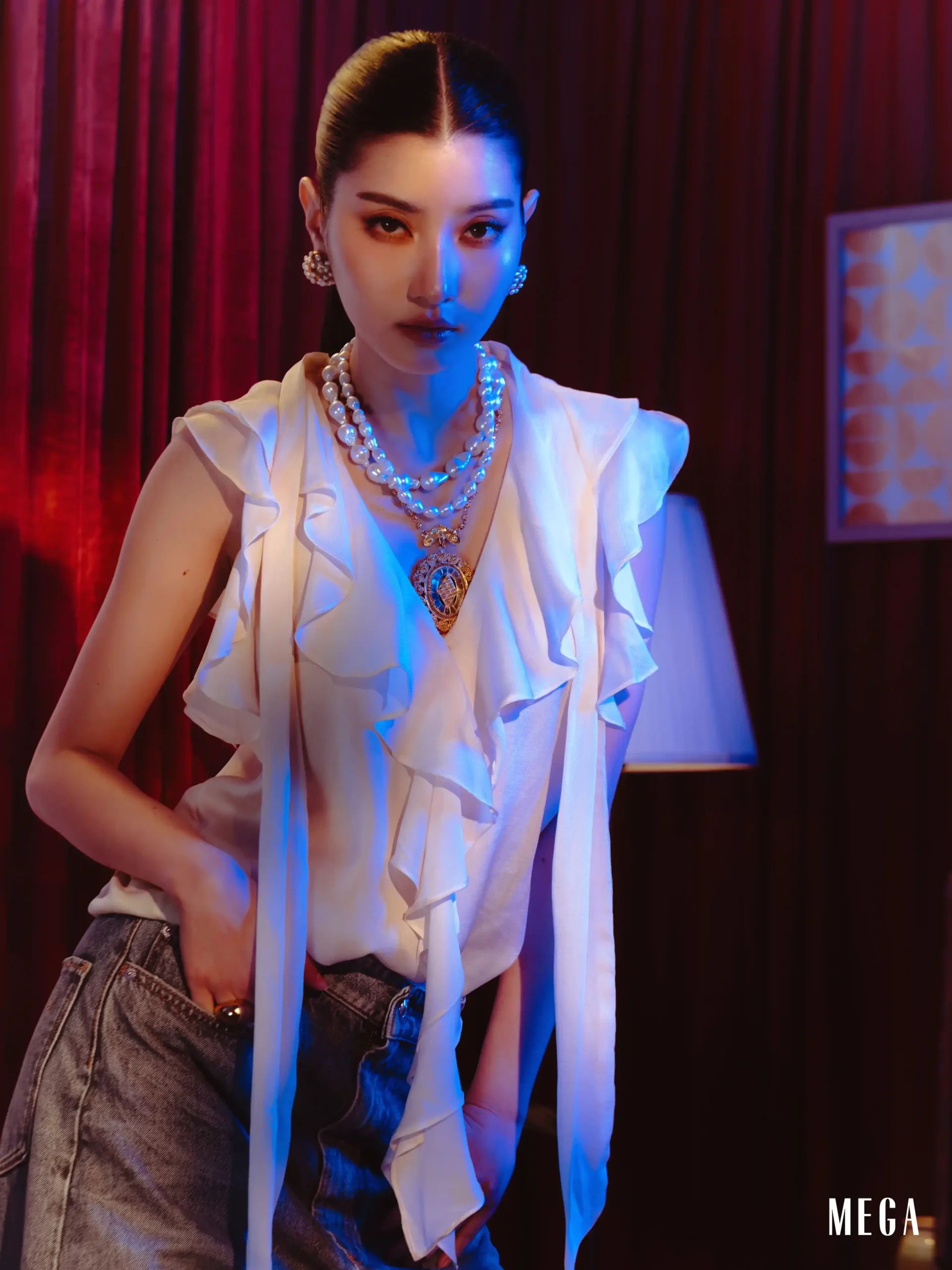
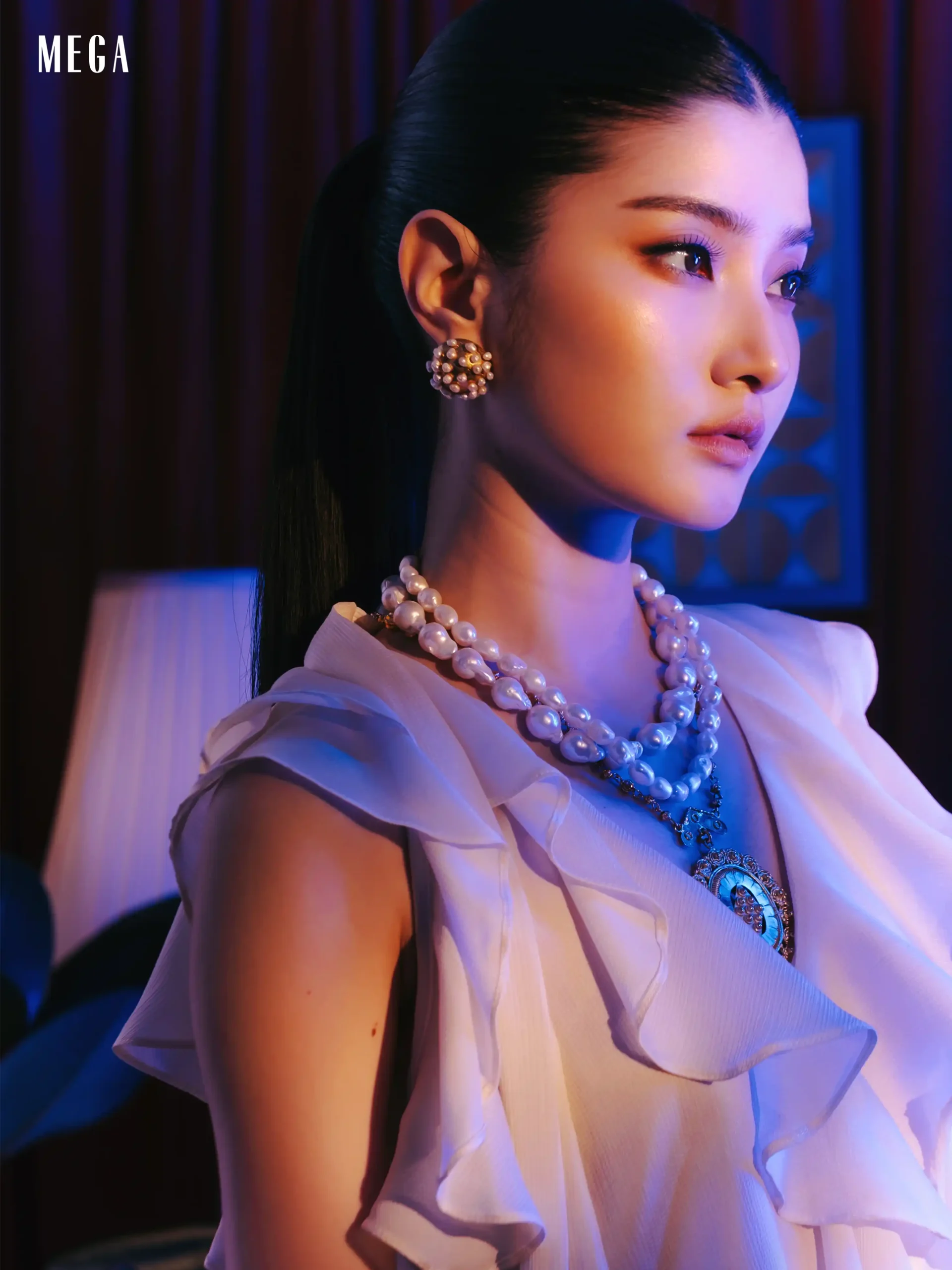
After the show’s success, the duo traveled across Asia to meet fans, including a stop in the Philippines. Just a day after their Manila fan meet, they arrived at the MEGA Studio—glam and hair perfectly in place. Mable’s high ponytail highlighted her sharp features, while Pangjie’s hair flowed freely, softening her delicate frame. The set, a retro living room bathed in soft light with velvet upholstery and patterned carpet, became the perfect backdrop for their chemistry to unfold.
Mable carries herself with the assurance of experience. There is an intimidating confidence to her presence, softened by fluid movement and a measured eloquence that commands attention without demanding it. Pangjie, by contrast, is all youthful curiosity. With ClaireBell as her first-ever project, she carries herself with a bright, unguarded energy—lighting up rooms with a smile, surprising photographer Andrea Beldua with spontaneous poses, and moving through the set with an eagerness that feels contagious.
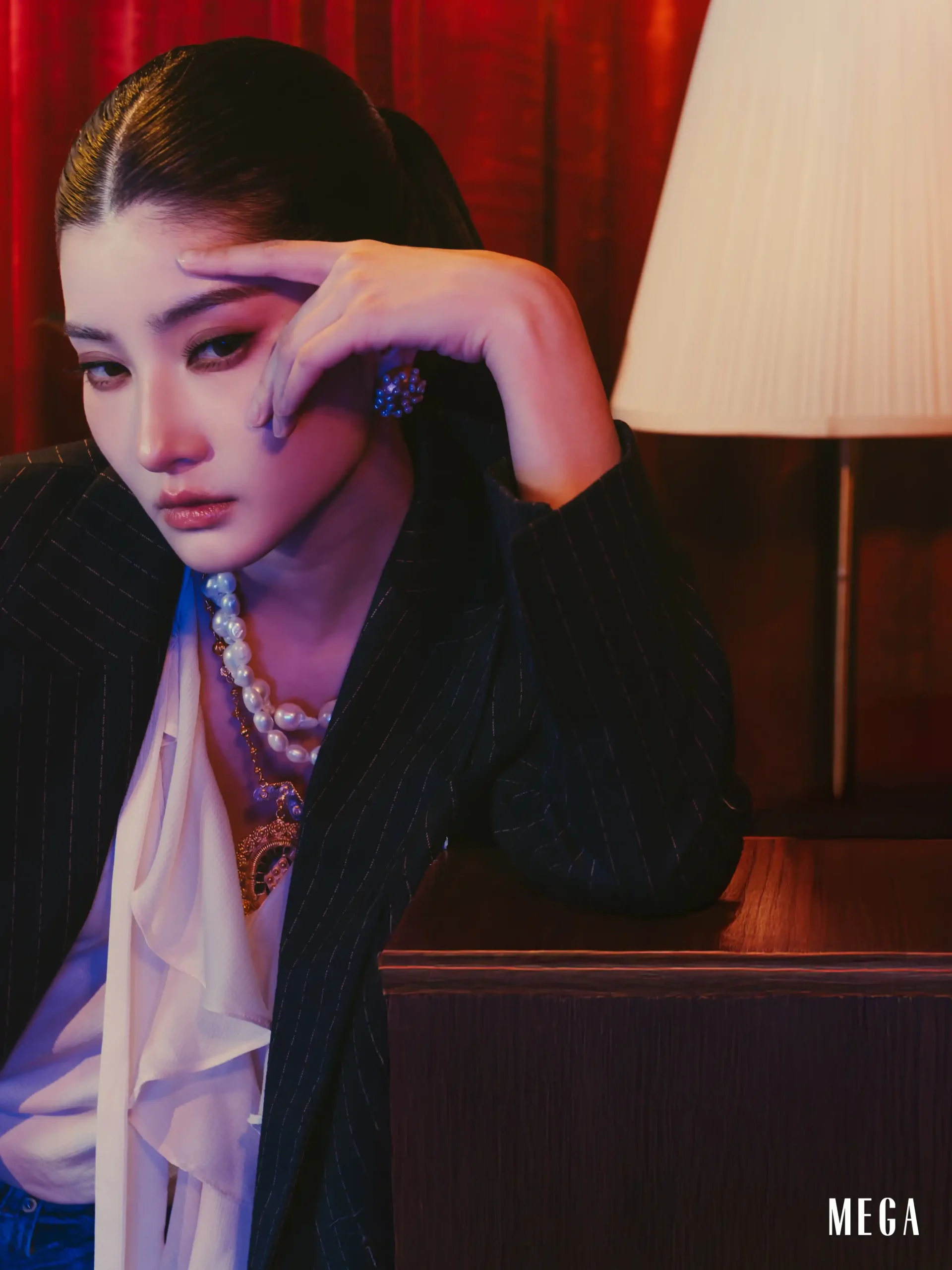
Together, they find balance. Mable is attentive and subtly protective, guiding Pangjie through angles, smoothing stray strands of hair, adjusting a skirt before the camera clicks. Pangjie responds with trust. It’s a dynamic that reads as care rather than control—one that makes their partnership compelling to watch, even off-screen.
Success followed quickly. ClaireBell drew viewers in droves, introducing GL fans to a new duo to root for. Not long after, the two found themselves on MEGA’s cover—suited up, hair sleek, radiating an ease that felt both powerful and self-possessed. They looked every bit the leading ladies they had become.
Leading Ladies Today, Role Models Tomorrow
Today, Mable and Pangjie stand firmly at the center of their own story. They don’t need a male lead for a hit show—not when audiences are already invested in them. But for Mable, leading ladyhood goes far beyond visibility. “Being a leading lady isn’t just about being the main character on screen,” she says. “It’s about leadership and responsibility.”
“It’s a challenge, but also a responsibility to inspire others.”
Pangjie Paphavarin
ClaireBell, which centers on love found in a seemingly hopeless place, proved transformative for both actresses. “Being part of this project changed the way I view myself as a woman,” Mable reflects. “It pushed me out of my comfort zone and taught me to embrace both strength and vulnerability.”
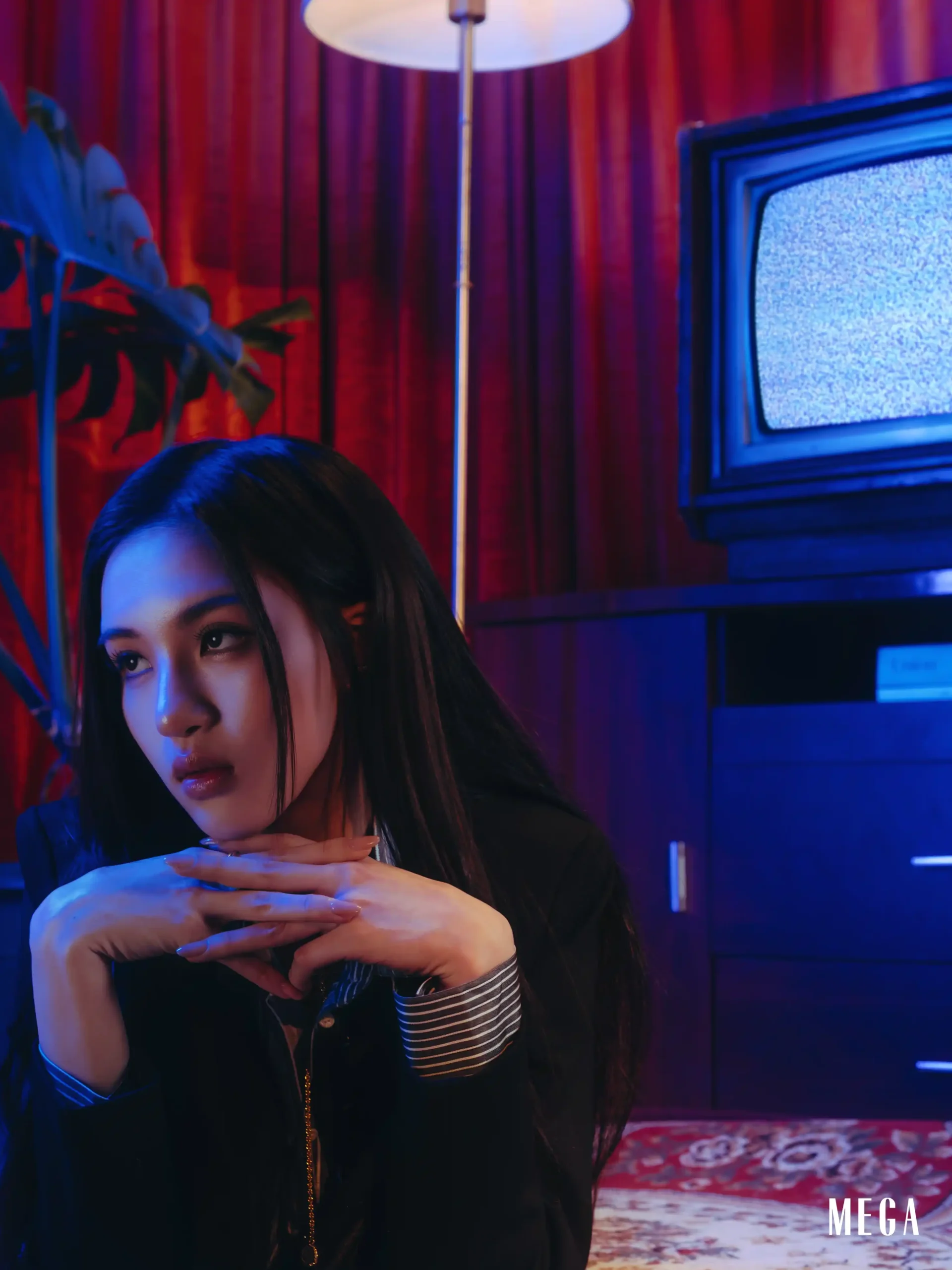
Where Mable found balance, Pangjie found clarity in herself. “This role made me reflect more deeply on identity, strength, and emotional honesty,” she shares.
While media today is more diverse in representation, it goes without saying that it has taken a long while for queer characters to take the lead. When talking about what kind of representation they wish they’ve seen in media, Mable mentioned women who embodied confidence and individuality. “Now, I try to live that truth,” she says. “To show that it’s okay to grow, to make mistakes, and to stand firmly in your own identity. If I can help even one young woman feel seen, then I know I’m becoming the representation I once needed.”
Pangjie’s dreams were simpler—but no less powerful. “I wanted to grow up to be a successful role model,” she says. Now, she is becoming one.
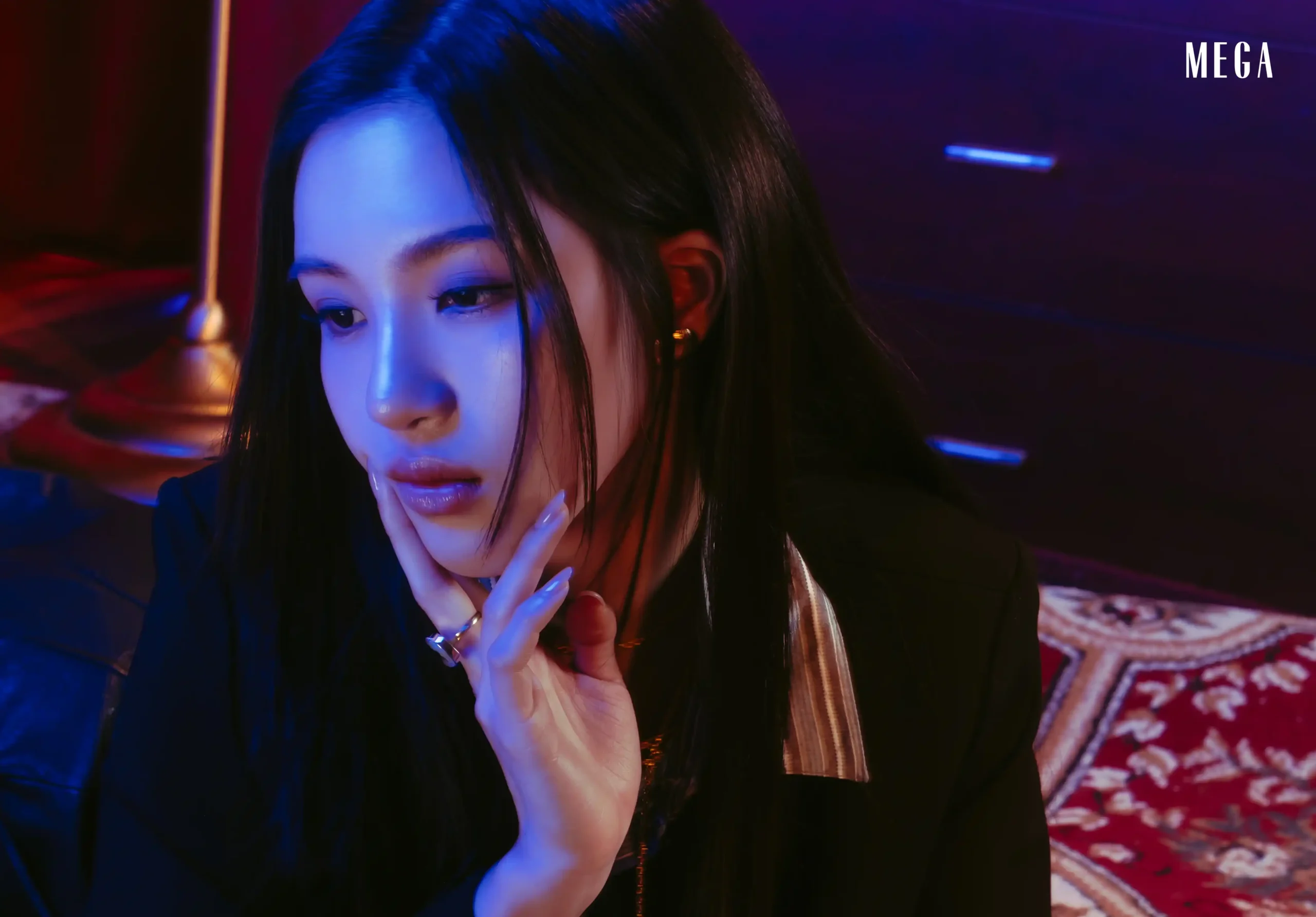
In a world still shaped by patriarchy, Thailand’s GL genre makes a compelling case for why sapphic stories matter. What makes these narratives resonate isn’t representation alone, but the insistence that women are worthy of love, ambition, and complexity—without compromise.
“Women shouldn’t have to choose between who they love and who they want to become,” Pangjie says, believing that women could—and should—be anyone they want to be.
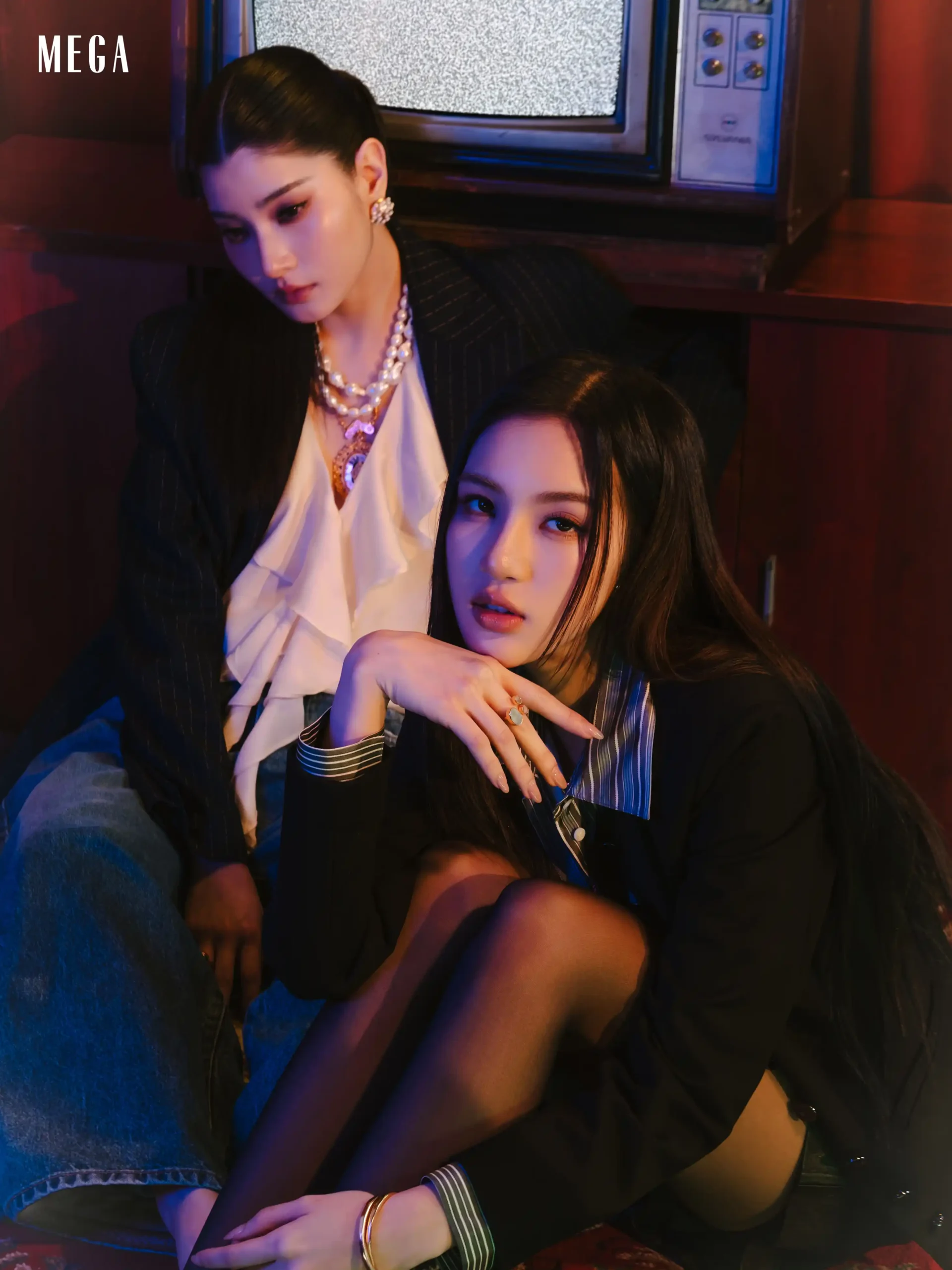
“It shows that women are multidimensional,” Mable adds. “ We don’t have to shrink our ambitions for love or lose ourselves to succeed.”
But GL’s influence isn’t limited to love alone. “I hope they feel seen and understood,” Mable said honestly. “I want them to recognize parts of themselves in the characters—their struggles, their strength, their growth. More than anything, I hope they leave feeling empowered, knowing that their emotions are valid and that their dreams are possible.”
Together, their words capture the essence of Girls’ Love: “We’re ambitious, flawed, resilient, and evolving,” Mable says. “Never one-dimensional.”
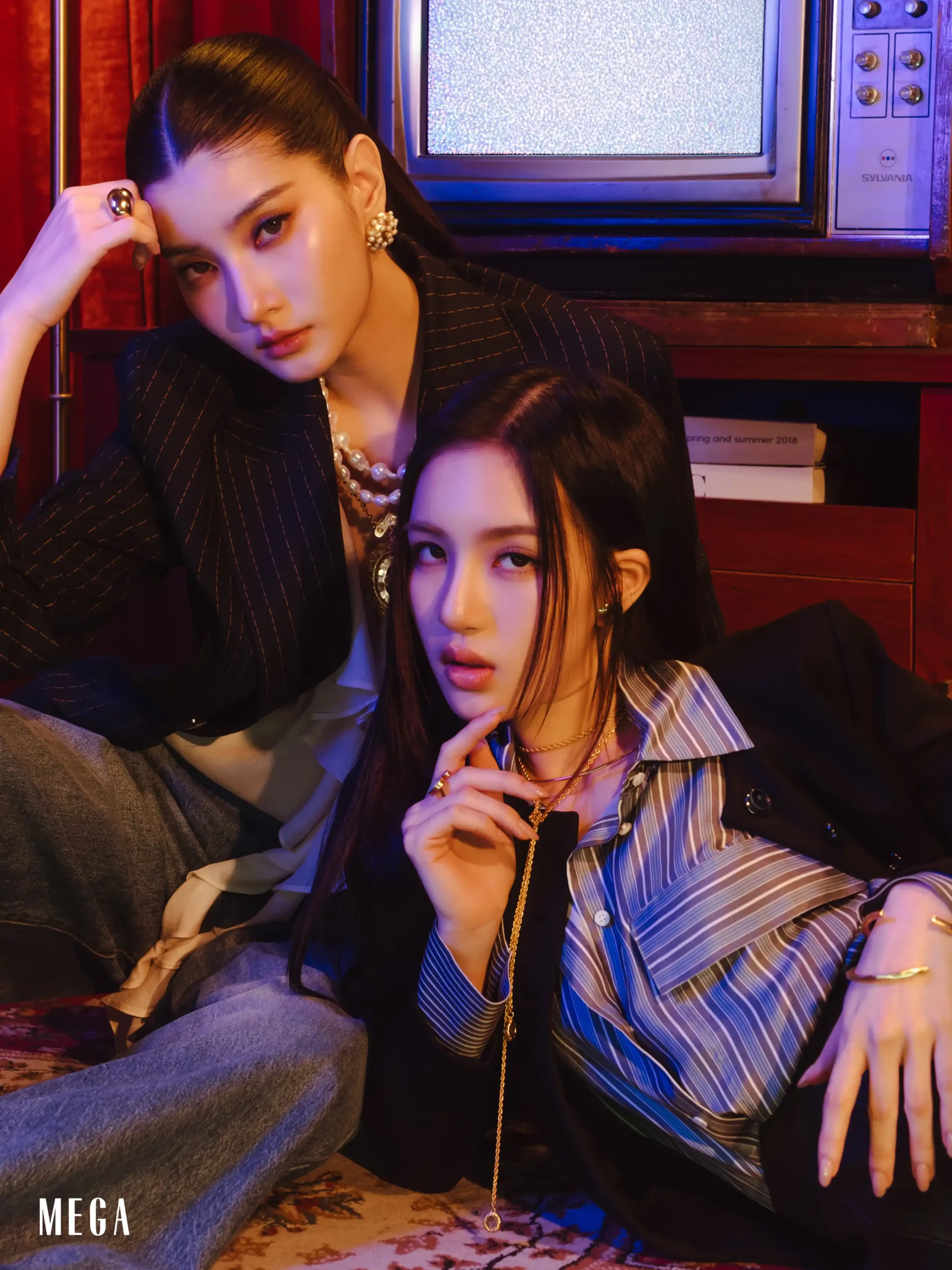
Transcending Borders
Girls’ Love has long transcended its purpose for representation. Beyond Thai media, it carries the complexity, beauty, and depth of women’s experiences—stories told through GL center women’s perspectives in ways traditional romance rarely does.
“Through Girls’ Love, we’ve become open to a more diverse range of love,” Pangjie reflects. GL today is no longer about sapphic representation alone, but it aims to reach the hearts of their audience, regardless of sexual orientation. “Viewers today are looking for authenticity and emotional depth, and Girls’ Love stories often provide that in a very sincere way,” Mable confirmed.
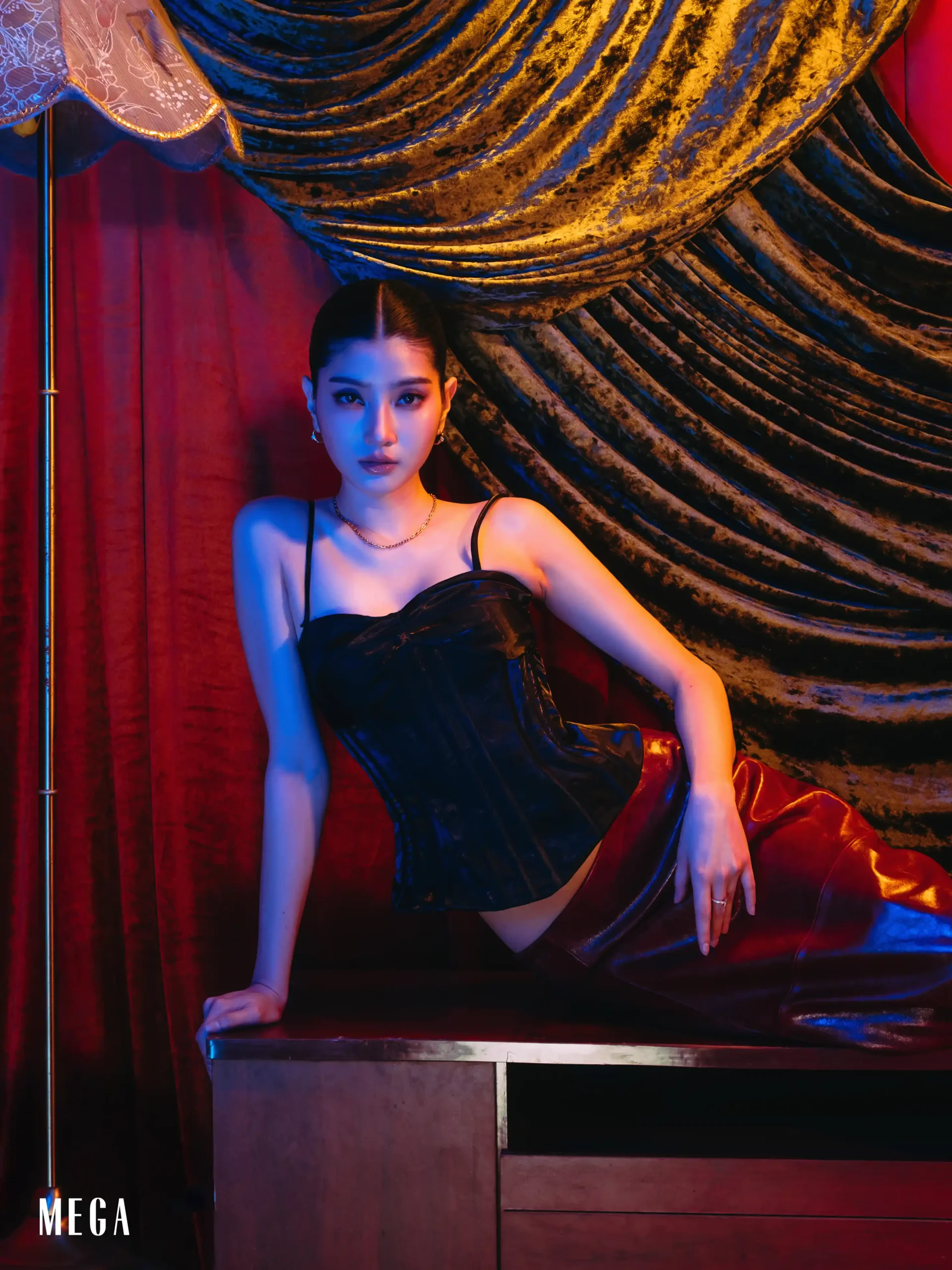
And she’s right. In a way, the genre has always felt different—even more intimate and raw than traditional romance narratives. “It’s because they center emotional intimacy from a perspective we haven’t historically seen as much,” Mable agreed. “Compared to traditional romance, GL focuses deeply on internal emotion, vulnerability, and unspoken tension.”
As rising stars in the genre, they are not just actors—they are vessels for these intimate narratives. “Being part of Girls’ Love is a constant reminder of how storytelling can foster understanding, acceptance, and change,” Pangjie expressed gratefully. For Mable, it’s about shaping a broader portrayal of women: “We get to tell stories with more depth, authenticity, and agency.”
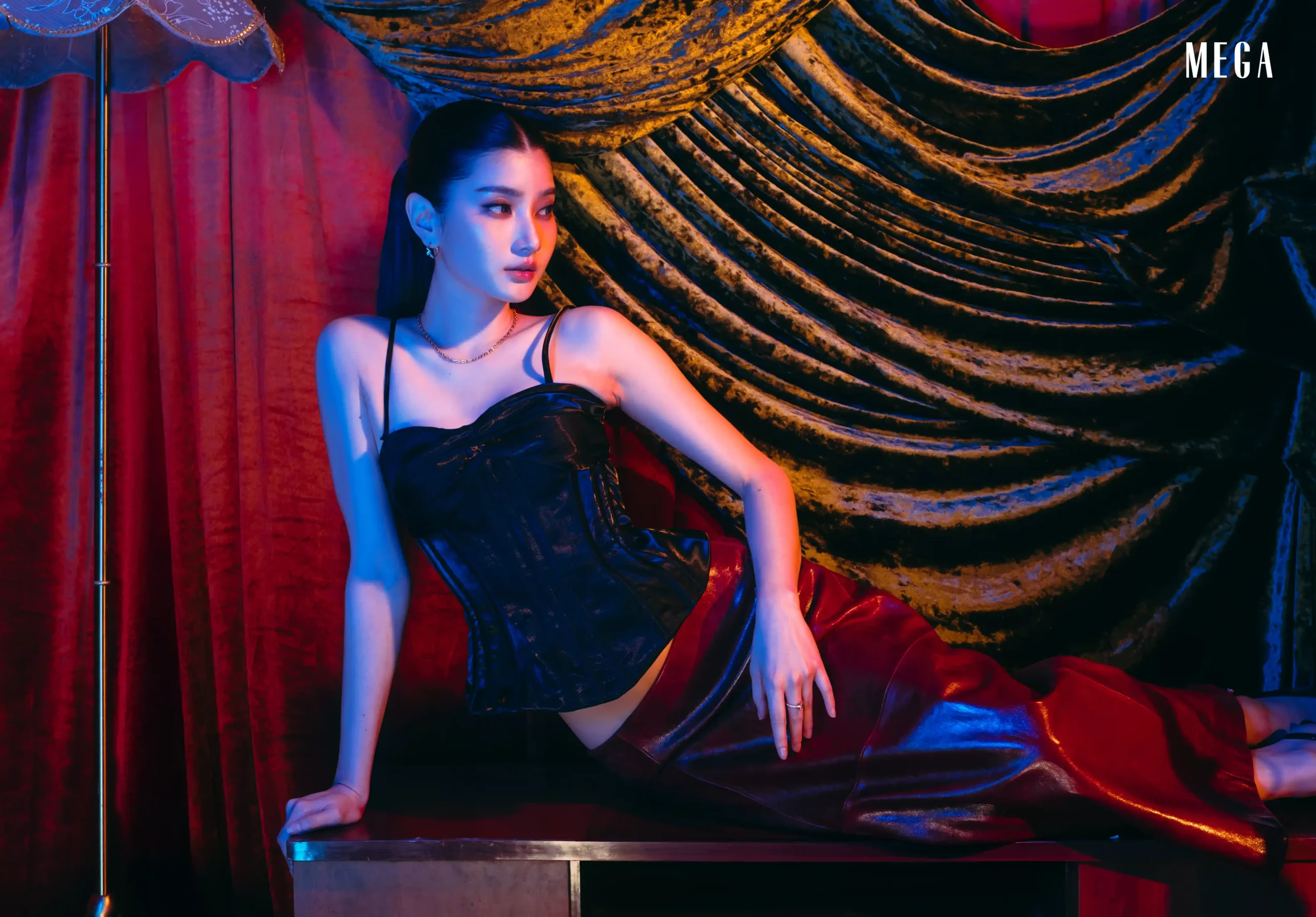
While Thailand continues to champion its LGBTQ+ stories, Girls’ Love has grown far beyond its borders. Fresh from their fan meet in Manila, both actresses speak fondly of the warmth they received from Filipino fans. “Walking into that room and feeling the warmth and love from my Filipino fans was overwhelming in the best way. Their energy was so genuine and heartfelt,” Mable recalled.
It’s moments like these that Pangjie is reminded of GL’s impact across Asia, especially in the Philippines. “It’s the emotional honesty and the stories that focus on love, identity, and growth.” GL’s capacity to tell universal stories about love and discovery, despite its Thai setting and language, evokes emotional resonance. “Themes like vulnerability, courage, family expectations, and personal growth are experiences that connect people everywhere,” Mable reflects.
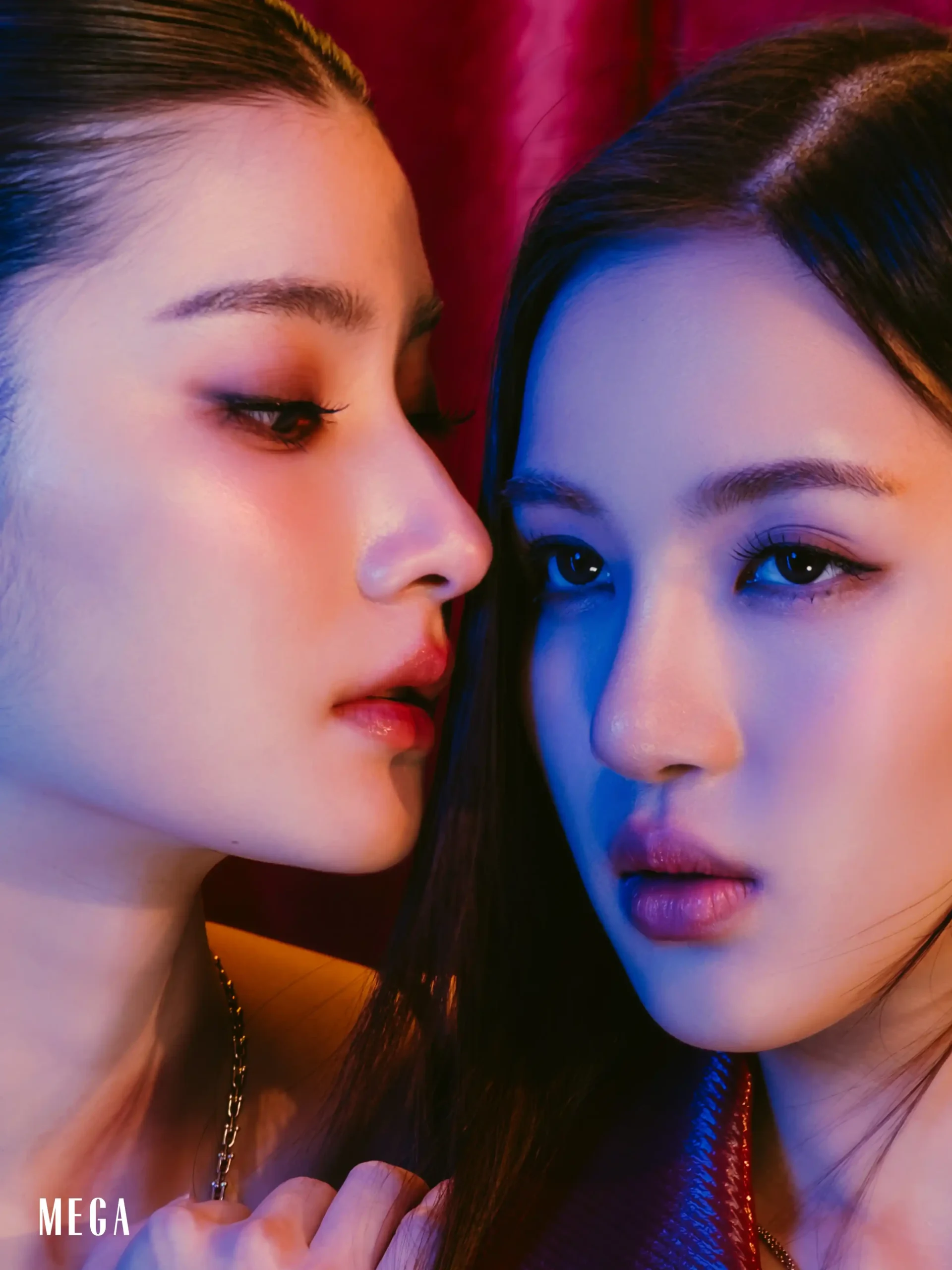
Beyond ClaireBelle
Set within the harsh confines of prison life, ClaireBell places two women at the emotional center of an unforgiving world. Pangjie plays Bell, wrongfully convicted and subjected to violence—until she meets Claire, Mable’s character, a feared inmate with a guarded heart. What unfolds is a love story shaped by power, vulnerability, and impossible choices.
“In a hopeless place, love brought hope,” Pangjie says, finding pieces of herself in Bell’s perseverance.
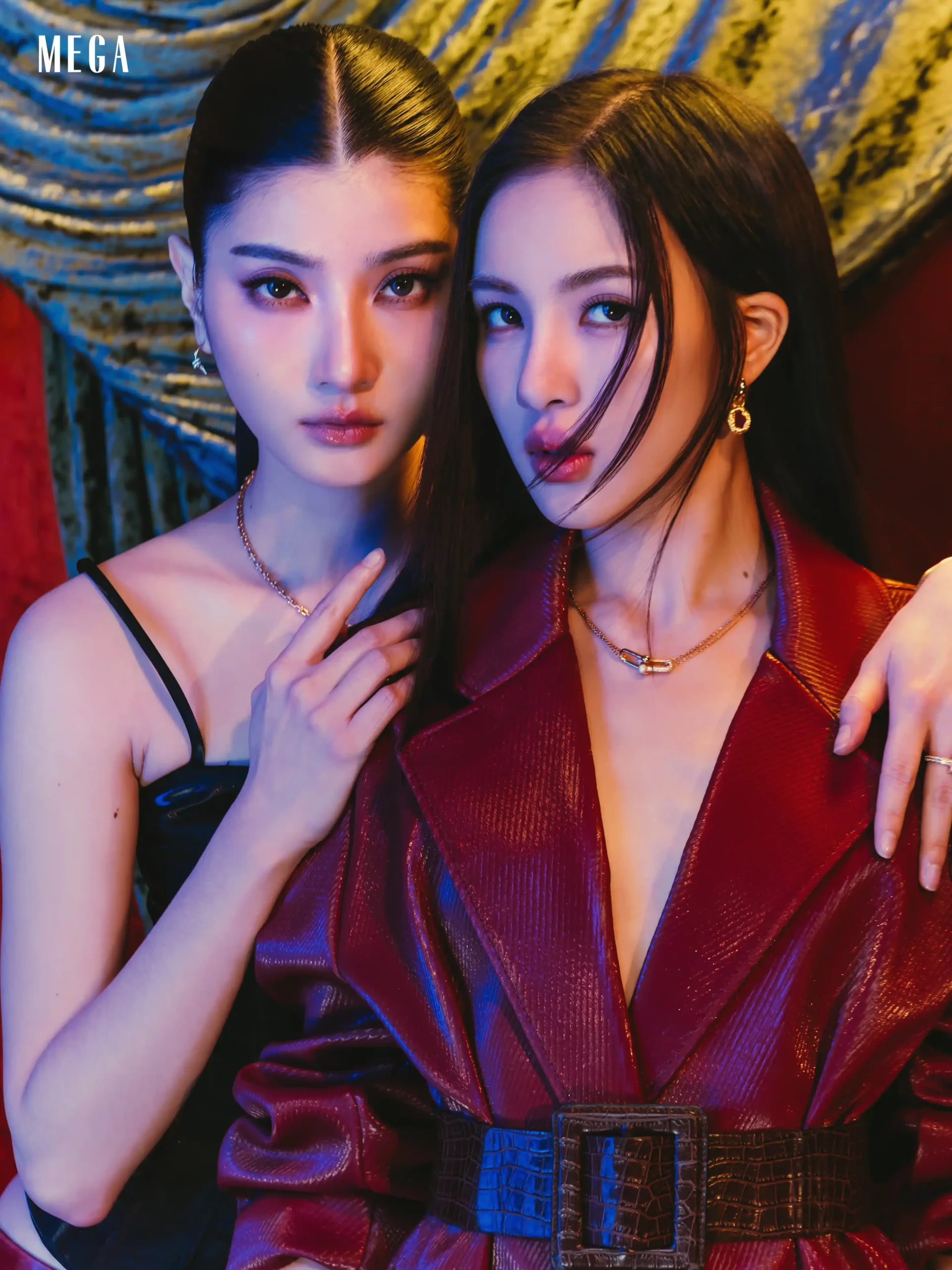
For Mable, who resonates deeply with Claire’s loyalty and compassion, she was drawn to the story’s emotional weight. “It’s about identity, power, vulnerability, and the cost of choices in an intense world,” she explains. “It felt important to tell this story now because audiences are ready for women to be portrayed as fully realized individuals—not side characters, not stereotypes.”
ClaireBell may have given both characters a fitting conclusion, but what endures is the trust they’ve built—a trust that will carry into their future projects together. “We learned to communicate honestly about boundaries, emotions, everything,” Mable says.

Where audiences discovered a GL story rich in depth and nuance, the actresses found a breakthrough of their own—and the best way forward is to ride that momentum. Looking ahead, Mable hopes to evolve in her artistry.
“I hope to take on roles that push me outside my comfort zone—characters who are very different from me, whether that’s in strength, vulnerability, or life experience.”
Mable Siriwalee
Pangjie, on the other hand, is eager to push herself further in new and challenging genres. “I hope to explore more mature and diverse narratives—as a pair and individually.”
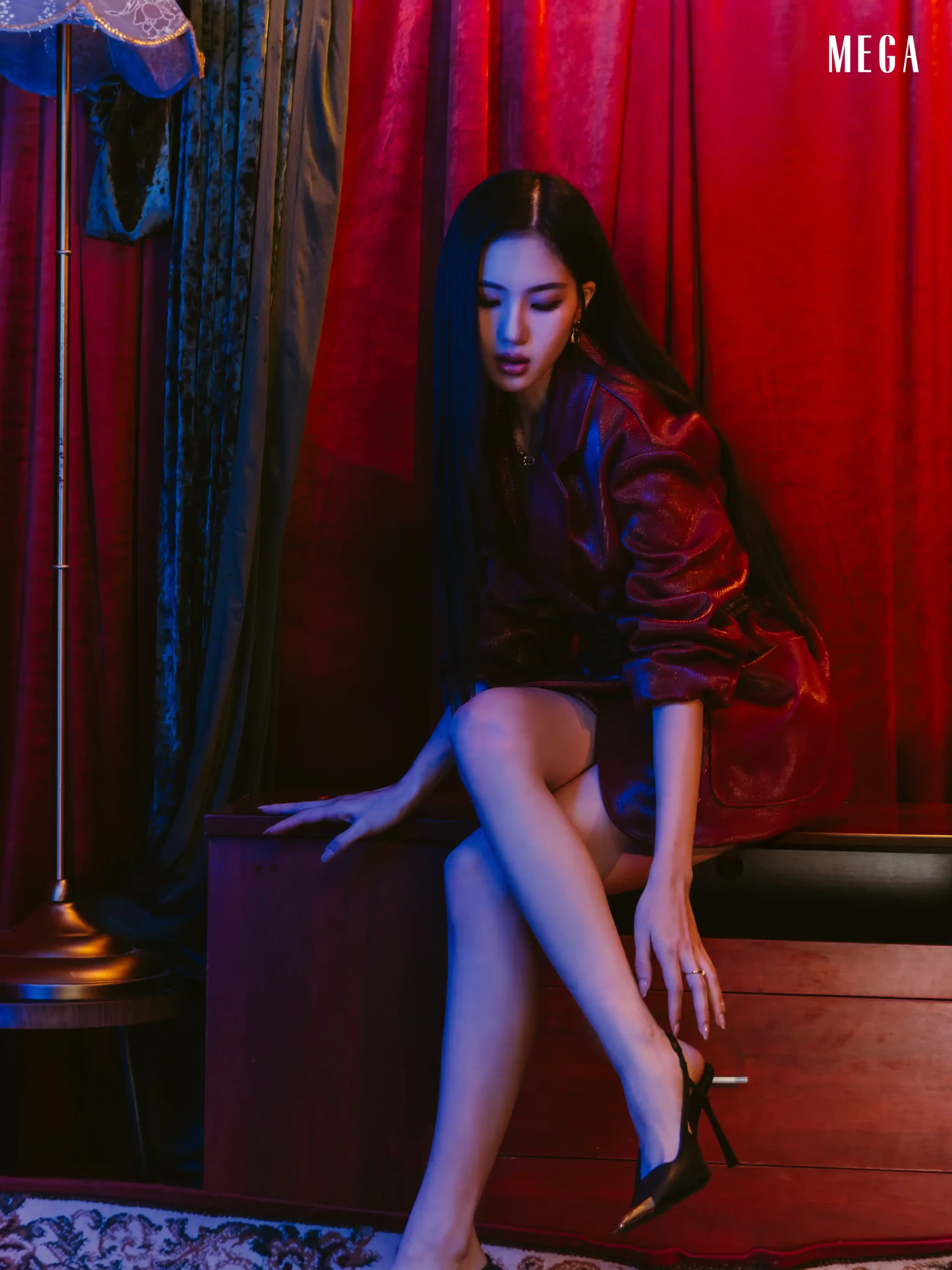
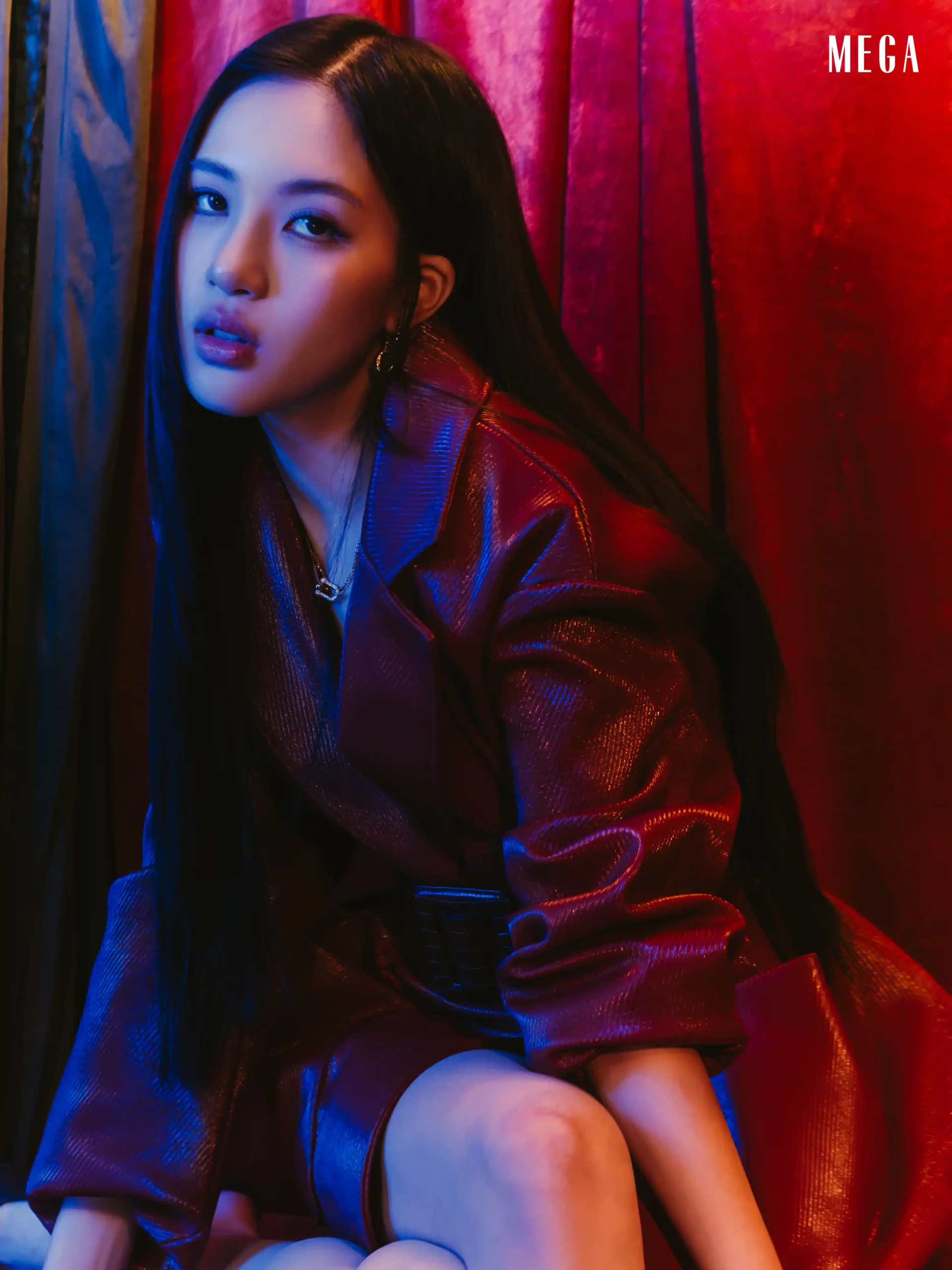
This Women’s Month, Mable Siriwalee and Pangjie Paphavarin stand as proof that leading ladies no longer need permission—or a male counterpart—to command the spotlight. Through Girls’ Love, they offer something deeper: stories where women are allowed to love boldly, live fully, and take up space—exactly as they are.
Photographed by ANDREA BELDUA. Creative Direction by BRIE VENTURA. Hair by BENJAWARN HOTHAISONG. Makeup by THOEDSAK BANDASAK. Styled by NINA CUYANA and CHARLOTTE SOMBILLO of QURATOR INC. Sittings Editor PEEWEE REYES-ISIDRO. Producer THESSMAR LECTURA. Production Design by TIPPING POINT COLLECTIVE. Videography by KARLO TORIO. Photography Assistants LOU FAJARDO and TOTO PEPITO. Videography Assistants BENCHO FRANCO, SHERMAE GAUPO, and JEFF OCFEMIA. Special thanks to SUTTISINEE NGOENCHAROENKUL, KANYAPAK KAMCHAN, and MAI DAVIKA.
Frequently Asked Questions
Mable Siriwalee and Pangjie Paphavarin are Thai actresses who rose to prominence as the lead pairing in ClaireBell, a Girls’ Love series set inside a prison that became a breakout hit with GL audiences across Asia. Mable plays Claire, a feared inmate with a guarded heart, while Pangjie plays Bell, a wrongfully convicted woman whose relationship with Claire forms the emotional center of the show.
ClaireBell is a Thai Girls’ Love drama set within a prison, centered on two women — Claire and Bell — whose relationship develops against a backdrop of power, vulnerability, and impossible choices. The series drew wide viewership across Asia and is credited with establishing Mable Siriwalee and Pangjie Paphavarin as one of the genre’s most compelling new pairings.
Thailand’s Girls’ Love genre centers romantic and emotional narratives between women, placing them as the primary subjects of the story rather than supporting characters. It has gained global popularity — including in the Philippines and across Southeast Asia — for its emotional depth, intimate storytelling, and the way it portrays women as fully realized, multidimensional characters. Unlike traditional romance, GL tends to foreground internal emotion, vulnerability, and unspoken tension.
Both actresses spoke to MEGA about the importance of GL as a vehicle for authentic representation. Mable described wanting to show that it is okay to grow, make mistakes, and stand firmly in one’s own identity — and that she hoped to become the representation she once needed. Pangjie echoed this, saying she wanted to grow up to be a successful role model, and that ClaireBell helped her reflect more deeply on identity, strength, and emotional honesty.
Yes, Mable Siriwalee and Pangjie Paphavarin visited Manila for a fan meet, a stop on their Asia tour following ClaireBell’s success. They then appeared on the cover of MEGA Philippines, shot at the MEGA Studio the day after their Manila fan meet. Mable described the warmth from Filipino fans as overwhelming, while Pangjie reflected on GL’s emotional resonance with Philippine audiences.