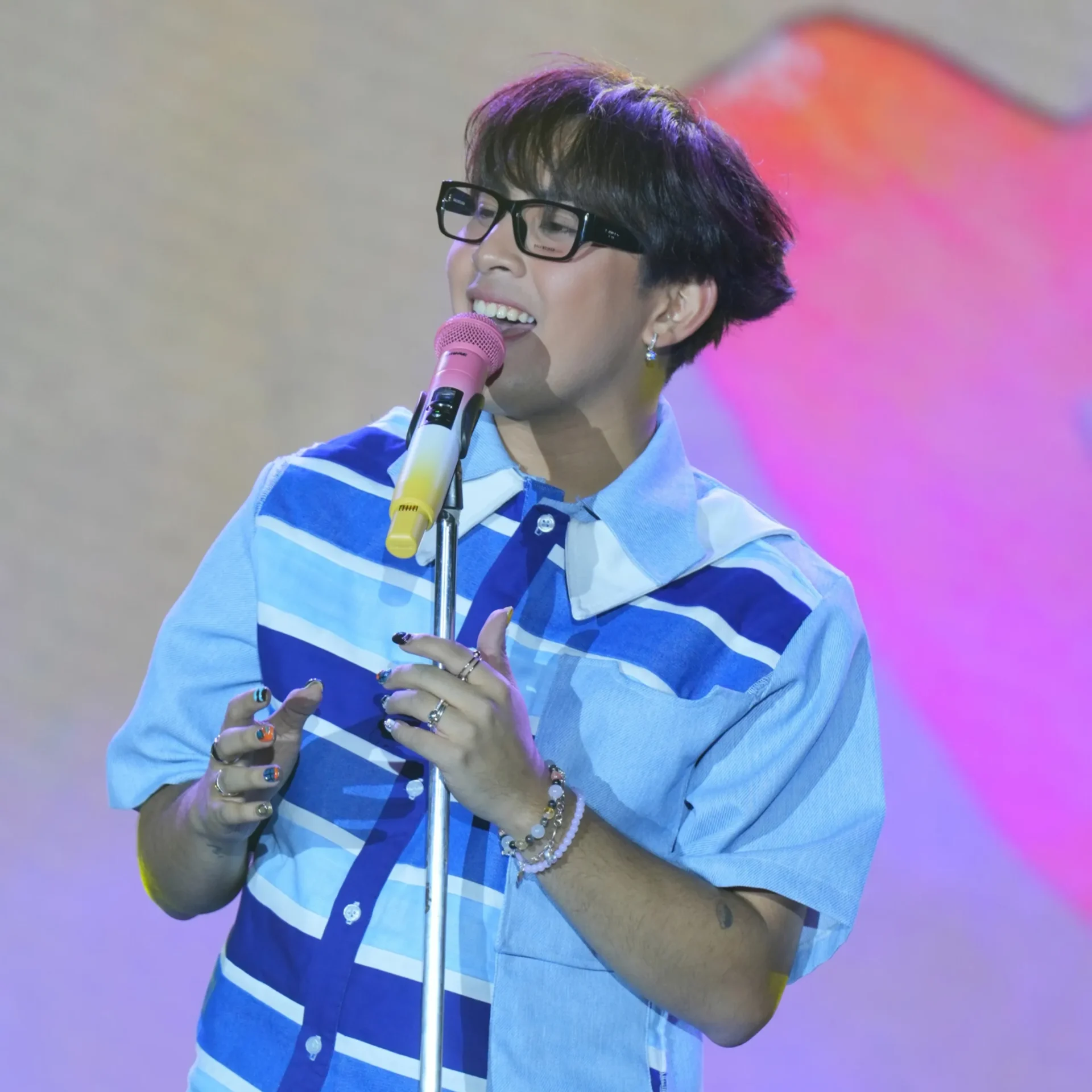





The language of love has always evolved with the times. We have navigated the complexities of age differences and the nuances of social media habits, but a new boundary is being drawn in the sand of modern romance. As we move through 2026, an ideological divide has emerged between those who embrace artificial intelligence as a daily partner and those who view it with deep-seated skepticism.
RELATED: Here’s How Gen Z Navigates Through Dating in the Digital Space
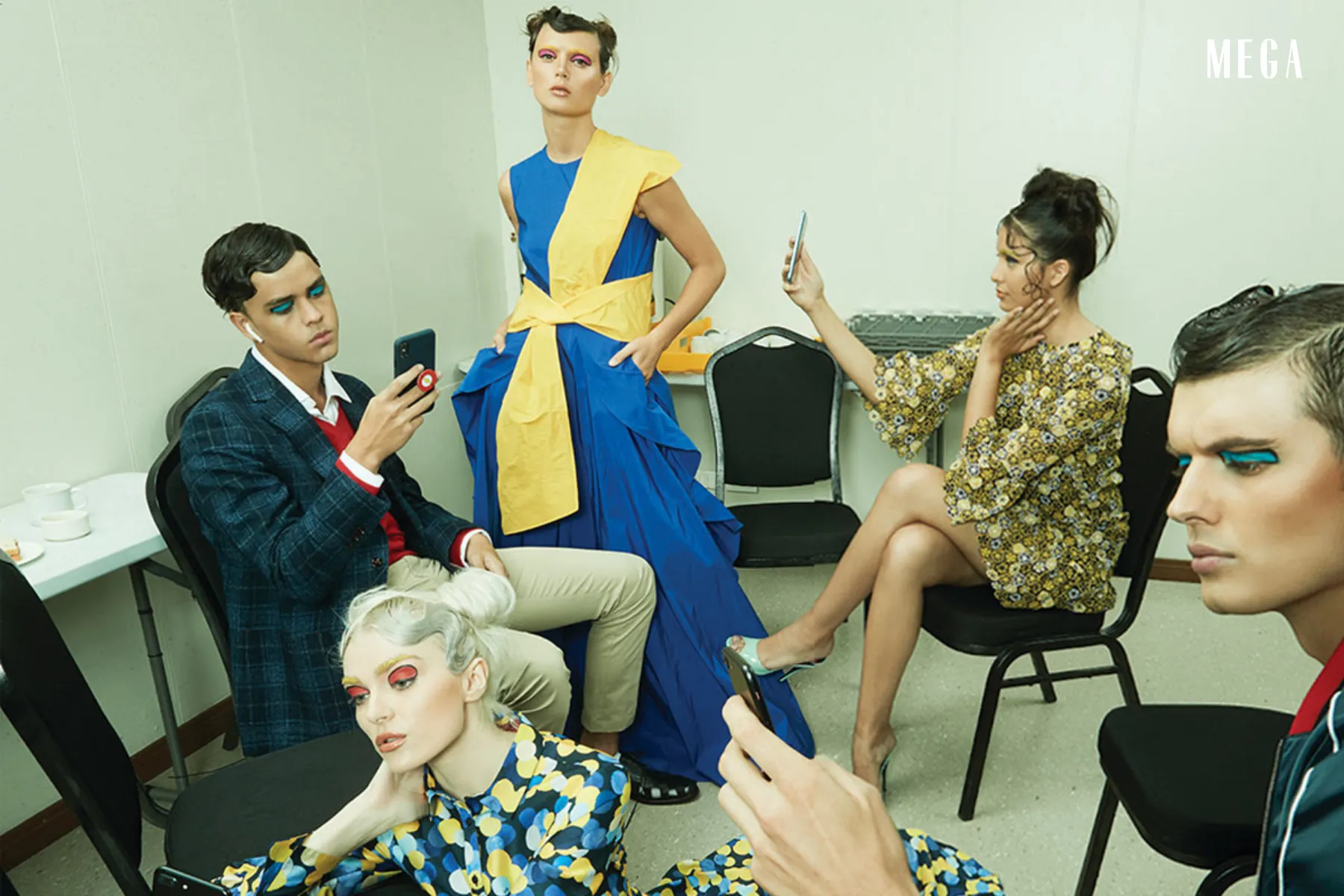
The AI Gap
Relationship experts like Dr. Justin Garcia, PhD, and Dr. Thais Gibson, PhD, suggest that these differing views on technology act as a mirror for broader life philosophies. When one partner treats a chatbot as an indispensable companion while the other refuses to engage with it entirely, the friction often stems from a lack of alignment on privacy, authenticity, and the nature of human effort.
In many ways, choosing a partner today involves gauging their digital comfort level. Just as we might look for common ground in political or cultural beliefs, we are now naturally gravitating toward those who share our rhythm of technological integration.

As Dr. Carolina Pataky, PhD, observes, technology tends to magnify the emotional distances that already exist between two people. The risk arises when one person uses AI as a shield to avoid the messy, vulnerable work of real-time connection. Using a bot to script an apology or to outsource emotional processing can make a partner feel replaced rather than supported.

Navigating this new world demands a commitment to staying on the same team even when the tools we use look different. Compatibility in the age of AI doesn’t require identical habits, but it does require a shared understanding of boundaries. After all, the goal of any advancement should be to give us more time for the people who matter, rather than replacing the very thing that makes a relationship feel real.
Photos: MEGA ARCHIVES
Frequently Asked Questions
The AI gap is an ideological divide between romantic partners regarding how much they accept, trust, and integrate artificial intelligence tools into their daily routines and personal lives.
Artificial intelligence affects compatibility by highlighting deeper disagreements over core values, including personal privacy expectations, the value of authentic human effort, and digital communication boundaries.
Technologically divergent views cause friction because they mirror conflicting life philosophies regarding digital integration, exposing hidden mismatches in how couples manage vulnerability and real-time emotional connection.
Using AI bots damages emotional intimacy when individuals outsource critical relational work, like writing text apologies, causing their partners to feel systematically replaced by automated software.
Couples navigate technological differences by establishing clear relationship boundaries and maintaining a healthy mutual commitment to prioritizing real-time human vulnerability over convenient automated digital tools.

Recommended Video
Latest Posts



Latest Issue