



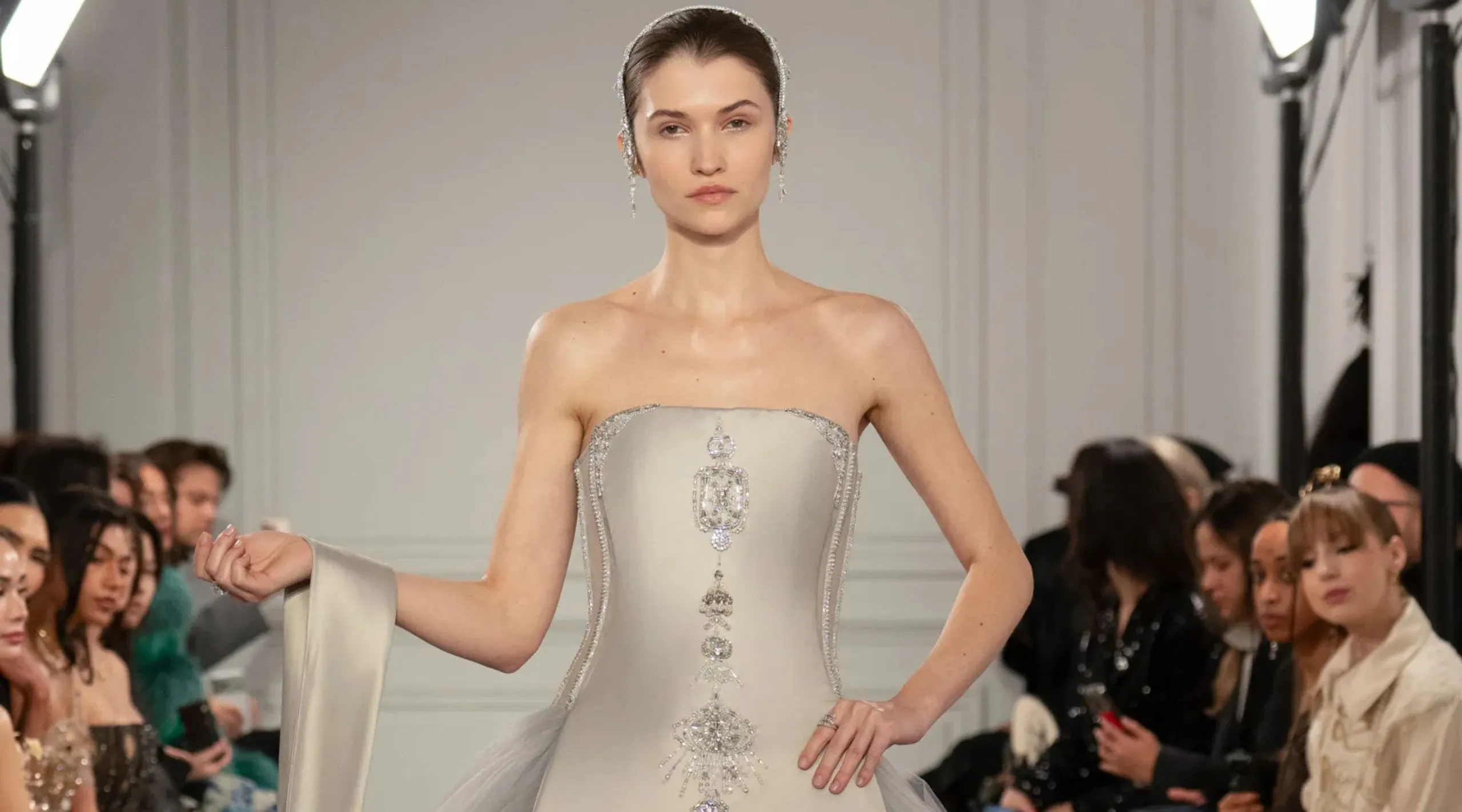
While most designers are still building their language, Phan Huy is presenting his in Paris. This season, he became the youngest designer—and the first Vietnamese brand—invited by the Fédération de la Haute CoutureHaute CoutureCustom-fitted, handmade high fashion created for individual clients in a Paris atelier. The term is legally protected and awarded by a French governing body, requiring strict standards of craftsmanship andGo to Haute Couture Glossary to participate in Paris Haute Couture Fashion Week under his own name. It’s a milestone that could easily invite narrative excess. Instead, like couture, he keeps it measured.
RELATED: Wuthering Heights Mostly Trades in Substance for Period Drama Style
Labor, Legacy, and Craft as Credibility
“I don’t see my youth as either a burden or an advantage,” he says. “Professionals and the fashion community only care about the quality of the designs a designer creates.”
There is no theatrical humility here, no coyness. Age is neither a handicap nor a headline. It’s simply context. And yet, youth does grant him something: freedom.
“As a young designer, I do feel that I have more to explore and experiment,” he explains. “That allows my work to be more daring in the aspects that are my strengths — details, textures, and silhouettes. Perhaps that’s why people tend to keep their eyes on my designs a little longer.”
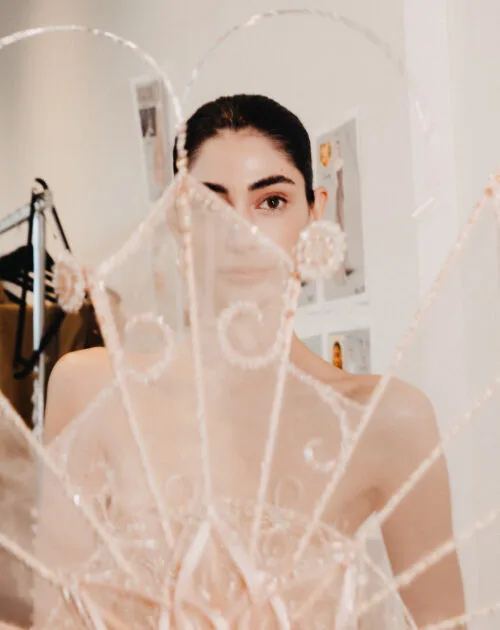
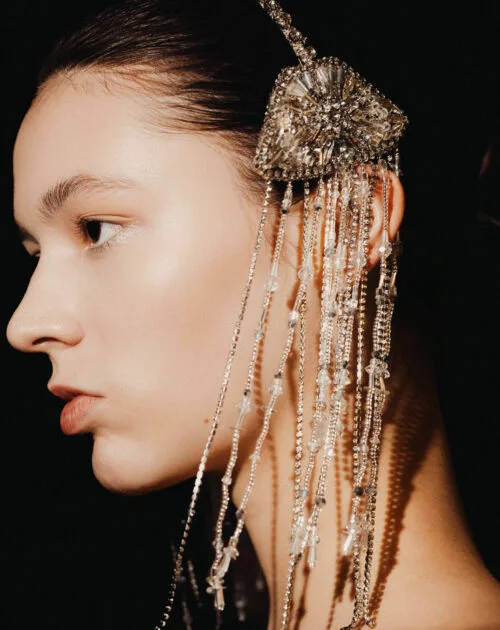
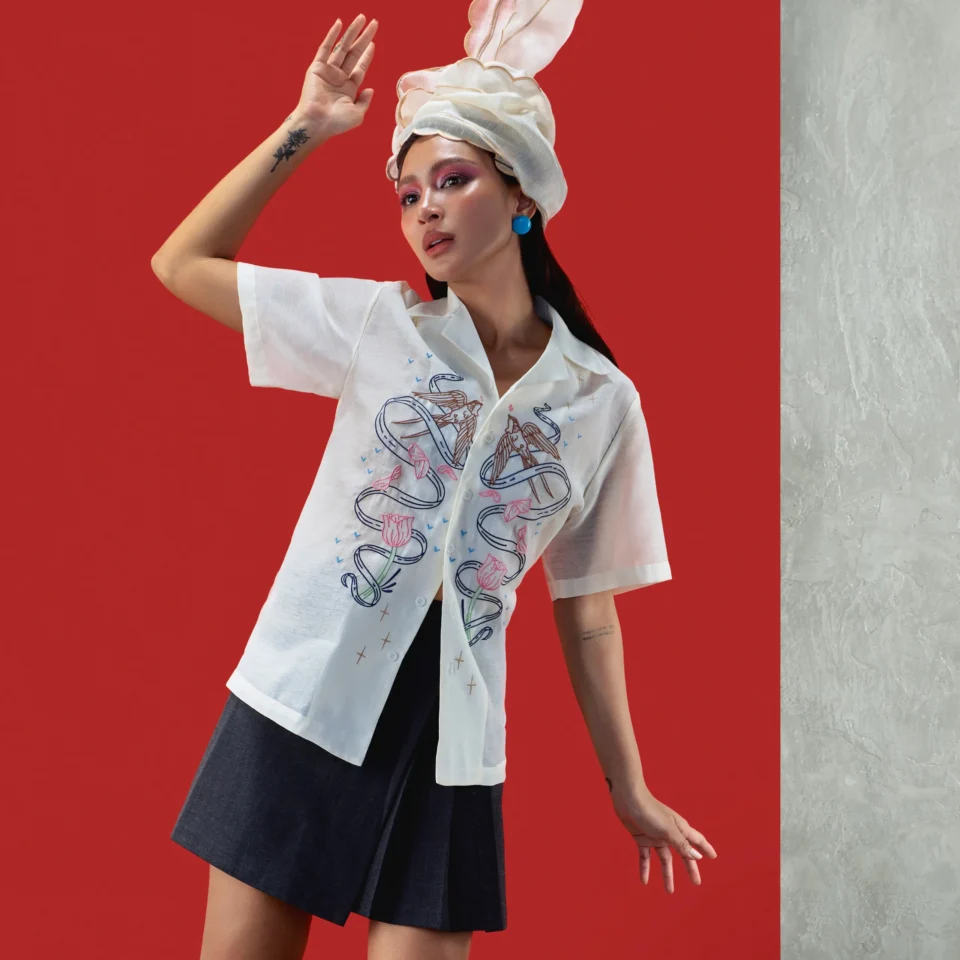
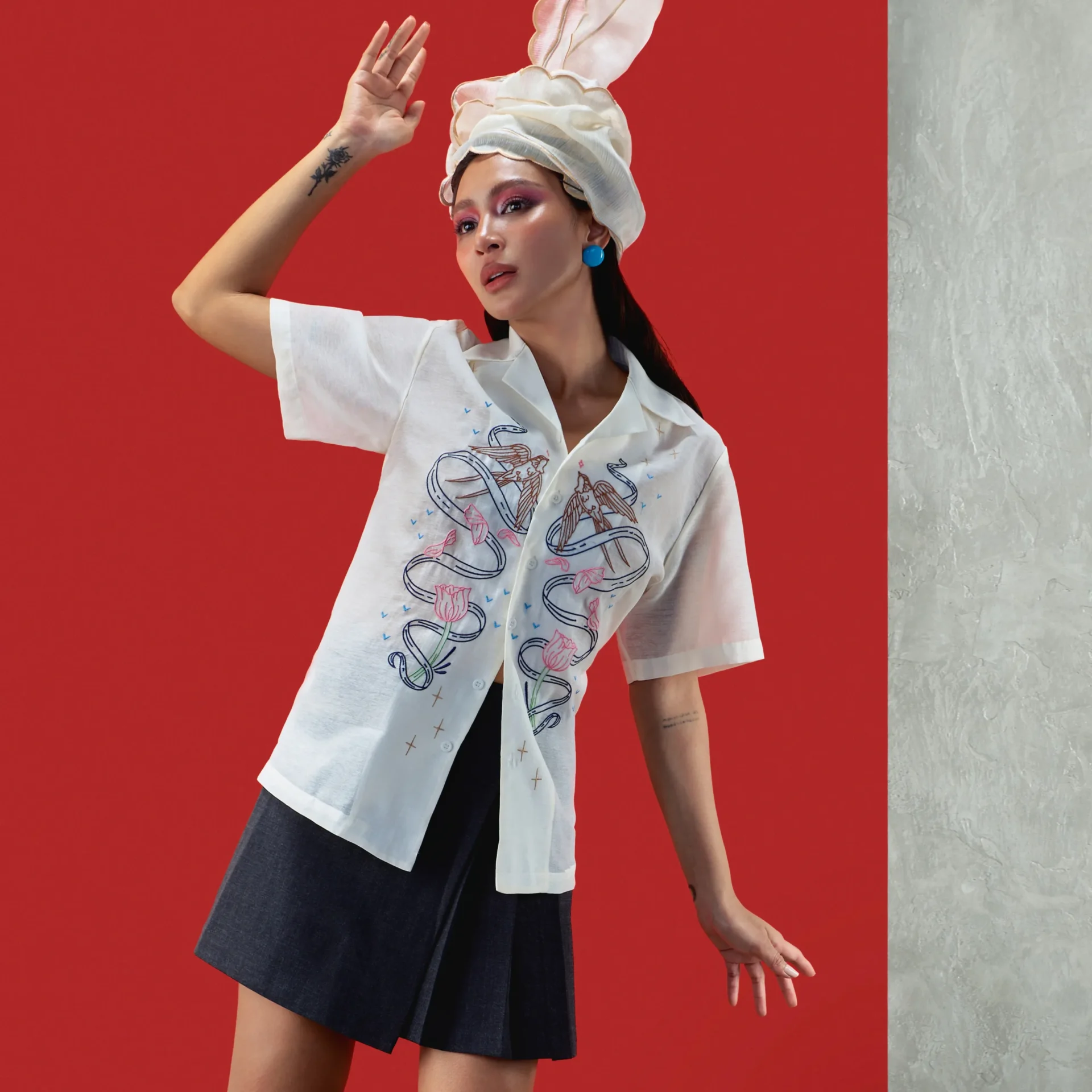
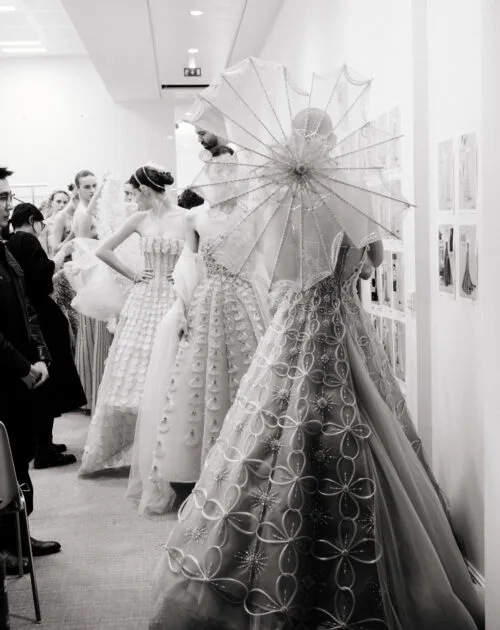
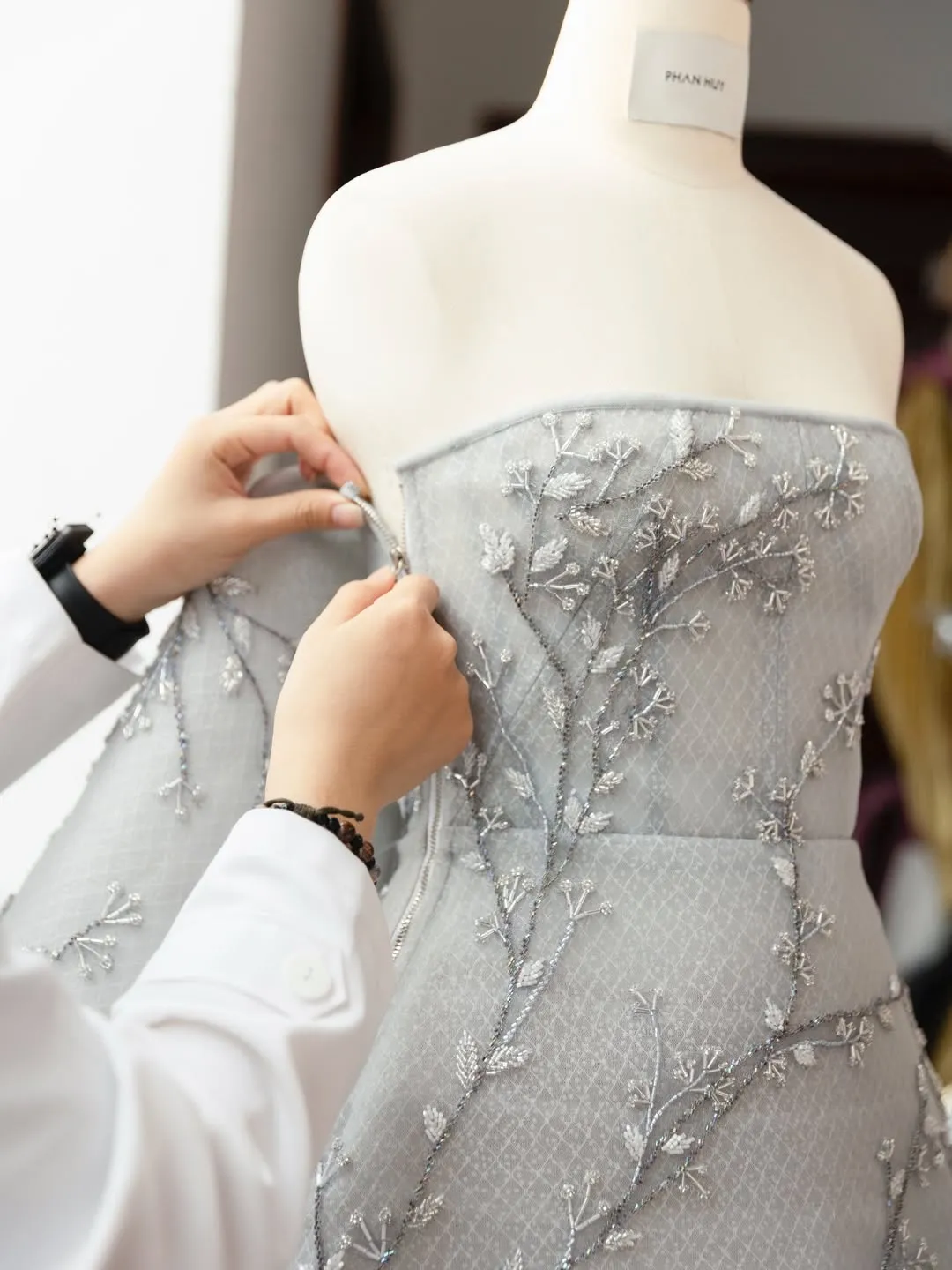
The eyes, they do stay: On horsehair tubes threaded through tulle, sculptural embroideries applied loop by loop, and organza leaves edged in tubular beads. His couture accumulates.
“I truly love products made by human hands, especially those created with dedication over hundreds of hours,” he says. “To me, those are timeless values.”
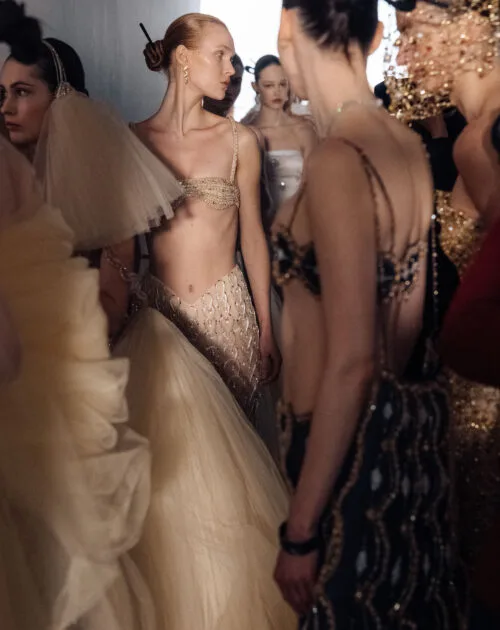
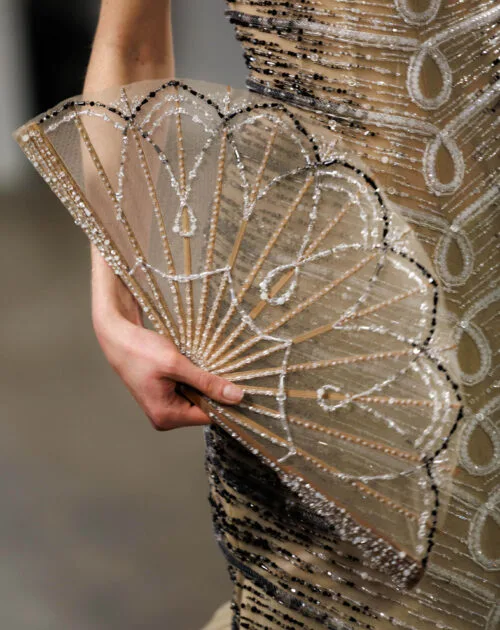
Timeless, in his vocabulary, has nothing to do with nostalgia, nor does it have to do with anticipation. It’s labor—the visible trace of it. “Designs like that last for a very long time because they represent an entire process of craftsmanship and the refinement of the most beautiful and precise techniques,” he adds. “Above all, it is this craftsmanship that brings real emotion to a design — in every single stitch.” That emotional register runs through his wider ambition: recalibrating how his country is seen by the world.
A Different Portrait of Vietnam
Vietnam’s modern history has not been gentle. Decades of war stalled industries and shaped how the country was perceived abroad. For years, it was reduced to a headline instead of understood as a culture with its own complexity. The rebuilding was slow. Infrastructure had to be restored. Creative industries had to grow from near zero. Yet craft traditions endured in homes and small workshops. Skills were preserved quietly, passed hand to hand. A younger generation emerged connected to the world, aware of its history but not defined by it.
“In the past, Vietnam was sometimes quite reserved and not fully recognized by the world,” he says. “But today, through many new approaches, our country is becoming more visible and more loved internationally. Fashion is one of the strong contributors to that growing attention.”
He incorporates Vietnamese elements without turning them into overt symbols. “I don’t want to turn fashion into a heavy cultural costume or something theatrical,” he says. Instead, heritage surfaces subtly, allowing his pieces to live as fashion rather than costume.
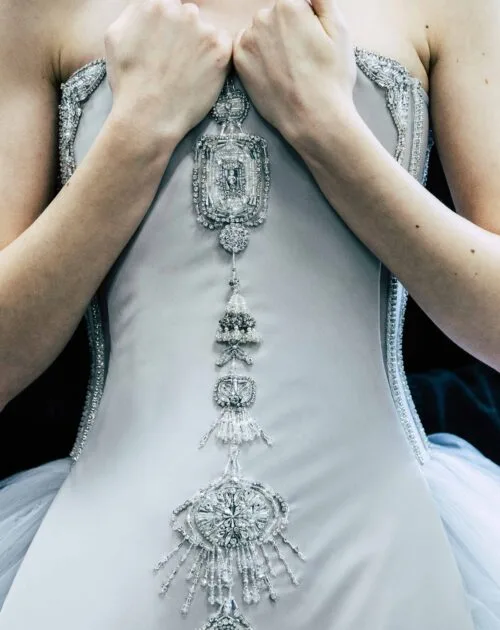
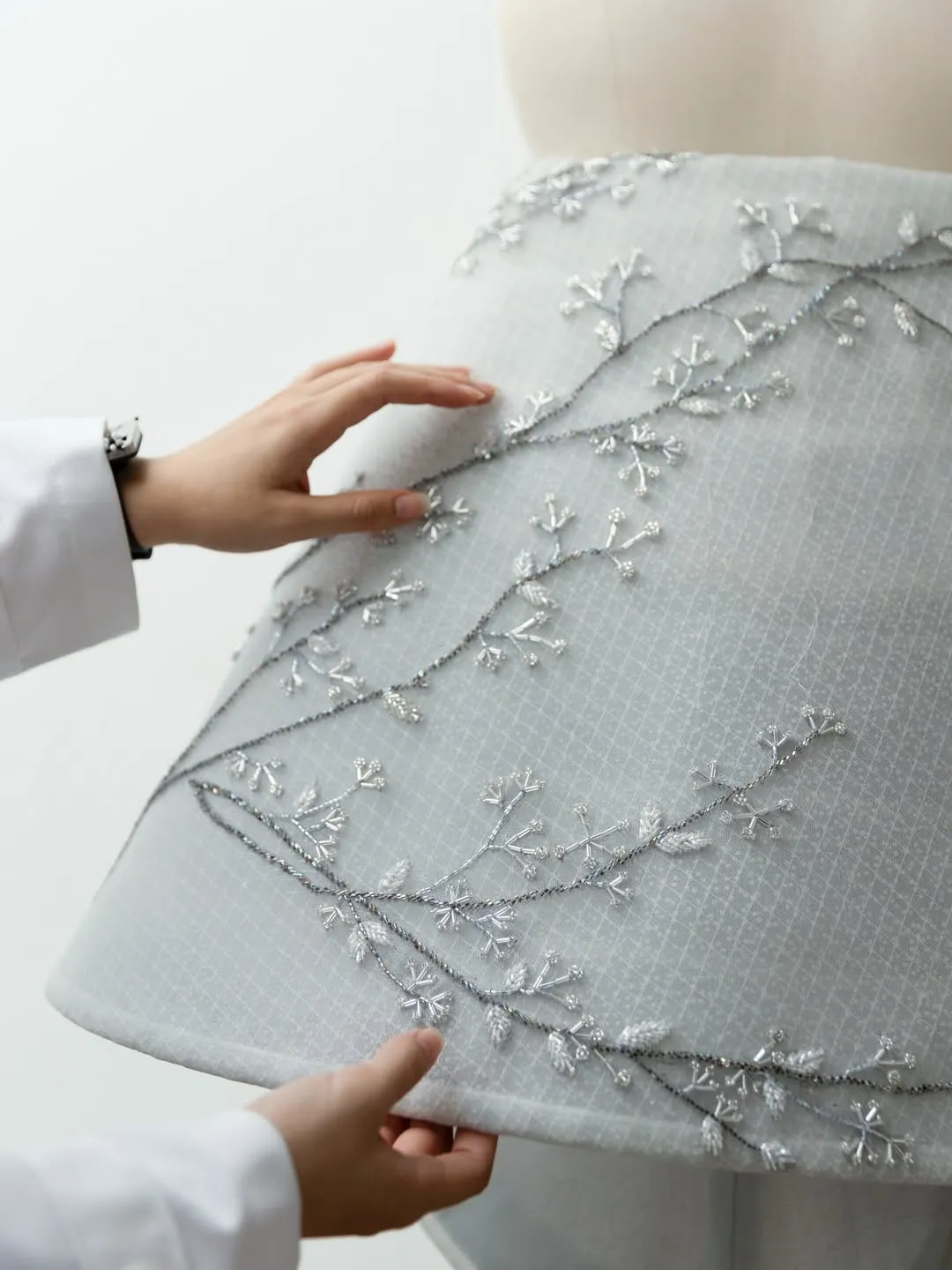
That same control shapes his treatment of vulnerability. His collections celebrate fragility — translucent layers, silhouettes that move with the body — yet never confuse it with weakness.
“My work always celebrates purity and fragility,” he says. “The girls who wear my pieces appear soft, delicate, and graceful — never harsh or rough. That elegance is something I deeply love.”
“I may be young and gentle, simple even, but inside I feel a very strong inner power and a willingness to face challenges.”
Phan Huy
Softness holds strength. Transparency does not diminish it. He hopes his clients recognize that duality in themselves. “They can be soft and fragile on the outside, yet carry a strong spirit, big dreams, and a vibrant life within.”
An Inheritance of Splendor
For this couture outing, Huy looked to Cành Vàng Lá Ngọc—“Golden branches and jade leaves”—a phrase steeped in aristocratic lineage and cultural memory. The reference gestures toward the Nguyễn dynasty, toward eras of splendor that complicate reductive narratives of Vietnam.
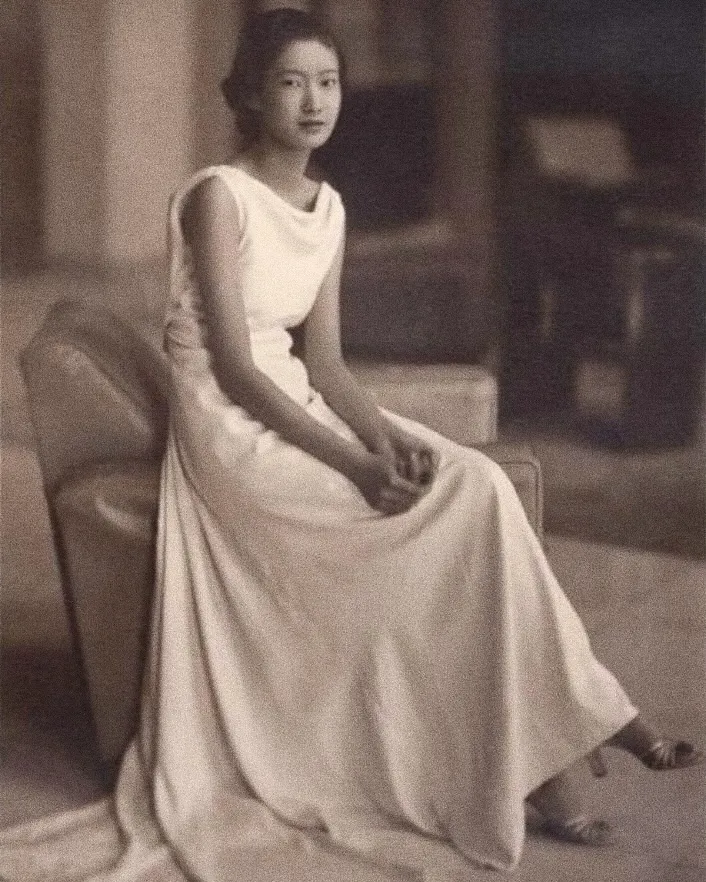
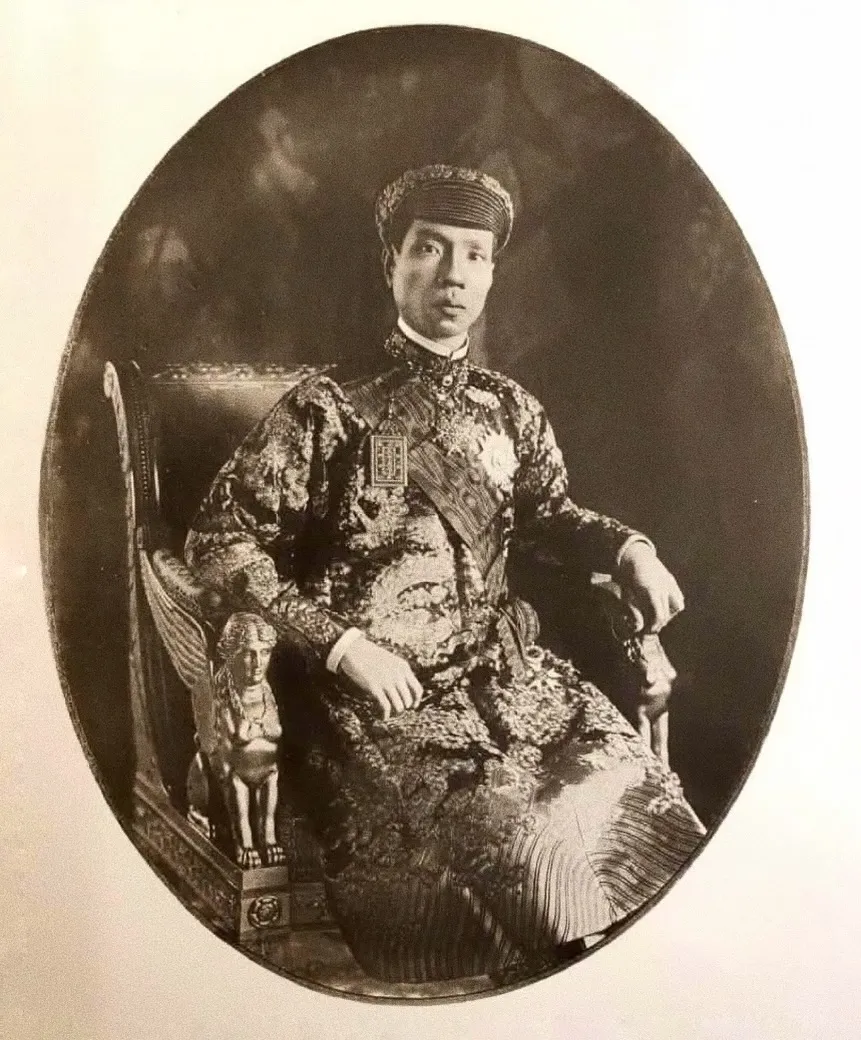
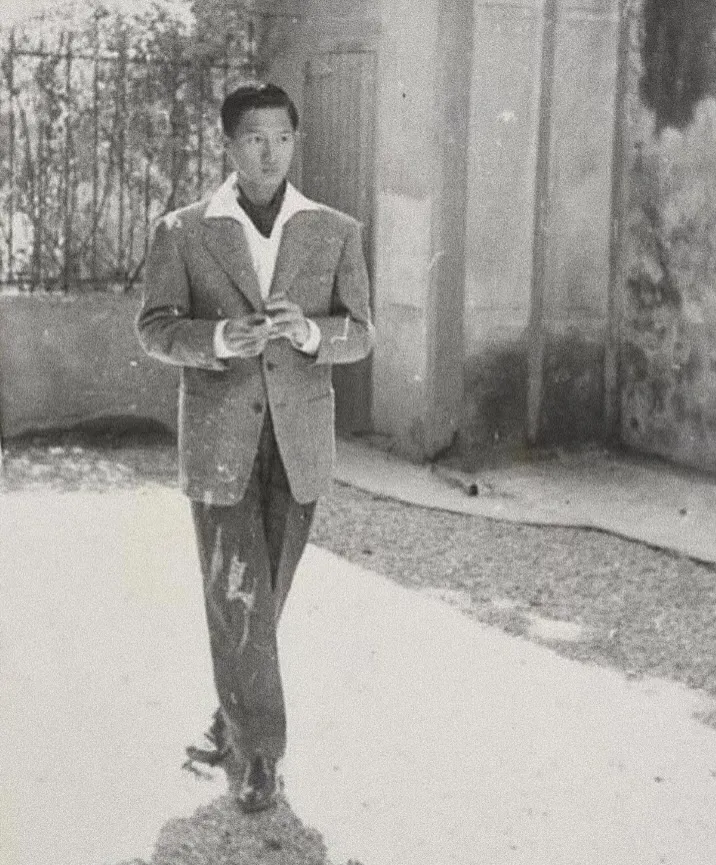
In Vietnamese tradition, “Golden branches and jade leaves” refers to those born into noble bloodlines—children of royal households, heirs raised within palaces, figures associated with refinement and privilege. The phrase evokes delicacy and rarity, but also status: something cultivated, protected, and precious. Historically, it also recalls ornamental arrangements crafted from actual gold and jade, objects that symbolized prosperity and dynastic continuity.
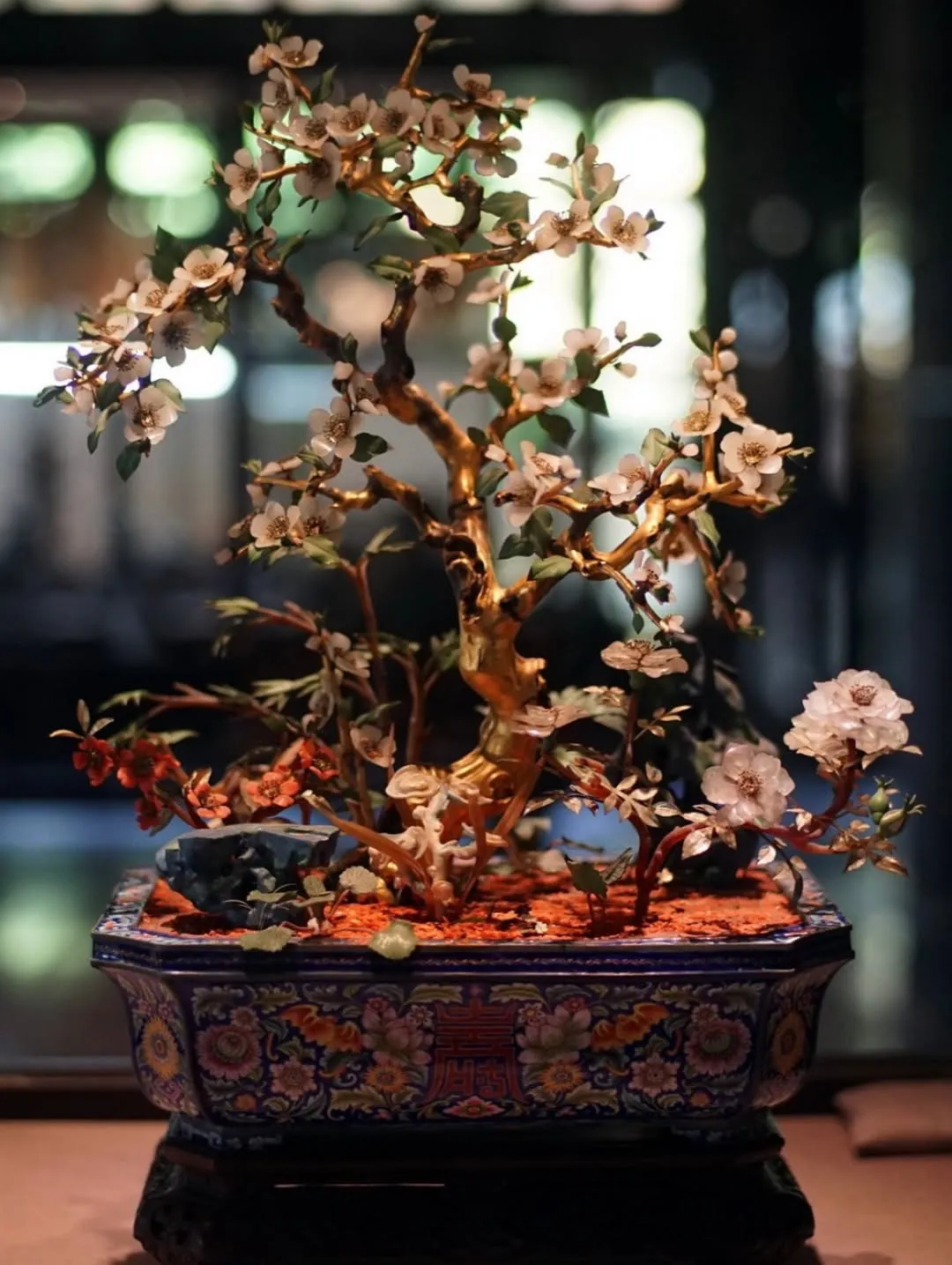
“‘Golden branches and jade leaves’ is not only an antique phrase or a Vietnamese idiom,” he says. “It also unintentionally introduces a whole brilliant culture and history, filled with prosperous dynasties and remarkable figures. I hope the world will recognize that Vietnam, too, has had such glorious periods and extraordinary people.” In invoking it, Huy is not romanticizing monarchy. He is pointing to a chapter of Vietnamese history defined by cultural richness and sophistication—an inheritance of artistry that predates conflict and survives it.
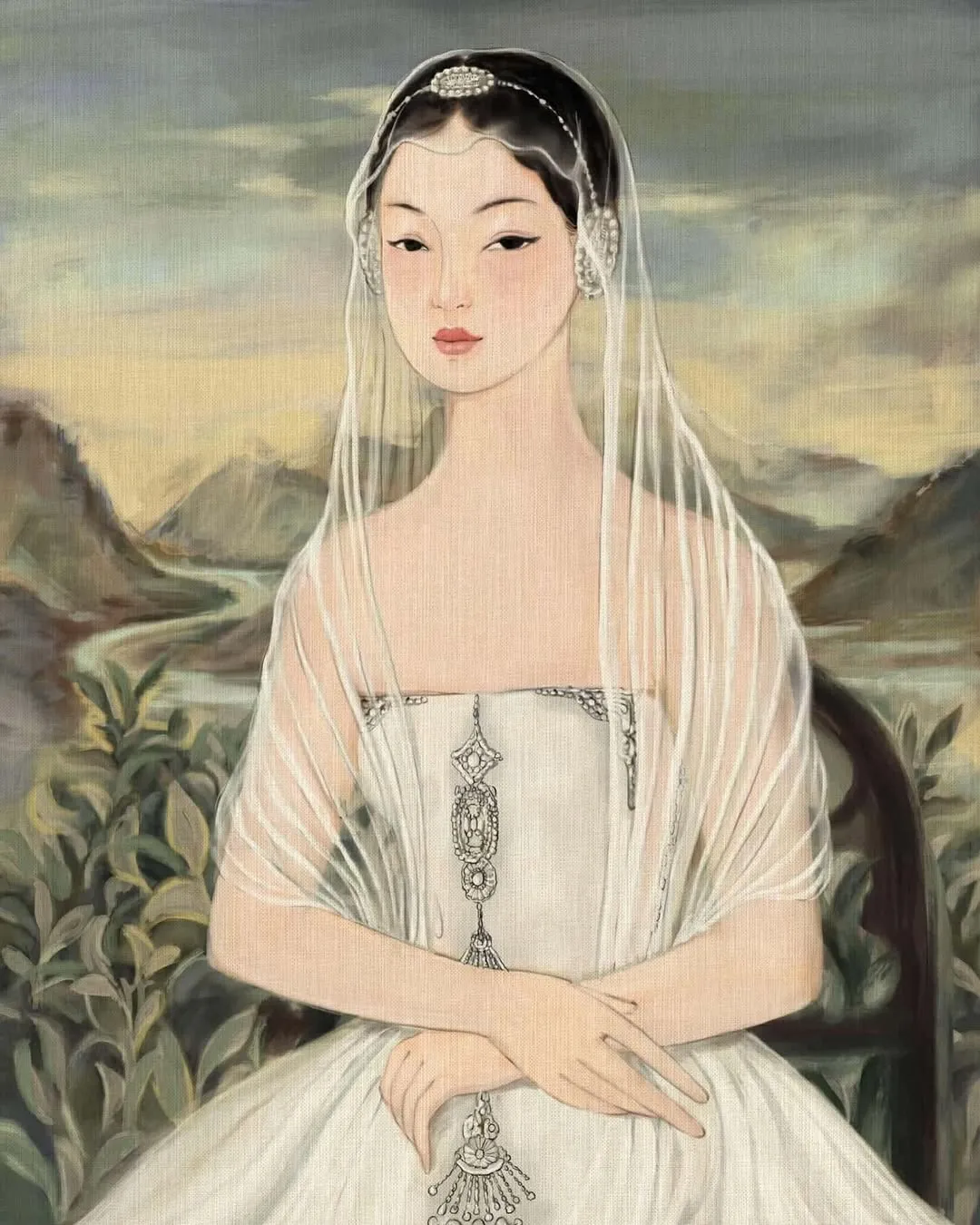
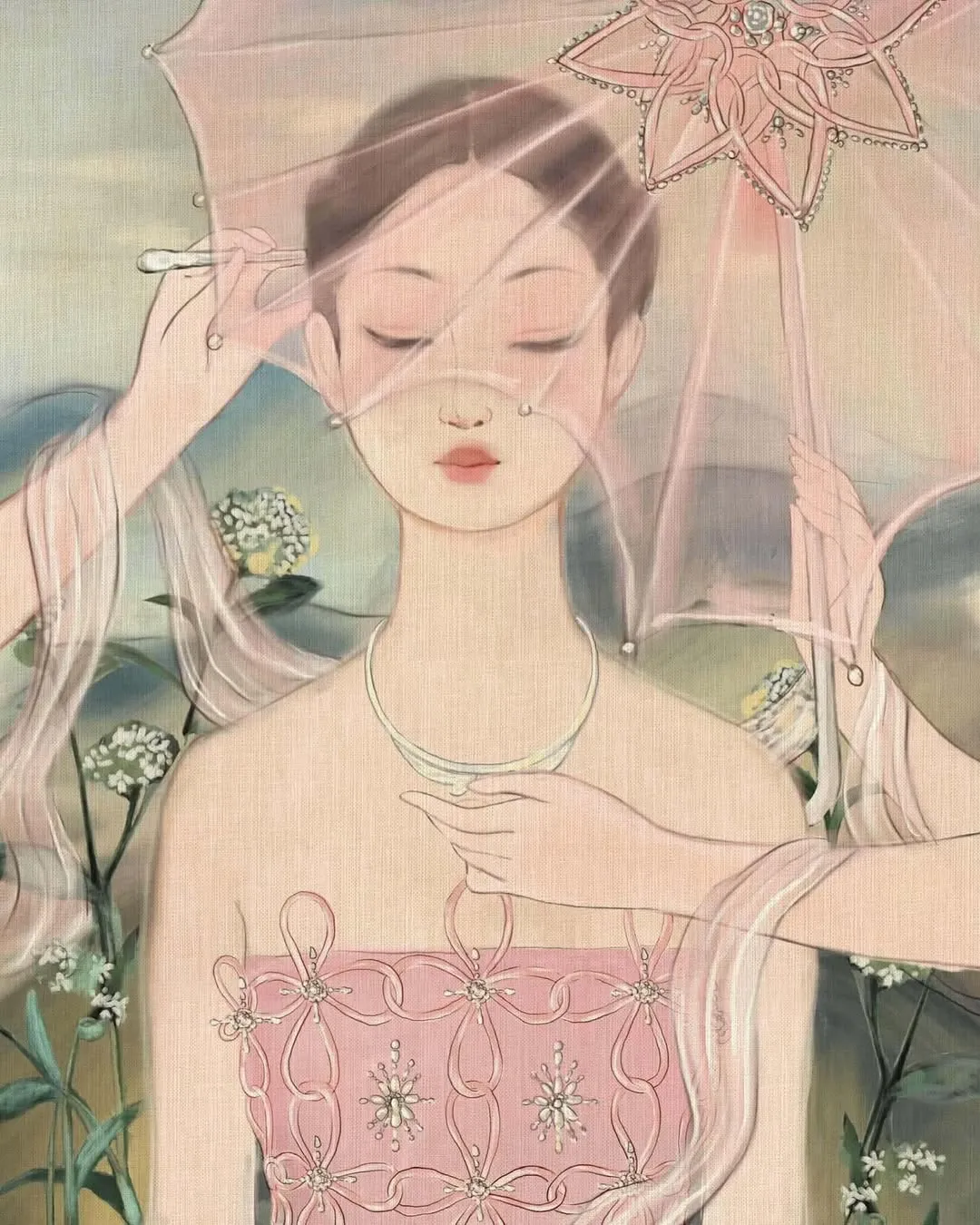
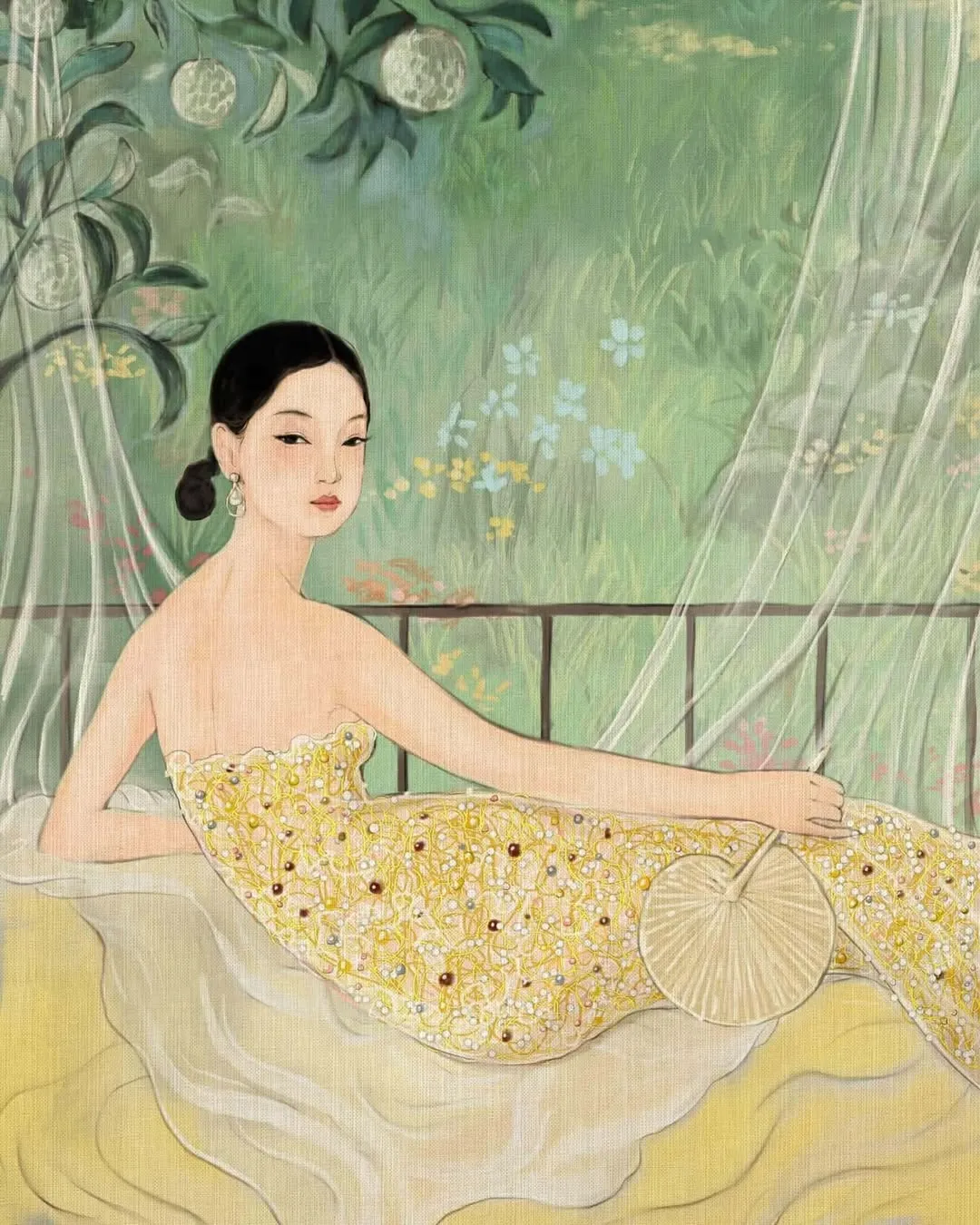
Still, he resists literalism. “The Asian beauty appears subtly, suggested through delicate details rather than being overt or showy. That’s how culture can be introduced without feeling heavy or exaggerated.”
In His House
The pressure of showing on couture’s most rarefied calendar is real. “It’s such a prestigious runway, where I present my collection alongside legendary houses and couture icons,” he admits. “Of course, there’s pressure to deliver everything I’ve researched and created.”
But fear is not the prevailing note. “Instead of fear, I feel excited and highly motivated,” he says. “Because I know this is not only a challenge, but also an opportunity to fully release my energy and passion for fashion.”
At 26, he stands in a system built on legacy and answers with labor. With patience. With detail. “I believe this is just the beginning,” he says. “I still have so much more to do with Haute CoutureHaute CoutureCustom-fitted, handmade high fashion created for individual clients in a Paris atelier. The term is legally protected and awarded by a French governing body, requiring strict standards of craftsmanship andGo to Haute Couture Glossary.”
Couture measures time in hours stitched, in beads applied one by one. Phan Huy understands that. He’s in no rush.
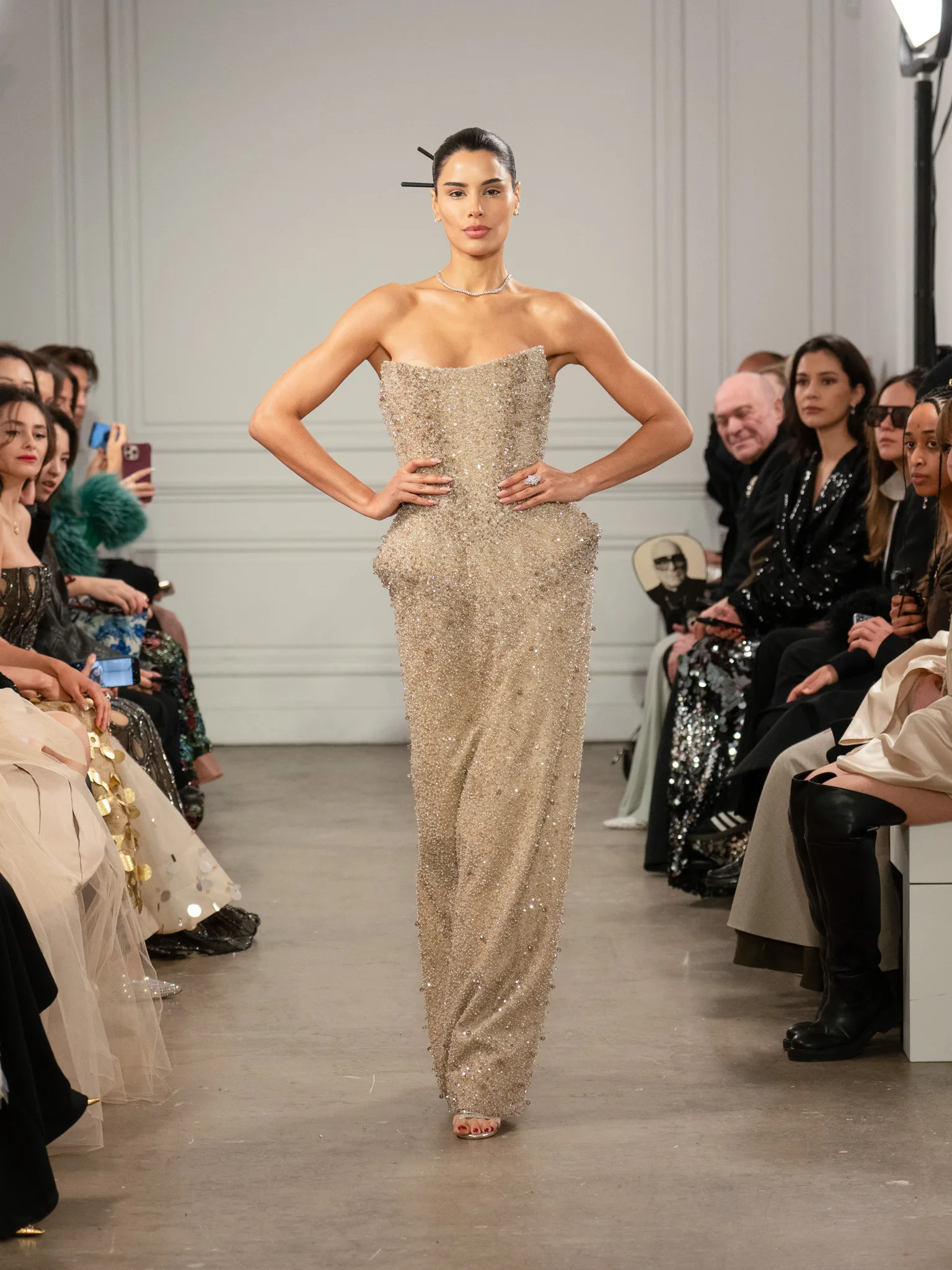
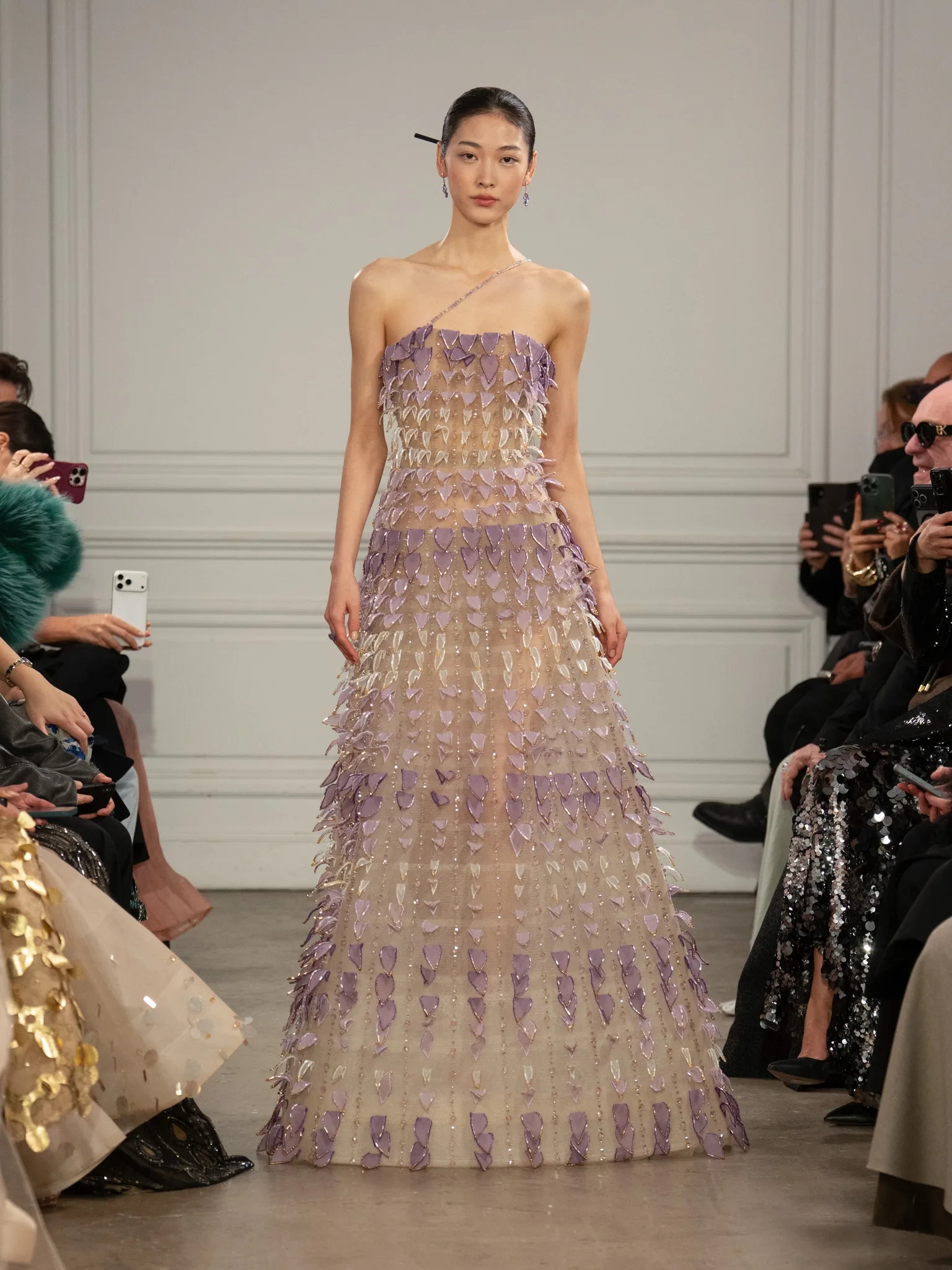
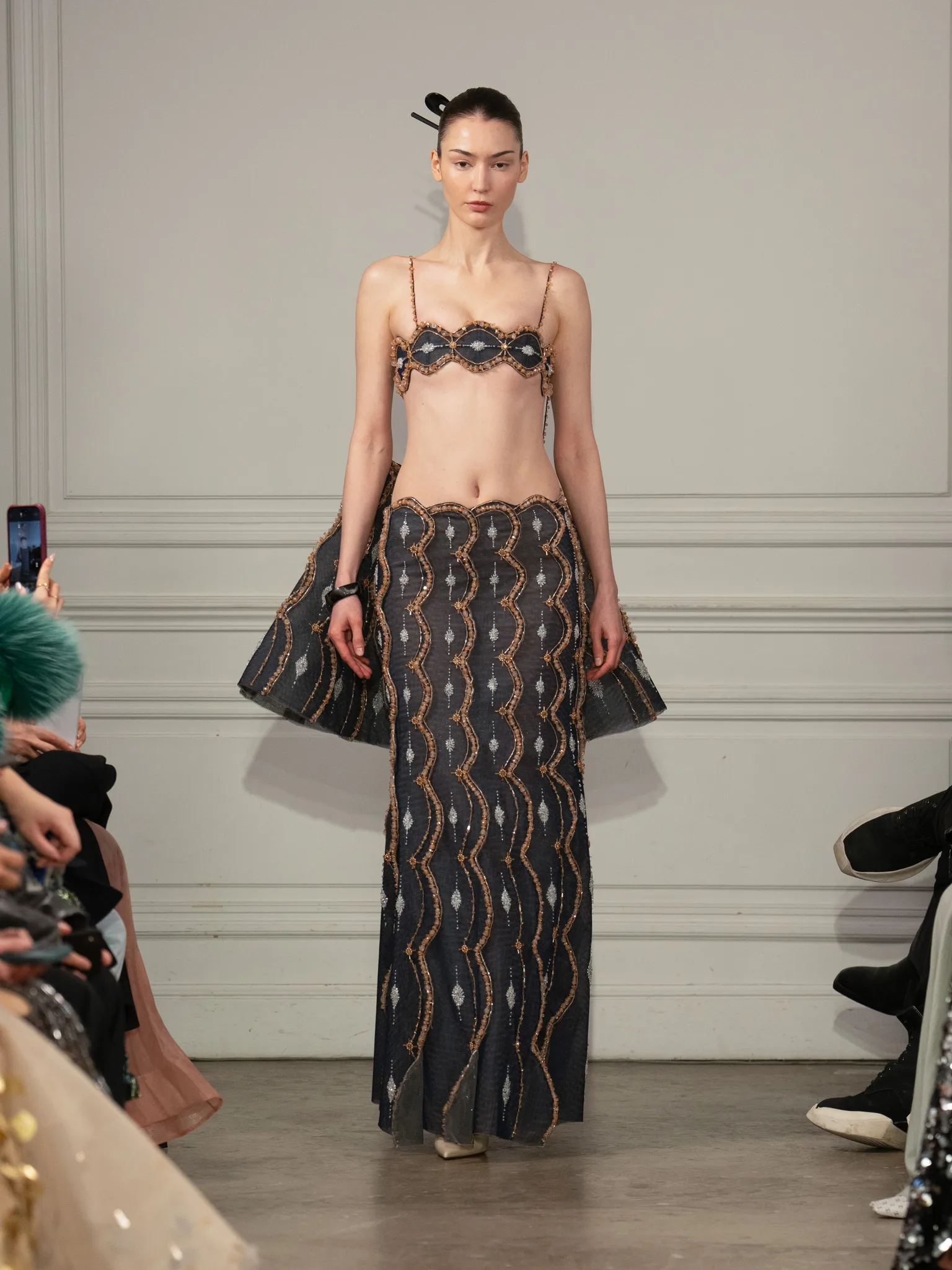
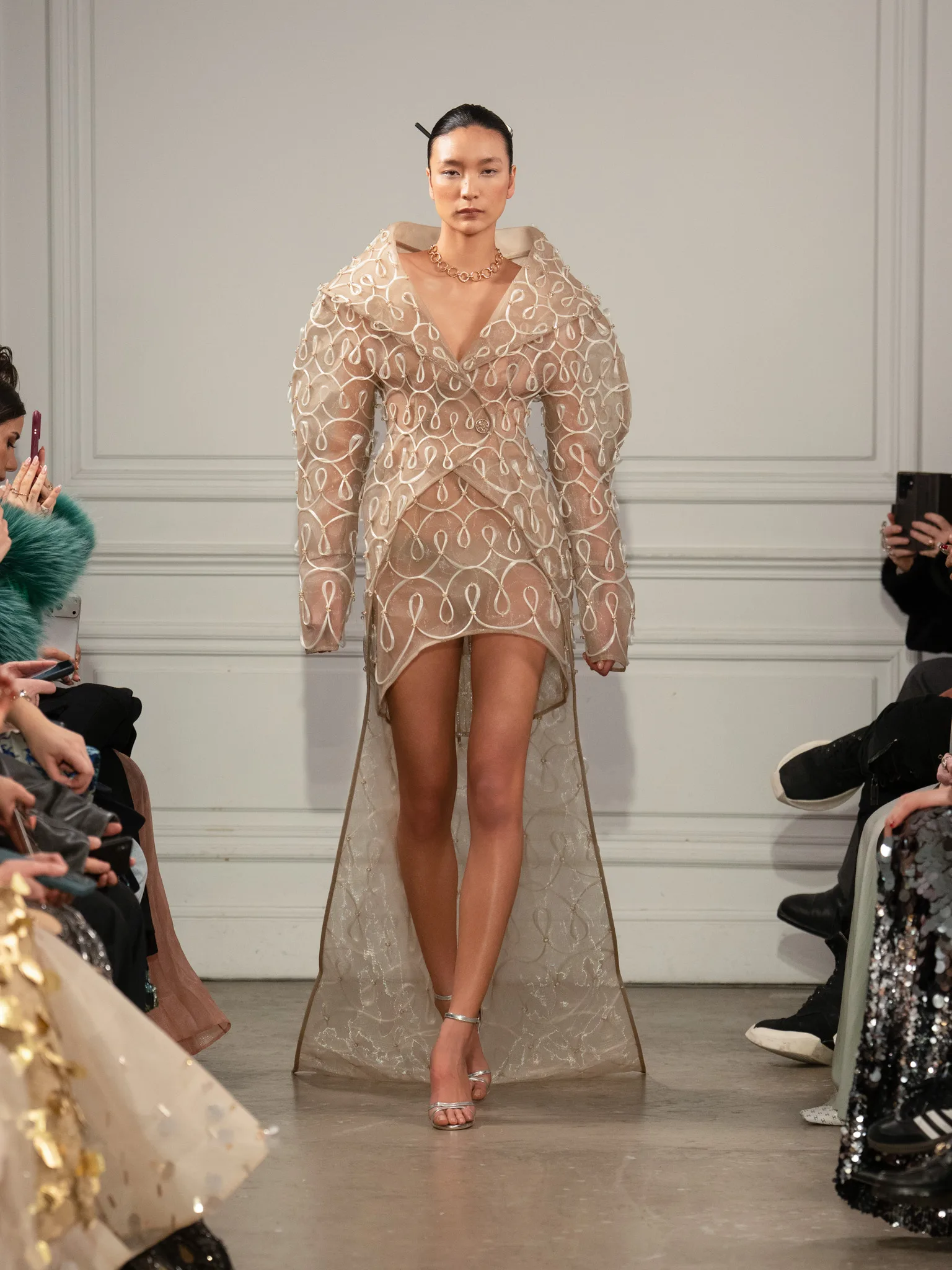
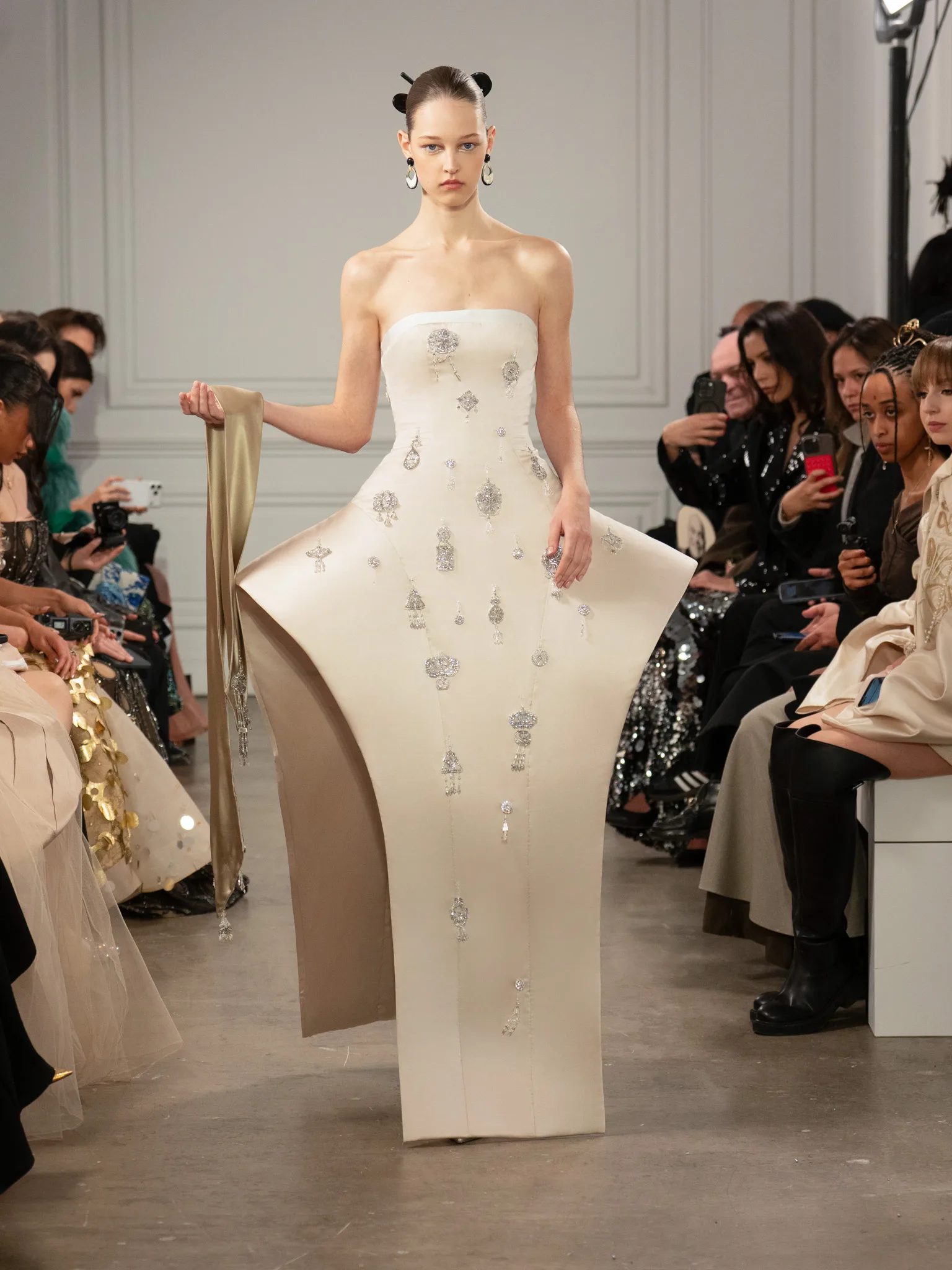
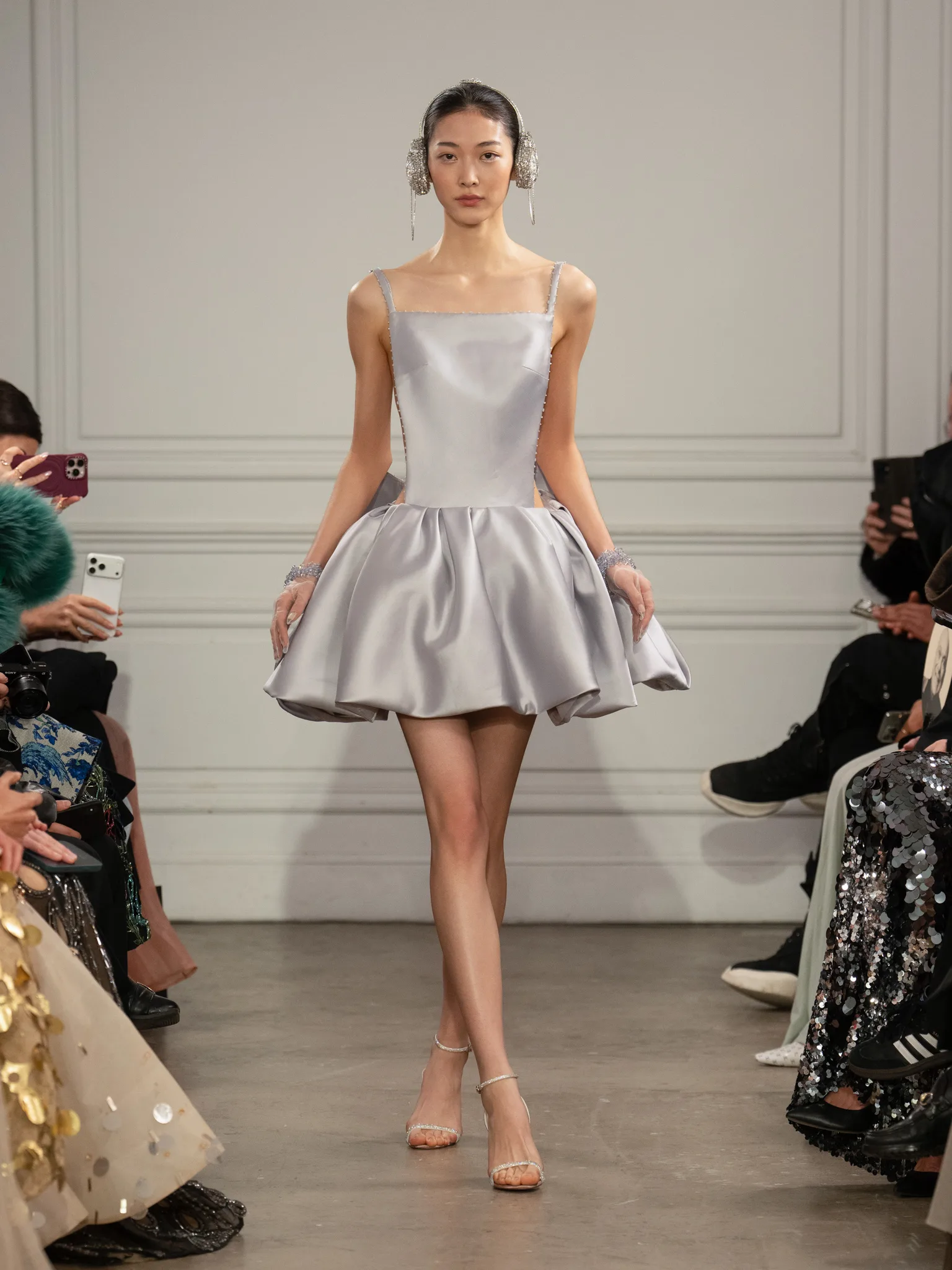
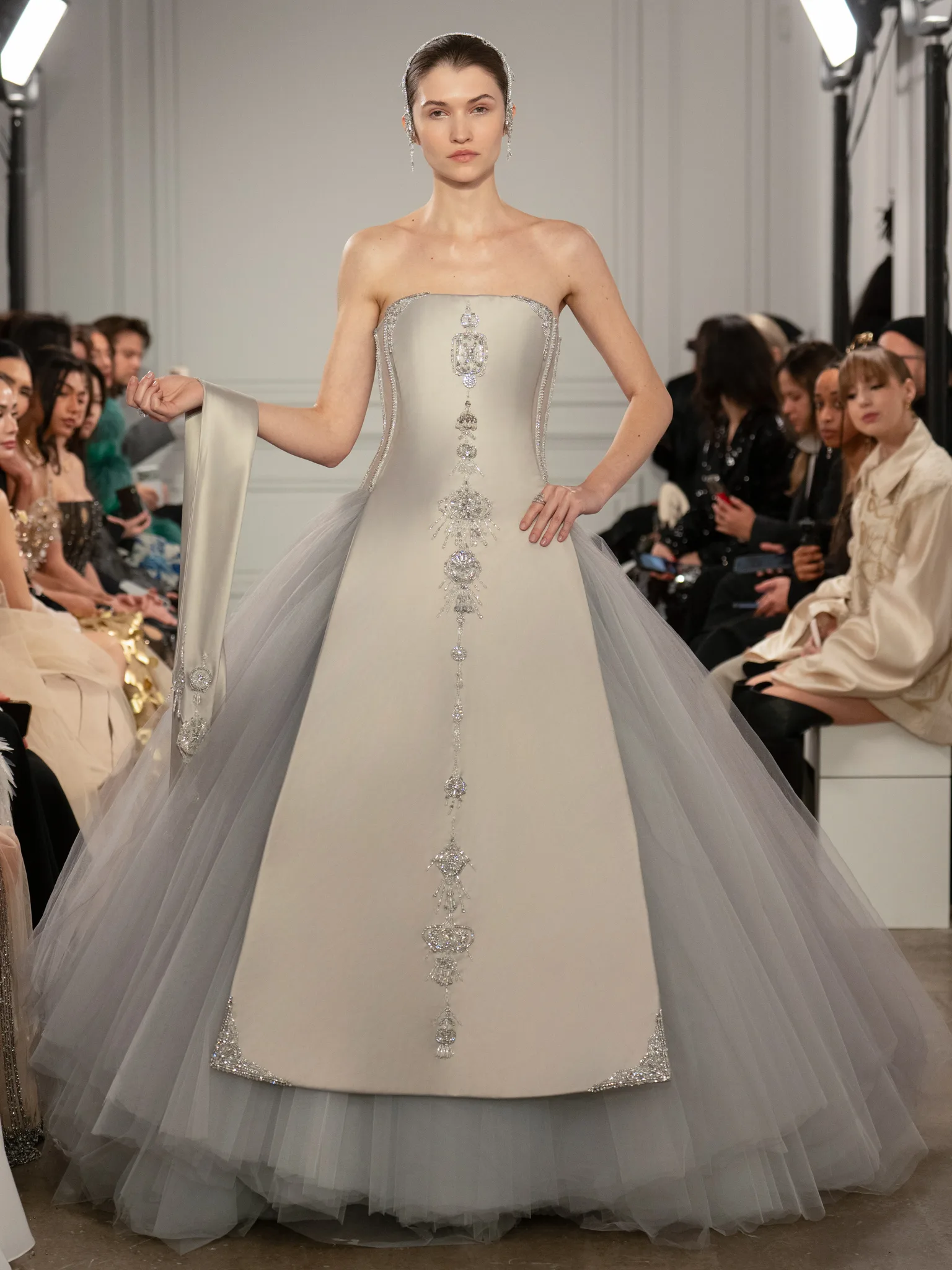
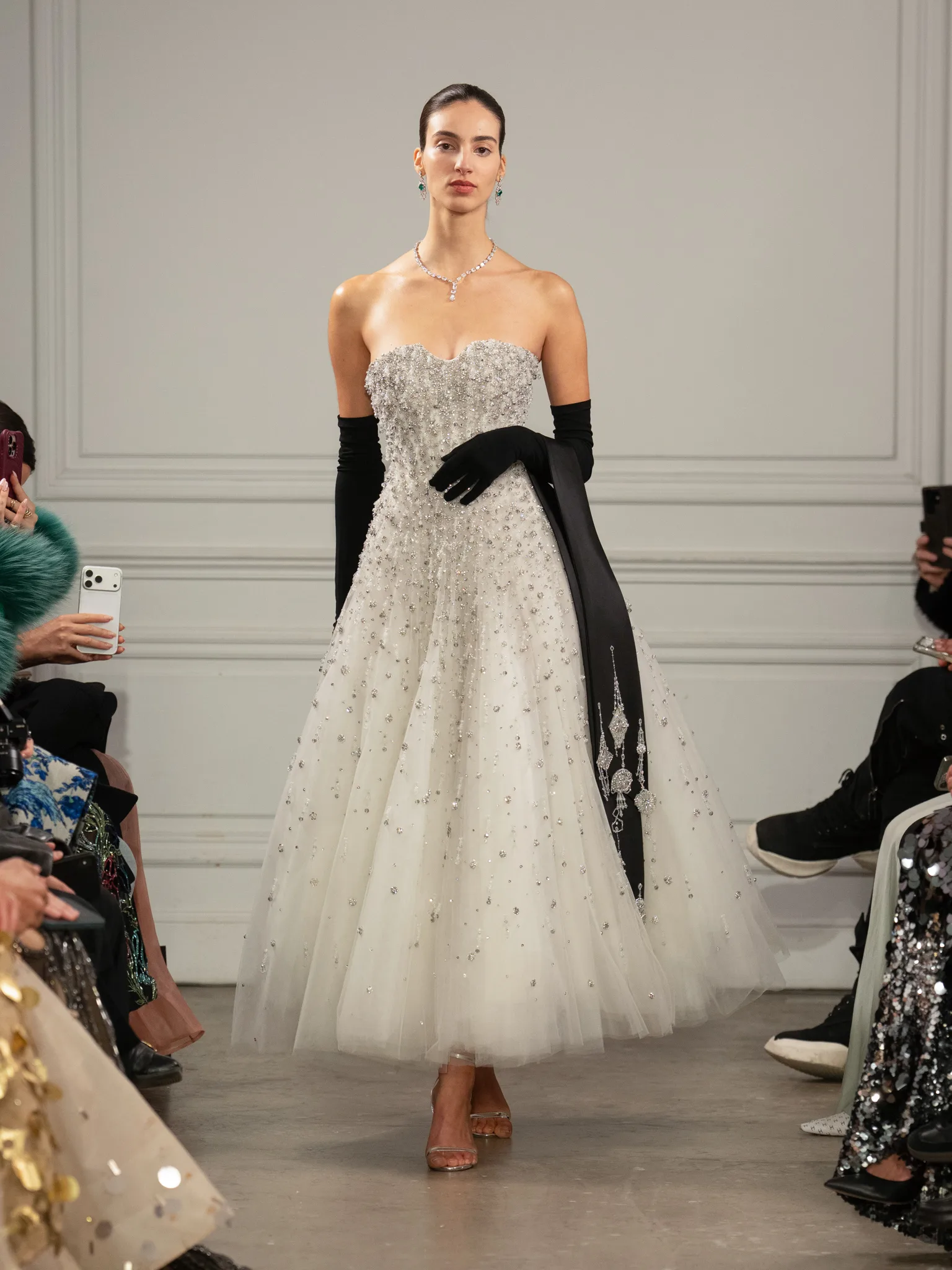
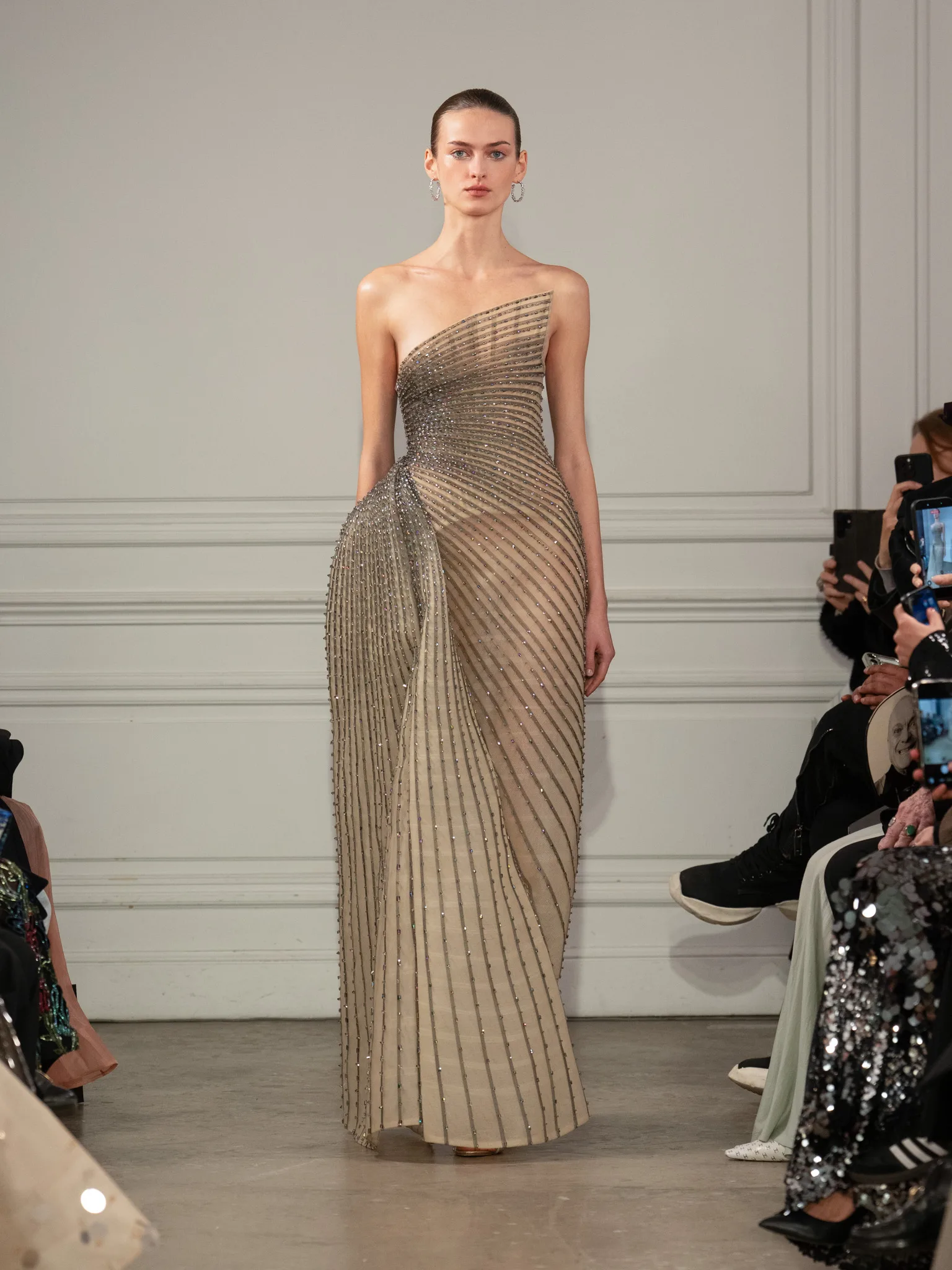
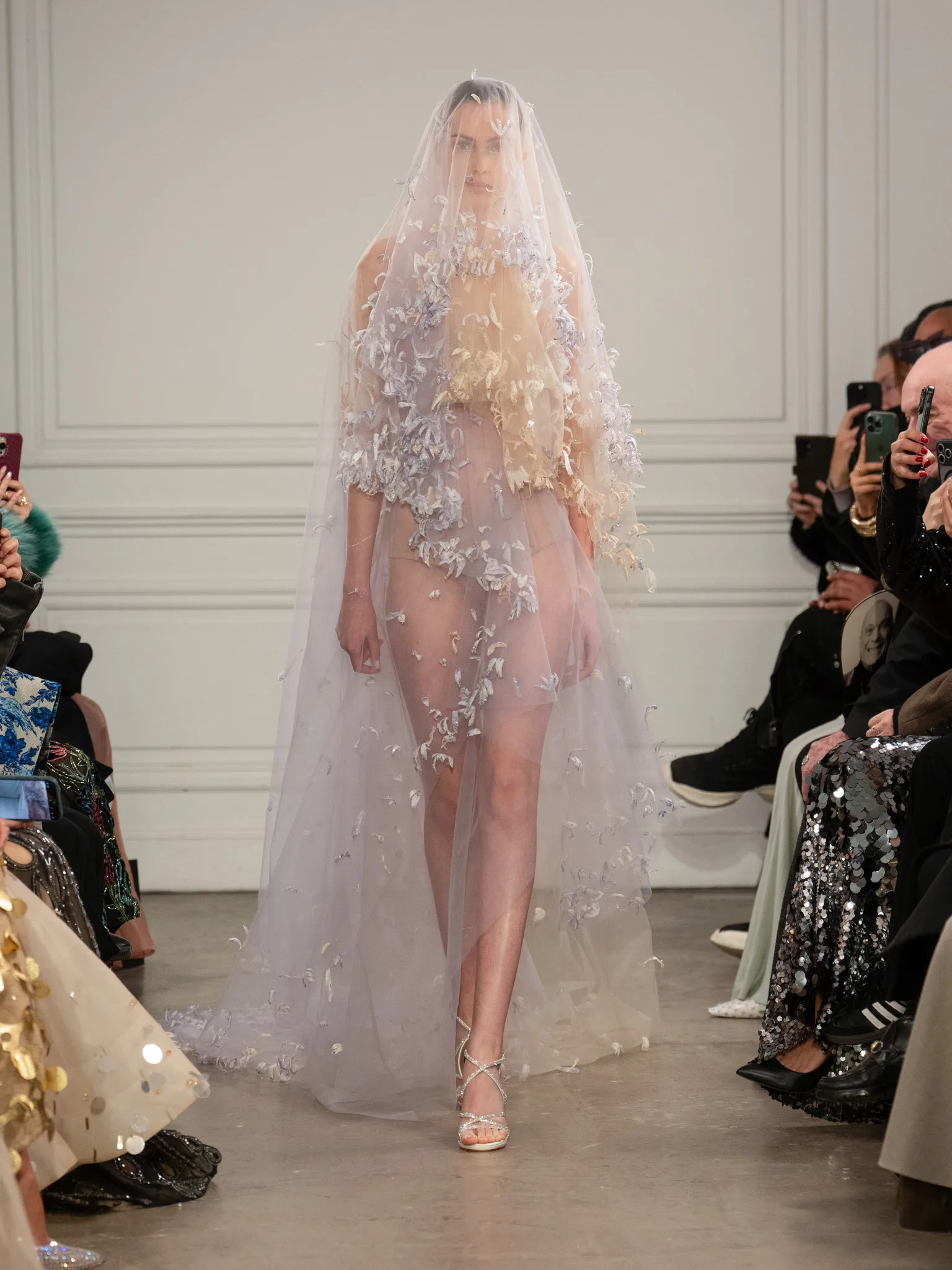
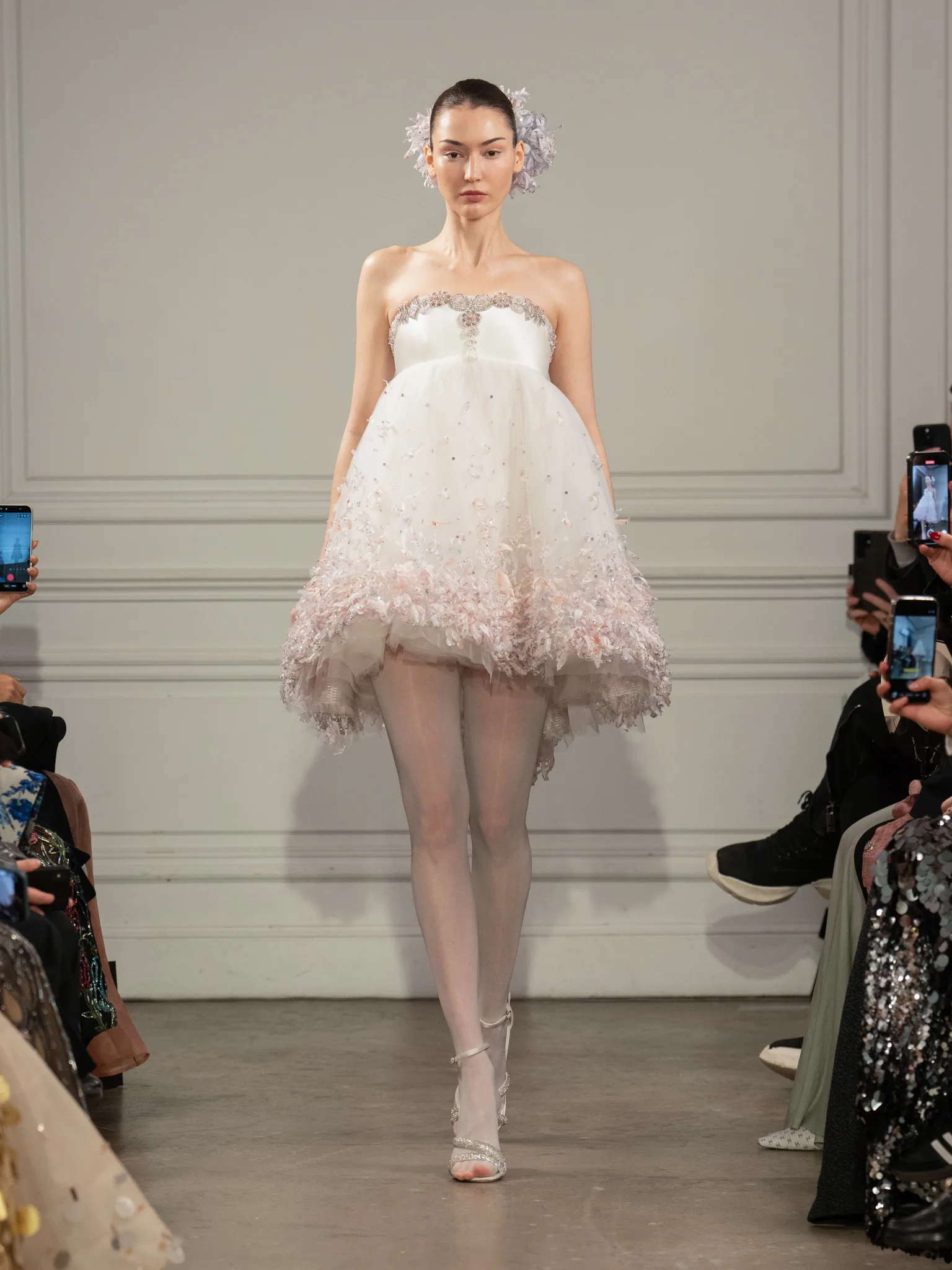
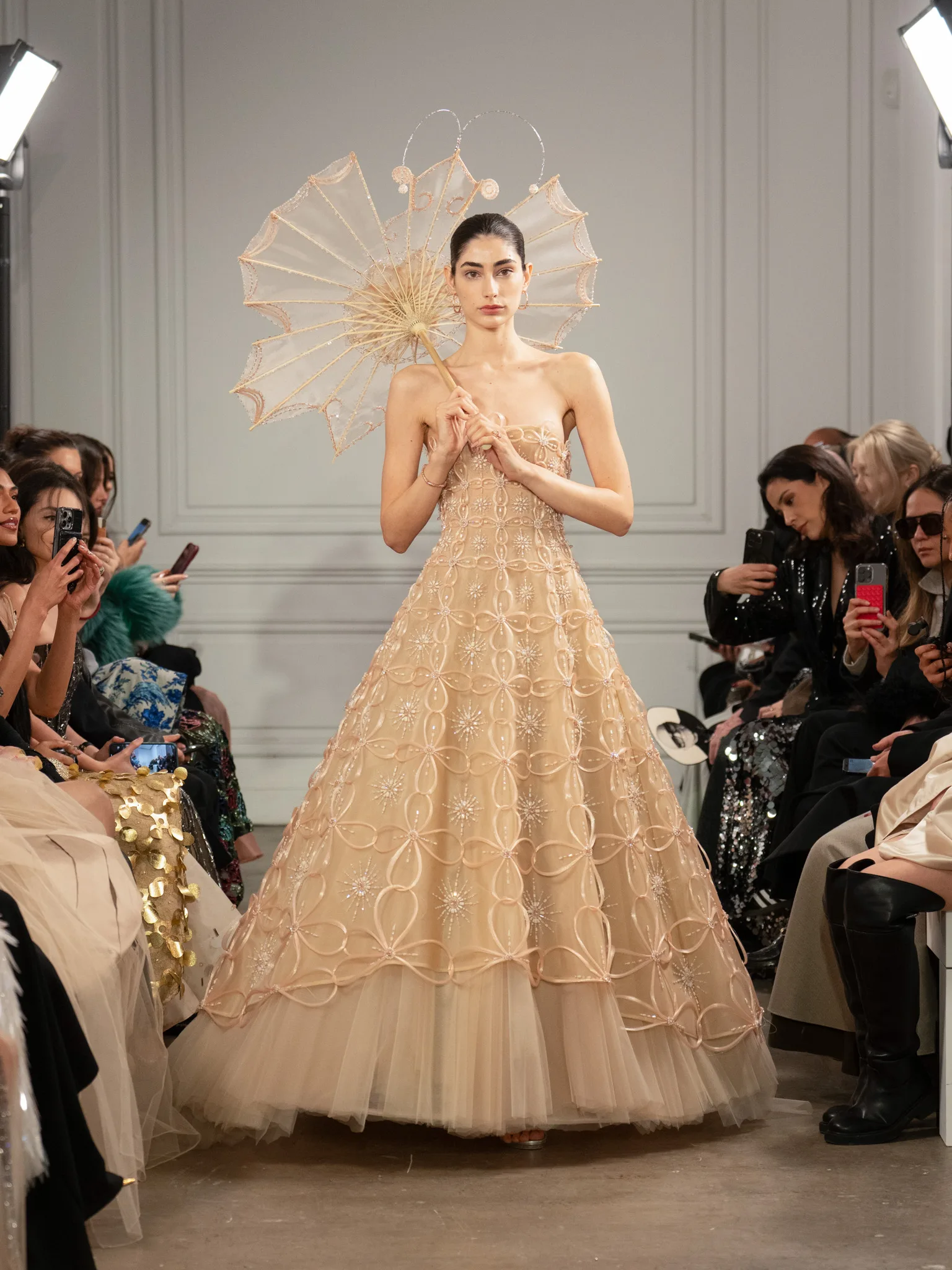
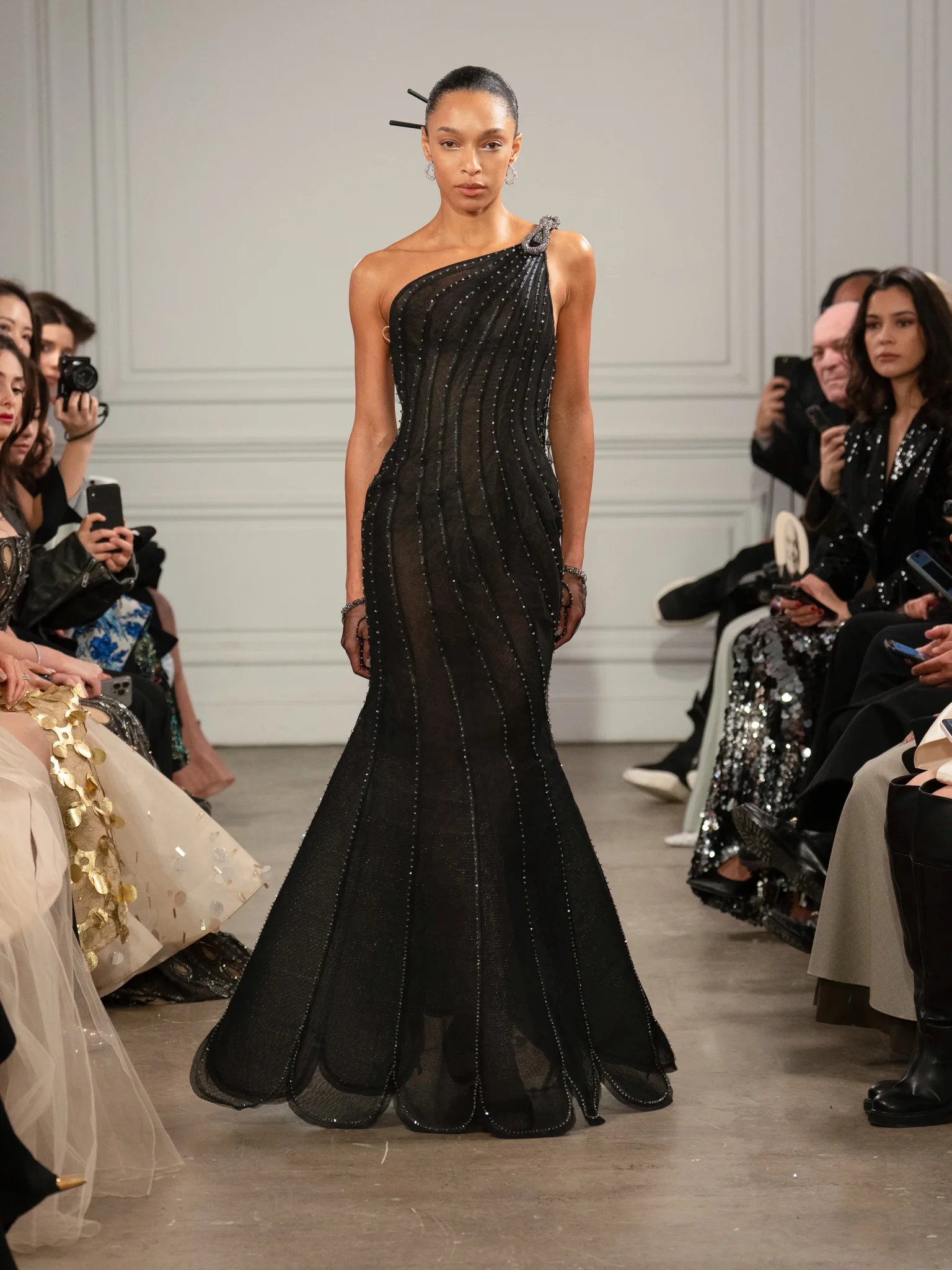
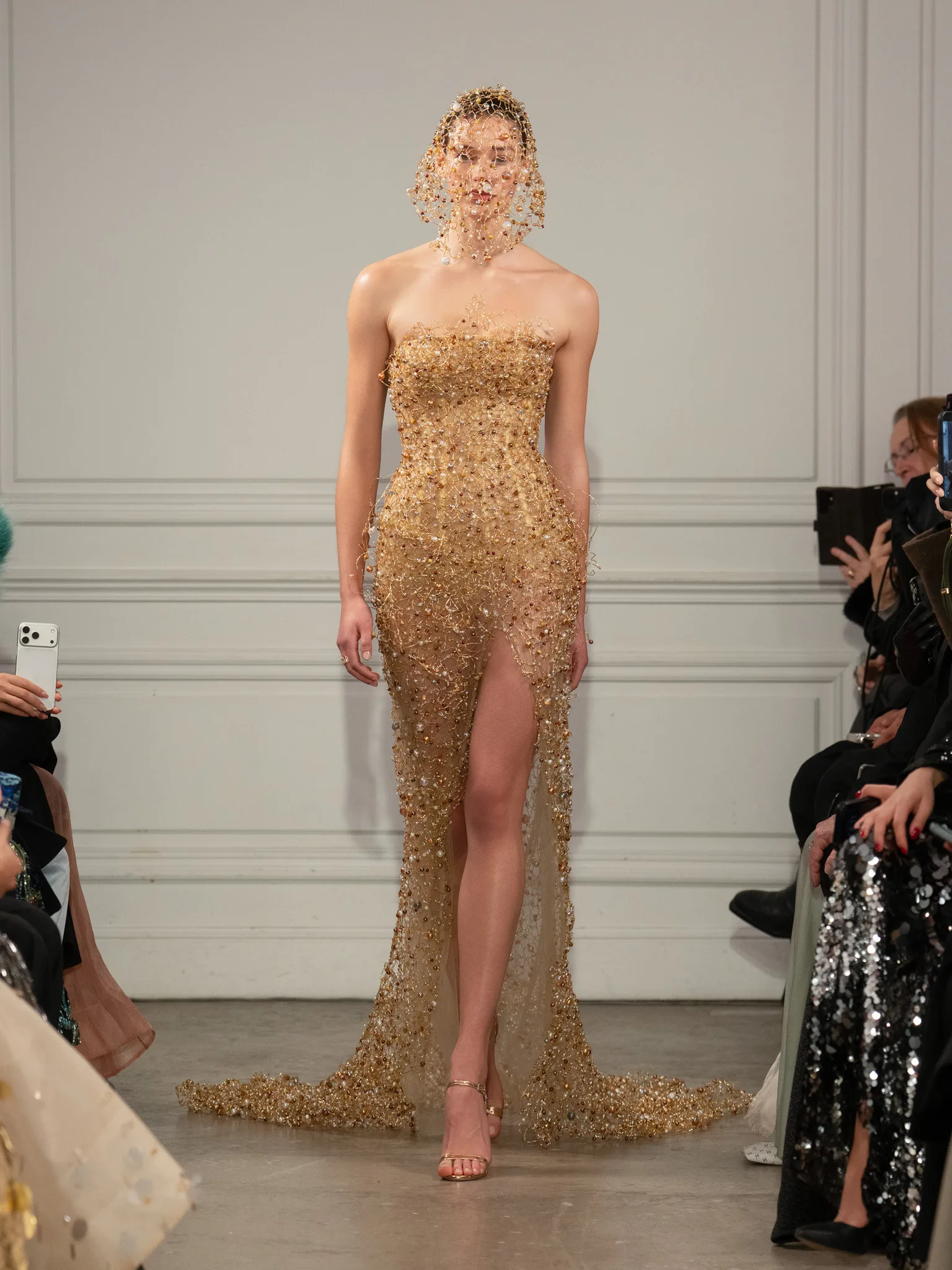
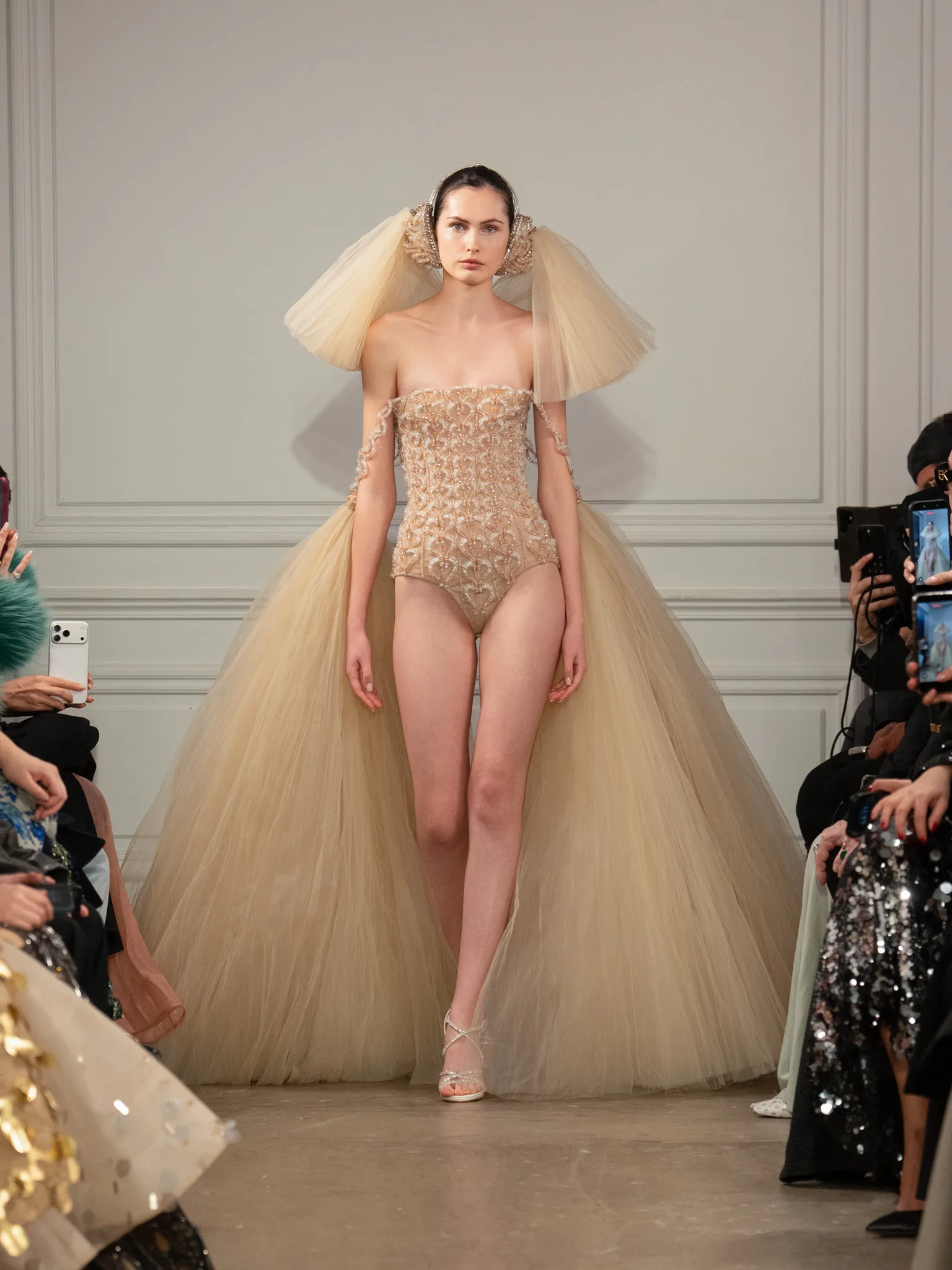
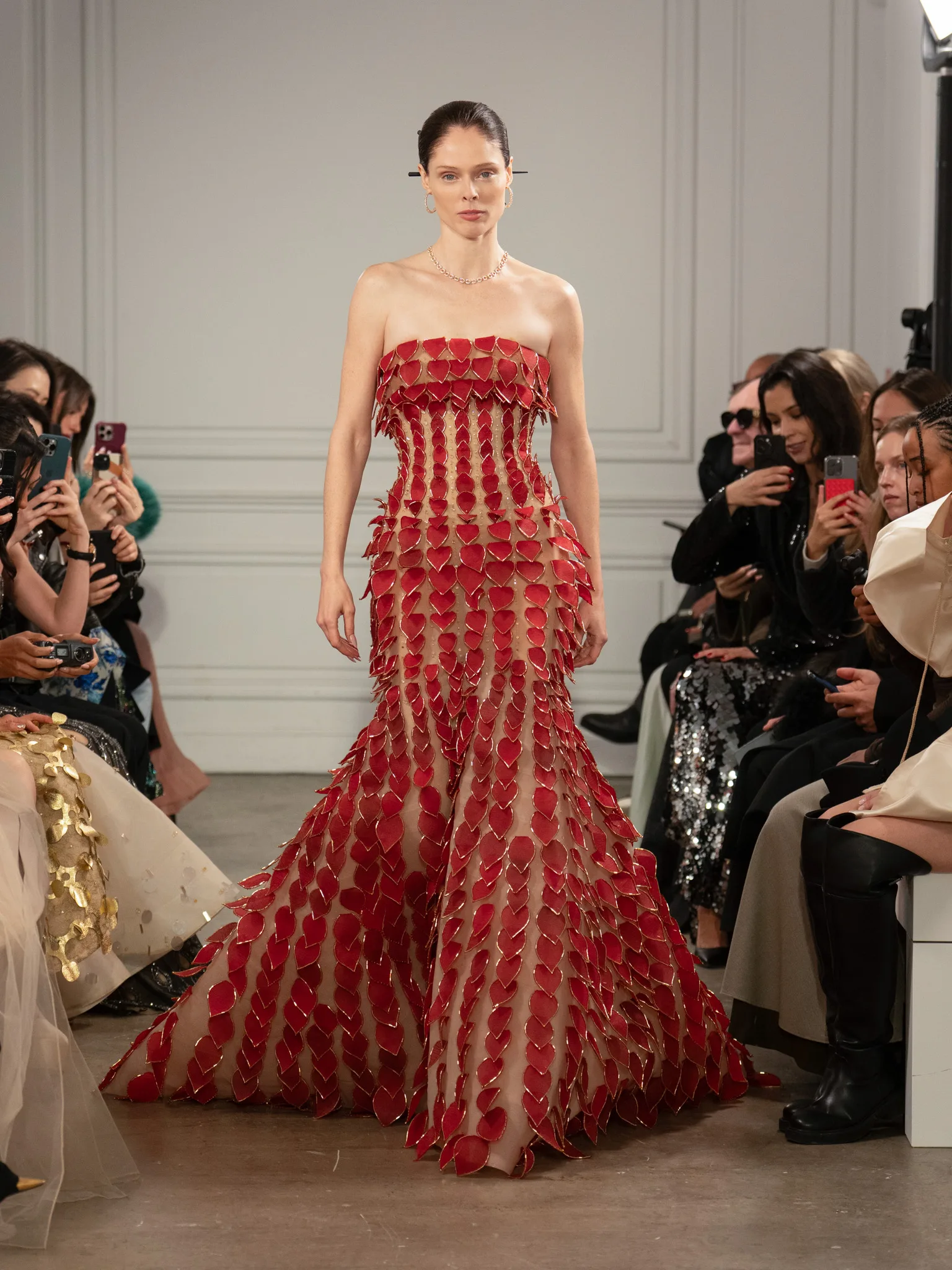
Photos courtesy of PHAN HUY
Frequently Asked Questions
Phan Huy is a 26-year-old Vietnamese fashion designer who became the youngest designer — and the first Vietnamese brand — invited by the Fédération de la Haute Couture to participate in Paris Haute Couture Fashion Week under his own name. His SS26 collection drew on Vietnamese royal heritage and traditional craft techniques including horsehair tulle work, sculptural embroidery, and tubular bead detailing.
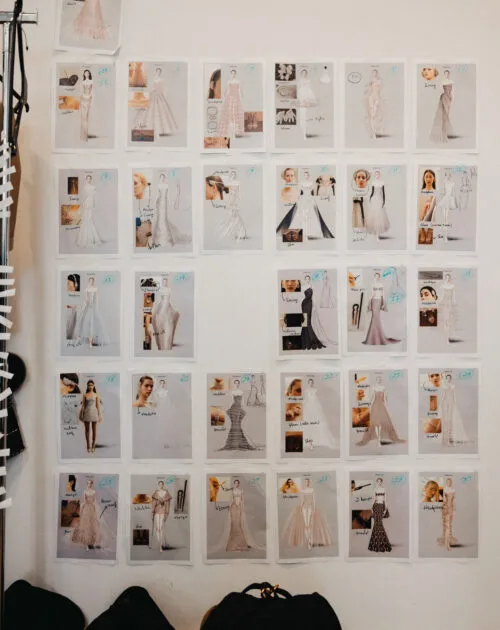
Phan Huy’s SS26 collection is inspired by Cành Vàng Lá Ngọc — a Vietnamese phrase meaning “golden branches and jade leaves” — which references aristocratic lineage and the cultural richness of the Nguyễn dynasty. The collection also draws on the paintings of Vietnamese artist Mai Trung Thu, interpreted through illustrations by Nhiillus.
Cành Vàng Lá Ngọc is a Vietnamese idiom referring to those born into noble bloodlines — heirs of royal households associated with refinement and dynastic continuity. Phan Huy chose it to draw attention to Vietnam’s history of cultural sophistication and splendor, countering reductive narratives that define the country solely through conflict.
Phan Huy integrates Vietnamese identity through subtle detail rather than overt cultural costuming. He describes allowing heritage to surface quietly — through delicate textures, silhouettes, and craft traditions — so that the pieces function as fashion rather than cultural symbol, keeping them relevant beyond any single cultural context.
Phan Huy’s couture is defined by extreme labor intensity: horsehair tubes threaded through tulle, sculptural embroideries applied loop by loop, and organza leaves edged in tubular beads. He describes handmade objects crafted over hundreds of hours as timeless — believing that visible craftsmanship is what gives a design its emotional power.