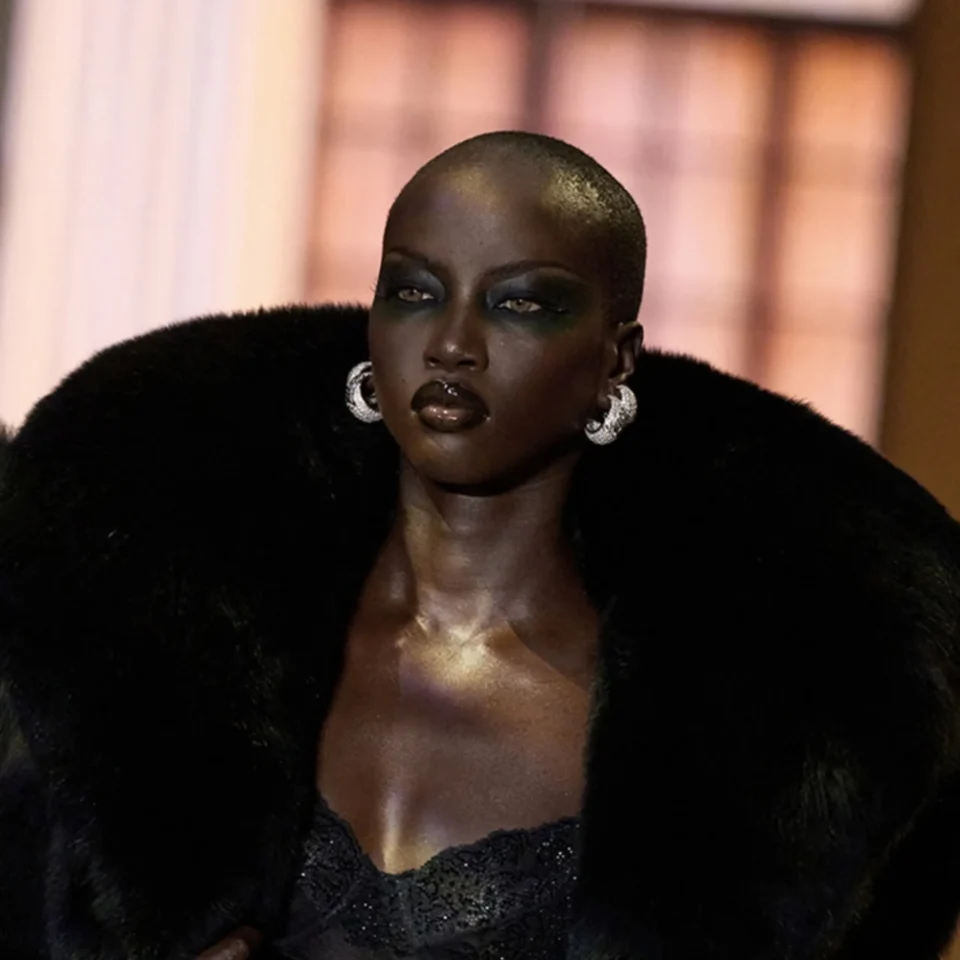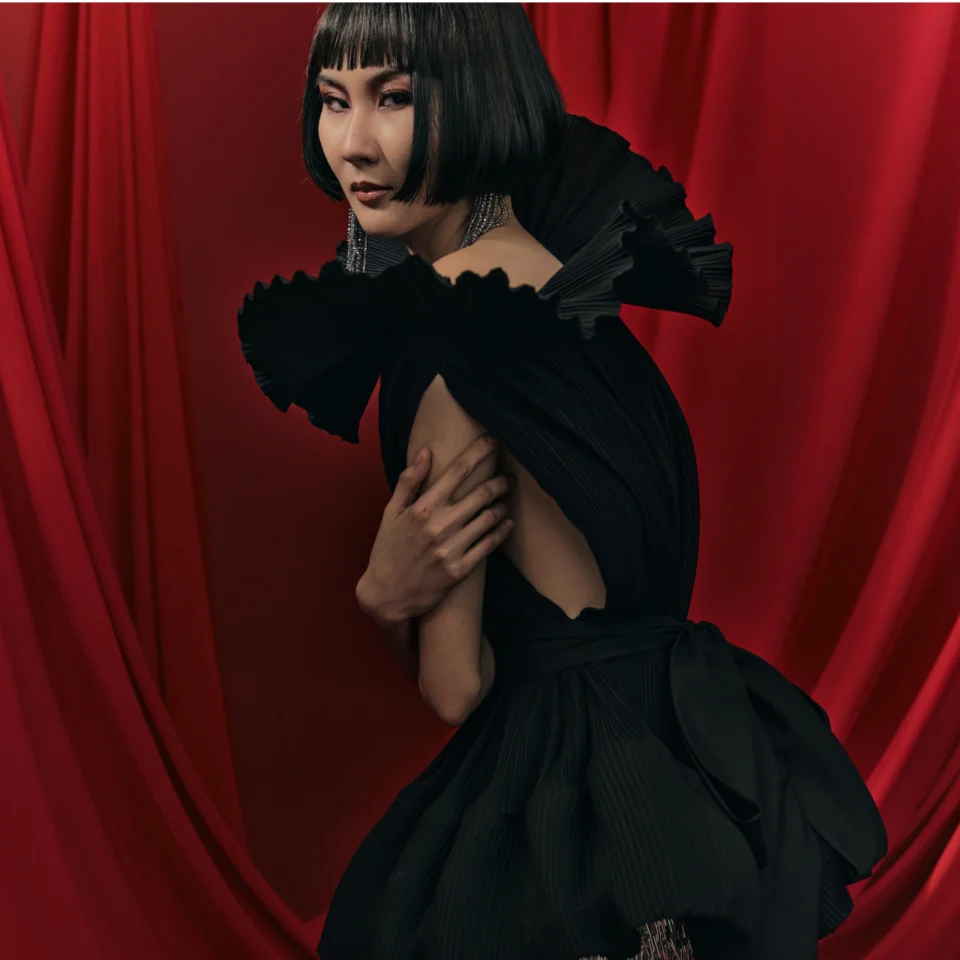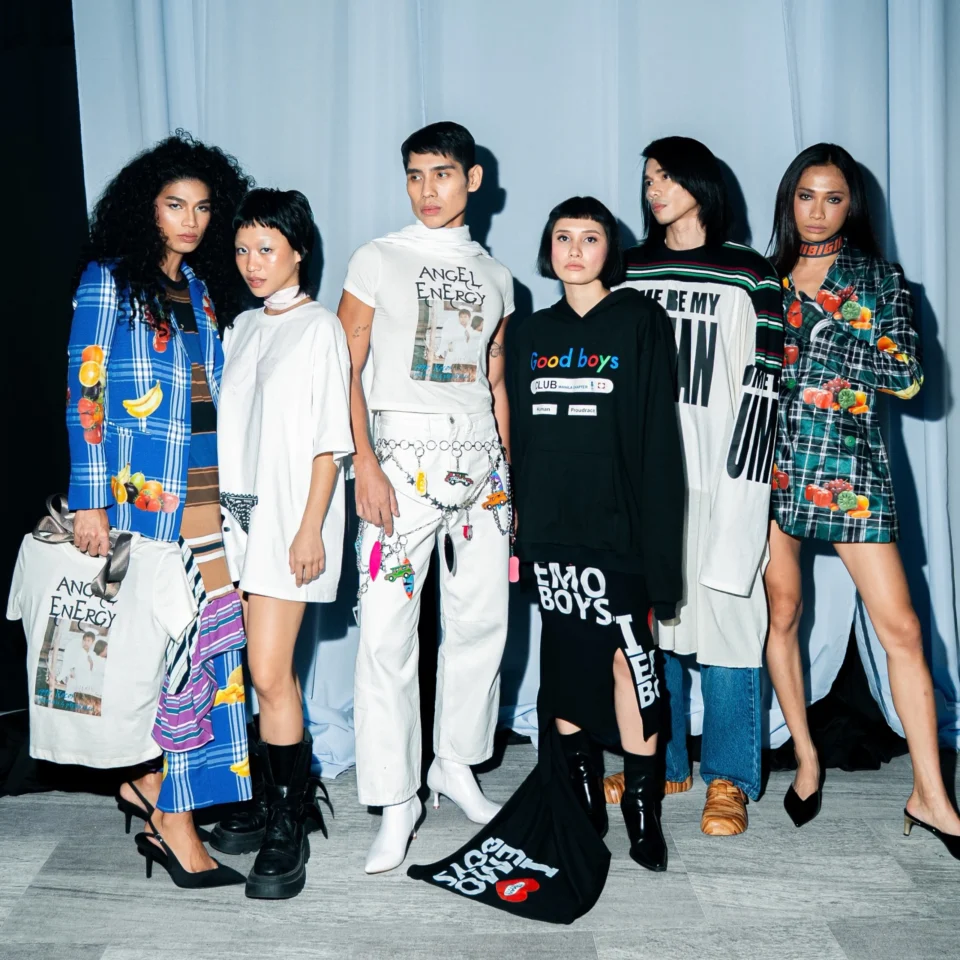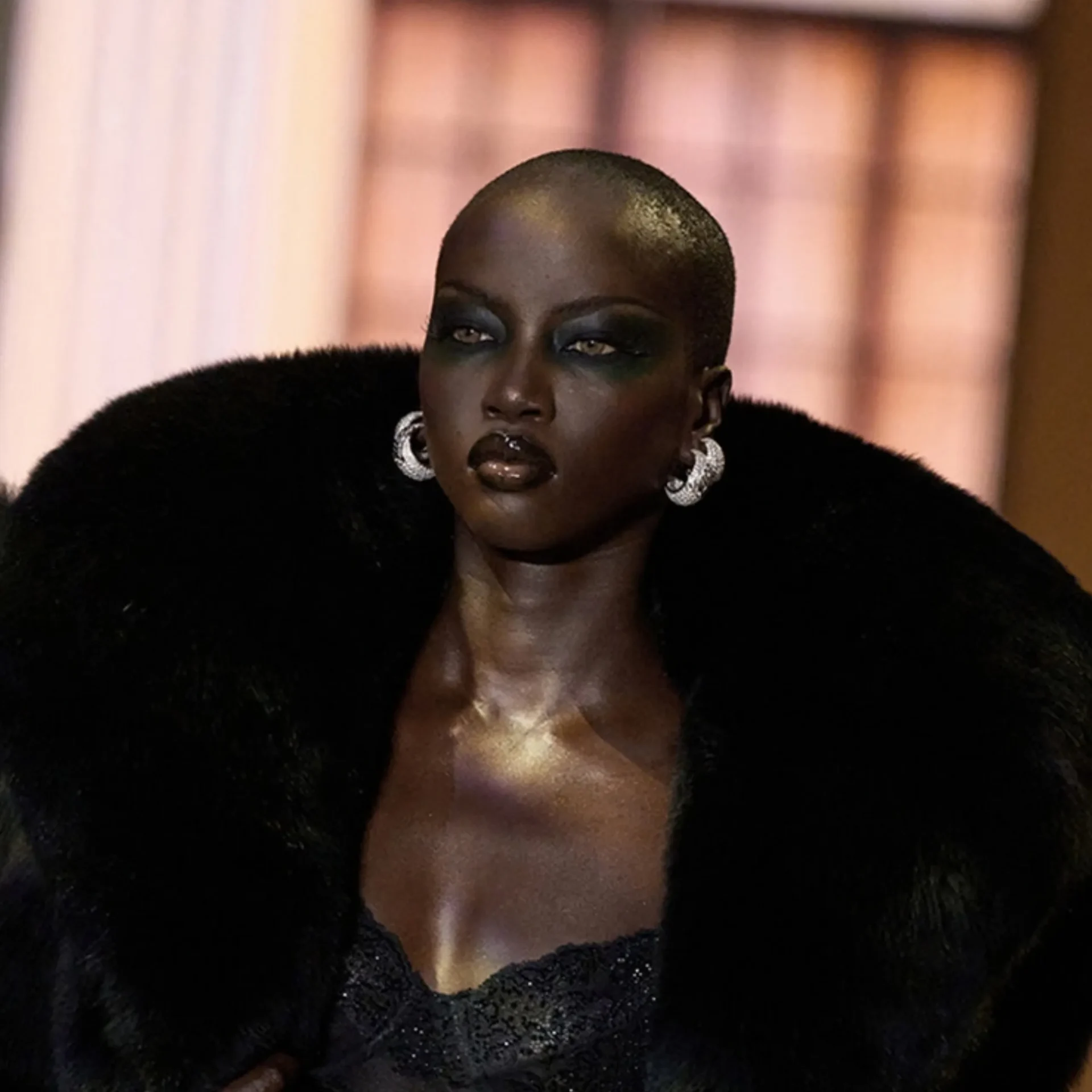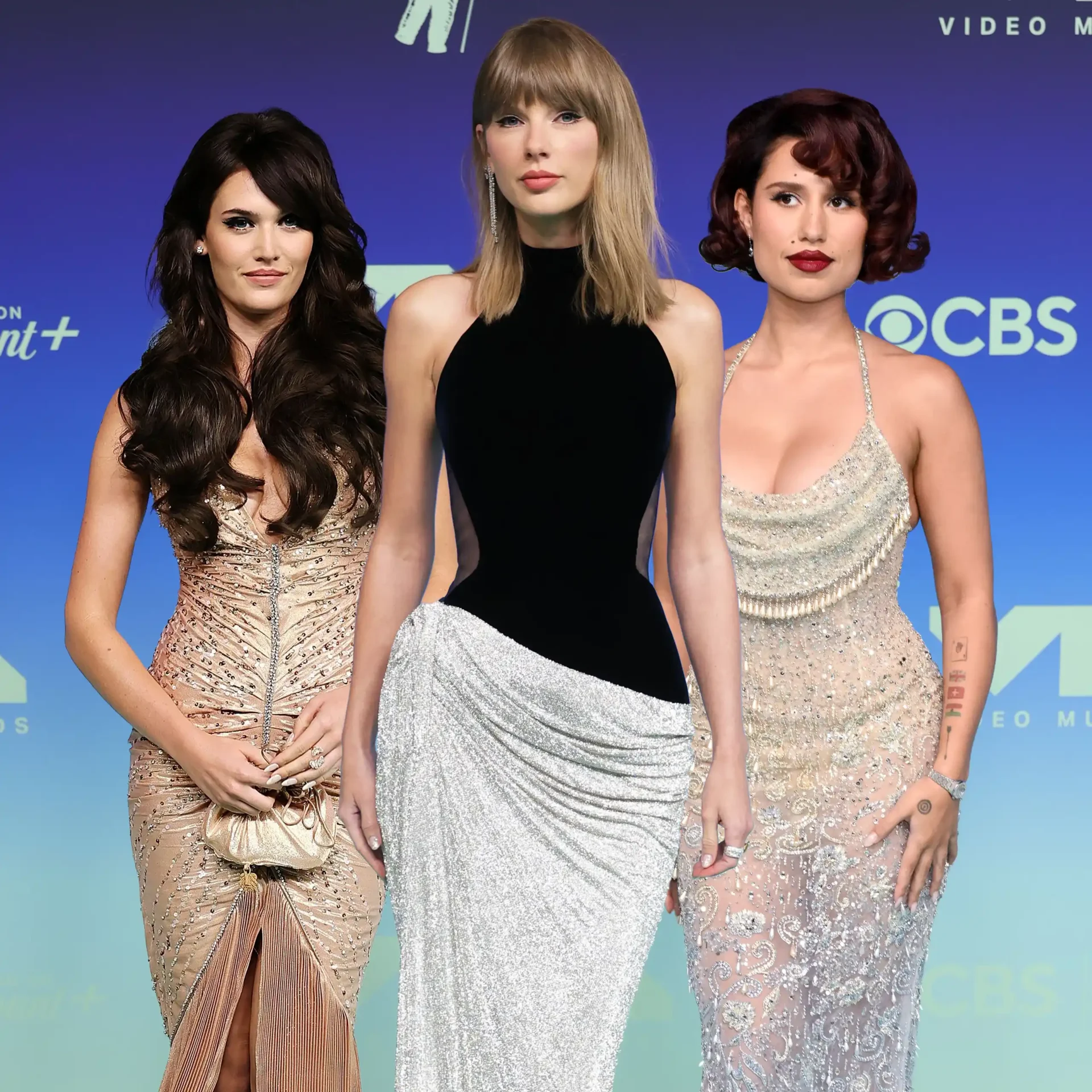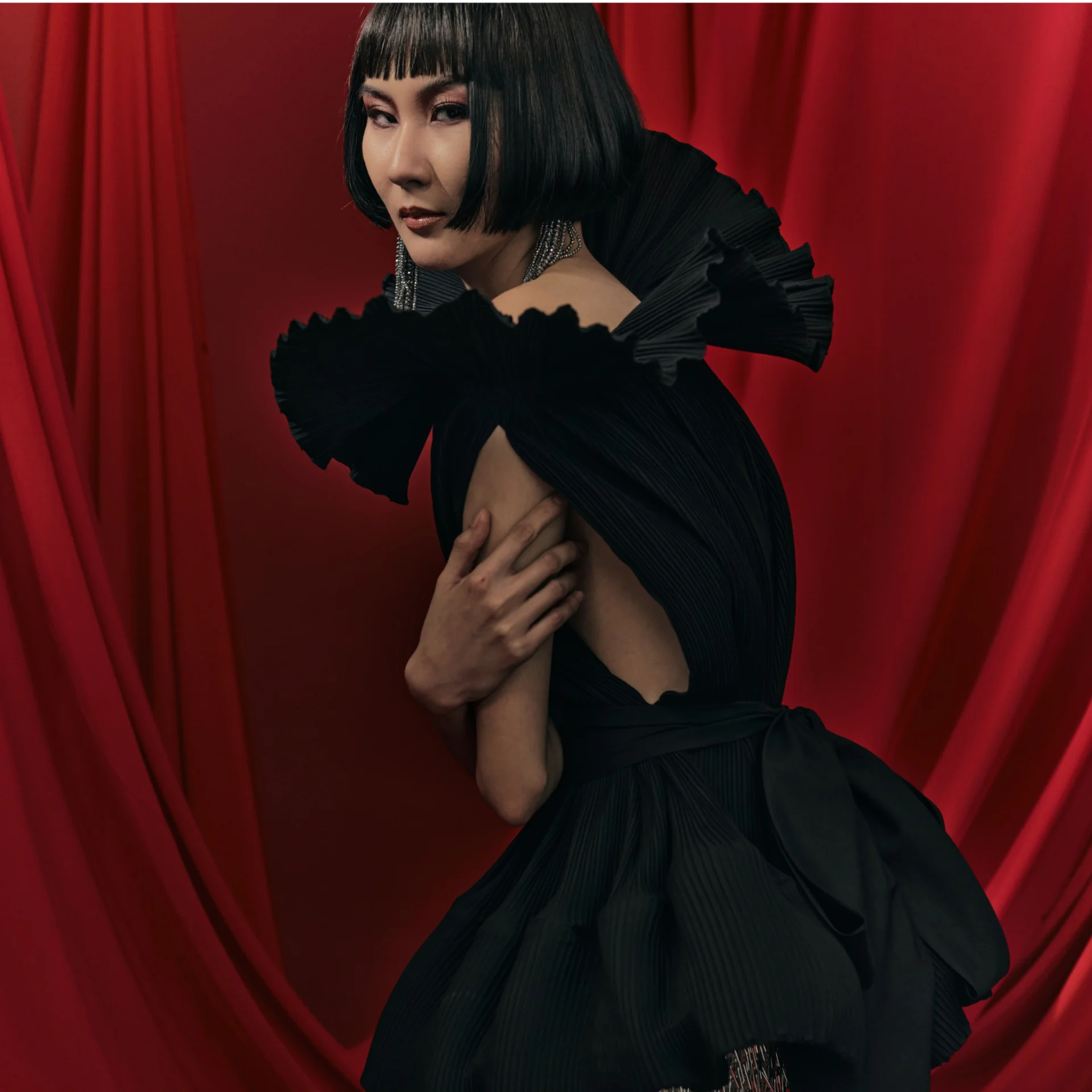




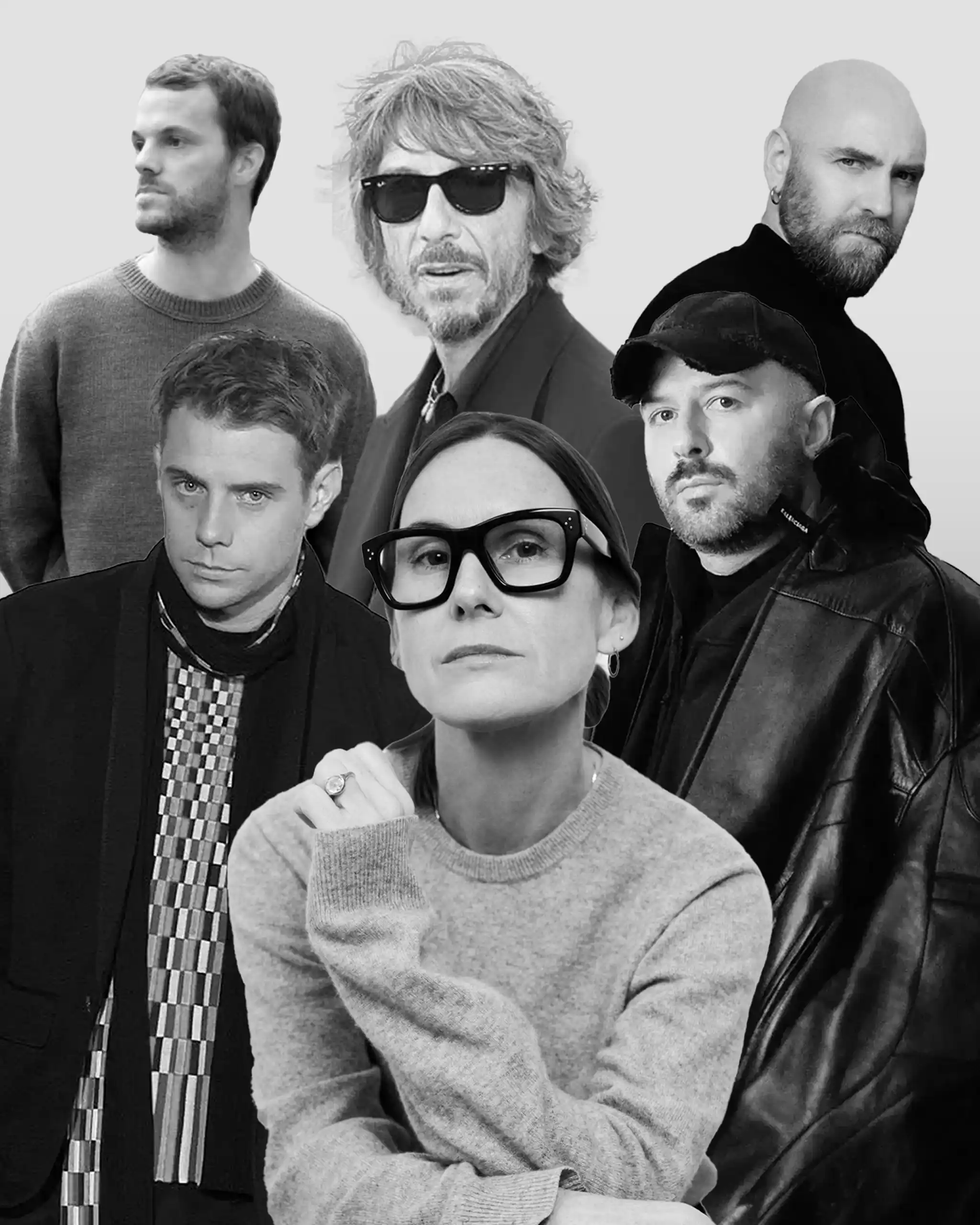
The fashion calendar may reset each season, but S/S26 felt like a collective exhale—a moment where new names, returning icons, and unexpected appointments shook off the dust of predictability. It’s a season like no other, history itself in front of our eyes. With more than a dozen debuts, not everyone could deliver their best—though many tried, some harder than others. But a select few made us sit up straighter. Six houses redefined themselves through fresh vision, daring emotion, and storytelling that made front-row fatigue worth it. Here’s how the best stack up.
RELATED: MEGA Ranks the Creative Director Debuts So Far
Jonathan Anderson at Dior
The creative director brings intellect to structure and soul to silhouette
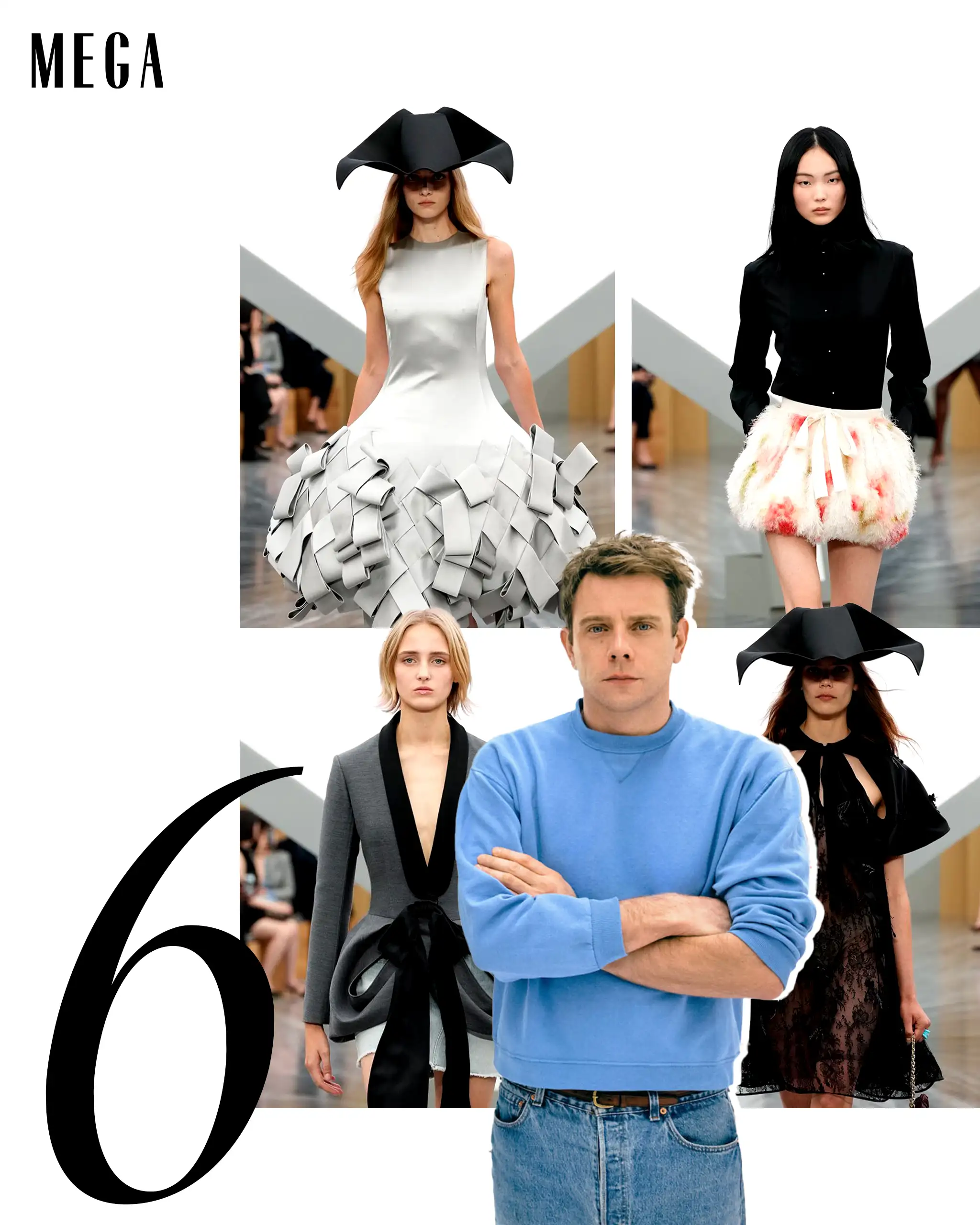
At first, Anderson at Dior sounded like fashion’s strangest headline. Yet, his arrival felt inevitable once the clothes came out. He softened the maison’s rigor with thought and tenderness—less posturing, more poetry. His hand was meticulous, even mischievous, reworking femininity without the weight of its past. Dior felt startlingly alive and more human for it.
Pierpaolo Piccioli at Balenciaga
The creative director trades distortion for grace without losing edge
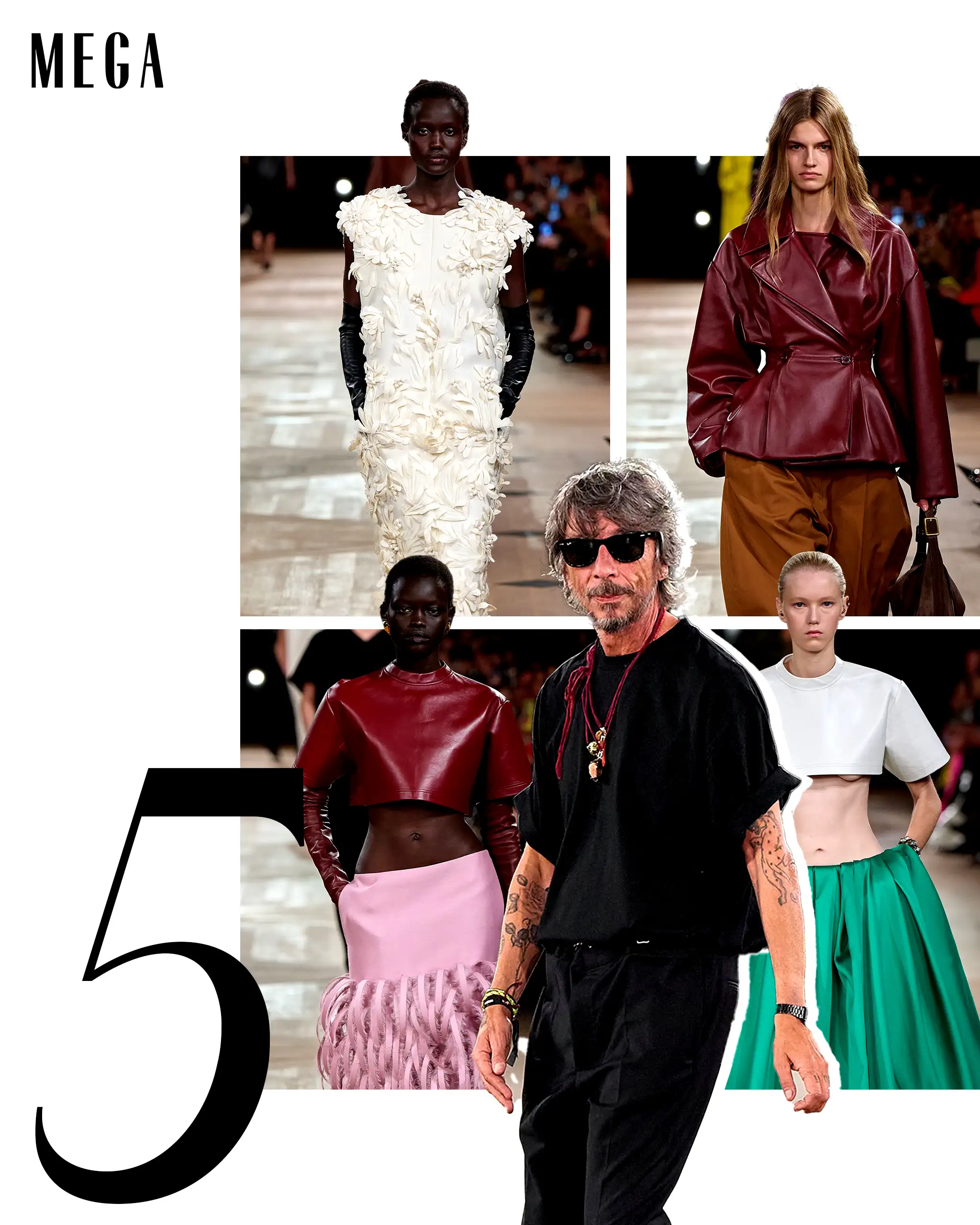
The house of tension found its beauty moment. Piccioli at Balenciaga swapped dystopia for color, tenderness, and a return to form. The clothes moved like sighs of relief—structured yet romantic, precise but never precious. Balenciaga rediscovered its heartbeat, and it was surprisingly gentle and wearable.
Miguel Castro Frietas at Miguel Castro Freitas
The creative director turns fantasy into form and spectacle into sophistication
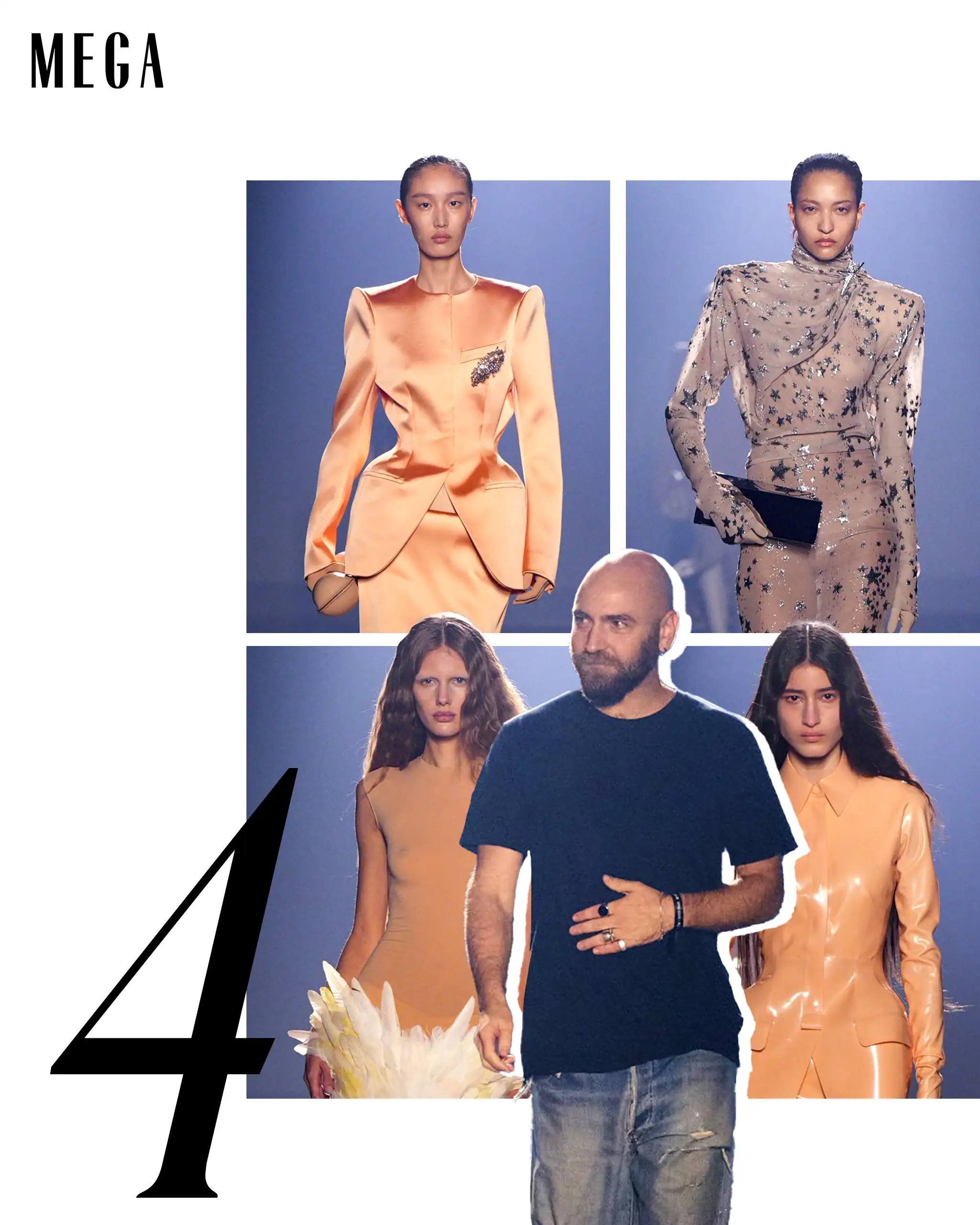
The surprise of the season. Freitas at Mugler injected an otherwise filtered, but still sexy, sensuality—sharp, kinetic, modern. It wasn’t a remake for Thierry’s razor-edge glamour but a reboot of its pulse. Mugler, frozen in legacy, suddenly felt sophisticated again, and grown up, all for the better.
Demna at Gucci
The creative director reclaims chaos as luxury’s most glamorous language
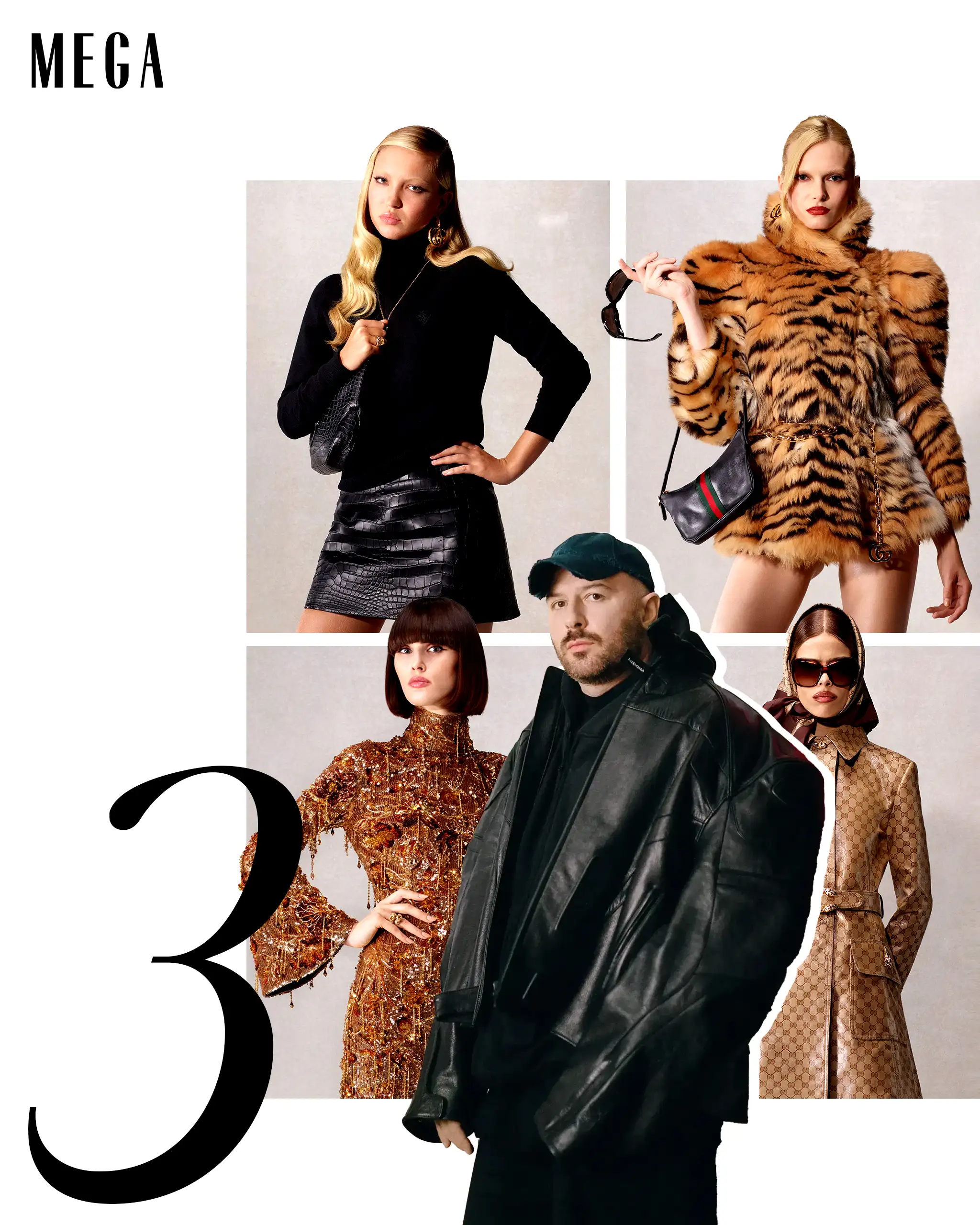
The industry gasped, then gawked. Demna at Gucci was a collision of codes: maximalism meets irony, sensuality meets satire. It shouldn’t have worked, but it did by pure conviction. While there was no runway show, the fashion film helped express the designer’s vision of the house. Clothes in motion, the collection was rich with narrative and contradictions, proving chaos can, in fact, be chic.
Louise Trotter at Bottega Veneta
The creative director reframes strength through motion, sensuality, and craft
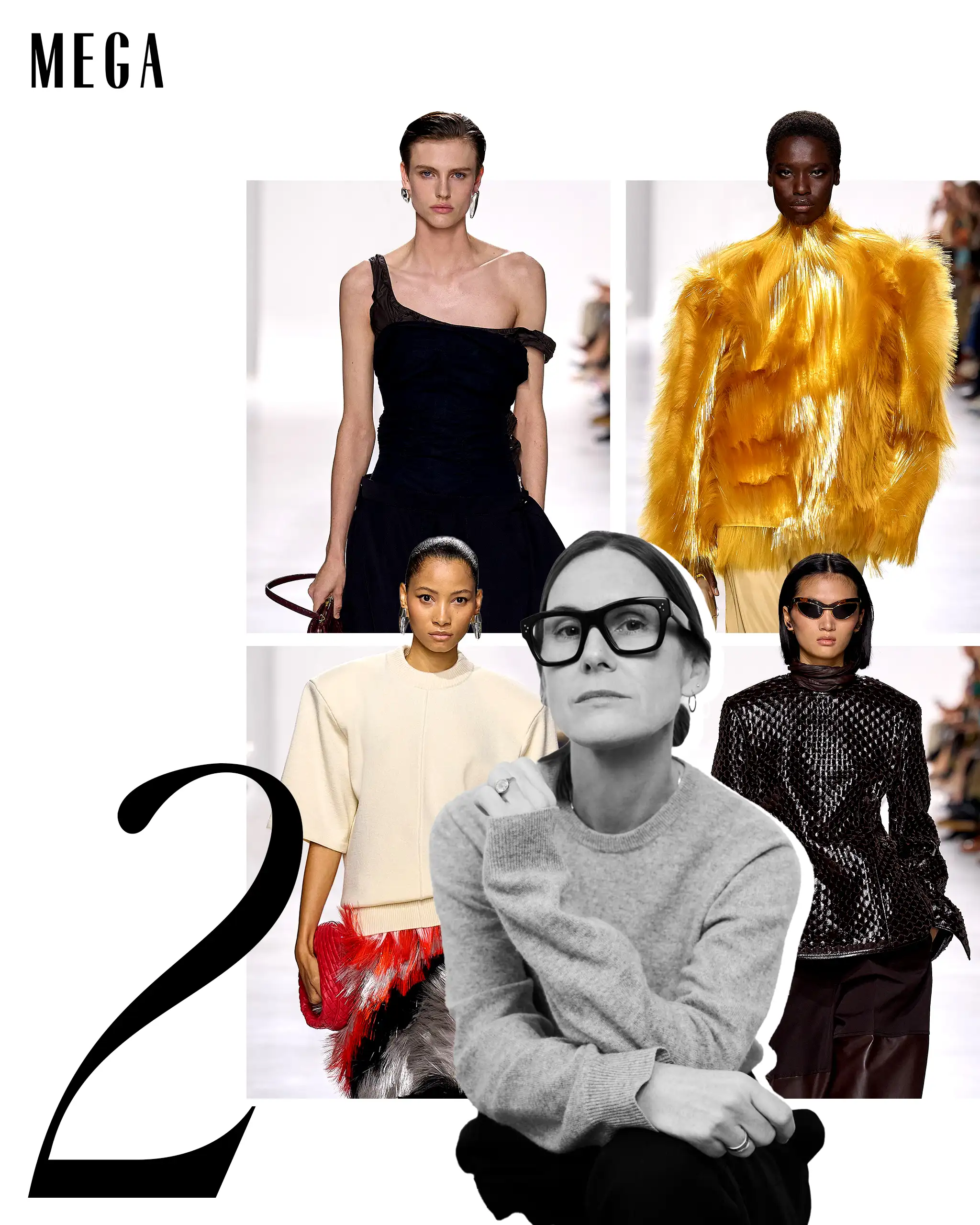
Precision with feeling. Trotter at Bottega Veneta was a tactile and intelligent debut—a confirmation that softness has strength. Every weave, drape, and fold harbored meaning; her interpretation of the house’s intrecciato read not as technique but as philosophy. Confident and self-assured, she stood out as the season’s sole female debut—and it showed.
Matthieu Blazy at Chanel
The creative director delivers a contemporary vision that’s both grounded and transcendent
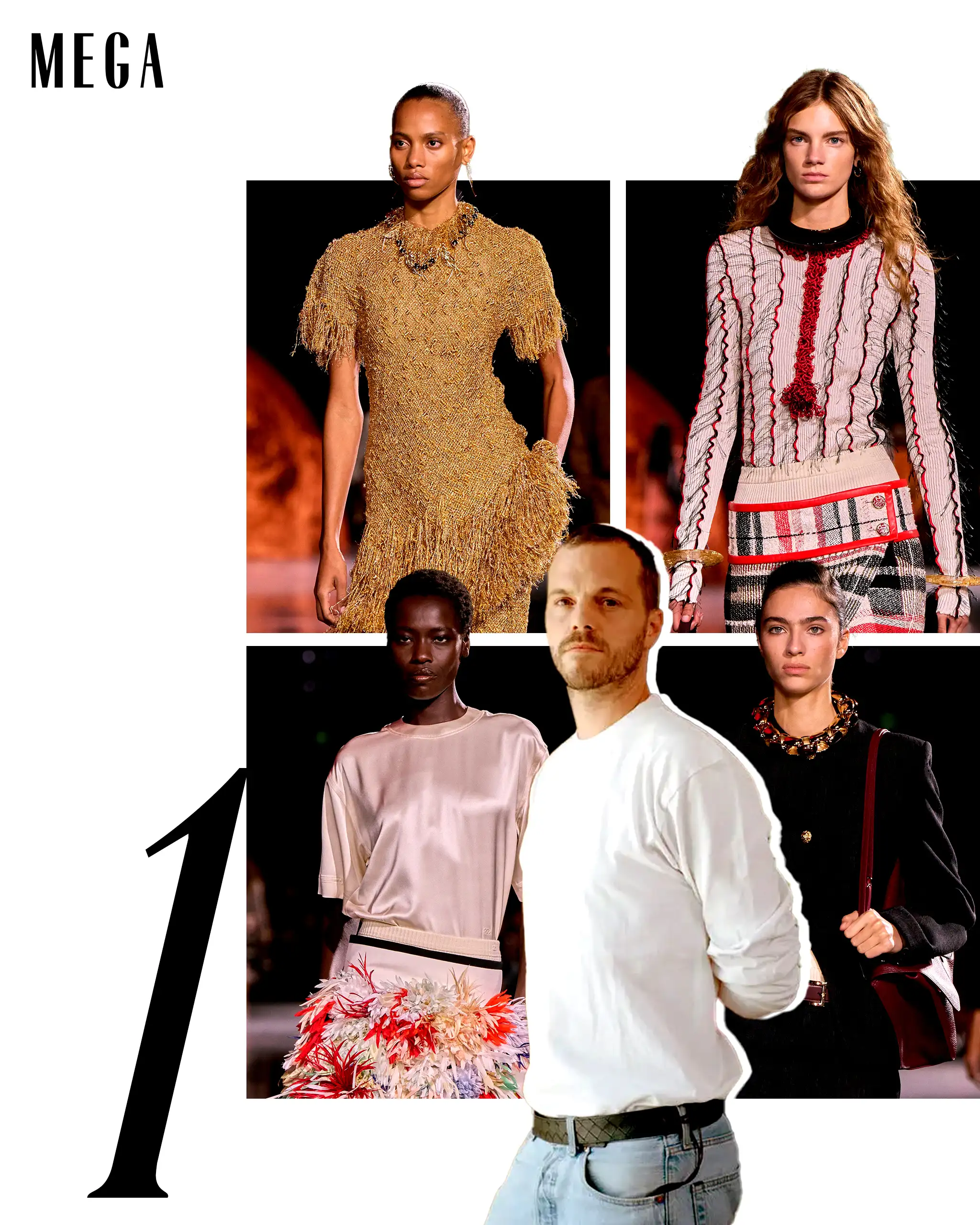
And then the most anticipated was also the most acclaimed. Blazy at Chanel was nothing short of a revelation: a celestial calibration of ease and craftsmanship. The codes of tweed and motion found new life under his hand, reshaping the maison’s identity without rewriting it, but emphasizing only the need for a modern woman. For all the season’s noise, Chanel walked away with clarity—and the top spot.
Fashion’s next thread isn’t about reinvention for reinvention’s sake—it’s about designers who listen, edit, and evolve. These six didn’t just enter the houses; they inhabited them.
Photos: DIOR, BALENCIAGA, MUGLER, GUCCI, BOTTEGA VENETA, and CHANEL