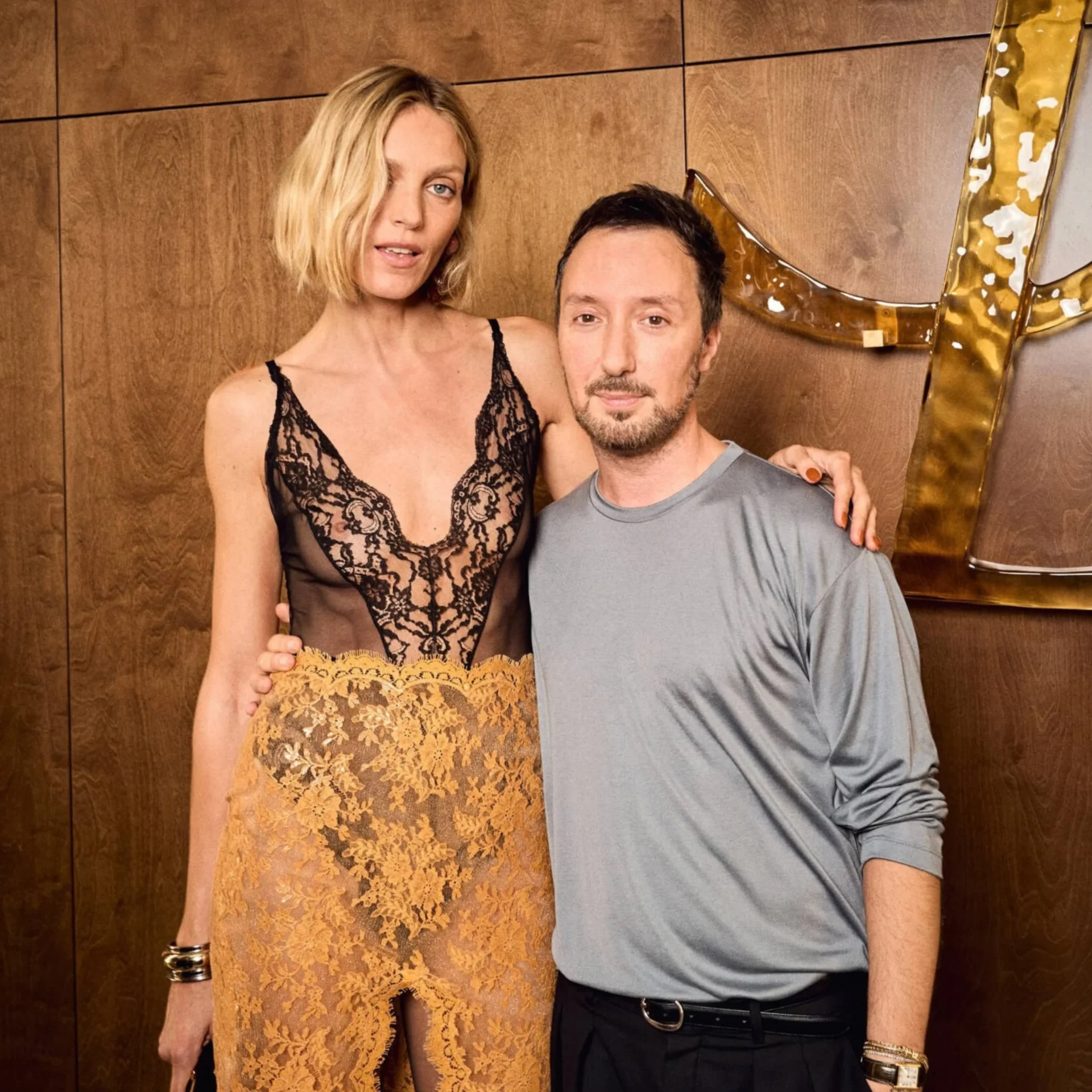





Christian Dior once spoke of wanting to make women “dream again” after the war. Nearly eighty years later, Jonathan Anderson takes that impulse and tilts it sideways. His Spring/Summer 2026 collection, one of the many anticipated debuts of the season, is not a continuation of Dior’s history but rather a disruption, a rewriting in which bows became architecture, lace turned mischievous, and eccentricity was treated as a form of grace. “Change,” Anderson writes on the shownotes, “is inevitable.”
RELATED: Dior Men’s S/S26 Is Romantic All Over Again, Thanks to Jonathan Anderson
Dior, Rewritten
Monsieur Dior was a romantic. Anderson, now the first designer to oversee every line of the maison, is writing his own version of a romance.
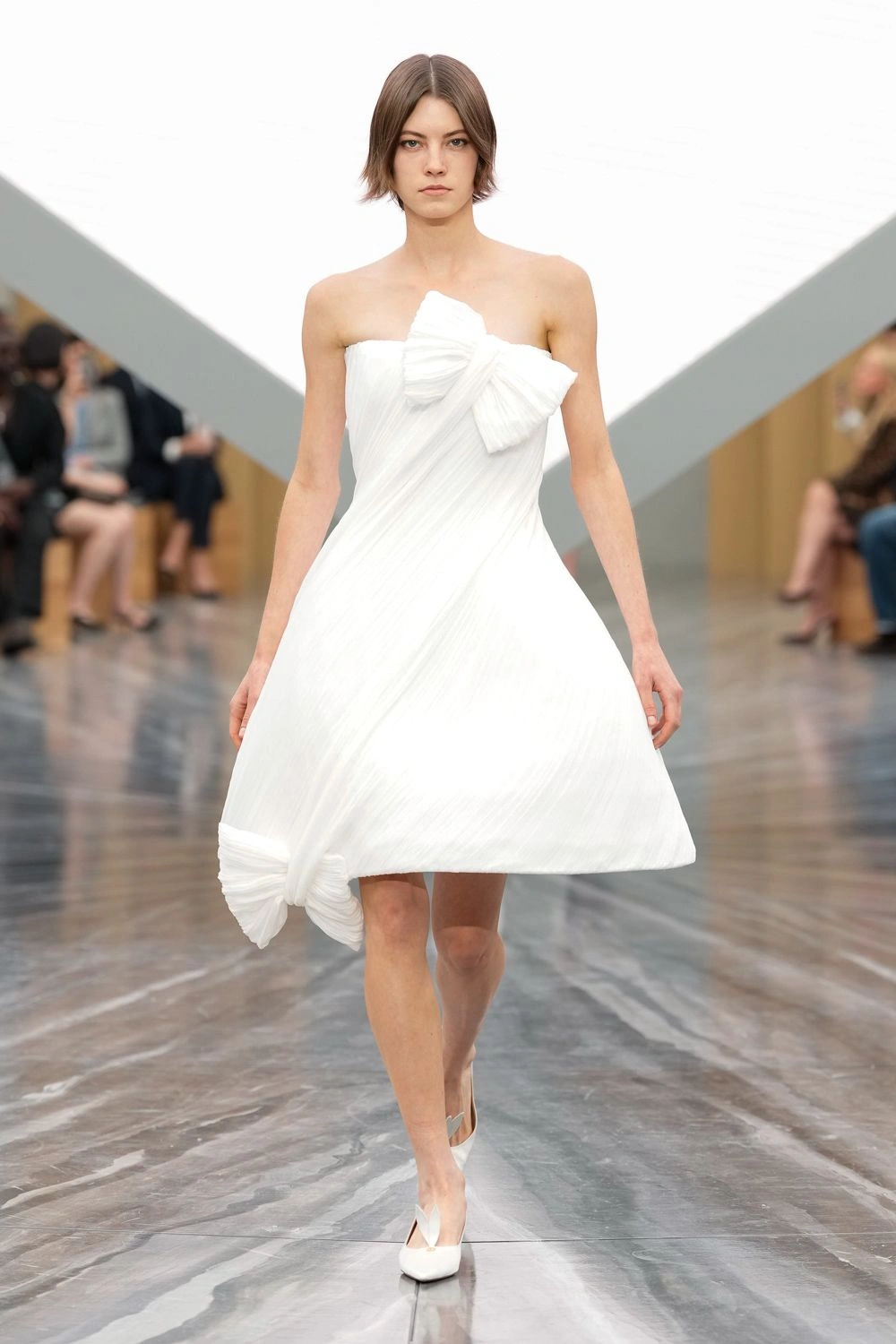

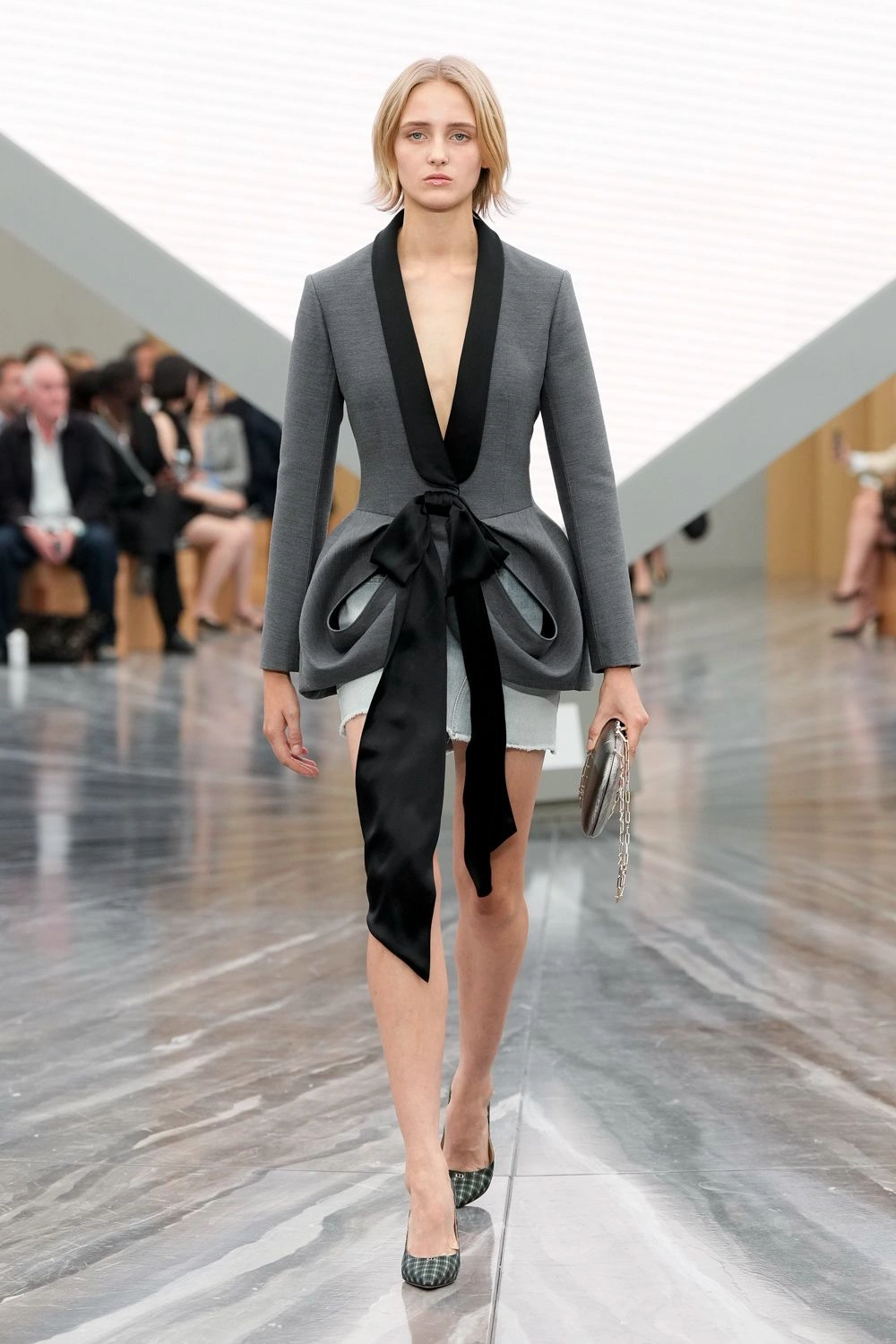
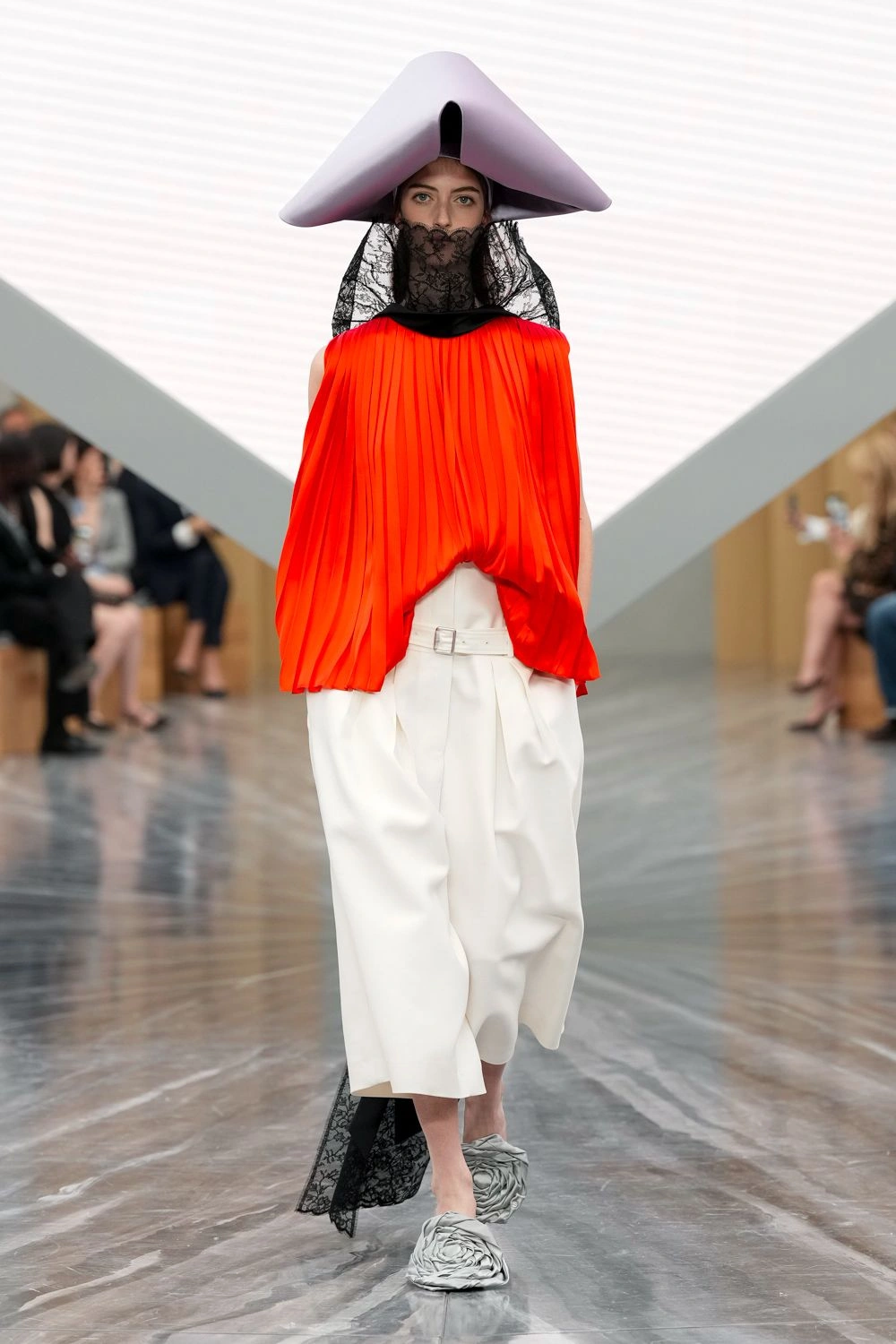
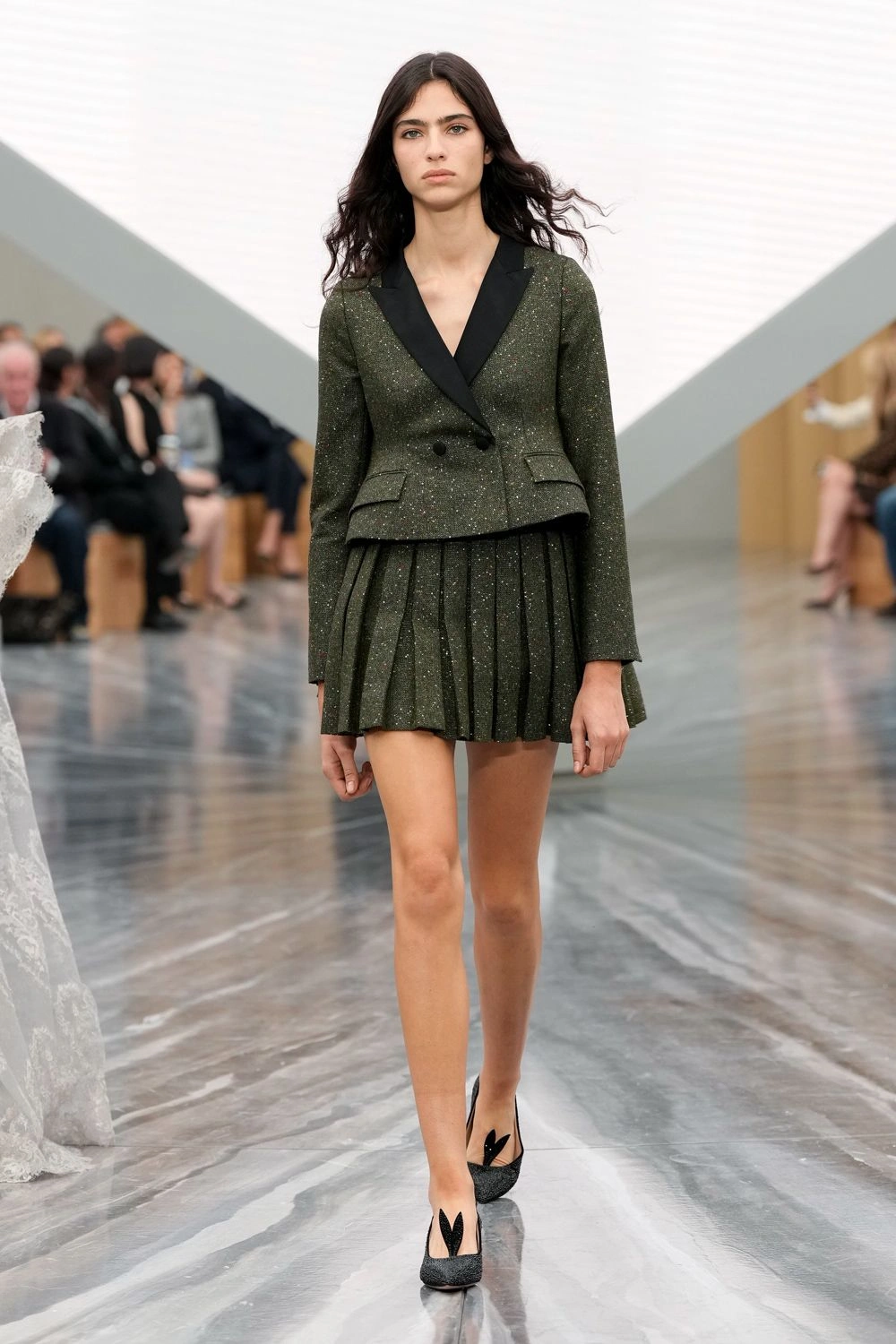
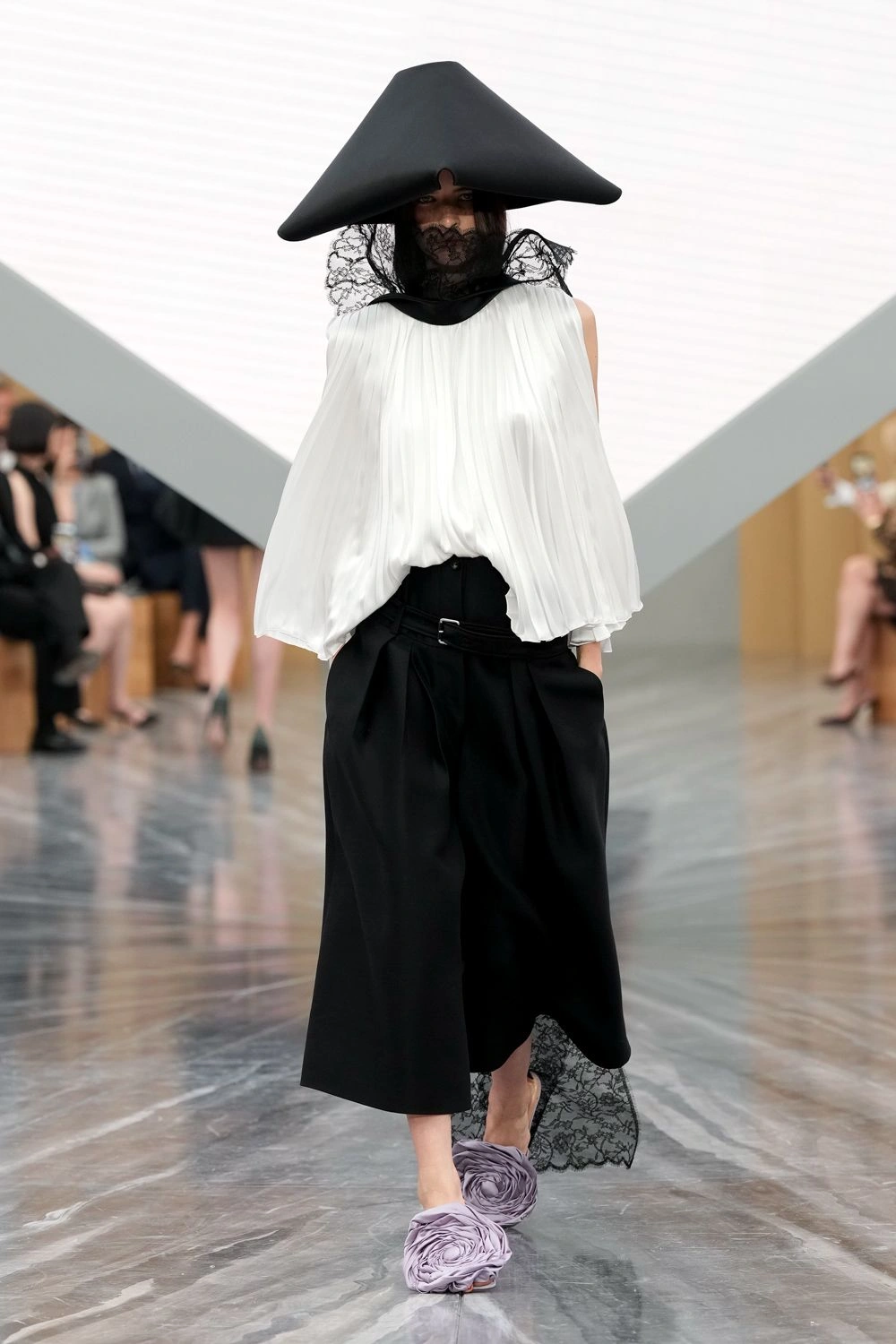
It was an announcement of Anderson’s authorship—his claim that Dior can hold history while still indulging in the unruly. The beginning isn’t near; it’s here. And if there’s a lesson to take, it’s that romance doesn’t have to be delicate. At Anderson’s Dior, it only needs to be honest.
Fairytale Feeling
The first look: a white, pleated strapless dress, anchored by two sculptural bows. Childhood innocence meets adult freedom. It was crisp, it was light, it was the fairytale prologue behind the pretty.
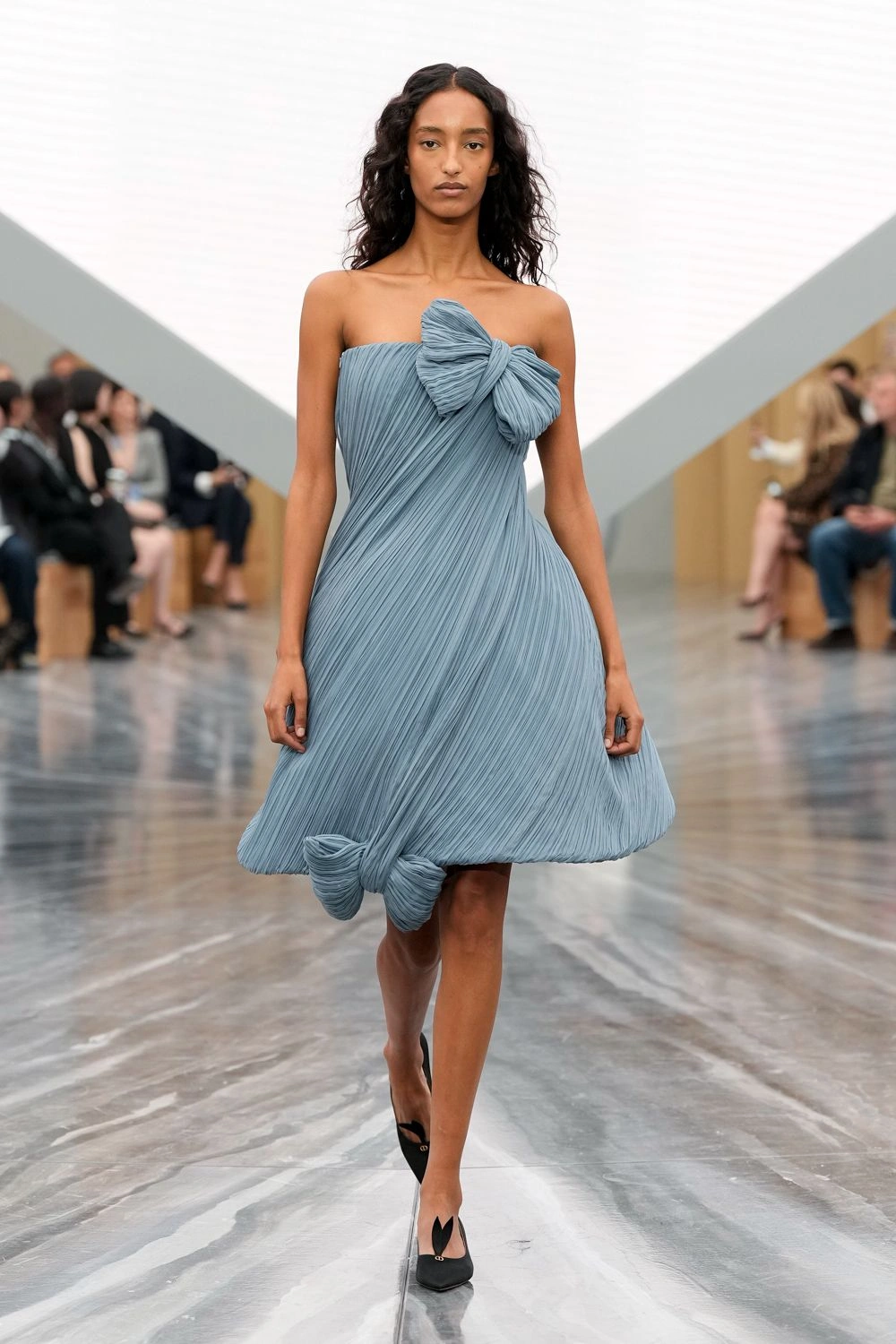
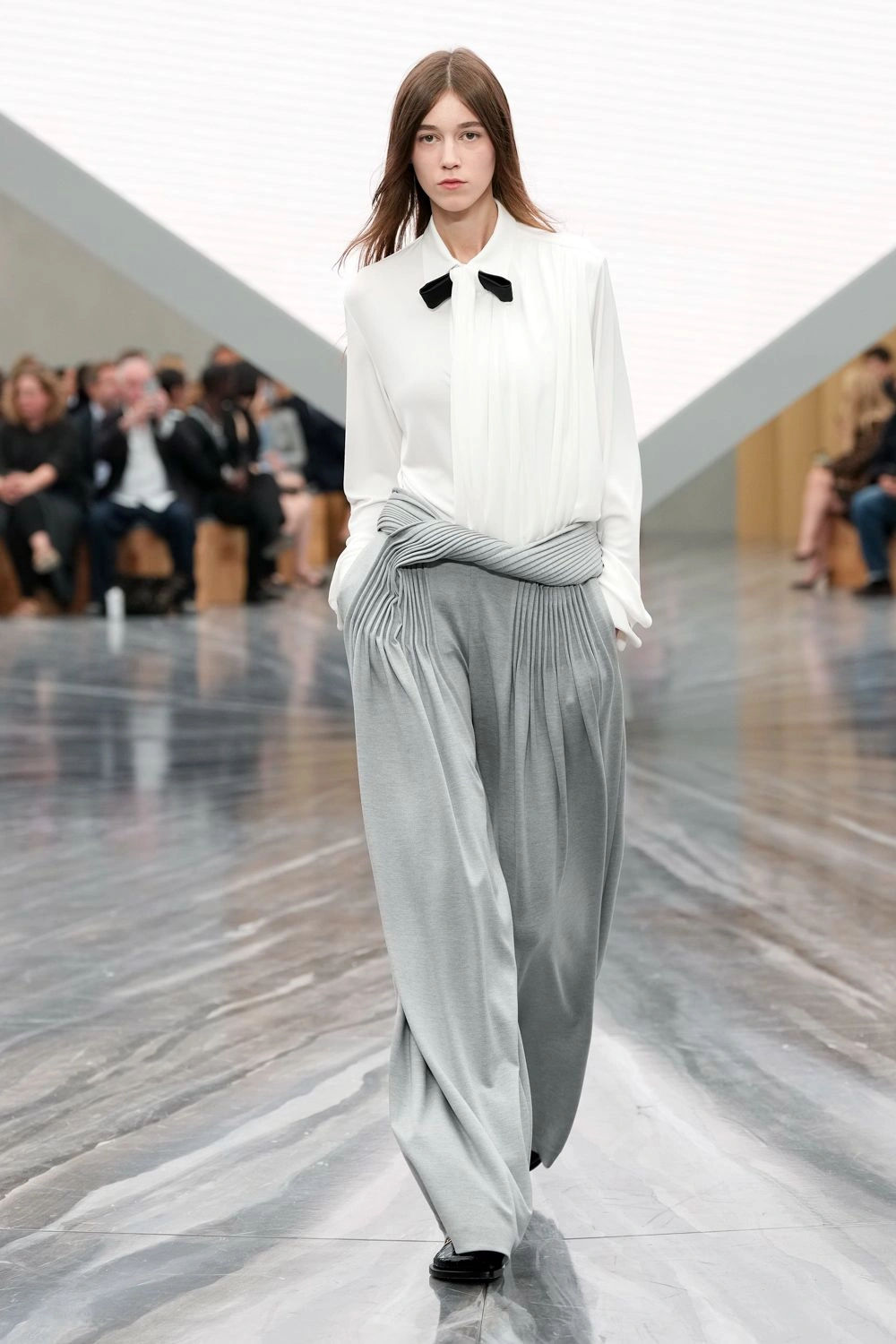
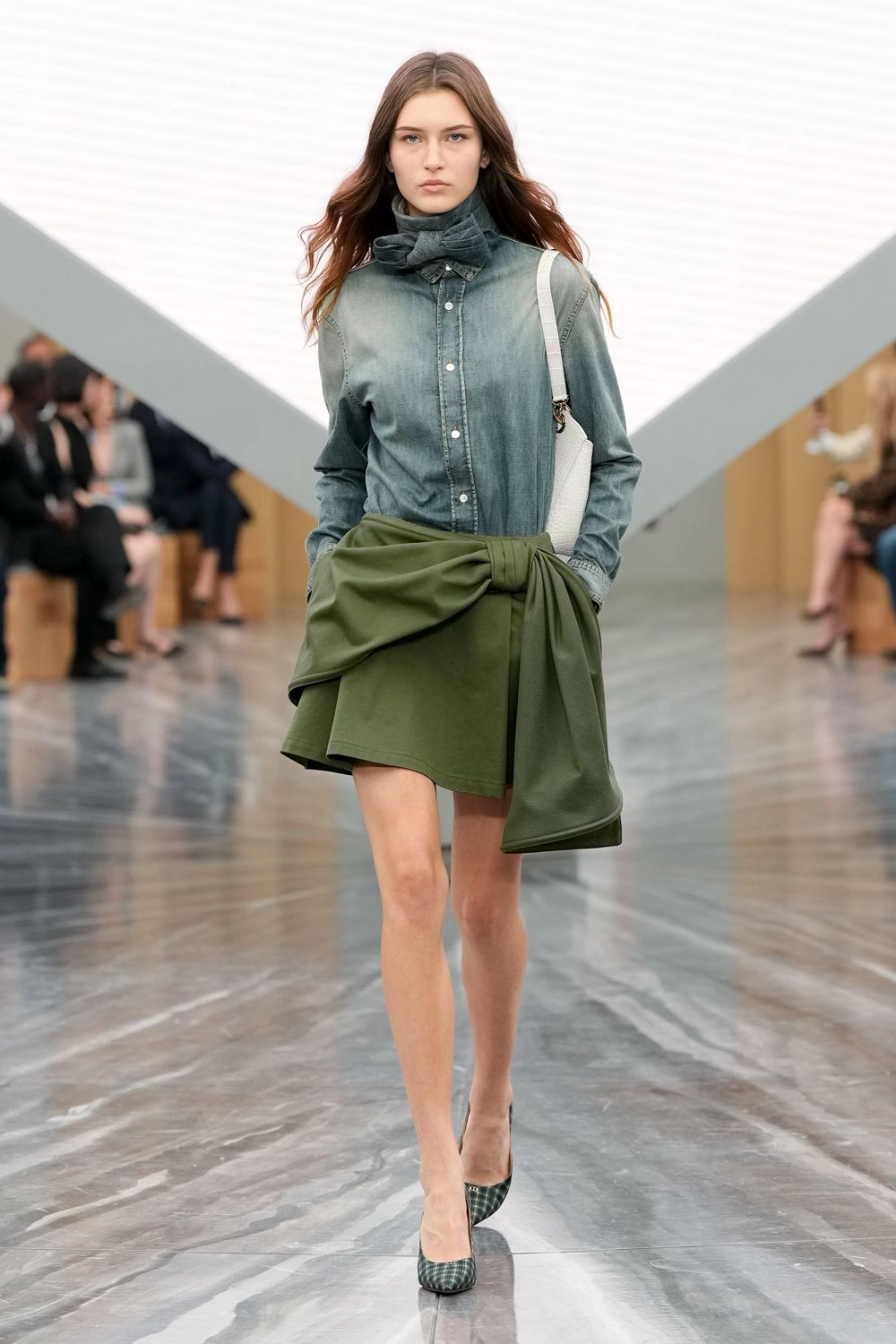
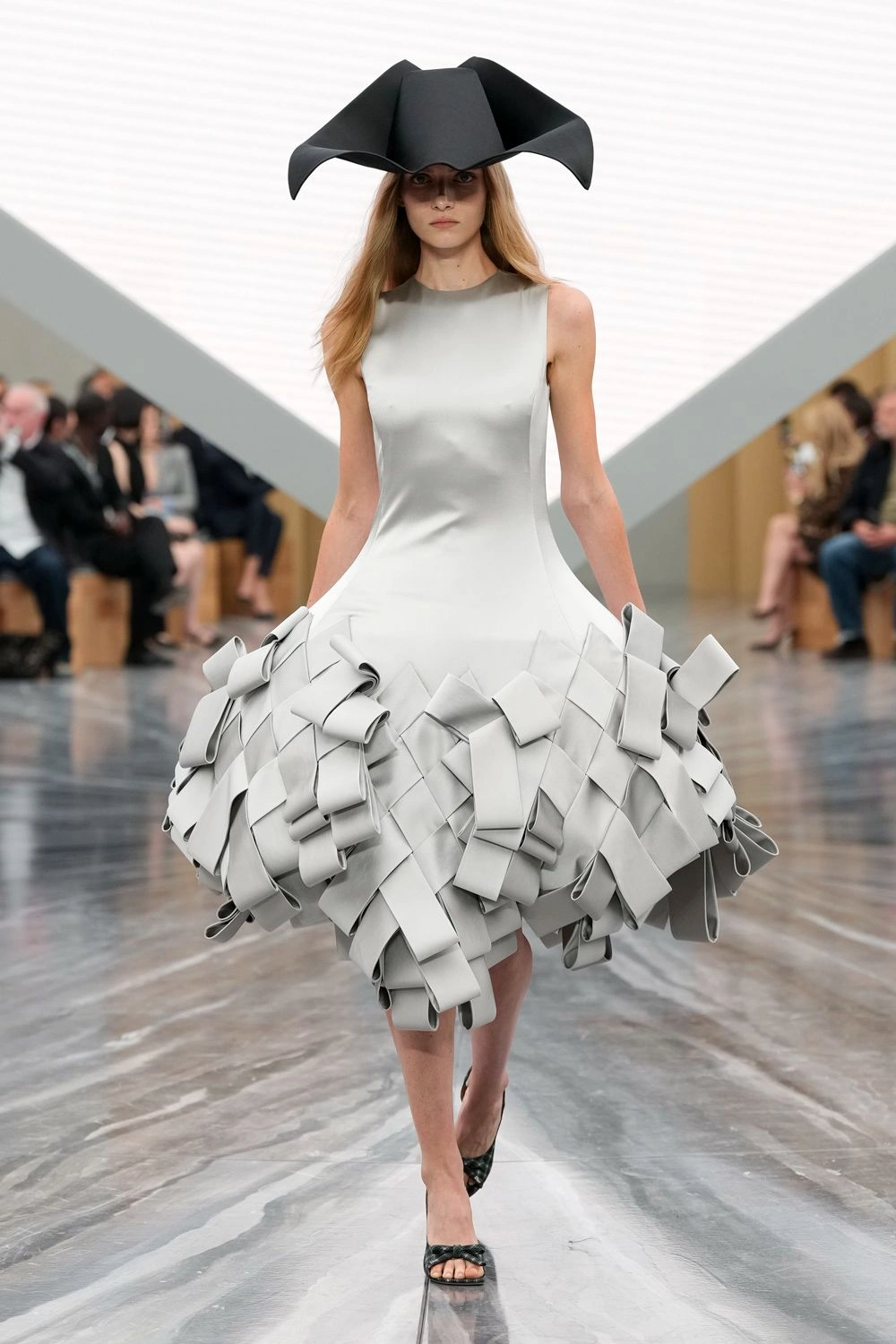
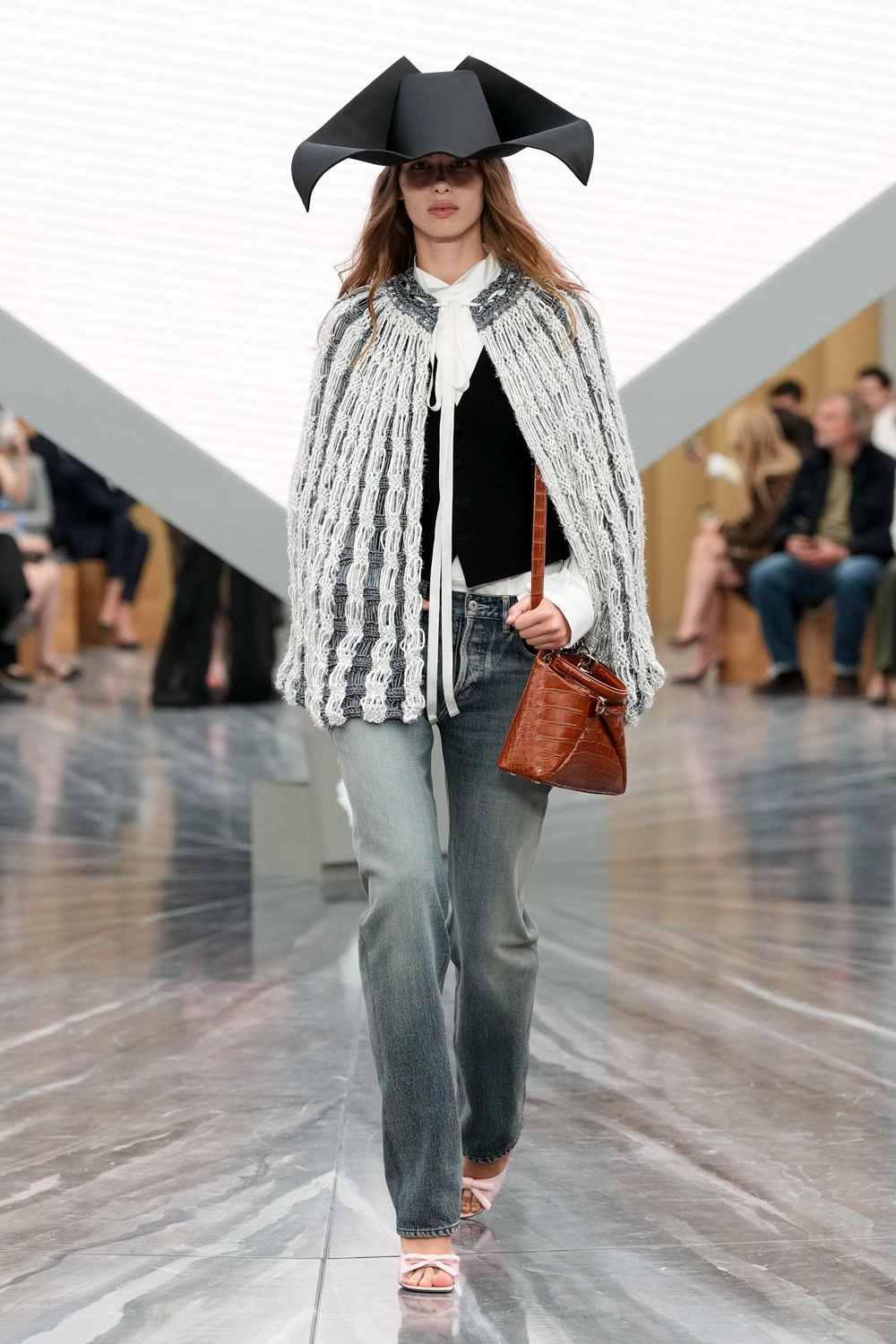
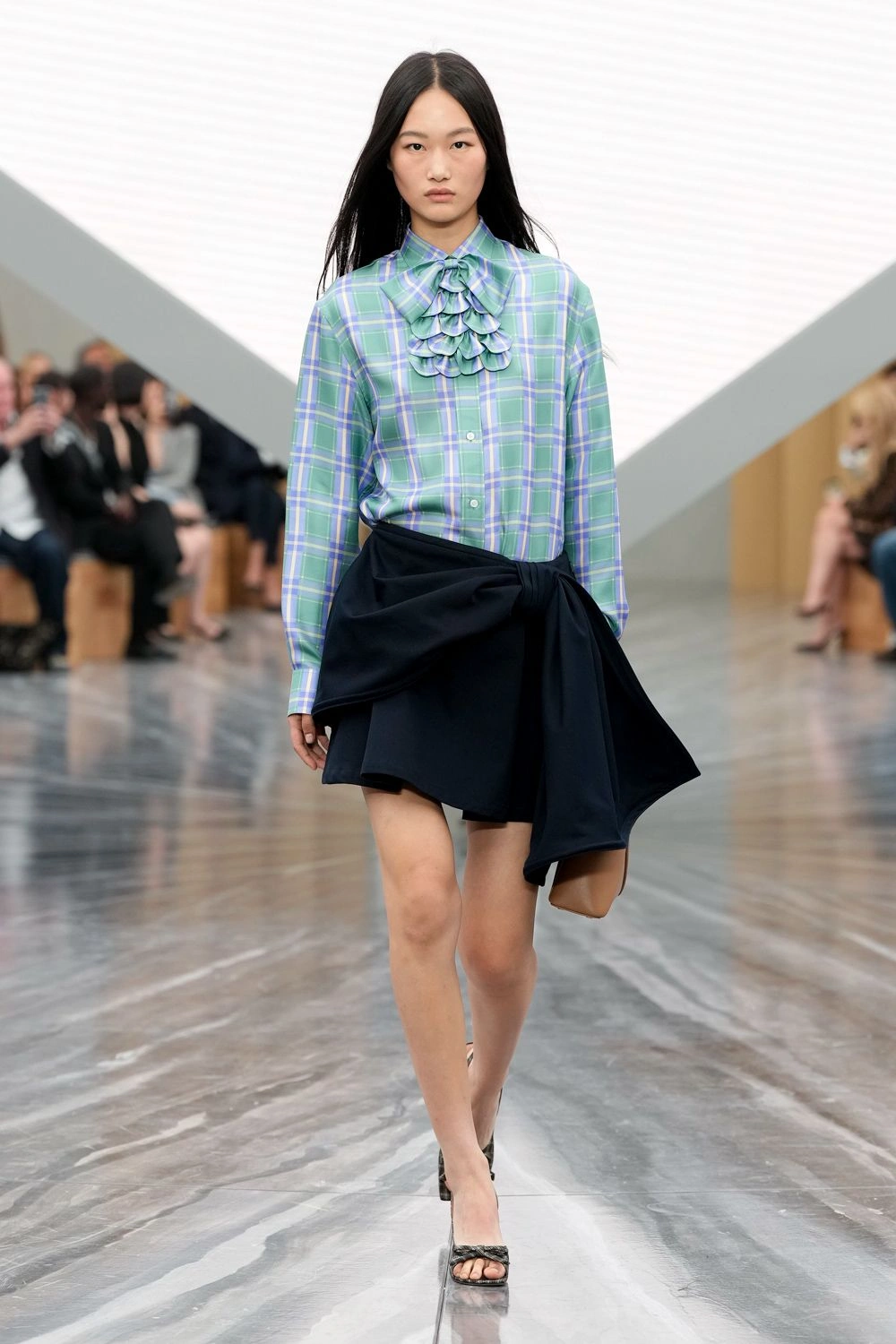
History has shown us that fashion adores a revival. Decades rotate back on themselves: a denim tuxedo there, a mini trend here, even the ghost of New Look skirts that Monsieur Dior himself sculpted into postwar liberation. But this wasn’t a revival. A confrontation with Dior’s past and Anderson’s surreal present, yet happily together with humor, irreverence, and respect.
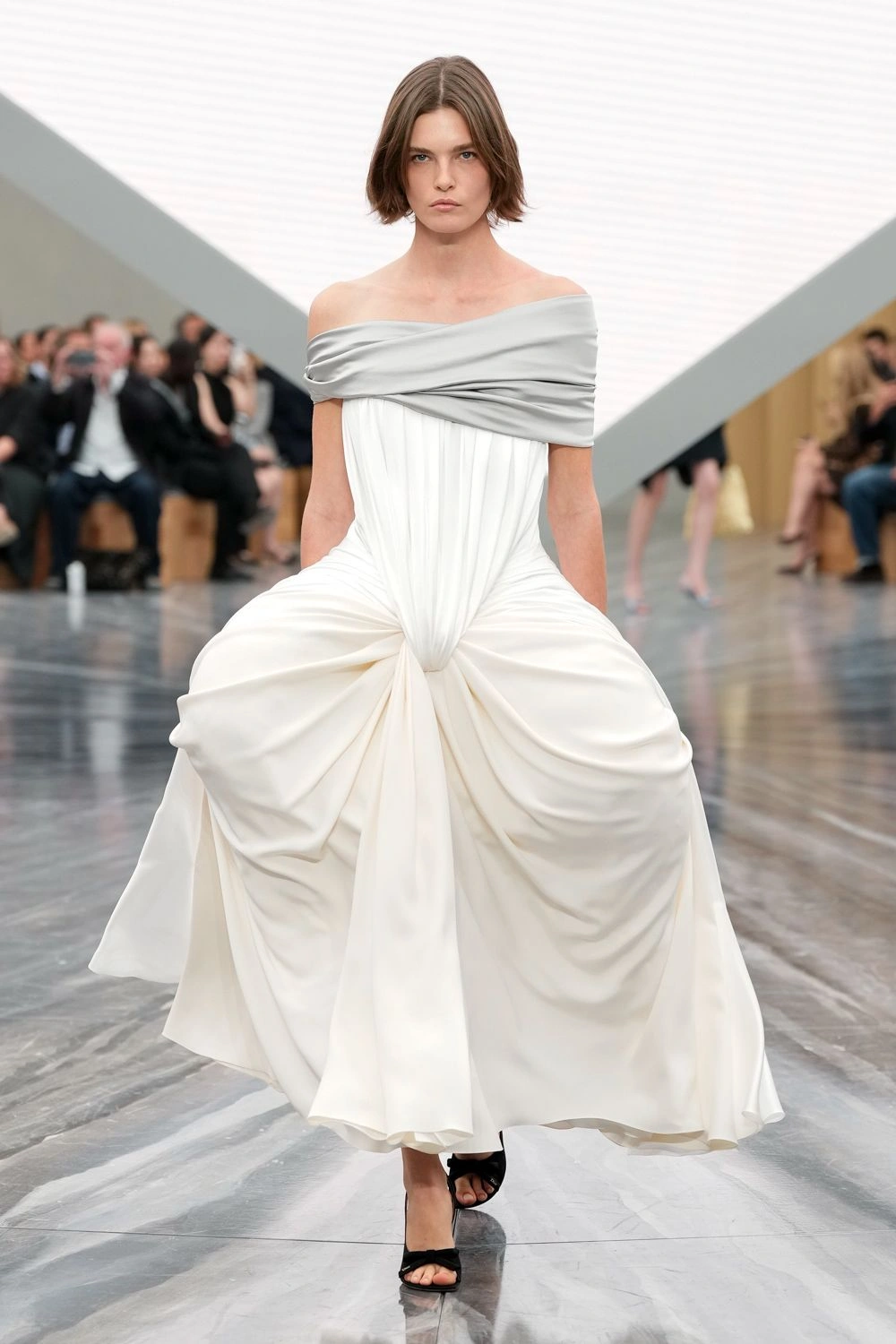
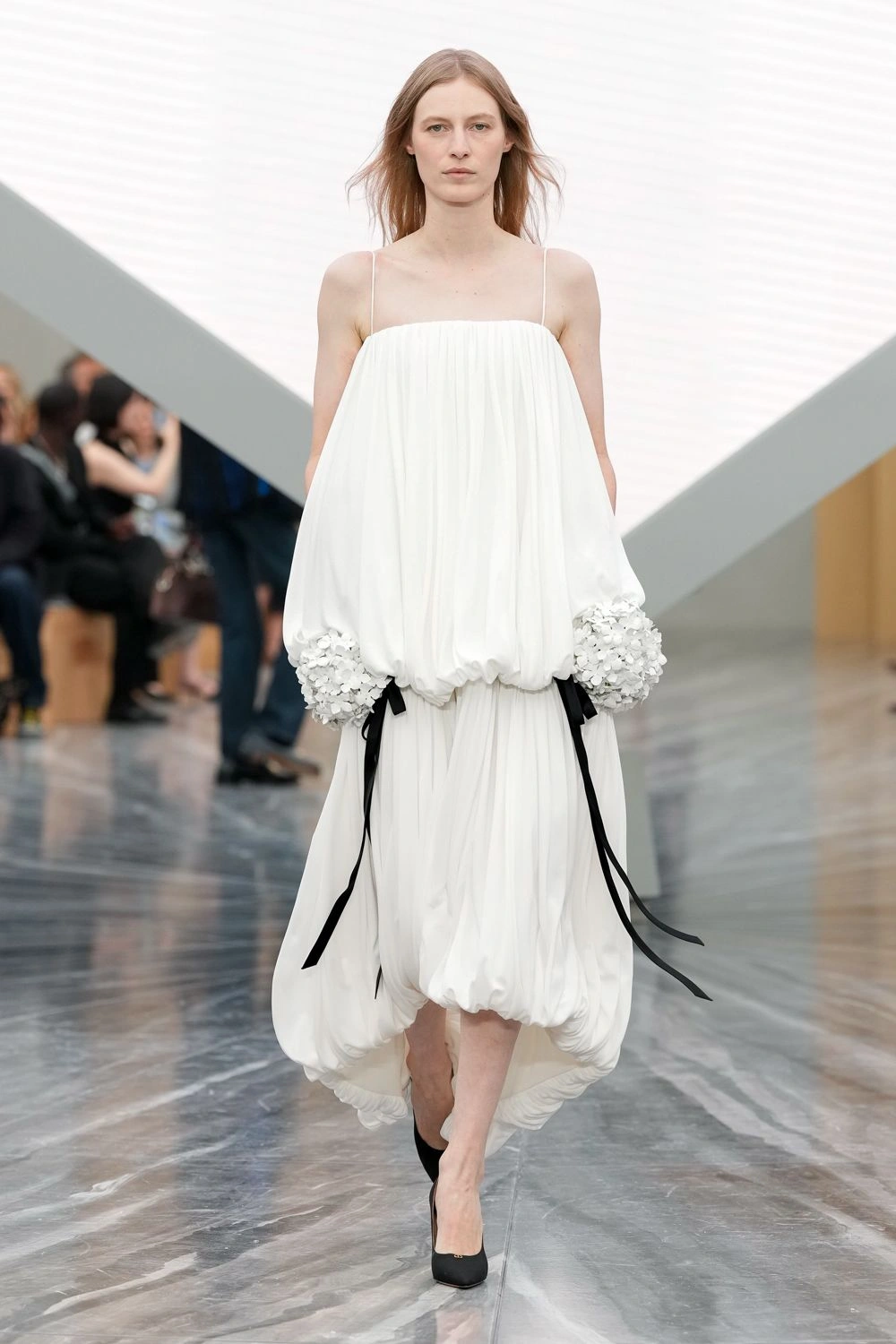
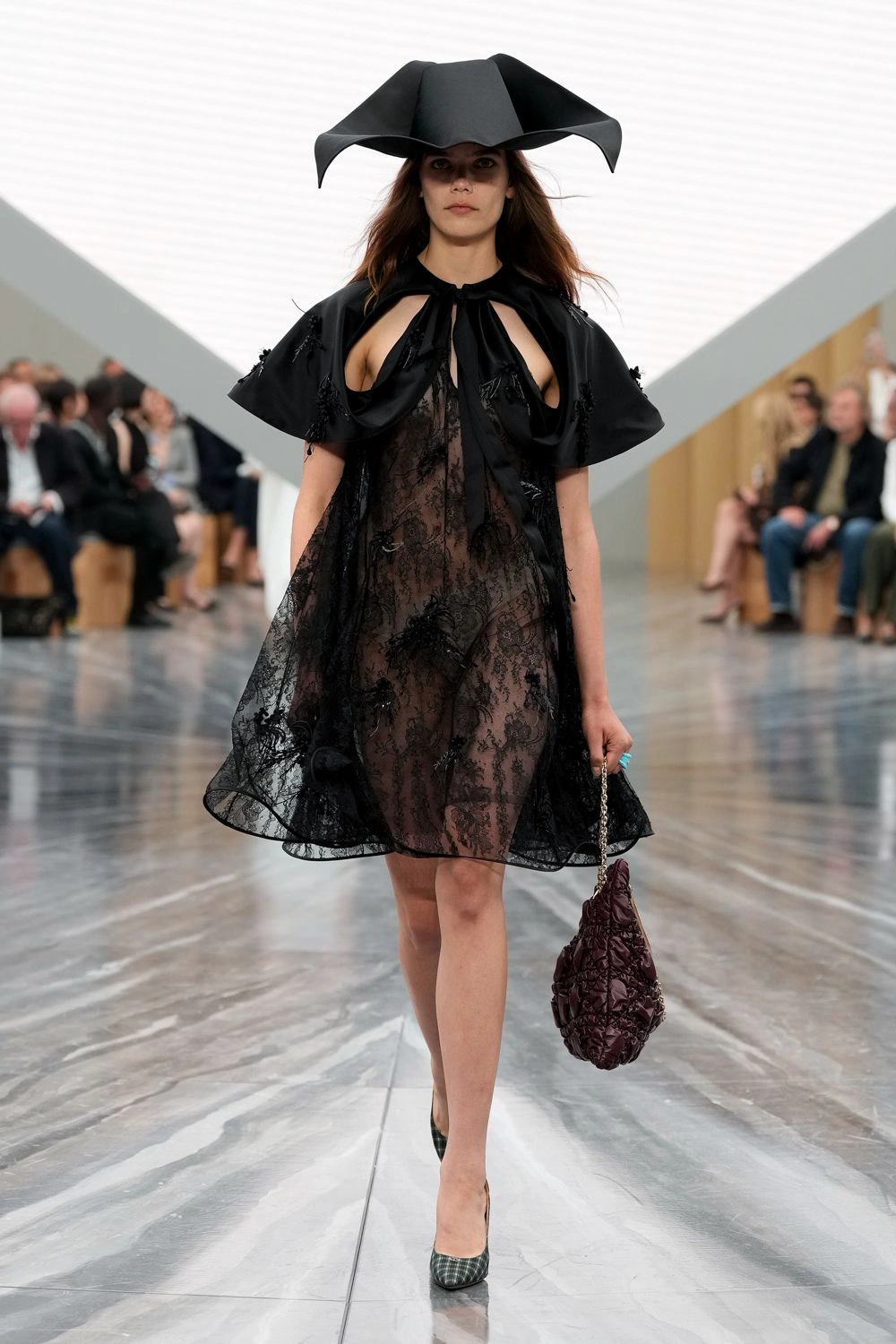
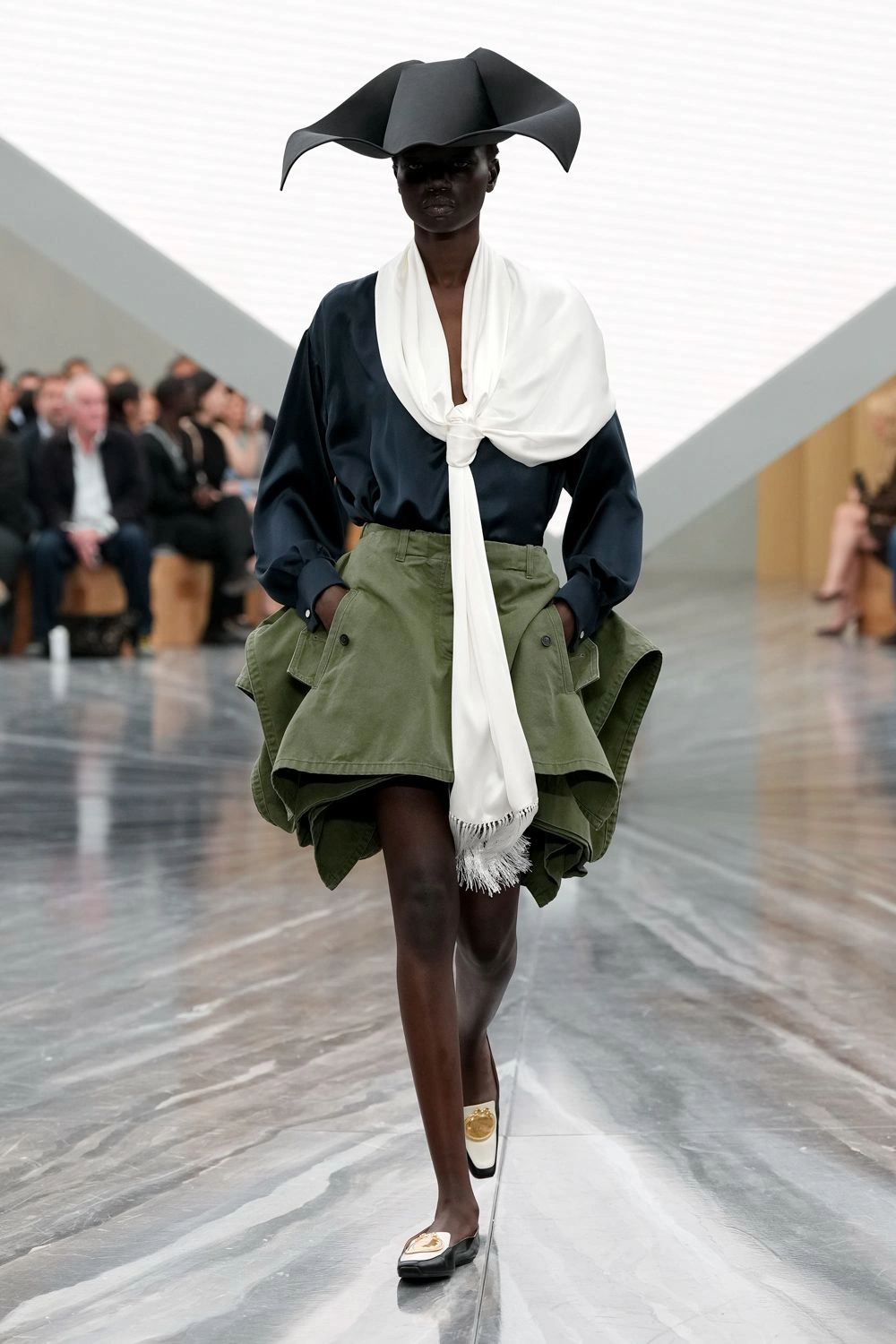
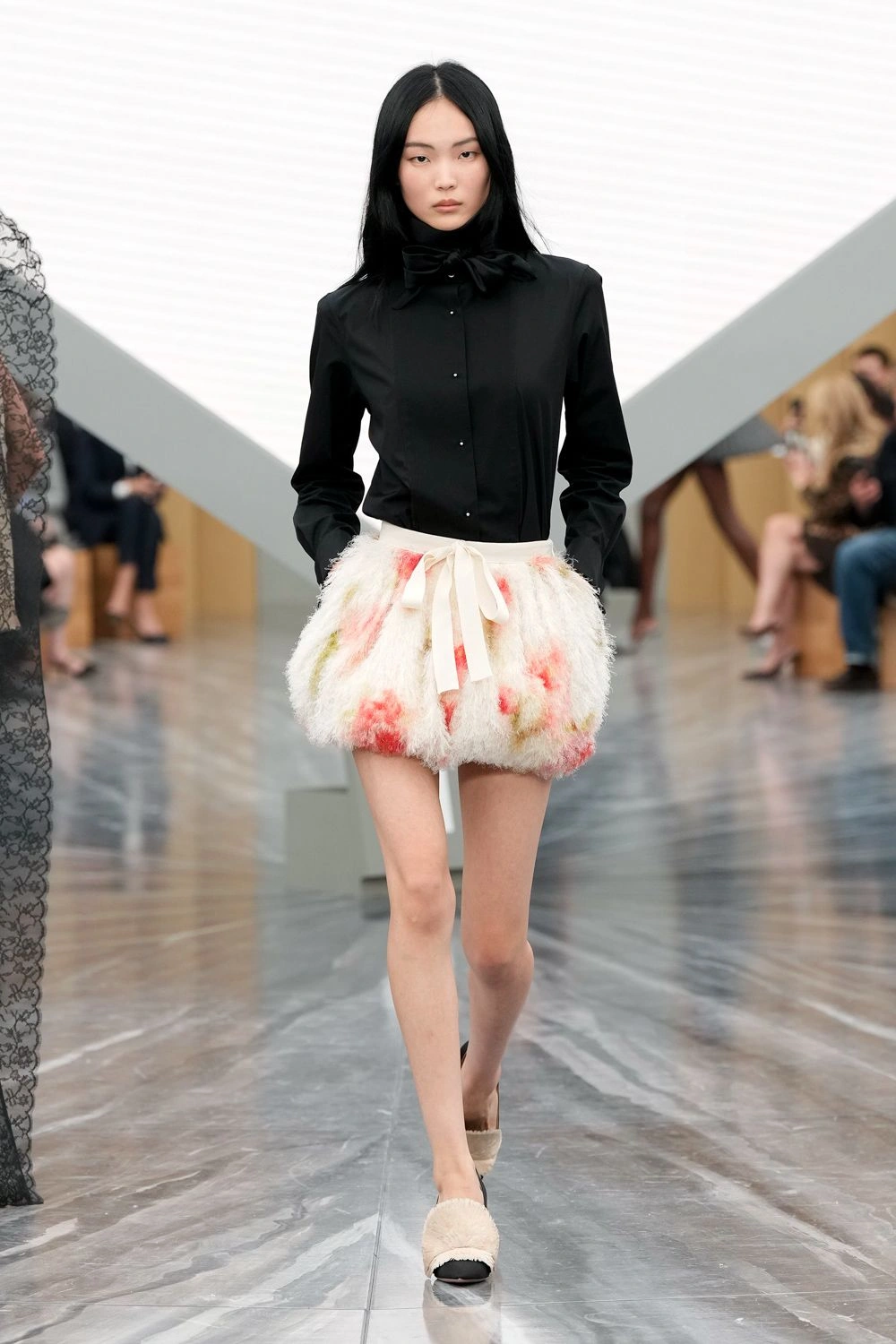
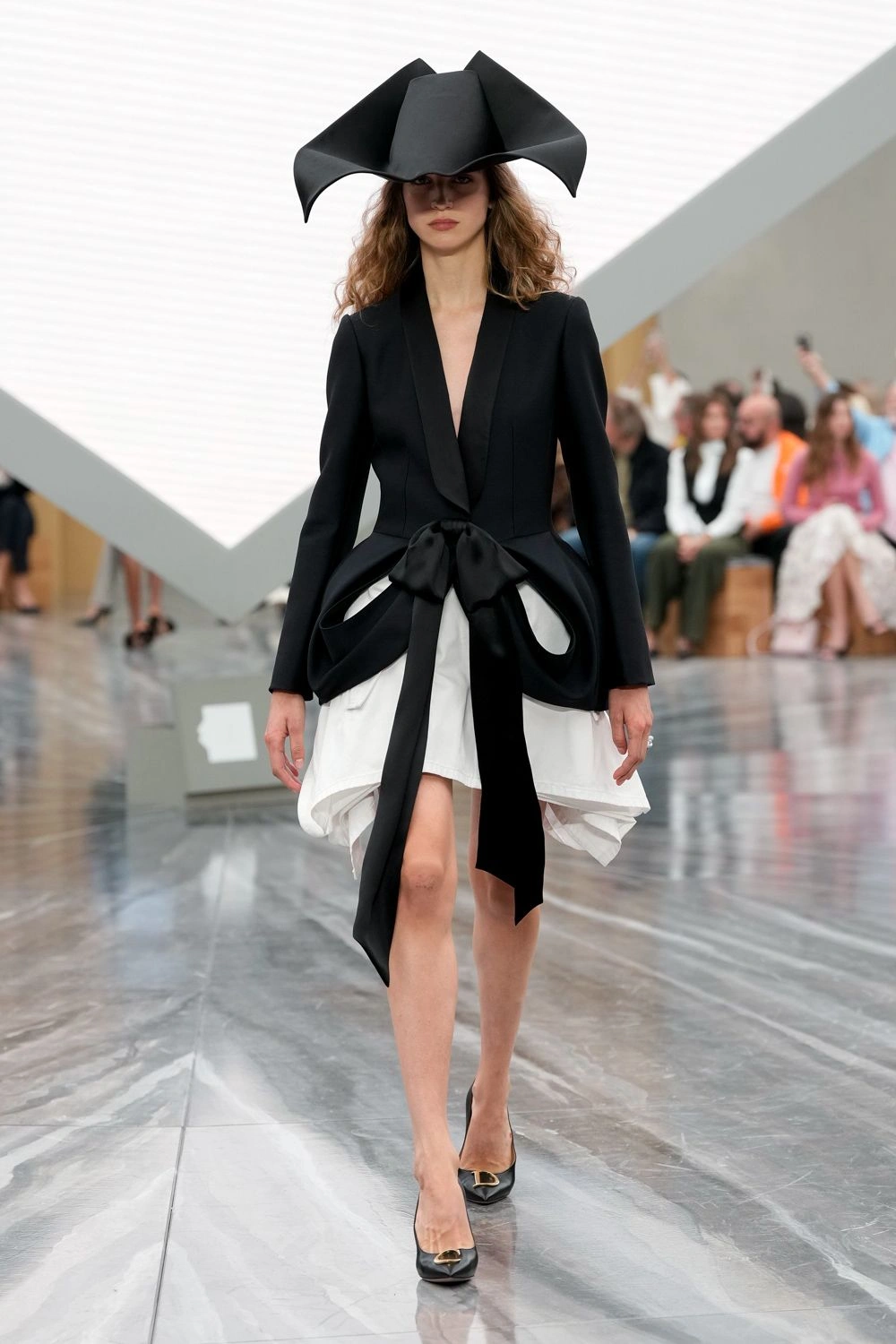
Even if the surface—bows, lace, sharp tailoringTailoringThe craft of cutting, shaping, and fitting garments, especially suits, jackets, and trousers, precisely to the body. Good tailoring relies on structure, proportion, and careful hand and machine work, andGo to Tailoring Glossary, voluminous skirts—felt familiar, something deeper tugged at you, like déjà vu in high definition. Perhaps you feel it now, hours after the show. Maybe you will tomorrow, when a snapshot of a giant origami hat pops into your feed like a dream.
Anderson’s Dior isn’t the Dior of revivalists or retro romantics. It’s as if Dior’s prim garden filtered through Lewis Carroll’s delirium after one too many espressos. Why resist?
Liberation in the Language
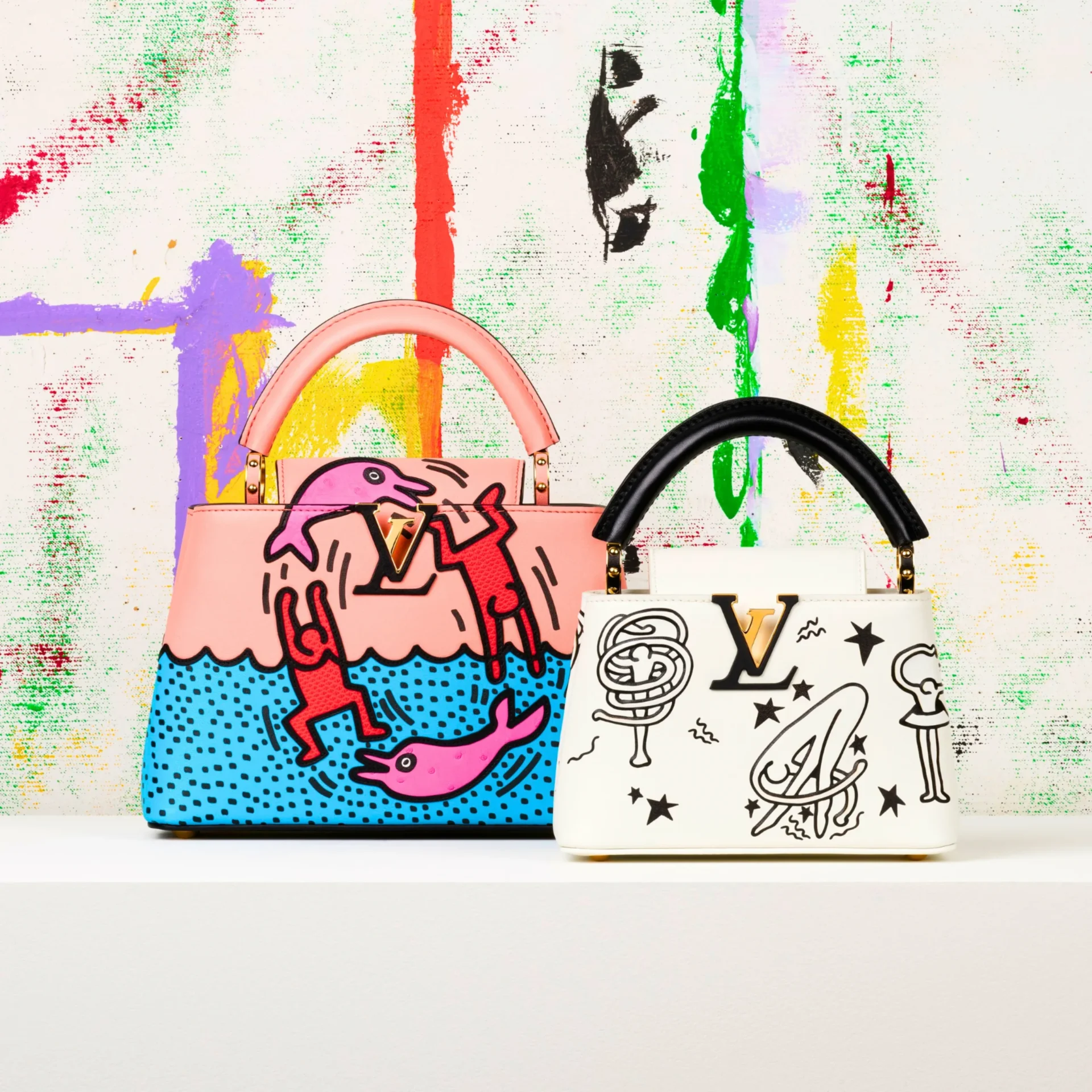
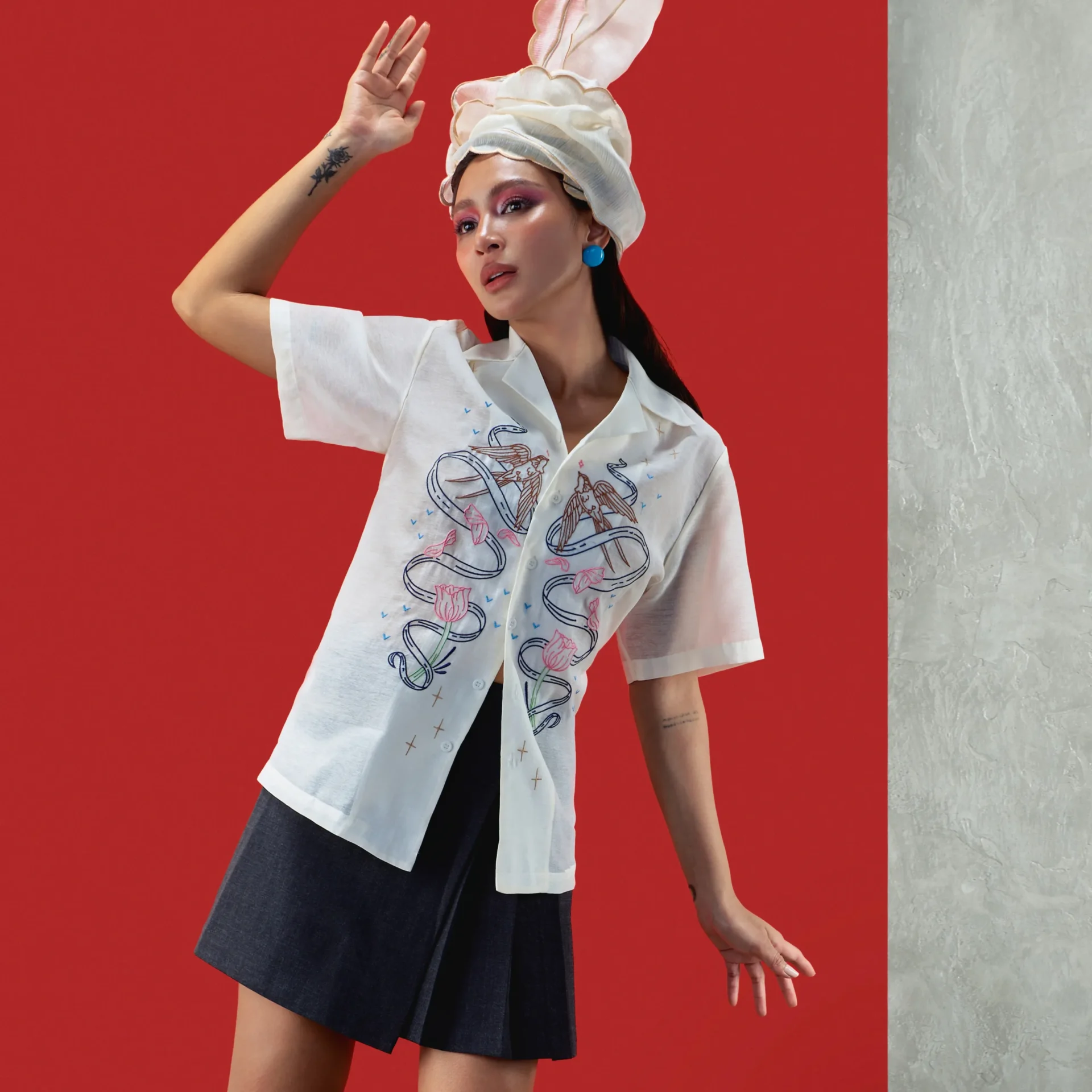
Garments were knotted, exaggerated, drooping, multiplying. Mini dresses bloomed with embroidered blue lace, petals sharp as china plates. Denim and khaki were solved into couture-level puzzles. Cloaks swept over tiny shorts and rosette-shoes, collapsing whimsy and wearability into the same gesture.
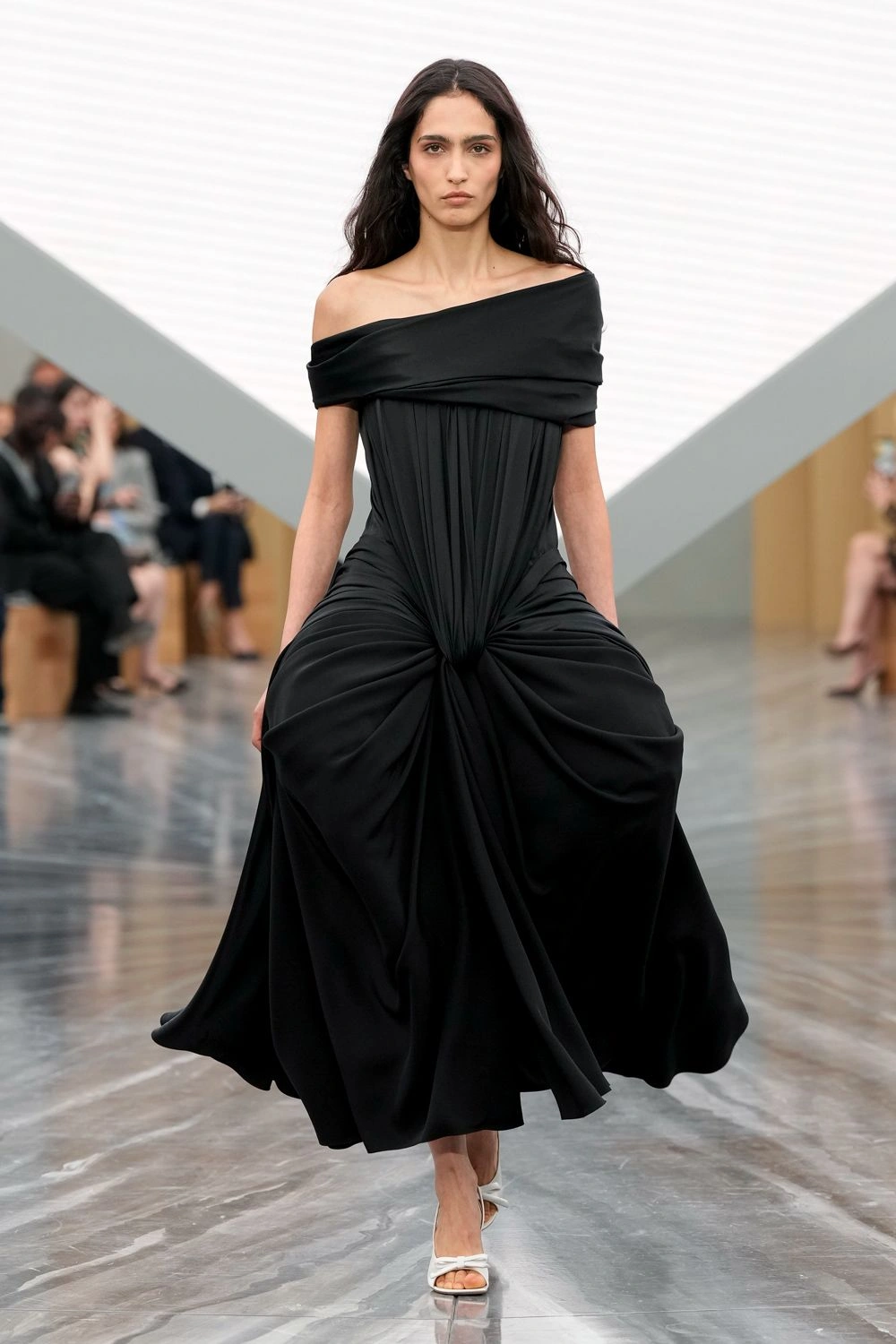
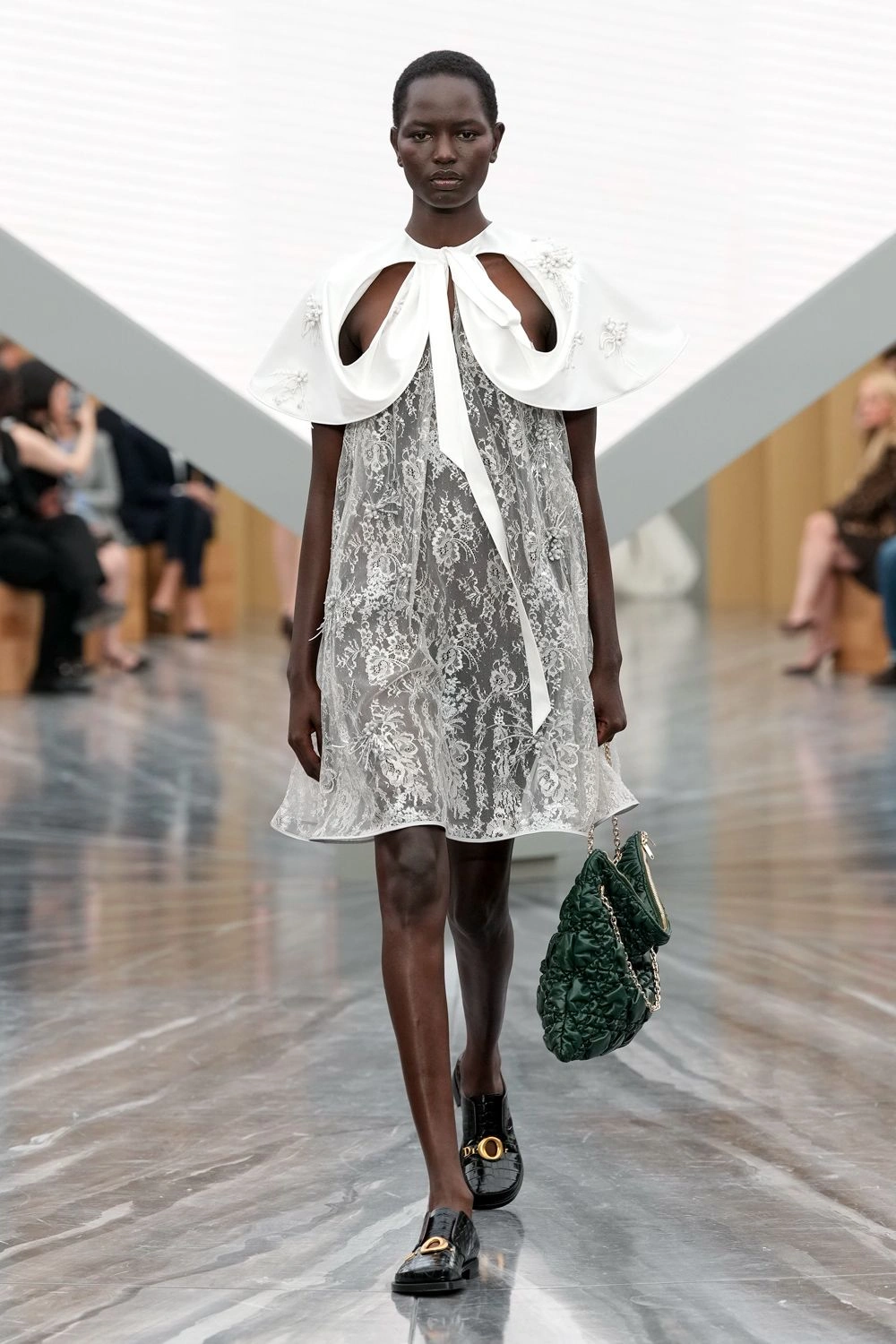
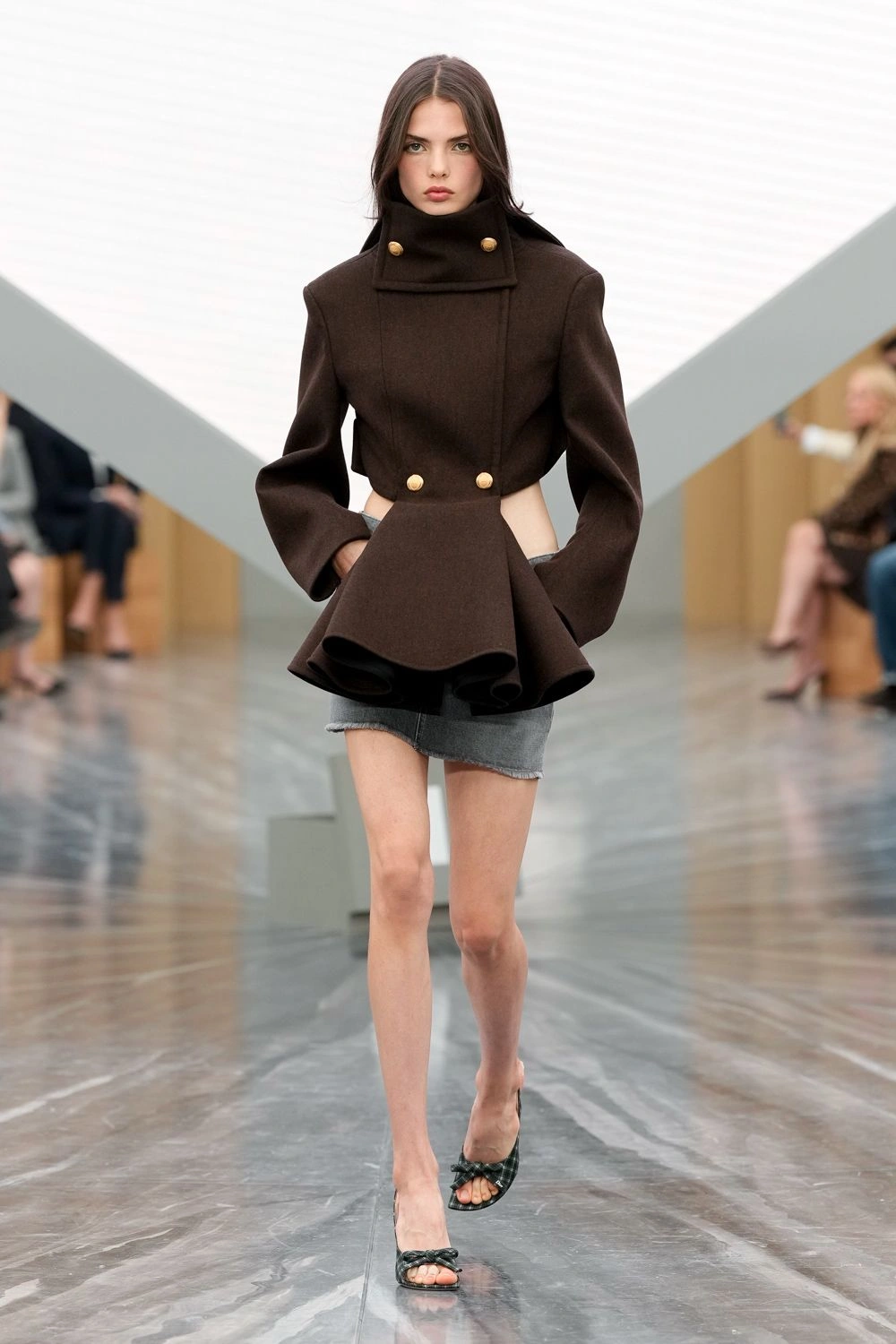
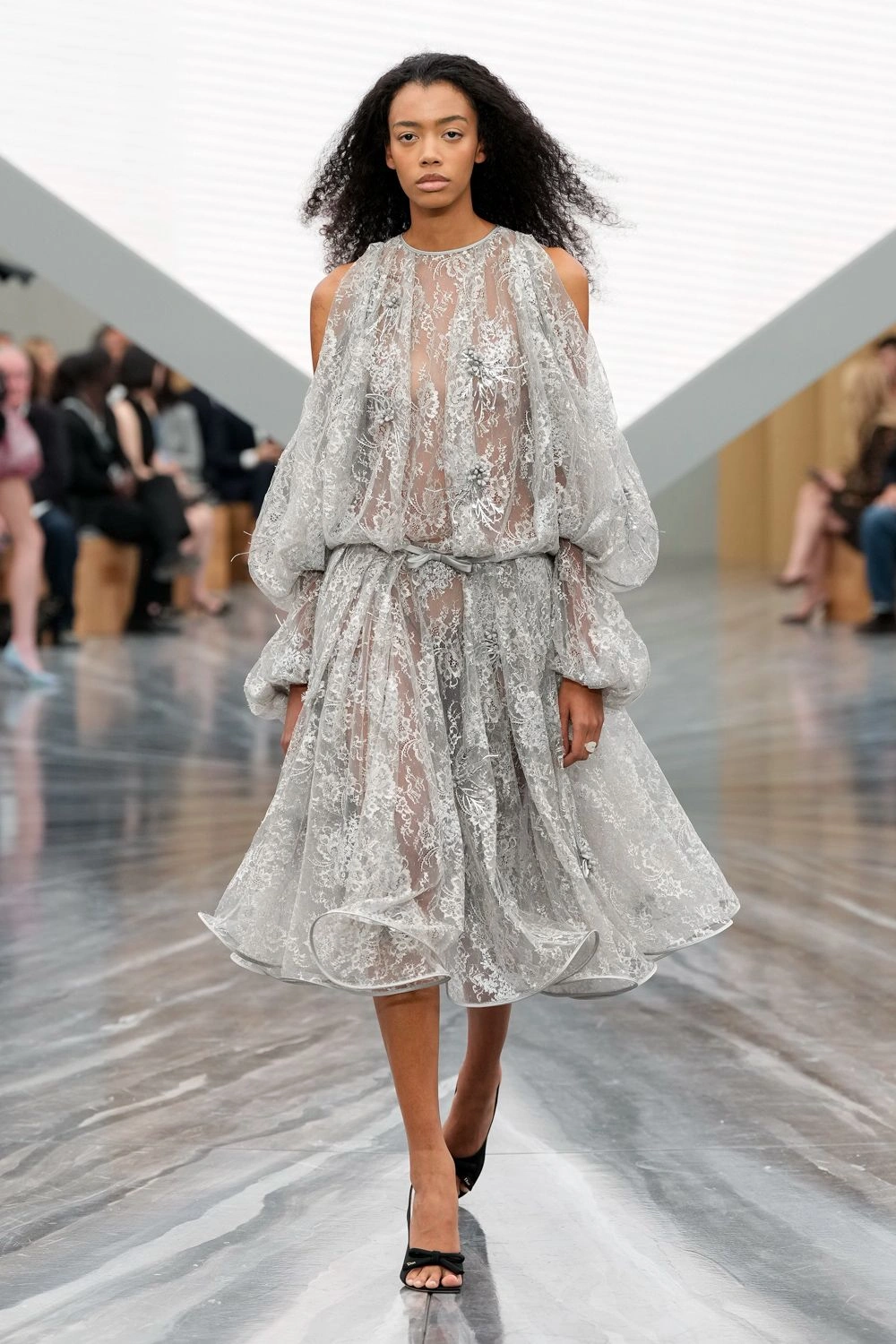
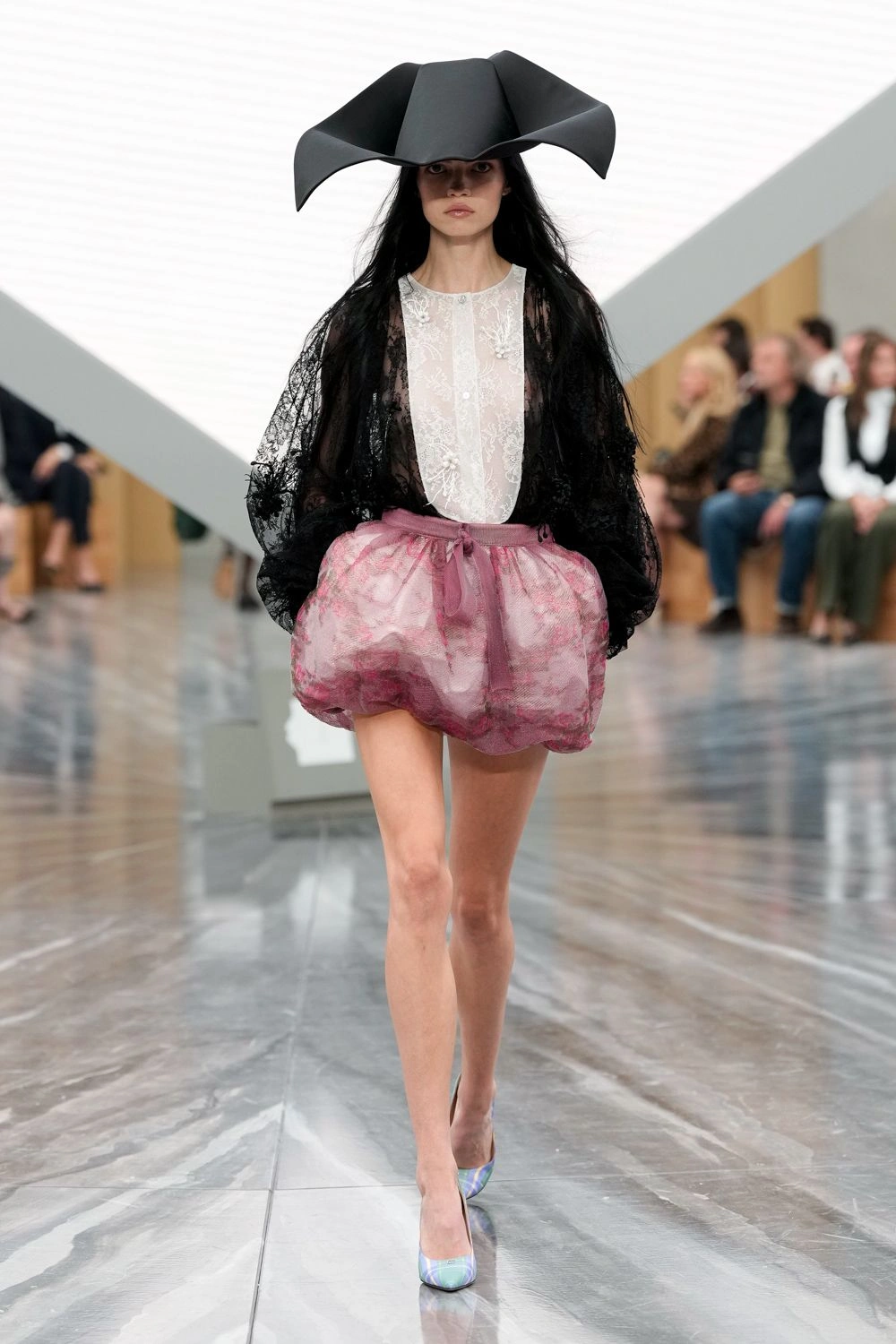
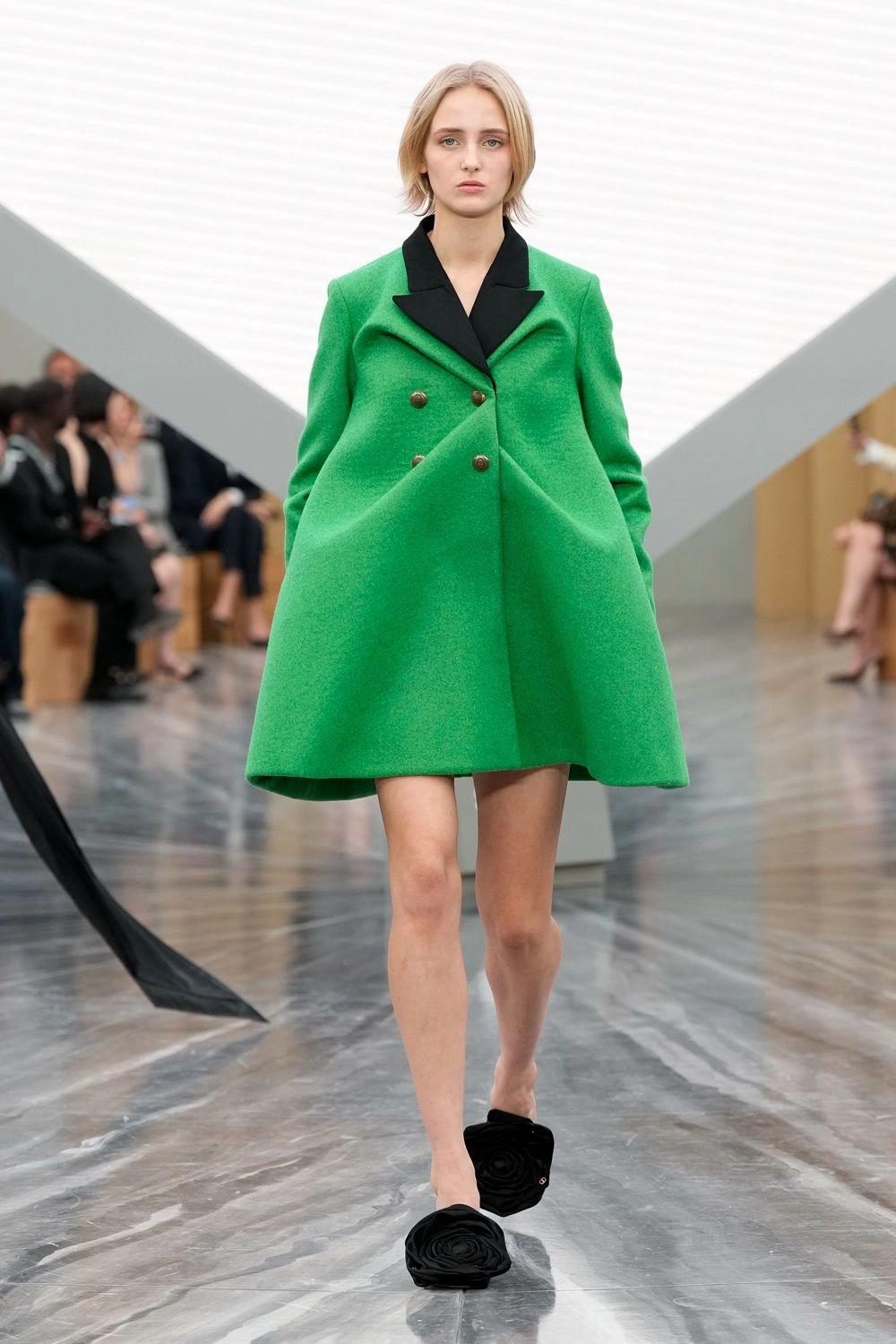
Some people love astrology, and perhaps Anderson does too. Monsieur Dior was a steadfast believer in the stars; he opened his house on advice from his clairvoyant. Anderson’s Libra sun echoes Dior’s own love of balance, symmetry, and equilibrium. Wide hips, soft drapingDrapingThe process of arranging and shaping fabric directly on a dress form or body to create a garment's design, rather than a flat pattern. Draping lets designers experiment with volume,Go to Draping Glossary, a sly smile: Libra’s scales tipping between lightness and gravity. Coincidence, or inheritance?
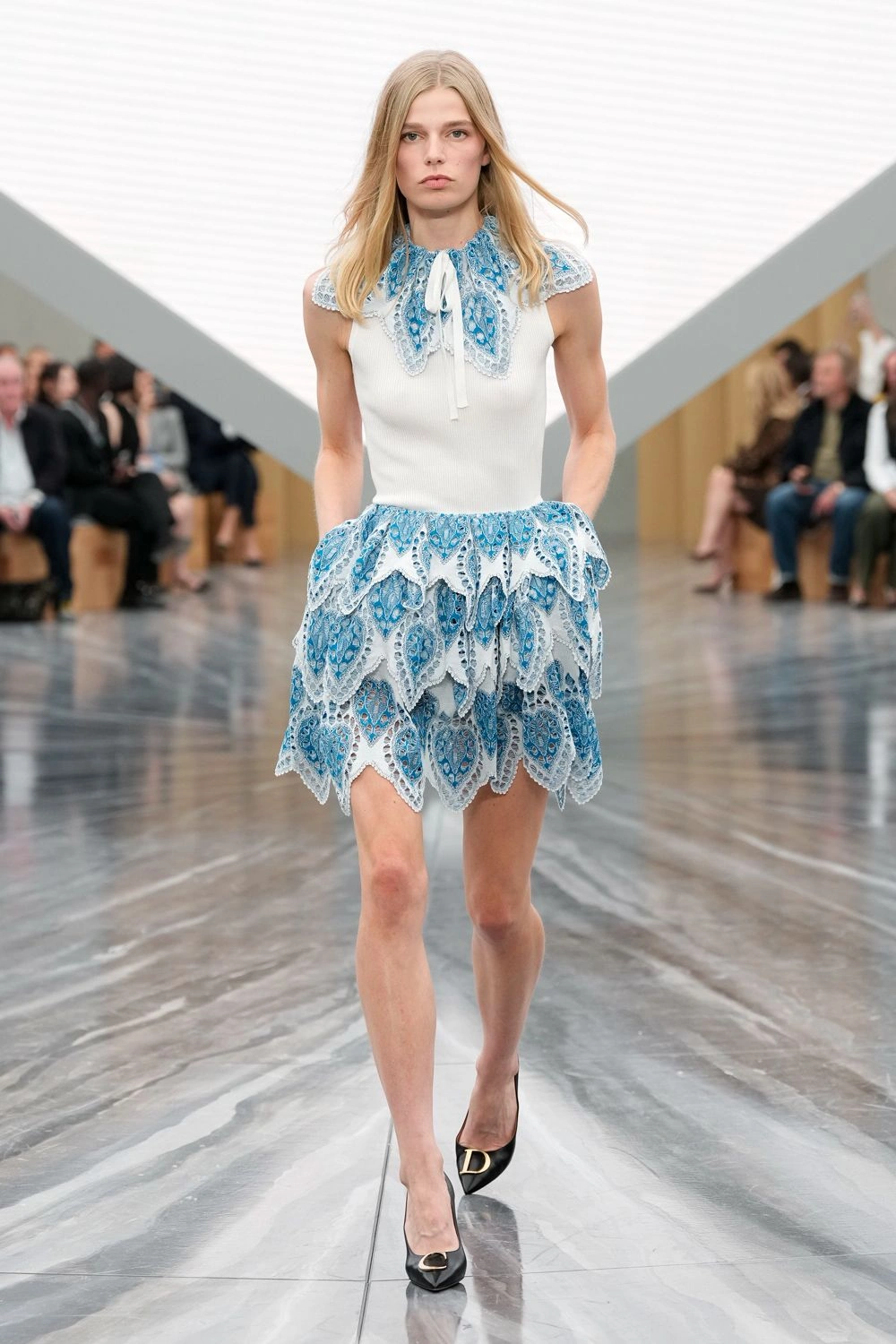
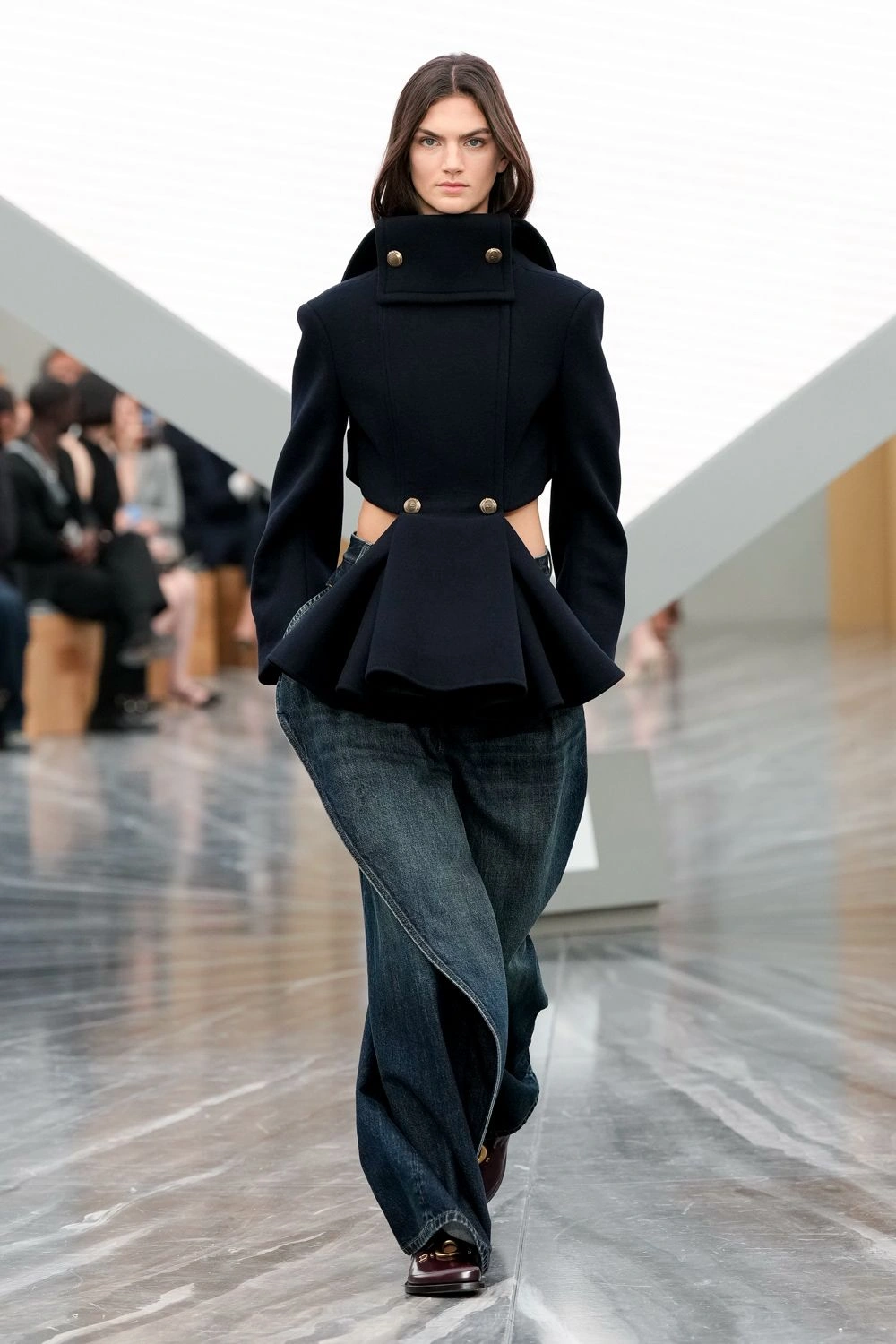
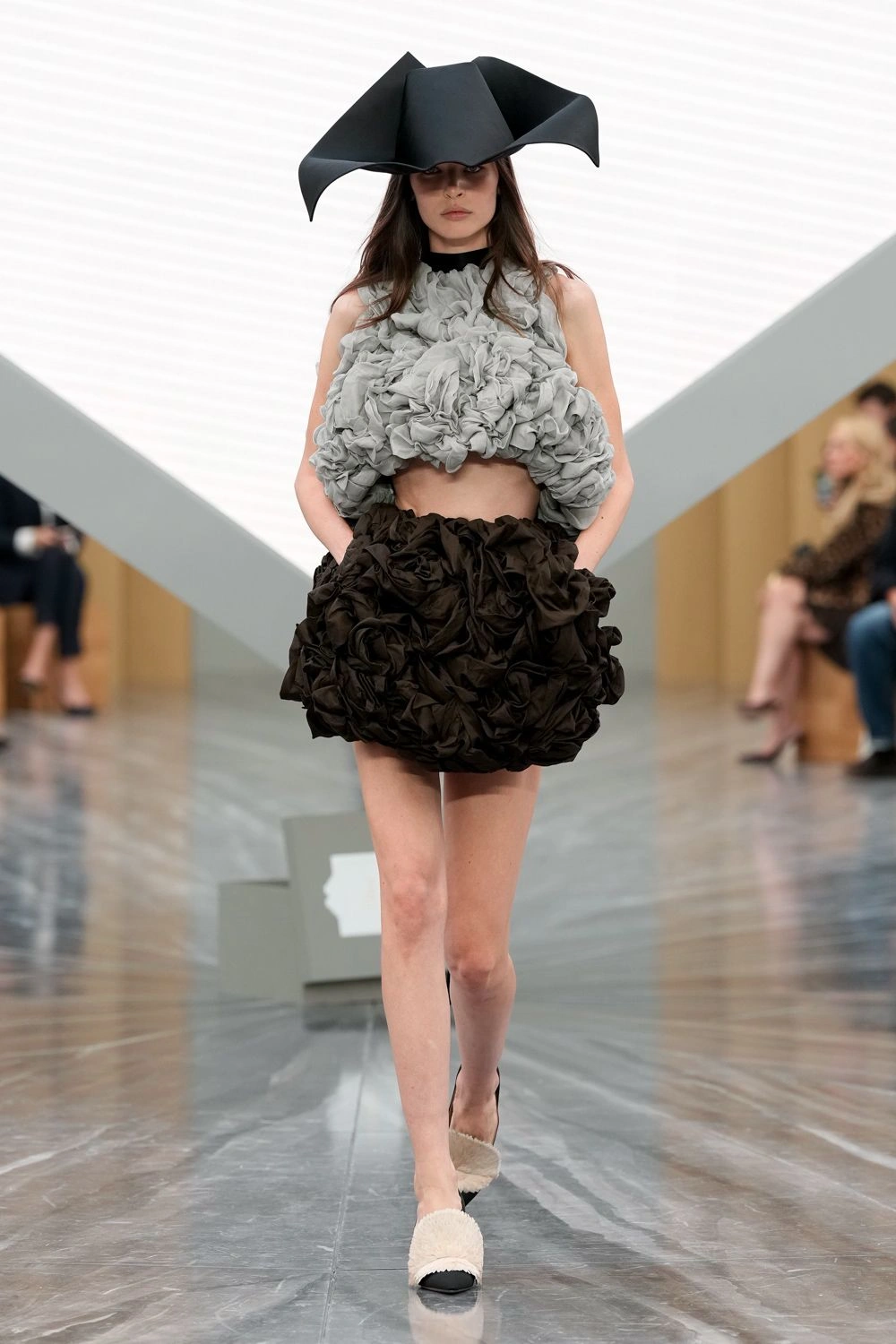
The collection laughed without losing seriousness, because Anderson invited us to laugh with him for a while. They are camp and couture, irony and sincerity. It’s a kind of liberation: to accept whimsy as serious, to accept play as profound. To admit, finally, that fashion’s purpose isn’t only to decorate life but to give it a feeling, that strange something we can’t quite define but can’t stop chasing.
The First Page
By the finale, Anderson had made his argument clear: Dior need not be preserved in glass. It can be reanimated through wit, romance, and strangeness. His Dior man and woman alike are characters—readers, eccentrics, aristocrats gone rogue—who carry their history lightly, like a book tucked under the arm.
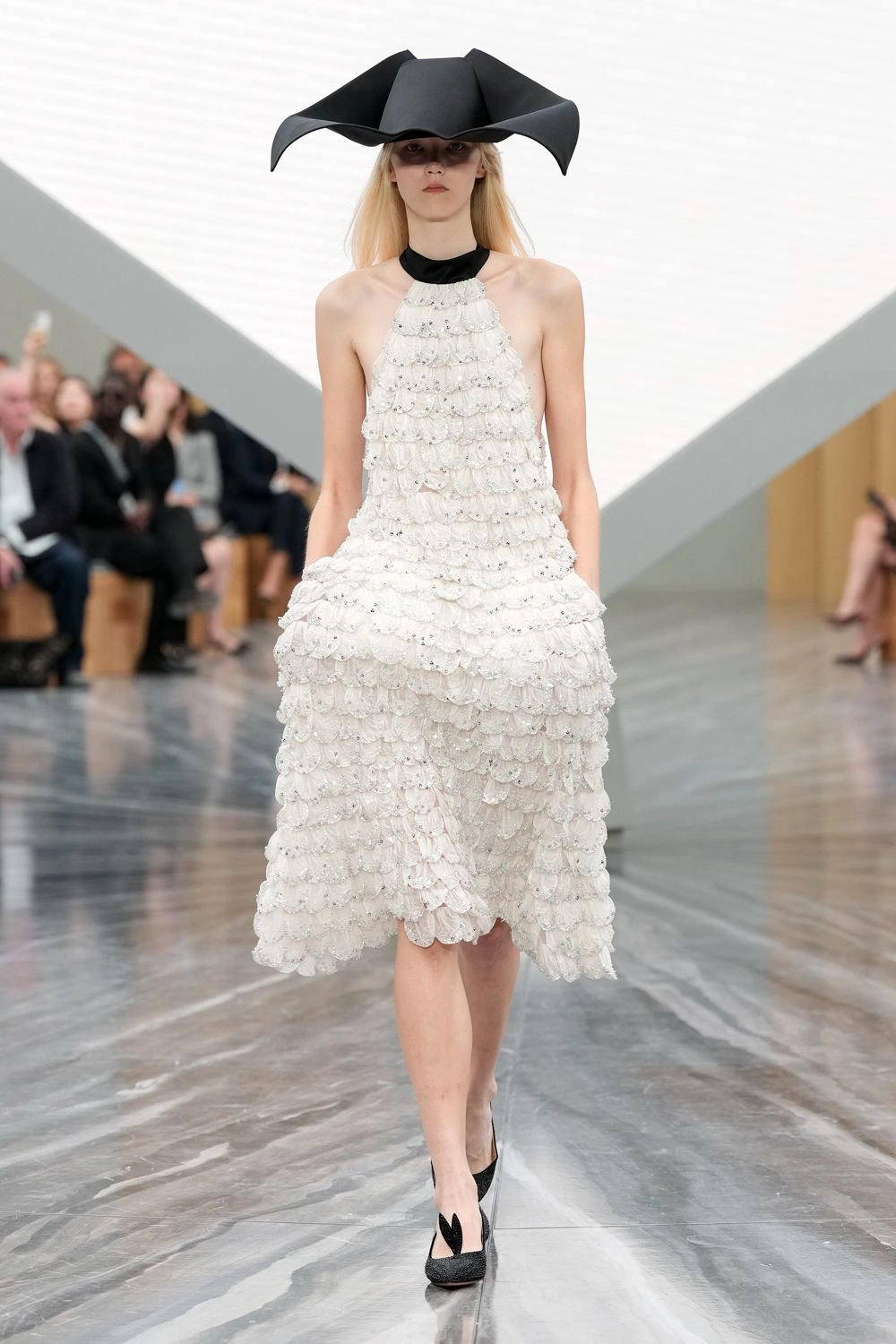
Jonathan Anderson’s Dior is less about the New Look, more about a New Era—a realization that will slowly fade in, and yet one that still makes us gasp in awe. Museum formality undone by the humor of real life. A fairytale, a fantasy, and above all, a feeling.
Photos: DIOR
Recommended Video
Latest Posts

Latest Issue