





There was a time when skincare routines were seen as strictly for women—as if men were somehow exempt from washing their faces. And God forbid we talk about their cursed 5-in-1 routines: body wash, shampoo, conditioner, face wash, and deodorizer all in one.
MEGA spoke with board-certified dermatologist Dr. Coreen Copuyoc, skin allergy and aesthetic procedures specialist at St. Luke’s Medical Center BGC, and founder of Coco Skin Dermatology and Aesthetics in Quezon City, to finally put an end to the debate: Is there really a need to separate skincare products for men and women?

RELATED: There Are No Men’s and Women’s Fragrances—It’s All Eau de Marketing
Gendered Skincare Is Just Clever Packaging
Dr. Copuyoc agrees: skincare is often unfairly associated with femininity. “Skin is an organ,” she emphasized. “Taking care of it is part of basic health.”
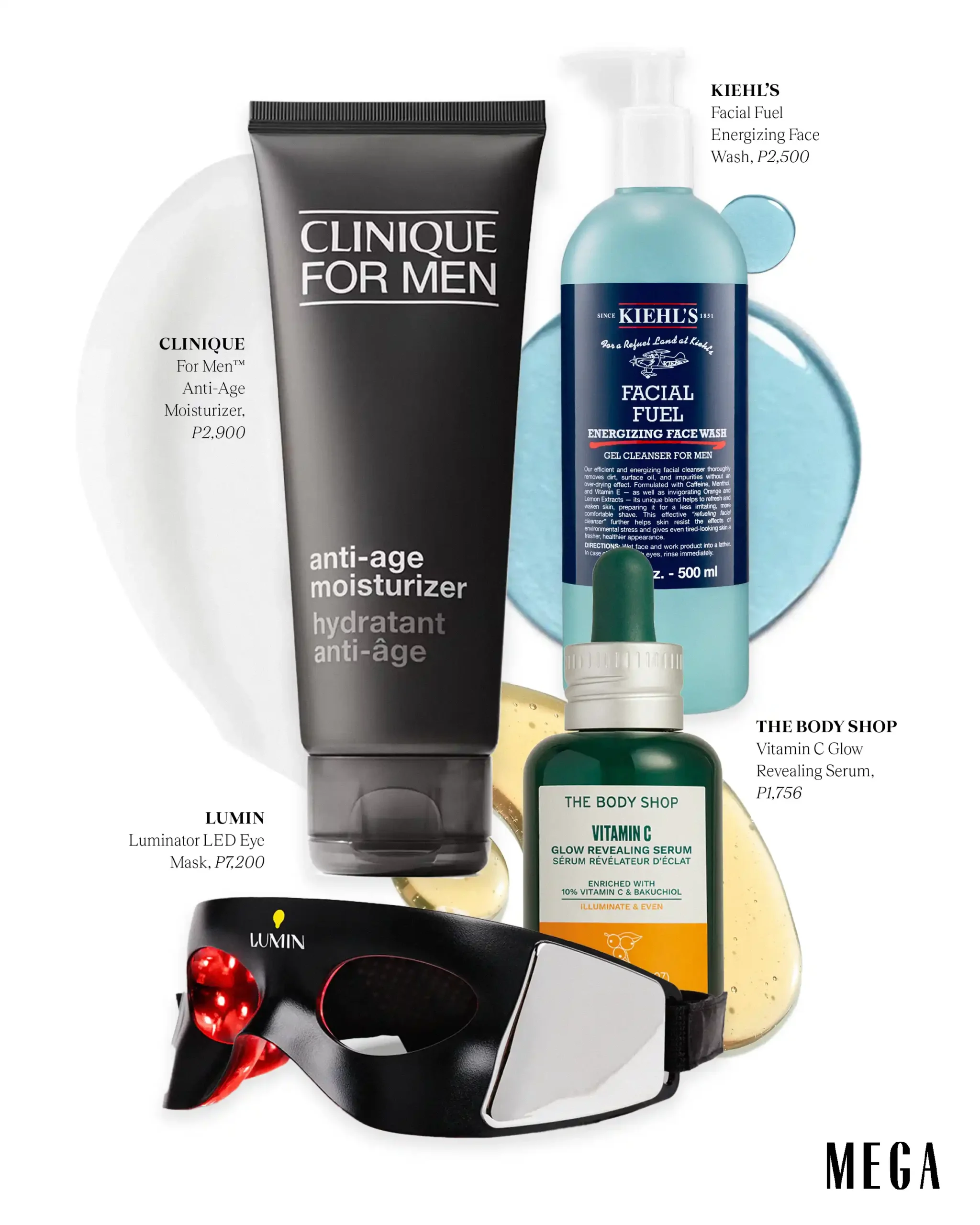
More often than not, skincare is stereotyped as a 10-step routine—something that often intimidates men into keeping it minimal with just a cleanser and moisturizer. “Cultural expectations play a huge role,” she said. “But more men are now realizing that skincare isn’t vanity—it’s maintenance.”

“It’s mostly marketing,” Dr. Copuyoc added. Much like with fragrances, men’s skincare products are often packaged in ‘masculine’ branding—think woodsy or minty scents and sleek, dark bottles. Still, she reassures: the formulations are largely the same. “A well-formulated product works regardless of the gender on the label.”
Skin Deep Differences
While gendered marketing dominates the skincare industry, there are biological differences between male and female skin. “Men tend to have thicker skin, more collagen density, and more active sebaceous glands, producing more oil,” Dr. Copuyoc explained. “Women’s skin is generally thinner and more prone to sensitivity or dryness—especially during hormonal changes.”
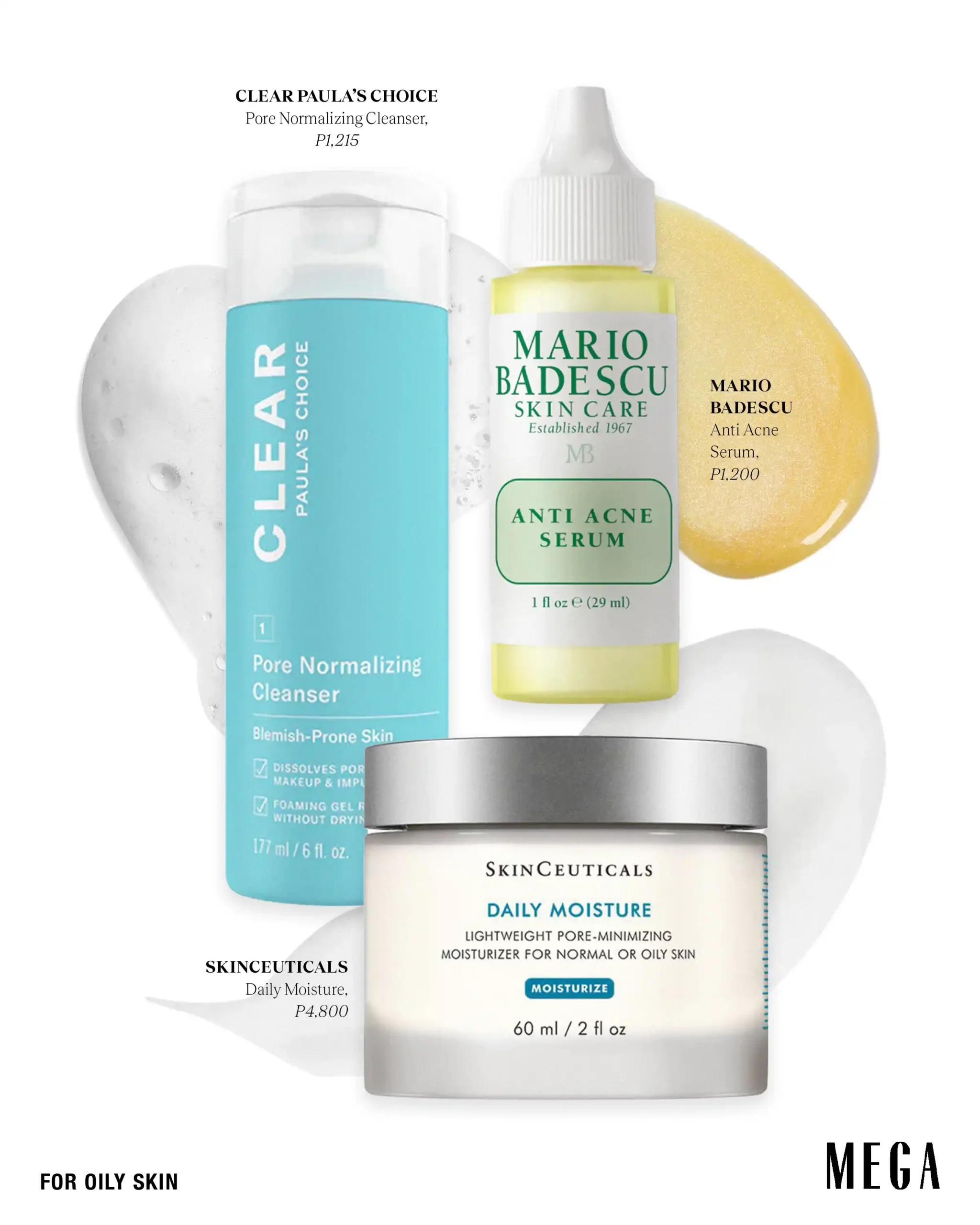
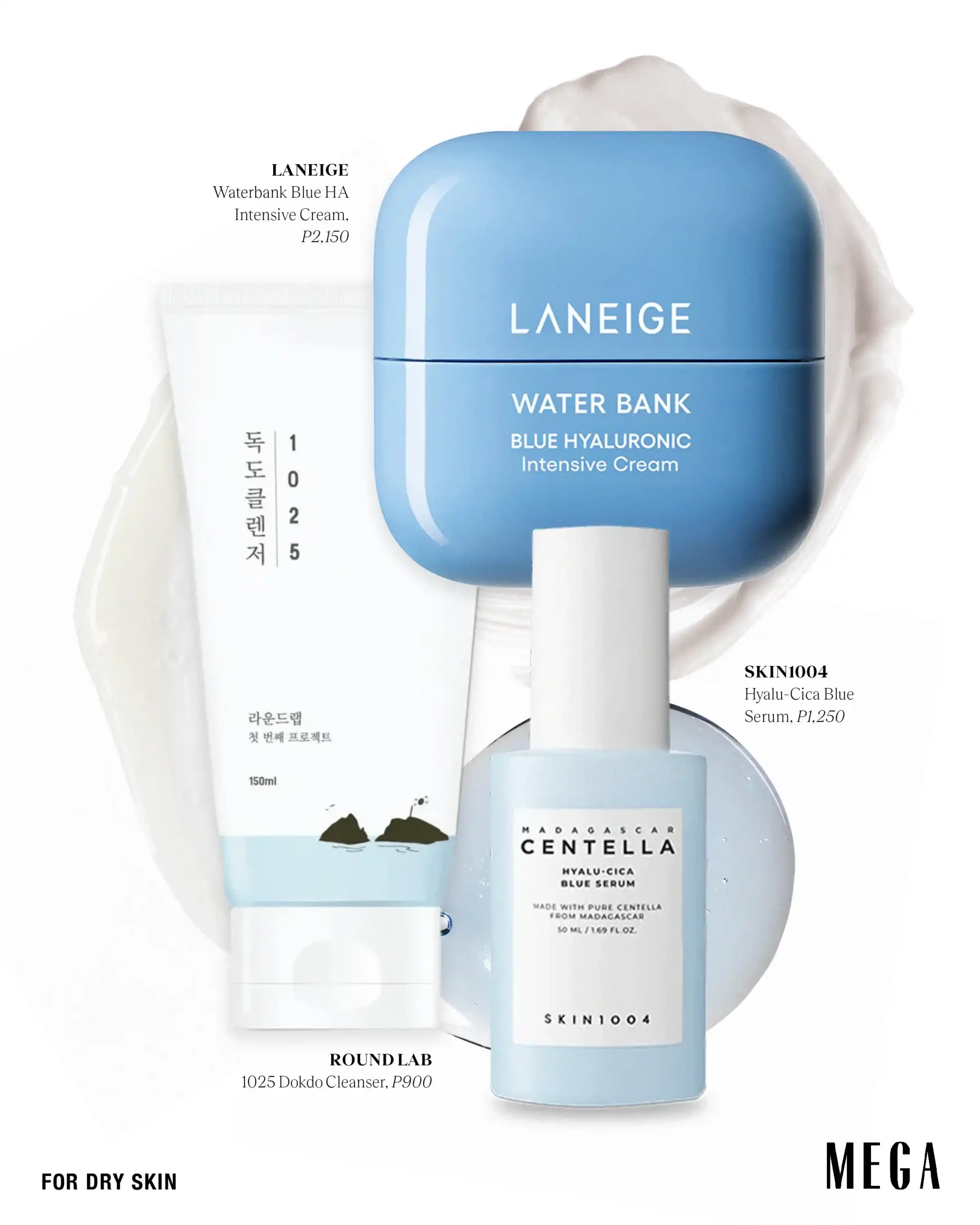
As for aging, men lose collagen gradually, delaying the visible signs. Women, on the other hand, may experience more noticeable changes—like fine lines and loss of elasticity—during hormonal shifts such as menopause. “Pigmentation issues, however, are more influenced by sun exposure, genetics, and lifestyle than gender alone,” she added.

These differences don’t always require gender-specific products—but they can influence how skin responds to certain ingredients or formulations.
Unisex, Universal, Uncomplicated
Regardless of gender, Dr. Copuyoc recommends that everyone—including those who share products at home—stick to these basics: A gentle cleanser suited to your skin type, a fragrance-free moisturizer for barrier support, a broad-spectrum SPF, and a multitasking serum with effective actives.
“Adjustments come down to specific personal needs, not gender,” she noted.
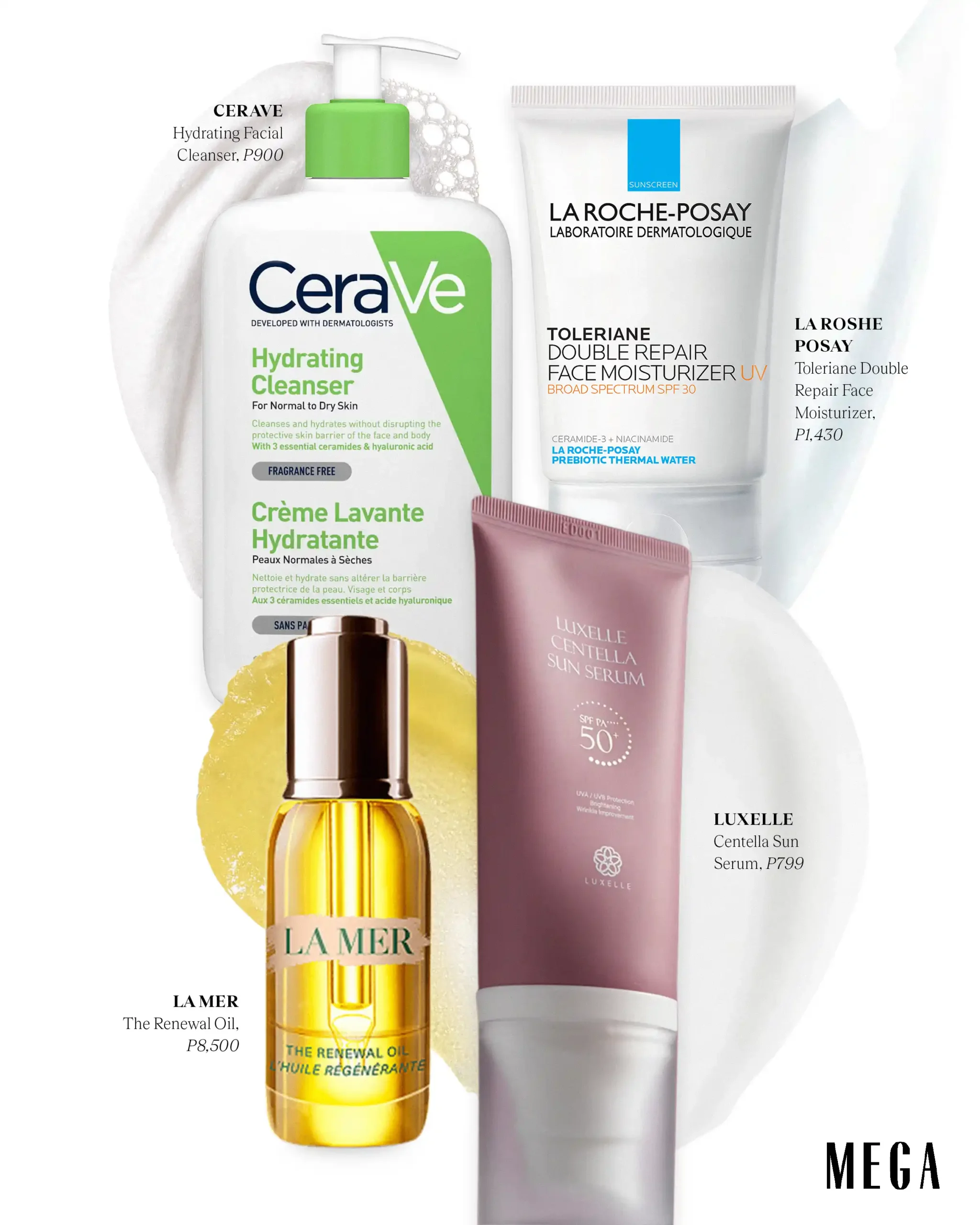
She also emphasized that a good routine doesn’t need to include eight or more steps. “It’s about choosing the right products for your skin’s needs—and being consistent,” she shared.
“And of course, finding a good dermatologist you can visit at least quarterly or bi-annually. That’s how you achieve real skin health—and lasting results.”
Featured Image and Photos: MEGA ARCHIVES

Recommended Video
Latest Posts




Latest Issue