



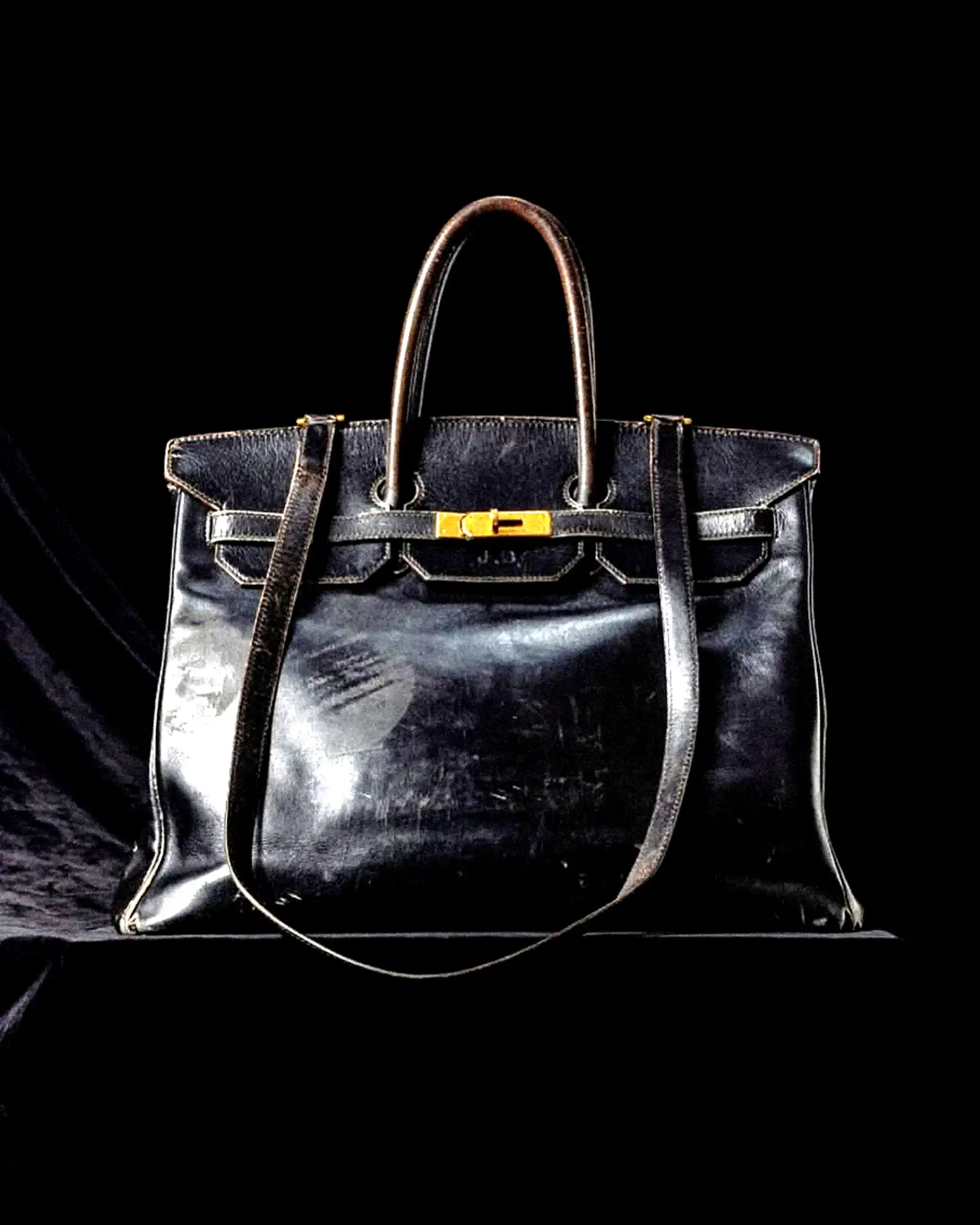
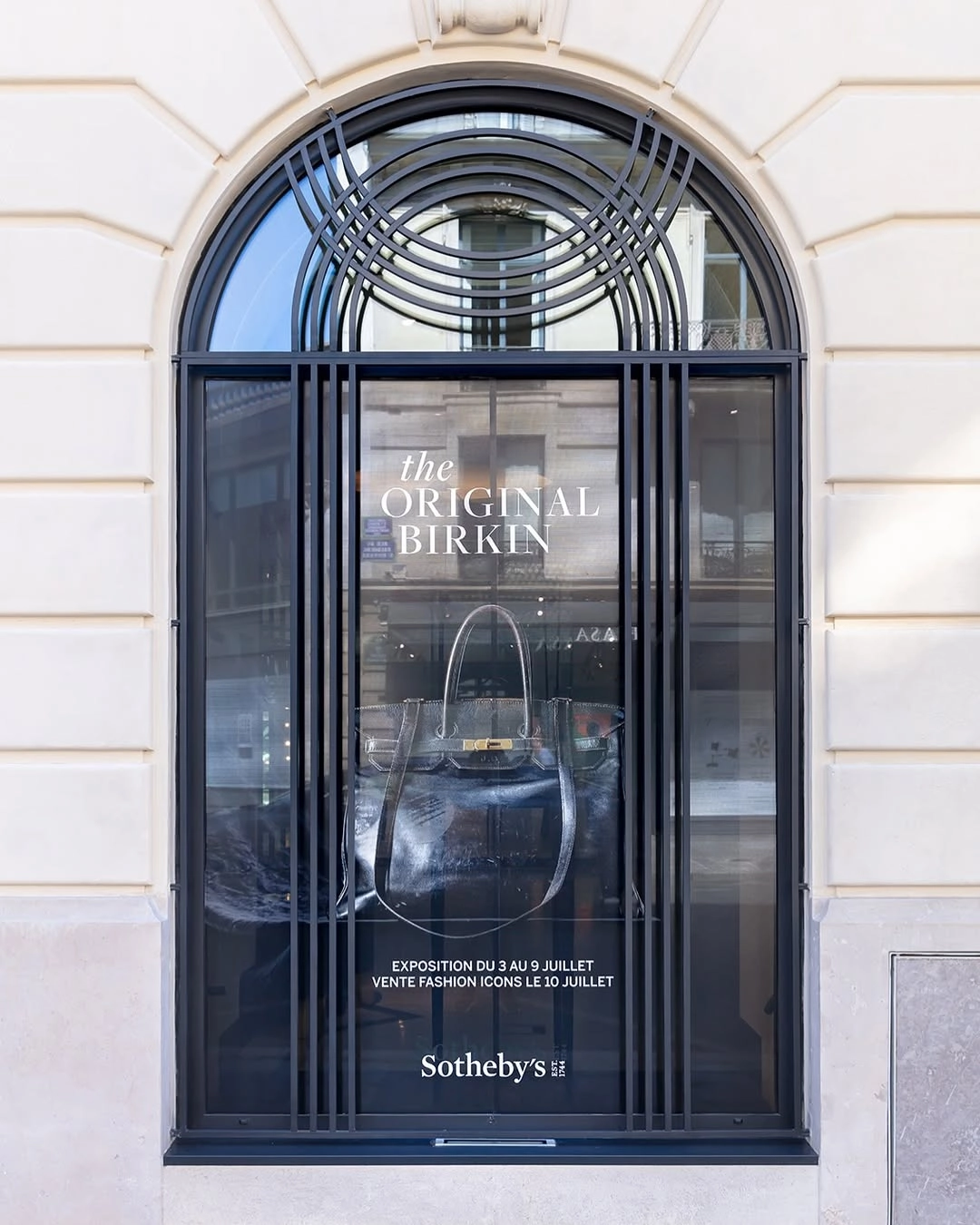
The Birkin is officially off the market. Not just any bag, but the one conceived on one 1981 Air France flight, after Jane Birkin allegedly spilled her straw tote in front of Hermès’ Jean-Louis Dumas and declared there had to be a better way. One ‘vomit bag’ sketch later, the Birkin was born: structured and capacious, and so very Jane. Over four decades later, the original Birkin—scribbled on, stuffed to the brim, and softened by time—has found a new home, selling for $10.1 million at Sotheby’s in Paris.
RELATED: Rumor Has It: You Can Buy a Birkin Without a Purchase History
The buyer remains undisclosed, but what we know is that they’re a private Japanese collector that, we assume, has a very well-insured closet. The bidding war lasted just over ten minutes, with offers flying in over the phone. Sotheby’s calls it the Fashion Icons sale, but it felt more like fashion’s equivalent of the Hunger Games. Price to win was €8.6 million, or $10 million.

The Birkin itself had quite the journey. Hermés gifted Jane several more Birkins over the years, but none quite matched the original’s gloriously unbothered energy. She lugged it everywhere. She wrote on it. She overstuffed it. It had receipts—literally and culturally. In 1994, she gave it to charity. In 2000, it resurfaced. And now, it’s traded hands once again, probably to live far away from baby bottles and Bic pens this time around.
7 Things That Set The Birkin Apart from a Birkin
What makes Jane’s prototype extraordinary is how far it strays from the rest of the Birkin dynasty. Sotheby’s lists it down.
1. Fixed Shoulder Strap. While Hérmes flirted with a detachable version in the ‘90s, Jane’s was the only one with a built-in strap.
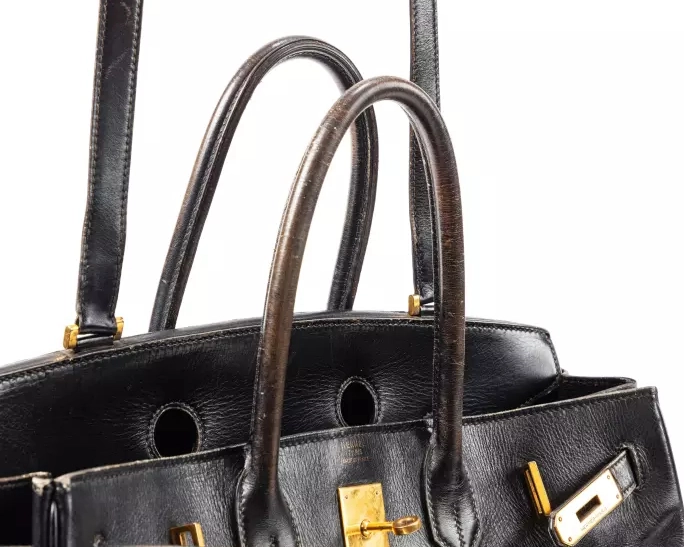
2. Not-Quite 35, Not-Quite 40. It was a size all her own. The bag borrowed the width and height of a 35, but carried the depth of a 40, resulting in a silhouette that didn’t conform to the standard mold.
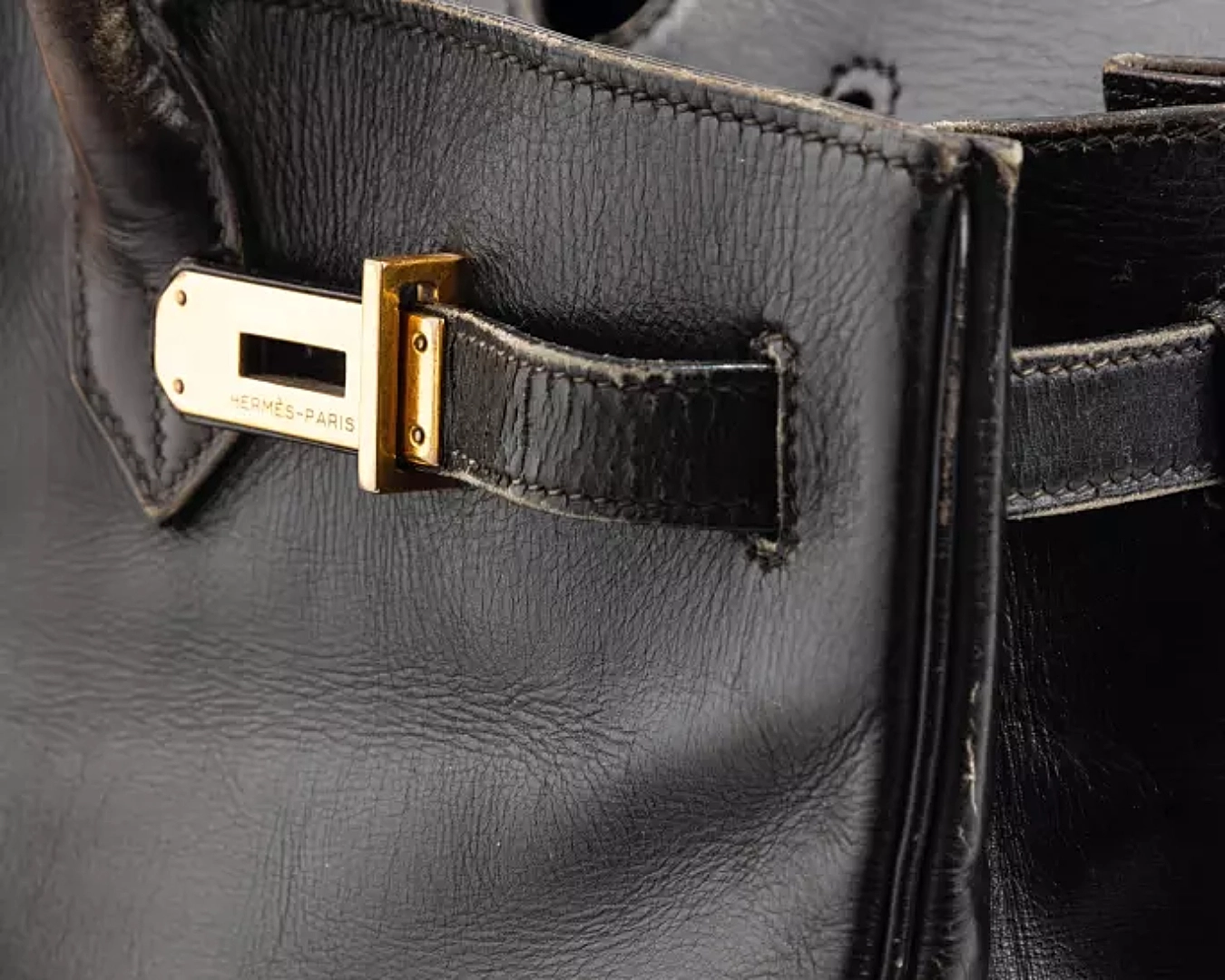
3. Brass Hardware. The hardware of Jane’s Birkin was made of brass. Unlike the later gold-plated pieces, this version wore its age beautifully.
4. Closed Pontets. The sturdy metal rings, called pontets, were fully closed, a nod to Hèrmes’ equestrian roots. A detail that quietly sets this bag apart.
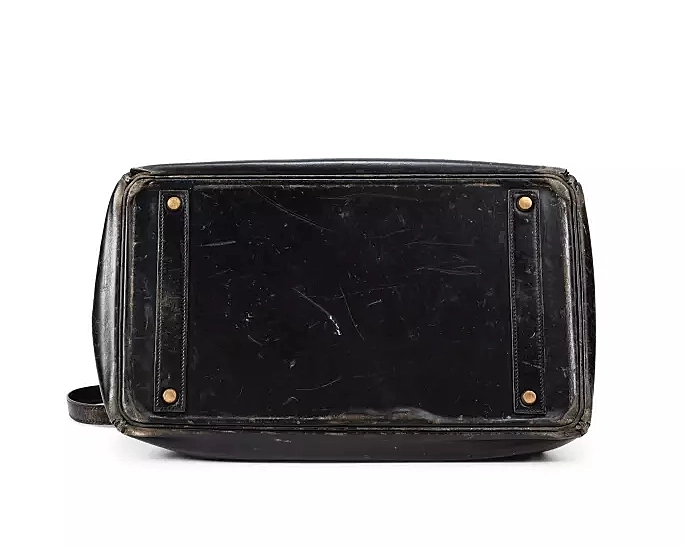
5. Smaller Studs. Even the feet on the bottom told a different story. Smaller than the ones used in production Birkins, they lifted the bag just enough, never really trying to be seen.
6. Èclair-Sourced Inner Zips. Back then, Hèrmes sourced its zippers from Èclair, before switching to their exclusive partnership with Riri in the ‘90s. It’s a quiet marker of age.
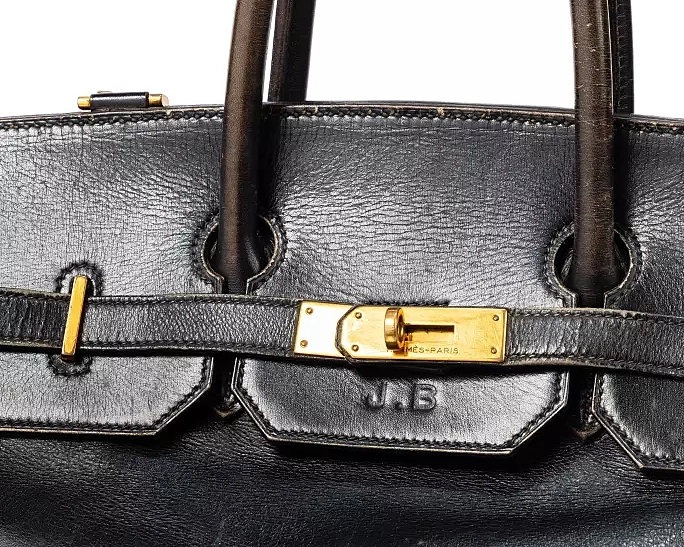
7. Stamped “J.B.” No need for logos. The original Birkin was marked with Jane’s initials pressed discreetly on the flap. It was hers, and over time, the bag began to mirror her: worn-in, well-traveled, and full of stories.
“Bless me, when I’m dead… people will possibly only talk about the bag,” Jane once quipped to a CNN reporter. She wasn’t wrong.
Photos: ONLY CLASSY (via Instagram) and SOTHEBY’S
Recommended Video
Latest Posts




Latest Issue