



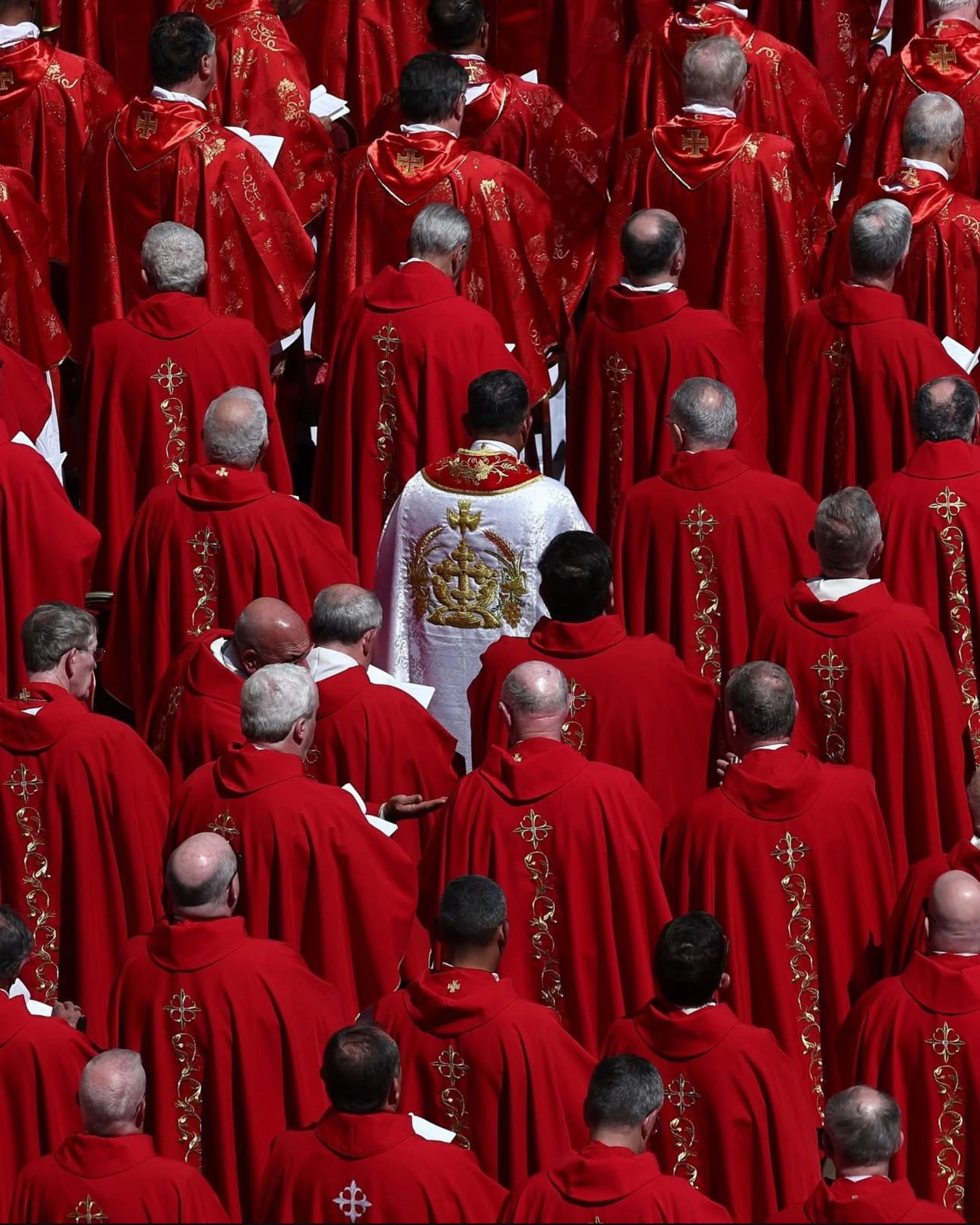
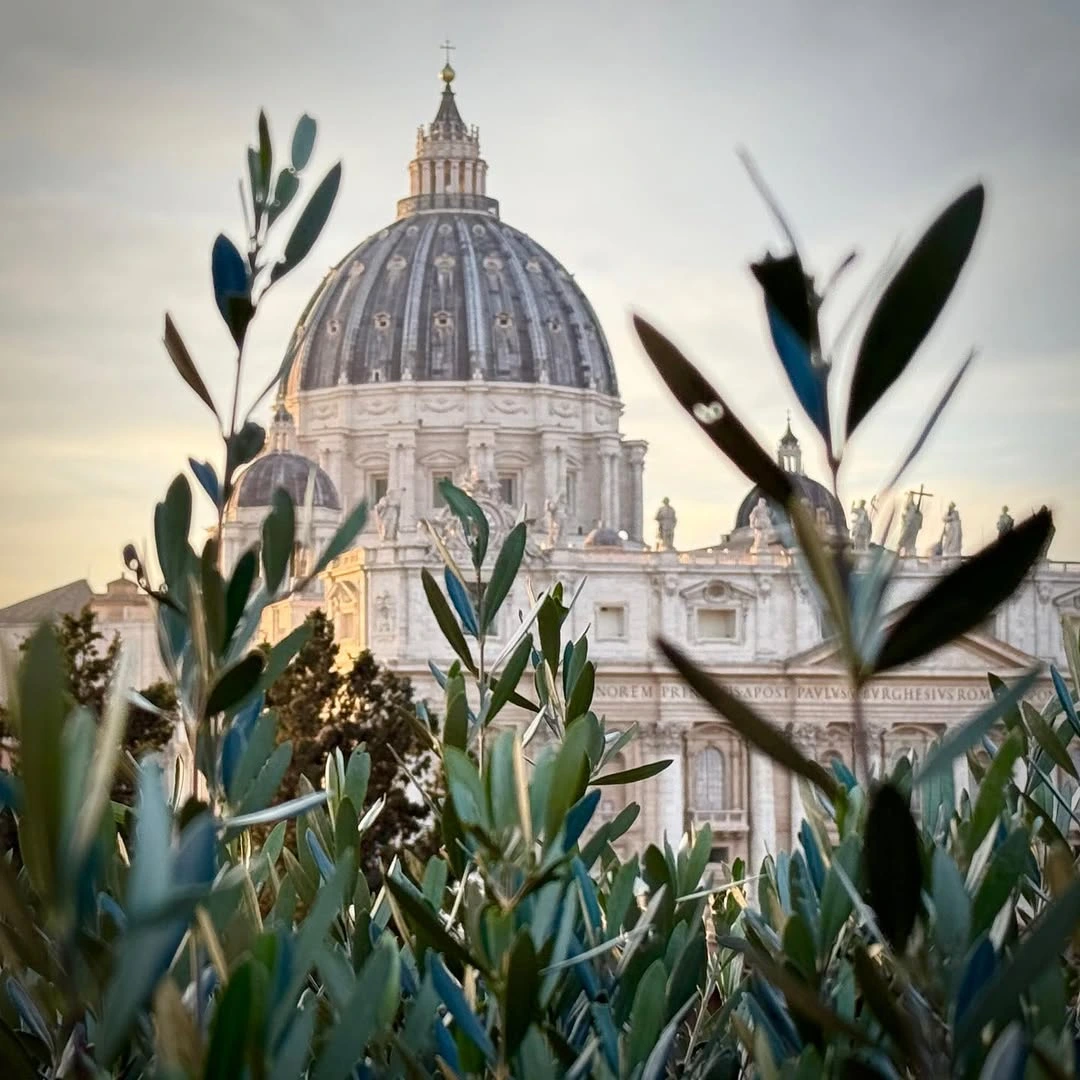
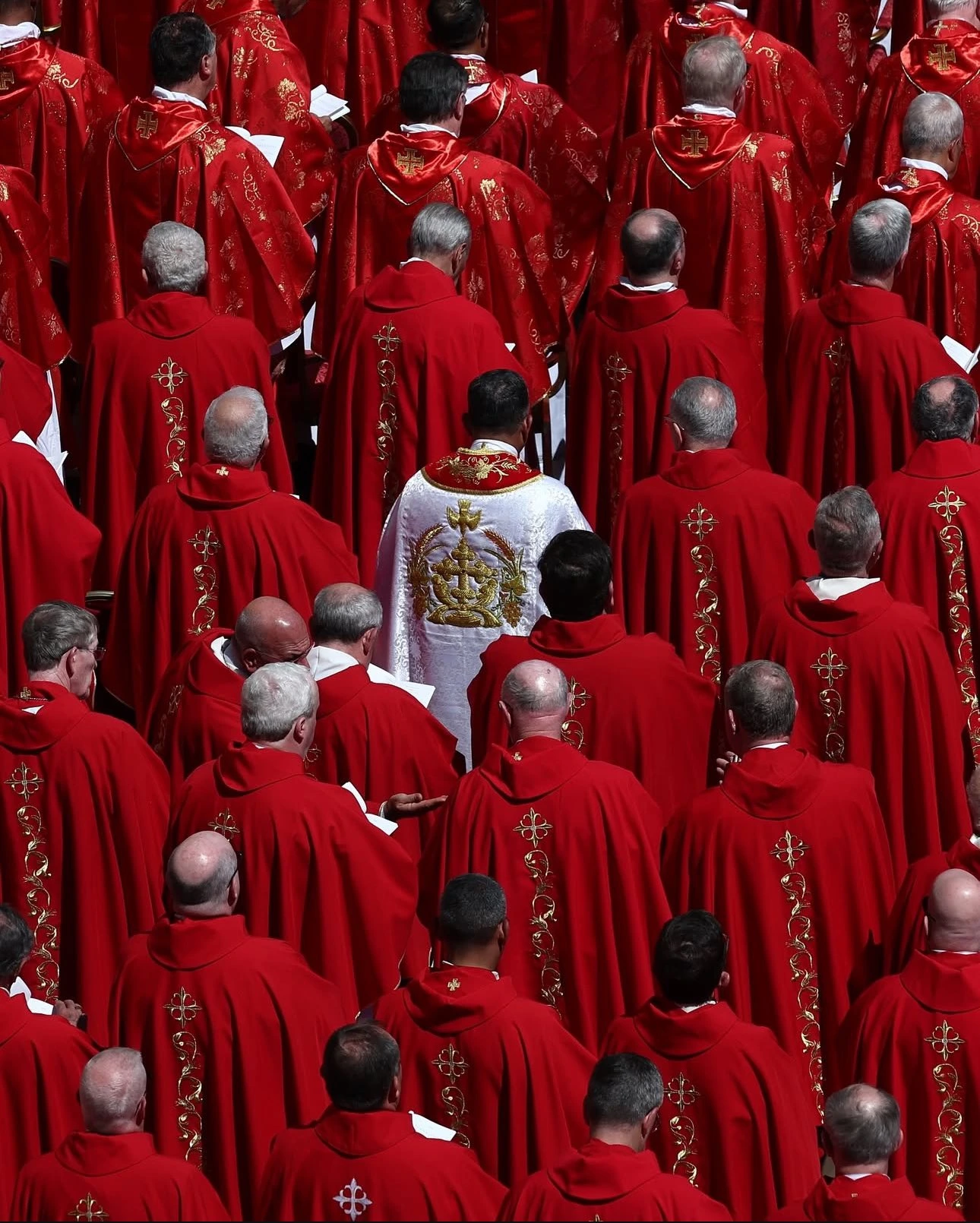
Some events happen in silence, and still, the world listens. In the days to come, all eyes will drift skyward—not toward the heavens exactly, but toward a single chimney in Vatican City, where plumes of white or black smoke will signal whether the Church has chosen its next shepherd. It’s a rite older than democracy, wrapped in crimson robes and centuries of ritual, and yet, in this moment of mounting unrest—from elections that look like reruns of bad TV to wars whose end credits never roll—the world is watching this holy pageant with bated, weary breath. On May 7, the conclave will commence.
RELATED: Pope Francis: The Pope Who Made Room For Women
The word ‘conclave’ comes from the Latin cum clave—literally, “with a key”. That’s no metaphor: cardinals are quite literally locked inside the Sistine Chapel until a decision is reached. Mobile phones are surrendered. No press junkets, no tweets, no PR machines. It’s divine deliberation by candlelight. A little incense, a lot of incense, and if you’re lucky, a new pope by dinner.
But in 2025, this isn’t only Church business. It’s culture. It’s geopolitics. It is now considered to be content.
The Movie That Made Papal Politics Pop Culture
Thank the film Conclave for that. Directed by Edward Berger and written by Peter Straughan, based on the 2016 novel by Robert Harris, the surprise box office hit and meme-generator par excellence, the Oscar-winning thriller gave the public a front-row seat to the usually opaque proceedings. Suddenly, people who had never stepped into a church were quoting papal procedures in the tone of Gossip Girl. The film laid bare the sacred choreography, the hushed alliances, the robes—and did so with enough drama to rival Succession in Rome. It sure is no Angels and Demons.
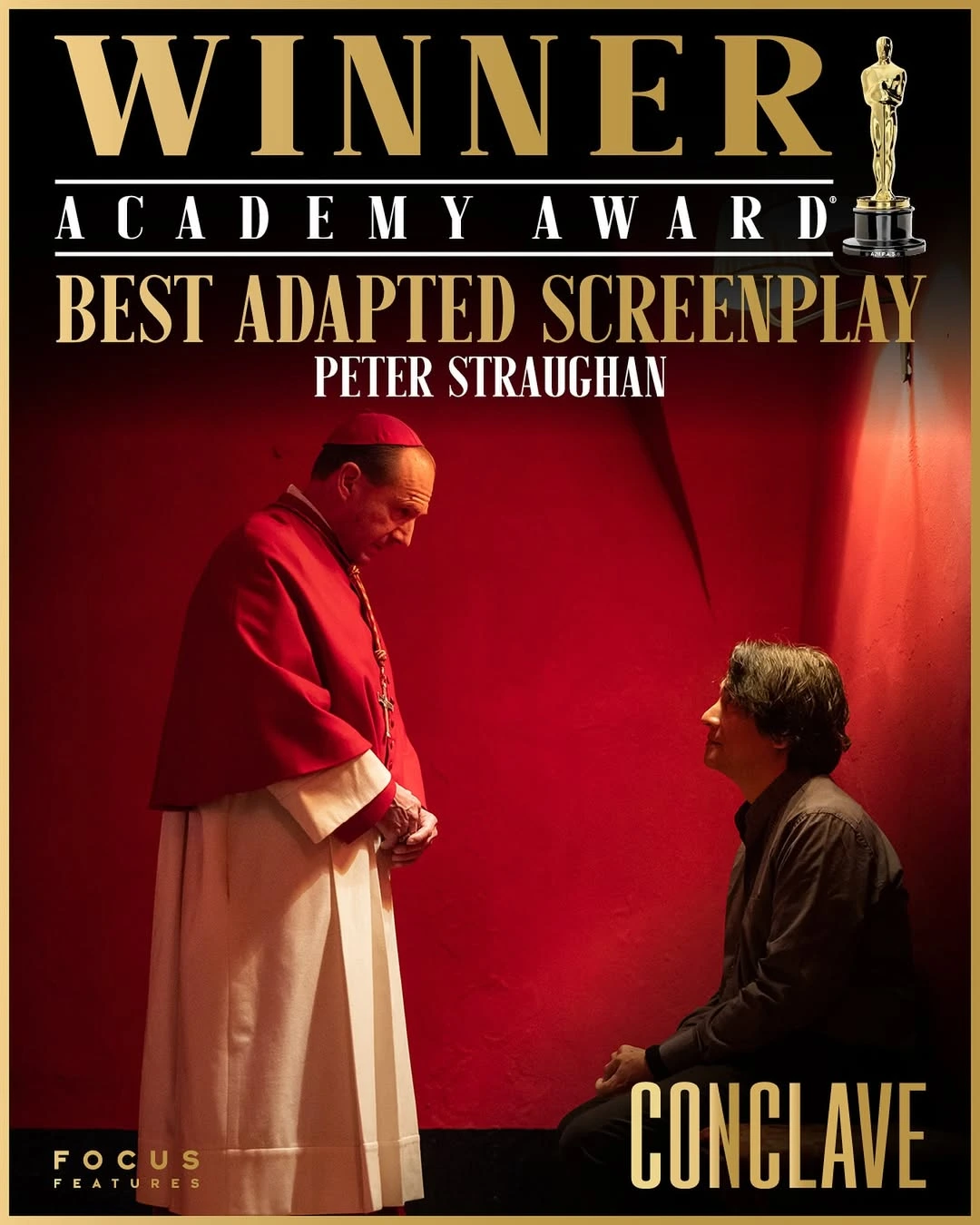
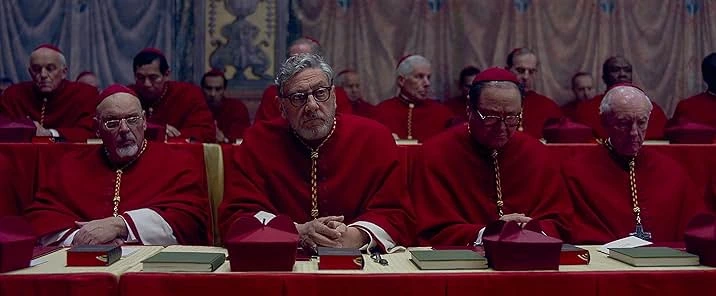
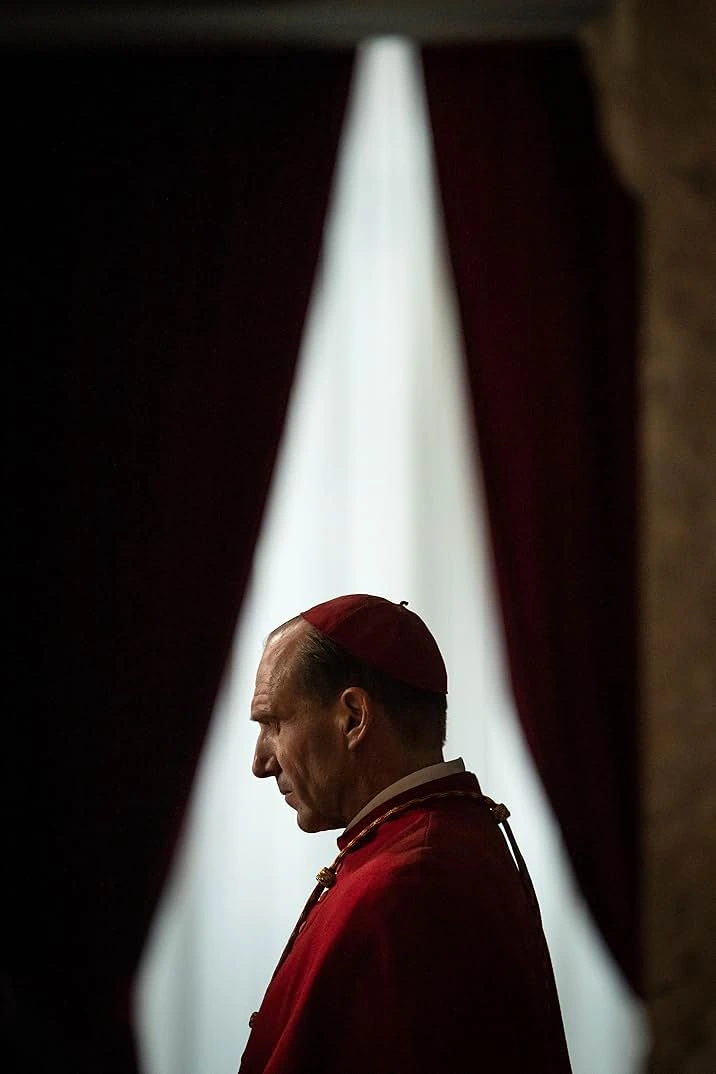
Religion, the world’s original community-builder, found its cinematic second coming. In Conclave, the ritual felt human, the stakes personal. No miracles required. Just men, and the burden of eternity.
Now, reality follows art.
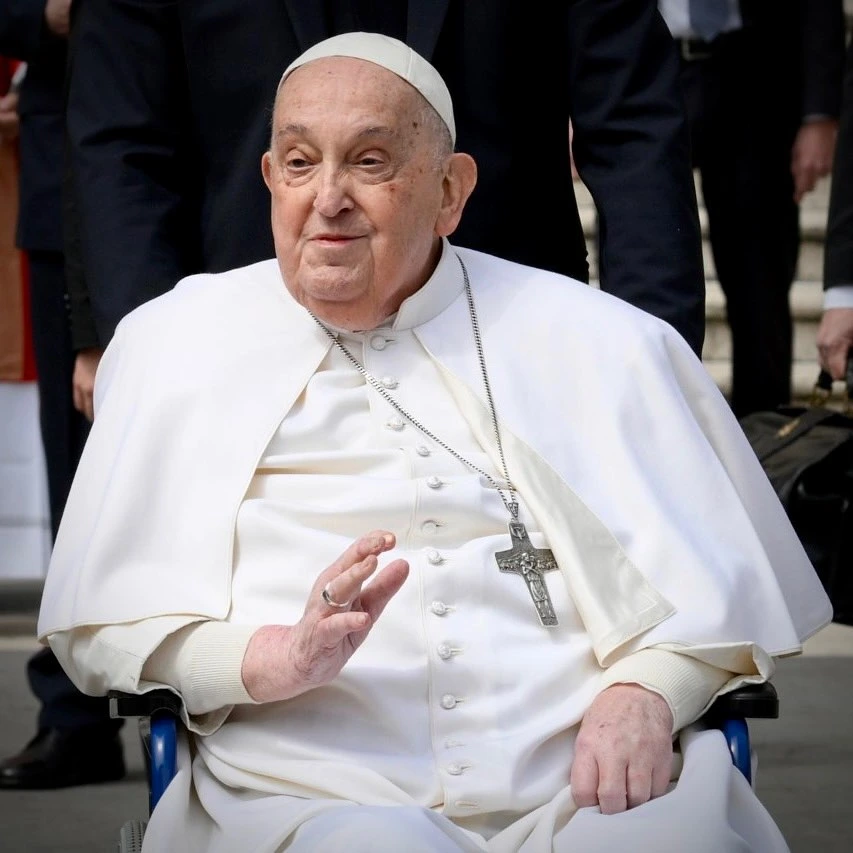
With the passing of Pope Francis, the Vatican stands at a crossroads. His papacy was a paradox: traditional in form, quietly radical in substance. He gave a voice to women, welcomed the marginalized, opened up sensitive discussions like divorce, and uttered the phrase “Who am I to judge?”—a statement that echoed through the centuries like a stone tossed in the Tiber. To many, Francis felt like a shepherd—gently disheveled, deeply empathetic, profoundly aware that faith must evolve or evaporate.
Who, then, takes up that crooked staff?
The Gentle Contender
Among the contenders, one name flares brighter than most: Cardinal Luis Antonio Tagle of the Philippines. At 64, he’s among the youngest, but his presence carries a spiritual light. Known for his warm demeanor and emotional candor, Tagle has become a darling of both conservative bishops and progressive believers—a rare double act. His sermons circulate on Facebook, his vestments have been praised for their minimalist elegance on TikTok, and his theology feels like a podcast you can listen to on Spotify.
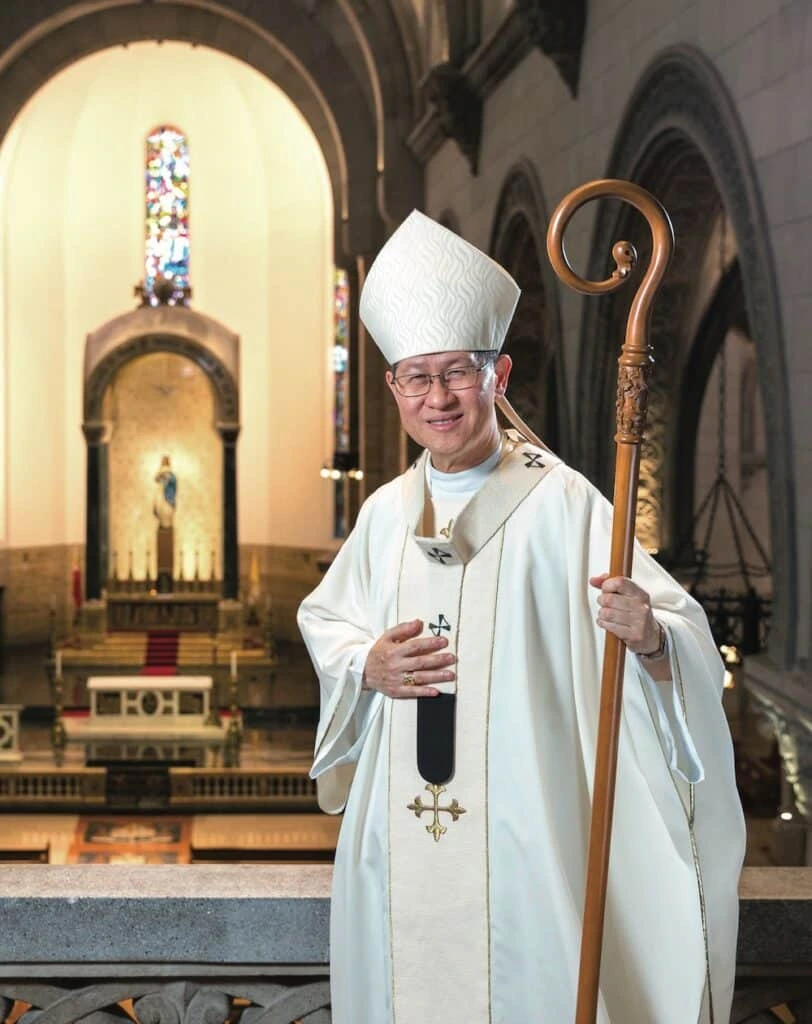
Tagle wears the scarlet cassock, sash, and zucchetto with an easy grace, enough to spark lighthearted talk of a style trend within the Vatican walls. There’s a certain charm in the way he navigates centuries-old garments—the swish of the mozzetta, the tilt of the biretta—without looking buried under tradition. On him, the regalia is worn with a sense of joy, an expression that proves even the heaviest of roles, chic style can always be a breath of fresh air.
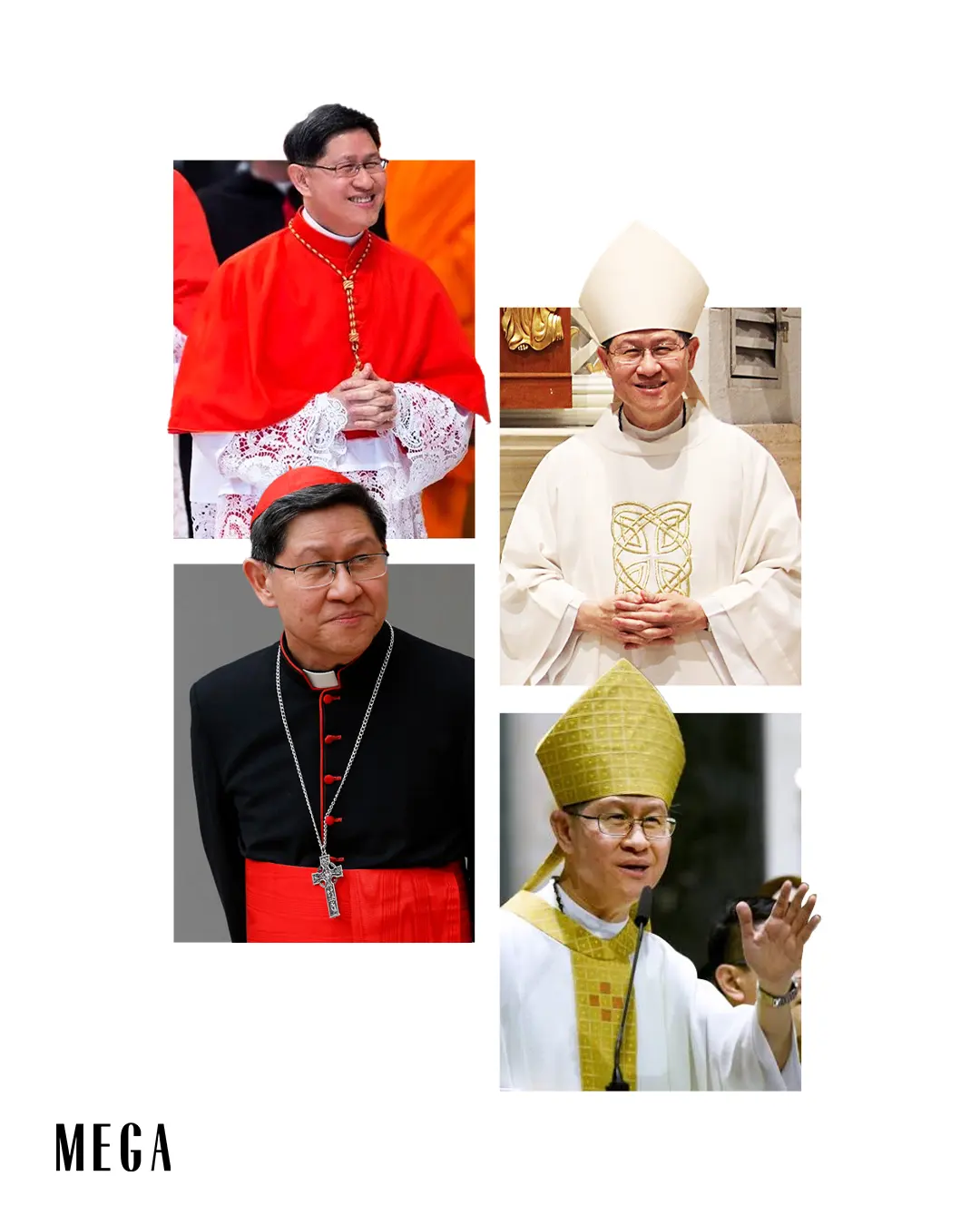
If elected, Tagle would become the first Filipino Pope—and the first pontiff from a former colony of Spain. A papacy like his could signal a shift not only in geography but in worldview. A voice from the margins, now at the center.
Where Tagle represents a bridge to a more open-hearted future, there are others who seek to fortify the old walls. Cardinal Robert Sarah of Guinea stands as a clarion call to tradition. Amid tangled debates over ‘wokeness,’ migration, and secularism, Sarah offers no apology. His theology is ironclad: marriage between a man and a woman, gender immutable, Western culture imperiled by outside forces.
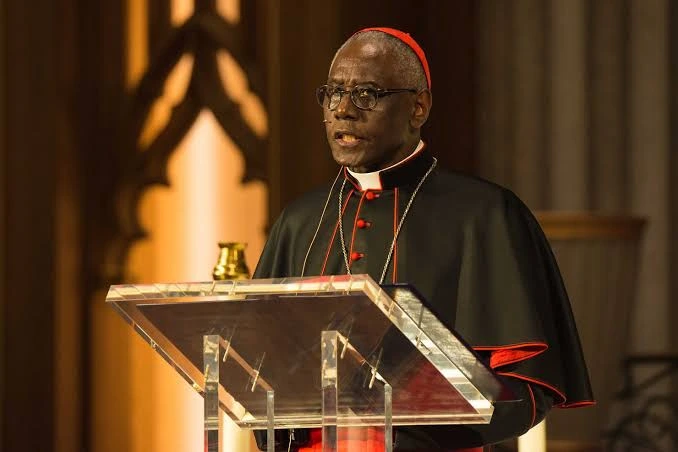
For conservative Catholics weary of progressive experiments, Sarah embodies a return to a Church that draws sharp lines instead of gentle curves. His presence in the running reminds everyone: the conclave is no coronation. It is a contest of visions.
Why the World is Watching
Perhaps that is what sets this conclave apart. It slips past the walls of the Vatican, carried across borders, screens, and fractured timelines. As the Church chooses its next leader, it also decides how it will speak to a world aching for direction, for compassion, for something steady in the drift.
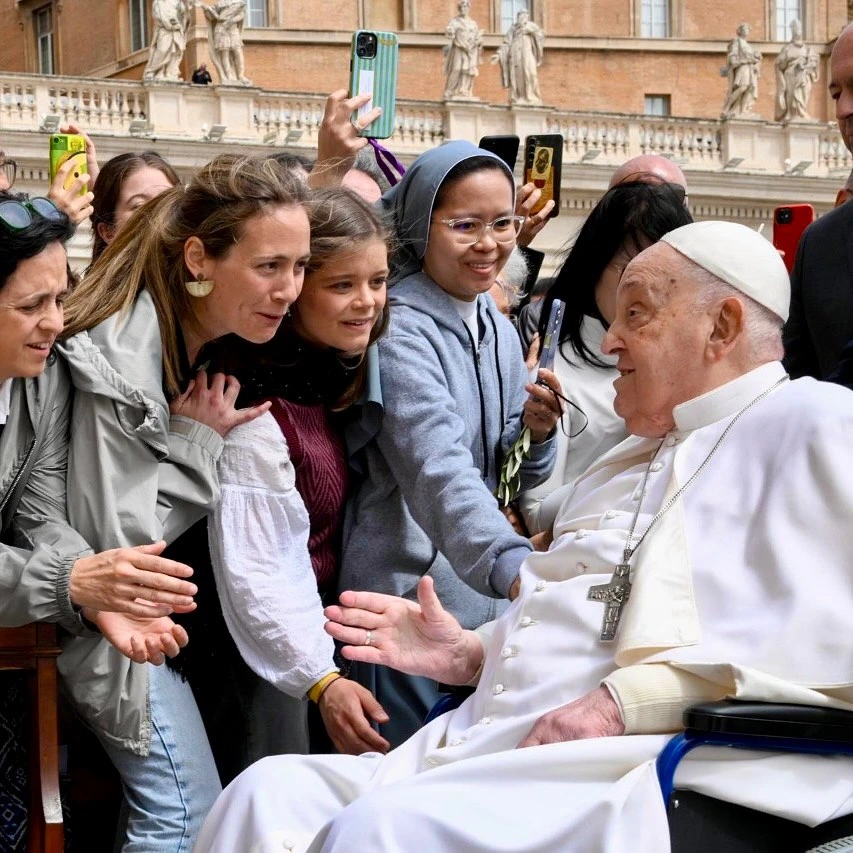
The timing couldn’t be more electric or apocalyptic. With democracy under strain in the U.S., autocratic nostalgia resurging in the Philippines, and Europe still fraying at the seams, hope has become a luxuryLuxuryrefers to a state of exceptional comfort, elegance, and quality, often characterized by premium craftsmanship, exclusivity, and superior experiences.Go to Luxury Glossary. And yet, this ceremony offers a flicker.
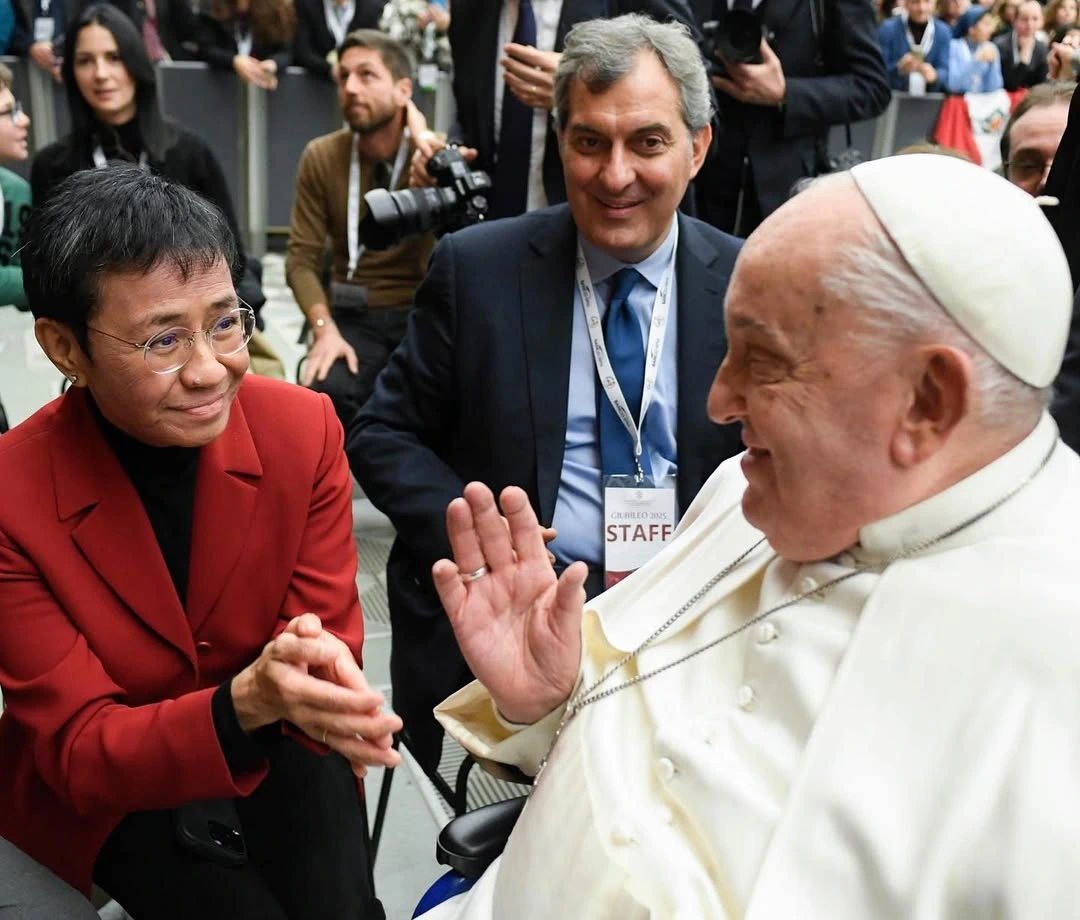
Hope is a dangerous thing for many to have, and yet here we are. Maybe that’s why we’re tuned in. Not for a spectacle nor for the memes (though there will be memes). But because in a year saturated with déjà vu and dread, the idea of spiritual renewal feels refreshing, even to the ones who don’t believe in it. Something new, something hopeful.
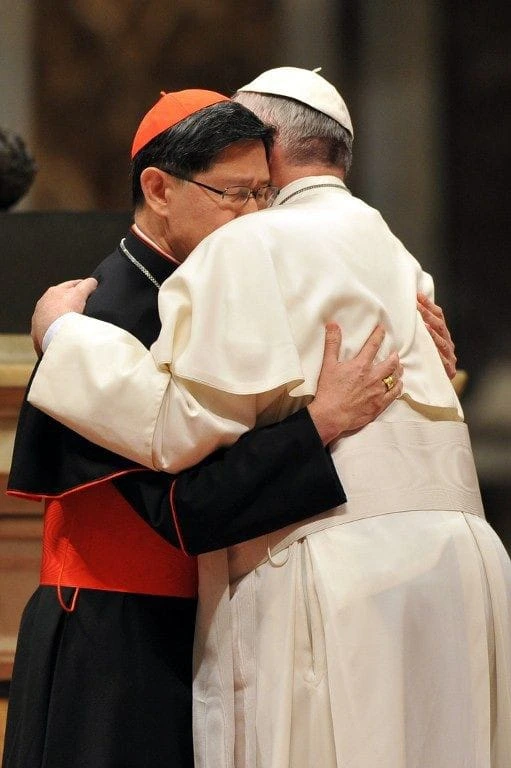
The date is set. The world waits. The Sistine ceiling looms overhead. Somewhere, the next Pope is rehearsing a blessing in silence, behind a door that will soon close with a click heard around the world. Above it all, the smoke waits, too.
Photos: REUTERS, ROMAN CATHOLIC ARCHDIOCESE OF MANILA, CATHOLIC NEWS SERVICE ROOM, NATIONAL CATHOLIC REPORTER, PAULIST FATHERS (via website); FOCUS FEATURES (via iMDB); CBCP NEWS and POPE FRANCIS (via Instagram)
Recommended Video
Latest Posts

Latest Issue