



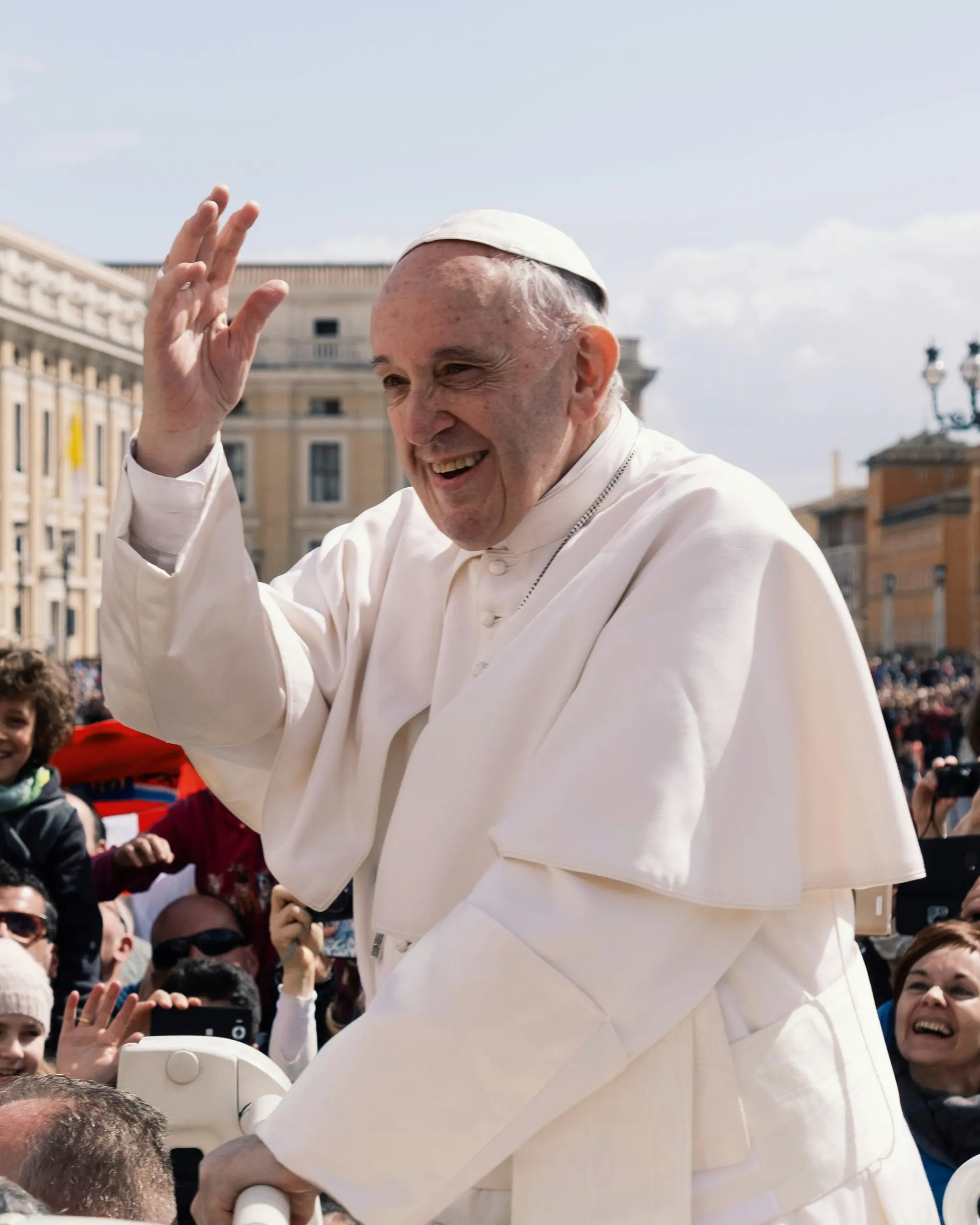
The bells in St. Peter will toll, the robes will be pressed and black, and Rome will gather in silence—but this isn’t just the passing of a Pope. We grieve the passing of a father who dared to ask what the Church would look like if She remembered She had a woman’s soul. Pope Francis, the People’s Pope, has died at 88, leaving behind a Church that, under his watch, learned to speak a little softer, listen a little closer, and finally, after centuries of silence—look toward women not as shadows in the sanctuary, but as central figures in Her future.
He Called Her ‘Woman’
Much like a good shepherd, Pope Francis didn’t just lead the Church; he reintroduced her. Again and again, he reminded us that the Church is not a faceless institution or neutral body, but a “she.” A mother. A bride. A woman.
Scripture describes the Church as the “Bride of Christ” and the “New Eve,” drawn from the side of Christ on the cross just as Eve was drawn from Adam. Theologically, she is womb and witness—birthing, nurturing, and forming the faithful. That’s why the Church has always been spoken of in the feminine.
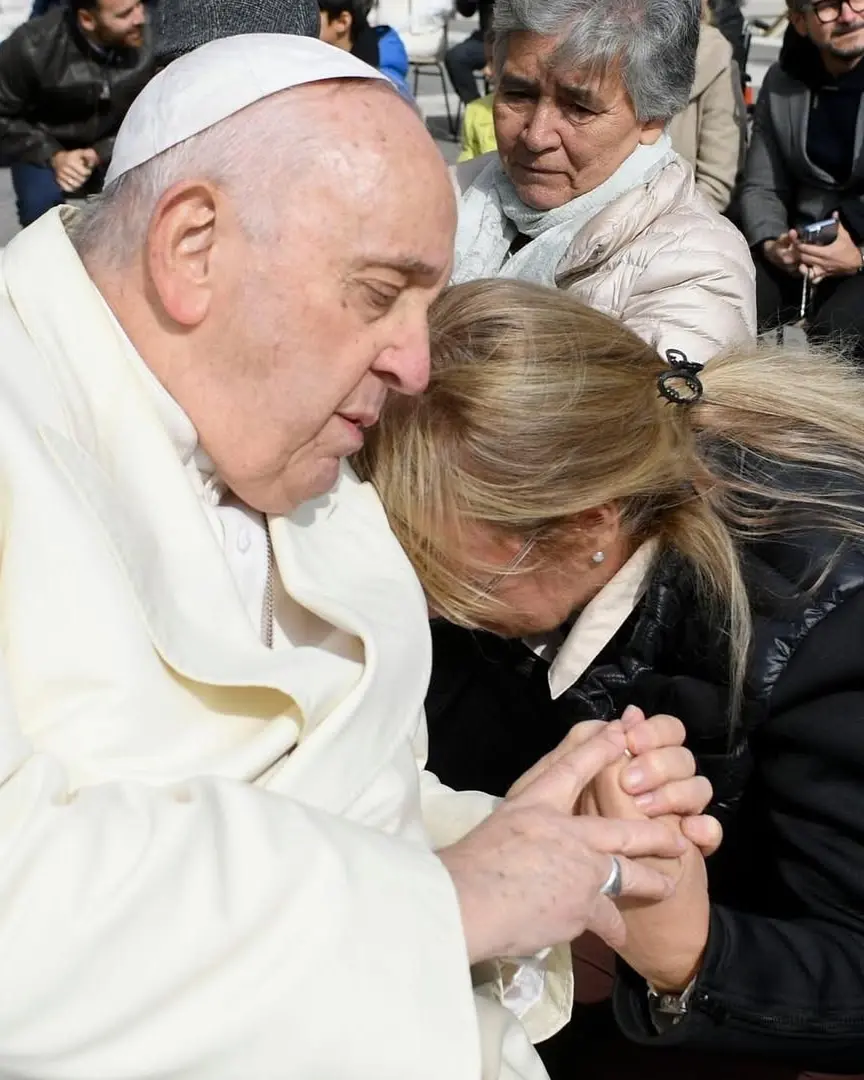
But somewhere along the way, Her voice was diminished. The late Pope knew this, and he spoke out loud.
“The Church is woman,” the Holy Father says in a meeting with the International Theological Commission, “and if we do not understand what a woman is, what the theology of a woman is, we will never understand what the Church is.”
At the time, he was speaking to a commission where only five of the 28 members were women. He said he didn’t like that, and thus asked his Council of Cardinals to reflect seriously on the Church’s feminine dimension.
So, the Pope didn’t just want women in the Church—he wanted the Church to remember she is one. To him, reform wasn’t structural. It was mystical. It was about tenderness, fidelity, and the kind of strength only a woman—only a bride—can carry.
“One of our great sins has been masculinizing the Church,” he said. “This is a task I ask of you, please. Demasculinize the Church.”
He Built a More Inclusive Vatican
The respect went beyond words. In 2020, he appointed six laywomen from the US, Germany, and the UK to the Vatican’s Council for the Economy. This was the highest number of senior female officials serving the Vatican in its history.
When he began his papacy in 2013, only 19 percent of Vatican employees were women. Today, that number has risen to 26 percent in the Roman Curia alone, with women now holding key roles in departments once reserved for the clergy.
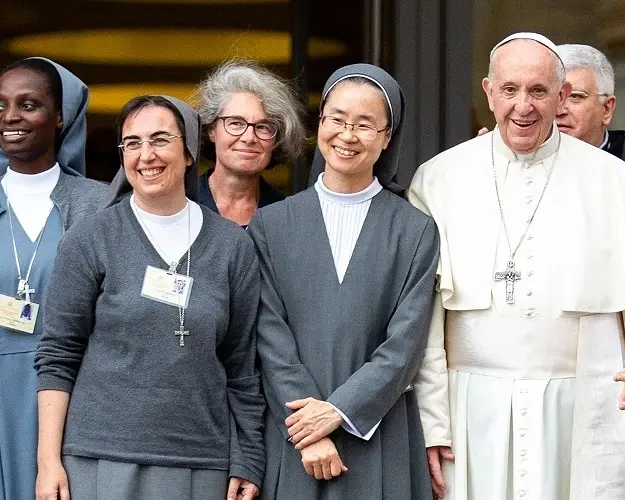
Sister Simona Brambilla became the first woman to oversee a major Vatican office. He also appointed women to senior posts in the Dicastery for Bishops, giving them influence in the global selection of bishops.
It’s clear: his legacy lives on in the women who lead. There’s the deputy director of the Vatican Press Office Cristiane Murray, and undersecretary in the Secretariat of State in 2020 Francesca Di Giovanni, the first woman ever to hold that position. Moreover, French nun Nathalie Becquart was appointed undersecretary of the Synod of Bishops, becoming the first woman with voting rights in a synod.
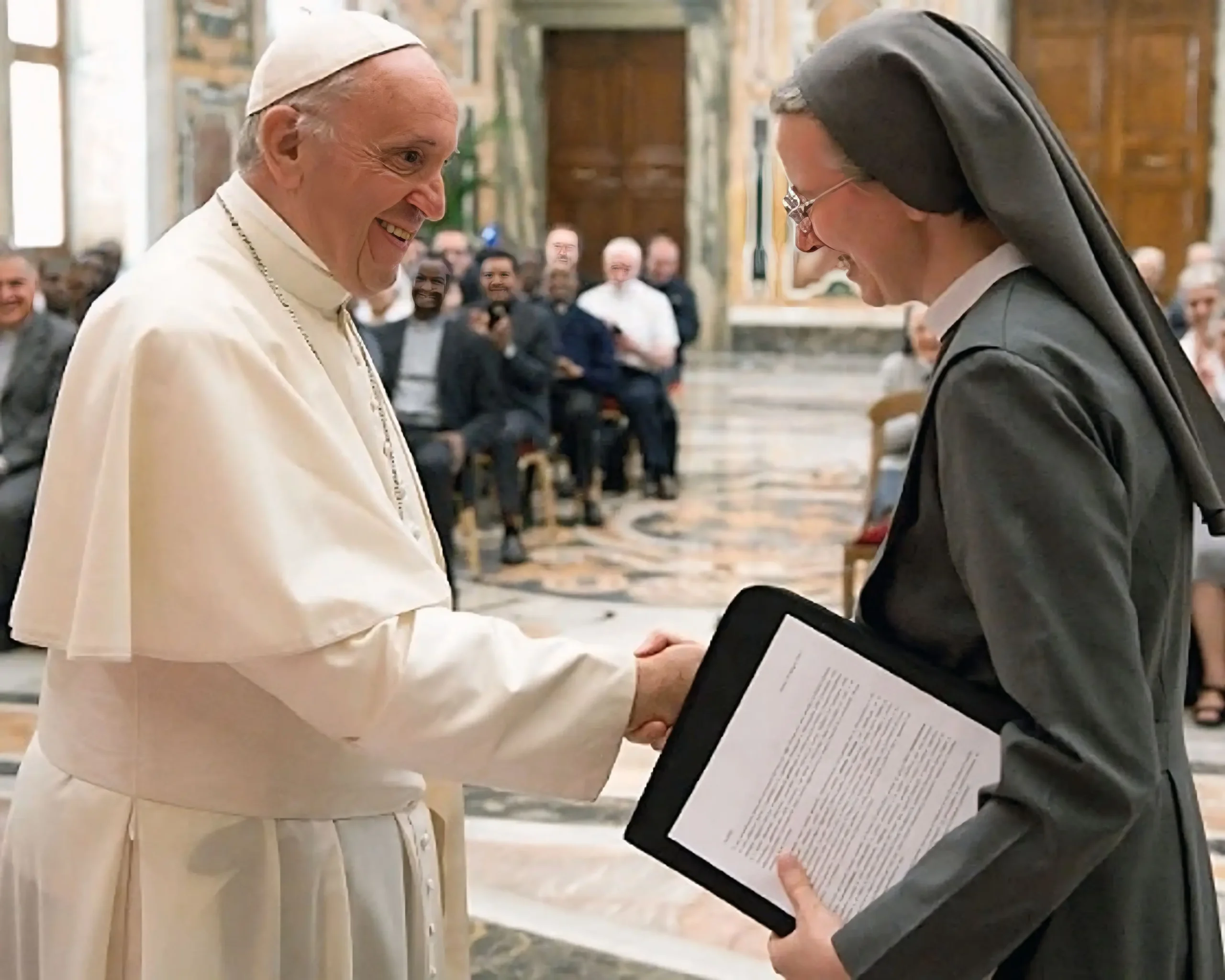
Pope Francis made way for something radically old and refreshingly new: a Church that listens to Her women.
He Saw Holiness and Healing In Her Hands
The Pope honored women like no other. In a Church long shaped by male authority, he recognized the spiritual authority women already have—not necessarily in titles, but in tenderness.
He called it ‘generative care’—a leadership rooted in nourishment instead of domination. It transforms, not conquers.
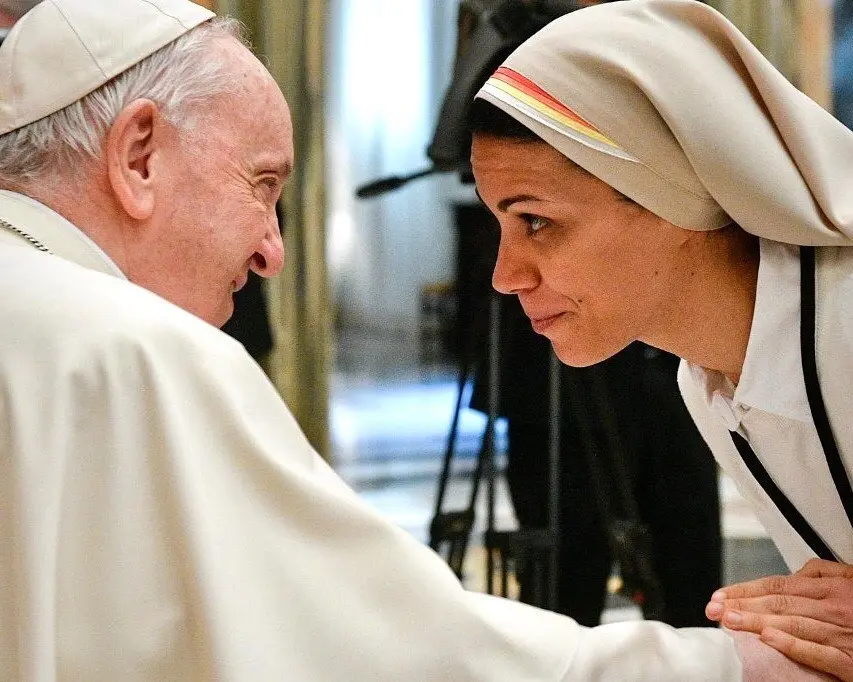
Nowhere was this clearer than in his homily on the feast of Mary, Mother of God: “The world needs to look to mothers and to women in order to find peace.” That one line carried the weight of his papacy. If the Church wanted to return to Christ, it had to go through her—through Mary, through women, through a love that doesn’t posture but perseveres.
For over 2,000 years, the Catholic Church has elevated Mary on pedestals but kept women away from pulpits. Pope Francis did not solve that contradiction. But he named it. And in naming it, he gave it weight. He refused to let women’s holiness be confined to statues or saint days. He brought it into boardrooms, press offices, and synods.
For the men of the Church, he leaves a call:
“Accept the gift that is woman, every woman. Respect, defend, and esteem woman in the knowledge that whoever harms a single woman profanes God, who was born of a woman.”
– Pope Francis on the Feast of Mary, Mother of God, and World Peace Day 2024
Featured Image and Photos: ASHWIN VASWANI (via UNSPLASH), POPE FRANCIS (via Instagram), CATHOLIC NEWS AGENCY, and L’OSSERVATORE ROMANO (via Website)
Recommended Video
Latest Posts



Latest Issue