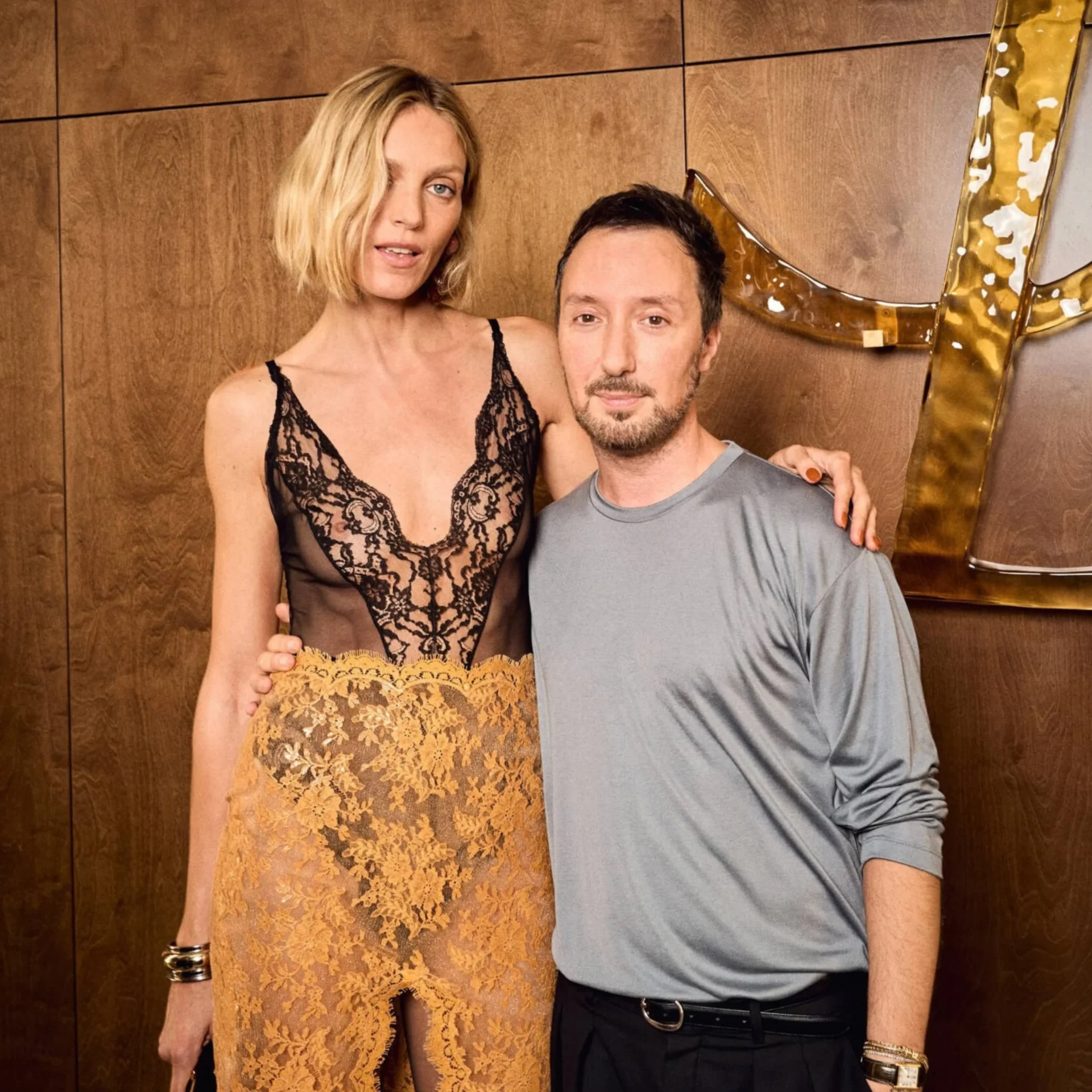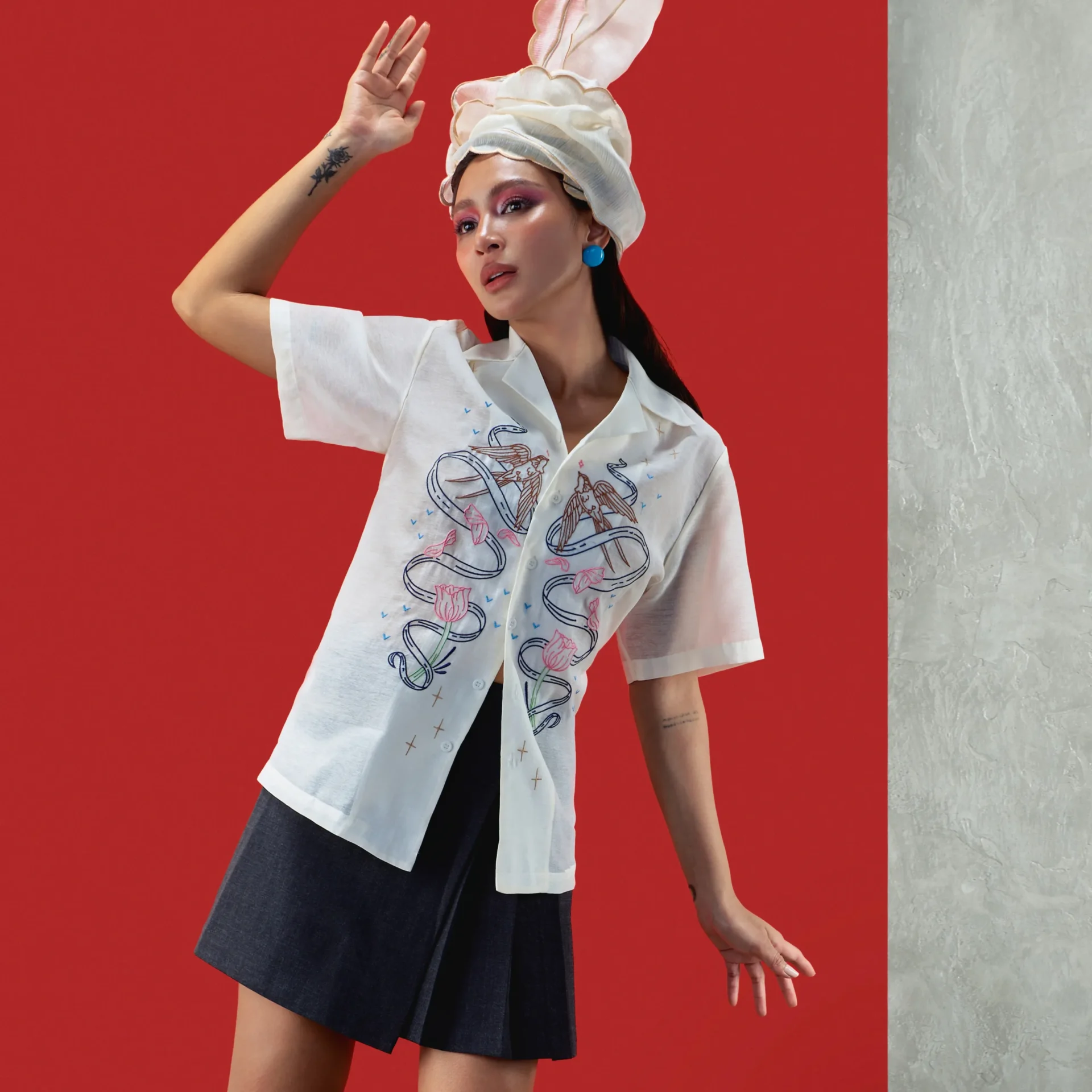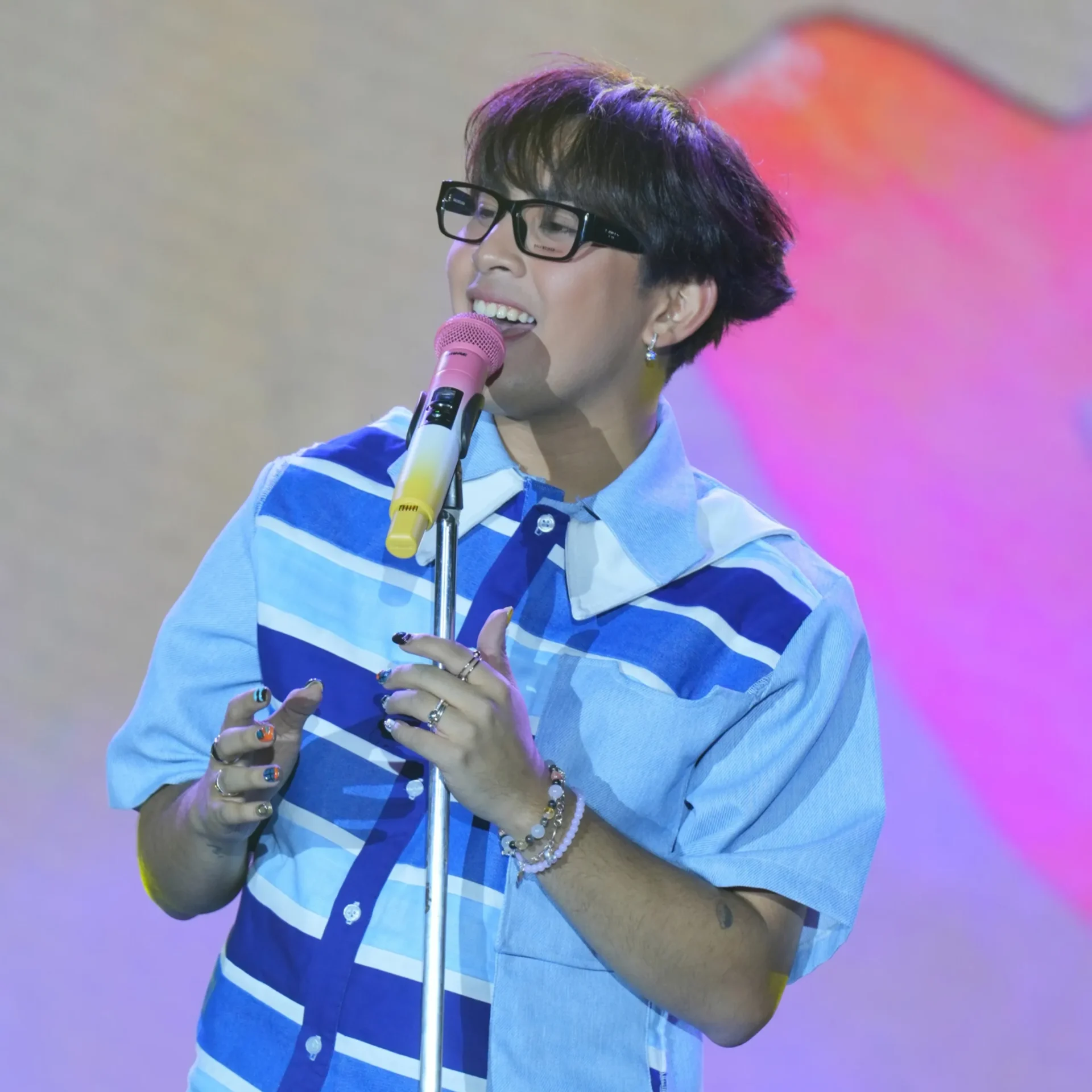




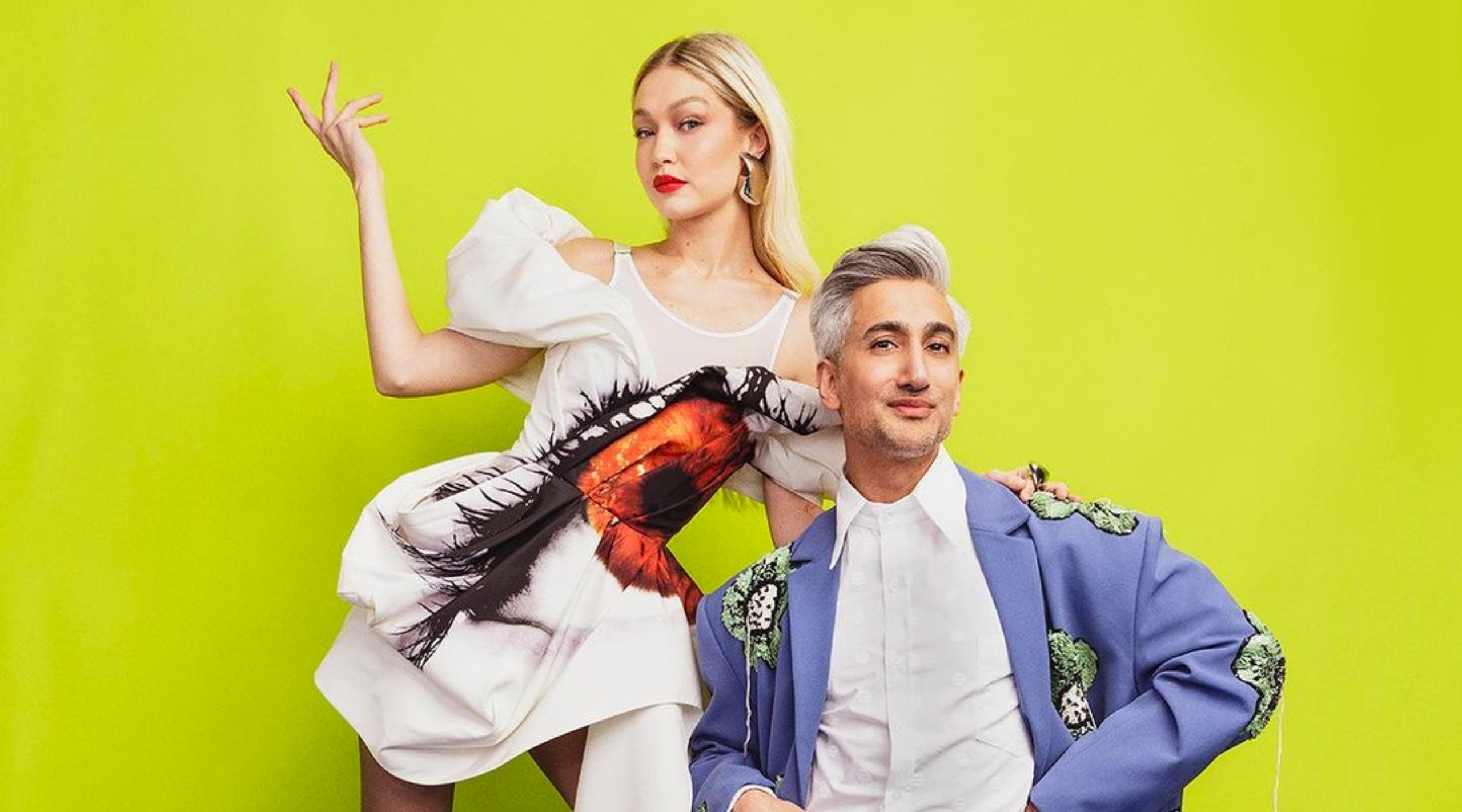
Next In Fashion Season 2 serve themes of diversity, sustainability, and transformation in the fashion scene
The fashion world is a chameleon that never stays the same for too long. It is a shape-shifter that loves to transform and reinvent itself at every opportunity. One day, fashion houses are into vintageVintageClothing and accessories that are at least 20 years old and represent the style of a particular era, valued for their quality and uniqueness. Vintage shopping supports sustainable fashion, andGo to Vintage Glossary chic, and the next, they are all about neon colors and bold prints—a never-ending game of style. That’s why every year, designers and fashionistas alike constantly push the boundaries ahead to the next big thing. And if you’re looking for a front row seat at the fashion runway of the future, this is where the renowned series Next in Fashion comes into the picture.
RELATED: Meet the Designers Who’ve Made the Cut on This Show
Focal point
Whether it’s elegant royalty pieces, upcycled avant-gardeAvant-GardeExperimental fashion that pushes boundaries and challenges conventional ideas of shape, material, and beauty. Avant-garde designers treat clothing as art, presenting sculptural silhouettes and unexpected textures on runways, and theirGo to Avant-Garde Glossary creations, or campy Met Gala-worthy ensembles, this show covers them all and more. With each episode, viewers are treated to a display of innovative designs and fresh takes on traditional styles. But what makes Next in Fashion Season 2 remarkable is its commitment to inclusivity. The show features designers from all walks of life, representing a wide range of backgrounds and perspectives. With the designer line-up that we witnessed in the show, the runway creations offered not only womenswear and menswear, but also gender-bending looks that really made everyone applaud. The higher dosage of authenticity in Season 2 marks how fashion can and should move forward without boundaries.
Risqué storytelling
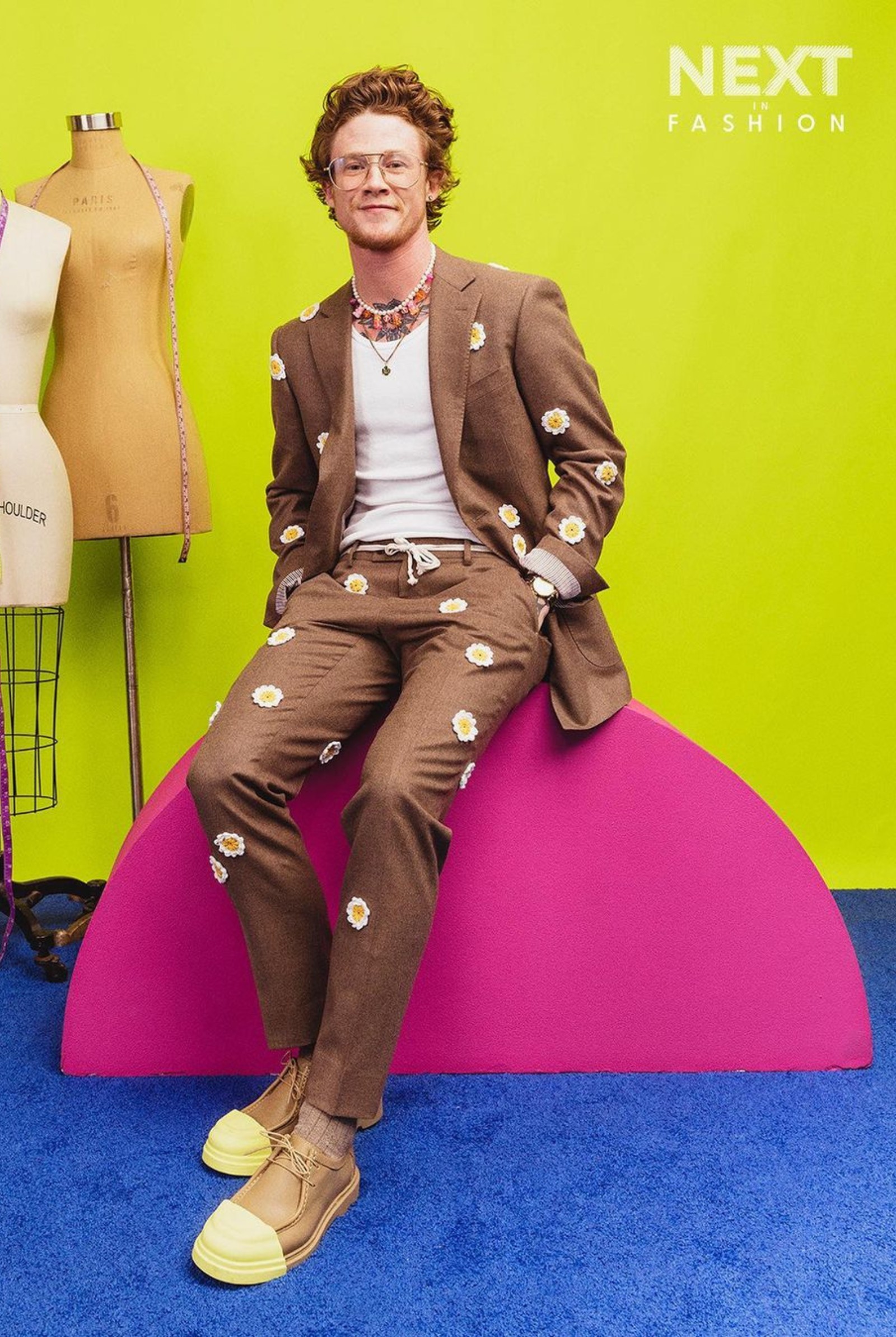
To emphasize the theme of transformation, another aspect that makes Next in Fashion interesting is the risqué storytelling behind each designer’s creation. Some that really made a mark throughout the competition was James Ford’s reimagined childhood ensembleEnsembleA complete, coordinated outfit in which each garment and accessory is chosen to work together as one look. Stylists build ensembles around a theme, color story, or occasion, and theGo to Ensemble Glossary. As a transgender, James had a difficult relationship with his childhood clothing and was often left feeling uncomfortable and restricted. However, by drawing inspiration from his brother’s polo—a garment he longed to wear as a child—James was able to create a design that not only expressed his own identity, but also highlighted the importance of allowing children to express themselves through their clothing. This emotional moment on the show served as a reminder that clothing is more than just fabric and design—it can hold memories and emotions that stay with us for a lifetime.
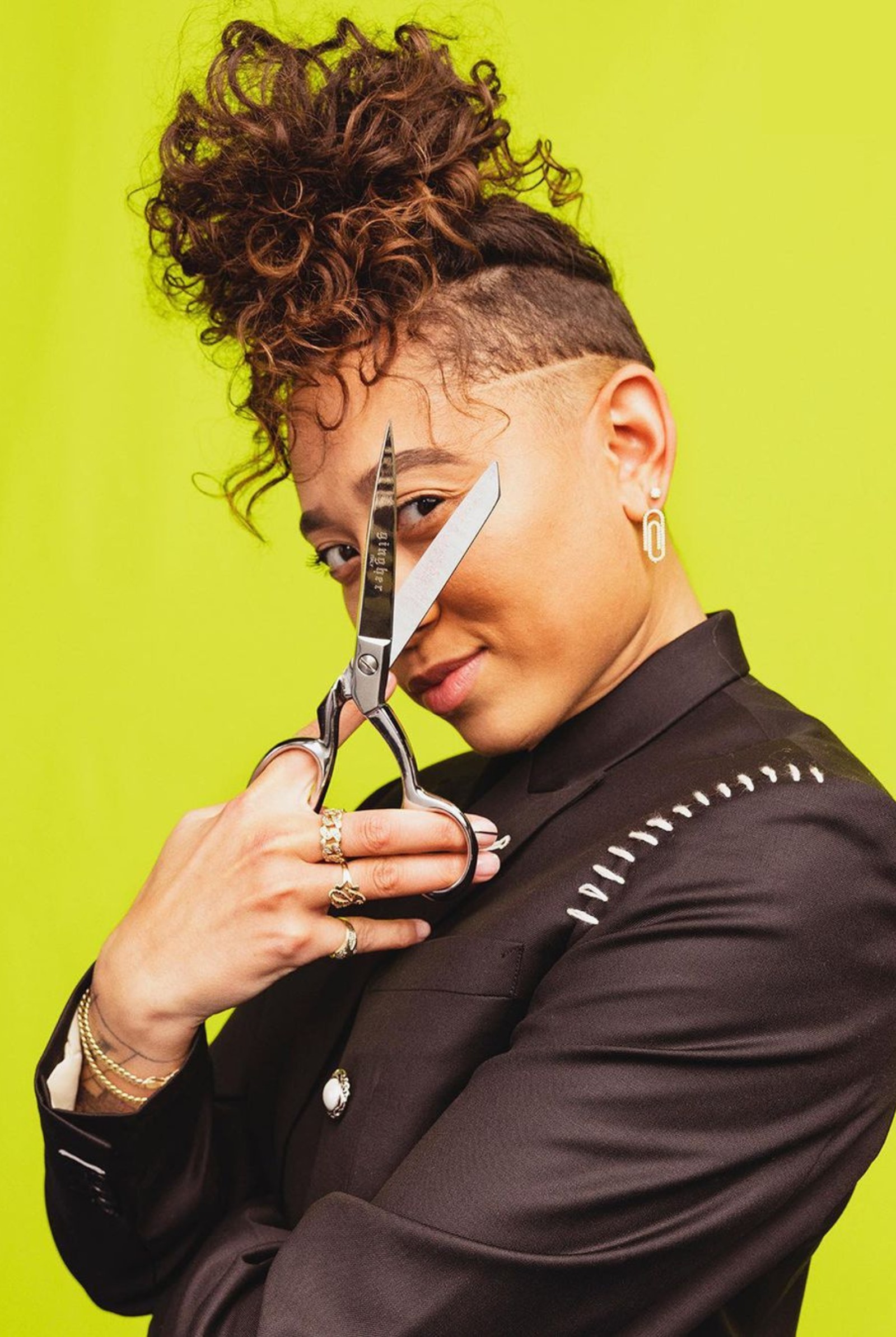
Another story that struck the judges was the Met Gala outfit created by Desyrée. The requirements of the design were camp, extravagant, and out-of-the-box. Desyrée drew inspiration from the sagging culture, a trend in which young men wear their pants below their waistline, often revealing their boxers. Despite being considered unattractive by many, this designer saw potential in the boxers and transformed them into something fresh and couture. The final piece was both bold and unexpected and, according to the judges that include Jason Bolden and Bella Hadid, it was definitely quite an entrance.
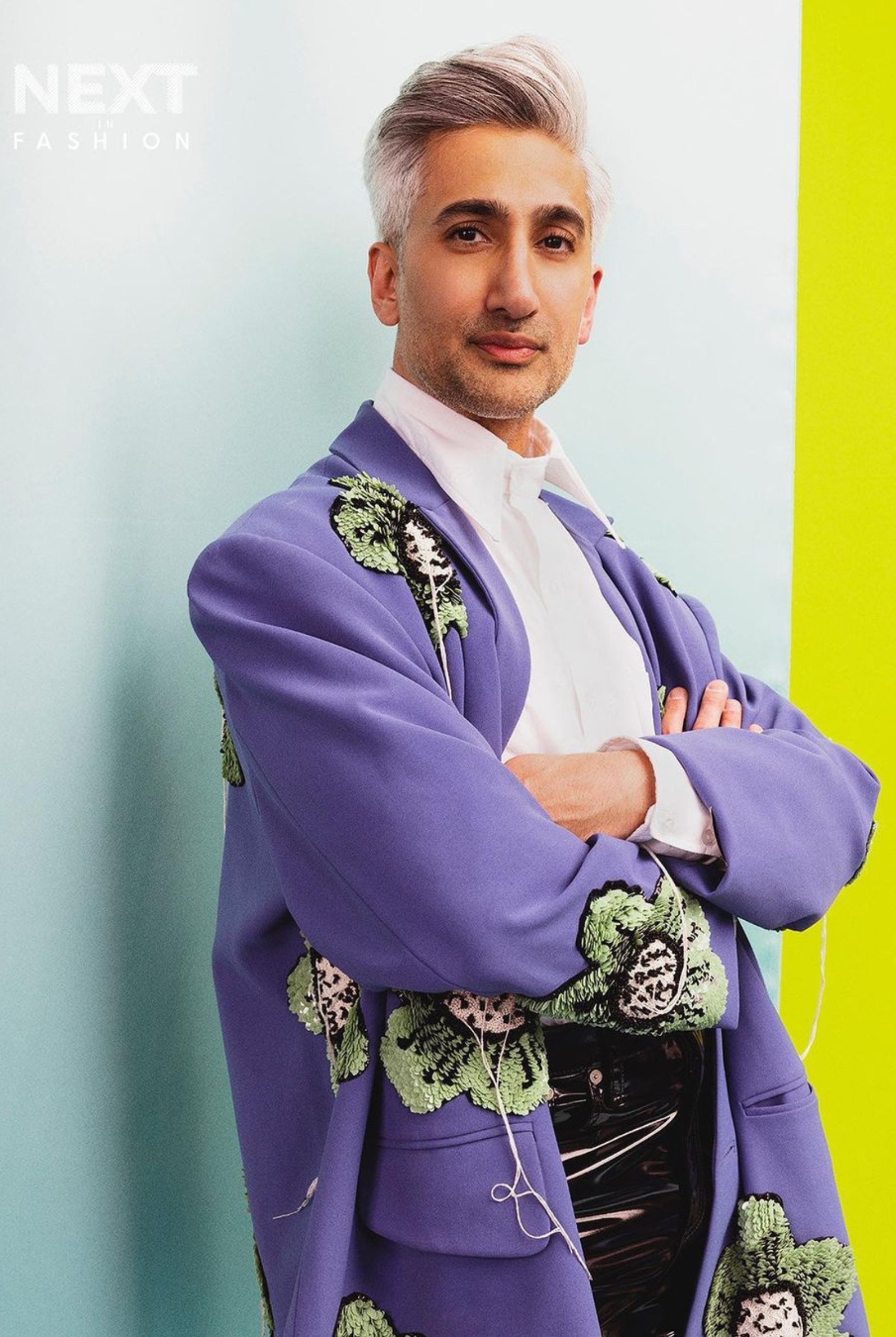
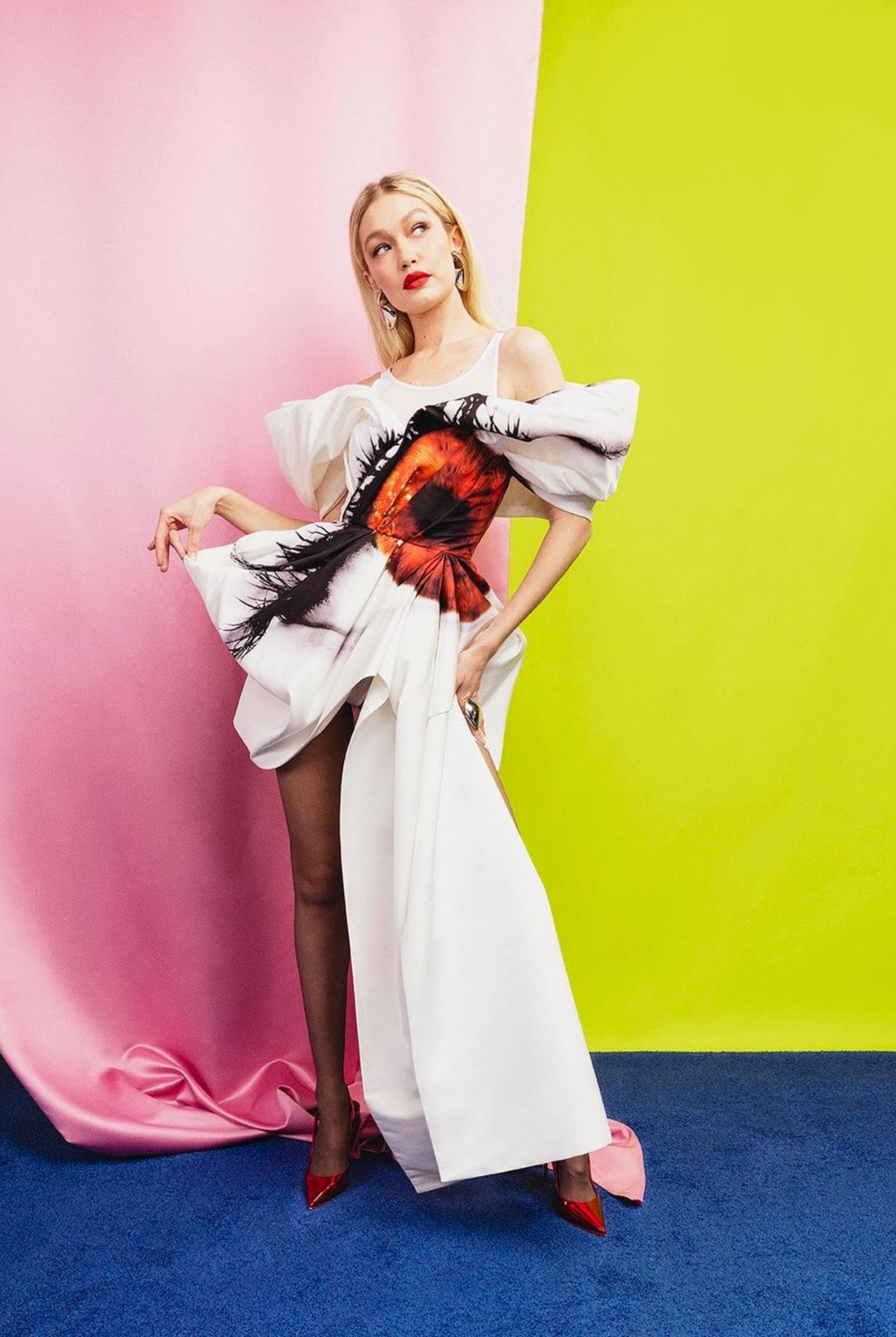
With Gigi Hadid and Tan France as the hosts, it is no surprise that every episode delivered a sweeping entrance. As fashion is always about creating a moment, every single designer that competed for the Next in Fashion title delivered the most innovative and futuristic ensembles until the finale.
Photos from NEXT IN FASHION (via Instagram)