



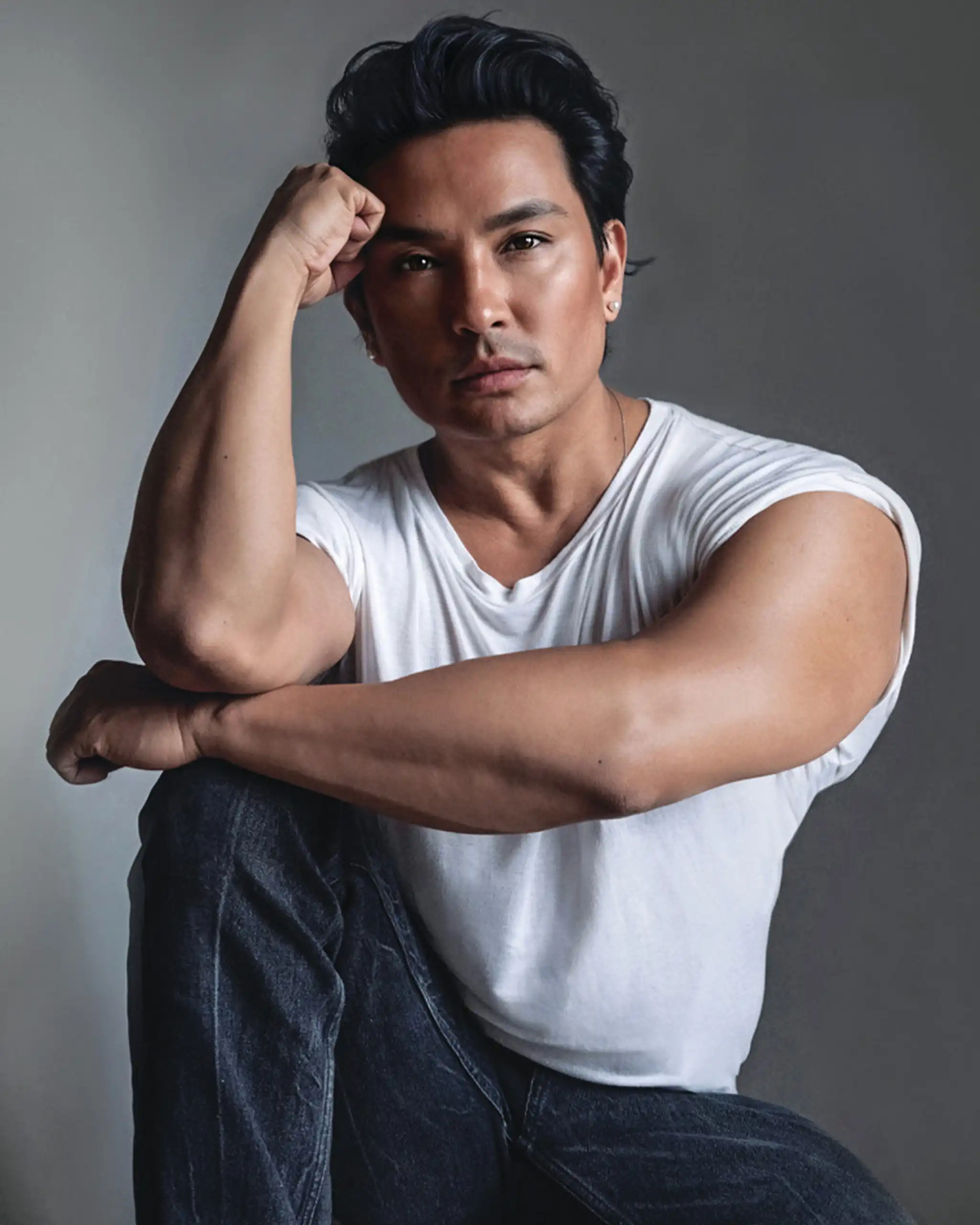
This is an excerpt from MEGA May 2026 Designer Spotlight SEA. Subscribe to MEGA Digital Access to read the full story
Fashion used to run like an exclusive dinner party. Paris at the head of the table, Milan pouring the wine, New York talking over everyone. The rest of the world was somewhere between “plus one” and “standing room only.” Along comes Prabal Gurung, who never quite subscribed to the seating chart—eventually shifting the arrangement altogether.
RELATED: Carmina & Cassy: Becoming, Together and Apart
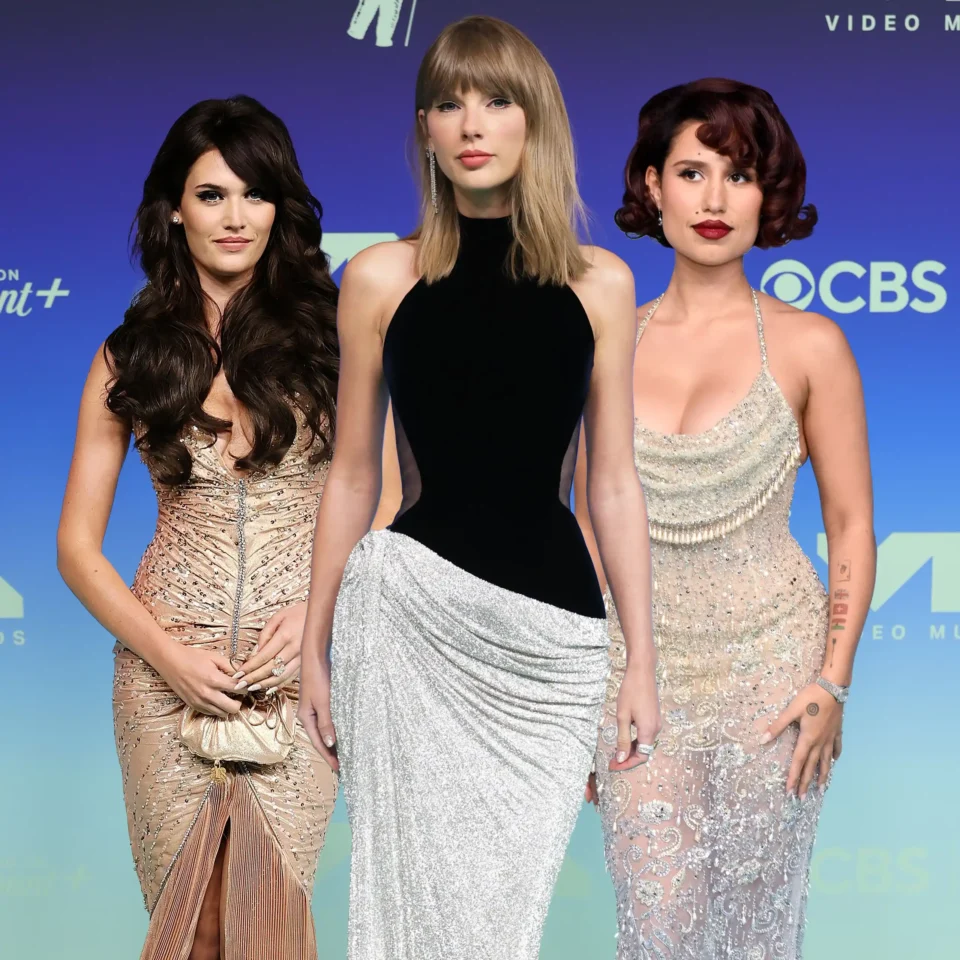
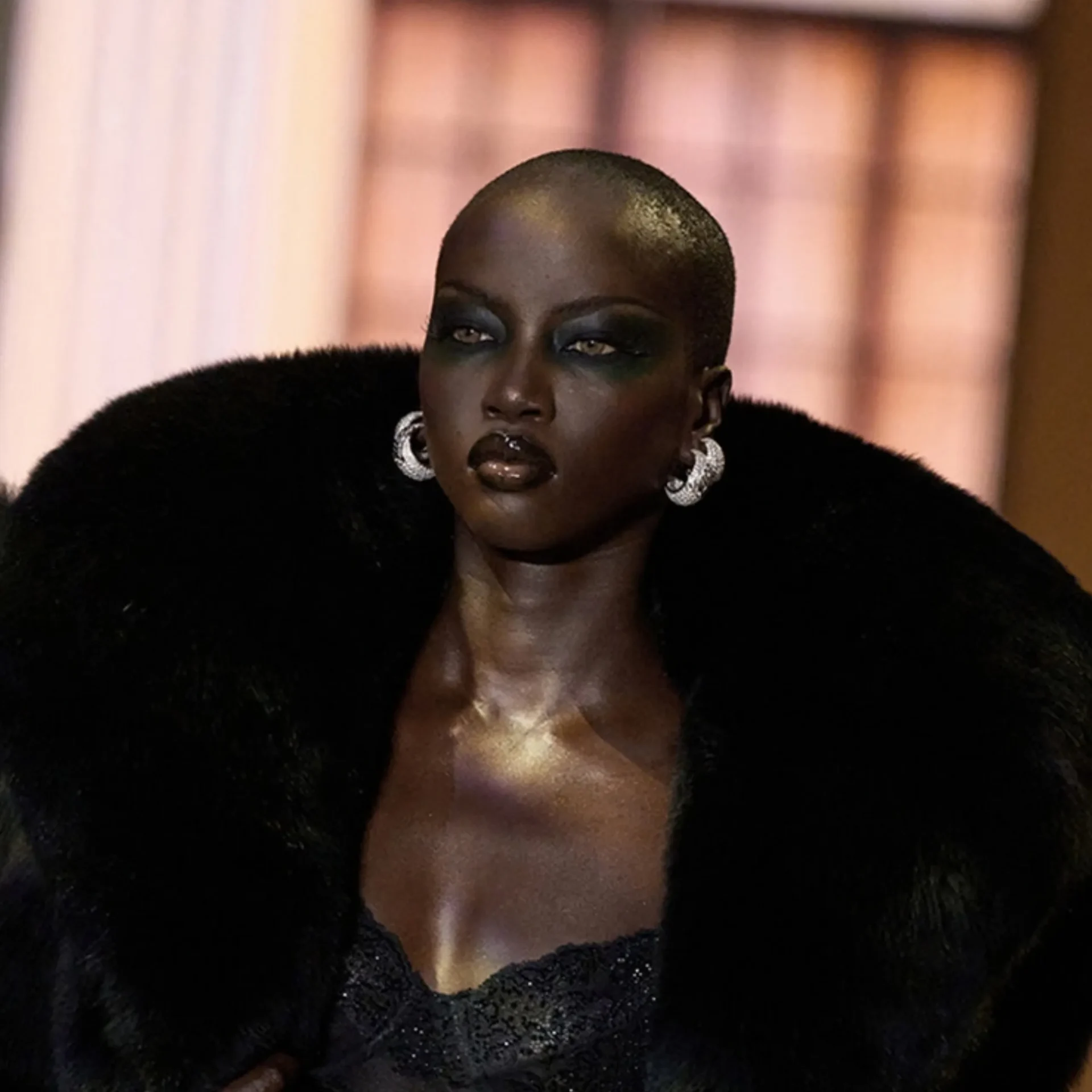
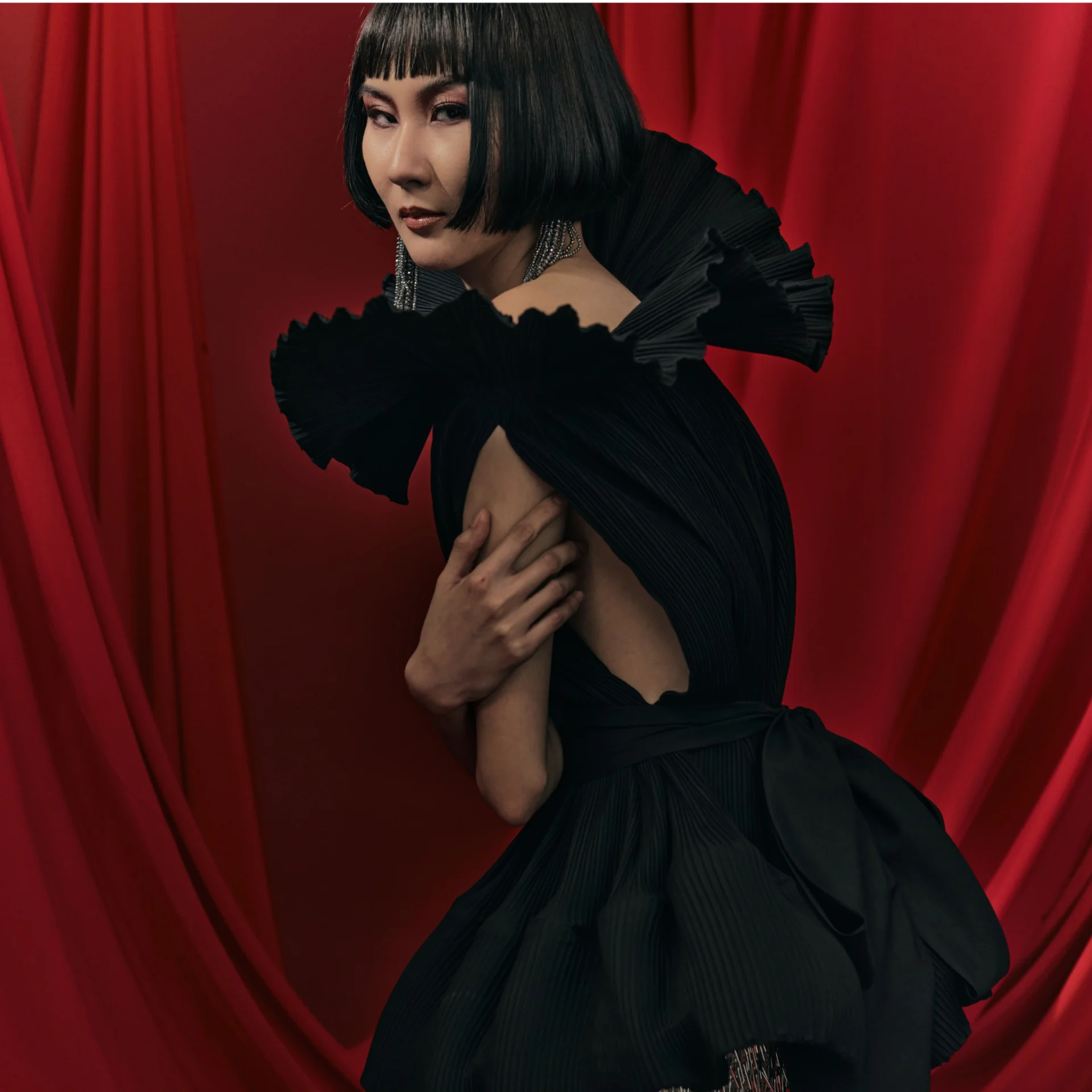
Singapore-born, Kathmandu-raised, and honing his skills in New York, the acclaimed designer has dressed some of the world’s most influential women: Michelle Obama, Oprah Winfrey, Catherine, Princess of Wales, and Lady Gaga.
Outside the runway and red carpet, he serves as creative director of Tasaki and co-founded House of Slay—a collective fighting racial discrimination against Asians and advocating inclusivity—with Laura Kim, Phillip Lim, Tina Leung, and Ezra J. William. His memoir, Walk Like a Girl, explores the spaces that shaped him.
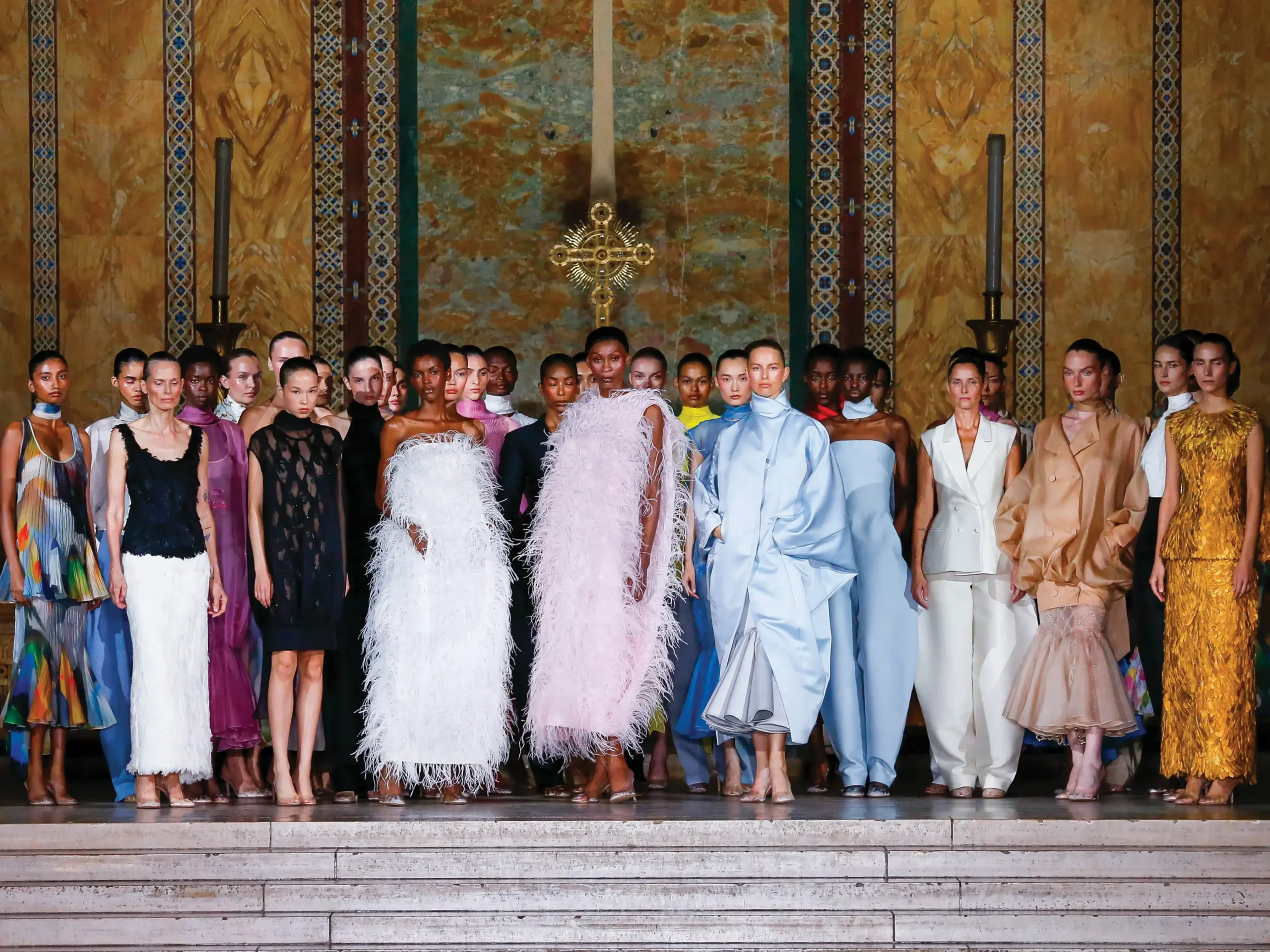
Shrinking to Belong
Ask Gurung what emerging designers tend to get wrong, and he goes straight for sabotage. “One is the impulse to diminish themselves to fit in—to care so much about what the room thinks that they lose sight of who they are.”
It’s a familiar scene: the young designer, editing themselves into palatability, sanding down the very edges that might have made the work distinct. His answer is almost unfashionably simple.
“There will come a time when more voices are speaking to you than your own… and in those moments, the most important thing you can do is step back, quiet the noise, and find your voice again.”
In an industry that runs on opinion, it’s a survival strategy. Your brand is defined by the parts of your work you refuse to change just to please others.
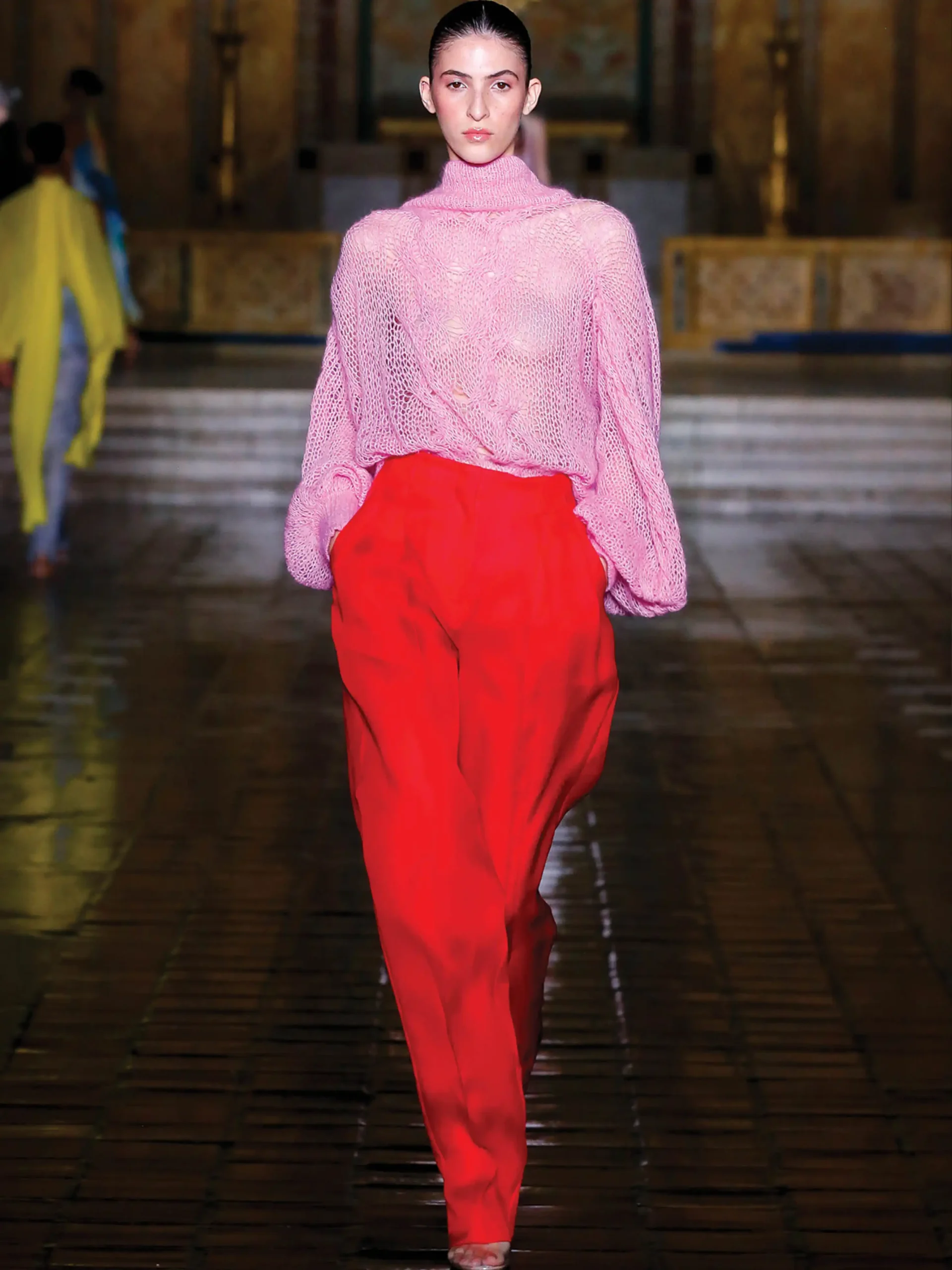
The Freedom to Show Up
Southeast Asian designers are often asked to make their identity obvious—something people can quickly recognize and move on from. Bring your culture, but make it legible. Keep it authentic, but globally palatable. Translate, but don’t lose flavor. No pressure.
Gurung doesn’t agree. “It’s about embracing your culture and heritage as something to express freely, not something to perform or defend.”
The difference lies in how identity is treated. One approach fixes it in place, turning it into something to be displayed. The other allows it to evolve, to exist in conversation with other influences without losing its core. That’s when the work gets interesting: when it stops trying so hard to be understood.
Additionally, fashion used to run on a fixed map. Everything else circled around the West; the old world where everything important was in Europe. Now, that arrangement is starting to feel outdated.
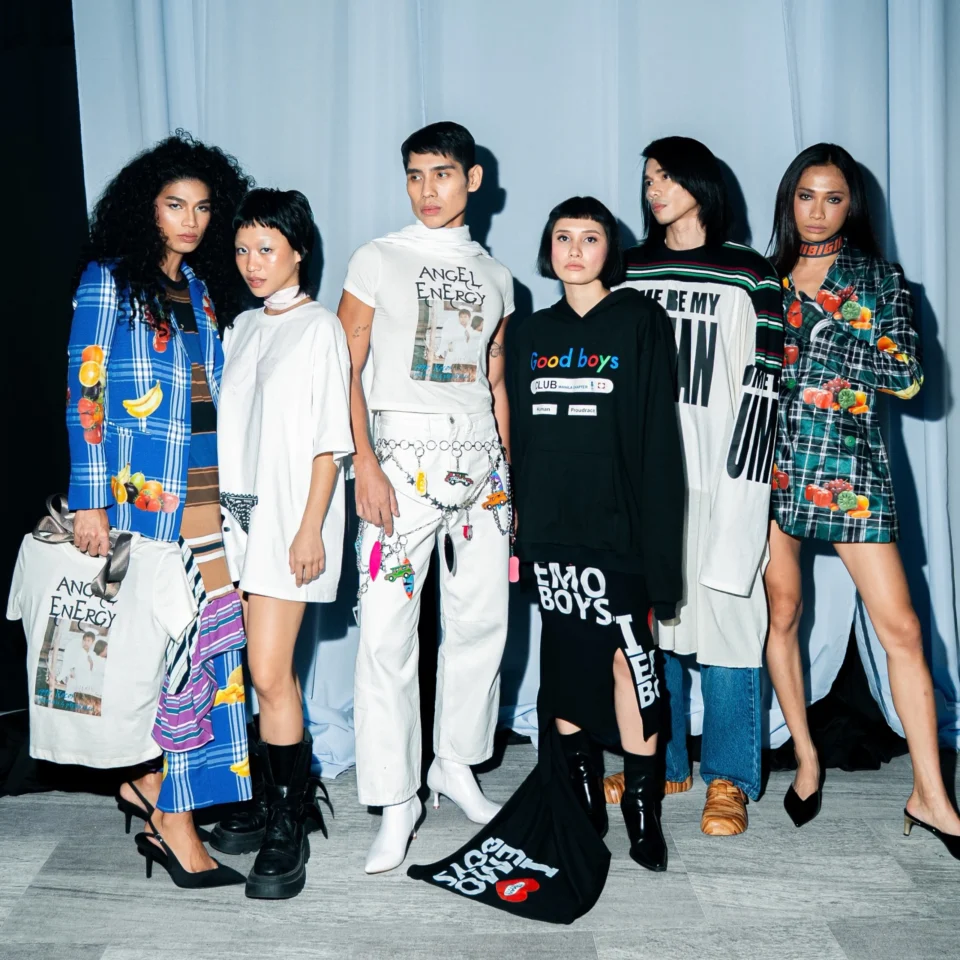
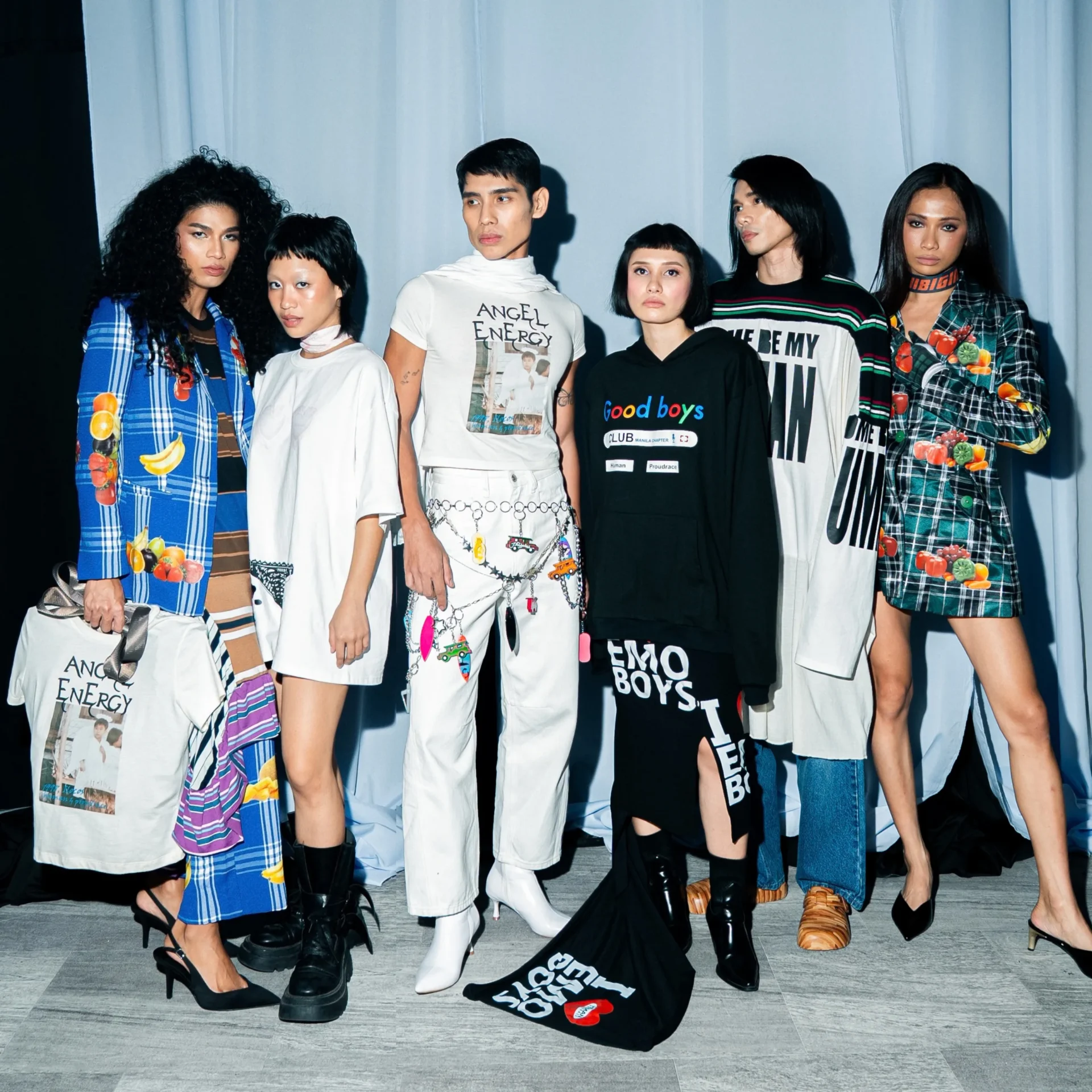
“It will no longer be about the West alone. We’ll be celebrating our own heritage with an authenticity that the rest of the world will follow,” Gurung says. The shift is steady: cities across the Asia-Pacific are creating their own platforms, their own audiences, their own pace. Tokyo, Shanghai, and Manila are some of them, bringing regional and global talent into the same space without needing to filter it through somewhere else. In Australia, the designer showcased some of his Spring/Summer 2026 pieces at Melbourne Fashion Festival last February.
More than visibility, what’s changing is where influence comes from, and who gets to define it. The realization is gradual but undeniable: the map has moved, and the impact is already here—even if some are still looking at an older version.
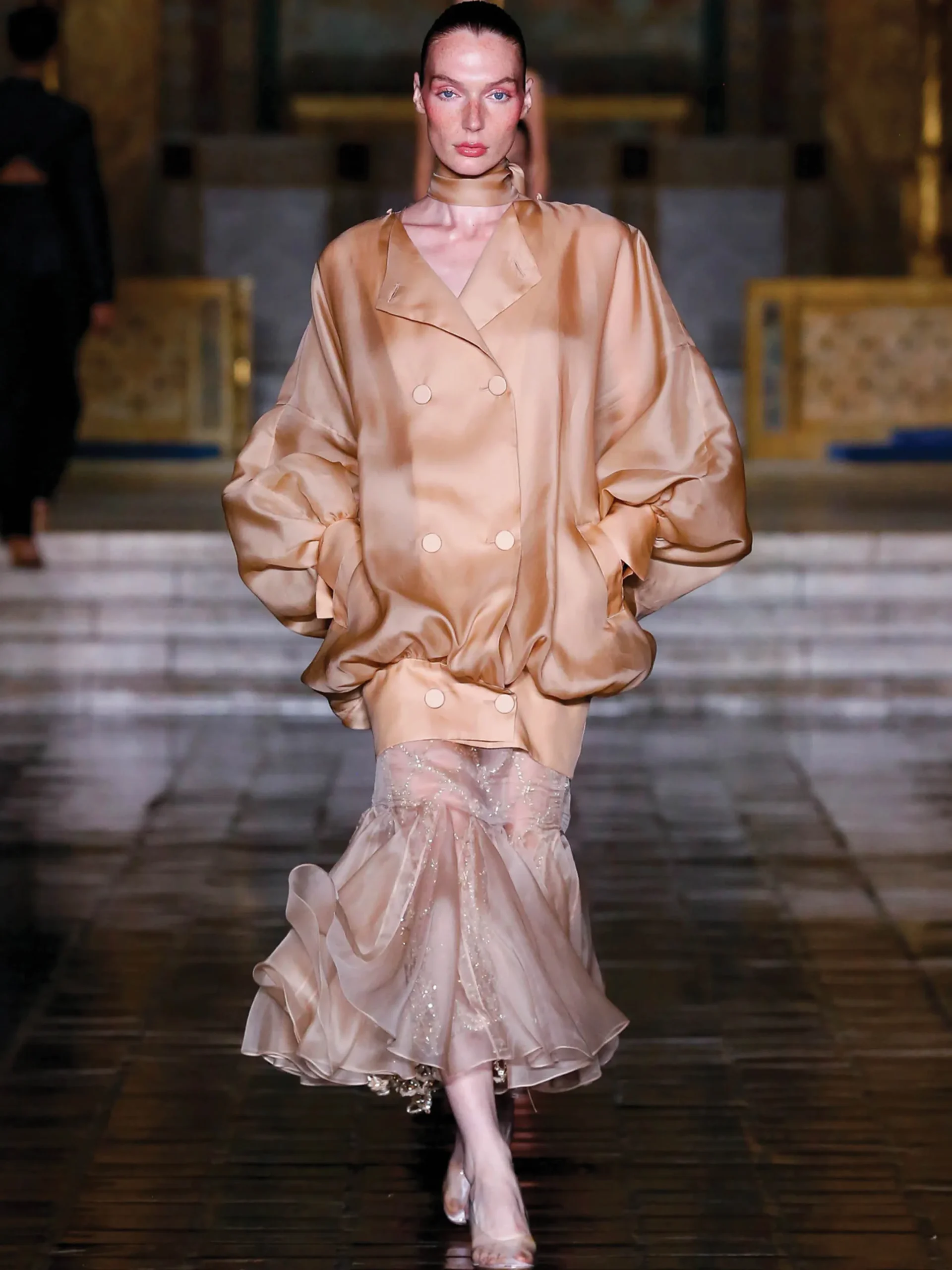
Dressing Power Differently
There was a time when “power dressing” came with shoulder pads and a faint whiff of corporate. Strength, apparently, had a uniform through sharp tailoring, controlled silhouettes, and a nod to masculinity. When asked if the definition has changed, Gurung says, “Completely. Power is found in authenticity.”
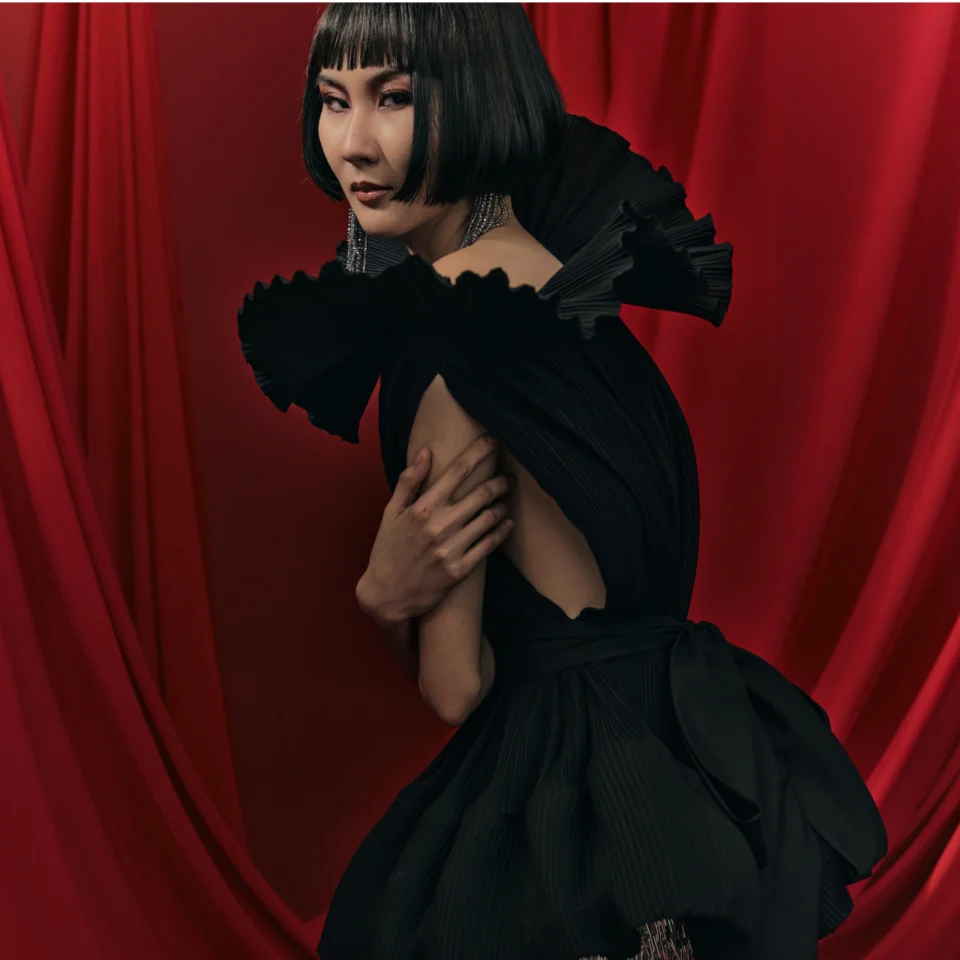
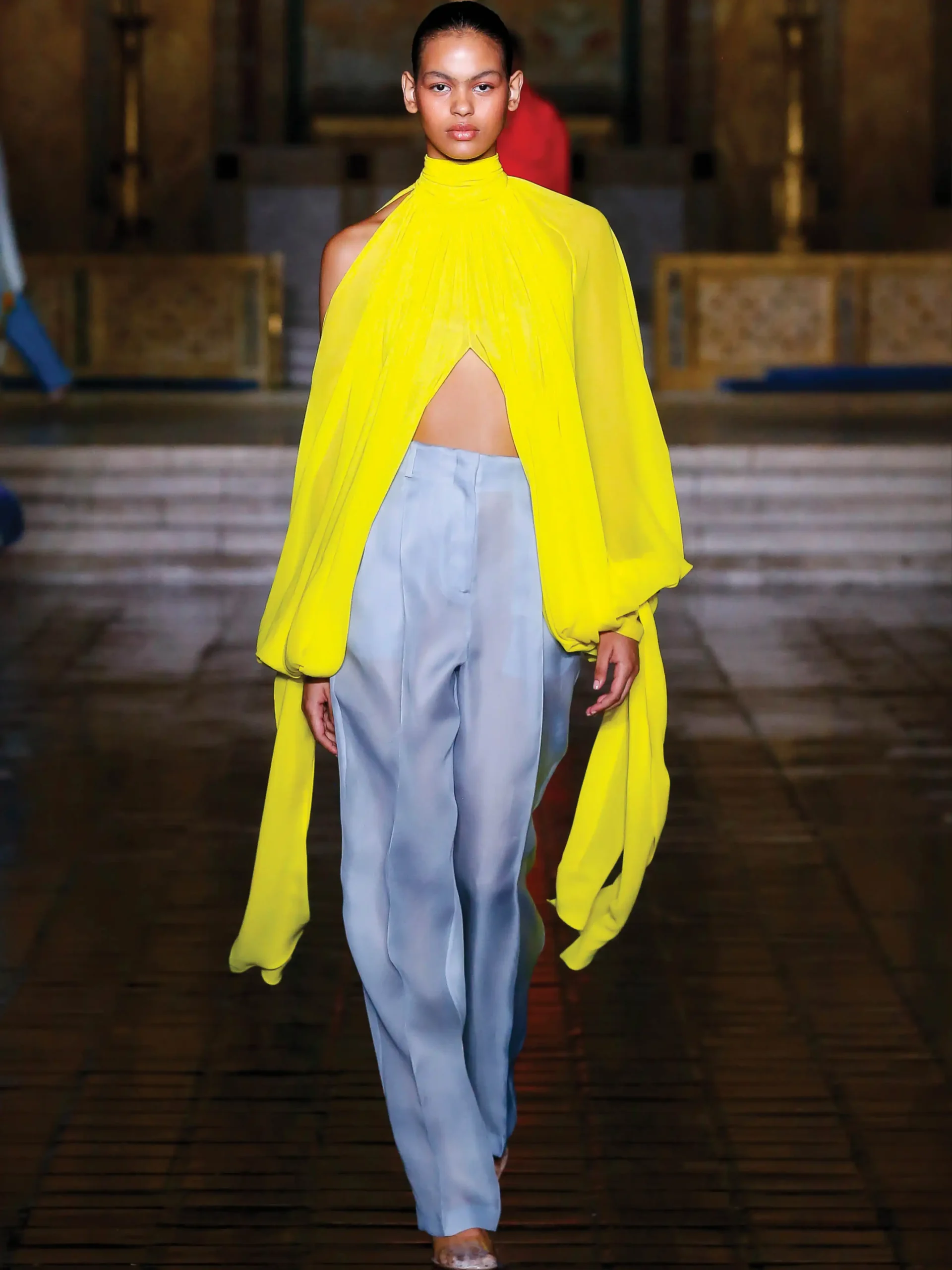
In today’s version, women aren’t dressing to plunge into power, but reframing what power even looks like. A sharp suit still works, sure. But so does a bold color, a fluid silhouette, maybe even a floral print.
Femininity, in Gurung’s view, isn’t a compromise—it’s an actual power. Power dressing, then, is about recognizing your own strengths, coming into your own without hesitation, and dressing in a way that feels powerful.
Creativity Is Political
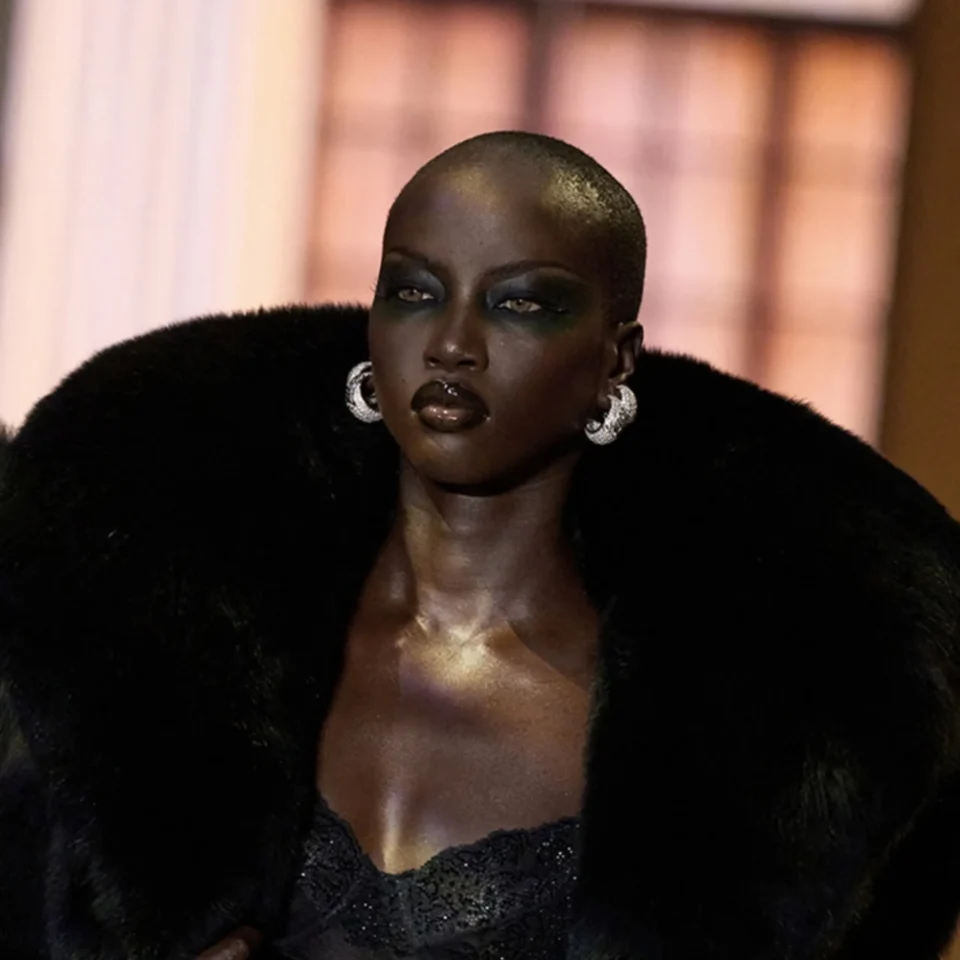
Gurung’s work often appears on women for whom visibility carries consequences. The clothes cannot afford to say nothing. “Creativity itself is political,” he says. “Because the way we express ourselves through art and what we choose to show in our work already reflects the values we stand for.”
“If a dress can help a woman feel like she can take on the world, then I’ve fulfilled my responsibility.”
What a woman of influence wears in public is always read: values, identity, intent. They all come into view, whether the designer acknowledges it or not. And Gurung chooses to. “My responsibility is to ensure that the message amplifies her voice.”
His dress supports what she stands for. When it works, the impact stays with her. It can affirm where she comes from, what she represents, and who she’s speaking to.
Images courtesy of PRABAL GURUNG via UNIQUECORN STRATEGIES
Frequently Asked Questions
Historically, fashion was dominated by an exclusive hierarchy led by Paris, Milan, and New York. Gurung, with his multicultural background—born in Singapore, raised in Kathmandu, and trained in New York—rearranged this layout by bringing Southeast Asian perspectives to the forefront, proving that designers from the “periphery” can lead the global conversation.
He warns that many designers sabotage their success by editing their work to fit in or please the room. Gurung suggests that true brand definition comes from refusing to sand down distinct edges. His survival strategy is to “quiet the noise” and find one’s own voice when external opinions become overwhelming.
He argues that designers should not feel pressured to make their culture “legible” or “palatable” for a global audience through performance. Instead, heritage should be expressed freely as an evolving conversation. This allows identity to exist naturally within the work without the need to constantly defend or over-explain it.
The traditional uniform of sharp tailoring and masculine silhouettes has been replaced by authenticity. In Gurung’s view, femininity—expressed through bold colors, fluid silhouettes, or floral prints—is a strength rather than a compromise. Power is no longer about a specific garment but about dressing in a way that reflects one’s true self.
He asserts that self-expression through art inherently reflects the values a person stands for. For the influential women he dresses, visibility carries weight; therefore, the clothing must amplify their voice and intent. For Gurung, a successful design is one that fulfills the responsibility of making a woman feel capable of taking on the world.