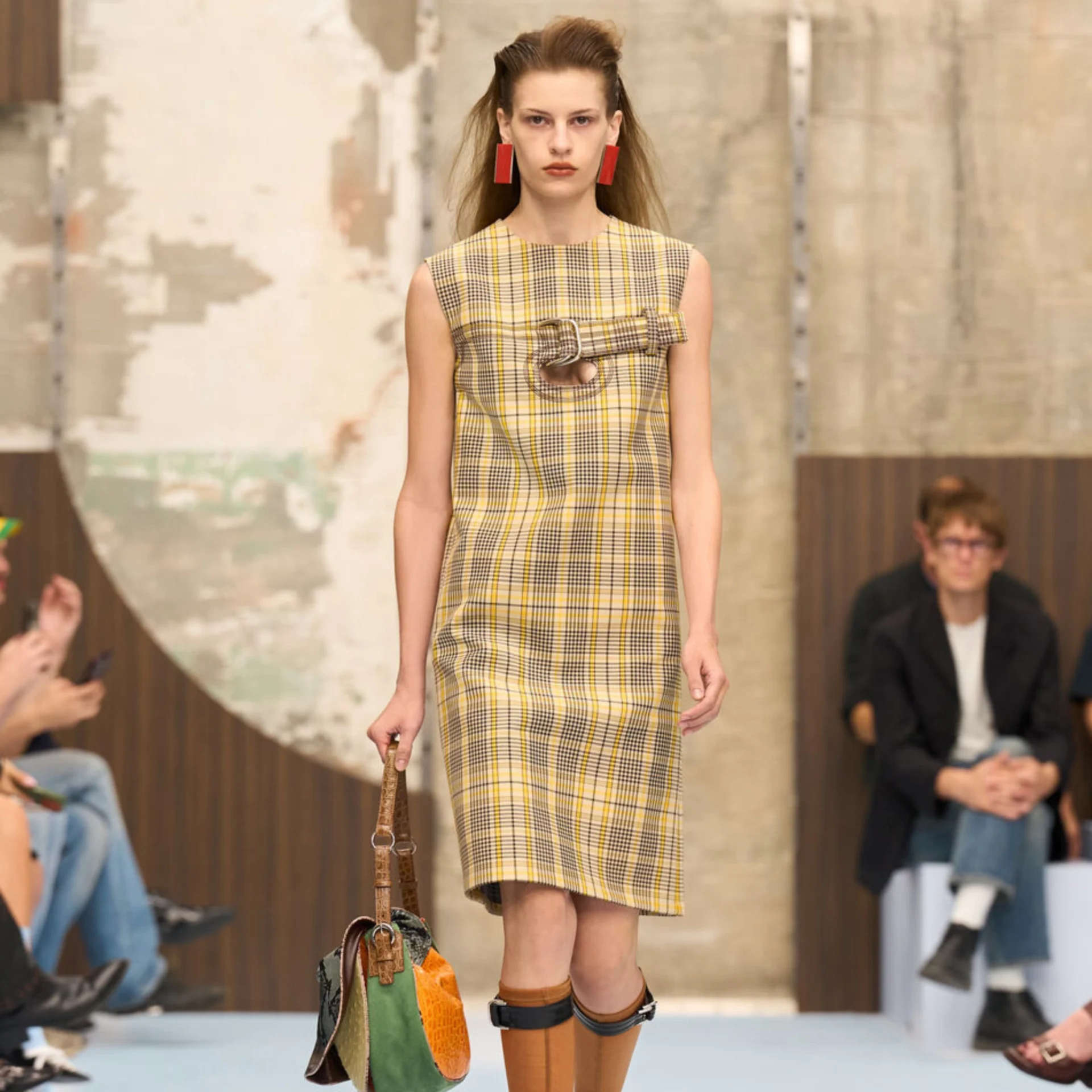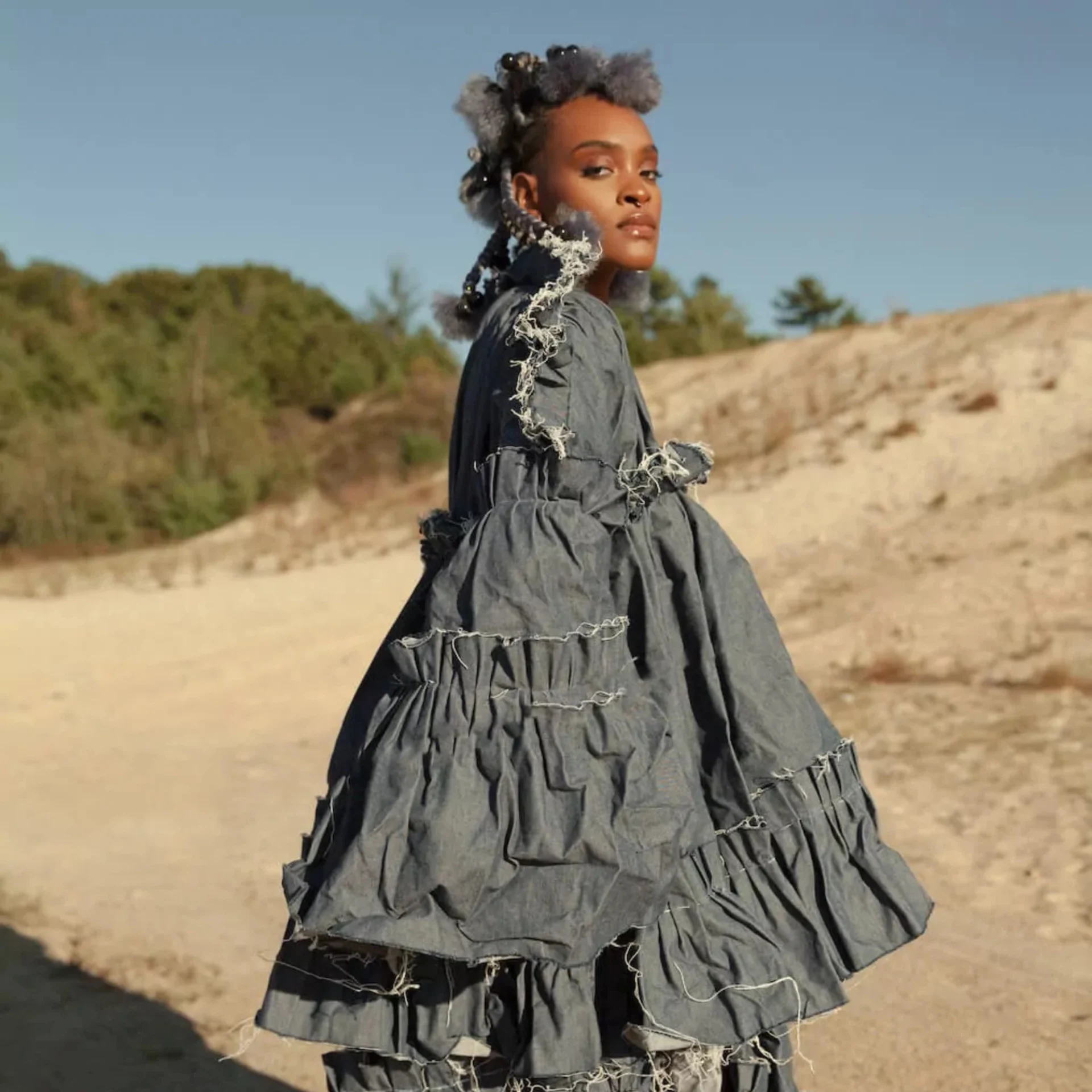




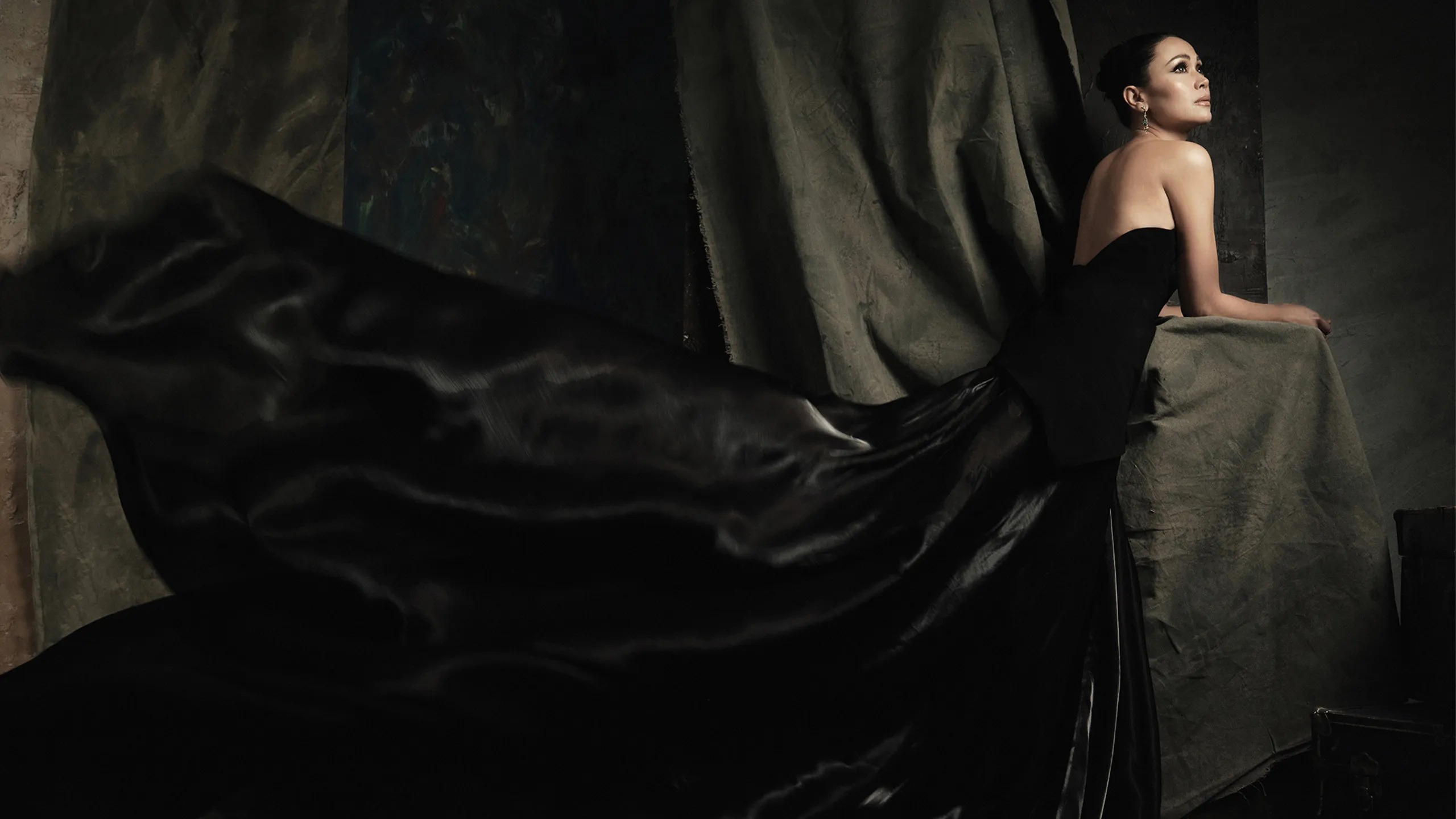
Actors come from different backgrounds, each carrying the distinct stories that shaped them and the specific skills that make them unique performers. Their aspirations diverge just as widely— one pursues the art, another yearns to be seen. But beneath those differences lies a common thread: the moment they realize why they do what they do.
RELATED: A Cinematic Debut: The New Faces of MEGA Ball 2026
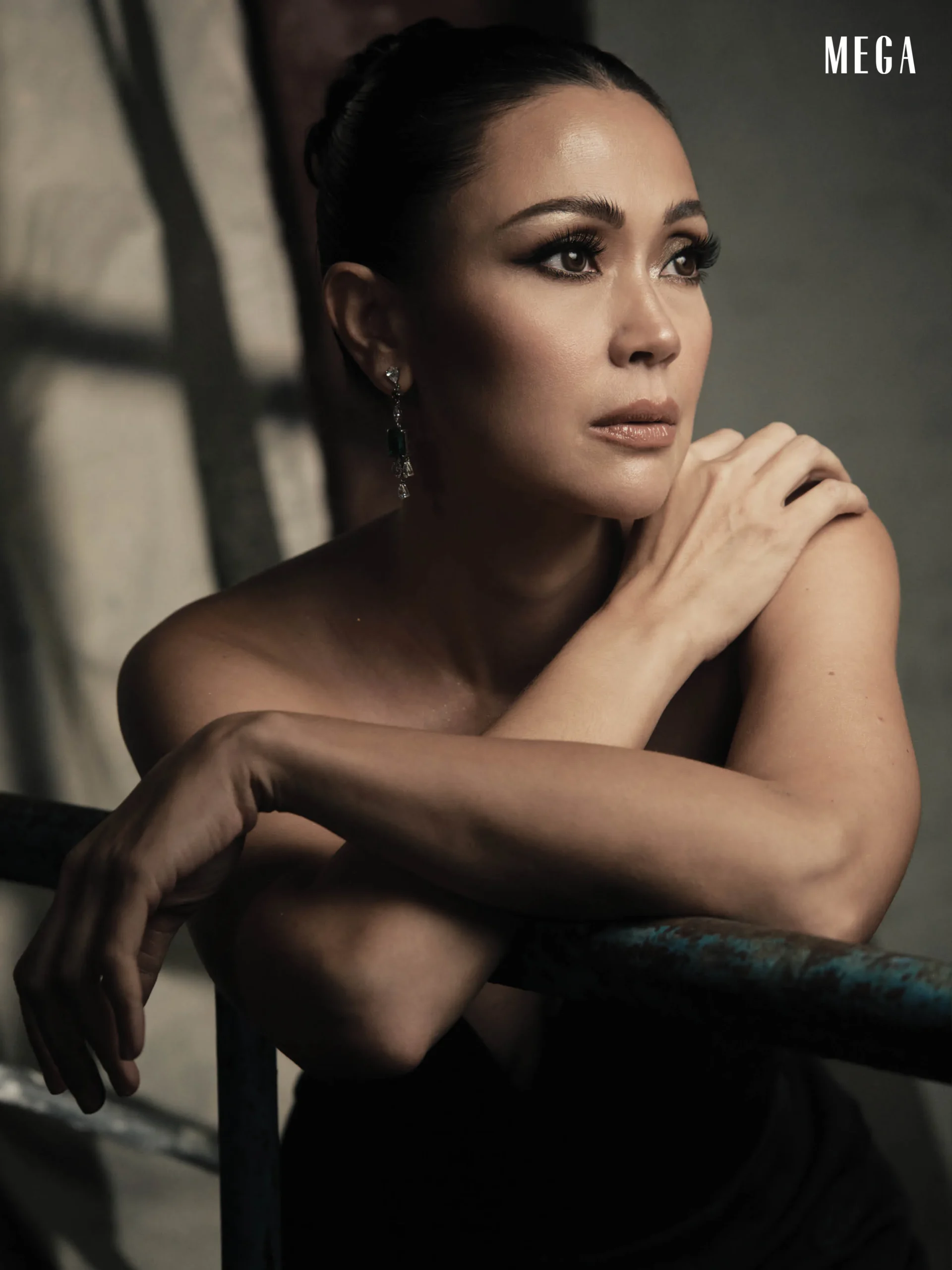
“Because of the stories that I did, (people) felt seen,” says Jodi Sta. Maria, who returns to the moments when audiences recognized themselves in her portrayals as the defining highlight of her journey in Philippine cinema. That connection is something she deeply values, as acting extends beyond plotlines and dramatic tension. “We’re not here just to perform,” the actress explains. “It’s really about connecting, empathizing—not only to the character, but to people.”
In every part she plays, she takes her time fleshing out the individual assigned to her. Her dedication as an artist manifests in the amount of research she pours into her craft. “You really have to feel,” she states, and that conviction is transformative.
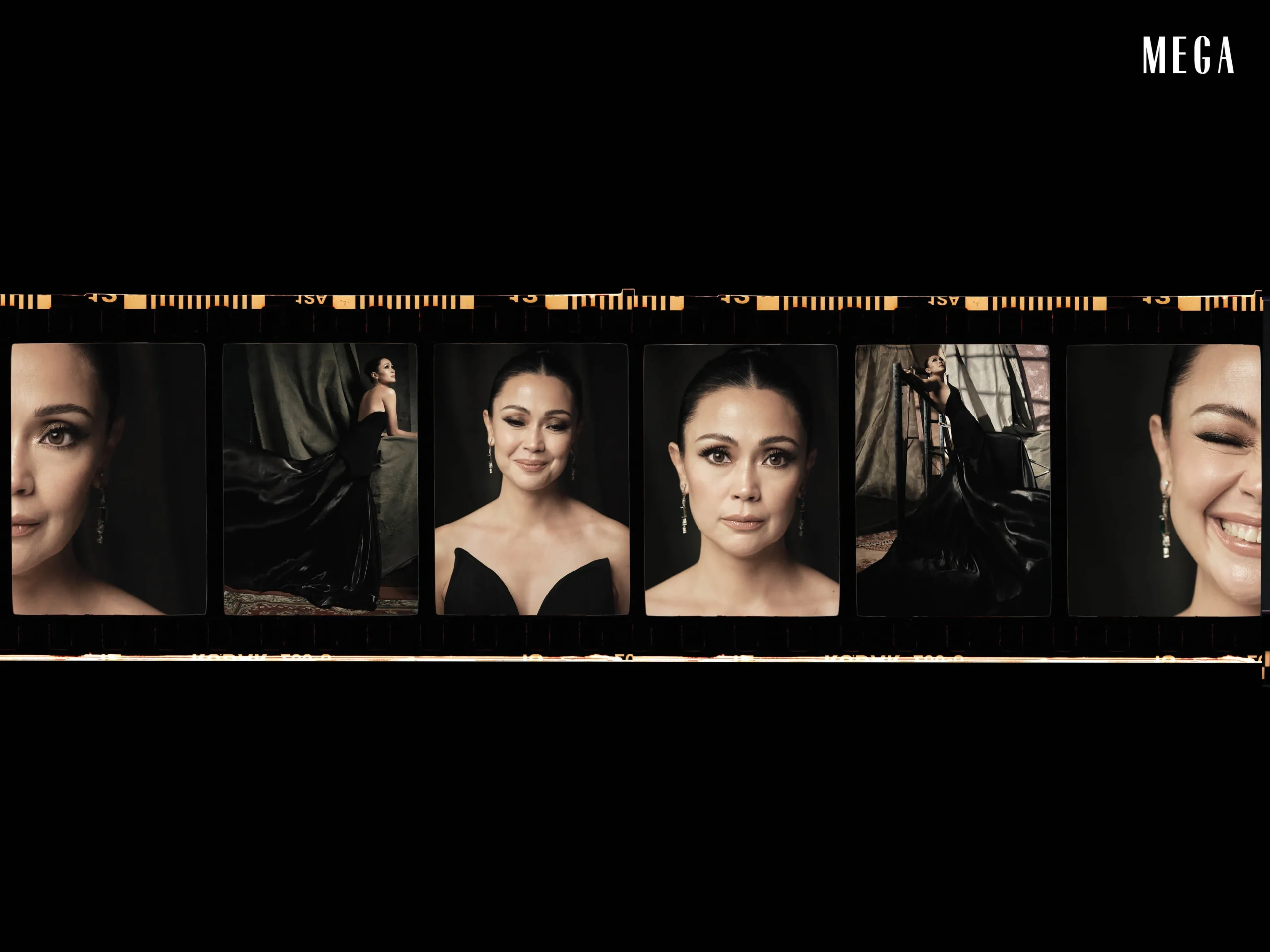
Hence, her open and curious mind, tethered by respect, guides her—because every character, even the most difficult or morally complicated, deserves compassion in Sta. Maria’s eyes.
At this stage in her life, intention matters more than taking on a simple challenge. When considering projects, the questions she now asks herself revolve around meaning: “How is this going to change another person’s life? Who might feel seen and heard when they watch this movie or when they see this series?”
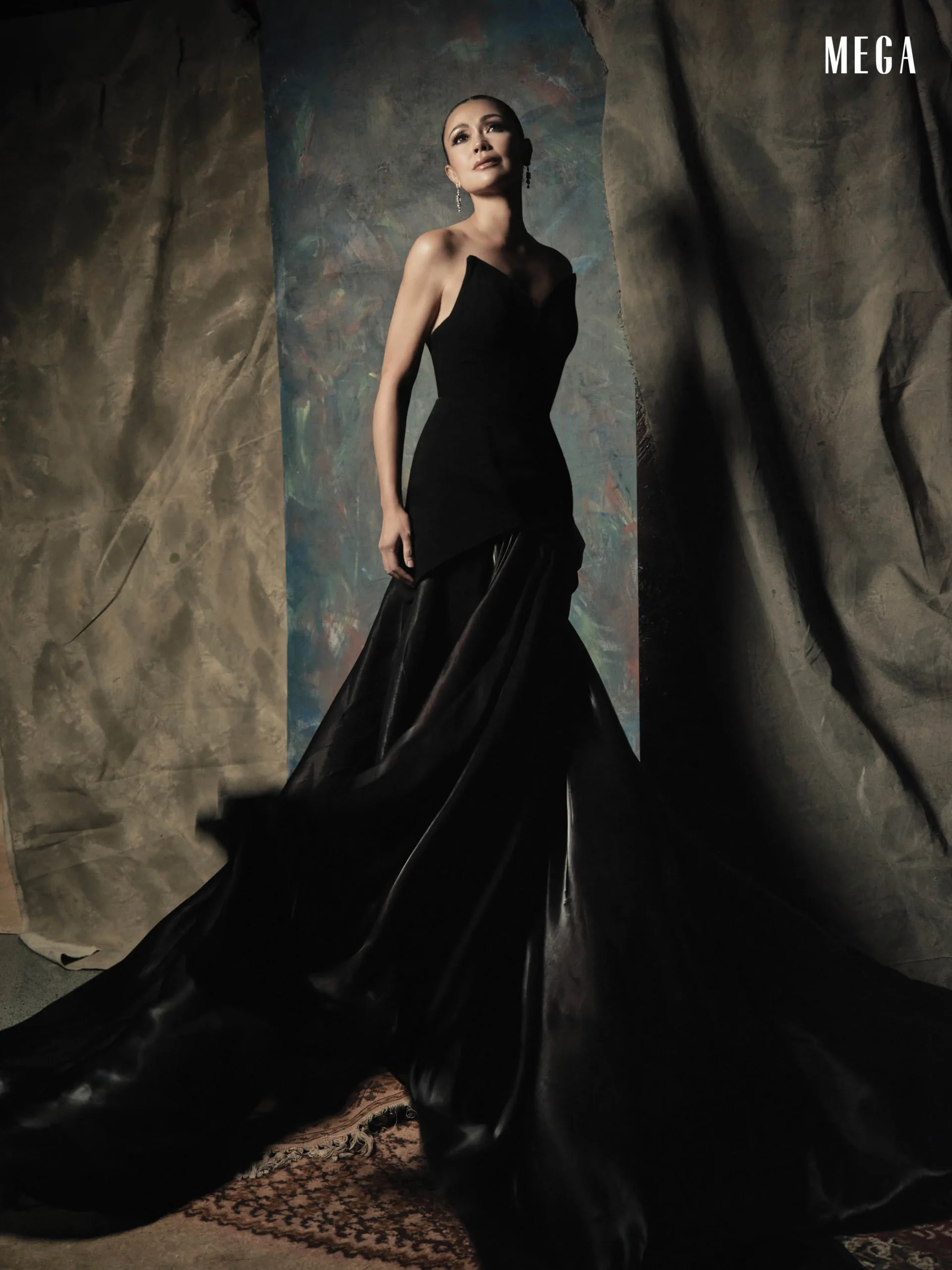
She notes that there was a time when women onscreen were confined to narrow expectations and reduced to simplistic versions of strength, softness, or sacrifice. Today, she embraces the possibility of contradiction. “We can be both messy and healing,” she smiles. “We can be kind and ambitious.”
Her definition of empowerment reflects that evolution as well. Taking up space and not apologizing for it is how Jodi Sta. Maria describes it, though she quickly expands the idea beyond individual success: “No matter how cliché it might sound, (empowerment) is women uplifting women. And if that’s what you did, then I believe that you
have succeeded.”
Photographed by JERICK SANCHEZ. Creative Direction by PATRICK TY. Art Direction by CLARE MAGNO and BRIE VENTURA. Beauty Direction by AGOO AZCUNA-BENGZON assisted by MARA GO. Sittings Editor PEEWEE REYES-ISIDRO and TREISHA ROVERO. Produced by THESSMAR LECTURA. Image retouching by JONES PALTENG and TROY NONATO. Hair by JAY WEE. Makeup by RB CHANCO. Styled by TEAM RAINXEM. Production Design by ARJ MADARANG of JAGGER STUDIOS. Photography Assistants KARL RIMANDO, BUDDY REYES, DAVE ORPILLA, and RYAN ALBANO
Frequently Asked Questions
Jodi Sta. Maria cites the moments when audiences recognize themselves in the characters she portrays as the defining highlight of her career. She values that connection above dramatic recognition, describing acting as an act of empathy directed not only at the character but at the people watching.
Jodi Sta. Maria’s preparation is research-driven. She dedicates significant time to understanding the character assigned to her, anchoring her approach in the conviction that an actor must genuinely feel the role. She also extends compassion to even the most morally complicated characters, viewing that openness as essential to honest performance.
At this stage of her career, Jodi Sta. Maria evaluates projects based on meaning and impact. She asks whether the work has the potential to change a viewer’s life and whether audiences — particularly those who are often underrepresented — might feel seen and heard through the story being told.
Jodi Sta. Maria observes that women onscreen were once confined to narrow expectations — reduced to simplified versions of strength, softness, or sacrifice. Today, she embraces a more expansive representation, one that allows women to be messy and healing simultaneously, or kind and ambitious without contradiction.
Jodi Sta. Maria defines empowerment as taking up space without apology and, more broadly, as women actively uplifting one another. She frames collective support — not individual achievement alone — as the clearer measure of success, describing women uplifting women as a principle she holds above personal recognition.