



This is an excerpt from MEGA February-March 2026 Designer Spotlight
Fashion likes to pretend it’s global. In reality, it still speaks with a very loud Western accent. You can hear it in the silhouettes that get called “modern,” the references that get labeled “timeless,” the aesthetics that are treated like neutral territory. Meanwhile, everything east of Paris gets filtered through “craft,” “tradition,” or worse—“exotic.”
Which is why Southeast Asian designers feel so restless. Our identities aren’t neat, obviously. They sprawl. You can’t summarize us in one look, one fabric, one story. That confusion, however, is a creative advantage. When you don’t know exactly who you are, you’re free to test who you could be.
RELATED: TOTON and the Creative Permission to Recontextualize a Nation’s Story
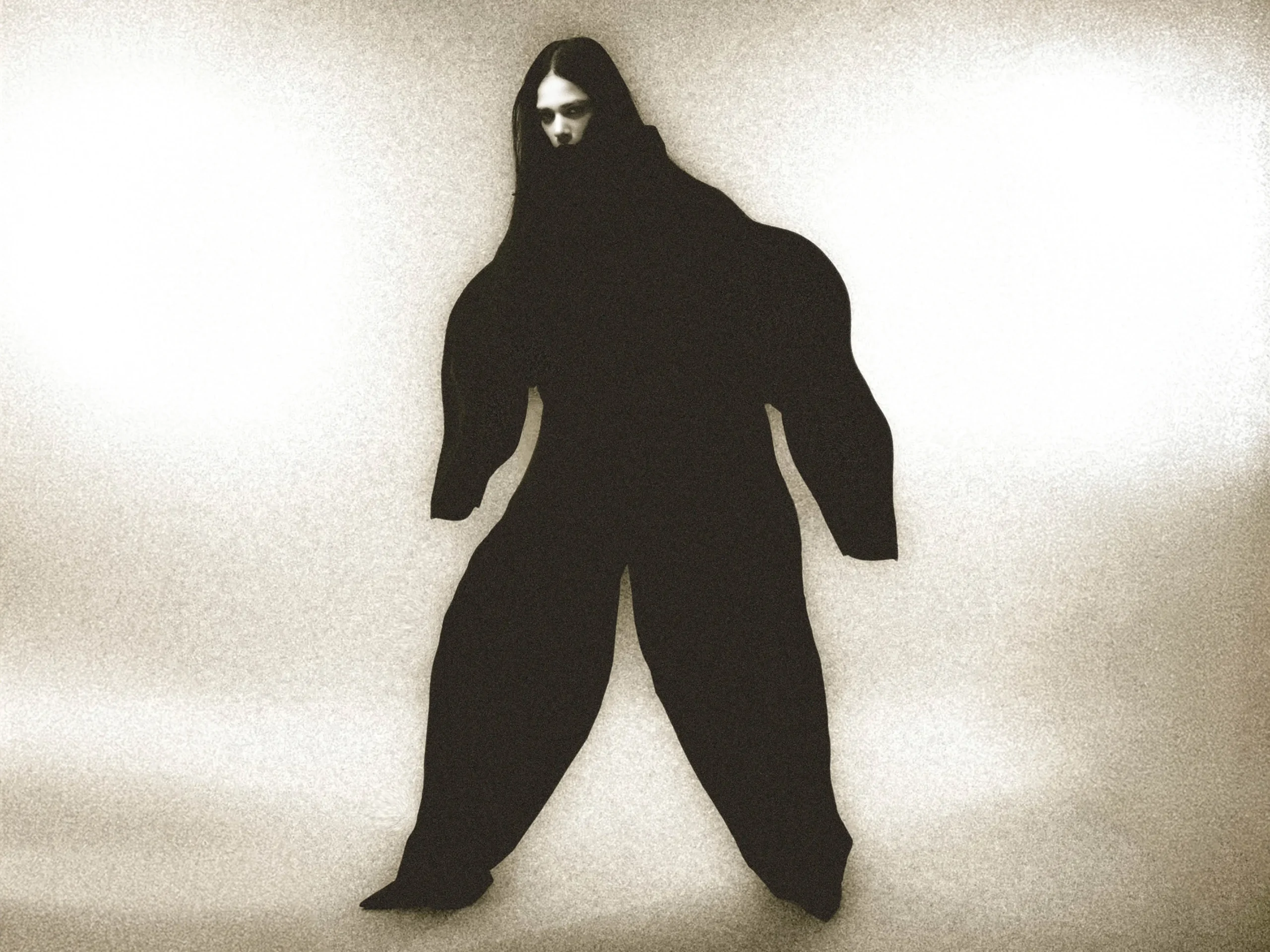
Kit Woo understands this instinctively.
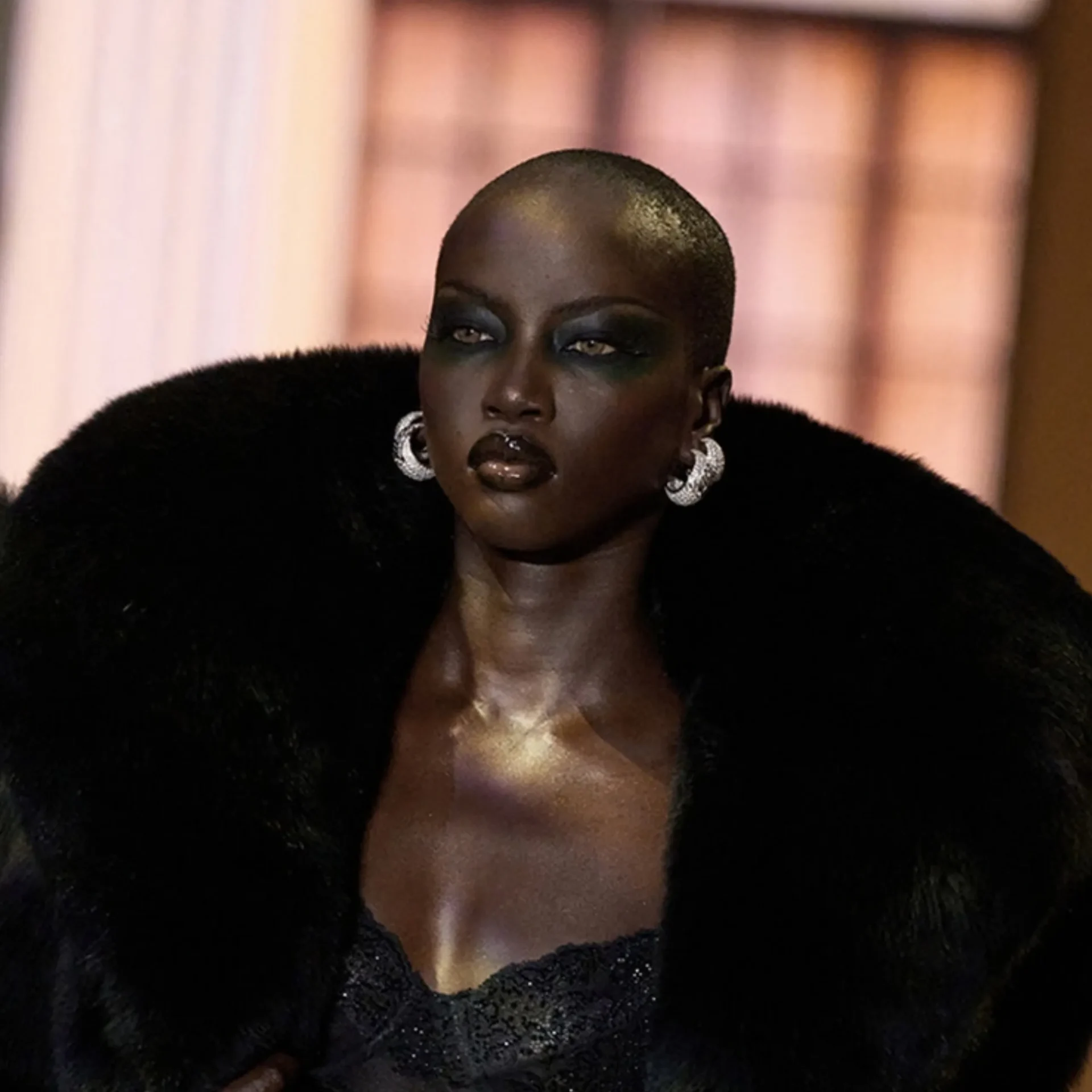
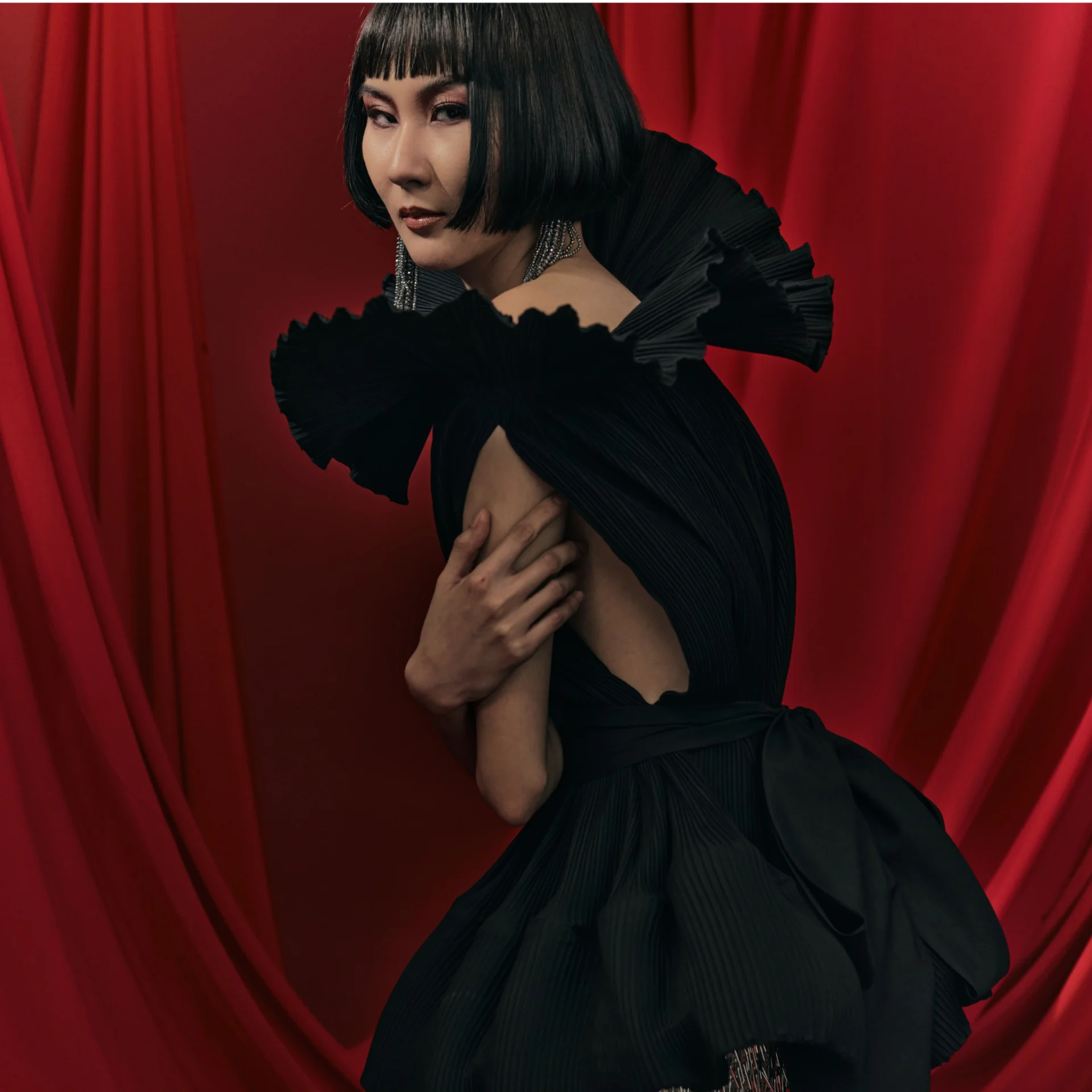
“Kit Woo,” he says, is both an identity and a concept, based on a system of questioning. “Our identity comes from a clear conceptual foundation,” he explains, “but it evolves through continuous exploration of deconstruction and reconstruction. We don’t reinvent ourselves each season—we push ideas further, or return to them with more clarity.”
The name itself already gives it away. Woo Kit, rearranged into Kit Woo. A small switch, but very on brand. Deconstruction, but polite. Identity, but slightly crooked. A reminder that sometimes all you need is to change the order of things to change how they’re read.
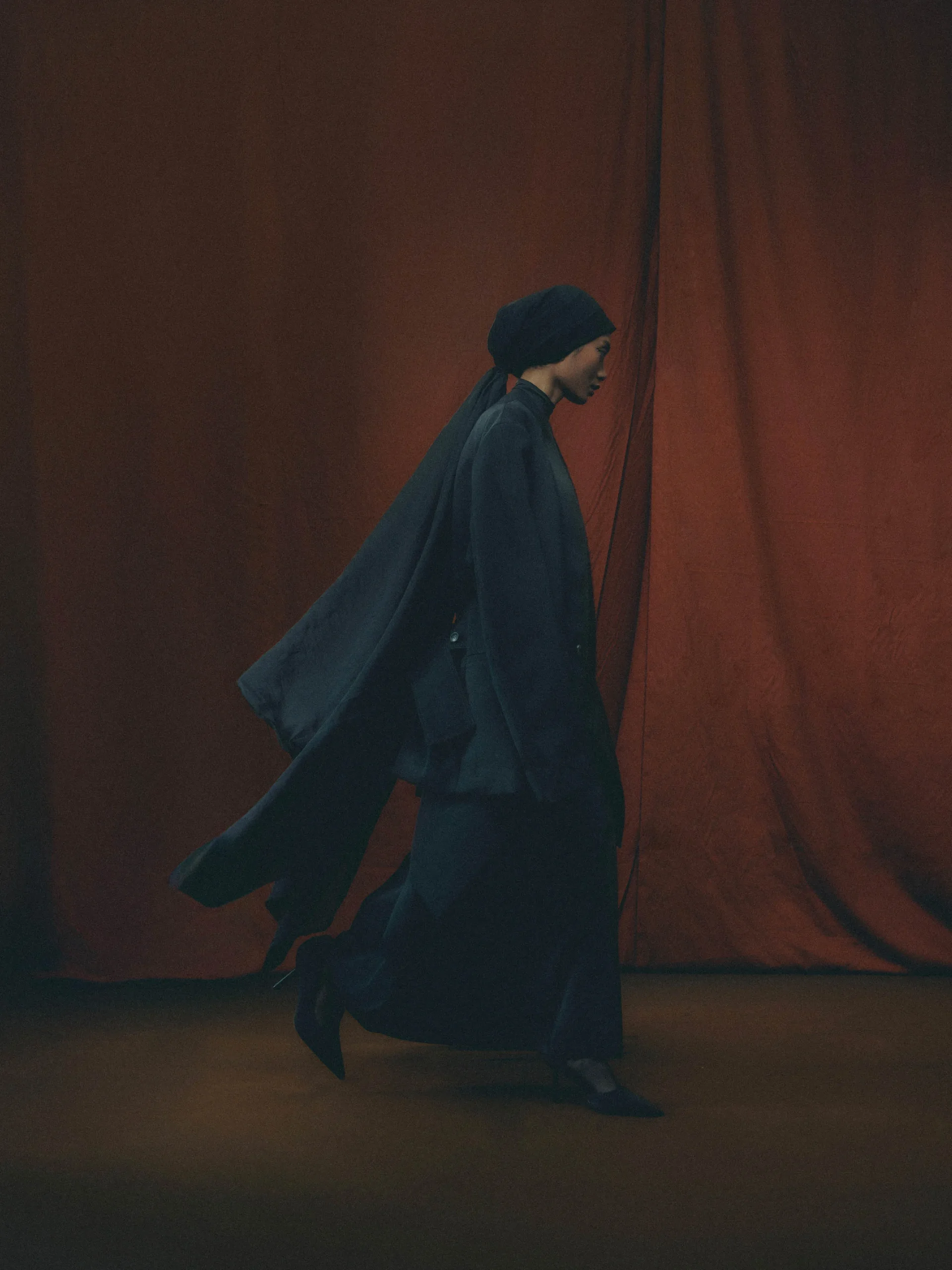
Malaysia, Off the Itinerary
Being Malaysian shapes his work, even when it doesn’t announce itself. Not with batik-on-everything or cultural cosplay, but with atmosphere. “We’re surrounded by designers and artists from different backgrounds,” he says. “That plurality shapes how we think.”
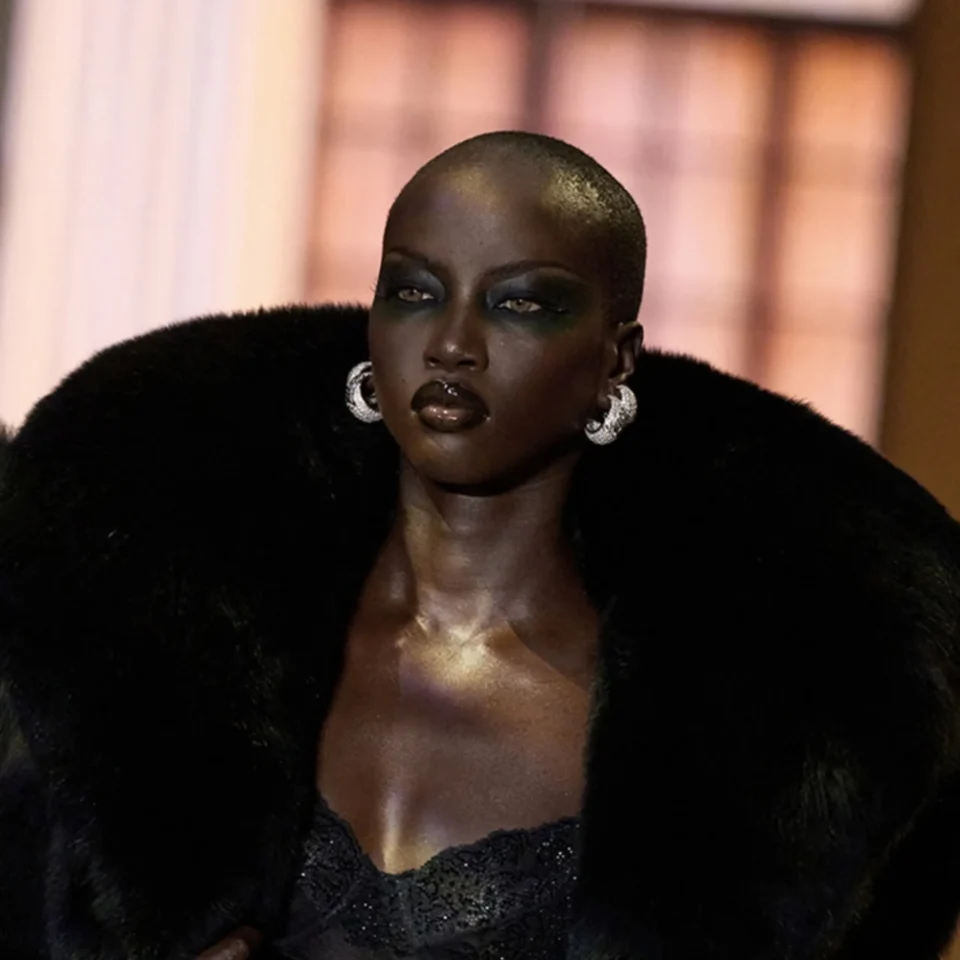
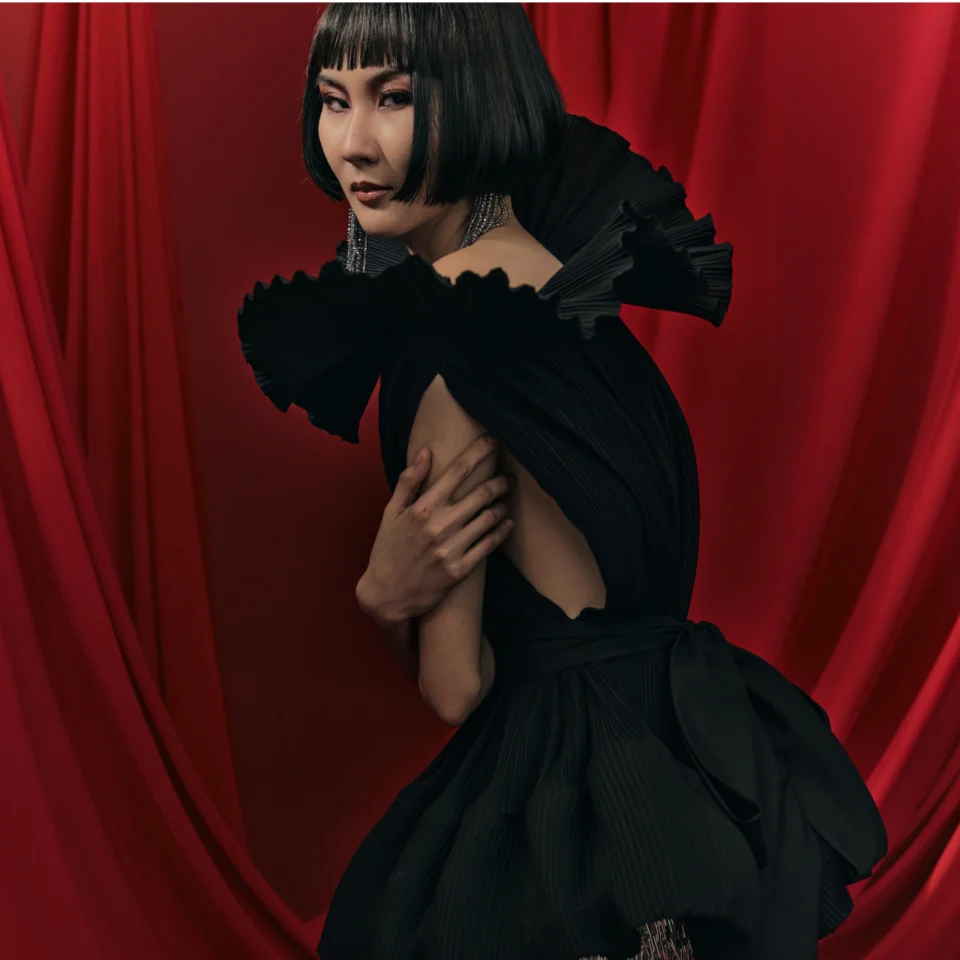
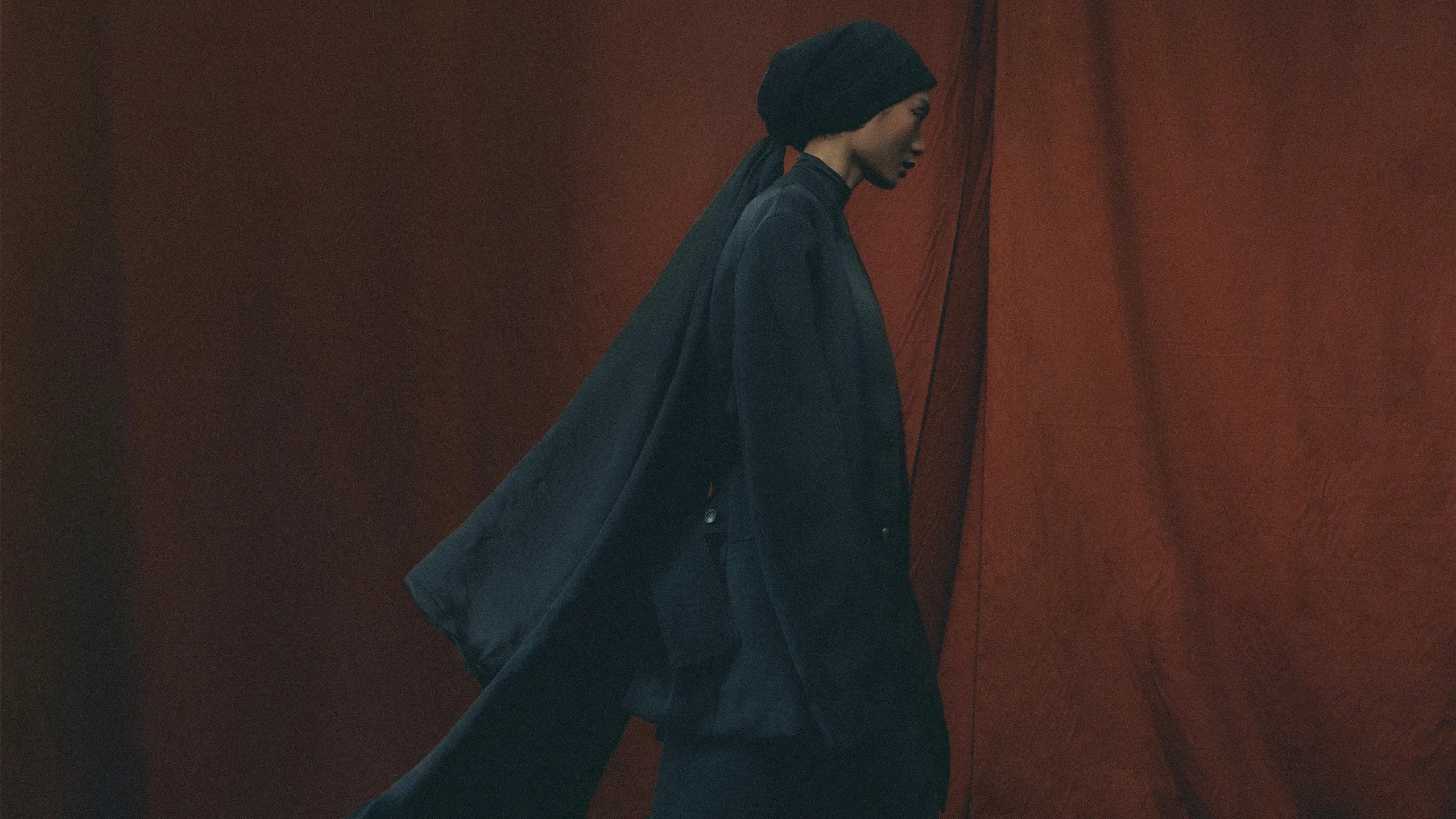
When Kit Woo references culture, it shows up sideways. His Pre-Spring Raya 2025 collection drew from Silat, a Nusantara martial art, translated through movement, shape, and tension.The body as language. Culture as posture.
“Our intention is to integrate cultural references in a way that is not immediately recognisable, allowing the pieces to remain wearable in everyday contexts,” he says. The goal, then, is integration. Which is quietly radical as fashion still loves to freeze Asian culture in amber—beautiful, ancient, unmoving. Kit Woo treats it like language: evolving, flexible, capable of slang.
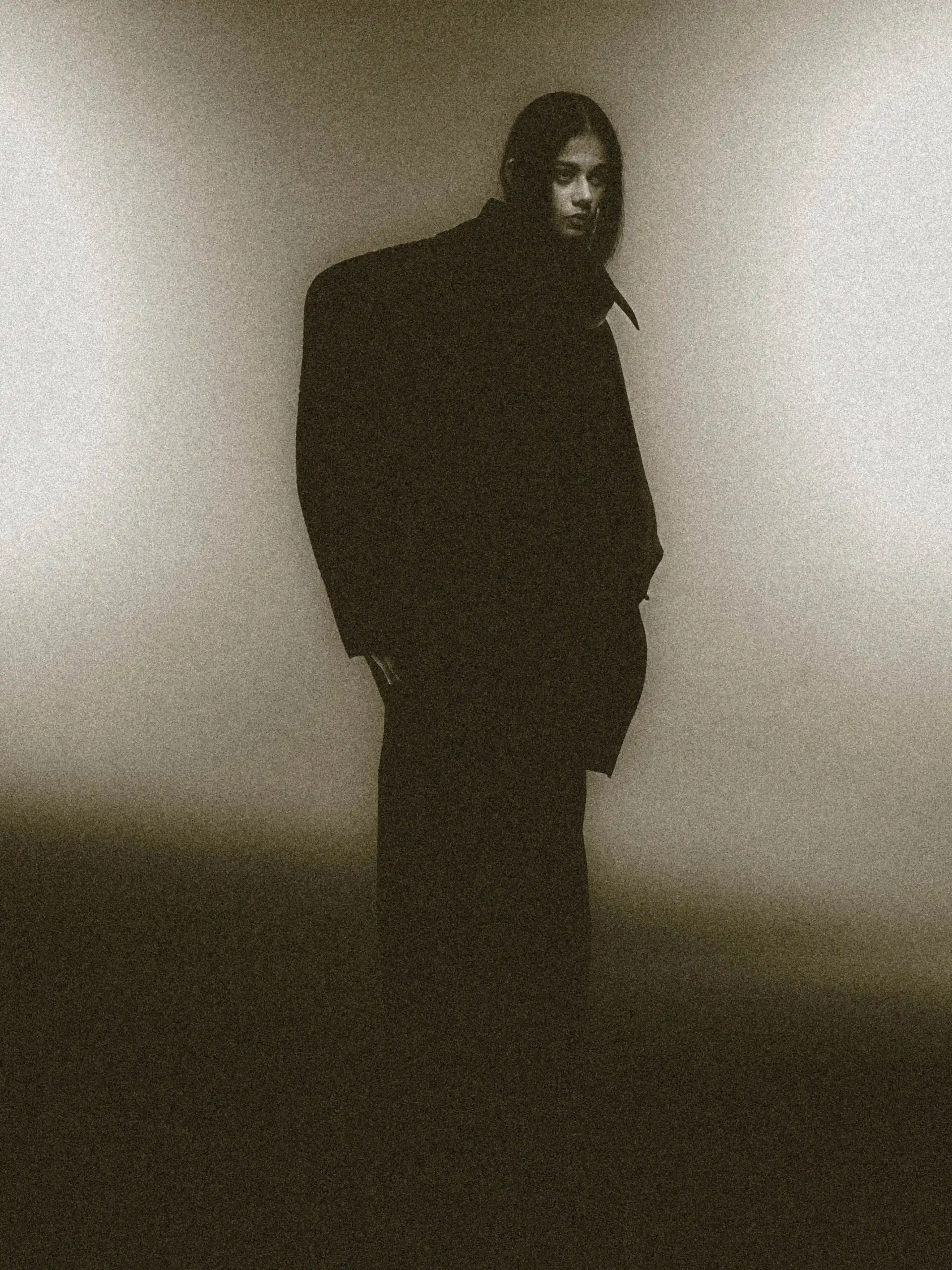
Outlier, Mirror, Trouble-Maker
In Malaysia, Kit Woo sees himself as both outlier and mirror. A figure that bends narratives, and we know how our Southeast Asian culture loves it when we question and change stances. “We don’t aim to disrupt,” he says. “We engage—embracing, distorting, re-informing existing structures.”
His studio begins with hands. Cutting, pinning, tearing, reassembling. A garment is argued with until it gives in—or until he does. “There’s tension,” he admits. “Then release. That cycle defines our process.”
When people ask what “unconventional” means now, when everyone claims it like a personality trait, his answer is simple: “It comes from being at ease with your own definition of the conventional.”

It’s easy to say that the real difference doesn’t come from trying to be strange. Harder to live it. We’re surrounded by reminders—notifications, alarms, trends telling us what’s “new.” Yet people are wary of what actually is. So they circle the same ideas, again and again, until repetition feels like safety and fatigue feels like culture. Difference, the real kind, comes from knowing what feels normal to you and standing there without apology. Once you stop performing originality, you’re free to actually discover it.
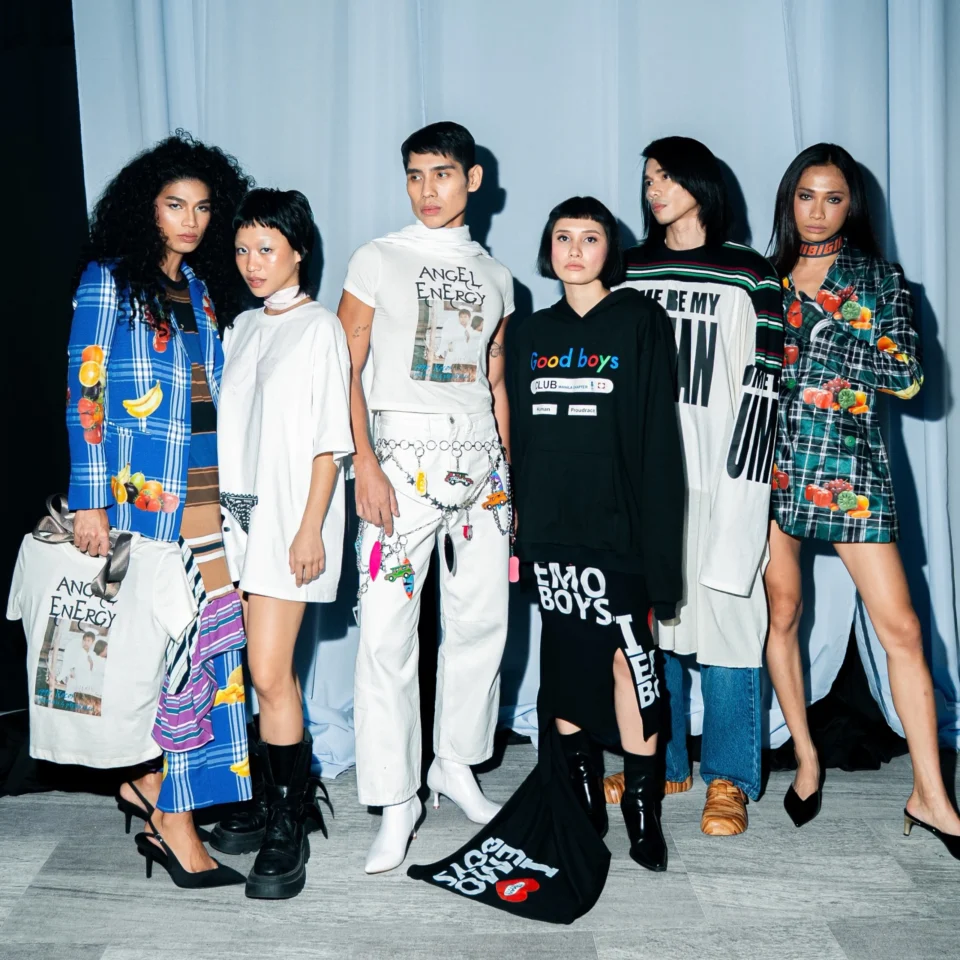
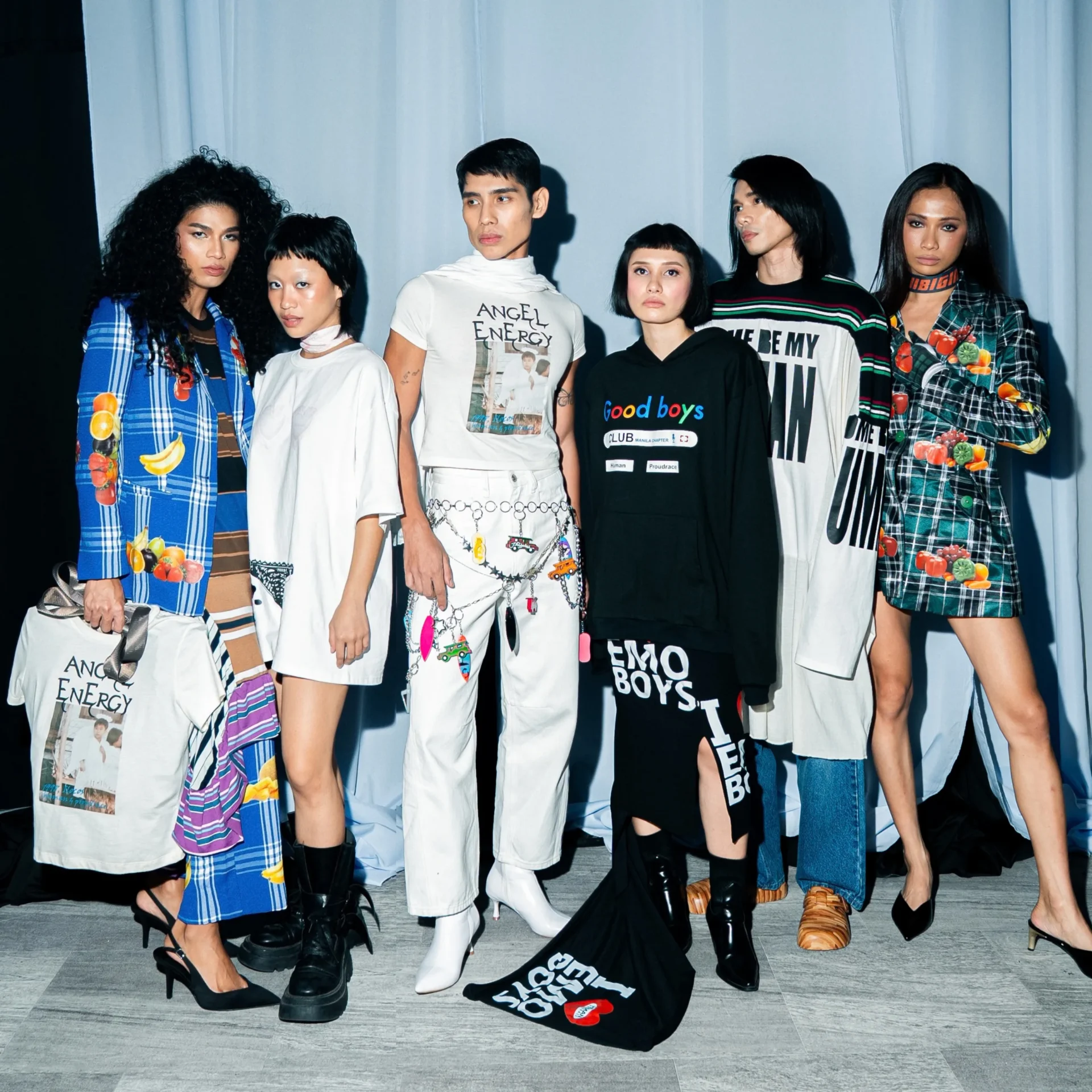
In his idea of genderless clothing, he doesn’t design for categories—menswear, womenswear, whatever. If it resonates, it belongs to you. If it makes you feel good, then it’s yours. In fact, he’s witnessed people become braver in his clothes.
“Once people understand garments aren’t bound by labels, it lets them access a different expression of themselves.”
Read more about Kit Woo’s exploration and deconstruction of Southeast Asian fashion in MEGA’s February-March 2026 issue now available on Readly, Magzter, Press Reader and Zinio.
Images courtesy of KIT WOO.