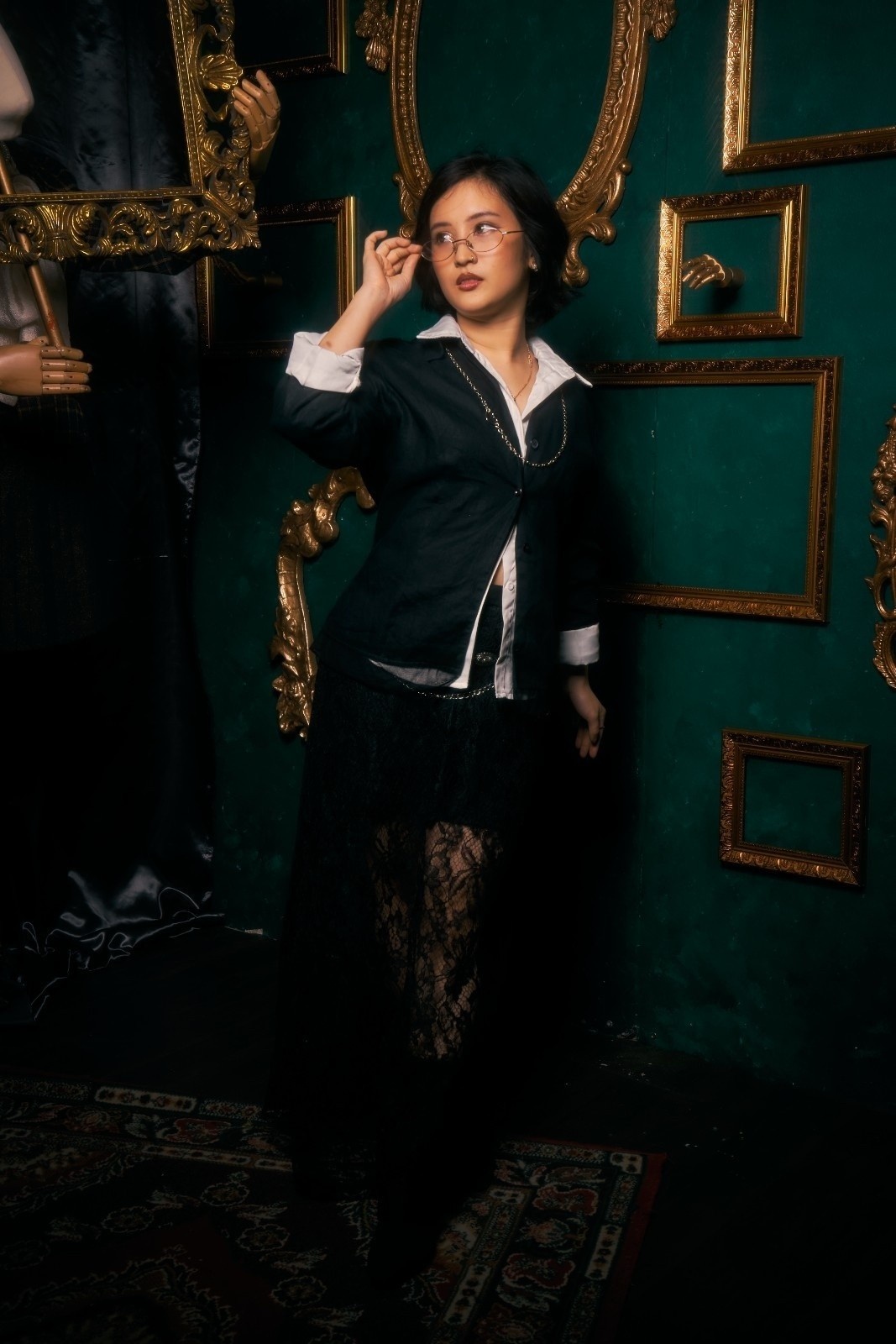




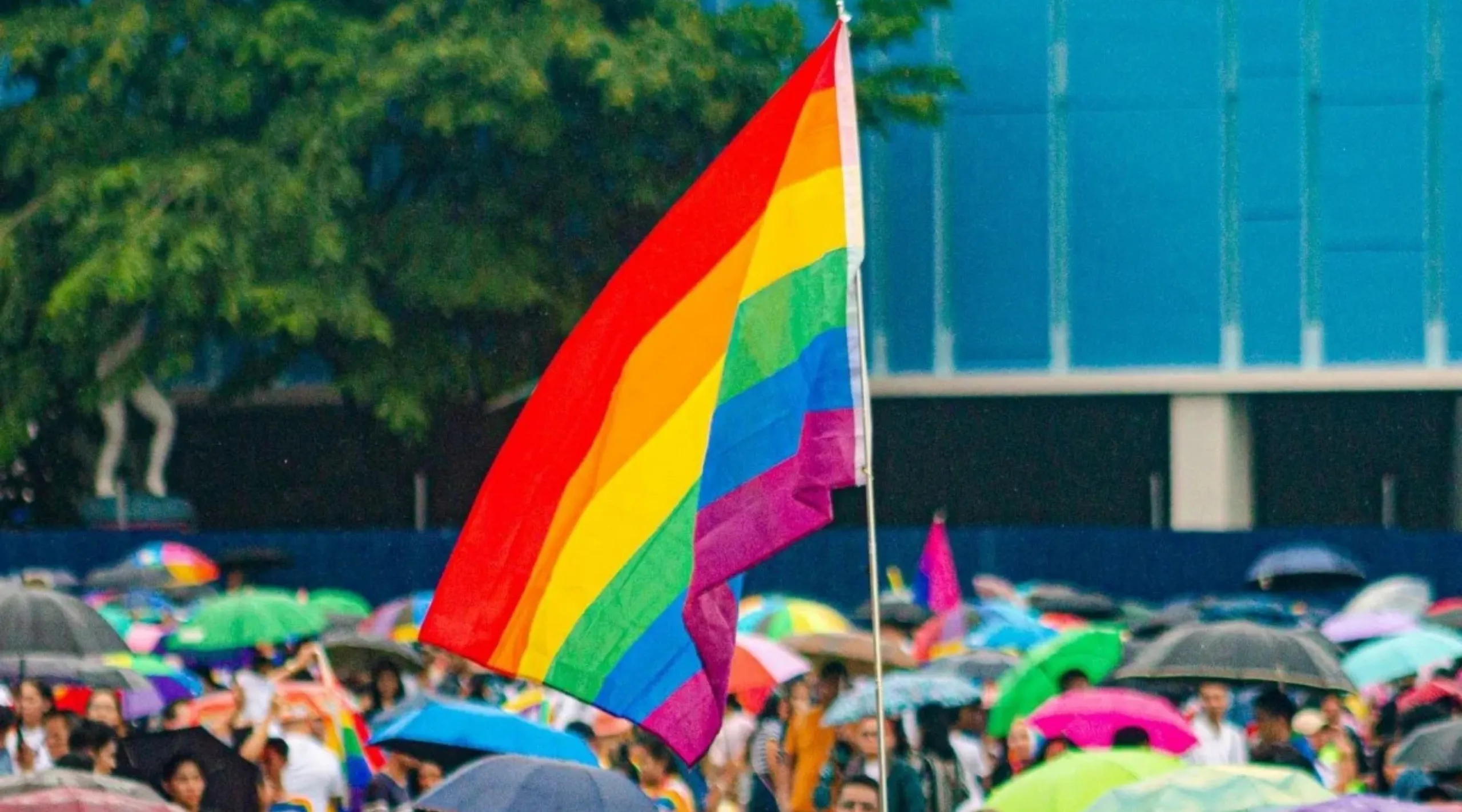
There’s a certain pride I feel now that I’ve fully embraced my queer identity. It’s in the clothes I wear, the media I consume, the decor that fills my home, and the people I choose to surround myself with. It’s woven into my very being and reflected in nearly everything that I do.
Pride Month has always felt like my time to celebrate, but last year was different. I spent Pride with my partner at UP Diliman, surrounded by thousands of people who, like us, came to celebrate love, identity, and community. For the first time, I truly allowed myself to surrender to my queerness—to express it freely and unapologetically. In that moment, I felt seen. Celebrated.
Everywhere I looked, there were signs of support. Rainbow flags hung from storefronts, ally pins adorned lanyards, and Pride collections filled retail shelves. From coffee shops and clothing stores to universities and corporate offices, it almost felt as though acceptance had become the norm.
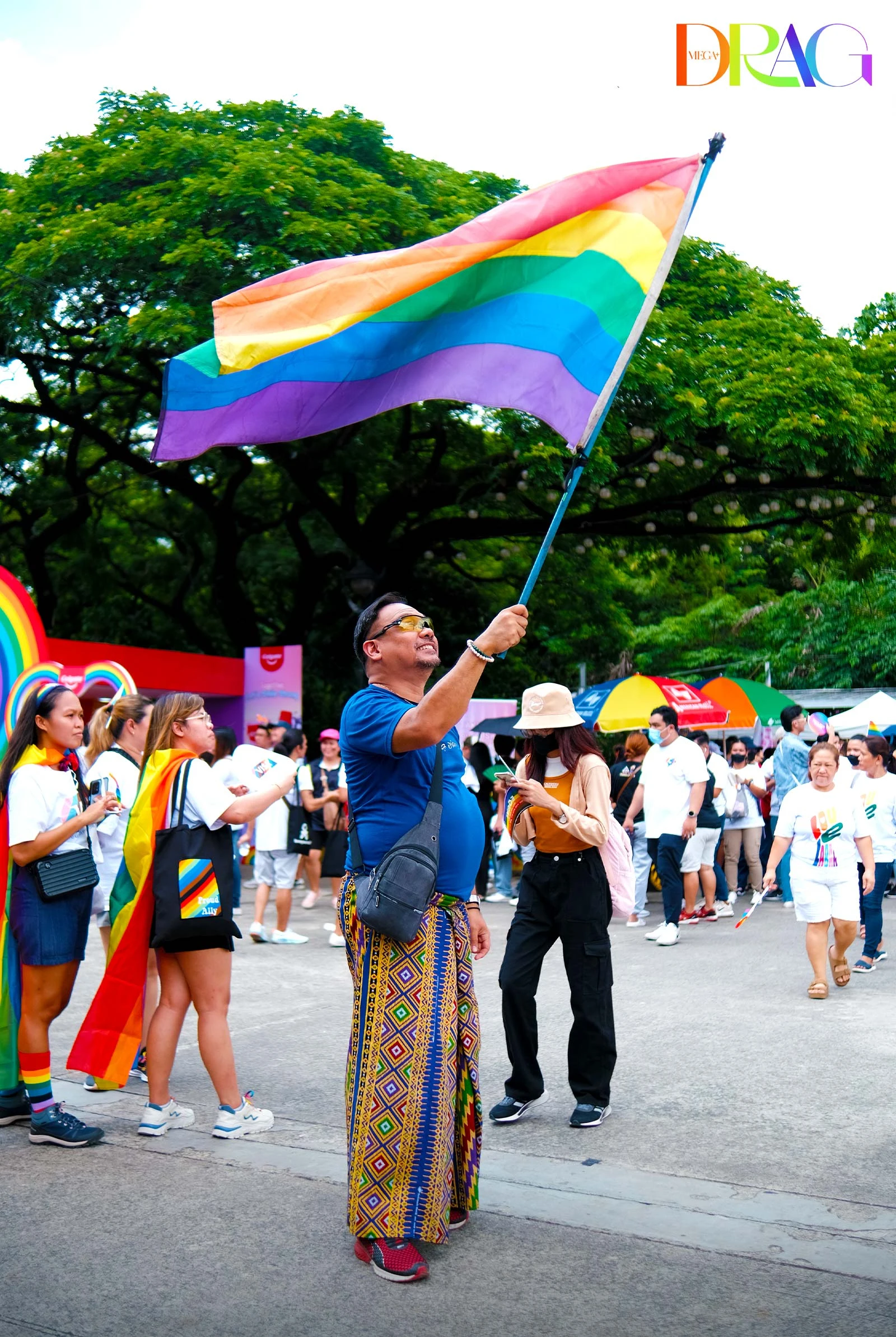
But beneath the festivities, I ask myself: If so many people already support the LGBTQ+ community, why do we still need Pride?
The answer is simple. Because our existence is still being debated.
In a world that prides itself on progress and inclusivity, it is alarming that queer identities continue to be treated as a controversial topic. Visibility has grown, but equality has not always followed at the same pace. Pride remains necessary because acceptance is still not universal, rights are still being fought for, and many queer people still do not feel safe enough to live openly.
RELATED: Here’s Your Pride Month 2026 Event Guide in Metro Manila
Why We March
Pride began as resistance.
On June 28, 1969, patrons of the Stonewall Inn in New York City decided they had endured enough harassment and discrimination. When police raided the bar, the crowd outside fought back. Bottles, cans, and bricks were thrown as queer people stood their ground.
The Stonewall Uprising became a turning point for the LGBTQ+ rights movement. What followed was decades of organizing, advocacy, and solidarity that helped create space for coming-out stories, queer representation across industries, and conversations about equality that continue today.
In 1994, Pro-Gay—a national democratic organization of queer individuals in the Philippines—and MCCP, organized the very first Pride March in the Philippines, and in the entire Asia-Pacific.
— Bahaghari (@Bahaghari_PH) October 31, 2020
It was dubbed Stonewall Manila, in honor of the Stonewall Riots exactly 25 years prior. pic.twitter.com/rv4PHAxdFj
The Philippines has its own place in that history. In June 1994, Asia’s first Pride march took place in Manila to commemorate the 25th anniversary of the Stonewall Uprising. Dubbed “Stonewall Manila,” the gathering brought together more than 30 LGBTQ+ advocates and allies in a historic demonstration for visibility and rights.
More than three decades later, Pride marches continue to fill streets across the country and around the world. Yet despite the progress made, the fight is far from over.
The SOGIESC Equality Bill, a legislation designed to protect Filipinos from discrimination based on sexual orientation, gender identity and expression, and sex characteristics, has been repeatedly refiled and debated for years. Its continued delay serves as a reminder that legal protections for LGBTQ+ Filipinos remain incomplete.
Yes, progress is visible, but acceptance remains uneven.
“There are still people who don’t feel safe or accepted for simply being who they are,” said Issy’s co-founder and Chief Creative Officer Joel Andrade.
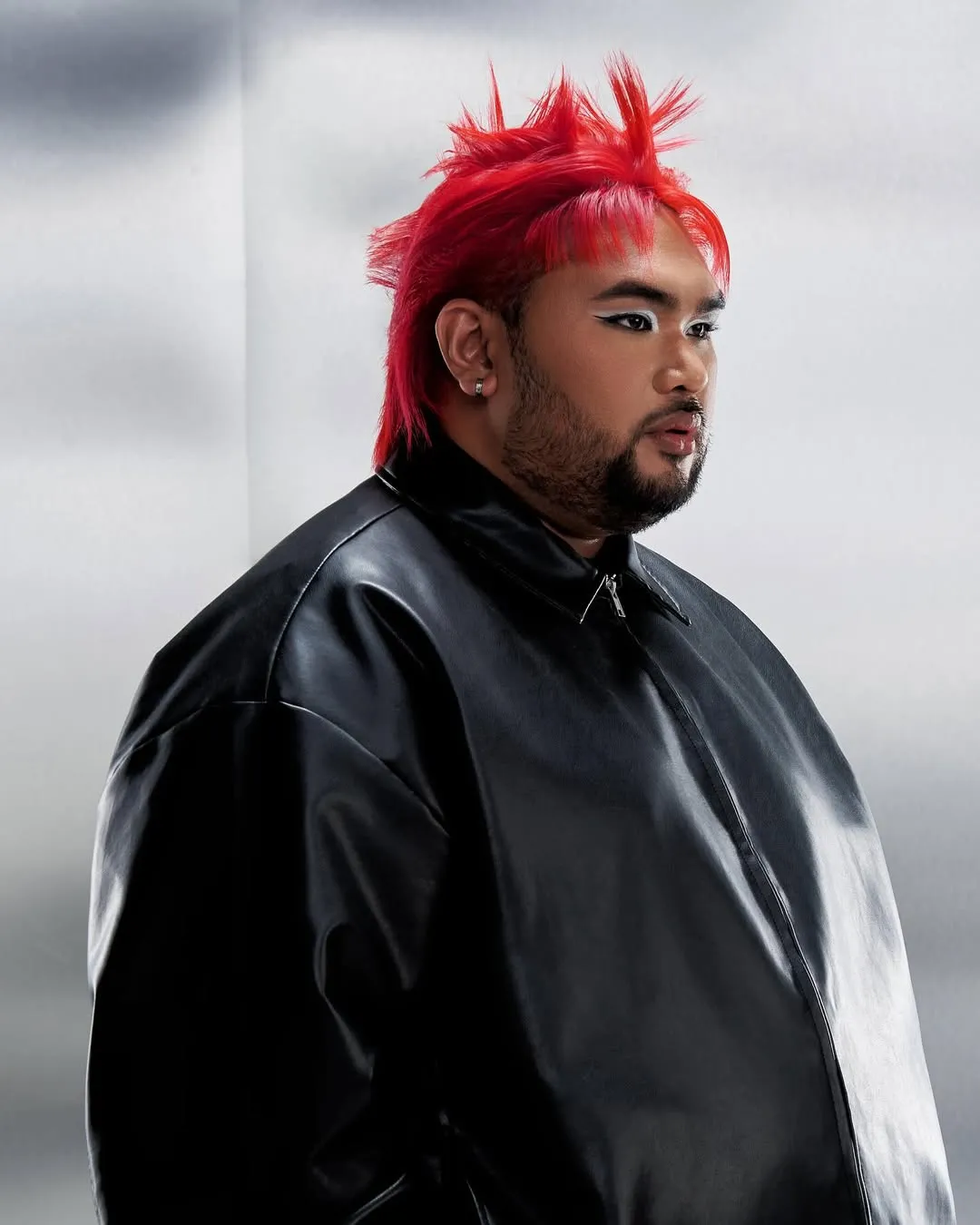
That reality is exactly why Pride remains important. Beyond the parades and celebrations, Pride serves as a reminder that visibility still matters. It reminds those who feel unseen that they are not alone. It honors those who marched before us while pushing us to continue advocating for a future where no one has to defend their identity.
“Pride is a celebration of the people who came before us and made it possible to live more openly today. The best way to honor that is to keep building a world where the next generation has even fewer barriers than we did.”
– Joel Martin Andrade, Co-Founder and Chief Creative Officer of Issy
The Spaces We Shaped
Representation alone is not enough. While queer people have become increasingly visible in mainstream media, visibility does not always translate into recognition.
Many people know the names and faces on stage, but fewer recognize the countless LGBTQ+ individuals who have helped shape the industries behind them.

Take beauty pageants, for example. While beauty queens command the spotlight, many of the people responsible for bringing those visions to life are queer—the makeup artists, hairstylists, designers, creative directors, and pasarela trainers who work tirelessly behind the scenes.
The same can be said for fashion, entertainment, publishing, advertising, and the broader creative industry. Queer individuals have long shaped trends, aesthetics, and cultural conversations, often without receiving the same respect and protections afforded to others.
As actress Jasmine Curtis-Smith observed, “We cannot perform in this country without the community.”
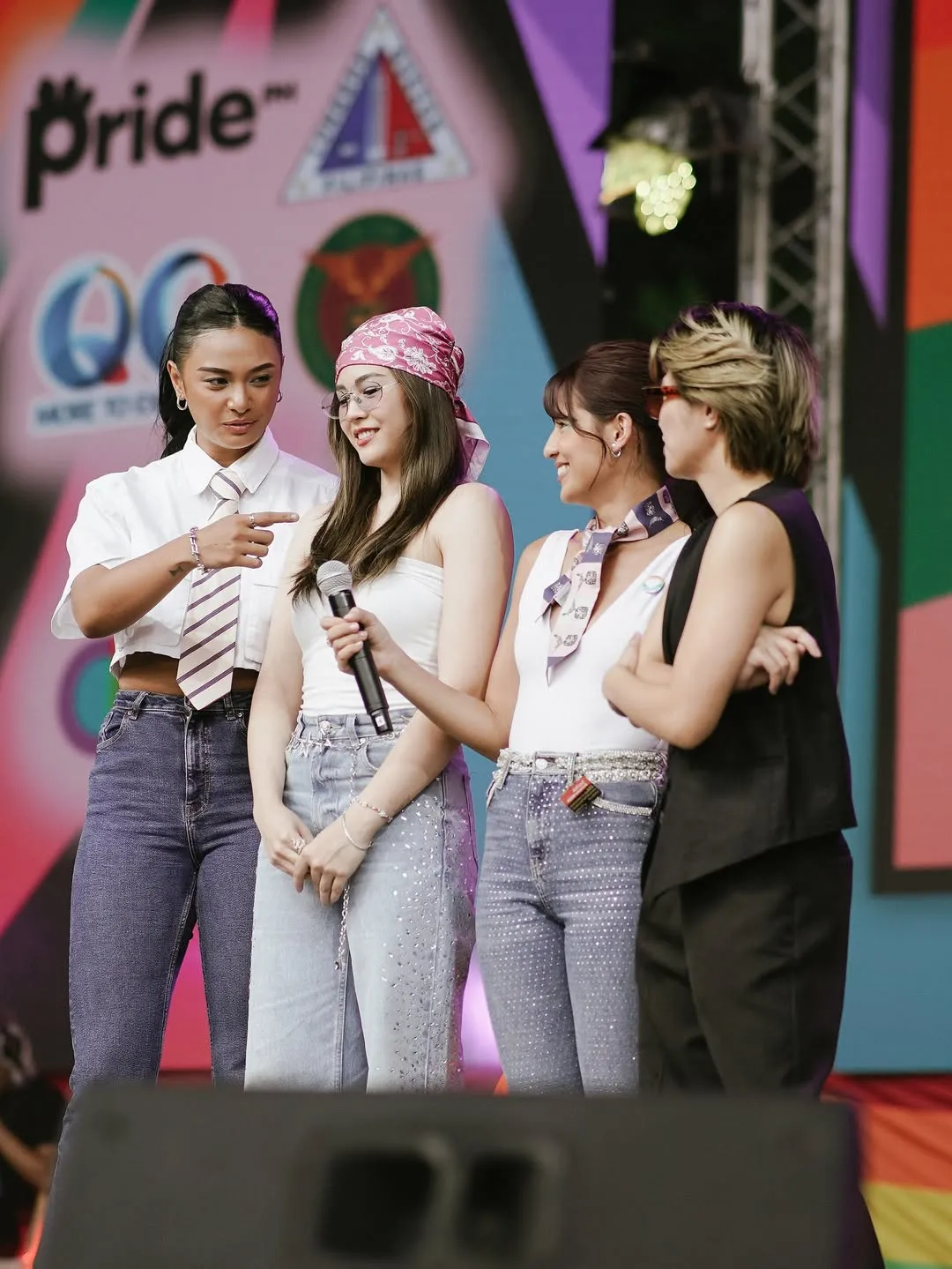
Queer influence can be found everywhere, from the campaigns we see online to the celebrities we admire on television. While openly queer artists still face unique challenges, the community’s impact on Filipino culture is undeniable.
“So much of the backbone of this country is built on the LGBTQ+ community. So dapat talagang sine-celebrate siya at pinaparamdam siya sa lahat (That’s why it deserves to be celebrated and recognized by everyone).”
– Jasmine Curtis-Smith, Actress
Recognizing these contributions is not about proving the community’s worth. Queer people deserve dignity and equality regardless of what they contribute. But acknowledging their role in shaping culture highlights just how deeply embedded the LGBTQ+ community is within the fabric of society.
Love Without Conditions
Yet representation and visibility can only go so far. Beyond recognition lies another ongoing fight: the right to love openly and equally.
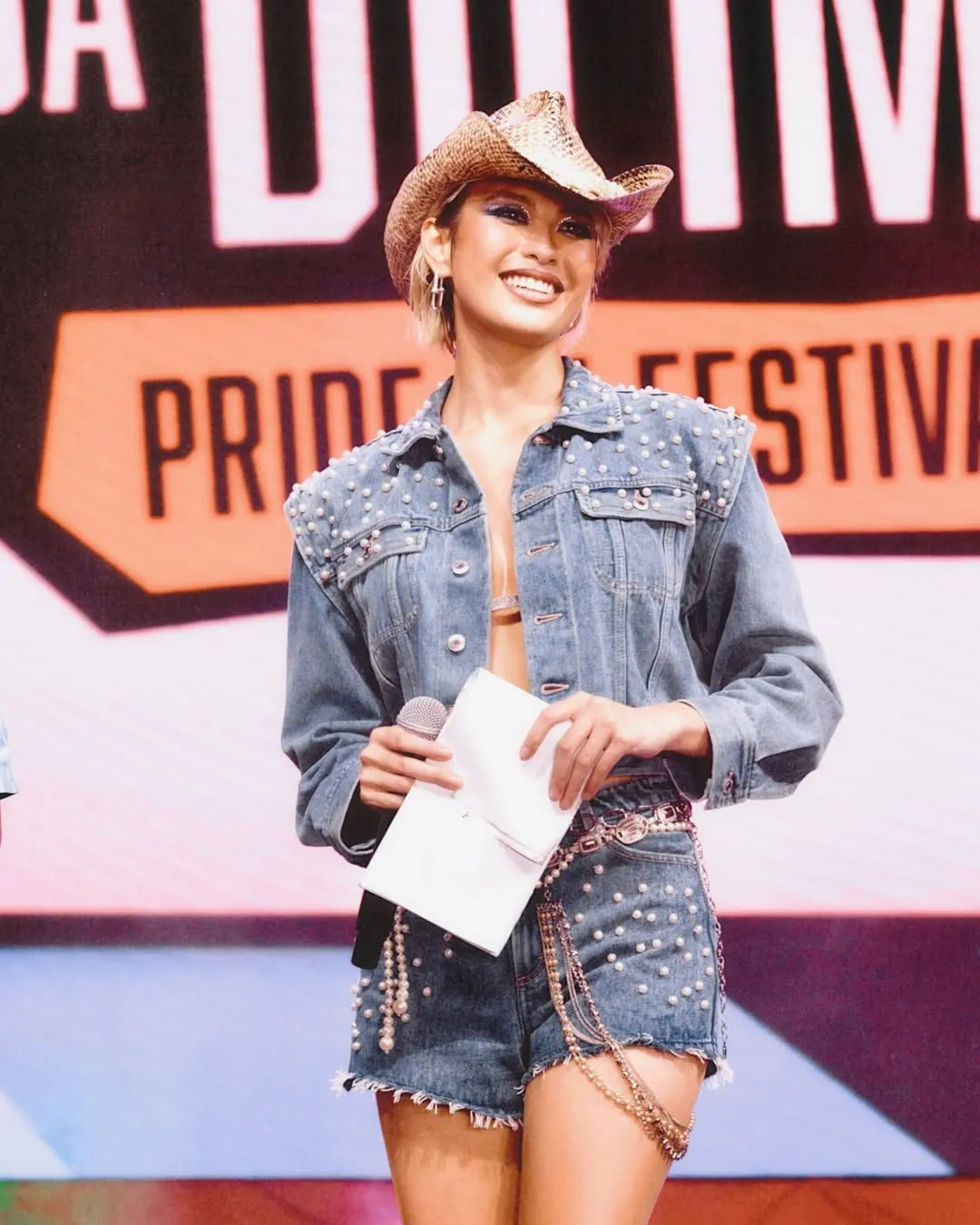
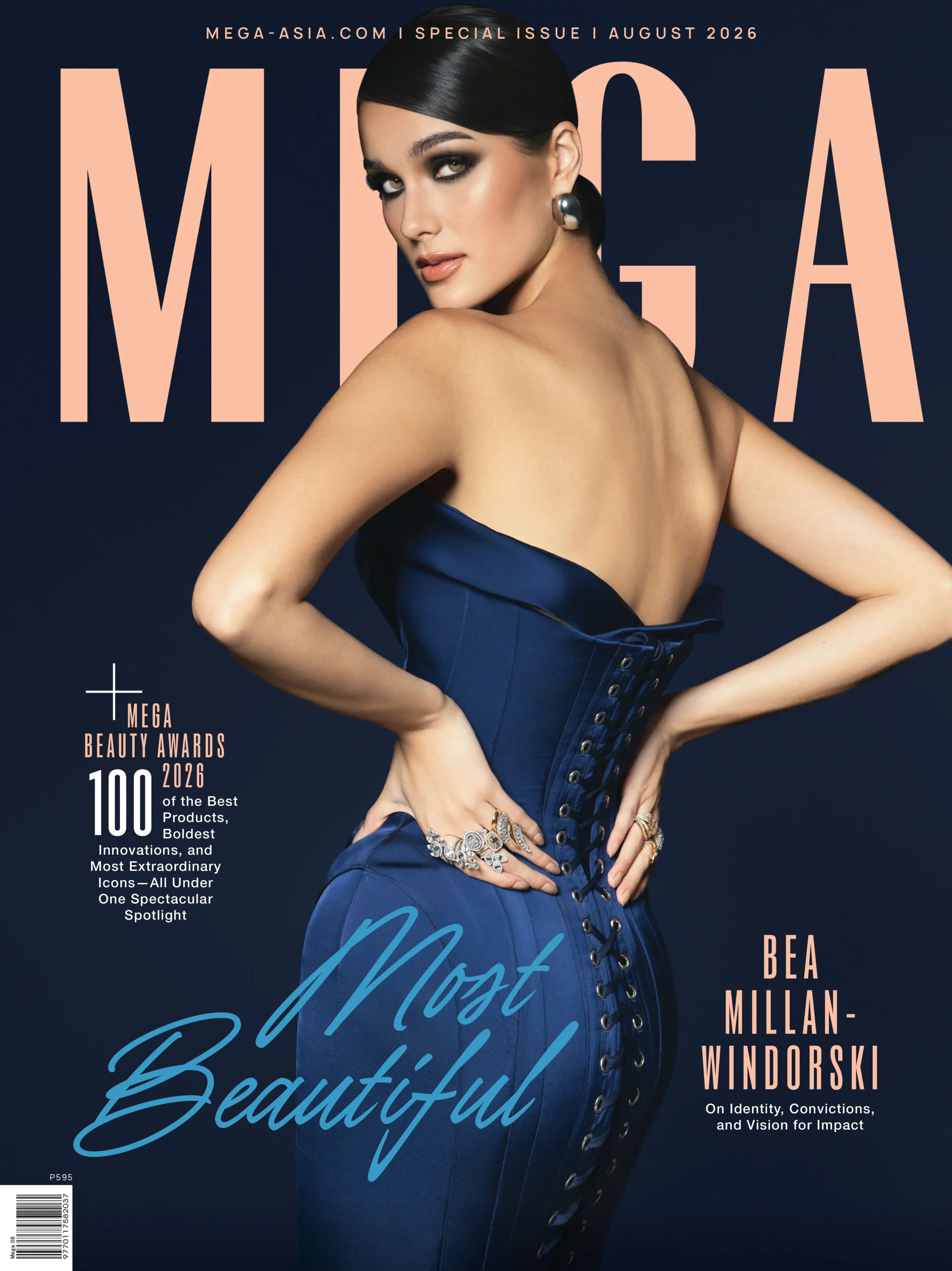
“You don’t have to be part of the community to support the community,” Miss Universe Philippines 2019 Michelle Dee told MEGA. When she shared her authentic story on the cover of MEGA, she was met with overwhelming support from both within and outside the LGBTQ+ community.
“Now, more than ever, more people feel welcome, included, and celebrated.”
– Michelle Dee, Miss Universe Philippines 2018
Love has always transcended gender, sex, and identity. Yet for many queer couples, that love remains politicized and contested.
In the Philippines, marriage equality remains out of reach. Many couples continue to navigate legal and social barriers that heterosexual couples do not face.
Still, there have been meaningful steps forward. Across Metro Manila, several local government units have introduced the Right to Care Card, allowing LGBTQ+ couples to make medical decisions for their partners. While these initiatives may seem small, they represent a larger recognition of queer relationships and families.
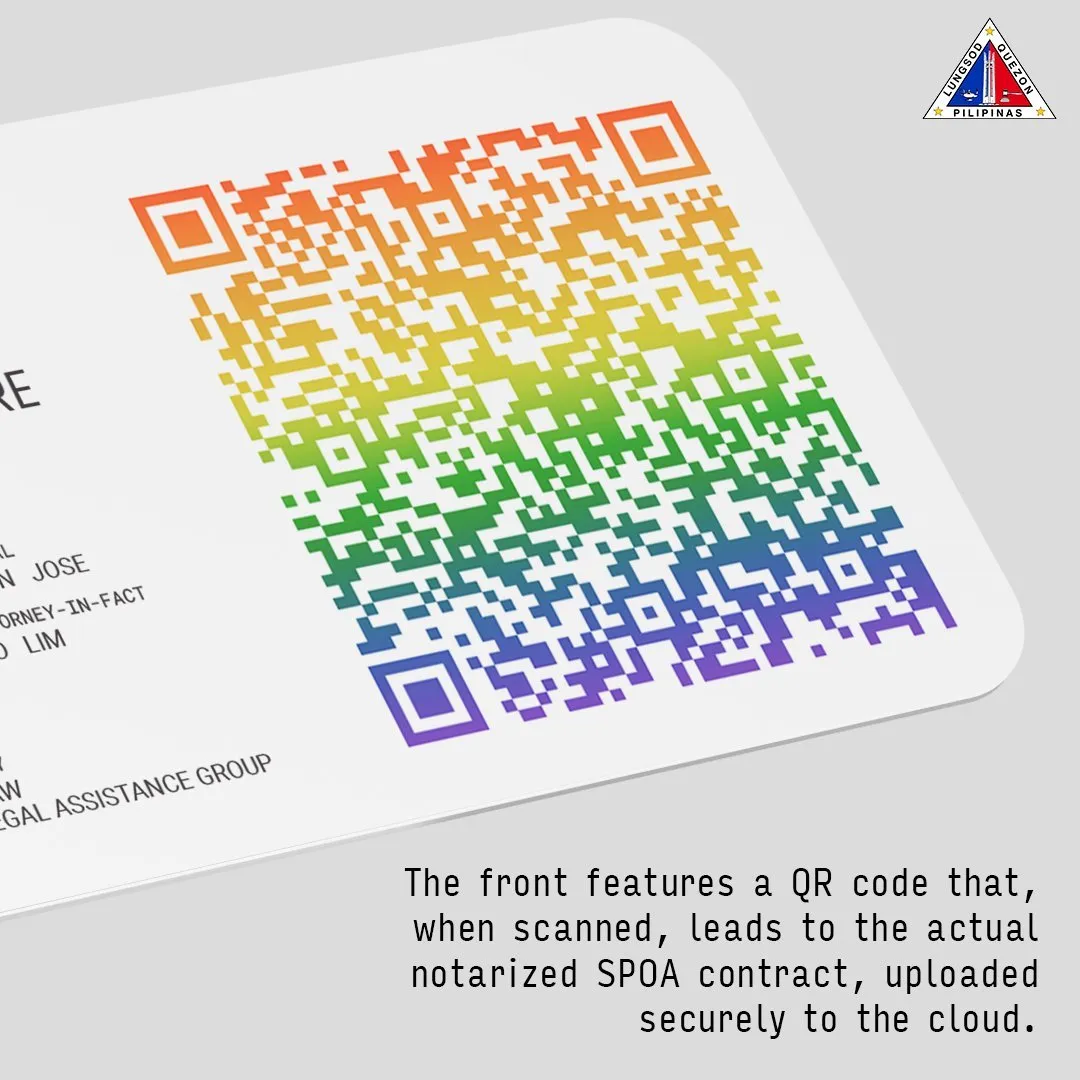
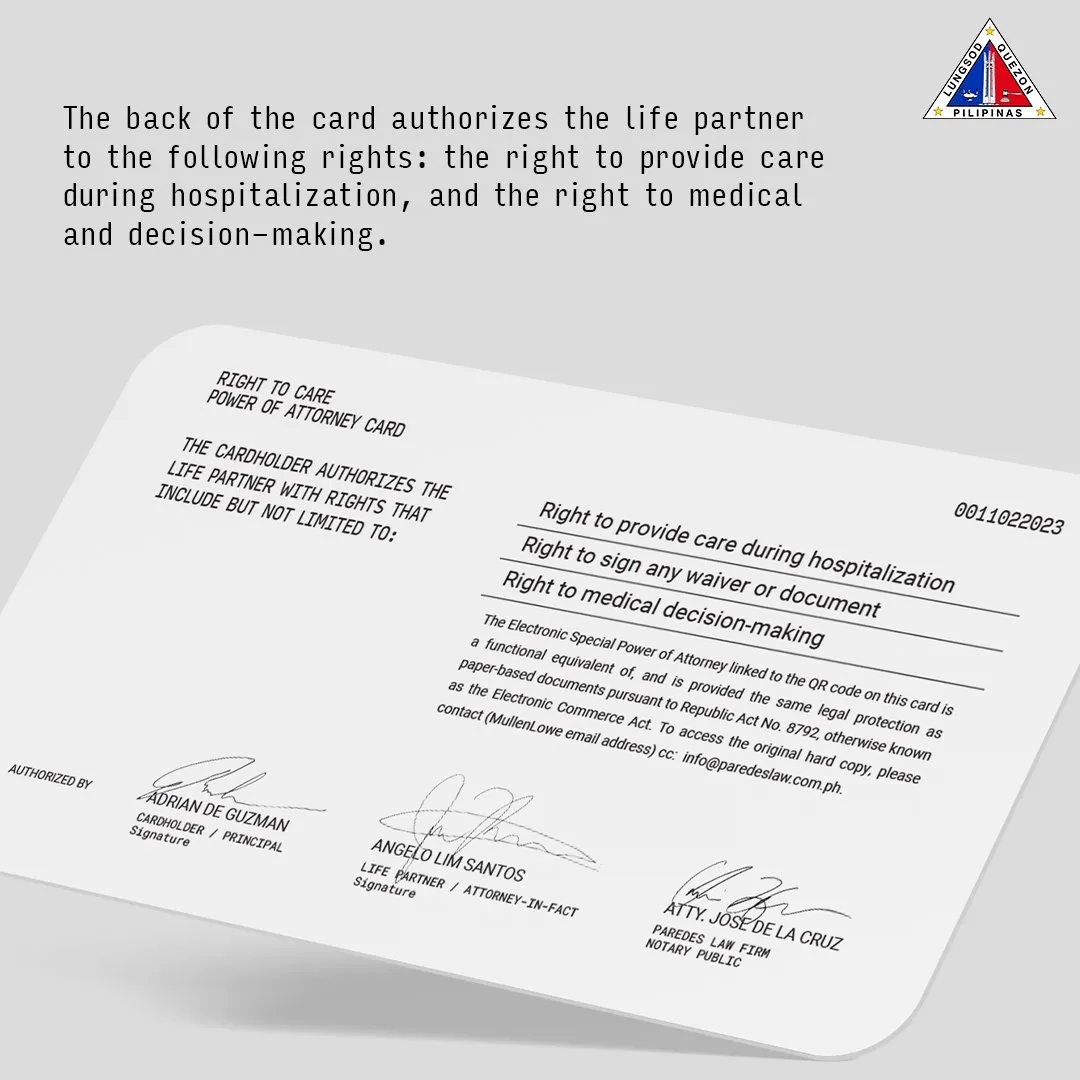
These victories matter because they affirm something simple but powerful: queer people are not symbols of diversity. They are people who love, build families, and dream about the future just like everyone else.
Which is why designer Rajo Laurel believes all forms of love deserve to be celebrated. “That’s the most important energy source that this entire world actually needs,” he said.
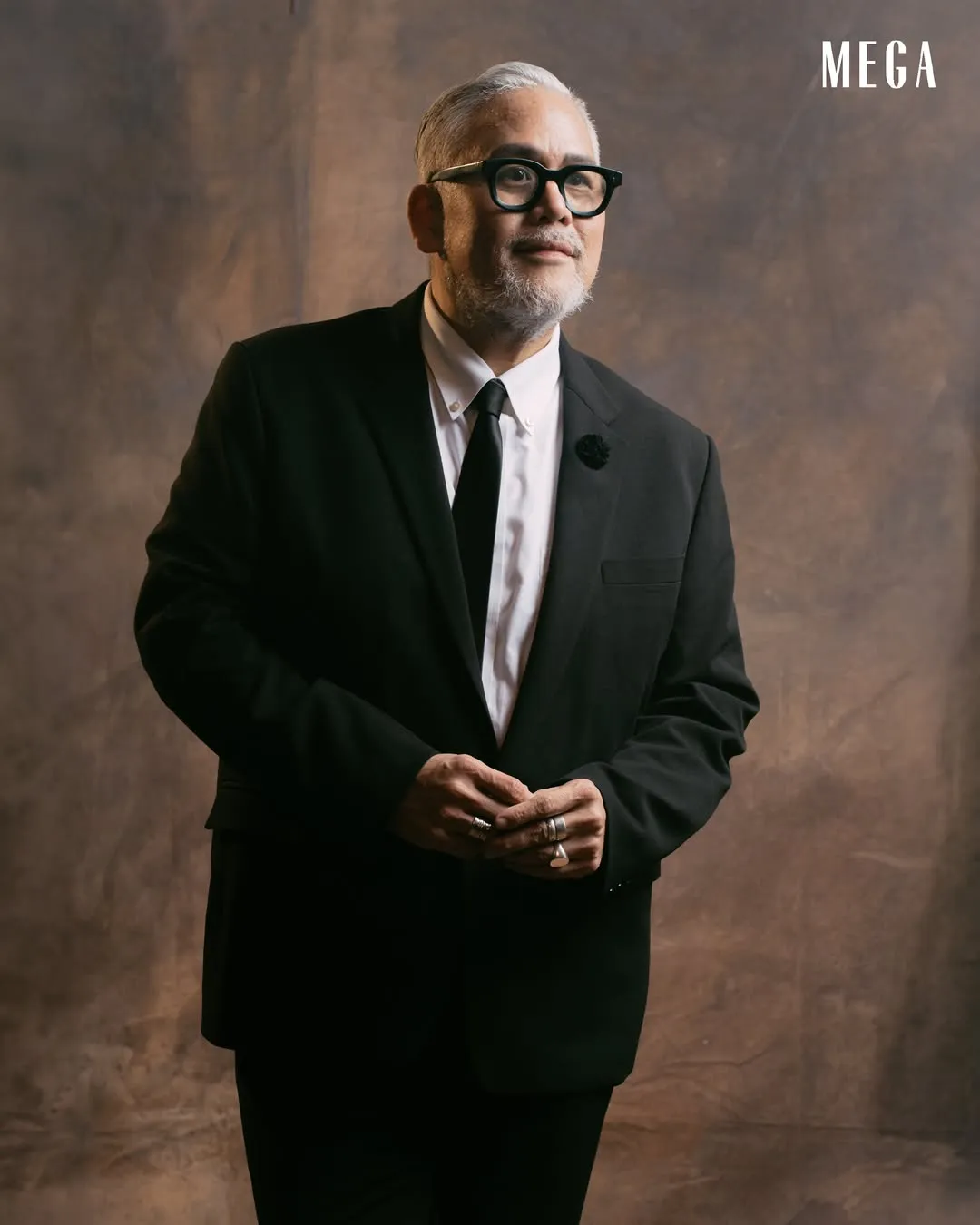
“Pride is all about the celebration of love. And we should not forget that all forms of love in all its capacity should be celebrated always.”
– Rajo Laurel, Filipino Designer
Ultimately, we want what everyone else wants: to live freely, love openly, and move through the world without our identities being questioned. We want a future where we are welcomed instead of tolerated, protected instead of debated.
It may take years—perhaps even decades—to get there. But until then, we will continue to march not only for ourselves, but for the generations that come after us.
Because behind the rainbow flags and glitter, Pride remains what it has always been: a protest.
Featured Image and Photos: MEGA ARCHIVES, SOUTH CHINA MORNING POST (via Website), JOEL MARTIN ANDRADE, MICHELLE DEE, JASMINE CURTIS-SMITH (via Instagram), RIGHT TO CARE CARD (via X)
Frequently Asked Questions
Pride remains necessary in the Philippines because legal protections for LGBTQ+ Filipinos are incomplete — the SOGIESC Equality Bill has been repeatedly delayed — and many queer individuals still do not feel safe living openly. Visibility has grown, but equality has not followed at the same pace.
The first Pride march in the Philippines — and in all of Asia-Pacific — took place in Manila in June 1994. Dubbed Stonewall Manila, it was organized by Pro-Gay and MCCP to mark the 25th anniversary of the Stonewall Uprising in New York City.
The SOGIESC Equality Bill is proposed Philippine legislation designed to protect Filipinos from discrimination based on sexual orientation, gender identity and expression, and sex characteristics. It has been repeatedly refiled and debated across multiple congressional terms without being enacted into law.
The Right to Care Card is an initiative introduced by several Metro Manila local government units that allows LGBTQ+ couples to make medical decisions on behalf of their partners. It represents a formal recognition of queer relationships and families at the local government level.
LGBTQ+ Filipinos have long shaped the creative industries — as makeup artists, hairstylists, designers, creative directors, and trainers behind beauty pageants, fashion, and entertainment. As actress Jasmine Curtis-Smith noted, queer professionals form a foundational backbone of the Philippine creative industry.