




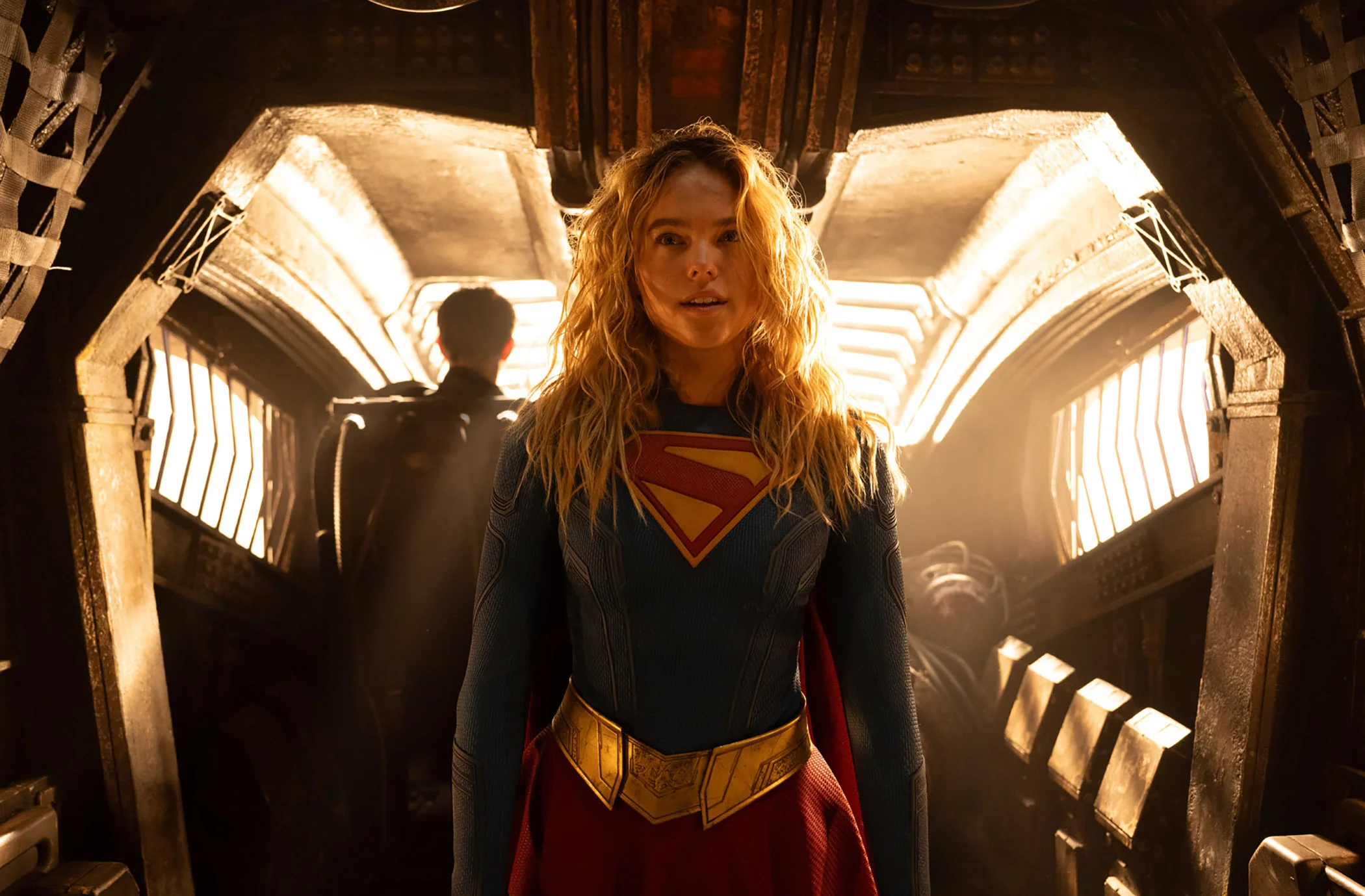
As the DC Universe (DCU) continues to develop following its cinematic launch last year with Superman, the next movie in the series has arrived in cinemas with Supergirl. Telling a plot that’s less origin story and more revenge quest, Supergirl puts the titular superhero in the spotlight on the big screen for the first time in a long time. And while Milly Alcock’s turn as the caped heroine is one worthy of applause, it’s the rest of the movie that, while serviceable, may not reach the loft heights of its source material.
RELATED: Meet Eve Ridley, the 14-Year-Old Filipino-British Actress Making Her Movie Debut in Supergirl
Supergirl and Ruthye Go on a Revenge Quest
Set after the events of Superman, Supergirl follows Kara Zor-El during her birthday week, getting wasted on planets that orbit a red sun so her powers don’t take effect. Meanwhile, notorious Brigand Krem of the Yellow Hills kills the family of a swordsmith to take his weapons, leaving their daughter, Ruthye Marye Knoll, as the only survivor.
This causes the young girl to set out on a mission to kill Krem as revenge for taking her family. It leads her to cross paths with Supergirl, asking her for help to find Krem in exchange for her family’s sword. At first, she declines Ruthye’s request, but when Krem poisons Krypto, the two join forces as they track him down across the galaxy.
Supergirl wisely moves away from being a typical origin story. While there are flashbacks to Kara’s childhood and how she ended up on Earth, those scenes were used to provide context, without bogging down the story with unnecessary filler. They’re some of the best scenes in the film because they bring the emotion and narrative depth.
The movie’s plot instead focuses more on its revenge quest, and, more importantly, shifts the attention towards themes of loss, death, and grief, and its exploration of pain. Kara and Ruthye both have gone through the same thing in losing everything they love, and they each cope with that loss differently.
For Kara, it’s to drown her sorrows in alcohol, while for Ruthye, it’s to end Krem’s life. Both bring their pros and cons, and it’s commendable how the film gives a nuanced approach to each mindset. They learn from each other as their experiences become their common link while defining themselves in their own way.
The story itself is passable, but doesn’t necessarily reinvent the wheel in any meaningful way. If you’ve seen your fair share of comic book movies, the film’s plot beats won’t surprise you as it moves from one set piece to another. There are also a surprising number of moments where the movie nerfs Kara’s powers, presumably so that she won’t steamroll her opponents. Doing it once is ok, but the fact that the film does it at least three times feels like overkill.
The Good and the Bad of Supergirl
Really, it’s Supergirl that you come to this movie for, and on that front, Milly Alcock does a wonderful job as the superhero. She captures both the nonchalance and heart of the hero, weaving between cool and confident and caring and kind-hearted. There’s a clear distinction between Supergirl and Superman as they aren’t a copy-paste of each other. They are their own person, and Supergirl gives the character enough room for her to really shine.
More than just a superhero, Kara is a 23-year-old young woman living on a foreign planet, unsure of what to do with her life. She’s a bit of a mess, and that’s fine. It’s a feeling many can relate to, being a young adult and not knowing what’s next for you. It was also a nice touch to add scenes of David Corenswet’s Superman because not only does it reaffirm how great he is in the role, but also provides a fun contrast with Clark’s good boy big brother persona to Kara’s idc energy.
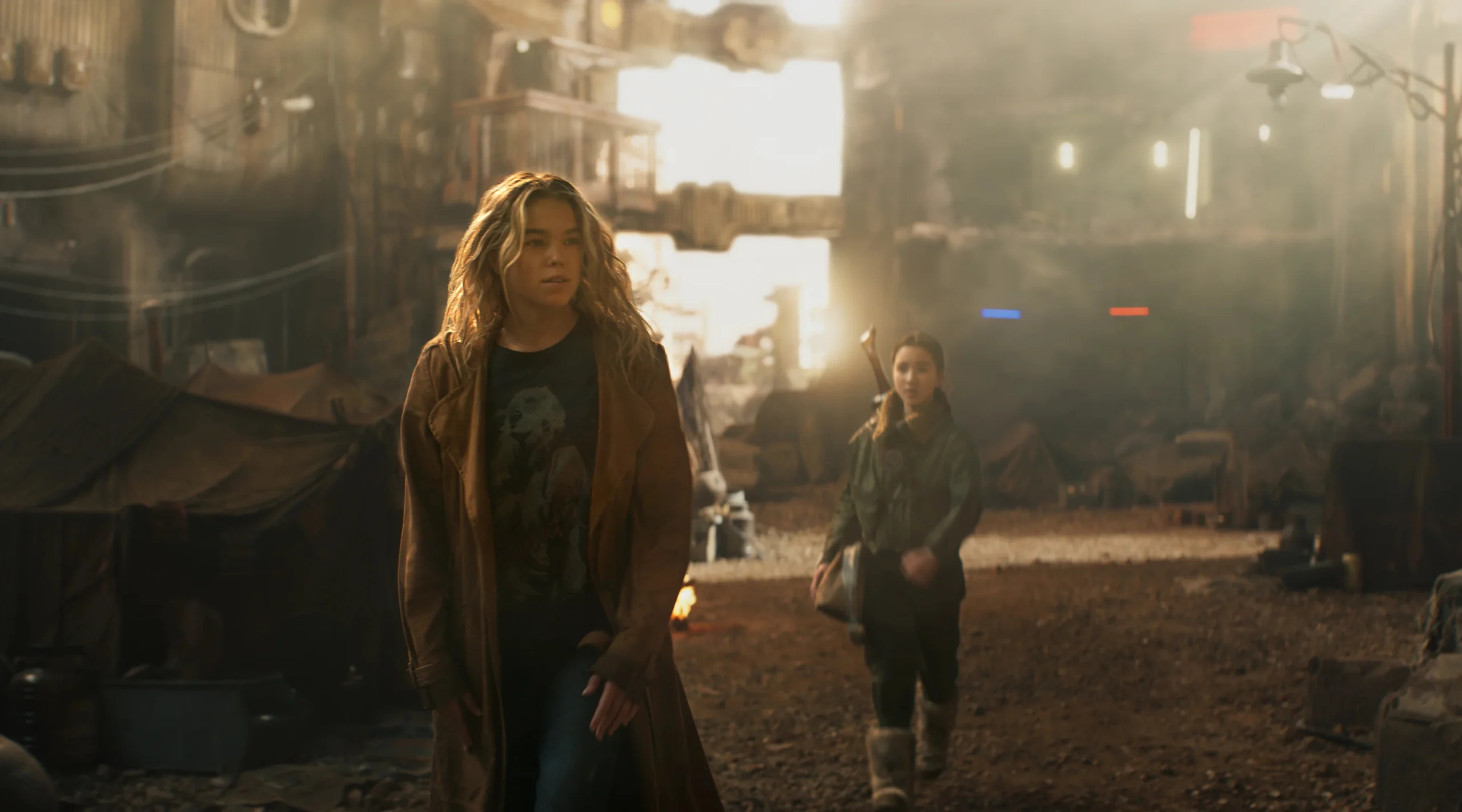
Filipino-British actress Eve Ridley does a good job as Ruthye, bringing a determined naivete brought about by her youth to the role. However, it feels like the movie teases that she’ll get her big moment, yet doesn’t give it, leaving Ruthye somewhat underwhelming as a character. Matthias Schoenaerts’ Krem is menacing and threatening on screen, both visually and through his horrid actions, even in the face of someone as powerful as Supergirl.
As for Jason Momoa’s talked-about return to DC as Lobo, he does a fine job as the intimidating space bounty hunter and anti-hero, even if he’s just shoehorned into the story. If anything, he leaves us wanting more with his relatively short screentime and hopefully more purpose in the narrative.
Supergirl as a whole feels decidedly ok but not outstanding. And, unfortunately, it greatly falters in its presentation. Even if you haven’t read Woman of Tomorrow, the 2021 comic book series on which the film is based, a passing glance would show how visually unique, ethereal, and stunning the art is. Yet, the movie is surprisingly bland as it’s awash in the muted color scheme and CGI backgrounds one would find in most major Hollywood studio movies.

For as much personality as Supergirl has and worldbuilding the movie tries to do, there’s not much to fawn over in terms of the film’s visual identity. One could tell the movie was trying to go for a Mad Max-inspired style, but even Mad Max had a visual flair, even if it was set in the desert, something this film lacks.
Is Supergirl a misfire? No. It has its merits, particularly with Milly Alcock’s portrayal of Supergirl grounded in humor and depth, and the film’s deeper themes on death, loss, and grief, and what it means to process those feelings, which ultimately leads to an epiphany in finding your purpose. But most of what surrounds that performance doesn’t exactly soar. It makes for a fine weekend watch in the cinema for the spectacle, but the potential doesn’t feel fully tapped. If anything, it at least makes us excited to see more of Supergirl in what’s to come for the DCU.
Supergirl is showing in cinemas nationwide.
Featured Image and Photos: Courtesy of Warner Bros. Pictures
Frequently Asked Questions
Supergirl is a serviceable but uneven DCU entry. Milly Alcock’s performance as Kara Zor-El is the film’s clearest strength — grounded in humor, emotion, and character specificity — though the film’s visual presentation and predictable plot structure limit its overall impact.
Alcock plays Kara Zor-El as a 23-year-old living on a foreign planet, balancing confident superhero energy with personal uncertainty. The performance distinguishes Supergirl from Superman through tone and interiority rather than power set, giving the character room to feel distinct within the DCU.
Set after the events of Superman, the film follows Kara Zor-El and a young woman named Ruthye Marye Knoll on a cross-galaxy revenge quest to find the brigand who killed Ruthye’s family. The story centers on themes of grief, loss, and how different people cope with trauma.
The 2021 comic series by Tom King and Bilquis Evely is visually distinctive — ethereal, painterly, and stylistically bold. The film adaptation retains the revenge-quest narrative and grief themes but does not translate the source material’s visual identity, opting instead for a muted color palette common to major studio productions.
The film features David Corenswet reprising his role as Superman, Eve Ridley as Ruthye Marye Knoll, Matthias Schoenaerts as the villain Krem of the Yellow Hills, and Jason Momoa as Lobo — marking Momoa’s return to DC in a new role following his tenure as Aquaman.