



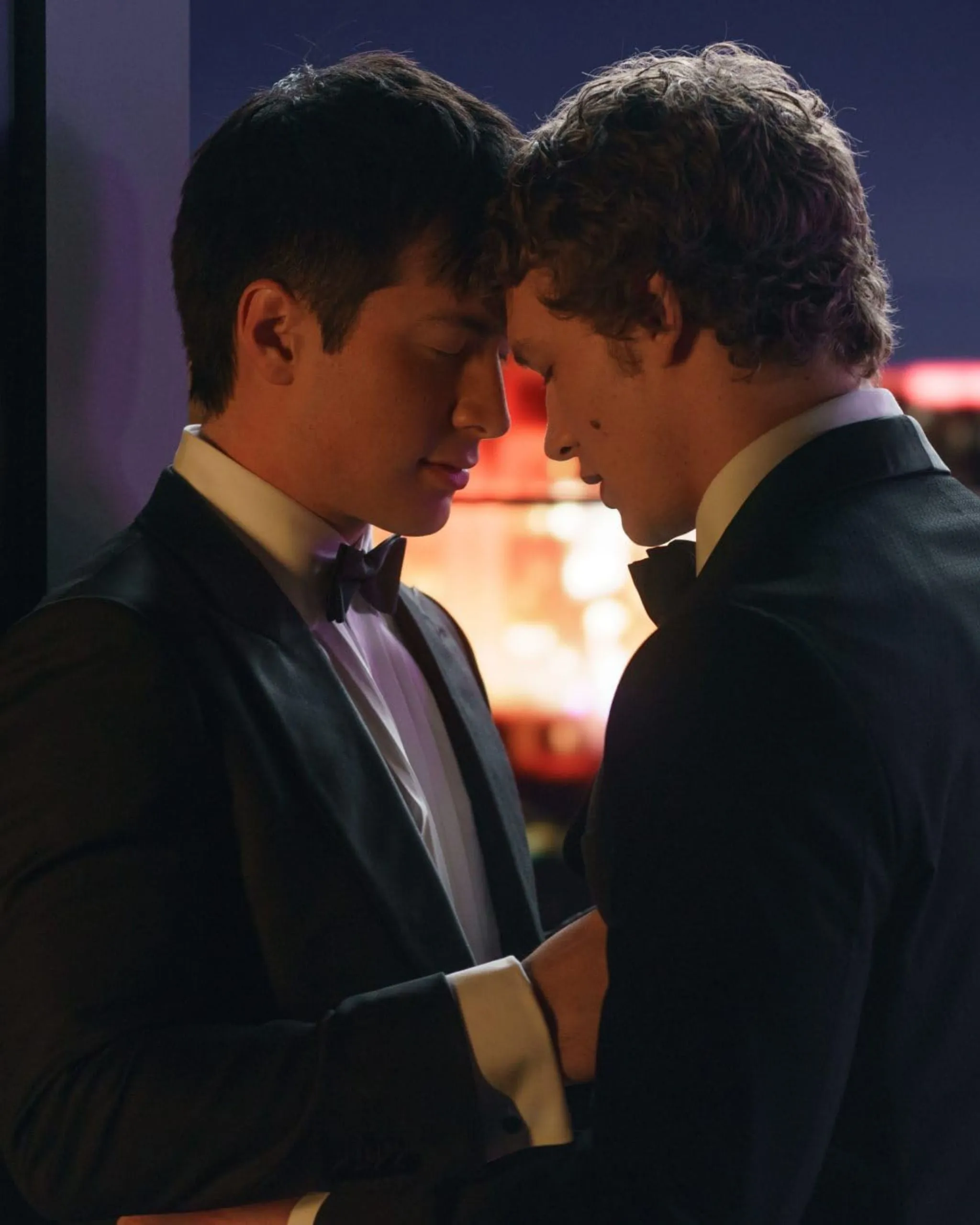
It’s the gay hockey show your mother, daughter, and niece are all raving about. The surprise Canadian hit television show Heated Rivalry didn’t tiptoe into culture—it body-checked its way into social media feeds, cocktail chatter, and the private bookmarks of women who swear they “don’t even watch romance.” The fan base skews female. Often straight. Loudly devoted. Which raises the deliciously uncomfortable question: why do so many women crave love stories between two men?
RELATED: Let’s Talk About The Women Of Heated Rivalry
Loving Love Without Being Drafted Into It
Romance has always been a woman-heavy sport: written by women, read by women, mocked by everyone else. In straight love stories, women rarely get to be spectators. We’re conscripts. Even when the heroine is nothing like us, we slide into her skin automatically—along with her anxieties, power deficits, safety calculations, and the constant background hum of “will this turn ugly?”
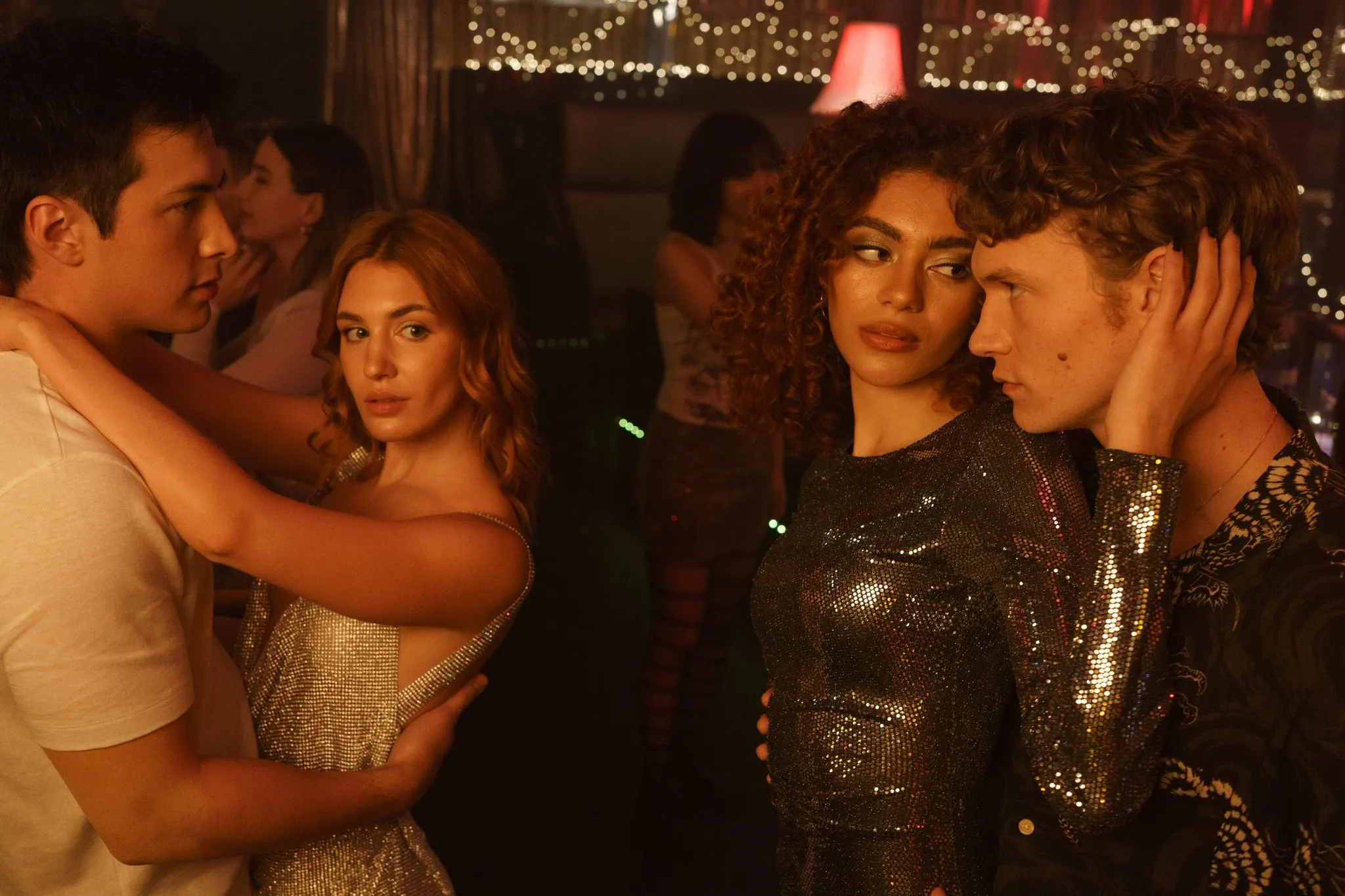
MM romance changes the seating arrangement. Women get to sit in the dark and watch love glow without being called onstage. For once, desire isn’t a checklist of risks—who might get hurt, who might hold the power, who might feel unwanted when the lights change. Desire plays out without dragging centuries of imbalance behind it like a clanking chain.
It’s fantasy, yes—but fantasy that lets women exhale.
A Quick Detour Through Fanfic History
Obviously, this didn’t start with Heated Rivalry. It started in comment sections and forum threads, long before algorithms learned how to flirt.
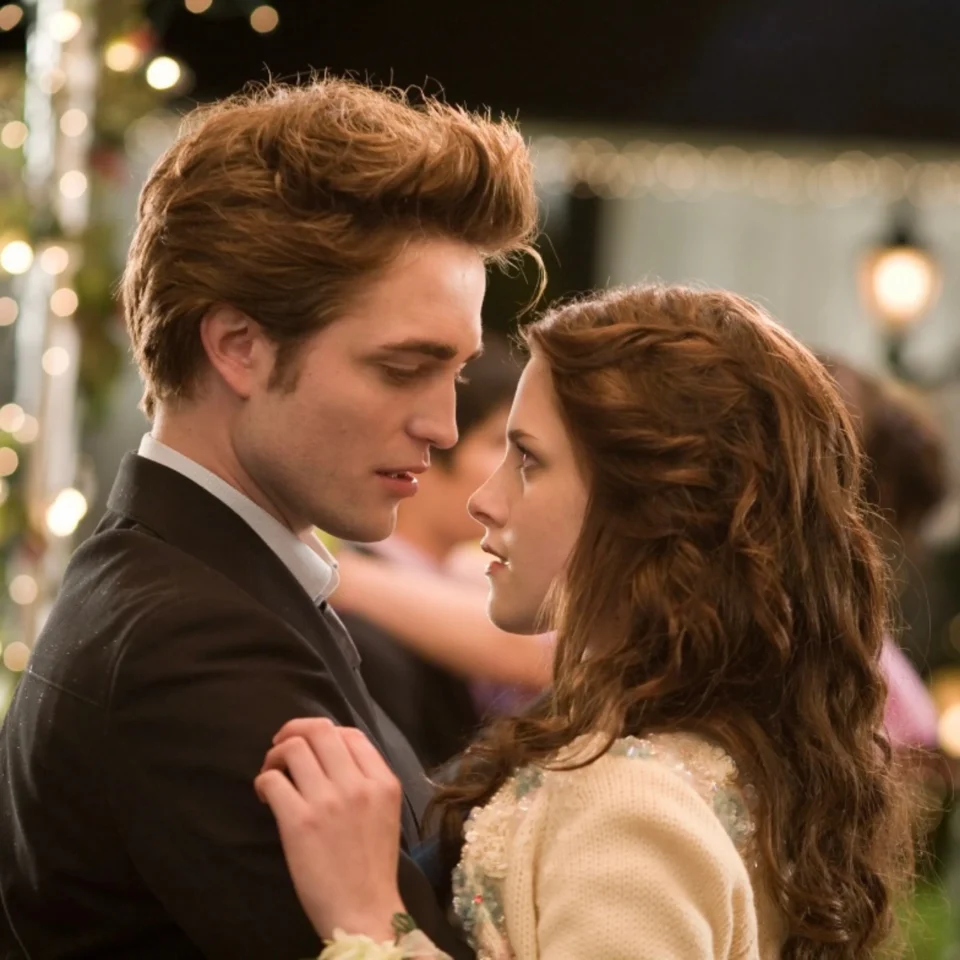
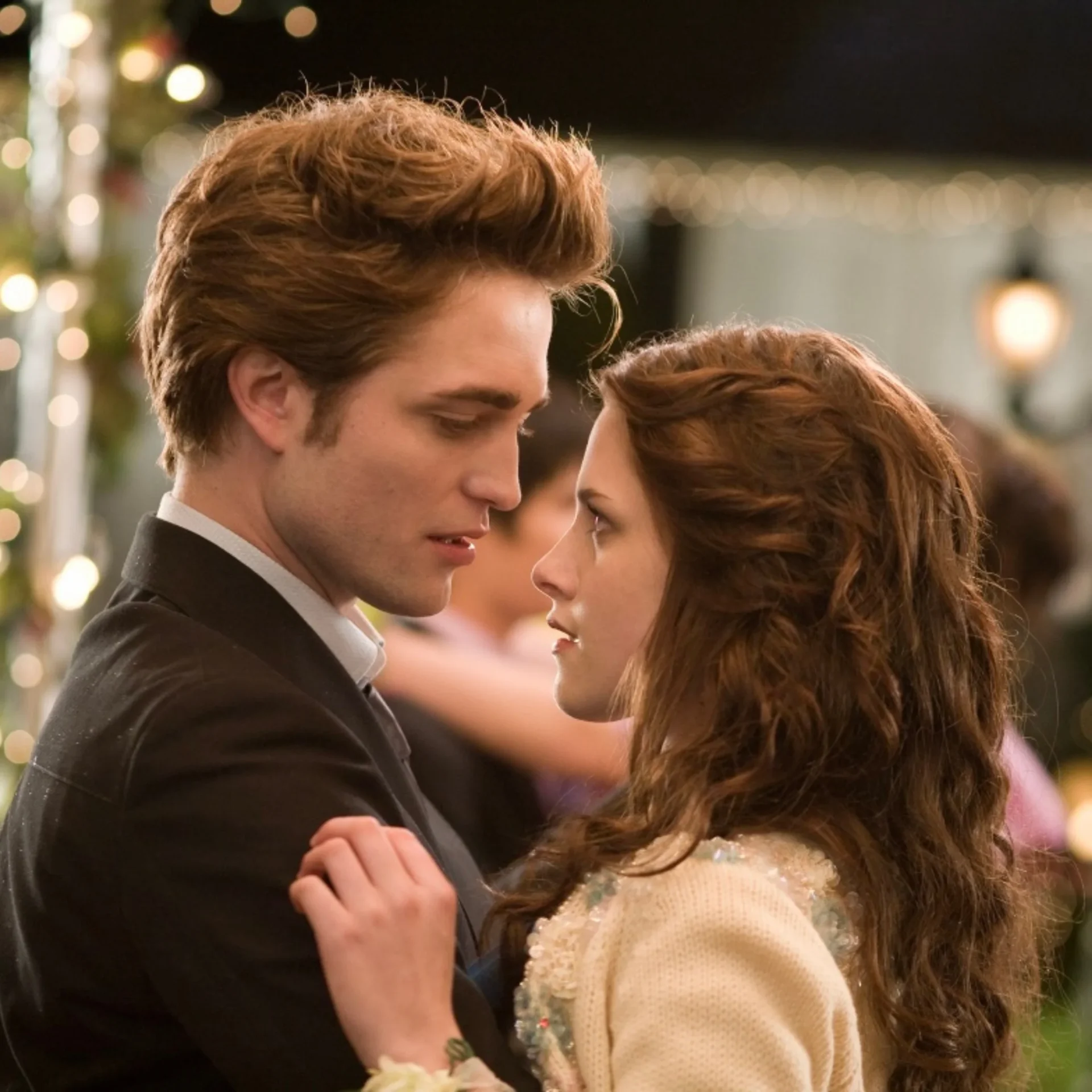
Early internet fandom turned characters sideways and inside out. Harry Potter fanfic—particularly queer pairings—became a testing ground for emotional and erotic storytelling that mainstream media wouldn’t touch. Then came Twilight, whose fanfiction pipeline famously gave birth to 50 Shades of Grey. Along the way, Boys’ Love (BL) stories—many written by straight women—multiplied across platforms, languages, and continents.
What looks like a niche obsession is actually a tradition: women rewriting romance in forms that feel safer, freer, and strangely truer to emotional hunger.
Why the Absence of Women Feels Like a Gift
Jacob Tierney, who adapted the Rachel Reid novel for television, once said he noticed something striking: women respond to these stories because they remove women from the danger zone. Paraphrased plainly—women are saturated with narratives of sexual risk, harm, and imbalance. Watching men be vulnerable with each other feels like stepping into clean air.
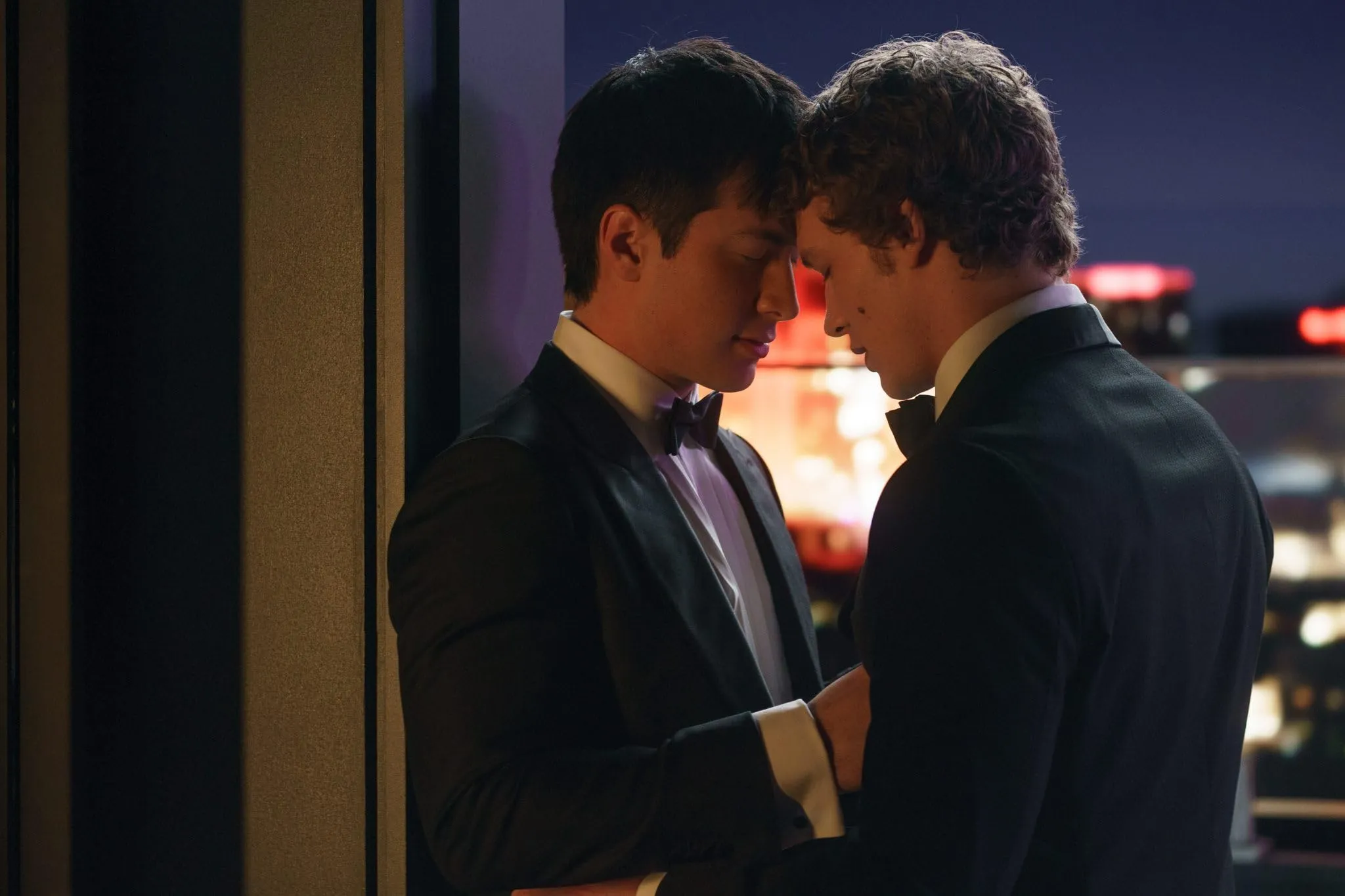
Two men falling in love doesn’t erase fear from life, but it removes it from the fantasy. No threat of misogyny or a shadow of “this could turn violent.” What remains is longing, rivalry, softness, want.
That safety doesn’t belong only to queer men. It belongs to women, too.
Sex, Seen From the Outside
Modern film and TV claim to show liberated female desire. Yet even in glossy, daring shows, the male gaze keeps sneaking into bed. Scenes may promise agency, but they often carry a low-grade menace—someone always feels watched, used, cornered, or reduced.
Sex between two men interrupts that pattern. It isn’t staged for women, yet women watch it with a sense of calm. The dynamic doesn’t mirror their own social risks or echo their personal scripts. That distance becomes pleasure.
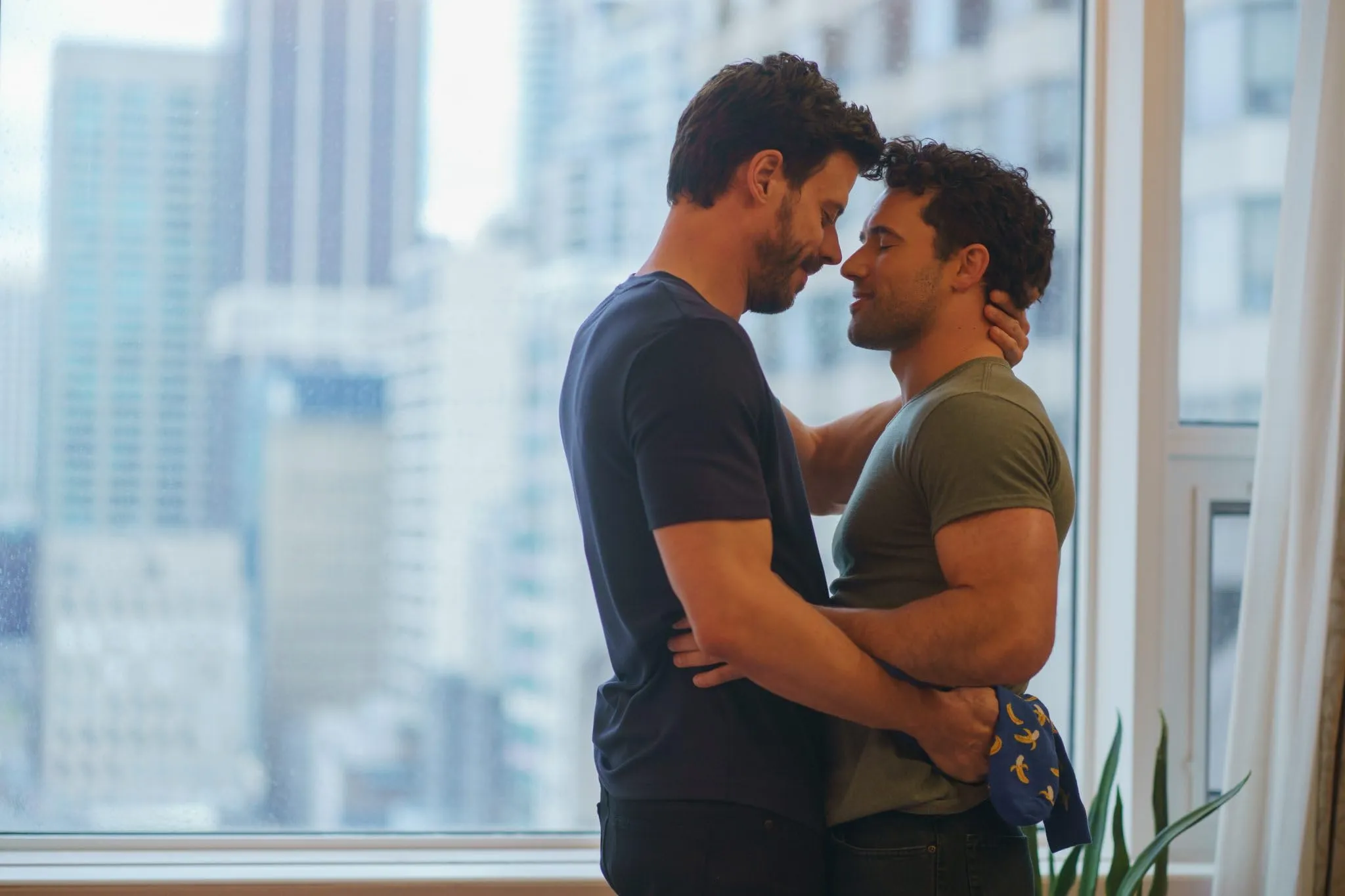
There’s an irony here: removing women from the erotic frame gives women back their fantasy.
Vulnerability Is the Real Turn-On
Straight culture trains men to dodge softness like it’s a speeding car. Feelings are embarrassing. Tenderness is suspect. Vulnerability gets treated like a bad investment.
MM romance laughs at that rulebook: Men ache. They hesitate. They miss each other. They unravel in ways straight male leads are rarely allowed to do without irony or punishment.
In an age saturated with hyper-aggressive masculinity—think podcasts, algorithms, and rage-as-personality—stories that center emotional openness feel radical. Not loud-radical, but gentle-radical. The kind that lets men be open and still be wanted
The Pleasure of Not Being the Target
There’s also the uncomfortable truth: many women carry bruises—some visible, most not—from how sex is framed in life and media. Too often, pleasure is male-centered, female bodies treated like scenery.
Watching sex that excludes women lets women enjoy male desire without being evaluated by it. Pleasure happens without comparison, without scoring, without dragging yesterday into the room.
Desire becomes something to witness, not survive. It may sound backward, but the reason this fantasy works is precisely because it isn’t ours.
The Fantasy Doesn’t Always Stay Fictional
Fantasy is healing when it knows where to stop.
What women often love about MM romance is distance—the ability to witness desire without being drafted into it. But fandom has a habit of erasing that distance the moment fantasy latches onto real bodies.
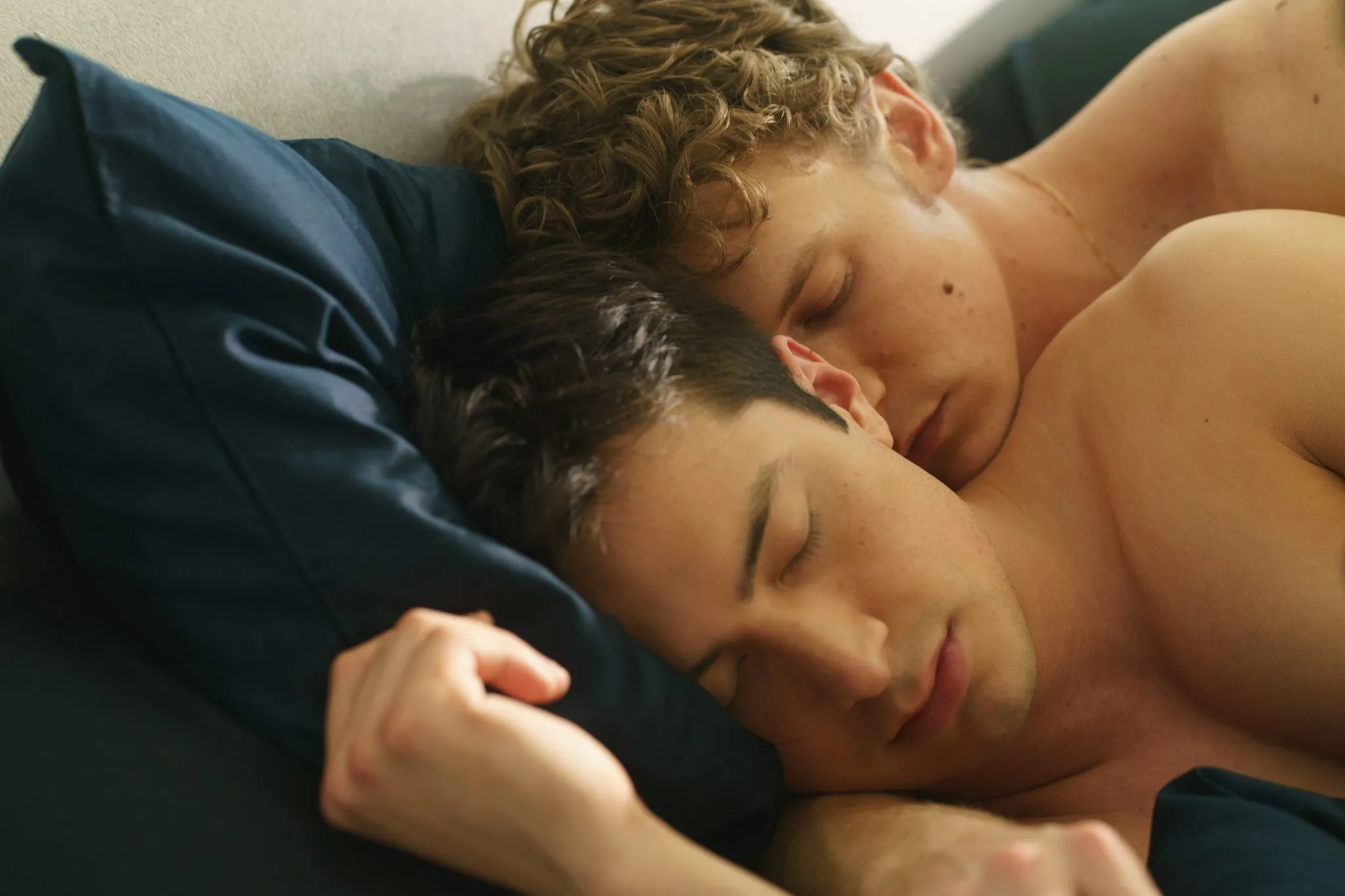
When stories leave the page and enter pop culture, characters start bleeding into the people who play them. Actors become extensions of their roles, and suddenly the fantasy isn’t content to stay imaginary—it wants obedience.
This is where fetishization begins to show its teeth. Not in attraction, but in entitlement. In the way male queerness becomes something fans want men to perform on demand. In the way masculinity gets romanticized so aggressively, it hardens into a cage. In the way actors are gently—or not so gently—punished for failing to match the desire they never agreed to carry.
You can watch this play out most clearly on X (formerly Twitter), where nuance goes to die or get misquoted for sport. Conversations about sexuality slide into assumptions, then into assignments. Someone is “obviously” this. Someone else must be “hiding” that. Speculation dresses itself up as support, and pressure calls itself protection.
Whole camps form around “defending” one actor or another, often circling the one who reads as more traditionally masculine. The language is soft—concern, loyalty, care—but the logic is rigid: be the version of yourself that makes the fantasy feel safest.
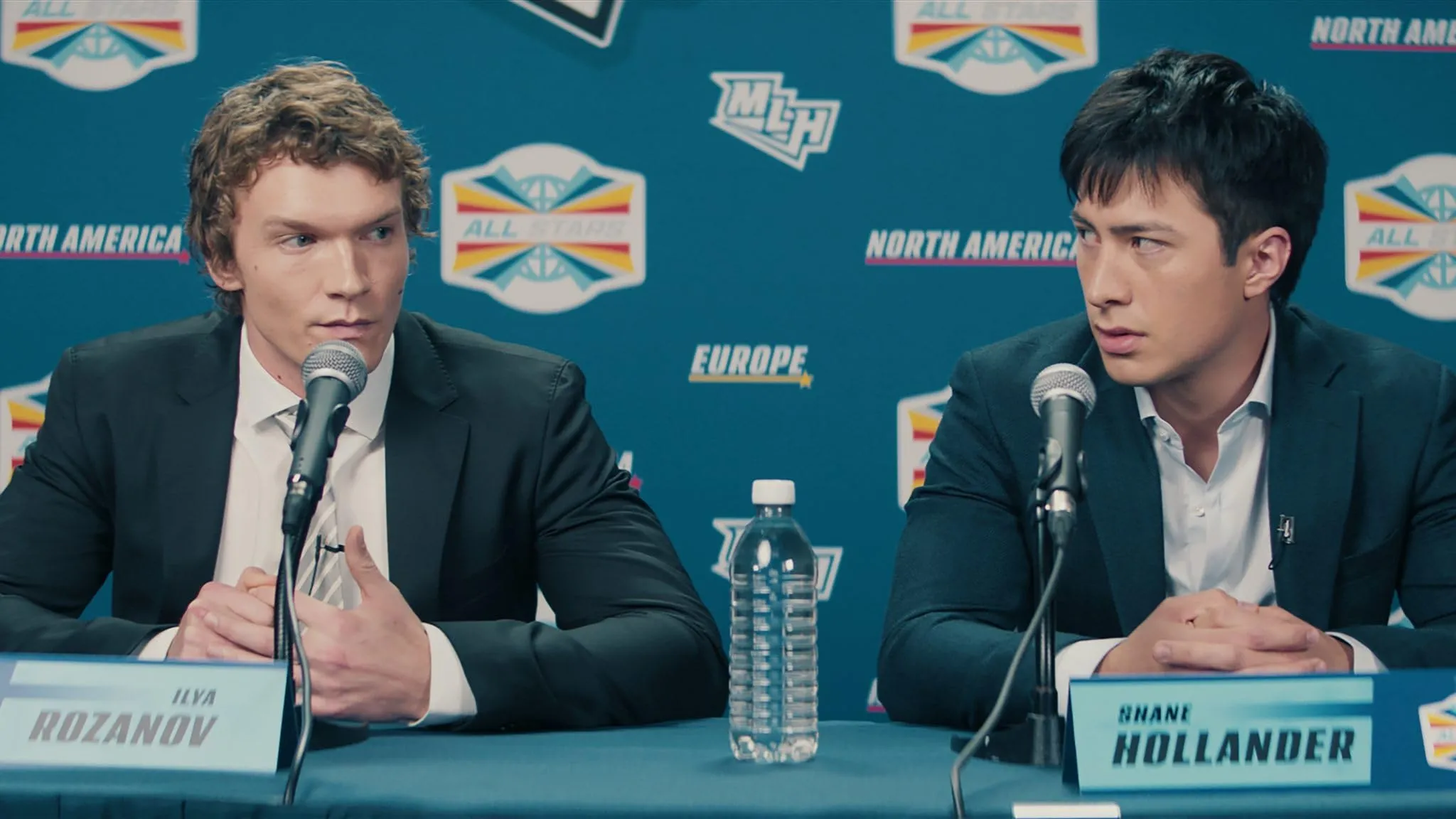
Parasocial attachment is the engine behind this. Audiences don’t only watch anymore. They adopt, narrate, and curate. They treat real people like long-running characters who owe them consistency, emotional access, and a specific kind of longing.
The same mechanism that lets women enjoy desire safely—from the outside—can, in excess, become a form of soft ownership. Fantasy is generous when it stays fictional. Fantasy turns sharp when it asks real people to bleed for it. And this is the risk that lives beside all that pleasure.
The thing that frees one group from danger can, if we’re careless, recreate danger for someone else—just pointed in a different direction.
Why This Moment Hit Now
Cultural obsessions never bloom in isolation. They arrive when the soil is ready. Right now, the ugliest faces of patriarchy dominate screens and feeds—loud, cruel, allergic to empathy. Against that noise, a story like Heated Rivalry lands like a punch: intimacy without domination, masculinity without brutality, love without hierarchy.
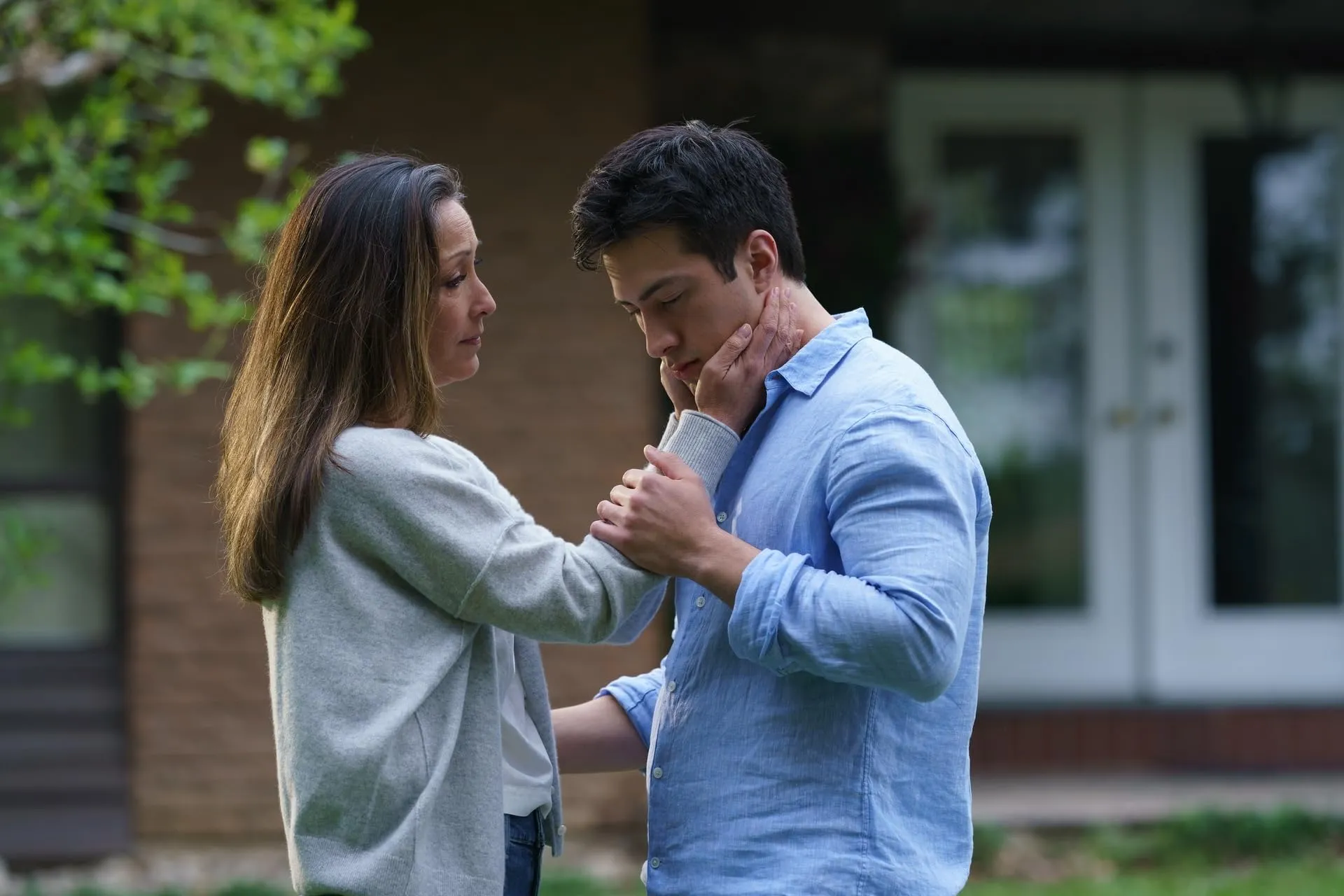
Women aren’t cheering for these stories by accident. They’re responding to a hunger that straight romance often forgets to feed—the desire to watch love without bracing for harm. Maybe that’s the secret. Women don’t flock to MM romance because they want to disappear. They flock because, for once, they get to watch love without preparing for what it might take from them.
Photos: HEATED RIVALRY (IMDb)