




Love is blind? Apparently not! Not in the current year 2026, when the world has essentially become a widespread panopticon. Nowadays, anybody is one 20-second video away from instant fame or a level of notoriety that will most likely follow them for years to come. No, that’s not a joke. Just ask Couch Guy, whose delayed hug after his long-distance girlfriend paid him a surprise visit in 2021 (paired with his proximity to three other women at the time) somehow became evidence that he was cheating on her.
Who could really say whether he was or wasn’t? The bigger picture here is that people love examining couples: how they speak to each other, who appears more affectionate, and—because romance must apparently pass a visual inspection—whether they look equally good standing together.
There’s even a playful term for it now. It’s called the “swag gap.”
So What Exactly Is a Swag Gap?
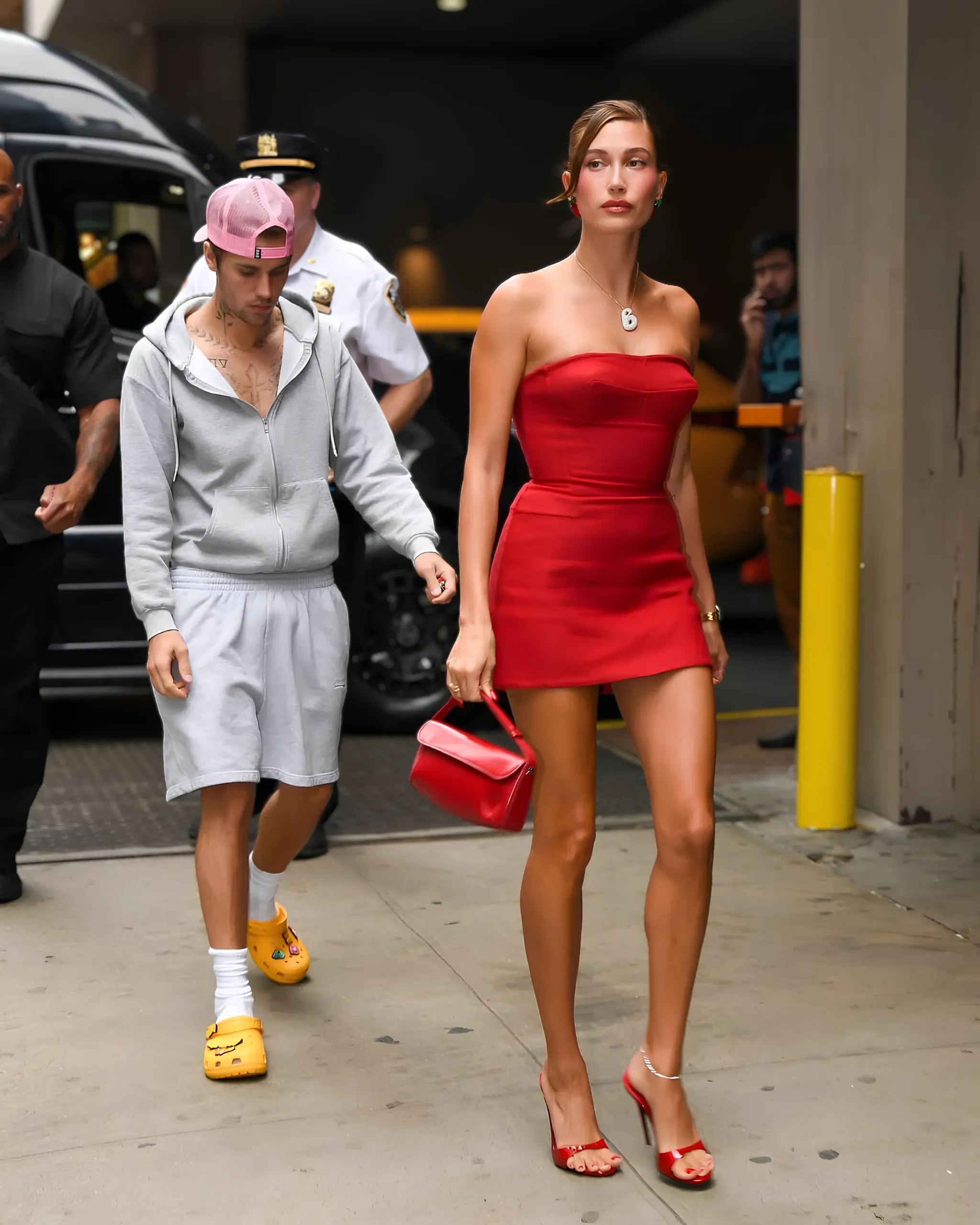
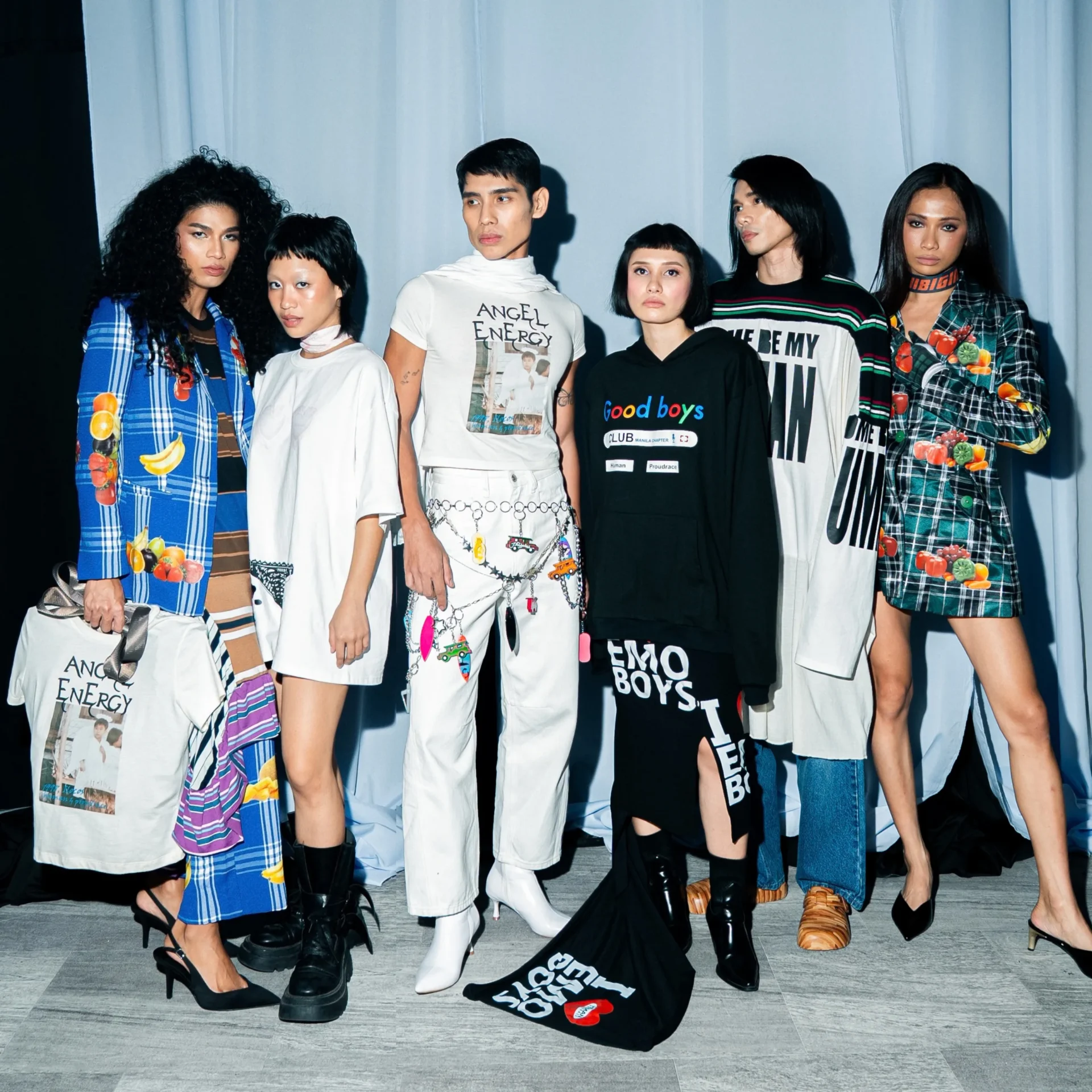
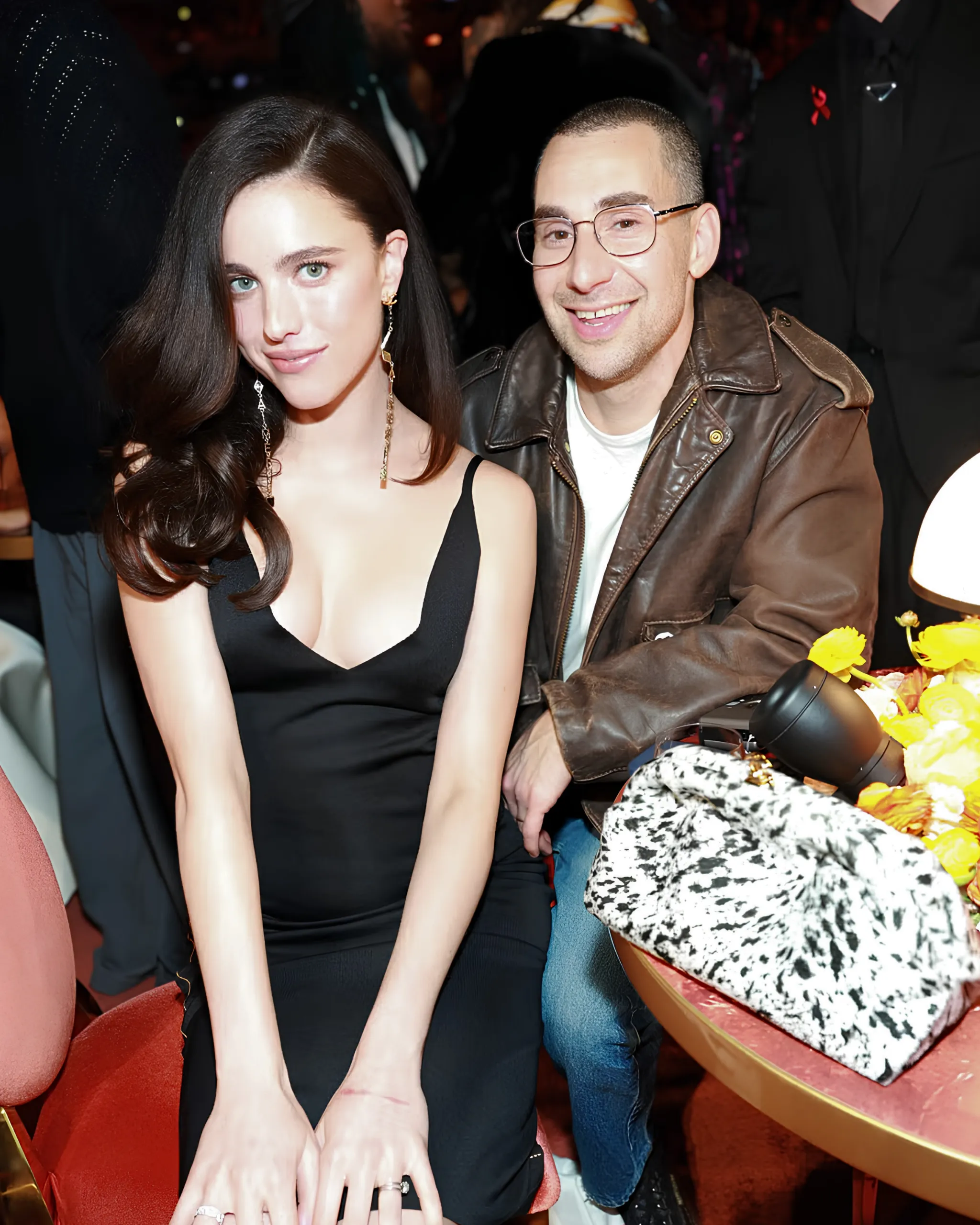
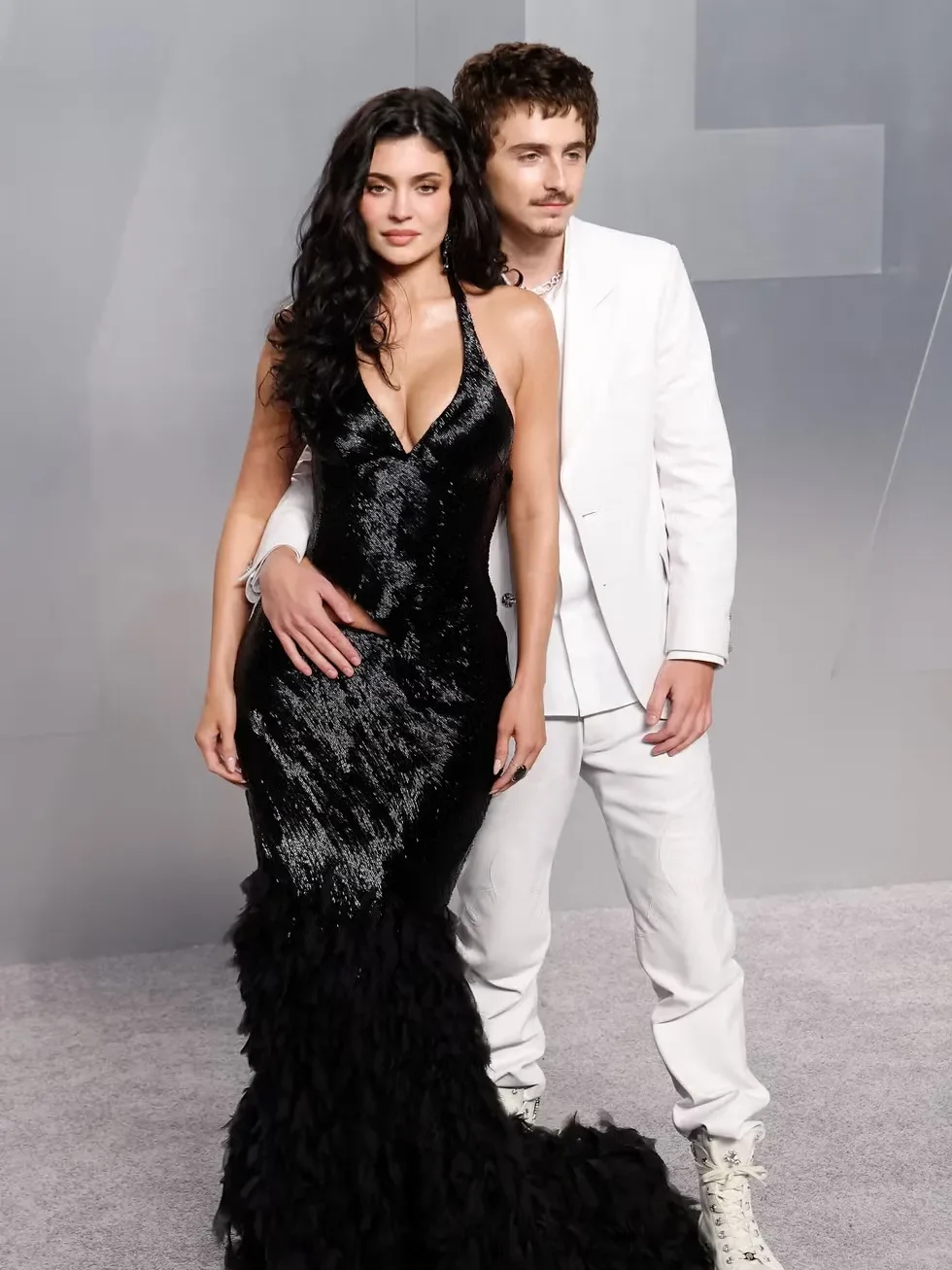
Popularized on TikTok by musician Brandy Schwechler, the swag gap describes a noticeable difference in style between two people in a relationship. When a couple is labeled as having a swag gap, it usually means they appear visually uneven. For example: one partner looks as if they wake up at 4 AM to get ready while the other seems to have an ongoing dispute with their garment steamer.
Additionally, the concept can extend beyond clothing. Swag, according to the discourse, can also be about confidence and general social presence. Aura, essentially. Very scientific.
All jokes aside, this isn’t a ludicrous standard to have. Clothing often says a lot about a person’s interests and how they want to move through the world, and anyone who spends time developing their own taste may naturally want a partner who understands that interest. That’s valid.
Some might even avoid a swag gap since it resembles an effort gap. When one half of the couple always looks put together while the other seems like they couldn’t be bothered, it can come across as a lack of care, whether that’s true or not.
Still, a relationship doesn’t require turning the other person into an accessory. Dating isn’t a joint personal-brand exercise, despite how social media keeps training people to assess couples as a visual unit instead of individuals. A pair may look aesthetically asymmetrical from the outside and remain compatible where it counts.
The Swag Gap Gets Messy When It Becomes an Ego Problem
In a Psychology Today article, American psychologist Mark Travers, Ph.D. connects the swag gap to real underlying issues among couples. Someone who repeatedly compares themselves with a partner may begin to experience the difference as a personal deficiency. Travers also argues that viewing one person as the “cooler” half can create a perceived power imbalance that gradually affects how both people experience the relationship.
Another study published in the Archives of Sexual Behavior offers further context on what can happen when one partner believes they hold greater power. Across four investigations, higher perceived relationship power was associated with greater interest in people outside the relationship.
Applied to the swag gap, trouble begins when someone interprets dressing better as being better. A stylish partner can become resentful of the person beside them, while the supposedly less stylish one may grow insecure or dismiss fashion as frivolous.
Not all hope is lost, however. The good news is that differences between partners can become opportunities for growth when each person has a strong, nurtured sense of self and healthy self-esteem. When individuals feel secure in who they are, they’re less likely to interpret differences as threats or sources of embarrassment. In that kind of respectful emotional environment, two distinct identities can coexist within the same relationship without either person feeling diminished by the other.

It Looks Nice, But True Compatibility Doesn’t Require Coordinated Outfits
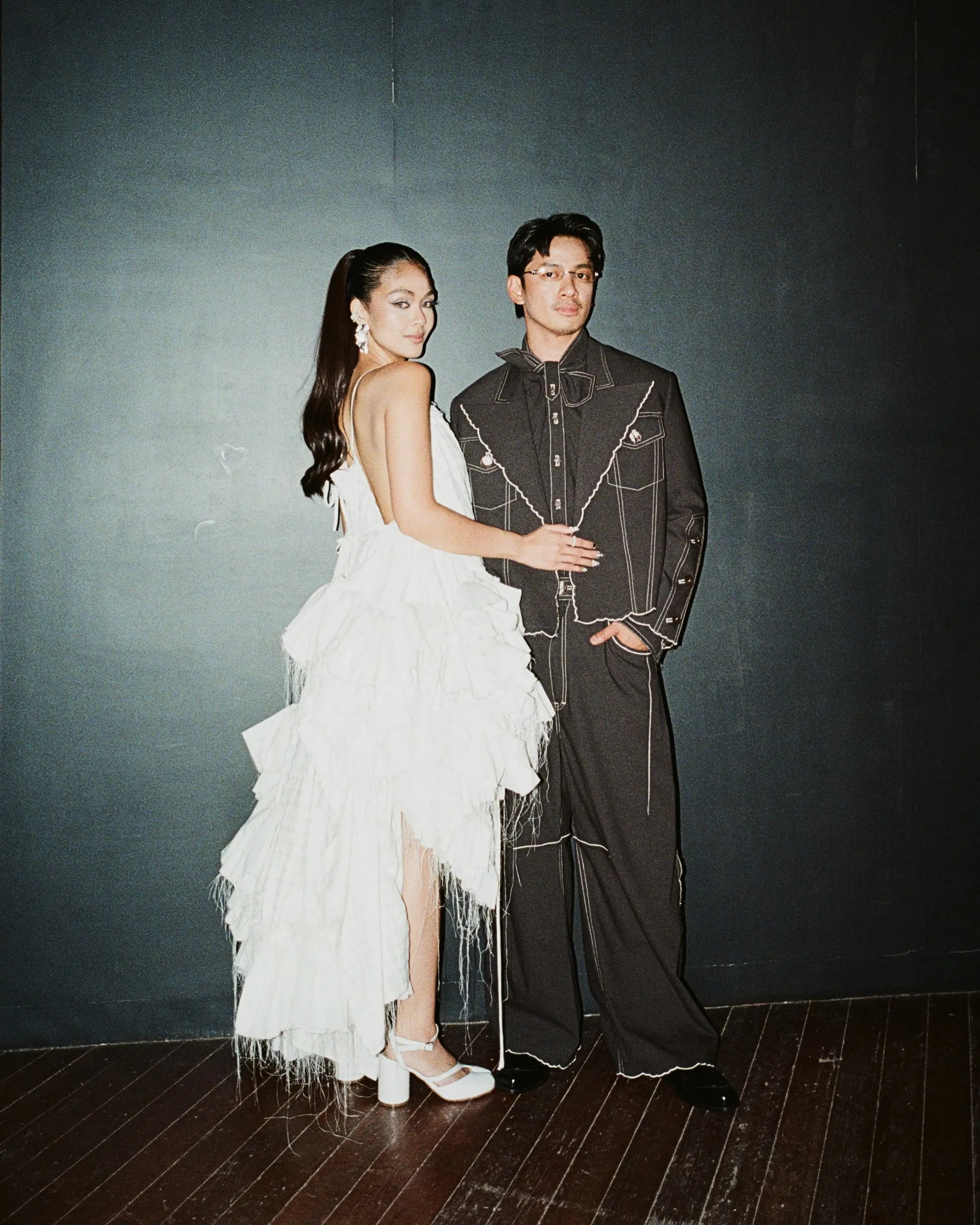
Anyone is free to consider style a dating requirement. Attraction is a personal thing, after all. Just don’t let the swag gap distort how you view other people.
RELATED: The End of Oak Street Is One of the Most Intriguing Movies You’ll See This Month
When it comes to dating, no one should be treated like a Labubu keychain. People are people—not decor. Being with someone who’s less fussy about clothes than you doesn’t make you better than them. Likewise, don’t take offense when you’re with someone who can “aura farm” in a social setting. There shouldn’t even be an internal competition to see who can outshine whom.
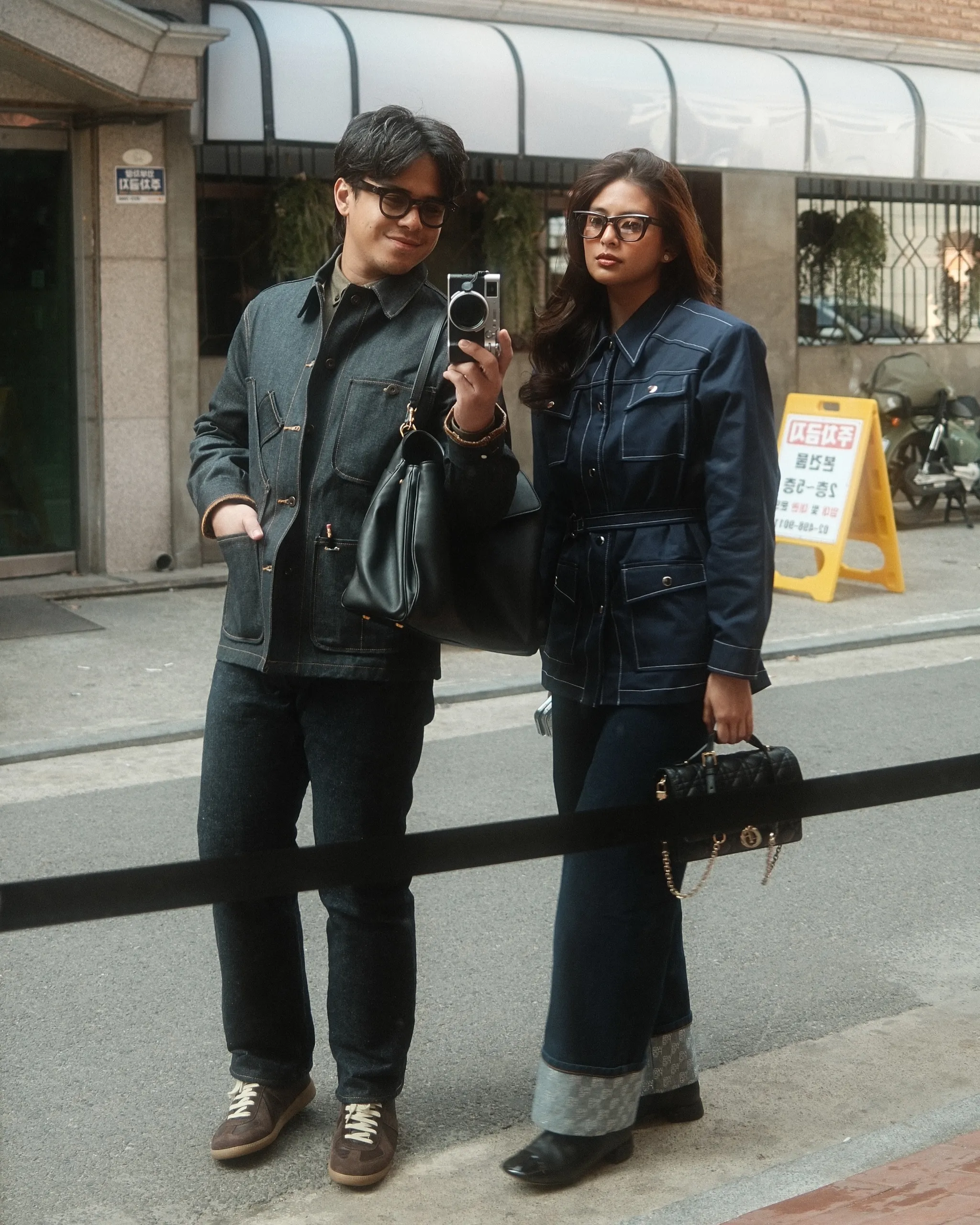
So let social media make their jokes. All that really matters is that your values align with those of your significant other, and that you make one another sincerely happy. If you’re both already secure with yourselves, then a swag gap isn’t a big deal. Love has survived uglier shoes, anyway.
Photos: GORUNWAY, KHALIL RAMOS (via Instagram), and DAVID GUISON (via Instagram). Photographed by AYA CABAUATAN.
Frequently Asked Questions
The “swag gap” describes a visible style mismatch between partners — one person appears polished and put-together while the other seems less invested in their look. The term was popularized on TikTok by musician Brandy Schwechler.
Musician Brandy Schwechler popularized the “swag gap” on TikTok, using it to describe couples whose personal style levels appear visibly mismatched. The phrase has since become shorthand across social media for judging couples’ aesthetic compatibility.
No. A swag gap reflects a style difference, not a compatibility problem. Psychologist Mark Travers notes trouble arises only when one partner interprets dressing better as being better, creating comparison and resentment rather than genuine incompatibility.
A study in the Archives of Sexual Behavior found that partners who perceive themselves as holding greater relationship power report more interest in people outside the relationship, across four separate studies examining power dynamics.
Yes. Style differences become manageable when both partners have secure self-esteem and don’t treat clothing as a measure of worth. Compatibility depends on shared values and mutual respect, not matching aesthetics or coordinated outfits.

Recommended Video
Latest Posts



Latest Issue