


Beauty has long been sold as something made for women. Magazine covers, beauty campaigns, and cosmetic counters have all reinforced that idea for decades. Yet behind many of the industry’s biggest innovations were queer creatives—makeup artists, hairstylists, creative directors, and founders who shaped the way beauty looks, feels, and evolves.
Let’s be honest: queer people have always approached beauty differently. Where others saw rules, they saw possibilities. They treated beauty not as something to fit into, but something to reinvent—experimenting, creating, and pushing the industry somewhere it had never gone before.
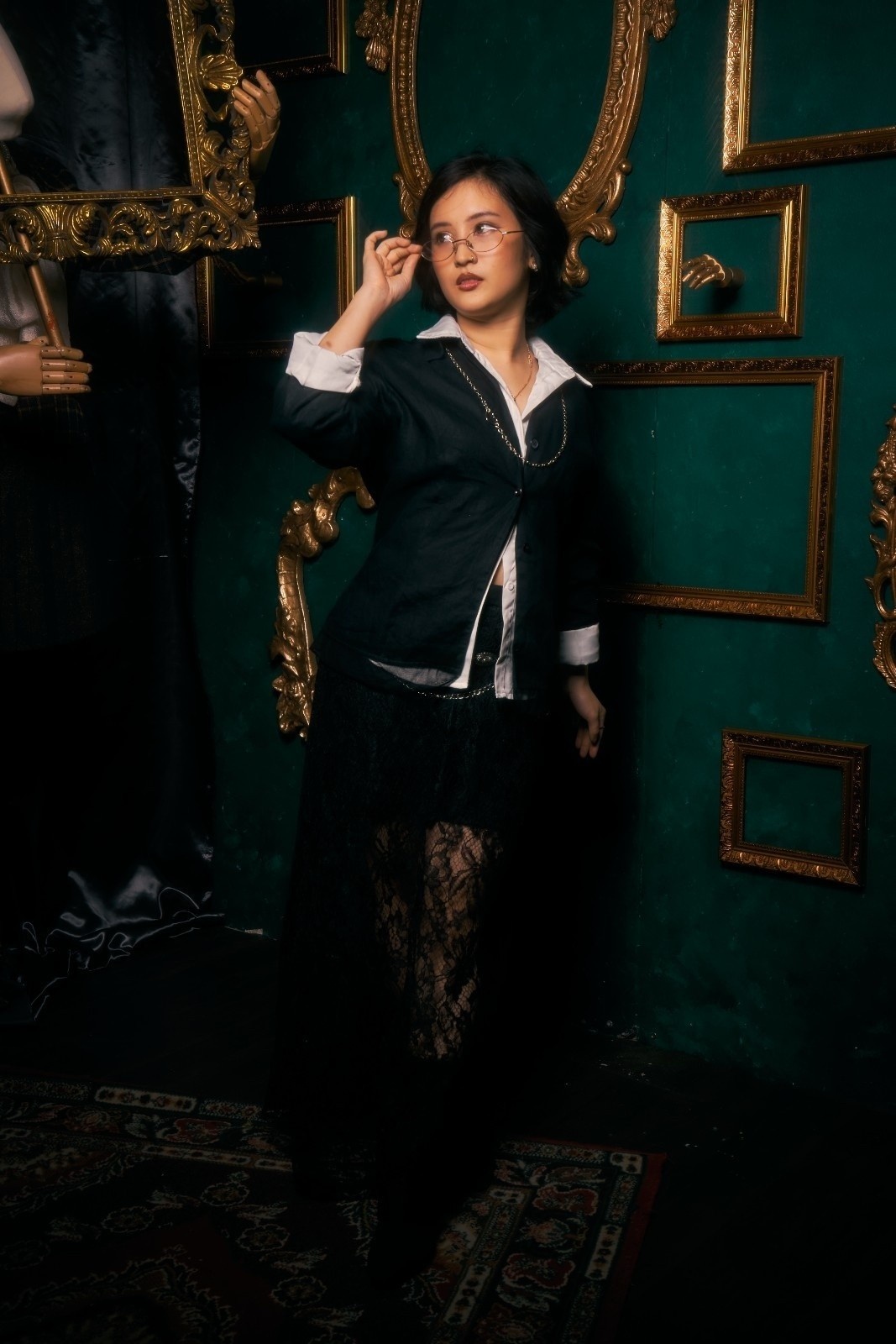
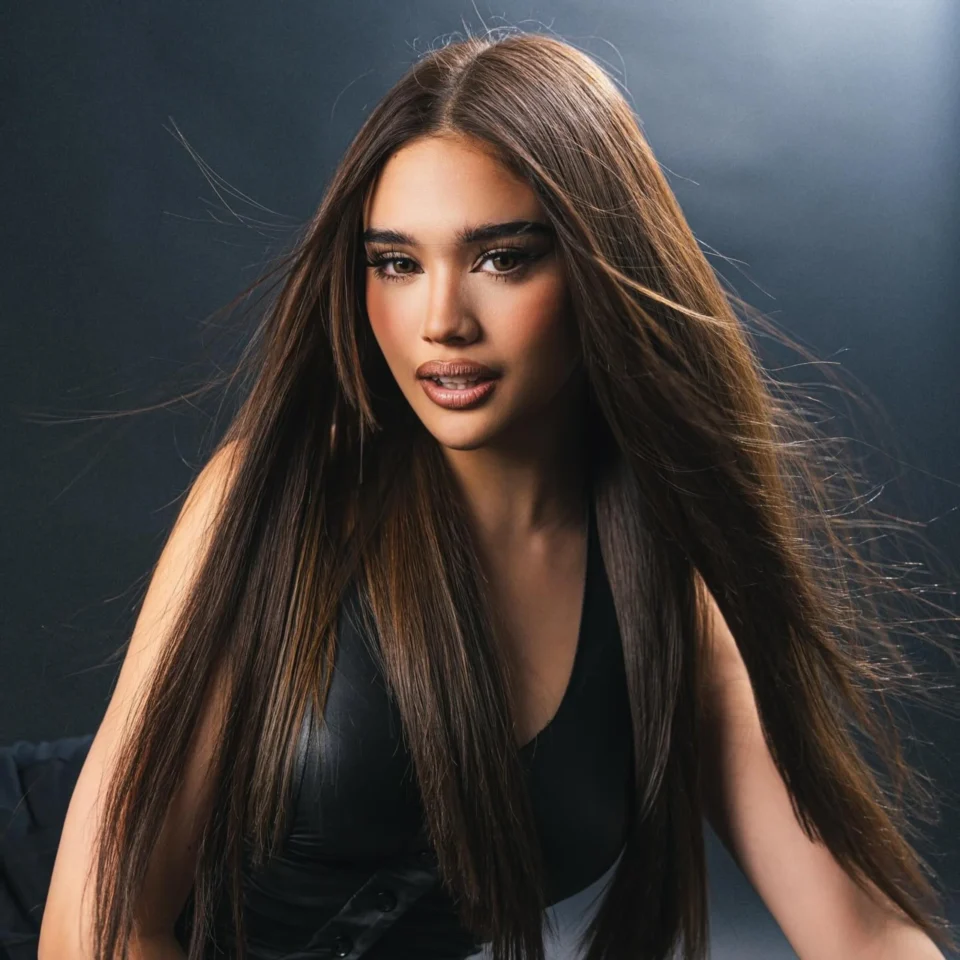
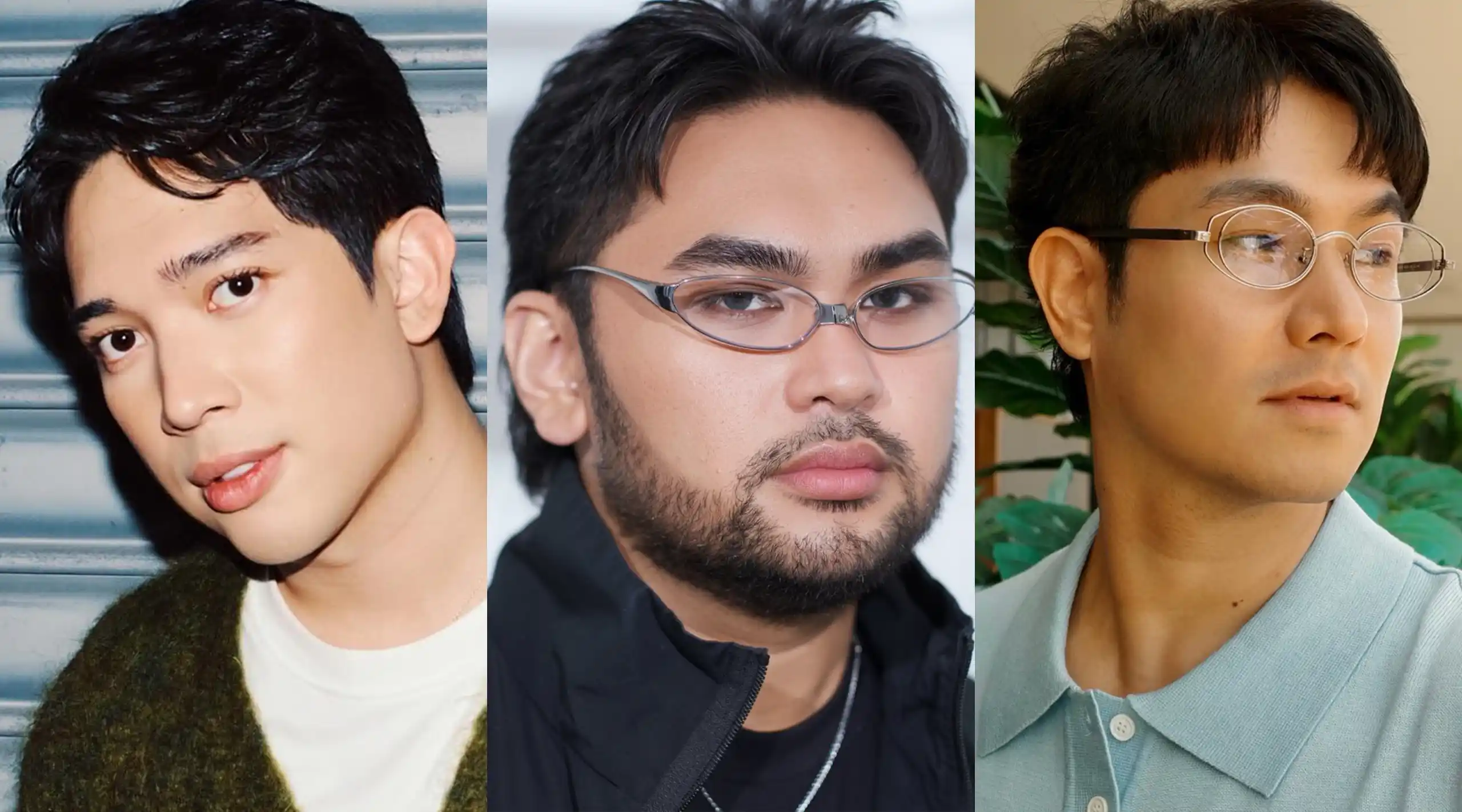
MEGA spoke to three pioneers who have each helped shape today’s beauty landscape: Joel Martin Andrade, co-founder and Chief Creative Officer of cult-favorite makeup brand Issy; Paul Nebres, celebrity hairstylist and co-founder of BETTERHAIR; and celebrity makeup artist Jake Galvez. Across branding, hairstyling, and makeup artistry, one thing became abundantly clear: the beauty industry as we know it simply wouldn’t exist without the queer community.
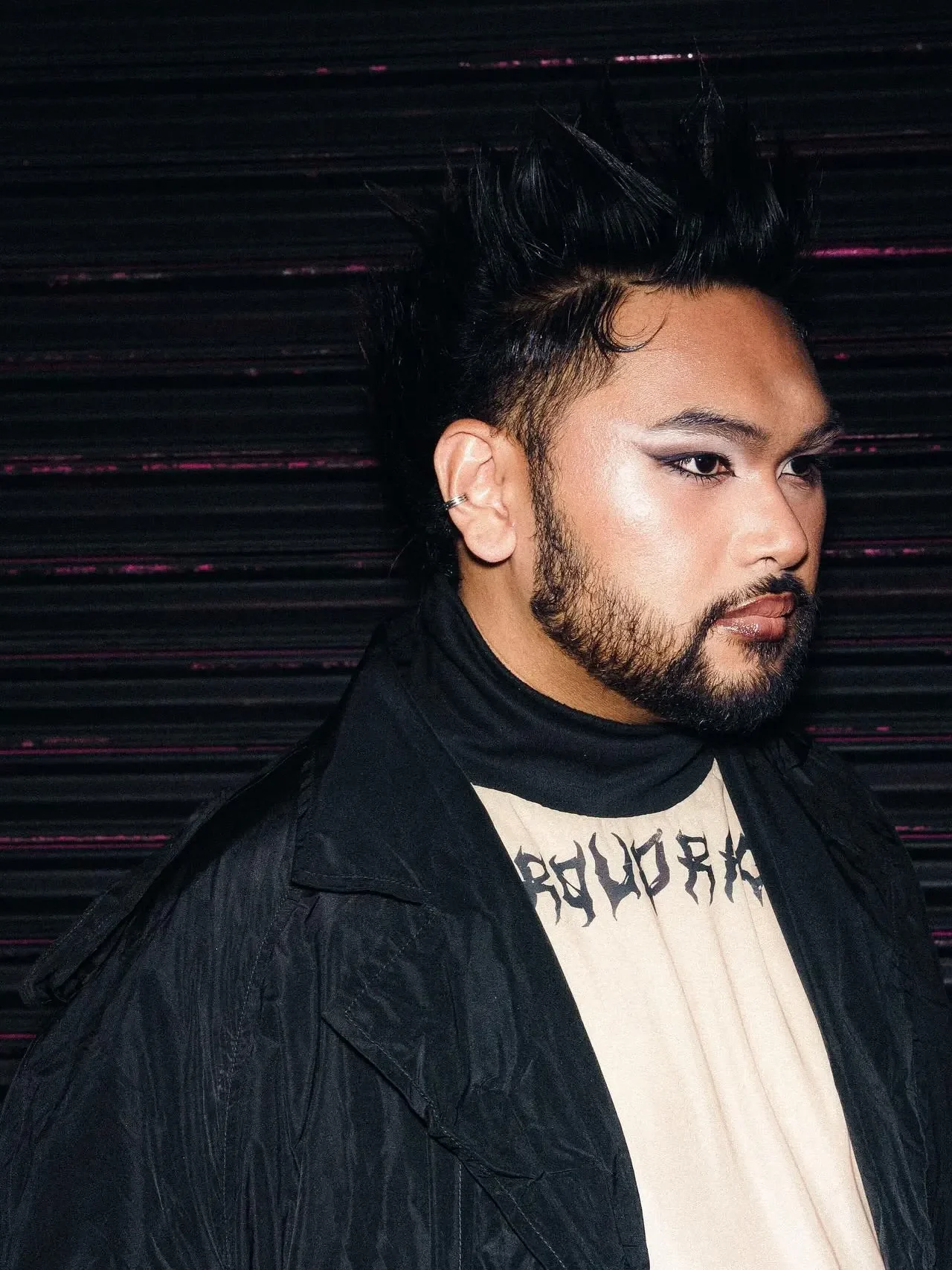
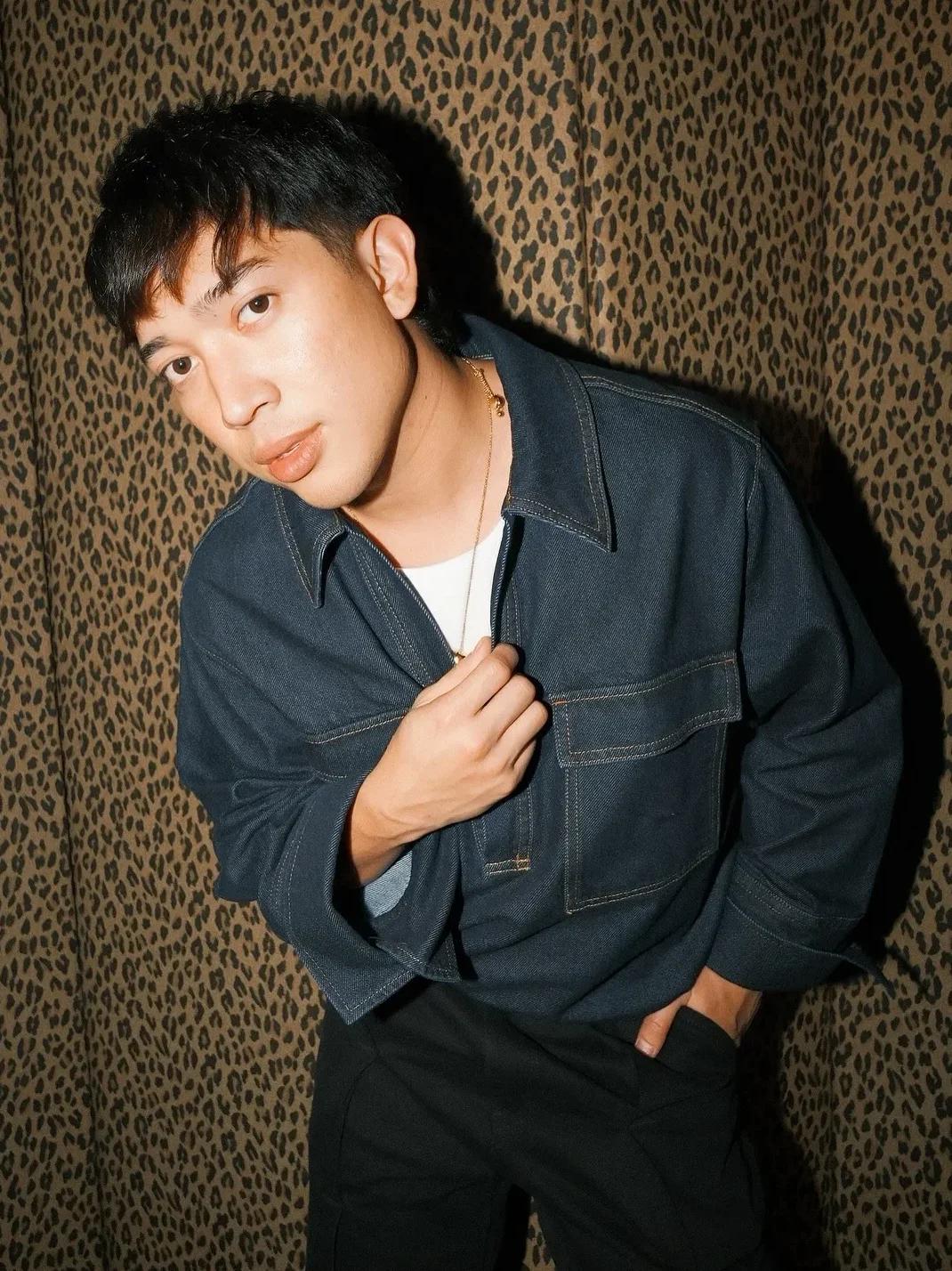
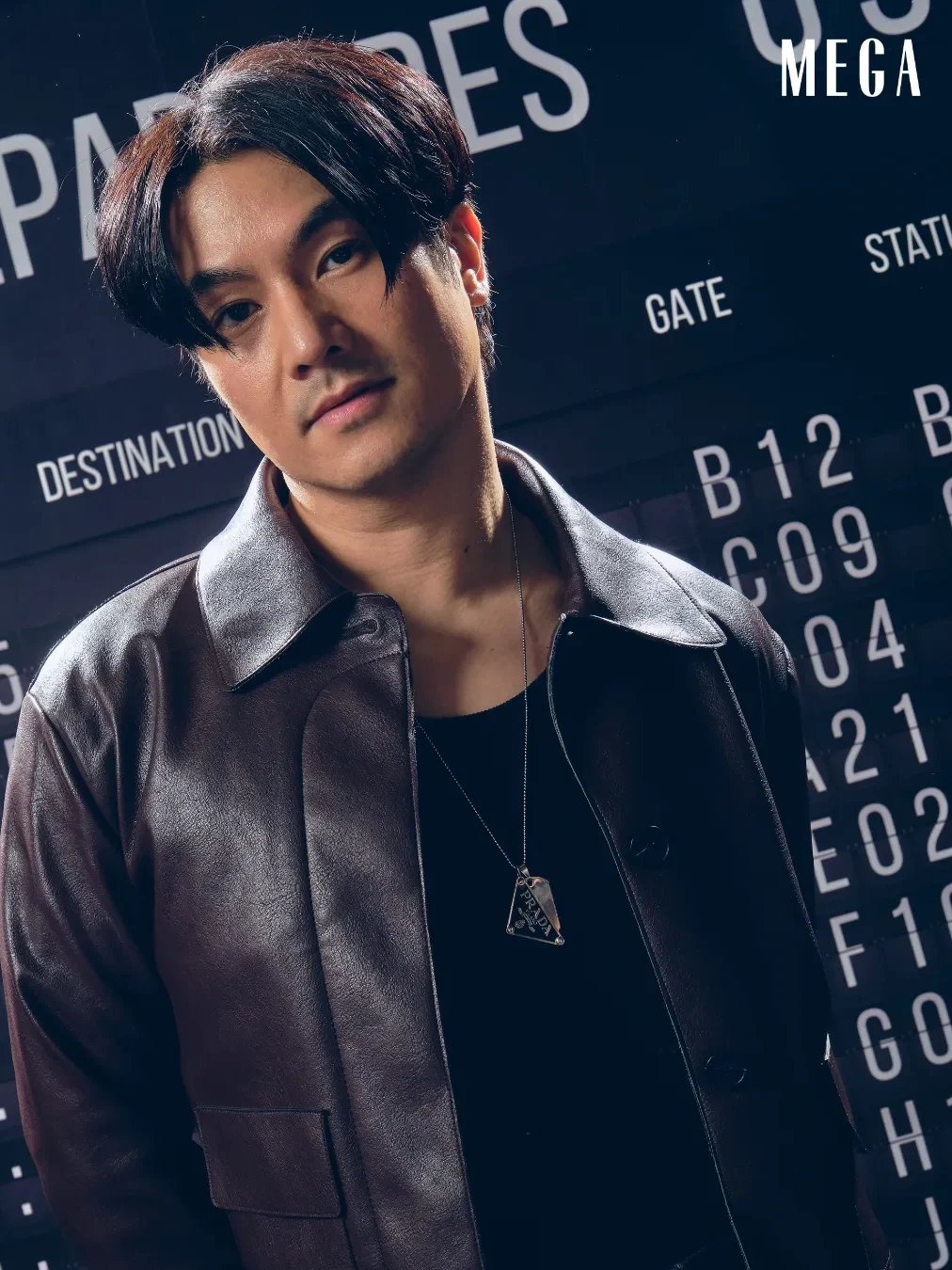
RELATED: Why We Still Need Pride in the Philippines
Beauty Today
“Honestly, the beauty industry wouldn’t look anything like it does without queer people,” Andrade declared.
For generations, beauty became one of the few spaces where queer people could safely explore identity. Makeup wasn’t simply cosmetic. Hair wasn’t merely aesthetic. They became tools for self-expression, self-discovery, and sometimes even quiet acts of resistance in a world that often demanded conformity.
That relationship transformed beauty.
But while we thank queer artistry, Nebres believes that openness is its greatest contribution. “That willingness to celebrate people as they are has really allowed the beauty landscape to flourish into something far more inclusive and exciting than it ever was before.”
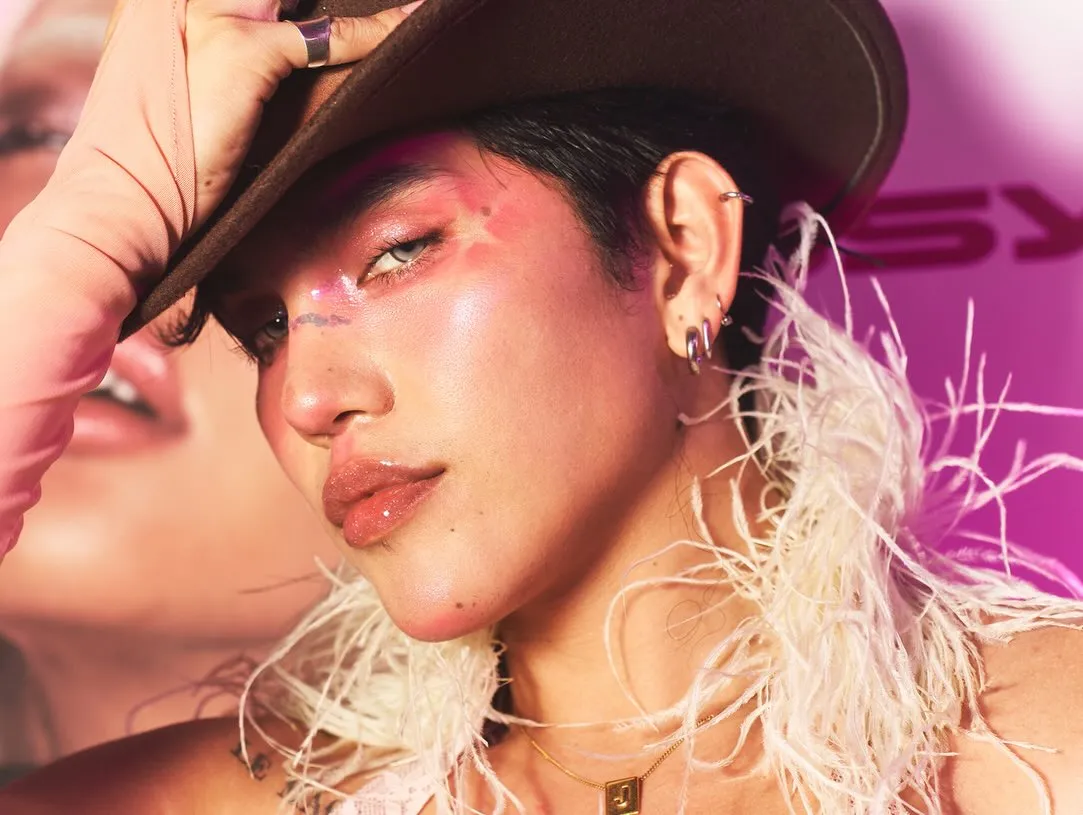
Today, some of beauty’s biggest trends and cultural moments are treated as commonplace. Yet many of them first emerged in queer spaces before making their way into the mainstream—often without the recognition they deserve. “A lot of trends, new techniques, and creative bold looks we see today were born and created in queer spaces long before they became mainstream,” Galvez explained. “They’ve helped redefine beauty as something that’s authentic and expressive instead of something that has to fit a certain standard.”
“Beauty stopped being about blending in and started being about becoming more yourself. It’s more experimental and emotional now, and a lot of that is because queer voices kept refusing to let the industry sit still.”
– Joel Martin Andrade
Where Art Meets Identity
Beauty today has become more inclusive—not through its expansive shade ranges, but through the people creating it, who challenged the very idea of who beauty was supposed to be for. Behind that evolution are creatives drawing from their own lived experiences.
“When you’ve spent part of your life questioning the rules, or living somewhere just outside them, you get curious,” Andrade reflected. “You experiment. You’re a lot more willing to poke at what ‘beautiful’ is even supposed to mean and imagine something else.”
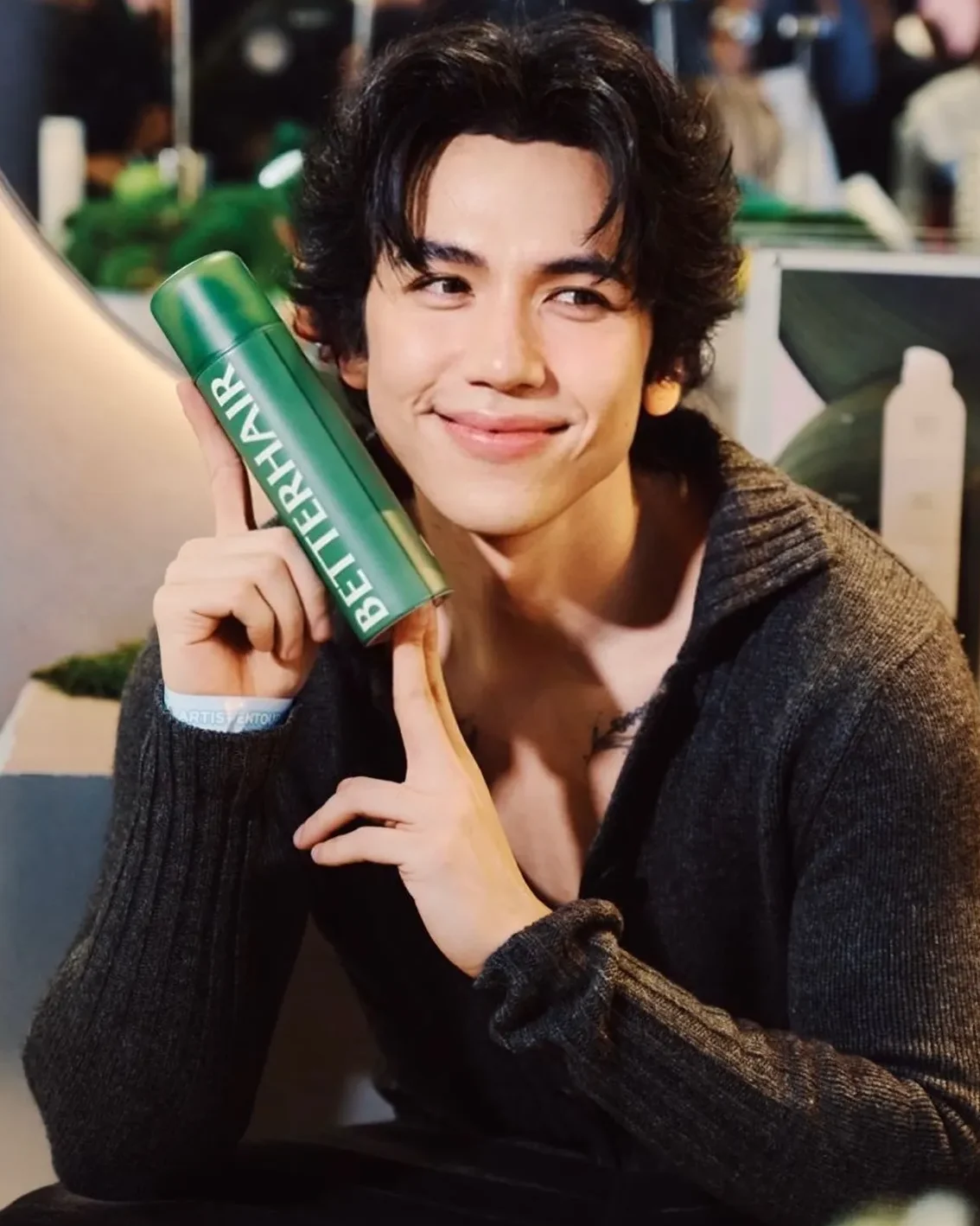
But it’s not just hardship that shapes queer artistry. It’s also the stories they carry: navigating family, finding community, falling in love, discovering themselves, and learning to take up space in a world that often asked them to shrink.
“What makes queer creatives so powerful is how personal their work is,” Nebres said, and it’s one of the reasons why his brand BETTERHAIR was born. “Because of people like that—whose stories and passions pushed us to create something that actually meant something, not just something that sells.”
“Beauty became more than just appearance, but about helping people express themselves and feel comfortable in their own skin.”
– Jake Galvez
Galvez shares that sentiment, believing authenticity is what continues to set queer artists apart.
“Those experiences often build resilience, empathy, and a deeper understanding of what it means to help someone feel seen and confident,” he explained. “That perspective carries into the beauty space, where beauty becomes more than just appearance, but about helping people express themselves and feel comfortable in their own skin.”
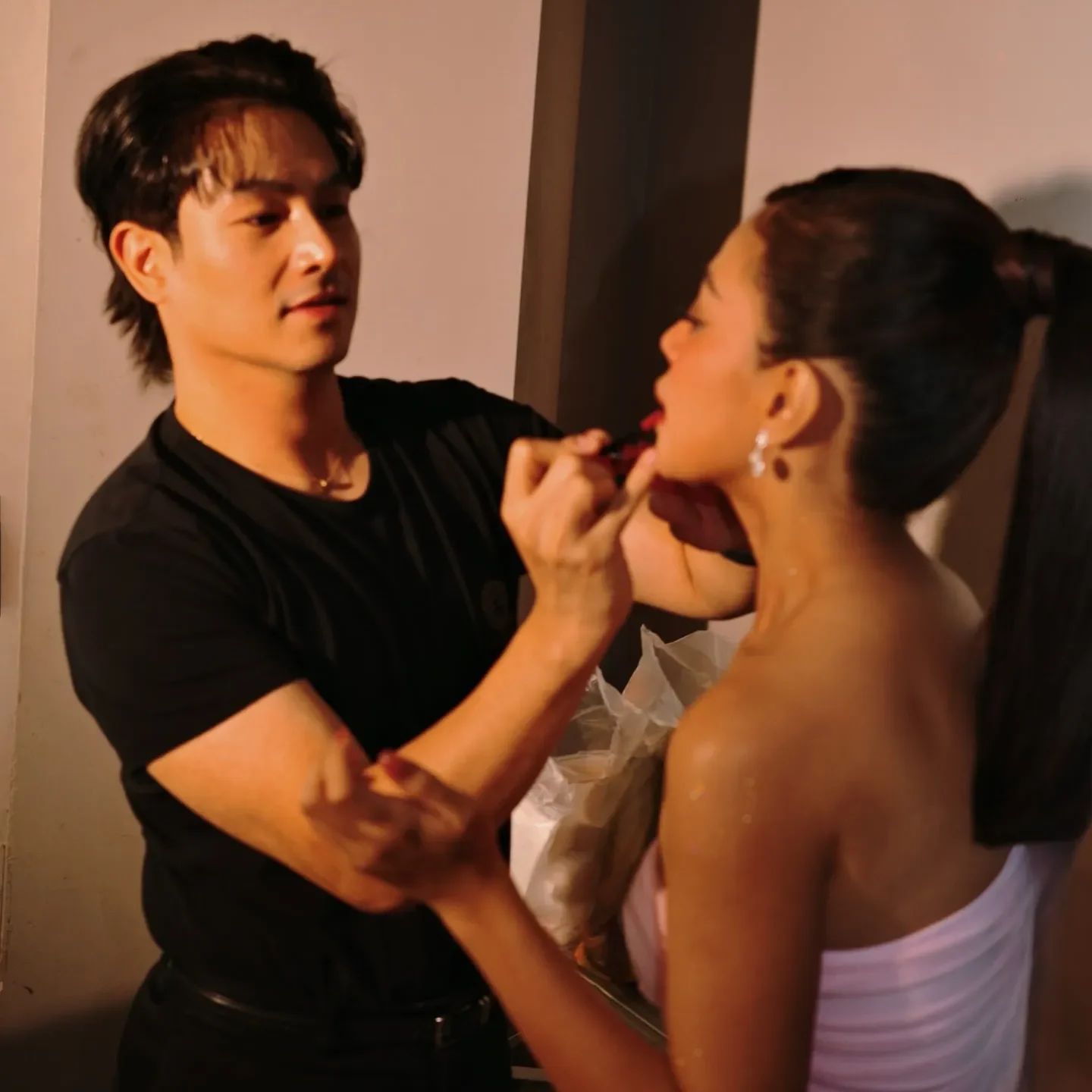
Perhaps that’s why queer artistry rarely stops at aesthetics. Every look tells a story. Every campaign carries a perspective. Every product begins with a question: How do we make someone feel more like themselves?
Building Beauty Differently
Andrade built Issy not as a queer brand, but from a queer point of view.
“Growing up, I knew that feeling of wondering whether there was room for me, whether I was too much, too different, just sort of outside the frame,” he shared. “That stuck with me, and it shaped how I think about pretty much everything: the design, how we talk to people, how we develop products.”
While inclusivity is often discussed in terms of shade ranges, Issy’s co-founder believes it begins in an earlier state. “It’s about building something where people aren’t quietly asking permission to belong.”
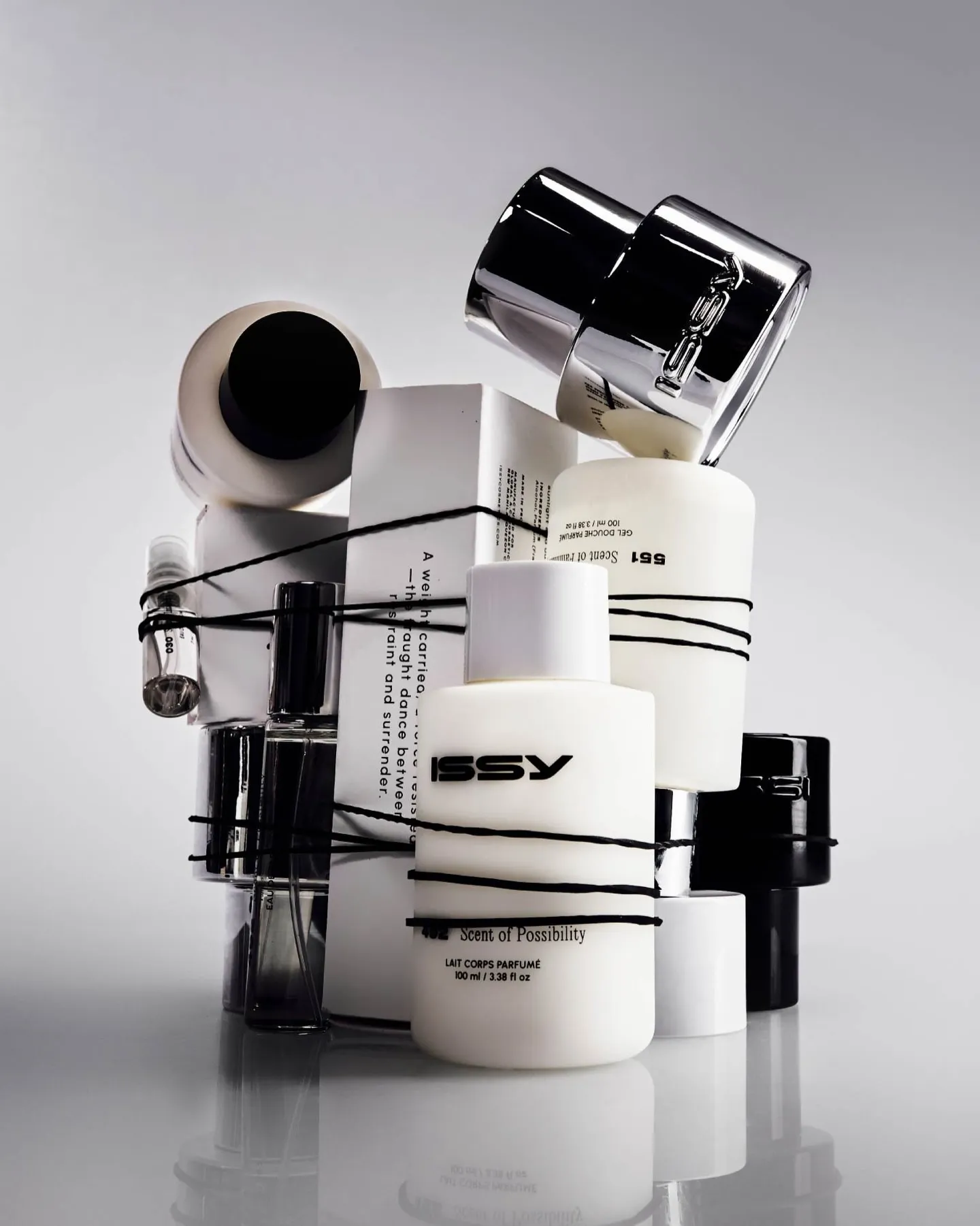
That philosophy guides every decision behind the brand. Andrade constantly asks himself: Does this let more people in? Does it remove a barrier that never needed to exist? Does it make someone feel seen?
“Issy has never been about telling people who to become,” he said. “We’d rather just hand you the tools and let you be who you already are.”
“There are still rooms where queer professionals have to work twice as hard just to be taken seriously. Part of why we built BETTERHAIR the way we did was to create a brand culture where that kind of exclusion has no place.”
– Paul Nebres
Nebres carries a similar philosophy into BETTERHAIR, though through the lens of hairstyling. As someone constantly immersed in an evolving craft, he sees curiosity as one of the industry’s defining strengths.
“Hairstylists are always hungry to learn and always searching for what’s next,” he reflected. “That eagerness to grow and evolve is what keeps them ahead of the curve—and what keeps the whole industry moving forward.”
As BETTERHAIR continues to grow, Nebres has remained committed to the same philosophy that shaped it from the start. “It was about building a brand that was never about one look or one type of person, but about giving everyone the tools to show up as themselves.”p
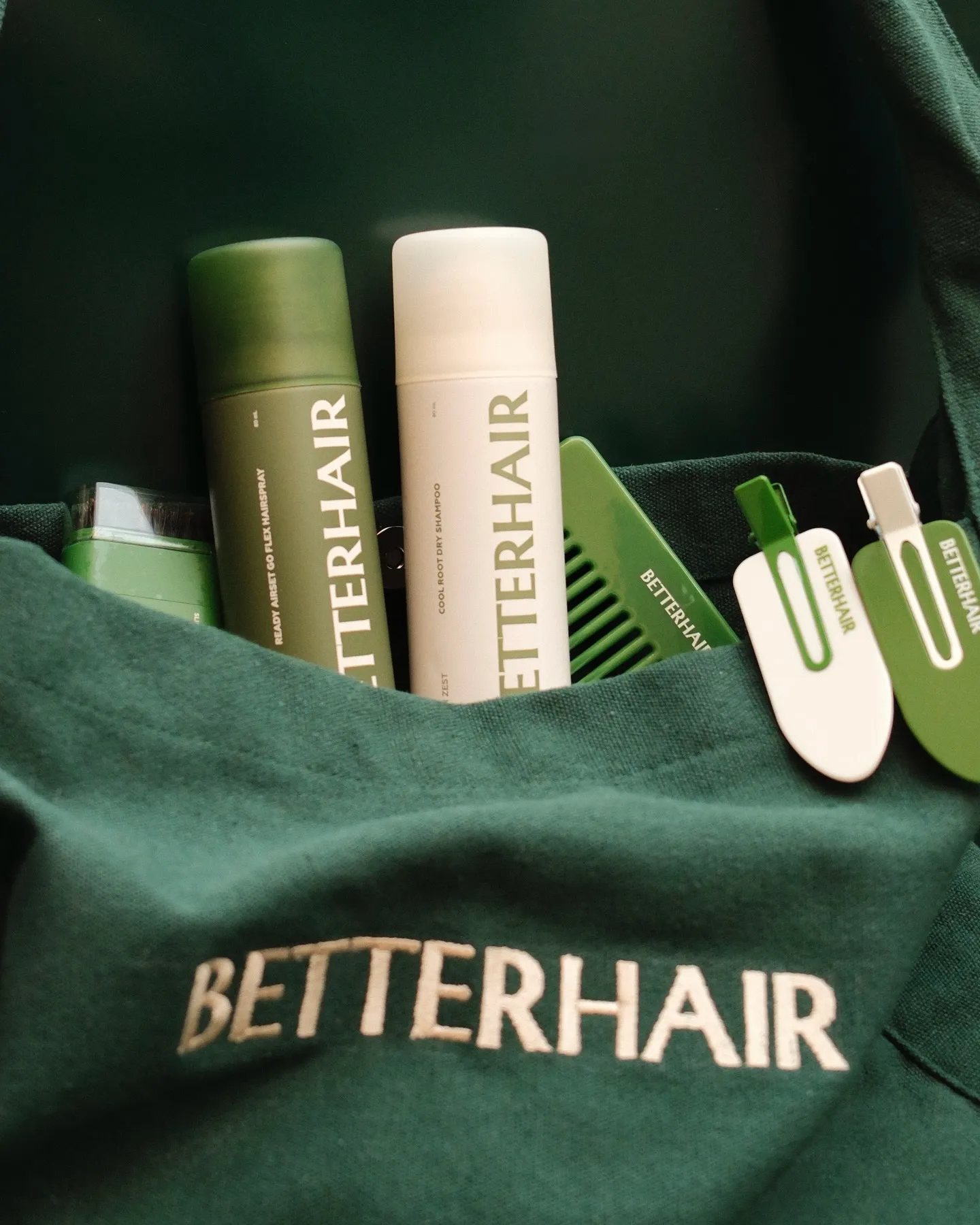
If founders shape the industry through the brands they build, makeup artists shape it through the faces they transform. “Queer makeup artists have always been some of the biggest innovators in the beauty and fashion industry,” Galvez observed. Whether in editorial work, drag, or experimental beauty, queer artists have consistently challenged conventional ideas of what makeup should look like.
“They have shown that makeup isn’t just about looking pretty or gorgeous, but a form of self-expression and confidence. I think that kind of mindset has pushed the whole industry forward.”
The trends that dominate social media today—bold color stories, unconventional placements, glossy skin, genderless makeup, maximalism—didn’t emerge overnight. Many began in queer spaces, where experimentation wasn’t simply a trend, but a way of carving out space in a world determined to box people in.
“At the end of the day, beauty was never about looking like everybody else. It’s about being free to look and feel like yourself.”
– Joel Martin Andrade
Beauty’s Greatest Architects
Today, beauty is less about fitting into a singular ideal and more about expressing who you are. Much of that shift can be traced back to queer creatives who refused to let beauty remain confined by tradition.
“I want them to carry forward that spirit of fearlessness, to create without apology and to always make space for everyone at the table.”
– Paul Nebres
They’ve transformed beauty into something deeply personal. They’ve challenged impossible standards, expanded who gets to feel beautiful, and reminded the industry that self-expression will always matter more than perfection.
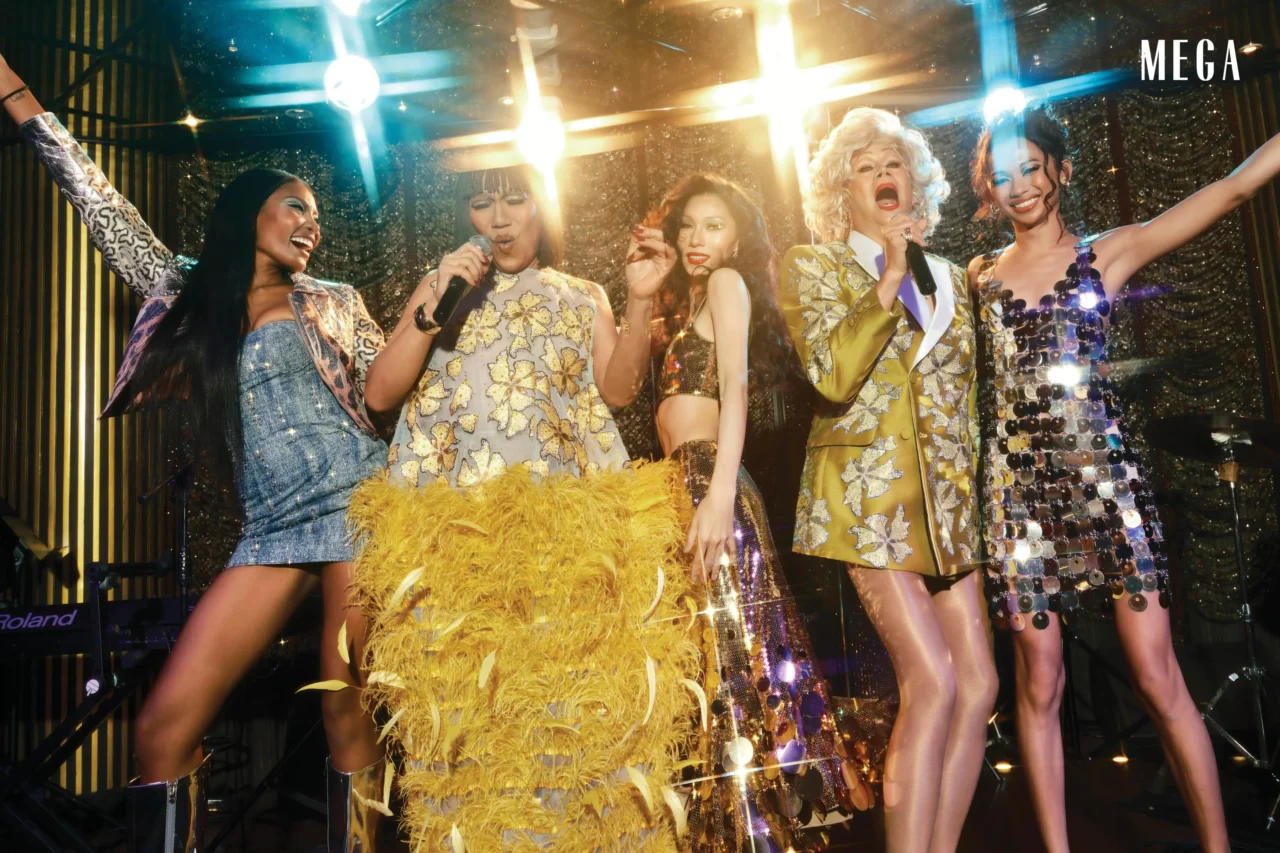
It’s everywhere. They’re in the products we reach for before leaving the house, in the trends flooding our feeds, iin the campaigns that make us feel seen. It’s in the BETTERHAIR dry shampoo we reach for, in the Issy palettes we carry in our makeup bags, in the makeup brushes professional makeup artists recommend, and the brands that remind us that beauty belongs to everyone.
“Real inclusion means supporting queer talent all year round, not just when it’s trending or during Pride month.”
– Jake Galvez
Yes, these queer creatives built the foundation of today’s beauty industry—but they never closed the door behind them. Instead, they threw the door wide open, making space for everyone else to walk through.
Featured Image and Photos: JOEL MARTIN ANDRADE, PAUL NEBRES, JAKE GALVEZ, ISSY, BETTERHAIR (via Instagram), MEGA ARCHIVES
Frequently Asked Questions
Issy is a Filipino cult-favorite makeup brand co-founded by Joel Martin Andrade, who serves as its Chief Creative Officer. The brand was built from a queer point of view, with a founding philosophy centered on inclusion — designing spaces where people do not need permission to belong.
BETTERHAIR is a Filipino haircare brand co-founded by celebrity hairstylist Paul Nebres and photographer BJ Pascual. The brand was built around the principle of giving everyone the tools to show up as themselves, with a brand culture that actively resists exclusion in the beauty industry.
Queer creatives in the Philippines have shaped the beauty industry by treating makeup, hair, and product development as tools for self-expression rather than conformity. Many mainstream trends — bold color stories, genderless makeup, unconventional placements — originated in queer spaces before entering the broader market.
Jake Galvez is a Filipino celebrity makeup artist whose clients include Bianca de Vera, Belle Mariano, and Cassy Legaspi. He is known for his view that queer makeup artists are among the beauty industry’s biggest innovators, pushing makeup beyond aesthetics into a form of personal expression and confidence.
According to makeup artist Jake Galvez, real inclusion means supporting queer talent year-round — not only during Pride month or when visibility is trending. Issy’s Joel Martin Andrade adds that inclusion begins before the product stage, in building spaces where people never feel they need permission to belong.