



There was already no easy way to stage a John Galliano retrospective. Fifteen years after the scandal that cost him his job at Dior and nearly his career, John Galliano: Horizons would have inevitably reopened a conversation fashion has never quite figured out how to finish.
The Metropolitan Museum of Art appeared prepared for that. When the Costume Institute announced the exhibition, it made clear that Horizons would not gloss over the darker chapters of Galliano’s life. His extraordinary contributions to fashion would be there, along with the controversy that has followed his name since 2011. The point was to look at the whole picture.
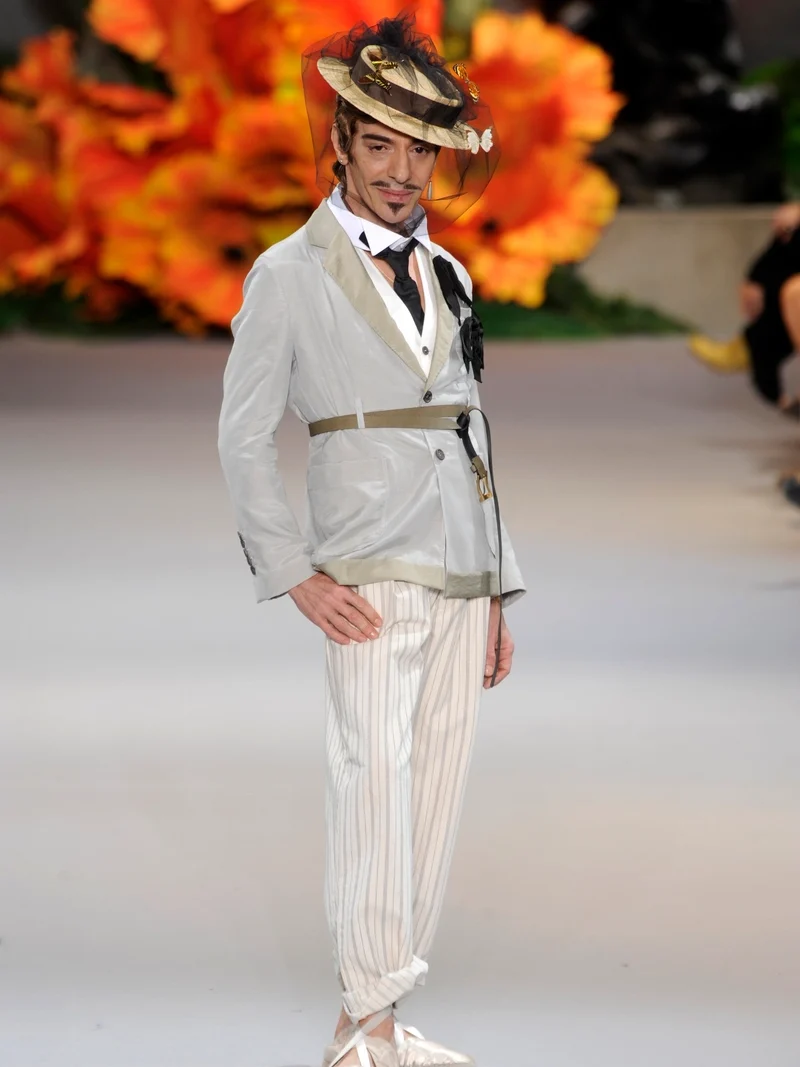
Making matters worse, the Met Gala was scheduled for May 3—the evening Yom HaShoah (or Holocaust Remembrance Day) begins. What should have been a year of anticipation around his work quickly turned into another reckoning with Galliano the man. He eventually withdrew from the exhibition, and the Met announced that Horizons would no longer take place.
Fifteen years later, John Galliano had somehow found himself back in 2011. So perhaps we should go back there, too.
The John Galliano Controversy That Changed Everything
There’s no flattering way to retell this part of the story, nor should there be. In February 2011, he was arrested following an altercation at a Paris café, where he was accused of directing antisemitic and racist insults at other patrons. Days later, a video surfaced of an intoxicated Galliano telling strangers, “I love Hitler,” alongside further antisemitic remarks. Amid the scandal, Dior understandably fired him, and a French court later found him guilty of making public insults based on race, religion, or ethnicity.
Aside from being horrendous, it was downright baffling that such words even left his mouth. If Galliano was cartoonishly evil, the simplest explanation, of course, would be that he had always been that way, cloaking his intolerant views until he felt safe enough to reveal them because of the influence he had already amassed—your stereotypical “I’m untouchable now, so I can say whatever I want without facing consequences.”
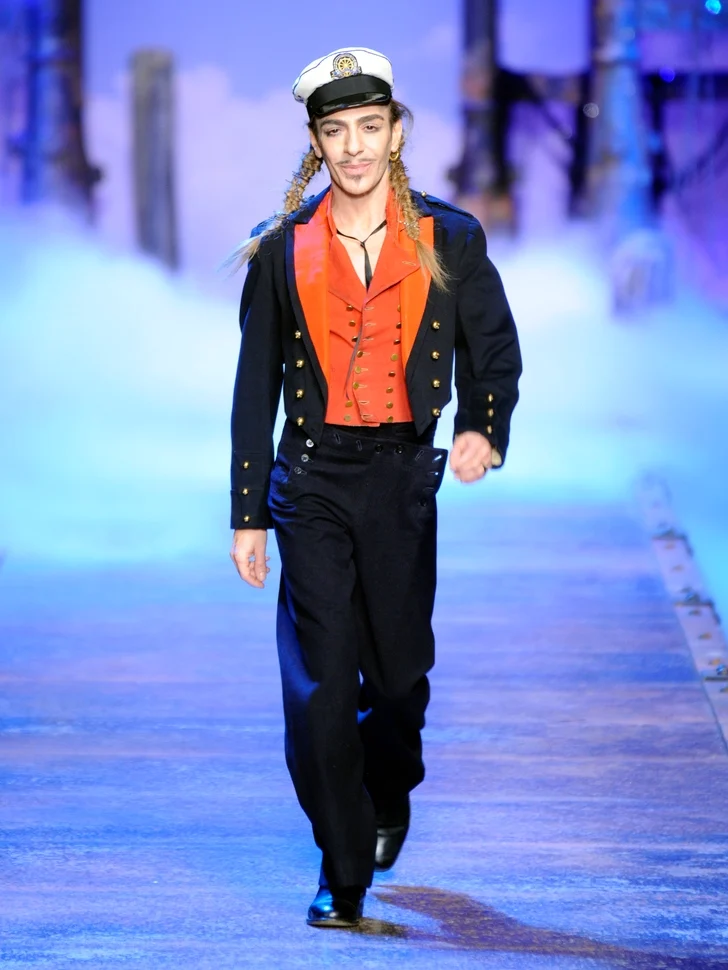
But the context surrounding that period complicates the mustache-twirling caricature of Galliano the villain. He had developed a dependence on alcohol and other substances during his years at Dior, while personal losses preceded his collapse. His father had died, followed by his friend and collaborator Steven Robinson and, later, Isabella Blow. By the time his career publicly imploded, Galliano has since shared that he was drinking heavily and barely functioning outside work.
So what, right? Plenty of people have had terrible days and lost loved ones without suddenly turning antisemitic or racist, and poor mental health cannot possibly justify what happened. And yet, even if we carefully dissect his life then and everything that led to that breaking point, there may never be a satisfyingly rational explanation for it. Galliano was at one of the lowest and most unstable points of his life, and that instability manifested in him lashing out at people who never deserved it. That’s it.
John Galliano’s Second Act in Fashion

RELATED: Fashion Keeps Finding Its Way Back to John Galliano
In the years that followed, Galliano entered rehabilitation, became sober, and apologized. He met with members of the Jewish community and sought to educate himself about the history and weight of what he had said. Eventually, he returned to fashion, first tentatively and then, in 2014, as creative director of Maison Margiela. He spent the next decade rebuilding his career without another comparable public incident before leaving the house in 2024.
And now, in 2026, everyone is talking about 2011 again.
Forgiveness remains entirely in the hands of the people and communities Galliano hurt. Apologies come with no guarantee of acceptance, just as time doesn’t heal all wounds. Still, there are other questions worth asking ourselves: What exactly do we mean when we hold a person accountable? What does proper accountability look like if fifteen years of rehabilitation and sobriety aren’t enough? And is there room to accept that someone may still change even if we don’t forgive their past actions?
Who Could Replace John Galliano for the Met’s 2027 Exhibition?
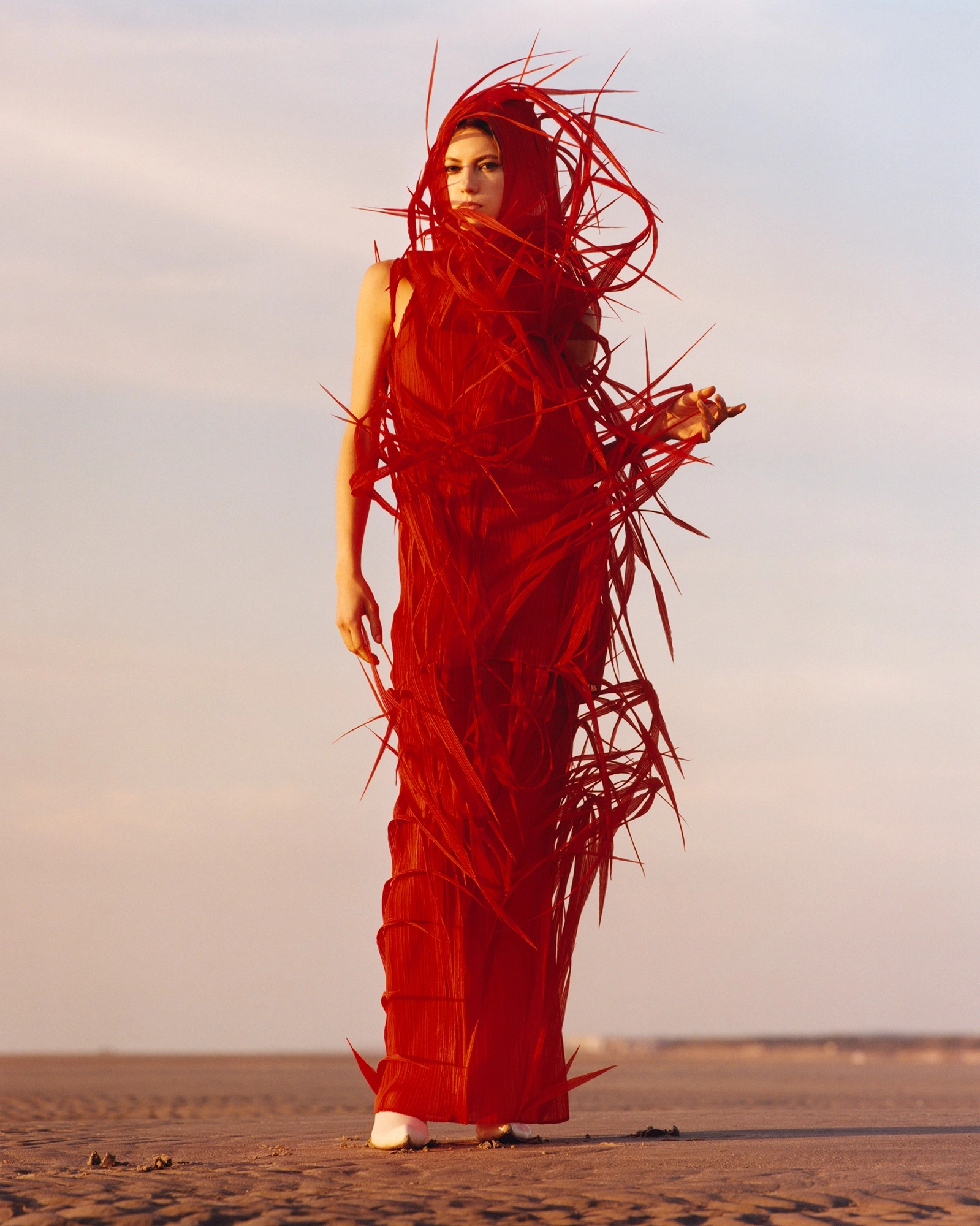
With Horizons off the calendar, the Costume Institute suddenly has room for another fashion great in 2027. For MEGA, Issey Miyake tops the list. His experiments with pleating, construction, and fabric could make for a visual feast inside the museum, while the Gala itself could become a litmus test for which stars possess genuine creative instinct when there isn’t an obvious character or historical dress code to imitate.
Already among the names being floated for 2027, Miyake also presents a poignant change in direction. A survivor of the Hiroshima bombing, he spent his career looking forward, finding new possibilities in how clothes could be made and live on the body. After a controversy that threatened to overshadow the fashion, perhaps the Met could use a designer whose legacy invites us to imagine what comes next.
Whoever gets the call, Horizons will remain one of fashion’s great what-ifs. For now, John Galliano has done what he can and left the rest of the conversation to us.
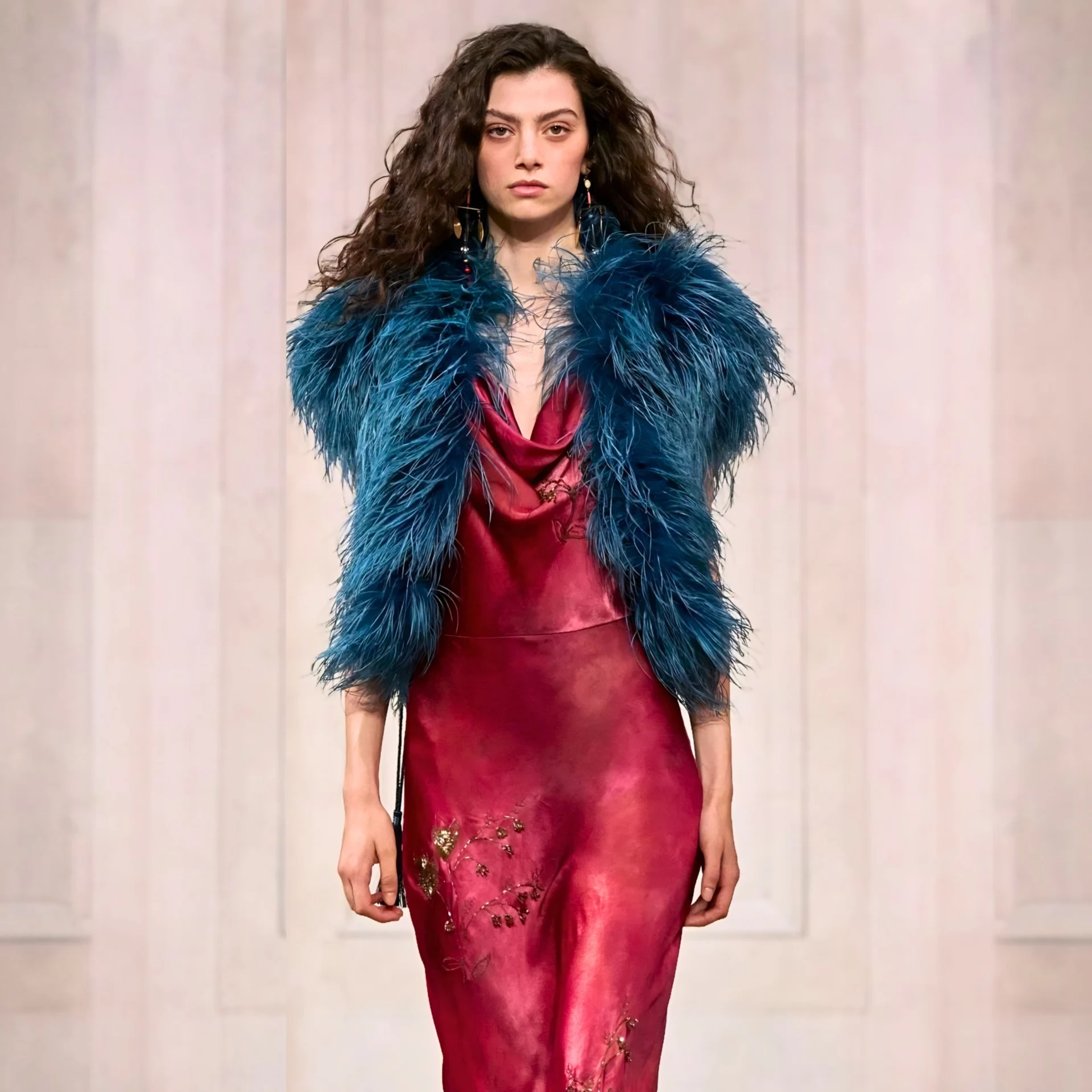
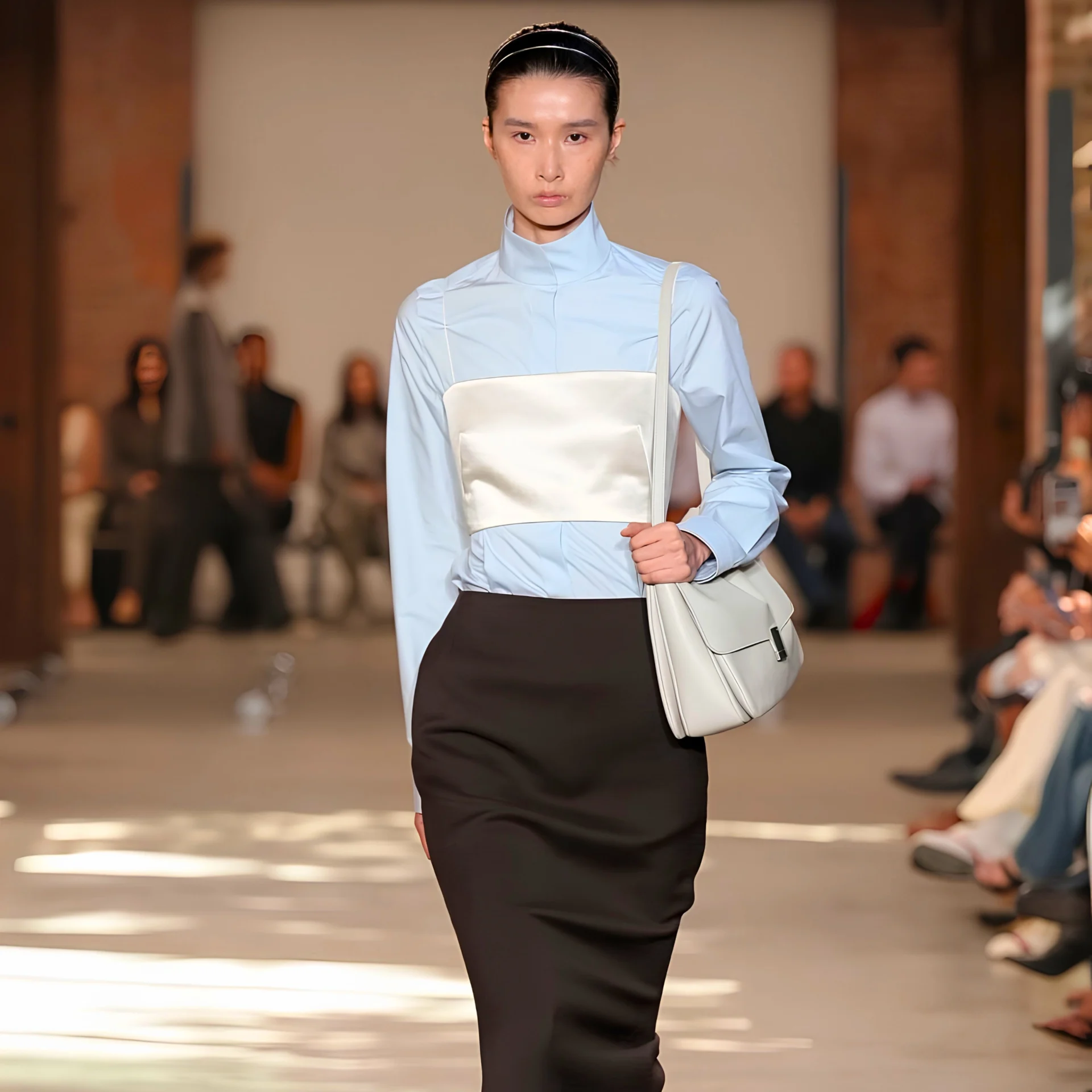
Photos: CHRISTIAN DIOR, MAISON MARGIELA, and ISSEY MIYAKE
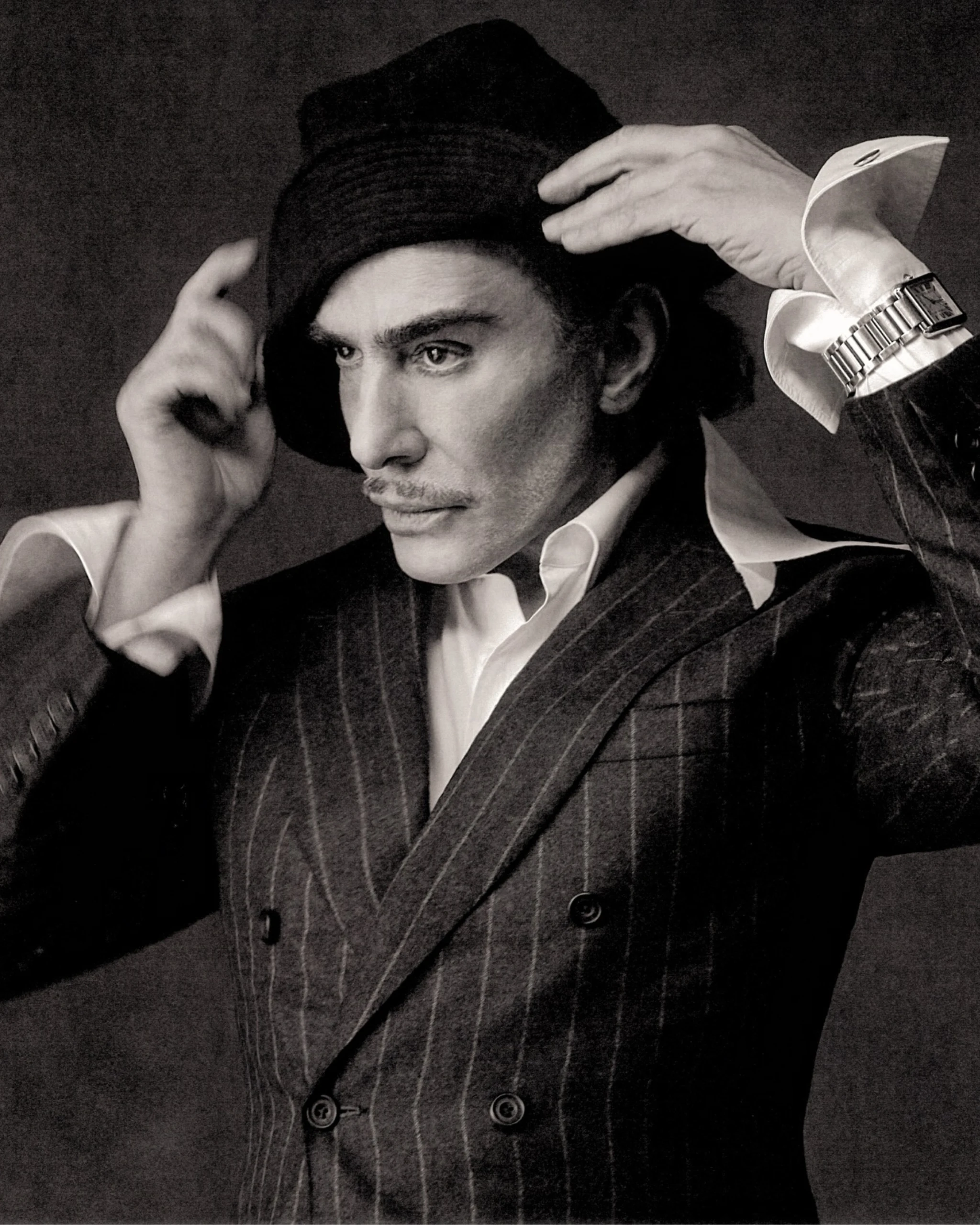
Featured image photographed by SZILVESZTER MAKÓ
Frequently Asked Questions
The Met Gala’s May 3 date coincided with the start of Yom HaShoah, Holocaust Remembrance Day, reigniting scrutiny of Galliano’s 2011 antisemitic remarks. He withdrew from the exhibition, and the Met announced “Horizons” would no longer take place.
In February 2011, Galliano was arrested after an altercation at a Paris café where he was accused of directing antisemitic and racist insults at other patrons. A video surfaced of him saying “I love Hitler,” leading Dior to fire him and a French court to later convict him.
Galliano entered rehabilitation, became sober, apologized, and met with members of the Jewish community to educate himself. He returned to fashion in 2014 as creative director of Maison Margiela, a role he held for a decade before leaving in 2024.
MEGA suggests Issey Miyake as the top candidate, citing his innovative work with pleating and fabric construction, along with his personal history as a Hiroshima bombing survivor whose career focused on forward-looking design.
“Horizons” was designed by the Costume Institute to present John Galliano’s full career, including both his extraordinary contributions to fashion and the controversy that has followed him since 2011, rather than omitting the darker chapters of his story.

Recommended Video
Latest Posts


Latest Issue