



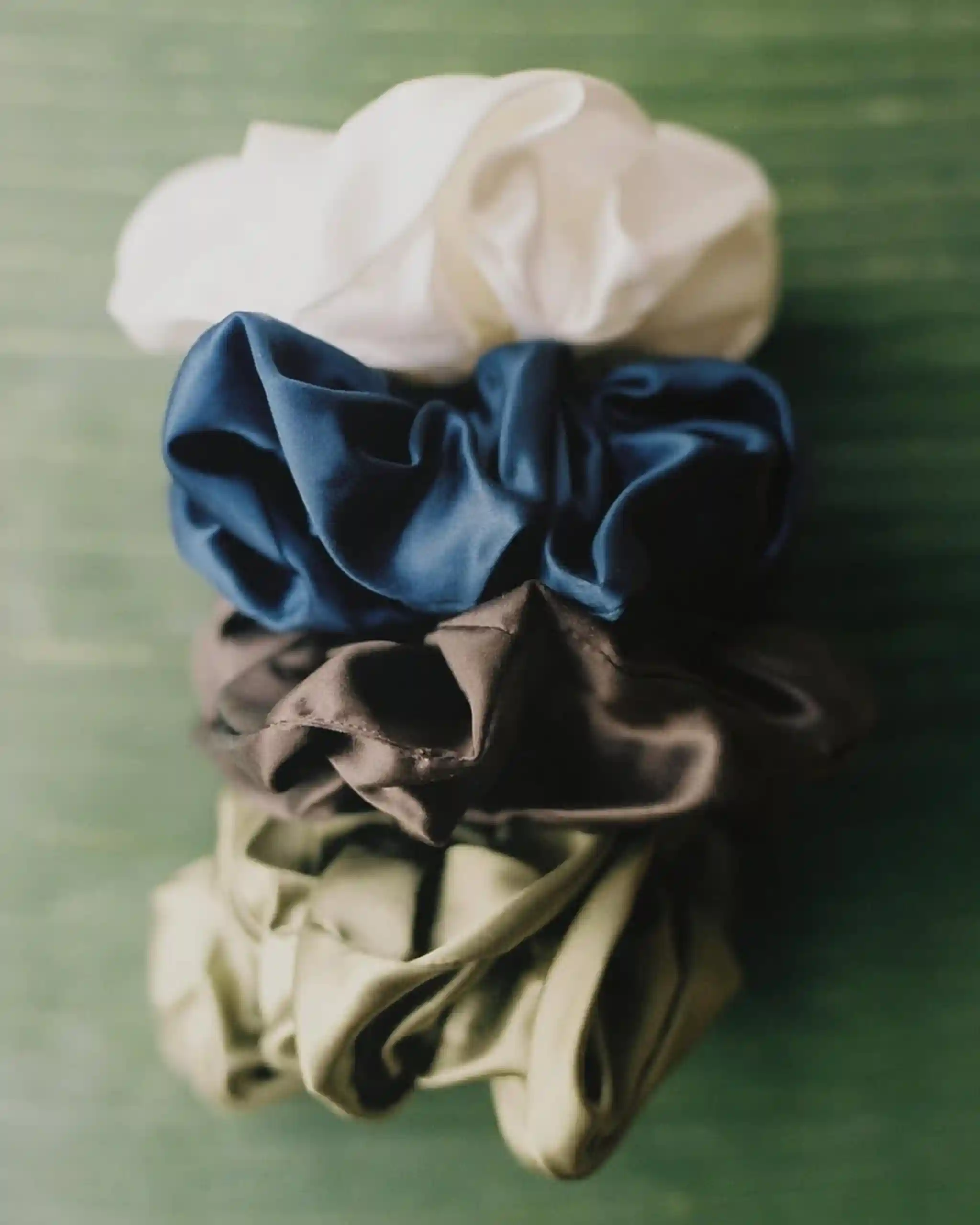
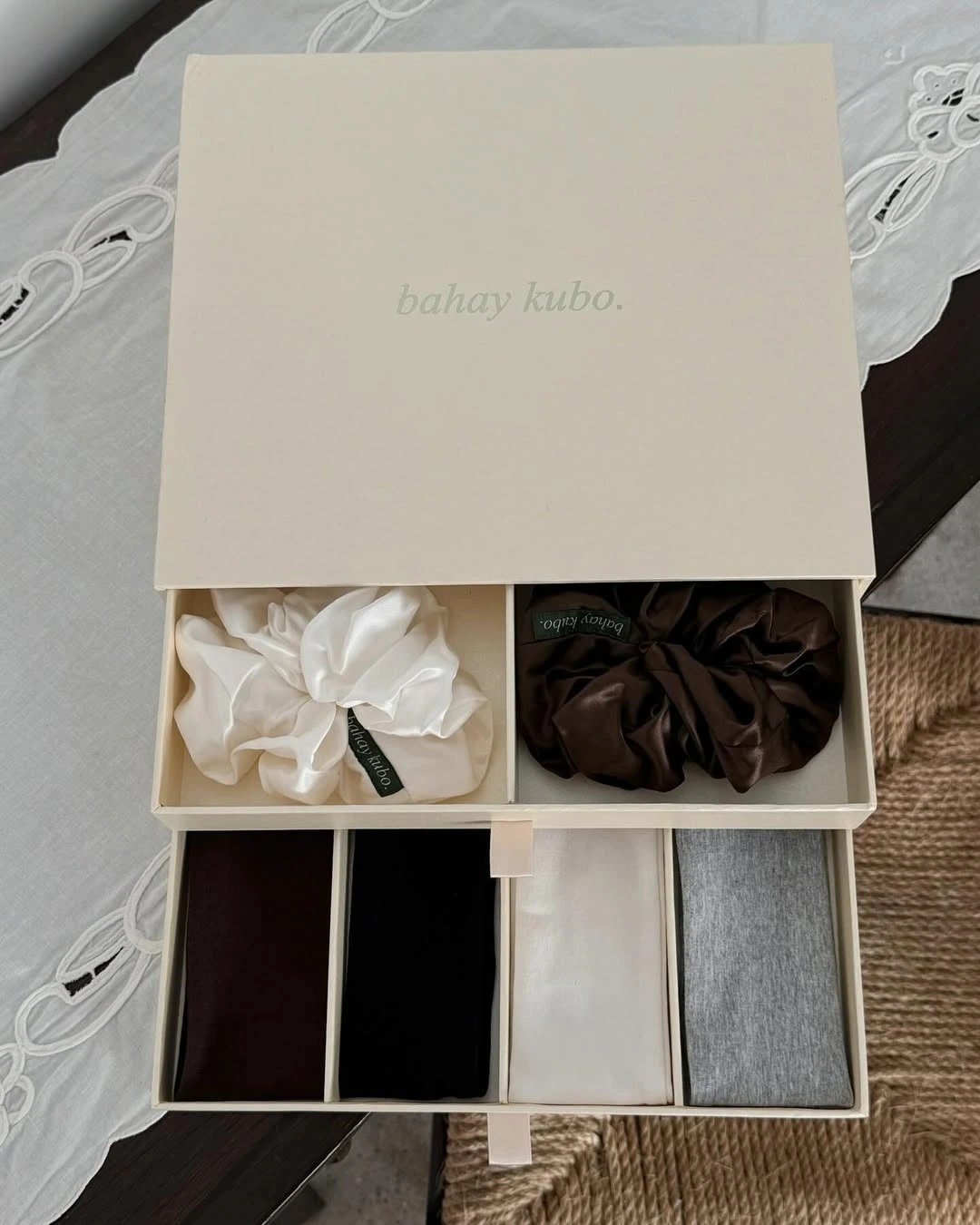
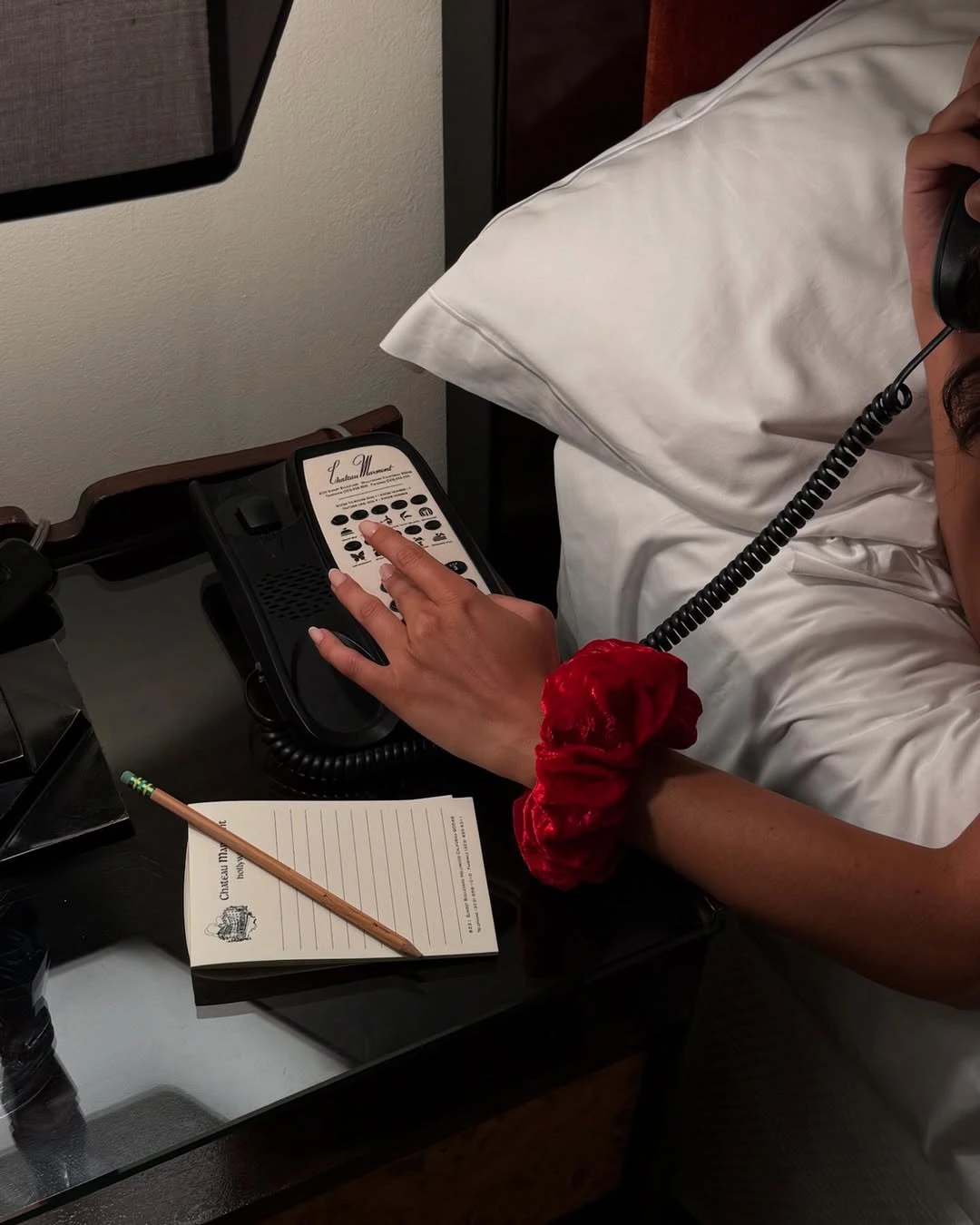
There’s a scrunchie causing bewildered outrage in our local algorithm—and a sudden boom in TikTok economists, cultural historians, and hair accessory moralists. Bahay Kubo, a brand launched in June 2024, has Filipinos side-eyeing the silk-wrapped, Western-facing price tag of its ₱2,100 “Bahay Scrunchie”, a 5.5-inch accessory named after the humble nipa hut. Cue the meme threads, think pieces, and ironic Shopee hauls without the name brand.
RELATED: EXCLUSIVE: Marina Summers is the First Filipina Drag Queen to Walk in Cannes
Heritage, Aestheticized
Made of 100% mulberry silk and dipped in colorways named Sampaguita, Isla, and Buko, the scrunchie is marketed with the soft-focus gaze of island living. For every sale, the brand donates $1 to Lokal Lab in Siargao, a gesture noble on paper, but one that many argue doesn’t offset the discomfort of a foreign-priced product leveraging Filipino identity for aesthetic capital. Still, at the very least, they do make an effort to help.
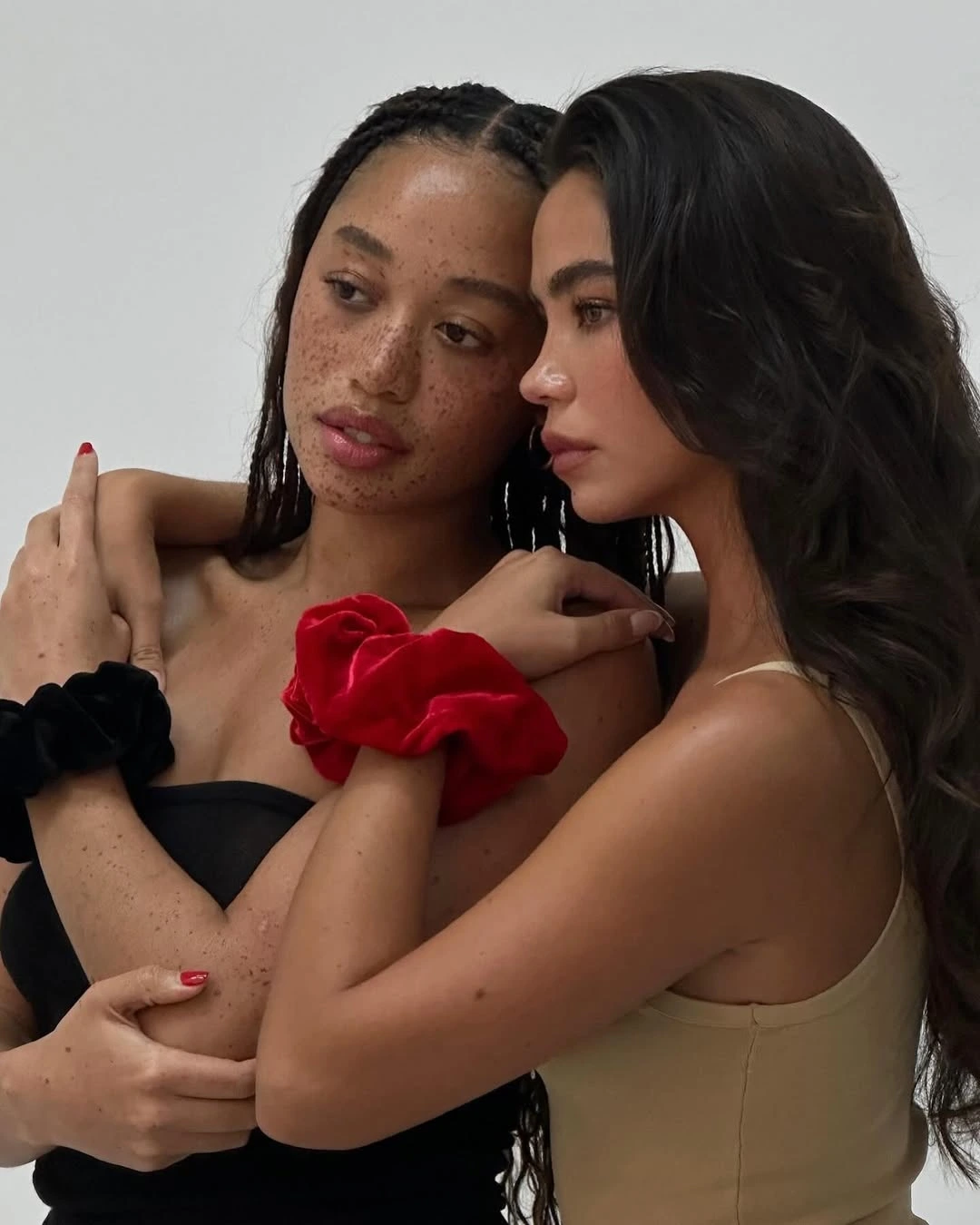
There’s the name: Bahay Kubo. It’s a nursery rhyme, an architectural national symbol, a memory etched into Filipino childhood across beaches, mountains, and even restaurants smack dab in the middle of the road. Now, in this case, it is used as flavor text rather than rooted meaning. Tagalog, deployed as brand garnish, no longer feels endearing when the brand strategy lacks a ‘why’ beyond marketing. Its cultural signage turned logo, heritage flattened into a web page without the “.ph” domain.
Bloodline vs. Bottomline
Some brands—no matter how Filipino-sounding—aren’t really for us, and that’s not necessarily a problem. They’re for them: the Western consumer enamored by ‘island’ kitsch, who enjoys a spoonful of Filipino when it’s silk-wrapped, sunlit, and optional. However, the disconnect feels rather prominent when the makers, though ethnically Filipino, have lived worlds apart from those who live here from the start.
Their Filipino experience is bloodline-deep, not street-deep. They don’t wake to roosters and tricycles, shower with tabo in vulnerable neighborhoods, or brace for three-hour commutes under sun that burns and rain that apologizes.
Where Price Reflects Purpose
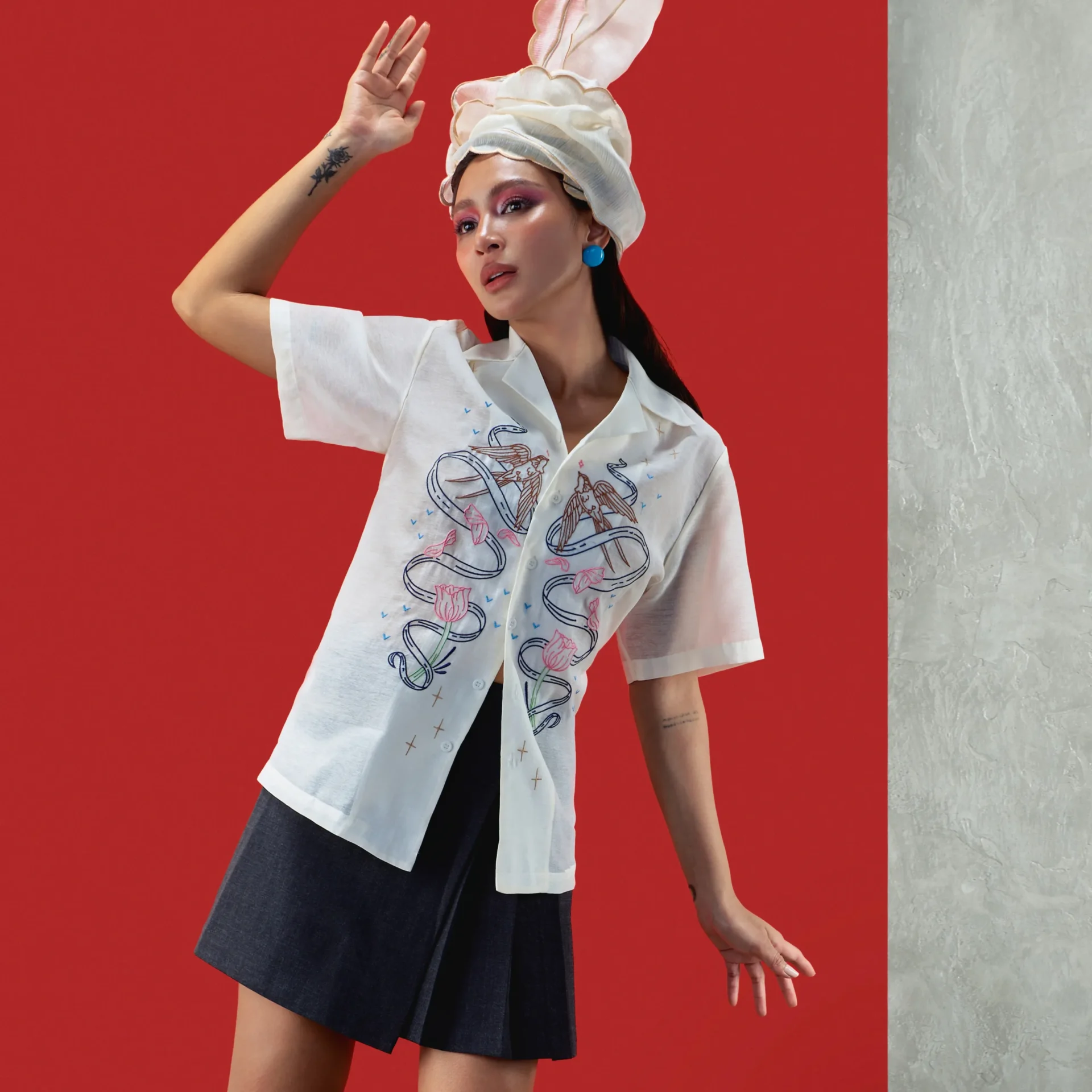
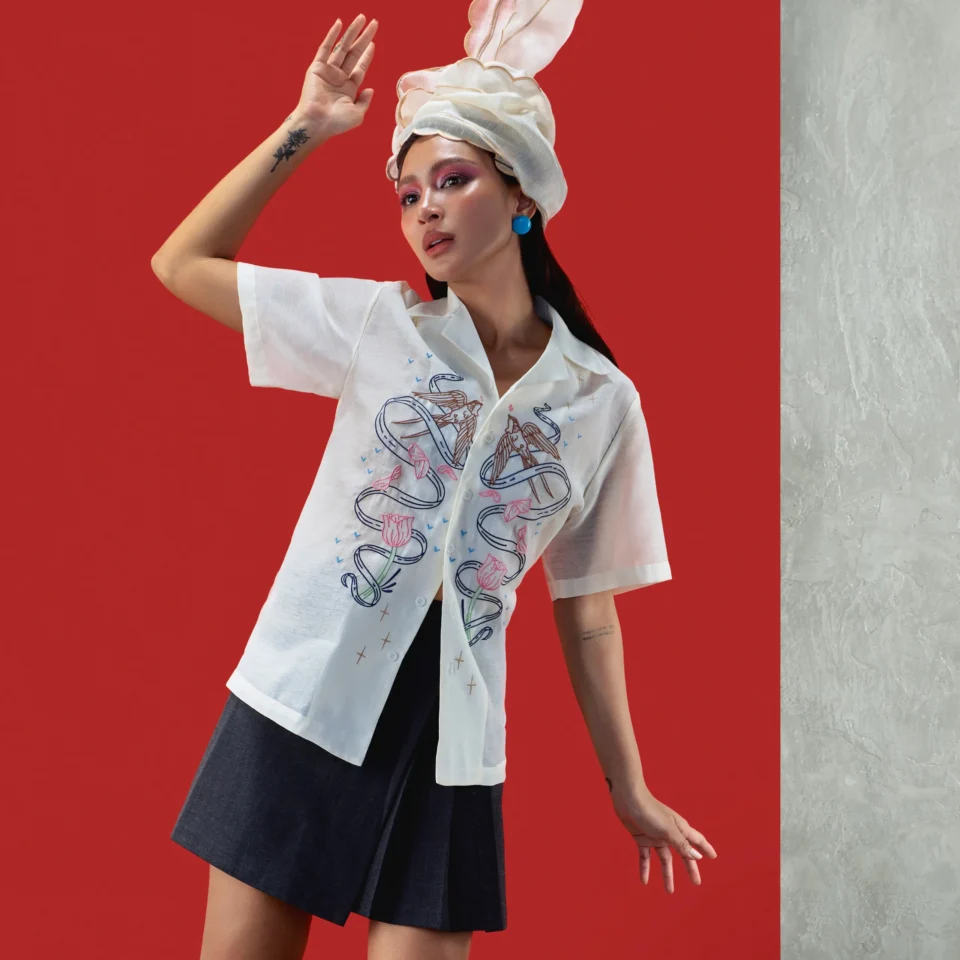
This isn’t to say that Western-ish-leaning branding is inherently disingenuous. Take PALENGKE and Maligaya, both proudly Filipino brands based in the Philippines, whose price points lean higher—often upwards of ₱4,000 for a garment—not because they’re pretending to be global, but because they understand that their identity straddles familiarity and aspiration. Panel discussions, cocktail conversations, and brand stalls from ManilaFAME, ArteFino, and MaArte Fair can attest to this, where the price tags come with provenance, process, and, dare we say, a little bit of paninindigan.
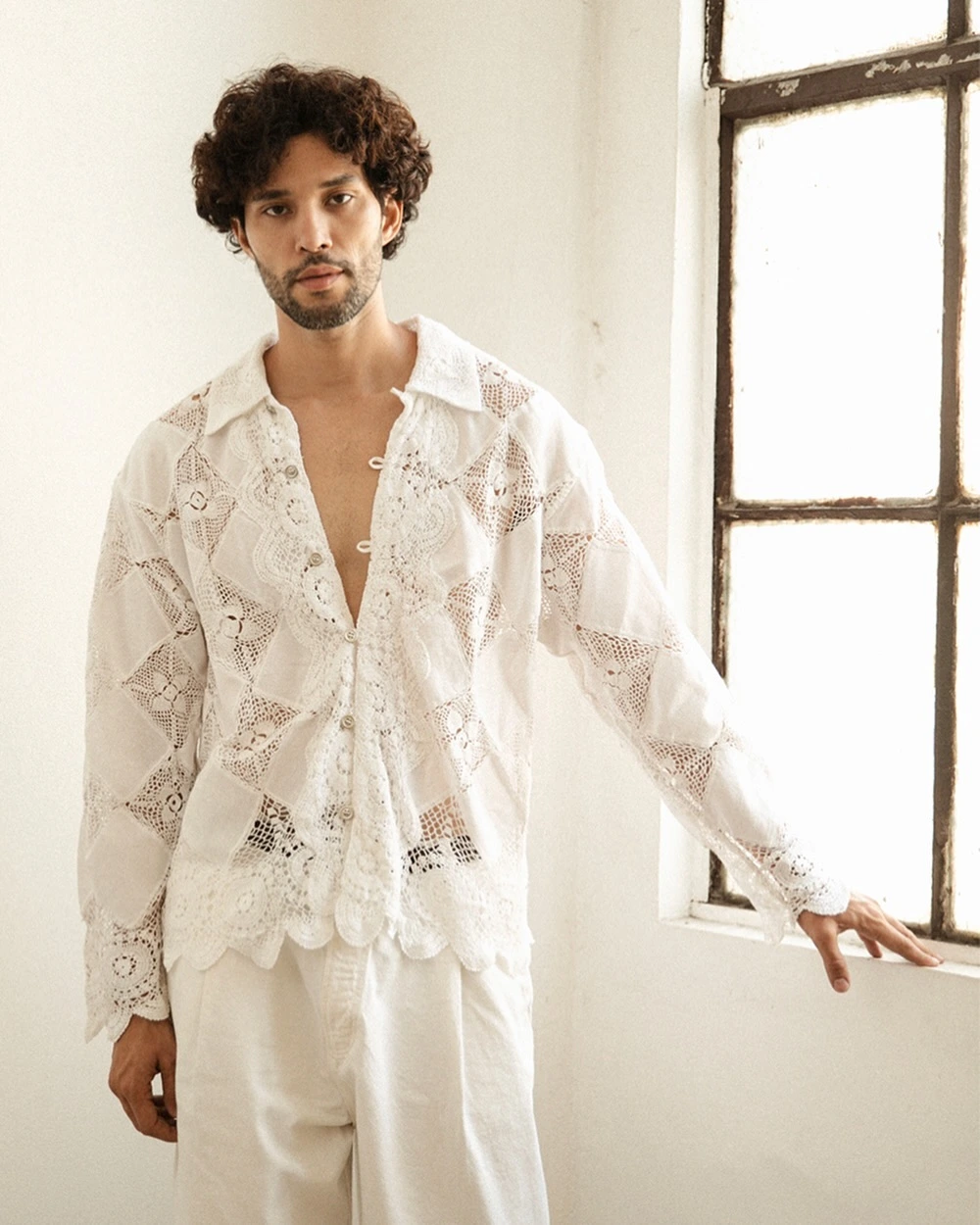
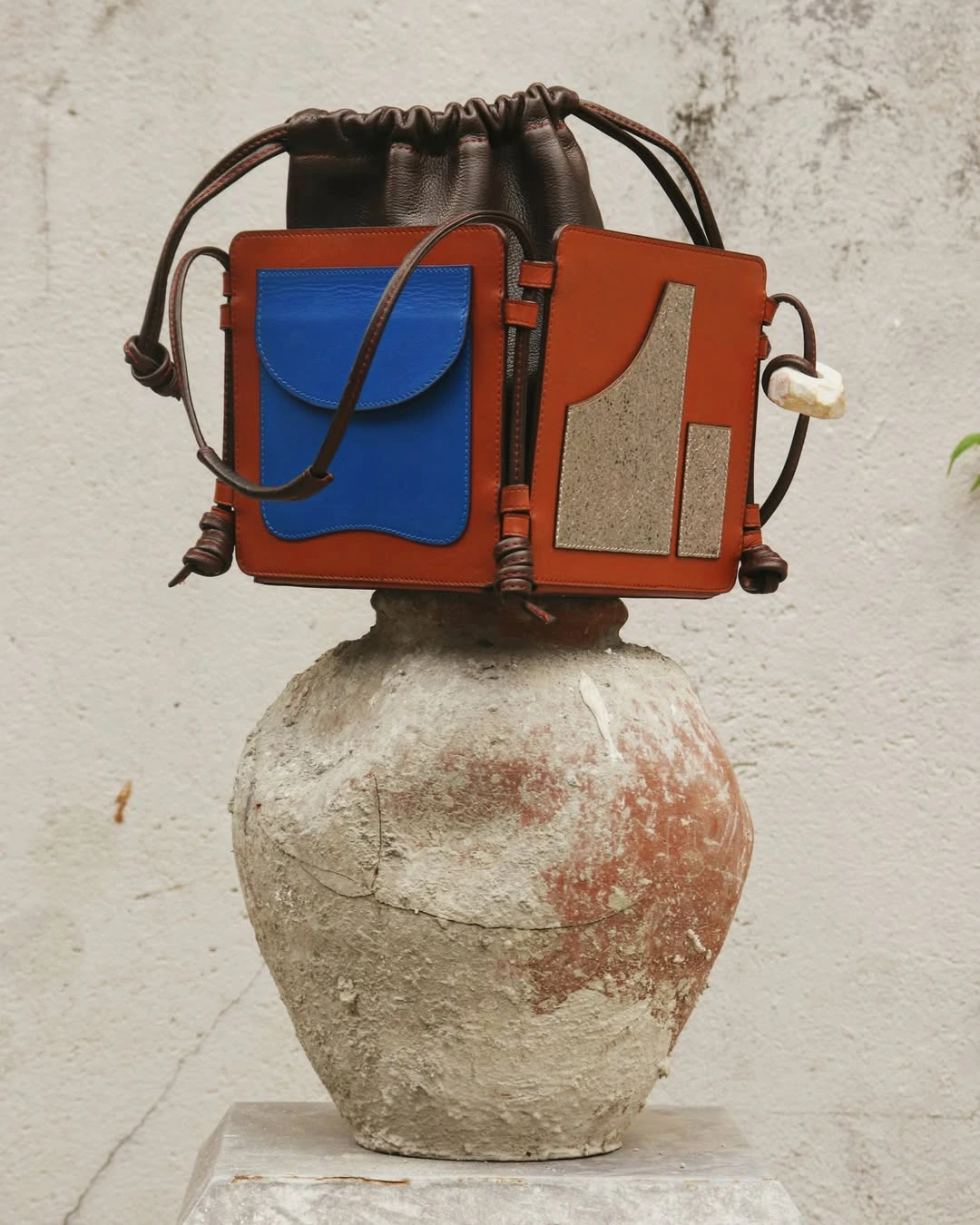
Their design language may be fluent in contemporary fit, but their operations are firmly in local makers, fair wages, and intentional production, often with deep relationships with local communities. The pricing reflects the cost of labor and the cost of communicating with an international audience while remaining grounded in the country they call home. It’s not necessarily “for us”, in the mass-market sense—but it is of us, and for those navigating Filipino identity with nuance, both here and abroad.
Not All Markups Are Created Equal
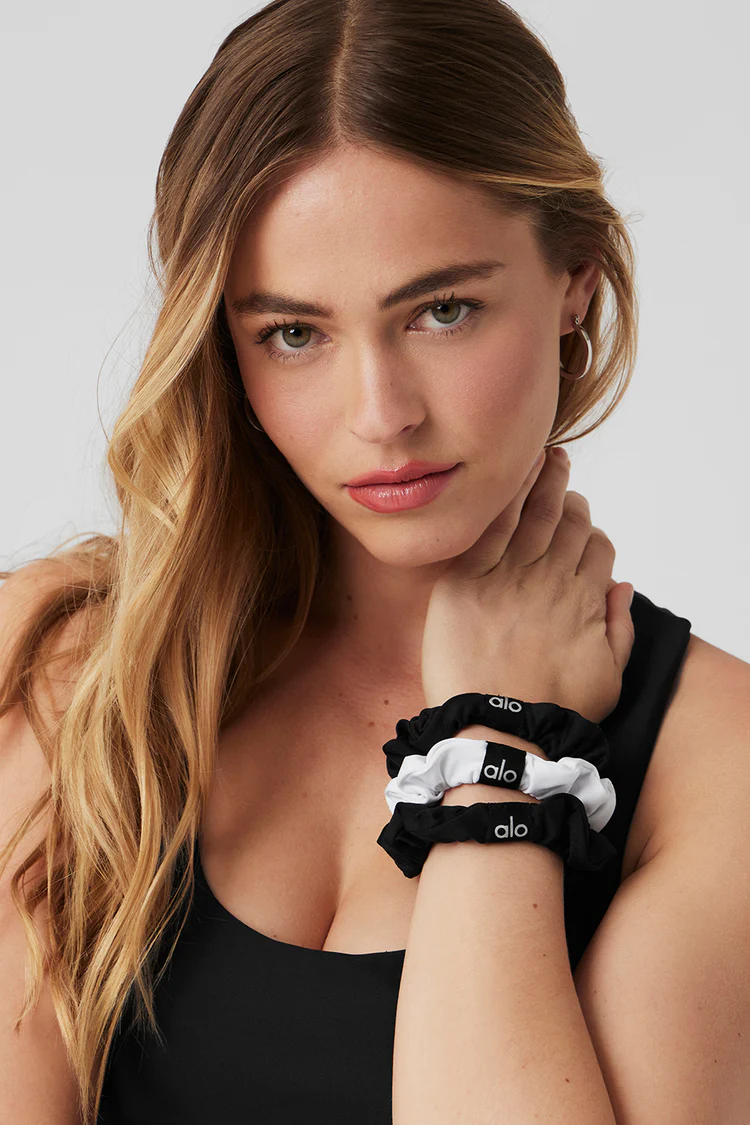
When Alo launched in the Philippines, no one blinked at the scrunchies: the Love Knots Tie Scrunchie at ₱2,300, the Bead It Oversize Scrunchie at ₱2,400, and the Micro Plissé Scrunchie at ₱2,700. There were no threads, no takes—just polite approval, the kind we instinctively extend to Western brands, even when they charge twice the price for half the meaning. Maybe it’s colonial hangover, or the impulse to smile and nod when the brand name comes from abroad. We hold back the hard questions for them—then unleash all of them on Filipino brands, perhaps because it’s safer, or because we expect more. Either way, the scrutiny isn’t distributed equally. And it, sadly, shows.
To be clear, price alone isn’t the villain. There are local Filipino brands whose price points feel earned—rooted in fair labor, transparent sourcing, and a deeper accountability to the communities they operate in. When the production trail includes local artisans, ethically sourced materials, and a real investment in craft, the value speaks for itself.

Of course, this is the game of brand positioning: create exclusivity, curate aesthetic, name-drop meaning. ₱11,400 for a set of silk scrunchies isn’t just sticker shock. Why are we more forgiving when LOEWE sells banig bags? Maybe because we’ve long accepted that luxuryLuxuryrefers to a state of exceptional comfort, elegance, and quality, often characterized by premium craftsmanship, exclusivity, and superior experiences.Go to Luxury Glossary plays by different rules. But when it’s our own culture being served back to us, overpriced and under-contextualized, the reaction isn’t outrage—it’s fatigue. It’s that specific kind of Filipino tiis, laced with sarcasm, screenshots, and eto nanaman sighs.
Internationally-made Filipino-made brands might mean well, especially for their founders, who are, in their own way, reaching for a version of Filipino identity that feels honest to them, even if that identity exists on a spectrum we’d do well not to judge too quickly.
Good intentions, however, don’t excuse shallow execution. Cultural branding isn’t just about naming things after kakanin and sending a portion to charity. Just because a brand is Filipino-owned, and Filipino-named, doesn’t mean it’s Filipino-minded. In the end, however, the scrunchie did its job: made noise, sparked debate, and, most of all—sold out.
Photos: BAHAY KUBO, PALENGKE, MALIGAYA, ARAO, and ARTEFINO (via INSTAGRAM); ALO (via website)
Recommended Video
Latest Posts


Latest Issue