



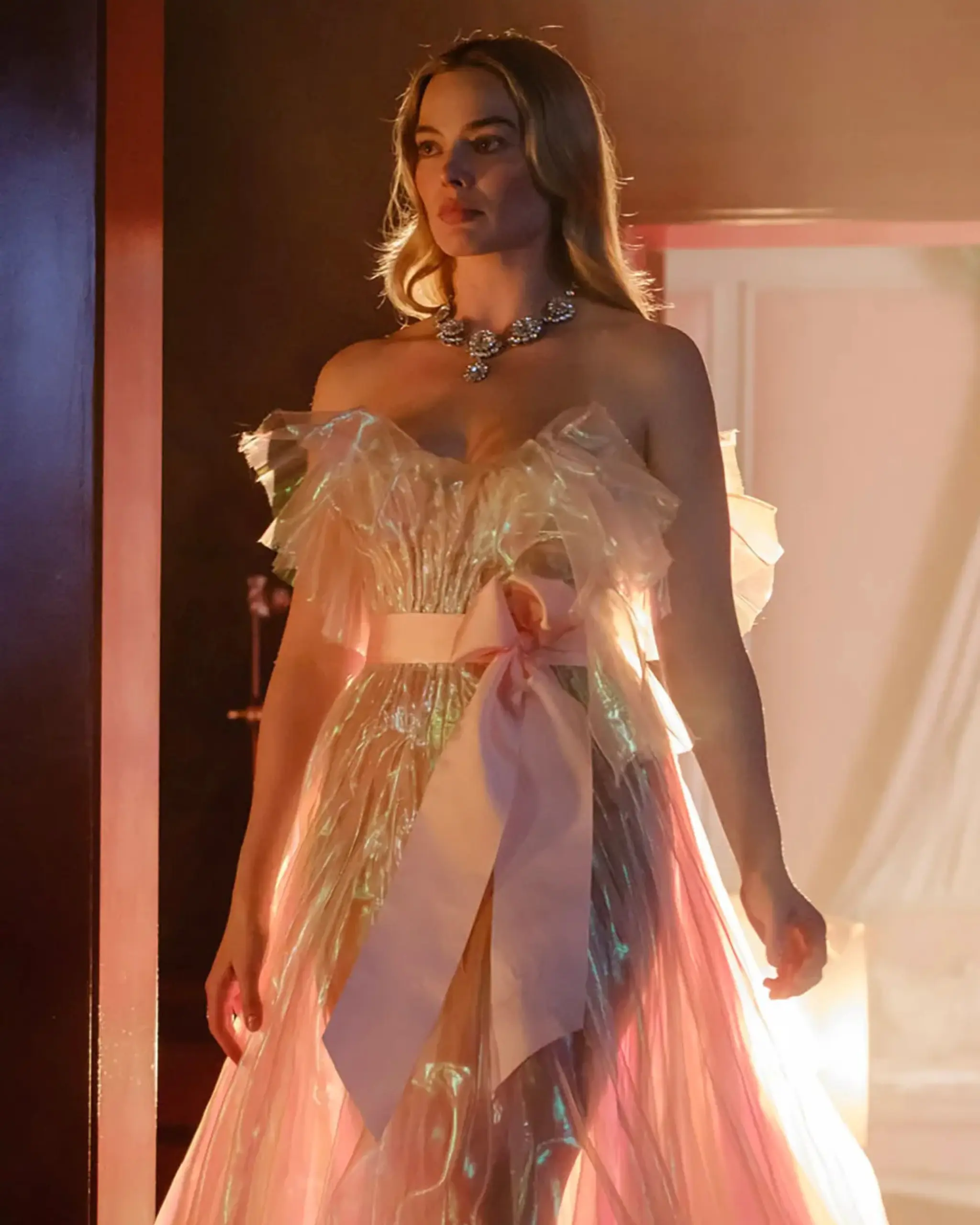
When Wuthering Heights first hit bookshelves in 1847 under the masculine alias Ellis Bell, the literary world’s reaction was—ironically—a mirror image of the internet’s current meltdown over Emerald Fennell’s upcoming adaptation: polarized, baffled, and thoroughly scandalized. With less than a month left until the film’s release, the digital discourse is still a battlefield of purists questioning if the film is even worth a ticket. Early reviews have been bleak, labeling the project as “aggressively provocative,” and leaked stills of the costumes have sent historical accuracy devotees into a tailspin.
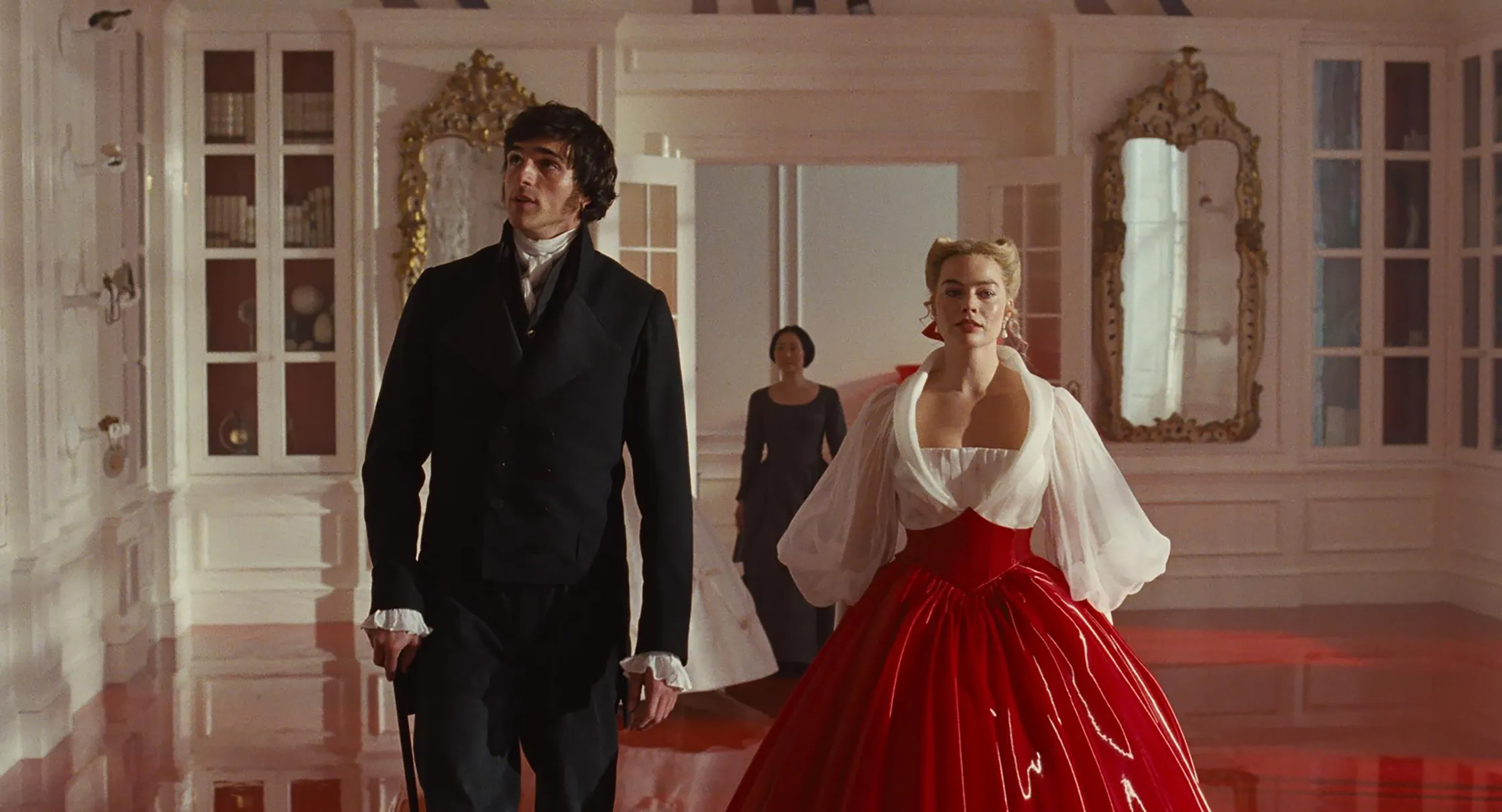
Yet, to understand why Fennell’s stylistic rebellion might actually be the most Brontë thing to happen to cinema in decades, we have to look at the woman behind the original moor-set madness.
Emily and Emerald
Charlotte Brontë once described her sister Emily as “stronger than a man, simpler than a child,” a sentiment that immediately alienated her from the rigid Victorian norms of womanly behavior. Intelligent and nonconforming, she was so obstinate that it led her teacher in Brussels, Constantin Héger, to famously claim she “should have been a man—a great navigator.”
Emily Brontë’s work was never meant to be easy to digest. She took class disparity and forbidden love to create characters so obsessively entwined that they poisoned the lives of everyone around them for generations. It was considered fundamentally vulgar for the 19th-century palate.
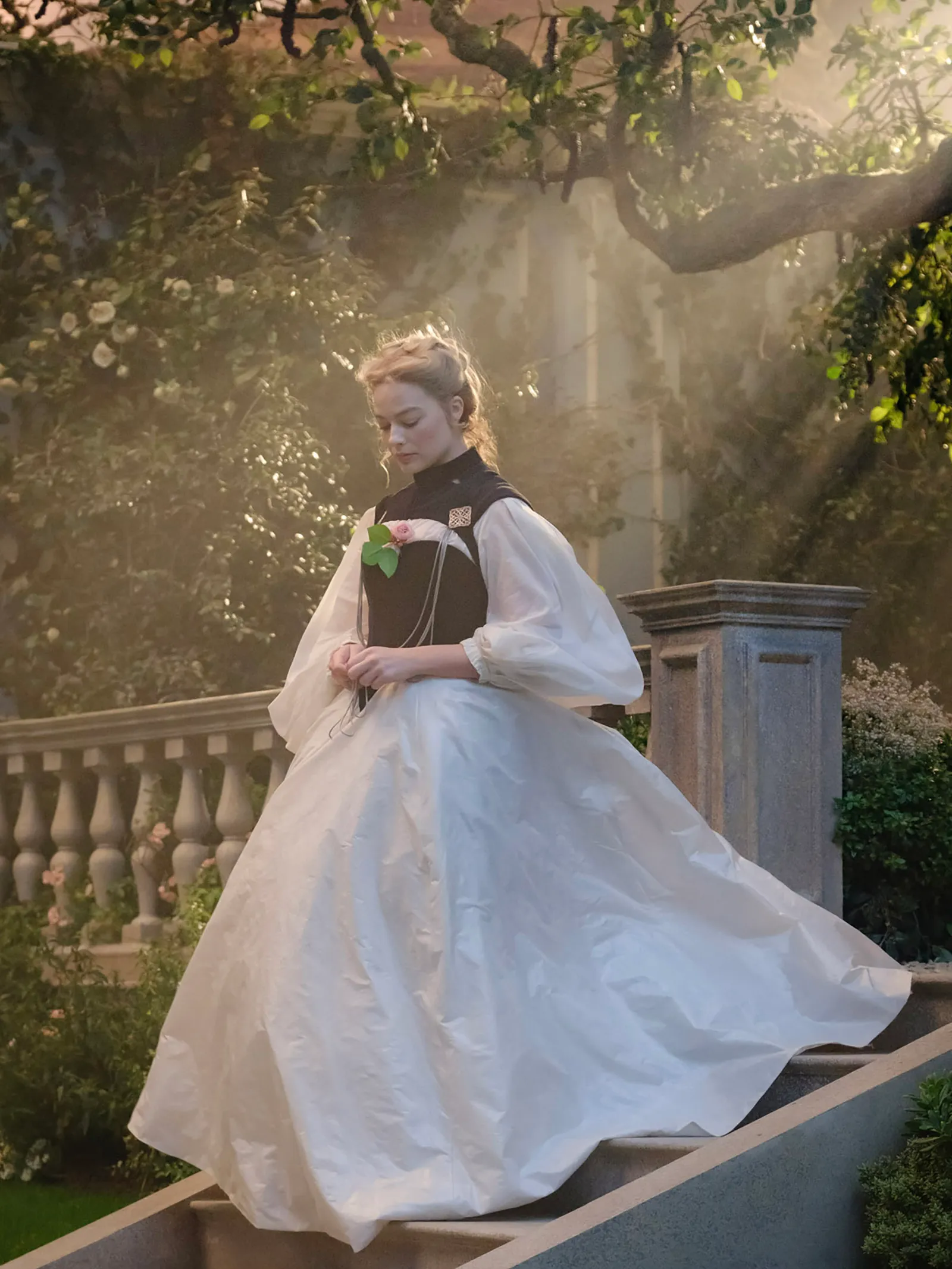
Enter Emerald Fennell, the director who made us watch Barry Keoghan in that bathtub scene in Saltburn. Disturbing the audience is her thing. And Fennell has been transparent from the jump that “Wuthering Heights” (the quotation marks being a deliberate, cheeky distinction) was never intended as a page-for-page recreation.
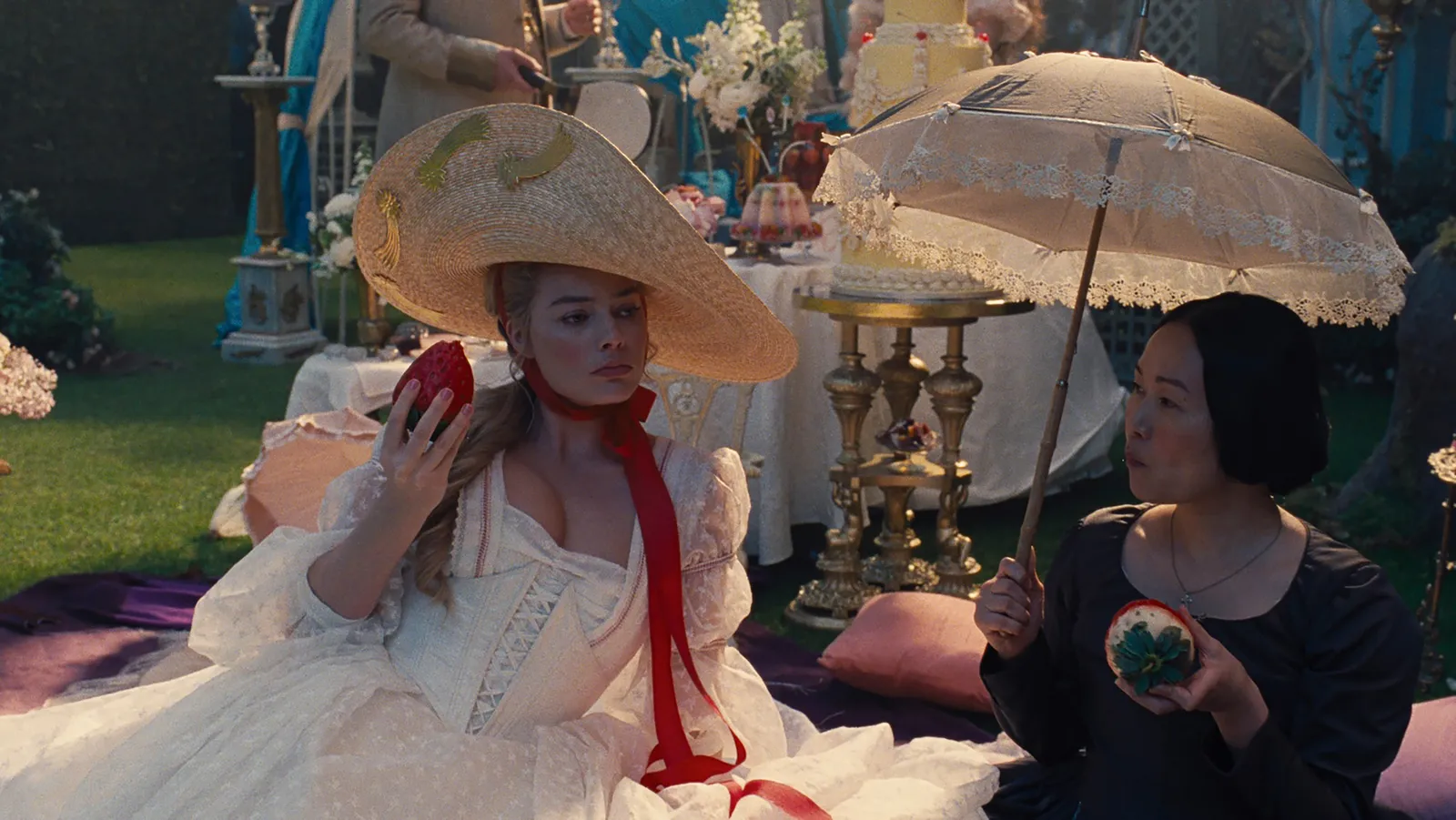
Film history also proves that some adaptations endure even if they’re inaccurate: Clueless (1995) turned Jane Austen’s Emma into a Beverly Hills satire, Romeo + Juliet (1996) traded swords for handguns, 10 Things I Hate About You (1999) reimagined Shakespeare’s The Taming of the Shrew as a high school battleground, and She’s the Man (2006) morphed Twelfth Night into a varsity soccer comedy. Even Sofia Coppola’s Marie Antoinette (2006) prioritized the feeling of being a misunderstood teenager over historical fact, famously tucking a pair of Converse sneakers among the 18th-century silk slippers and layeringLayeringThe styling practice of wearing multiple garments or accessories together to create depth, texture, and warmth. Effective layering plays with proportions, lengths, and fabrics, and works in tropical climates too,Go to Layering Glossary 80s post-punk over the French court.
RELATED: The New Movies And Shows Of January 2026 To Get Excited About
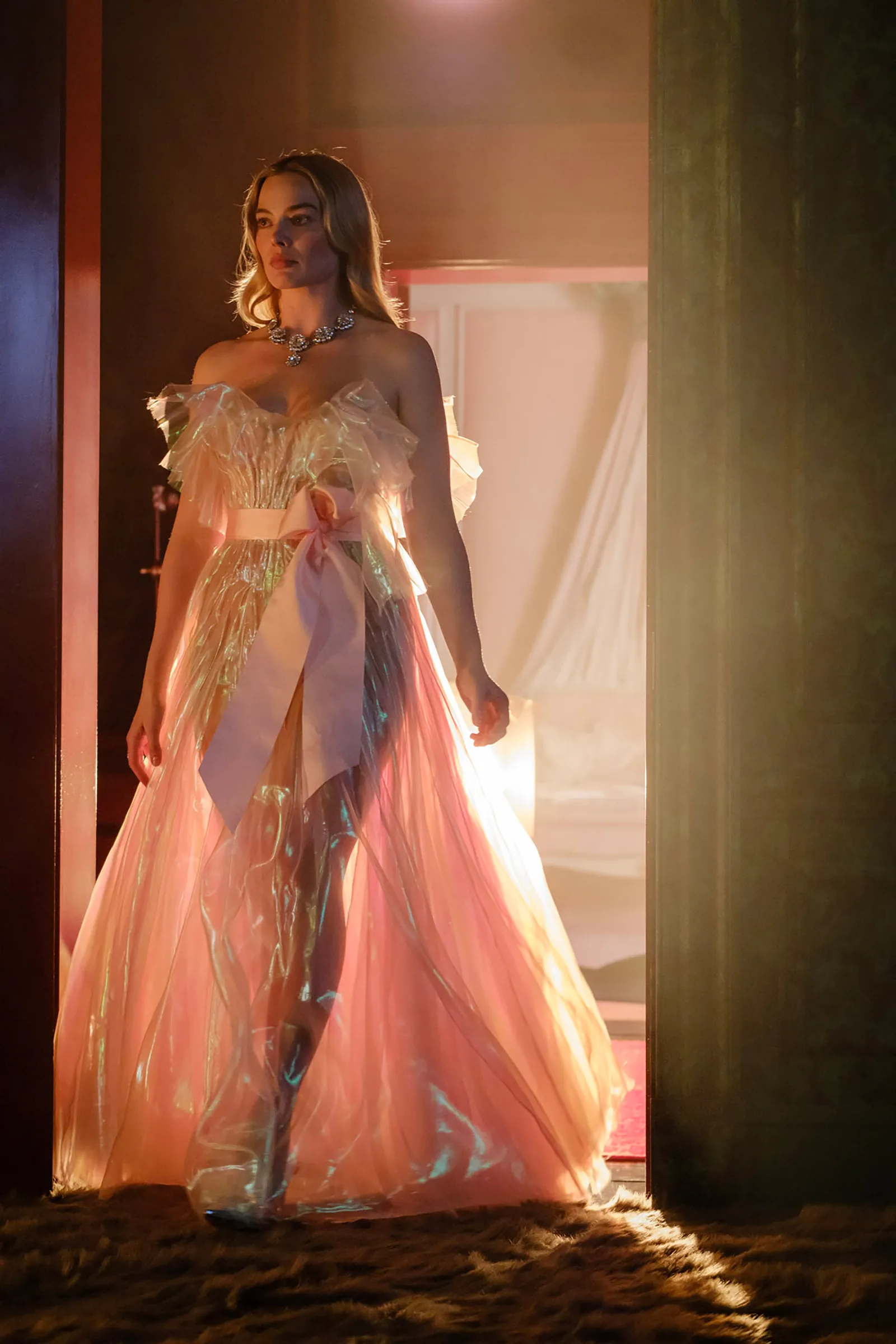
Would Emily Brontë be happy to see Fennell’s take? Almost certainly not. Brontë was a notorious perfectionist with a stubborn streak that would likely protest any deviation from her original vision. But while she might hate the content, she would likely recognize the spirit.
The Thread
Wuthering Heights is not a soft story. It’s a jagged and uncomfortable exploration of Gothic romance. By intentionally upsetting purists with her visual choices and anachronistic flair, Fennell is capturing the exact same divisive energy that made the novel a lightning rod in 1847. In her own way, she’s honoring its defiance.
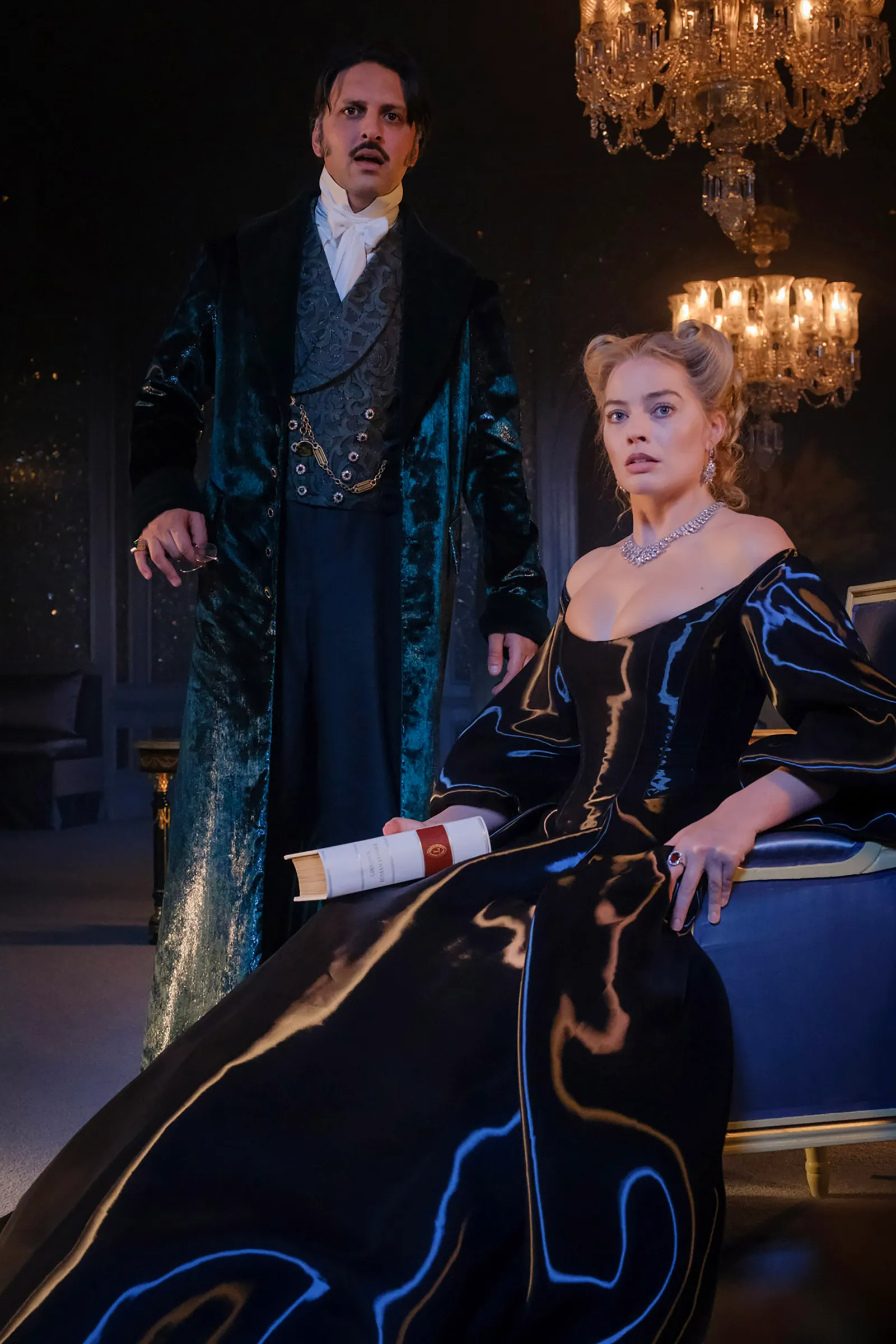
It needs to be said, though, that there’s no guarantee that this interpretation will be good or substantial. It’s a gamble, and we won’t know until it gets officially released. If you’re looking for a study guide for your English Literature class, this isn’t it. And for the love of everything that is good, don’t watch it with your parents. But if you want to experience a movie so unhinged that it actually forces a visceral reaction—even if that reaction is pure discomfort—then Fennell is right on schedule.
Photos: JAAP BUITENDIJK (via Website)
Recommended Video
Latest Posts

Latest Issue