



The world loves a good Cinderella tale. A beautiful, hardworking girl gets plucked from obscurity and earns the lavish life she always deserved. Deep down, it’s the kind of transformation many people still want to believe can happen to them.
Bhavitha Mandava had simply been waiting at Atlantic Avenue subway station when she was approached by the agent who would change her life. At first, she declined. She was already studying at NYU and had no plans of entering the industry. Then the agent mentioned she could pay off student debt, and this Cinderella’s response was, “Okay. Maybe. Fine.”
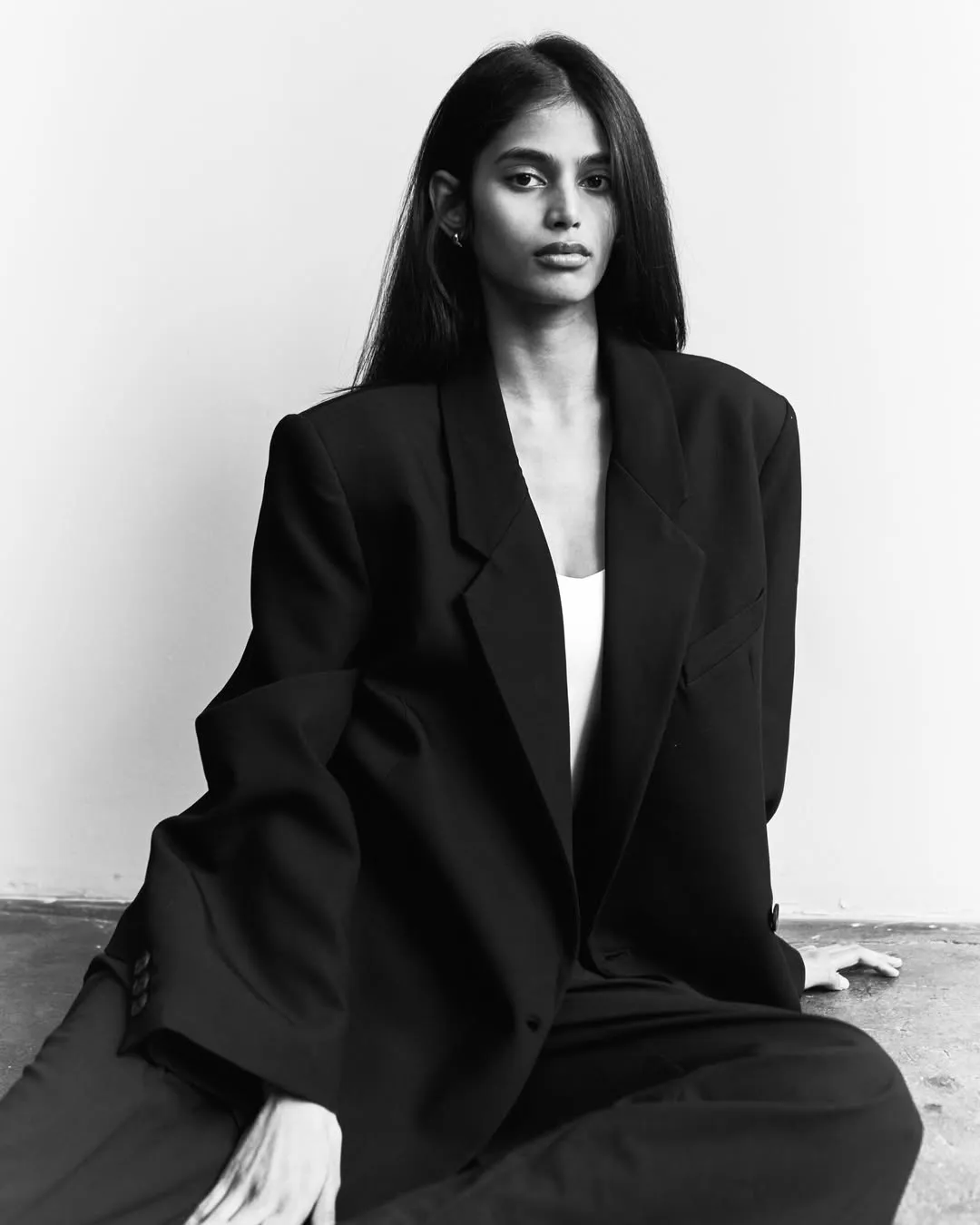
Once casting director Anita Bitton made sure Mandava’s photos ended up in front of Matthieu Blazy, things changed. She became his muse since his time at Bottega Veneta. She walked his inaugural Chanel S/S26 runway and was the first to emerge at the House’s Métiers d’art show.
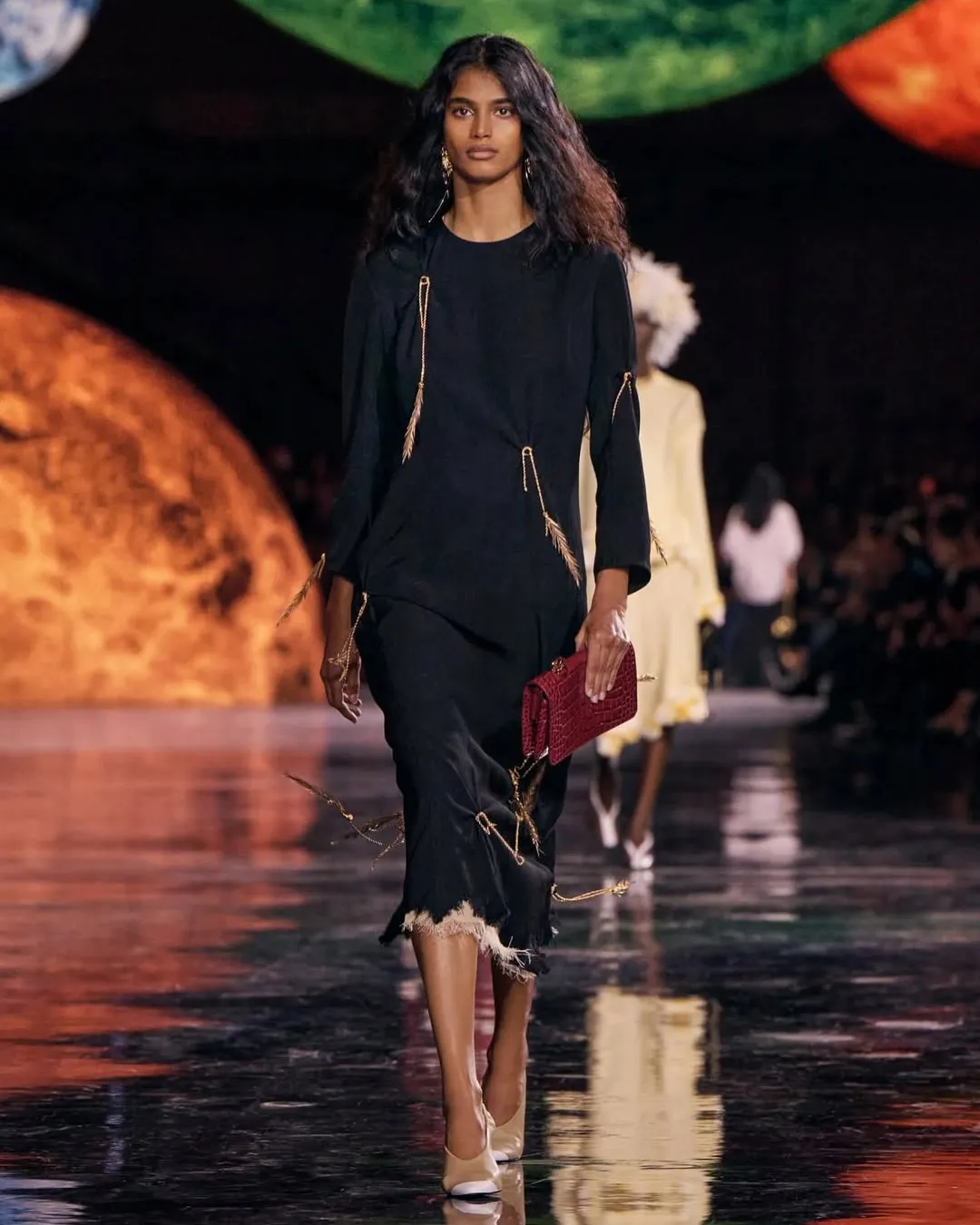
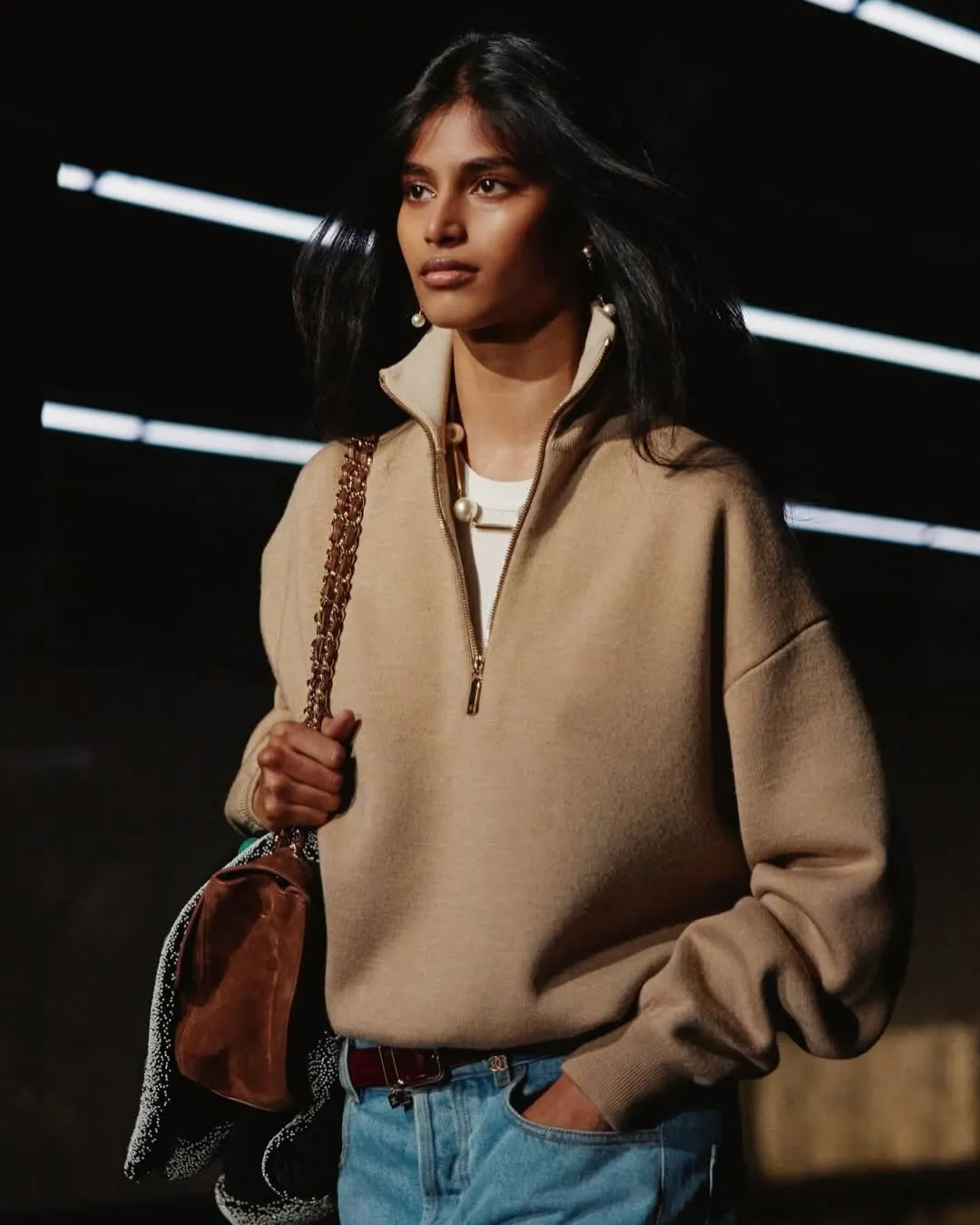
Remarkably, she’s the first Indian model in history to open a Chanel show. That trajectory quickly resonated across the globe, especially among immigrants who recognized parts of themselves in her journey.
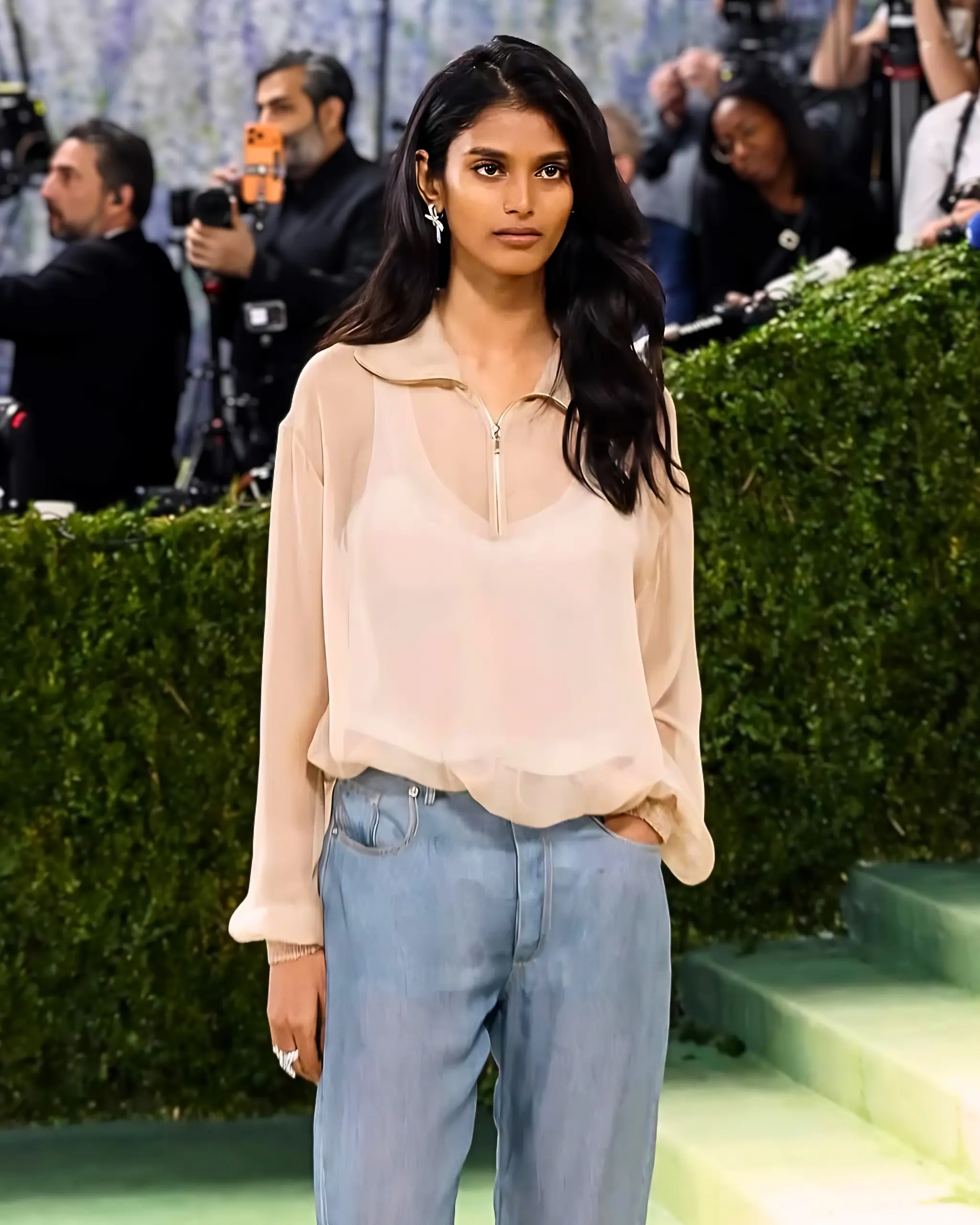
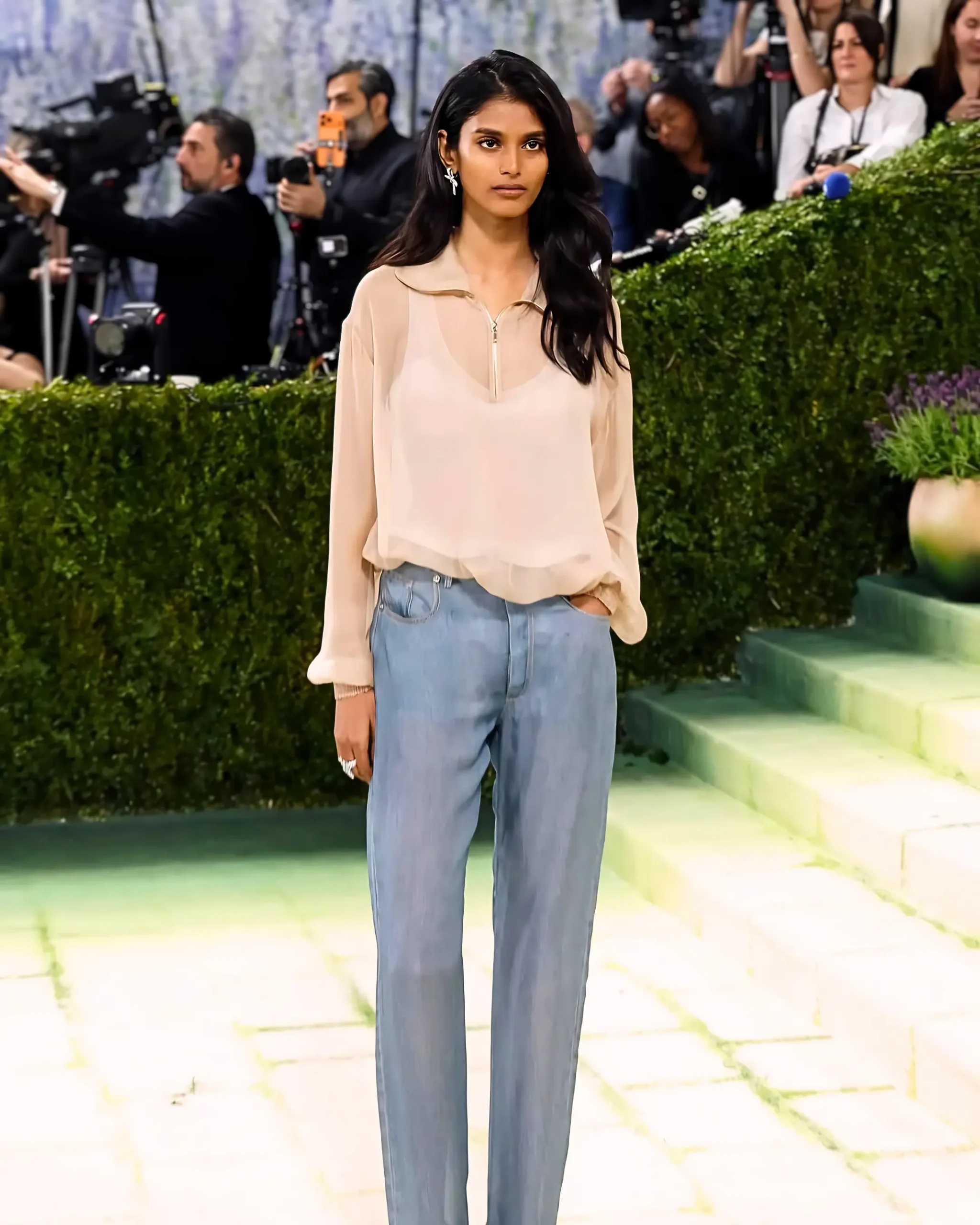
Then came her Met Gala debut, and Cinderella wasn’t wearing a ballgown. She wore “jeans.”
RELATED: Why Were There So Many Restrained Looks at the Met Gala 2026?
Naturally, reactions were divided. This year’s “Fashion Is Art” theme encouraged guests to treat their bodies as canvases, so audiences expected dramatic archival references. Chanel is also one of the largest luxuryLuxuryrefers to a state of exceptional comfort, elegance, and quality, often characterized by premium craftsmanship, exclusivity, and superior experiences.Go to Luxury Glossary houses on the planet, which made many hope Mandava’s first appearance would be nothing short of breathtaking. They wanted a triumphant entrance—a grand moment that immediately announced her place within that room.
And yet, her “plain” look works far better than people initially gave it credit for.
Her Controversial Chanel Clothing Still Fits the Theme
Mandava’s outfit was deceptively complex. The “denim” trousers were not denim at all, but trompe-l’œil silk muslin painstakingly constructed to mimic jeans. The quarter-zip featured similar couture-level craftsmanship. What initially registered as casual clothing was actually the result of extensive atelier work.
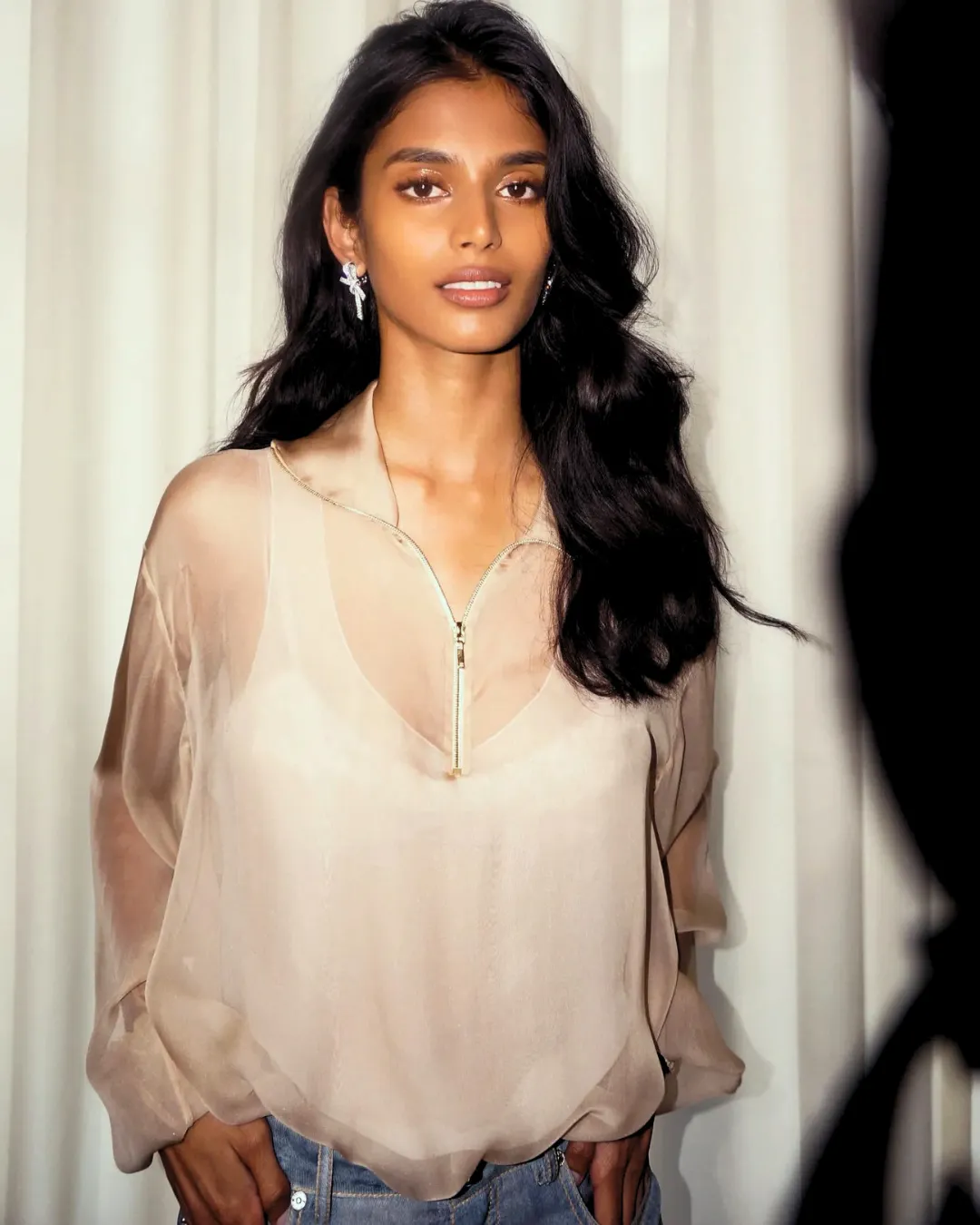
More importantly, the styling aligned with the Metropolitan Museum’s framing of fashion as both personal expression and collective language. Rather than burying Mandava beneath theatrical excess, her attire centered her actual presence.
Conceptually, it also referenced what she wore while opening Chanel’s Métiers d’Art show in New York, which itself paid homage to her subway encounter where she was first discovered. In many ways, the Met Gala appearance completed that narrative loop. Instead of turning herself into someone different for fashion’s biggest night, Mandava chose continuity.
There’s More to the Met Gala Than Spectacle
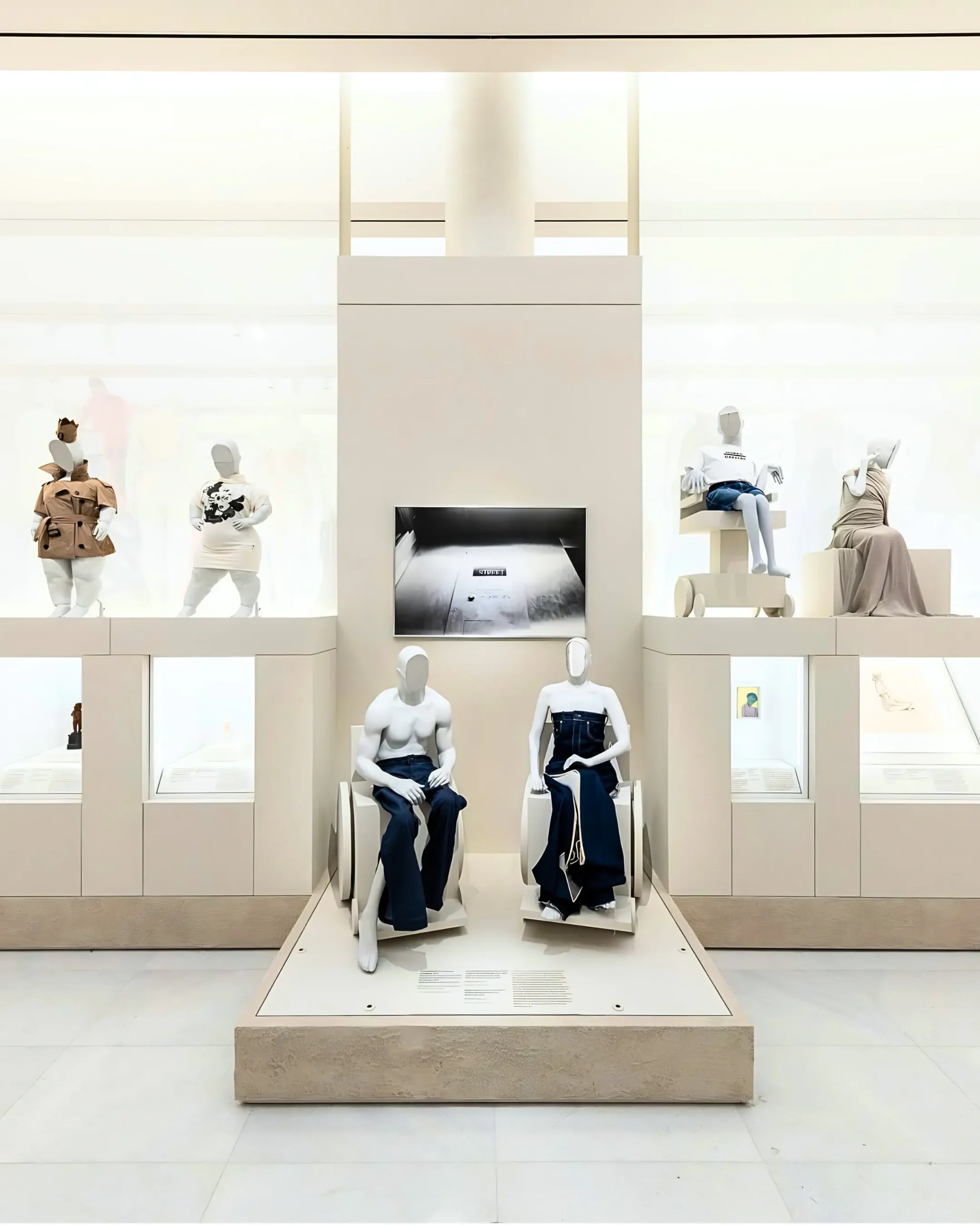
Part of the backlash surrounding the outfit comes from how audiences now consume the gala. Over the decades, the evening has turned into a massive public sensation where virality often determines success within minutes. The louder the silhouette, the faster the image circulates online.
But while moments such as Rihanna wearing Guo Pei in 2015 or Zendaya wearing Versace in 2018 are still celebrated, the Costume Institute exhibition and the party attached to it were never meant to function solely as a competition for the best ensemble. Met Gala 2026 committee member Gwendoline Christie even emphasized that the current presentation wasn’t about chasing what was new or exciting. What mattered more was the broader exchange regarding human diversity, inclusivity, individuality, commonality, and the brilliance of how fashion acts as a shared thread among them all.
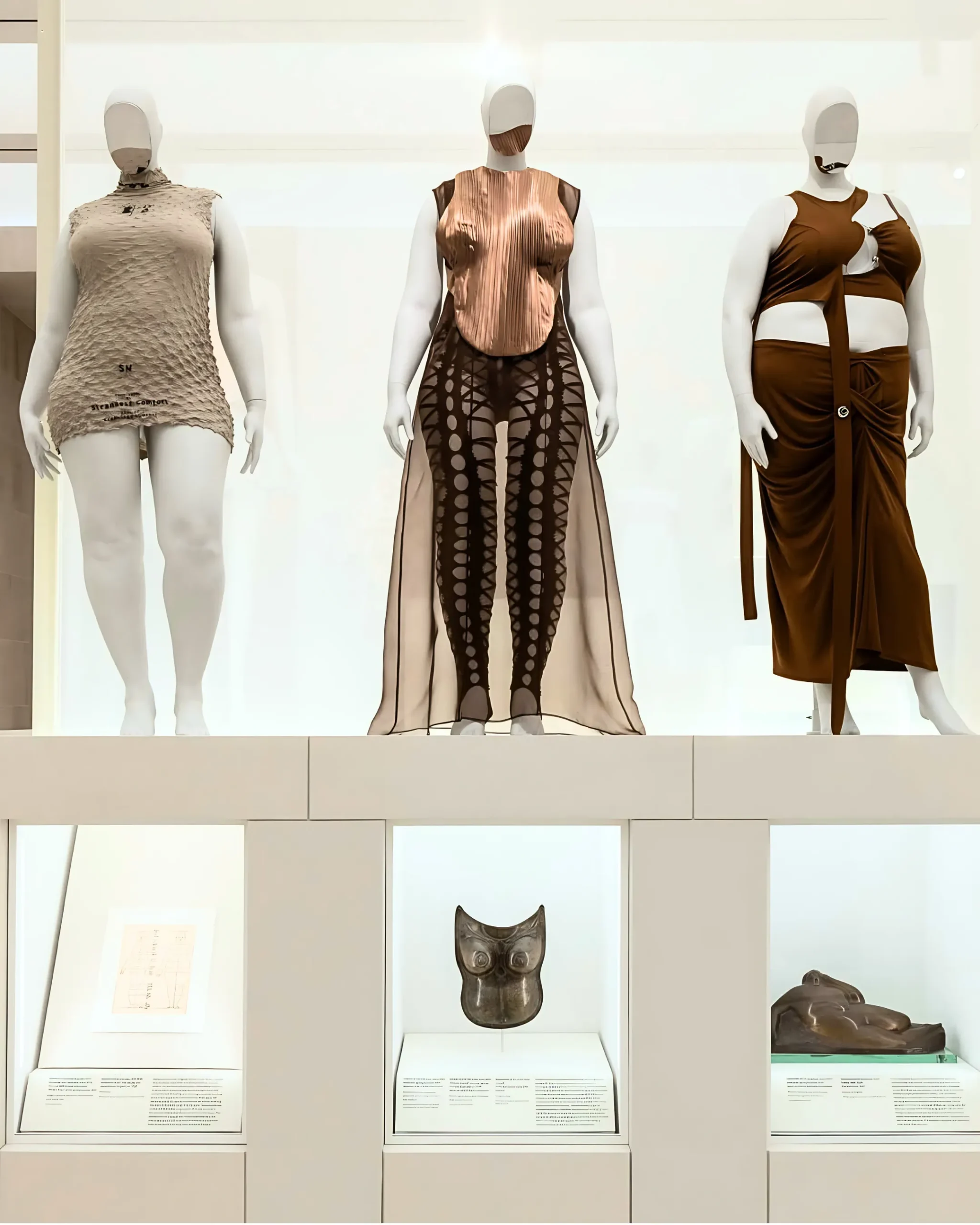
It’s also worth remembering that the gala didn’t begin as the extravagant global phenomenon people know today. Originally established by publicist Eleanor Lambert in 1948, it was once a $50-a-ticket midnight fundraising supper. It wasn’t held at the Met until 1972. The affair has evolved dramatically over the decades, but reducing it to theater misses its artistic essence.
Her Look Inspires Deeper Reflection on Fashion and Art
At first glance, Mandava’s getup didn’t register as “gala-worthy” in the way people have been conditioned to recognize. Compared to many attendees dressed in maximalist couture, critics were frustrated with the French maison for sending her out like…that.
Interestingly, a question reveals itself amidst this discussion: what qualifies fashion as art in the first place?

Art has never depended entirely on extravagance to communicate meaning. Minimalism, repetition, and restraint have existed throughout history for generations, from the subtle nuances of Japanese obi sashes to Agnes Martin’s meditative grids. Simplicity has always held a place in the creative realm, and even works that aren’t considered grand by today’s criteria have endured. Case in point: Yves Klein’s dedication to the color blue, which led to the recognized International Klein Blue (IKB) shade.
Fashion operates similarly. As much as it irritates certain audiences, some garments ask you to spend time understanding construction, memory, symbolism, or emotional context. Mandava’s outfit belonged to the latter category, and the discomfort surrounding it reveals how dependent contemporary culture has become on immediate visual payoff.
Is representation only meaningful if the person standing is blatantly and ornately adorned? Or can it still count if it’s understated?
Beyond Outrage, Her Agency Matters
What makes this representation strong is that the decision belonged to Mandava herself. There was no attempt to package her into a more exaggerated version of her cultural identity. Her exercising her autonomy as a woman belonging to the POC community is a significant act of empowerment.
She feels no need to be ostentatious in order to belong. Even after her successes within the industry, she presents herself as she is: an intelligent woman from Hyderabad who now has two degrees and a modeling career—all achieved while still in her twenties.
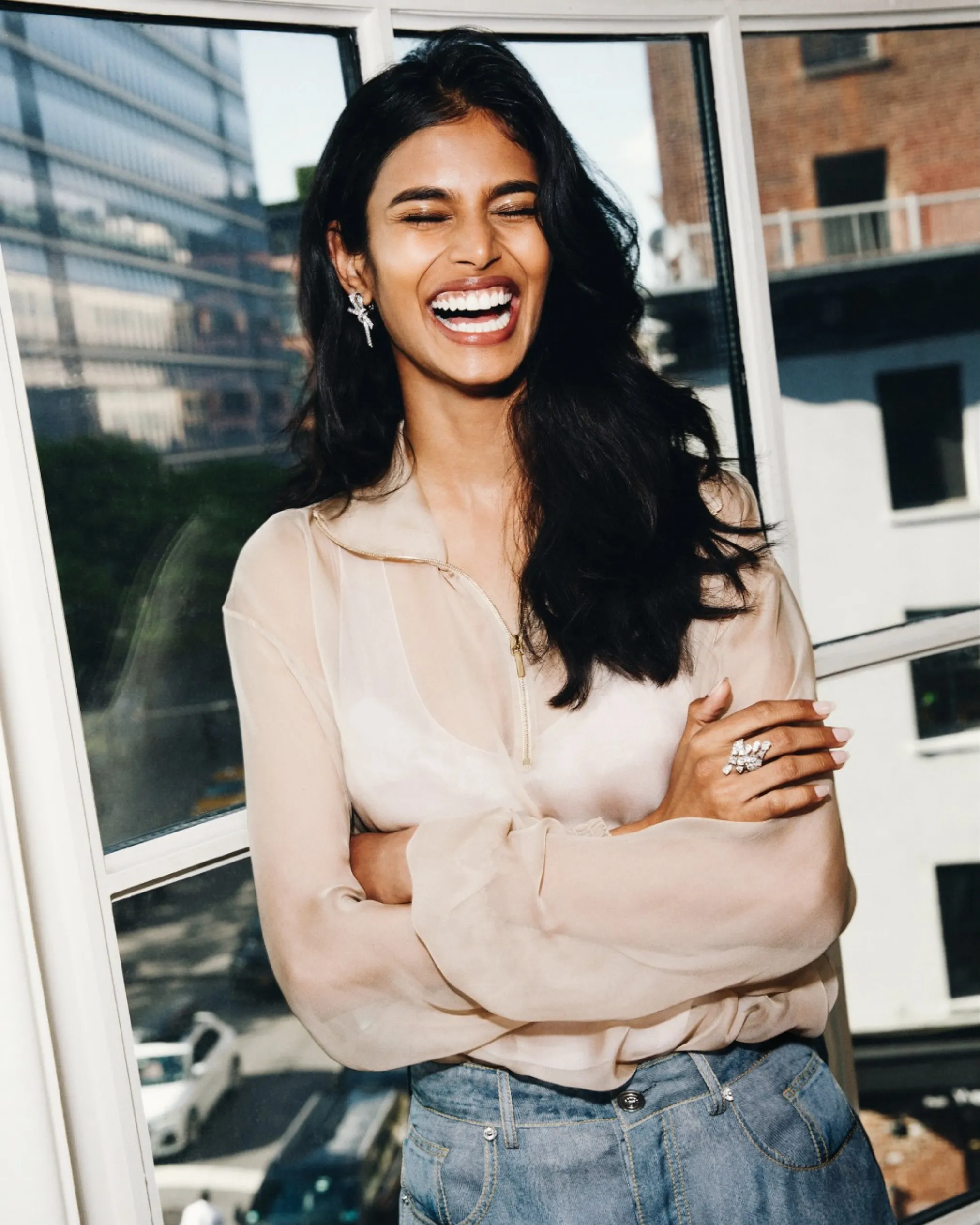
Opinions surrounding her Met Gala look may continue, but it can’t be denied that she was the most talked about attendee of the evening. As the modern Cinderella of this piece, Bhavitha Mandava’s anti-performative choice makes complete sense. Her life may have changed drastically, but she remains grounded in the person she was long before Chanel entered the picture.
Against every expectation placed on her ascent, this princess is set to continue moving through the world on her own terms.
Photos: BHAVITHA MANDAVA (via Instagram), MET MUSEUM (via Instagram), and CHANEL (via Instagram)
Frequently Asked Questions
Bhavitha Mandava wore a deceptive Chanel ensemble featuring trompe-l’œil silk muslin trousers crafted to resemble casual denim jeans, paired with a matching couture quarter-zip jacket.
French luxury fashion house Chanel designed the custom ensemble, which required over 250 hours of intensive atelier craftsmanship to execute its intricate optical-illusion textile effects.
The official theme for the 2026 Met Gala was “Fashion Is Art,” an exhibition concept that encouraged attendees to explore garments as forms of personal and cultural expression.
Public backlash stemmed from the outfit’s deceptively casual appearance, which failed to meet mainstream expectations for dramatic, maximalist red carpet gowns traditionally associated with the event.
The look directly referenced the casual attire Mandava wore when opening Chanel’s New York Métiers d’Art show, paying homage to the subway station where she was discovered.
Recommended Video
Latest Posts
Latest Issue