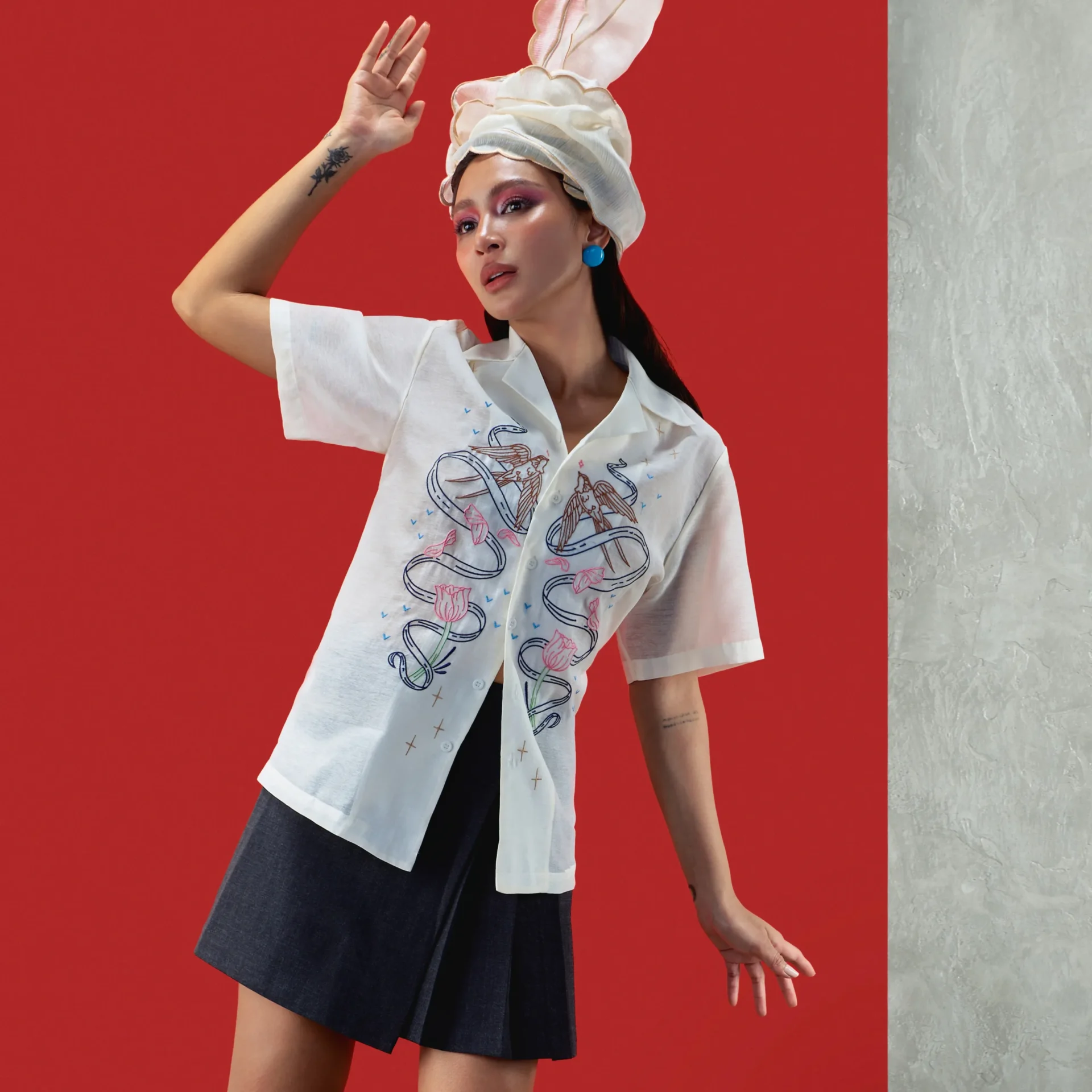




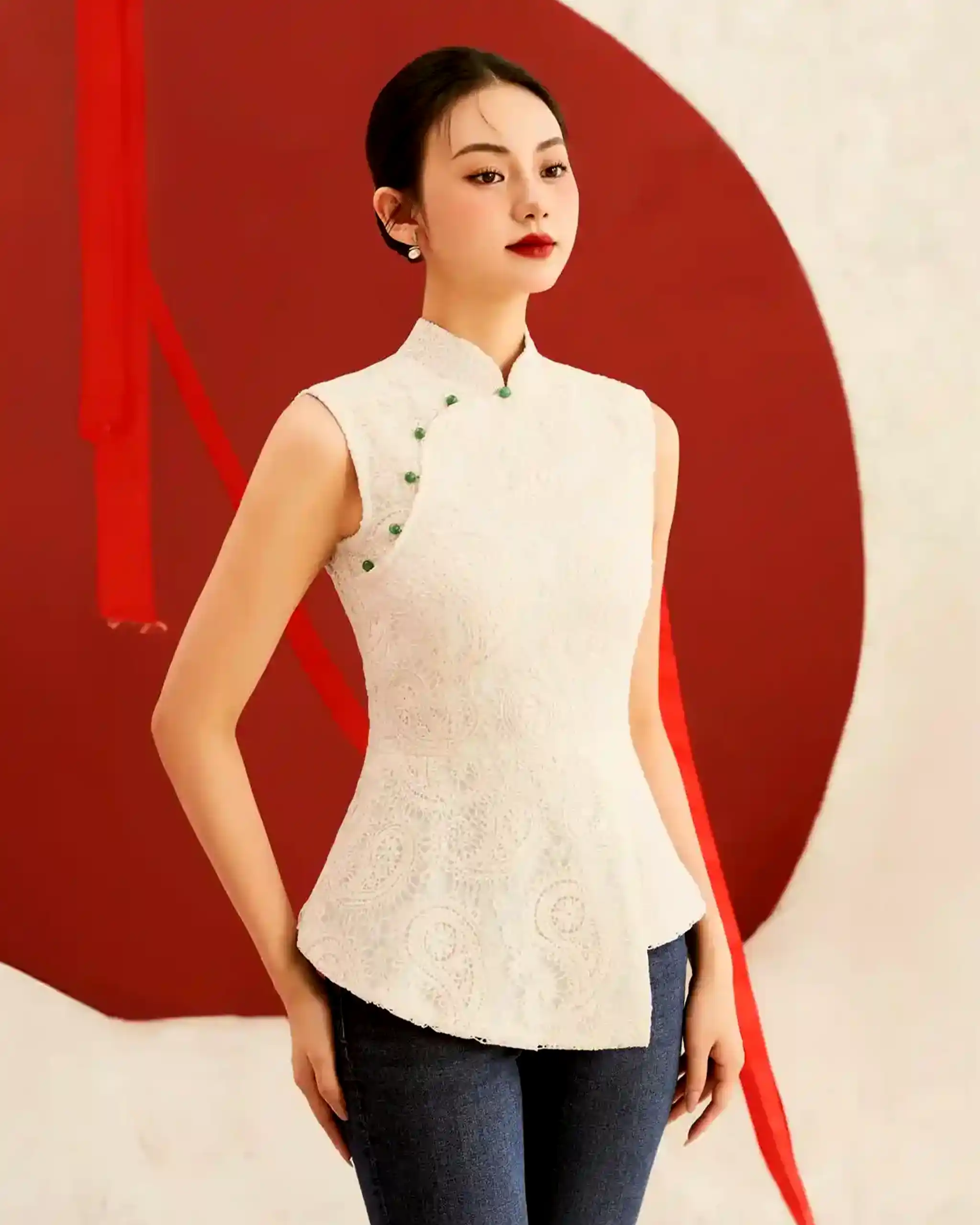
Asia’s heritage pieces don’t have to stay tucked away for ceremonies and celebrations. China’s cheongsams, Japan’s kimonos, and Vietnam’s áo dàis can be reimagined for everyday wear—styled thoughtfully and respectfully to highlight both culture and craftsmanship.
RELATED: These Southeast Asian Fashion Labels Deserve Your Attention
China’s Cheongsam
Also known as the qipao, the cheongsam is traditionally a form-fitting dress with a mandarin collar and an asymmetrical closure secured with intricate knot buttons. Modern designers have refreshed this classic with textured fabrics, softer cuts, and versatile silhouettes—honoring its elegance while adapting it for contemporary wardrobes.
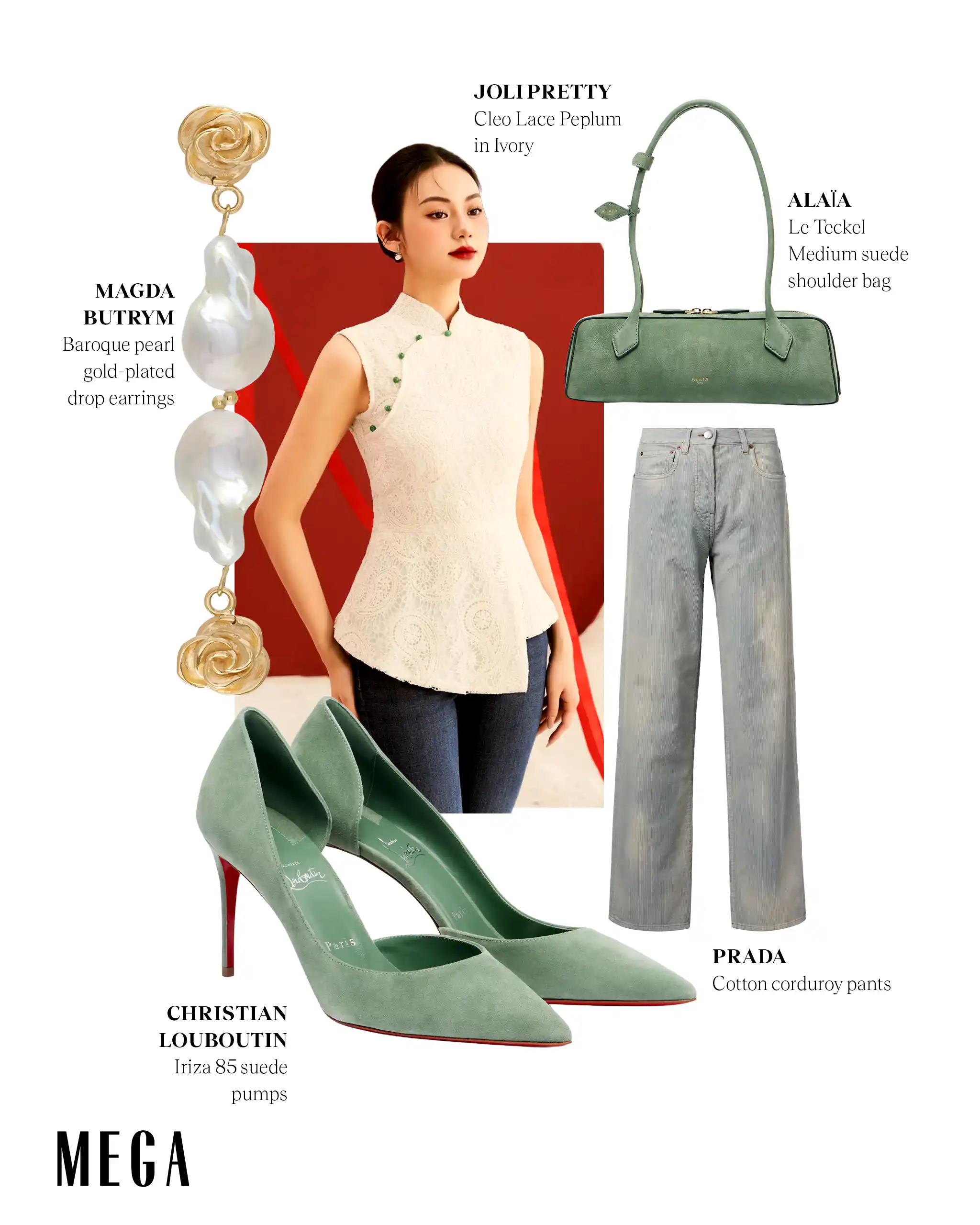
DO: Choose a well-fitted cheongsam—one that contours your shape while still allowing movement. Opt for breathable fabrics and keep your accessories delicate to maintain the dress’s refined impact. Add character with your bag and shoes.
DON’T: Wear a silk or satin cheongsam on a regular day. Reserve those for formal moments. Avoid excessive accessories that may distract from the garment’s inherent sophistication.
Japan’s Kimono
Japan’s national dress is a wrapped-front garment defined by its straight seams, square sleeves, and obi belt. Today, full kimonos are mostly worn for ceremonies like weddings and festivals, but the haori—the kimono-style coat—has naturally evolved into a modern streetwearStreetwearCasual fashion rooted in skate, hip-hop, and youth culture, defined by graphic tees, hoodies, sneakers, and limited-edition drops. Once an underground movement, streetwear now shapes luxury fashion through collaborations betweenGo to Streetwear Glossary staple, often styled with graphic prints and contemporary patterns. While the traditional kimono itself remains ceremonial, you can draw from its layered aesthetic in everyday dressing.
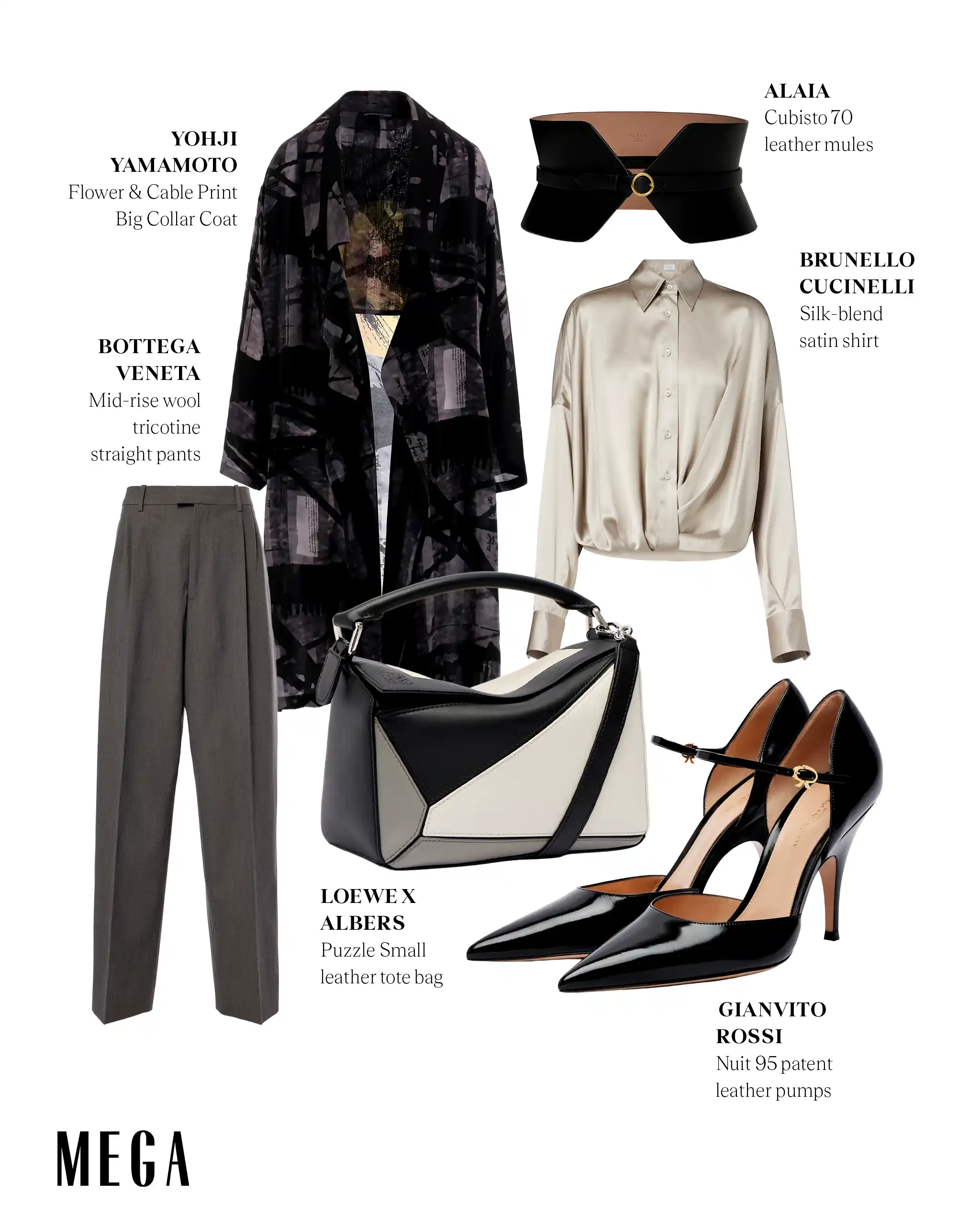
DO: Use light, breathable layers to echo the kimono’s structured elegance. A long coat, a wide belt, and a draped inner top can mimic the silhouette without attempting to recreate the garment itself. Add one statement accessory to finish the look.
DON’T: Pile on heavy or constricting layers. Kimonos are known for multiple components, but modern interpretations should prioritize comfort, ease, and movement.
Vietnam’s Áo Dài
Vietnam’s áo dài—both a national dress and a symbol of beauty—has transformed through generations, now appearing in variations like mandarin or boat necklines, cropped or ankle-skimming lengths, and sleeves ranging from billowing to sleeveless. Its defining feature is the waist-high side slit that creates graceful flow with each step.
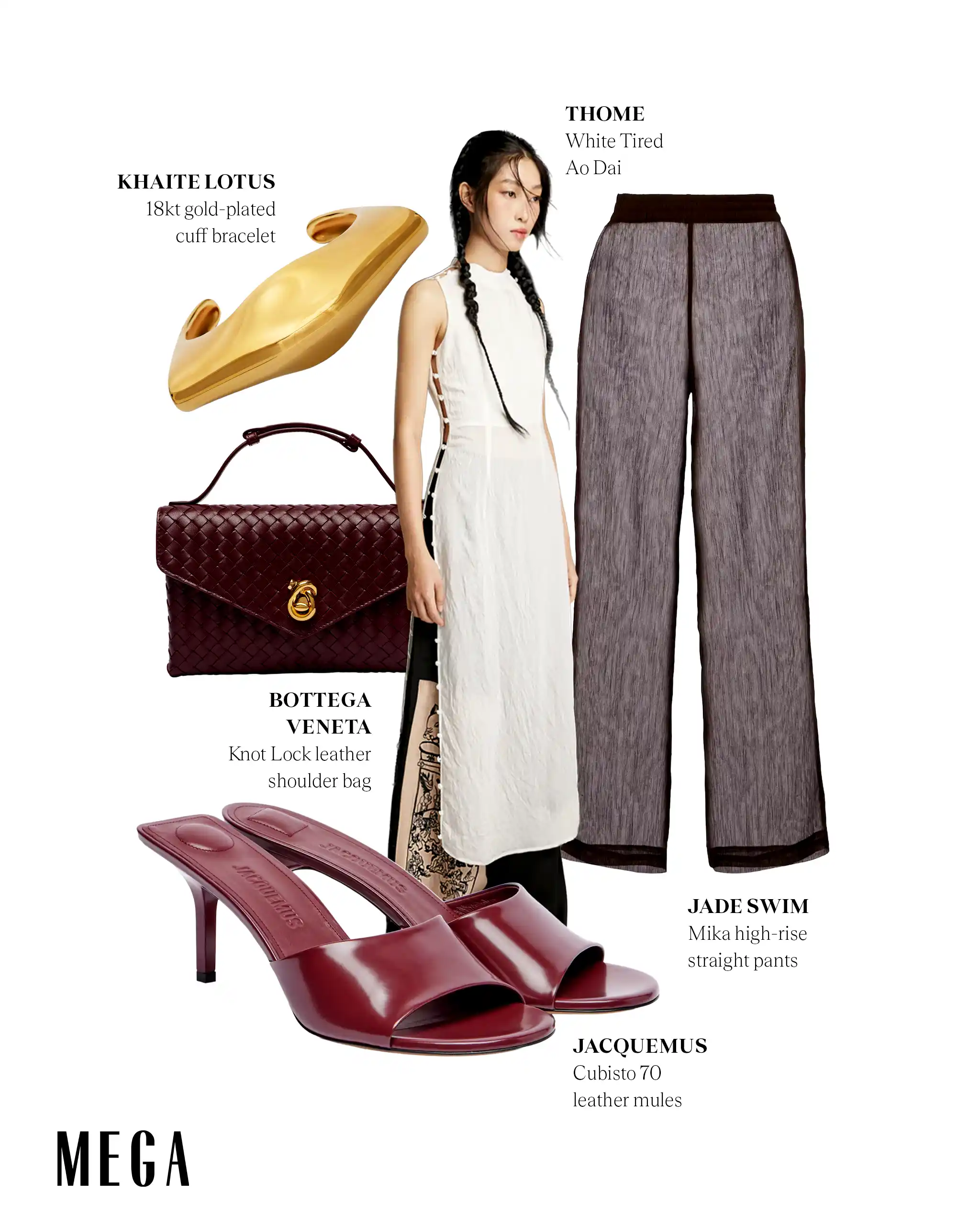
DO: Pair the áo dài with straight or tapered trousers to accentuate its clean, elongating shape. Keep bags and shoes simple, and accessorize with subtle jewelry to let the garment stand out.
DON’T: Style it with overly wide or voluminous pants. These disrupt the áo dài’s proportions and overpower its signature silhouette.
Above all, wear these traditional garments with respect and intention. Even in their modernized forms, they represent histories, identities, and cultural pride. They are not costumes—so take the time to learn about their origins and wear them with the appreciation they deserve.
Featured Image: JOLI PRETTY (via Website)

Recommended Video
Latest Posts



Latest Issue