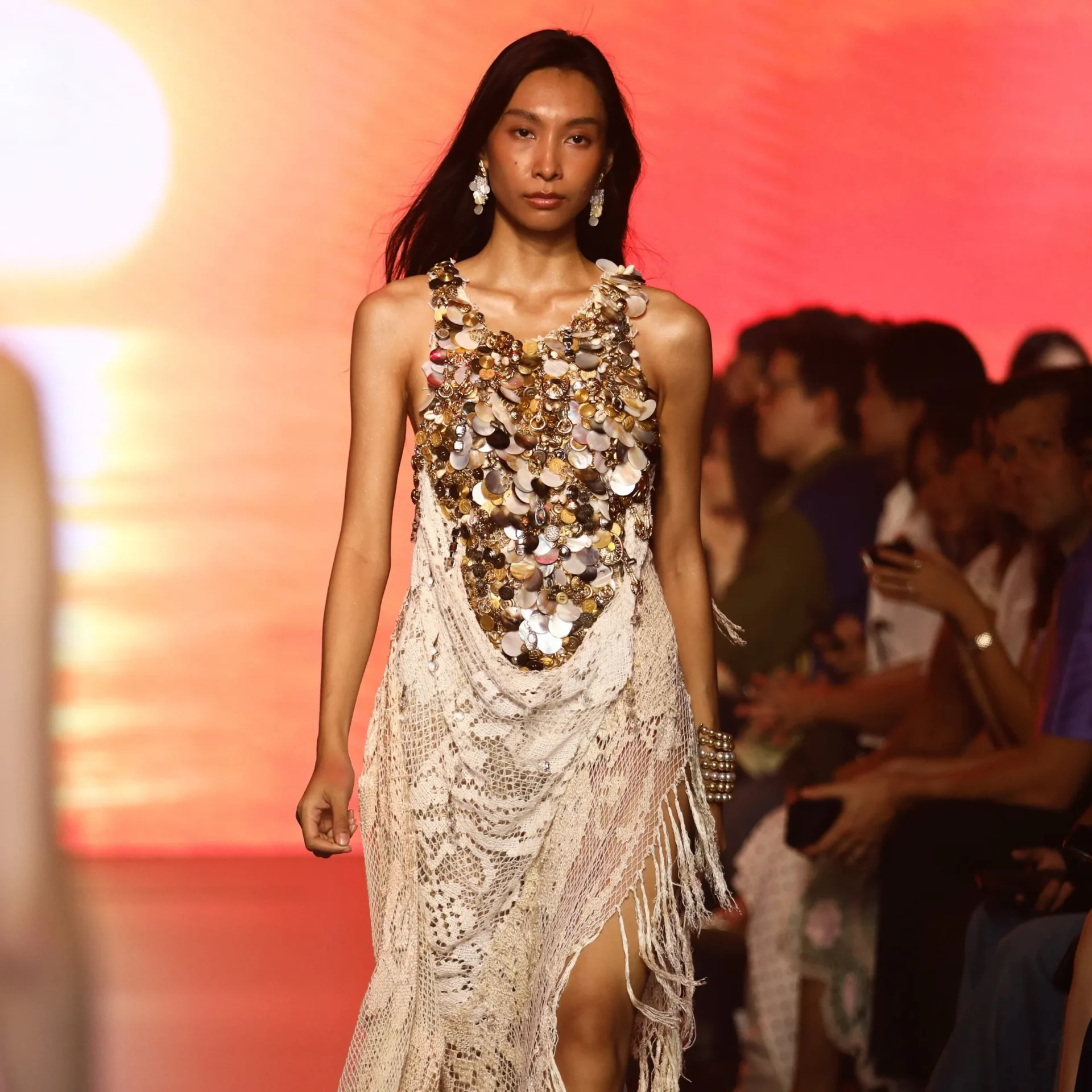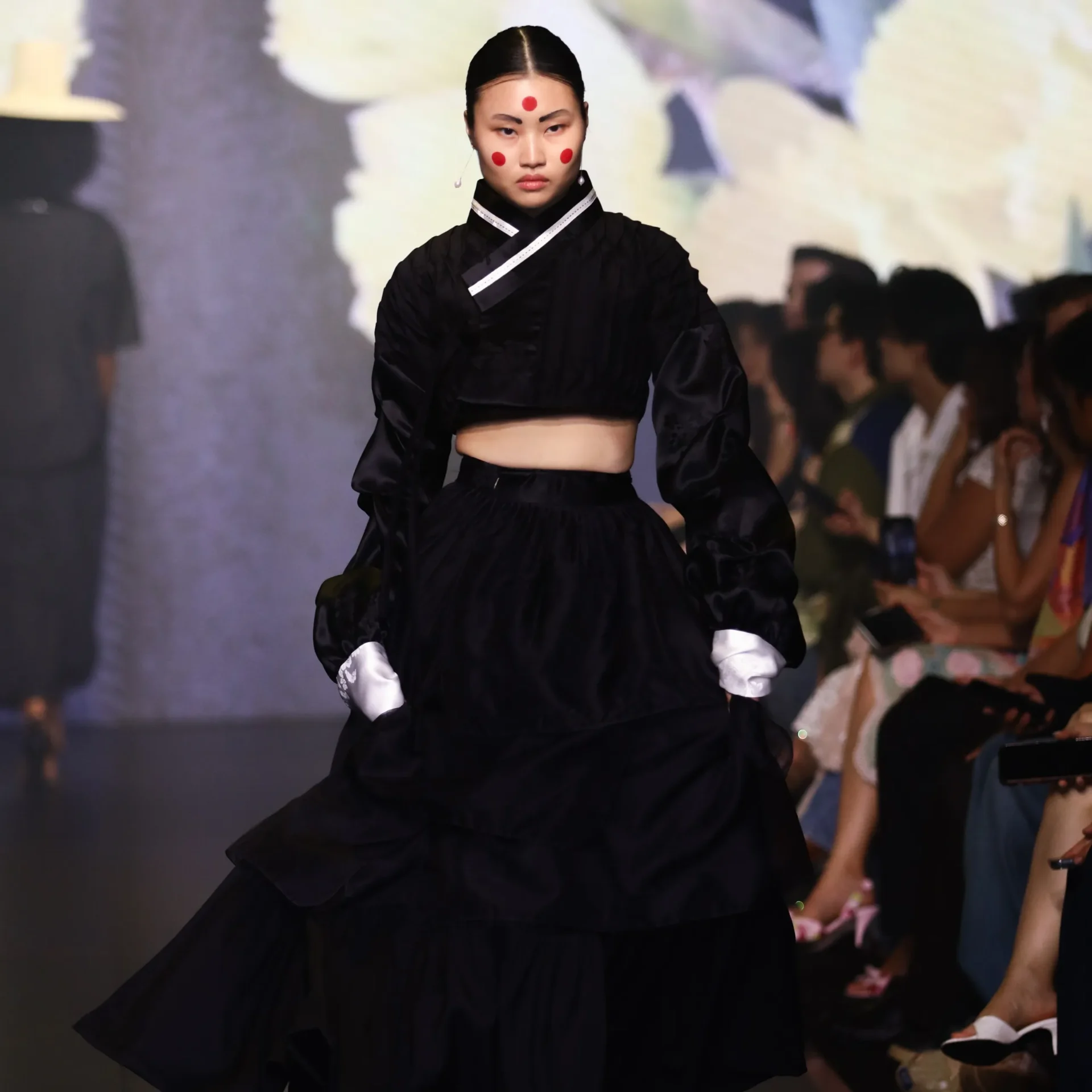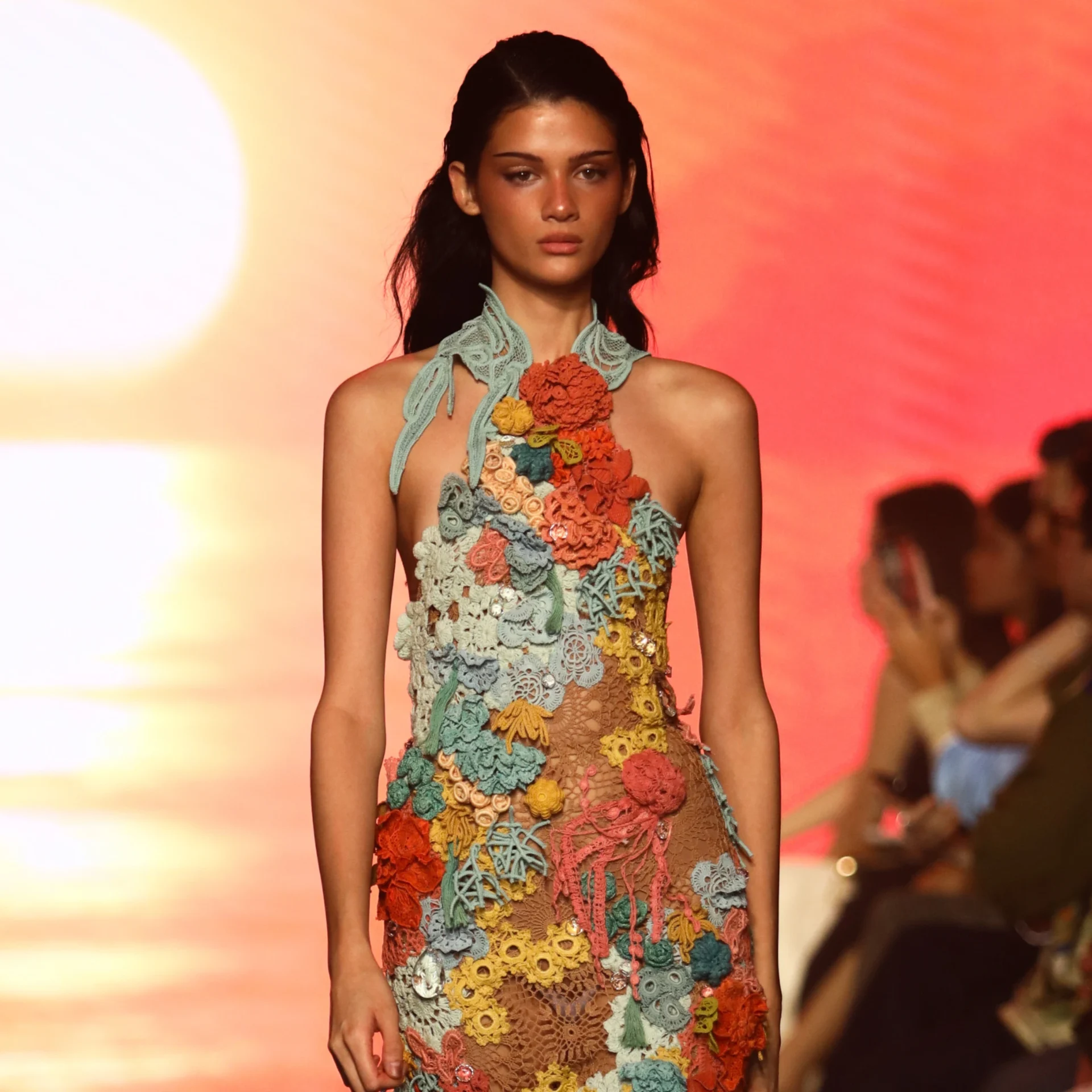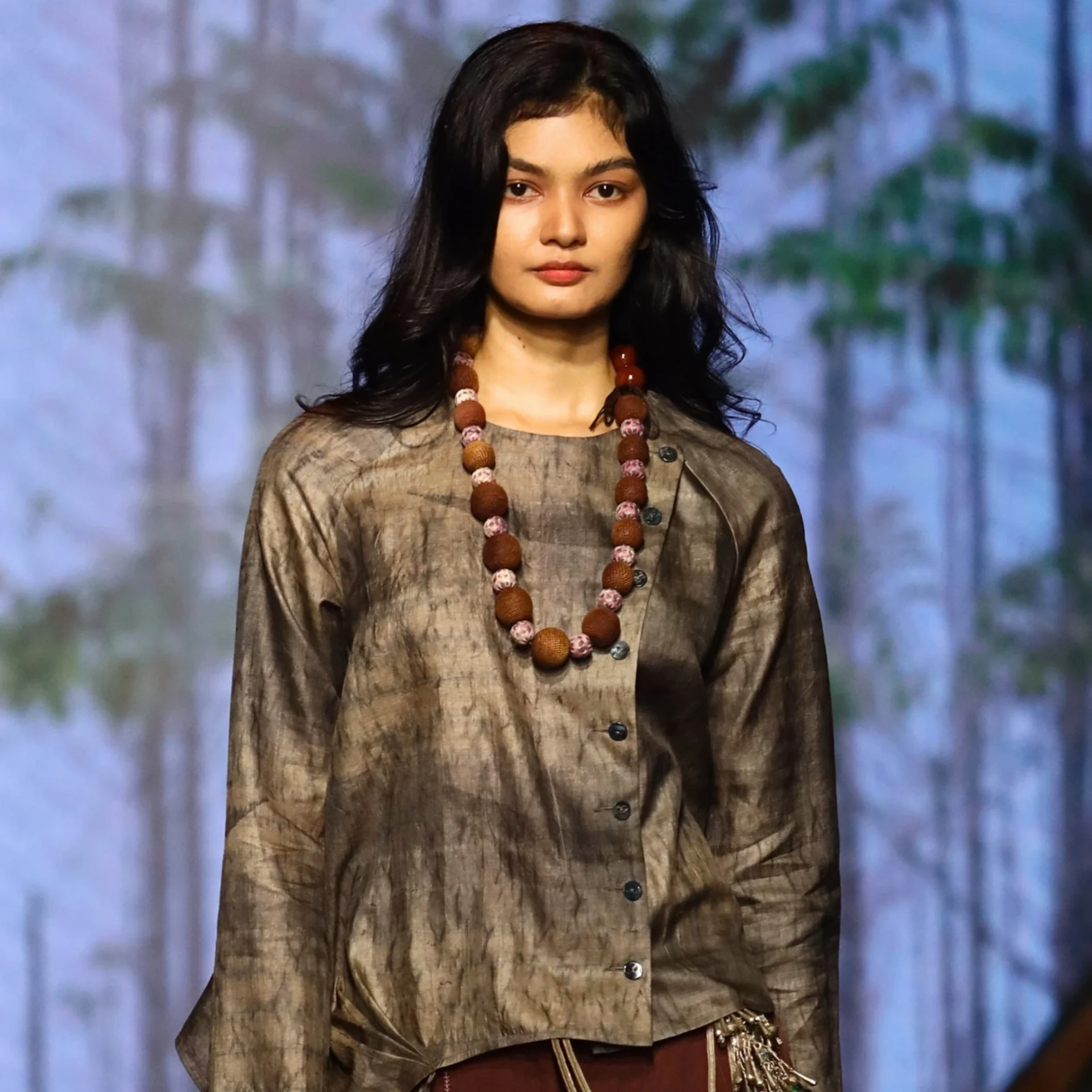




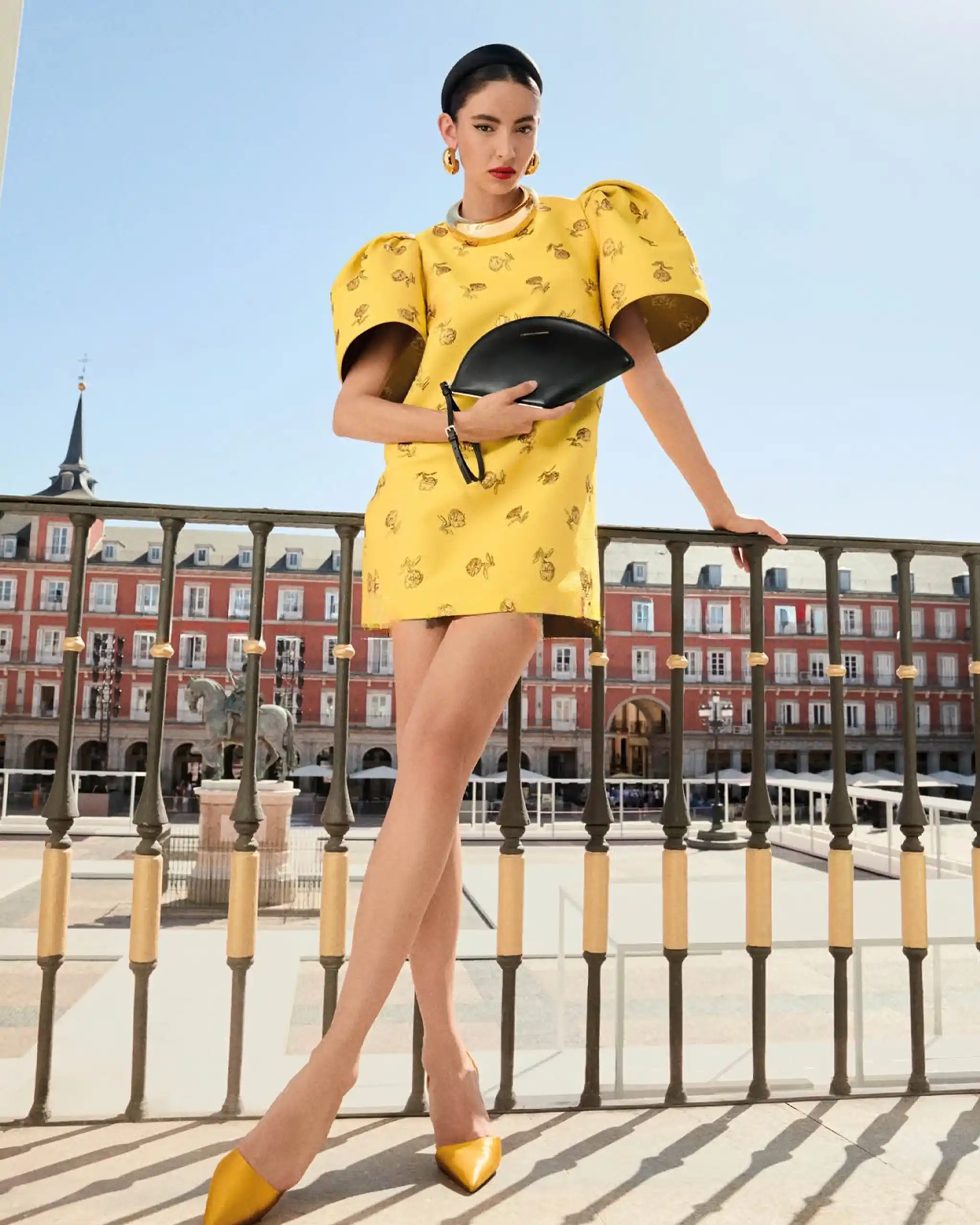
Christian Dior looked to the Belle Époque to shape his New Look—a return to cinched waists and sculpted volume after the austerity of war. Yves Saint Laurent borrowed from African craft and color, translating heritage into haute coutureHaute CoutureCustom-fitted, handmade high fashion created for individual clients in a Paris atelier. The term is legally protected and awarded by a French governing body, requiring strict standards of craftsmanship andGo to Haute Couture Glossary. John Galliano has referenced Japan at least once, and his archives across design houses contain a kimono here and an obi there. The Philippine terno, in turn, was itself a product of exchange—born from Spanish silhouettes, softened by tropical practicality, and polished to perfection by contemporary postwar designers. As cumbersome layers and voluminous skirts gave way to the tailored butterfly sleeve, its cut, color, and texture have always carried traces of Europe’s prevailing tastes.
RELATED: The Statements of Spring: NYFW S/S26’s Defining Voices
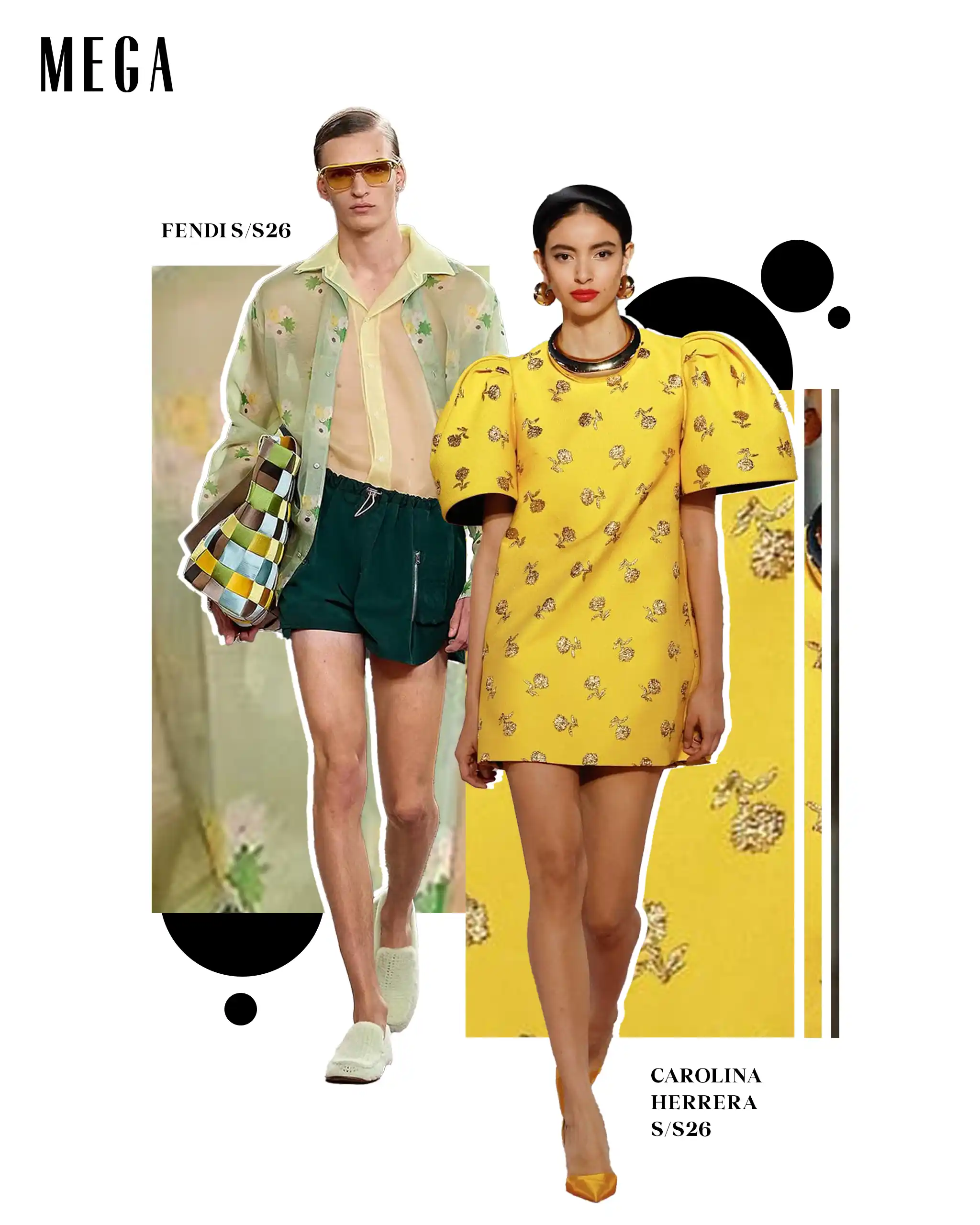
And yet, at the Spring/Summer 2026 shows, the borrowing seemed to move in reverse. There was an uncanny familiarity in certain presentations that made you think: Wes Gordon’s yellow mini-dress for Carolina Herrera was a few folds away from ternoTernoA Filipiniana gown recognized by its raised butterfly sleeves and matching skirt, and a symbol of Philippine national dress. Popular since the 20th century, the terno has been reimagined byGo to Terno Glossary territory. Dior’s cannage, seen in a purse from Jonathan Anderson’s debut collection, echoed the solihiya that’s never left the Manila FAME trade floor or the monthly Katutubo pop-up. Fittingly, the maison’s ateliers have long been furnished with wicker chairs and rattan accents—a through line between Paris and the tropics.
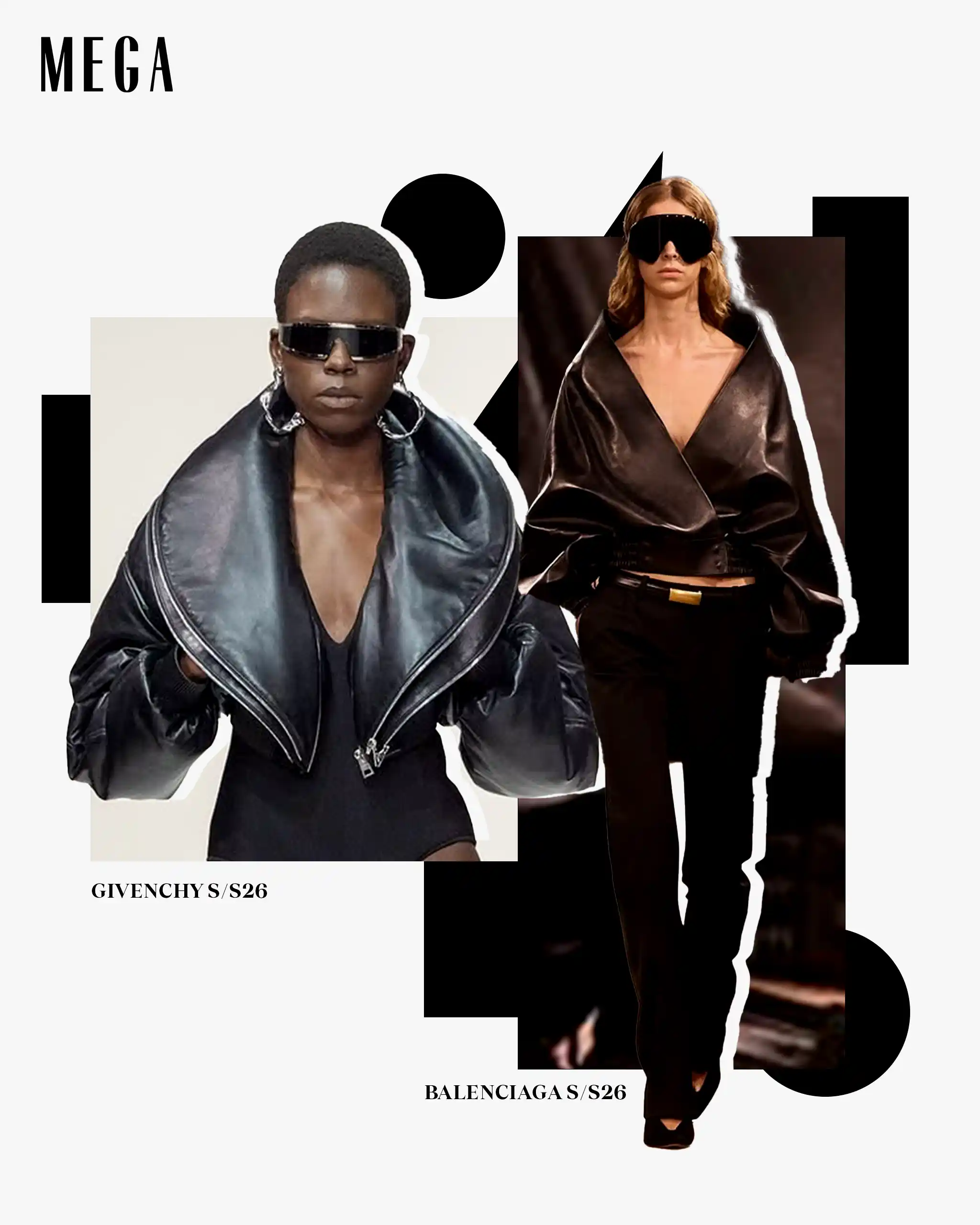
There was also a Maria Clara redux in at least two Paris shows: Sarah Burton at Givenchy and Pierpaolo Piccioli at Balenciaga both sent down motorcycle jackets with necklines fit for a reimagined Noli Me Tangere heroine. Bottega Veneta’s intrecciato has always evoked banig geometry—perhaps why we’ve always felt an affinity for the Italian label’s craft—and Louise Trotter scattered the weave generously across her debut looks. Fendi’s sheer shirting, meanwhile, breathed like a barong Tagalog.
It’s tempting to call these moments Pinoy-inspired, but that’s too easy—and too sentimental. None of the aforementioned designers referenced our national dress or motifs in show notes or interviews. Yet what we’re seeing isn’t imitation or homage; it’s what we might call the global design subconscious—the residue of centuries of shared influence, trade, and colonial entanglement.
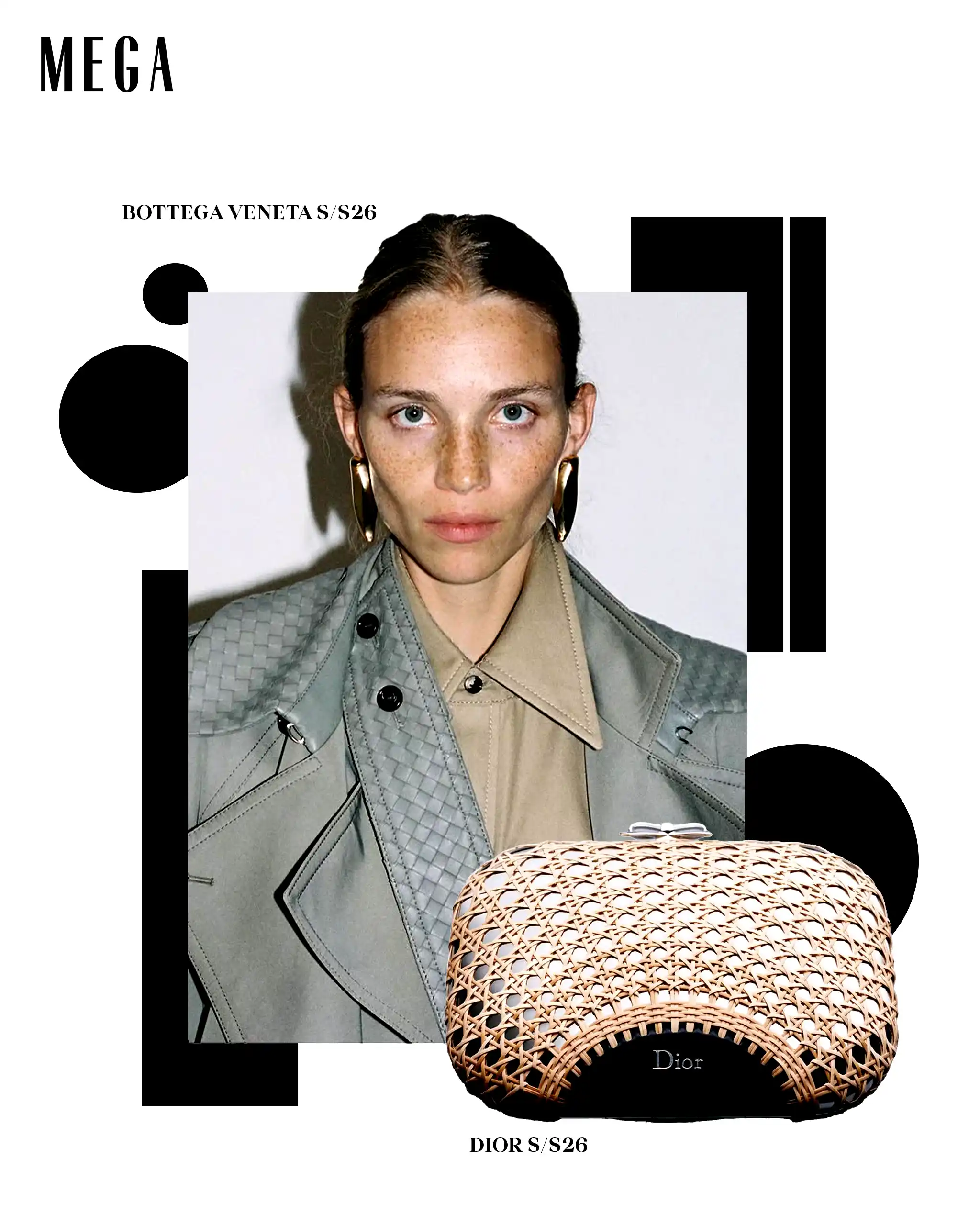
When American or European luxury mirrors the Filipino, it isn’t because we suddenly matter—it’s because we always did. The galleons that once carried silk, piña, and rattan also carried ideas of beauty, proportion, and craft. The same hands that wove solihiya and banig belong to the same part of the world that fed the West’s fascination with the “exotic.”
So this isn’t exactly an “Uy, Pilipins!” moment—and it’s not cultural appropriation either. Fashion doesn’t exist in a vacuum. What feels familiar now is simply history returning the gaze. The weave has always been wider than we think, and the pattern, perhaps, was never purely theirs nor ours to begin with.
Photos: CAROLINA HERRERA, FENDI, DIOR, GIVENCHY, BALENCIAGA, and BOTTEGA VENETA

Recommended Video
Latest Posts
Latest Issue